10 Best Things to Do in Micronesia

The 10 best things to do in Micronesia include diving among the famous wrecks of Chuuk Lagoon, exploring the mysterious...

add

The 10 best things to do in Micronesia include diving among the famous wrecks of Chuuk Lagoon, exploring the mysterious ruins of Nan Madol, hiking to waterfalls in Pohnpei, and relaxing on the white sands of Kosrae. The traditional stone paths of Lelu Ruins, other top Micronesia places to visit include the capital Palikir, the clear waters surrounding Yap, and the remote beauty of Ulithi Atoll. Micronesia stands as a vast Pacific nation with a rich ancient history, scattered island communities, and diverse landscapes that stretch across coral reefs, volcanic peaks, and dense forests.


Travelers searching for things to do in Micronesia discover a country shaped by seafaring traditions, World War II history, and strong island culture. Visitors looking for the best places to visit in Micronesia explore sacred archaeological sites, vibrant local markets, and untouched lagoons. Travelers seeking Micronesia places to visit find remote islands, living traditions, and marine life that draw divers and explorers from across the globe.

  • Explore Nan Madol
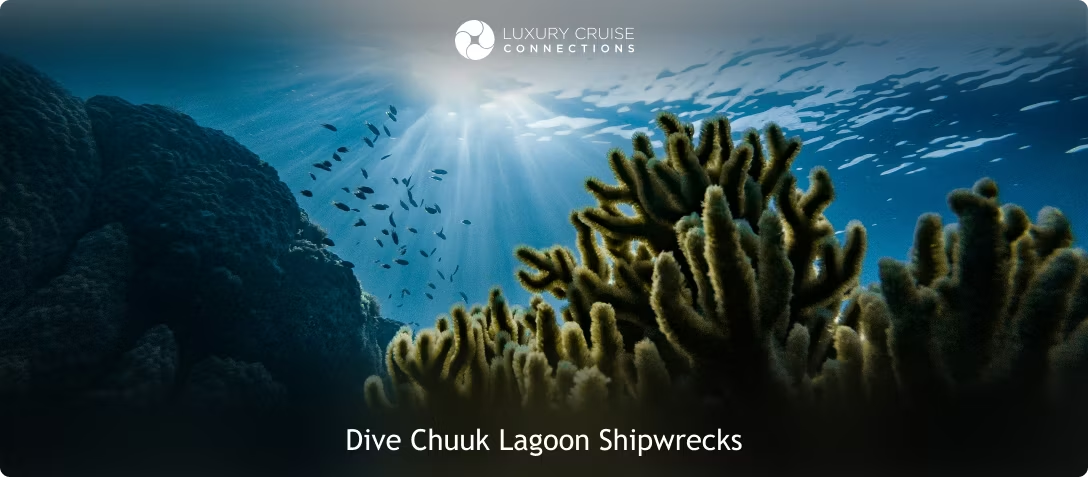
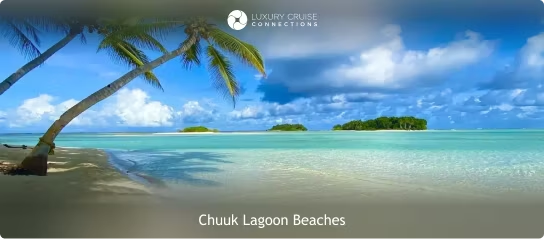
  • Dive Chuuk Lagoon Shipwrecks
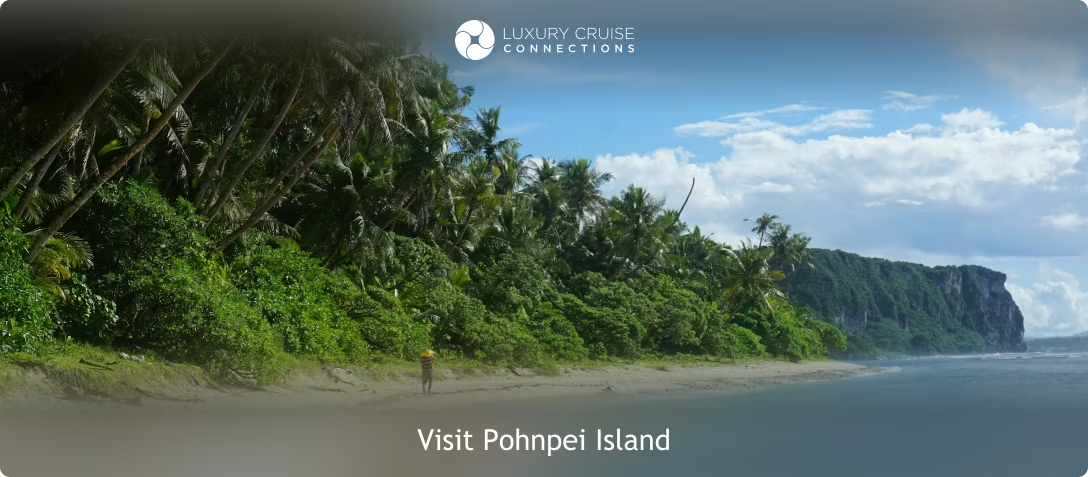
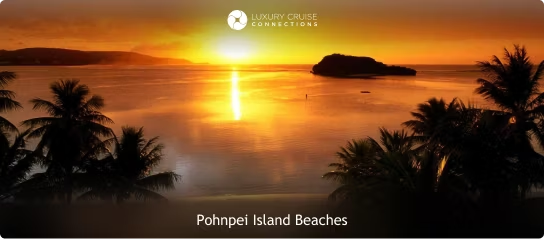
  • Visit Pohnpei Island
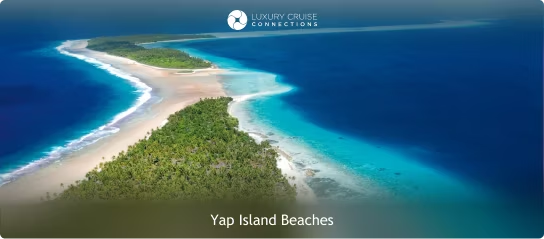
  • Snorkel in Yap
  • See Stone Money in Yap
  • Hike Sokehs Rock
  • Relax on Kosrae Beaches
  • Tour Kepirohi Waterfall
  • Kayak in Ant Atoll
  • Experience Traditional Sakau Ceremony
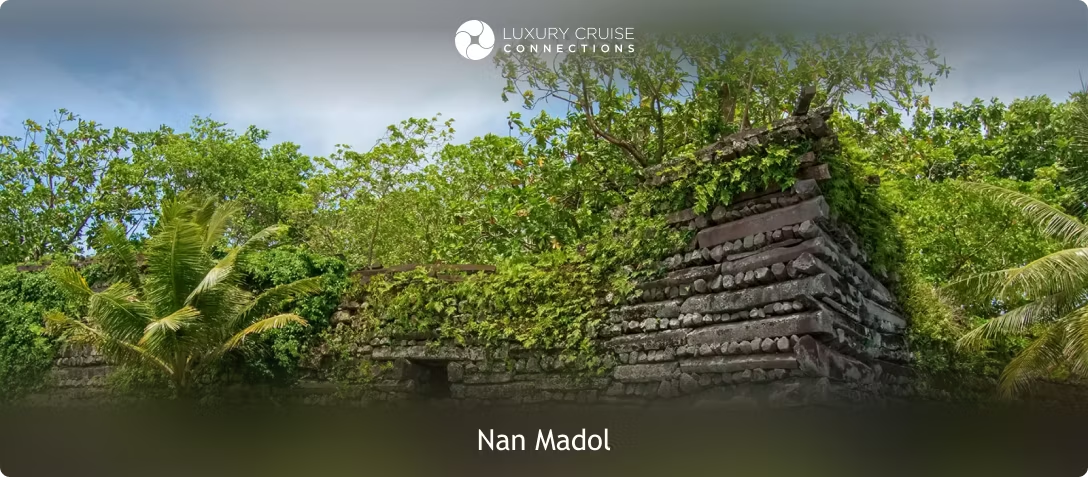
  • Explore Nan Madol and its ancient stone city

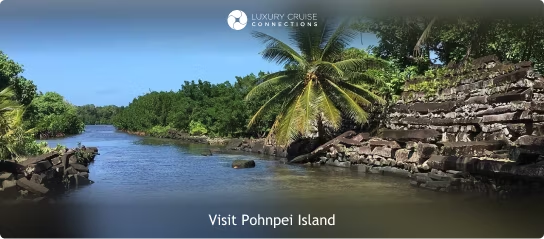
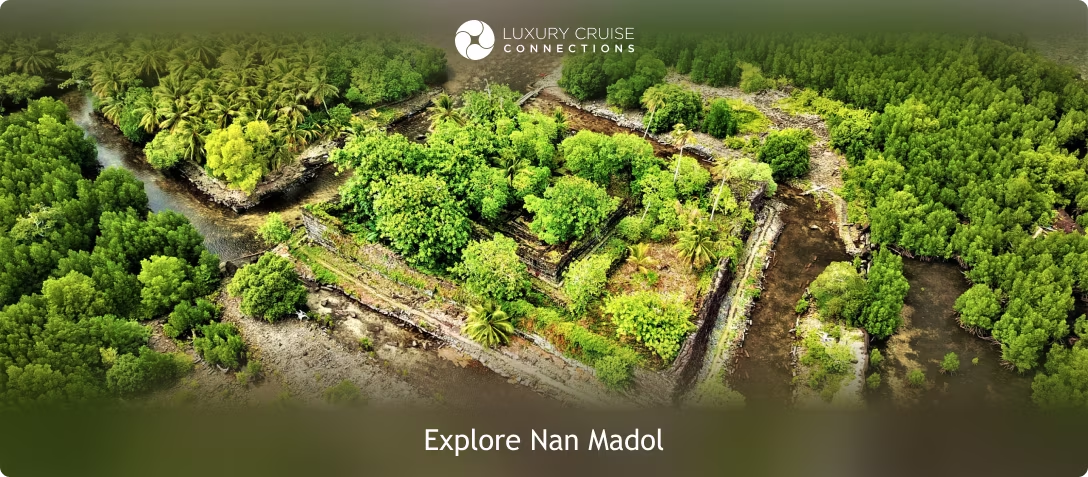
    Nan Madol stands as an ancient ceremonial city built on artificial islets off the coast of Pohnpei. Massive basalt columns form walls, tombs, and sacred spaces across a network of canals. The site reflects the power of the Saudeleur dynasty and ranks among the most important Micronesia places to visit.
    Explore Nan Madol and its ancient stone city

    Royal tombs rise within enclosed compounds near the sea. Stone walls tower above narrow waterways between islets. Archaeological zones reveal platforms, meeting areas, and burial sites. Ocean views frame the ruins from every angle.

    Travelers walk across tidal flats and enter roofless stone chambers. Visitors move by small boat through canals at high tide. History fans examine the scale of basalt blocks and imagine life inside the complex.

    Plan a visit during the dry season from December to April.

    Local guides in Pohnpei explain the legends and layout of the site.

    Expect site fees around [$3 to $10], plus a boat fee if arriving by water.

  • Dive Chuuk Lagoon Shipwrecks

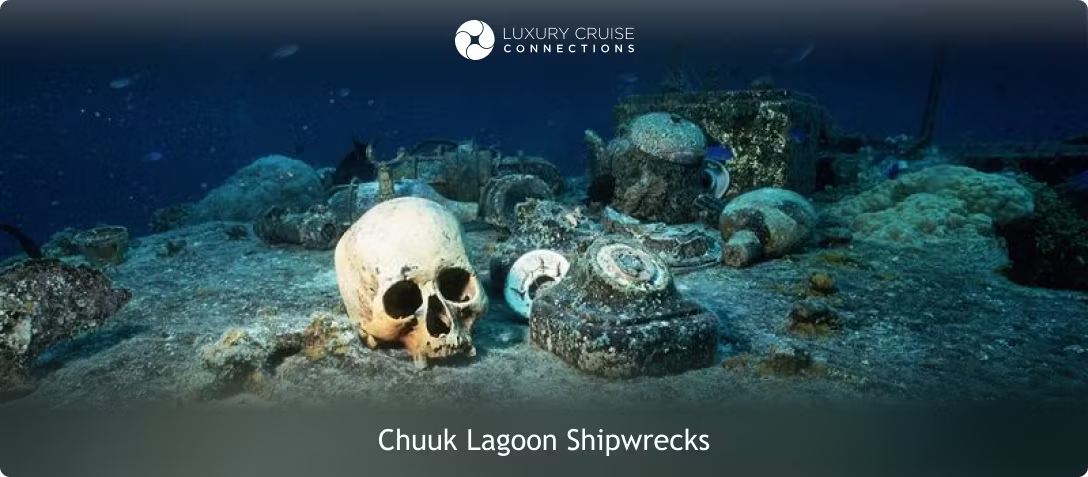
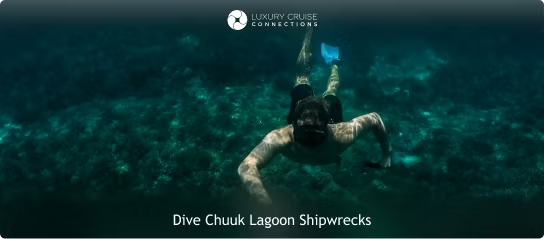
    Chuuk Lagoon holds one of the largest underwater World War II wreck sites on earth. Japanese ships, aircraft, and submarines rest beneath clear water inside the reef. Divers rank the lagoon among the top things to do in Micronesia.
    Dive Chuuk Lagoon Shipwrecks

    Fujikawa Maru features cargo holds and aircraft parts. Shinkoku Maru displays engine rooms and coral-covered decks. Intact structures sit within recreational depth ranges.

    Divers descend along mooring lines and enter cargo holds filled with relics. Marine life surrounds steel hulls and gun turrets. Photographers capture coral growth against wartime machinery.

    Dive between December and April for calmer seas.

    Certified dive operators in Chuuk lead all wreck dives.

    Multi-dive packages range from [$100 to $200] per day, depending on gear and boat size.

  • Visit Pohnpei and explore waterfalls and culture

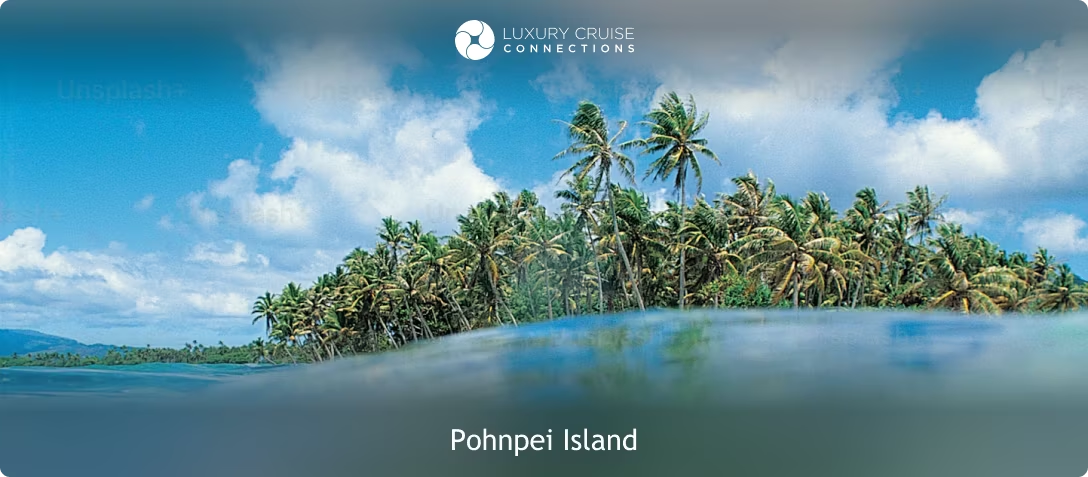
    Pohnpei rises with jungle-covered peaks and strong local traditions. The island blends Spanish ruins, Protestant churches, and village life within lush terrain. Travelers place it high on any list of places to visit in Micronesia.
    Visit Pohnpei and explore waterfalls and culture

    Kolonia town centers on daily life with markets and small shops. Spanish Wall ruins trace colonial history near the harbor. Jungle trails lead toward hidden waterfalls.

    Visitors drive coastal roads and stop at village bakeries. Hikers move through rainforest paths and swim in freshwater pools. Cultural events reveal dance, music, and food traditions.

    Travel during the drier months from January to April.

    Local drivers double as informal guides for inland trips.

    Waterfall access fees range from [$5 to $10] per person.

  • Snorkel in Yap

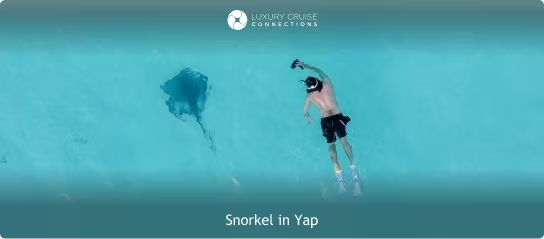
    Yap draws marine lovers with reef systems and manta ray cleaning stations. Traditional villages maintain strong customs across the island. Clear lagoons create prime snorkeling grounds.
    Snorkel in Yap

    Manta rays glide through channels near reef passes. Coral gardens spread across shallow lagoons. Village paths connect stone houses and meeting halls.

    Snorkelers float above reef fish and watch rays circle below. Visitors step into villages and observe daily life built on custom law. Calm water allows long sessions above coral beds.

    Visit from December to April for better visibility.

    Local marine guides lead manta snorkeling trips.

    Snorkeling tours range from [$40 to $80] depending on duration.

  • See Stone Money in Yap

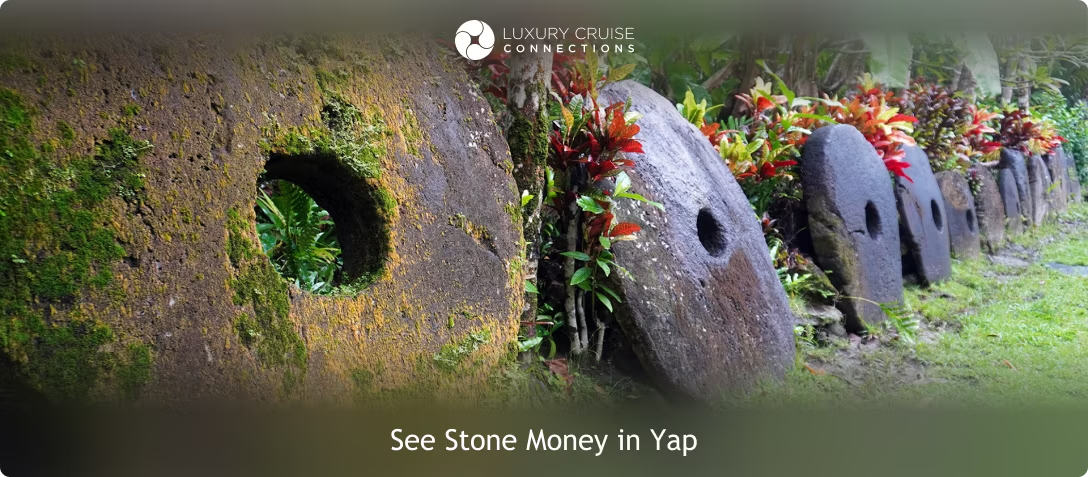
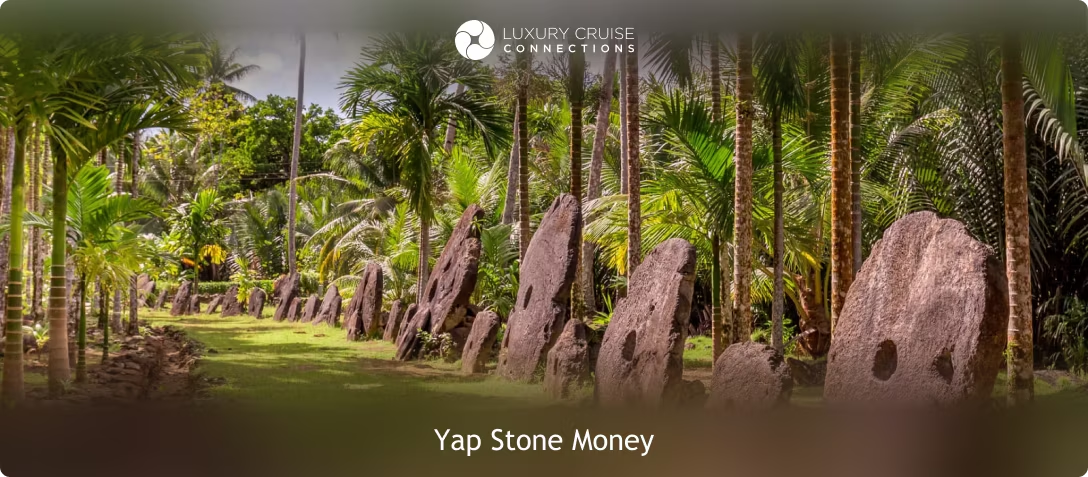
    Yap preserves large circular limestone disks known as Rai stones. Villages display them along paths and near meeting houses. The stones reflect wealth and social status within Yapese culture
    See Stone Money in Yap

    Stone money banks line village roads. Disks measure several feet in diameter with a central hole. Traditional houses stand beside the displays.

    Visitors walk through villages and hear stories about how islanders transported stones from Palau. Cultural leaders explain ownership customs and ceremonial exchanges.

    Travel during cultural festivals for added context.

    Village guides arrange respectful access to communities.

    Village entry donations range from [$5 to $10].

  • Hike Sokehs Rock

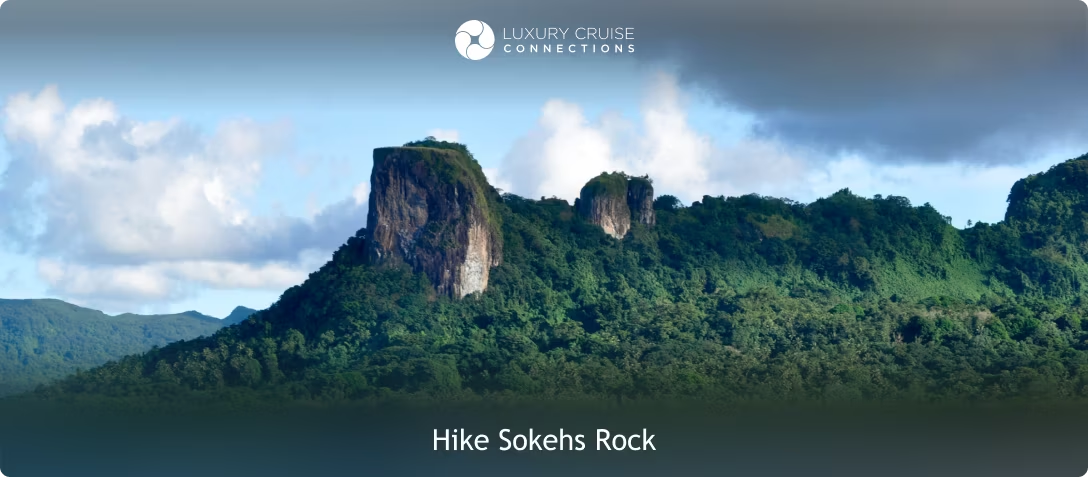
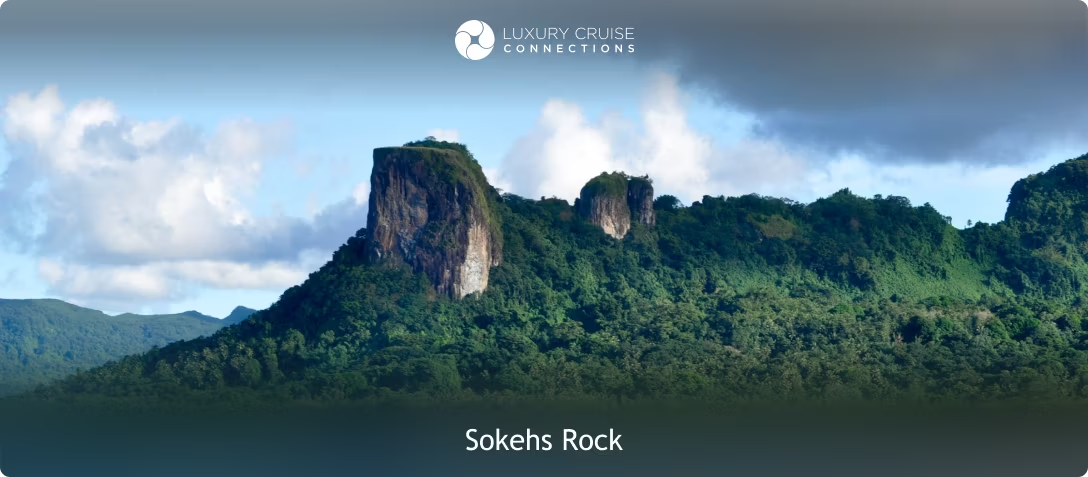
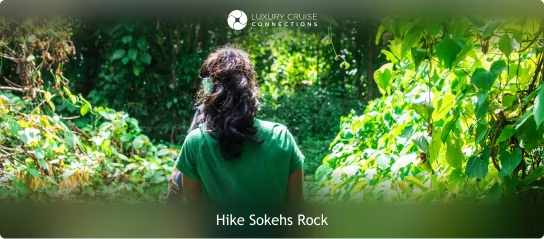
    Sokehs Rock rises above Kolonia as a basalt cliff with sweeping island views. The trail climbs through the forest before reaching open rock. The peak ranks among the top physical things to do in Micronesia.
    Hike Sokehs Rock

    Cliff edges reveal panoramic views of the reef and the lagoon. Japanese gun emplacements remain near the summit. Sunrise light hits the coastline from the east.

    Hikers tackle steep sections with ropes near the top. Photographers capture wide views across Pohnpei. Wind cools the summit after the climb.

    Start early in the morning to avoid the heat.

    Local hikers guide small groups up the trail.

    Access remains free, though guides charge around [$20 to $40].

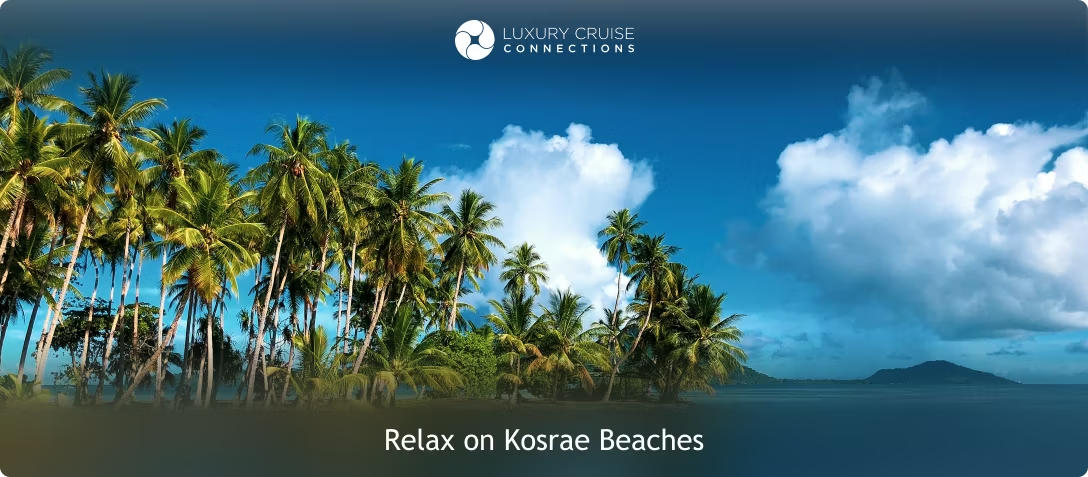
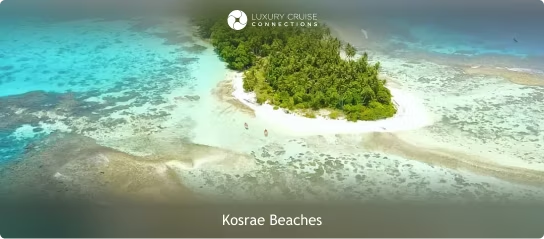
  • Relax on Kosrae Beaches

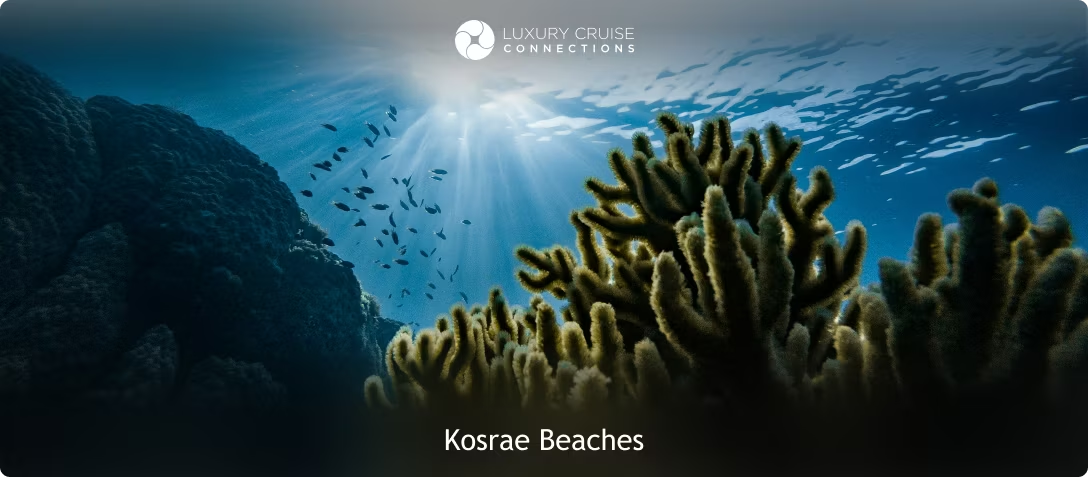
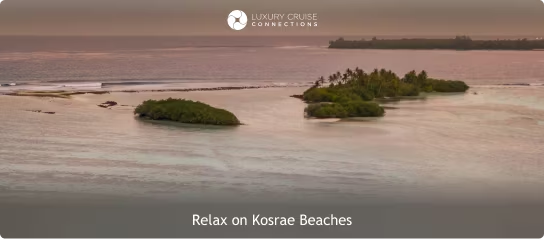
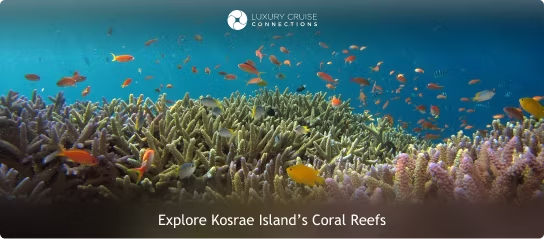
    Kosrae features quiet shores, mangroves, and forested hills. The island supports small communities and limited development. White sand and shallow reefs frame the coastline.
    Relax on Kosrae Beaches

    Lelu harbor offers calm water for swimming. Coral reefs sit close to shore. Sunset views stretch across the open Pacific.

    Travelers rest under palm trees and swim in warm water. Kayakers move along mangrove channels. Small guesthouses host simple seaside stays.

    Visit between January and April for calmer conditions.

    Local operators arrange reef and mangrove tours.

    Public beaches remain free, while guided outings cost [$30 to $70].

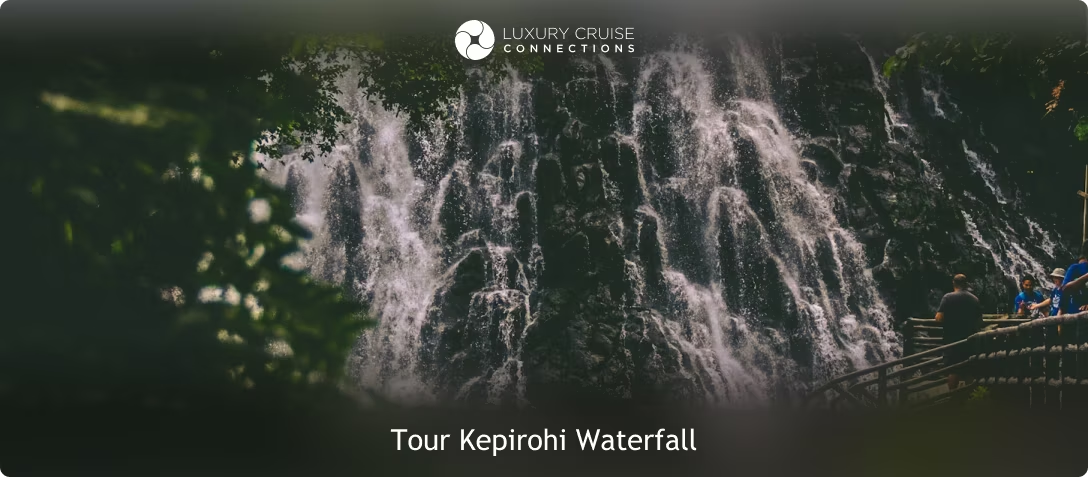
  • Tour Kepirohi Waterfall

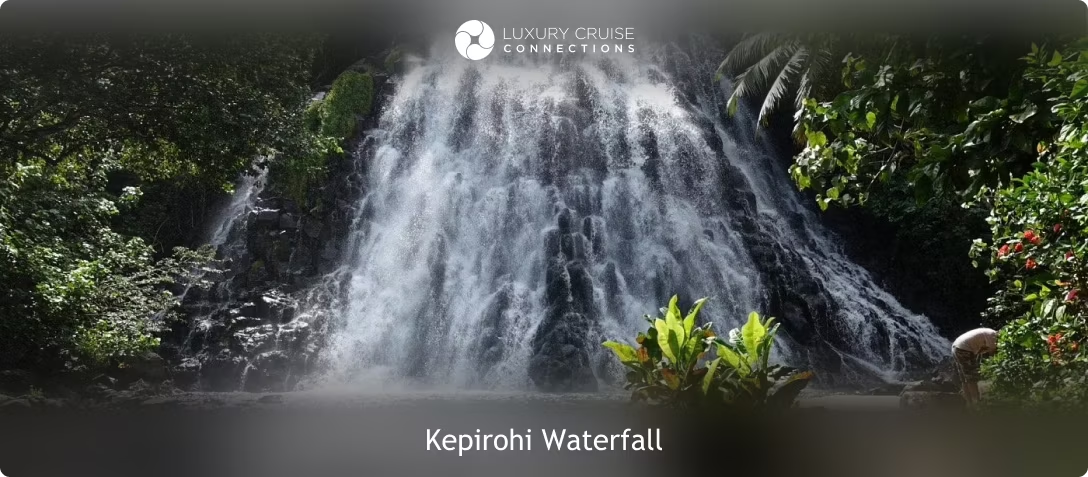
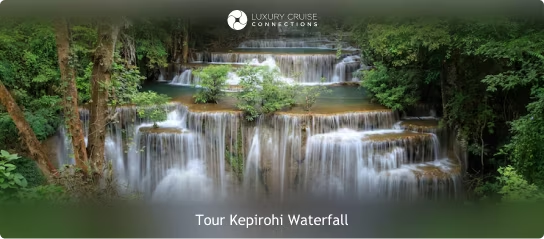
    Kepirohi Waterfall drops into a freshwater pool surrounded by rainforest. The site sits a short drive from Kolonia. Lush vegetation frames the cascade.
    Tour Kepirohi Waterfall

    A single curtain of water falls over dark rock. A natural pool invites swimming below the falls. Jungle plants line the access path.

    Visitors wade into cool water after a short walk. Photographers capture the falls from rocks near the base. Families picnic beside the pool.

    Visit during drier months for easier road access.

    Local drivers guide visitors to the entrance.

    Entrance fees range from [$5 to $10].

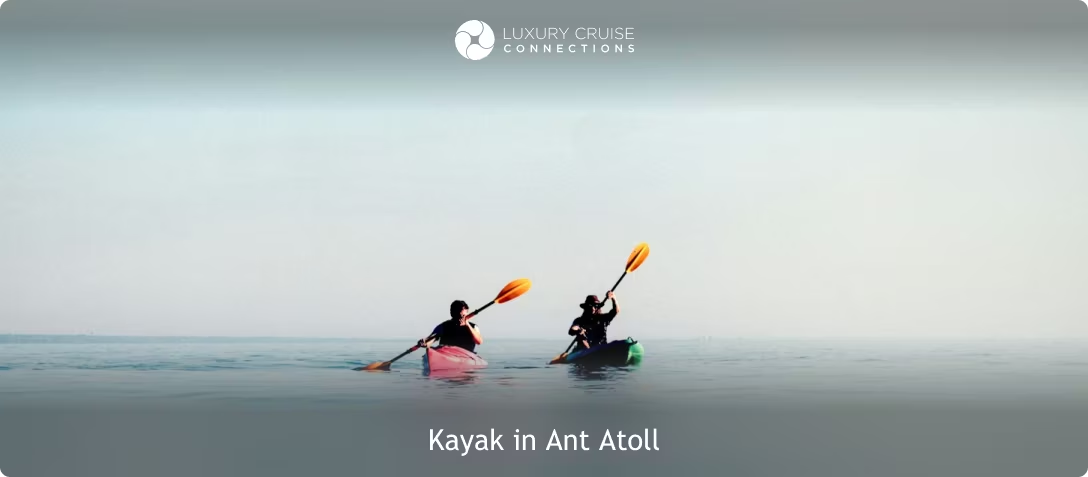
  • Kayak in Ant Atoll

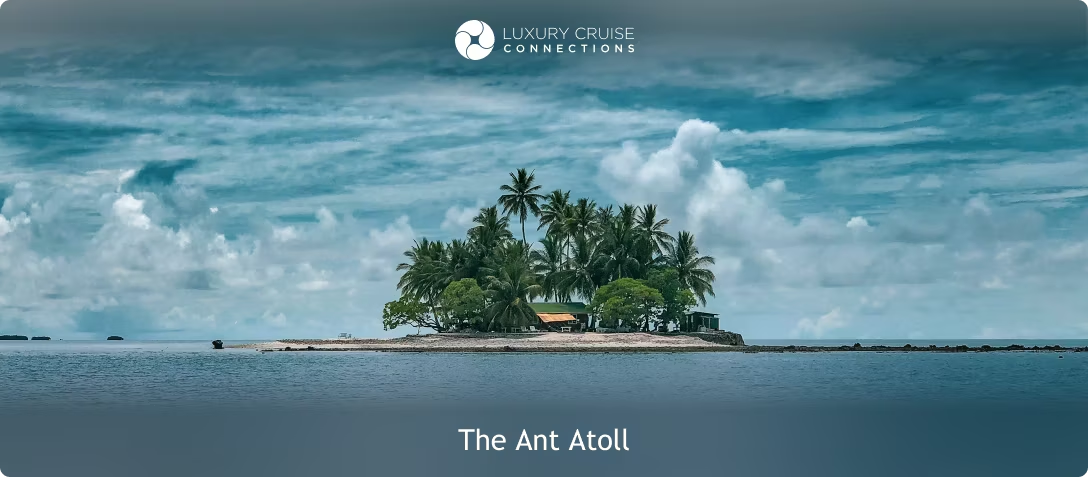
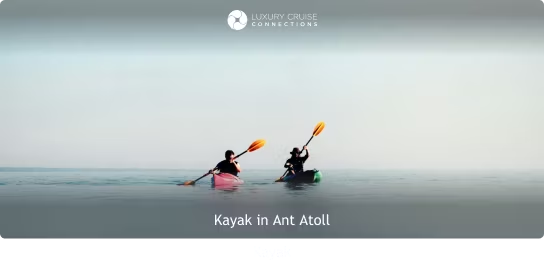
    Ant Atoll forms a ring of small islets around a turquoise lagoon southwest of Pohnpei. The atoll supports seabirds, coral reefs, and clear channels. Conservation rules protect the marine zone.
    Kayak in Ant Atoll

    Sandbars appear at low tide between islets. Reef drop-offs circle the lagoon edge. Uninhabited islands offer quiet picnic spots.

    Kayakers paddle across calm water and land on empty beaches. Snorkelers explore reef walls just offshore. Campers spend nights under the open sky with permit access.

    Plan trips during calm weather between December and April.

    Licensed operators in Pohnpei handle transport and permits.

    Day trips cost around [$70 to $150], including boat transfer.

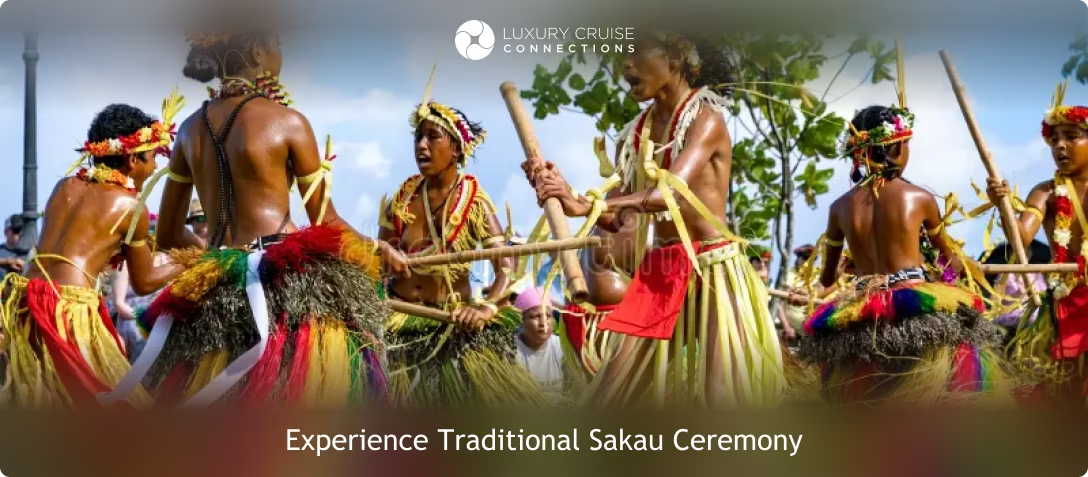
  • Experience a Traditional Sakau Ceremony in Pohnpei

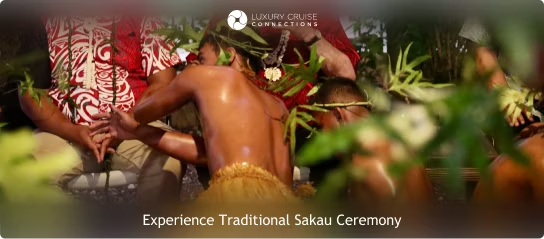
    Sakau stands as a ceremonial drink prepared from kava root in Pohnpei. Community members gather at night to pound, strain, and share the drink. The ritual reflects respect, hierarchy, and storytelling.
    Experience a Traditional Sakau Ceremony in Pohnpei

    Men pound sakau root on a flat stone. Coconut fiber strains the liquid into a bowl. Elders lead chants and direct serving order.

    Guests sit in a circle and observe the preparation process. Conversation flows between servings in a calm setting. Cultural rules guide posture and speech during the ceremony.

    Join through a local host during cultural events or village visits.

    Cultural guides arrange invitations and explain etiquette.

    Hosts request a contribution ranging from [$10 to $20].


What are the Most Popular Tourist Attractions in Micronesia?

The most popular tourist attractions in Micronesia are listed below.

  • Nan Madol
  • Chuuk Lagoon Shipwrecks
  • Yap Stone Money
  • Sokehs Rock
  • Kepirohi Waterfall
  • Kosrae Beaches
  • The Ant Atoll
  • Pohnpei Island
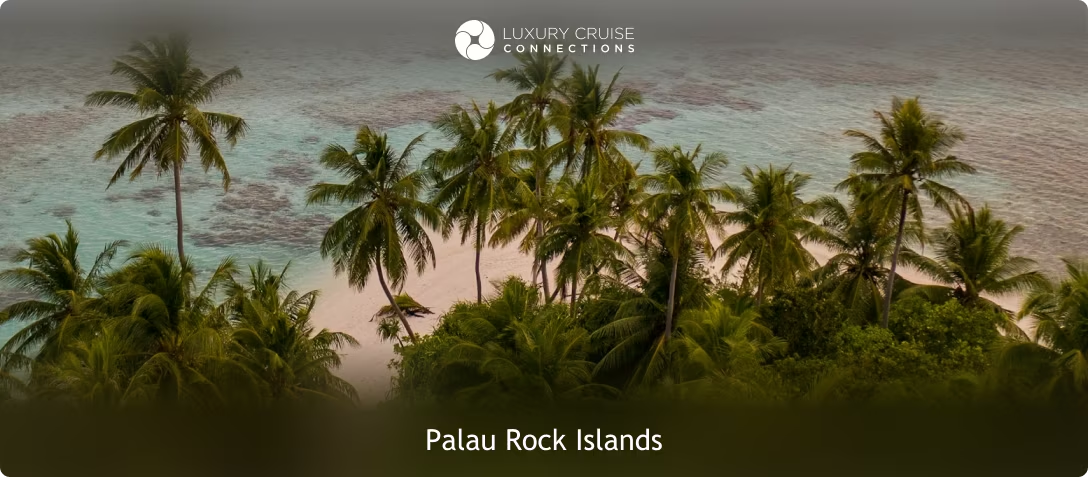
  • Palau Rock Islands
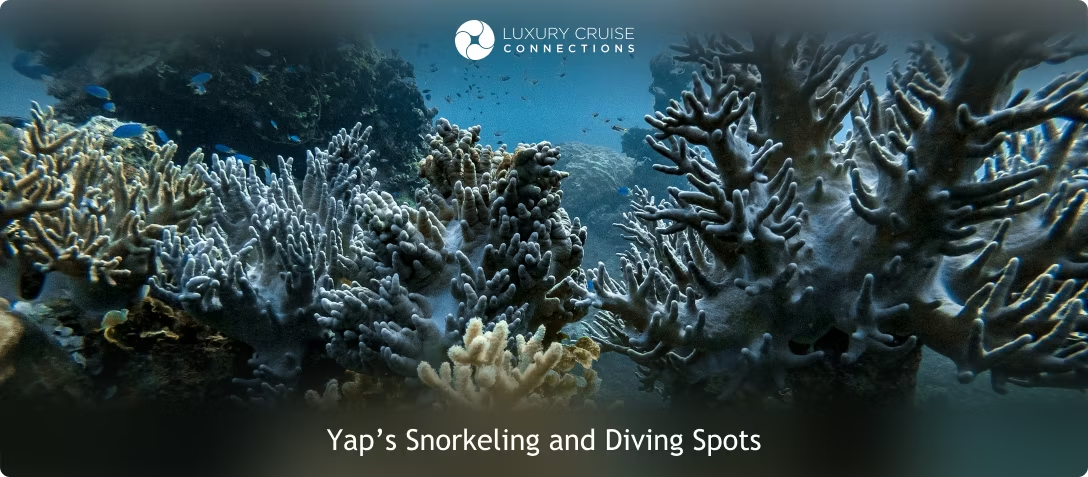
  • Yap’s Snorkeling and Diving Spots
  • Nan Madol

    Known as the "Venice of the Pacific," Nan Madol is a series of ancient ruins built on small islands off the coast of Pohnpei. These stone structures were once the capital of the Saudeleur Dynasty and are a UNESCO World Heritage site. Visitors explore the impressive canals and mysterious ruins that offer a glimpse into Micronesia’s rich ancient history.
    Nan Madol
  • Chuuk Lagoon Shipwrecks

    Chuuk Lagoon is a world-renowned diving destination, home to over 60 WWII shipwrecks. Divers explore sunken ships, aircraft, and cargo vessels covered in vibrant marine life. It is one of the best wreck diving sites globally and offers an unforgettable underwater adventure for those interested in history and marine ecosystems.
    Chuuk Lagoon Shipwrecks
  • Yap Stone Money

    Yap is famous for its traditional stone money, large limestone discs used as currency. The stones are an integral part of Yapese culture, and visitors see them in various locations around the island. Yap’s stone money provides insight into the unique financial and social systems of the island’s indigenous people.
    Yap Stone Money
  • Sokehs Rock

    Sokehs Rock is a massive mountain on Pohnpei Island, offering a challenging hike with incredible views from the summit. The hike is one of the most popular outdoor activities on the island, providing stunning panoramas of the island's landscape, coastline, and surrounding waters.
    Sokehs Rock
  • Kepirohi Waterfall

    Located on Pohnpei Island, Kepirohi Waterfall is a picturesque waterfall surrounded by lush jungle. The site is accessible via a short hike and is a favorite for nature lovers and photographers looking to capture the beauty of Micronesia's tropical landscapes.
    Kepirohi Waterfall
  • Kosrae Beaches

    Kosrae is known for its pristine and tranquil beaches. The island offers visitors a chance to relax on quiet sandy shores, snorkel in crystal-clear waters, and explore untouched coral reefs. Kosrae is ideal for travelers looking for a peaceful and scenic getaway with a focus on nature and water activities.
    Kosrae Beaches
  • The Ant Atoll

    Located off the coast of Pohnpei, Ant Atoll is a secluded destination perfect for kayaking and exploring its tranquil lagoon. The atoll is known for its vibrant coral reefs and abundant marine life, making it a great spot for water sports and underwater exploration.
    The Ant Atoll
  • Pohnpei Island

    Pohnpei is known for its lush landscapes, ancient ruins, and rich cultural heritage. Visitors explore the island's historical sites, hike through tropical rainforests, and visit waterfalls. Pohnpei’s natural beauty and historical significance make it one of the top destinations in Micronesia.
    Pohnpei Island
  • Palau Rock Islands

    The Rock Islands in Palau are a UNESCO World Heritage site known for their crystal-clear lagoons, coral reefs, and unique rock formations. Visitors explore the islands by kayak, dive in vibrant underwater ecosystems, or relax on pristine beaches surrounded by stunning natural beauty.
    Palau Rock Islands
  • Yap’s Snorkeling and Diving Spots

    Yap offers some of the best snorkeling and diving experiences in Micronesia, with clear waters, vibrant coral reefs, and abundant marine life. Visitors enjoy snorkeling near the island’s coast or diving in deeper waters to explore shipwrecks and vibrant underwater ecosystems
    Yap’s Snorkeling and Diving Spots


What are Some Fun Things to Do in Micronesia

Some fun things to do in Micronesia are listed below.


What are the best places to visit in Micronesia for beaches and seaside relaxation?

The best places to visit in Micronesia for beaches and seaside relaxation are listed below.


What are the Best Things to Do in Micronesia for First-Time Visitors?

The best things to do in Micronesia for first-time visitors are listed below.

Nan Madol, located on Pohnpei Island, is an ancient city built on small islands and connected by canals. First-time visitors explore the mysterious stone ruins and learn about the history of the island. The site is a UNESCO World Heritage site, offering a glimpse into Micronesian history. It is a must-see destination for visitors interested in culture and archaeology.
Chuuk Lagoon is a premier diving destination, known for its World War II shipwrecks. First-time visitors dive into the crystal-clear waters to explore the underwater relics, which include sunken ships and aircraft. The lagoon’s rich marine life adds to the experience, making it a memorable stop. It is ideal for diving enthusiasts and history buffs alike.
Pohnpei Island offers a mix of natural beauty and cultural experiences. Visitors hike through lush forests, visit waterfalls like Kepirohi, and explore the ancient ruins of Nan Madol. The island’s rich culture and tranquil setting make it an excellent destination for first-time visitors. Pohnpei provides a balanced experience of adventure and relaxation
Kosrae is known for its beautiful and secluded beaches, perfect for first-time visitors seeking relaxation. The island’s calm waters are ideal for swimming, snorkeling, and sunbathing. Visitors unwind in a peaceful setting, with lush greenery surrounding the beaches. Kosrae offers a quiet, tranquil environment that is perfect for unwinding and enjoying the natural beauty of Micronesia.
Yap offers some of the best snorkeling in Micronesia, with vibrant coral reefs and diverse marine life. First-time visitors easily access the water to snorkel and enjoy the rich marine biodiversity. Yap’s clear waters and abundant sea life make it a great spot for a relaxing day on the water. The island’s serene environment is perfect for visitors looking to explore the underwater world.
Sokehs Rock, located on Pohnpei Island, offers a challenging yet rewarding hike. First-time visitors enjoy panoramic views from the top after a scenic hike through the jungle. The rock is an iconic landmark and offers a great opportunity to experience the island’s natural beauty. It is perfect for adventure seekers who want to enjoy some physical activity and take in breathtaking vistas.
Ant Atoll is a remote and peaceful spot ideal for kayaking. First-time visitors paddle through the clear, calm waters of the lagoon, exploring the surrounding coral reefs and small islands. The quiet waters and beautiful environment make it a relaxing way to experience the beauty of Micronesia. It is perfect for those looking for a peaceful and scenic outdoor activity.
The Sakau ceremony on Pohnpei Island offers a unique cultural experience for first-time visitors. Participants observe or join in the traditional drink-making ceremony, which involves the preparation of kava from the root of the kava plant. The ceremony provides insight into local customs and is a meaningful way to connect with Micronesian traditions. It is an unforgettable experience for travelers interested in the island’s cultural practices.
Kepirohi Waterfall, located on Pohnpei Island, is a beautiful and accessible natural attraction. First-time visitors enjoy a short hike through the forest to reach the waterfall and relax in the surrounding natural pools. The waterfall offers a serene environment perfect for a peaceful day in nature. It is a great destination for travelers looking to enjoy Micronesia’s natural beauty in a tranquil setting.
Yap Island is famous for its traditional stone money, a unique form of currency used in ceremonial exchanges. First-time visitors explore the stone money sites and learn about their historical significance. The island’s cultural richness and ancient traditions make it an interesting stop for travelers looking to learn more about Micronesia’s heritage. Yap’s stone money provides an educational and memorable experience for visitors.

What makes Micronesia a Beautiful Country to Visit?

Micronesia is a beautiful country to visit due to its stunning natural landscapes and crystal-clear waters. The region is home to pristine beaches, vibrant coral reefs, and lush, untouched jungles. Its remote location in the Pacific Ocean provides travelers with the opportunity to explore unspoiled environments, making it a paradise for nature lovers and outdoor enthusiasts. The islands offer peaceful escapes with diverse ecosystems and rich biodiversity, making them ideal for relaxation and adventure.

The rich cultural heritage of Micronesia adds to its appeal. The country is home to ancient ruins, such as the Nan Madol ruins on Pohnpei Island, which offer a glimpse into its fascinating history. The traditions of the Micronesian people are preserved in various cultural practices and festivals, adding depth to any visit. The unique combination of history, local customs, and untouched nature makes the country a captivating destination for those seeking an authentic and enriching experience.

The accessibility of Micronesia’s islands and the range of activities available make it an excellent choice for travelers. Whether it’s diving in Chuuk Lagoon, hiking to Kepirohi Waterfall, or simply relaxing on Kosrae’s beaches, the country provides a variety of activities for every type of traveler. The peaceful atmosphere and low population density ensure that visitors enjoy the beauty of Micronesia without large crowds. The balance of natural beauty, culture, and accessibility makes Micronesia an unforgettable destination.

What are the most famous places in Micronesia to take a selfie?

Yes, there is stuff to taste or drink after a cruise to Micronesia. The region is known for its fresh seafood, particularly fish like tuna, mahi-mahi, and grouper, which are served grilled or in sashimi form. Micronesian cuisine also features tropical fruits such as bananas, papayas, and coconuts, making for refreshing snacks or desserts after a cruise. The local markets offer an array of fresh produce and traditional dishes, providing a true taste of island life.

A popular drink in Micronesia is Sakau, a traditional beverage made from the kava root. The drink has a mild sedative effect and is used in cultural ceremonies, offering visitors a chance to experience something deeply connected to the region’s customs. Drinking Sakau is a shared experience in Micronesia, and it is served in social gatherings, making it an interesting cultural activity after disembarking from a cruise.

Coconut water straight from the fruit is a must-try for travelers seeking a more tropical beverage. It’s a refreshing drink that offers natural hydration and is commonly available throughout the islands. Micronesia’s mix of local drinks and dishes provides an exciting opportunity for visitors to explore the culinary diversity of the region, adding to the travel experience.

Are there any stuff to taste or drink after a cruise to Micronesia?

Yes, there is stuff to taste or drink after a cruise to Micronesia. The region is known for its fresh seafood, particularly fish like tuna, mahi-mahi, and grouper, which are served grilled or in sashimi form. Micronesian cuisine also features tropical fruits such as bananas, papayas, and coconuts, making for refreshing snacks or desserts after a cruise. The local markets offer an array of fresh produce and traditional dishes, providing a true taste of island life.

A popular drink in Micronesia is Sakau, a traditional beverage made from the kava root. The drink has a mild sedative effect and is used in cultural ceremonies, offering visitors a chance to experience something deeply connected to the region’s customs. Drinking Sakau is a shared experience in Micronesia, and it is served in social gatherings, making it an interesting cultural activity after disembarking from a cruise.

Coconut water straight from the fruit is a must-try for travelers seeking a more tropical beverage. It’s a refreshing drink that offers natural hydration and is commonly available throughout the islands. Micronesia’s mix of local drinks and dishes provides an exciting opportunity for visitors to explore the culinary diversity of the region, adding to the travel experience.

How can I experience Local Culture in Micronesia?

Experience local culture in Micronesia, visiting historical sites like Nan Madol on Pohnpei Island is a great starting point. The ancient stone ruins provide insight into the region’s early civilizations and their engineering techniques. Exploring these ruins gives visitors a direct connection to the island’s rich cultural past and its people’s legacy.

Attending a Sakau ceremony is another way to experience Micronesian culture. The traditional event involves the preparation and consumption of kava, a drink made from the kava root, which has cultural and spiritual significance. Participating or observing the ceremony allows visitors to engage with the local community and learn about the customs that have been passed down through generations.

Interacting with locals in markets and villages is another meaningful way to experience Micronesia's culture. Many islanders are eager to share their traditions, crafts, and stories. Visiting markets to try local foods, buy handmade goods, or listen to traditional music offers an authentic experience of everyday life in Micronesia. The cultural encounters help visitors connect with the islands in a personal and lasting way.

Are there Activities in Micronesia Perfect for Families with Children?

Yes, there are activities in Micronesia that are perfect for families with children. The region offers a variety of family-friendly attractions and experiences that cater to all ages. Families explore pristine beaches, take part in cultural activities, and enjoy outdoor adventures like hiking, snorkeling, and kayaking. The calm waters around islands like Yap and Kosrae are ideal for safe swimming and snorkeling, while other islands offer educational cultural experiences and opportunities to engage with local traditions.

Many of Micronesia’s natural attractions, like waterfalls and nature reserves, provide a fun and educational environment for children to explore. Some islands, such as Pohnpei, offer shorter, less strenuous hikes to beautiful waterfalls like Kepirohi, making it easy for children to enjoy the adventure. Visitors engage in cultural experiences like the Sakau ceremony on Pohnpei, giving families the opportunity to learn about Micronesian traditions in a welcoming environment.

Micronesia's laid-back pace and unspoiled environments make it an excellent destination for families looking to enjoy a more relaxed, nature-focused vacation. The islands offer a variety of activities that children enjoy, from gentle snorkeling in shallow lagoons to exploring ancient ruins like Nan Madol. The activities allow families to bond and explore together, ensuring a memorable and enjoyable experience for all members of the family

Are there Fun Things to Do in Micronesia for Outdoor Adventures?

Yes, there are plenty of fun things to do in Micronesia for outdoor adventures. The region is a haven for travelers who enjoy activities like hiking, diving, snorkeling, and kayaking, all set against its stunning natural landscapes. Visitors explore the lush jungles of Pohnpei, trek to waterfalls like Kepirohi, or dive into the rich marine life of Chuuk Lagoon. Micronesia’s crystal-clear waters, vibrant coral reefs, and diverse islands provide endless opportunities for outdoor exploration.

The islands offer world-class diving and snorkeling spots, such as Yap and Chuuk Lagoon, where adventurers can explore WWII shipwrecks, vibrant coral reefs, and abundant marine life. Hiking is another popular activity, with trails like Sokehs Rock offering incredible views of the surrounding islands. Visitors kayak through tranquil lagoons in places like Ant Atoll, or simply enjoy the serene beaches and crystal-clear waters of Kosrae

The region’s unspoiled beauty and outdoor activities provide ample opportunities for adventure and relaxation for travelers looking for fun things to do in Micronesia. Micronesia is an outdoor enthusiast’s paradise, whether it’s diving into the blue depths, hiking to scenic viewpoints, or kayaking along calm lagoons. The natural landscapes and diverse activities make it an ideal destination for anyone seeking an adventurous getaway.

Best Things to Do Around the World

Discover the best activities, landmarks, and experiences in every cruise destination and port of call.

Europe Western, Central & Mediterranean
America North, Central, South & Caribbean
Africa & Asia Oceania & Antarctica