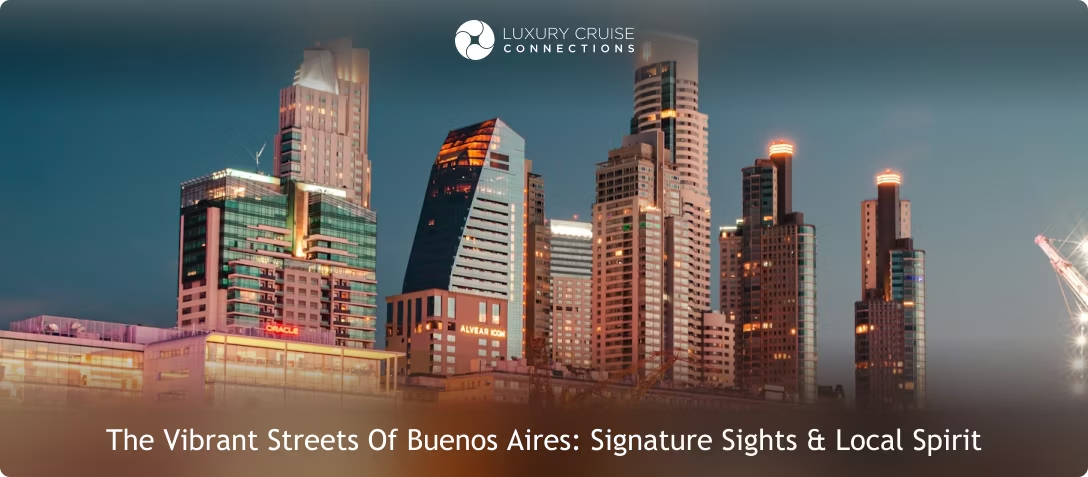
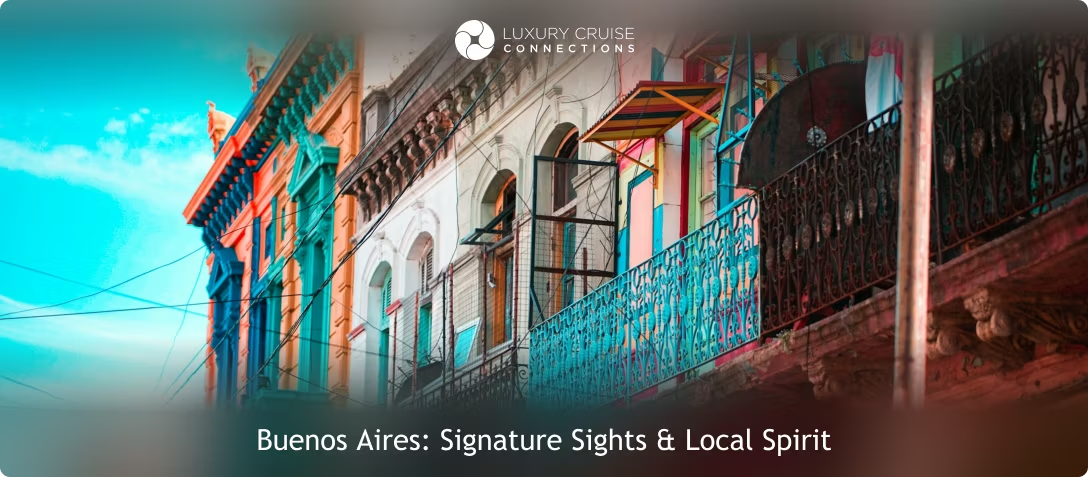
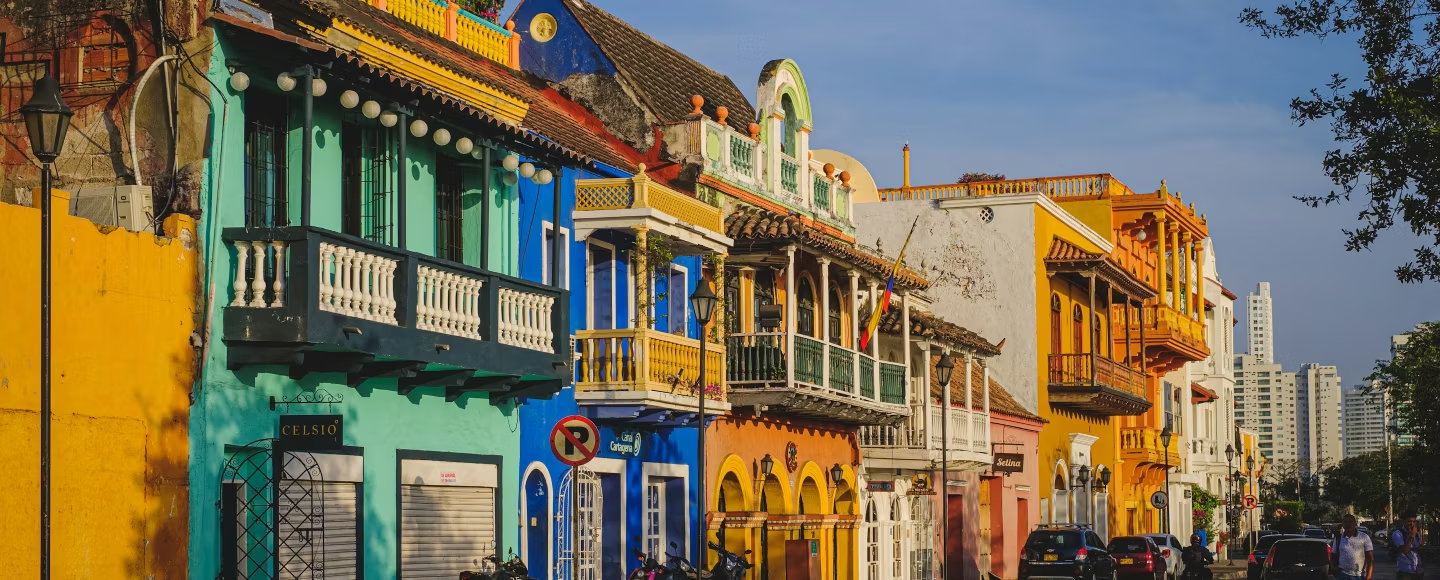
The Plaza de Mayo is the historical heart of Buenos Aires, featuring the Casa Rosada, the Presidential Palace, which has been the site of significant political events. The Recoleta Cemetery is known for its grand tombs and as the resting place of prominent figures, including Eva Perón. The intricate mausoleums and sculptures offer a unique glimpse into Argentina’s history. La Boca is a vibrant neighborhood where brightly colored buildings line the streets, and tango dancers perform in the open air. The colorful street art adds to the area's lively atmosphere. Avenida 9 de Julio is one of the widest streets in the world, home to iconic landmarks like the Obelisco and the Teatro Colón, and central to the city’s cultural and architectural heritage.
Visitors explore Buenos Aires' charming streets, from the historic district of San Telmo, filled with tango dancers, to the upscale shops and restaurants of Palermo. Touring the grand avenues and checking out the city's vibrant street art scene provides a unique perspective on its cultural life. Tango performances at local milongas offer a chance to witness Argentina’s passionate dance culture. Visitors enjoy the city’s culinary delights, including world-renowned steaks and Malbec wine.
Best Time: Visit during the spring (October to December) or autumn (March to May), when the weather is mild and outdoor activities are most enjoyable.
Local guides offer walking tours, providing insight into Buenos Aires' history, architecture, and culture in neighborhoods like La Boca and San Telmo.
Entry to most public spaces is free, while museums and attractions like the Teatro Colón charge an entrance fee ranging from $5-$15. Tango shows or classes at local milongas cost between $10-$50.
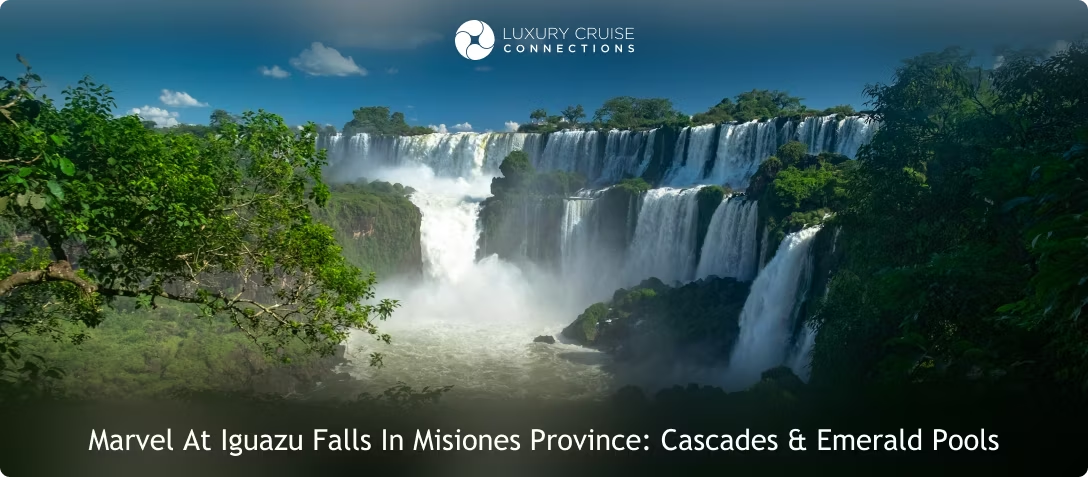
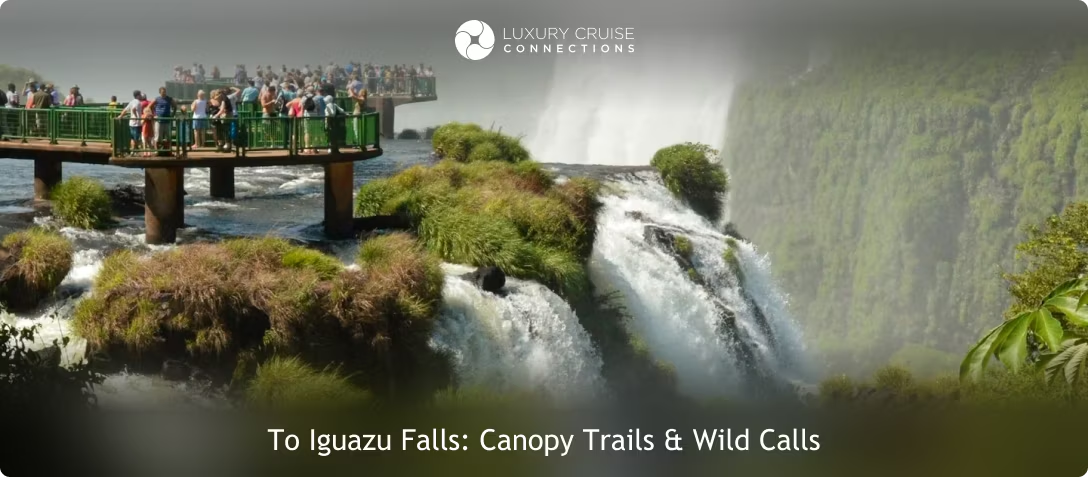
The Devil’s Throat is the most famous part of the falls, where water plunges a 262-foot drop, creating a thunderous roar and mist that is seen from a distance. The Upper and Lower Circuits allow visitors to walk along the falls, providing multiple viewpoints of the cascades and surrounding rainforest. Boat trips take visitors up close to the falls, offering an exhilarating experience as the mist from the falls drenches everyone in sight. The surrounding Iguazu National Park is a haven for wildlife, with species such as toucans, capybaras, and coatis commonly spotted.
Visitors can explore the park’s various trails, each offering a different perspective of the falls. The boat trip beneath the falls is an unforgettable adventure, giving visitors an up-close view of the massive cascade and mist. Exploring the rainforest around the falls offers opportunities for birdwatching and experiencing the park’s diverse ecosystem. For those seeking a more comprehensive experience, guided tours are available to provide insight into the history and environmental significance of Iguazu Falls.
Best Time:Visit in the spring or autumn (March to May, September to November) for mild temperatures and fewer crowds. Avoid the summer months when the park is crowded and hot.
Guided tours are available to help visitors explore the best viewpoints and learn about the park's history, wildlife, and conservation efforts
Entry to the park is around $10-$25 for international visitors. Boat trips cost $20 to $50, depending on the type of experience.

The Malbec wine is the star of Mendoza’s wine scene, known for its rich, deep flavors. Visitors tour vineyards in regions like Luján de Cuyo and Maipú, where the oldest wineries are located. Bodega Catena Zapata offers a comprehensive tour, showcasing the history of Argentine wine and one of the most famous wineries. The Andean foothills provide a spectacular setting for vineyard tours, with views of snow-capped peaks that emphasize the beauty of the landscape. Mendoza’s wine routes offer self-guided or group tours to several wineries, where guests sample wines and learn about the winemaking process
Visitors enjoy walking through the vineyards, participating in guided wine tastings, and dining at local wineries, where meals are paired with specially selected wines. Wineries offer cooking classes and gourmet dining experiences, perfect for travelers seeking a more in-depth understanding. The wine regions are known for their beautiful boutique hotels, where guests stay amidst the vineyards and enjoy private wine tastings and scenic views.
Best Time: The best time to visit Mendoza is during the harvest season in March, when the vineyards are full of activity and the region celebrates with festivals and wine tastings.
Local guides offer detailed wine tours, explaining the nuances of Mendoza’s wine production and history. Tour guides take visitors to several top wineries, offering behind-the-scenes insights.
Entry fees to wineries range from $10-$30 for guided tours and tastings. Special wine-pairing lunches or premium tours cost between $50-$100 per person.
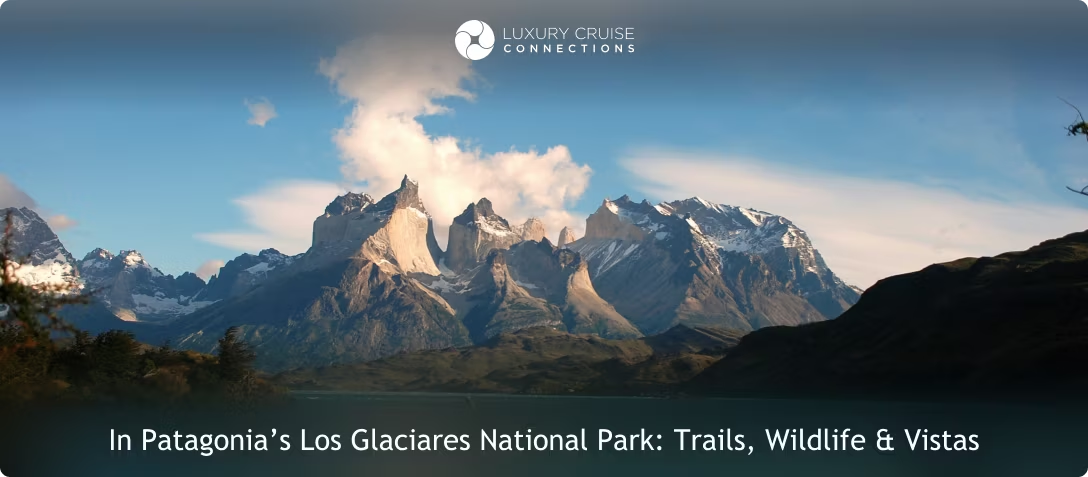
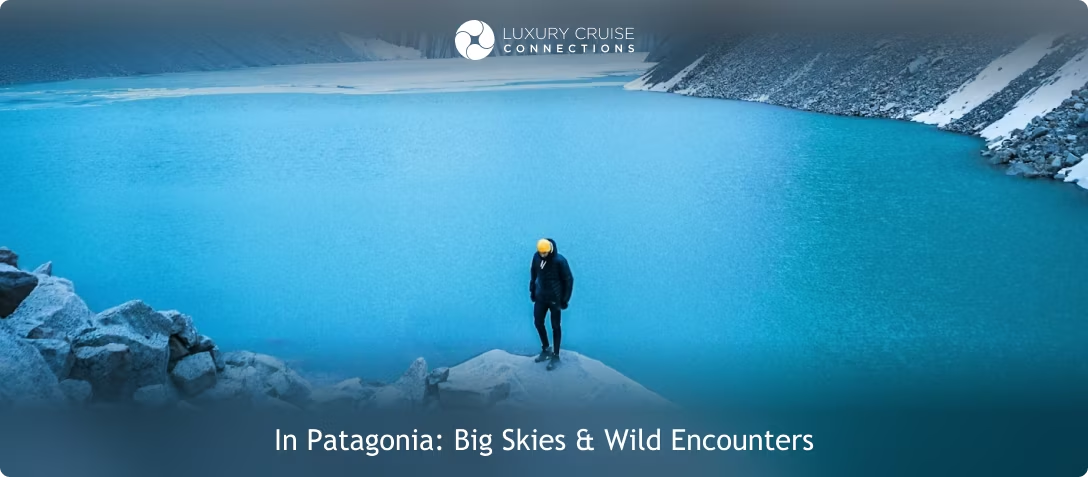
The Perito Moreno Glacier is a major highlight of the park, where visitors observe massive chunks of ice calving off into the lake below. The Laguna de los Tres hike offers panoramic views of Mount Fitz Roy, one of the most iconic peaks in Patagonia. The Laguna Capri trek is a shorter, easier hike that offers stunning views of Fitz Roy and is ideal for beginner hikers. An extended hike to Laguna Sucia rewards trekkers with breathtaking views of glaciers and turquoise lakes nestled beneath towering peaks.
Hiking in Los Glaciares National Park offers a variety of trails for all levels of hikers, from easy walks to more challenging multi-day treks. The Laguna de los Tres trail provides a full-day hike with spectacular views of the surrounding landscape. Visitors explore the Viedma Glacier, where ice trekking is available, offering an adventurous way to experience the glacier’s vast ice fields. The park’s remote location and diverse wildlife, including condors, guanacos, and pumas, make it an unforgettable experience for nature lovers.
Best Time: The best time to visit Los Glaciares National Park is during the summer months of November to March, when the weather is milder and ideal for hiking.
Local guides offer trekking tours of varying lengths and difficulty levels, providing insights into the park’s natural history, glaciers, and wildlife.
Entrance to Los Glaciares National Park is $10-$20. Guided tours and treks range from $30 to $100, depending on the length and type of hike. Ice trekking on the glaciers costs between $70-$150 per person.

The Cerro Catedral is one of South America's most popular ski resorts, offering excellent skiing and snowboarding during the winter months. The mountain becomes a hub for hiking, biking, and panoramic views of the surrounding lakes and mountains in summer. The Circuito Chico is a scenic drive that takes visitors through the stunning landscapes surrounding Lake Nahuel Huapi, offering multiple opportunities to stop for photographs and enjoy the natural beauty. Chocolate shops line the streets of Bariloche, where visitors can sample and purchase artisanal chocolate, a local specialty that has earned the town its reputation as Argentina’s chocolate capital. Lake Nahuel Huapi offers boat trips, kayaking, and fishing opportunities, making it perfect for outdoor enthusiasts.
Visitors take boat trips across Lake Nahuel Huapi to explore the surrounding islands and enjoy the tranquil beauty of the lake. Hiking to the top of Cerro Campanario provides one of the best panoramic views in the region. The town's chocolate factories offer tours, where visitors see the chocolate-making process and taste a variety of sweet treats. Skiing and snowboarding enthusiasts flock to the slopes of Cerro Catedral during winter, while summer brings an influx of tourists for hiking, biking, and lakeside activities. The mix of adventure and indulgence makes Bariloche a top destination year-round.
Best Time:The best time to visit Bariloche is during the summer months of December to February for hiking and lake activities. The best time to ski and enjoy winter sports is between June and September.
Local guides offer hiking, skiing, and boat tours, providing in-depth knowledge of the area’s natural history and the best spots for outdoor activities.
Entry fees range from $10 to $20 at certain national parks and ski slopes. Chocolate factory tours are free, but purchases are encouraged. Guided tours for hiking or boat trips range from $30-$60.
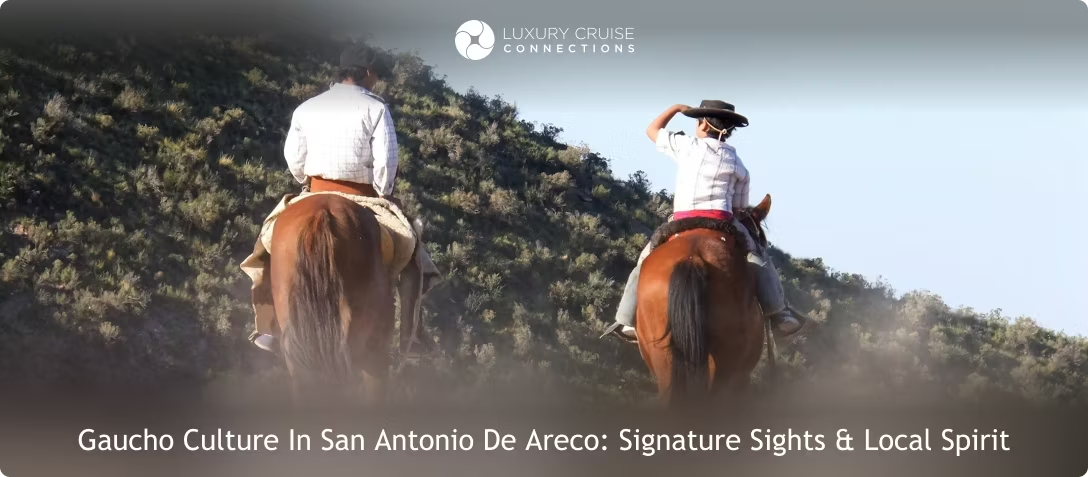
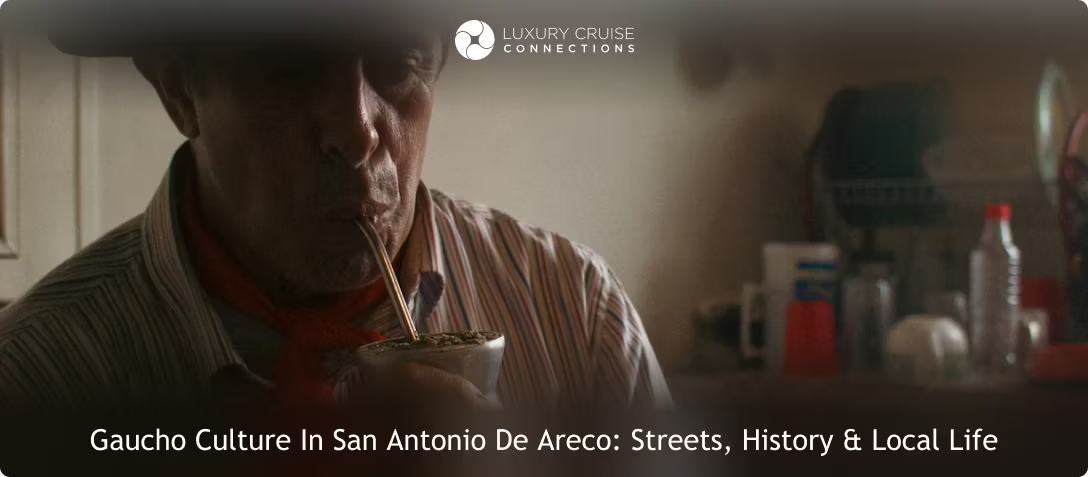
The Museo Gauchesco Ricardo Güiraldes is dedicated to the gaucho culture and the life of the legendary writer Ricardo Güiraldes, offering insight into the historical and literary significance of the gaucho. Estancias (ranches) in the area allow visitors to take part in traditional gaucho activities, such as horseback riding, herding cattle, and enjoying an authentic asado. The Plaza Principal in San Antonio de Areco is a peaceful square surrounded by colonial architecture, where visitors enjoy leisurely walks and explore local cafes. The Dia del Gaucho festival, held annually in November, celebrates the gaucho traditions with parades, rodeos, and folk music, offering a unique cultural experience.
Visitors spend the day at an estancia, learning the art of cattle herding, horseback riding, and enjoying traditional Argentine meals. Estancias offer overnight stays, where guests experience the daily life of a gaucho, participate in cooking classes, and enjoy horseback rides through the vast Argentine pampas. The Museo Gauchesco Ricardo Güiraldes offers fascinating exhibits on Argentina’s rural past and the legacy of the gaucho in Argentine culture for visitors interested in history and literature.
Best Time:The best time to visit San Antonio de Areco is during the spring and autumn months (October to December, March to May) when the weather is mild and perfect for outdoor activities like horseback riding.
Local guides provide informative tours of the town and the surrounding estancias, offering insight into the gaucho way of life, local history, and Argentine traditions.
Entry to the Museo Gauchesco costs around $5-$10. Day tours to estancias range from $50 to $100, depending on the activities included, such as meals, horseback riding, and cultural experiences.
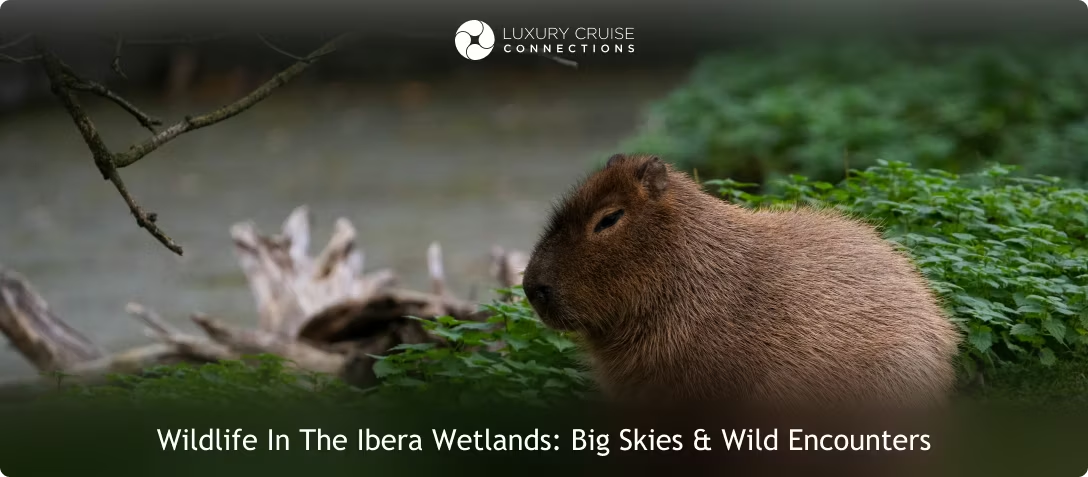
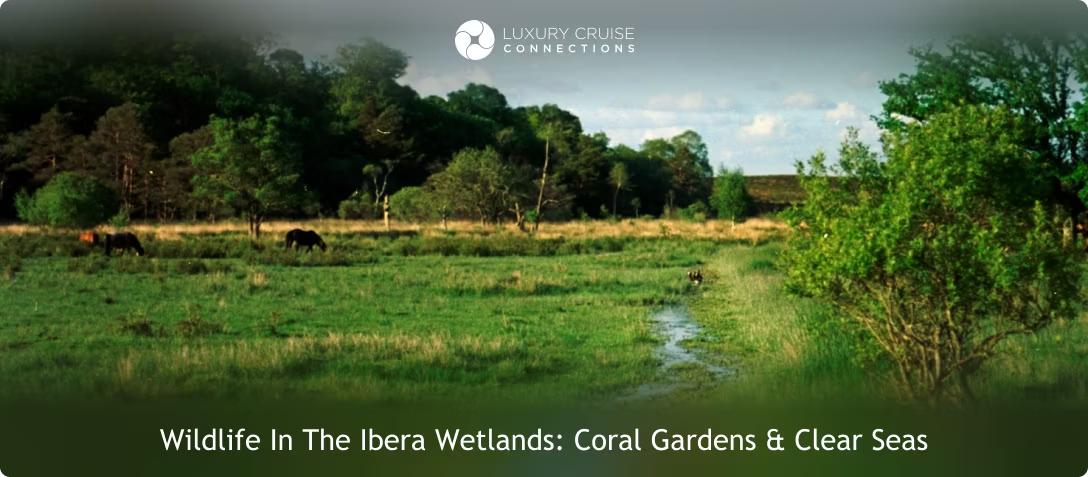
The capybara is the world's largest rodent, and it is seen in large groups. The yacaré caiman is another notable species, found basking on the banks or swimming in the waters. The wetlands are home to hundreds of bird species, including the scarlet ibis and greater rhea, which are seen in the park’s diverse habitats. The water lilies and giant rushes that dot the wetlands create a scenic landscape, ideal for boating and wildlife observation. A visit to San Alonso Lodge offers a chance to experience the wetlands up close with guided boat tours and walking safaris.
Visitors explore the Ibera Wetlands through boat tours, which provide opportunities for up-close encounters with wildlife, including caimans, capybaras, and various bird species(scarlet ibis and greater rhea). Canoeing or kayaking along the tranquil waterways offers a more intimate experience of the wetlands. Guided walking tours allow visitors to explore the surrounding forest and learn about the diverse ecosystem of the wetlands. The area is a paradise for birdwatchers, with numerous species of birds visible throughout the year.
The best time to visit the Ibera Wetlands is during the dry season, from April to October, when the weather is mild, and wildlife is easier to spot as the water levels are lower.
Local guides offer boat and walking tours, providing expert knowledge about the region’s wildlife and ecosystem. The guides ensure that visitors have an informative and safe experience while respecting the local environment.
Entry to the Ibera Wetlands is free, but boat tours and guided tours cost between $30-$60, depending on the length and type of activity. Accommodations and meals at lodges in the area are additional costs, with rates starting around $50 per night.
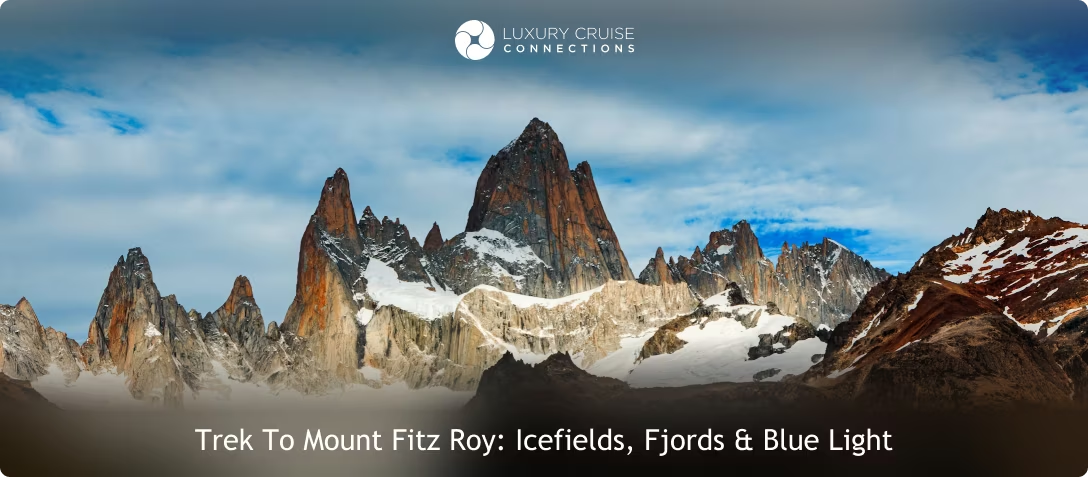
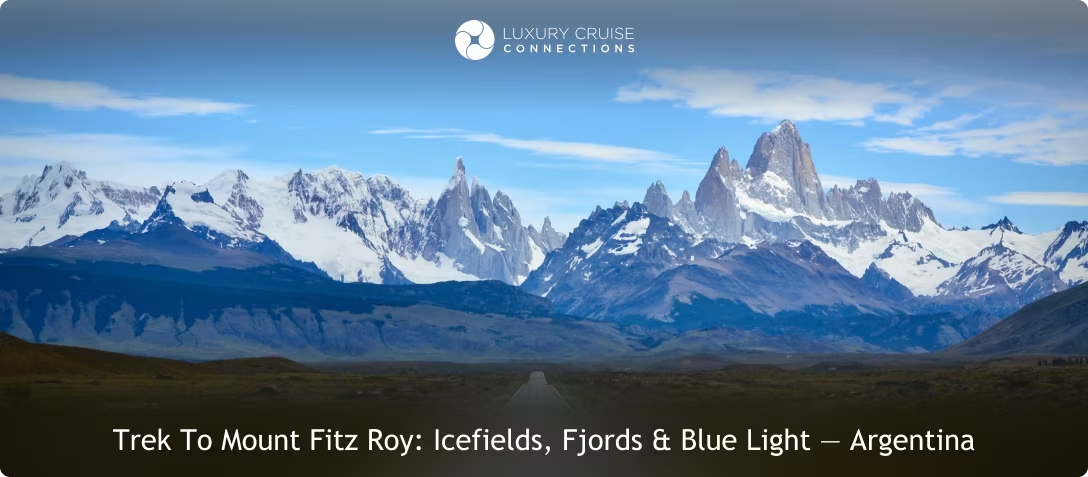
The Laguna de los Tres trail offers panoramic views of Mount Fitz Roy and is one of the most popular hikes in the region. The Laguna Capri trek is a shorter, easier route that provides stunning views of the mountain, perfect for beginner hikers. Laguna Sucia is a more challenging hike, rewards trekkers with breathtaking views of glaciers and turquoise lakes located beneath Fitz Roy. The Poincenot Campground provides an excellent base for trekkers, located just below Fitz Roy’s towering peak. The region is home to unique wildlife, including guanacos, condors, and huemul deer.
Hiking to Mount Fitz Roy offers a range of experiences depending on the trail chosen. The Laguna de los Tres trek is a full-day hike that takes visitors close to the base of Fitz Roy, with views of glaciers, rocky landscapes, and lakes along the way. The Laguna Sucia hike takes visitors through forests and along streams, culminating in one of the most stunning viewpoints in Patagonia for travelers seeking more adventure. Visitors camp at Laguna Capri, where visitors wake up to views of the mountain and its surrounding landscape. The area is known for its pristine natural beauty, making it a must-see destination for nature lovers and hikers.
The best time to visit Mount Fitz Roy is during the summer months of November to March, when the weather is milder, and the trekking routes are accessible.
Local guides offer treks to Mount Fitz Roy, providing valuable insights into the history, geology, and wildlife of the region. Guided tours are recommended for the safety of travelers tackling the more challenging trails.
Entry to Los Glaciares National Park costs around $10-$20 for international visitors. Guided hikes and treks to Mount Fitz Roy range from $30-$100, depending on the length and difficulty of the route.
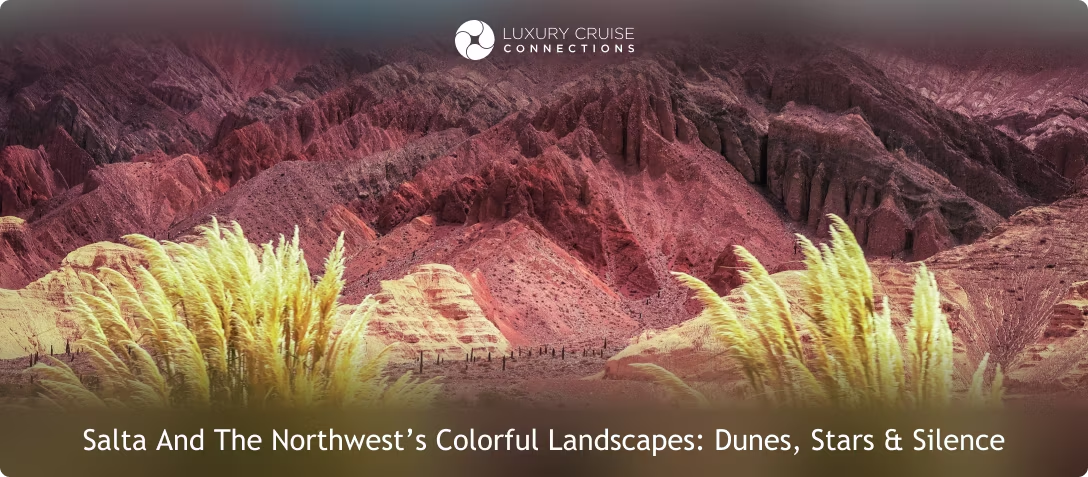
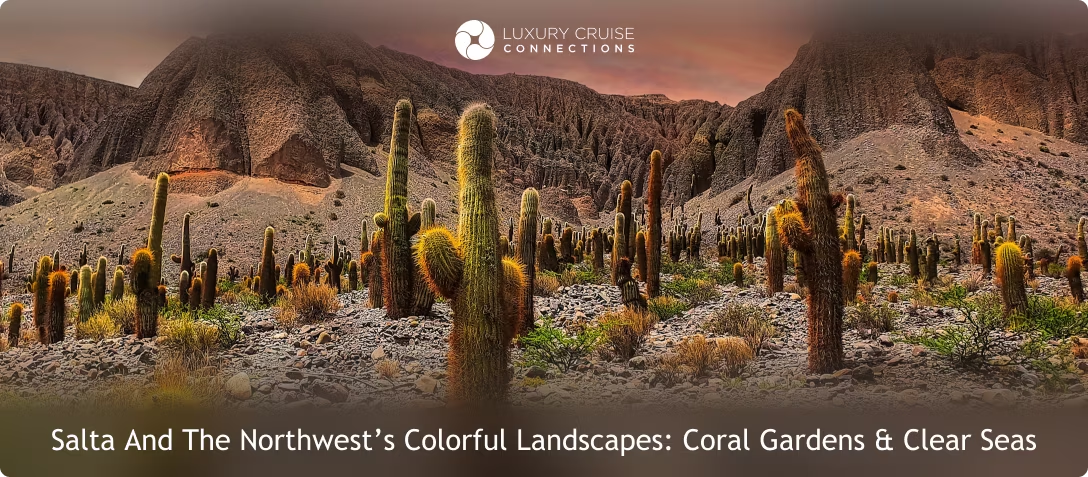
The Hill of Seven Colors in Purmamarca is one of the most iconic landscapes in the region, featuring vibrant, multi-colored rock formations that attract photographers and nature lovers. Quebrada de Humahuaca is a United Nations Educational, Scientific and Cultural Organization (UNESCO) World Heritage site and a stunning valley known for its colorful geology, ancient ruins, and traditional villages like Tilcara and Humahuaca. Salta’s Main Plaza and Catedral Basílica are perfect for exploring the city’s colonial charm, with historical buildings and local markets that showcase the region's culture. The vast salt flats located outside the city of Salinas Grandes offer surreal landscapes that stretch as far as the eye is able to see.
Visitors explore the Quebrada de Humahuaca by car, stopping at beautiful towns like Maimará and Uquia along the way. The Hill of Seven Colors offers a short hike with incredible views of the surrounding mountains and valley. Visitors take a scenic ride on the Tren a las Nubes, one of the highest railways in the world, which offers breathtaking views of the Andes in Salta. The area is perfect for hiking, with trails that lead to panoramic viewpoints and ancient Incan ruins, providing a unique combination of history and natural beauty.
Best Time:The best time to visit Salta and the northwest is during the spring and autumn months (October to December, March to May), when the weather is mild and ideal for outdoor activities.
Local guides offer tours to the attractions, providing insight into the history, culture, and geology of the region. Guides specialize in tours of the Quebrada de Humahuaca and the Hill of Seven Colors, offering a deeper understanding of the area’s significance.
Entrance to most public areas is free, but some attractions like the Salinas Grandes or guided tours have fees ranging from $5-$20. The Tren a las Nubes ride costs $40-$100, depending on the package chosen
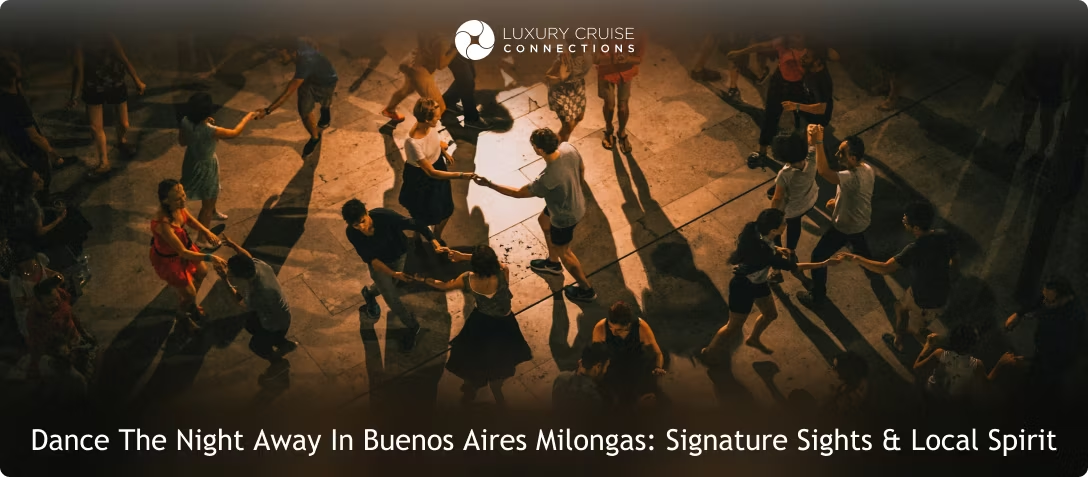
The La Viruta milonga in the Palermo district is one of the most popular venues, offering tango classes and dance floors where locals and tourists join in. El Beso is another iconic tango venue, known for its traditional atmosphere and dance performances in the heart of the city. The Tango Buenos Aires Festival held annually is one of the world’s largest tango events, showcasing dance performances, classes, and live music. The Tango de Mayo and Salon Canning are well-known milongas that offer a more intimate setting for tango enthusiasts to enjoy the dance culture of Buenos Aires.
Visitors to Buenos Aires take tango classes at one of the many tango schools and then put their skills to the test at a milonga. Tango shows and performances allow visitors to witness professional dancers perform passionate and intricate routines. The experience offers a deep connection to Argentina’s cultural roots, whether attending a beginner's class or watching a traditional tango performance. The tango scene in Buenos Aires allows for an authentic and unique cultural experience, where visitors learn the rhythm and steps of tango, connect with locals, and enjoy a night full of music and dance.
Best Time:The best time to visit Buenos Aires for tango is during the summer months (December to February) when tango festivals and outdoor performances are in full swing.
Local guides and dance instructors provide tango lessons at venues across the city. Milongas offer beginner classes before the night’s dance session, making it accessible for everyone.
Entry to a milonga costs around $5-$15, with additional fees for tango classes that range from $10-$30. Special tango performances or shows have higher entry fees, ranging from $20-$50.
The reasons why Argentina is becoming a Popular Cruise Destination are listed below.
The main cruise ports in Argentina are Buenos Aires and Ushuaia. Buenos Aires is the primary port for large ships, offering easy access to Argentina’s vibrant capital and acting as a central embarkation point for cruises throughout South America. The port handles international cruise traffic, providing visitors with a range of cultural, historical, and leisure activities. Ushuaia is the port for expedition cruises for ships heading to Antarctica, located at the southern tip of Argentina in Tierra del Fuego. The port is essential for cruises that explore the polar regions, offering direct access to the Southern Ocean and unique Antarctic adventures. Argentina's two cruise ports play a critical role in Argentina's cruise industry, providing access to the country's diverse landscapes and beyond.
The best time to visit Argentina on a cruise is during the Southern Hemisphere's summer from November to March. The period offers favorable weather conditions, with mild temperatures and less rainfall, making it ideal for outdoor activities and exploration. Argentina's cruise season aligns with the summer window, which allows travelers to enjoy the country’s natural landscapes, vibrant cities, and coastal areas. Travelers have more opportunities to visit Patagonia, Buenos Aires, and southern ports leading to Antarctica during the summer, making it a prime time for a Premium Cruise Experience. Premium Cruise Experience.
The weather affects what to see in Argentina by determining the best times to visit different regions. The best time to visit Patagonia is from December to February, when the weather is mild, ideal for hiking, glacier tours, and bird watching, as the seasons are reversed to the seasons in the Northern Hemisphere. The northern regions (Salta and Jujuy) are pleasant from June to August, ideal for exploring cultural landmarks, deserts, and landscapes without summer heat. The variations in climate influence the things to see in Argentina, ensuring that each region offers its experiences at different times of the year.
Yes, Argentina is a good destination for a romantic getaway. The combination of tango in Buenos Aires, wine tasting in Mendoza, and scenic Patagonian lodges offers couples a unique and unforgettable experience. Tango culture in Buenos Aires sets the stage for a romantic evening. Mendoza’s vineyards offer intimate wine tours, perfect for couples who enjoy fine dining and wine. The luxurious and remote lodges in Patagonia provide a peaceful retreat, surrounded by stunning landscapes. The diverse experiences make Argentina an ideal location for a Romantic Getaway for Couples.
Things to do in Argentina for First-time travelers are listed below


Yes, activities in Argentina are family-friendly. Nature-based activities( wildlife viewing and light hikes) are suitable for families with children. Destinations like Iguazu Falls, where families explore the park’s walkways and view the waterfalls, and Patagonia, offering easy treks and opportunities for animal sightings, provide safe and enjoyable experiences for all ages. The activities to do in Argentina allow families to connect with Argentina’s natural beauty in an accessible and engaging way. Argentina activities offer something for every family, whether exploring national parks or enjoying scenic views. The Family Friendly Cruises in Argentina provide an excellent way to experience the country's diverse landscapes.
Yes, there are fun things to do in Argentina with kids. Argentina offers a variety of family-friendly activities that engage children with nature, culture, and adventure. Families take boat trips that bring them close to the waterfalls at Iguazu Falls, offering an exciting and memorable experience for children. Wildlife reserves (Ibera Wetlands) provide opportunities for kids to spot animals (capybaras and monkeys) in their natural habitat. Buenos Aires offers numerous child-friendly museums, such as the Museo de los Niños, where kids enjoy interactive exhibits and activities designed specifically for them. The fun activities to do in Argentina make it an excellent destination for families traveling with children.
Tourist attractions in Argentina cost vary, with national park entrance fees ranging from $5 to $25 per person. Popular destinations (Iguazu Falls and Los Glaciares National Park) charge fees, which help maintain the parks. Entry to museums, cultural landmarks, and historical sites costs between $2 and $10. Guided tours, boat trips, or special activities cost between $20 and $100, depending on the type of experience. The places to visit in Argentina offer a range of affordable options for travelers. Visitors find a variety of pricing to suit their needs, whether exploring Argentina tourist attractions or enjoying outdoor adventures.
Yes, there are unique things to do in Argentina. Argentina offers one-of-a-kind experiences that cater to a wide range of interests. Glacier trekking in Patagonia allows travelers to explore the vast ice fields and experience the beauty of glaciers like Perito Moreno up close. Wine tasting in Mendoza offers a chance to sample world-renowned Malbecs in the beautiful vineyards in Argentina’s premier wine region. The remote northwest( Salta and Jujuy) provides visitors with the opportunity to explore colorful landscapes, ancient ruins, and vibrant local cultures, making it a truly unique experience. The activities make Argentina a distinctive destination for travelers seeking adventure and cultural immersion.
Yes, Argentina has mountains with scenic views. The Andes Mountains offer dramatic landscapes that run along the western edge of the country in Patagonia and the Mendoza region. The rugged peaks of Mount Fitz Roy and the vast ice fields provide stunning views that attract trekkers and photographers in Patagonia. The Mendoza region is famous for its vineyards and is home to the towering Aconcagua, the highest peak in the Americas, offering breathtaking views and outdoor activities (hiking and mountaineering). The mountain ranges are central to Argentina views, making it a prime destination for tourists seeking scenic mountain landscapes.
Discover the best activities, landmarks, and experiences in every cruise destination and port of call.
Europe & World Cruises
Western, Central & Mediterranean
America
North, Central, South & Caribbean
Africa & Asia
Oceania & Antarctica
