10 Best Things to Do in Canada

The Best Things to Do in Canada include seeing the northern lights in Yukon, visiting the beautiful Niagara Fa...

add

The Best Things to Do in Canada include seeing the northern lights in Yukon, visiting the beautiful Niagara Falls, hiking through alpine trails, observing wildlife in protected areas, attending music and film festivals, and exploring Indigenous heritage sites. The top things to do in Canada offer a selection of experiences that are shaped by the country’s geography, culture, and history. Each region offers distinct attractions that reflect local traditions, seasonal changes, and community values. The country covers over 9.9 million square kilometers and is the second-largest in the world by land area. Landscapes range from towering mountain ranges in British Columbia to windswept coastlines in Newfoundland. 


Famous things in Canada provide opportunities for outdoor exploration. Urban centers (Toronto, Montreal, and Vancouver) display a mix of architectural styles, culinary diversity, and artistic expression. Travelers wondering what to do in Canada seek experiences like witnessing the aurora borealis, kayaking through the islands, or walking along the historic streets. Each activity, fun things to do in Canada, reflects a different aspect of the country’s identity, whether rooted in nature, culture, or community.

  • Explore Banff National Park
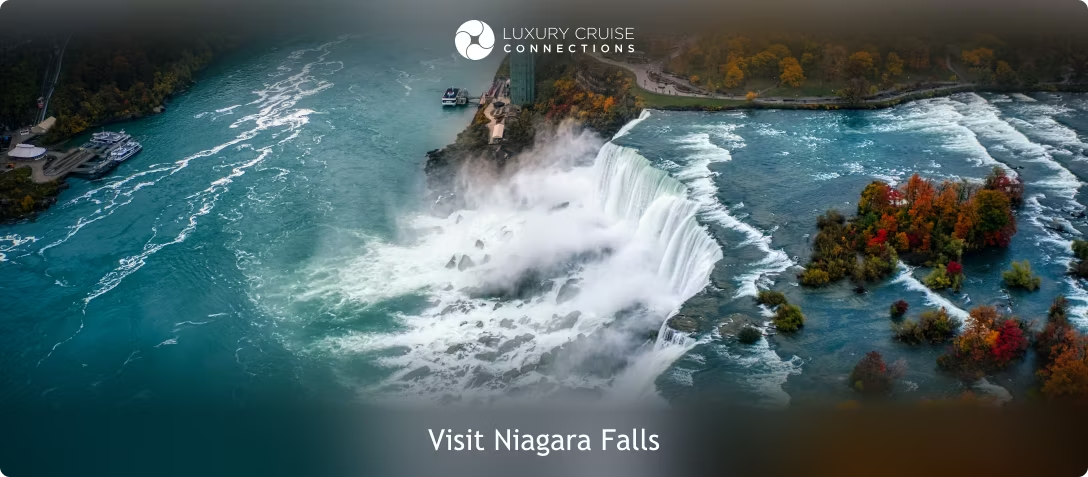
  • Visit Niagara Falls
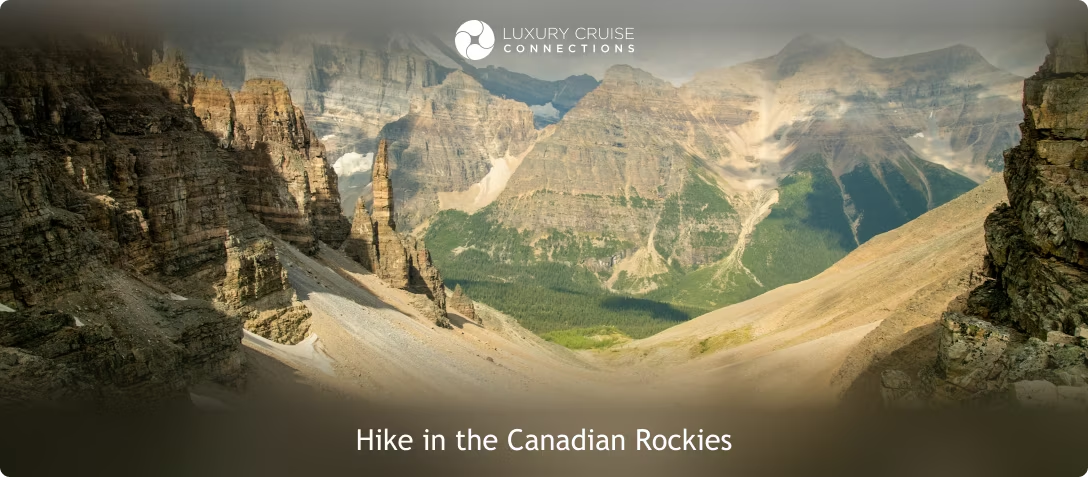
  • Hike in the Canadian Rockies
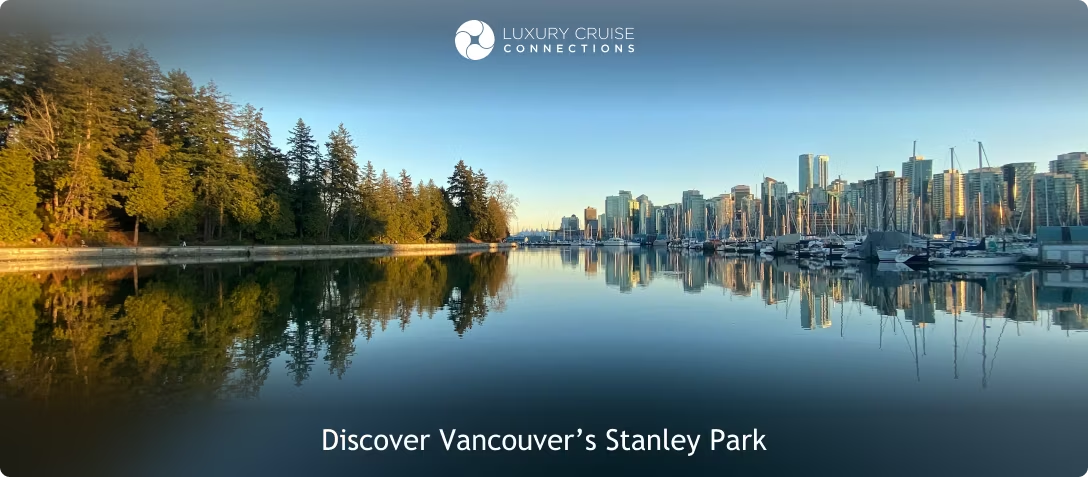
  • Discover Vancouver’s Stanley Park
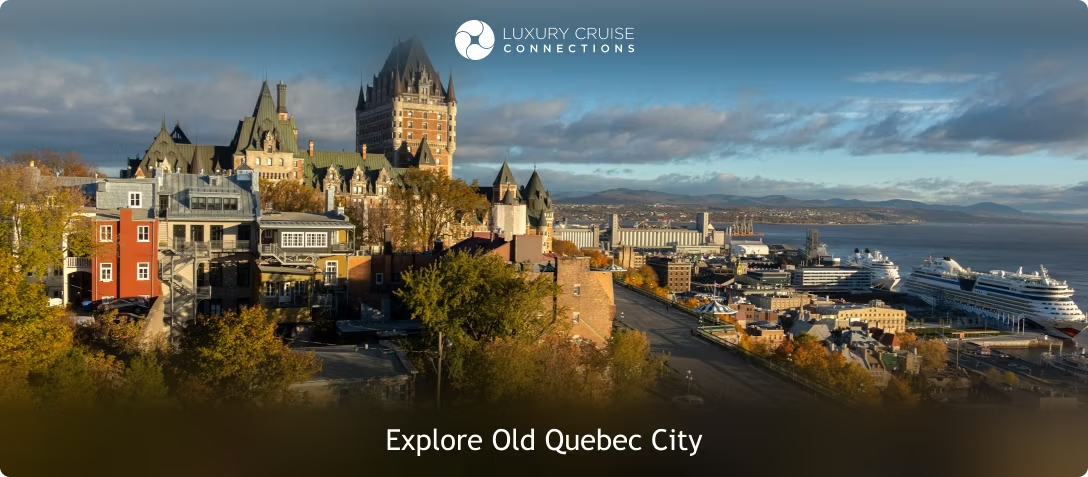
  • Explore Old Quebec City
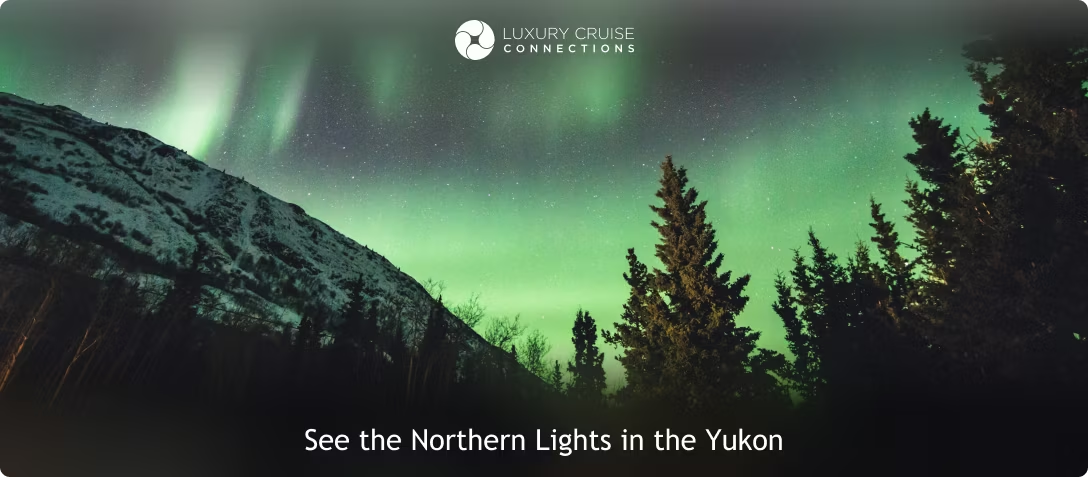
  • See the Northern Lights in the Yukon
  • Visit Toronto's CN Tower
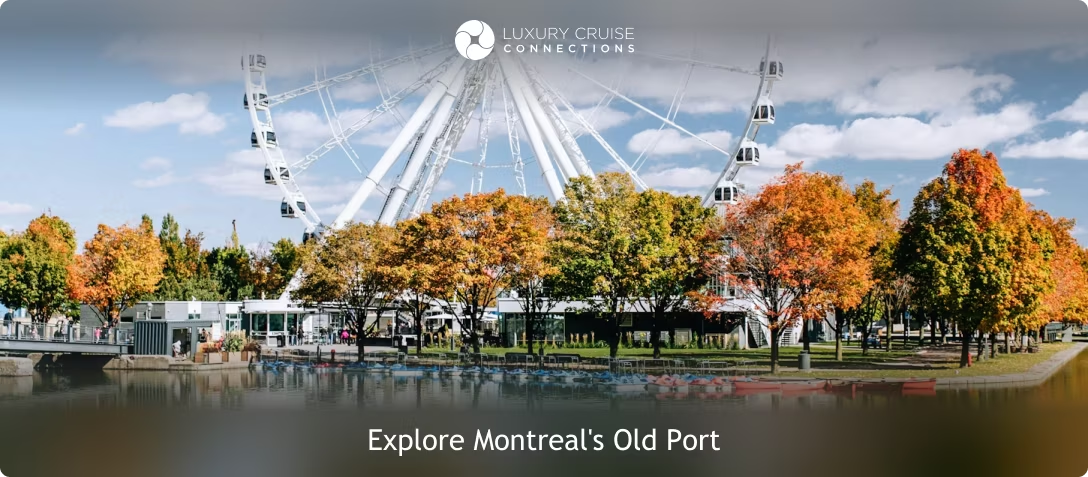
  • Explore Montreal's Old Port
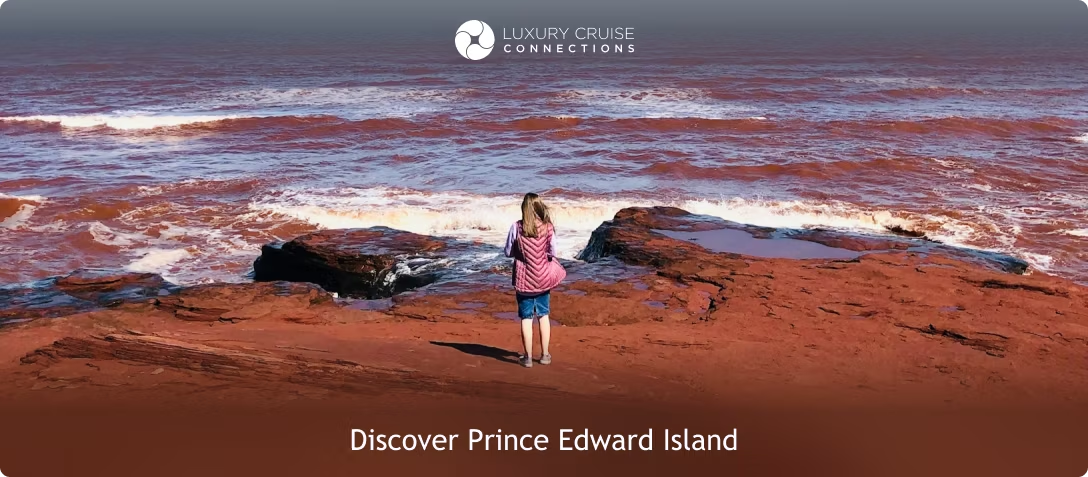
  • Discover Prince Edward Island
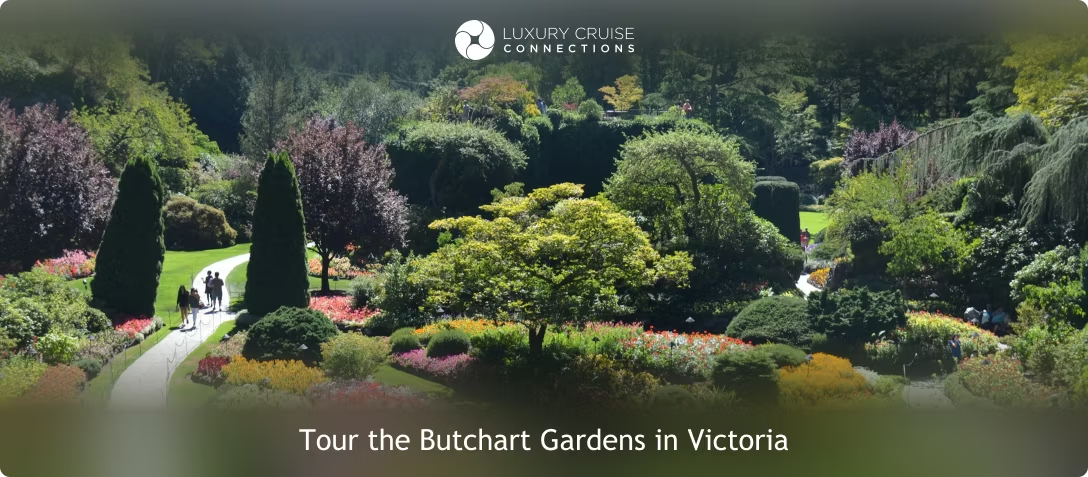
  • Tour the Butchart Gardens in Victoria
  • Explore Banff National Park

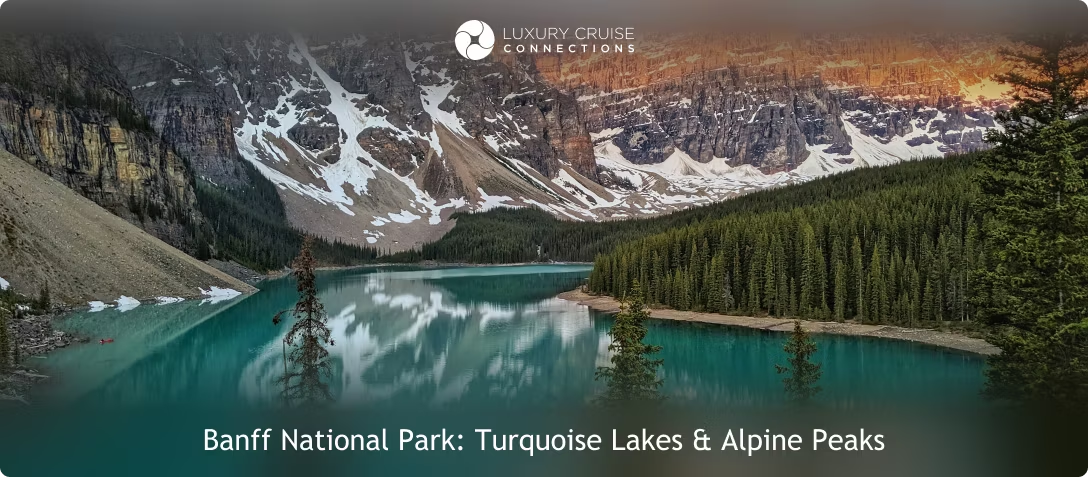
    Banff National Park is Canada’s first national park, established in 1885 in Alberta. The park covers over 6,600 square kilometers and is part of the Canadian Rocky Mountain Parks UNESCO World Heritage Site. Its landscapes include glacier-fed lakes, alpine meadows, dense forests, and towering peaks. The town of Banff is located within the park and offers accommodations, restaurants, and cultural attractions.
    Explore Banff National Park

    Banff National Park attracts consistent interest throughout the year. Lake Louise showcases turquoise waters surrounded by snow-covered mountains. Moraine Lake displays vivid blue hues and stunning views of the Valley of the Ten Peaks. The Banff Gondola offers panoramic views from the summit of Sulphur Mountain. Johnston Canyon features a trail leading to waterfalls and limestone cliffs. The Icefields Parkway connects Banff to Jasper and highlights glaciers, rivers, and scenic landscape viewpoints.

    Experiences in the park include hiking, wildlife observation, canoeing, snowshoeing, and soaking in thermal springs. Trails (Plain of Six Glaciers and Lake Agnes Tea House) lead to alpine scenery and historic sites. Canoeing on Lake Louise, horseback riding near Bow River, and skiing in the winter months (December to March) reflect seasonal variety. Interpretive centers and museums share stories about Indigenous heritage, geology, and conservation.

    Summer (June to September) offers clear trails and open lakes, while the winter months from December to March support skiing and ice walks.

    Guided tours offer insights into ecology, history, and wildlife behavior. Planning a visit requires attention to timing, access, and fees. Reservations for popular sites (Moraine Lake and Lake Louise) are required during peak periods.

    Entry fees apply, with daily passes priced at CAD 11.00 for adults and CAD 9.50 for seniors. Family or group passes cost CAD 22.00. The Parks Canada Discovery Pass offers annual access for CAD 75.25 for adults and CAD 151.25 for families.

  • Visit Niagara Falls

    Niagara Falls is a group of three waterfalls located on the border between Ontario, Canada, and New York State, United States. The three waterfalls (Horseshoe Falls, American Falls, and Bridal Veil Falls). Horseshoe Falls is the largest of the three and lies on the Canadian side, and carries approximately 90% of the Niagara River’s flow. The falls were formed over 12,000 years ago by retreating glaciers that carved the Niagara Gorge. The steady flow of water and the geological structure of the ridge contribute to the vertical drop and dramatic appearance of the falls.
    Bunk'Art Museums

    Niagara Falls provide unique experiences near the falls. Journey Behind the Falls offers access to tunnels carved into bedrock, leading to observation decks behind Horseshoe Falls. Niagara City Cruises operates boat tours that approach the base of the falls, allowing passengers to witness the power and mist up close. The Whirlpool Aero Car travels above the Niagara Whirlpool, offering aerial views of swirling currents. The Butterfly Conservatory houses over 2,000 free-flying butterflies in a tropical environment. The Niagara Parks Power Station features historical exhibits and a tunnel leading to a viewing platform near the river.

    Visitors encounter a combination of nature, cultural heritage, and recreational activities. The sound of falling water produces a sensory experience with noise, mist, and vibrations. Seasonal events (fireworks displays and light shows) boost visual interest at night. Walking paths along the Niagara Parkway give access to gardens, monuments, and scenic viewpoints. Restaurants and shops near Clifton Hill provide entertainment and dining options.

    The period from late August to September has mild weather and reduced crowds. Spring (March to May) and autumn (September to November) months offer quieter conditions and changing foliage. Winter visits reveal frozen sections of the falls and fewer visitors.

    Reservations are recommended for popular experiences. Guided tours are helpful with a minimal fee, depending on duration and inclusions.

    Entry to Niagara Parks requires an admission fee. A daily pass for Niagara City Cruises costs around CAD 32.00 for adults. Journey Behind the Falls costs approximately CAD 23.00 per adult. The Niagara Parks Adventure Pass, which covers multiple attractions, starts at CAD 49.00.

  • Hike in the Canadian Rockies

    The Canadian Rockies are part of the North American Rocky Mountains located in western Canada. The range covers about 1,600 miles across British Columbia and Alberta. Peaks (Mount Robson and Mount Columbia) rise above 3,700 feet and create a stunning landscape shaped by glaciers and tectonic forces. The area includes various national parks (Banff, Jasper, Yoho, Kootenay, and Waterton Lakes), which are designated as a UNESCO World Heritage Site. The terrain features alpine meadows, turquoise lakes, deep valleys, and thick forests.
    Accursed Mountains

    The attractions stand out across the Canadian Rockies. Lake Louise features vibrant blue waters surrounded by snow-covered mountains. Moraine Lake offers a view of the Valley of the Ten Peaks and remains a popular spot for photography. The Columbia Icefield provides access to the Athabasca Glacier through guided tours. The Banff Gondola climbs Sulphur Mountain and offers panoramic views of the Bow Valley. Maligne Lake in Jasper National Park includes Spirit Island, a photographed landmark. The Icefields Parkway connects Banff and Jasper and passes scenic viewpoints, waterfalls, and wildlife corridors.

    Geography and seasonal variations impact the experiences that visitors have. Hiking trails at Larch Valley and Parker Ridge lead to alpine views and wildflower displays. Canoeing on Lake Louise, snowshoeing near Pyramid Lake, and horseback riding along Bow River reflect seasonal diversity. Wildlife sightings include elk, mountain goats, bears, and marmots. Historical sites of the Cave and Basin National Historic Site and the Jasper-Yellowhead Museum share stories about Indigenous communities, early explorers, and conservation efforts.

    Planning a visit involves selecting the right season, understanding access points, and budgeting for fees. The summer period from late June to early September supports hiking, lake activities, and road trips. Autumn months from mid-September to early October offer golden larch trees and fewer crowds. Winter (December to March) supports skiing, ice walking, and snow-covered landscapes.

    Early reservations are recommended for accommodations and popular attractions. Minimal change applies if guided tours are needed

    Entry to national parks requires a daily pass of CAD 11.00 for adults and CAD 22.00 for groups. The Parks Canada Discovery Pass provides annual access at CAD 75.25 for individuals and CAD 151.25 for families.

  • Discover Vancouver’s Stanley Park

    Stanley Park covers more than 400 hectares on the northwestern edge of downtown Vancouver. The park officially opened in 1888 and was named after Lord Frederick Stanley, the Governor General of Canada at that time. The area was the traditional territory of Coast Salish people (Musqueam, Squamish, and Tsleil-Waututh Nations). It is forested, with most trees that are hundreds of years old. Stanley Park’s location is between Burrard Inlet and English Bay, which offers stunning coastal views and access to marine ecosystems.
    Discover Vancouver’s Stanley Park

    Tourist attractions within Stanley Park get consistent attention from visitors. The Vancouver Aquarium houses over 65,000 animals and features exhibits focused on marine conservation. The Totem Poles at Brockton Point showcase Indigenous artistry and cultural heritage. The Seawall extends for 8.8 kilometers and provides unobstructed views of the ocean, mountains, and city skyline. Prospect Point offers a lookout over Lions Gate Bridge and the North Shore Mountains. Siwash Rock is a sea stack emerging from the water, and it serves as a natural landmark with cultural value.

    Experiences in the park include walking, cycling, birdwatching, and photography. Forest trails lead through dense cedar and fir groves, while beaches (Second Beach and Third Beach) offer places for relaxation. The Miniature Train operates seasonally and passes through wooded areas and themed displays. Gardens (Rose Garden and Ted and Mary Greig Rhododendron Garden) display seasonal blooms. Historical monuments (Nine O’Clock Gun and the Hollow Tree) reflect the park’s layered past.

    Planning a visit involves choosing the right time and understanding access details. The park is open from 6:00 a.m. to 10:00 p.m. Morning and late afternoon hours give calmer conditions and softer light for photography.

    Maps and digital guides are available through the City of Vancouver’s official website. Tour guides are optional.

    The entrance fee to the park is free. Admission to the Vancouver Aquarium costs CAD 40.00 for adults, CAD 32.00 for seniors and teens, and CAD 23.00 for children aged 4 to 12.

  • Explore Old Quebec City

    Old Quebec City is the historic center of Quebec City in Canada. The area was marked as a UNESCO World Heritage Site in 1985 because of its well-preserved colonial architecture and fortified design. The districts of Upper and Lower Towns feature buildings from the 17th and 18th centuries. French explorer Samuel de Champlain established the original settlement in 1608, and the neighborhood has maintained its European charm over the centuries.
     Explore Old Quebec City

    Old Quebec City has various tourist attractions that consistently bring crowds. The Château Frontenac is one of the world's most famous hotels and towers over the skyline from its cliffside location. Place Royale is the site of North America's first permanent French settlement and features cobblestone streets and the Notre-Dame-des-Victoires Church. Terrasse Dufferin offers stunning views of the St. Lawrence River and features a historic toboggan slide in the winter. Rue du Petit-Champlain is a pedestrian street lined with boutiques, cafes, and seasonal decorations. The Citadelle de Québec serves as an active military base and museum, while the Plains of Abraham provide a green space and historical value for the 1759 battle between French and British forces.

    Experiences in the district include guided walking tours, art gallery visits, and culinary tastings. The Musée de la civilisation presents exhibits on Quebec’s cultural history. The cable railway connects Upper Town and Lower Town, offering a scenic ride between levels. Antique shops along Rue Saint-Paul display vintage items and local craftsmanship. Street performers entertain along central promenades during warmer months. Winter Carnival events transform the area into a festive landscape with ice sculptures and parades.

    The most favorable months for travel include June through September for warm weather and December through February for winter festivities.

    Maps and digital guides are available through the Québec City tourism office. Early morning hours provide quieter streets and better lighting for photography. Comfortable footwear supports exploration across uneven cobblestone surfaces.

    Entrance is free. Cost of guided walking tours ranges from CAD 6.00 to CAD 75.00, depending on duration and content. Admission to the Citadelle costs CAD 18.00 and includes museum access and seasonal military ceremonies. The railway ride between Upper and Lower Town costs CAD 4.00 one way.

  • See the Northern Lights in the Yukon

    The Northern Lights (aurora borealis) are a natural event triggered by solar particles interacting with Earth's magnetic field. The region is known for its bright displays, and the lights are a regular occurrence. The phenomenon shows up as moving bands of green, pink, and violet across the night sky, making a visual show that's been captivating observers for centuries. The territory’s low population and light pollution make for perfect viewing conditions.
    See the Northern Lights in the Yukon

    Various attractions in Yukon offer great spots for viewing the aurora. The capital of Yukon (Whitehorse) has dark-sky lodges and wilderness cabins outside the city. Places (Fish Lake, Lake Laberge, and Takhini Hot Pools) have clear views and natural surroundings. The Northern Lights Resort and Spa has heated viewing areas and guided tours. Kluane National Park is perfect for overnight hikes and observing the aurora in a remote setting. Dog sledding, snowmobiling, or wildlife tours to complement the nighttime aurora experience.

    Visitors have access to a combination of breathtaking views, cultural stories, and outdoor experiences. The aurora is seen from 10:00 p.m. to 3:00 a.m. on clear nights, with the highest activity occurring when sunlight is at its highest. The experience involves waiting under star-studded skies, listening to local stories, and watching the lights dance across the horizon. Heated tents, campfires, and warm drinks keep guests comfortable during extended viewing sessions. Photography workshops guide capturing long-exposure images of the aurora.

    Planning a trip involves choosing the right season, selecting guides, and understanding costs. The best months for aurora viewing in the Yukon are from late August to mid-April. Autumn features colorful foliage and mild temperatures, while winter provides snow-covered landscapes and longer nights.

    Aurora forecast apps and solar activity trackers help in planning excursions. Less moonlight and cloud cover improve visibility. Warm clothing, layered insulation, and waterproof boots are necessary for comfort during outdoor viewing.

    Guided tours cost between CAD 75.00 and CAD 500.00, depending on duration, inclusions, and accommodations. Access to viewing lodges and resorts varies, with packages including transportation, meals, and winter gear.

  • Visit Toronto's CN Tower

    The CN Tower is a popular landmark in downtown Toronto, standing at 553.3 meters tall. The construction started in 1973 and finished in 1976, initially functioning as a telecommunications hub for the Canadian National Railway. The tower was the world’s tallest free-standing structure for 32 years, and holds the record as the tallest in the Western Hemisphere. Its design includes reinforced concrete and a tapered shaft, making it a key part of the city’s skyline.
    Visit Toronto's CN Tower

    The Main Observation Level at 346 meters offers panoramic views of Toronto and Lake Ontario. The Glass Floor allows visitors to look directly down through transparent panels. The Outdoor Sky Terrace presents open-air access to city sounds and wind currents. The SkyPod, located 33 stories above the main deck, offers the highest public observation point in the Western Hemisphere. The EdgeWalk features a hands-free walk around the exterior ledge of the tower’s central pod. The 360 Restaurant rotates slowly and serves Canadian cuisine with views of the skyline.

    Experiences inside the tower include photography, dining, and interactive exhibits. The Viewfinder app identifies buildings and landmarks visible from the observation decks. Digital photo stations capture moments before elevator rides. The elevator ride to the top takes less than a minute and features glass panels for viewing during the ascent.

    Planning a visit involves choosing the right season and understanding ticket options. Spring (April to June) and autumn (September to November) months offer mild temperatures and clear skies. The summer months (July to August) attract larger crowds and longer wait times. Winter (December to March) has snow-covered views and fewer visitors.

    Guides are available through staff assistance and digital platforms. Early morning and late evening hours provide softer light and reduced foot traffic.

    General admission costs CAD 43.00 for adults, CAD 30.00 for children aged 6 to 13, and CAD 36.00 for seniors aged 65 and above. The EdgeWalk experience costs CAD 195.00 and includes photos, a certificate, and access to other observation levels. The SkyPod requires an additional CAD 15.00. Tickets are scheduled and valid for one elevator trip.

  • Explore Montreal's Old Port

    Montreal's Old Port stretches along the Saint Lawrence River and forms part of the city's historic waterfront. The area dates back to 1611, when French fur traders established a trading post. The port evolved into a center for commerce, transportation, and cultural exchange. The district blends heritage architecture with modern attractions and serves as a gathering place for locals and visitors.
    Explore Montreal's Old Port

    The Montreal Science Centre features interactive exhibits and an IMAX theatre. The Clock Tower, built between 1919 and 1922, commemorates sailors lost during World War I and offers panoramic views from its summit. La Grande Roue de Montréal, the tallest observation wheel in Canada, provides aerial views of the city and river. Bota Bota, a floating spa anchored in the harbor, offers relaxation with views of the skyline. The Voiles en Voiles adventure park includes climbing structures modeled after pirate ships. Seasonal events (Igloofest and the Eureka Festival) bring music, science, and art to the waterfront.

    Experiences in the Old Port include walking along the boardwalk, cycling beside the river, and attending outdoor performances. Pedal boats and quadricycles offer recreational options during warmer months. Ice skating and light installations transform the area during winter. Museums (Pointe-à-Callière) present archaeological exhibits and historical narratives. Restaurants, cafes, and food trucks line the promenade, serving up local flavor specialties.

    Planning a visit involves selecting the right season and understanding access details. The most favorable months include May through September for warm weather and outdoor activities. December to February supports winter festivals and ice-based recreation.

    Early morning hours provide quiet conditions and soft lighting for photography. Public transportation and bike rentals offer convenient access to the area.

    The entrance to Old Port is free. Admission to the Montreal Science Centre costs CAD 23.00 for adults and CAD 15.00 for children aged 4 to 17. Tickets for La Grande Roue range from CAD 20.00 to CAD 25.00 depending on age and time of day. Guided walking tours cost around CAD 25.00 to CAD 60.00, depending on duration and content.

  • Discover the Prince Edward Island

    Prince Edward Island is the smallest province in Canada by land area and population. The island is located in the Gulf of St. Lawrence and covers 5,660 square kilometers. Its landscape features fertile red soil, rolling green hills, and sandstone cliffs. The capital city (Charlottetown) hosted the 1864 conference that led to Canadian Confederation. Agriculture, fisheries, and tourism support the local economy. The island produces nearly one-quarter of Canada’s potatoes and has a strong maritime heritage.
    Discover the Prince Edward Island

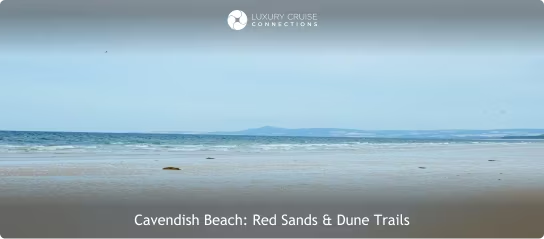
    The attractions showcase the island’s natural beauty and cultural history. Cavendish Beach has red sand dunes and warm waters. Green Gables Heritage Place is the setting that inspired Lucy Maud Montgomery’s famous novel. Prince Edward Island National Park features coastal trails, birdwatching areas, and protected ecosystems. The Confederation Bridge extends 12.9 kilometers and connects the island to New Brunswick. Basin Head Provincial Park offers white sand beaches and the unique sound of “singing sands.” East Point Lighthouse marks the eastern tip and offers views of where the Gulf meets the Northumberland Strait.

    Visitors experience a mix of outdoor activities, literary sites, and regional food. Other activities include biking on the Confederation Trail, kayak trips through calm bays, and seafood festivals. Tours in Charlottetown tell stories about early settlers and key political events. Local shops and farmers’ markets showcase crafts and fresh produce. Lobster dinners, oyster tastings, and potato dishes highlight regional flavors.

    Planning a trip involves choosing the right season and understanding the costs. The summer months (June to August) feature warm temperatures between 20°C and 25°C, ideal for beach outings and festivals. Autumn (September to October) offers colorful fall foliage and harvest events. Winter (November to March) provides snowy landscapes and quiet retreats. Spring (April to May) welcomes blooming wildflowers and mild breezes.

    Early reservations support access to accommodations and popular sites.

    Guided tours cost from CAD 25.00 to CAD 150.00, depending on length and content. Entry to Green Gables Heritage Place is CAD 8.50 for adults and CAD 4.25 for youths. Admission to Prince Edward Island National Park requires a daily pass, costing CAD 8.50 for adults and CAD 16.75 for groups. The Parks Canada Discovery Pass provides annual access at CAD 75.25 for individuals and CAD 151.25 for families.

  • Tour the Butchart Gardens in Victoria

    Butchart Gardens in Victoria features a 55-acre botanical display located in Brentwood Bay on Vancouver Island. The site began as a limestone quarry in the early 1900s and was transformed into a garden under Jennie Butchart's vision. The Canadian government designated the property as a National Historic Site in 2004. Descendants of the Butchart family privately run the garden and attract over one million visitors each year.
    Tour the Butchart Gardens in Victoria

    Multiple areas within the garden provide one-of-a-kind visual and sensory experiences. The Sunken Garden boasts layered terraces, bright flower beds, and a central fountain. The Japanese Garden features winding paths, arched bridges, and seasonal maples. The Rose Garden showcases over 250 varieties of roses arranged in symmetrical beds. The Italian Garden features classical statues, geometric hedges, and a central pond. The Mediterranean Garden is home to drought-resistant plants (lavender, rosemary, and olive trees). The Ross Fountain puts on a dynamic water show in the lower reservoir.

    Visitors experience various seasonal events and interactive features. Summer evenings include outdoor concerts and fireworks displays. Winter months bring the Magic of Christmas with light installations, carolers, and themed decorations. The Rose Carousel offers rides on hand-carved animals and a carousel on Vancouver Island. Afternoon tea in the “Dining Room” features a selection of pastries, sandwiches, and teas in a historic setting. The Blue Poppy Restaurant offers casual dining with locally sourced ingredients. Gelateria Benvenuto serves house-made gelato near the Italian Garden.

    Spring (March to May) features cherry blossoms, tulips, and magnolias. Summer (June to August) includes roses, hydrangeas, and longer evening hours. Autumn (September to November) highlights Japanese maples, dahlias, and chrysanthemums. Winter (December to February) introduces holiday lights and peaceful walking paths. Early or late visit helps avoid the busiest times.

    Guided tours and seasonal passes are available on the official Butchart Gardens website. Comfortable footwear is recommended for walking across different terrains. Photography opportunities are found throughout the garden, including floral arches, fountains, and scenic viewpoints.

    Admission fees change with the seasons. Rates go up to CAD 36.50 for adults, CAD 18.25 for youth, and CAD 2.00 for kids, in spring. Summer rates jump to CAD 39.50 for adults, CAD 19.75 for youth, and CAD 3.00 for kids. Rates drop to CAD 32.80 for adults, CAD 16.40 for youth, and CAD 2.00 for kids in the fall. Winter rates vary from CAD 25.50 to CAD 35.00, depending on the date.


What are the Most Popular Tourist Attractions in Canada?

The most popular tourist attractions in Canada are listed below.

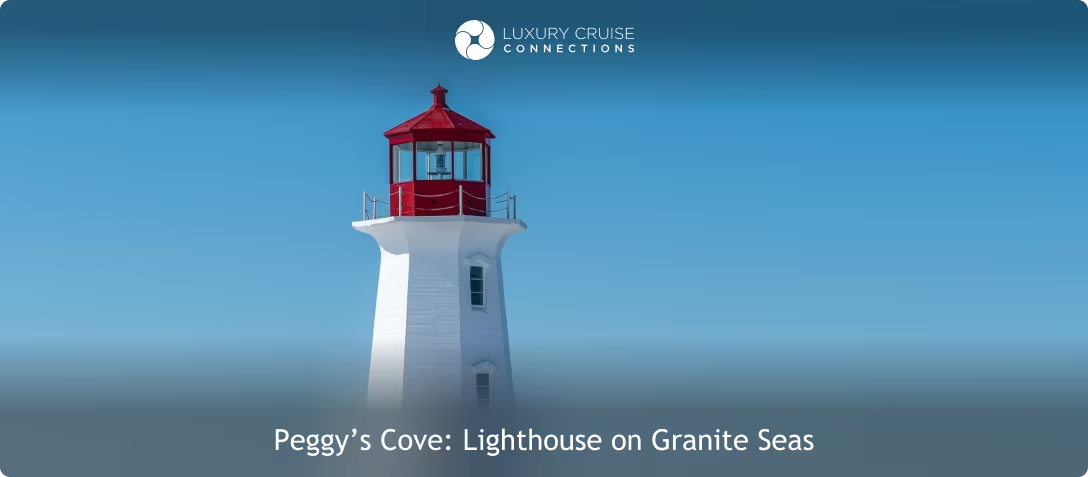
  • Peggy’s Cove
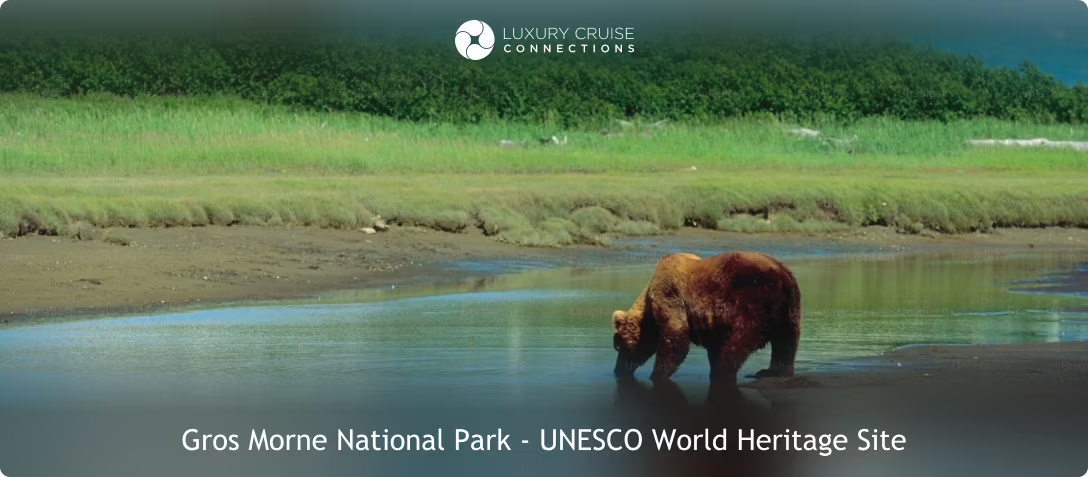
  • Gros Morne National Park
  • Parliament Hill
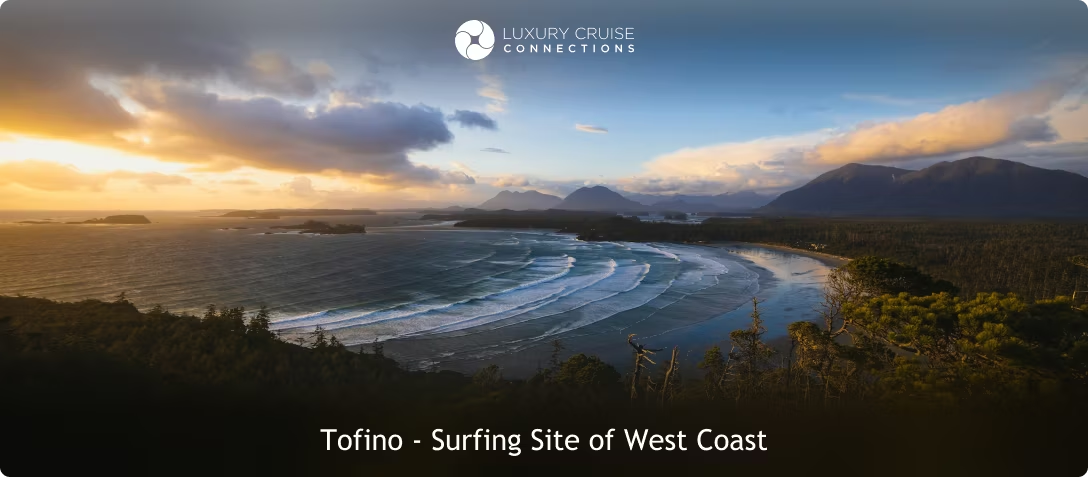
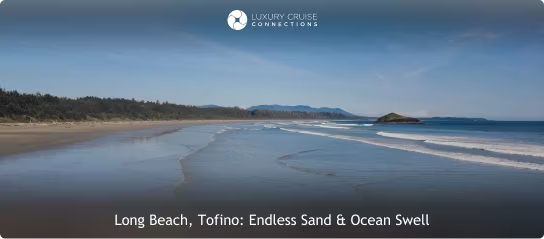
  • Tofino
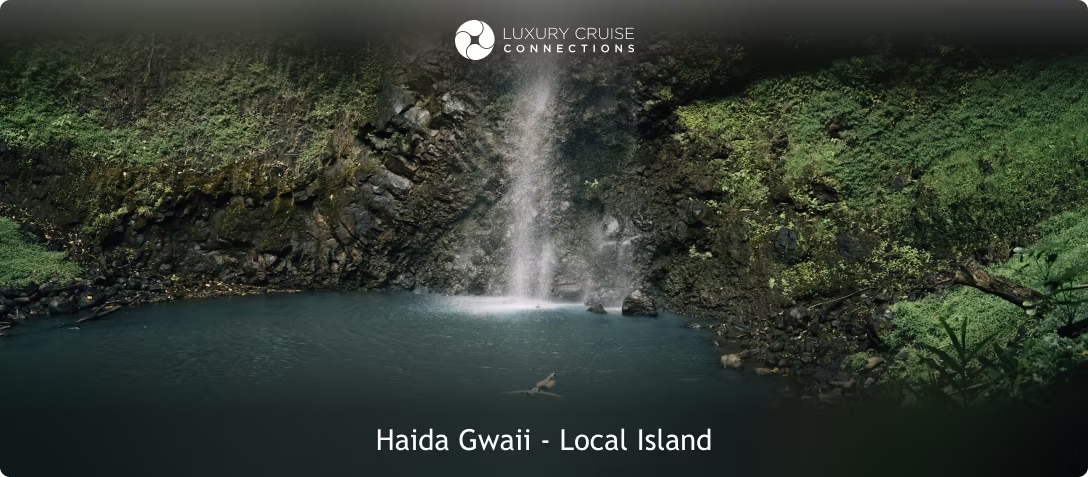
  • Haida Gwaii
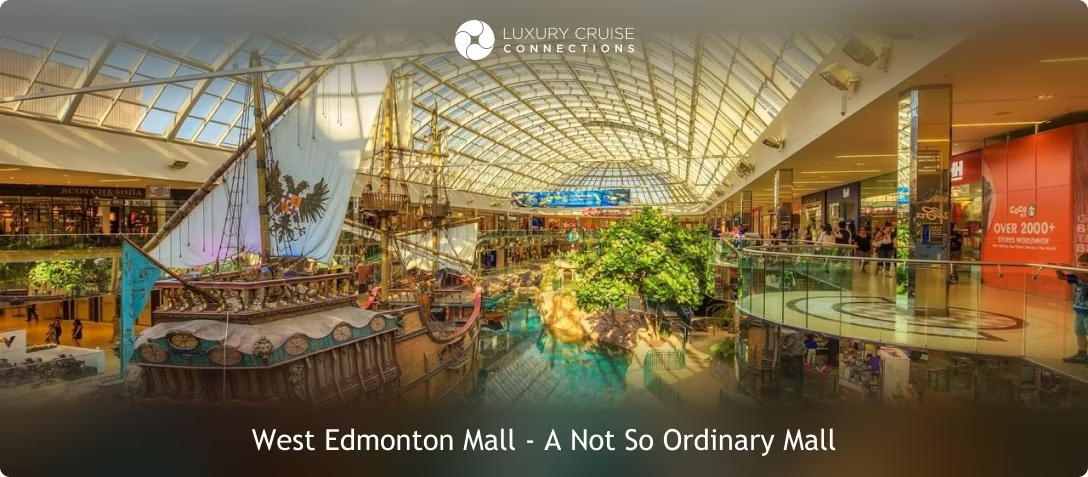
  • West Edmonton Mall
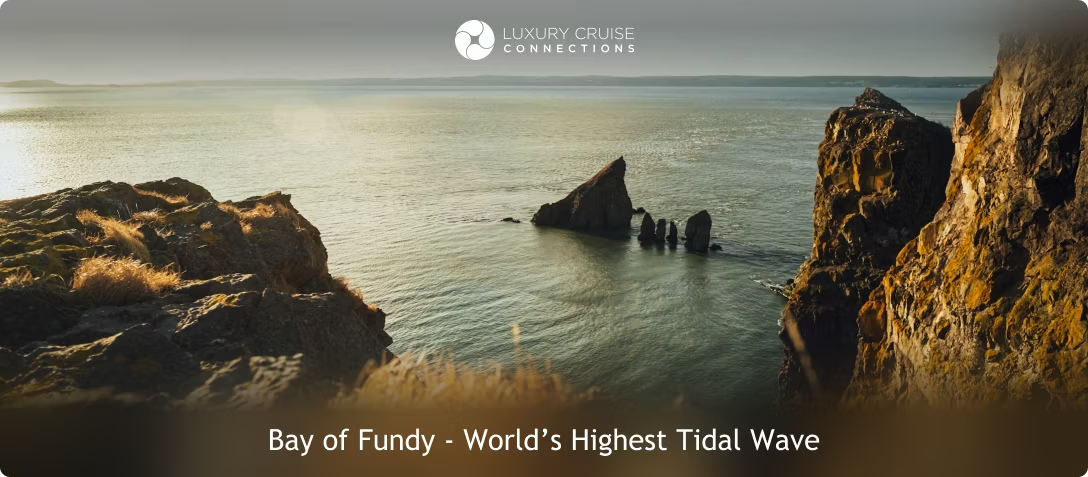
  • Bay of Fundy
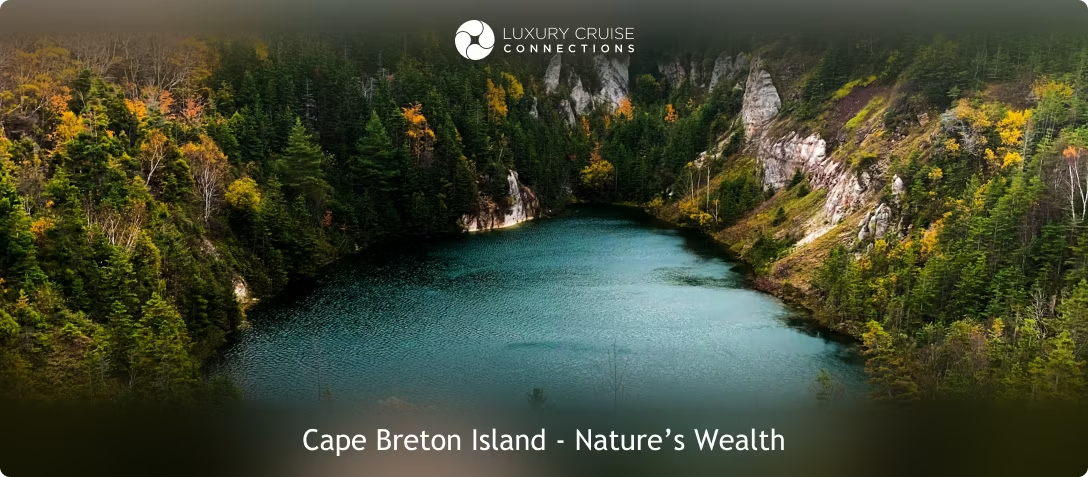
  • Cape Breton Island
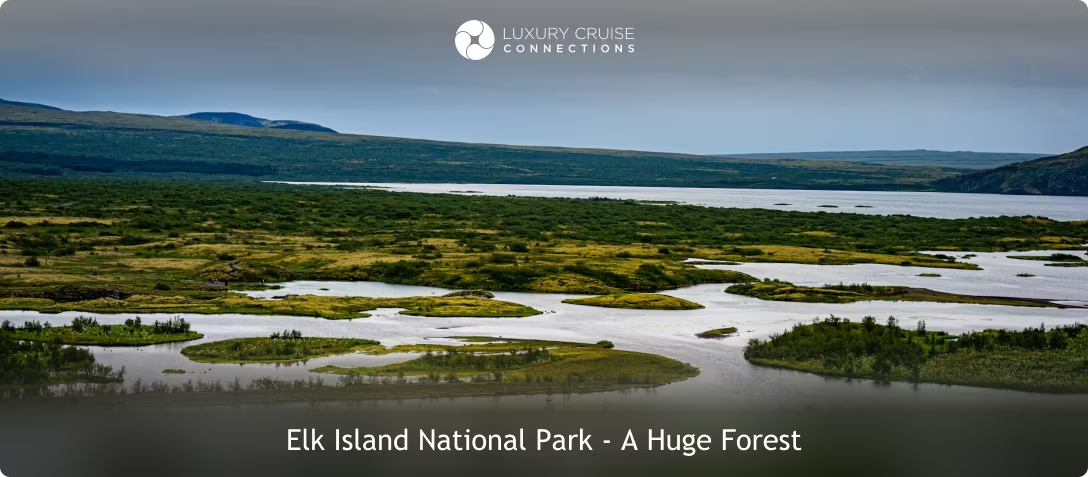
  • Elk Island National Park
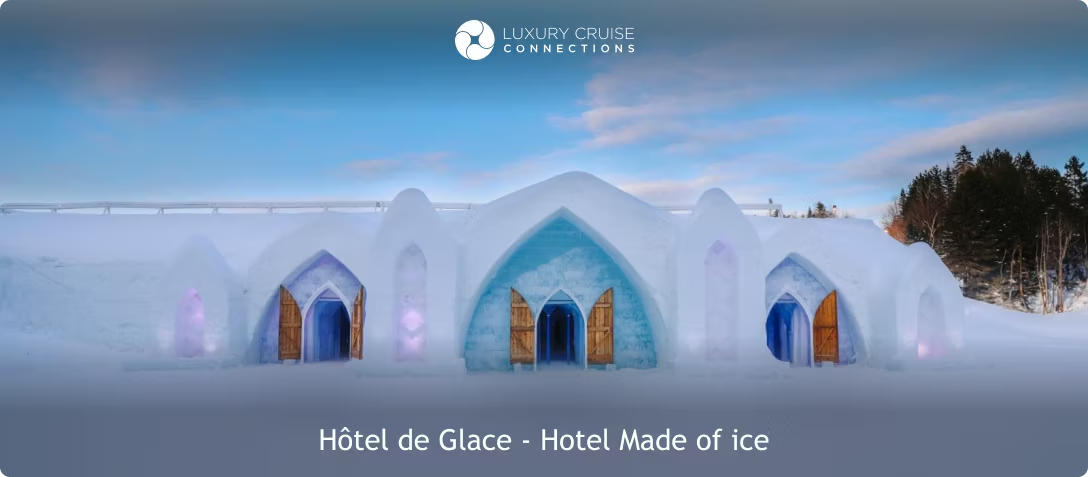
  • Hôtel de Glace


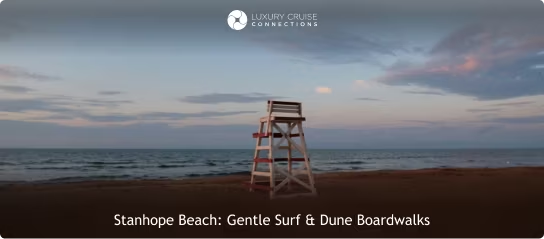
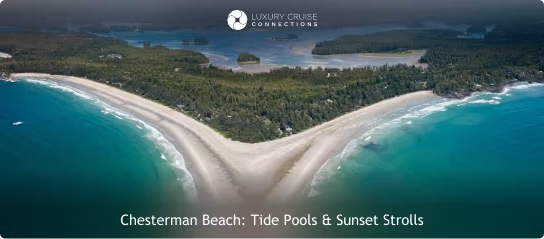
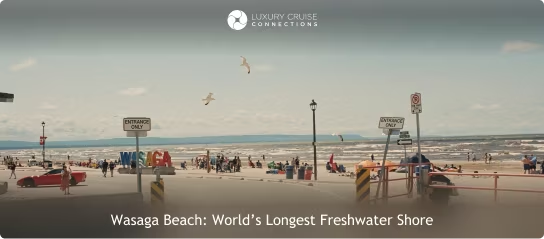
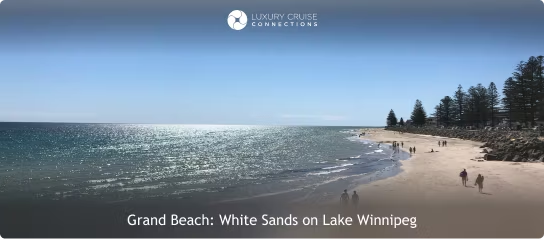
Which Vacation Spots in Canada are Best for Beach Lovers?

The vacation spots in Canada that are best for beach lovers are listed below.


What Are the Best Things to Do in Canada for First-Time Visitors?

The best things to do in Canada for first-time visitors are listed below.

Gastown features cobblestone streets, vintage architecture, and a lively atmosphere. The district includes independent boutiques, historic landmarks, and street art.
The Royal Ontario Museum presents exhibits on natural history, world cultures, and contemporary design. The building combines classical and modern architecture.
Lunenburg preserves maritime traditions through colorful buildings and waterfront views. The town holds UNESCO World Heritage status for its colonial layout and architecture.
The Bay of Fundy features dramatic tides, sea cliffs, and fossil-rich beaches. The region includes hiking trails, rock formations, and marine ecosystems.
The Canadian Museum of History presents exhibits on Indigenous cultures, national milestones, and global civilizations. The building overlooks the Ottawa River.
Whistler Village combines alpine scenery with pedestrian-friendly streets and seasonal activities. The area includes mountain trails, artisan shops, and outdoor events.
Kensington Market presents a mix of vintage shops, multicultural eateries, and street murals. The neighborhood reflects Toronto’s diversity and artistic spirit.
Charlevoix includes rolling hills, coastal villages, and art galleries. The region supports agritourism, scenic drives, and cultural retreats.

How does Tourism in Albania compare to other Balkan Countries?

Tourism in Albania is becoming more popular compared to other Balkan countries due to its relatively low cost and less crowded destinations. Albania remains more affordable and quieter, while countries (Croatia and Greece) attract large numbers of tourists, making it an appealing option for tourists seeking a more relaxed experience. Visitors to Albania enjoy coastlines along the Albanian Riviera, historic towns (Berat and Gjirokastër), and rich archaeological sites, without the heavy crowds of neighboring destinations.

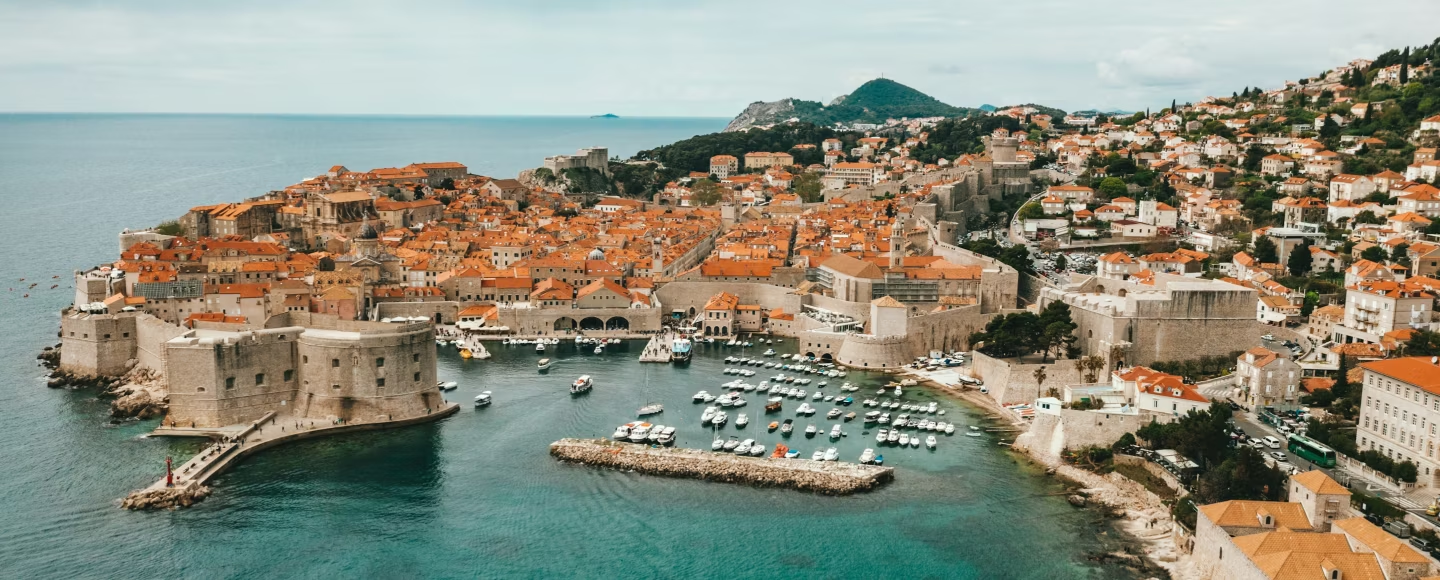
Albania tourism has been growing steadily, attracting tourists interested in experiencing authentic local culture and natural beauty. Albania offers a more budget-friendly option compared to the expensive, overcrowded tourist spots in Croatia and Greece. Travelers enjoy unique things to do in Albania, including Ksamil or hiking in the Albanian Alps. Albania’s combination of history, scenic views, and affordability makes it an appealing choice for tourists seeking a different kind of Mediterranean experience. Making it a strong alternative to Things to Do in Croatia.

When should I plan my visit to Canada for Cool Outdoor Activities?

You should plan your visit to Canada for cool outdoor activities, depending on seasonal preferences and regional highlights. Summer months from June to August offer warm temperatures and long daylight hours, making hiking and water-based adventures ideal. Trails in the Canadian Rockies, beaches on Prince Edward Island, and kayaking routes in British Columbia attract nature lovers and enthusiasts. Butchart Gardens in Victoria displays vibrant floral arrangements during summer (Sunken Garden, Japanese Garden, and Rose Garden). Each section presents a distinct atmosphere shaped by seasonal blooms and landscape design.

Winter months from December to March support skiing, snowshoeing, and aurora viewing. Resorts in Alberta and British Columbia provide access to alpine slopes and forested trails. The Yukon offers clear skies and remote locations for observing the Northern Lights. Ice skating in Montreal’s Old Port and snow-covered walks in Ottawa’s parks add variety to winter experiences. Activities in Canada shift with the seasons, offering distinct benefits, such as mild weather for hiking or crisp air for snow sports.

Cool things to do in Canada include exploring national parks, attending seasonal festivals, and discovering local traditions. Canada activities vary from wildlife tours and scenic drives to cultural exhibits and culinary tastings. Each region presents unique characteristics shaped by geography, climate, and community values. Choosing the right time supports access to preferred landscapes and events while providing comfort and clarity during travel.

Are Canada’s Famous Tourist Attractions Easy to Access from Major Cities?

Yes, Canada’s famous tourist attractions are easy to access from major cities. Canada's popular tourist locations present a mix of easily accessible destinations and remote natural wonders. Tourist attractions Canada (Niagara Falls) offer convenient access from major cities. A drive from Toronto to Niagara Falls takes over an hour, making it a practical day trip. Visitors reach the falls directly by car, train, or bus, and enjoy activities (boat rides, riverside walks, and views from observation decks). Tourist places in Canada (Mont-Tremblant) lie within 90 minutes of Montreal and feature hiking trails, colorful village streets, and seasonal festivals. Destinations (Rocky Mountains) require dedicated travel. Banff National Park in Alberta, hours from Calgary, features turquoise lakes, glacier-fed rivers, and mountain trails. Visiting Jasper or Lake Louise involves longer drives or multi-day trips. The sites offer dramatic landscapes and wildlife, but need planning and time. Canada popular tourist locations differ in accessibility, with urban landmarks and nearby nature easy to visit, while remote parks and mountain ranges require longer exploration. Each location highlights the country’s geographic diversity.

Are there Fun Activities in Canada for Families?

Yes, there are fun activities in Canada for families. Canada has a ton of fun activities for families across its different regions. Visiting museums like the Canadian Children's Museum in Ottawa offers interactive exhibits for young kids, including cultural displays and hands-on experiences.

Checking out national parks (Banff and Fundy) introduces families to hiking trails, wildlife viewing, and scenic landscapes that support outdoor activities. Going to festivals like the Calgary Stampede brings entertainment through rodeos, parades, and live music, creating lasting memories for all ages. Famous places in Canada (Niagara Falls, Stanley Park in Vancouver, and Old Quebec) present opportunities for sightseeing, photography, and cultural exploration. Each destination features unique qualities that attract families (playgrounds, guided exhibits, and seasonal events). Activities like whale watching in Churchill, riding the Banff Gondola, and visiting science centers in Toronto help create a diverse travel experience. Family-friendly attractions across provinces promote learning, play, and connection through nature, history, and community celebrations.

Is it possible to find Fun Stuff to do in Canada without a Tour Guide?

Yes, it is possible to find fun stuff to do in Canada without a tour guide. Travelers choose from different activities that offer meaningful experiences. Stanley Park in Vancouver provides scenic trails, waterfront views, and public art that are easy to explore alone. Niagara Falls provides viewpoints, boat rides, and vineyards, supported by clear signage and transit. Banff National Park has trails (Johnston Canyon and Tunnel Mountain) with marked paths and visitor centers. A Canada travel guide includes detailed maps, seasonal recommendations, and local tips that support self-guided exploration. Discovering fun things to do in Canada without a tour guide includes attending festivals, browsing markets (St. Lawrence Market in Toronto), and relaxing in natural hot springs in British Columbia. Each region offers unique features that facilitate independent travel, including public transit options, multilingual signage, and community-focused hospitality.

Best Things to Do Around the World

Discover the best activities, landmarks, and experiences in every cruise destination and port of call.

Europe Western, Central & Mediterranean
America North, Central, South & Caribbean
Africa & Asia Oceania & Antarctica