10 Best Things to Do in Albania

The ten best things to do in Albania include exploring Tirana’s city center, visiting the Bunk’Art museums,...

add

The ten best things to do in Albania include exploring Tirana’s city center, visiting the Bunk’Art museums, and hiking the Accursed Mountains. Albania’s growing popularity as a travel destination is driven by its coastline, rich history, and cultural experiences. The best places to visit in Albania offer a mix of ancient history, natural beauty, and modern attractions. The top things to do in Albania provide something for every type of traveler. There is no shortage of memorable experiences, from wandering the streets of Berat to lounging on the Albanian Riviera.

  • Explore Tirana's City Center
  • Visit Bunk'Art Museums
  • Hike the Accursed Mountains
  • Discover Gjirokaster Castle
  • Wander the Historic Berat
  • Step Back in Time at Butrint
  • Lounge in Ksamil & Riviera
  • Dive into the Blue Eye
  • Explore Gjipe Canyon
  • Stroll Through Durres
  • Explore Tirana's City Center

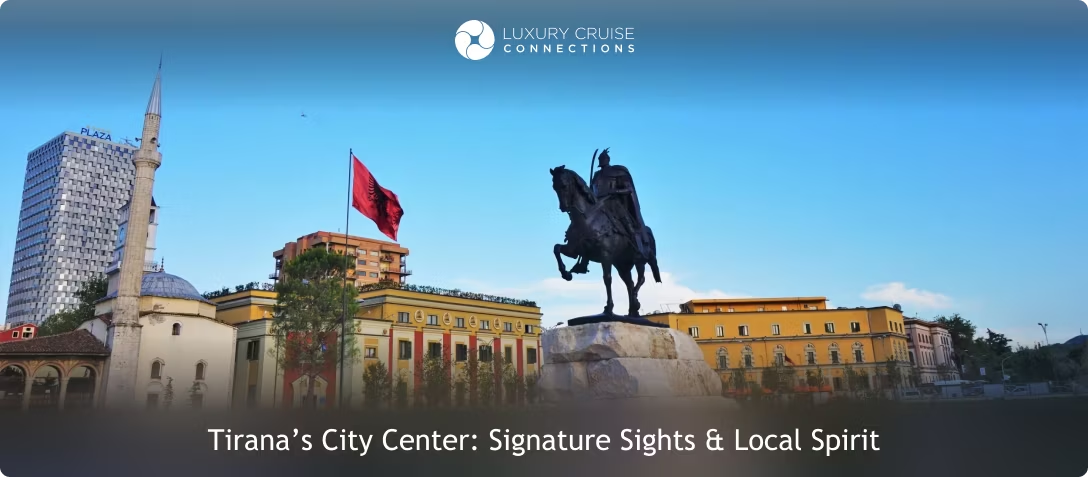
    Tirana’s City Center is the main area of Albania’s capital where history, culture, and modern life come together. Skanderbeg Square is surrounded by the National History Museum, the Et’hem Bey Mosque, and the Clock Tower.
    Tirana City Center

    Skanderbeg Square is the symbolic heart of Tirana and the starting point for exploring the city. The National History Museum introduces Albania’s past through archaeological pieces, medieval collections, and modern exhibits. The Et’hem Bey Mosque is admired for its detailed murals and remains one of the city’s oldest religious sites. The Clock Tower allows visitors to climb up and view the city from above. The square, cafés, restaurants, and markets create an atmosphere for locals and tourists.

    Walking through Tirana’s City Center gives visitors a mix of old and new. The museums and mosque highlight the country’s culture and history, while the shops and cafés show the rhythm of daily life. The open design of the square makes it a place for tourists to gather, relax, and take photos. Travelers easily connect to other parts of Tirana by bus, taxi, or on foot, making it a convenient starting point for exploring the city.

    Visit from April to June or September to October when the weather is warm and comfortable for walking

    Join a guided walking tour or hire a local guide to learn about Tirana’s City Center history and architecture.

    Entry to Skanderbeg Square is free, the National History Museum costs about $4.50, and the Clock Tower requires a small fee of about $2.

  • Visit Bunk'Art Museums

    Cold War-era bunkers turned into museums with exhibitions about Albania’s communist past, politics, and daily life under dictatorship.
    Bunk'Art Museums

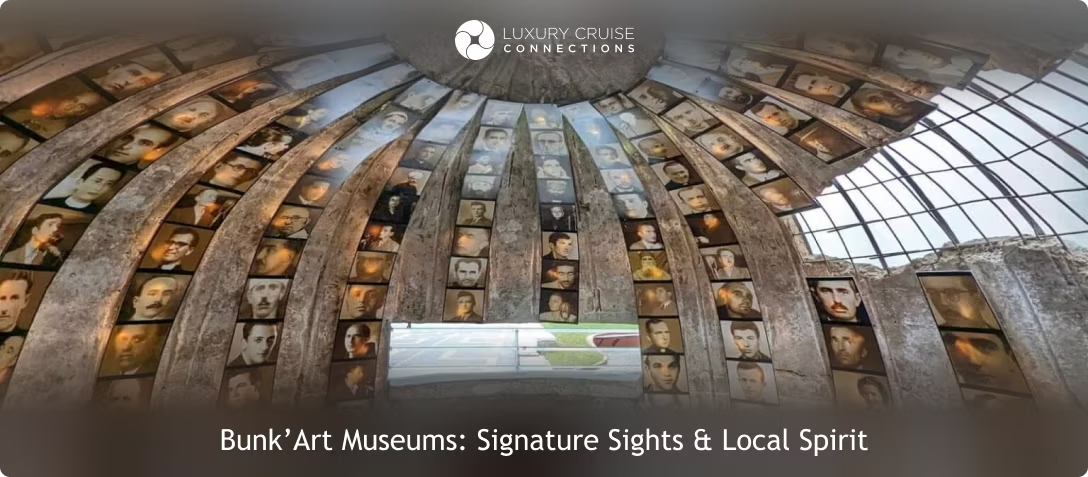
    Bunk’Art 1 is set in a large bunker on the outskirts of Tirana and covers Albania’s political history, its leaders, and the structures of the communist state. Bunk’Art 2 is located in the city center and focuses more on the role of the secret police, surveillance methods, and repression in the dictatorship. They offer one of the most complete views of Albania’s communist past.

    Visitors move through long corridors, dimly lit rooms, and preserved shelters that create a powerful sense of Albania’s past. Exhibits combine documents, objects, multimedia displays, and reconstructed spaces to show how locals lived and how the regime controlled daily life. The mix of authentic bunker structures and detailed exhibitions makes the visit educational and emotional.

    Visitors move through long corridors, dimly lit rooms, and preserved shelters that create a powerful sense of Albania’s past. Exhibits combine documents, objects, multimedia displays, and reconstructed spaces to show how locals lived and how the regime controlled daily life. The mix of authentic bunker structures and detailed exhibitions makes the visit educational and emotional.

    Book a guided tour to gain deeper insights into Albania’s communist era and the function of the bunkers.

    Entry to Bunk’Art 1 costs about $4.50, while Bunk’Art 2 costs about $2.70.

  • Hike the Accursed Mountains & Theth–Valbona

    Albania’s Alps with rugged peaks, alpine meadows, and the famous Valbona–Theth trail, crossing Valbona Pass at 1,812 m.
    Accursed Mountains

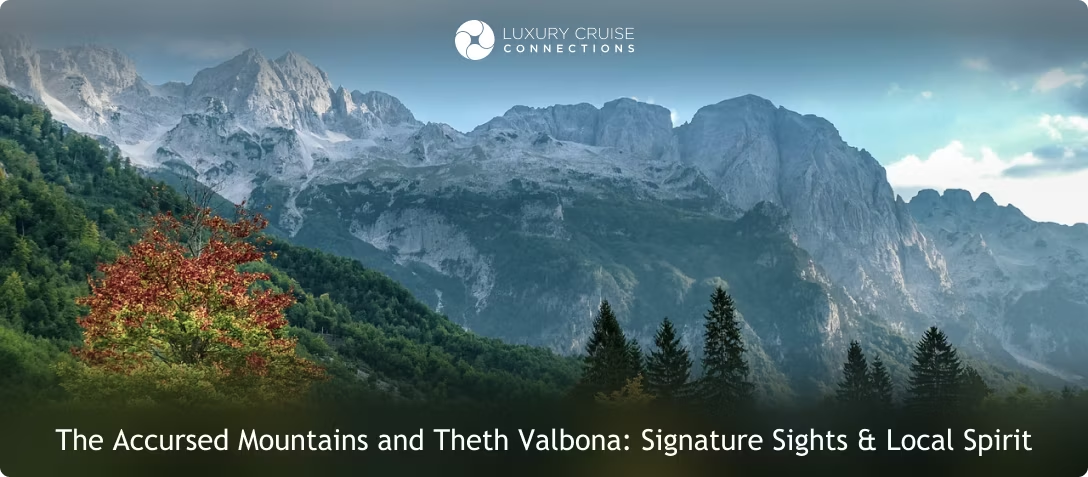
    The Valbona-to-Theth trail is a 14 to 16-kilometer route that takes hikers through the Valbona Pass at 1,812 meters. Travelers see rocky peaks, alpine meadows, and forested valleys. The trail connects Theth National Park and Valbona Valley National Park, rich in natural scenery. Grunas Waterfall, a 30-meter cascade in Theth, is a well-known resting point and photo stop. Traditional stone houses and centuries-old defense towers in the villages add to the cultural side of the journey.

    The hike takes between six and nine hours, depending on fitness level and starting point. Paths include steep climbs, rocky stretches, and shaded forest trails. Guesthouses in villages welcome hikers with simple meals and basic rooms, hosted by families who share stories of life in the mountains. The lack of phone signal makes the area feel more remote, giving visitors a complete break from modern life. Encounters with shepherds and traditional customs add to the sense of stepping back in time.

    Hike between May and October, with August offering the most stable weather conditions.

    Hire local guides for safe navigation and to learn about the Accursed Mountains traditions and history.

    Mountain guesthouses cost about $22 to $33 per person per night, including meals. Early reservations are needed for the summer.

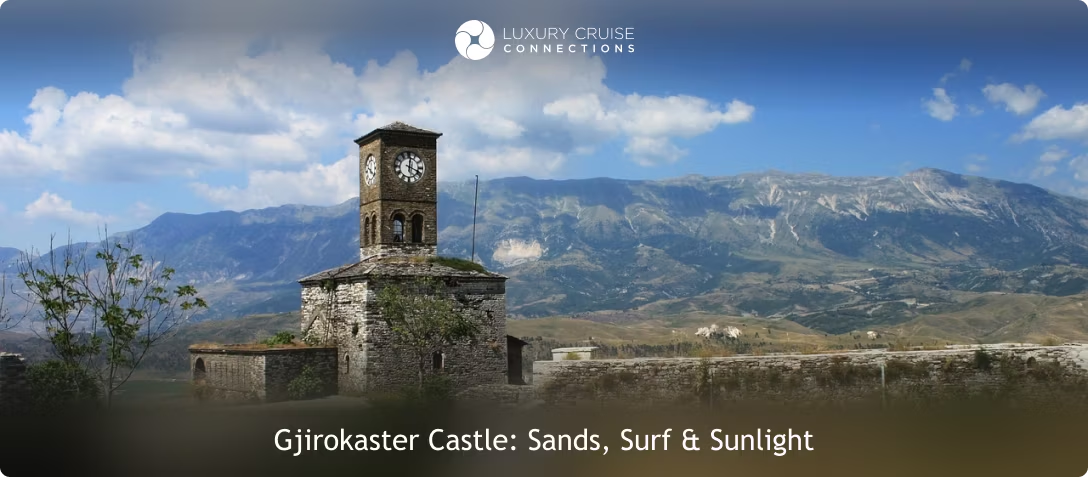
  • Discover Gjirokaster Castle

    12th-century fortress above the UNESCO town, with museums, tunnels, and sweeping valley views.
    Gjirokaster Castle

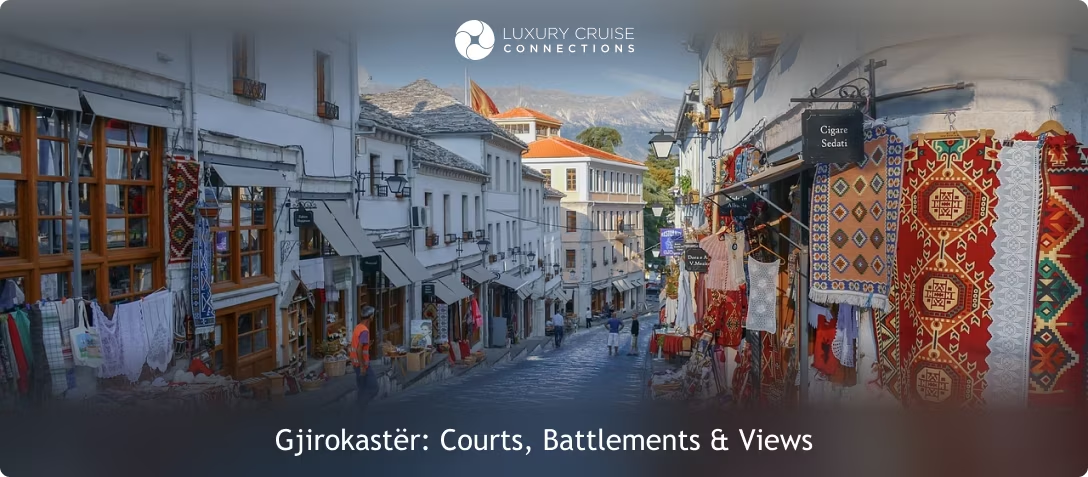
    Find the Gjirokastër Weapons Museum, which displays historical arms and military artifacts. The old walls, towers, and central courtyard reveal the fortress’s defensive design. Remains of a mosque, a watchtower, and a large clock add to the layered story of the site. Walking through the castle gives an impression of how it once guarded the city below.

    Exploring the castle involves walking along stone corridors, climbing steep paths, and standing on walls with sweeping views. Gjirokastër combines historical architecture with natural scenery, making it educational and scenic. The Gjirokastër environment creates a clear sense of Albania’s military and cultural past, while the town of Gjirokastër below shows traditional stone houses that match the castle’s atmosphere.

    Visit from April to June or September to October when temperatures are comfortable for walking.

    Consider joining a guided tour to learn about the castle’s role in different periods of Albanian history.

    Entry to Gjirokastër Castle costs about $1.80 per person.

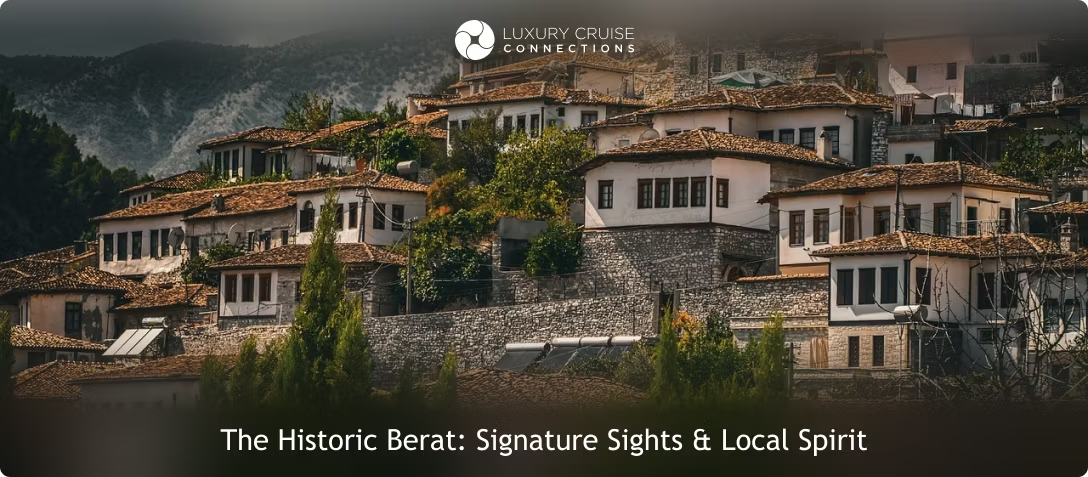
  • Wander the Historic Berat

    “City of a Thousand Windows,” a UNESCO site with Ottoman houses, Berat Castle, and the Onufri Museum.
    Berat

    Berat Castle rises above the town and provides wide views of the valley and mountains. Churches and old houses reflect centuries of history, inside the castle walls. The Onufri National Iconographic Museum, located in the Church of the Dormition of St. Mary, shows colorful religious icons from the Byzantine and Ottoman periods. The neighborhoods of Mangalem and Gorica, separated by the Osum River, feature traditional houses with large windows that give Berat its unique appearance.

    Walking through Berat feels like stepping into Albania’s past, with cobbled streets, stone bridges, and Ottoman-style houses. The town’s castle area has families living inside, which makes it different from most historic fortresses. Visitors spend time crossing between the Mangalem and Gorica quarters to see how the two sides of the town mirror each other. The mix of history, architecture, and views makes Berat one of the most memorable stops in Albania.

    Visit in May or September when the weather is mild and suitable for walking on steep streets

    Hire a local guide to learn the history of Berat’s castle, churches, and Ottoman past.

    Entry to Berat Castle costs about $1.80, and the Onufri Museum costs about $2.70.

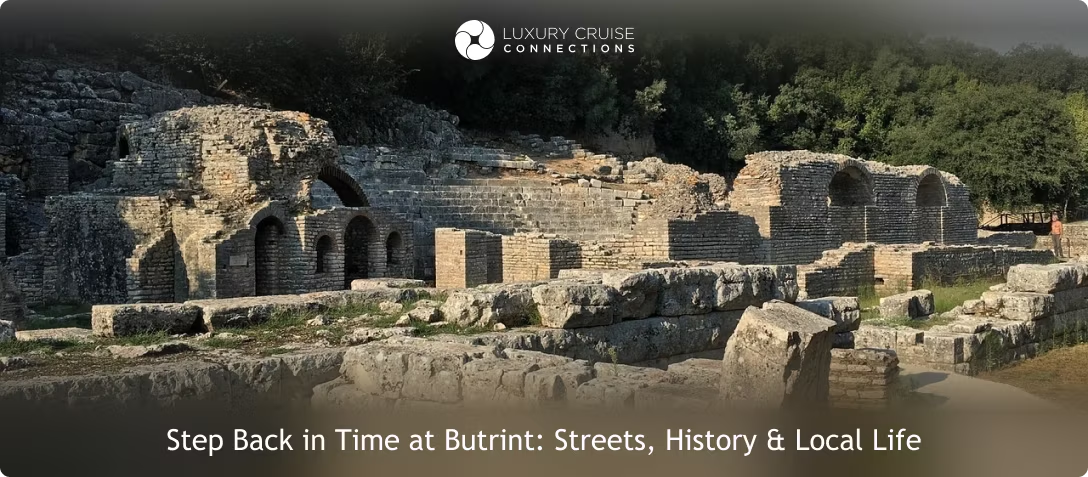
  • Step Back in Time at Butrint

    UNESCO archaeological site with ruins from Greek, Roman, Byzantine, Venetian, and Ottoman periods.
    Butrint

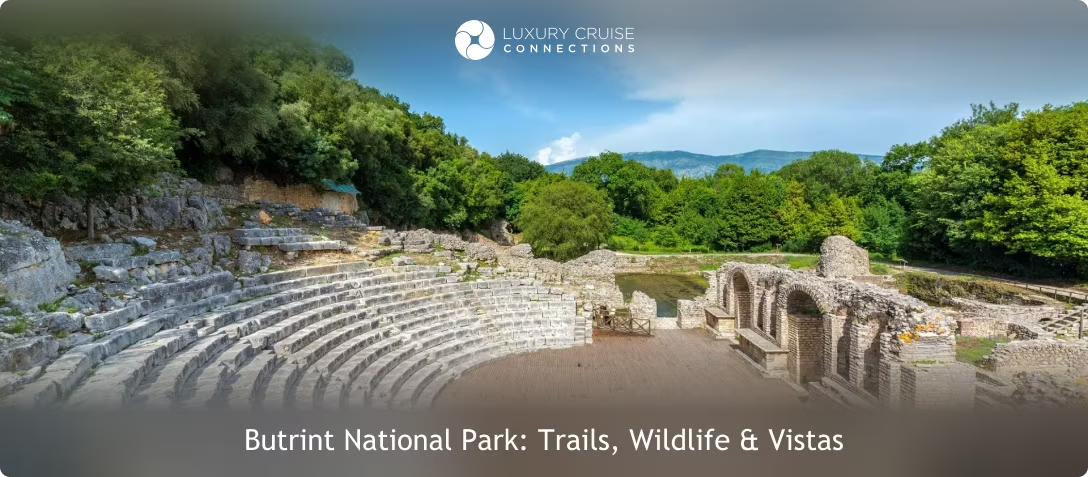
    Visitors at Butrint explore a well-preserved ancient theater, the mosaic-lined baptistery, and the fortified city walls. They encounter the Temple of Asclepius, Roman villas, and a Venetian castle. The Museum of the Ancient City, housed in the Acropolis castle, offers a deeper story of Butrint’s history.

    Walking through Butrint takes the visitors through centuries of history, moving from ruins into quiet nature. The archaeological trails wind through shaded woodland and marshland, and the area has ancient structures and wetlands that invite cultural exploration and birdwatching. Visitors pause at the theater or climb up into the castle for views over the site and surrounding water channels.

    Visit from May to October when the weather is mild and walking conditions are comfortable.

    Hiring a local guide offers rich context and stories behind the ruins, which improve the visit

    Entry to Butrint National Archaeological Park costs about $10 for adults.Children aged 12-18 pay $9, while age under 12 enter for free.Group tickets (minimum 10-12 adults) cost about $10-15per person. Albanian citizens (students, pensioners, people with disabilities) pay a reduced rate of $8-9.

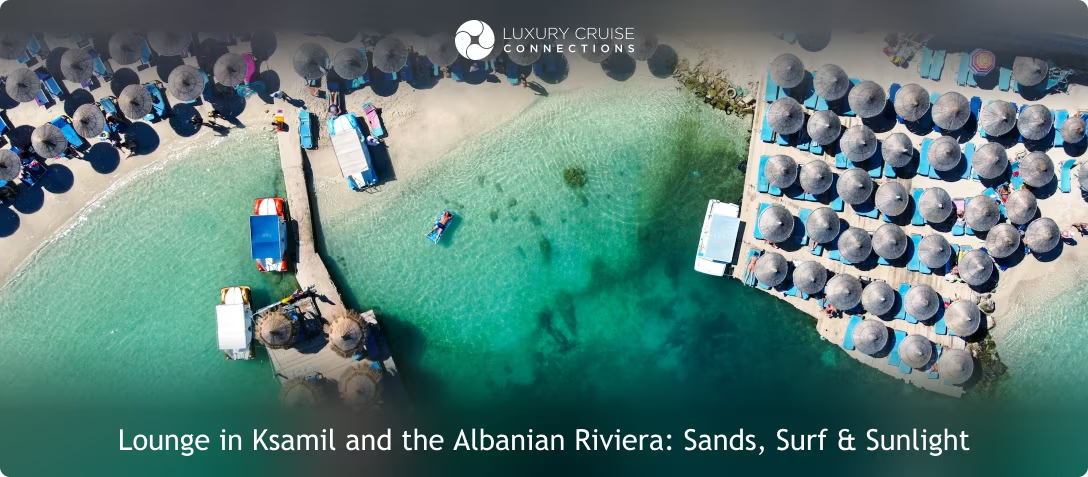
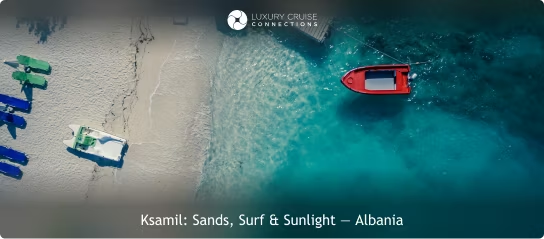
  • Lounge in Ksamil & the Albanian Riviera

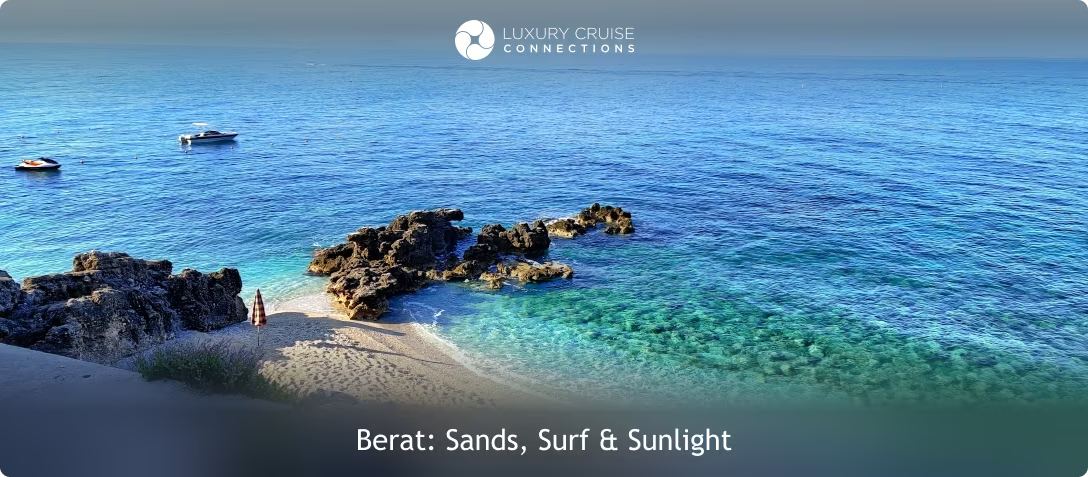
    White sand beaches and turquoise waters known as the “Maldives of Europe,” with beach clubs and quiet coves.
    Ksamil Riviera

    The beaches of Ksamil are lined with sunbeds, umbrellas, and beach bars where guests enjoy fresh drinks and seafood. Nearby small islands, which are reached by boat, provide clear waters for swimming and snorkeling. Lori Beach is a quieter option for tourists wanting a calmer day, while Poda Beach Club offers music, food, and a more social atmosphere. The Riviera coastline features hidden coves and rocky spots perfect for sunset views.

    Visitors spend the day lounging on sunbeds, swimming in shallow, clear waters, and fresh seafood at beachside restaurants. Boats and kayaks are rented to reach the Ksamil islands, while water sports (paddleboarding and jet skiing) add adventure to the stay. Families enjoy the calm waters, while younger travelers choose beach clubs for their lively energy.

    Visit between June and September for warm weather and clear waters, with July and August being the busiest months.

    Join local boat tours to the Ksamil islands or ask beach staff for recommendations on hidden coves along the Riviera.

    Sunbeds with umbrellas cost $12-25 for two guests, premium cabanas cost about $45, and jet ski rentals are around $100 per hour.

  • Dive into the Blue Eye Spring

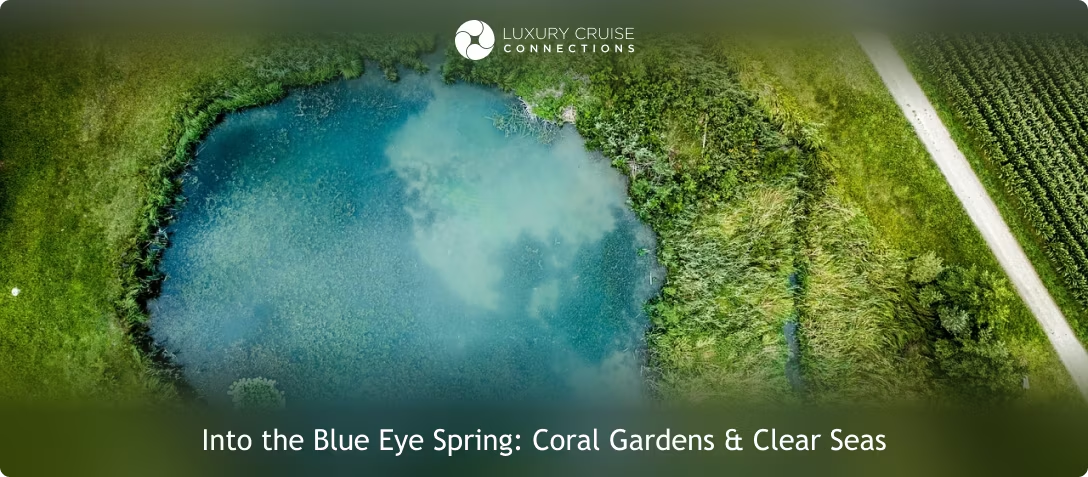
    Natural spring near Saranda with stunning turquoise water and peaceful surroundings, depth estimated 50m+.
    Blue Eye

    The Blue Eye Spring gets its name from the bright blue color of the water, which changes as it moves. The area around the spring is green and full of plants, making it a peaceful place. Swimming is not allowed to protect the ecosystem, but the clear water and natural flow are impressive to see. There are forest paths nearby where visitors walk and enjoy nature. The spring is an excellent spot for photos, with its bright colors and natural surroundings.

    The walk to the Blue Eye Spring is about 2 km and offers nice views of the countryside. Tourists see the clear blue water and the peaceful surroundings when they arrive at the spring, making it a good place for photos. The path is easy to follow, but visitors must wear sturdy shoes because the ground is rocky. The area is quiet, ideal for relaxation. There are forest trails for short walks, where tourists enjoy nature. The spring provides a unique view with its clear water surrounded by greenery, but swimming is not allowed.

    Visit from May to October, when the weather is warm, and the paths are accessible. Early mornings or later in the afternoon are ideal for avoiding the summer crowds.

    The area is easy to navigate, and hiring a local guide improves the visit with knowledge about the spring’s formation and the surrounding ecosystem.

    The entrance fee is about $0.40. Parking fees range from $7, depending on the season and proximity to the spring.

  • Explore the Canyon of Gjipe

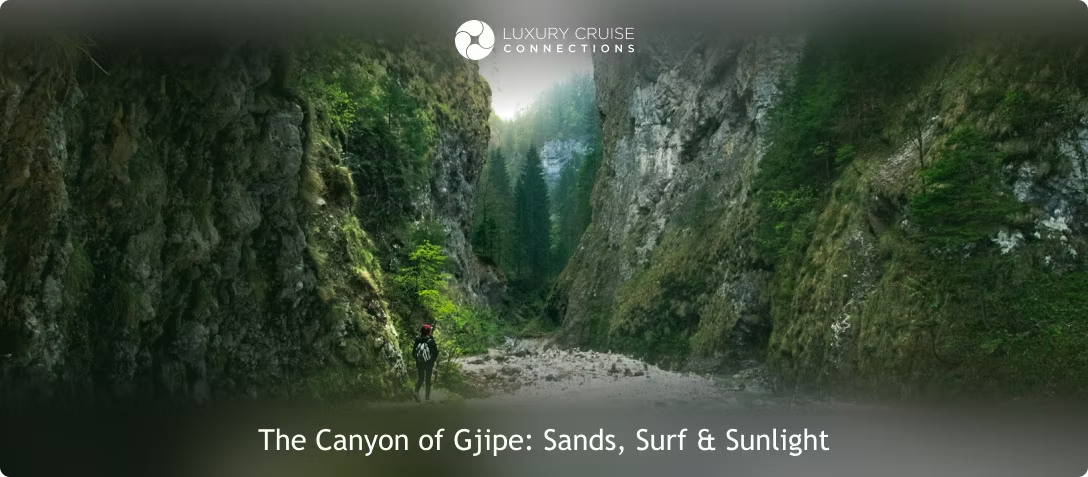
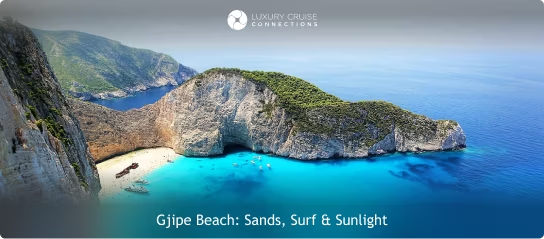
    Natural canyon on the Riviera with cliffs, rocky trails, caves, and a secluded beach.
    Gjipe Canyon

    Gjipe Canyon is a popular spot for hiking, where tourists enjoy views of the cliffs. A small cave is located at the base of Gjipe Canyon, adding an adventurous element to the hike. The area remains, providing a quiet environment for tourists looking to enjoy nature. The clear, calm waters at the base of Gjipe Canyon make it an ideal spot for a swim after the hike.

    The hike to Gjipe Canyon is challenging due to the rocky and uneven ground, and tourists need sturdy shoes. Rest on the small beach or explore the cave at the base of Gjipe Canyon, once they reach the canyon. The road leading to the parking area is narrow and bumpy. Tourists must expect a rough ride when driving to the site

    Tourists must visit between May and October when the weather is warm and the trail is more accessible.

    Hiring a local guide is recommended for tourists, as the trail is challenging to follow, and a guide provides helpful insights about the canyon's history.

    Gjipe Canyon itself is free to visit, but tourists need to pay a parking fee ranging from $5-$10

  • Stroll Through Durres & Roman Amphitheatre

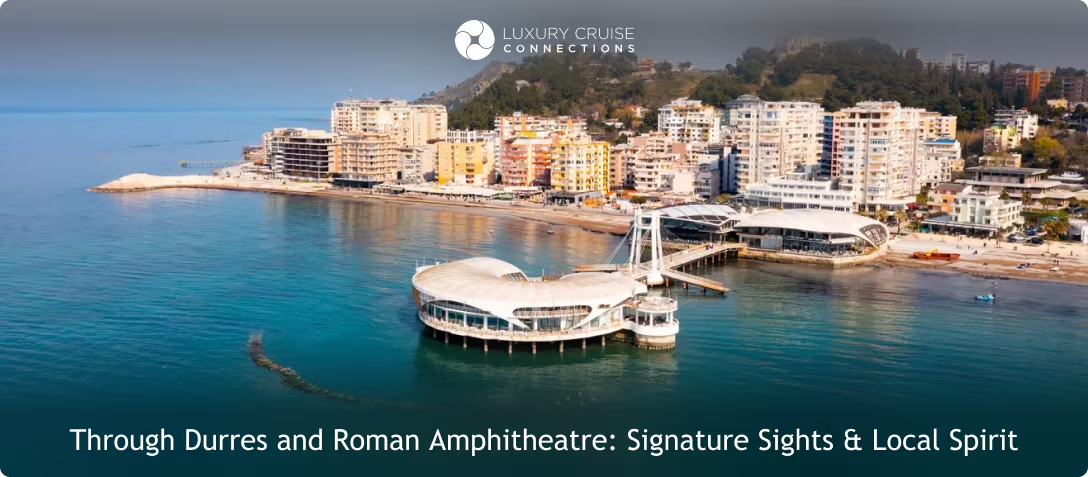
    Durres, one of Albania’s oldest cities, features a 2nd-century Roman Amphitheatre and Venetian Tower.
    Durres

    The Roman Amphitheatre is the main attraction in Durres, where tourists walk through the ancient ruins and learn about the city's Roman past. The site offers a glimpse into the grandeur of the Roman Empire, with its stone structure. Tourists visit the Venetian Tower, a symbol of Durres' medieval past, or the Archaeological Museum, which displays a variety of ancient artifacts. The surrounding area provides a combination of historical exploration and views of the city.

    Strolling through Durres gives tourists a chance to explore one of Albania’s most historic cities. The Roman Amphitheatre stands in the middle of the city, allowing visitors to access it along with other nearby landmarks easily. The amphitheater itself is a place to reflect on its history, with its open space and ancient stone seats. Tourists relax on the nearby beach after touring the ruins, offering a perfect end to a day of historical exploration.

    Visit between April and October when the weather is perfect for walking and exploring outdoor sites.

    Hiring a local guide is recommended for tourists to gain a deeper understanding of the Roman Amphitheatre.

    ntry to the Roman Amphitheatre costs around $1.80.


What are the Most Popular Tourist Attractions in Albania?

The most Popular Tourist Attractions in Albania are listed below.

  • Berat
  • Butrint National Park
  • Gjirokastër
  • Shkodra
  • Llogara Pass
  • The Albanian Riviera
  • Ksamil
  • Sazan Island
  • Rrëza i Pogradec
  • Tirana- The Heart of Albania
  • Berat - The Town of a Thousand Windows

    Berat is famous for its well-preserved Ottoman architecture and its historic castle, known as the "Town of a Thousand Windows." The UNESCO World Heritage Site offers views and a glimpse into Albania's past, making it one of the most sought-after tourist attractions in Albania.
    Berat - The Town of a Thousand Windows
  • Butrint National Park - A Crossroads of CivilizationsBerat - The Town of a Thousand Windows

    Butrint is an ancient city with ruins from Greek, Roman, Byzantine, and Ottoman times. It offers a mix of history and nature, drawing visitors to explore its archaeological sites and wildlife.
    Butrint National Park -  A Crossroads of CivilizationsBerat - The Town of a Thousand Windows
  • Gjirokastër- The City of Stone

    Gjirokastër features cobblestone streets and stone houses, referred to as the "City of Stone," all under the shadow of its castle. The UNESCO-listed town is a must-see for tourists interested in Albania's history and traditional architecture, earning a spot as one of the best places to visit in Albania.
    Gjirokastër- The City of Stone
  • Shkodra - The Ancient City by the Lake

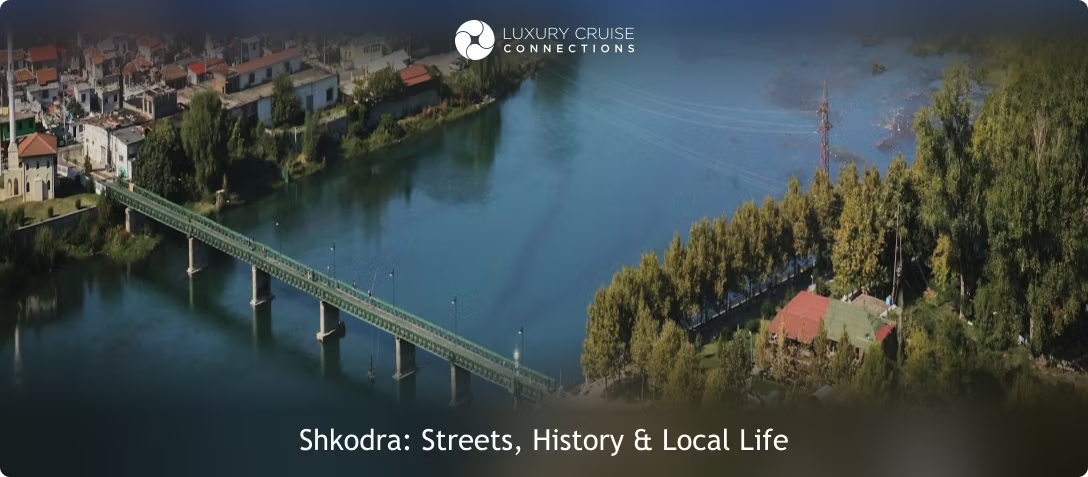
    Shkodra is one of the oldest cities in Albania, and is famous for its ancient castle and Lake Shkodra. It offers a history, culture, and nature, appealing to tourists exploring the country's heritage.
    Shkodra - The Ancient City by the Lake
  • Llogara Pass- Gateway to the Albanian Riviera

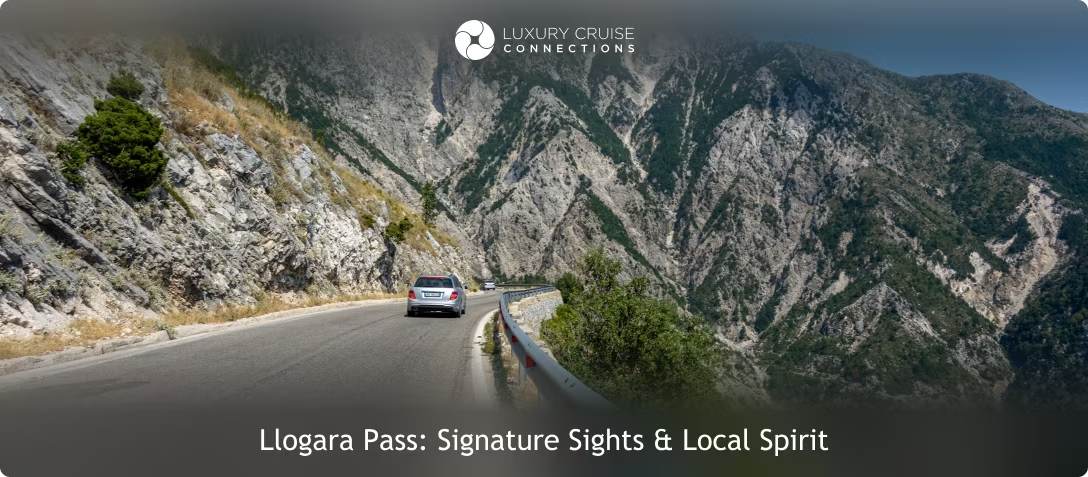
    Llogara Pass is a popular stop for tourists seeking scenic drives and outdoor adventures. A mountain pass offering views of the Ionian Sea. It is known for its natural beauty and serves as a gateway to the Albanian Riviera.
    Llogara Pass- Gateway to the Albanian Riviera
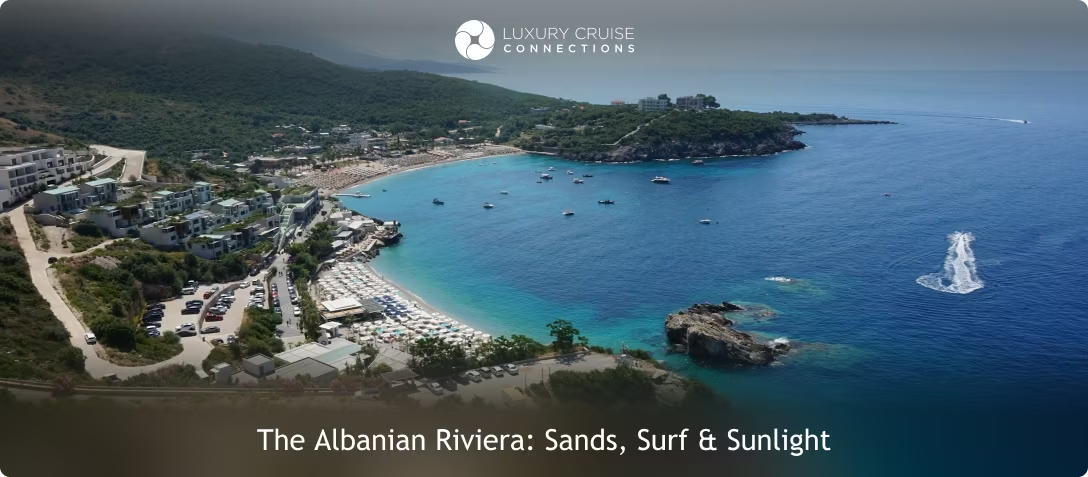
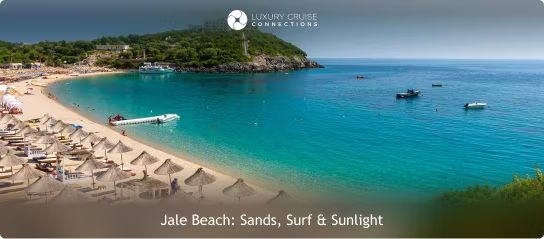
  • The Albanian Riviera- Albania’s Coastal Paradise

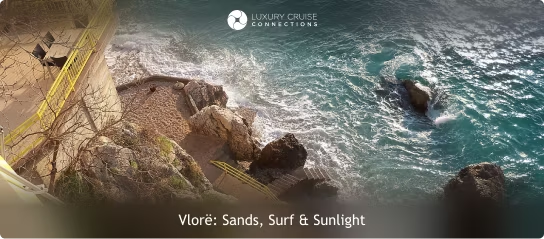
    The Albanian Riviera is among the most popular things to see in Albania, known for its beaches and crystal-clear waters. The coastal region, stretching from Vlorë to the Greek border, offers beaches, seaside towns, and an abundance of outdoor activities.
    The Albanian Riviera- Albania’s Coastal Paradise
  • Ksamil- The Paradise of the Albanian Riviera

    Ksamil is listed among the top Albania tourist places, and is known for its beaches and crystal-clear waters. The coastal town is a favorite for beach lovers and tourists seeking relaxation by the sea
    Ksamil- The Paradise of the Albanian Riviera
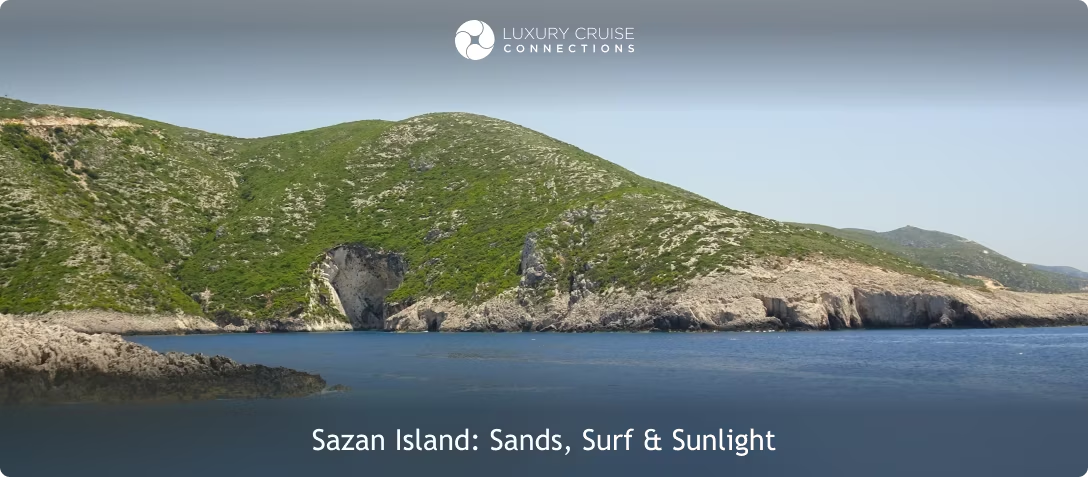
  • Sazan Island- A Hidden Gem of History and Nature

    Sazan Island is known for its military history and natural beauty, located off the coast of Vlorë. The island was once an army base, but now attracts visitors interested in exploring its abandoned structures and enjoying its rugged terrain.
    Sazan Island-  A Hidden Gem of History and Nature
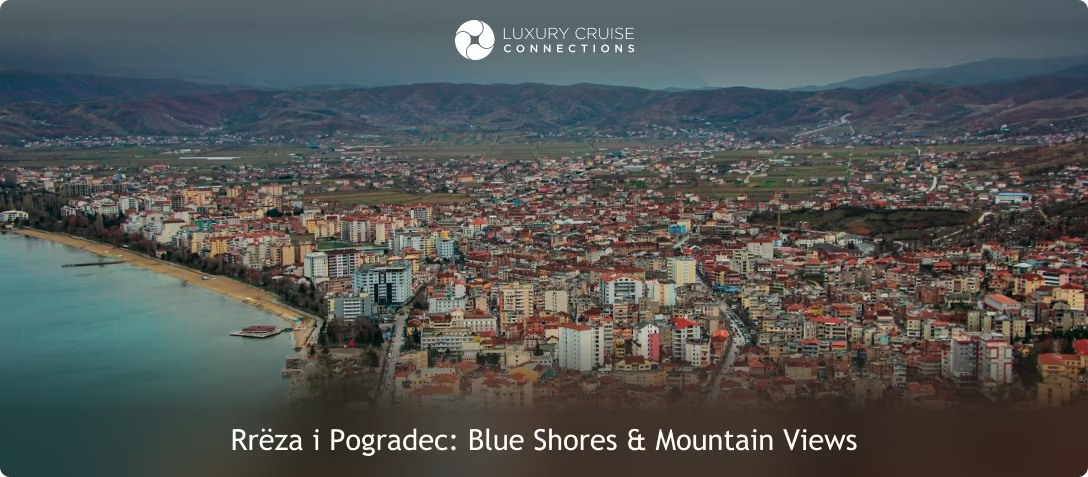
  • Rrëza i Pogradec- A Peaceful Lakeside Escape

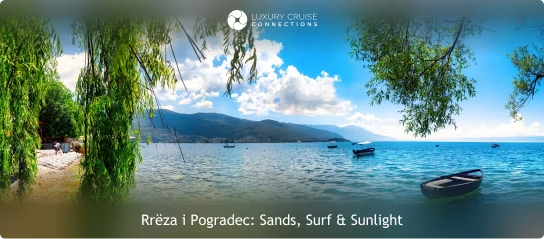
    The area around Lake Pogradec is famous for its natural beauty and historic sites. The lakeside town of Pogradec offers visitors a peaceful retreat with opportunities for hiking, swimming, and exploring local culture.
    Rrëza i Pogradec- A Peaceful Lakeside Escape
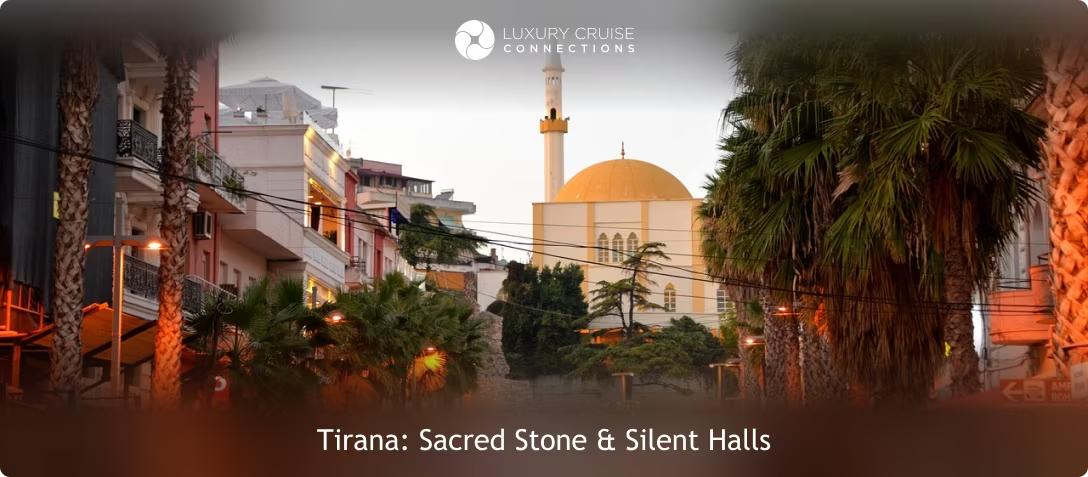
  • Tirana- The Heart of Albania

    Tirana- The Heart of Albaniang visitors to explore its archaeological sites and wildlife.
    Tirana- The Heart of Albania


Which Vacation Spots in Albania are Best for Beach Lovers?

Vacation Spots in Albania that are Best for Beach Lovers are listed below.


What are the Best Things to Do in Albania for First-Time Visitors?

The best Things to do in Albania for First-Time Visitors are listed below.

Tirana is Albania’s capital and is known for its mix of Ottoman, Soviet, and modern architecture. Visitors stroll through Skanderbeg Square, visit the National History Museum, and wander around Blloku, an area with cafes and bars.Attributes of Tirana: Historical Sites, Architectural Blend, Cafes and Bars
Gjirokastër is known for its cobblestone streets and well-preserved Ottoman architecture. The town’s castle offers views of the surrounding mountains, and the Gjirokastër Museum highlights the region’s history. It is a must-see for tourists interested in Albania’s past, making it one of the best things to do in Albania for history lovers.Attributes of Gjirokastër: Ottoman Architecture, Historical Sites, Mountain Views.
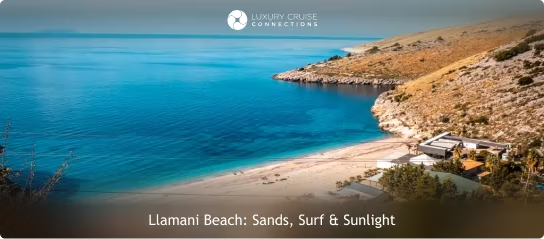
Ksamil is part of the Albanian Riviera, and it is known for its white sandy beaches and crystal-clear water. Visitors relax on the beach, take a boat to the nearby islands, or enjoy water activities (kayaking). It is a perfect spot for a laid-back day, making it one of the best places to visit in Albania for beach lovers.Attributes of Ksamil Beach: White Sandy Beaches, Boat Tours, Water Activities.
Butrint is an ancient city near Saranda that spans thousands of years. Visitors walk through Roman ruins and explore the ancient temple of Asclepius.Attributes of Butrint Archaeological Site: Roman Ruins, Ancient Temple, Historical Exploration.
Llogara Pass is located in the Albanian Riviera and offers views of the Ionian Sea and surrounding mountains. The hike is an excellent opportunity for outdoor enthusiasts.Attributes of Llogara Pass: Scenic Views, Outdoor Hiking, Mountain Views.
Berat is famous for its Ottoman-era architecture. The castle, which sits on a hill, offers views of the town, while the Mangalem and Gorica neighborhoods showcase traditional stone houses. The town is a UNESCO World Heritage Site and one of the best places to visit in Albania for tourists interested in traditional culture.Attributes of Berat: Ottoman Architecture, Traditional Stone Houses, UNESCO World Heritage.
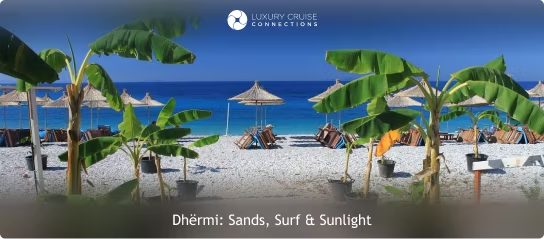
The Albanian Riviera stretches along the Ionian Sea, offering beaches, crystal-clear waters, and quiet coastal villages. Visitors explore towns (Dhërmi, Vlorë, and Palasë Beach), all known for their relaxed atmosphere and views.Attributes of the Albanian Riviera: Beautiful Beaches, Coastal Villages, Scenic Views.
Dhermi is known for its clear waters and long, sandy beaches. The town offers a mix of quiet beaches for relaxation and lively spots for nightlife, making it perfect for visitors looking to combine beach time with a bit of social activity.Attributes of the Beaches of Dhërmi: Clear Waters, Sandy Beaches, Nightlife.
The Osum Canyon is located in central Albania and is a natural site that offers hiking, rafting, and scenic views. The canyon is known for its dramatic rock formations and clear river waters, making it an ideal spot for adventure lovers.Attributes of the Osum Canyon: Hiking, Rafting, Scenic Views.
Theth National Park is located in the Albanian Alps and is a paradise for nature lovers. The Theth is known for its waterfalls, remote villages, and hiking trails. It offers views of the mountains and a chance to experience Albania’s wilderness.Attributes of the Theth National Park: Waterfalls, Hiking Trails, Mountain Views.
How does Tourism in Albania compare to other Balkan Countries?

Tourism in Albania is becoming more popular compared to other Balkan countries due to its relatively low cost and less crowded destinations. Albania remains more affordable and quieter, while countries (Croatia and Greece) attract large numbers of tourists, making it an appealing option for tourists seeking a more relaxed experience. Visitors to Albania enjoy coastlines along the Albanian Riviera, historic towns (Berat and Gjirokastër), and rich archaeological sites, without the heavy crowds of neighboring destinations.

Albania tourism has been growing steadily, attracting tourists interested in experiencing authentic local culture and natural beauty. Albania offers a more budget-friendly option compared to the expensive, overcrowded tourist spots in Croatia and Greece. Travelers enjoy unique things to do in Albania, including Ksamil or hiking in the Albanian Alps. Albania’s combination of history, scenic views, and affordability makes it an appealing choice for tourists seeking a different kind of Mediterranean experience. Making it a strong alternative to Things to Do in Croatia.

What Fun Things can you do in Tirana, Albania?

The fun things you can do in Tirana, Albania, are visiting the Bunk’Art museums, exploring the colorful Blloku district, and riding the Dajti Ekspres cable car. Visitors learn about Albania’s communist past by walking through Cold War-era bunkers and exhibits showcasing the country’s history under Enver Hoxha at the Bunk’Art museums. The Blloku district is a lively area known for its nightlife, cafes, and boutique shops, offering a modern contrast to Tirana’s historic sites. Take the Dajti Ekspres cable car to Mount Dajti, where views of the city and surrounding nature await, along with hiking trails and a mountaintop restaurant serving traditional Albanian dishes. Visiting the Bunk’Art museums is one of the fun things to do in Albania that makes Tirana a unique and exciting destination. There are plenty of unique things to do in Albania. Do not miss out on the things to do in Tirana Albania, from exploring museums, heritage, and street art to discovering its history and culture.

Best Things to Do Around the World

Discover the best activities, landmarks, and experiences in every cruise destination and port of call.

Europe Western, Central & Mediterranean
America North, Central, South & Caribbean
Africa & Asia Oceania & Antarctica