How to visit France’s most famous Landmarks?
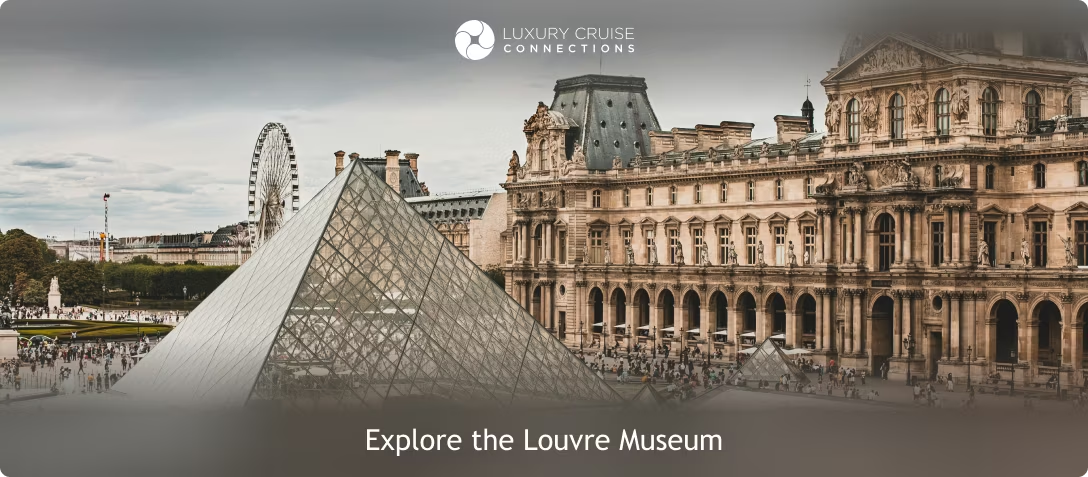
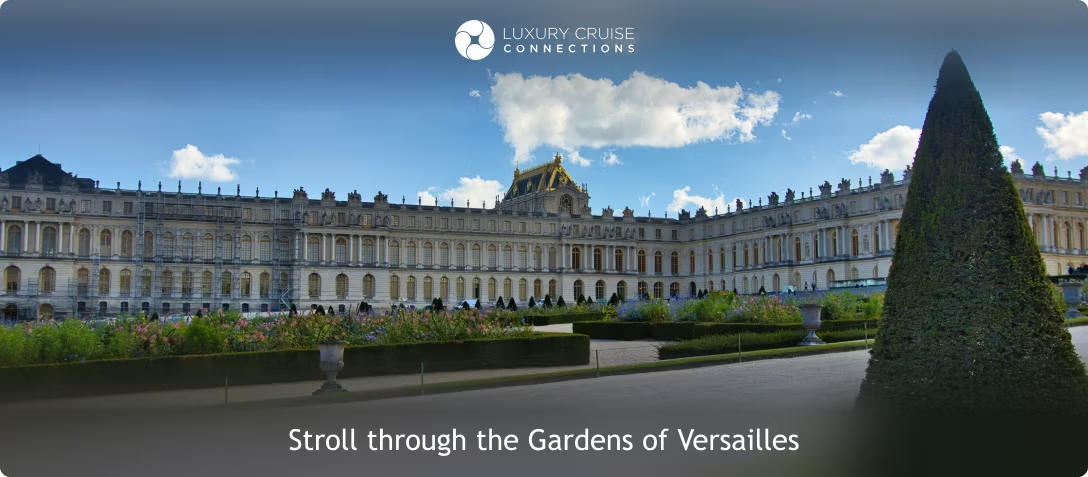
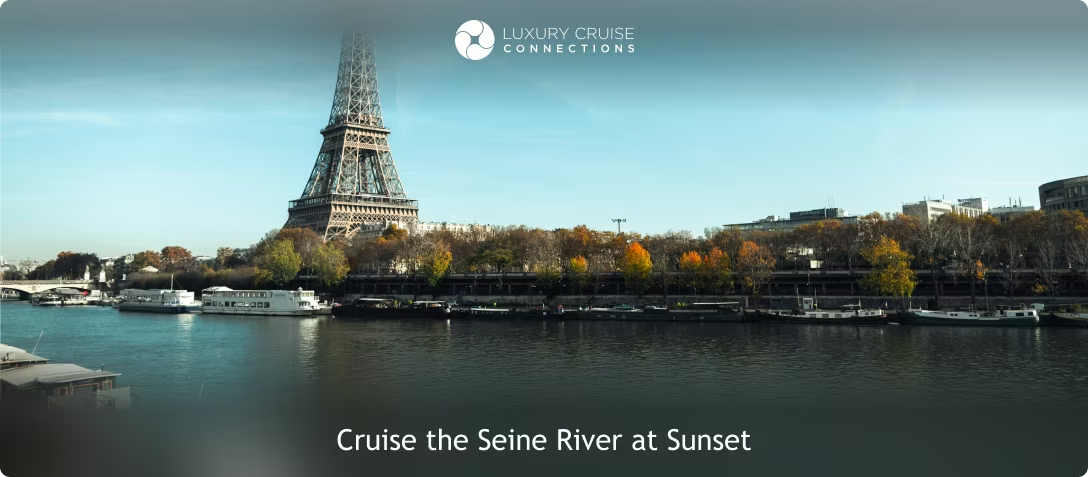
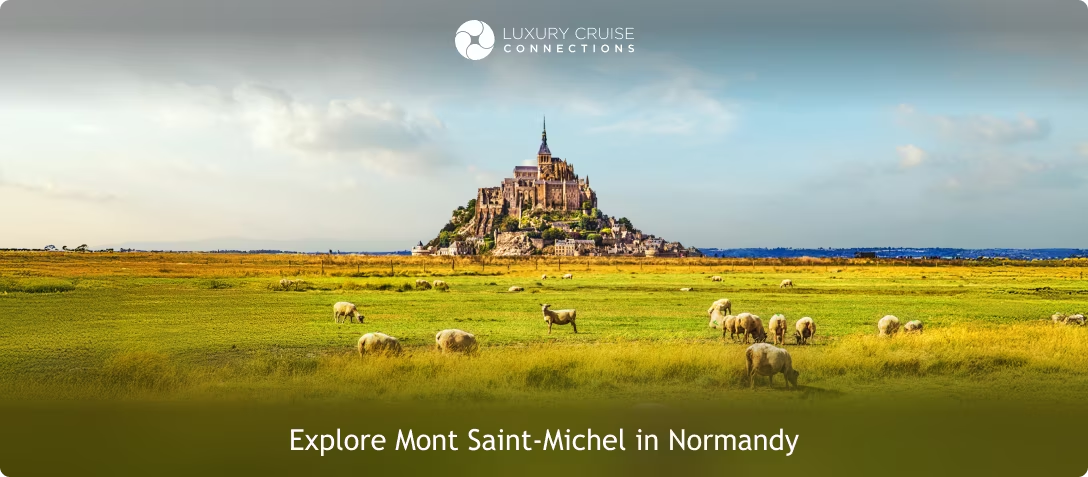
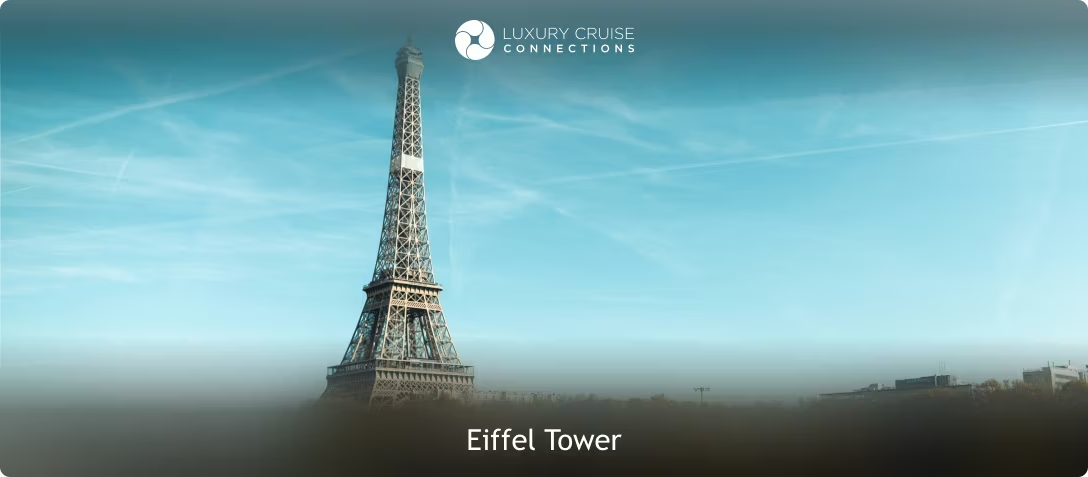
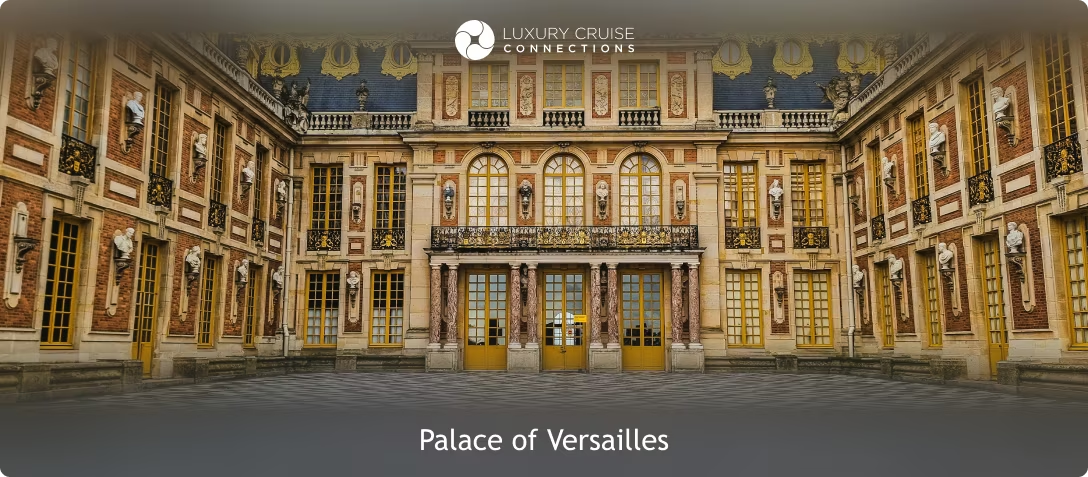
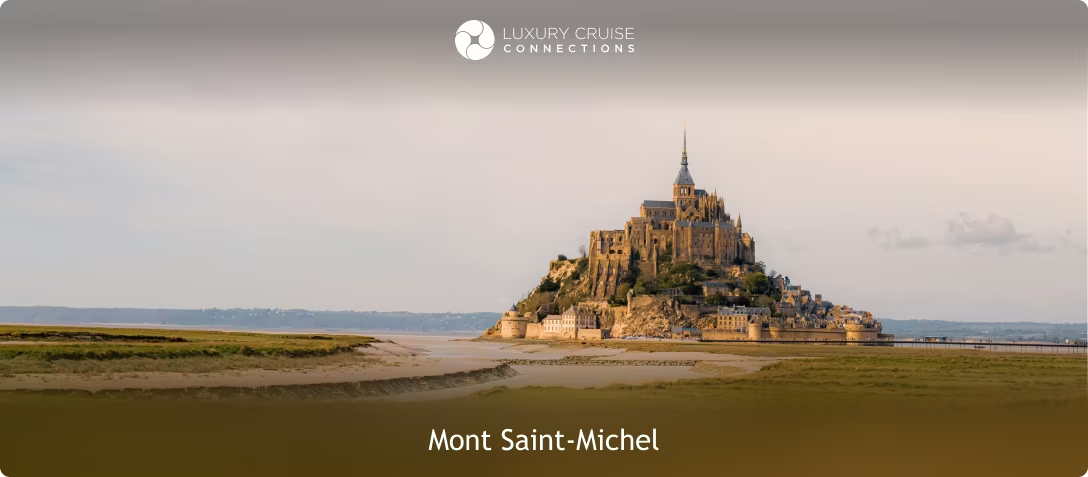
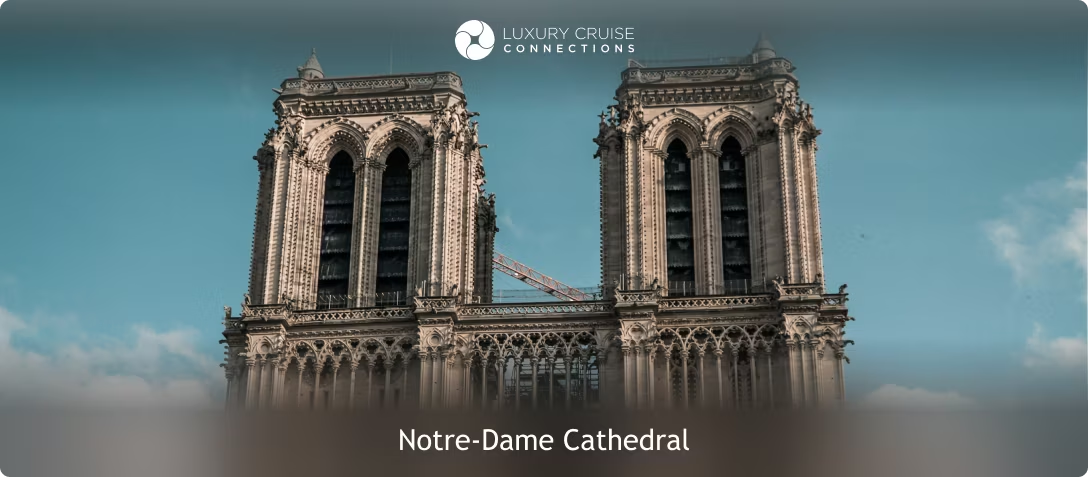
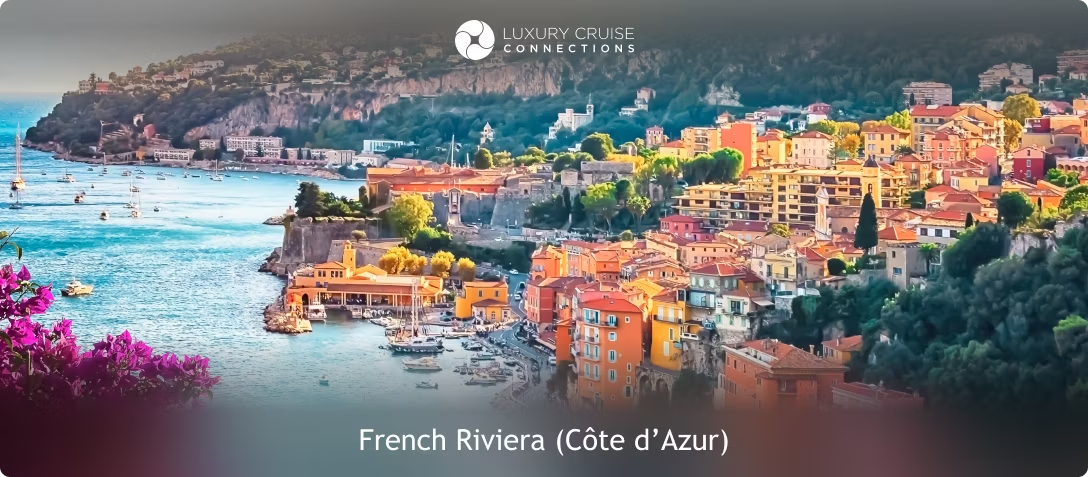
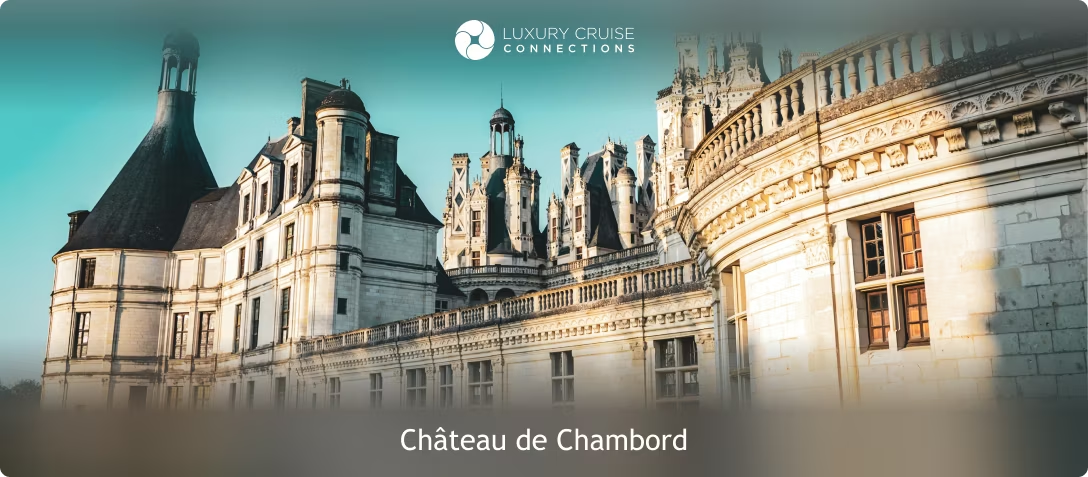
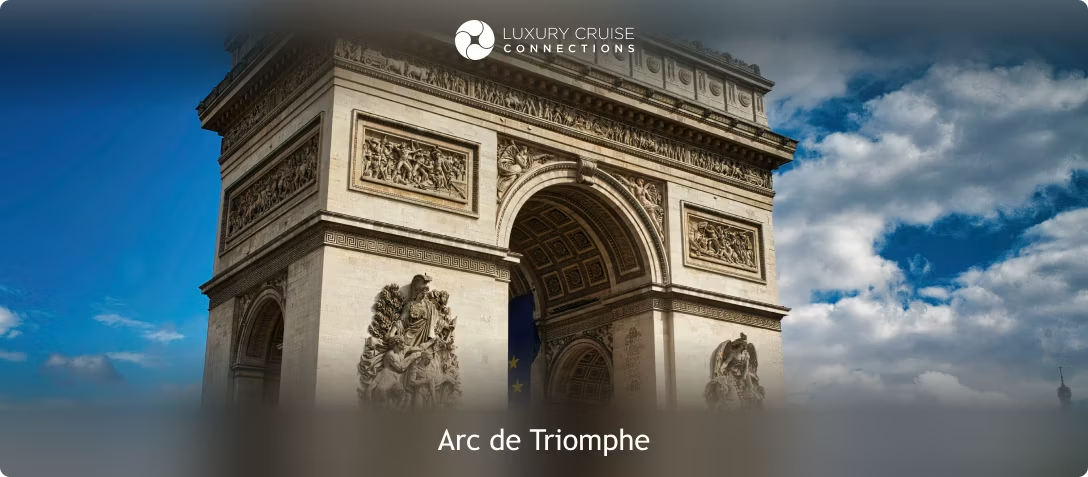
Visit France’s most famous landmarks by following 6 steps. First, use Paris as the base for your trip because Paris connects to the Eiffel Tower, the Louvre Museum, Notre-Dame Cathedral, and the Arc de Triomphe within a single metro network. Second, reduce queuing time by booking guided tours in advance for the Eiffel Tower and the Louvre Museum. Third, take a day trip from Paris to the Palace of Versailles by RER (Réseau Express Régional) train, or choose a guided tour that bundles transport and entry. Fourth, travel beyond Paris by high-speed train and change bases for France’s famous regional landmarks. Nice serves as the main base for visiting the French Riviera, while Tours functions as a practical base for Loire Valley landmarks such as Château de Chambord. Fifth, visit Mont Saint-Michel through a guided excursion from Normandy rail cities or from Paris, since organized transport reduces complexity and improves timing. Sixth, use cruises to simplify multi stop routes, with Seine cruises covering Paris viewpoints and ocean itineraries calling at Marseille, Le Havre, and Nice Villefranche for coastal and inland excursions.
When is the best time to visit France for a beach holiday?
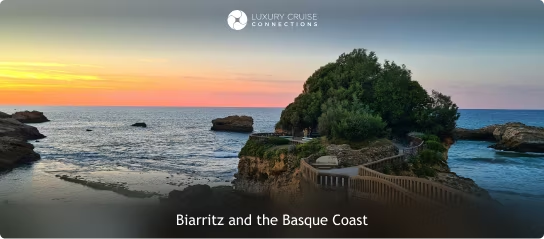
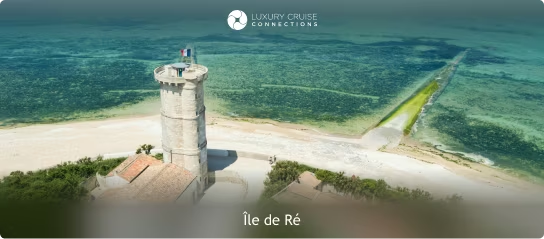
The best time to visit France for a beach holiday is June to September, when reliable sunshine and warmer sea temperatures support swimming and beach activities. During this period, average daytime temperatures along the French Riviera and Mediterranean coast range from 24-30°C (75-86°F). Along France’s Atlantic coast beaches, including Biarritz and Île de Ré, average daytime temperatures range from 20-25°C (68-77°F). July and August mark the peak tourist season for French beaches, with the highest visitor numbers. June and September sit within the off-peak shoulder season and offer similar beach conditions with fewer crowds and easier access to accommodations.
How to plan a family trip to France with activities for all ages?
Plan a family trip to France with activities for all ages by choosing accommodations, attractions and activities that appeal to both children and adults. Choose accommodations in France that support family travel, including hotels with family rooms, resorts with pools, and apartment-style stays near public transport. Family-friendly options are common in Paris, Nice, and Disneyland Paris-adjacent areas. Example family-friendly accommodations include Explorer's Hotel, Villages Nature Paris and Campanile Val de France.
Choose attractions in France that combine education with entertainment. In Paris, families visit the Eiffel Tower, take Seine River cruises, and explore interactive museums such as the Cité des Sciences. In the Loire Valley, château visits combine large gardens with open spaces that appeal to children and adults alike. Choose activities in France that accommodate the different energy levels of family members. Combine structured sightseeing with relaxed experiences such as beach days on the French Riviera, cycling paths along rivers, and short countryside walks. Prioritize attractions in France with clear routes, rest areas, and simple transport connections to keep days manageable for all ages.
Are there Activities in France Perfect for Families with Children?
Yes, there are activities in France perfect for families with children, with options that suit both younger kids and older children. Visiting Disneyland Paris is the most popular family activity in the country, while Parc Astérix near Paris and Futuroscope near Poitiers offer rides and shows suitable for mixed age groups. Families also enjoy simple outdoor activities such as beach days in Nice and Cannes, cycling routes in the Loire Valley, and short summer walks in Provence and the Alps. France also offers cultural activities designed for families with children. Museums such as the Louvre and Musée d’Orsay provide family trails and child-friendly materials that help younger visitors follow exhibitions. France’s castles, historic towns, and river cruises engage children by placing history in visible, walkable environments.
What Unique Cultural Experiences Should You Try While Visiting France?
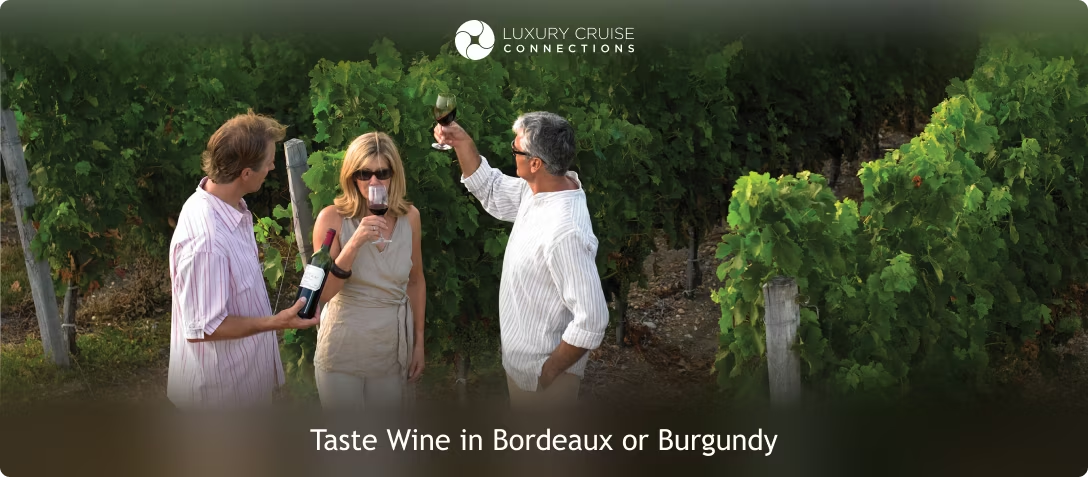
Unique cultural experiences you should try while visiting France include hands-on creative workshops, cooking and baking classes, cabaret performances, artistic neighborhood walks, food and wine tastings, and museum visits. Hands-on creative workshops allow you to take part in French craft traditions. In Paris, travelers join perfume workshops or visit historic fragrance houses such as Fragonard to learn how scents are produced. Cooking and baking classes show how technique shapes French cuisine. Visitors learn to prepare croissants, baguettes, and macarons using traditional methods taught by professional chefs. Food and wine tastings introduce you to France’s regional products and geography. Guided tastings explain wine production and cheese pairing, often featuring Bordeaux, Burgundy, and Loire Valley regions. Cabaret performances remain a key part of Parisian culture. Visitors attend shows at venues such as the Moulin Rouge or Lido, where music and costume reflect long standing nightlife traditions. Artistic neighborhood walks focus on historic districts shaped by artists. In Montmartre, visitors walk narrow streets, browse bookshops, and visit the Sacré-Cœur Basilica. Museum visits remain essential cultural experiences in France. Guided tours of the Louvre and Musée d’Orsay introduce you to France’s artistic heritage.
Are there Fun Things to Do in France for Outdoor Adventures?
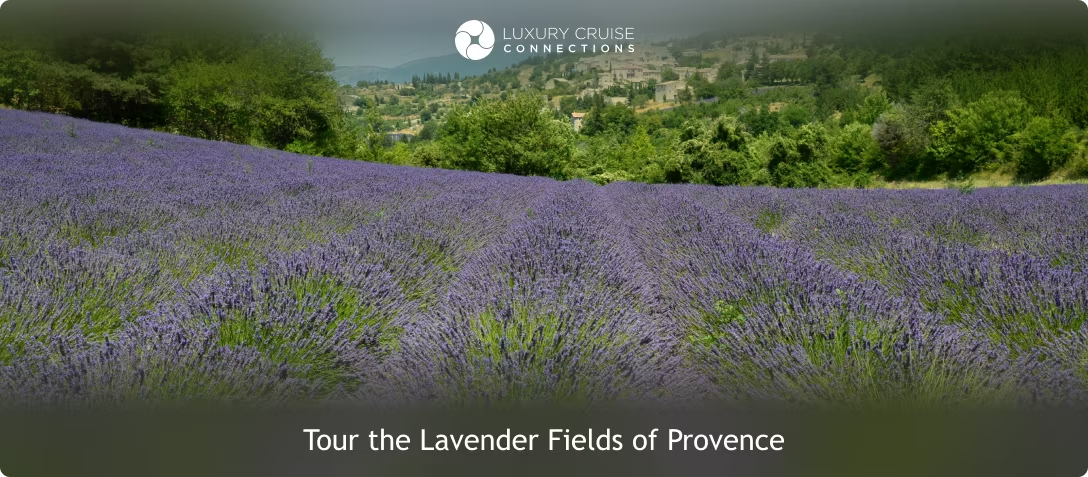
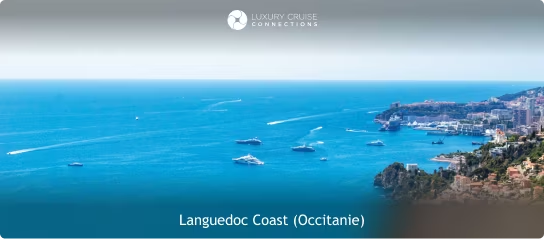
Yes, there are fun things to do in France for outdoor adventures because the country supports a wide range of nature-based and active experiences across different regions. The French Alps offer alpine adventures such as hiking during summer and skiing or snowboarding in winter at resorts like Chamonix and Val d’Isère. Southern France supports fun water-based activities along the Mediterranean. Travelers kayak, sail, and swim along the French Riviera and Languedoc coast. France’s Atlantic coast around Biarritz provides strong surf conditions and long beaches suited to surfing and coastal walks. France’s Inland regions such as Provence and the Dordogne support outdoor exploration through cycling routes, river kayaking, and limestone gorge hikes. Central France offers volcanic landscapes in the Auvergne, where marked trails lead through craters, lakes, and open highland terrain.
Is it possible to explore France independently without a tour guide?
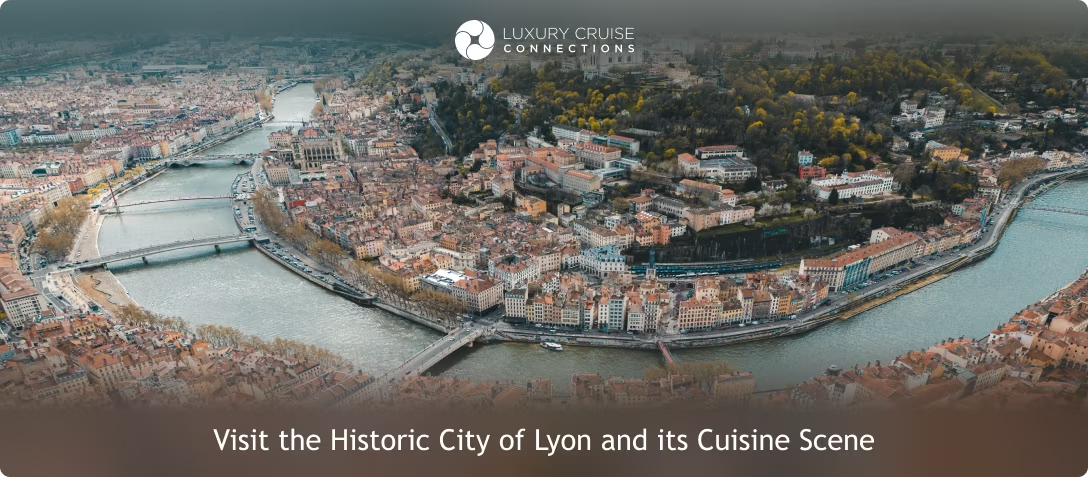
Yes, it is possible to explore France independently without a tour guide because France provides reliable national and regional transport systems and clear visitor infrastructure. Metro, tram, and bus systems within French cities make it easy to reach key landmarks without a tour guide. High-speed TGV trains reliably connect Paris with major destinations such as Lyon, Bordeaux, Marseille, and Nice. Regional trains and buses reliably link smaller towns and countryside areas.
France also supports independent sightseeing at major attractions. Sites such as the Eiffel Tower, Louvre Museum, Palace of Versailles, and Mont Saint-Michel offer timed entry tickets, audio guides, clear signage and multilingual information that allow visitors to navigate and understand sites on their own. Independent travel is supported by walkable historic centers. Online booking platforms, mobile navigation apps, and official tourism resources further help travelers to plan routes, purchase tickets, and manage itineraries without relying on tour operators.