10 Best Things to Do in Botswana

The 10 Best Things to Do in Botswana include exploring the Okavango Delta and visiting Chobe National Park. Botswana's g...

add

The 10 Best Things to Do in Botswana include exploring the Okavango Delta and visiting Chobe National Park. Botswana's growing popularity as a travel destination is driven by its tourist attractions, abundant wildlife, and rich cultural history. Botswana offers a range of experiences, from safaris to boat rides through its wetlands. It provides travelers with unforgettable opportunities for adventure, with deserts, lush deltas, and wildlife. Botswana offers a search for what to do in Botswana for wildlife encounters. The best things to do in Botswana showcase the nation’s natural beauty, with iconic spots (the Okavango Delta and Chobe National Park). The activities offer the ultimate experience for tourists wondering where to go in Botswana to experience nature and culture.

  • Explore the Okavango Delta
  • Visit Chobe National Park
  • Go on a Safari in Moremi Game Reserve
  • See the Makgadikgadi Salt Pans
  • Experience the Kalahari Desert
  • Tour the Tsodilo Hills
  • Visit the Botswana Craft Village
  • Take a Boat Safari on the Chobe River
  • Explore the Khama Rhino Sanctuary
  • Admire the Baines Baobabs
  • Explore the Okavango Delta

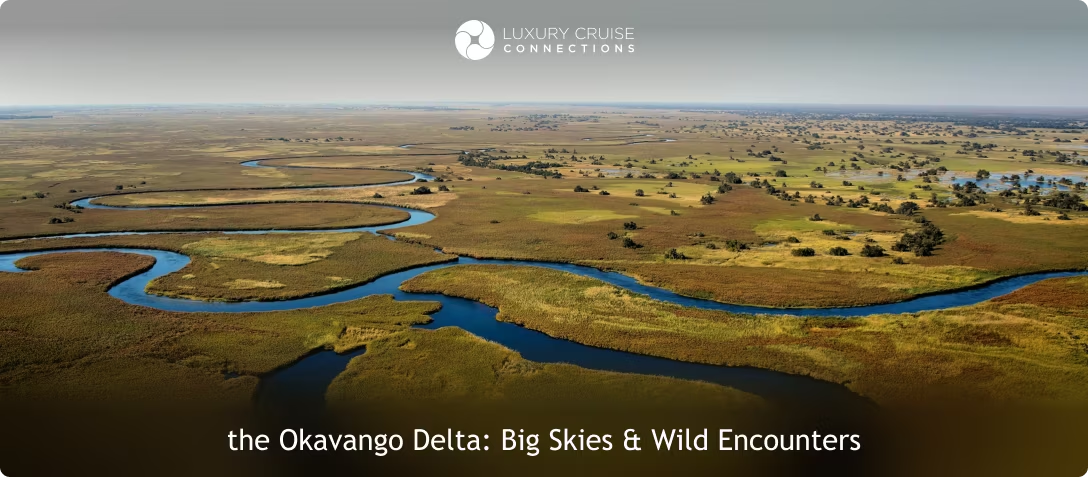
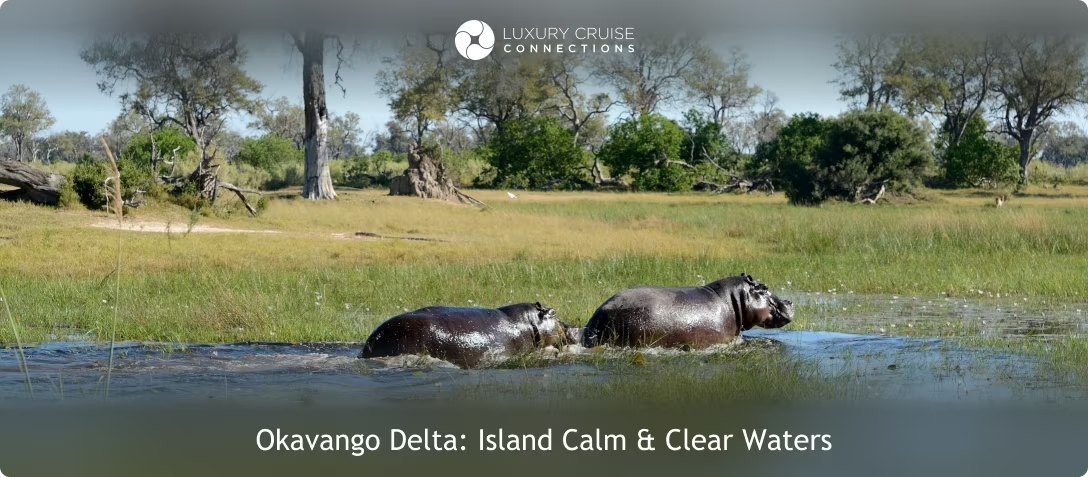
    The Okavango Delta in Botswana is an expansive inland delta known for its ecosystem. Okavango covers over 15,000 square kilometers and is one of the largest wetlands in the world. The Okavango does not flow into a sea but evaporates and enters underground, creating an oasis in the Kalahari Desert, unlike other deltas. The Okavango Delta is home to abundant wildlife, including elephants, lions, hippos, and a wide variety of bird species, making it a premier destination for nature lovers.
    Explore the Okavango Delta

    Moremi Game Reserve is a central attraction, with rich wildlife populations. Mokoro safaris, using traditional dugout canoes, provide a way to explore the waters. Chief’s Island is a top destination for predator sightings (the big cats). The Xakanaxa area is known for its birdwatching opportunities, with a mix of water and land-based safari experiences.

    The Okavango Delta offers an experience with land and water safaris. Wildlife safaris provide opportunities to spot animals, while mokoro rides allow for exploration of the waterways. Walking safaris offer a closer connection to the environment. Birdwatching is a main activity, with over 600 species (the African fish eagle, yellow-billed stork, and white-backed vulture). The Okavango is home to luxurious lodges, including the Sanctuary Chief’s Camp, &Beyond Delta Camp, and Xigera Safari Lodge, providing comfortable accommodations with easy access to the wilderness, with options for African Cruises.

    Visit between May and October in the dry season for the best wildlife sightings.

    Local mokoro safaris are available with guides in the Okavango Delta’s waterways. Walking safaris with expert guides are offered for exploration of the delta’s ecosystem. Birdwatching tours are available to help spot and identify the region's bird species.

    Entry to Moremi Game Reserve costs $20 to $50 per person. Mokoro safaris range from $40 to $100 per hour. Walking safaris range from $50 to $150 per day. Accommodation ranges from $300 per night for basic campsites to $1,500 for luxury options. Game drives and boat rides are priced from $80 to $200 per person for half-day tours.

  • Visit Chobe National Park

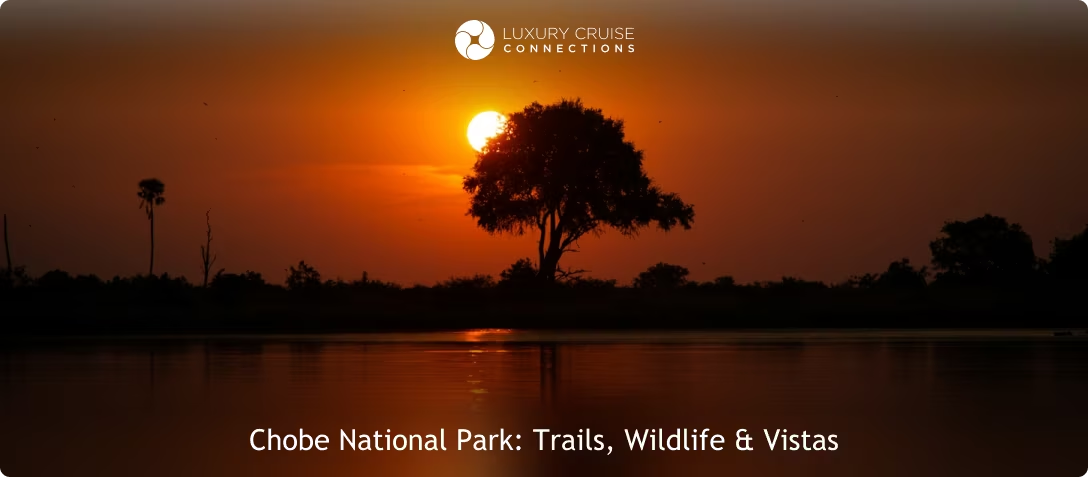
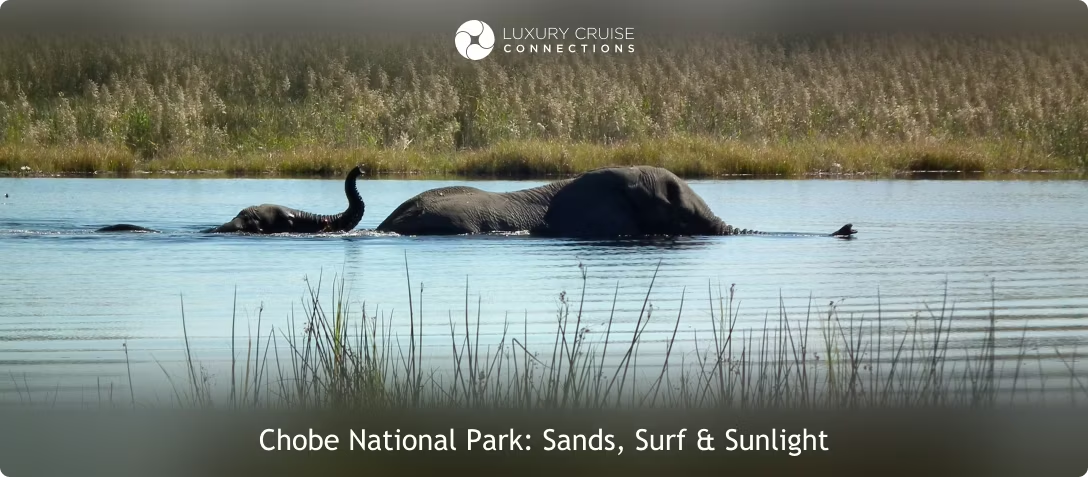
    Chobe National Park is located in northern Botswana, with over 10,000 square kilometers, and is well-known for its ecosystems, including floodplains, woodlands, and wetlands. The Chobe National Park is home to one of Africa's largest concentrations of elephants, with herds. The Chobe River, which forms the park's northern boundary, attracts a variety of wildlife, including hippos, crocodiles, and bird species (Swainson's Spurfowl). Chobe was Botswana's first national park and remains a destination for wildlife, established in 1968. Visitors enjoy game drives, river cruises, and photography opportunities, making the park a must-see destination for nature lovers and safari enthusiasts worldwide
    Visit Chobe National Park

    The Chobe Riverfront is a prime area for wildlife viewing in the dry season, when animals congregate on the riverbanks. Savuti Marsh is known for its predator-prey interactions and offers some of the best game viewing experiences. The Linyanti Marsh is located in the park's northwest corner. It provides a more natural environment for observing wildlife, including rare species (the antelope and African wild dog). The park's variety ensures a rich and diverse safari experience.

    Game drives provide opportunities to spot the Big Five (lion, leopard, rhinoceros, elephant, and buffalo) and other wildlife in the park's diverse terrains. Boat cruises in the Chobe River offer a perspective, allowing guests to observe animals from the water. Birdwatching is a highlight, with over 450 species recorded in the park, including the African fish eagle and lilac-breasted roller. Accommodations range from budget campsites to luxury lodges, offering various options to suit different preferences.

    Visit between May and October in the dry season.

    Local boat safaris are available with guides along the Chobe River. Walking safaris are led by expert guides who offer insights into the park's smaller plants. Birdwatching tours are available with local guides.

    Entry fees for international visitors range from $10 to $22 per person per day. Camping fees range from $2 to $5 per person per day. Vehicle fees for foreign-registered vehicles are $9 per day. Accommodation ranges from $8 per night for budget options to over $80 per night for luxury lodges.

  • Go on a Safari in Moremi Game Reserve

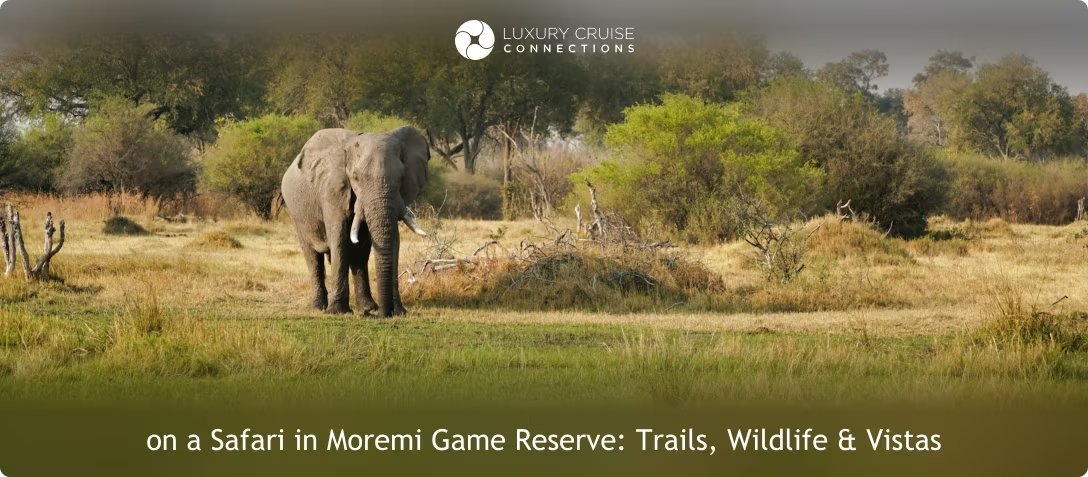
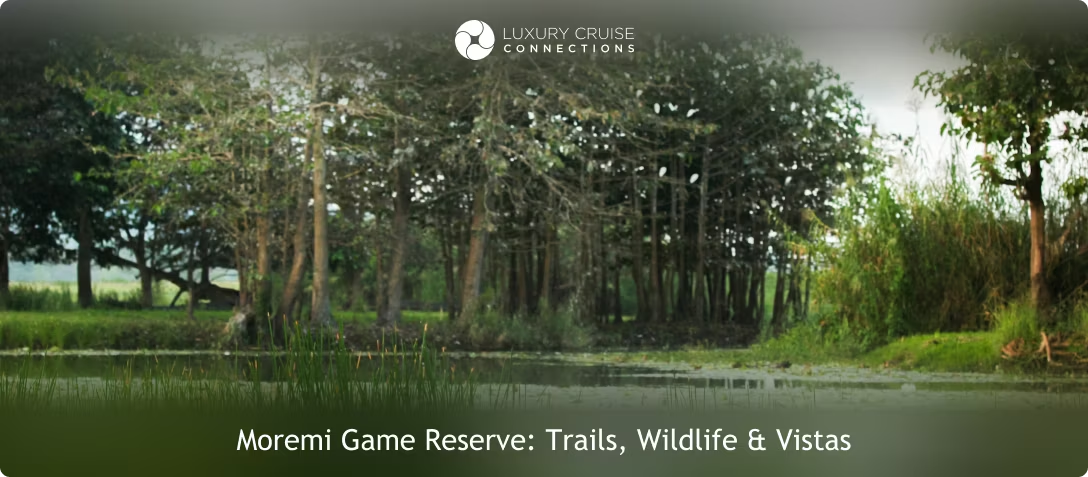
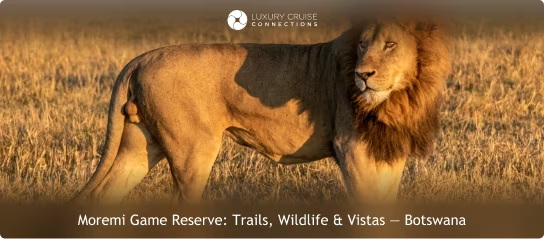
    Moremi Game Reserve is located in the eastern part of the Okavango Delta and covers about 5,000 square kilometers. Moremi Game Reserve is one of Botswana’s wildlife reserves, known for its rich diversity of animals and birds. The Moremi is home to a wide range of species, including lions, leopards, wild dogs, and elephants. Moremi offers land and water-based safaris, allowing visitors to explore its varied ecosystems, from forests to open floodplains.
    Go on a Safari in Moremi Game Reserve

    Xakanaxa is a popular area within Moremi, along with the Khwai River, which offers excellent opportunities for boat safaris and wildlife viewing. The Gomoti River area is a quieter part of the reserve, perfect for a more secluded safari experience. The reserve is famous for its birdlife, with over 400 species recorded, including herons, eagles, storks, and colorful kingfishers that attract birdwatchers worldwide.

    Visitors to Moremi enjoy a variety of safari activities, including game drives, mokoro rides, and walking safaris. Game drives provide an opportunity to see the Big Five (lion, leopard, elephant, buffalo, and rhinoceros), while mokoro safaris offer a way to navigate the waterways. Walking safaris give a closer look at the park’s flora and smaller fauna. Birdwatching is a highlight, with species (Slaty Egret, Wattled Crane) found in the reserve. Luxury camps and lodges (Khwai River Lodge and Moremi Crossing) provide comfortable accommodations and easy access to the reserve.

    Visit between May and October for the best wildlife sightings.

    Mokoro safaris are available with guides along the Khwai River. Walking safaris are led by guides, offering insights into the park’s plants and smaller animals. Birdwatching tours are available with local guides to spot the reserve’s bird species.

    Entry fees range from $10 to $25 per person per day. Mokoro safaris range from $40 to $100 per hour. Walking safaris cost between $50 and $150 per day. Accommodation ranges from $200 per night for basic campsites to $1,500 per night for luxury lodges.

  • See the Makgadikgadi Salt Pans

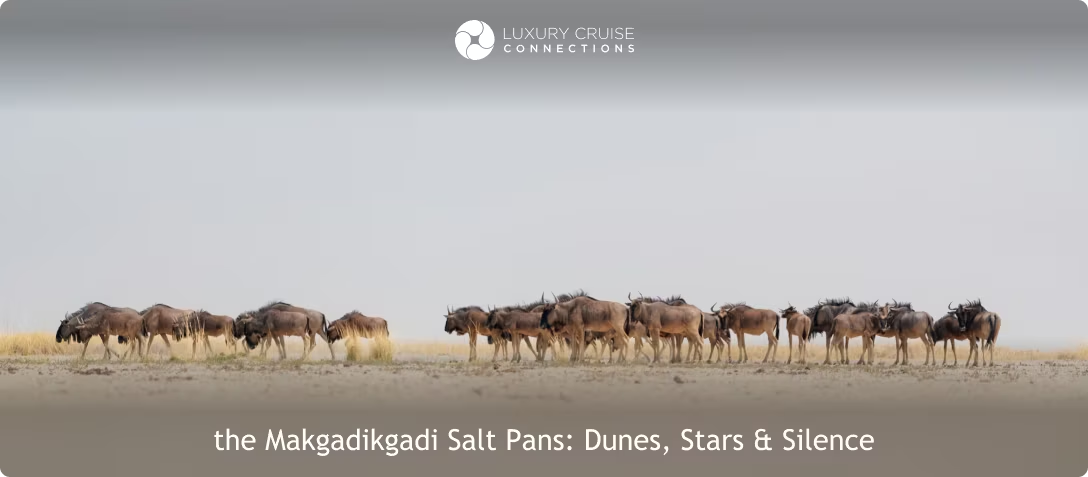
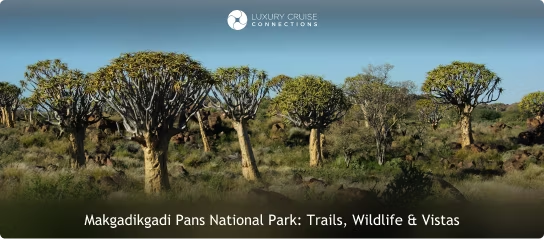
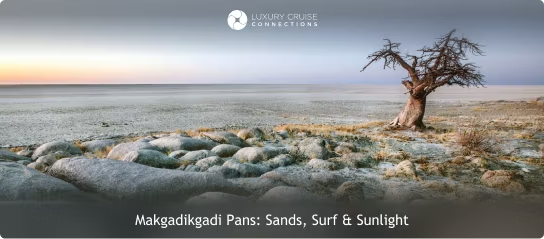
    The Makgadikgadi Salt Pans are a huge ancient salt flat located in the northeastern part of Botswana. The pans cover an area of around 12,000 square kilometers, once part of an enormous inland lake, making them one of the largest salt pans in the world. The Makgadikgadi is a remains of the once expansive Lake Makgadikgadi, which began to dry up over 10,000 years ago. The pans are home to a range of wildlife in the wet season, when the area comes alive with migratory birds, including flamingos.
     See the Makgadikgadi Salt Pans

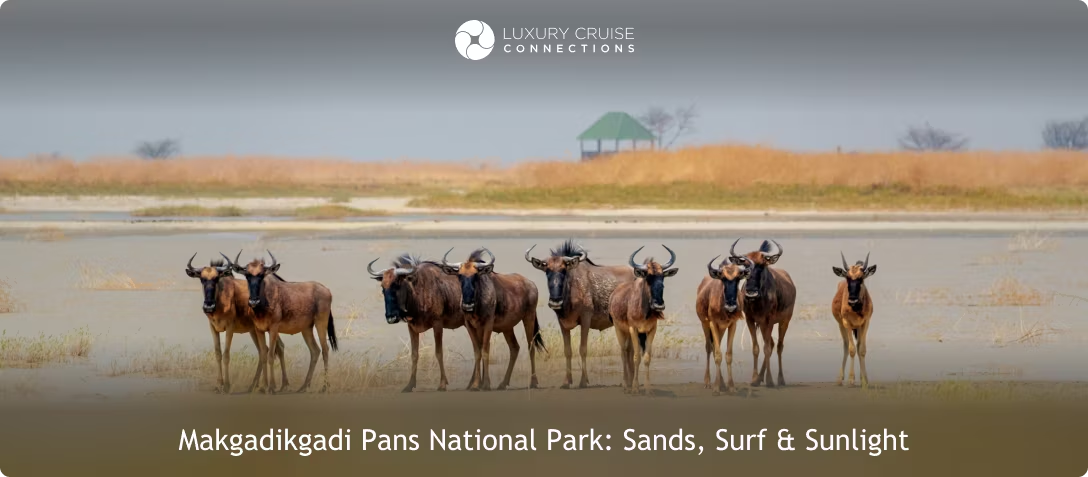
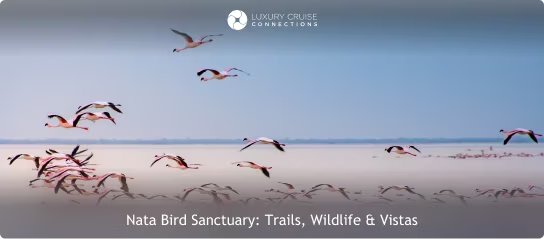
    The Nata Bird Sanctuary is one of the most prominent attractions, offering a refuge for migratory birds (flamingos, pelicans, and other waterfowl). Kubu Island is located in the heart of the pans, is a unique destination, featuring ancient baobab trees and remnants of prehistoric tools. Makgadikgadi Pans National Park provides a rich wildlife experience for tourists interested in game drives to spot zebras, wildebeest, and predators (lions and hyenas). The salt pans themselves are a striking sight, with their cracked surface stretching, at sunset and sunrise, when the light creates effects.

    Visitors spot desert-adapted wildlife (zebras, wildebeest, and the occasional lion hunting) in Makgadikgadi Pans National Park. Activities (quad biking and camel rides) allow visitors to cross the salt flats. The pans are striking at sunrise and sunset, when the light casts dramatic reflections in the cracked surface. Birdwatching becomes exciting in the wet season, when thousands of flamingos flock to the area. Camping under the stars offers an authentic desert experience, and guided tours to Kubu Island provide historical insights, with its ancient baobabs and cultural importance.

    Visit from November to April for birdwatching and the wet season’s wildlife migrations, or May to October for a quieter, drier season experience.

    Guided game drives are available for wildlife viewing in the Makgadikgadi Pans National Park. Quad biking tours with local guides offer an adventurous exploration of the salt pans. Guided tours to Kubu Island provide historical and cultural insights into the area.

    Entry fees for Makgadikgadi Pans National Park range from $10 to $25 per person per day. Quad biking tours range from $50 to $100 per hour. Camping fees are $10 to $20 per person per night. Guided tours to Kubu Island are priced between $50 and $150 per person.

  • Experience the Kalahari Desert

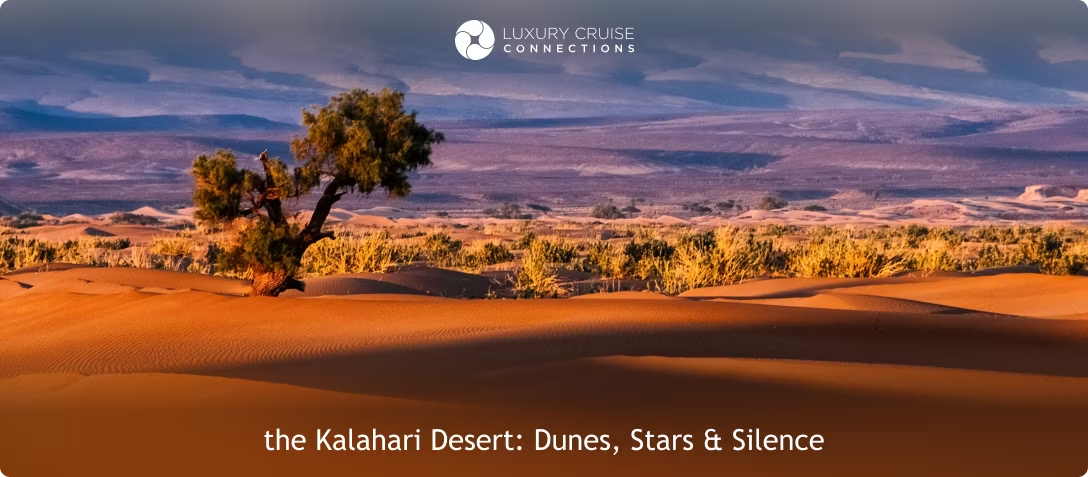
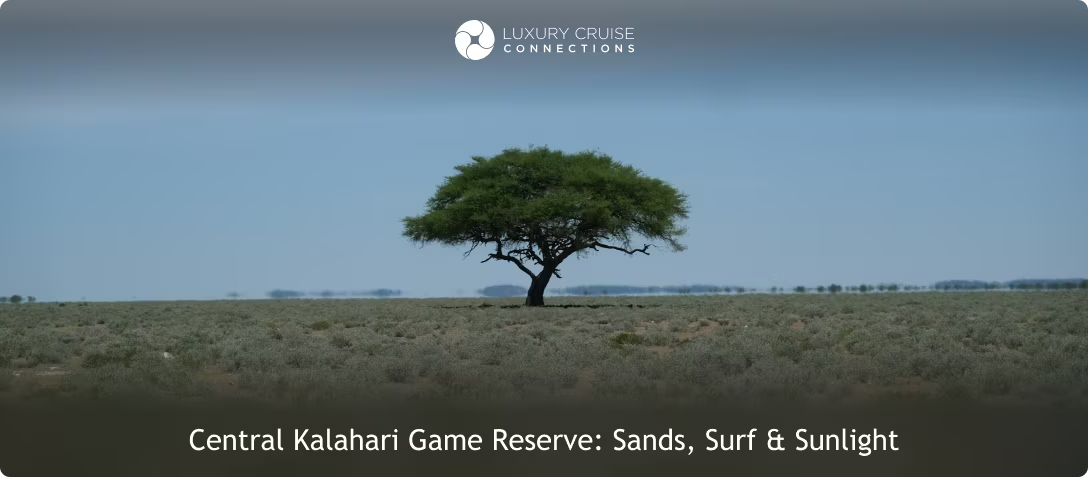
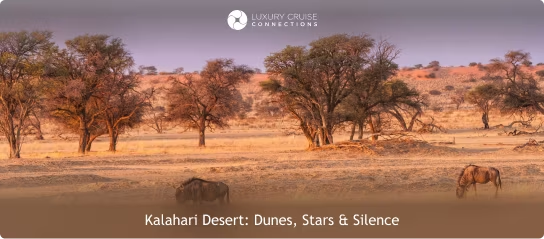
    The Kalahari Desert is a huge dry area that stretches across Botswana, Namibia, and South Africa. Kalahari is not a true desert, as it gets rain each year, turning parts of it into a short-lived green oasis. The Kalahari Desert is home to animals (the springbok, oryx, and Kalahari lions) that are adapted to living in dry conditions. It has salt flats, red dunes, and acacia trees, offering a one-of-a-kind view. The Kalahari supports plants and animals, despite being dry.
    Experience the Kalahari Desert

    The Okavango Delta’s seasonal floods bring life to parts of the Kalahari around Makgadikgadi Pans and Nxai Pan National Park. Deception Valley is known for wildlife migrations and the famous Kalahari lions. Mopipi is a spot in the desert known for ancient rock engravings and cultural importance. The Kalahari Camelthorn Trees stand out against the desert’s red sands.

    Visiting the Kalahari Desert lets travelers see how life thrives in an extreme environment. Game drives offer views of desert animals (the meerkat, gemsbok, and Kalahari lion). Walking safaris let visitors track animals and learn about the desert’s plants and animals. The desert is perfect for stargazing, where the night sky looks clear and complete with stars. Quad biking and camel rides are available to explore the dunes. There are cultural tours to learn about the tourists who have lived in the desert for thousands of years.

    Visit between May and October for the best wildlife views in the dry season.

    Game drives with local guides provide wildlife sightings, including Kalahari lions. Walking safaris with guides teach about the desert’s plants and animals. Cultural tours with local guides show how the tourists live in the desert.

    Entry to Nxai Pan National Park is $10 to $20 per person per day. Game drives range from $60 to $150 per person for a half-day tour. Walking safaris cost between $50 and $150 per day. Accommodation ranges from $100 per night for basic campsites to over $500 per night for luxury lodges.

  • Tour the Tsodilo Hills

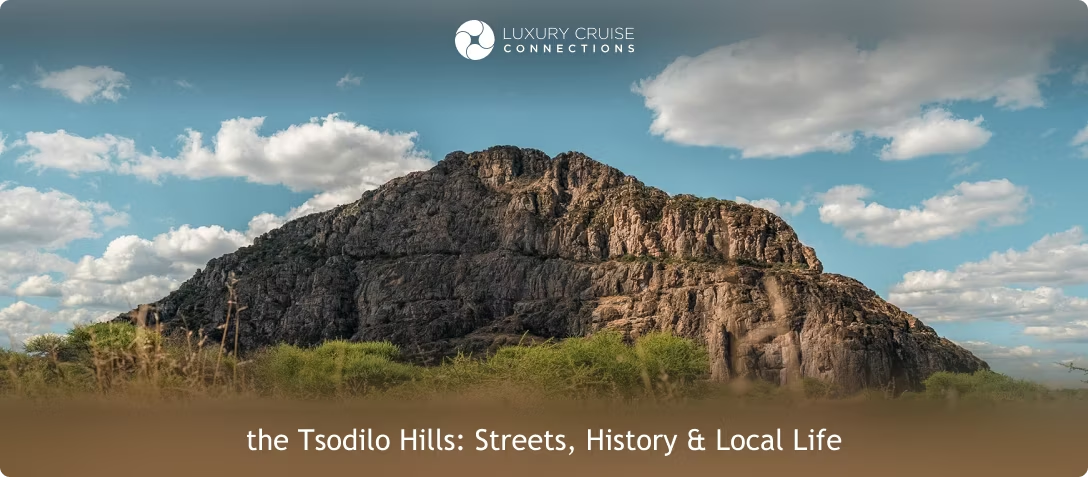
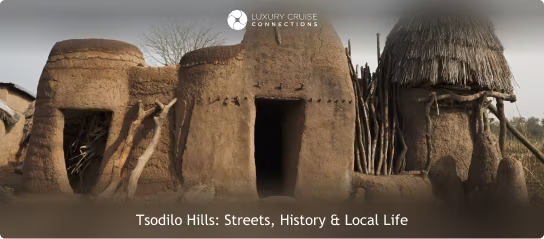
    The Tsodilo Hills are located in the northwestern part of Botswana, near the Namibian border. The hills are a UNESCO World Heritage site and hold over 4,500 rock paintings that date back 50 years, known as the "Louvre of the Desert. The area is sacred to the tourists who believe it is home to their ancestors’ spirits. The hills are made up of four prominent peaks, with rock formations that contrast sharply with the surrounding desert. Explore the ancient hills and learn about their cultural and spiritual importance.
    Tour the Tsodilo Hills

    The rock art scattered in the hills is one of the main attractions, with paintings of animals, human figures, and abstract symbols. The Lion Cave is one of the most famous sites, where paintings of lions and other wildlife are found. The God’s Window offers a view of the surrounding plains and is an excellent spot for photos. The Peak of the Hills provides the best panoramic views of the area, where visitors get a sense of the area and its isolation.

    Guided tours take visitors to the most important rock art sites, where experts explain the meaning behind the paintings and the culture of the locals. Hiking up to the peaks of the hills provides views of the desert and the surrounding area. Learn about the rich heritage of the locals through cultural tours, where local guides share stories and insights about the history of the hills. The Tsodilo hills are home to wildlife, spot animals (baboons and antelope) while exploring.

    Visit from May to October in the dry season for the most comfortable weather and wildlife sightings.

    Local guides offer tours of the rock art. Hiking tours with guides lead visitors to the highest points for the best views. Cultural tours provide deeper insights

    Entry fees to Tsodilo Hills are around $10 to $15 per person. Guided tours range from $30 to $50 per person for a half-day tour. Cultural tours cost about $40 to $70 per person. Accommodation options range from $50 per night for basic campsites to $200 for lodges.

  • Visit the Botswana Craft Village

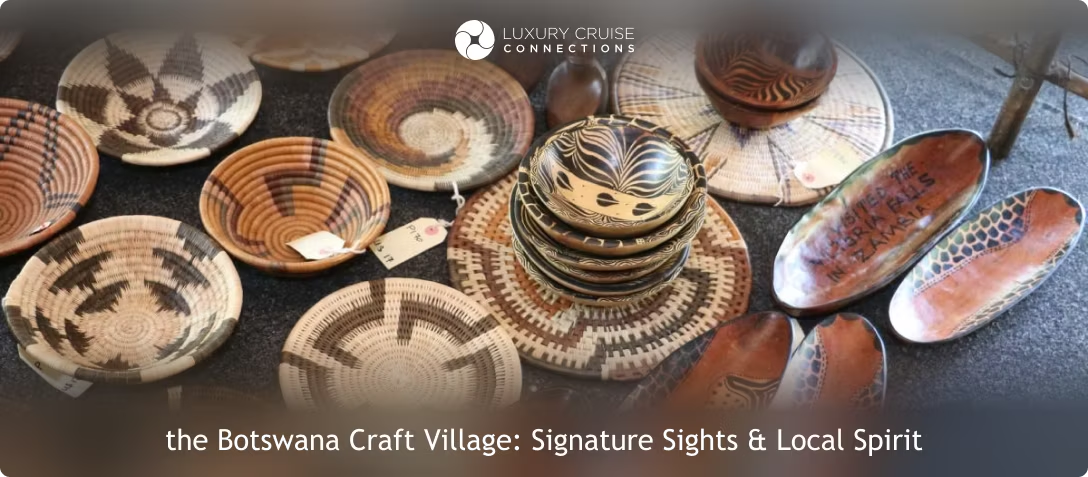
    Botswana Craft Village is located in the capital city of Gaborone, a cultural hub showcasing Botswana's rich arts and crafts heritage. The village features a variety of handmade items, from traditional jewelry to wood carvings and textiles. It provides an opportunity to explore the artistic talents of local artisans while learning about Botswana’s cultural traditions. The Craft Village serves as a gathering space for locals and visitors, with a glimpse into the creative spirit of Botswana.
    Visit the Botswana Craft Village

    The craft stalls are the main attraction, where visitors purchase different handcrafted items (woven baskets, beadwork, wooden sculptures, and painted pottery). The traditional jewelry section displays crafted pieces, including necklaces, earrings, and bracelets made from local materials (copper, silver, and beads). Explore the art gallery, which features paintings, sculptures, and other works of art by local artists. The Craft Village hosts cultural performances (music and dance), allowing visitors to experience Botswana’s traditions up close.

    Visitors spend time exploring the craft stalls and interacting with the artisans who create the unique pieces at Botswana Craft Village. The village provides a chance to purchase authentic Botswana souvenirs and support local artists. Cultural performances and music are held regularly, allowing visitors to experience the sounds and dances that are integral to Botswana’s traditions. The village features a café where guests relax and sample local dishes. It is a great place to learn about the local culture while enjoying the art and crafts created by talented artists.

    Visit any time of the year, but weekdays tend to be quieter.

    Local artisans are available to share their craft-making process and stories behind their creations. Cultural performances are led by local dancers and musicians, providing a deeper insight into Botswana's traditions.

    Entry to the Botswana Craft Village is free. Craft items range from $5 to $100, depending on the type and complexity of the piece. Cultural performances are free, but donations are appreciated. Meals and drinks at the café range from $5 to $20 per person.

  • Take a Boat Safari on the Chobe River

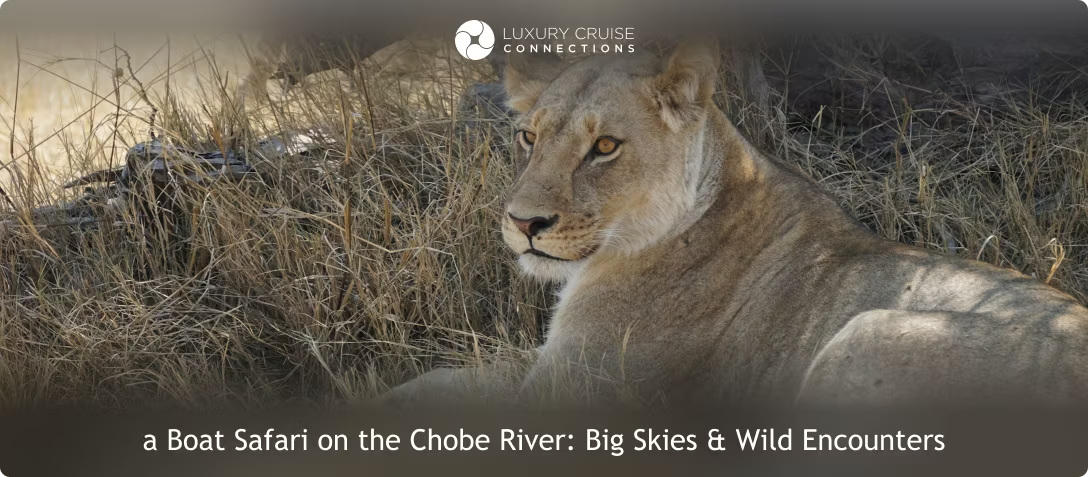
    The Chobe River, which flows through the Chobe National Park in northern Botswana, is one of the best places for boat safaris in Africa. The river forms the northern boundary of the park and is a lifeline for the wildlife that inhabits it. Boat safaris provide a unique way to explore the park’s floodplains and wetlands, allowing visitors to get up close to wildlife without disturbing the environment. The Chobe River is home to large herds of elephants, crocodiles, hippos, and a variety of bird species. The riverbanks are filled with animals drinking and bathing, making for excellent photo opportunities. The type of Cruises with Safari is popular in the dry season, when wildlife congregates around the water sources.
    Take a Boat Safari on the Chobe River

    The Chobe Riverfront is known for its herds of elephants, seen bathing and playing in the river. Hippos are spotted along the riverbanks, and it is common to see crocodiles sunbathing on the banks or hiding in the waters. The river is a prime spot for birdwatching, with species (African fish eagle, white-backed pelican, and kingfishers). The early morning boat safaris offer the best wildlife sightings, as the animals are more active in the cooler hours. Sunset boat cruises are popular, providing views of the sun setting over the river, with animals silhouetted against the fiery sky. The river offers views with vegetation and islands that are home to bird species.

    A boat safari on the Chobe River offers an opportunity to witness wildlife in their natural habitat. Visitors relax on a comfortable boat, guided by an experienced driver and guide, while navigating through the river’s channels and floodplains. Guests have the chance to spot elephants drinking, hippos in the water, and crocodiles lounging on the riverbanks as the boat moves along the river. The boat's quiet movement allows for closer encounters with wildlife, providing an intimate safari experience. Birdwatchers are in their element, with the river hosting a range of species throughout the year. The boat safari ends with views of the Chobe River’s expanse, offering great photo opportunities of the wildlife.

    Boat safaris are best enjoyed in the dry season, from May to October. Early morning and late afternoon cruises offer cooler temperatures.

    Local guides provide boat tours, insights into the wildlife and ecosystems of the Chobe River. Sunset cruises are available, led by guides.

    Boat safari fees range from $40 to $100 per person for a half-day tour. Sunset boat cruises are priced between $50 and $120 per person. Private boat safaris range from $150 to $400, depending on the size of the group and duration. Entry fees for Chobe National Park are around $10 to $30 per person per day.

  • Explore the Khama Rhino Sanctuary

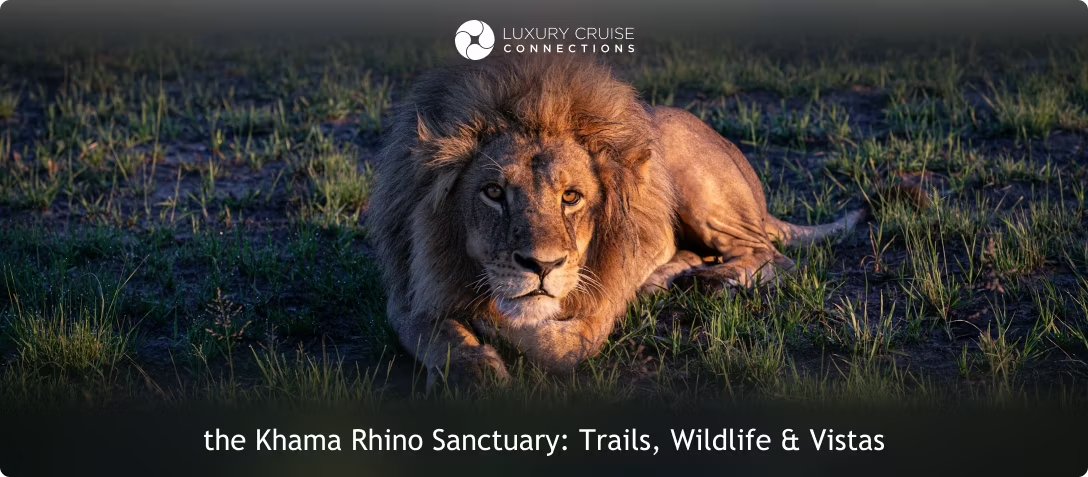
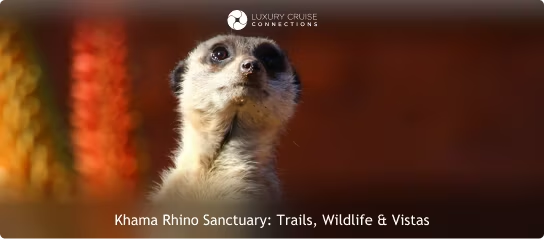
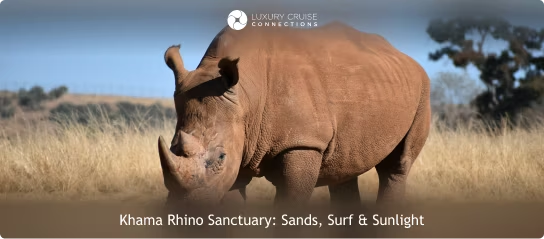
    The Khama Rhino Sanctuary is located in the Central District of Botswana and is dedicated to the conservation of rhinos, the endangered white and black rhinos. The sanctuary covers an area of around 4,300 hectares and provides a haven for rhinos and other wildlife. The sanctuary serves as a site for rhino protection and aims to support sustainable wildlife management, established in 1992. Explore the sanctuary’s diverse habitats, including grasslands, woodlands, and waterholes. The sanctuary is focused on rhino conservation and protects a variety of other animals (zebras, giraffes, and antelopes). The conservation effort is backed by local communities, making it an essential model for community-based wildlife management.
     Explore the Khama Rhino Sanctuary

    The rhino tracking experience is one of the main attractions at the Khama Rhino Sanctuary, where visitors join guides to track and observe the rhinos in their natural habitat. The waterholes within the sanctuary attract a wide variety of wildlife, providing opportunities for animal viewing in the dry season. The sanctuary offers a birdwatching haven, with over 200 species recorded, including the kori bustard and secretary bird. The guided nature walks allow visitors to learn about the local ecosystem, including plants, insects, and smaller wildlife. The Khama Rhino Lodge offers a comfortable place to stay, providing easy access to the sanctuary’s main attractions. Enjoy cultural experiences at the sanctuary, learning about the local communities’ role in wildlife conservation.

    Exploring the Khama Rhino Sanctuary provides visitors with the chance to get up close to rhinos in a natural and protected environment. The rhino tracking tours are guided by experienced rangers, who offer insights into the behavior and conservation efforts of the creatures. Game drives through the sanctuary offer chances to spot other animals, including giraffes, zebras, and wildebeests. Birdwatching is rewarding here, as the sanctuary is home to a wide variety of species around the waterholes. The nature walks allow visitors to connect with the land and understand the balance between humans and wildlife. Relax at the sanctuary’s lodge, which offers a retreat and a chance to enjoy the wildlife.

    Visit from May to October in the dry season, when animals are more likely to be concentrated around water sources.

    Guided rhino tracking tours are available to track and observe the sanctuary’s rhinos. Game drives are led by tour guides who offer insights into the sanctuary’s wildlife. Birdwatching tours are available with local guides.

    Entry fees for the Khama Rhino Sanctuary range from $10 to $20 per person per day. Rhino tracking tours cost between $40 and $70 per person. Game drives are priced around $50 to $100 per person for a half-day tour. Khama Rhino Lodge ranges from $80 per night for basic stays to over $200 per night for luxury options.

  • Admire the Baines Baobabs

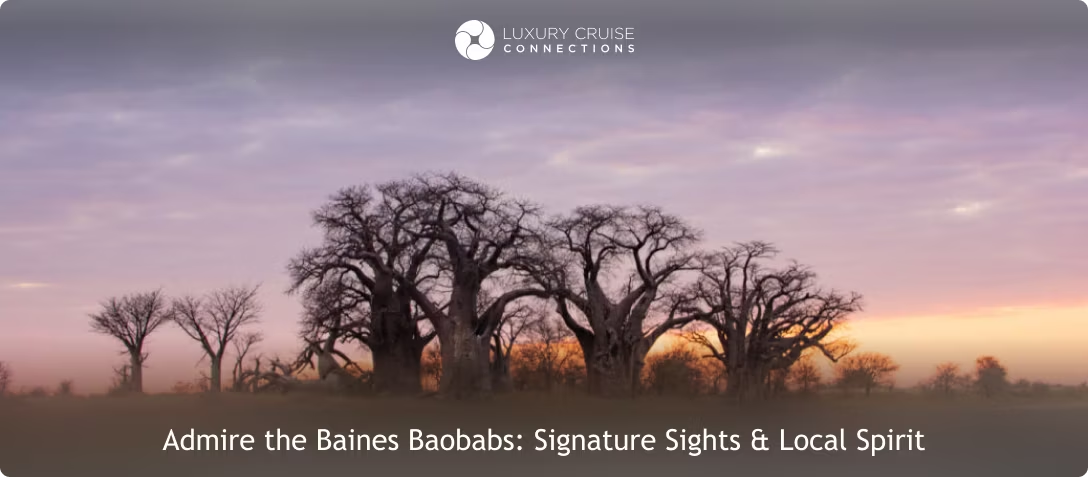
    The Baines Baobabs are a group of baobab trees located in the Makgadikgadi Pans National Park in Botswana. The trees are over 1,000 years old and are named after the British explorer and artist Thomas Baines, who painted them in the 19th century. The baobabs are located along the western edge of the pans and stand out against the flat. The Baines are a symbol of the African wilderness, known for their massive trunks and thick branches. The area surrounding the Baines Baobabs is remote. Visitors to the Baines Baobabs experience a quiet place, perfect for photography and nature exploration.
    Admire the Baines Baobabs

    The Baines Baobabs are the main highlight, with their wide, sprawling trunks and impressive size. The trees have become famous for their beauty at sunset, when the light creates a contrast against the barren surroundings. The nearby Makgadikgadi Pans provide a unique backdrop, creating a scene of huge salt flats stretching into the horizon. Wildlife in the area includes zebras, wildebeests, and antelopes, seen grazing near the baobabs. The Baines is rich in birdlife, with species (the African fish eagle and lilac-breasted roller) spotted regularly. The Makgadikgadi Pans host seasonal migrations, making it an excellent destination for wildlife supporters.

    Visiting the Baines Baobabs provides an opportunity to witness the oldest trees in Africa in a great place. Guided tours are available to explore the area and learn about the history and ecological importance of the baobabs. Take part in photography sessions, capturing the contrast of the trees. The area offers peaceful camping options, where guests stay close to the baobabs and enjoy the open skies. Wildlife safaris around the area provide sightings of the animals that roam the Makgadikgadi Pans. Sunset views at the Baines Baobabs are breathtaking, with a moment of quiet beauty in a remote part of Botswana.

    Visit in the dry season, from June to October.

    Local guides provide informative tours about the baobabs and the surrounding ecosystem. Guided game drives in the area offer a chance to spot wildlife near the baobabs. Photography tours are available to capture the golden hours of sunrise and sunset.

    Entry to the Makgadikgadi Pans National Park costs around $10 to $20 per person per day. Guided tours of the Baines Baobabs are priced from $30 to $50 per person. Game drives are priced at $60 to $100 per person for a half-day tour. Camping in the park costs around $15 to $30 per person per night.


What are the Most Popular Tourist Attractions in Albania?

The most Popular Tourist Attractions in Albania are listed below.

  • Okavango Delta
  • Chobe National Park
  • Moremi Game Reserve
  • Makgadikgadi Pans National Park
  • Central Kalahari Game Reserve
  • Nxai Pan National Park
  • Kubu Island
  • Tsodilo Hills
  • Savute Marsh
  • Victoria Falls (Botswana Side)
  • Okavango Delta - The Water Paradise

    BThe Okavango Delta attracts visitors with its beauty as one of the tourist attractions in Botswana. Over 500 bird species, including the Kori Bustard (Botswana's national bird), with different animals that stay here all year. Enjoy game drives, mokoro boat trips, walking safaris, and water cruises on islands and waterways.
    Okavango Delta - The Water Paradise
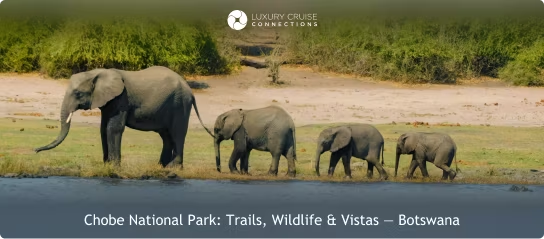
  • Chobe National Park - The Elephant Home

    Chobe National Park has over 120,000 African elephants, making it one of the best places on earth to see the big animals. The park covers 11,700 square kilometers, making it one of Botswana tourist attractions.
    Chobe National Park - The Elephant Home
  • Moremi Game Reserve - The Animal Park

    Moremi Game Reserve is one of the best places to see animals (monkeys and elephants) in the Okavango Delta area. The park protects large areas of wetland where different animals live throughout the year. Great chances to see animals while staying in comfortable camps with good guides.
    Moremi Game Reserve - The Animal Park
  • Makgadikgadi Pans National Park - The Salt Desert

    The huge flat Salt Pans sit in the Kalahari Desert and cover thousands of square kilometers. The huge flat Pans in Botswana bring tourists to see the old salt areas that used to be part of a big lake. The area has amazing sights (Baines Baobabs), seven old baobab trees that travelers want to see.
    Makgadikgadi Pans National Park - The Salt Desert
  • Central Kalahari Game Reserve - The Desert Park

    The Deception Valley and the Pipers Pan are top places that must be on the list when visiting Botswana. The park covers huge desert areas where rhinos and buffalo live in harsh conditions. Botswana attractions guides take tourists to far places where meerkats, brown hyenas, and desert lions live freely.
    Central Kalahari Game Reserve - The Desert Park
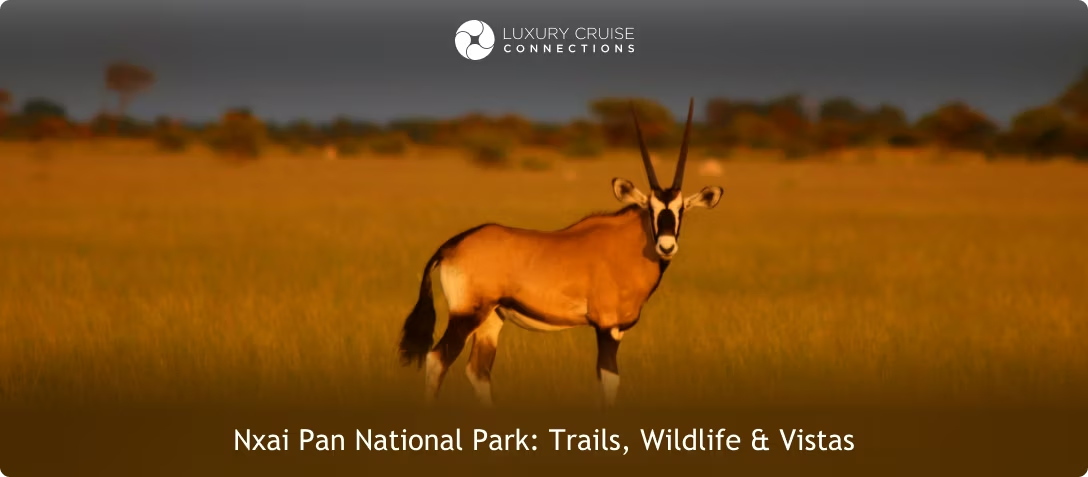
  • Nxai Pan National Park - The Animal Movement Area

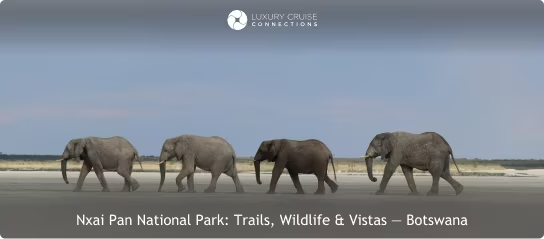
    The park is part of the bigger Makgadikgadi area and sees elephant movements from November to April. The Kalahari Desert has salt pans and is home to the world's second-biggest zebra movement. See groups of zebra, wildebeest, and springbok when they move with the seasons.
    Nxai Pan National Park - The Animal Movement Area
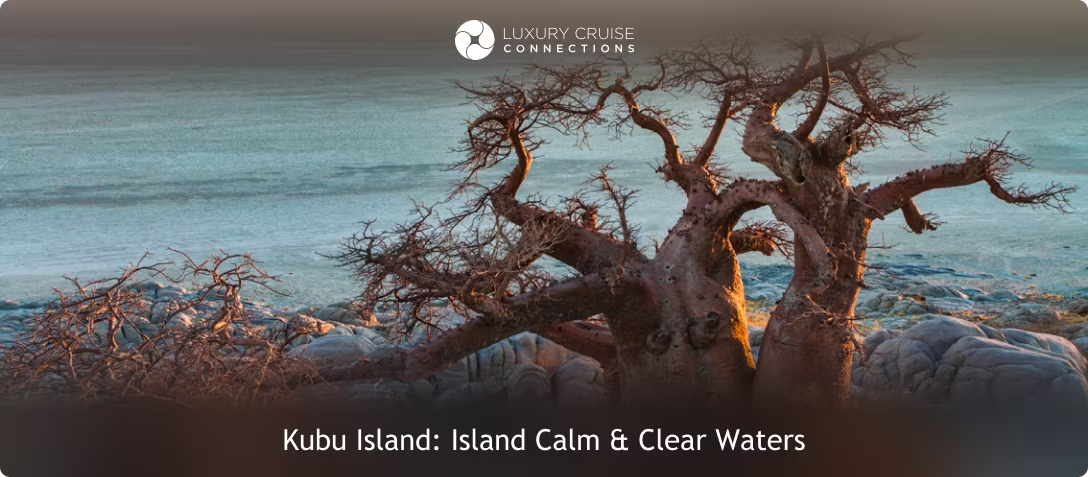
  • Kubu Island - The Rock Island

    Visit amazing Kubu Island for views in the Makgadikgadi Pans area. The rocky island rises from flat salt areas, creating great views for taking pictures. Old baobab trees grow on the island and give homes to different birds and small animals
    Kubu Island - The Rock Island
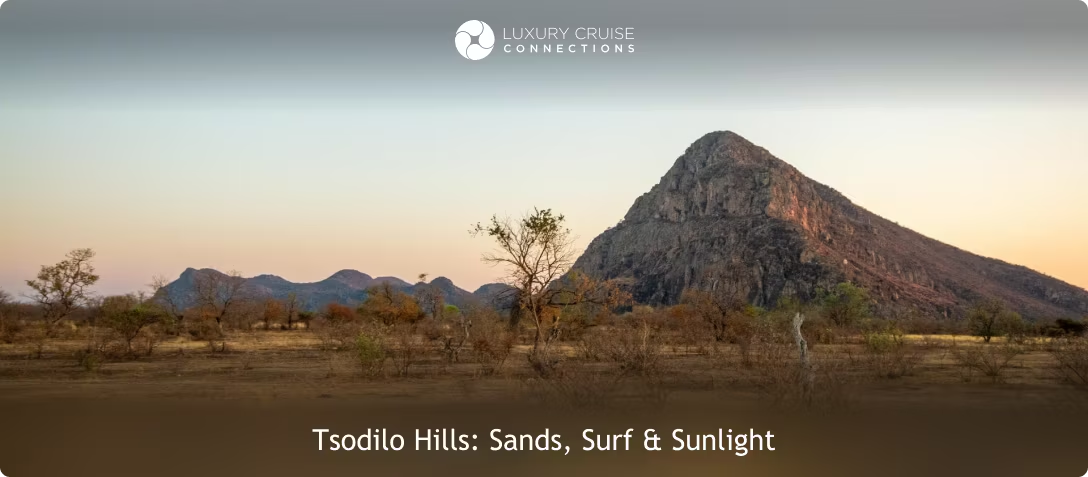
  • Tsodilo Hills - The Rock Art Place

    The rocky hills have thousands of old rock paintings made by the San people 100 years ago. UNESCO calls the place a World Heritage site because it is very important for culture and history. Walk on guided paths to see the rock art while learning about old San beliefs and ways of life.
    Tsodilo Hills - The Rock Art Place:
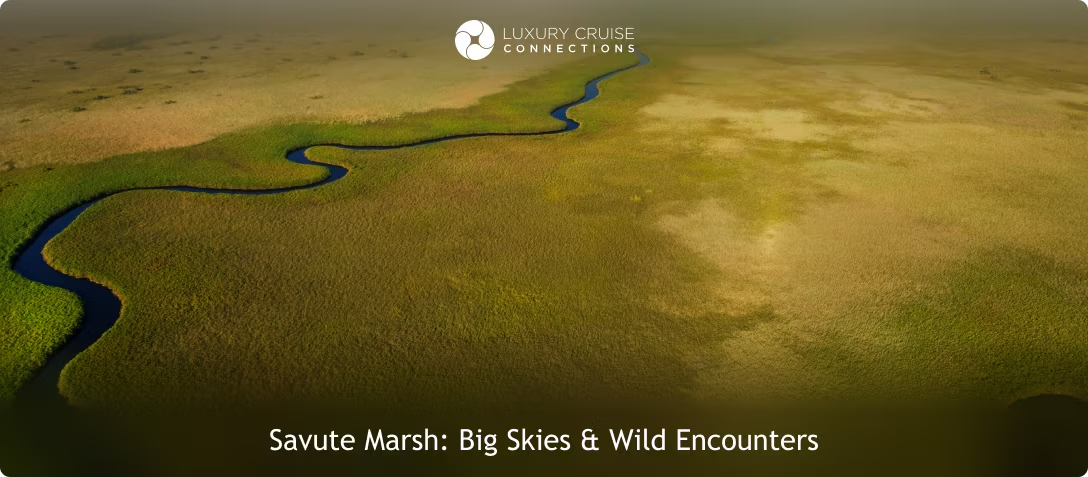
  • Savute Marsh - The Hunter Animal Area

    Fewer tourists visit Savute, but it offers some of the best animal viewing in Botswana. The seasonal marsh brings hunting lions, leopards, and spotted hyenas in dry months. Drives to see exciting hunting scenes in the far wilderness area.
    Savute Marsh - The Hunter Animal Area
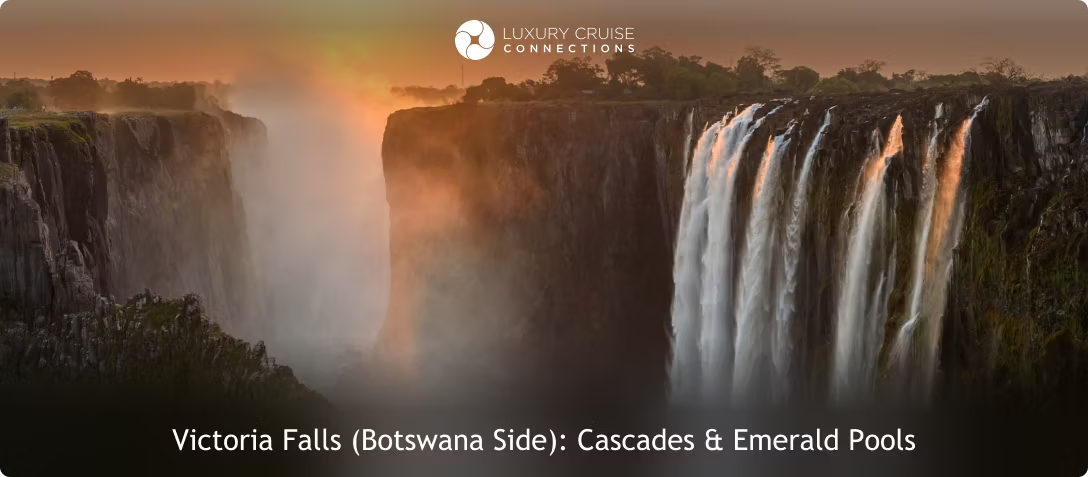
  • Victoria Falls (Botswana Side) - The Big Waterfall

    The Botswana side of Victoria Falls gives quieter viewing than the Zimbabwe side of the natural wonder. Reach the falls through Kasane and take boat trips on the Zambezi River above the falls. The area has great bird watching and river safari activities for tourists wanting different experiences.
    Victoria Falls (Botswana Side) - The Big Waterfall


Which Vacation Spots in Botswana are Best for Nature and Wildlife Lovers?

Vacation Spots in Botswana that are Best for Nature and Wildlife Lovers are listed below.


What are the Affordable Places to Visit in Botswana for Budget Travelers?

The Affordable Places to Visit in Botswana for Budget Travelers are listed below.


What are the Best Things to Do in Botswana for First-Time Visitors?

What are the Best Things to Do in Botswana for First-Time Visitors?

The Tsodilo Hills are a UNESCO World Heritage site and are home to over 4,500 rock paintings made by the San people. First-time visitors explore the sacred hills on guided tours, discovering ancient artwork that tells stories of the past.
A flight over the Okavango Delta offers an aerial view of its waterways and islands. First-time visitors get a perspective of the delta’s maze of channels and floodplains, with the wildlife. It is one of the top things to do Botswana.
Exploring the Makgadikgadi Pans by quad bike is the best of Botswana, an exciting way to see the salt flats and the surrounding desert. Ride through the flats, stopping to photograph the natural beauty of the area
The Nata Bird Sanctuary is a haven for birdwatchers, located near the Makgadikgadi Pans. The sanctuary is home to thousands of flamingos and other migratory birds in the wet season. Enjoy peaceful walks on the sanctuary’s trails while observing bird species.
A hot air balloon ride over the Okavango Delta offers views of the wetlands and floodplains at sunrise. First-time visitors enjoy a flight over the delta, spotting wildlife (elephants and antelopes) from above. The flight provides a unique opportunity to experience the delta’s beauty from a different perspective.
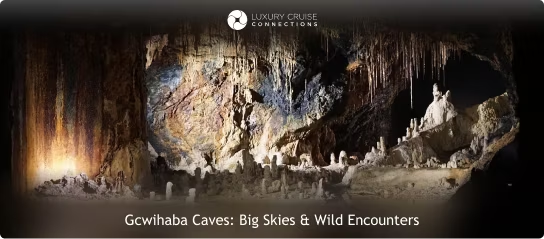
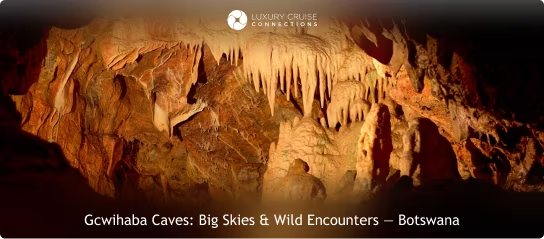
The Gcwihaba Caves in northwest Botswana are a hidden gem for first-time visitors. The caves are filled with ice picks, with guided tours that provide insight into the area’s geology and history. The surrounding Kalahari adds to the beauty of the site.
A mokoro ride, or traditional canoe ride, through the Okavango Delta provides an intimate way to explore the waterways. First-time visitors glide through narrow channels, observing wildlife (buffalo) up close while being guided by a local expert.
The Khama Rhino Sanctuary offers a chance to see black and white rhinos in a protected environment. The sanctuary provides game drives and walking safaris through its grasslands and waterholes, where giraffes, antelopes, and other wildlife are common sightings.
The Kalahari Desert offers a desert safari experience, where visitors explore its red dunes and dry riverbeds. Enjoy game drives in search of desert-adapted animals (springbok and the Kalahari lion).
The Baines Baobabs are located in the Makgadikgadi Pans and are one of Botswana’s most iconic natural landmarks. First-time visitors wonder at the ancient baobab trees while enjoying a walk or a sunset photography session.
Best Things to Do Around the World

Discover the best activities, landmarks, and experiences in every cruise destination and port of call.

Europe Western, Central & Mediterranean
America North, Central, South & Caribbean
Africa & Asia Oceania & Antarctica