10 Best Things to Do in Czech Republic

The best things to do in the Czech Republic are visiting Prague Castle, exploring Old Town Square in Prague, and touring...

add

The best things to do in the Czech Republic are visiting Prague Castle, exploring Old Town Square in Prague, and touring Charles Bridge in Prague. The Czech Republic offers a wide variety of attractions and experiences for travelers (historical landmarks to breathtaking natural landscapes). The Czech Republic is celebrated for its deep cultural heritage, charming cities, and captivating natural beauty, while not a Mediterranean country. Visitors explore cities with centuries-old architecture, picturesque towns, and lush green spaces. The country is filled with stunning sights from the majestic Prague Castle to the medieval charm of Český Krumlov. The Czech Republic offers a diverse range of experiences for every traveler, from engaging with rich historical heritage and exploring centuries-old castles and towns to embarking on thrilling outdoor adventures in its national parks. Unwinding in serene spa towns and charming villages is another unique experience that the country has to offer. No shortage of activities for travelers who are wondering about the things to do in the Czech Republic. Iconic landmarks (castles, churches, and museums) are available for travelers wondering what to see in Czech Republic. Discover the country's rich history, and plan where to go in Czech Republic to explore its best-kept secrets, with a mix of bustling cities and serene landscapes. These Czech Republic things to do make a memorable trip for travelers.

  • Visit Prague Castle
  • Explore Old Town Square in Prague
  • Tour the Charles Bridge in Prague
  • Discover Český Krumlov’s Medieval Town
  • Relax at the Spa Town of Karlovy Vary
  • Explore the Bone Church in Kutná Hora
  • Visit the Beer Gardens of Pilsner
  • Discover the Bohemian Paradise (Český ráj)
  • Hike in the Krkonoš National Park
  • Explore the Historic Town of Brno
  • Visit Prague Castle

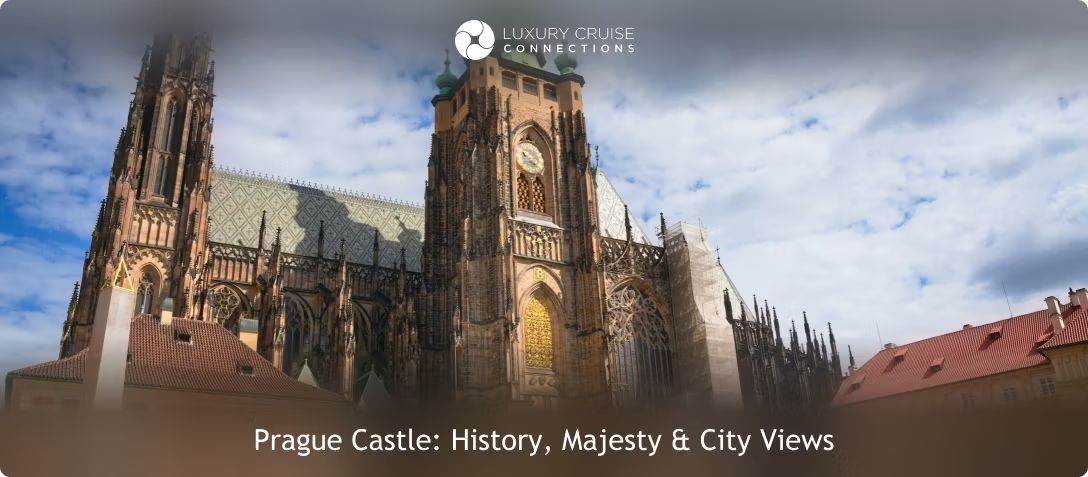
    Prague Castle is one of the largest ancient castles in the world, located in the heart of Prague. Prague Castle has been the seat of Czech kings, emperors, and presidents, and it spans an area of almost 70,000 square meters. The castle complex is home to a variety of historical buildings, including palaces, churches, and gardens. It is a symbol of Czech history, culture, and heritage, offering visitors a unique insight into the country’s royal past and architectural grandeur.
    Visit Prague Castle

    The main attraction at Prague Castle is the St. Vitus Cathedral, a stunning example of Gothic architecture with intricate stained glass windows and royal tombs. The Old Royal Palace offers a glimpse into the lavish lifestyle of the Bohemian kings. Visitors must explore Golden Lane, a charming street lined with colorful houses, once home to castle servants and craftsmen. The Prague Castle Gardens provide a peaceful retreat with panoramic views of the city and the Vltava River, ideal for a relaxing stroll. The Prague Castle Picture Gallery showcases artworks from the royal collection, including pieces by famous European artists.

    Visitors to Prague Castle experience a rich blend of history, culture, and architectural beauty. The complex provides a captivating journey through medieval and Renaissance architecture, allowing visitors to step back in time. The panoramic views from the castle offer a unique perspective of Prague, with its red rooftops, spires, and the Vltava River winding through the city. The experience is educational and awe-inspiring, whether touring the historical sites or enjoying the peaceful gardens.

    The best time to visit Prague Castle is during the spring and early autumn (April to June, September to October), when the weather is mild and the crowds are smaller. The summer months (July and August) are crowded around noon.

    Consider booking a guided tour or renting an audio guide to appreciate the history and significance of the castle fully. Guided tours provide detailed explanations of the castle’s history, making the visit more engaging.

    Entry to the castle grounds is free, but there are fees for accessing certain areas (St. Vitus Cathedral, Old Royal Palace, and Golden Lane). The cost for individual tickets ranges from 250 CZK to 350 CZK, and there are discounted rates for students, seniors, and families. Consider purchasing a combined ticket for access to multiple sites within the castle complex.

  • Explore Old Town Square in Prague

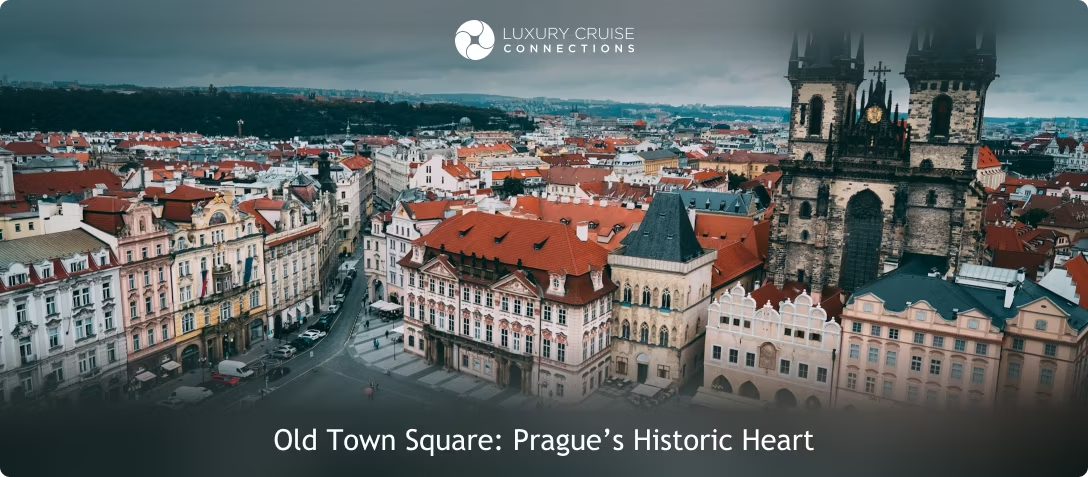
    Old Town Square (Staroměstské náměstí) is the historic heart of Prague, located in the city’s Old Town. The square is a must-see destination for travelers visiting Prague, surrounded by colorful medieval buildings, cobblestone streets, and iconic landmarks. It has served as the center of the city’s social, political, and economic life for centuries. Visitors to the square explore its rich history, impressive architecture, and vibrant atmosphere, all while taking in the beauty of Prague's architectural styles ranging from Gothic to Baroque.
    Explore Old Town Square in Prague

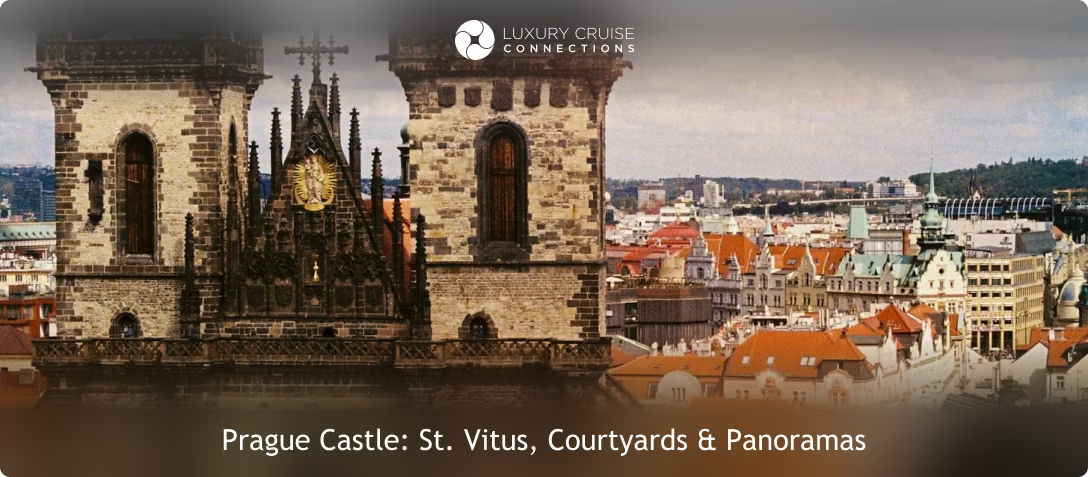
    The Astronomical Clock is located in the Old Town Hall and is one of the most famous attractions in the square. The medieval clock (dating back to the 15th century) offers an hourly show that delights visitors with moving figures and intricate mechanical design. The Týn Church is another key attraction and a stunning Gothic structure with soaring spires that dominate the square’s skyline. Visitors admire the St. Nicholas Church, an example of Baroque architecture with impressive frescoes and grand interiors. The Old Town Hall is an essential stop, offering panoramic views of the square from its tower. The square hosts street performances, market stalls, and lively cafés, adding to the charm of the area.

    Exploring Old Town Square provides visitors with a deep connection to Prague’s history and culture. The bustling square is alive with activity, whether it is tourists admiring the architecture or locals enjoying a coffee in one of the outdoor cafés. Walking through the square feels like stepping back in time, as the medieval buildings and cobbled streets transport travelers to a different era. The square’s vibrant atmosphere and scenic surroundings make it an ideal place for people-watching, photography, and relaxing while soaking in the city’s charm.

    The best time to visit Old Town Square is in the early morning or later in the evening, when it is less crowded. Visiting during the spring and autumn months allows for mild weather and fewer tourists. The square is busy in summer around noon, so planning a visit in the morning or evening is ideal.

    Take a walking tour with a guide who explains the fascinating history and hidden stories of the area to appreciate the historical significance of the square fully. Self-guided audio tours are available.

    Access to Old Town Square is free, but there are fees for visiting specific attractions, such as the Old Town Hall Tower and the Astronomical Clock. The cost for the Old Town Hall Tower is 250 CZK. The entrance to the St. Nicholas Church is around 100 CZK. Check for any changes in ticket prices before the visit

  • Tour the Charles Bridge in Prague

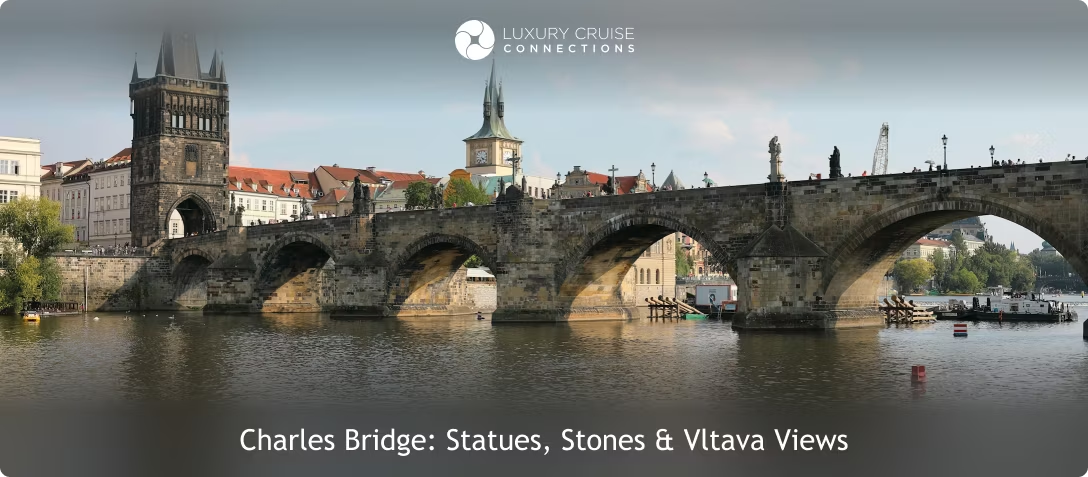
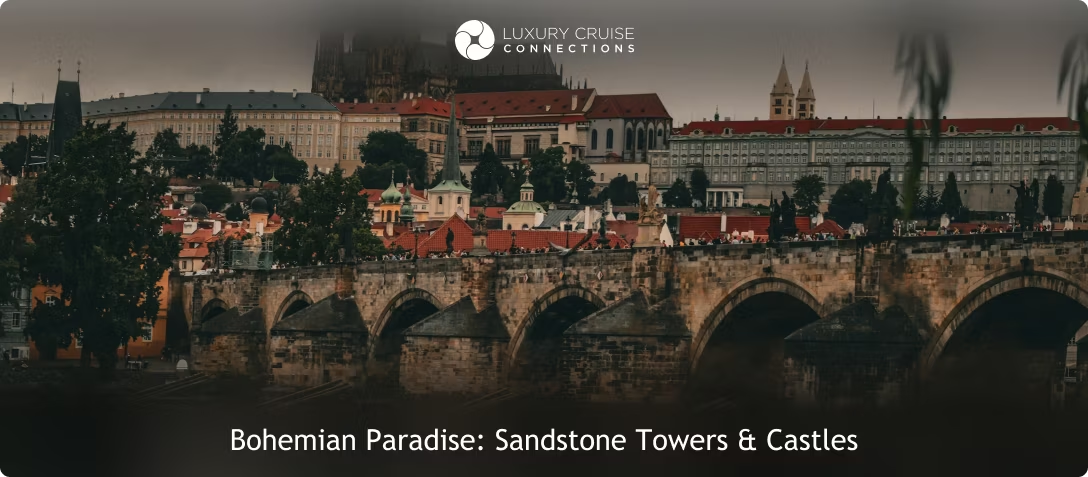
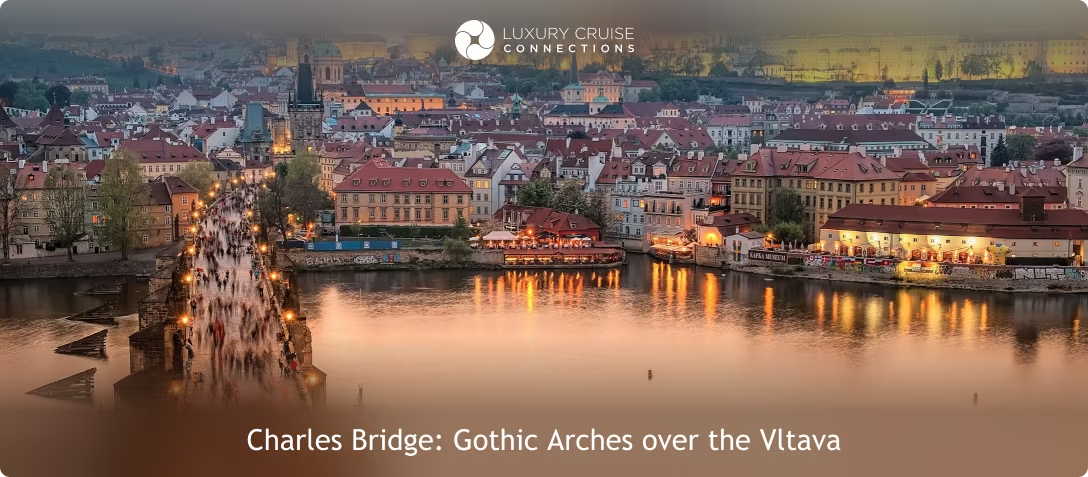
    The Charles Bridge (Karlův most) is one of Prague’s most iconic landmarks, spanning the Vltava River and connecting the Old Town with the Lesser Town (Malá Strana). The bridge is a stunning example of Gothic architecture, built in the 14th century under the reign of Emperor Charles IV. It is lined with 30 statues of saints, which were added in the 17th century. The Charles Bridge is a vital historical structure and a scenic spot, offering views of the Prague Castle, the Vltava River, and the city’s skyline. It is one of the most visited attractions in Prague, frequented by tourists, photographers, and artists.
    Tour the Charles Bridge in Prague

    The highlight of the Charles Bridge is its unique design and the statues of saints that adorn both sides of the bridge. The most notable statues include St. John of Nepomuk, St. Wenceslaus, and St. Sigismund. Visitors enjoy walking along the bridge while taking in spectacular views of Prague Castle, the Vltava River, and the city’s historic architecture. The Bridge Towers is located at either end of the bridge and offer visitors the chance to climb to the top for a panoramic view of the surrounding area. The bridge is home to street vendors, musicians, and artists, adding to the lively atmosphere.

    Walking across the Charles Bridge is an immersive experience that combines history, art, and natural beauty. Visitors enjoy the historic ambiance, admire the intricate statues, and take in the breathtaking views of Prague’s skyline. The Charles Bridge is captivating at sunrise and sunset when the light creates a magical atmosphere, and the bridge is less crowded. The bridge connects key areas of Prague, making it an essential stop for tourists exploring the city, offering a journey through history and a chance to engage with Prague’s vibrant street culture.

    The best time to visit the Charles Bridge is early in the morning or later in the evening to avoid the crowds. Sunrise offers a serene and quiet experience, with the opportunity to capture beautiful photos of the bridge without the hustle and bustle of tourists.

    Guided tours are available for travelers interested in the bridge's history and architecture. They provide insights into the significance of the bridge, the statues, and their role in Prague’s past. Find self-guided audio tours that explain the historical aspects of the bridge.

    Access to the Charles Bridge is free, but visiting the Bridge Towers requires a small entrance fee, around 100 to 150 CZK. Check for any seasonal variations in fees.

  • Discover Cesky Krumlov’s Medieval Town

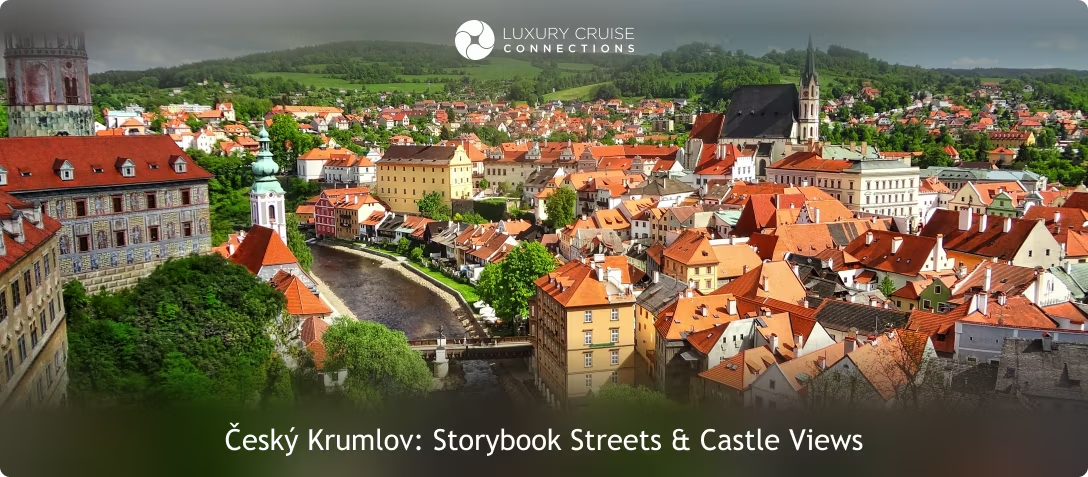
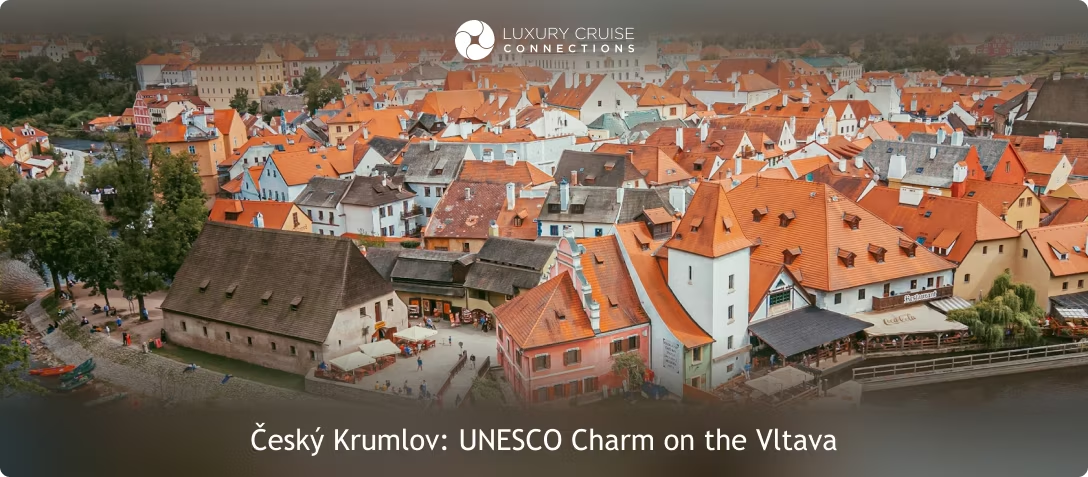
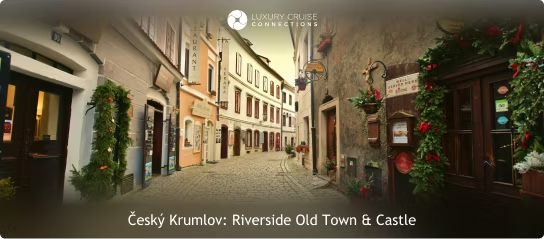
    Český Krumlov is a picturesque town in southern Bohemia, known for its well-preserved medieval architecture and enchanting atmosphere. The UNESCO World Heritage Site is described as a "hidden gem" of the Czech Republic. The town is centered around Český Krumlov Castle, which is perched on a hill above the Vltava River, providing stunning views of the surrounding landscape. Walking through the narrow, winding streets of the Old Town feels like stepping back in time, with its charming town squares, cobblestone alleys, and historical buildings that date back to the 13th century.
    Discover Cesky Krumlov’s Medieval Town

    The main highlight of Český Krumlov is the Český Krumlov Castle, one of the largest and most impressive castle complexes in the Czech Republic. The castle features a blend of Gothic, Renaissance, and Baroque architecture, along with beautiful gardens and a unique revolving theatre. Visitors must explore the Old Town Square, which is lined with colorful Renaissance and Baroque buildings. The St. Vitus Church is another notable attraction with its striking Gothic architecture. The Vltava River offers a great opportunity for canoeing or rafting, providing a unique view of the town from the water.

    A visit to Český Krumlov is like stepping into a fairy tale. The town offers an unforgettable experience where visitors enjoy wandering through its cobblestone streets, exploring hidden corners, and discovering quaint cafés and artisan shops. The medieval charm is palpable, with many of the town’s buildings maintaining their original character. The castle provides a fascinating glimpse into the town’s history, and the peaceful Vltava River adds a sense of serenity to the experience. Český Krumlov offers a relaxing and enriching experience, whether visitors are admiring the town’s architecture or enjoying the local food.

    The best time to visit Český Krumlov is during the spring and early autumn (April to June, September to October). These months offer mild weather and fewer tourists, allowing travelers to explore the town more comfortably. The summer months are crowded with tourists visiting the town for its cultural festivals.

    Consider joining a guided walking tour to appreciate the history and hidden stories of the town fully. Tours are available that explore the Old Town, the castle, and the surrounding areas, providing valuable insights into the town’s medieval past. Audio guides are available for self-guided tours.

    Access to Český Krumlov's Old Town is free, but entry to the castle and its various attractions typically requires a ticket. Admission prices range from 150 CZK to 250 CZK, depending on the parts of the castle travelers wish to visit. Discounts are available for students and seniors.

  • Relax at the Spa Town of Karlovy Vary

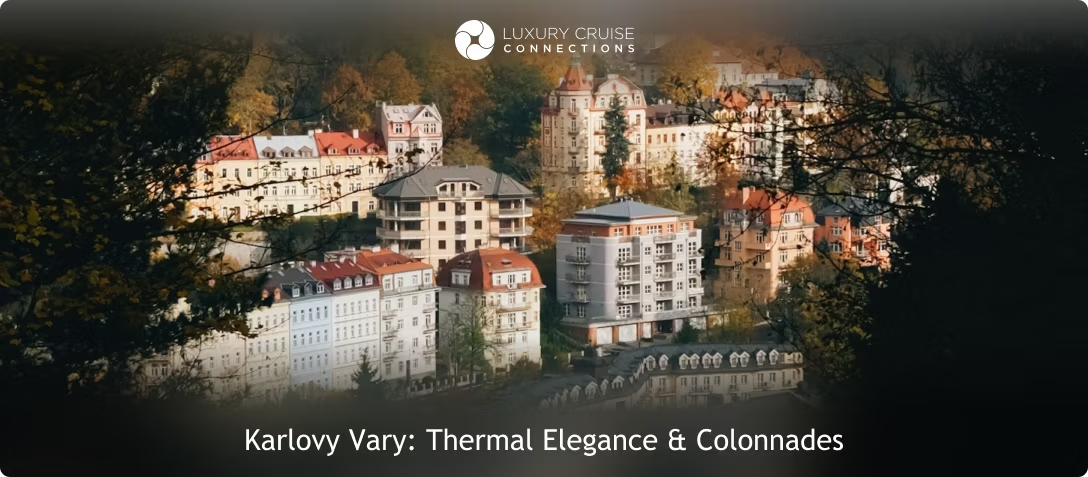
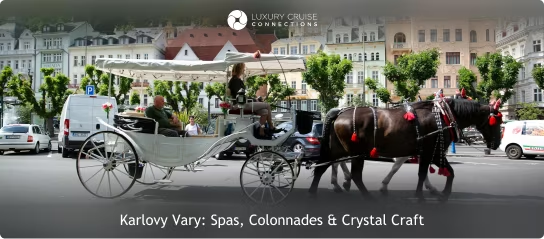
    Karlovy Vary is a historic spa town located in western Bohemia, known for its natural thermal springs and luxurious spa resorts. The town has been a renowned wellness destination since the 14th century, attracting visitors seeking relaxation and rejuvenation. Karlovy Vary’s rich history, stunning architecture, and tranquil atmosphere make it an ideal place for a peaceful retreat. The town is dotted with beautiful colonnades, grand hotels, and healing waters that have long been celebrated for their health benefits.
    Relax at the Spa Town of Karlovy Vary

    The main highlight of Karlovy Vary is its hot springs, with several thermal springs scattered throughout the town. Visitors take part in a centuries-old tradition of drinking the mineral-rich water directly from the fountains, each with its own purported health benefits. The Mill Colonnade is the most famous, offering an elegant walkway lined with columns and providing access to several springs. The Orthodox Church of St. Peter and Paul is another key attraction, with its striking Russian architecture and intricate details. The Moser Glass Factory offers visitors a glimpse into the town’s renowned glass-making tradition, with tours and exhibitions showcasing beautiful Czech crystal pieces.

    A visit to Karlovy Vary is all about wellness and relaxation. Visitors engage themselves in the soothing spa treatments, enjoy a soak in the thermal pools, or indulge in a luxurious massage. The town’s peaceful parks, promenades, and gardens offer a serene environment to unwind and enjoy nature. The town hosts the famous Karlovy Vary International Film Festival, attracting film enthusiasts from around the world. Karlovy Vary provides a refreshing break from the hustle and bustle of city life, whether travelers visit for the healing waters or simply to enjoy the quiet charm of the town.

    The best time to visit Karlovy Vary is during the spring and autumn months (April to June, September to October), when the weather is mild and the town is less crowded. Summer is the peak tourist season during the film festival, which attracts large crowds.

    Consider booking a guided spa tour to fully experience the history and benefits of the town's spa culture. These tours include visits to the hot springs and detailed explanations of the mineral waters. A walking tour of Karlovy Vary’s landmarks is highly recommended for travelers interested in the town’s history and architecture.

    Access to the town and its public colonnades is free. Spa treatments and entrance to attractions like the Moser Glass Factory or the Hot Spring Colonnade have fees. The cost of spa treatments vary, with prices starting from around 500 CZK for a basic package.

  • Explore the Bone Church in Kutna Hora

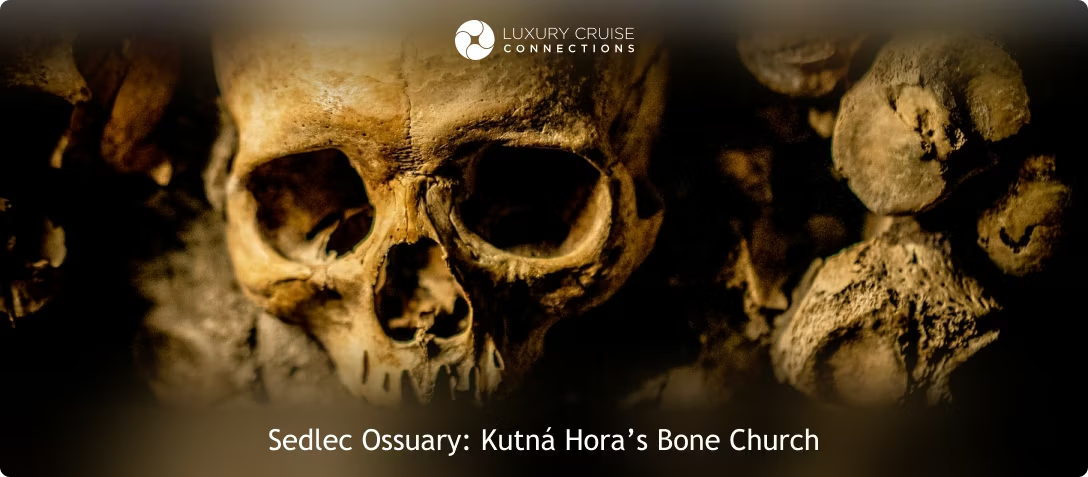
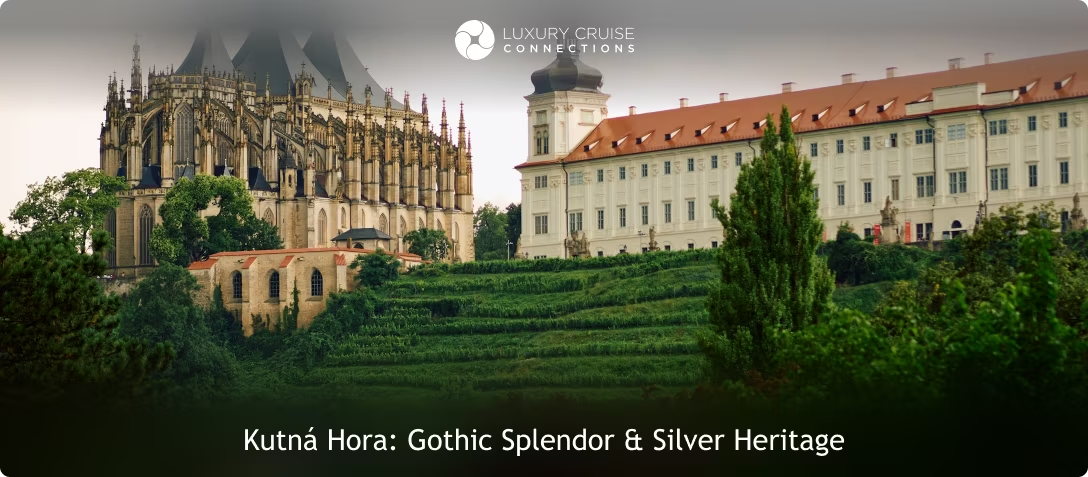
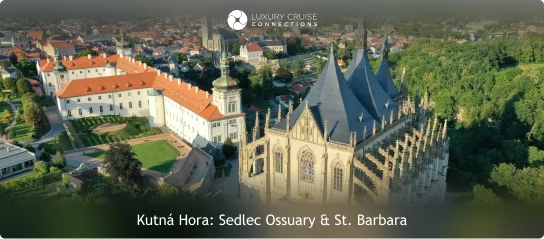
    The Bone Church (Sedlec Ossuary) is a small Roman Catholic chapel located in Kutná Hora, about an hour from Prague. The unique church is famous for its elaborate decorations made almost entirely from human bones. The ossuary contains the remains of an estimated 40,000 to 70,000 people, arranged in artistic displays that include chandeliers, coats of arms, and intricate sculptures. The church provides a striking and unusual glimpse into medieval European attitudes toward death and remembrance, making it one of the most fascinating and eerie attractions in the Czech Republic.
    Explore the Bone Church in Kutna Hora

    The primary highlight of the Bone Church is its extraordinary bone decorations, which cover the walls, ceilings, and even the central chandelier of the chapel. Visitors marvel at the intricate designs, such as the coat of arms of the Schwarzenberg family, which is crafted entirely from bones. The small chapel interior creates an atmosphere that is simultaneously solemn and awe-inspiring. The surrounding cemetery and Gothic Church of All Saints provide historical context and a peaceful environment for reflection. The Sedlec Ossuary is not just a church but a unique work of art that reflects centuries of history.

    Visiting the Bone Church offers a rare combination of history, art, and curiosity. Guests experience a contemplative atmosphere while exploring the artistic arrangements of human remains, gaining insight into the medieval approach to mortality and spirituality. Photography is permitted, allowing visitors to capture the unusual and fascinating visuals. Walking through the chapel, one feels a mix of wonder, respect, and intrigue at how human remains were transformed into creative expressions of faith. The experience is educational and memorable, leaving a lasting impression about the cultural and religious heritage of the Czech Republic.

    The best time to visit the Bone Church is early in the morning or late afternoon to avoid the peak crowds. Spring and autumn provide mild weather, making the short trip from Prague more comfortable.

    Guided tours are recommended to understand the history behind the ossuary, the artistic use of bones, and the cultural significance of the site. Audio guides are available for self-paced exploration.

    Entry fees to the Sedlec Ossuary are 90 CZK for adults and 60 CZK for children and students. The cost includes access to the ossuary and the surrounding Church of All Saints.

  • Visit the Beer Gardens of Pilsner

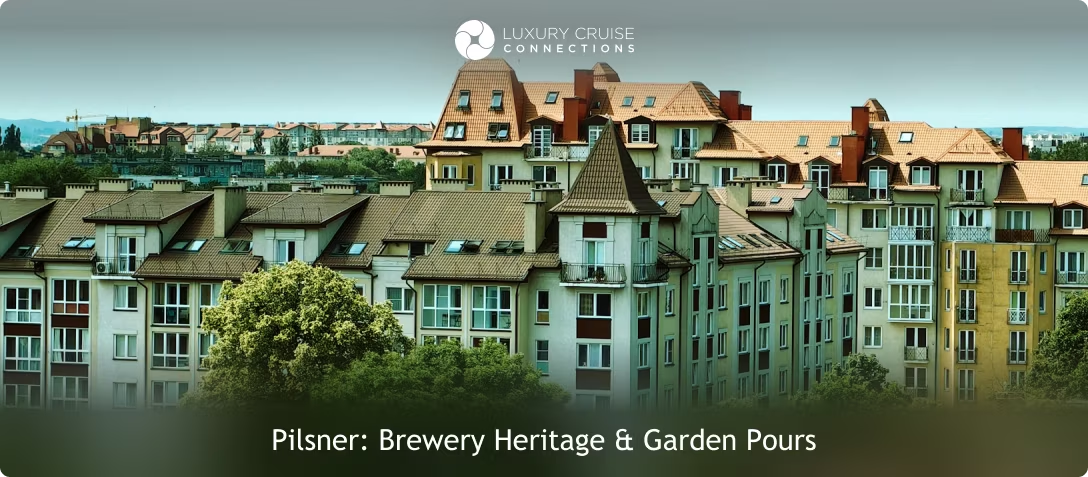
    Pilsner is located in the Czech Republic and is renowned for being the birthplace of the world-famous Pilsner lager. The city is home to the Pilsner Urquell Brewery, where the first Pilsner beer was brewed in 1842. Visiting the beer gardens of Pilsner offers a unique opportunity to experience Czech beer culture in its original setting. The city's lush beer gardens provide a perfect environment to sample local brews, enjoy traditional Czech cuisine, and soak in the relaxed, convivial atmosphere. It is an essential destination for beer lovers, with a rich history and a strong tradition of brewing.
    Visit the Beer Gardens of Pilsner

    The main highlight of visiting Pilsner is the Pilsner Urquell Brewery, where visitors tour the brewing facilities, learn about the history of the beer, and enjoy fresh Pilsner served directly from the source. The beer gardens around the brewery offer a great place to relax, sip on a cold Pilsner, and enjoy local dishes such as goulash, sausages, and fried cheese. The Pilsner Urquell Museum provides deeper insights into the beer-making process and the development of the Pilsner style. Pilsner is surrounded by picturesque parks, where visitors sit back and enjoy their drink in a beautiful setting.

    A visit to the beer gardens in Pilsner is a captivating experience in Czech beer culture. Guests enjoy freshly brewed Pilsner in the very place where it was invented, served alongside traditional Czech snacks. The relaxed and social atmosphere of the beer gardens makes it easy to meet locals and other travelers. The tours at the brewery allow visitors to delve into the brewing process and understand what makes Pilsner such a revered beer worldwide. The combination of good beer, hearty food, and friendly locals creates a memorable experience for anyone looking to experience Czech hospitality.

    The best time to visit Pilsner is during the warmer months, from May to September, when the beer gardens are open and the weather is ideal for outdoor drinking. Summer evenings, particularly around sunset, offer a perfect ambiance for enjoying a refreshing Pilsner.

    Consider booking a guided tour of the Pilsner Urquell Brewery to learn about the brewing process, the history of the beer, and the brewing innovations that took place at the brewery. Audio guides are available for a self-guided experience.

    The brewery tours cost around 250 CZK to 350 CZK for adults, depending on the type of tour. The beer gardens are free to visit, and drinks are reasonably priced, with Pilsner starting at about 40 CZK for a half-liter.

  • Discover the Bohemian Paradise (Cesky Raj)

    Český Ráj (Bohemian Paradise) is a stunning UNESCO Geopark located in the northeastern part of the Czech Republic. The region is renowned for its unique sandstone rock formations, lush forests, and beautiful castles. Bohemian Paradise offers a mix of natural beauty and historical landmarks, making it a paradise for outdoor enthusiasts and history buffs alike. The area’s diverse landscapes include deep valleys, rocky cliffs, caves, and serene lakes, all set amidst rolling hills and dense forests. The combination of geological wonders and cultural sites makes the area one of the most popular natural destinations in the country.
    Discover the Bohemian Paradise (Cesky Raj)

    The main highlights of the Bohemian Paradise are the Prachov Rocks, a collection of towering sandstone formations that are perfect for hiking and rock climbing. The Trosky Castle is another iconic attraction, perched atop two volcanic rock peaks and offering panoramic views of the surrounding landscape. Visitors explore the Hrubá Skála Castle, which overlooks a deep gorge and provides a fascinating glimpse into the region's medieval history. The Valley of the Jizera River offers beautiful river views, perfect for leisurely walks or photography. Bohemian Paradise is home to the Gothic castle of Kost, one of the best-preserved castles in the Czech Republic.

    Visiting the Bohemian Paradise offers a captivating experience in nature and history. Visitors enjoy hiking through scenic trails, climbing the towering rocks, or simply relaxing by the tranquil lakes. The breathtaking views from the castles and rock formations provide plenty of opportunities for photography. The area is perfect for nature lovers, adventure seekers, and travelers interested in exploring medieval Czech history. Exploring the local villages, with their charming houses and narrow streets, adds a layer of authentic Czech culture to the visit. The region’s calm and unspoiled environment allows for peaceful reflection and exploration.

    The best time to visit Bohemian Paradise is during the spring and autumn months (April to June, September to October) when the weather is mild and the natural surroundings are at their most vibrant. The summer months (July and August) are more crowded around the popular attractions.

    Consider hiring a local guide who explain the geological formations and history behind the castles to get the most out of the region’s natural beauty and historical sites. Self-guided hiking trails are available with information boards along the way.

    Many of the natural sites in Bohemian Paradise (Prachov Rocks) are free to visit. However, there are entrance fees for castles like Trosky and Hrubá Skála, which range from 100 CZK to 200 CZK. Check for specific opening hours and any seasonal variations in fees before visiting.

  • Hike in the Krkonos National Park

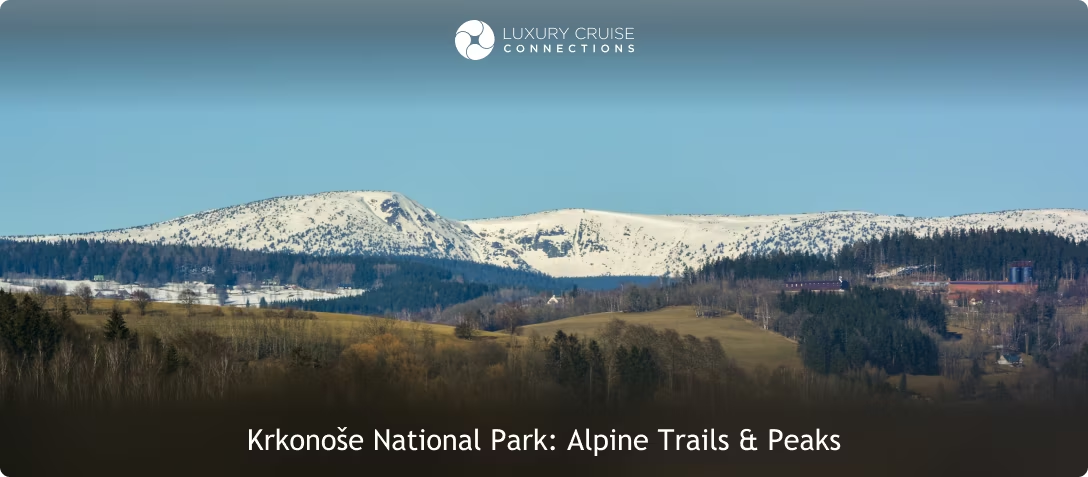
    Krkonoš National Park is located in the northeastern part of the Czech Republic and is the country’s oldest and largest national park. Krkonos National Park is known for its stunning mountain landscapes, alpine meadows, and diverse flora and fauna. The park is centered around the Krkonoš Mountains, which are part of the Giant Mountains range, and offers a variety of hiking trails suitable for all levels of experience. The park’s highest peak (Sněžka) stands at 1,603 meters and is the tallest mountain in the Czech Republic. Krkonoš National Park is a protected area, and its pristine environment offers visitors a chance to experience untouched nature, from dense forests to wildflower-filled meadows.
    Hike in the Krkonos National Park

    The primary highlight of Krkonoš National Park is hiking to Sněžka, the highest peak in the Czech Republic, offering breathtaking views of the surrounding mountains and neighboring Poland. Visitors take scenic hikes through alpine meadows, along crystal-clear streams, and through dense coniferous forests. The Labský waterfall is one of the largest waterfalls in the Czech Republic and is another key attraction in the park, offering a spectacular view of nature’s power. The park is home to the Krkonoš Museum, which educates visitors about the region's natural history, wildlife, and cultural heritage. Numerous trails suitable for easy walks or leisurely nature exploration for travelers seeking a more relaxed experience.

    Hiking in Krkonoš National Park offers a captivating experience in nature, where visitors enjoy the fresh mountain air, explore diverse ecosystems, and take in panoramic views of the landscape. The trails are well-maintained and offer varying levels of difficulty, from short walks suitable for families to more challenging routes for seasoned hikers. Visitors encounter wildlife such as chamois, red deer, and diverse bird species. The park provides opportunities for cycling, cross-country skiing, and snowshoeing in winter in addition to hiking. The park offers a memorable connection with nature whether walking through forests, ascending to the summit of Sněžka, or simply enjoying the peaceful environment.

    The best time to visit Krkonoš National Park for hiking is during the summer months (June to September), when the weather is warm and the trails are accessible. Spring and autumn are beautiful, with fewer tourists and scenic views of blooming flowers or autumn foliage. Winter months (December to February) offer excellent opportunities for skiing and snowshoeing, but the trails is more challenging due to snow and ice.

    Consider hiring a local guide for longer or more challenging hikes to fully appreciate the park’s natural beauty and history. Organized tours are available that focus on the park’s wildlife and ecology.

    Entry to Krkonoš National Park is free, but there is small fees for certain attractions or for using specific trails. The Sněžka cable car has a fee of around 300 CZK for a round trip which takes visitors to the peak of the mountain. Check for any seasonal variations in fees or changes in trail accessibility.

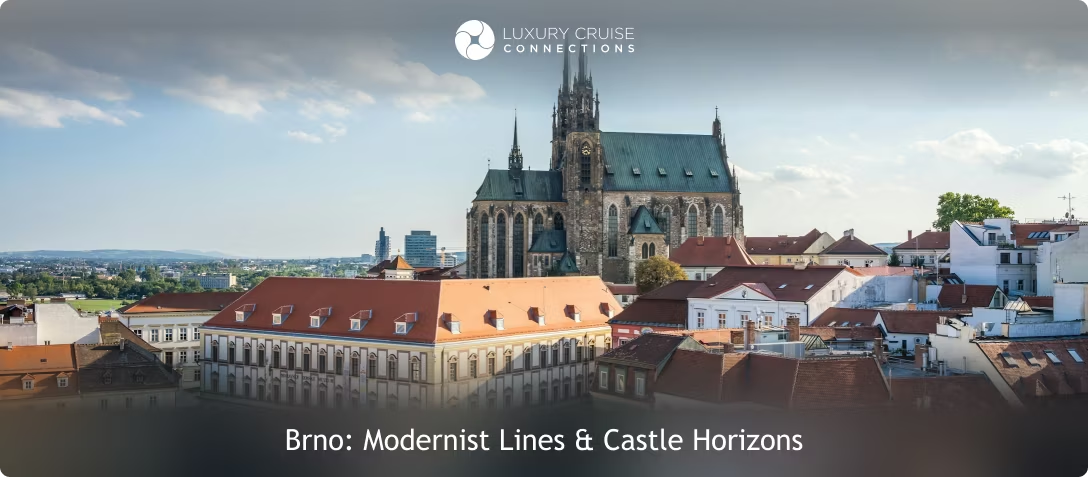
  • Explore the Historic Town of Brno

    Brno is the second-largest city in the Czech Republic and is a vibrant cultural hub that combines history, modernity, and a youthful atmosphere. Brno offers a fascinating mix of medieval architecture, contemporary art, and a lively student population, known for its historical landmarks. The city is home to numerous historical sites (castles, churches, and charming town squares). Brno has played a significant role in the region’s political and cultural development with its strategic location in southern Moravia. Visitors enjoy exploring the town's well-preserved historical centers, and modern cultural venues that showcase the city’s artistic side.
    Explore the Historic Town of Brno

    The Špilberk Castle is one of the main attractions in Brno, offering stunning views of the city and housing a museum that tells the history of the castle and the city. The Cathedral of St. Peter and Paul is another must-see, with its impressive Gothic architecture and beautiful interior. Liberty Square (Náměstí Svobody) is the central square in Brno and is surrounded by historical buildings, cafes, and shops, making it an excellent place for a leisurely walk or a coffee break. The Brno Underground offers a unique opportunity to explore the city’s medieval tunnels and cellars. The Villa Tugendhat is a UNESCO World Heritage Site and another fascinating site in Town of Brno. The villa is renowned for its modernist architecture designed by Ludwig Mies van der Rohe.

    Exploring Brno allows visitors to engage themselves in a blend of past and present. The city’s historic charm is evident in its cobbled streets and beautiful old buildings, while its modern cultural scene is seen in its museums, galleries, and theaters. Brno offers an authentic local experience, with its lively atmosphere, vibrant bars, and coffee shops. Visitors take a relaxing walk through its parks or enjoy the views from the city’s historic viewpoints. The combination of historical landmarks, cultural attractions, and a youthful vibe makes Brno an ideal destination for travelers interested in Czech history, art, and culture.

    The best time to visit Brno is during the spring and autumn (April to June, September to October), when the weather is mild and the city is less crowded. The summer months are great for outdoor festivals and events, though they tend to attract more tourists.

    Take a guided walking tour to learn more about Brno’s history and architecture to make the most of the visit. Self-guided audio tours are available, which provide insights into the city’s key landmarks.

    Brno’s historical sites (Špilberk Castle and the Cathedral of St. Peter and Paul) charge a small entry fee between 100 CZK and 200 CZK. Admission to attractions like the Brno Underground or Villa Tugendhat varies, with tickets ranging from 200 CZK to 400 CZK. Check for any updates on fees and opening hours.


What are the Most Popular Tourist Attractions in Czech Republic?

The Most Popular Tourist Attractions in Czech Republic are listed below.

  • Prague Castle
  • Charles Bridge
  • Český Krumlov
  • Kutná Hora


Which Vacation Spots in Czech Republic are Best for Beach Lovers?

Vacation Spots in Czech Republic are Best for Beach Lovers are listed below


What Unique Attractions can you Visit in the Czech Republic Outside of Prague?

Unique Attractions you can Visit in the Czech Republic Outside of Prague are listed below.


What are the Best Things to Do in the Czech Republic for First-Time Visitors?

The Best Things to Do in the Czech Republic for First-Time Visitors are listed below.

Prague Castle is a must-see for first-time visitors. It is one of the largest ancient castles in the world, and its historical significance and stunning architecture make it an iconic landmark. The castle complex includes St. Vitus Cathedral, the Old Royal Palace, and beautiful gardens, offering a mix of history, culture, and views over Prague.
Charles Bridge is one of the most famous landmarks in Prague, connecting the Old Town to Prague Castle. It is known for its stunning statues, scenic views of the Vltava River, and bustling atmosphere. Walking across the bridge allows visitors to appreciate the charm of the city’s medieval architecture.
Český Krumlov is a UNESCO World Heritage Site known for its well-preserved medieval town center and scenic views along the Vltava River. The town's charming streets and the Český Krumlov Castle are perfect for a day of exploration.
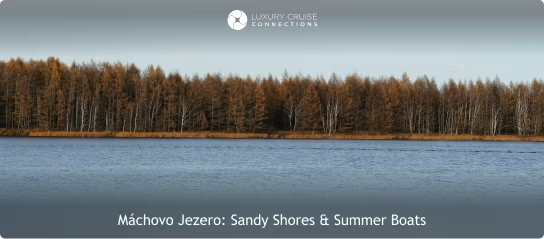
Máchovo Jezero (Lake Máchovo) is the Czech Republic’s largest lake, perfect for a relaxing day outdoors. It offers sandy beaches, boating, and hiking opportunities. The lake is a favorite summer destination for families and travelers seeking a peaceful escape.

How long does it take to Visit the Top Landmarks in the Czech Republic?

It takes about 5 to 7 days to visit the top landmarks in the Czech Republic. The duration allows enough time to explore Prague’s iconic sites such as Prague Castle, Charles Bridge, and the Old Town Square. A day trip to Český Krumlov provides an opportunity to explore its medieval architecture and castle. A visit to Kutná Hora and the Sedlec Ossuary are covered in a half-day or full-day excursion. Travelers comfortably enjoy the cultural and historical richness of the country while experiencing its diverse attractions with the itinerary length.

Are there Activities in Czech Republic Perfect for Families with Children?

Yes, there are activities in the Czech Republic perfect for families with children. The Czech Republic provides numerous attractions (zoo, amusement park, museums) and experiences that cater to young visitors. Families explore the Prague Zoo, one of the best zoos in Europe, offering interactive exhibits and animal shows. The Czech Republic has several amusement parks (the Mirakulum Park), which feature outdoor activities like water play areas, mazes, and climbing structures. Families visit the Bohemian Paradise, where they enjoy hiking and exploring castles. The country’s educational museums, like the National Technical Museum, provide fun, hands-on experiences for children. These attractions make the Czech Republic a family-friendly destination.

Are there Fun Things to Do in the Czech Republic for Outdoor Adventures?

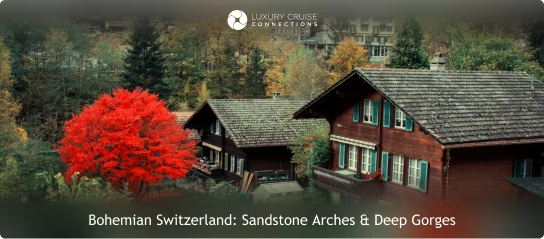
Yes, there are fun things to do in the Czech Republic for outdoor adventures. The Czech Republic’s diverse landscapes, including forests, mountains, and rivers, provide excellent opportunities for various adventures (hiking, cycling, skiing, rock climbing). Hiking is popular in areas like the Bohemian Switzerland National Park, where visitors explore dramatic rock formations and picturesque valleys. The Czech countryside offers numerous trails through scenic vineyards and along rivers for travelers who enjoy cycling. The Šumava National Park is perfect for cross-country skiing and snowshoeing during the winter months. Visitors enjoy rock climbing in areas like the Adršpach-Teplice Rocks or go kayaking on the Vltava River. These activities make the Czech Republic an exciting destination for outdoor adventure enthusiasts.

Can you Visit the Czech Republic on a Tight Budget?

Yes, you can visit the Czech Republic on a tight budget. The Czech Republic offers affordable options for travelers when compared to other European destinations. Food is inexpensive, with local restaurants serving hearty meals at reasonable prices. Czech beer is known for its quality, cheapness, and wide availability. Public transport (buses, trams, and trains) is efficient and budget-friendly, making it easy to get around without spending much. The cost of accommodations varies, but many affordable hostels, guesthouses, and budget hotels are available. The Czech Republic provides excellent value for money, making it a great destination for travelers on a budget.

Best Things to Do Around the World

Discover the best activities, landmarks, and experiences in every cruise destination and port of call.

Europe Western, Central & Mediterranean
America North, Central, South & Caribbean
Africa & Asia Oceania & Antarctica