
Sundarbans Mangrove Forest serves as a critical habitat for rare and endangered species, including the Royal Bengal tiger, estuarine crocodile, and a wide variety of migratory birds. Its unique ecosystem, shaped by the meeting of freshwater and seawater, creates a landscape of dense mangroves, tidal mudflats, and rich biodiversity that remains unmatched in South Asia.
The Sundarbans attract visitors with unique wildlife and scenic views. Activities include boat safaris to observe animals, climbing Dobanki Watch Tower for forest views, and visiting Kotka Beach and Jamtola Watch Tower to see deer and monitor lizards. Birdwatching with kingfishers, herons, and Brahminy kites is popular. Exploring fishing villages provides insight into traditional lifestyles linked to the forest and waterways, improving the experience. Travelers are advised to carry insect repellent, wear light but protective clothing, and follow conservation rules to preserve the fragile environment.
The best time to visit is from November to February, when the weather is cooler and wildlife sightings are more common.
Hiring an experienced tour guide is recommended to navigate the complex river channels safely and to boost the chances of spotting wildlife.
Entrance fees range from $1 to $24 and apply to foreign and local visitors, with extra charges for camera equipment, ranging from $3 to $4, and boat rentals. The tour guide fee costs $6.
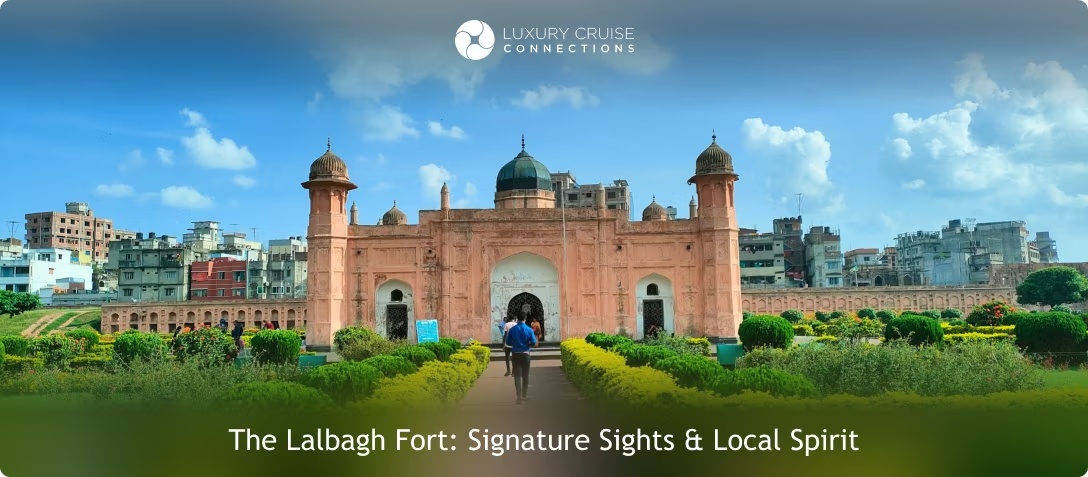
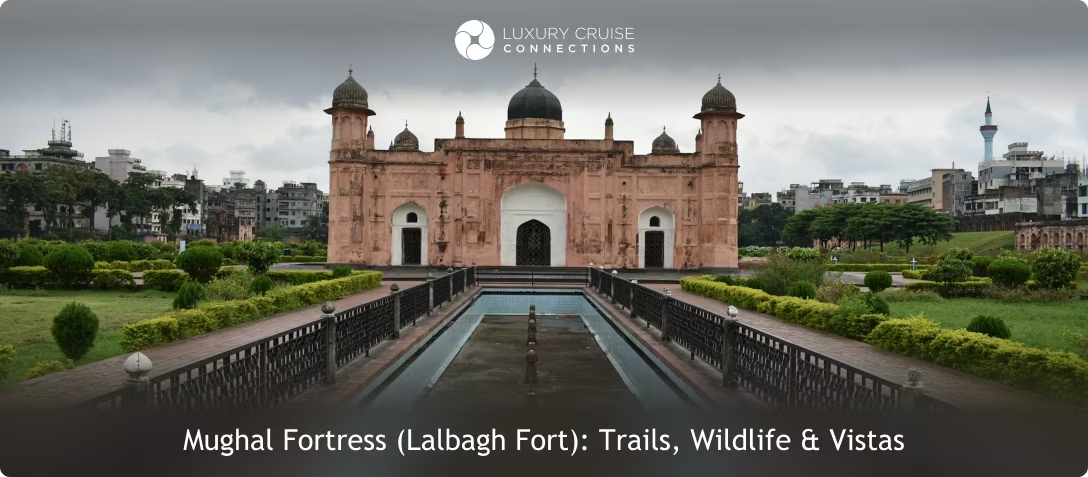
The three-domed Lalbagh Mosque features Mughal architecture, while the Diwan-i-Aam offers a look into the era's administration. The surrounding gardens serve as peaceful spots for walking, photography, and enjoying Persian-influenced landscaping. The museum displays artifacts, weapons, and paintings from the Mughal period, offering insight into the historical experience.
Visitors see the popular structures (Tomb of Pari Bibi) within the fort grounds, decorated with white marble and mosaics, telling the story of a Mughal noblewoman whose death led to the fort’s abandonment.
The best time to visit Lalbagh Fort is from November to February, when the weather is cooler, allowing leisurely exploration of the grounds and gardens.
Tour guides offer deeper insights into its history and architecture.
Visitors must enter through the main south gate to access ticket counters, with minimal fees for locals and tourists, around $1.

Laboni Point serves as the main area for beachgoers with options for horse riding, beach sports, and food stalls offering local seafood. St. Martin’s Island and Maheshkhali Island, which are a more secluded experience, are reached by short boat trips from the main beach. The nearby locations offer a tranquil setting with coral reefs, fishing villages, and mangrove forests.
Visitors of Cox’s Bazar explore several attractions along its coast (Inani Beach), which is known for its coral stones and calm waters, and Himchari National Park, where a waterfall flows directly into the sea.
Traveling to Cox’s Bazar is most comfortable during the dry season from November to February, when the weather remains mild and skies are clear. Planning for accommodations is advisable during peak travel months, as the destination attracts large numbers of local and international visitors
Local guides are available in the area for tours of nearby attractions or boat trips to surrounding islands.
Entry to the beach itself is free, though excursions such as boat rides or visits to nearby parks involve small fees.
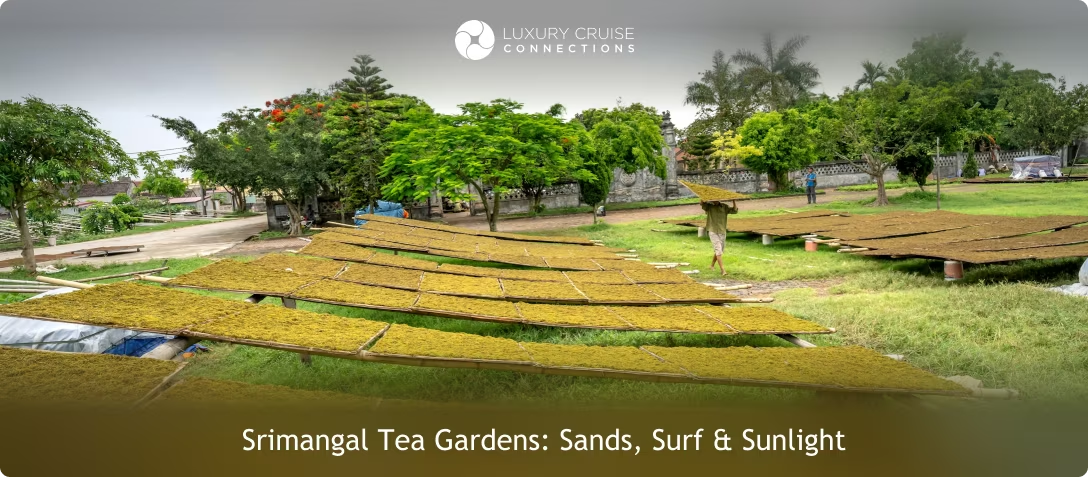
Attractions like Lawachara National Park showcase rare wildlife, including the endangered hoolock gibbon, while Madhabpur Lake features peaceful waters surrounded by greenery. Local tea stalls serve the famous Seven Layer Tea, where different flavors create colorful, distinct layers in a single glass. Cycling tours and visits to tribal villages provide a deeper understanding of the region’s cultural life.
Exploring Srimangal Tea Gardens offers visitors different experiences. Walking along narrow paths among the tea bushes provides a close-up view of tea pickers harvesting leaves by hand. Factory tours let travelers see how fresh leaves turn into finished tea, showing the detailed steps of drying and sorting.
The best months to visit Srimangal are from October to March, when cool, dry weather makes outdoor exploration comfortable.
Hiring a local guide in Srimangal helps tourists find less-visited plantations and learn about the history of the tea industry. A full-day tour across plantations and forested areas, lightweight clothing, sturdy walking shoes, and bottled water are essential.
Entry to tea estates is free, but guided factory tours or visits to certain private gardens require a small fee or prior arrangements. Lawachara National Park charges a minimal entry fee, but it varies, with extra costs for guided treks through its dense tropical forest.
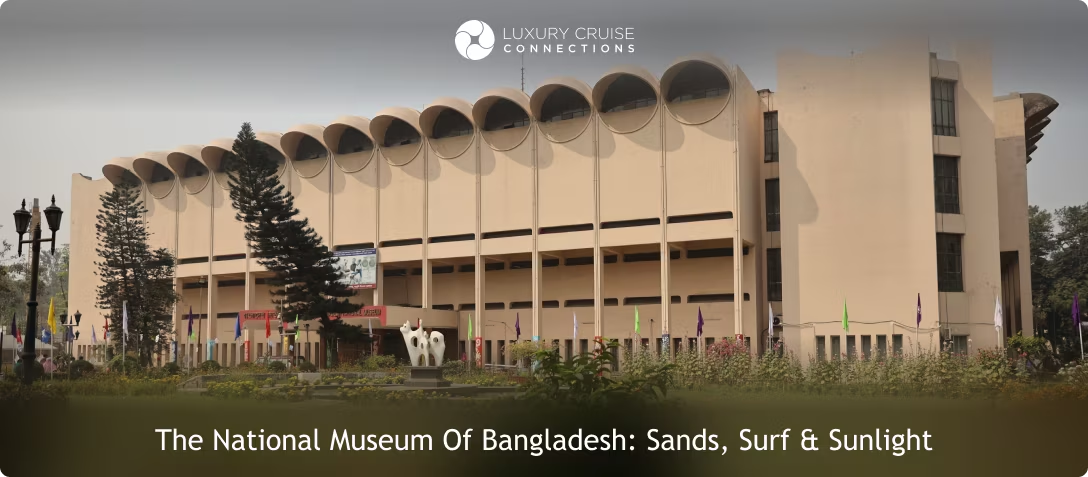
The museum preserves and exhibits a rich collection of artifacts that reflect Bangladesh’s history, culture, art, and natural heritage. The first floor features a large map of Bangladesh and a wide collection of prehistoric fossils and natural history exhibits. The second floor showcases sculptures and artifacts from the Buddhist and Hindu periods, including terracotta relics and bronze statues. The Liberation War Gallery displays photographs, weapons, and memorabilia from the country’s struggle for independence. The ethnological section introduces visitors to the lives and cultures of various indigenous communities, while the art gallery features works from prominent Bangladeshi artists alongside contemporary pieces.
Visitors must plan at least two to three hours to enjoy the collections spread over four levels thoroughly. Photography is limited in certain areas, and visitors must maintain quiet behavior to show respect for the museum's cultural and historical importance. Visitors to the National Museum of Bangladesh experience highlights that make their visit memorable.
The best time to visit the museum is from November to February, when cooler weather ensures a more comfortable exploration of Dhaka’s attractions.
Guests hire local tour guides to explore the museum.
Entry fees are affordable, with separate prices for locals and foreigners, and discounts are available for children and students. It costs less than $1 for locals, including children, and around $4.12 for foreigners.
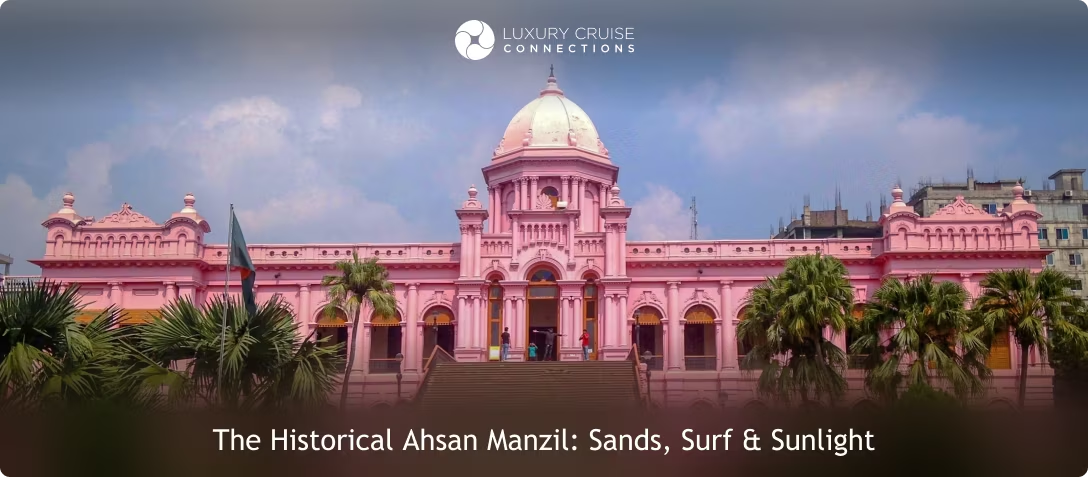
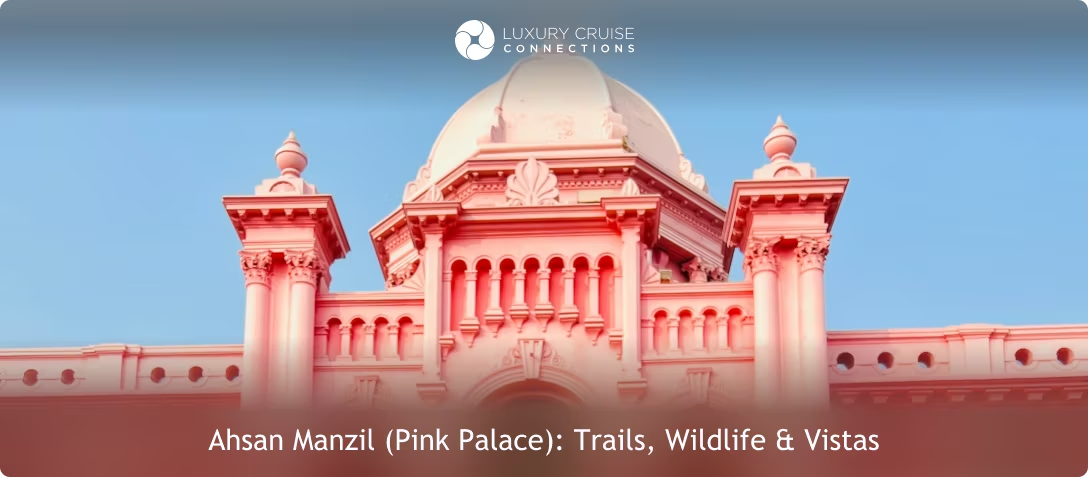
Ahsan Manzil is restored as a museum, which offers a vivid glimpse into the opulent lifestyle of Dhaka’s aristocracy and the city’s transformation over the centuries. The interior of Ahsan Manzil is a large dome and spiral staircases, which add to its architectural charm, while galleries showcase photographs, weapons, and artifacts related to Dhaka’s history.
Visitors must plan to spend at least one to two hours for a complete visit and wear lightweight, breathable clothing suitable for Dhaka’s climate. The surrounding gardens offer a peaceful space for walking, with views of the river and the palace’s impressive exterior. Photography of the ornate interiors and the elegant central hall remains popular among visitors. The museum highlights the influence of European design combined with Mughal elements, reflecting the cultural fusion of the era.
The best time to visit Ahsan Manzil is during the cooler season from November to February, which provides a comfortable experience exploring the indoor exhibits and the outdoor grounds.
Tour guides are offered for visitors wanting a deeper understanding of the site’s historical importance.
Entry fees are affordable at less than $1.

The port’s nearby markets (Shadarghat Bazar and Mitford Market) feature fresh products, textiles, and traditional goods that highlight the area’s economic energy. Street photography and observing the connection between the river and city life are popular activities for visitors. Hundreds of ferries, ships, and wooden boats crowd the port daily, creating a dynamic scene of movement and commerce.
A tour of Sadarghat River Port provides a rare chance to see the daily routines of boatmen, traders, and travelers. Small wooden boats offer short rides across the river, giving views of busy dockside activities and broad glimpses of Dhaka’s old town. Watching large passenger ships arrive and leave provides insight into the scale of river travel in Bangladesh. The early mornings and late afternoons are ideal for photography and observing the busy activity periods. Light clothing and comfortable shoes are recommended for walking along the crowded, slippery dock areas.
The best time to visit Sadarghat is during the dry season from November to February, when clear skies and cooler weather make river trips more enjoyable.
Having a knowledgeable guide helps tourists understand the port’s history and local customs better.
Boat ride costs around $4.12 to $16.50, varying based on distance and vessel type, with private tours offering a more relaxed experience.
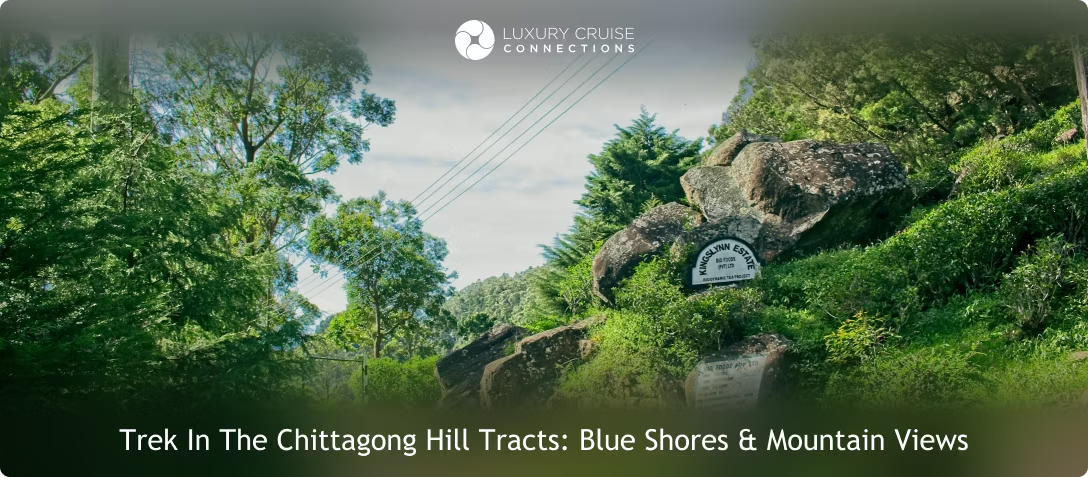
The Chittagong Hill Tracts are one of Bangladesh’s most remote regions and are known for their ecological variety and unique cultural heritage. Kaptai Lake is an artificial water body surrounded by lush hills, offering peaceful boating and fishing opportunities. Sajek Valley (Queen of Hills) provides stunning views of mist-covered peaks and tribal villages. The Nilgiri Hills near Bandarban offer beautiful sunrises and a cool climate, making them perfect for trekking..
Travelers visiting the Chittagong Hill Tracts enjoy a variety of attractions and activities (lakes, hills, and villages). Light layers, sturdy shoes, and essential supplies are recommended for journeys through hilly areas and forest paths. Ethnographic tours of indigenous villages highlight traditional bamboo homes, local crafts, and cultural traditions. Waterfalls (Nafakhum and Amiakhum) present great spots for hiking and photography amid lush scenery.
The best time to visit the Chittagong Hill Tracts is from November to March, when the weather stays dry and ideal for outdoor activities.
Hiring local guides guarantees safer travel along remote trails and offers valuable insights into the area’s cultural and ecological treasures. Foreign travelers need a special permit to enter the region, which is obtained from government offices in Dhaka or Chittagong.
Tour package starts at $450. Costs for boat rides, trekking, and village tours vary by location and length of stay.
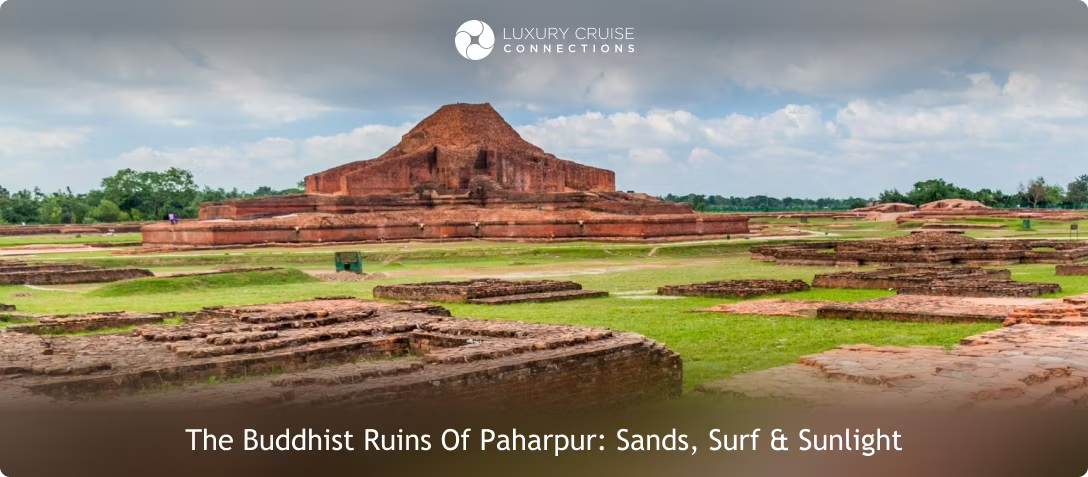
Walking through the remains of the monastic cells shows the scale and craftsmanship of the ancient learning complex. The on-site museum displays artifacts found during excavations, including stone sculptures, inscriptions, pottery, and metal objects that tell the story of the area's cultural and religious history. Photographers and historians find the site fascinating due to its symmetry, textures, and historical richness.
Visitors exploring the ruins come across a large courtyard surrounding the main stupa, where intricate terracotta carvings illustrate scenes from Buddhist mythology, daily life, and floral designs. Travelers are encouraged to bring comfortable footwear for walking over uneven brick pathways, and allocate at least two hours to explore the ruins and the museum thoroughly. Early morning visits provide softer light for photography and a calmer atmosphere.
The most favorable time to visit Paharpur is between November and February, when the weather remains dry and temperatures are mild, allowing for a comfortable tour.
Tour guides are available for a deeper understanding of the site’s historical and cultural importance.
Entry fees are minimal for local visitors, while foreign travelers are charged a slightly higher rate, ranging from $0.16 to $1.65.

Enjoy the beauty of Kuakata (Daughter of the Sea) and see its panoramic beach that stretches over 11 miles. Kuakata is located in the Patuakhali District of southern Bangladesh, which brings every tourist to witness sunrise and sunset over the Bay of Bengal from a single location. The wide sandy area, bordered with coconut palms and fishing boats, creates a serene and inviting atmosphere. Its natural beauty and calm surroundings make it one of Bangladesh’s most cherished coastal destinations, attracting visitors seeking relaxation and scenic views.
Early morning and late afternoon are perfect for seeing the most stunning views of the beach, while midday is good for exploring nearby sites. Wear comfortable clothing, sunscreen, and sturdy shoes to navigate the sandy and wooded areas during a full-day trip comfortably.
The best time to visit Kuakata is from October to March, when clear skies and cooler temperatures make outdoor activities more enjoyable.
Hiring a guide for around $3.30 fee is helpful for the journey to remote areas and offers insights into local customs.
There is no charge for accessing the beach, but tour guides for nearby forests or tribal villages require a small fee.
The reasons why Bangladesh is becoming a Popular Cruise Destination are listed below.
The main cruise ports in Bangladesh are river ports that serve as gateways to the country’s huge inland waterways. The river ports focus on domestic and regional river cruises connecting major cities and natural attractions, unlike seaports that handle international maritime traffic. Dhaka (capital city) is a primary departure point, with Sadarghat River Port acting as the busiest hub for passenger launches and luxury vessels navigating the Padma, Jamuna, and Meghna rivers.
Khulna and Mongla stand out as essential ports for travelers heading toward the Sundarbans, one of the world’s largest mangrove forests. Khulna offers access to luxury cruise services and organized tours exploring wildlife and riverine landscapes. Mongla is located near the edge of the Sundarbans and serves as a strategic base for eco-cruises and wildlife excursions deeper into the mangroves. Ports support tourism and showcase Bangladesh’s river-based culture and biodiversity.
River cruises departing from the ports provide journeys that combine cultural immersion with scenic exploration. The waterways link remote villages, historic sites, and natural wonders, allowing travelers to experience the rhythm of life along Bangladesh’s rivers. Investments in modern docking facilities and improved vessel services have made the cruise ports more accessible to domestic and international visitors seeking unique travel experiences.
The best time to visit Bangladesh on a cruise is during the cool, dry winter season from October to March. The period brings pleasant temperatures, lower humidity, and minimal rainfall, creating ideal conditions for river journeys across the country’s vast network of waterways. Clear skies during the months of October to March offer uninterrupted views of lush landscapes, vibrant riverside communities, and historic landmarks along the routes. The comfortable weather lets travelers enjoy outdoor activities, from exploring mangrove forests in the Sundarbans to walking through village markets near the river ports.
Cruising during winter offers extra benefits for wildlife watching and cultural experiences. Migratory birds gather at wetlands and riversides, increasing the biodiversity visible from the decks. Festivals and local events during the season create an energetic vibe in riverside towns and ports. The calm river currents and safe navigation conditions make it ideal for multi-day trips between major cruise hubs (Dhaka, Khulna, and Mongla). The monsoon season from June to September brings heavy rains and stronger river currents that affect navigation and visibility. Planning a trip between October and March ensures a more comfortable and memorable Luxury Cruise Experience, with opportunities to explore Bangladesh’s natural and cultural highlights in their most vibrant form.
Yes, Bangladesh is a good destination for a romantic getaway. Bangladesh is ideal for couples seeking adventure, culture, and natural beauty. Its river cruises offer intimate trips along lush waterways with fishing villages and historic sites. Experiences like sunrise and sunset at Kuakata Beach, exploring Sajek Valley in the Chittagong Hill Tracts, or walking through Srimangal's quiet tea gardens provide peaceful escapes from crowds. The tourist spots promote a connection between nature and culture, not luxury resorts. Bangladesh offers a romantic getaway for couples, authentic experiences with vibrant traditions, diverse food, and stunning scenery. Each visit to the Sundarbans or ancient temples stimulates shared exploration. It's pure beauty and experiences that attract travelers who value adventure and cultural ties over expensive vacations.
Bangladesh is famous for its large river networks, rich cultural legacy, and amazing landscapes. The nation is home to the Sundarbans, the biggest mangrove forest in the world and a UNESCO World Heritage Site, famous for its varied wildlife and Bengal tigers. Its large river systems (Padma, Jamuna, and Meghna) shape the country's landscape and support a water-dependent manner of life. Bangladesh famous things include its traditional festivals, dishes, and arts, while Bangladesh famous places feature landmarks. Centuries of architectural and cultural accomplishments are showcased by historical sites like the Lalbagh Fort in Dhaka, the 60 Dome Mosque in Bagerhat, and the ancient Buddhist remains at Paharpur.
Bangladesh gained global recognition in fashion and trade due to its textile industry, including the creation of high-quality muslin in previous centuries and modern clothing. Traditional crafts that showcase the craftsmanship inherent in their culture (jamdani weaving and nakshi kantha embroidery). Festivals (Durga Puja and Pohela Boishakh) highlight colorful customs and local festivities in urban and rural areas. Culinary variety contributes to its uniqueness, with dishes such as biryani, hilsa fish curries, and pithas showcasing flavors from the region. Bangladesh's global reputation is defined by its natural wonders, historical depth, and cultural vibrancy.
The famous landmarks in Bangladesh to visit are listed below.

The must-see places in Bangladesh for cultural immersion are listed below.

Traveling in a Rickshaw through Dhaka's bustling streets provides an intimate glimpse into the city’s vibrant pulse. The hand-painted, colorful designs showcase local artisans' creativity. The slow ride offers time to observe daily life, food stalls, and small workshops, fostering a personal link to the city’s historic mode of transportation that has defined its character for many years.
Attributes for Riding a Rickshaw in Dhaka: Traditional Transport, Street Culture, Artistic Rickshaw Designs

A boat ride along the Buriganga River offers a glimpse of Dhaka’s lively waterfront, where ferries, fishing boats, and cargo ships coalesce into a vibrant scene. The river serves as an essential hub for trade and transport, linking communities and sustaining numerous livelihoods. The experience highlights a mix of historical importance and current activity, keeping the river central to the city’s culture.
Attributes for Taking a Boat Trip on the Buriganga River: River Trade Hub, Traditional Boats, Cultural Heritage

Exploring a local market in Bangladesh immerses visitors in an atmosphere filled with vibrant colors, fragrant spices, and lively bargaining. Stalls are brimming with fresh produce, handcrafted items, and street food that showcase regional flavors and craftsmanship. The bazaar serves as the social and economic hub of the community, where traditions and relationships are reinforced in daily exchange.
Attributes for Visiting a Local Market (Bazaar): Traditional Commerce, Regional Products, Community Interaction

The Jamdani Weaving Villages near Dhaka showcase one of the most treasured traditions in Bangladesh sightseeing, where artisans create intricate handwoven saris using time-honored techniques passed down for generations. UNESCO recognizes the village for its cultural significance. The weaving process showcases intricate craftsmanship and patterns that embody Bengal’s rich heritage. The village provides an authentic insight into the lives and lasting artistry of skilled weavers as one of Bangladesh's must-see attractions.
Attributes for Jamdani Weaving Villages: UNESCO-Recognized Craft, Handloom Tradition, Cultural Heritage

Sadarghat Dhaka's River Port is a lively center of river transport and daily activity, making it an excellent destination for sightseeing in Bangladesh. The ongoing flow of passenger boats, cargo ships, and busy markets reflects the dynamic river economy of the region. The river port offers a living snapshot of the waterways that have influenced trade, culture, and community life for centuries as one of Bangladesh's most vibrant attractions.
Attributes for Sadarghat River Port: River Transport Hub, Bustling Markets, Cultural Vibrancy

Paharpur Buddhist Vihara is designated a UNESCO World Heritage Site, an architectural marvel and a spiritual icon in South Asian history. The large monastic site is adorned with terracotta decorations, stone carvings, and a distinctive cross-shaped layout that reflects ancient Buddhist traditions. The Paharpur site is recognized as one of the places to see in Bangladesh, as it provides a profound link to early religious scholarship and is a must-see for visitors exploring the country.
Attributes for Paharpur Buddhist Vihara: UNESCO Heritage Site, Ancient Monastic Complex, Terracotta Art
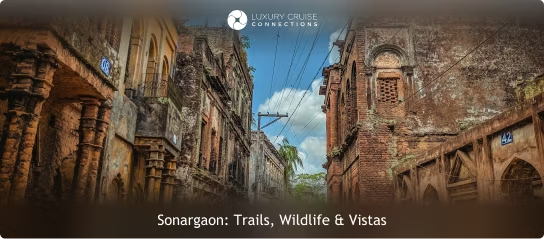
Sonargaon, the ancient capital of Bengal, holds a distinguished place in Bangladesh sightseeing for its blend of historical landmarks, folk traditions, and preserved architecture. The area features the Folk Art and Craft Museum, old merchant mansions, and the ruins of administrative buildings from the Sultanate period. A valuable insight into the region’s political history and artistic traditions throughout the centuries.
Attributes for Sonargaon: Historical Capital, Folk Art Heritage, Preserved Architecture
The most beautiful beaches in Bangladesh that you can visit are listed below.

Cox’s Bazar holds the title of the world’s longest natural sea beach, stretching for approximately 75 miles along the southeastern coastline. Golden sands, rolling waves, and a bustling seafront create an ideal setting for leisure and photography. The surrounding area includes vibrant markets and seafood stalls, offering a rich taste of local culture alongside breathtaking ocean views. Cox’s Bazar is one of the most beautiful place in Bangladesh, with golden sands, soft waves, and a bustling beachside vibe.
Attributes for Cox’s Bazar: Longest Natural Sea Beach, Golden Sands, Cultural Vibrancy

Inani Beach is a short drive from Cox’s Bazar and is famous for its clear waters, distinctive coral stones, and tranquil ambiance. The beach is less crowded, offering a peaceful retreat with stunning sunsets that reflect vividly on the shoreline. The surrounding hills and natural rock formations enhance its pristine appeal.
Attributes for Inani Beach: Coral Stones, Clear Waters, Tranquil Setting

St. Martin’s Island is one of Bangladesh beautiful places to visit. St. Martin is the country’s coral island, featuring pristine sandy beaches, turquoise waters, and an abundance of marine life. The island has small fishing villages that offer glimpses into traditional island life, while nearby Chera Dwip provides additional seclusion for nature lovers. The blend of unspoiled scenery and coastal biodiversity makes it a rare tropical retreat.
Attributes for St. Martin’s Island: Coral Island, Turquoise Waters, Marine Biodiversity

The beach is located near Chittagong, and it features a rocky shoreline. The shoreline is lined with concrete embankments, food stalls, and fishing boats, offering both recreational space and cultural engagement. Evening visits reward travelers with vibrant sunsets over the Bay of Bengal, creating a lively yet picturesque experience. The Beach Bangladesh tourist places attract guests, who enjoy fresh seafood, and Patenga Beach near Chattogram combines scenic coastal beauty with an active local atmosphere.
Attributes for Patenga Beach: Coastal Charm, Local Culture, Sunset Views.

Kuakata Beach is popular for providing unobstructed views of sunrise and sunset over the sea, a rare feature among coastal destinations. The beach has extensive sandy shores lined with mangroves and fishing villages, offering visitors a deep connection to nature and local culture. Kuakata’s tranquil atmosphere and sweeping panoramic views make it a true treasure of southern Bangladesh.
Attributes for Kuakata Beach (Daughter of the Sea): Sunrise and Sunset Views, Wide Sandy Shore, Cultural Heritage
Bangladesh’s culture influences its tourist attractions by blending history, tradition, and daily life into authentic destinations. Landmarks reflect centuries of heritage, with influences from Buddhist, Hindu, and Islamic periods visible. Historical forts like Lalbagh Fort in Dhaka showcase architectural styles and stories from the Mughal era, while ancient monasteries such as Paharpur display the country’s Buddhist legacy. The Bangladesh tourist attractions serve as reminders of a rich past and invite visitors to connect with the region’s cultural evolution. River life is essential to tourism, with rivers offering activities (boat trips and cruises). Ferries and markets at Dhaka's Sadarghat River Port provide a peek into everyday life. Towns are transformed into exciting sanctuaries of cuisine, dance, and music during festivals (Pohela Boishakh). Markets showcase crafts (nakshi kantha embroidery and jamdani weaving), which connect tourists to ethnic customs. The components produce Bangladesh attractions that are associated with Bangladeshi culture.
Discover the best activities, landmarks, and experiences in every cruise destination and port of call.
Europe & World Cruises
Western, Central & Mediterranean

America
North, Central, South & Caribbean

Africa & Asia
Oceania & Antarctica
