














10 Best Things to Do in Brazil

The 10 best things to do in Brazil are a mix of natural wonders, cultural experiences, and iconic landmarks that showcas...

add

The 10 best things to do in Brazil are a mix of natural wonders, cultural experiences, and iconic landmarks that showcase the country’s rich history and diverse landscapes. The activities offer visitors a variety of attractions that highlight its vibrant culture, beautiful beaches, and lush rainforests, as Brazil grows in popularity as a travel destination. The experiences reflect the best places to visit in Brazil, offering a variety of adventures for every type of traveler. The best things to do in Brazil include natural beauty, historical landmarks, and vibrant cultural celebrations. Exploring the top attractions shows visitors what to do in Brazil and helps create lasting memories.

  • Visit Christ the Redeemer in Rio de Janeiro
  • Explore the Amazon Rainforest
  • Relax on Copacabana and Ipanema Beaches
  • Tour the Iguazu Falls
  • Hike in Chapada Diamantina National Park
  • Discover the Pantanal Wetlands
  • Experience the Carnival in Rio de Janeiro
  • Visit the Historic City of Salvador
  • Take a Boat Tour of the Baia de Guanabara:
  • Admire the Colonial Architecture of Ouro Preto
  • Visit Christ the Redeemer in Rio de Janeiro

    Christ the Redeemer is a colossal statue of Jesus Christ, standing atop Corcovado Mountain in Rio de Janeiro. Christ the Redeemer is one of the most iconic landmarks in the world, at 98 feet tall and with arms stretched out over 92 feet. The statue overlooks the city of Rio, offering stunning panoramic views of the city’s beaches, Sugarloaf Mountain, and the surrounding forest.
    Visit Christ the Redeemer in Rio de Janeiro

    The primary attraction at Christ the Redeemer is the statue, but visitors enjoy the breathtaking views from the observation deck. The site offers a chance to see Rio de Janeiro from above, showcasing its beaches and urban sprawl, framed by lush greenery. The trip to the summit is done via a train ride through the Tijuca Forest, making the journey just as scenic as the destination.

    Visitors to Christ the Redeemer experience a mix of spiritual energy and natural beauty. The statue is an architectural marvel and holds a deep cultural and religious significance for Brazilians and visitors alike. The panoramic views offer an unforgettable experience during sunrise or sunset, when the city is bathed in soft light.

    Early mornings or late afternoons offer the best views with fewer crowds. The weather in Rio is hot, so visiting in the morning is ideal to avoid the midday sun.

    Book a guided tour to understand the history and significance of the monument fully. Tours offer skip-the-line access and transportation options.

    Entrance fees for the train ride to the top range from about R$70 to R$100. Admission to the monument is included in the train ticket price, but check for any changes in rates.

  • Explore the Amazon Rainforest

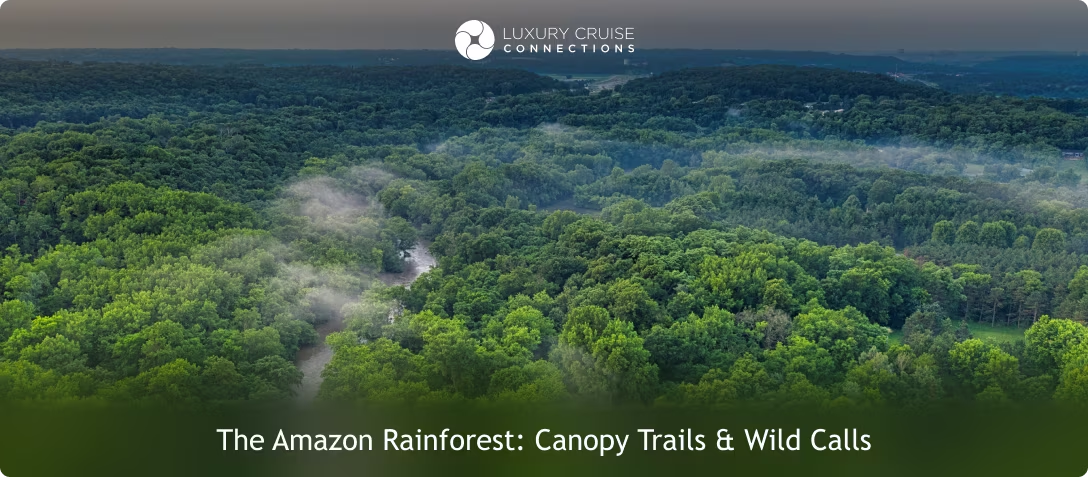
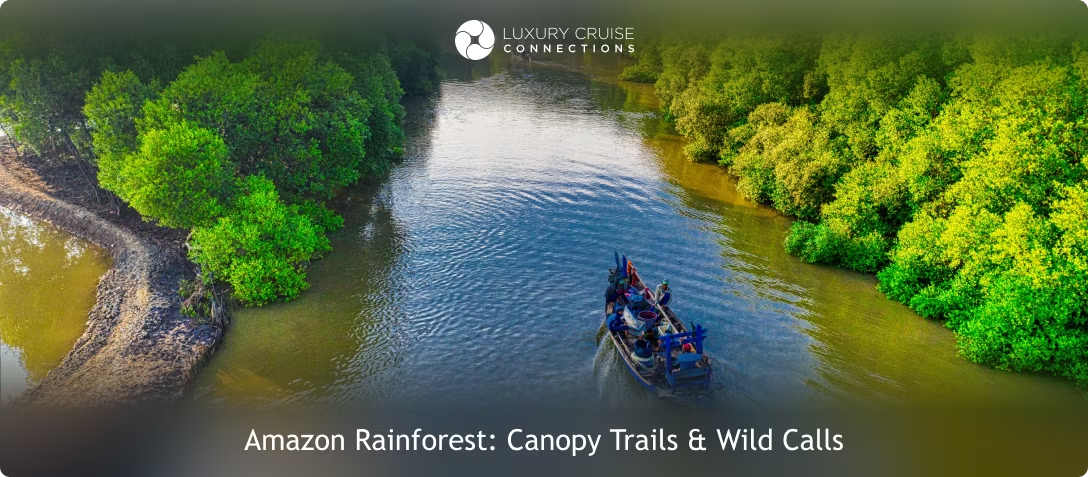
    The Amazon Rainforest (lungs of the Earth) spans over 5.5 million square kilometers, covering much of Brazil and parts of other South American countries. The Amazon Rainforest is the largest tropical rainforest in the world and is home to an astounding variety of wildlife, plants, and indigenous communities. The rainforest plays a critical role in global climate regulation and biodiversity conservation.
    Explore the Amazon Rainforest

    A trip to the Amazon offers unforgettable experiences (wildlife spotting, jungle trekking, and boat tours) along the Amazon River. Visitors encounter exotic animals (jaguars, sloths, and pink river dolphins). The dense forest is home to countless bird species and unique plants. A guided trek or boat tour with an expert naturalist deepens understanding of the ecosystem. Tours take visitors to indigenous villages, where they learn about the local cultures.

    Exploring the Amazon provides a once-in-a-lifetime opportunity to experience one of the most biodiverse ecosystems on the planet. The sounds of the jungle, the vibrant colors of tropical birds, and the sight of towering trees and winding rivers create a sensory experience unlike any other. Visitors take part in eco-tourism activities like night safaris, fishing for piranhas, or kayaking through narrow jungle streams. The Amazon River Cruises provide a unique way to explore the incredible ecosystem, offering a blend of relaxation and exploration.

    The dry season (June to November) is the most comfortable time to visit, as trails are more accessible and there is less rain. However, the wet season (December to May) offers a different experience, as the rivers swell, creating opportunities for boat tours and exploration through flooded forests.

    Book a guided tour with experienced local guides, as they know the rainforest’s hidden gems and ensure safety in the extensive and challenging environment.

    Fees for guided tours vary depending on the length and type of activity, but expect to pay around R$150 to R$400 for day trips, with multi-day tours costing more. Check for all-inclusive options that cover transportation, meals, and accommodation.

  • Relax on Copacabana and Ipanema Beaches

    Copacabana and Ipanema are two of the most famous beaches in the world, located in Rio de Janeiro. Copacabana is known for its 4-kilometer stretch of golden sand and vibrant atmosphere. Ipanema is celebrated for its sophisticated vibe and stunning sunsets. The beaches offer a mix of relaxation and excitement, making them essential stops for travelers visiting Rio.
    Relax on Copacabana and Ipanema Beaches

    Visitors sunbathe, swim in the clear waters, or stroll along the iconic promenade lined with restaurants and shops on Copacabana and Ipanema beaches. Copacabana is ideal for people-watching and enjoying beach volleyball, while Ipanema is perfect for travelers looking for a more relaxed beach experience. Ipanema's famous "Posto 9" is a popular spot for young locals and tourists to gather. Visitors enjoy the vibrant street vendors selling drinks, snacks, and local crafts.

    Visitors experience the lively energy of Rio’s beach culture, with locals playing beach sports, enjoying music, and socializing. The beaches offer a unique blend of relaxation and culture, with the backdrop of Rio’s striking urban landscape and mountains. Ipanema offers a more peaceful setting, perfect for sunset views with its calmer waters. Copacabana is ideal for travelers looking to enjoy the bustling city vibe.

    Early morning or late afternoon is the best time to visit, as the beaches get crowded during the day on weekends.

    Local walking tours that explore the beach's history and the famous “Girl from Ipanema” song improve the experience, although it is not necessary to have a guide.

    No entrance fee to the beaches themselves, but renting beach chairs or umbrellas costs between R$20 and R$50.

  • Tour the Iguazu Falls

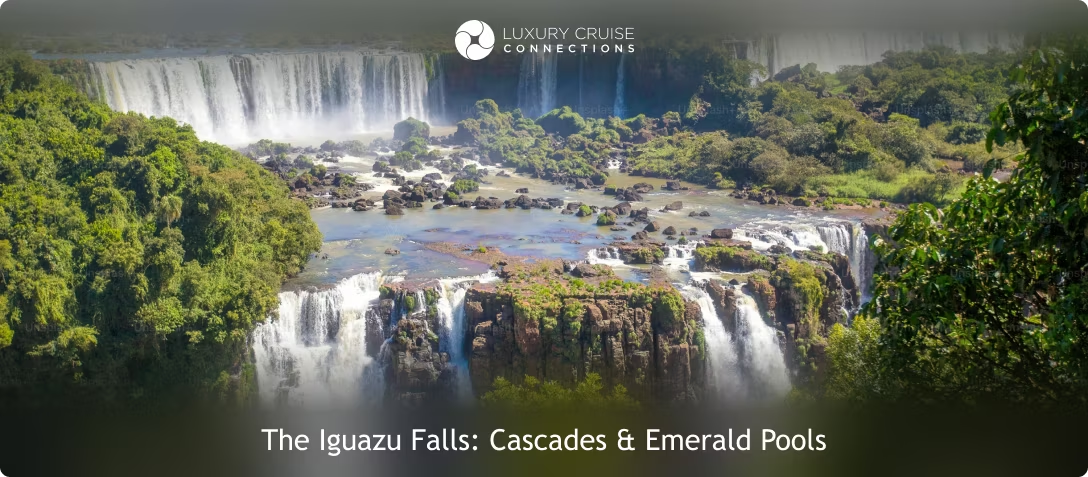
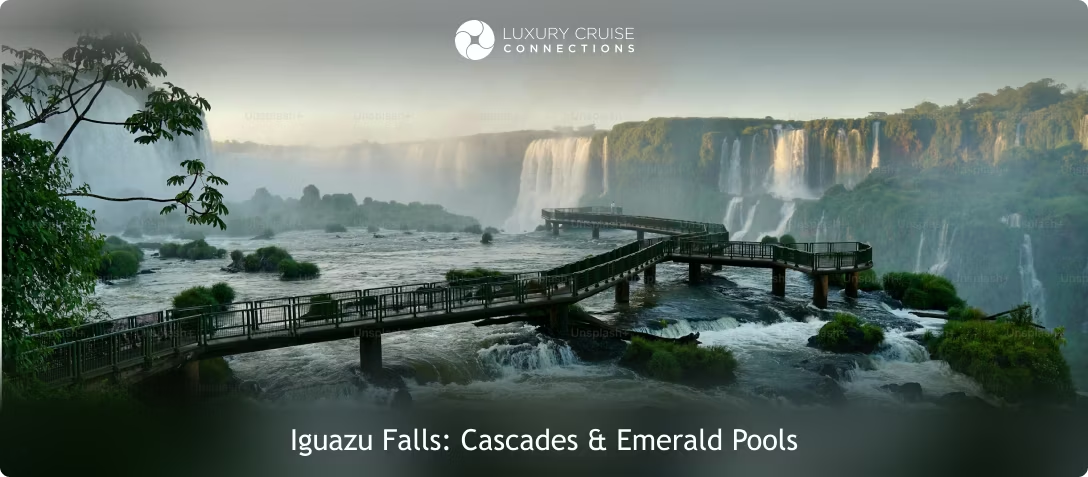
    Iguazu Falls is located on the border between Brazil and Argentina and is one of the largest and most impressive waterfall systems in the world. The falls stretch over 2 kilometers, with 275 individual cascades, creating a breathtaking display of natural power and beauty. The falls are a UNESCO World Heritage site and one of South America's top attractions, surrounded by lush rainforest.
    Tour the Iguazu Falls

    The main attraction is the falls, which is viewed from several platforms on the Brazilian and Argentine sides. The Brazilian side offers a panoramic view of the falls, allowing visitors to see the full expanse. Visitors get closer to the falls, walking along the pathways that lead to the base of some of the most dramatic cascades on the Argentine side. Boat rides take visitors near the base of the falls for a thrilling water experience for the adventurous.

    Visitors experience the gigantic power of the waterfalls as the water plunges into the river below, creating mist and rainbows on sunny days. The surrounding Iguazu National Park offers rich biodiversity, with opportunities for wildlife spotting, including toucans, monkeys, and butterflies. A visit to the falls is awe-inspiring and peaceful, making it a must-see for nature lovers and adventurers alike.

    The best time to visit is during the dry season (April to October), when the weather is more pleasant and the trails are less slippery. However, the falls are most impressive during the rainy season (November to March), as the water volume is higher.

    Hiring a local guide is recommended for in-depth knowledge about the history, wildlife, and geography of the area. Tours include transport, making the visit easier and more informative.

    Entrance fees for the Brazilian and Argentine sides are around R$50 to R$70 for the Brazilian side and about AR$700 for the Argentine side. Additional fees apply for boat tours.

  • Hike in Chapada Diamantina National Park

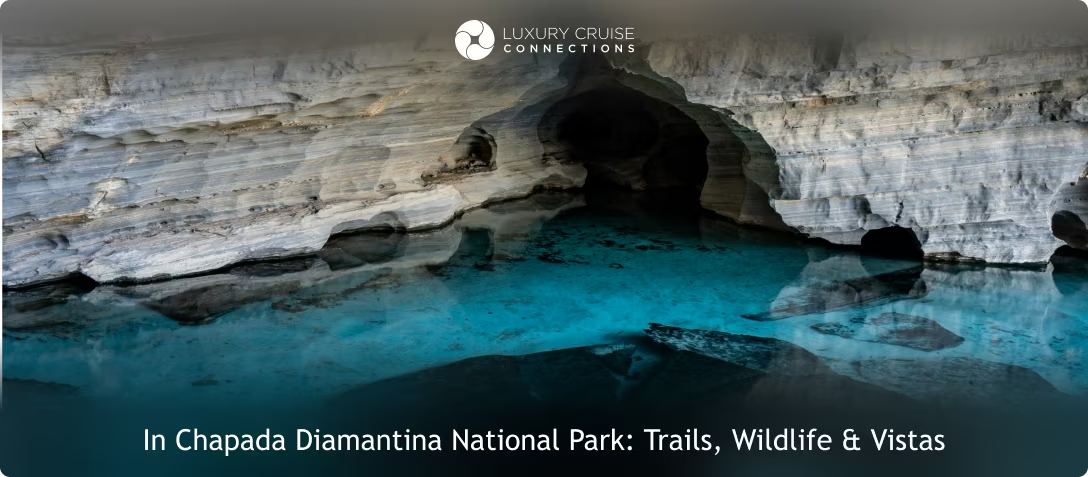
    Chapada Diamantina National Park is located in the state of Bahia and is a vast natural reserve known for its dramatic landscapes (waterfalls, caves, and mountain plateaus). The park is named after the diamond mines that once operated in the area and offers one of the best hiking experiences in Brazil. Chapada Diamantina is a haven for outdoor enthusiasts and nature lovers with its unique rock formations, rich biodiversity, and pristine wilderness.
    Hike in Chapada Diamantina National Park

    Hiking to the stunning Fumaça Waterfall is one of the top activities in the park. Fumaça Waterfall is the second-tallest waterfall in Brazil. Visitors explore the Morro do Pai Inácio, a famous mountain offering panoramic views of the park. Caving enthusiasts visit the Gruta da Lapa Doce, one of the largest caves in the region. Trekking through the valleys, waterfalls, and crystal-clear rivers provides an unforgettable outdoor experience for visitors seeking an even more adventurous experience.

    Hikers experience the beauty of Brazil's interior, from towering cliffs to lush valleys and emerald green lagoons. The park's diverse ecosystems are home to unique flora and fauna, including endemic species of birds and plants. The serenity and breathtaking landscapes provide an escape from urban life, offering a deep connection with nature.

    The dry season (May to September) is the best time to visit as trails are easier to navigate, and the weather is pleasant for hiking.

    A local guide is recommended for safety and to make the most of the visit. Guides show hidden spots and provide detailed knowledge about the park's history and ecosystem.

    The entrance fee to Chapada Diamantina is around R$20 to R$30, but specific attractions like caves or waterfalls charge additional fees.

  • Discover the Pantanal Wetlands

    The Pantanal is the world’s largest tropical wetland, spanning across Brazil, Bolivia, and Paraguay. The Pantanal offers a unique ecosystem that differs from the Amazon Rainforest, with expansive marshlands, rivers, and forests, known for its rich biodiversity. The region is a haven for wildlife enthusiasts, offering unparalleled opportunities for wildlife spotting and birdwatching during the dry season when animals congregate around water sources.
    Discover the Pantanal Wetlands

    Wildlife spotting, with the chance to see jaguars, capybaras, caimans, and over 600 bird species (iconic jabiru stork), is one of the top activities in the Pantanal. Boat tours along the region's rivers allow visitors to get up close to the wildlife while enjoying the beauty of the landscape. The Pantanal offers unique fishing opportunities (piranha) and guided walks through the wetlands for a closer look at the local flora and fauna.

    Visitors experience a captivating wildlife adventure, where every day brings new opportunities to encounter some of Brazil's most iconic animals in their natural habitat. The Pantanal offers a one-of-a-kind adventure for nature lovers, whether it is spotting a jaguar on a boat tour or seeing a vast flock of flamingos takes flight. The region’s peaceful atmosphere and the beauty of its waterways and wetlands create a tranquil yet thrilling experience.

    The dry season (May to October) is the best time to visit, as animals gather around the waterholes, making wildlife spotting more frequent and easier. The wet season (November to April) makes access to certain areas more challenging due to flooding.

    A local guide is recommended for navigating the wetlands and for expert knowledge on the wildlife and ecosystem. Eco-lodges in the region offer guided tours that are customized to the visitor’s interests.

    Entrance fees to the Pantanal and its wildlife reserves vary depending on the specific area or tour chosen, ranging from R$50 to R$100. Additional costs apply for boat rides or guided wildlife tours.

  • Experience the Carnival in Rio de Janeiro

    Rio de Janeiro’s Carnival is the world’s largest and most famous carnival celebration. The vibrant festival is a major cultural event, attracting millions of tourists from around the globe, held annually before Lent. The Carnival features samba parades, street parties, and numerous events, showcasing the city’s rich cultural heritage, music, and dance. It is a time when Rio comes alive with color, music, and festive spirit.
     Experience the Carnival in Rio de Janeiro

    The highlight of the Carnival is the samba parade at the Sambadrome, where samba schools from different neighborhoods compete in elaborate performances, with dazzling costumes and intricate floats. Visitors enjoy street parties (blocos) which take place all over the city, with live music, dancing, and a fun, energetic atmosphere. Experiencing the vibrant costumes, music, and parades through the streets offers a deeper immersion into Brazil’s carnival culture.

    Visitors experience Rio’s most energetic and joyful celebration during Carnival. The city transforms into a huge party with constant music, dancing, and celebration. The atmosphere is one of excitement, cultural pride, and unity, whether in the Sambadrome or at a street party. Visitors get to witness the grandeur of samba music, dance, and the massive creativity of the costumes and floats, all set against the backdrop of Rio’s stunning landscapes.

    Carnival takes place in February or March, depending on when Lent falls. Book accommodations and tickets well in advance, as it is the peak tourist season in Rio.

    Guided tours provide insider access to the samba parades and help navigate the best spots for viewing the street parties while exploring Carnival independently. Local agencies offer VIP packages for the Sambadrome.

    Tickets for the Sambadrome parade range from R$100 to R$500 or more, depending on the seating area. Street parties are free, but some have entry fees for special events or VIP access.

  • Visit the Historic City of Salvador

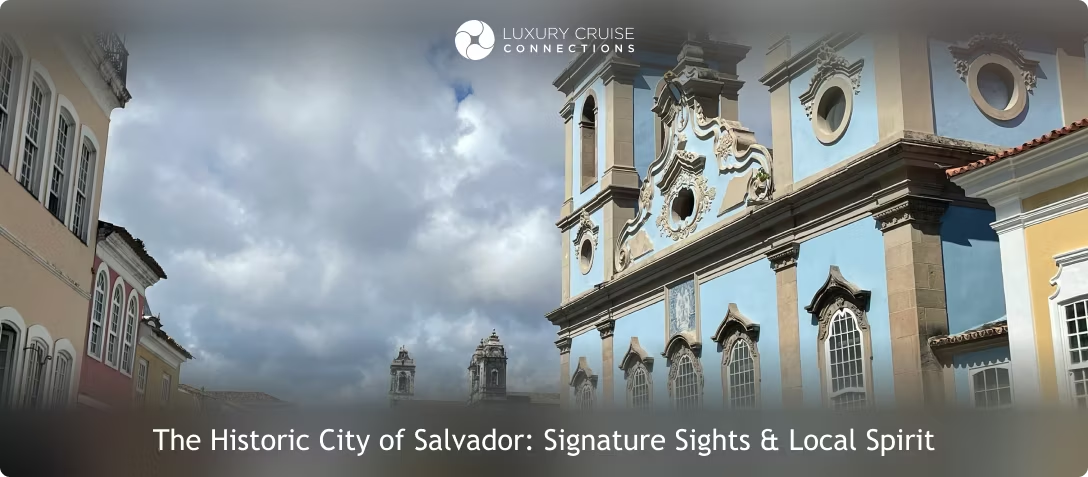
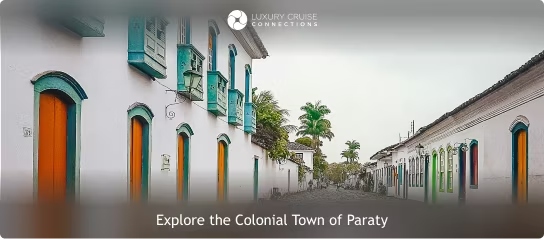
    Salvador is the capital of the state of Bahia and is one of Brazil's most historic and culturally rich cities. The city was founded in 1549 and was the first colonial capital of Brazil, and it has preserved much of its colonial architecture and Afro-Brazilian culture. Salvador offers a unique blend of history, culture, and scenic beauty, making it a must-see destination, known for its vibrant festivals, music, and colorful streets.
    Visit the Historic City of Salvador

    The Pelourinho is the historic center of the city (a UNESCO World Heritage site) and is one of the top attractions in Salvador. Visitors stroll through its cobblestone streets lined with colorful colonial buildings, visit churches such as Igreja de São Francisco, and explore museums that showcase Salvador’s rich history. Another must-see is Elevador Lacerda, which offers panoramic views of the city and connects the lower and upper parts of Salvador. Do not miss the vibrant markets and the historic São João Batista Fort.

    Visitors experience a blend of colonial architecture, African influences, and Brazilian culture in Salvador. The city is renowned for its music (samba, bossa nova, and the energetic rhythms of axé music), which visitors enjoy at live performances throughout the city. Salvador is known for its cuisine, offering dishes such as moqueca (a traditional fish stew) and acarajé (a fried bean cake), deeply rooted in African culinary traditions.

    The best time to visit is during the dry season (November to March) when the weather is warm and perfect for exploring the city. Carnival held in February or March is a major event, so expect higher prices and crowded streets.

    Consider hiring a local guide to explore the historic center and learn about Salvador’s rich Afro-Brazilian heritage. Tours include visits to the local markets, churches, and the famous Pelourinho neighborhood.

    Entrance fees for museums and historical sites like Igreja de São Francisco range from R$5 to R$20. Street markets and festivals are free to visit, but visitors want to bring extra money for food, souvenirs, and tips.

  • Take a Boat Tour of the Baia de Guanabara

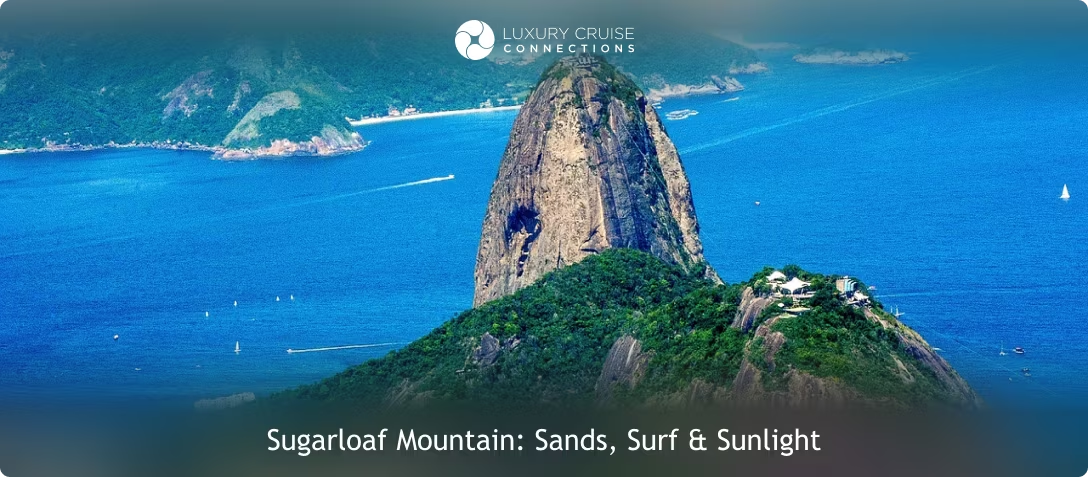
    Baia de Guanabara is a stunning bay located in Rio de Janeiro, known for its crystal-clear waters and breathtaking views of the city’s iconic landmarks. The bay is framed by the towering Sugarloaf Mountain and the lush greenery of the surrounding hills, offering one of the most picturesque settings in Brazil. A boat tour of the bay is a relaxing way to appreciate Rio’s natural beauty and the vibrant cityscape from the water.
    Take a Boat Tour of the Baia de Guanabara

    Visitors enjoy views of the Christ the Redeemer statue, Sugarloaf Mountain, and the famous beaches of Rio de Janeiro during a boat tour of the bay. The tour passes by Fortaleza de Santa Cruz, a historic fort that overlooks the bay, and the beautiful islands that dot the coastline. The boat ride provides an up-close look at the city’s stunning coastline and the bustling harbor area, which plays a crucial role in Rio's maritime history.

    A boat tour allows visitors to experience Rio from a unique perspective, with the chance to take in the panoramic views of the bay and the city’s skyline. The tour includes commentary on the history and ecology of the bay, including its significance to Rio de Janeiro's development. Visitors enjoy the fresh sea breeze, take photos of iconic landmarks, and relax as they sail through the calm waters, making it an ideal way to unwind and soak in the beauty of the region.

    The best time for a boat tour is in the morning or late afternoon, as the weather is more pleasant and the light is perfect for photography during sunset.

    Boat tours offer guides who provide information on the history of the bay and the surrounding landmarks. Choosing a guided tour ensures a deeper understanding of the area’s cultural and ecological significance.

    Boat tour prices range from R$50 to R$150, depending on the tour length and type of experience (private vs. group tours).

  • Admire the Colonial Architecture of Ouro Preto

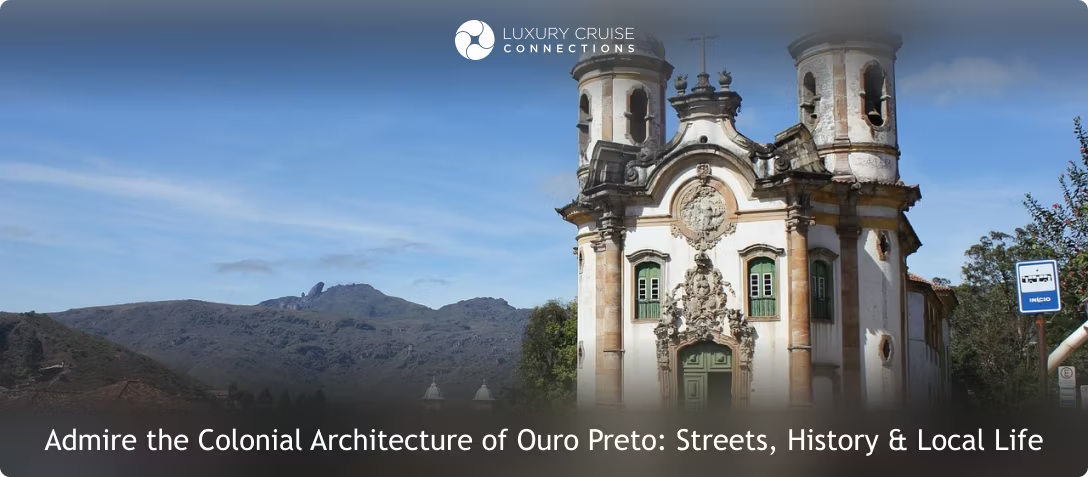
    Ouro Preto is a historic town in the state of Minas Gerais, known for its well-preserved colonial architecture and its rich history tied to Brazil's gold rush era. The Ouro Preto became one of the wealthiest cities in Brazil during the 18th century due to its gold mines, founded in the late 17th century. Ouro Preto stands as a UNESCO World Heritage site, offering visitors a glimpse into Brazil's colonial past through its stunning baroque architecture and cobblestone streets.
     Admire the Colonial Architecture of Ouro Preto

    The Igreja de São Francisco de Assis is one of the top attractions in Ouro Preto. Igreja de São Francisco de Assis is an architectural masterpiece designed by the famous Brazilian architect Aleijadinho. Visitors explore the Museu da Inconfidência, which tells the story of Brazil’s independence movement, and the Igreja de Nossa Senhora do Pilar, a beautiful baroque church adorned with gold. Walking tours through the historic center allow visitors to appreciate the detailed facades, charming squares, and the town’s rich colonial history.

    A visit to Ouro Preto allows travelers to experience a blend of history, culture, and architecture. Travelers find buildings that showcase the opulence of the 18th century, with intricate carvings, gold leaf detailing, and beautifully preserved churches as visitors wander through its narrow streets. The town’s serene atmosphere and historical significance make it a perfect destination for travelers interested in Brazil’s colonial past.

    The best time to visit Ouro Preto is during the dry season (May to September), when the weather is cooler and more comfortable for walking tours.

    A guided walking tour is highly recommended to fully appreciate the historical and architectural significance of the town’s landmarks. Local guides provide in-depth knowledge about Ouro Preto’s past and its connection to the gold rush.

    Entrance fees to museums and churches range from R$5 to R$20. The town’s attractions are free to explore, though guided tours require an additional fee.


What are the Most Popular Tourist Attractions in Brazil?

The Most Popular Tourist Attractions in Brazil are listed below.

  • Christ the Redeemer
  • Iguazu Falls
  • Amazon Rainforest
  • Sugarloaf Mountain
  • Pantanal


What Entertainment Options are Available in Brazil for Tourists?

Entertainment Options Available in Brazil for Tourists are listed below.


Which Vacation Spots in Brazil are Best for Beach Lovers?

Vacation Spots in Brazil that are Best for Beach Lovers are listed below.


What Activities in Brazil are Perfect for Adventure Lovers?

Activities in Brazil Perfect for Adventure Lovers are listed below.


What are some Fun and Unique Activities in Brazil?

Some Fun and Unique Activities in Brazil are listed below.


What are the Best Things to Do in Brazil for First-Time Visitors?

The Best Things to Do in Brazil for First-Time Visitors are listed below.

Christ the Redeemer is one of the Seven Wonders of the World. It is an iconic statue in Rio de Janeiro that offers panoramic views of the city and the surrounding landscapes. It is a must-see for first-time visitors to Brazil, providing a stunning visual experience of the country's beauty. Visiting Christ the Redeemer is one of the best things to do in Brazil for newcomers.
Iguazu is located on the border with Argentina. Iguazu Falls is one of the largest waterfall systems in the world. The breathtaking views and nearby trails offer a thrilling experience for nature lovers and adventure seekers. It ranks high among the best places to visit in Brazil for its awe-inspiring natural beauty.
The world-renowned beaches in Rio de Janeiro are perfect for first-time visitors who want to experience the vibrant Brazilian beach culture. The lively atmosphere and stunning views of the ocean make them essential spots on any trip to Brazil. The beaches are some of the best things to do in Brazil for visitors looking to embrace the local lifestyle.
 

How do the Highlights of Brazil vary between Cities and Natural Parks?

The highlights of Brazil vary between cities and natural parks based on the type of activity and atmosphere. Rio de Janeiro and São Paulo offer vibrant cultural and social experiences, with attractions such as iconic famous landmarks in Brazil (Christ the Redeemer and the historic architecture of colonial towns). The cities are known for their lively nightlife, museums, and local cuisine, making them ideal for travelers seeking urban excitement. Natural parks (Amazon Rainforest and Iguazu Falls) provide a different kind of adventure, offering wildlife encounters, hiking trails, and breathtaking scenic views of natural landmarks in Brazil. The parks emphasize serenity, natural beauty, and outdoor activities, making them perfect for travelers looking to connect with nature. Brazil highlights offer a unique experience for every type of traveler, whether exploring the best city in Brazil or venturing into the wilderness.

Best Things to Do Around the World

Discover the best activities, landmarks, and experiences in every cruise destination and port of call.

Europe Western, Central & Mediterranean
America North, Central, South & Caribbean
Africa & Asia Oceania & Antarctica