10 Best Things to Do in Dominica

The ten best things to do in Dominica include exploring volcanic wonders and waterfalls in Morne Trois Pitons National P...

add

The ten best things to do in Dominica include exploring volcanic wonders and waterfalls in Morne Trois Pitons National Park (Boiling Lake, Emerald Pool, Trafalgar Falls) and exploring the capital city of Roseau and its Botanic Gardens. Activities like snorkelling in Champagne Reef, floating down the Indian river, learning from the indigenous Kalinago people, and whale watching give travelers an authentic Dominica experience


Dominica is a Caribbean island in the Lesser Antilles archipelago that offers travelers a diversity of things to do. Dominica is a country with rich culture, abundant wildlife and vast unspoiled wilderness that has earned it the title of "The Nature Island". Places to visit in Dominica range from volcanic national parks, rainforests, waterfalls, and indigenous villages. Visitors find countless things to do in Dominica, whether snorkelling in reefs, exploring city markets, or spotting sperm-whales in the Caribbean sea. Deciding what to do in Dominica depends on personal preferences, with travel activities ranging from fun outdoor adventures to relaxing and romantic cultural experiences.

  • Hike to Boiling Lake
  • Swim in Emerald Pool
  • Admire Trafalgar Falls
  • Stroll through Dominica Botanic Gardens
  • Explore Roseau
  • Snorkel at Champagne Reef:
  • Trek through Morne Trois Pitons National Park
  • Take a Boat Ride on Indian River
  • Learn About the Kalinago People
  • Go Whale Watching
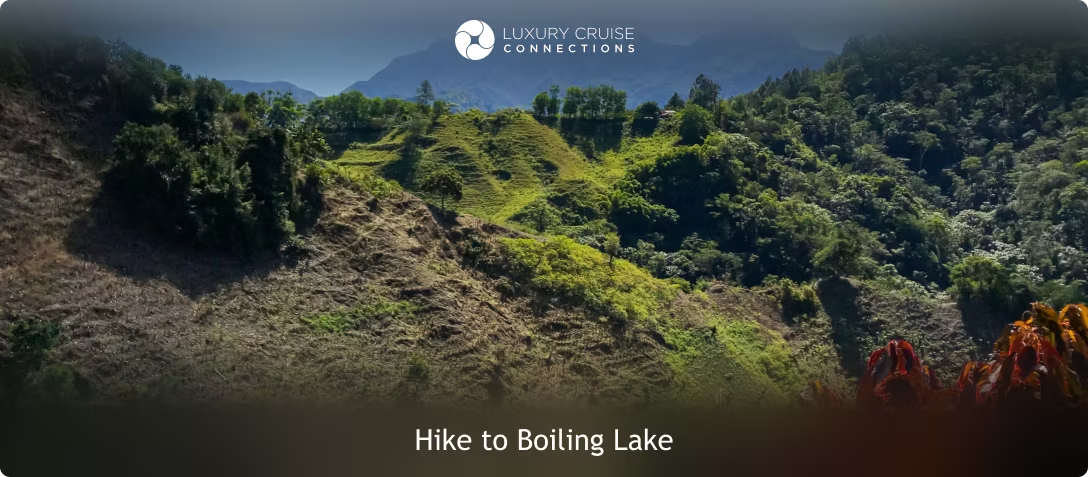
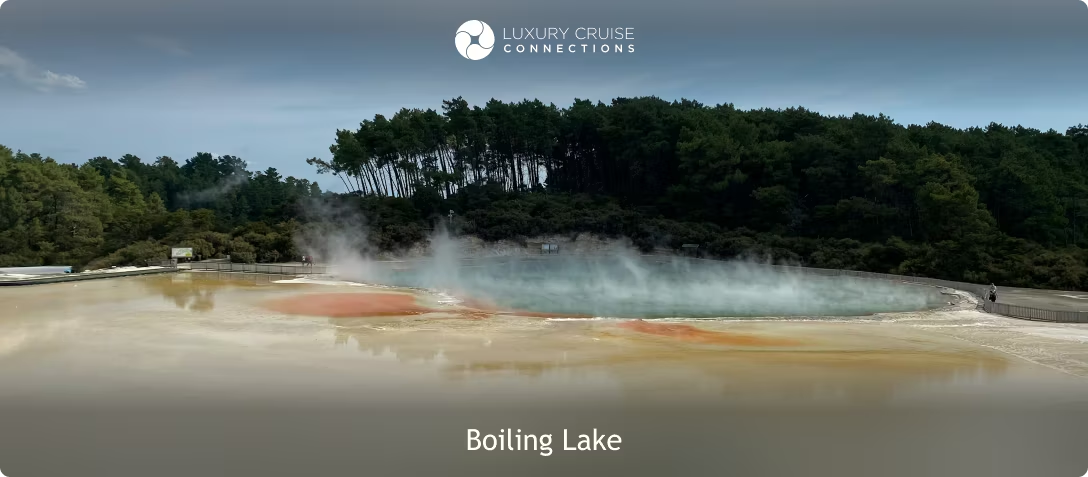
  • Hike to Boiling Lake

    Hiking to Boiling Lake gives travelers a dramatic introduction to Dominica’s volcanic terrain. Dominica’s Boiling Lake is the second-largest flooded fumarole (“hot lake”) in the world. A flooded fumarole is a natural geological feature where a volcanic gas vent is filled with water. Hot volcanic gases keep Boiling Lake simmering around 194 degrees Fahrenheit (90 degrees Celsius). The sight resembles a simmering cauldron full of bubbling greyish-blue water and steam. Boiling Lake measures approximately 200 to 250 feet (60 to 75 m) across. Boiling Lake is located within Dominica’s Morne Trois Pitons National Park, a UNESCO World Heritage site. Visitors reach Boiling Lake through an intense round-trip hike through the park’s dense rainforest, gorges, steep ridges, and valleys.
    Hike to Boiling Lake

    Highlights of hiking to Boiling Lake include both the Boiling Lake itself, and the sights seen along the Boiling Lake Hike trail. A popular trail highlight is the Valley of Desolation, a volcanic area of bubbling mud pools, alien-like rock formations and healing sulfur springs. Another highlight of the hike to Boiling Lake is Titou Gorge. Titou Gorge is an emerald canyon and waterfall that offers travelers refreshing opportunities to swim. The ultimate attraction of the Boiling Lake hike is the summit that overlooks the spectacular hot lake itself.

    The experience of hiking to Boiling Lake involves a challenging 8 mile (13km) round trek that takes between 6-8 hours to complete. The Boiling Lake Hiking trail begins near the village of Laudat. Visitors trek through scenic rainforest trails, then climb steep ridges where the air grows warmer and sulfur scents rise from hidden vents. Descending into the Valley of Desolation is a thrilling experience that rewards travellers with surreal sights of bubbling mud pools. The final ascent reaches an awe-inspiring viewpoint of Boiling Lake itself where visitors feel the volcanic heat radiating upwards.

    The best time to hike to Boiling Lake is from December to May, when Dominica’s dry season makes hiking and viewing conditions most favorable. Lower rainfall and lower humidity reduces the chance of slippery mud and landslides, provides comfortable hiking weather, and enables clearer views of Boiling Lake.

    Guides are highly recommended for safety reasons, as the hike to Boiling Lake involves unmarked paths, steep climbs and slippery rocks in the Valley of Desolation. Certified guided tours ensure your safety and provide educational information on Dominica’s flora and fauna.

    Entry to Boiling Lake is included in the Morne Trois Pitons National Park site pass, which costs $5 for a daily pass or $12 for a weekly pass. The weekly pass grants access to all national park sites in Dominica. Guided hikes to Boiling Lake cost approximately $120-$150 per person for a 6-8 hour excursion.

  • Swim in Emerald Pool

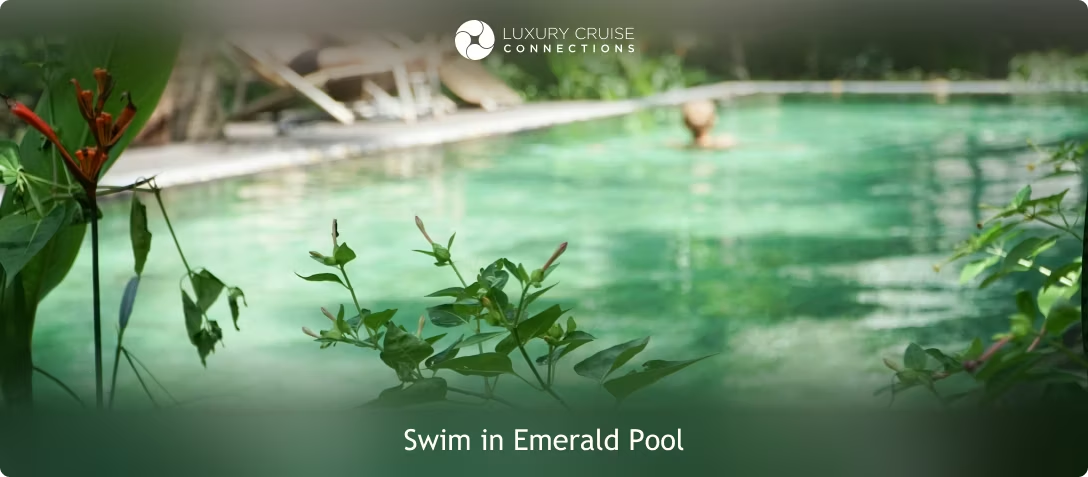
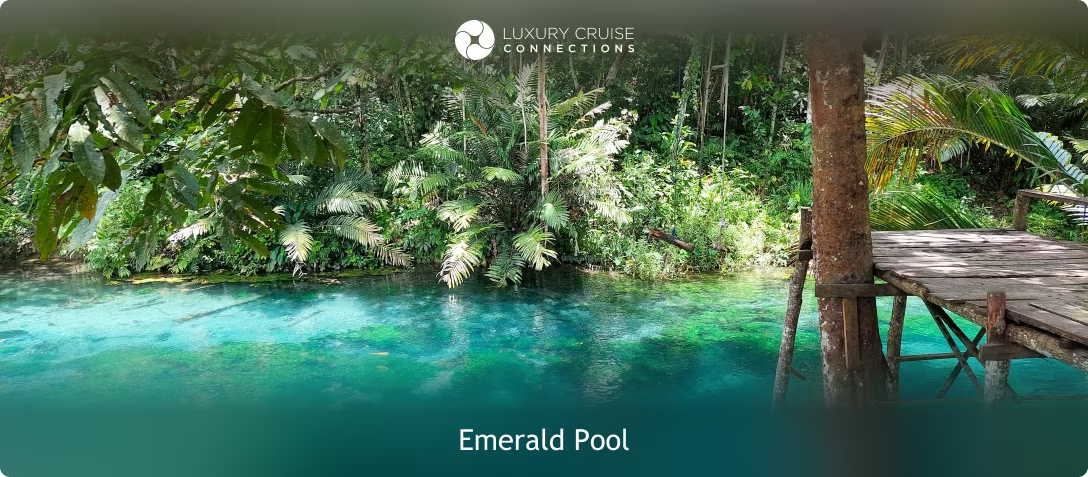
    Emerald Pool is a picturesque natural swimming hole in Dominica’s Morne Trois Pitons National Park. Emerald Pool gets its name from the pool’s green glow which is created by sunlight filtering through the surrounding rainforest canopy onto the water. Emerald Pool’s striking natural beauty has made it a popular backdrop for films and destination weddings. Emerald Pool is a highly accessible attraction that sits on the Waitukubuli National Trail’s Segment 5. Its easy accessibility makes Emerald Pool a popular swimming attraction for locals and tourists of all ages.
    Swim in Emerald Pool

    Emerald Pool is a picturesque natural swimming hole in Dominica’s Morne Trois Pitons National Park. Emerald Pool gets its name from the pool’s green glow which is created by sunlight filtering through the surrounding rainforest canopy onto the water. Emerald Pool’s striking natural beauty has made it a popular backdrop for films and destination weddings. Emerald Pool is a highly accessible attraction that sits on the Waitukubuli National Trail’s Segment 5. Its easy accessibility makes Emerald Pool a popular swimming attraction for locals and tourists of all ages.

    Highlights of Emerald Pool include the freshwater basin which offers visitors a unique place to swim and relax in. This swimming area is surrounded by native ferns and mossy rocks that create an enchanting setting in the middle of Dominica’s rainforest. Another key attraction of Emerald Pool is Emerald Falls, a 40-foot waterfall that feeds Emerald Pool. Emerald Pool is located inside Morne Trois Pitons National Park, a UNESCO World Heritage Site with rich biodiversity. Emerald Pool visitors therefore often encounter native species including rare birdlife, mahogany trees, and large epiphytes.

    The experience of swimming in Emerald Pool begins with a shaded 15-20 minute walk through lush rainforest trails where hikers spot butterflies and exotic plants along the way. Visitors then arrive in a clearing where the waterfall drops into Emerald Pool’s basin, providing a soothing sound. The cool emerald green waters offer instant relief after trekking. Visitors swim, soak and dip their feet in the water. Hours are spent relaxing at Emerald Pool, lounging on the rocks, taking photographs, and admiring its natural beauty.

    The best time to visit Emerald Pool in Dominica is from December to May, when rainfall is low and rainforest trails are less muddy. During this dry season, Emerald Falls maintains a steady flow, ensuring Emerald Pool remains inviting for swimming and photography.

    Entry to Emerald Pool is included in the Morne Trois Pitons National Park site pass, which costs $5 for a daily pass or $12 for a weekly pass. The weekly pass grants access to all national park sites in Dominica

  • Admire Trafalgar Falls

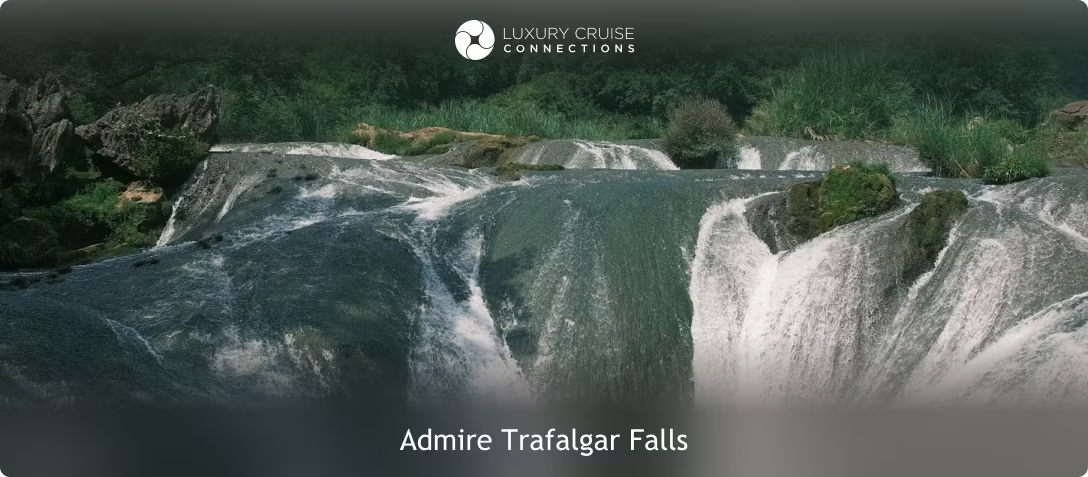
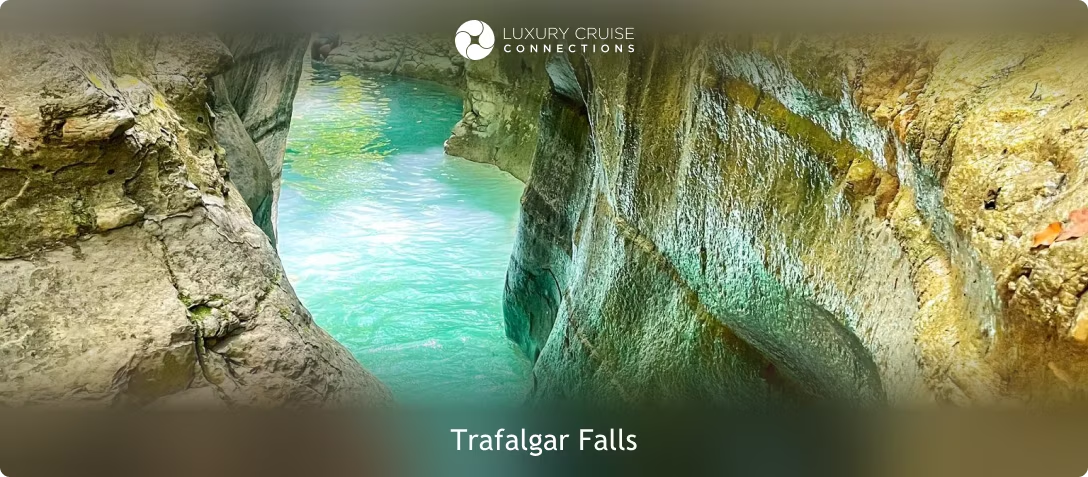
    Trafalgar Falls is a pair of twin waterfalls located within Morne Trois Pitons National Park. Trafalgar Falls’s balanced natural composition makes it one of Dominica’s most admired and photographed natural landmarks. Trafalgar Falls’s tallest cascade is known as “Mother” and descends 125 feet. Trafalgar Falls’s shortest cascade is known as “Father” and descends 75 feet. Both cascades plunge through volcanic cliffs into pools beneath. The falls originate from different rivers, with Mother flowing from the Breakfast River and Father flowing from Freshwater Lake via Ti-Tou Gorge.
    Admire Trafalgar Falls

    Highlights of Trafalgar Falls include the waterfalls’ main viewing platform. This wooden viewing platform offers sweeping views of both cascades for visitors to admire. A granite outcrop divides the twin falls, emphasizing their symmetry while marking their separate water sources. Another popular attraction of Trafalgar Falls are the rocky pools at the base of the falls, where cool mountain water provides a refreshing swim. Natural hot springs are found near Mother Falls.

    Visitors walk along a well-maintained path to reach Trafalgar Fall’s main viewing platform (a 10-15 minute walk from the visitor center). This main viewing platform provides visitors with panoramic views of the twin waterfalls surrounded by unspoiled Dominican wilderness. Visitors admire the thunderous sound of cascading water and the misty rainforest air. Adventurous visitors then proceed to the base of the Trafalgar Falls by navigating stairs and rocky boulders. Swimming in Mother Fall’s sulfur hot springs and Father Fall’s cool springs offers a therapeutic experience.

    The best time to visit Trafalgar Falls is from December to May, when rainfall is low and trails to the bottom of the waterfalls are safer and less slippery

    Hire local guides at Trafalgar Falls to gain insight into the geology, rainforest plants, and cultural stories of the site. Their knowledge adds depth to the walk and ensures safe access across rocky terrain to the Trafalgar Falls hot springs.

    Entry to Trafalgar Falls is included in the Morne Trois Pitons National Park site pass, which costs $5 for a daily pass or $12 for a weekly pass. The weekly pass grants access to all national park sites in Dominica.

  • Stroll through Dominica Botanic Gardens

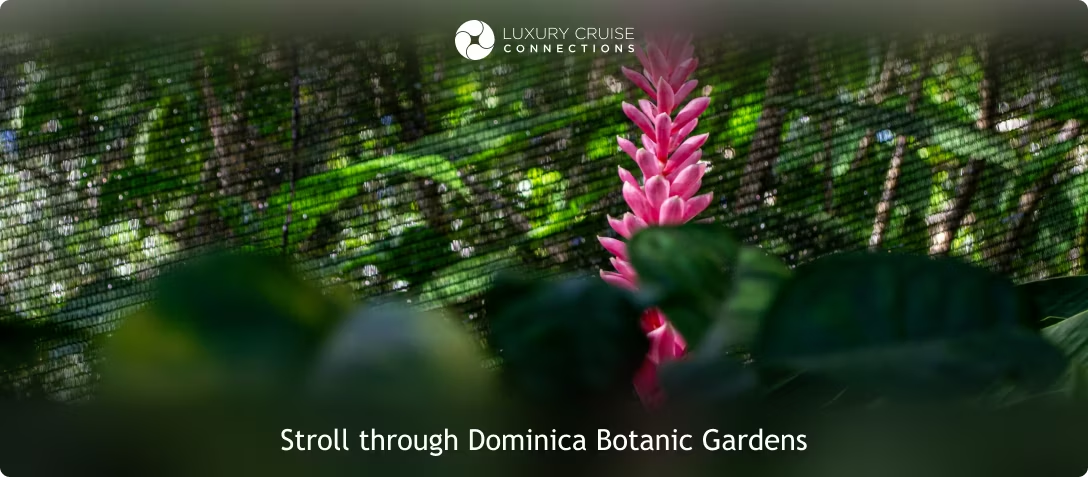
    The Dominica Botanic Gardens is a 40-acre public garden that showcases Dominica's ecological diversity. Strolling through Dominica Botanic Gardens lets visitors observe native and exotic plants and learn about Dominica’s conservation heritage. Dominica Botanical Gardens is located in Dominica’s capital city, Roseau. Dominica’s botanical gardens were established in 1889 under the British Crown Government and were designed with two sections. The first section is an ornamental area of exotic palms and landscaped lawns. The second section is an economic area once devoted to testing crops like cocoa, mangoes, and allspice. Dominica Botanical Gardens hosts cricket matches, national parades, religious ceremonies and cultural events such as the Creole in the Park music festival
    Stroll through Dominica Botanic Gardens

    Highlights of strolling through Dominica Botanic Gardens include its landscaped grounds and collections of ornamental shrubs, tropical trees, medicinal plants and flowering plants. The Gardens are home to Dominica’s national flower, the Bwa Kwaib (Sabinea carinalis), which bears bright scarlet flowers. Another must-see of Dominica Botanic Gardens is the Parrot Conservation and Research Center (PCRC). This facility focuses on protecting and rehabilitating Dominica’s endemic and endangered parrots, such as the Sisserou parrot (Amazona imperialis) and Jaco parrot (Amazona arausiaca).

    The experience of the Dominica Botanic Gardens combines relaxation with discovery in a historic tropical setting. Visitors walk across broad lawns and follow paths lined with colorful flowers like orchids, African Tulips, and Flame of the Forest. Sightings of endemic lizard species like Dominican ground lizards and anoles are frequent in Dominica Botanic Gardens. Visitors pause at the Parrot Conservation and Research Center to learn more about the island’s conservation efforts. Adventurous visitors continue along Jack’s Walk, a steep 15-minute trail to Morne Bruce that overlooks Roseau. Travelers also visit the bus crushed beneath a fallen baobab, a reminder of the damage caused by Hurricane David in 1979.

    The best time to visit the Dominica Botanic Gardens is from January to May, as this offers pleasant temperatures, comfortable breezes and lower humidity for visitors strolling the gardens. The bois kwaib, Dominica’s national tree and flower, typically blooms from February to April, treating visitors during this time to vivid red displays

    Book a guided city or nature tour that includes the Dominica Botanic Gardens to gain additional cultural and ecological insight. Wildlife guides help identify endemic Dominican plants and explain the garden’s history.

    Entry to the Dominica Botanic Gardens is free of charge

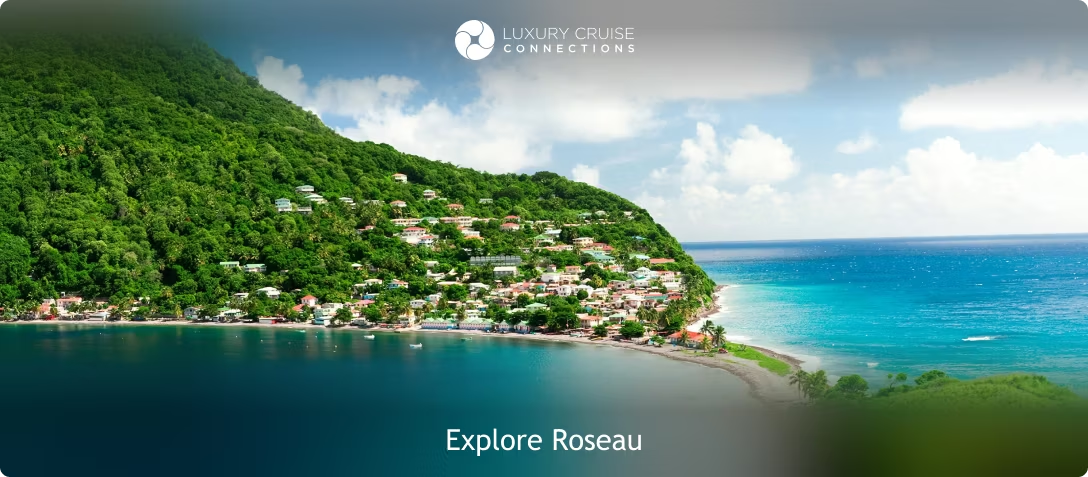
  • Explore Roseau

    Explore Roseau, Dominica’s capital city, to discover a Caribbean port full of cultural, historical and economic significance. Roseau is located on the southwest coast where the Roseau River meets the Caribbean Sea. Roseau’s streets combine French colonial and British Georgian architecture with colorful wooden houses and lively markets. Roseau serves as Dominica’s main hub for culture, commerce, and transport and provides access to key Dominica tourist attractions
    Explore Roseau

    Highlights of Roseau include historic districts, public markets, and cultural landmarks. Key Roseau neighborhoods include Old Market, the French Quarter, and the waterfront. The Old Market is a must-see for its stalls selling spices, crafts, and local produce. The Old Market includes a historic square where trade once flourished. The French Quarter features narrow streets lined with wooden houses and churches, including the Catholic Cathedral of Our Lady of Fair Haven. Roseau’s waterfront is where cruise ships dock near the Bayfront and visitors enjoy views of the Caribbean Sea.

    Roseau is highly walkable and best experienced on foot. Visitors explore narrow streets with wooden houses and stone churches that echo Dominica’s colonial past. Visitors walk Central Market to taste Caribbean fruits like breadfruit, bananas and coconuts. Culinary travelers eat Creole dishes such as callaloo soup, fried plantains, and grilled fish. Old Market Plaza provides excellent opportunities to buy souvenirs like woven baskets, larouma reed jewelry, and spices. In the evening, visitors listen to live music, drink rum cocktails and gather at street bars to enjoy vibrant Dominica nightlife

    The best time to explore Roseau is between December to April, when rainfall is minimal and the climate is more comfortable for walking around the city

    Hire local guides in Roseau for walking or coach tours that explore the city’s history, architecture, landmarks and local markets

    Entry to most public spaces in Roseau is free. Guided city tours in Roseau range from about $50-$300, depending on tour length (half day or full day), group size, and meal inclusions.

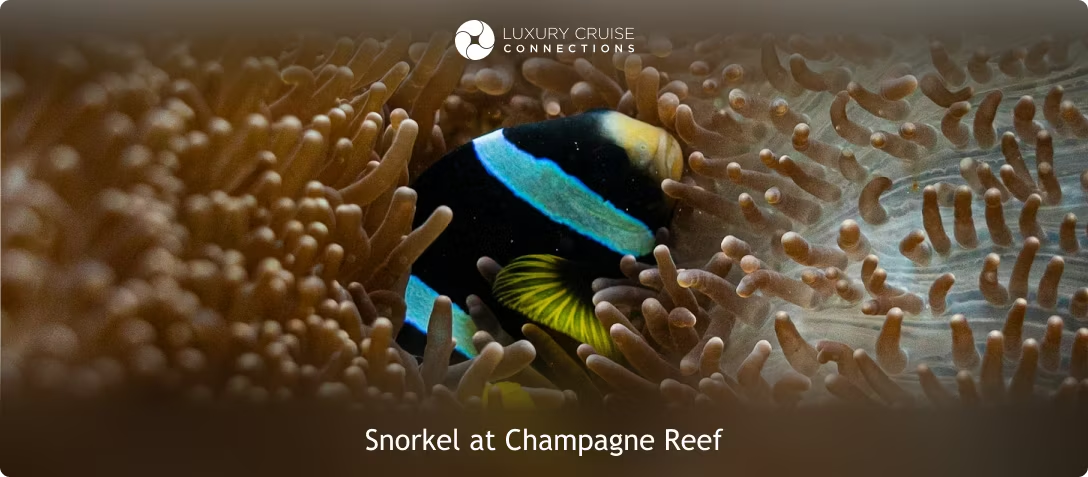
  • Snorkel at Champagne Reef

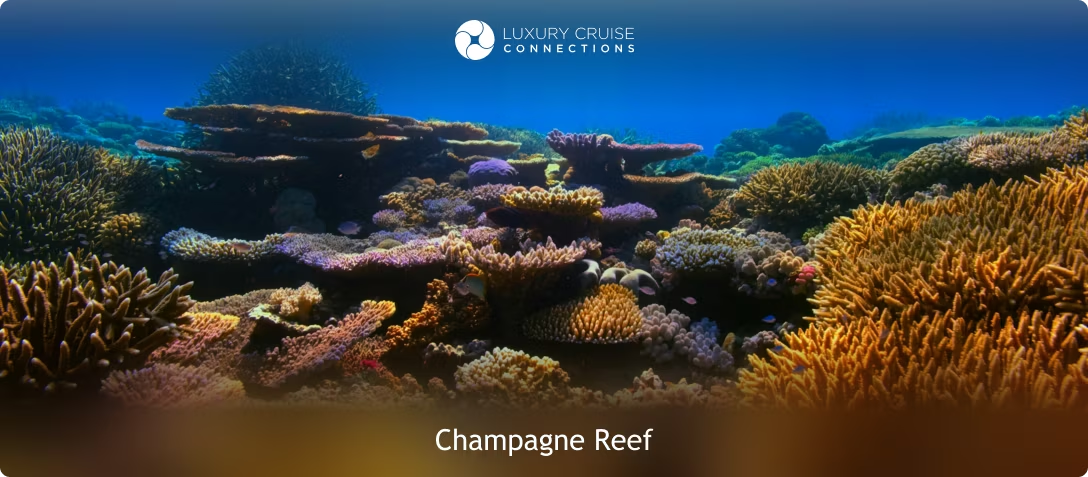
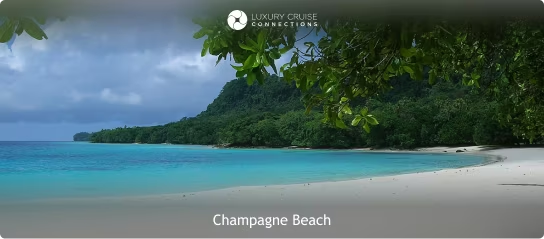
    Snorkelling Champagne Reef is one of Dominica’s top eco-tourism attractions. Champagne Reef is a unique reef featuring a volcanic underwater formation where geothermal vents release streams of warm bubbles from the seabed. Champagne Reef’s crystal clear waters and abundant aquatic life make it a popular spot in Dominica for snorkelling and diving. Champagne Reef lies within a protected marine reserve (Dominica's Soufriere Scotts Head Marine Reserve). Champagne Reef is located on Champagne Beach on Dominica’s southern coast, 1.4 miles from Pointe Michel village.
    Snorkel at Champagne Reef

    Champagne Reef’s main highlight is the constant stream of geothermal bubbles rising from volcanic vents, giving the site its iconic name. This creates a unique underwater landscape for underwater exploration. Snorkelling and diving are must-do activities at Champagne Reef. The reef is home to unusual coral formations, sea fans and volcanic rock ledges that shelter diverse marine life.

    Visitors experience both adventure and Dominica’s marine biodiversity when snorkelling at Champagne Reef. Snorkellers either enter the water from Champagne Beach or hire a boat to go further out to sea. The constant stream of geothermal bubbles gives snorkellers a unique “champagne-like” experience as they swim around the reef. Snorkellers experience the contrasting sensation of warm currents from the vents with the cooler seawater nearby. Snorkellers spot diverse marine life like parrotfish, sea turtles, sea horses, eels, sponges, and sea fans.

    The best time to snorkel at Champagne Reef is from December to April, when water visibility is at its best and currents are calm.

    Consider booking a local guide at Champagne Reef to get convenient access to the best snorkelling spots, provided snorkelling equipment, and insight into the reef’s marine life.

    The entry fee for Champagne Reef in Dominica is $2 per person, with snorkelling gear rental costing an extra $5-$10. A guided snorkelling tour in Champagne Reef costs between $25-$100 depending on whether it’s a shore tour or boat tour.

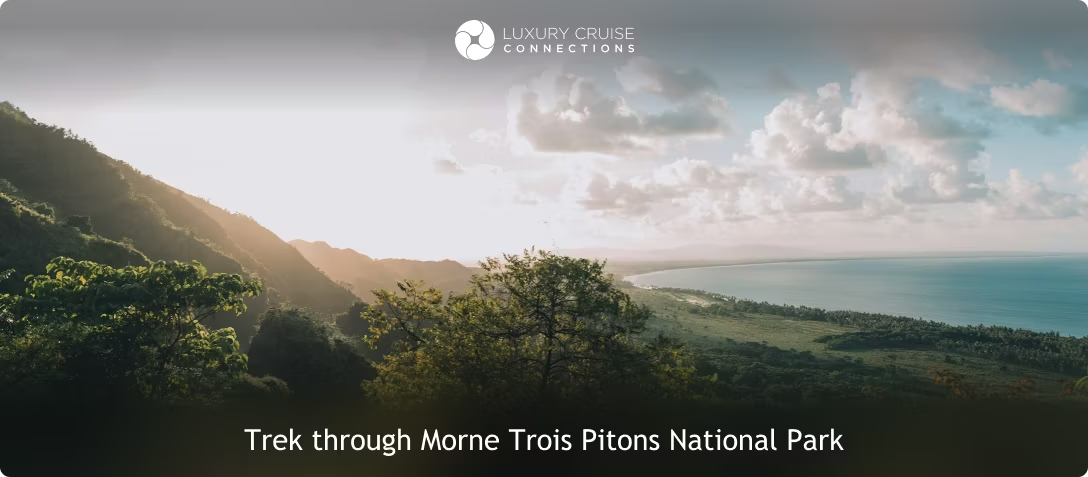
  • Trek through Morne Trois Pitons National Park

    Trekking through Morne Trois Pitons National Park reveals volcanic crater lakes, canyons, rainforest, waterfalls, and rich biodiversity. Morne Trois Pitons National Park is a national park located in Dominica’s south-central region. Morne Trois Pitons spans 17,000 acres (6,800 hectares) of untamed wilderness. The park encompasses five volcanoes, over 50 fumaroles and three freshwater lakes. Morne Trois Pitons National Park was established in 1975 and given UNESCO World Heritage Site status in 1997. Trekking through Morne Trois Pitons National Park is one of the best ways for travelers to immerse themselves in untouched Dominica wilderness
    Trek through Morne Trois Pitons National Park

    Highlights of trekking through Morne Trois Pitons National park include seeing the Morne Trois Pitons mountain. The name translates to "Mountain of Three Peaks" and is the highest summit in the national park. Another key attraction of Morne Trois Pitons National Park is Boiling Lake, the second-largest hot lake in the world. A nearby natural highlight is the Valley of Desolation with steam vents and bubbling mud pools. Popular natural swimming sites in Morne Trois Pitons National park include Titou Gorge and Emerald Pool. Trafalgar Falls, Middleham Falls, and Freshwater Lake are also major scenic water landmarks within the park

    Visitors trekking through Morne Trois Pitons National Park experience an exhilarating wilderness adventure filled with rainforest, geothermal activity, and mountain scenery. Guided hikes lead to iconic sites such as the swirling mist of Boiling Lake, the clear volcanic waters of Titou Gorge, and the shaded cascade of Emerald Pool. Along the trails, lucky travelers encounter rare wildlife like Dominican parrots, tree frogs, hummingbirds and colorful orchids

    The best time to trek through Morne Trois Pitons National Park is from December to May, when hiking trails are less muddy, river crossings are easier, and visibility at high viewpoints like Boiling Lake is clearer.

    Consider hiring certified guides for treks in Morne Trois Pitons National Park to navigate unmarked trails and challenging terrain. Their expertise enhances safety and adds context on Morne Trois Pitons’ unique geology, flora, and fauna.

    Entry to Morne Trois Pitons National Park requires a site pass costing $5 per person for a day, or $12 for a weekly pass. The weekly site pass covers entry to all attractions within Morne Trois Pitons National Park, including Boiling Lake, Emerald Pool and Trafalgar Falls

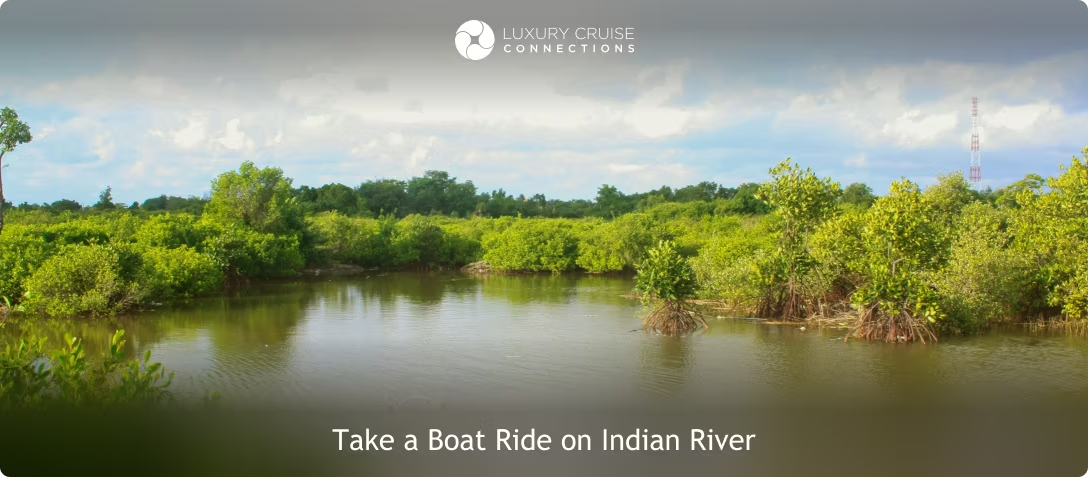
  • Take a Boat Ride on Indian River

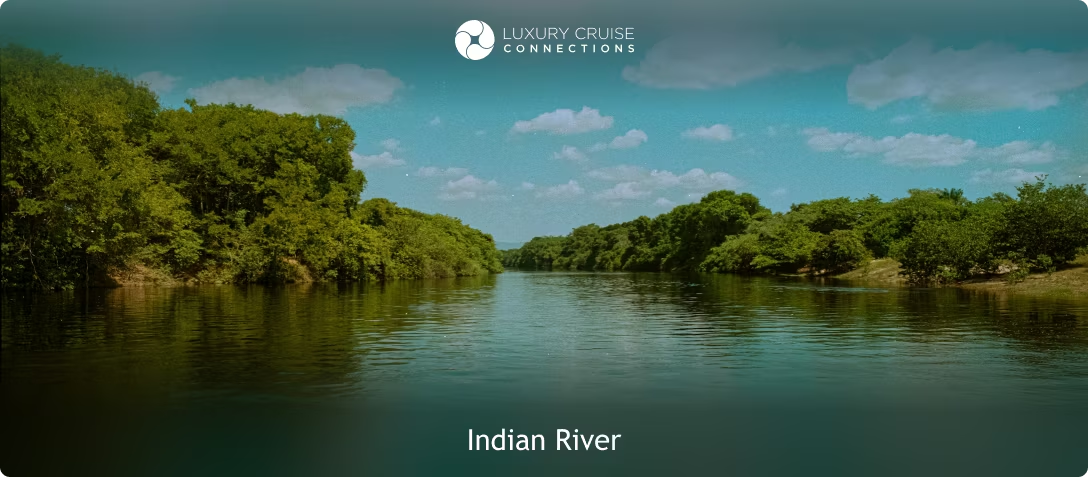
    Taking a boat ride on the Indian River is one of the best ways to explore the natural beauty of north Dominica. Indian River is Dominica’s widest river. Indian River begins in Morne Diablotin National Park and winds through the Glanvilla Swamp to Prince Rupert Bay. Indian River’s banks are lined with dense mangroves and tropical plants that create a shaded waterway. A guided rowboat trip gives visitors the chance to relax on the water while spotting native wildlife like herons, iguanas, crabs.
    Take a Boat Ride on Indian River

    Highlights of Indian River include taking a hand-rowed wooden boat guided by local boatmen. This boat ride takes visitors between Bwa Mang mangroves, swamp ferns and buttressed trees. Indian River’s rich birdlife makes this experience popular with birdwatchers and nature enthusiasts. A must-see of Indian River is the famous “witch’s hut” which was featured in the Pirates of the Caribbean movie, “Dead Man’s Chest”. Another highlight is the Bush Bar, a bar on the Indian River riverbank where visitors try the house “dynamite” rum punch..

    A journey on the Indian River offers scenery, cultural storytelling and close encounters with nature. Visitors glide silently through shaded waters and the absence of engines allows every bird call and ripple to be heard. Boat guides enrich visitors’ trips with stories about the Indian River’s history and its place in Dominican folklore. Certain boat tours combine the Indian River with Cabrits National Park and Fort Shirley, or with visits to nearby Dominica beaches.

    The best time to take a boat ride on the Indian River is from December to April, when dry-season weather keeps the waters calm and wildlife active along the banks.

    Guides are mandatory for the Indian River boat trip to hand row the boat and ensure environmental protection. Local Indian River boat guides also interpret the landscape, and share stories that bring the Indian River’s ecology and history to life.

    Entry to the Indian River requires a forestry permit costing $5 per person. Guided boat tours cost between $20-$25 per person.

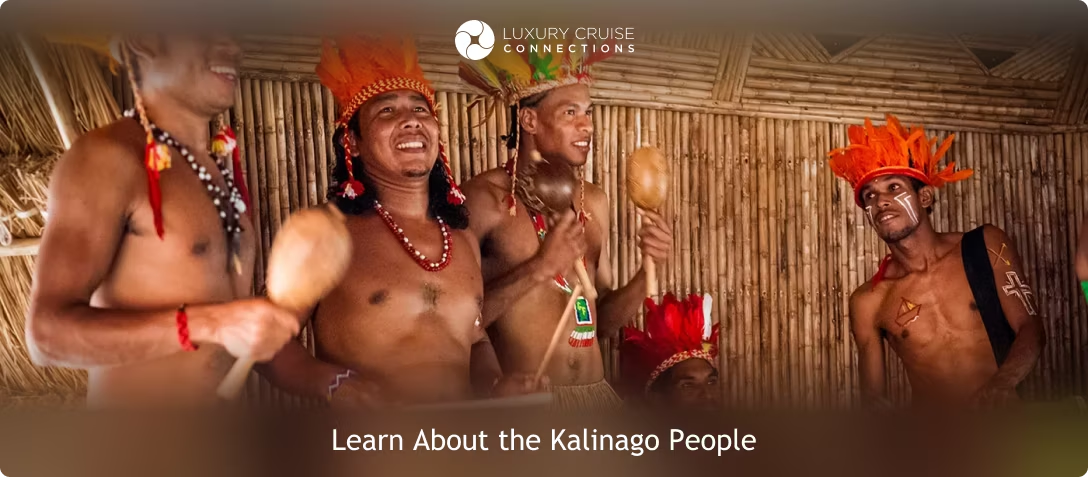
  • Learn About the Kalinago People

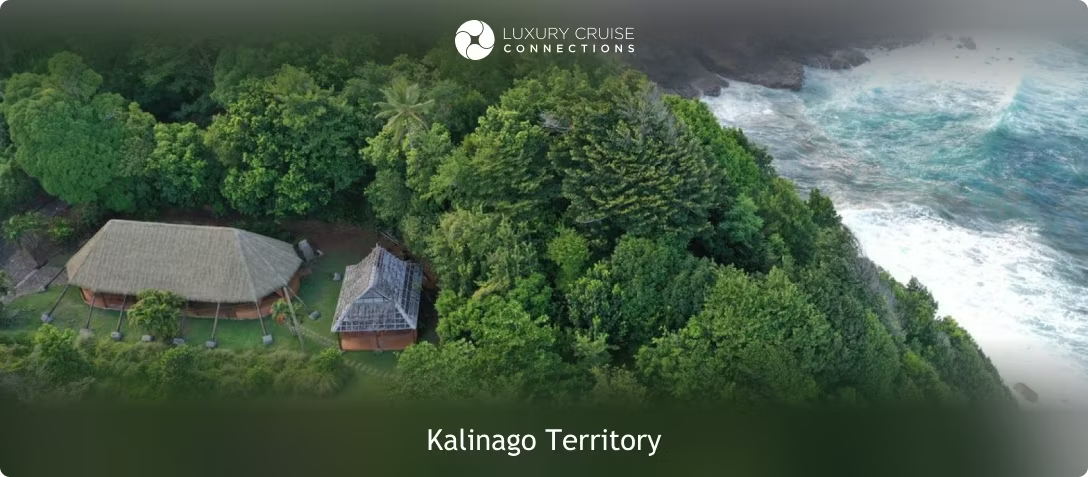
    Learning about the Kalinago people offers travelers direct insight into Dominica’s important indigenous heritage. The Kalinago (“Island Caribs”, or simply “Caribs”’) are descendants of South American migrants who settled the Lesser Antilles between the 9th and 14th centuries. Today around 3,000 Kalinago live in the legally recognized Kalinago Territory on the northeast coast of Dominica. Visitors to Kalinago Territory have the chance to meet Kalinago people and learn about Kalinago traditional crafts, language, and customs.
    Learn About the Kalinago People

    The Kalinago Barana Aute (KBA), also called the Carib Cultural Village, is a key highlight of visiting Kalinago Territory. KBA is a model cultural village that invites visitors to learn about the Kalinago way of life. Visitors watch traditional Kalinago dances, music, and ceremonies. Craft workshops showcase Kalinago artisans producing basketry, pottery, and wood carvings that reflect ancestral skills. Guided tours and storytelling sessions add further insight into Kalinago history and beliefs. Kalinago Territory also includes natural sites such as Salybia Beach, a beach with views of the Atlantic coast and with important connections to daily Kalinago life.

    Kalinago Territory provides an immersive educational experience for visitors to learn about the Kalinago people. Visitors walk through the Kalinago Barana Aute village, where reconstructed building structures show how the ancestors of the Kalinago people lived. Visitors watch Kalinago artisans demonstrate weaving, pottery, and canoe building. Visitors participate in the making of traditional cassava bread and taste local Kalinago cuisine. Oral storytelling and dance performances introduce Kalinago legends and spiritual traditions that have been passed down through generations

    The best time to learn about the Kalinago People in Dominica is from December to April during the dry season, when the climate is more pleasant for exploring Kalinago Territory and watching outdoor performances

    Hire local guides in the Kalinago Territory to gain authentic insight into the indigenous community’s heritage and way of life

    Entry to the Kalinago Barana Auté costs $10 per person. Guided tours of the cultural village range from $15 to $25 depending on group size and activities included. Purchases of handmade crafts provide an additional way to support the Kalinago community

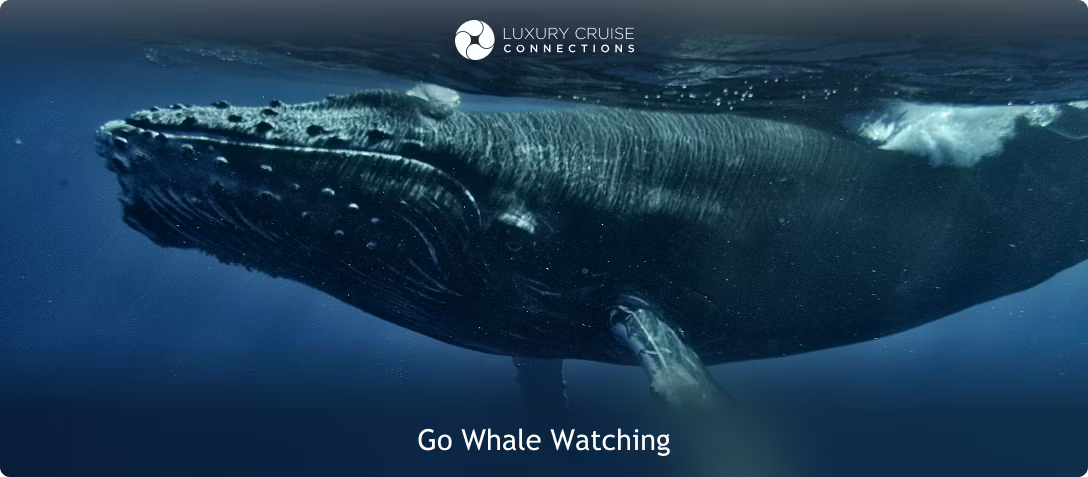
  • Go Whale Watching

    Go whale watching in Dominica to spot the ocean’s largest mammals in a pristine Caribbean setting. Dominica has a reputation as the “Whale Watching Capital of the Caribbean” and offers travelers whale watching experiences with high chances of success. Dominica’s deep offshore canyons and nutrient-rich waters attract over 20 whale and dolphin species, including between 200-300 resident sperm whales each year. Dominica is the only place in the world where it is possible to see sperm whales year-round. Dominica whale watching excursions feature knowledgeable local captains, small-group vessels, and responsible wildlife practices that ensure respectful encounters.
    Go Whale Watching

    The main highlight of whale watching in Dominica is spotting the sperm whale pod, which is among the largest and most consistently observed sperm whale pods in the world. It is also common to observe humpback whales, false killer whales, and short-finned pilot whales, depending on the season. Spotted dolphins, spinner dolphins and bottlenose dolphins race alongside boats and leap from the water. Whale watching tours in Dominica typically operate on the island’s west coast, where nutrient-rich waters off Roseau, Champagne Beach, and Secret Beach provide ideal whale watching conditions.

    The whale watching experience in Dominica begins with a coastal cruise past volcanic headlands and fishing villages. Wildlife guides explain local ecology while captains scan the sea and listen for whales underwater with a hydrophone. Boats approach whales at a safe distance. Visitors observe and photograph sperm whales as they surface, blow, and dive. Dolphins are a common sight swimming alongside the boats. On the return journey, Dominican whale watching operators often serve refreshments like rum punch while sharing insights into whale conservation and Dominica’s marine heritage.

    The best time to go whale watching in Dominica is from December to April, when calm seas create ideal conditions for boat tours. Sperm whales remain resident year-round, but sightings of sperm whales and humpback whales are especially frequent during this period

    The best time to go whale watching in Dominica is from December to April, when calm seas create ideal conditions for boat tours. Sperm whales remain resident year-round, but sightings of sperm whales and humpback whales are especially frequent during this period

    Whale watching tours in Dominica cost between $90- $130 per person for a half-day trip, depending on the tour operator and group size.


What are the Most Popular Tourist Attractions in Dominica?

The most popular tourist attractions in Dominica are listed below.

  • Boiling Lake
  • Trafalgar Falls
  • Champagne Reef
  • Emerald Pool
  • Indian River
  • Kalinago Territory


Which Vacation Spots in Dominica Are Best for Beach Lovers?

The vacation spots in Dominica that are best for beach lovers are listed below.


What are the Best Things to Do in Dominica for First-Time Visitors?

Things to do in Dominica for first-time visitors are listed below:

Trafalgar Falls in Dominica is the island’s only twin waterfall and is not to be missed by first-time visitors.
Emerald Pool in Dominica offers first-time visitors a relaxing introduction to the island’s rainforest with a short hike leading to a scenic waterfall basin
Boiling Lake in Dominica is the world’s second-largest hot lake, a must-see natural wonder for adventurous first-time visitors.
Champagne Reef in Dominica lets first-time visitors experience volcanic activity beneath the sea, with bubbles rising through coral reefs alive with marine life.
Dominica’s national parks (Morne Trois Pitons National Park and Cabrits National Park) show first-time visitors the island’s core identity through pristine rainforest, volcanic terrain, and historic forts.
Indian River in Dominica introduces first-time visitors to the island’s quiet mangrove ecosystems and folklore through guided boat rides.
Kalinago Territory in Dominica is essential for first-time visitors to understand the island’s indigenous heritage and cultural traditions.
Roseau in Dominica is the island’s capital and the main cruise port for first-time visitors arriving by cruise. Roseau provides the perfect point of entry to experience Dominica’s culture, architecture, and daily life

Are there Activities in Dominica Perfect for Families with Children?

Yes, there are activities in Dominica perfect for families with children. Family-friendly activities include taking a boat ride on the Indian River and visiting the Kalinago Barana Auté village, where kids enjoy making crafts and watching dances. Older children try snorkeling at Champagne Reef, while children of all ages love spotting parrots, whales, and lizards. Easy walks to Emerald Pool or Trafalgar Falls give children the chance to swim under parental supervision. Hiring a local guide adds safety and learning, making Dominica an ideal place for families to enjoy nature together.

Are there Fun Things to Do in Dominica for Outdoor Adventures?

Yes, there are fun things to do in Dominica for outdoor adventures. Outdoor adventures in Dominica combine volcanic landscapes, rainforest trails, and pristine marine environments, securing Dominica's reputation as “the Caribbean’s adventure capital”. Cruising families, couples, and solo travelers find endless opportunities for eco-adventure travel in Dominica, with experiences ranging from soft adventure to high-intensity exploration.

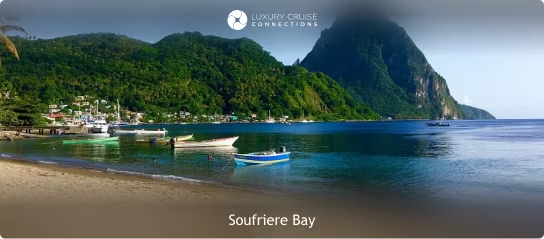
Hiking the Boiling Lake trail offers one of the Caribbean’s most thrilling treks, taking adventurers across volcanic ridges, steaming fumaroles, and rainforest valleys inside Morne Trois Pitons National Park. Aquatic explorers enjoy snorkeling at Champagne Reef, kayaking in Soufriere Bay, and river tubing along the Layou River. Canyoning and rappelling through Titou Gorge deliver adrenaline-filled experiences in dramatic natural settings. Softer adventures outdoors include swimming at Trafalgar Falls and Emerald Pool or joining guided nature walks that reveal Dominica’s rich biodiversity.

Best Things to Do Around the World

Discover the best activities, landmarks, and experiences in every cruise destination and port of call.

Europe Western, Central & Mediterranean
America North, Central, South & Caribbean
Africa & Asia Oceania & Antarctica