10 Best Things to Do in Fiji

The 10 best things to do in Fiji include snorkelling at the Great Astrolabe Reef, relaxing on Natadola Beach, exploring...

add

The 10 best things to do in Fiji include snorkelling at the Great Astrolabe Reef, relaxing on Natadola Beach, exploring the Sabeto Mud Pool and Hot Springs, and visiting the Garden of the Sleeping Giant. Other Fiji highlights include taking a boat trip to the Mamanuca Islands, hiking the Colo-i-Suva Forest Park, discovering the Sawa-i-Lau Caves, experiencing a Fijian cultural village, diving at Beqa Lagoon, and enjoying the nightlife in Nadi. 

Fiji is a South Pacific island nation that offers warm tropical weather, clear marine environments, and strong iTaukei heritage. The wide range of things to do in Fiji includes reef snorkelling, forest hiking, village visits, and boat trips between islands. Fiji activities vary in pace and style, from quiet inland walks and cultural ceremonies to fast-moving marine and cave excursions.

  • Snorkel at the Great Astrolabe Reef
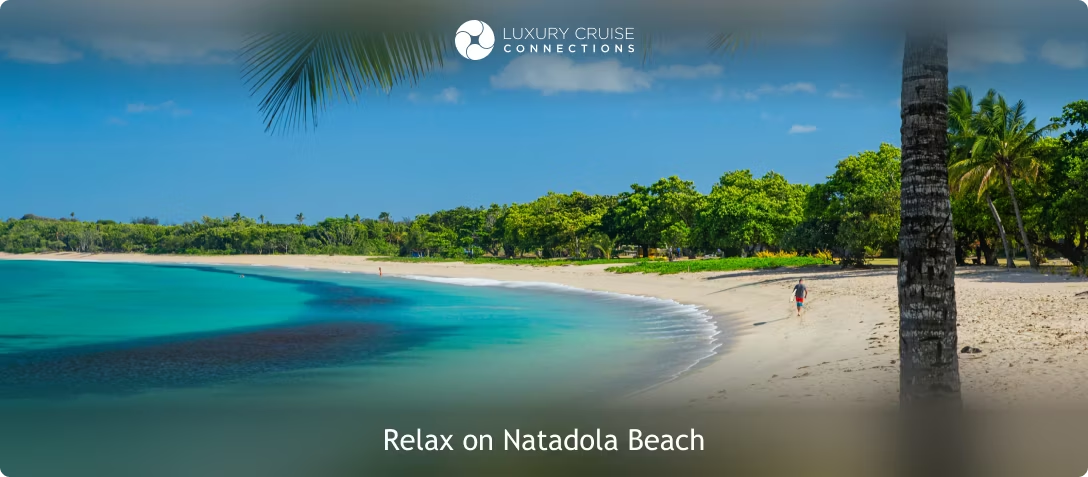
  • Relax on Natadola Beach
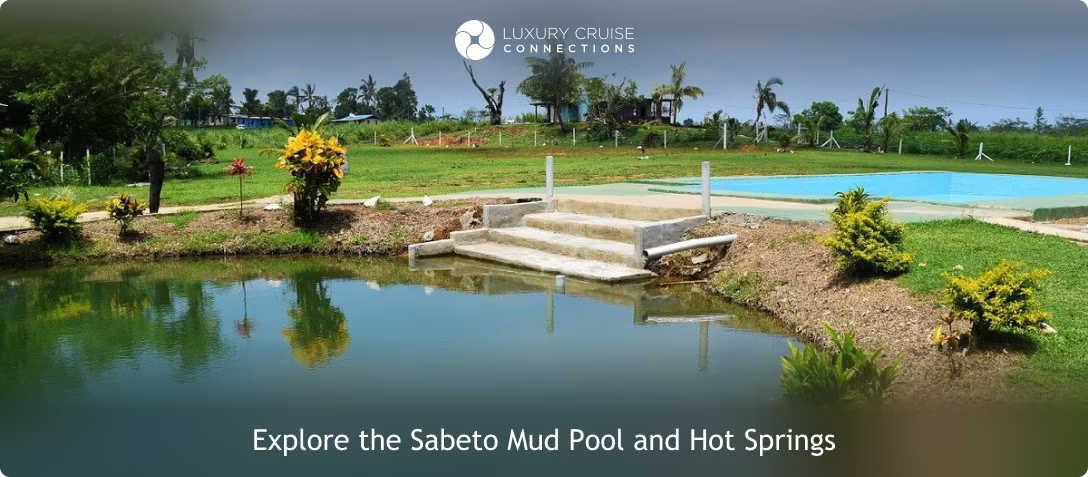
  • Explore the Sabeto Mud Pool and Hot Springs
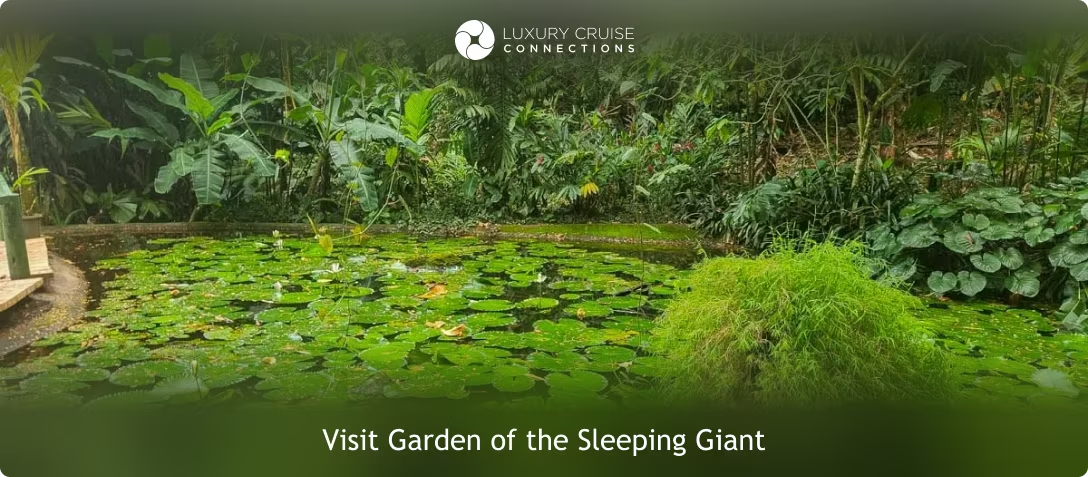
  • Visit Garden of the Sleeping Giant
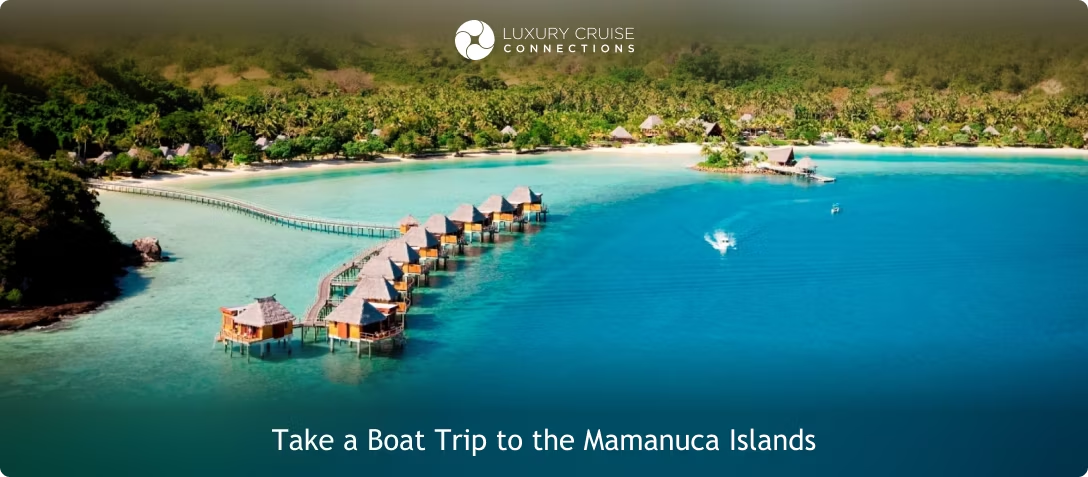
  • Take a Boat Trip to the Mamanuca Islands
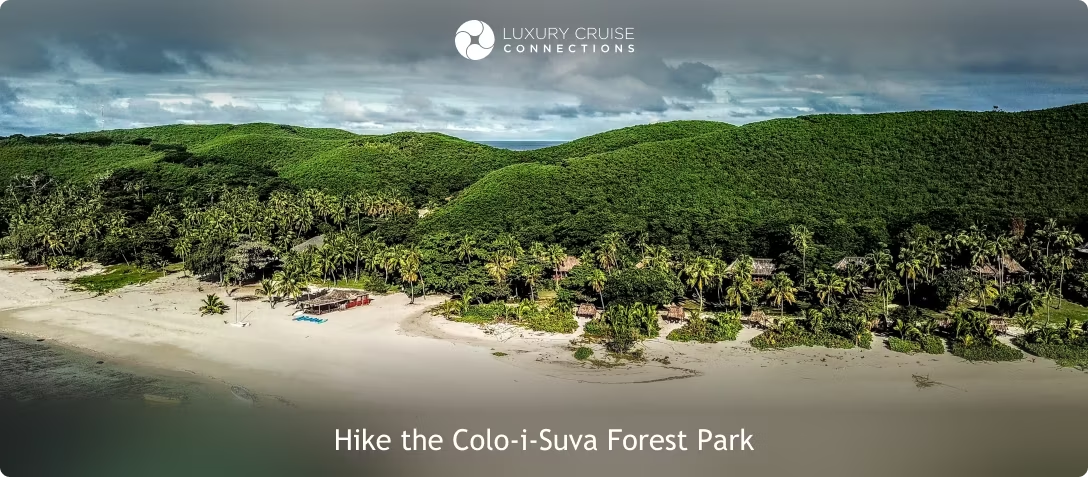
  • Hike the Colo-i-Suva Forest Park
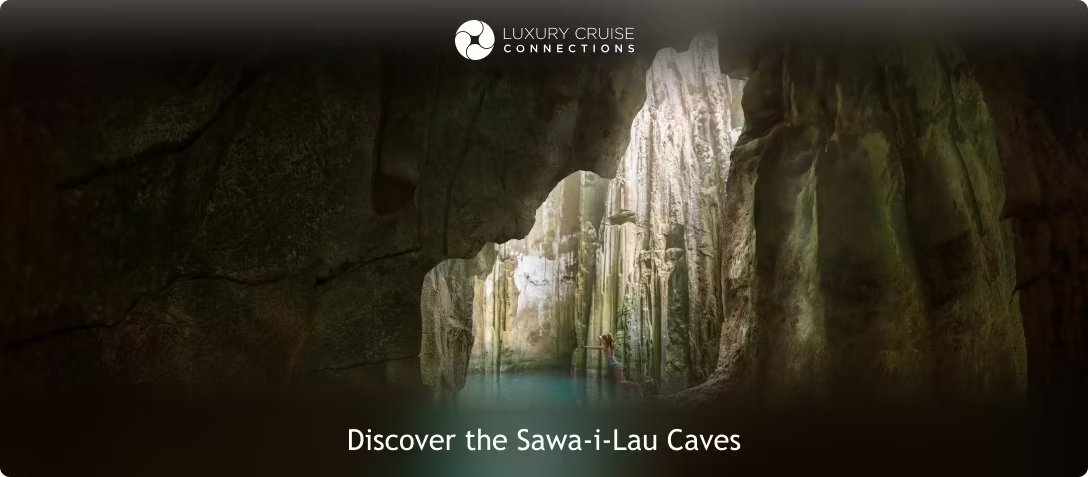
  • Discover the Sawa-i-Lau Caves
  • Experience a Fijian Cultural Village
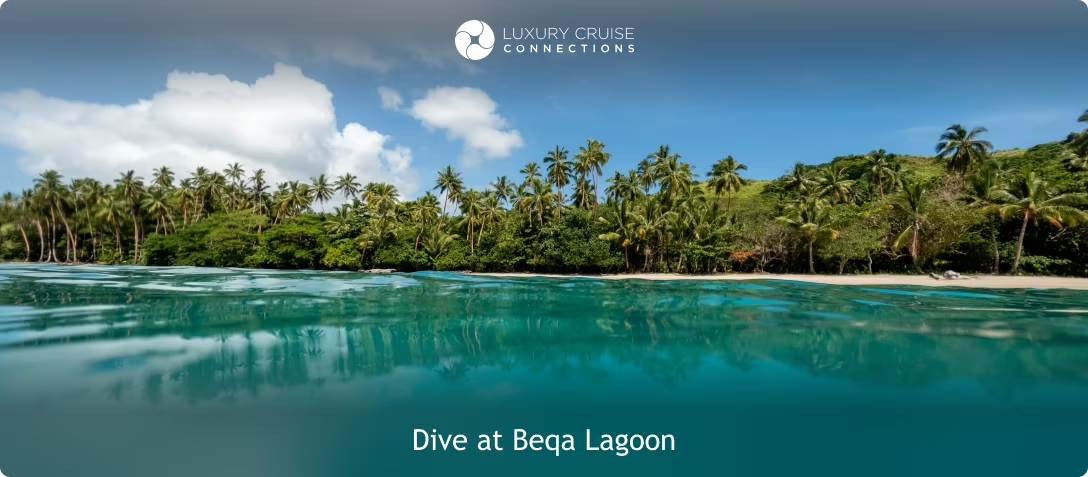
  • Dive at Beqa Lagoon
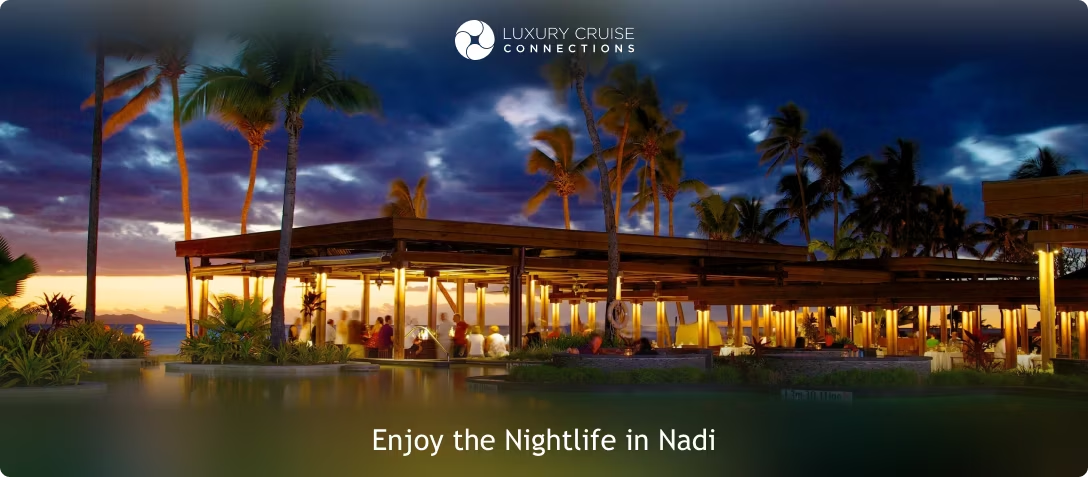
  • joy the Nightlife in Nadi
  • Snorkel at the Great Astrolabe Reef

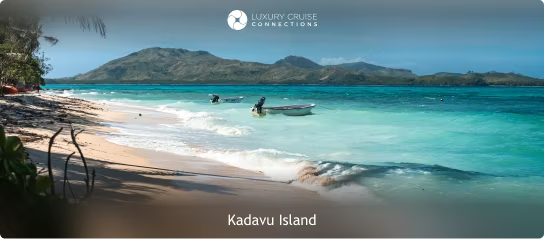
    The Great Astrolabe Reef is a major barrier reef along Kadavu Island in southern Fiji. The Great Astrolabe Reef is one of the largest barrier reefs in the world. It supports strong coral health and attracts migratory species. The reef offers over 60 world-class snorkeling and diving sites with high visibility and low human impact. It stretches for over 65 kilometers and includes hard coral slopes, narrow passages, and soft coral drop-offs. Manta rays, reef sharks, and large shoals of fusiliers move regularly through the reef. The reef remains one of Fiji’s most intact and diverse marine ecosystems. Water clarity in the Great Astrolabe Reef often reaches 25 metres, with visibility increasing to 40 metres on windless days.
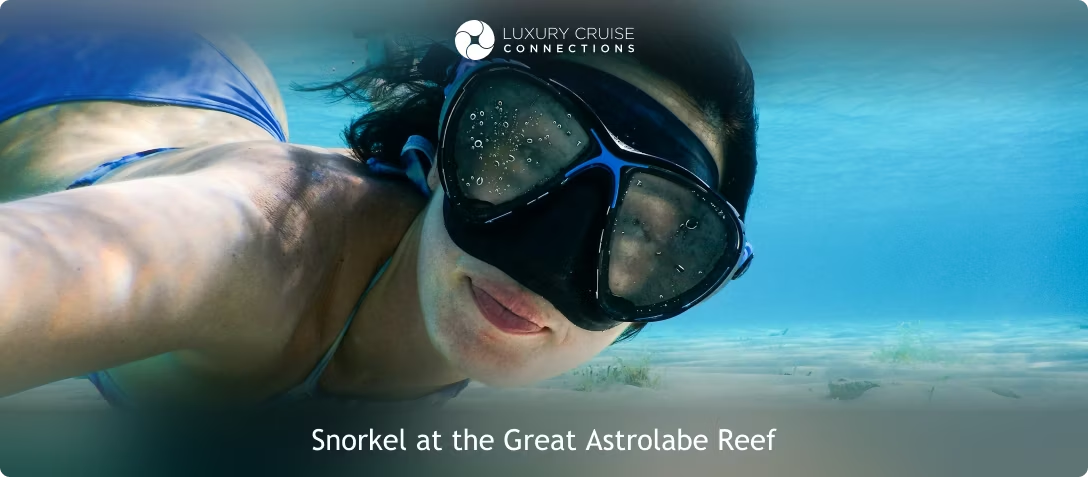
    Snorkel at the Great Astrolabe Reef

    Highlights of the Great Astrolabe Reef include Manta Ray Reef, where reef manta rays feed on dense plankton clouds near the surface. Another highlight is Naiqoro Passage which supports manta ray traffic and tall coral towers. Naiqoro Passage is perfect for drift dives with strong currents. Another highlight is Eagle Rock which features deep ledges and schools of pelagic fish. Split Rock is another site known for its swim-throughs, caves, and beautiful purple gorgonian fans. Another key attraction is the North Astrolabe area which offers large plate corals and calm conditions that are popular for both beginner and experienced snorkelers and divers.

    Snorkeling at the Great Astrolabe Reef introduces the coral diversity typical of Fiji’s outer reefs. Visitors board small boats and reach outer reef edges within 30 to 60 minutes. Guides assist entry by ladder into calm blue water beside bommies or reef walls. Visitors snorkel above coral terraces and observe bright soft corals and hard coral formations. They follow reef manta rays feeding along current lines and watch reef sharks patrol hunting grounds. Groups typically snorkel two sites per trip, with surface breaks and snacks between locations. Reef guides explain species behavior and identify coral types during drift segments.

    The best time to snorkel at Great Astrolabe Reef is from May to October when dry weather supports calm seas and better water visibility.

    Licensed local guides lead snorkelling trips at the Great Astrolabe Reef, providing marine briefings, gear assistance, and safety support for all participants.

    Snorkel trips to Great Astrolabe Reef cost between $100 - $250 USD per person, depending on group size, tour duration and inclusions.

  • Relax on Natadola Beach

    Natadola Beach is a major sand beach on the Coral Coast in western Fiji. Natadola beach is known as the most beautiful beach on Viti Levu island and famous for its crescent-shape, white sands and turquoise waters. Natadola Beach is also one of Fiji’s few deep water shorelines that allows visitors to swim even during low tide. Natadola Beach is a popular spot amongst locals and tourists for relaxation, swimming, sunbathing and water sports. The beach is framed with scenic rolling hills and palm trees.
    Relax on Natadola Beach

    Highlights of Natadola Beach include its long white sand arc which allows wide open swimming at all times of day. Another highlight is the shallow inner reef near Natadola Beach that is a popular spot for swimming, bodyboarding, and general wading. Another key attraction is the elevated headland at the western end that provides beautiful sunset views. Another highlight of Natadola Beach is the beach horse route that crosses sand near the waterline.

    To relax on Natadola Beach is a classic Fiji experience along Viti Levu’s Coral Coast. Visitors walk across wide white sand and settle near the waterline under palm trees. They swim in clear blue water at any tide and float near the reef’s soft breaks. Visitors snorkel near the inner reef or paddle along calm edges with hired boards. Local horse guides lead short rides along Natadola Beach. Local vendors offer hair braiding, coconut water, and basic snacks like pineapple slices and grilled corn. Some visitors book massages in small shelters set along the sand. Visitors stay for sunset views from the western headland or drinks at nearby resort bars.

    The best time to visit Natadola Beach is from May to October when dry weather supports stable surf and low humidity

    Local guided tours combine a visit to Natadola Beach with cultural villages, waterfalls, and stops along the Coral Coast. Many travelers explore Natadola Beach independently by public transport or driving.

    Access to Natadola Beach itself is free. Horse riding on Natadola Beach costs around $40 - $95 depending on ride duration.

  • Explore the Sabeto Mud Pool and Hot Springs

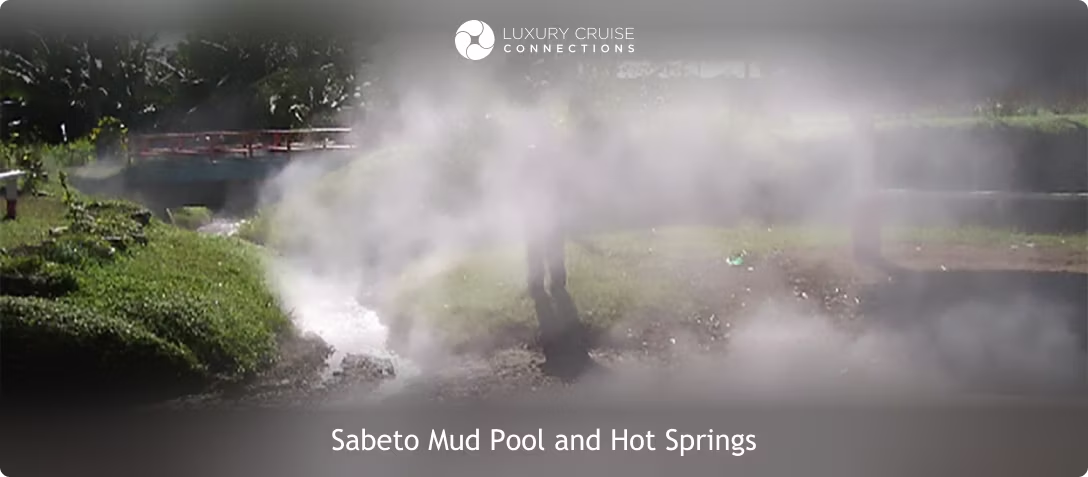
    The Sabeto Mud Pool and Hot Springs is a geothermal site near Nadi on Viti Levu, Fiji. The Sabeto site holds cultural relevance for local communities and supports traditional bathing practices. The area features warm mud pools fed by mineral springs and separate hot pools with steady geothermal flow. It is a popular wellness destination where visitors cover themselves in rejuvenating volcanic mud and soak in natural pools. The landscape sits below the Sleeping Giant range and shows volcanic soil and wetland edges. Sabeto Mud Pool and Hot Springs’s setting offers simple facilities, natural open air pools and massage facilities.
    Explore the Sabeto Mud Pool and Hot Springs

    Highlights of the Sabeto Mud Pool and Hot Springs include the main mud basin. Visitors of all ages coat their body in volcanic mud that is believed to have therapeutic and exfoliating properties for the skin. Another highlight is the sequence of hot pools for visitors to soak themselves inside after they wash off the mud. Another key attraction is the view toward the Sleeping Giant range which frames the pools with steep green slopes

    To explore the Sabeto Mud Pool and Hot Springs is a rejuvenating experience that connects visitors with a Fijian cultural tradition. Visitors enter the mud basin and coat their skin with warm, thick mineral mud. Visitors dry under direct sun and feel the mud tighten across their arms and legs before washing it off. Visitors then soak in a sequence of natural hot pools. The varying temperatures of the hot pools soothe muscles and rejuvenate the body. Visitors finish in the hottest pool for deep warmth. Those seeking more relaxation add on a traditional Fijian massage.

    The Sabeto Mud Pool and Hot Springs are open and enjoyable year-round.

    Local attendants at Sabeto Mud Pool and Hot Springs guide visitors through the mud process. Guided tours often combine a visit to Sabeto Mud Pool and Hot Springs with a visit to the nearby Natalau Village and Garden of the Sleeping Giant.

    Entry to Sabeto Mud Pool and Hot Springs costs between $12 - $30 USD, depending on whether transport is required

  • Visit Garden of the Sleeping Giant

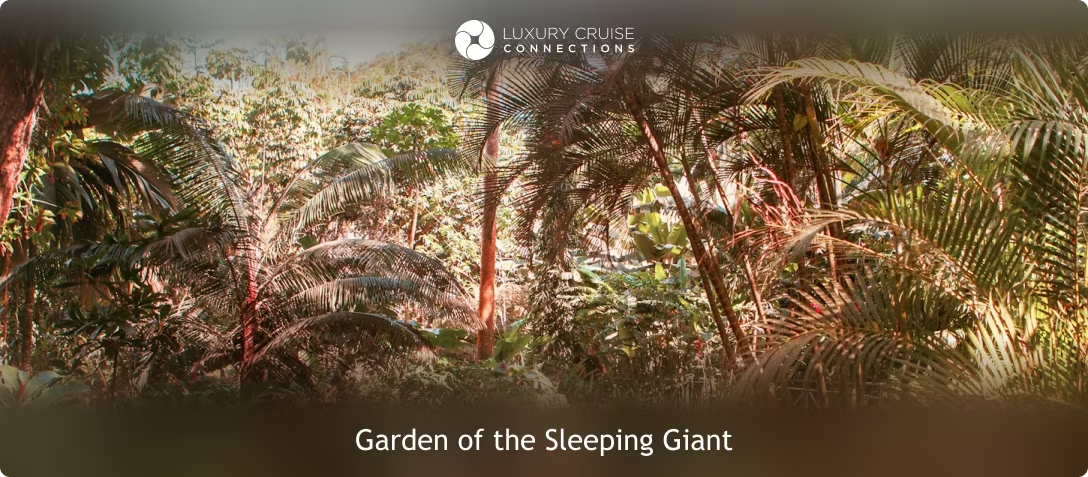
    The Garden of the Sleeping Giant is a landscaped garden and floral paradise in the Sabeto Valley near Nadi in Fiji. The Garden of the Sleeping Giant is famous for its spectacular collection of over 2,000 orchids. The garden was originally curated by Hollywood actor Raymond Burr in 1977 to house his private orchid collection. Today, the garden covers more than 20 hectares and features a large variety of Fiji’s native plants, lily ponds and green jungle walkways. Self-guided trails link the garden’s floral sections and forested paths beneath the Sleeping Giant mountain range. The Garden of the Sleeping Giant remains one of Fiji’s top inland attractions for plant conservation, photography, and quiet walking.
    Visit Garden of the Sleeping Giant

    Highlights of the Garden of the Sleeping Giant include the central orchid house which displays Vanda, Dendrobium and Phalaenopsis orchids. Another highlight is the forest boardwalk which crosses dense bamboo and links shaded pools. Another key attraction is the viewing lawn which frames the Sleeping Giant range with sharp ridges. Another highlight is the lily pond zone which shows wide pads and controlled water flow for steady color contrast. Another highlight is a walking trail that leads to the summit of the nearby mountain, offering spectacular views of the valley

    Visiting the Garden of the Sleeping Giant provides a calm and shaded garden experience near the base of the Sabeto Valley hills. Visitors follow self-guided paths through orchid displays arranged by genus and color. They walk under tall bamboo and relax or picnic beside lily ponds, shaded lawns, and a pavilion with swings. The air cools under dense forest sections where ferns and native palms dominate. Garden staff greet visitors at the entrance and offer a short briefing with historical notes. Many guests take about 90 minutes to explore the gardens, stopping often to take photos or rest at benches. A short uphill trail near the back leads to a summit view of the Sleeping Giant range. Many visits end with a chilled fruit juice on the lawn.

    The best time to visit the Garden of the Sleeping Giant is during peak flowering season from June to July and November to December.

    Official garden staff lead short guided walks that explain the Garden of the Sleeping Giant’s history, layout, and orchid species.

    Entry to the Garden of the Sleeping Giant costs $35, including round-trip transfers, a brief introduction to the gardens and a tropical fruit juice after the walk.

  • Take a Boat Trip to the Mamanuca Islands

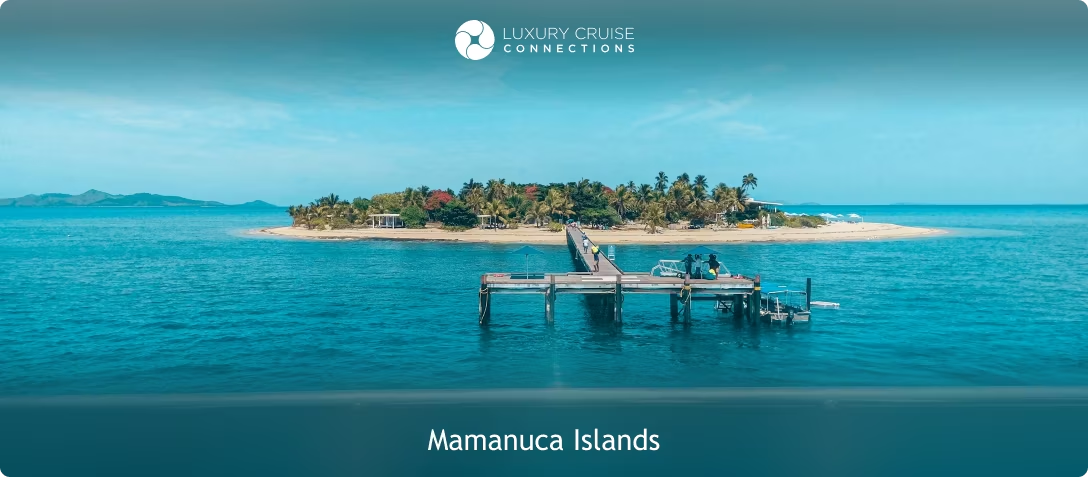
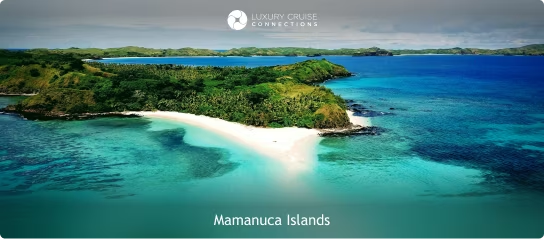
    A boat trip to the Mamanuca Islands introduces visitors to one of Fiji’s most accessible and picturesque island chains. The Mamanuca Islands are a volcanic archipelago west of Nadi and part of Fiji’s Western Division. The islands are popular for their white sand beaches, bright blue water, clear lagoons, and rich coral reefs set against volcanic ridgelines. Travelers discover compact island resorts, day-use beaches, and reef platforms for snorkeling. The Mamanuca island group includes more than 20 islands, including Monuriki where the film Cast Away was shot. The Mamanuca islands remain a hotspot for water sports, village visits and underwater exploration.
    Take a Boat Trip to the Mamanuca Islands

    Highlights of a Mamanuca Islands boat trip include Monuriki Island, which offers beach access, bright lagoons, and short ridge walks. Another highlight is Castaway Island, a private island resort which allows day guests to enjoy beach facilities, shaded dining, and swimming zones. Another key attraction is Cloud 9, a floating bar and pizzeria anchored above a reef platform. Mana Island draws visitors with its long beaches and inner reef areas suited to kayaking and paddleboarding. Another highlight is the snorkeling reef near Malolo Barrier Reef, where boats stop for coral viewing and fish feeding.

    Taking a boat trip to the Mamanuca Islands is a classic island-hopping experience along Fiji’s western coast. Visitors climb onboard from Port Denarau and cross blue water in fast boats or catamarans. Boats stop at selected Mamanuca islands where guests swim, snorkel, or relax on white-sand beaches. On Monuriki, visitors walk short trails and swim in calm bays. At Castaway Island resort or Mana, visitors relax at resort areas for lunch and rest. Certain boat tours include reef stops and guided snorkeling experiences. Many boat tours end at Cloud 9 for swimming and drinks before returning to Fiji’s mainland.

    The best time to take a boat trip to the Mamanuca Islands is from May to October during the dry season when seas are calm and water visibility is high for snorkeling.

    Licensed boat operators and island guides accompany tours and provide safety briefings, snorkeling assistance, and site orientation. Specialized tours include marine guides who explain reef zones and help spot marine wildlife.

    Boat trip tours to the Mamanuca Islands range from $90 - $250 USD per person, depending on the boat type, meal inclusions, activity options, and trip duration.

  • Hike the Colo-i-Suva Forest Park

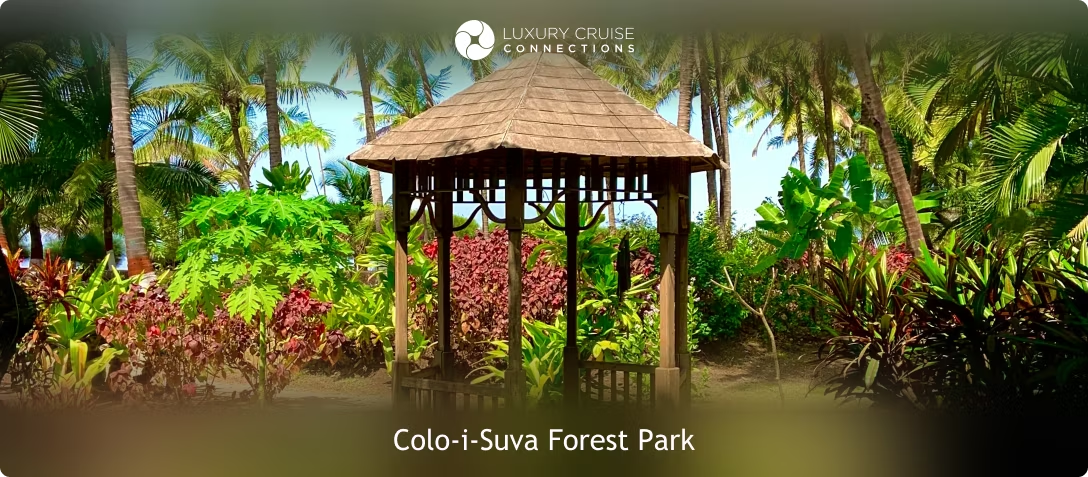
    Colo-i-Suva Forest Park is a protected rainforest reserve located by Suva in Viti Levu, Fiji. Colo-i-Suva park is known for its tropical forest setting, clear freshwater pools, and a 6.5km network of marked hiking trails. The park itself covers over 2.5 square kilometers and offers dense canopy cover, fern-lined paths, and a variety of birdlife. Visitors to Colo-i-Suva discover natural swimming holes fed by Waisila Creek and small waterfalls. The area serves as a rare inland nature retreat near Fiji’s capital and supports conservation efforts for native flora and fauna.
    Hike the Colo-i-Suva Forest Park

    Highlights of Colo-i-Suva Forest Park include the Upper Pools, a set of clear freshwater swimming holes surrounded by native trees and vines. Another highlight is the Waisila Falls trail, which leads to a small cascade and shaded rock pools ideal for cooling off. Another key attraction is the Rain Tree Lookout, which offers filtered views across the valley and dense forest canopy. The park's main walking loop is another highlight, passing through bamboo groves and crossing small wooden bridges. Birdwatchers also enjoy the chance to see 14 different bird species like the Fiji warbler, barking pigeon and sulphur-breasted musk parrots

    Hiking in Colo-i-Suva Forest Park offers a peaceful inland escape just 20 minutes from Suva. Visitors stop at the entrance to buy tickets and collect a map and trail advice from a park ranger. They follow the Nature Trail to the Lower Pools, reaching freshwater rock pools in about 45 minutes. Along the way, hikers pass shaded paths, rope swings, and forest birds. The return loop climbs via the Falls Trail past small waterfalls. The full hiking circuit takes about 90 minutes and ends with a swim or picnic beside the pools.

    The best time to hike the Colo-i-Suva Forest Park is from May to October when trails are less muddy.

    Official park rangers lead guided two-hour walks that follow the main loop, explain native plant species, and help identify bird calls. Guided hikes offer added safety during wet conditions and provide insights into the park’s ecology and trail history.

    Entry to Colo-i-Suva Forest Park costs around $2 - $3 USD per adult. A guided two-hour walk costs $30.

  • Discover the Sawa-i-Lau Caves

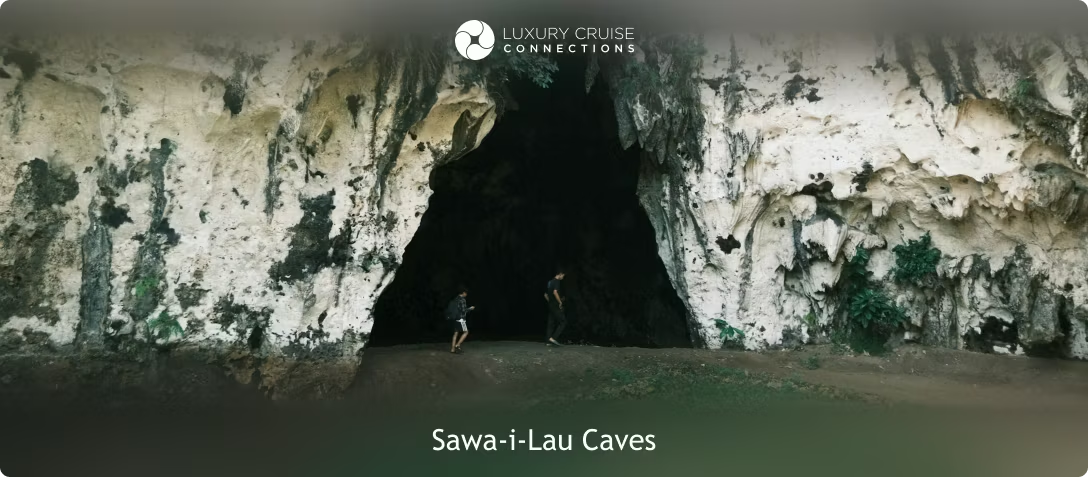
    The Sawa-i-Lau Caves are a beautiful limestone cave system located off the coast of Yasawa Island in northern Fiji. The Sawa-i-Lau Caves are also known as the Blue Lagoon caves and made famous after being featured in the movie Blue Lagoon with Brooke Shields. These caves are linked to ancient Fijian legends and are considered sacred by local communities. The caves offer a mix of open swimming areas and narrow submerged passages. Set among sharp limestone cliffs and deep blue sea, the caves form one of the Yasawa Islands’ most iconic inland attractions
    Discover the Sawa-i-Lau Caves

    Highlights of the Sawa-i-Lau Caves include the main cavern where sunlight pours dramatically through a natural roof opening into a blue pool. Another highlight is the inner chamber, called Qara ni Bukete cave, which is accessible only by swimming four seconds through a short submerged passage with a local guide. This second cave is darker and adds an adventurous element for confident swimmers. Another key attraction of the Sawa-i-Lau Caves is the limestone walls themselves, which show smooth vertical grooves formed by centuries of water erosion. The approach to the caves by boat also offers striking views of rugged cliffs and turquoise bays along the Yasawa coastline.

    Discovering the Sawa-i-Lau Caves is an adventurous coastal experience in Fiji’s Yasawa Islands. Visitors arrive by small boat and disembark near steep limestone cliffs. They climb stone steps into the main cave, where clear water fills a wide natural pool lit by sunlight from above. Visitors swim across the chamber and have the option to follow guides to a submerged 3 meter tunnel that leads to a hidden inner cave. Inside, visitors float or climb onto rock ledges for a brief rest, and marvel at the dark inner cave. After swimming out, guests relax on the nearby shore or return directly to the boat.

    The best time to visit is from May to October during the dry season, when seas are calmest.

    Local guides manage access for the Sawa-i-Lau Caves. Guides ensure safety while moving between caves and explain local legends about the chambers.

    A visit to Sawailau caves costs around $80 - $90 USD per person, including boat transfer and guide.

  • Experience a Fijian Cultural Village

    A Fijian cultural village is a community-led heritage site that showcases traditional customs, architecture, and ceremonies to visitors. These cultural villages are found across Fiji, especially near Nadi, Navala, and Pacific Harbour. The most well-known Fijian Cultural Village is Fiji Culture Village, located in Nacaqara, Navo, Nadi. The village setting reflects pre-colonial Fijian life and introduces local knowledge passed down through oral history. Cultural villages serve both educational and social purposes and support local Fijian livelihoods. Visits to Fijian Cultural Villages usually include demonstrations of crafts, dances, and rituals that highlight Fiji’s strong links between land, identity, and custom.
    Experience a Fijian Cultural Village

    Highlights of a Fijian cultural village visit include the welcome kava ceremony, where guests observe and take part in traditional yaqona sharing. Another highlight is the meke performance, which features seated chanting, body percussion, and warrior dances. Another key attraction is the craft demonstration zone, where Fijian women weave mats and men carve tools using local materials. Visitors also explore bure homes, open fire cooking huts, and village layouts that reflect the villages’ communal living. Food tastings, fire walking and interactive storytelling are also popular elements of the visit, but vary by Fijian village.

    A Fijian cultural village gives visitors an immersive and respectful encounter with Fiji’s customs and hospitality. Visitors arrive at the village entrance and receive a traditional welcome with chants and a kava ceremony. They then follow a local guide through the village to learn about house types, social roles, and food preparation. Guests watch weaving and carving demonstrations and may join short lessons in language or cooking. Meke dance and song follow in a shaded open space, often with audience participation. Some Fijian village visits include a shared meal of root crops and fish, or a traditional lovo meal cooked in an underground oven. Most Fijian cultural village experiences last two to three hours.

    The best time to experience a Fijian cultural village is from May to October when the weather is more pleasant for walking around villages. Dry season is also when most villages have their main cultural events and performances.

    Local village guides walk visitors through the Fijian villages, explain daily life, and facilitate cultural practices like the kava ceremony.

    Entry to Fijian cultural villages costs around $50-$70 USD per person for a half day tour, depending on activities.

  • Dive at Beqa Lagoon

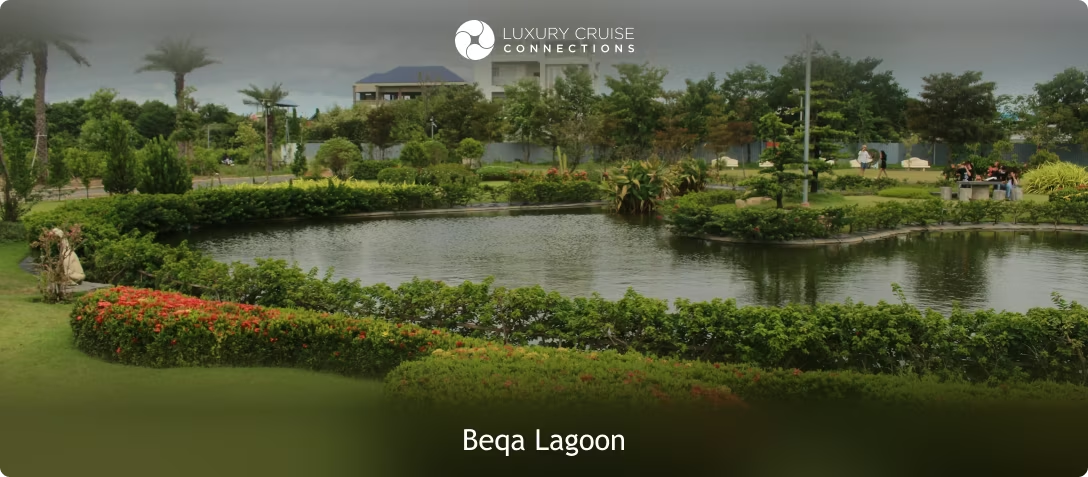
    Beqa Lagoon is a sheltered marine basin south of Viti Levu and one of Fiji’s top diving attractions. The lagoon is surrounded by Beqa Island and a barrier reef system that supports diverse coral and pelagic species.Beqa Lagoon is most famous for its shark dives, where bull sharks, tiger sharks, and reef sharks appear in close range. The area includes over 30 dive sites with pinnacles, soft coral walls, and bommies. Conservation zones like the Shark Reef Marine Reserve help protect species and maintain stable reef and predator populations.
    Dive at Beqa Lagoon

    Highlights of Beqa Lagoon include the Shark Reef Marine Reserve, where divers observe bull sharks, tiger sharks, and reef sharks in controlled feeding dives. Another highlight is Carpet Cove, a wreck dive site with coral-covered debris and schooling fish. Another key attraction is Fantasea, a soft coral wall known for vivid color and excellent macro sightings. Beqa Lagoon also features Blue Wall, a deep vertical drop-off lined with sea fans and barrel sponges. Other popular sites in Beqa Lagoon include Caesar’s Rock and Seven Sisters, which offer bommies, tunnels, and varied reef topography.

    Diving at Beqa Lagoon is a high-adrenaline marine experience in Fiji’s southern reef zone. Divers board small boats from Pacific Harbour and reach the lagoon within 30 minutes. Most trips include two dives, often starting with a shark feeding site followed by a coral reef or wreck dive. At Shark Reef Marine Reserve, divers descend to controlled depths and observe sharks circling feeding guides. Other dives explore coral walls, bommies, and soft coral drifts. Dive masters brief groups thoroughly and assist with gear and safety. Surface intervals include light snacks before returning to the mainland.

    The best time to dive at Beqa Lagoon is from May to October, when water clarity is high and sea conditions are calm. July to September offers the highest water visibility (20 - 40m) for underwater photography and general viewing.

    Certified local dive masters and local boat crews lead Beqa Lagoon dives and provide full briefings, equipment checks, and in-water support.

    Two-tank dive trips at Beqa Lagoon cost between $180 USD and $250 USD per person, depending on gear rental, site selection, and resort affiliation. Shark dive access carries a premium fee.

  • Enjoy the Nightlife in Nadi

    Nightlife in Nadi offers a vibrant mix of bars, lounges, late dining, and cultural events centered along the town’s main road and nearby resorts. Nadi serves as Fiji’s nightlife capital and its best bars are centered on Martintar and Denarau on western Viti Levu. Nadi’s live music venues, beachfront bars, and nightclubs serve a mix of locals and international visitors. Kava bars, Indo-Fijian curry houses, and cultural shows add Fijian charm. Nadi nightlife options range from sophisticated wine bars and luxury resort lounges to backpacker pubs and village-style venues with meke and dancing.
    Enjoy the Nightlife in Nadi

    Highlights of Nadi’s nightlife include beachfront bars in Wailoaloa like The Beach Club and Sailor’s Beach Bar, both known for sunset views and live music. Nightclubs and pubs in Martintar, such as Ice Bar and Loafers, offer DJ sets, dance floors, and a younger crowd. Upscale lounges in Denarau, including Republik at Sofitel, host themed nights and cultural shows with fire dancing and meke. Poolside spots like the swim-up bar at Tavu Bar & Grill on Sonaisali Island offer relaxed evening drinks by the water. Kava bars around Nadi provide a traditional, low-key social setting.

    Enjoying nightlife in Nadi offers a relaxed but varied evening experience across coastal and urban settings. Visitors begin with a beachfront drink at Wailoaloa, watching the sun set over the bay. As the night builds, they head to Martintar for music, local crowds, and dancing at bars like Ice Bar or Loafers. At resorts in Denarau, guests attend meke shows with fire dancing, followed by cocktails in open-air lounges. Some prefer quiet kava sessions in traditional huts. Others unwind at swim-up bars on Sonaisali with Fiji Gold or tropical rum drinks in hand before calling it a night around 1 a.m.

    Nadi’s nightlife is open and enjoyable year-round.

    Guided night tours in Nadi combine traditional Fijian dances, fire performances, live music, and traditional food. Most visitors explore Nadi’s nightlife independently without a guide.

    Entry to most Nadi nightlife venues, including nightclubs, is free of charge.


What are the Most Popular Tourist Attractions in Fiji?

The most popular tourist attractions in Fiji are listed below.

  • Mamanuca Islands
  • Garden of the Sleeping Giant
  • Colo-i-Suva Forest Park
  • Beqa Lagoon
  • Sawa-i-Lau Caves
  • Sabeto Mud Pool and Hot Springs
  • Mamanuca Islands

    The Mamanuca Islands off western Viti Levu are popular for their clear lagoons, white-sand beaches, and accessibility from Port Denarau. Their consistent weather and established resorts make them one of Fiji’s most visited island groups.
    Mamanuca Islands
  • Garden of the Sleeping Giant

    The Garden of the Sleeping Giant is a popular landscaped garden located in the Sabeto Valley near Nadi. It houses one of Fiji’s largest orchid collections and forest boardwalks set beneath the Sleeping Giant mountain range, attracting nature-loving tourists year-round.
    Garden of the Sleeping Giant
  • Colo-i-Suva Forest Park

    Colo-i-Suva Forest Park is a rainforest reserve near Suva with marked trails, natural pools, and abundant birdlife. Colo-i-Suva Forest Park’s biodiversity and hiking trails are popular with hikers and day visitors from the capital.
    Colo-i-Suva Forest Park
  • Beqa Lagoon

    Beqa Lagoon is a lagoon south of Viti Levu offering world-class snorkeling and diving. Beqa Lagoon is internationally recognized for its soft corals and controlled shark-diving sites.
    Beqa Lagoon
  • Sawa-i-Lau Caves

    The Sawa-i-Lau Caves are limestone chambers with tidal pools and a hidden underwater passage. The caves gained fame from their appearance in the Blue Lagoon movie and remain a popular tourist attraction in the Yasawas.
    Sawa-i-Lau Caves
  • Sabeto Mud Pool and Hot Springs

    The Sabeto Mud Pool and Hot Springs are a geothermal site near Nadi offering natural mud baths and warm mineral pools. The Sabeto site attracts tourists for its unique volcanic mud with rejuvenating properties.
    Sabeto Mud Pool and Hot Springs


Which Vacation Spots in Fiji are Best for Beach Lovers?

The vacation spots in Fiji that are best for beach lovers are listed below.


What are the Best Things to Do in Fiji for First-Time Visitors?

The best things to do in Fiji for first-time visitors are listed below.

The Mamanuca Islands in western Fiji offer calm lagoons, clear beaches, and short boat transfers from Port Denarau. The Mamanuca Islands give first-time visitors a classic Fiji island setting without requiring long or complex travel.
The Garden of the Sleeping Giant near Nadi displays orchids and native plants along shaded forest paths. The Garden of the Sleeping Giant balances beach-heavy itineraries with a nature-focused inland experience.
Natadola Beach on the Coral Coast offers soft white sand and swimmable water at all tides. Natadola Beach is ideal for first-time visitors seeking an easy, scenic beach with onsite vendors and facilities.
Fijian Cultural villages near Nadi introduce Fiji’s traditions through yaqona ceremonies, meke dance, and craft-making. A Fijian Cultural Village Visit helps first-time visitors understand local customs and social structure.
Colo-i-Suva Forest Park outside Suva offers short rainforest trails and freshwater pools. Colo-i-Suva Forest Park gives visitors a relaxed inland alternative to Fiji’s coastal attractions.
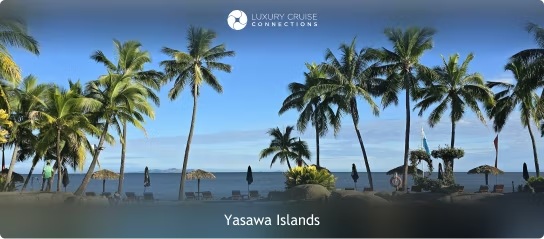
The Yasawa Islands reveal volcanic ridges, quiet coves, and small village stops. A boat trip to the Yasawa Islands introduces first-time visitors to remote island scenery through ferries and cruises.
Reef sites in the Mamanuca Islands reveal colorful oral gardens, reef fish, and excellent underwater visibility. Snorkeling in the Mamanuca Islands suits both beginners and experienced swimmers, with reef edges, bommies, and calm water that allow close marine encounters.

How to visit Fiji’s most famous Landmarks?

To visit Fiji’s most famous landmarks, there are three steps to follow. First, decide which of Fiji’s famous landmarks interest you most. Fiji’s inland landmarks include the Garden of the Sleeping Giant, the Sabeto Mud Pools, and Colo-i-Suva Forest Park. Coastal and marine landmarks include the Mamanuca Islands, Beqa Lagoon, and the Sawa-i-Lau Caves. Second, choose a base location in Fiji with access to those landmarks. Nadi connects easily to the Garden of the Sleeping Giant, the Sabeto Mud Pools, and the Mamanuca Islands. Suva connects easily with Colo-i-Suva Forest Park. Cruises or resort stays are the best way to visit Beqa Lagoon and the Sawa-i-Lau Caves. Third, arrange transport and plan the best time to visit each Fiji landmark. Ferries and day tours offer a convenient way to reach Fiji’s offshore landmarks. Fiji’s inland sites are accessible by organized tours or public transport. Arrange your visits to Fiji’s most famous landmarks during early mornings to avoid heat and crowds, especially at popular parks and gardens.

When is the best time to visit Fiji for a beach holiday?

The best time to visit Fiji for a beach holiday is from May to October, when the dry season brings clear skies, low humidity, and the calmest ocean conditions. These months produce stable sunshine across the Mamanuca and Yasawa Islands, and Fiji’s beaches remain cleaner due to reduced rainfall and lower runoff. These months also create smoother sea conditions in Fiji which supports swimming, snorkelling, and lagoon activities, and contributes to higher water visibility. The peak months for beach tourism in Fiji are June, July, and August. May, September, and October are off-peak but still offer excellent beach conditions with fewer crowds. The worst time to visit Fiji for a beach holiday is generally the wet season from November to April, when there is less sunshine and lower water clarity.

How to plan a family trip to Fiji with activities for all ages?

Plan a family trip to Fiji with activities for all ages by choosing accommodations, attractions, and activities that suit both adults and children. Choose accommodations in Fiji that provide supervised kids’ programs, calm beaches, flexible dining, and adult amenities such as spas or diving. Suitable resorts in Fiji for family trips include Outrigger Fiji Beach Resort on the Coral Coast, Castaway Island Resort in the Mamanuca Islands, and Jean Michel Cousteau Resort in Savusavu.

Choose attractions in Fiji that offer safe terrain, manageable distances, and interest for all age groups. The Garden of the Sleeping Giant near Nadi and the Sabeto Mud Pools provide accessible walking areas and relaxed natural settings that appeal to both children and adults. Colo-i-Suva Forest Park gives families access to short rainforest trails, freshwater pools, and local birdlife in a shaded environment.

Choose activities in Fiji that accommodate different energy levels and attention spans of family members. Prioritise outings in Fiji that allow children to engage safely while offering enough variety and depth to interest adults, such as shallow snorkeling, village visits and beach days. Look for Fiji excursions with tour guides and shared group settings to ensure a balanced family experience.

Are there Activities in Fiji Perfect for Families with Children?

Yes, there are activities in Fiji perfect for families with children, with options that suit both younger kids and older children across a variety of interests. There are water-based activities such as snorkelling in the Mamanuca Islands, where calm, shallow lagoons support first-time swimmers. Glass-bottom boat rides give younger children a chance to view marine life, while paddleboarding offers older children a fun challenge in safe conditions. There are cultural activities that introduce children to Fijian traditions in interactive ways. Village visits near Nadi include dancing, storytelling, and craft-making, often presented in formats that are easy to follow and hands-on. Resorts in Fiji frequently run kids’ programs with games, local songs, and Fijian cooking activities. There are nature-based activities in Fiji that provide light adventure with clear safety measures. Families with younger children enjoy walking paths at the Garden of the Sleeping Giant and animal feeding at Kula Wild Adventure Park, while families with older kids try river tubing along the Navua River.

Are there Fun Things to Do in Fiji for Outdoor Adventures?

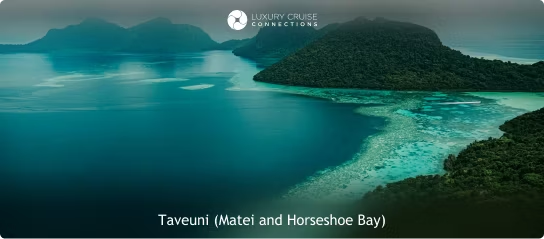
Yes, there are fun things to do in Fiji for outdoor adventures, and the islands support a wide range of nature-focused and thrill-based activities. The Mamanuca Islands and Beqa Lagoon offer underwater adventures with coral reef snorkelling and scuba diving in clear, calm conditions. Beqa Lagoon is especially known for shark diving, where divers observe bull and tiger sharks in controlled feeding encounters. Colo-i-Suva Forest Park near Suva provides adventurous travelers with marked forest trails and natural pools. The Sabeto Valley near Nadi supports outdoor activity through short hill walks, warm mud pools, and open nature scenery. Fiji’s Yasawa Islands deliver coastal adventure with ridge hikes, sea kayaking, and paddleboarding in sheltered waters. The Sawa-i-Lau Caves in the Yasawa Islands offer cave exploration with underwater swim-throughs. Taveuni offers inland trekking through Bouma National Heritage Park, where visitors follow marked trails past waterfalls, upland forest, and native bird habitats

Is it possible to explore Fiji independently without a tour guide?

Yes, it is possible to explore Fiji independently without a tour guide because most major landmarks and tourist areas offer convenient transport links and tourist-friendly infrastructure. Fiji’s major cities of Nadi and Suva provide regulated taxis, fixed-route buses, and resort shuttles that reach landmarks, beaches, gardens, markets, and inland parks. Fiji’s coastal areas, such as the Coral Coast and the Mamanuca region, use scheduled ferries and boat transfers that support self-directed travel between islands. It is also possible to rent a car on Viti Levu to explore Fiji independently, though poor road conditions and limited signage make independent driving challenging. Accessing Fiji’s remote islands or marine sites still requires boat operators or local coordination. Guided tours remain the more popular and convenient option for exploring Fiji, especially for first-time visitors or complex itineraries.

Best Things to Do Around the World

Discover the best activities, landmarks, and experiences in every cruise destination and port of call.

Europe Western, Central & Mediterranean
America North, Central, South & Caribbean
Africa & Asia Oceania & Antarctica