The best things to do in Colombia are exploring Ciudad Perdida, visiting the Salt Cathedral, and hiking in Cocora Valley. Other best things to do in Colombia are relaxing on San Andres, touring Comuna 13, discovering Cartagena, birdwatching, exploring the Coffee Triangle, visiting the Gold Museum, and diving in Providencia. Colombia is a vibrant South American country known for its rich coffee tradition, breathtaking landscapes that range from the Andes mountains to the Caribbean coast, and colorful cities filled with culture and history. Travelers searching for fun things to do in Colombia or exciting places to visit in Colombia find a mix of outdoor adventures, cultural treasures, and lively neighborhoods. The tourist attractions in Colombia create memorable experiences for every kind of traveler, with its blend of natural beauty and urban energy.
Ciudad Perdida ("Teyuna" in the Chibcha language) is an ancient archaeological site hidden in the Sierra Nevada de Santa Marta mountains of Colombia. The indigenous people of Tairona founded the city around 800 AD, making it far older than Machu Picchu in Peru. The archeological site was a spiritual and economic center for the Tairona civilization until it was abandoned and eventually rediscovered by tomb raiders in the 1970s. Restoration efforts between 1976 and 1982 helped preserve its stone terraces, plazas, and pathways, turning it into one of Colombia's most important cultural and historical sites.
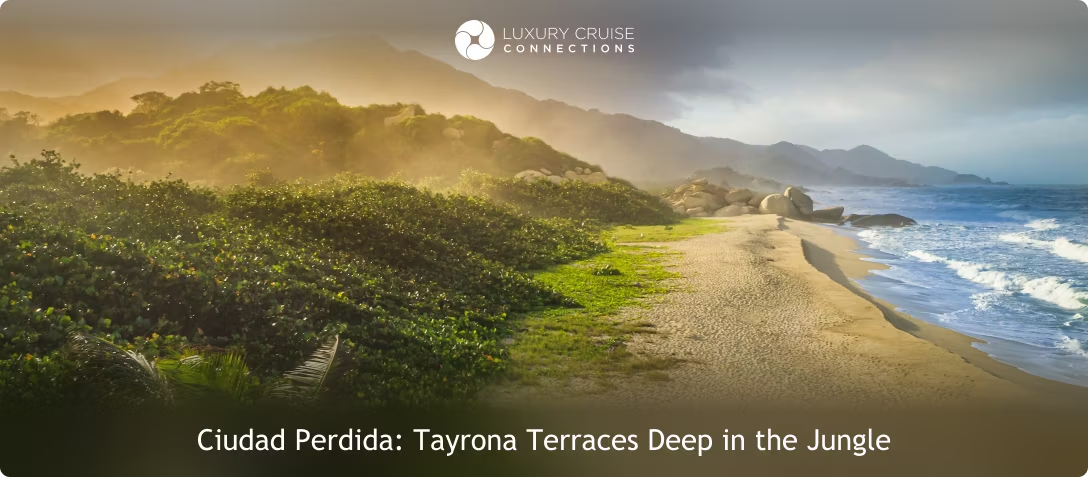
Ciudad Perdida features 169 terraces carved into the mountainside, connected by a network of stone roads and circular plazas. The most famous attraction in Ciudad Perdida is the climb up more than 1,000 steep stone steps leading to the main terraces, which create a dramatic entrance into the city. The site showcases the advanced engineering skills of the Tairona community through its terraced platforms, ceremonial plazas, and well-preserved pathways. Explore the plazas where rituals once took place and walk along the original stone roads surrounded by dense rainforest.
Reaching Ciudad Perdida requires a demanding trek lasting four to five days across 46 to 60 kilometers of jungle terrain. The route takes travelers through humid rainforests, across rivers, and up steep slopes while staying overnight in simple jungle camps. Trekkers encounter tropical wildlife, thick vegetation, and indigenous Kogi communities who regard the site as sacred. The journey ends with the climb up the stone steps that reveal the breathtaking terraces of the Lost City, creating a powerful connection to the history and culture of the Tairona civilization.
December to March during the dry season, with booking recommended during peak months.
Mandatory guided tours booked only through authorized tour operators from Santa Marta.
2,150,000 COP ($400 to $550) for a 4-day trek including meals, accommodation, transport, and guide services.
The Salt Cathedral of Zipaquirá is an underground Roman Catholic Church built inside a former salt mine in the mountains of Zipaquirá, Cundinamarca, Colombia. The site sits 200 meters underground and was formed from rock salt deposits that originated 250 million years ago when an inland sea dried up. The original underground chapel was carved in 1932, followed by larger expansions in the 1950s. Safety issues led to its closure, and the current cathedral was completed in 1995 after four years of construction that required removing 250,000 tons of salt. The result is a vast underground sanctuary designed to hold up to 10,000 visitors.
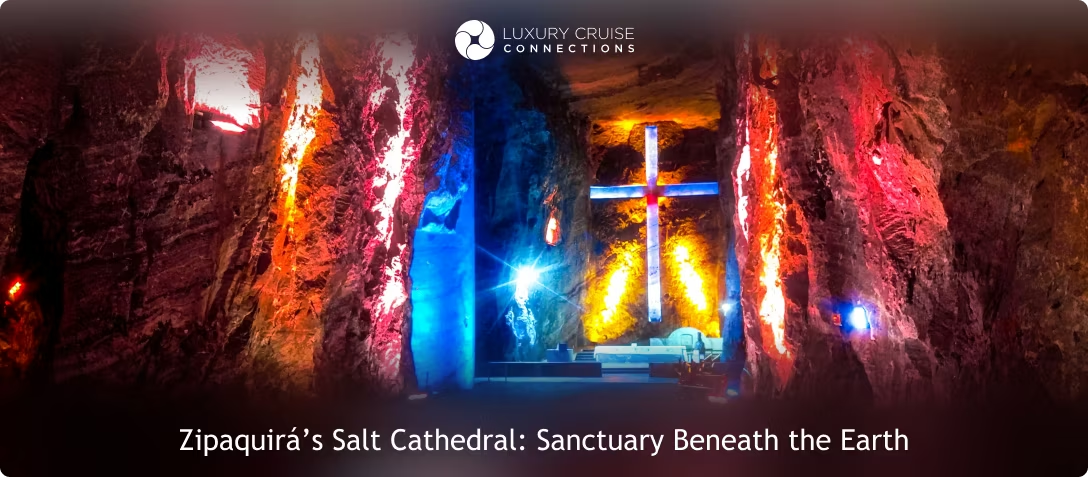
The Salt Cathedral displays dramatic salt-carved chambers illuminated with colorful lighting that creates an extraordinary underground setting. Visitors encounter the Via Crucis pathway with 14 stations of the cross carved into salt walls, religious sculptures carved directly from the rock, and towering salt pillars that support the main nave. The illuminated underground cross in the central chamber serves as the cathedral's most iconic feature. The site includes a mirror of water, which reflects the cavern's architecture and provides striking photo opportunities.
Exploring the Salt Cathedral begins with a descent of 180 meters through tunnels lined with shimmering salt crystals. The guided tour takes visitors through dimly lit passageways into massive chambers where religious art blends with natural salt formations. The experience includes walking through the stations of the cross, observing colorful light projections that change the mood of the cathedral, and viewing a 3D film about the history of the site. The underground setting provides cool air that contrasts with the warm climate above, while the natural acoustics of the chambers create a unique sense of calm and reverence.
Year-round due to steady underground temperature, weekdays are less crowded.
Guided tours are included with ticket purchase.
98,000 COP ($25) for foreign adults, 84,000 COP ($21) for children and seniors over 60.
Cocora Valley is a scenic valley in the Quindío Department of Colombia, located in the Central Cordillera of the Andean mountains. The valley is named after a Quimbayan princess, Cocora, daughter of the local chief Acaime, and her name means "star of water." Cocora Valley forms part of the Los Nevados National Natural Park, which was incorporated into the national park system in 1985. Cocora Valley is home to the Quindío wax palm, the national tree of Colombia, which grows up to 60 meters tall and lives for around 200 years. The valley contains diverse ecosystems filled with unique flora and fauna.
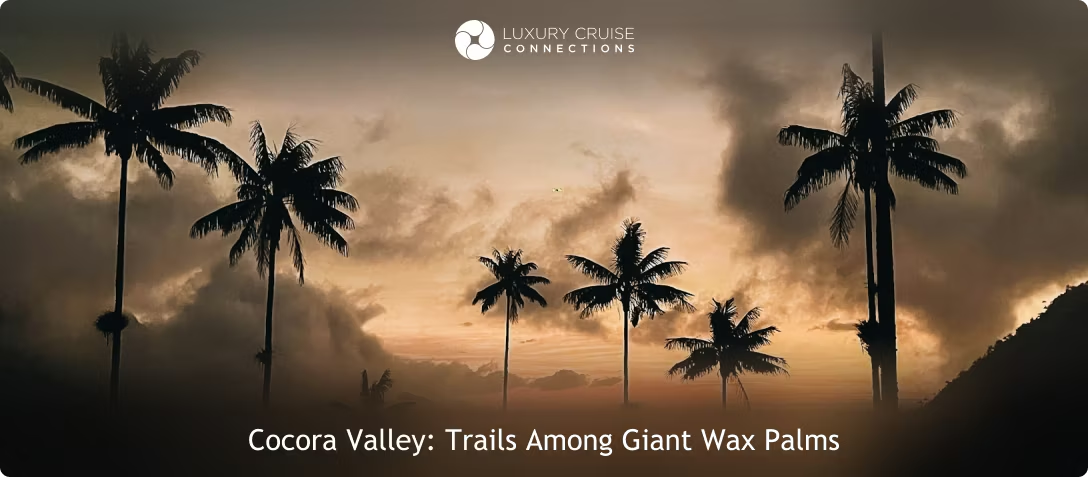
The landscape of Cocora Valley is defined by towering wax palms that dominate the hillsides and create one of Colombia's most iconic natural sights. The main hiking trail is an 8.5-kilometer loop with a 580-meter elevation gain that winds through montane rainforest. Several miradors, or viewpoints, along the path provide sweeping views of the valley and surrounding mountains. Explore the Acaime Hummingbird Sanctuary, where numerous species of hummingbirds are observed up close, or travel by horseback along sections of the route. The cloud forest areas highlight the valley's remarkable biodiversity, offering sights of exotic birds and lush plant life.
Hiking in Cocora Valley covers about 12 kilometers with an optional extra 4 kilometers, taking 5 to 7 hours depending on the chosen route. The trek passes through open grasslands filled with giant wax palms, climbs into dense cloud forest, and follows a river uphill toward Finca La Montaña before looping back into the valley. The trail includes river crossings, muddy sections, and steep climbs, offering challenge and beauty. Hikers encounter tropical flowers, colorful birds, and dramatic mountain views along the way. Enjoy a traditional trout lunch in nearby restaurants after completing the hike, making the experience adventurous and relaxing.
December to March during the dry season, though trails remain muddy after rain.
Optional but recommended for longer trails with local guides available at the entrance.
20,000 COP ($5) entrance to the palm forest, 6,000 COP ($1.50) for the whole hike, 35,000 COP ($8.75) total for the long hike to Acaime.
San Andrés is a small coral island in the Caribbean Sea that belongs to Colombia and forms part of the department of San Andrés, Providencia, and Santa Catalina. The coral island covers only 26 square kilometers and is about 750 kilometers northwest of mainland Colombia. San Andrés is Colombia's largest Caribbean island and is known for its turquoise waters, white sandy beaches, and relaxed island atmosphere. The island operates as a duty-free zone, making it a popular destination for beach vacations and shopping.
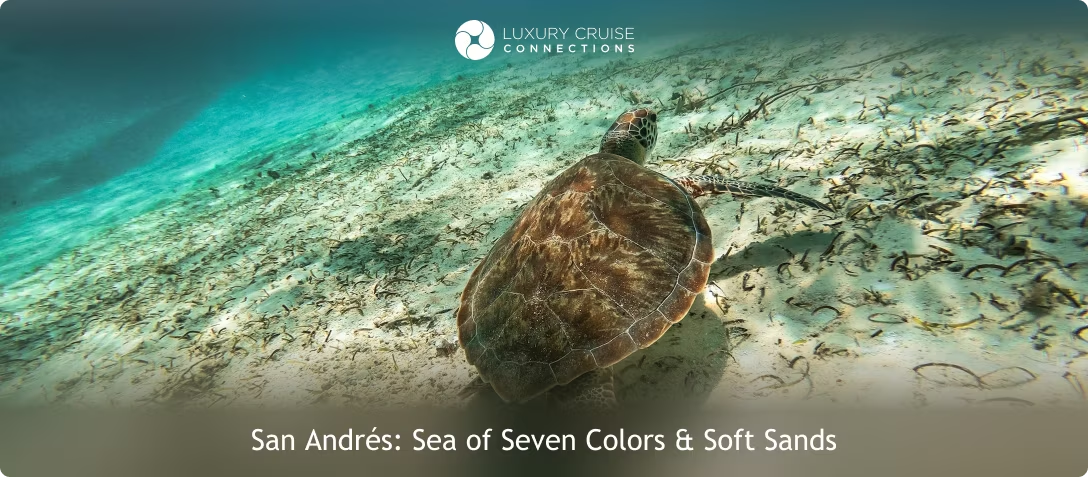
San Andrés offers some of the most beautiful beaches in the Caribbean (Spratt Bight, Johnny Cay, and Rocky Cay Beach). The island features nearly forty scuba diving sites, with waters that appear in shades of blue, green, and purple. Enjoy various water activities (snorkeling, diving, surfing, parasailing, jet skiing, and fishing). Day trips to nearby islands like Providencia and Santa Catalina are popular, with Providencia reachable by a short 20-minute flight.
San Andrés provides a mix of adventure, relaxation, and cultural discovery. Visitors experience calm turquoise seas, clean white sand, and palm-fringed beaches such as Playa San Luis, which offers a quieter atmosphere away from the busy center. The island's warm tropical climate allows year-round enjoyment of swimming, diving, and other water sports. Shop duty-free goods, taste fresh seafood and Caribbean dishes, and interact with locals who speak Spanish, English, and Creole. The island has a lively nightlife scene filled with music and dancing that reflects its multicultural heritage.
December to April during the dry season, avoid June to November hurricane season.
Optional for diving trips and tours to nearby islands, available at beaches and hotels.
127,000 COP ($32) island entrance tax paid in cash at the airport before boarding flights to San Andrés.
Comuna 13 is a hillside neighborhood in Medellín, Colombia, located above the San Javier metro station. Medellín's Comuna 13 was one of the most dangerous areas in the city during the 1980s and 1990s, but community efforts and significant public investments transformed it into one of Medellín's most vibrant districts. The changes began in the mid-2000s when the city invested in infrastructure, education, and social programs to improve life for residents. A cable car system opened in 2008 to connect the neighborhood with the rest of Medellín, followed by a system of outdoor escalators in 2011 that drastically improved access for locals.
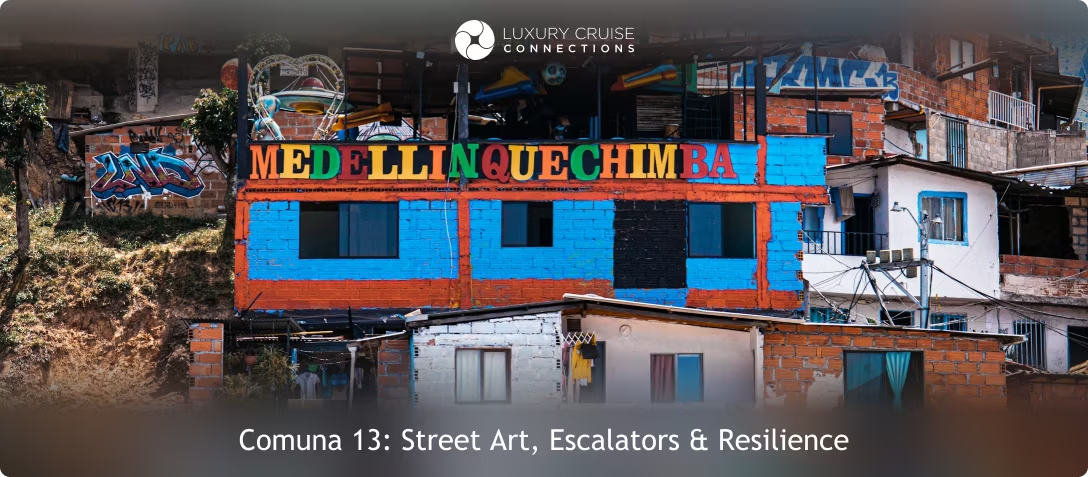
Comuna 13 is known for its influential street art, with colorful murals created by local artists covering nearly every public surface. The escalator system, stretching 1,260 feet and divided into six sections, makes it easy to reach different levels of the neighborhood while admiring the art along the way. Stop at Las Independencias viewpoint for sweeping city views and explore galleries that showcase local creativity. Public spaces feature music, dance, and artistic performances that reflect the neighborhood's resilience and identity.
Exploring Comuna 13 allows visitors to walk among striking murals that tell stories of hardship, resilience, and social change. Guided tours provide a deeper context by explaining the meaning behind specific works and sharing the history of the community's transformation. Street food vendors add to the experience by offering empanadas, patacones con hogao, sausages, and refreshing mango ice cream with salt and lemon. The visit provides an opportunity to interact with residents who share their stories, witness how art reshaped the neighborhood's identity, and understand how Medellín reinvented one of its most troubled areas.
Year-round destination, weekdays are less crowded than weekends for easier walking and better photos.
Strongly recommended for history, safety, and graffiti explanations. Tours available from residents.
100,000 COP ($25) average price for guided tour, including metro transportation.
Cartagena's Historic Old Town (Walled City or Ciudad Amurallada) is a UNESCO World Heritage Site located on the Caribbean coast of Colombia. The fortified city was built between the 16th and 18th centuries and was designed to protect against pirates and foreign invaders. The Old Town is divided into two main neighborhoods (El Centro and San Diego), each filled with colorful colonial houses, cobblestone streets, and impressive Spanish architecture. Cartagena's defensive walls and fortifications remain some of the most extensive and well-preserved in South America, making the city one of the most historically significant destinations in the country.
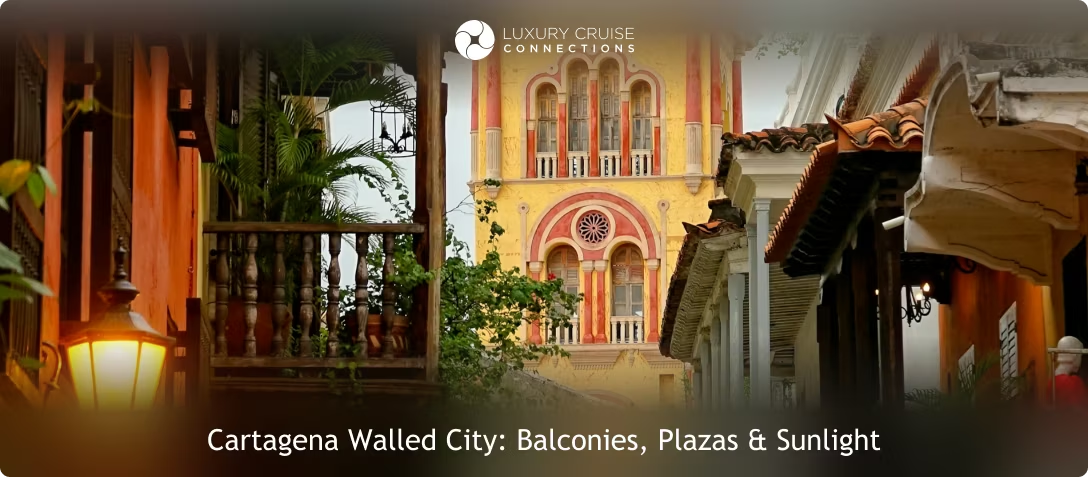
The most famous landmark in Cartagena is the Castillo San Felipe de Barajas, a massive fortress that offers sweeping views of the city and sea. Historic buildings surround Bolívar Square, which is a central gathering spot with lively street activity. Explore the Sanctuary of San Pedro Claver, the Cathedral of Cartagena, and the Inquisition Museum for a deeper look into the city's colonial and religious history. The streets of the Old Town are lined with colonial buildings featuring wooden balconies decorated with vibrant flowers.
Exploring Cartagena's Old Town offers an exciting experience of history, culture, and Caribbean charm. Walking tours guide visitors through colonial churches, palaces, and plazas while sharing the stories of Spanish conquest and local resilience. Street vendors sell fresh fruit, coconut water, and traditional crafts on nearly every corner, adding to the lively atmosphere. Horse-drawn carriages move through the cobblestone streets, improving the romantic feel of the city. The Old Town becomes especially vibrant in the evening, with salsa music playing in plazas, couples dancing outdoors, and restaurants serving fresh seafood.
December to April dry season, early morning or late afternoon for best light and fewer crowds.
Available at ticket offices for 32,000 COP ($8) in English for groups of up to seven people.
San Pedro Claver Sanctuary 14,000 COP ($3.50) adults, 9,000 COP ($2.25) children, and seniors.
Valle del Cocora is a premier birdwatching destination in Colombia, within Los Nevados National Natural Park in the Quindío Department. The valley lies near the town of Salento, which is home to one of the richest bird populations in the region, with more than 350 species recorded. Colombia hosts over 1,900 bird species, making it the most biodiverse country in the world for birdlife. The valley's landscape combines montane rainforest, cloud forest, and páramo ecosystems, creating habitats that support an extraordinary range of birds.
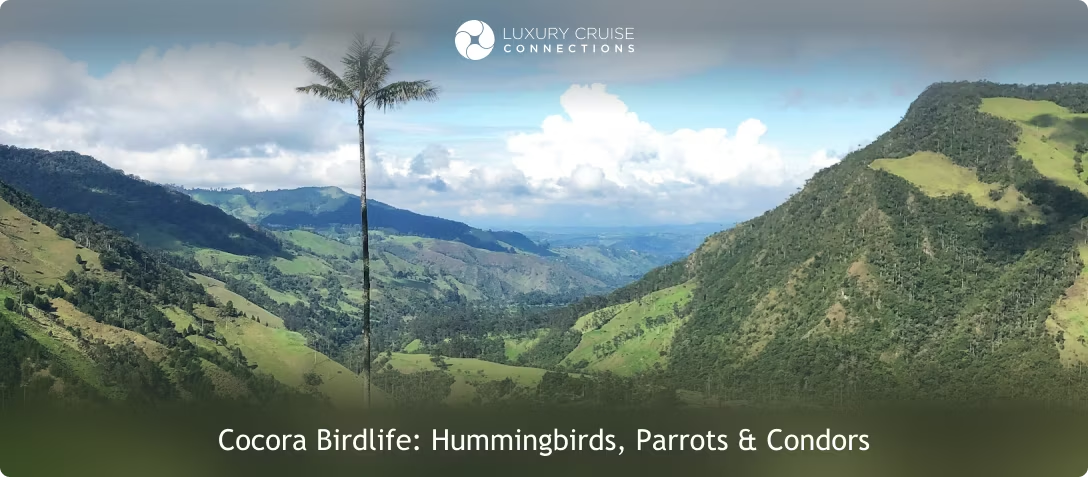
The Acaime Reserve (House of the Hummingbird) allows visitors to observe eight different species of hummingbirds at close range. Multiple feeding stations give birdwatchers the chance to watch dozens of hummingbirds buzzing only inches away. The valley is home to basket-nesting birds, woodpeckers, and raptors soaring over the grasslands. The cloud forest is ideal for spotting the Andean Cock-of-the-rock, Golden-headed Quetzals, and a variety of tanagers.
Birdwatching in Valle del Cocora offers a journey through several ecosystems in a single day. The hike to Acaime is a challenging route with a 2,542-foot elevation gain and takes about five hours to complete. Rest at the hummingbird sanctuary, sip hot chocolate with cheese or a traditional aguapanela while birds hover within arm's reach. The experience combines the peaceful rhythm of the forest with the thrill of spotting rare species.
Early morning (6 AM to 9 AM) for most bird activity, December to March for clear weather.
Local nature guides available in Salento offering specialized birdwatching tours and eco-friendly experiences.
25,000 COP ($6.25) entrance to the valley, 20,000 COP ($5) entrance to Acaime hummingbird sanctuary, including a drink.
The Coffee Triangle is known in Spanish as Eje Cafetero and is a cultural and agricultural region in Colombia recognized by UNESCO as a World Heritage Site in 2011. Eje Cafetero spans the departments of Caldas, Risaralda, and Quindío, extending into areas of Tolima, Valle del Cauca, and Antioquia. Generations of families have cultivated the land using traditional methods, creating one of the most sustainable coffee-growing regions in the world. The landscape combines fertile Andean foothills, colonial towns, and vast plantations, making it the true heart of Colombian coffee culture.
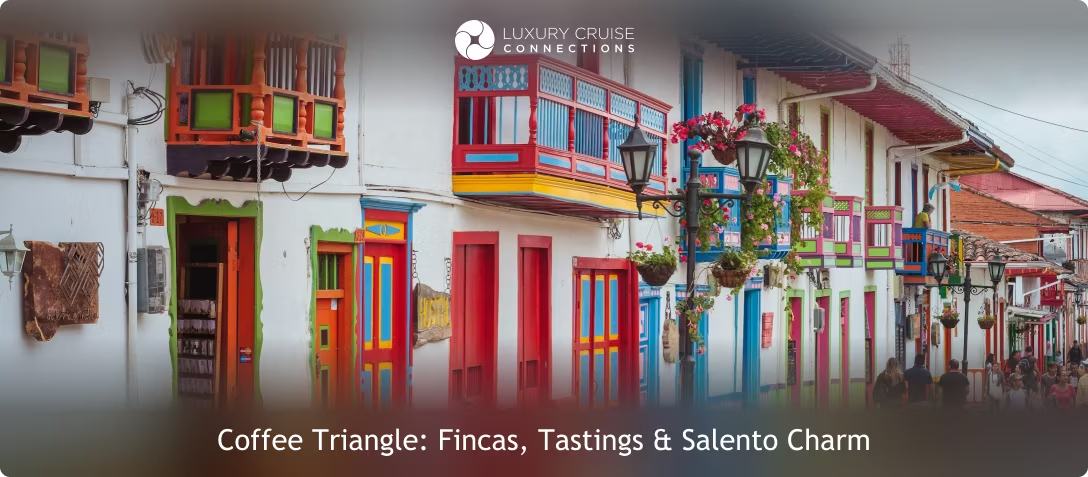
Coffee farms across the Coffee Triangle open their doors for interactive tours where visitors learn every step of coffee production. Hacienda Venecia in Manizales and Finca El Ocaso in Salento are two of the most popular fincas, offering guided walks through plantations, harvesting demonstrations, and fresh tastings. Tours include coffee cupping sessions and barista workshops. Charming colonial towns (Salento and Filandia) feature colorful balconies, handicraft shops, and mountain views.
A visit to the Coffee Triangle provides a hands-on connection to Colombia's most iconic product. Travelers walk through rows of coffee and banana plants set against the Andes Mountains while learning to handpick ripe red coffee cherries. Local farmers explain how their families have passed down coffee traditions for generations, offering insights into a way of life tied closely to the land. Visitors taste freshly roasted beans in traditional cups and enjoy regional meals (bandeja paisa) surrounded by green hills.
March to June and October to December for the harvest season, December to March for dry season weather.
Professional English and Spanish-speaking guides are included in most tours, and barista workshops are available for coffee enthusiasts.
85,000 COP ($22) standard farm tour, 168,000 COP ($43) farm tour with transportation, 10,000 to 20,000 COP basic tours, 40,000 COP ($10) jeep tour.
The Gold Museum in Bogotá (Museo del Oro) is one of Colombia's most important cultural institutions and holds the largest collection of gold artifacts in the world. The museum preserves and exhibits more than 55,000 pieces made from gold, stone, ceramics, shell, wood, and textiles created by Colombia's pre-Columbian civilizations. The artifacts reflect the spiritual beliefs and skilled craftsmanship of indigenous cultures long before European colonization. The Gold Museum has become a national symbol of cultural memory and heritage since its founding in 1939.
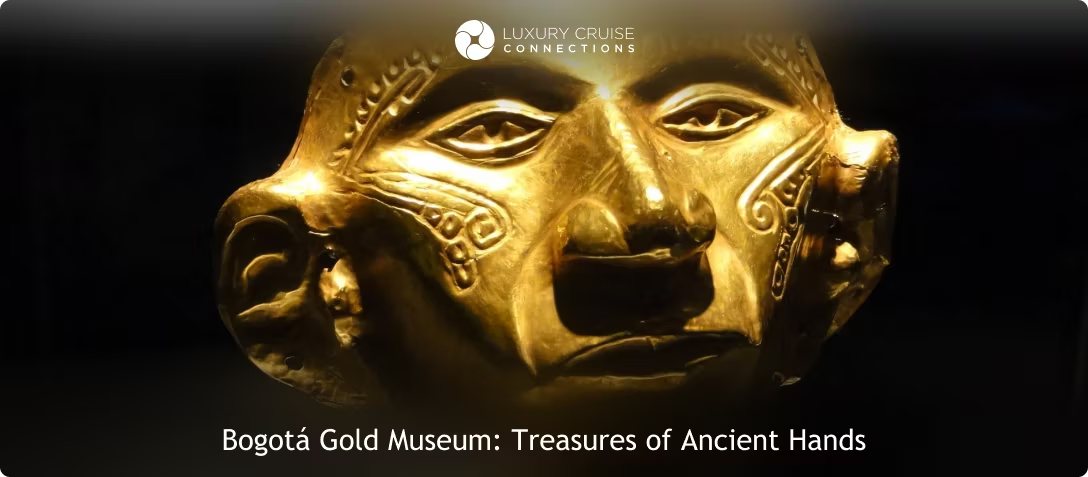
The museum's most striking attraction is its vast collection of pre-Columbian gold and metalwork, displayed across two floors. Visitors see ceremonial masks, jewelry, and religious figures that demonstrate the advanced techniques of ancient artisans. Explanations in Spanish and English make the exhibitions accessible to international visitors. Memorable rooms feature thousands of gold pieces illuminated in darkness, creating a dramatic atmosphere.
A visit to the Gold Museum offers a detailed look into Colombia's past, with more than four hours needed to explore the full collection. Visitors use audio guides to listen to stories behind the artifacts and gain context about the civilizations that produced them. Free guided tours take place at 11 am and 4 pm from Tuesday to Saturday in Spanish and English. The museum's indoor setting ensures a comfortable visit in Bogotá's unpredictable weather.
Sunday offers free admission, but it is the busiest day. Tuesday through Saturday from 9 am to 6 pm is less crowded.
Audio guides available in Spanish and English for 8,000 COP ($2), free guided tours at 11 am and 4 pm Tuesday through Saturday.
4,000 COP ($1) adult admission, 2,000 COP ($0.50) with a valid student ID, free entry for children under 12, free entry for everyone on Sundays.
Providencia Island is located in the Colombian Caribbean and part of the San Andrés archipelago, and is one of the best diving destinations in the Caribbean. The island lies 90 kilometers north of San Andrés and forms part of UNESCO's Seaflower Biosphere Reserve, which protects one of the largest coral reef systems in the Americas. The 17-square-kilometer island blends reggae culture, Creole traditions, and unspoiled natural beauty. Its remote location and limited development have preserved the coral reefs, making it a paradise for divers of all levels.
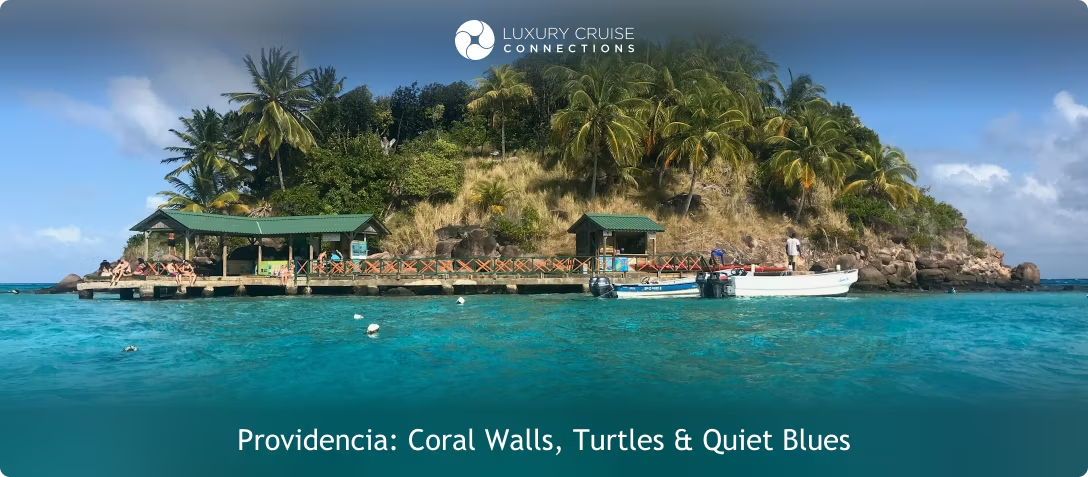
The waters around Providencia feature vibrant coral gardens, steep underwater walls, and abundant Caribbean marine life, including sea turtles, reef fish, nurse sharks, and rays. Notable sites include Cayo Cangrejo (Crab Cay) and the coral reef areas surrounding Providencia and nearby Santa Catalina Island. Dive operators (Felipe Diving Center, Sonny Dive Shop, and Anda di Wata) offer guided excursions for beginners and advanced divers. Clear visibility reaches 20 to 30 meters.
Diving excursions in Providencia include two-tank boat trips that visit different reef systems in a single outing. Small group tours provide a more personal experience, with instructors sharing their knowledge of marine ecosystems and local traditions. Visitors spend surface intervals enjoying the island's relaxed Caribbean atmosphere, tasting fresh seafood, and listening to reggae music in colorful seaside villages.
December to April offers the best conditions with warm, dry weather.
Local dive shops provide PADI-certified instructors and beginner courses starting from 170,000 COP, with professional guides offering underwater photography services.
Single boat dives cost around 180,000 COP, two-tank dive excursions range from 250,000 to 350,000 COP ($62.50 to $87.50), and snorkeling tours cost approximately 150,000 COP ($37.50) per tourist.
The reasons why Colombia is becoming a Popular Cruise Destination are listed below.
The main cruise ports in Colombia are Cartagena, Santa Marta, San Andrés, Providencia, Buenaventura, and Barranquilla. Cartagena is the primary cruise port in the country and is the main gateway for international cruise tourism, handling the majority of cruise ship arrivals to Colombia. The city combines modern port infrastructure with close access to Cartagena's historic old town, making it the most important destination for cruise passengers.
Santa Marta is a secondary Caribbean cruise port, welcoming ships each season and bringing thousands of passengers to Colombia's oldest city. San Andrés and Providencia add to the Caribbean options by offering remote island stops that highlight Colombia's natural beauty and Creole culture. Buenaventura is Colombia's main Pacific port, handling high cargo volumes and receiving occasional cruise ships. Barranquilla is better known as a cargo port, but it receives cruise ships on specific itineraries, extending Colombia's cruise presence across the Caribbean and Pacific coasts.
The best time to visit Colombia on a cruise is from November to April, which is the country's primary cruise season and aligns with the dry season. The Caribbean coast of Colombia, including ports like Cartagena and Santa Marta, experiences sunny weather, calm seas, and minimal rainfall during the seasonal dry period. The city of Cartagena offers its driest and most pleasant climate between December and March, making the months attractive for shore excursions and cultural tours. The months of December, January, and February in Colombia bring warm and stable weather, allowing cruise passengers to enjoy beaches, historic sites, and water activities without heavy rain. The months of March and April in Colombia extend the favorable season with dry conditions before the rainy season begins in May. The Caribbean cruise calendar peaks during the dry season, ensuring that Colombia fits perfectly into popular regional itineraries.
Yes, Colombia is a good destination for a romantic getaway because it offers couples a perfect mix of history, culture, and natural beauty. The city of Cartagena enchants couples with its colonial architecture, cobblestone streets, and Caribbean beaches, creating an ideal setting for honeymoons and romantic walks. Tayrona National Natural Park combines tropical beaches and lush forests, giving couples the chance to share relaxation and adventure. The Coffee Region of Colombia appeals to couples with boutique hotels such as Finca Campestre La Adelita B&B, Terrazas de Salento, and La Cabaña Ecohotel, where scenic coffee plantations surround intimate stays. Salsa dance classes in Cartagena provide couples with energetic and fun cultural experiences that strengthen romantic connections.
The most popular tourist attractions in Colombia are listed below.
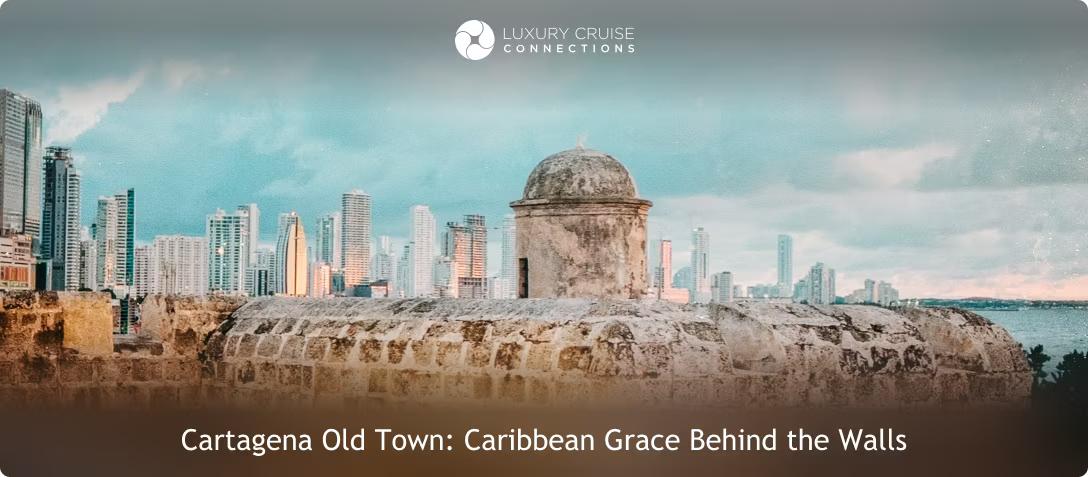
Cartagena’s Old Town is one of the most famous tourist attractions in Colombia, known for its preserved colonial architecture, cobblestone streets, and historic plazas. The walled city is a UNESCO World Heritage Site that offers a mix of culture, history, and Caribbean charm within its centuries-old fortifications.
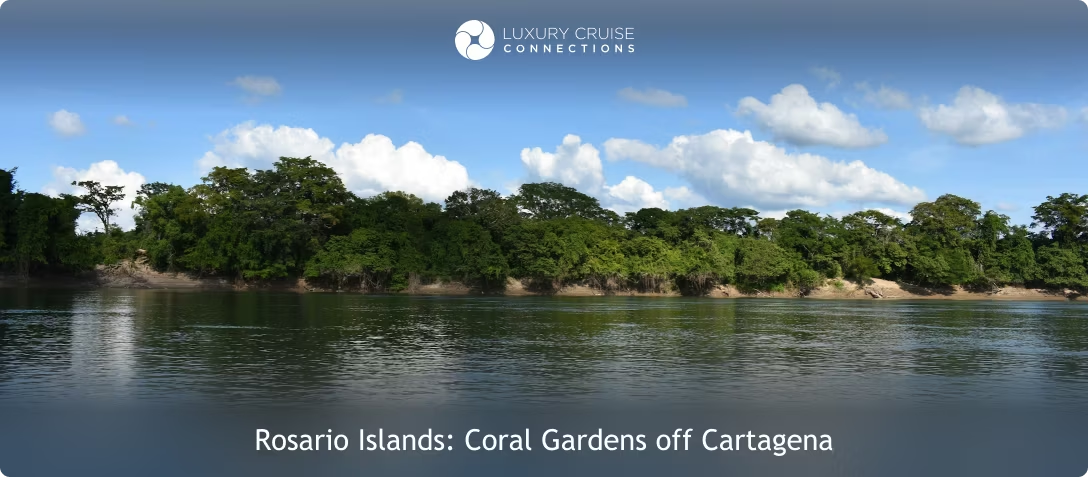
The Rosario Islands are among the top Colombia attractions, offering crystal-clear Caribbean waters, coral reefs, and pristine beaches just off Cartagena’s coast. The archipelago forms part of a protected national park and is one of the most popular day trip destinations from Cartagena for snorkeling, diving, and beach relaxation.
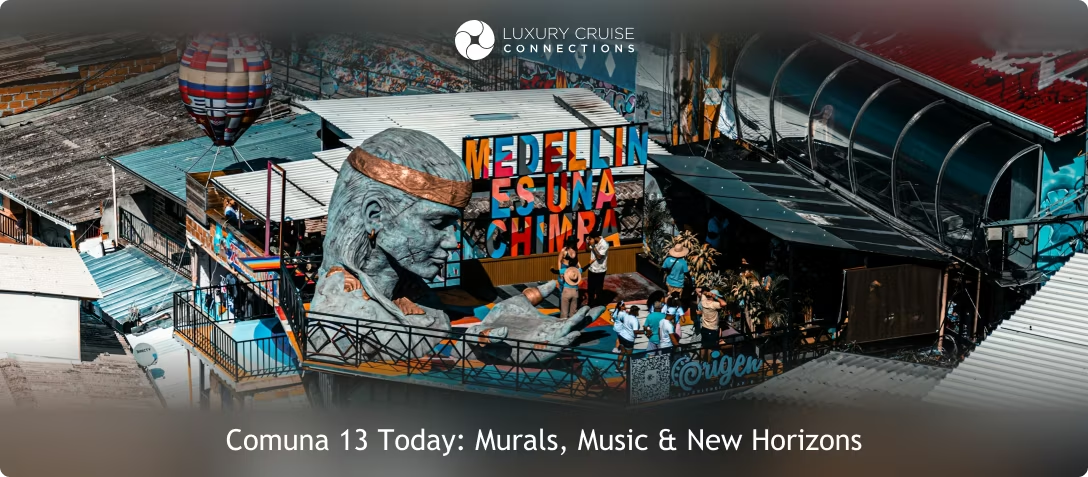
Comuna 13 in Medellín has transformed into a symbol of resilience and creativity, making it one of the most unique Colombia tourist attractions. Once one of the most dangerous neighborhoods in the world during the 1980s and 1990s, the district now showcases vibrant street art, cultural tours, and urban renewal driven by community investment and city infrastructure programs.
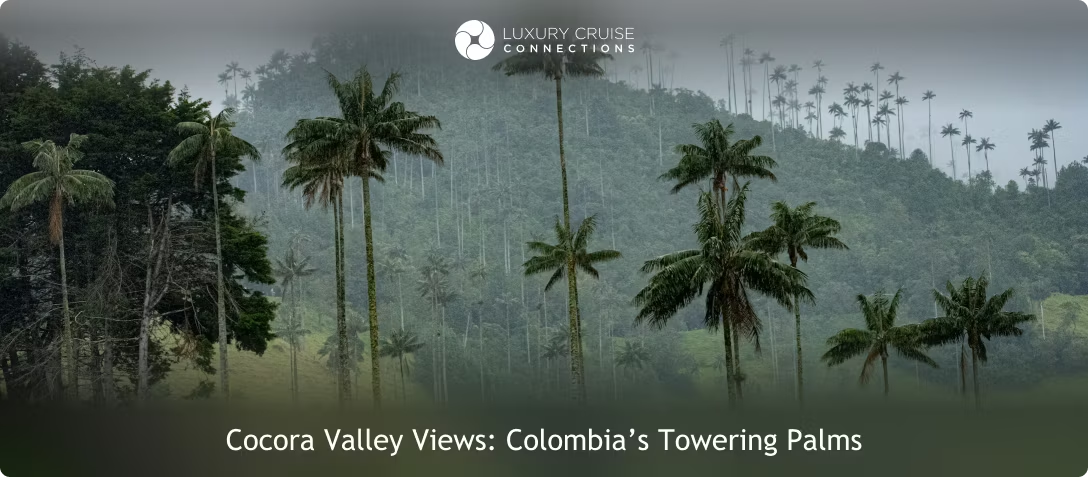
Cocora Valley is located in the Quindío Department and forms part of the Coffee Cultural Landscape UNESCO World Heritage Site. The valley is famous for its surreal scenery of giant wax palm trees, the national tree of Colombia, rising up to 60 meters above lush green hillsides within Los Nevados National Natural Park.
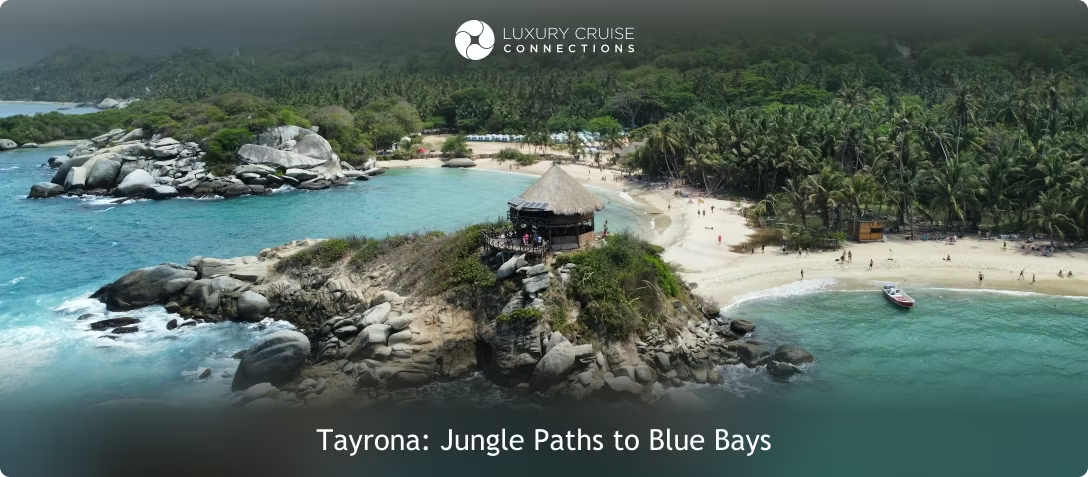
Tayrona National Park combines jungle-covered mountains, crystal-clear waters, and pristine Caribbean beaches near Santa Marta. The park protects a stretch of coastline at the base of the Sierra Nevada de Santa Marta and holds deep cultural significance for the indigenous Kogi, Arhuaco, and Wiwa communities whose ancestors built settlements throughout the region.
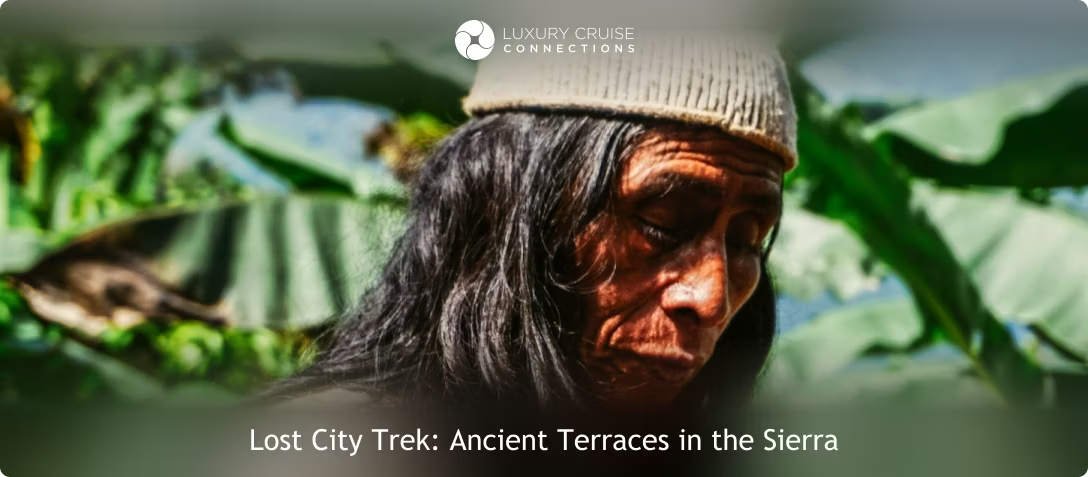
Ciudad Perdida, also known as Teyuna, is a pre-Columbian archaeological site hidden deep in the Sierra Nevada de Santa Marta mountains. Founded around 800 AD by the Tairona civilization, the city predates Machu Picchu by approximately 650 years. The site is accessible only through a multi-day jungle trek, making it one of the most adventurous and rewarding archaeological destinations in South America.
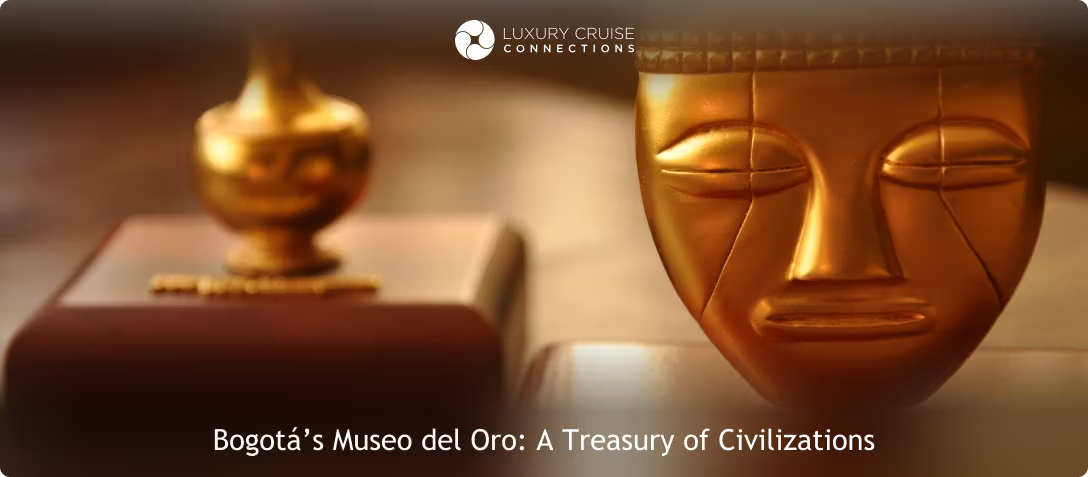
The Gold Museum in Bogotá (Museo del Oro) holds the world’s largest collection of pre-Columbian gold artifacts with more than 55,000 pieces on display. Founded in 1939, the museum preserves gold, ceramics, textiles, and stone works from Colombia's ancient civilizations and has become one of the most visited cultural institutions in South America.
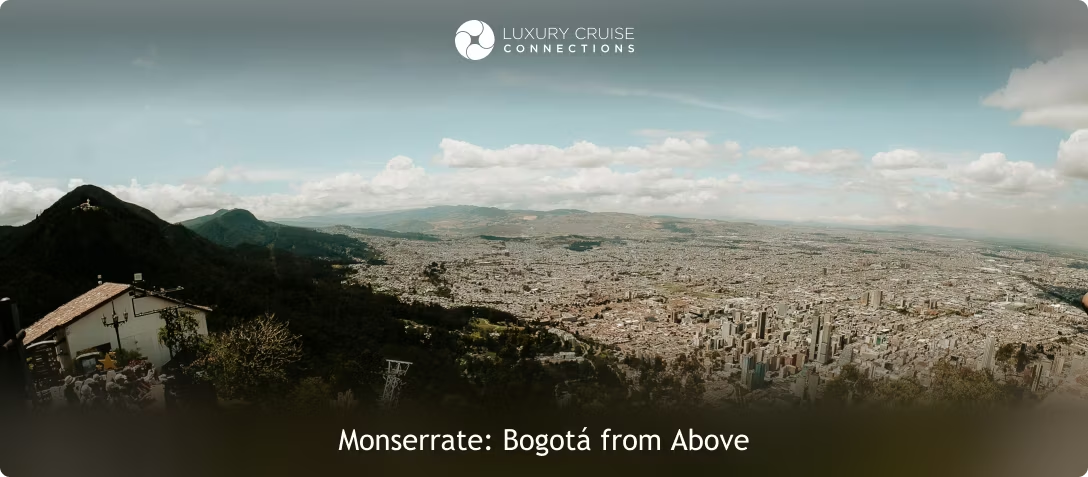
Monserrate Hill stands 3,152 meters above sea level and dominates the Bogotá skyline as one of the most recognizable landmarks in Colombia. The summit is home to a colonial-era church housing a revered statue of the Fallen Lord (Señor Caído), which draws both religious pilgrims and tourists seeking panoramic views of the city spread across the Andean plateau below.
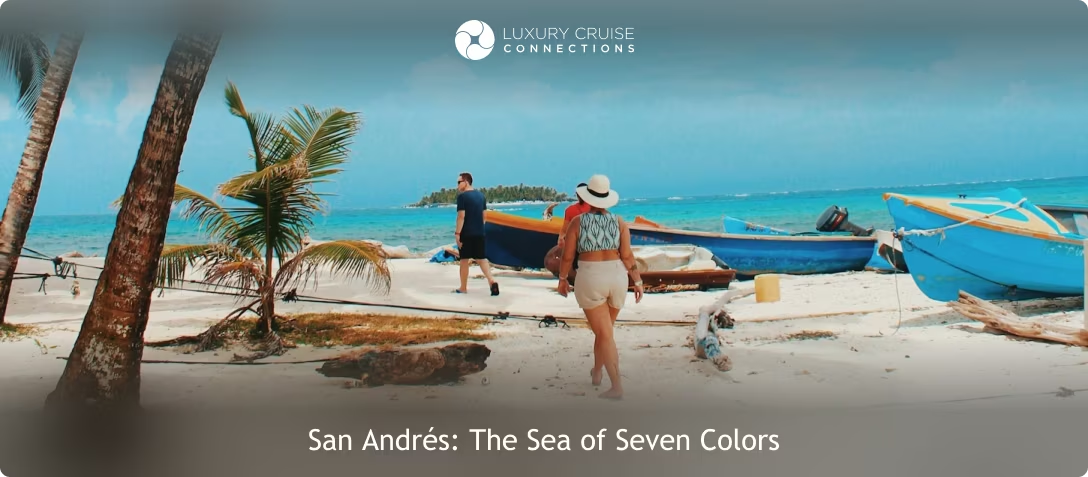
San Andrés Island is a Caribbean paradise belonging to Colombia, famous for its waters that display seven distinct shades of blue and green, earning the nickname “Sea of Seven Colors.” The duty-free island covers 26 square kilometers and offers turquoise waters, white sandy beaches, coral reefs, and a vibrant Creole culture shaped by African, English, and Spanish influences.
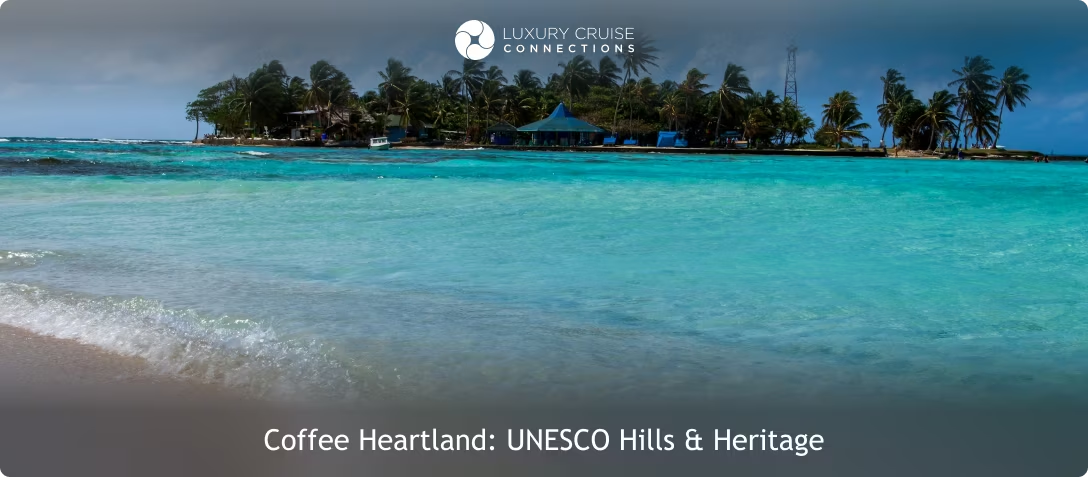
The Coffee Cultural Landscape (Paisaje Cultural Cafetero) is recognized by UNESCO as a World Heritage Site for its outstanding blend of natural beauty and living cultural traditions. Spanning the departments of Caldas, Risaralda, Quindío, and Valle del Cauca, the region showcases generational coffee farming practices, colonial architecture, and the iconic wax palm forests that define the Colombian Andean landscape.
Vacation spots in Colombia that are best for beach lovers are listed below.
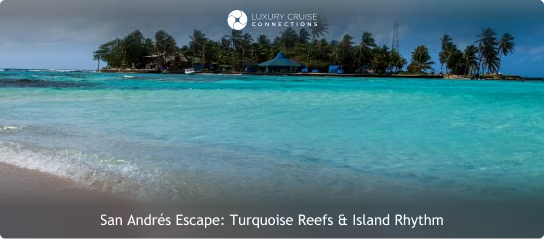
San Andrés Island is Colombia’s premier Caribbean destination, famous for turquoise waters, duty-free shopping, and vibrant island culture.
Attributes: Duty-free shopping privileges, Johnny Cay coral islet nearby, snorkeling in shallow waters, coconut plantation scenery, and Caribbean island culture.
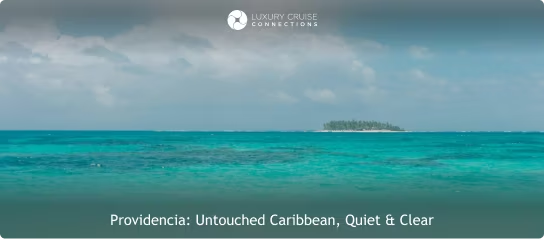
Providencia Island offers a remote and unspoiled Caribbean atmosphere, ideal for diving and relaxing in an authentic island setting.
Attributes: Remote Caribbean location, Afro-Colombian culture, pristine coral reefs, excellent diving conditions, authentic island atmosphere.
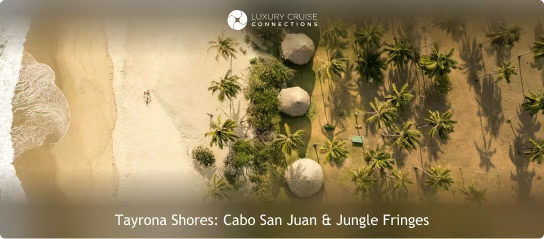
Tayrona National Park is home to Colombia’s most iconic beaches, including the famous Cabo San Juan, framed by jungle-covered mountains.
Attributes: Postcard-perfect Cabo San Juan beach, protected national park status, jungle hiking trails, La Piscina swimming area, crescent-shaped beaches.
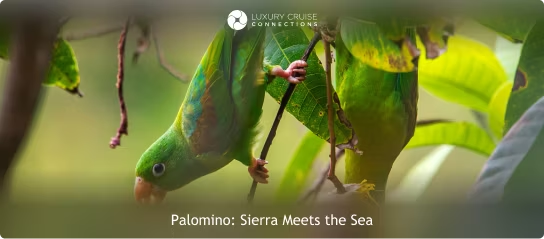
Palomino provides a laid-back beach escape with a hippy vibe, where the Sierra Nevada mountains meet the Caribbean coast.
Attributes: Laid-back hippy atmosphere, Sierra Nevada mountain backdrop, budget-friendly accommodations, river meets ocean location, backpacker-friendly destination.
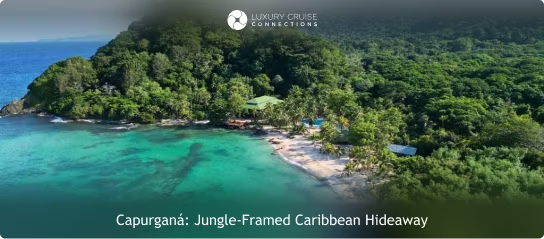
Capurganá is a remote Caribbean beach town surrounded by jungle, offering exclusivity and natural beauty only reachable by boat or plane
Attributes: Remote Caribbean location, accessible only by boat or plane, pristine jungle backdrop, El Cielo waterfall nearby, Playa Soledad main beach.
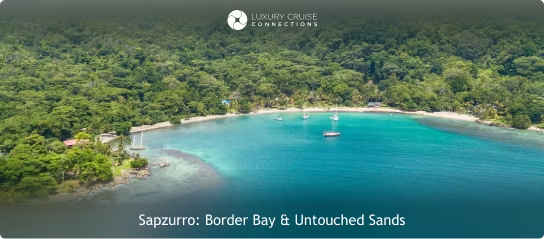
Sapzurro is a secluded Caribbean settlement near the Panama border, featuring untouched beaches and a rugged jungle backdrop.
Attributes: Border location with Panama, powdered sand beaches, untouched jungle surroundings, La Miel hiking destination, crystal-clear turquoise waters.
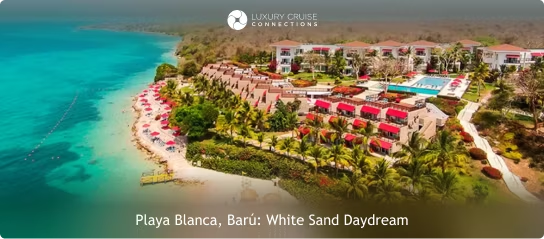
Playa Blanca on Barú Island is a white-sand paradise near Cartagena, popular for day trips and Caribbean swimming.
Attributes: Day trip accessibility from Cartagena, white sand beaches, clear Caribbean waters, tourist-friendly facilities, and the Rosario Islands .
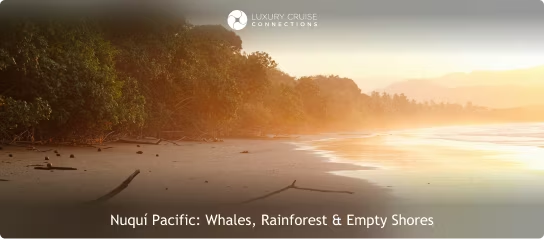
Nuquí on the Pacific coast combines pristine beaches with opportunities for whale watching and eco-tourism adventures.
Attributes: Pacific Ocean location, whale watching season, pristine jungle surroundings, remote tropical setting, eco-tourism activities.
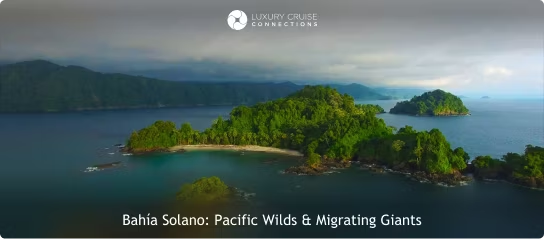
Bahía Solano offers untouched Pacific beaches, sport fishing, and whale migration viewing in a lush jungle setting.
Attributes: Sport fishing destination, humpback whale migrations, untouched Pacific beaches, jungle ecosystem access, eco-lodge accommodations.
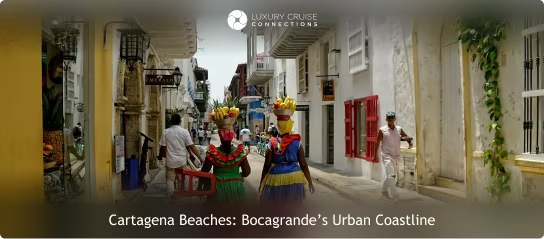
Cartagena provides urban beach access at Bocagrande with easy connections to nearby islands, blending history with Caribbean coastlines.
Attributes: Urban beach convenience, colonial city backdrop, day trip beach options, Caribbean sunset views, historical fortress proximity.
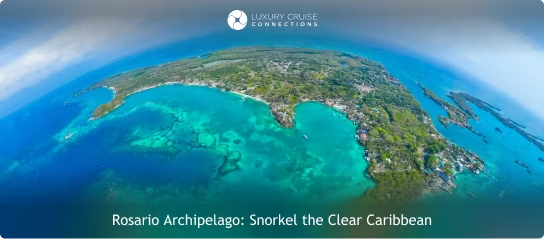
The Rosario Islands are a tropical archipelago near Cartagena known for coral reefs, snorkeling, and crystal-clear waters.
Attributes: Coral reef snorkeling, day trip accessibility, protected marine environment, multiple island options, turquoise waters.
The best things to do in Colombia for first-time visitors are listed below.
Discover the best activities, landmarks, and experiences in every cruise destination and port of call.
Europe & World Cruises
Western, Central & Mediterranean
America
North, Central, South & Caribbean
Africa & Asia
Oceania & Antarctica
