10 Best Things to Do in Chile

The best things to do in Chile include visiting Torres del Paine National Park, exploring the Atacama Desert, and discov...

add

The best things to do in Chile include visiting Torres del Paine National Park, exploring the Atacama Desert, and discovering Easter Island, Rapa Nui. Chile is a long, narrow country in South America with a variety of scenery, from deserts in the north to glaciers and mountains in the south. Torres del Paine offers hiking trails, glaciers, and wildlife (guanacos, pumas, condors) for nature lovers. The Atacama Desert features salt flats, geysers, and clear skies for stargazing. Rapa Nui in Easter Island is known for its moai statues, archaeological sites, and Polynesian culture. Explore cities, lakes, volcanoes, fjords, and local cuisine, with different places to visit in Chile, making it a country with different experiences for every traveler. Chile is a destination that offers something for everyone, whether looking for adventure or relaxation, no matter where to visit in Chile. Visitors enjoy Chile’s famous wine regions, explore coastal towns (Valparaíso) with its colorful hillside homes, and experience traditional festivals that showcase the country’s music, dance, and cultural heritage.

  • Visit Torres del Paine National Park
  • Explore the Atacama Desert
  • Discover Easter Island Rapa Nui:
  • Hike in the Patagonia Region
  • Explore Valparaíso’s Colorful Streets
  • Visit the Marble Caves on Lake General Carrera
  • Ski in the Andes Mountains
  • Discover the Wine Valleys of Maipo and Casablanca
  • Visit Santiago’s Plaza de Armas
  • Explore Chiloe Island’s Unique Culture and Architecture
  • Visit Torres del Paine National Park

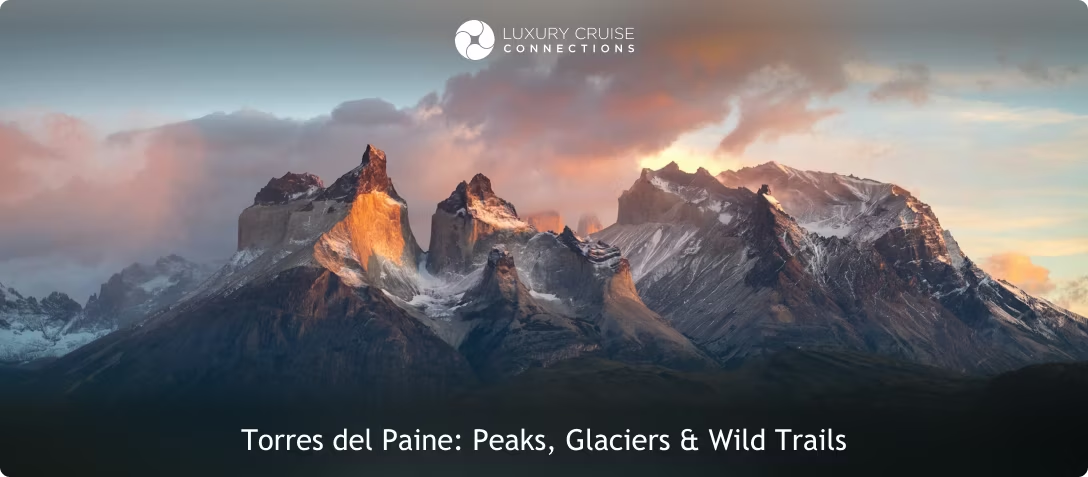
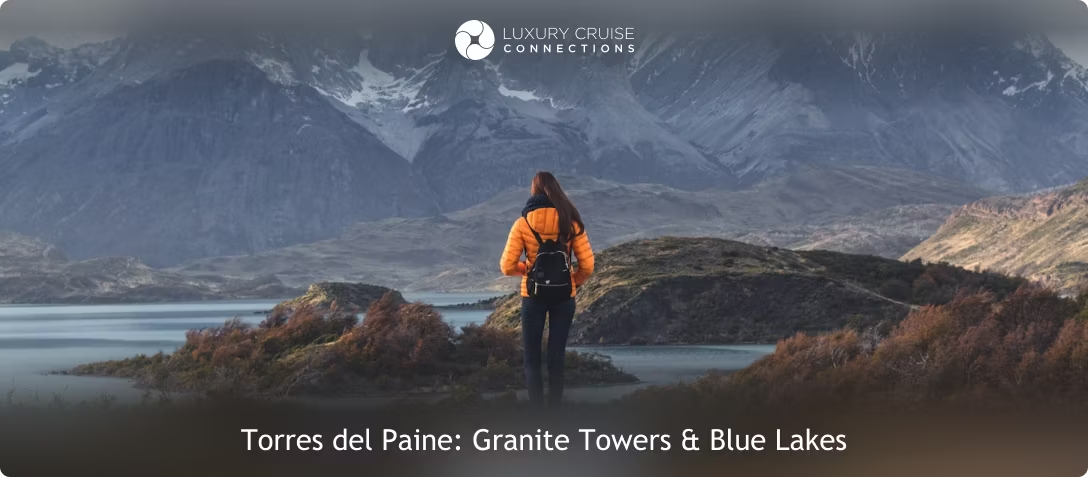
    Torres del Paine National Park is located in southern Chilean Patagonia and is one of the most visited natural destinations in South America. The park is famous for its view of towering granite peaks, glaciers, and blue lakes, covering over 181,000 hectares. It offers a variety of outdoor activities (hiking, kayaking, and wildlife watching). Tourists flock to the park to experience its views, rugged terrain, and flora and fauna, including pumas, guanacos, and Andean condors.
    Visit Torres del Paine National Park

    The Torres del Paine granite towers are the park's most iconic feature, standing tall above the surrounding plains. The Cuernos del Paine ("Horns of Paine) are shaped peaks that dominate the skyline and are a spot for photographers. Grey Glacier is located in the park’s southern region, where tourists go kayaking among the floating icebergs. The French Valley is known for its views of glaciers and forests, while Salto Grande is a popular waterfall that feeds the surrounding lakes. Visitors walk simple trails, see animals (guanacos and foxes), ride boats on blue lakes, and camp in quiet areas with clear night skies.

    Torres del Paine offers tourists the chance to explore a variety through its hiking trails, including the W Trek. Kayaking on Grey Lake allows tourists to get up close to the glacier and explore icebergs in the calm waters. The park is rich in wildlife, with opportunities to see guanacos, pumas, foxes, and bird species (Andean condor). Photography enthusiasts find plenty to capture, from the peaks to the lakes and glaciers. Enjoy horseback riding, which offers a unique perspective of the park’s wilderness. Visitors join guided tours, camp under the stars, try local food at nearby lodges, and learn about Patagonian culture, making every trip memorable with adventure and relaxation opportunities.

    The best time to visit is from October to April, with the peak season from December to February offering the warmest temperatures (5°C to 20°C) and more stable weather.

    Hiring a guide is recommended, with expert guides who offer insights into the park's ecosystems and history.

    The entrance fee for foreign tourists is $25.

    Guided tours range from $50 to $125, depending on duration.

    Accommodations within the park range from $60 to $250 per night.

  • Explore the Atacama Desert

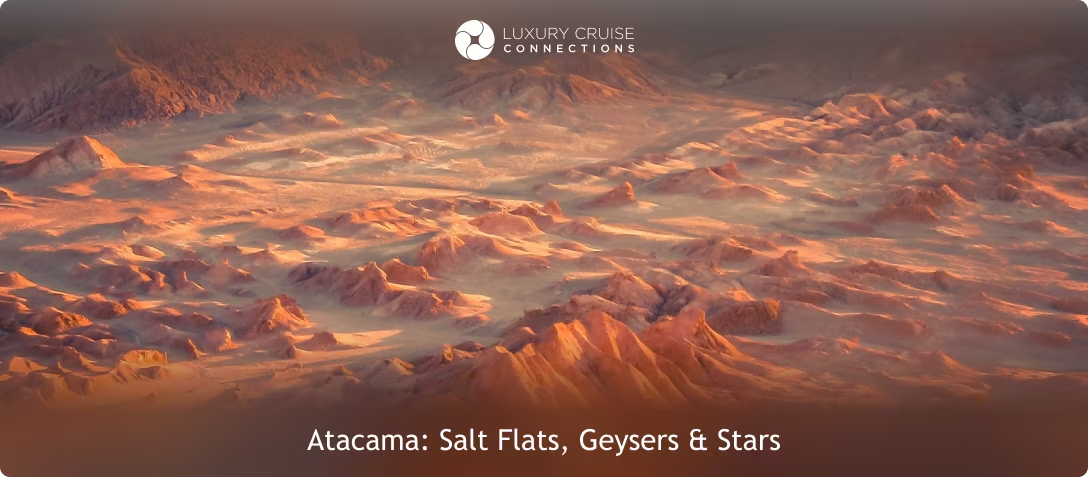
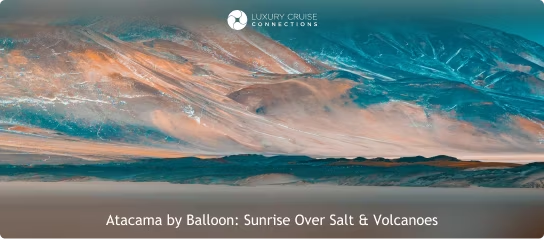
    The Atacama Desert is located in northern Chile and is known as the driest desert in the world. The Atacama covers about 40,000 square miles and features salt flats, volcanoes, and unique rock formations. Tourists visit to see the scenery, enjoy outdoor activities, and stargaze under some of the clearest skies on Earth. The desert’s dry conditions and high elevation make it an interesting place to explore.
    Explore the Atacama Desert

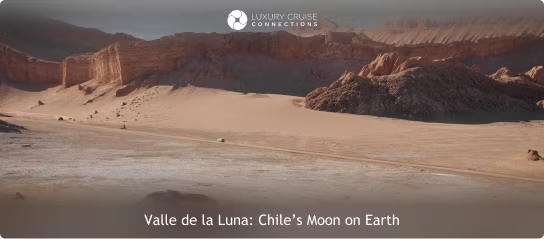
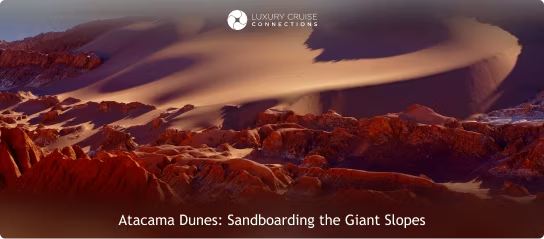
    Valle de la Luna is located near San Pedro de Atacama, and is known for its salt formations and rock structures that resemble the surface of the moon. El Tatio Geyser is located at over 4,300 meters above sea level, a popular spot with over 80 active geysers. The Hidden Lagoons of Baltinache are a series of turquoise saltwater lagoons where tourists float in the high-salinity water. Rainbow Valley is known for its mineral deposits that cover the desert floor. Salar de Atacama is home to the Chaxa Lagoon, where flamingos and other birds are seen. Visitors enjoy stargazing, guided desert tours, sandboarding on dunes, and exploring ancient archaeological sites filled with history and culture.

    Hike through Valle de la Luna to see the unique rock formations and watch the sunset. Early morning tours allow visitors to see the steam rising from the geysers at El Tatio Geysers. Swimming in the Hidden Lagoons of Baltinache offers a rare experience of floating in salty water surrounded by the desert. Rainbow Valley is a good spot for taking pictures of the colorful minerals in the desert soil. The Salar de Atacama and Chaxa Lagoon are great for birdwatching, where tourists see flamingos and other wildlife. Visitors explore nearby salt caves, ride bicycles through desert trails, visit small local villages, shop for handmade crafts, and enjoy stargazing tours under some of the clearest skies on Earth.

    The best time to visit is between October and April, with daytime temperatures ranging from 20°C to 25°C and clear skies.

    Local guides offer tours to the main attractions, providing information about the desert’s history and natural features.

    Entry to Valle de la Luna costs around $3.50.

    A tour of the El Tatio Geysers is about $30.

    Swimming at the Hidden Lagoons of Baltinache costs $12.

    Tours to Rainbow Valley and Salar de Atacama range from $24 to $60.

  • Discover Easter Island Rapa Nui

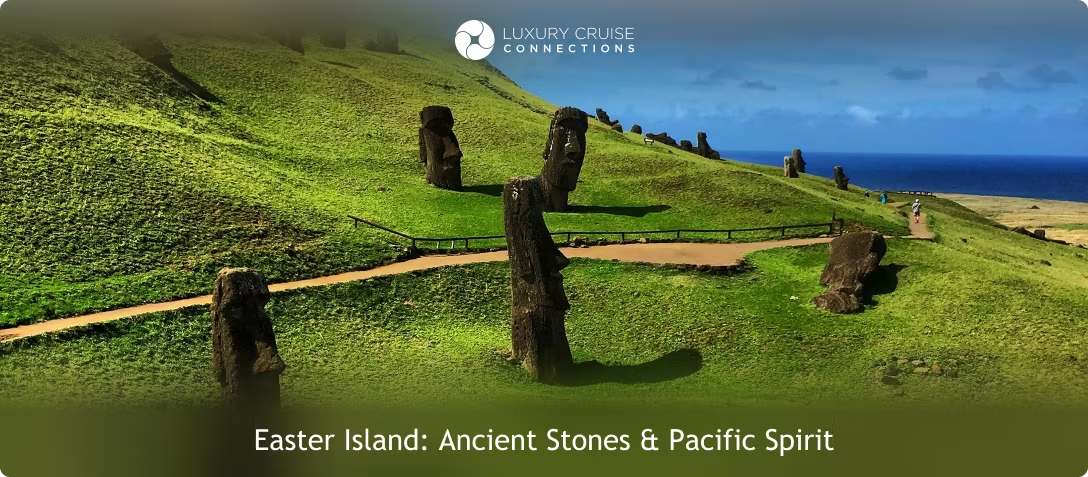
    Easter Island Rapa Nui is a remote island located in the southeastern Pacific Ocean, 3,700 kilometers west of mainland Chile. The Rapa Nui are well-known for their 1,000 moai statues, which were carved by the Rapa Nui locals between the 11th and 17th centuries. The island's unique culture, history, and archaeological sites make it a destination for travelers seeking to explore its mysteries, stories, traditions, and natural beauty.
     Discover Easter Island Rapa Nui

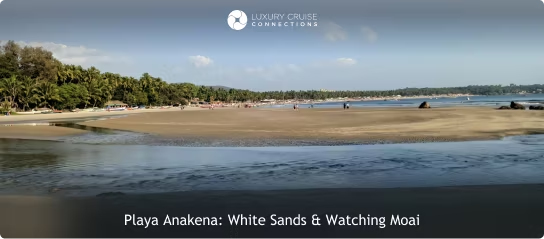
    Ahu Tongariki is the largest ceremonial platform on the island, featuring 15 moai statues that face the sunset in the winter. Rano Raraku is the volcanic quarry where most of the moai were carved. It contains nearly 400 unfinished statues and is a UNESCO World Heritage Site. Anakena Beach is one of the island's white sand beaches, home to the two ahus with moai statues and surrounded by palm trees. Ahu Akivi consists of seven moai that face the ocean, unlike most others that face inland, and is believed to have astronomical significance. Orongo is a ceremonial village located on the edge of the Rano Kau volcano crater, known for its stone houses and petroglyphs related to the Birdman cult

    Visitors to Easter Island engage in guided tours to explore the archaeological sites and learn about the island's history and culture. Hiking to the summit of Maunga Terevaka, the island's highest point, offers panoramic views of the island and the Pacific Ocean. Snorkeling and diving are popular activities at Anakena Beach, where the clear waters provide opportunities to observe marine life. Attending traditional Rapa Nui dance performances and cultural events (Tapati Festival held in February) allows tourists to experience the island's traditions.

    The ideal time to visit is the shoulder seasons of spring (October to November) and fall (March to April), offering pleasant weather and fewer tourists.

    Guides lead tours to Rapa Nui’s key sites, explaining the history of the moai statues, the Birdman cult, and offering hikes with views of the Rapa Nui.

    The entrance fee to Rapa Nui National Park is $65 for foreign visitors.

    Tours range from 85 to 300 USD

    Accommodation ranging from $70 to $240 per night.

  • Hike in the Patagonia Region

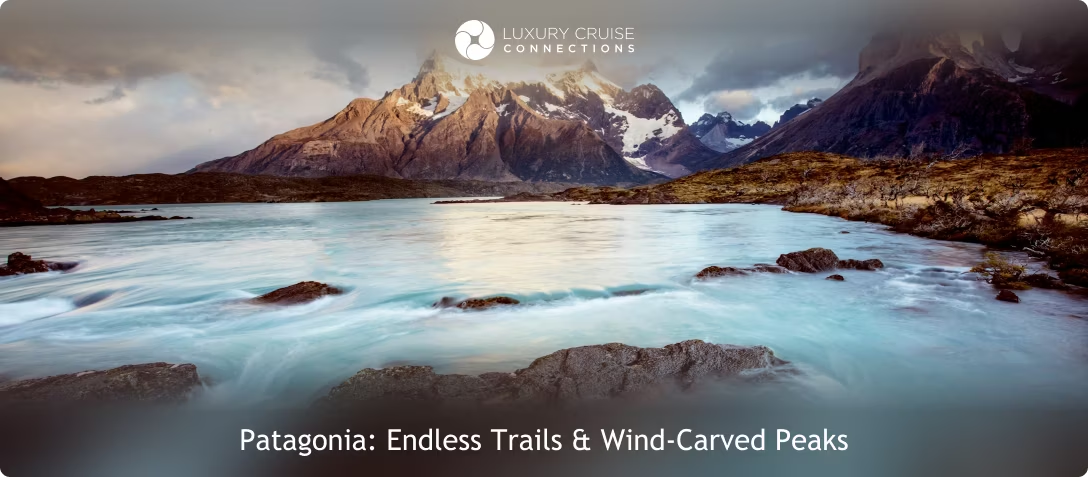
    Patagonia in southern Chile and Argentina offers some of the world's most beautiful hiking experiences. The region features towering granite peaks, glaciers, and forests. Popular destinations, including Torres del Paine National Park in Chile and Los Glaciares National Park in Argentina, provide well-maintained trails suitable for different skill levels. The parks attract trekkers seeking challenging expeditions and day hikes
    Hike in the Patagonia Region

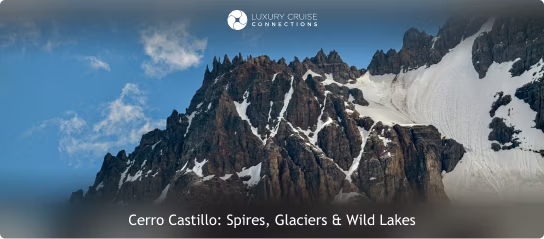
    The W Trek in Torres del Paine is a well-known 5-day hike that shows the park's iconic features (Grey Glacier and the French Valley). The Laguna de los Tres trail near El Chaltén offers views of Mount Fitz Roy. The Huemul Circuit is a challenging multi-day trek that takes adventurers through remote terrains and offers close encounters with glaciers. The Perito Moreno Glacier provides opportunities for ice trekking and boat tours. The Cerro Castillo Circuit in Chile presents rugged and fewer crowds for tourists seeking solitude.

    Trails like Laguna Torre and Laguna Capri offer day hikes with rewarding vistas. Longer treks (O Circuit in Torres del Paine) challenge hikers with weather conditions and ecosystems. Wildlife enthusiasts spot guanacos, condors, and, with luck, pumas. The region's unpredictable weather requires hikers to be prepared for rapid changes, including strong winds and sudden rain.

    The optimal hiking season is from October to April, with December to February offering the warmest temperatures and extended daylight hours.

    Certified guides lead treks on the O Circuit and Huemul Circuit, ensuring safety and enriching the hiking experience with local knowledge.

    Entry to Torres del Paine National Park costs about $25.

    Guided tours range from $50 to $125.

    Accommodation options vary, with prices ranging from $60 to $250 per night.

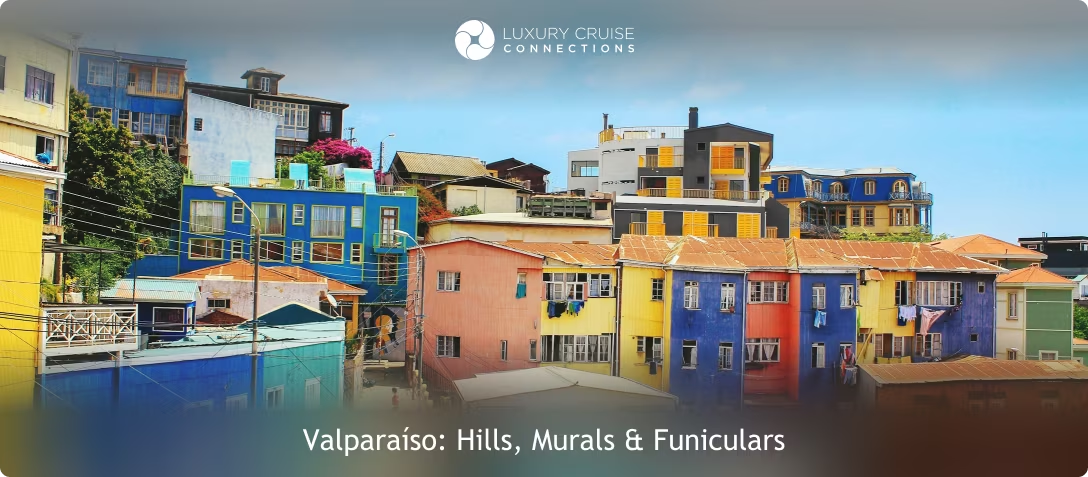
  • Explore Valparaíso’s Colorful Streets

    Valparaíso, Chile’s vibrant port city, is renowned for its colorful streets adorned with murals, graffiti, and unique architecture. The city’s 42 hills, known as cerros, are a canvas for artists, transforming the urban landscape into an open-air gallery. Walking through neighborhoods like Cerro Alegre and Cerro Concepción, visitors encounter a blend of historical charm and artistic expression. The city's bohemian atmosphere, combined with its rich maritime history, makes it a must-visit destination for art enthusiasts and cultural explorers.
    Explore Valparaíso’s Colorful Streets

    Cerro Bellavista is home to the Museo a Cielo Abierto (Open Sky Museum), an outdoor gallery featuring 20 murals by artists (Mario Carreño and Gracia Barrios). Cerro Alegre and Cerro Concepción are famous for their narrow streets lined with colorful houses, murals, and charming cafes. The Graffestival in Cerro Mariposa showcased 17 wine-themed murals, local culture, and artistic expression. The city's historic trolleybuses, dating back to the 1950s, add a touch to the urban area.

    Exploring Valparaíso's streets offers a sensory journey through its artistic neighborhoods. Visitors wander through alleys with murals, discover hidden staircases painted with colors, and enjoy panoramic views from hillside viewpoints. The Cerro Bellavista eclectic architecture, combining colonial and modern styles, provides a unique backdrop for street art. Engaging with local artists and participating in workshops enriches the cultural experience.

    Visit between October and April for the best weather, with daytime temperatures ranging from 20°C to 25°C and clear skies.

    Join walking tours led by local guides who provide insights into the history and significance of the murals and neighborhoods.

    Access to public areas and murals is free. The museums and private galleries charge an entrance fee of $2.50 to $6.

    Workshops and guided tours vary in price, ranging from $12 to $36.

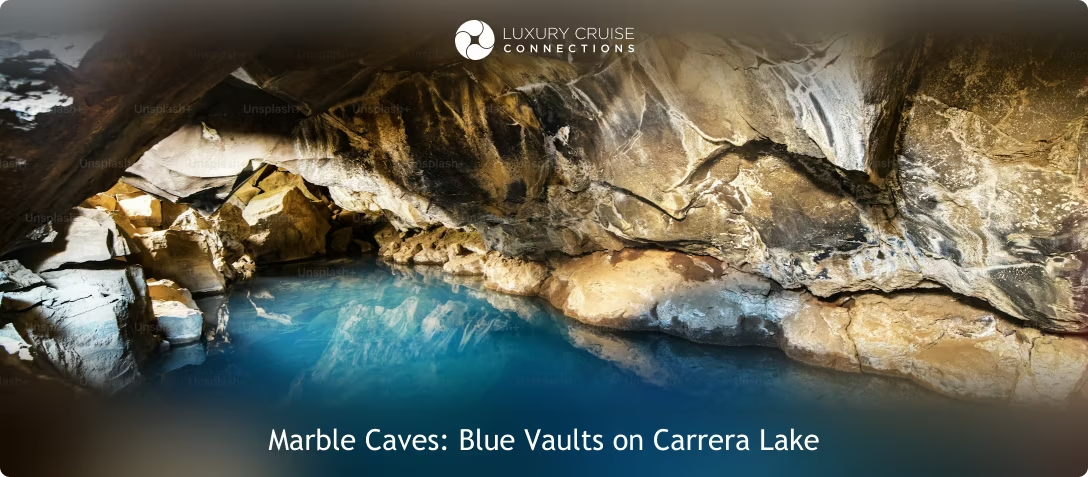
  • Visit the Marble Caves on Lake General Carrera

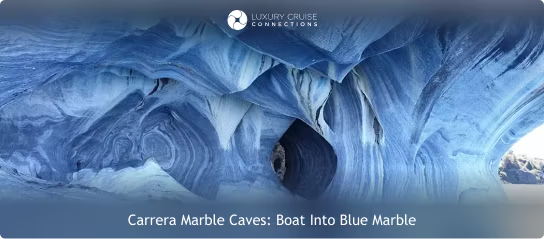
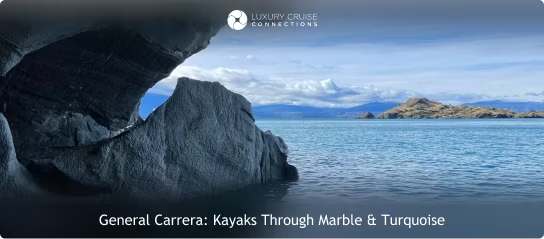
    The Marble Caves (Capillas de Mármol) are located on the shores of Lake General Carrera in Chilean Patagonia. The unique formations were sculpted over thousands of years by the erosive action of water on calcium carbonate cliffs. The result is a series of caves and columns with patterns in shades of blue, turquoise, and white. The caves are accessible only by boat or kayak from the town of Puerto Río Tranquilo. The water surrounding the caves is clear, adding to the surreal experience of exploring the natural wonder.
    Visit the Marble Caves on Lake General Carrera

    The Marble Cathedral (Catedral de Mármol) is the most famous formation, featuring towering spires and arches. The Marble Chapel (Capilla de Mármol) stands as a freestanding island with an archway. Exploring the formations by boat or kayak allows visitors to appreciate the natural beauty of the Cathedral. The colors of the caves change depending on the time of day, as the sunlight changes.

    Visitors board guided boat tours from Puerto Río Tranquilo, which last about 1.5 to 2 hours. Kayaking tours are available, offering closer access to the caves and a more personal encounter with the surroundings. The best time to visit is in the summer months (December to February) when the weather is milder, and the lake's water levels are optimal for exploration. Tours include time for visitors to enjoy the surrounding scenery, including the surrounding mountain views and clear blue waters.

    Visit between December and February for the most favorable weather and water conditions.

    Join guided boat or kayak tours offered by local operators in Puerto Río Tranquilo.

    Boat tours cost $12 per person. Kayaking tours are around $35 for a 3-hour trip.

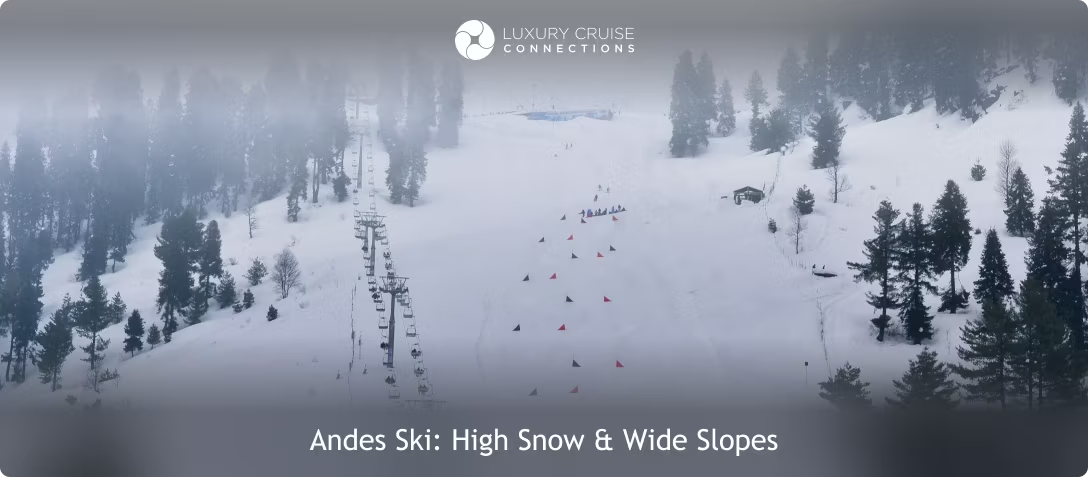
  • Ski in the Andes Mountains

    The Andes Mountains are in Chile and Argentina, which offer skiing experiences in the Southern Hemisphere. The resorts provide terrains suitable for all skill levels, with ski seasons from June to October. Resorts include Valle Nevado and Portillo in Chile, and Las Leñas and Cerro Catedral in Argentina. Each resort offers features from skiable areas to specialized terrains for advanced skiers. The Andes' high altitudes and favorable snow conditions make it a sought-after destination for skiing enthusiasts.
     Ski in the Andes Mountains

    Valle Nevado is located 46 km from Santiago, with 900 hectares of skiable terrain, and is part of the Tres Valles ski area, offering a variety of slopes. Portillo is near the Argentina border and is known for having a limited number of guests and unique “slingshot” lifts. Las Leñas, in Argentina's Mendoza province, is known for its off-piste areas and challenging runs, attracting advanced skiers. Cerro Catedral, near Bariloche, offers a large skiable area with 48 km of runs and is one of the most important ski resorts in South America.

    Skiers enjoy a range of activities, from heli-skiing in Portillo's remote terrains to exploring Valle Nevado's extensive slopes. Las Leñas offers night skiing on select runs, providing an experience under the stars. Cerro Catedral has skiing with views of Nahuel Huapi Lake. The resorts provide ski schools, equipment rentals, and après-ski activities, ensuring a winter experience.

    The ski season runs from June to October, with peak conditions in August and September.

    Engage with certified instructors and guides available at most resorts to improve the skiing experience.

    Lift ticket prices vary by resort, ranging from $50 to $100 per day. Equipment rentals and lessons are additional costs. Check each resort's official website for current pricing and packages.

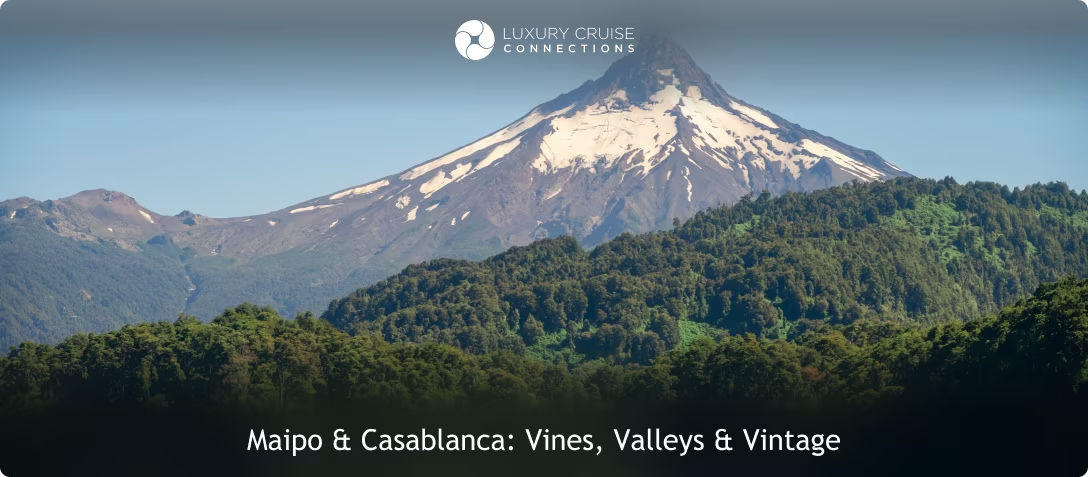
  • Discover the Wine Valleys of Maipo and Casablanca

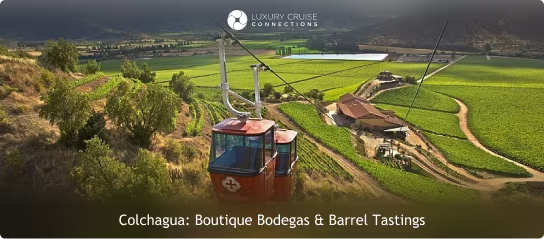
    The Maipo and Casablanca Valleys are two of Chile’s wine regions, each of which has its own unique experiences for wine. Maipo Valley is located just south of Santiago, and is celebrated for its fruit-driven Cabernet Sauvignon wines, earning it the nickname “Bordeaux of South America.” Casablanca Valley in the northwest of Santiago is Chile’s cool-climate region, known for its white wines (Sauvignon Blanc and Chardonnay) and Pinot Noir.
     Discover the Wine Valleys of Maipo and Casablanca

    Maipo Valley is home to historic wineries (Viña Undurraga), founded in 1885, with tours through rose gardens and cellars. The valley is divided into sub-regions. The Alto Maip, which is known for bold Cabernet Sauvignon, Central Maipo, the oldest winemaking area, and Pacific Maipo, is influenced by coastal breezes. Casablanca Valley was established in the mid-1980s and has quickly gained recognition for its white wines. The valley's cool climate, influenced by Pacific Ocean breezes, allows for the production of aromatic whites (Sauvignon Blanc, Chardonnay), and varietals (Viognier and Riesling).

    Visitors to Maipo Valley enjoy guided tours at wineries (Viña Undurraga), where they explore vineyards and taste a variety of wines. The valley's closeness to Santiago makes it an ideal destination for day trips, with wine tasting. Wine lovers visit boutique wineries, including Viña Emiliana, which is known for its organic and biodynamic practices. The valley's cooler climate provides a refreshing contrast, making it a destination for wine tasting and vineyard tours.

    The optimal time to visit is in the harvest season from March to April, when the vineyards are most active.

    Engage with local guides who offer insights into the winemaking process and the history of the regions.

    Tasting fees vary by winery, ranging from $10 to $30 per person, refundable with wine purchases.

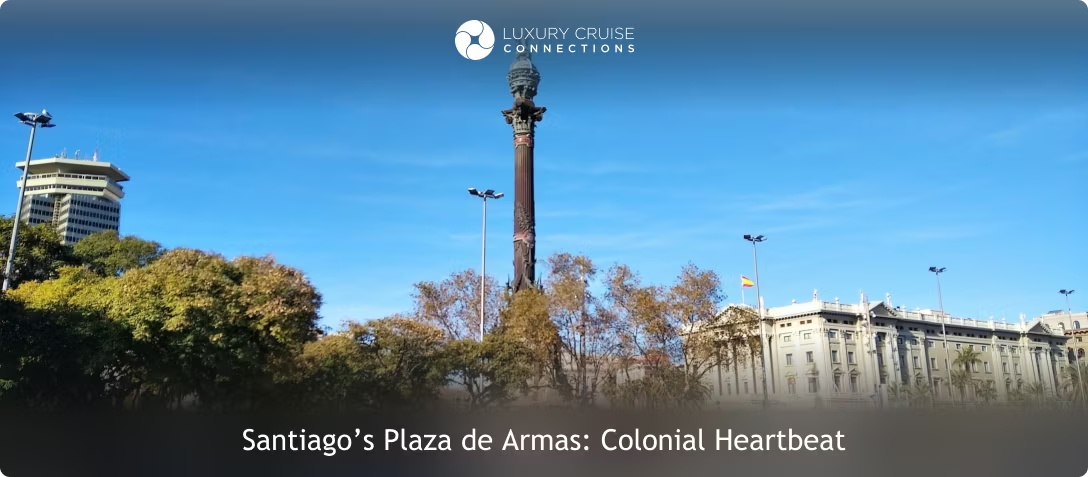
  • Visit Santiago’s Plaza de Armas

    Plaza de Armas is the main square of Santiago, Chile, and serves as the city's historic heart. The square is the reference point for all distances in Chile, known as Kilometer Zero, which was established in 1541 by Pedro de Valdivia. It remains a gathering place for locals and visitors, surrounded by colonial-era buildings. The square is filled with cultural events, including street performances and public gatherings, making it a center of activity.
    Visit Santiago’s Plaza de Armas

    The Metropolitan Cathedral is located on the west side of the plaza and is an example of neoclassical architecture. The Palacio de la Real Audiencia is now housing the National History Museum, and stands on the north side, reflecting Santiago's colonial past. The Central Post Office adds to the architectural diversity of the square. The streets are lined with cafes, vendors, and local shops, making it an area to explore and enjoy.

    Explore the buildings in the plaza, enjoy local street performances, and observe daily life in the heart of Santiago. The square is a starting point for guided tours that go into the city's rich history. The nearby museums provide deeper insight into Chile's heritage, while the atmosphere invites tourists to enjoy the local food and culture. The plaza’s central location makes it a place to begin exploring the rest of Santiago.

    Visit in the daylight for a lively atmosphere. Evenings offer a more relaxed environment.

    Engage with local guides available on-site for in-depth historical insights.

    Access to the plaza is free, but some museums charge an entry fee of $10-30.

  • Explore Chiloe Island’s Unique Culture and Architecture

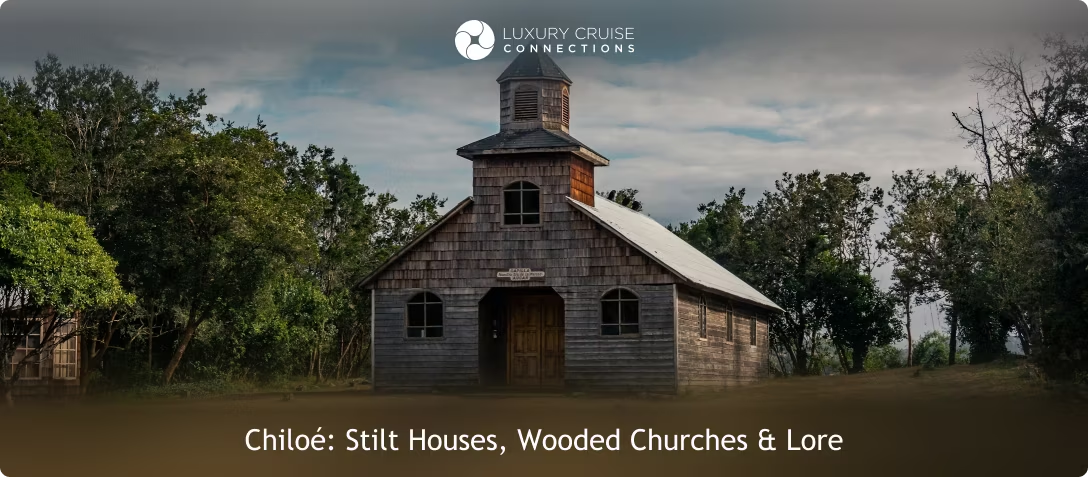
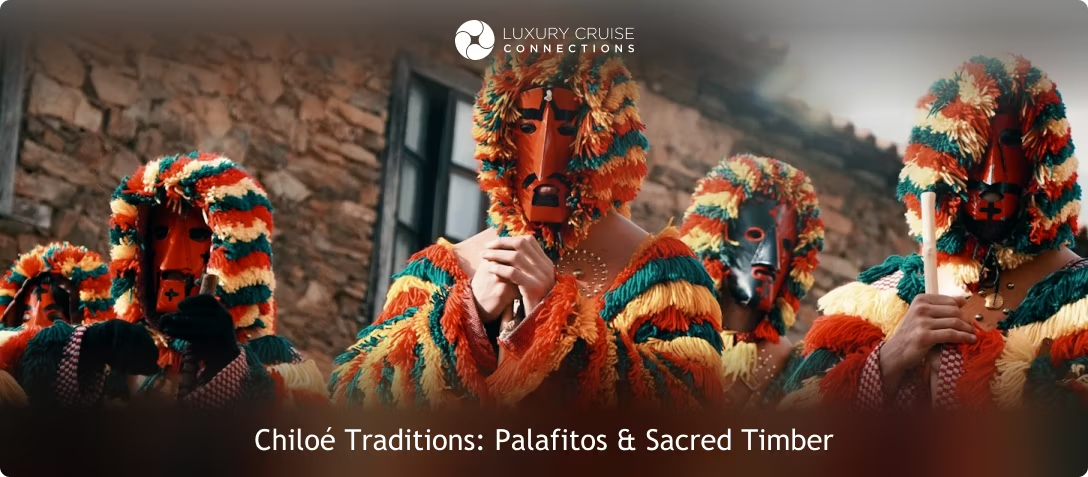
    Chiloé Island is located in southern Chile and is known for its culture and architecture. A mix of indigenous Mapuche traditions and Spanish influences shapes the island's history. It is visible in its famous wooden churches, stilt houses called palafitos, and local stories. Chiloé offers a chance to experience a distinct way of life, with its traditional buildings and folklore.
    Explore Chiloe Island’s Unique Culture and Architecture

    One of Chiloé’s most famous features is its wooden churches, with 16 of them listed as UNESCO World Heritage Sites. The churches were built by Jesuit missionaries in the 17th and 18th centuries, with European and local building methods. Churches include the Church of San Francisco in Castro and the Church of Quinchao. Another feature of Chiloé is its palafitos, or stilt houses, which are found in the waterfront in the Gamboa and Pedro Montt areas of Castro. The colorful wooden houses reflect the island's connection to the sea.

    Explore the Chiloé traditions through local festivals (the Fiesta de San Juan), where they experience community events. The island’s food (curanto), a dish made with seafood, meat, and vegetables, is an important part of its culture. Chiloé offers forests, fjords, and wildlife, including penguin colonies, which are perfect for outdoor activities and sightseeing.

    The best time to visit is from December to February, when the weather is milder, and festivals are taking place.

    Local guides help explain the history of the island’s churches and share stories about Chiloé’s culture and traditions.

    Visiting the island is free, but some attractions (the churches and national parks) charge an entry fee of $5 to $10.


What are the Most Popular Tourist Attractions in Chile?

The Most Popular Tourist Attractions in Chile are listed below.

  • Torres del Paine National Park
  • Easter Island
  • Atacama Desert
  • Valparaíso
  • The Lake Distric
  • Santiago
  • Chiloé Island
  • The Wine Valleys
  • Pucón
  • Cape Horn
  • Torres del Paine National Park - Natural Wonder

    Torres del Paine is one of the most famous national parks in Chile, located in Patagonia and known for its rugged mountains, glaciers, and clear blue lakes. It attracts hikers and nature enthusiasts from around the world.
    Torres del Paine National Park - Natural Wonder
  • Easter Island - Ancient Mysteries

    Easter Island, or Rapa Nui, is famous for its iconic moai statues and its rich Polynesian culture. It offers a unique combination of archaeological sites and views, making it a chile tourist attractions.
    Easter Island - Ancient Mysteries
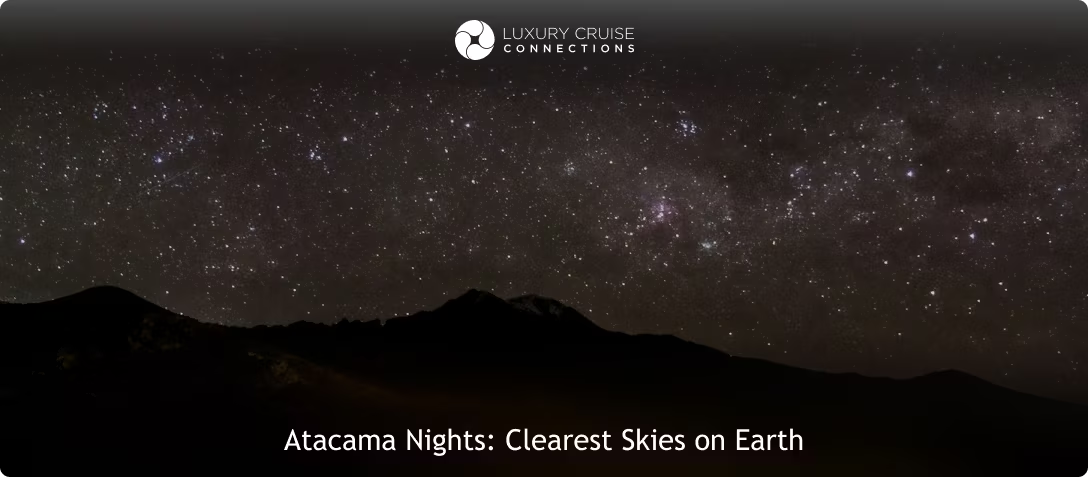
  • Atacama Desert - Stargazing Destination

    The Atacama Desert is one of the driest places on Earth and offers a variety of experiences, including stargazing in some of the clearest skies. Explore salt flats, geysers, and ancient ruins, making it a must-visit for adventure seekers.
    Atacama Desert - Stargazing Destination
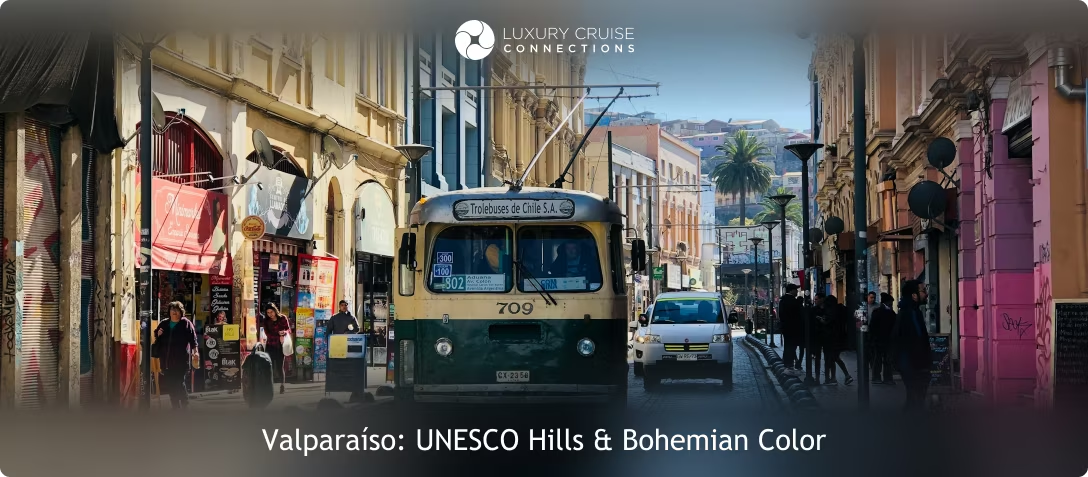
  • Valparaíso - Colorful Port City

    Valparaíso is a UNESCO World Heritage site, known for its tourist attractions in Chile, houses, and steep hillsides overlooking the Pacific Ocean. The city is famous for its street art, historical sites, and bohemian atmosphere.
    Valparaíso - Colorful Port City
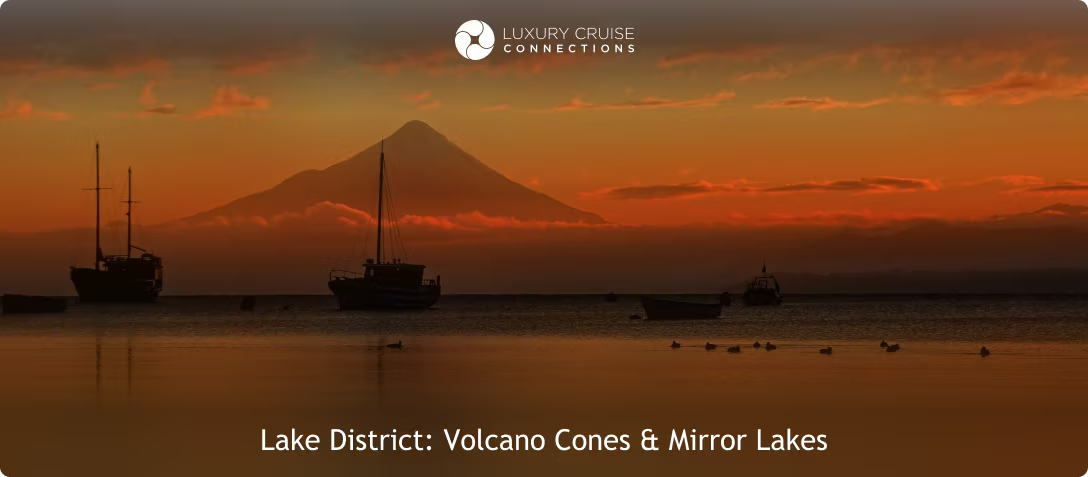
  • The Lake District - Scenic Beauty

    The Lake District in southern Chile offers a mix of crystal-clear lakes, snow-capped volcanoes, and forests. It is perfect for outdoor activities (hiking, fishing, and kayaking).
    The Lake District - Scenic Beauty
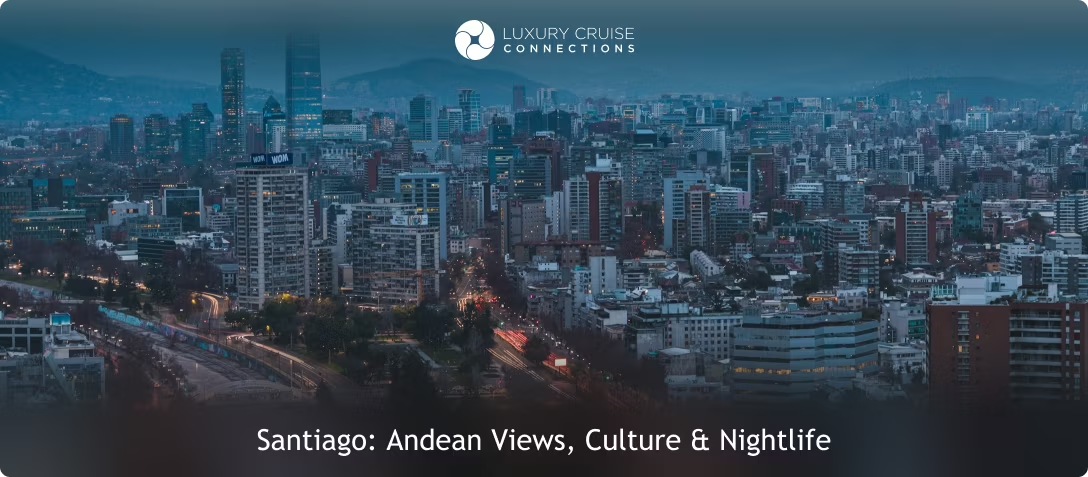
  • Santiago - Urban Center

    Santiago is the capital city of Chile and is known for modern buildings and historic architecture. It offers cultural attractions, nightlife, and views from nearby mountains.
    Santiago - Urban Center
  • Chiloé Island - Unique Culture

    hiloé Island is famous because of its distinctive architecture, including wooden churches and stilt houses. The island's folklore, traditions, and food make it a place to explore.
    Chiloé Island - Unique Culture
  • The Wine Valleys - Chilean Vineyards

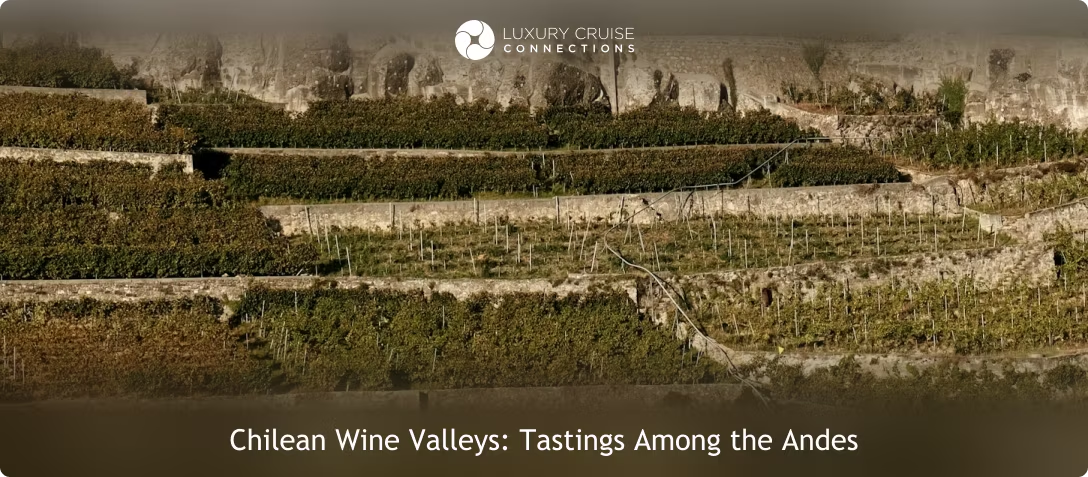
    Chile's wine regions (Maipo Valley and Casablanca Valley) are well-known for producing world-class wines. Tour vineyards, participate in wine tastings, and learn about the winemaking process.
    The Wine Valleys - Chilean Vineyards
  • Pucón - Adventure Capital

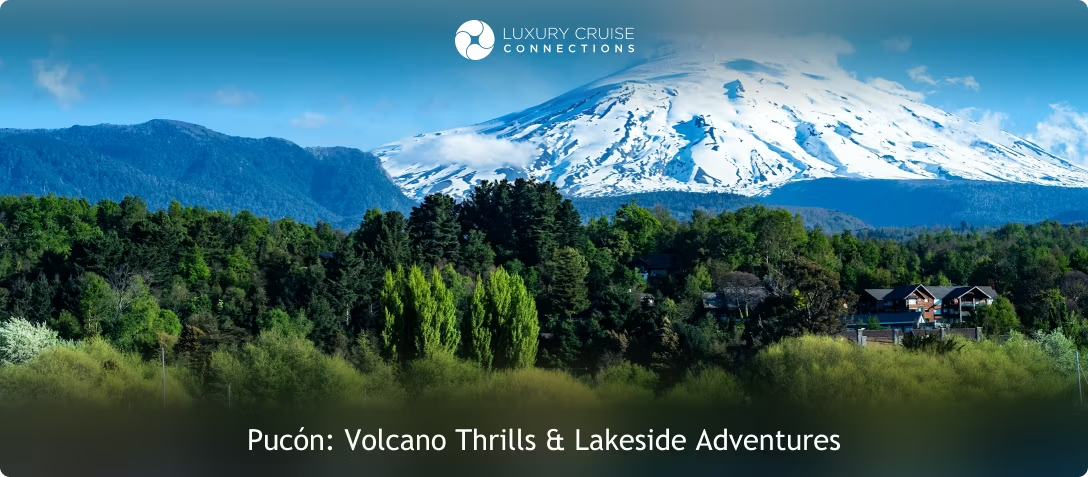
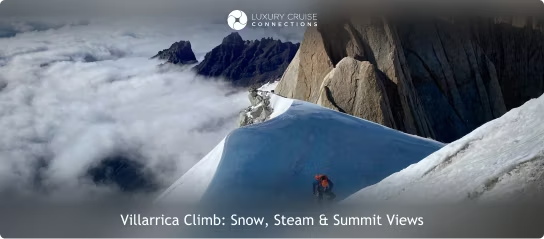
    Pucón is located in the Lake District and is a hub for adventure activities, including hiking, skiing, and rafting. The nearby Villarrica Volcano adds an extra thrill for outdoor enthusiasts.
    Pucón - Adventure Capital
  • Cape Horn - End of the World

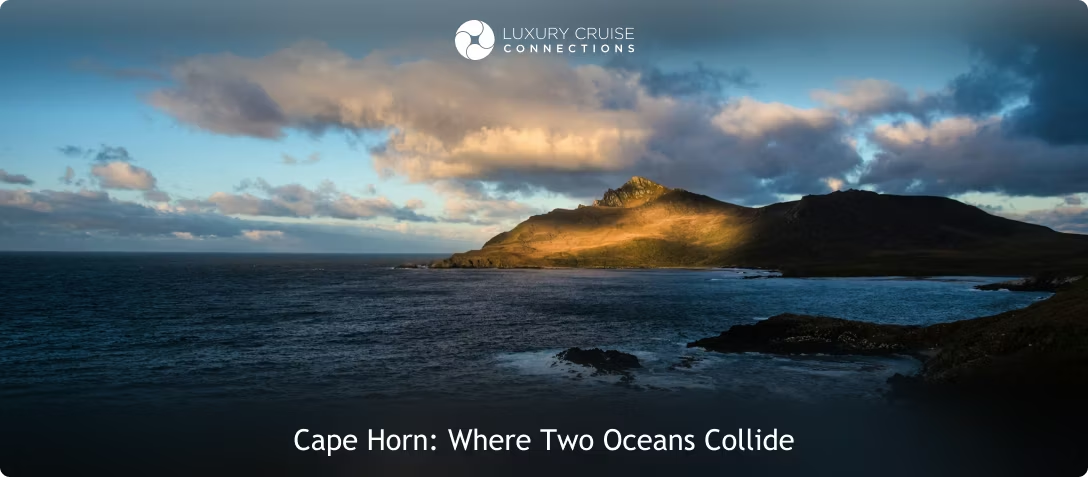
    Cape Horn is located at the southern tip of Chile and is famous for its cliffs and rough seas. The Cape Horn marks the point where the Atlantic and Pacific Oceans meet, making it a popular destination for cruise ships.
    Cape Horn - End of the World


What are the Most Beautiful Places to Visit in Chile?

The most Beautiful Places to visit in Chile are listed below.


Which Vacation Spots in Chile Are Best for Beach Lovers?

The Vacation Spots in Chile that Are Best for Beach Lovers are listed below.


What Fun Activities can you do in Chile on a Weekend Getaway?

The Fun Activities you can do in Chile on a Weekend Getaway are listed below.


What are the Best Things to Do in Chile for First-Time Visitors?

The best Things to do in Chile for First-Time Visitors are listed below.

First-time visitors tour the UNESCO-listed wooden churches of Chiloé Island. The churches feature unique architecture and local craftsmanship. Learn about the island’s folklore and traditions.
Hike near Villarrica Volcano and relax by Villarrica Lake. Kayaking and small boat trips allow close views of the volcano. It offers a mix of light adventure and beauty, ideal for new visitors.
Frutillar is known for its German-influenced architecture and museums. Enjoy live music, pastries, and lakeside walks. It provides a quiet and educational start for first-time travelers.
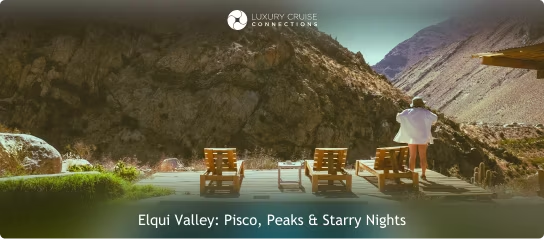
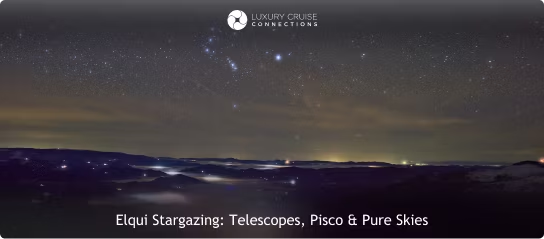
The Elqui Valley has small villages for exploring local life. Visit Pisco distilleries and enjoy stargazing tours at night. It is a relaxing and unique activity for new travelers, highlighting Chile's beautiful landscapes.
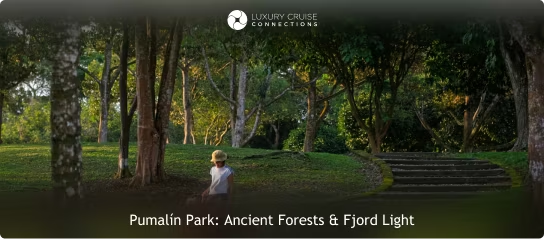
Hike trails in Pumalín Park and see native trees and animals (foxes, birds). The park is less crowded and provides peaceful walks. It is an excellent way for first-time visitors to enjoy Chile’s forests.
First-time tourists rent kayaks to explore the marble caves. Calm waters make it safe for beginners, and the natural formations are impressive.
Explore the riverside market in Valdivia, tasting local seafood and visiting artisan stalls. The market offers a glimpse into the city’s history and daily life. It is ideal for a first-hand cultural experience.
First-time visitors ride the historical steam train from Temuco to nearby towns. The train passes forests and rural areas, showing everyday Chilean life. It provides a gentle introduction to the countryside
Hike near the salt flats and see flamingos and llamas. The white plains and mountains create an unusual desert view. It is an uncommon stop for new visitors.
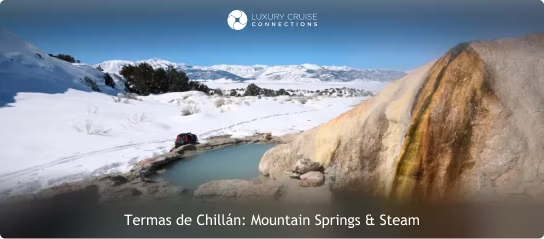
Soak in wooden hot springs surrounded by forests. Walkways connect the pools and offer warm water and natural views. It is a peaceful activity for first-time travelers, providing a true Chilean retreat.
What is the Best Season to Visit Chile for a Beach Vacation?

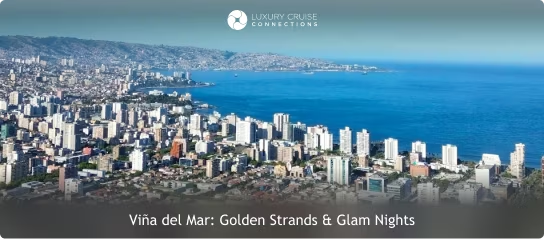
The Best Season to visit Chile for a Beach Vacation is in the summer months, from December to February, when the weather is warm and sunny along the coast. Beach resorts in towns (Viña del Mar and La Serena) have comfortable temperatures, clear skies, and calm waters ideal for swimming, sunbathing, and water sports. Enjoy local seafood and seaside activities while exploring Chile beautiful beaches.

Outside the main summer months, coastal areas are cooler and windier. Planning a trip from December to February ensures the best conditions for a Chile vacation. Visitors must book accommodations and beach activities early to secure spots at popular destinations, making their Chile beach vacations more relaxing and enjoyable.

How much should you Budget for a Fun Adventure Trip in Chile?

Budget $2,000 to $3,500 for a fun adventure trip in Chile, depending on how long the trip lasts and the types of activities chosen. Chile is one of South America's more expensive countries, and costs for accommodation, meals, and local transportation are higher than in nearby countries. Domestic flights between major cities and remote regions (Patagonia, Atacama Desert, Lake District) are common and must be planned.

Park entrance fees vary, with national parks (Torres del Paine) charging around $25 USD for foreign tourists. Guided tours, hiking permits, and equipment rentals for trekking, kayaking, or skiing are additional expenses. Tourists on a Chile adventure must consider souvenirs, local experiences, and optional excursions. Proper planning ensures a safe and memorable Chile adventure travel experience.

How to Plan a Chile Travel Itinerary for a First-Time Visitor?

To plan a Chile travel itinerary for a first-time visitor, there are eight steps to follow. First, choose one or two regions to explore, since Chile stretches over 4,300 km from north to south. Second, research domestic flight options to save time between destinations (Santiago, the Atacama Desert, or Patagonia). Third, list must-see sites and activities for each region, including national parks, beaches, and cultural landmarks. Fourth, book accommodations in advance in popular areas (Torres del Paine or Valparaíso). Fifth, check the weather and pack appropriate clothing for each region. Sixth, schedule guided tours or local experiences to enrich the visit. Seventh, plan transport within cities or towns, including buses, taxis, or rental cars. Lastly, create a detailed Chile itinerary that has sightseeing and relaxation, ensuring a smooth Chile travel experience while following a clear itinerary.

Best Things to Do Around the World

Discover the best activities, landmarks, and experiences in every cruise destination and port of call.

Europe Western, Central & Mediterranean
America North, Central, South & Caribbean
Africa & Asia Oceania & Antarctica