
10 Best Things to Do in Austria

10 Best Things to Do in Austria

add

10 Best Things to Do in Austria

  • Explore Schonbrunn Palace in Vienna
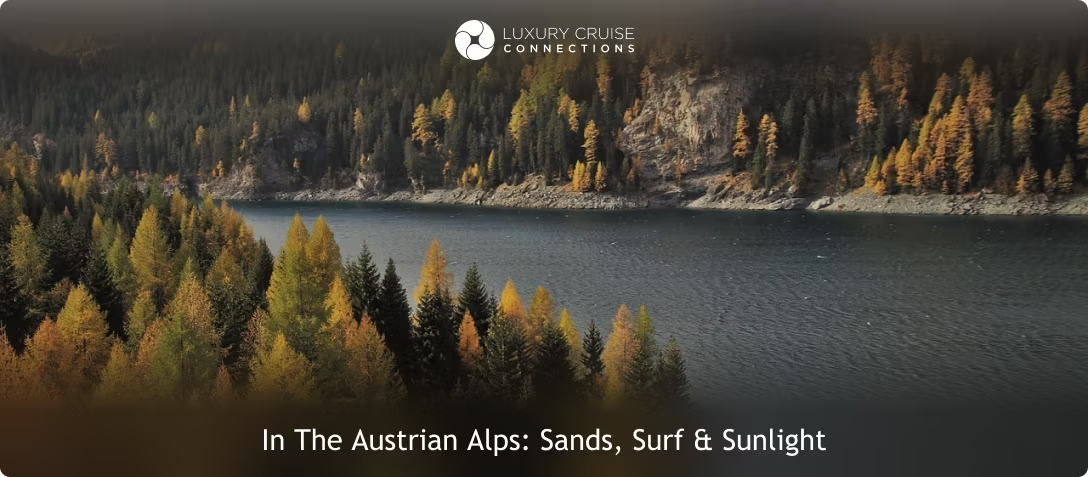
  • Visit Hallstatt and Its Alpine Lake
  • Ski in the Austrian Alps
  • Tour the Hofburg Palace in Vienna
  • Ride the Grossglockner High Alpine Road
  • Discover Salzburg’s Old Town and Mozart's Birthplace
  • Cruise the Danube River through the Wachau Valley
  • Cable Car to the Dachstein Skywalk
  • Attend a Classical Concert in Vienna
  • Relax in the Thermal Spas of Bad Gastein
  • Explore Schonbrunn Palace in Vienna

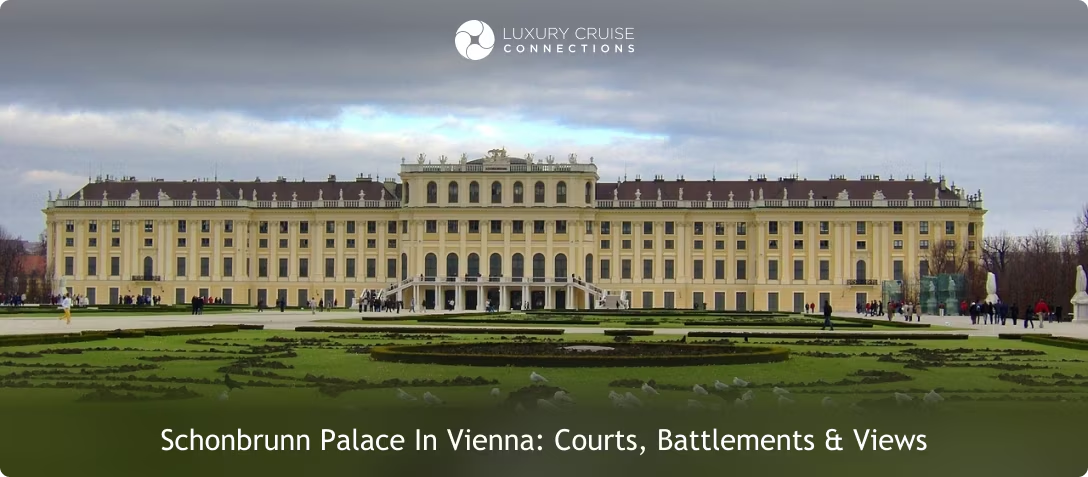
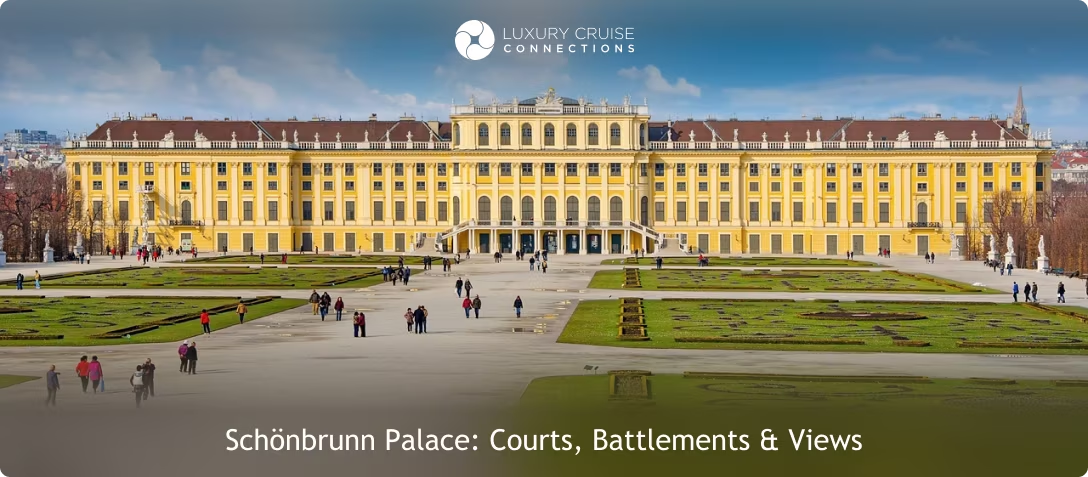
    Schönbrunn Palace in Vienna stands as one of Austria’s most iconic landmarks, once serving as the summer residence of the Habsburg monarchy. The Baroque masterpiece showcases imperial grandeur through over 1,400 rooms, formal gardens, and expansive parklands that highlight centuries of history, political influence, and decorative artistry. Visitors discover a rare combination of architecture, art, and landscape design that reflects the royal lifestyle of Europe’s past.
    Explore Schonbrunn Palace in Vienna

    The Grand Gallery is adorned with ornate ceiling frescoes, while the Mirror Room showcases Mozart's early performances. The Imperial Apartments reveal luxurious furnishings once used by the Habsburg rulers. The palace grounds feature additional attractions such as the Palm House, Orangery, and the world’s oldest zoo. A climb to the Gloriette on the hill offers sweeping views across Vienna, completing the perfect blend of culture and scenery.

    Walking through Schönbrunn Palace offers insight into imperial traditions, with guided tours providing stories of politics, art, and daily life at court. The gardens, dotted with fountains, sculptures, and hidden pathways, create an elegant escape for strolling or photography. Visitors combine the grandeur of the palace interiors with the relaxed beauty of landscaped grounds, making each visit a mix of cultural discovery and leisure

    The best time to visit Schönbrunn Palace is from April to June or September to October, when the weather is pleasant and tour groups are fewer.

    Choose a guided tour in multiple languages or an audio tour for flexibility and a deeper context.

    Entrance ranges from $20 to $35, depending on the chosen tour, while garden access remains free.

  • Visit Hallstatt and Its Alpine Lake

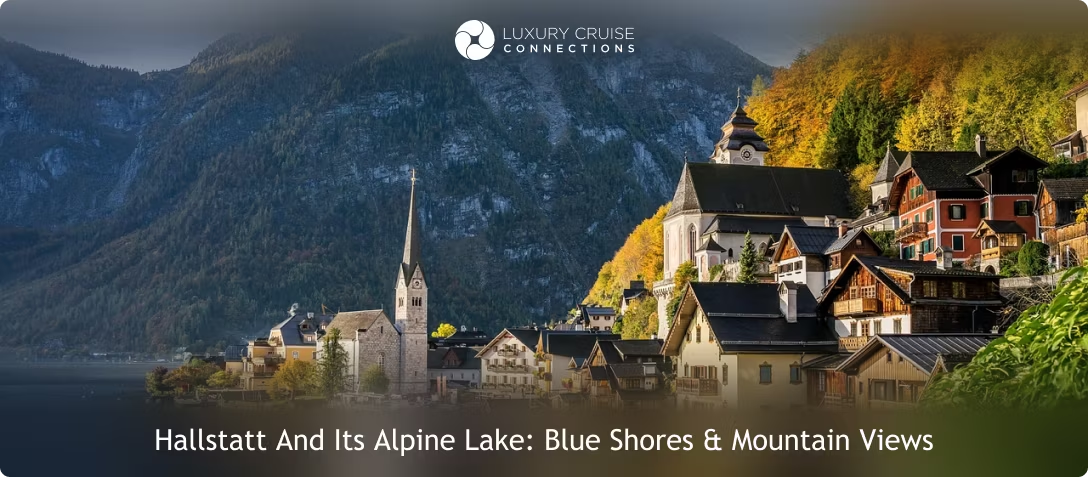
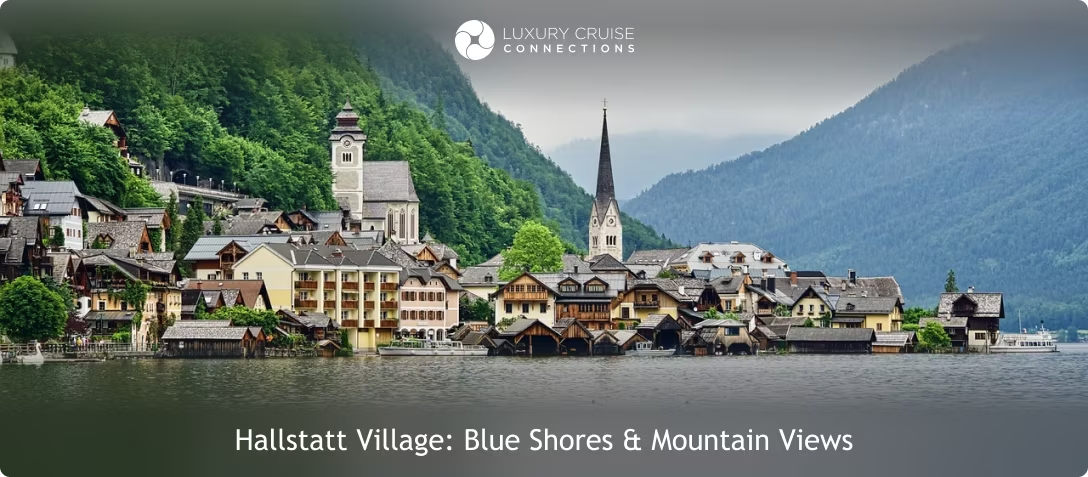
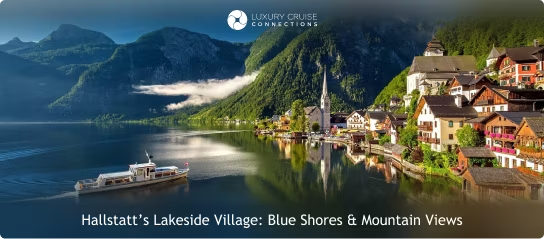
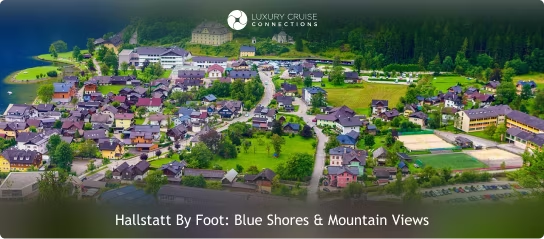
    Visit Hallstatt and its Alpine Lake to explore a UNESCO World Heritage village surrounded by the Dachstein Alps, where cultural history and breathtaking scenery come together. Hallstatt, known for its ancient salt mining heritage, sits along Lake Hallstatt, offering postcard-perfect views. The village features alpine wooden houses, cobblestone streets, and archaeological sites dating back to prehistoric times, giving it a unique charm rooted in centuries of tradition.
    Visit Hallstatt and Its Alpine Lake

    Top attractions in Hallstatt include the Hallstatt Skywalk, which delivers sweeping panoramic views of the lake and surrounding peaks, and the famous Salt Mine, one of the oldest in the world, where guided tours uncover centuries of mining history. Lake Hallstatt itself is a highlight, with ferry rides, lakeside promenades, and calm reflections of the alpine mountains. St. Michael’s Chapel houses the Bone House, displaying hand-painted skulls, offering insight into local customs.

    Visitors experience a blend of history and nature in one compact destination. The Skywalk offers thrilling perspectives, while boat trips across the lake create peaceful moments against a dramatic alpine backdrop. Guided underground salt mine tours transport guests into ancient tunnels, revealing traditional techniques and local stories. Photographers find endless opportunities, from colorful houses to misty lake reflections.

    The best time to visit Hallstatt is from May to September, when the weather is pleasant and lake cruises operate.

    Join local guides for salt mine tours or cultural walks to gain deeper insights into history and traditions.

    Entry to the salt mine is $30 - $40, the Skywalk funicular costs about $20, and guided tours start from $50.

  • Ski in the Austrian Alps

    Ski in the Austrian Alps to experience some of Europe’s finest winter adventures across snow-covered peaks and alpine valleys. Austria’s mountain regions, including Tyrol, Vorarlberg, and Salzburg, are renowned for well-developed resorts, charming villages, and reliable snow conditions. The Austrian Alps offer a wide range of slopes for beginners and advanced high-altitude runs for every level of skier. Modern lifts, gondolas, and ski schools provide accessibility and support, while alpine towns create an inviting atmosphere through traditional hospitality, dining, and wellness retreats.
    Ski in the Austrian Alps

    The Austrian Alps combine thrilling descents, scenic trails, and cultural traditions that enrich every ski trip. Resorts (St. Anton am Arlberg, Kitzbühel, and Ischgl) remain world-famous for their terrain parks, panoramic viewpoints, and après-ski culture. Visitors enjoy more than skiing alone, with opportunities for snowshoe hiking, sledding, and attending seasonal festivals that celebrate alpine customs. Cozy mountain huts serve regional cuisine, creating memorable stops between activities.

    Travelers encounter crisp mountain air, fresh snow underfoot, and dramatic views of jagged peaks stretching across the horizon. Days begin with easy access to slopes through modern infrastructure and end with relaxation in alpine villages filled with spas, restaurants, and warm lodges. The balance of adventure and comfort creates a full winter experience, where skiing blends with culture, nature, and community.

    The best time to ski in the Austrian Alps is from December through March, when snow conditions are reliable.

    Hire a local ski guide to navigate large resorts, learn off-piste routes safely, and gain insights into the region’s traditions.

    Lift passes cost $60 - $75 per day, while ski rentals are $40 per day, with package discounts for longer stays.

  • Tour the Hofburg Palace in Vienna

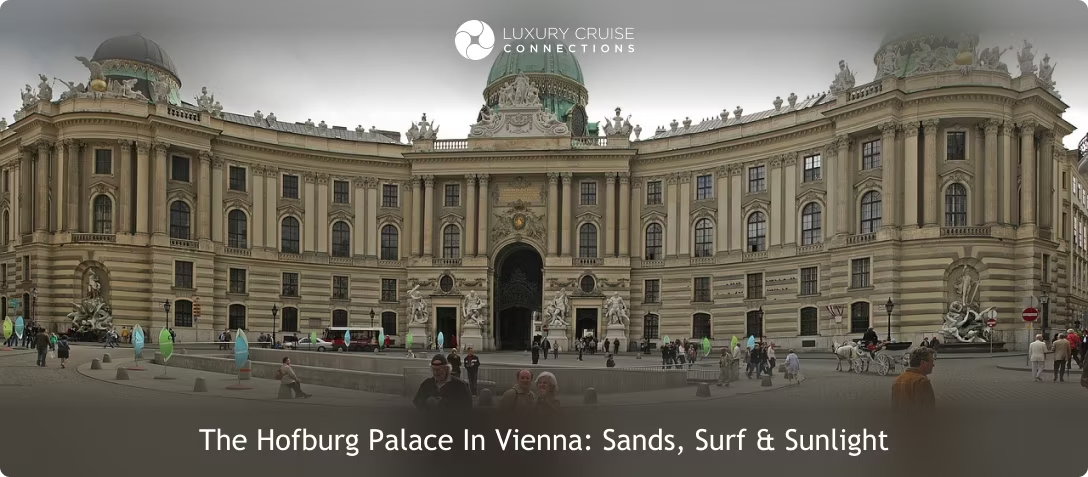
    Tour the Hofburg Palace in Vienna to experience the former imperial residence of the Habsburg dynasty, a monumental complex that reflects Austria’s royal legacy. The palace features a blend of Gothic, Renaissance, Baroque, and Rococo architectural styles, showcasing centuries of expansion. The Hofburg houses key cultural institutions, including the Imperial Apartments, the Sisi Museum, the Silver Collection, and the Spanish Riding School. Each wing and courtyard reveals the grandeur of Austria’s imperial past while serving as a vibrant cultural hub in the heart of Vienna.
    Tour the Hofburg Palace in Vienna

    The palace treasures include the Imperial Apartments, richly decorated with furnishings that once belonged to Emperor Franz Joseph and Empress Elisabeth. The Sisi Museum highlights Austria’s beloved yet enigmatic empress through personal artifacts, portraits, and letters. The Treasury displays the Imperial Crown of the Holy Roman Empire and sacred Christian relics, while the Spanish Riding School enchants visitors with classical dressage and centuries-old equestrian tradition. The combination of highlights makes the Hofburg an unrivaled cultural landmark in Vienna.

    Visitors walk through gilded halls, grand staircases, and intricately crafted parquet floors, feeling the weight of imperial opulence at every turn. Touring the museums allows encounters with priceless artifacts, jewels, and personal stories of Austria’s rulers. Performances at the Spanish Riding School create a living tradition, blending heritage with spectacle. Audio guides and guided tours provide context and history, enriching the visit with narratives of art, politics, and daily life at court.

    The best time to visit the Hofburg Palace is from April to October, when Vienna enjoys mild temperatures and long daylight hours.

    Choose an audio guide or join a guided tour for in-depth stories and historical context about the collections.

    Entrance fees range between $16 and $20 depending on the section visited, with advance online booking recommended to avoid queues.

  • Ride the Grossglockner High Alpine Road

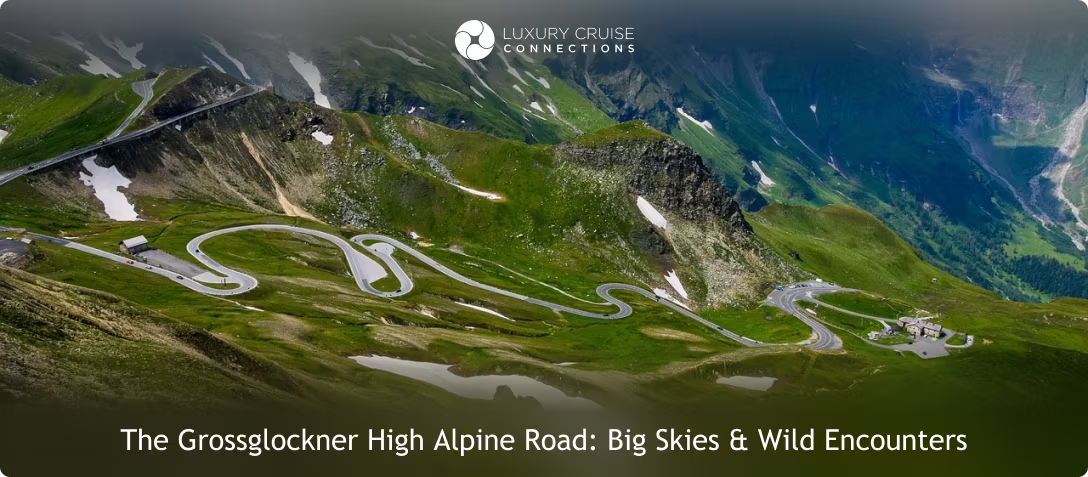
    “Ride the Grossglockner High Alpine Road offers one of Austria’s most breathtaking journeys, taking travelers through the nation’s highest mountain pass. The 30-mile road climbs above 8,000 feet and was opened in the 1930s to give access to Grossglockner, Austria's highest peak at 12,460 feet. The route combines natural beauty, history, and engineering, creating a remarkable drive through glaciers, cliffs, and wildflower-filled meadows.
    Ride the Grossglockner High Alpine Road

    The scenic road features sharp switchbacks, panoramic viewpoints, and structured stops with exhibits that tell stories of alpine culture and geology. The Kaiser-Franz-Josefs-Höhe lookout provides spectacular views of the Pasterze Glacier, while interpretive displays explain the natural forces that shaped the region. Visitors encounter marmots, ibexes, and golden eagles along the way, adding wildlife encounters to the dramatic landscapes.

    Driving the Grossglockner High Alpine Road is more than a scenic ride. Stops include the alpine nature trail at Glocknerhaus, the tunnel gallery at Fuscher Törl, and Haus Alpine Naturschau with its educational displays. Short hikes, roadside picnics, and cultural exhibits blend with the fresh mountain air, making every pause along the route rewarding. Independent drives allow freedom to stop at viewpoints, while guided tours from Salzburg or Zell am See add structure and insights into Alpine history.ble stops in Albania.

    The best time to ride the Grossglockner High Alpine Road is from late May to early October when snow has cleared.

    Choose a guided driving tour from Salzburg or Zell am See for expert commentary, or drive independently for flexible stops.

    Entry fees range from $40 to $50 per car, depending on the season.

  • Discover Salzburg’s Old Town and Mozart's Birthplace

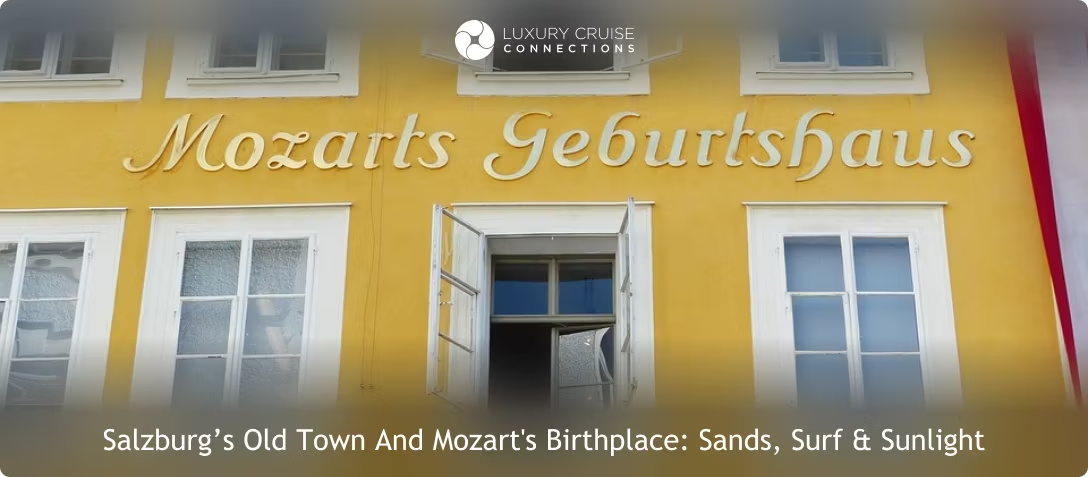
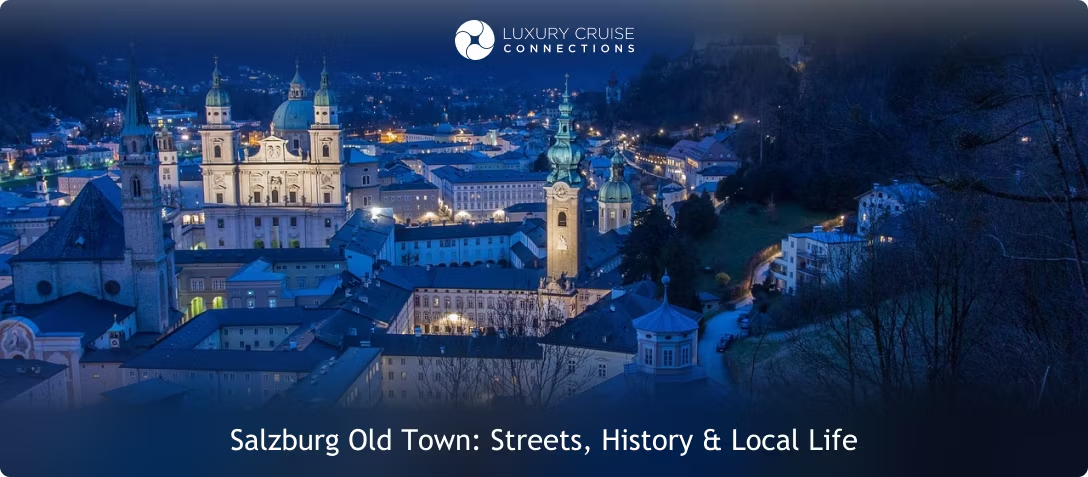
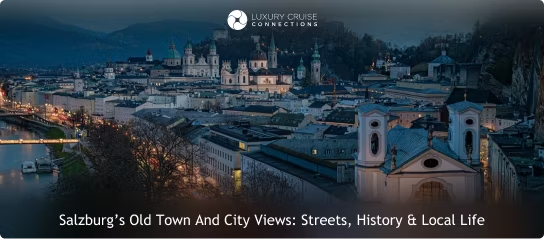
    Discover Salzburg’s Old Town and Mozart's Birthplace offers a unique combination of architectural beauty, cultural heritage, and musical history. Old Town Salzach is a UNESCO World Heritage Site nestled beneath the Hohensalzburg Fortress, filled with medieval lanes, painted facades, and ornate Baroque buildings. Mozart's Birthplace, located at No. 9 Getreidegasse, exhibits a collection of instruments, portraits, and manuscripts from Mozart's early years, while the surrounding streets feel like a living museum.
    Discover Salzburg’s Old Town and Mozart's Birthplace

    The Salzburg Cathedral, St. Peter’s Abbey, and Residenzplatz with its grand fountains stand out as remarkable attractions. The historic district presents wrought-iron shop signs, artisan boutiques, and traditional cafés, including Café Tomaselli, once frequented by Mozart himself. Street performers, open-air markets, and small squares bring an energetic atmosphere that blends past and present, making the Old Town both a cultural landmark and a lively meeting place

    Walking through Salzburg’s Old Town creates a journey across centuries, where music, history, and daily life connect seamlessly. Visitors admire historic burial grounds carved into stone, browse local crafts, and enjoy classical performances echoing through open courtyards. Inside Mozart’s Birthplace, detailed exhibits explain family life in 18th-century Salzburg, helping travelers understand the environment that shaped his genius. Guided tours share anecdotes that enrich the experience, while self-guided walks provide flexibility for deeper personal discovery.

    The best time to visit Salzburg’s Old Town is from April through September, when longer daylight hours favor exploration.

    Join a local walking tour to gain valuable insight into Salzburg’s history and hidden stories.

    Admission to Mozart’s Birthplace is about $15 per adult, with combined tickets available for Mozart’s Residence.

  • Cruise the Danube River through the Wachau Valley

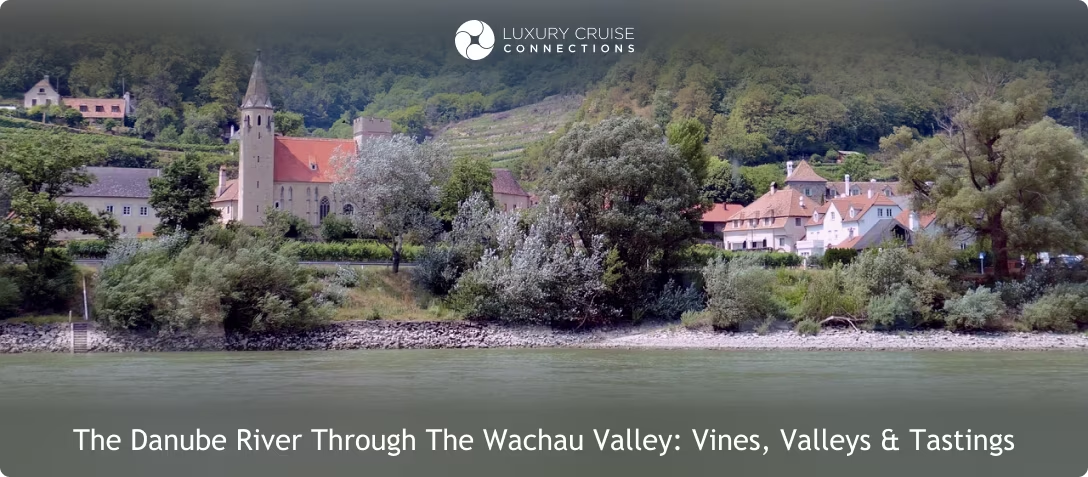
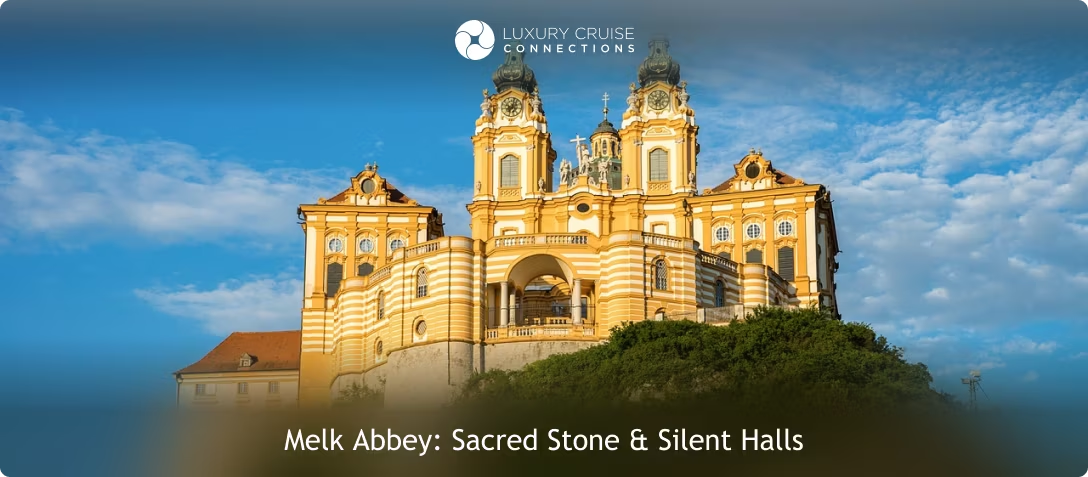
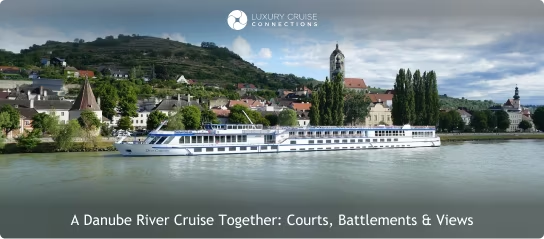
    Cruising the Danube River through the Wachau Valley introduces a scenic journey along one of Austria’s most celebrated landscapes. Stretching between Melk and Krems, this UNESCO World Heritage site blends terraced vineyards, forested slopes, and medieval towns with striking baroque architecture. The route flows past Melk Abbey, a Benedictine monastery famous for its golden library and frescoed ceilings, as well as the ruins of Dürnstein Castle, where King Richard the Lionheart was once imprisoned. A river journey through the Wachau Valley is a combination of natural beauty and cultural depth, making it one of the most memorable river adventures in Europe.
    Cruise the Danube River through the Wachau Valley

    Travelers encounter charming wine villages such as Spitz and Weißenkirchen, where tastings showcase regional vintages. Apricot orchards line the valley, offering seasonal treats, while churches like Dürnstein Abbey add architectural flair with its blue tower rising above the river. Guided commentary on board shares insight into winemaking traditions, medieval history, and the role of the Danube River as a cultural link through Austria.

    Cruises range from short day trips to longer connections with Vienna or Linz. A half-day trip allows time to step off the boat, explore local markets, or walk among hillside vineyards. Longer journeys blend sightseeing with regional cuisine, storytelling, and slow-paced river travel. Guests enjoy panoramic views from the deck, photography opportunities at hilltop ruins, and moments of calm while drifting past timeless villages.

    The best time to cruise the Wachau Valley is from April to October, when vineyards are in bloom and the river is fully navigable.

    Join a guided tour or river cruise that includes expert narration about the valley’s culture, history, and winemaking heritage

    Cruise prices range from $35 to $70 per person, depending on trip length and included services.

  • Cable Car to the Dachstein Skywalk

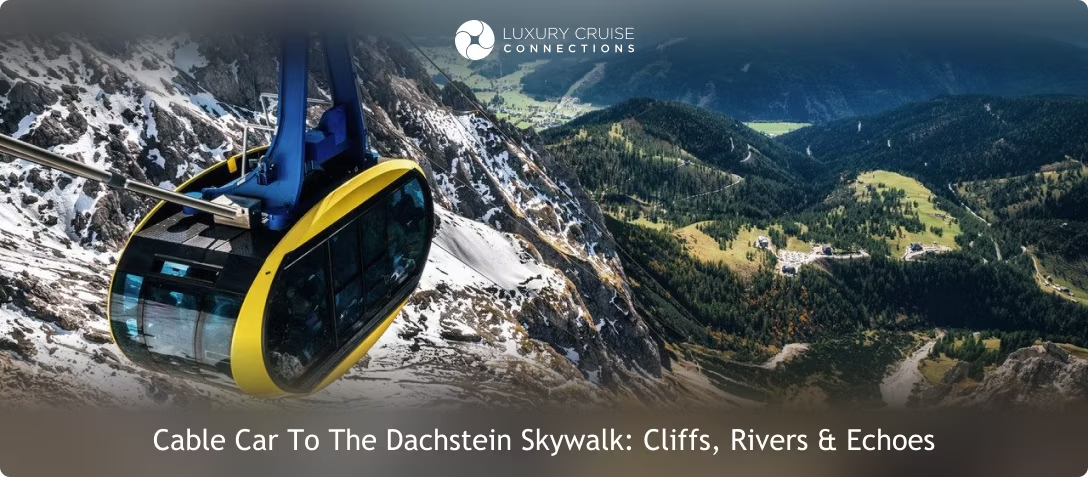
    Cable Car to the Dachstein Skywalk takes travelers on a high-altitude ride into Austria’s Dachstein mountain range, ascending over 8,800 feet above sea level. Cable cars depart Ramsau for Dachstein Glacier, where sweeping alpine views unfold during the ascent. The Skywalk platform extends out from a cliff at the summit, providing panoramic views of the Dachstein and valleys below, while standing above nearly 800 feet.
    Cable Car to the Dachstein Skywalk

    Attractions near the upper station enrich the visit, including the Ice Palace, a series of tunnels and sculptures carved inside the glacier, and the suspension bridge that connects to the Stairway to Nothingness. The area combines natural scenery with striking architectural design, offering visitors a mix of snow, ice, and breathtaking views. A year-round snowy landscape, glacier hikes, and photography opportunities make Dachstein Skywalk one of Austria's most memorable alpine experiences.

    Visitors enjoy a smooth cable car ascent followed by time at the summit to explore the glacier’s attractions. Walking through icy corridors, stepping onto the glass platform, and crossing the suspension bridge provide a thrilling mix of wonder and challenge. The views are unmatched in clarity on bright days, making early arrival worthwhile. Flexible self-paced exploration allows travelers to move between attractions, pause for photos, and appreciate the alpine setting at leisure.

    The best time for clear views and access is from June to September.

    Guided excursions are available at the base, though self-guided visits remain popular.

    Round-trip tickets range between $40 and $55 per adult.

  • Attend a Classical Concert in Vienna

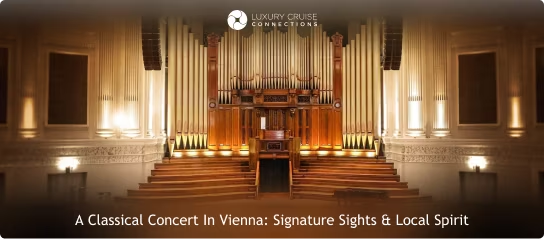
    Attending a Classical Concert in Vienna offers a timeless journey into the heart of the city’s musical heritage. Vienna has been the home to legendary composers such as Mozart, Beethoven, Schubert, and Strauss for centuries. Concerts take place in world-renowned venues like the Musikverein’s Golden Hall and the Vienna State Opera, and in smaller, intimate spaces such as Kursalon and St. Anne’s Church. Each performance showcases the elegance and cultural depth that define Vienna as the capital of classical music.
    Attend a Classical Concert in Vienna

    Concerts feature masterpieces from the Baroque, Classical, and Romantic eras performed by internationally acclaimed orchestras, quartets, or soloists. Programs include ballet or opera excerpts, adding variety and theatrical flair. Visitors enjoy the rich acoustics of Vienna’s historic halls, which combine architectural beauty with musical precision. Seasonal highlights include the Vienna Philharmonic’s New Year’s Concert and open-air summer events at Schönbrunn Palace. A gilded hall concert or a smaller chamber performance, every performance is a testament to Vienna's artistic legacy.

    Audiences immerse themselves in a cultural tradition that blends sophistication and artistry. Wearing smart casual or formal attire is expected, creating an atmosphere of elegance. Music is paired with fine dining, such as the Kursalon's concert-and-dinner package, making the evening a complete cultural experience. Programs are available in English and German, making it accessible for international visitors. Every performance becomes not just entertainment but a celebration of Vienna’s enduring role in classical music.

    The best time to attend is during the Vienna Concert Season, from September to June.

    Join guided concert tours for curated seating, historical insight, and access to premium venues.

    Tickets start around $20 in smaller halls and exceed $200 for premium seats at prestigious performances.

  • Relax in the Thermal Spas of Bad Gastein

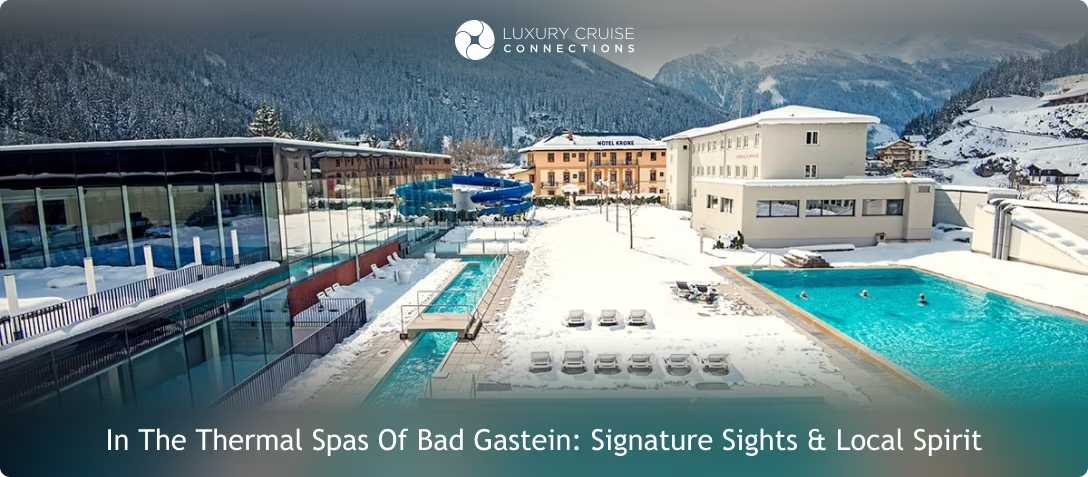
    Relax in the thermal spas of Bad Gastein, a mountain retreat in Austria’s Hohe Tauern range known for radon-rich hot springs and Belle Époque charm. Travelers have sought the healing waters flowing from the Alps since the 19th century, which are believed to increase circulation and ease joint discomfort. Dramatic peaks surround the mountain town and offer a perfect balance of alpine beauty and restorative wellness. Felsentherme Bad Gastein, the centerpiece spa, combines modern facilities with panoramic mountain views, making it a must-visit destination for health and relaxation.
    Relax in the Thermal Spas of Bad Gastein

    The town features a blend of wellness, architecture, and alpine scenery. Belle Époque buildings reflect Bad Gastein’s glamorous past, while thermal pools and sauna areas create modern comfort. The Gastein Healing Gallery, located inside a mountain tunnel, provides radon therapy sessions under medical supervision. Visitors enjoy indoor and outdoor pools, whirlpools with sweeping views, and relaxation zones that shift in atmosphere depending on the season.

    Visitors immerse themselves in warm pools, relax in mineral vapor rooms, and book treatments that combine thermal bathing with medical wellness. Winter offers soothing spa sessions after skiing, while summer brings the chance to pair mountain hikes with evening relaxation. Hotels connect directly to thermal waters, providing packages that merge accommodation and spa access for a seamless stay.

    The best months to visit are December to March for winter charm or June to September for summer warmth.

    Join wellness tours or hotel-led spa programs for structured treatments and cultural insight.

    Day entry to Felsentherme ranges from $25 to $40, with hotels offering package deals for longer stays


What are the Top Tourist Attractions in Austria to Visit?

The top tourist attractions in Austria to visit are listed below.

  • Schönbrunn Palace
  • Salzburg Old Town
  • Hallstatt Village
  • Melk Abbey


What to See in Austria when Traveling on a Budget?

The places to see in Austria when travelling on a budget are listed below.


What are the Most Fun Activities in Austria for Couples?

The most fun activities in Austria for couples are listed below.


What are the Most Beautiful Places in Austria to Visit?

The most beautiful places in Austria to visit are listed below.

Hallstatt is one of the most beautiful places in Austria, set beside a clear lake in the Salzkammergut region and surrounded by alpine scenery. Visitors walk through cobblestone streets lined with charming cafés, churches, and flower-decked balconies that reflect Austria’s rural charm.Attributes: A lakeside village with alpine charm, cobblestone streets, and flowered balconies.
Vienna blends imperial palaces, grand museums, and classical music venues into a compact city center. Historic (Schönbrunn Palace and St. Stephen’s Cathedral) sit beside elegant coffee houses and public parks.Attributes: A capital city blending imperial palaces, historic churches, and classic coffee house culture.
Salzburg, the birthplace of Mozart, stands among Austria beautiful places with its baroque architecture and mountain scenery. The Hohensalzburg Fortress rises above the old town, while Mirabell Gardens adds seasonal color to the city’s historic charm.Attributes: A baroque city framed by mountains, crowned by the Hohensalzburg Fortress.
Zell am See features a turquoise lake framed by mountains, offering views from every angle. The town is a base for summer lake activities and winter skiing at the nearby slopes.Attributes: A mountain town with a turquoise lake ideal for summer and winter activities.
Innsbruck is in a valley surrounded by the Alps and combines medieval architecture with winter sports. The Golden Roof, a landmark in the Old Town, stands near cable cars that lead to snowy peaks.Attributes: An alpine valley city combining medieval landmarks with easy access to snowy peaks.
The scenic drive winds through the Hohe Tauern mountains and leads to Austria’s highest peak, Grossglockner, making it one of the beautiful places in Austria. The road features viewing points, alpine meadows, and access to glacier trails.Attributes: A scenic mountain drive with glacier views and Austria’s highest summit
Wachau Valley stretches along the Danube River with terraced vineyards, castles, and small towns. Visitors explore wine cellars in Dürnstein or walk through abbeys like Melk Monastery.Attributes: A riverside landscape of vineyards, abbeys, and historic castle towns.
eefeld in Tirol is a mountain village surrounded by trails, pastures, and quiet forest paths. The area attracts walkers in summer and cross-country skiers in winter.Attributes: A peaceful alpine village offering trails, pastures, and seasonal outdoor sports.
Krimml Waterfalls, the tallest in Austria, flow in three tiers down forested hillsides. Wooden platforms offer close-up views as the mist cools the air around the trail.Attributes: Austria’s tallest waterfall, cascading in three dramatic tiers through forested slopes
Gesäuse National Park covers a wild alpine landscape with limestone peaks, gorges, and fast-flowing rivers. The park features routes for nature walks and views from lookout huts nestled in the cliffs.Attributes: A rugged alpine park with limestone peaks, wild rivers, and hiking routes.
 

Why is Vienna considered one of the Best Places to Visit in Austria?

Vienna is considered one of the best places to visit in Austria because it preserves the grandeur of its imperial past while offering a strong presence of music, art, and refined city culture. The city holds major sites (Schönbrunn Palace, the Hofburg, and St. Stephen’s Cathedral), which reflect the former Habsburg monarchy’s influence on architecture and government. The landmarks connect to wide boulevards and old streets where classical design meets a rich display of Austrian heritage.

The rhythm of daily life in Vienna includes time spent in historic coffeehouses, walking through landscaped parks, and attending live orchestral performances. Markets in Naschmarkt, exhibitions in the Belvedere, and concerts in the Musikverein are part of the regular city scene. Vienna top things to do are visiting the Vienna State Opera, riding the Giant Ferris Wheel in Prater Park, and exploring the Kunsthistorisches Museum. Unique things to do in Vienna are attending a classical music dinner at Palais Auersperg or visiting the colorful Hundertwasserhaus, which breaks away from traditional building design

Things to do in Austria Vienna combine historical awareness with present-day experiences. A visit to the Spanish Riding School shows precision and tradition, while a walk through the MuseumsQuartier presents modern and contemporary art. Vienna delivers a steady mix of music, architecture, and public life that reflects its role as Austria’s cultural capital.

Best Things to Do Around the World

Discover the best activities, landmarks, and experiences in every cruise destination and port of call.

Europe Western, Central & Mediterranean
America North, Central, South & Caribbean
Africa & Asia Oceania & Antarctica