10 Best Things to Do in Benin

The Best Things to do in Benin are visiting the Royal Palaces of Abomey, exploring the Pendjari National Park, touring t...

add

The Best Things to do in Benin are visiting the Royal Palaces of Abomey, exploring the Pendjari National Park, touring the Ouidah Museum of History, relaxing at Ganvie, the Lake Village, and discovering the Door of No Return in Ouidah. Other activities include experiencing the Voodoo Festival, seeing the Great Slave Route, visiting the Abomey-Calavi Market, taking a boat ride on Lake Nokoue, and exploring the Lokossa Waterfalls. The activities and Benin tourist attractions present a mix of cultural heritage, natural beauty, and historical landmarks that reflect the identity of the country. Benin's rich history and environment are reflected in each of its attractions, from the grand royal compounds of Abomey to the wildlife safaris in Pendjari.


Benin is gaining attention as a travel destination for its unique blend of history, traditions, and landscapes. The Royal Palaces showcase the legacy of the Dahomey Kingdom, while the Door of No Return in Ouidah carries a strong reminder of the transatlantic slave trade. The Pendjari National Park and Lokossa Waterfalls are a must-see for nature lovers. Experiences like the Voodoo Festival, local markets, and lakeside villages give travelers a chance to connect with the country’s living traditions. Things to do in Benin reflect the wealth of cultural experience and natural wonders that have made the nation one of the most attractive tourist destinations in West Africa.

  • Visit the Royal Palaces of Abomey
  • Explore the Pendjari National Park
  • Tour the Ouidah Museum of History
  • Relax at Ganvie, the Lake Village
  • Discover the Door of No Return in Ouidah
  • Experience the Voodoo Festival
  • See the Great Slave Route
  • Visit the Abomey-Calavi Market
  • Take a Boat Ride on Lake Nokoue
  • Explore the Lokossa Waterfalls
  • Visit the Royal Palaces of Abomey

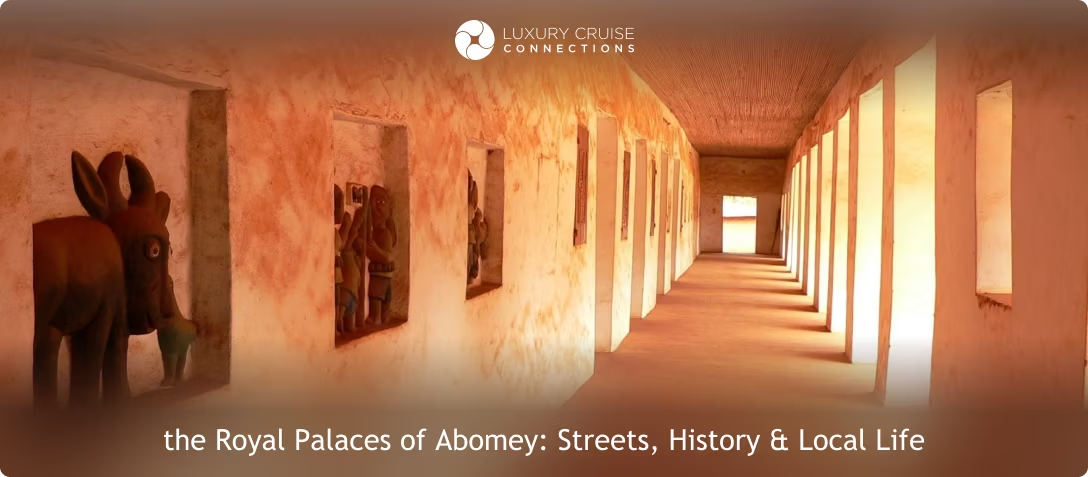
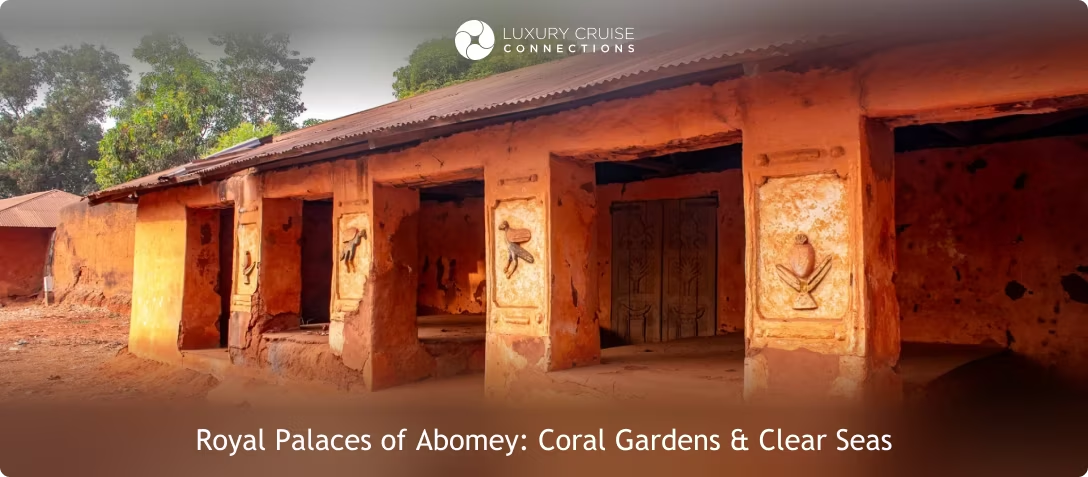
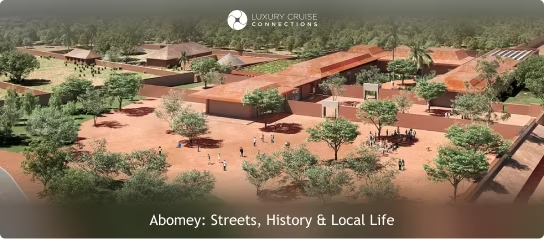
    The Royal Palaces of Abomey are a group of earthen structures in southern Benin that served as the political and ceremonial center of the Kingdom of Dahomey from the 17th to the early 20th century. A succession of kings built the complex, which initially included twelve palaces, each representing a different monarch. The Royal Palaces of Abomey reflect the architectural traditions and cultural values of the Fon people, with walls made from packed earth and decorated with symbolic bas-reliefs depicting historical events, royal achievements, and spiritual beliefs. The palaces are recognized as a United Nations Educational, Scientific, and Cultural Organization (UNESCO) World Heritage Site for historical and cultural significance.
    Visit the Royal Palaces of Abomey

    Visitors see the restored palaces of Kings Ghezo and Glélé, which house the Historical Museum of Abomey. The museum preserves royal thrones, ceremonial weapons, textiles, and intricate bas-reliefs that narrate the history of the Dahomey kings. Colorful courtyards, audience halls, and shrines display the artistry of traditional construction techniques, while symbolic motifs carved into the palace walls tell stories of battles, diplomacy, and religious rituals.

    A walk through the Royal Palaces provides a sense of the grandeur and authority of Dahomey’s rulers, with expansive courtyards framed by decorated earthen walls. The museum galleries offer insight into the kingdom’s political history, spiritual traditions, and craftsmanship. Visitors hear about royal customs through guided storytelling, view centuries-old regalia, and observe preservation work that keeps the site intact for future generations.

    November to February for dry, cooler conditions

    Local guides from the Historical Museum of Abomey Professional cultural tours available

    4,500 CFA francs ($7.50) for museum entry

  • Explore the Pendjari National Park

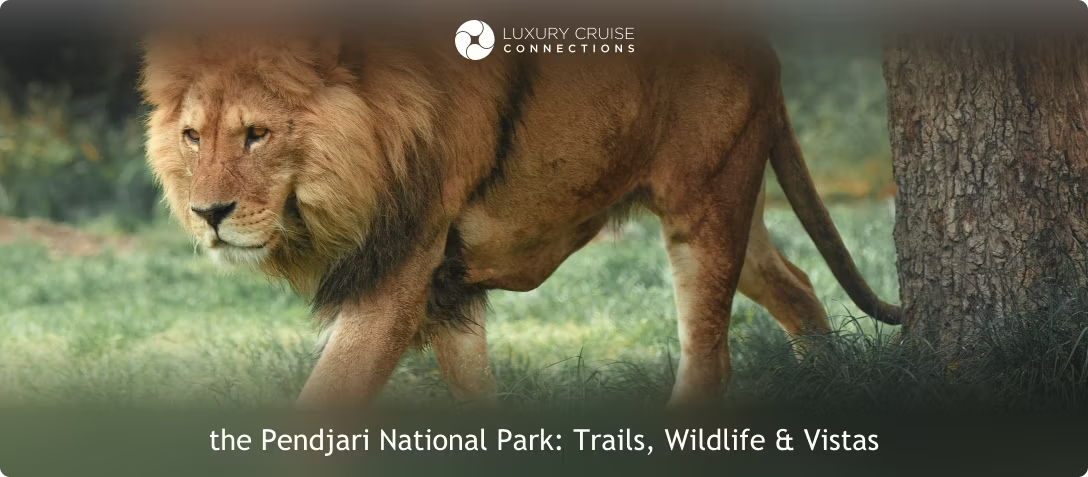
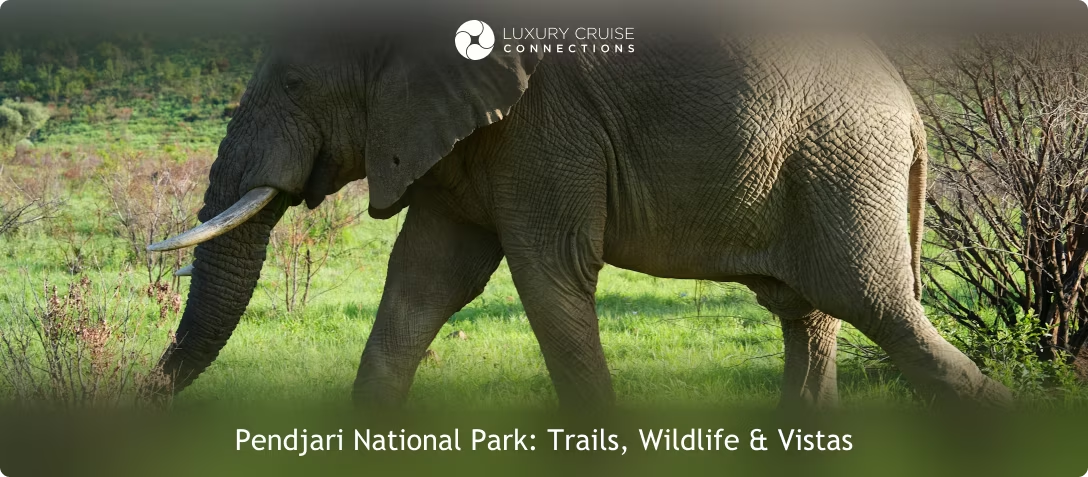
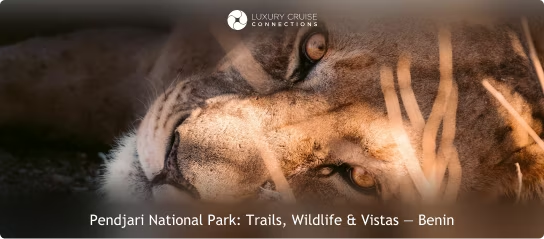
    Pendjari National Park is a protected wildlife reserve in northwest Benin, forming part of the W-Arly-Pendjari Complex, a UNESCO World Heritage Site. The area is more than 4,700 square kilometers. The park is one of West Africa’s most important habitats for large mammals. Pendjari National Park shelters African elephants, West African lions, cheetahs, hippos, buffalo, and various antelopes. The Pendjari River runs through the park, supporting lush vegetation that contrasts with the surrounding savannah. Conservation and eco-tourism are key focuses of the park, which plays a crucial role in preserving endangered species and enhancing local biodiversity.
    Explore the Pendjari National Park

    View wildlife on guided game drives, where elephant herds cross open plains and lions rest under acacia trees. Birdwatchers explore the wetlands and riverbanks, home to hundreds of bird species (herons, storks, and African fish eagles). Scenic spots along the Pendjari River provide opportunities to view hippos and crocodiles in their natural environment. The rugged Atakora mountain range forms a dramatic backdrop, offering panoramic views of the park’s varied landscapes.

    Visitors explore the park through guided safaris in the early morning and late afternoon, when animals are most active. Rangers share knowledge about animal behavior, ecological relationships, and conservation work. The open savannah, riverine forest, and rocky hills give a varied experience, from tracking large predators to watching migratory birds. Staying overnight in lodges or camps within the park allows for extended wildlife viewing and the unique sounds of the African bush at night.

    December to May during the dry season

    Experienced park rangers Professional safari operators

    Entry fee from CFA 5,000 ($8.30) per person

  • Tour the Ouidah Museum of History

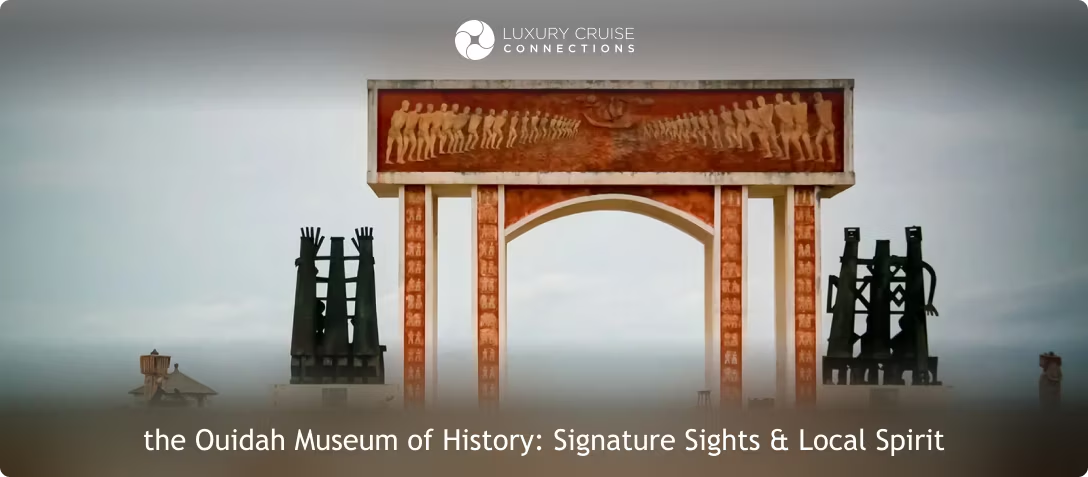
    The Ouidah Museum of History is located in the coastal city of Ouidah, Benin, within the walls of an old Portuguese fort built in the early 18th century. The museum presents the history of Ouidah as a major center for trade, cultural exchange, and religious traditions. Exhibits trace the city’s role in the transatlantic slave trade, the influence of Portuguese settlement, and the blend of African, European, and Afro-Brazilian heritage. The building reflects colonial architectural design, with thick walls, arched doorways, and open courtyards.
    Tour the Ouidah Museum of History

    Visitors view permanent exhibitions that display artifacts such as trade goods, navigational instruments, and religious objects linked to Vodun practices. Panels and maps illustrate the trade routes between West Africa, Europe, and the Americas. The museum grounds feature restored sections of the fort, including the watchtower and courtyard, offering views of Ouidah’s historic streets. Temporary exhibits showcase regional art, photography, and historical documents.

    A tour through the museum provides an understanding of Ouidah’s role in connecting continents through trade and migration. The galleries present objects that reveal stories of cultural resilience and adaptation, from ceremonial masks to colonial-era weaponry. Guides share accounts of key events and notable figures, allowing visitors to link the displays with the broader history of the region. The fort’s setting offers a direct link to the city’s past, blending historical narrative with architectural heritage.

    November to March for dry and cooler weather

    Local historians and museum staff provide guided tours.

    1,500 CFA (about $2.50) per person

  • Relax at Ganvie the Lake Village

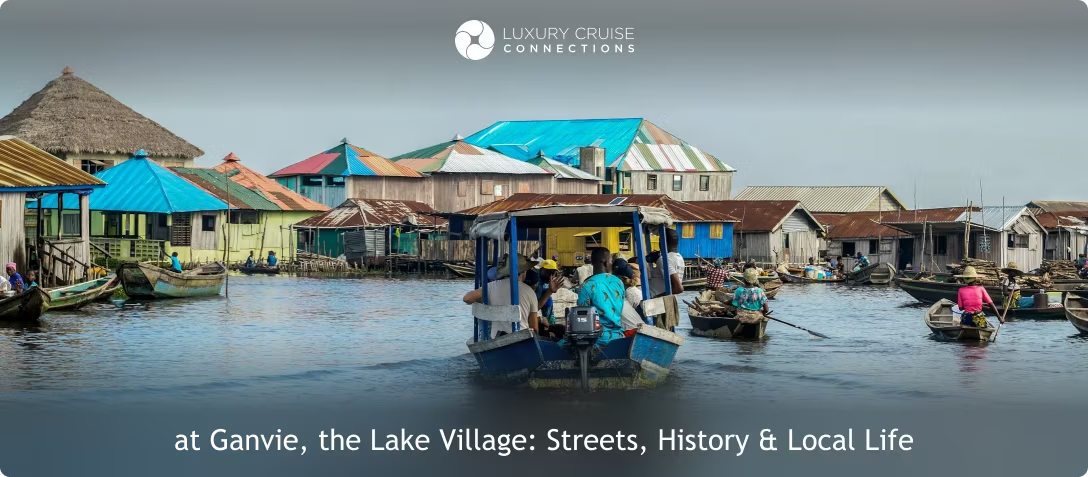
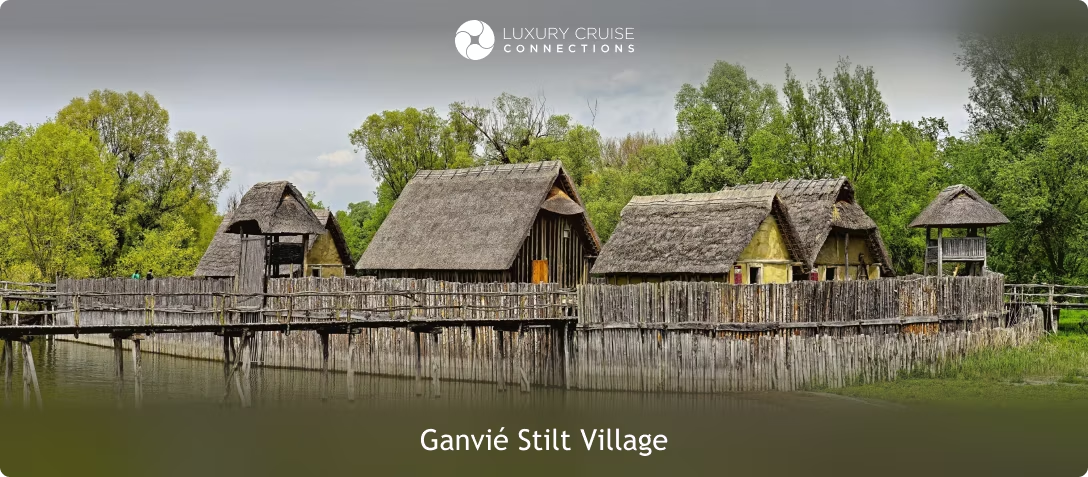
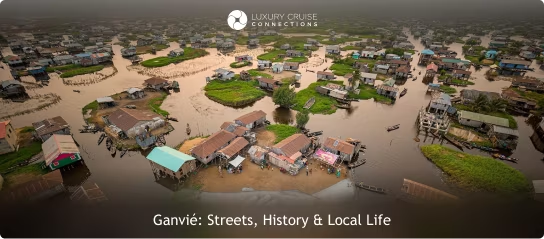
    Ganvie is a stilt village on Lake Nokoué in southern Benin, founded in the 17th century by the Tofinu people seeking refuge from slave raiders. Houses, schools, and markets are built above the water, linked by wooden walkways and navigated by canoe. The settlement reflects centuries of adaptation to a lake environment, with fishing as the primary livelihood. Known as the “Venice of Africa,” Ganvie remains one of the largest lake villages in the world and holds significant cultural and historical value.
    Relax at Ganvie the Lake Village

    Visitors see traditional stilt houses painted in bright colors, floating markets where traders sell fish and produce from canoes, and community gathering areas built over the lake. The village’s small hotels and restaurants offer views of daily life on the water, while local artisans display handcrafted goods (woven baskets and wooden carvings). Birdwatching opportunities arise along the reed-lined edges of the lake, where herons, kingfishers, and egrets are present.

    A trip through Ganvie involves traveling by pirogue, gliding past clusters of stilt houses while hearing stories about the village’s origins from local guides. The calm waters provide a unique perspective of how an entire community functions above the lake’s surface. Market visits introduce fresh fish, tropical fruits, and handmade crafts, while quiet areas allow for observing fishing nets being prepared and children paddling to school.

    November to March for dry and pleasant weather

    Licensed local guides from Cotonou or Abomey-Calavi Guided canoe tours arranged on site

    The boat tour from Abomey-Calavi to Ganvie starts at $15 per person.

  • Discover the Door of No Return in Ouidah

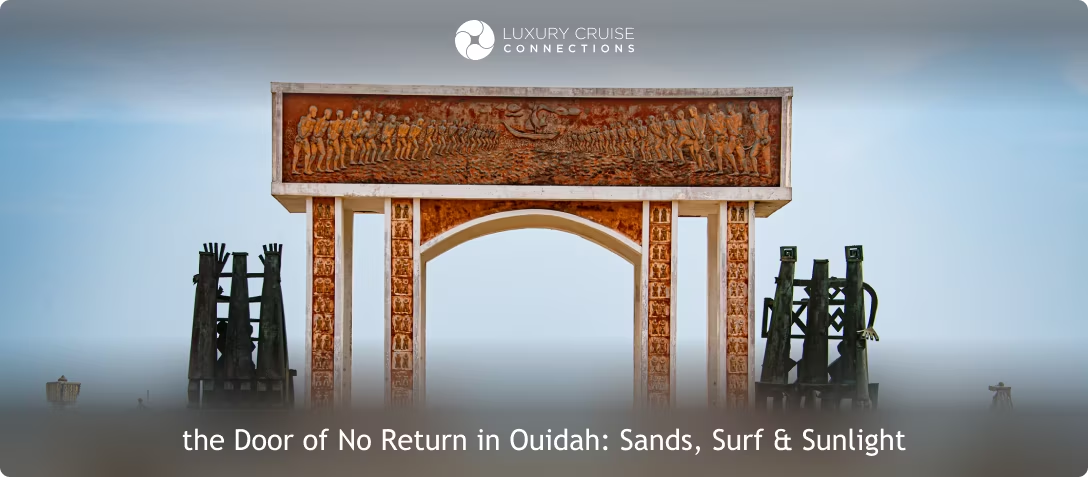
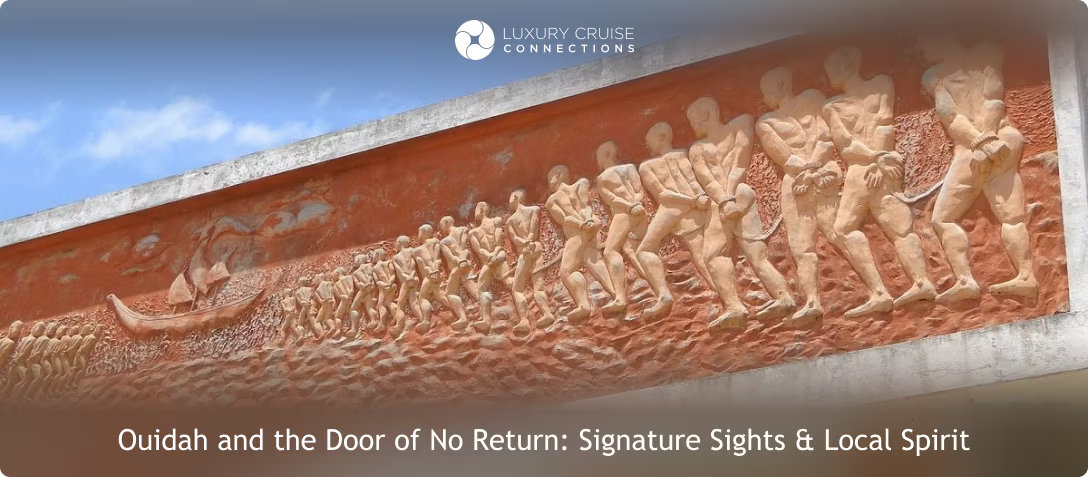
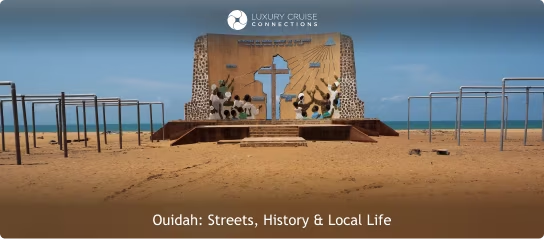
    The Door of No Return in Ouidah, Benin, is a monumental arch facing the Atlantic Ocean that stands as a memorial to the transatlantic slave trade. The site marks the final departure point for countless enslaved Africans who were forced onto ships bound for the Americas. The structure was built in the 1990s and is adorned with symbolic reliefs representing the suffering and resilience of the victims taken. The site forms part of the Route des Esclaves, a historical trail that retraces the path from Ouidah’s old slave market to the shore.
    Discover the Door of No Return in Ouidah

    Prominent features include the sculpted panels along the arch, depicting chained figures and ocean waves, serving as visual reminders of the human stories behind the trade. The nearby beach offers a stark contrast between its natural beauty and the weight of its past. Visitors walking along the Route des Esclaves see memorial statues, the Tree of Forgetfulness, and the Zomai House, each representing stages in the journey from captivity to forced departure.

    A visit to the Door of No Return provides a moving encounter with a key site in world history, framed by the sound of the ocean and the open horizon. Walking the final stretch of the Route des Esclaves reveals layers of memory, with guided narratives explaining cultural traditions, historical facts, and personal accounts from descendants. The arch’s setting at sunset creates a striking silhouette, offering moments for reflection and remembrance.

    November to February during the dry season

    Local heritage guides Tours arranged through the Ouidah Museum of History

    1,000 CFA francs ($1.65)

  • Experience the Voodoo Festival

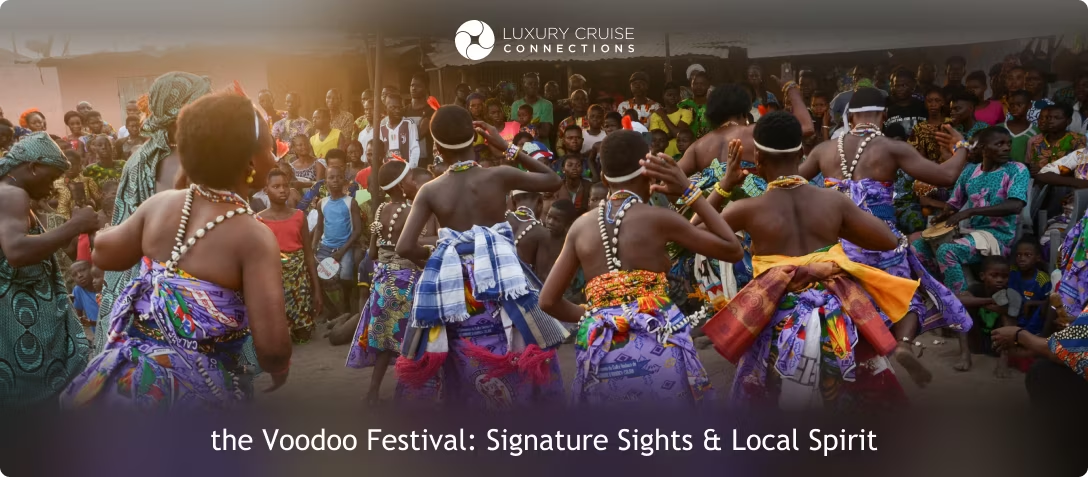
    The Voodoo Festival in Benin is an annual celebration held every January in the coastal city of Ouidah, honoring the country’s official religion of Vodun. The event brings together followers, dignitaries, and visitors from different regions to pay tribute to deities, ancestral spirits, and natural forces. Rooted in centuries-old traditions, the festival combines spiritual rituals, music, dance, and symbolic offerings that reflect the deep cultural heritage of the Fon and Yoruba people.
     Experience the Voodoo Festival

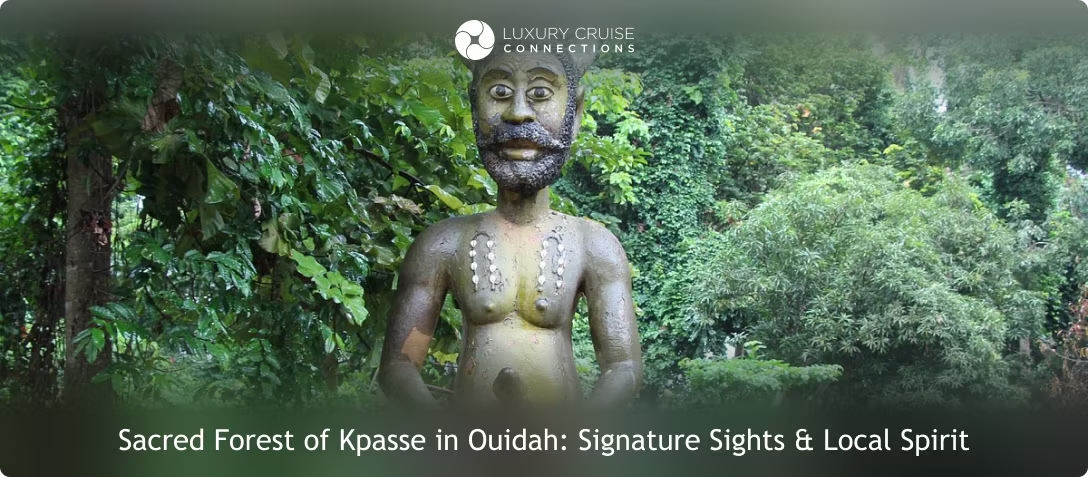
    Key events include colorful processions from the Sacred Forest of Kpassè to the beachfront, where ceremonies take place under the guidance of Vodun priests. Dancers in elaborate costumes perform to the rhythms of drums and chants, while ceremonial offerings such as palm oil, cornmeal, and gin are presented to the spirits. The festival grounds feature stalls selling traditional crafts, ceremonial masks, and locally prepared dishes, adding a vibrant market atmosphere to the religious observances.

    Visitors witness ritual blessings, fire dances, and symbolic animal offerings performed following ancient traditions. The beachfront becomes a focal point of celebration, with drumming groups creating a continuous rhythm that accompanies ceremonial dances. Guided explanations help provide context to the symbolic attire, sacred objects, and processional routes, giving a deeper understanding of the spiritual and historical meaning behind each performance.

    January 10, during the official festival day

    Local cultural guides in Ouidah Organized festival tours from Cotonou

    Entry to main festival grounds 5,000 CFA francs ($8.20)

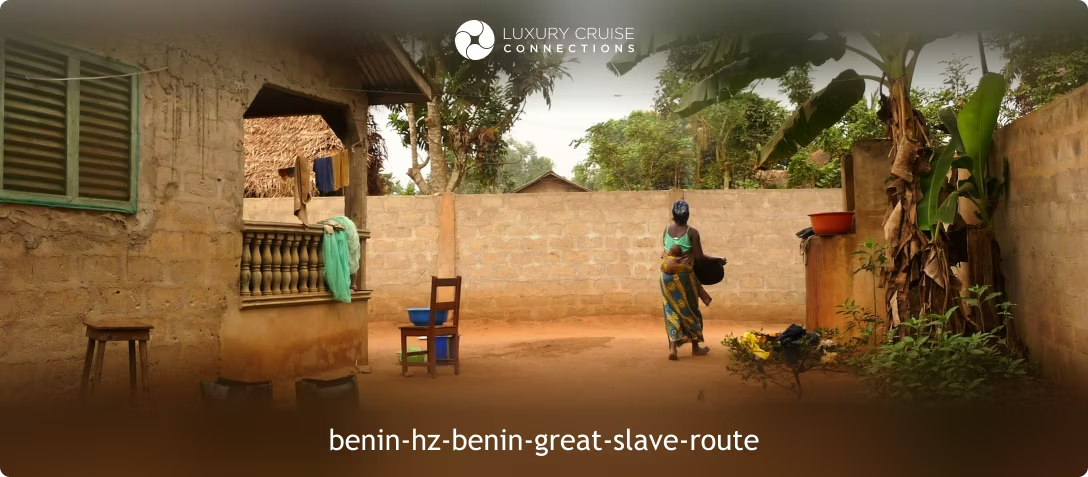
  • See the Great Slave Route

    The Great Slave Route is a scenic driving circuit in Canada’s Northwest Territories that loops around the southern shores of Great Slave Lake. The highway connects Yellowknife, Fort Providence, Hay River, and Fort Resolution, showcasing a boreal forest, wetlands, and an open water landscape. The route links communities rich in Indigenous culture and history, providing insight into traditional Dene and Métis ways of life. Wildlife (bison, black bears, and numerous bird species) thrive along the journey, creating an environment that blends natural beauty with cultural heritage.
    See the Great Slave Route

    Travelers visit attractions such as the Mackenzie Bison Sanctuary, where herds roam freely along the roadside, and Lady Evelyn Falls, which offers a striking curtain of water framed by forested cliffs. The Hay River beach presents a vast shoreline ideal for walking and photography, while the fishing wharves of Fort Resolution reflect the region’s connection to the lake. The Northern Lights frequently illuminate the skies in autumn and winter, adding to the route’s visual appeal.

    Driving the Great Slave Route offers the experience of open northern highways bordered by changing landscapes. Stops in small towns bring opportunities to explore local museums, taste regional foods such as whitefish, and hear stories from community elders about life by the lake. Outdoor activities such as boating, fishing, and hiking trails add variety to the trip, while evening skies reward travelers with views of vivid auroras stretching across the horizon.

    June to September for warm weather and accessible roads

    Local tour operators in Yellowknife, community visitor centers in Hay River, and Fort Resolution

    No fee to travel the route

  • Visit the Abomey-Calavi Market

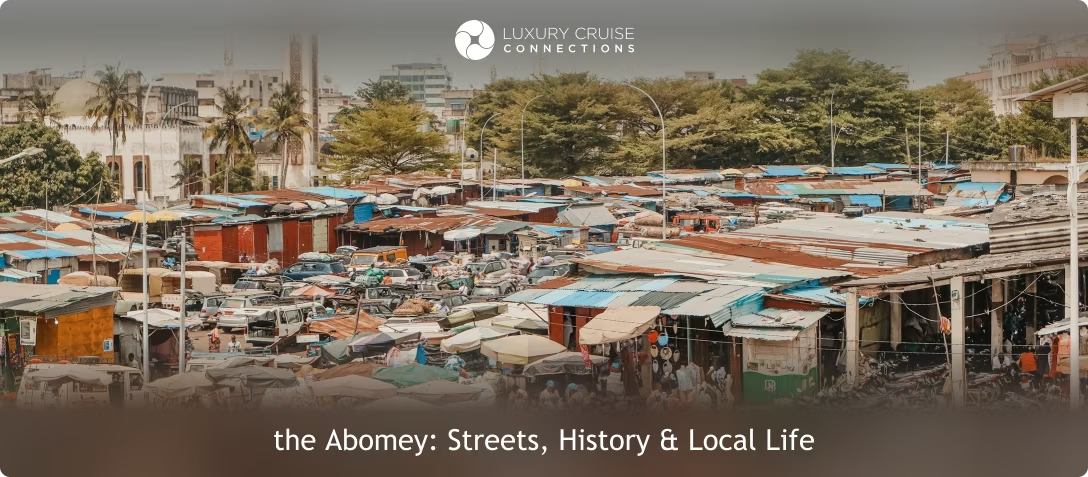
    Visit the Abomey-Calavi Market, which is a bustling commercial hub in southern Benin where traders from the city and surrounding villages gather to sell a wide range of goods. The market stretches through open-air stalls and covered sections, offering fresh produce, clothing, household items, and artisanal crafts. It serves as an essential center for daily commerce, cultural exchange, and social interaction, reflecting the vibrant community life of the region. The lively atmosphere, combined with the variety of products, makes the market a significant part of the town’s identity.
    Visit the Abomey-Calavi Market

    A look at the fresh produce aisles reveals neatly arranged piles of tropical fruits, vegetables, and spices. Textile stalls display colorful wax prints and handwoven fabrics used for traditional clothing. Handcrafted goods such as woven baskets, carved wooden items, and beaded jewelry showcase the creativity of local artisans. Food vendors prepare regional specialties, filling the air with the aroma of grilled fish, fried plantains, and peanut-based sauces.

    A visit to Abomey-Calavi Market brings exposure to the region’s daily rhythms and trading traditions. The sound of lively bargaining fills the air as traders interact with customers. Visitors watch artisans at work, observe the preparation of local dishes, and explore rows of stalls to discover unique products. The market offers a glimpse into community connections, where people greet friends, exchange news, and share meals.

    Early morning for the freshest produce and a cooler environment

    Local guides available at the market entrance; cultural tour groups from Cotonou include visits

    Free entry

  • Take a Boat Ride on Lake Nokoue

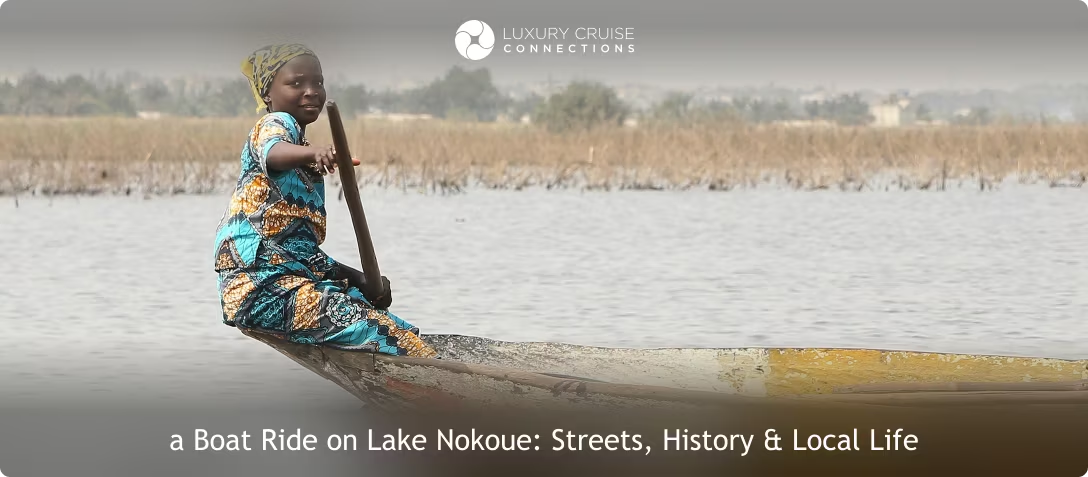
    Take a boat ride in Lake Nokoué, a large shallow lake in southern Benin, bordered by the cities of Cotonou and Ganvié. The lake plays a vital role in local fishing and transportation, supporting a network of stilt villages where residents live and work on the water. The lake’s calm surface reflects the daily life of communities built above its waters, with wooden pirogues navigating between homes, markets, and fishing spots. The unique blend of natural beauty and cultural heritage has made it a distinctive destination for travelers interested in traditional lakeside living.
    Take a Boat Ride on Lake Nokoue

    A boat ride across Lake Nokoué reveals the floating village of Ganvié, known as the “Venice of Africa,” where homes, schools, and markets rest on stilts. Fishermen in narrow wooden boats cast nets across the water, while children paddle to floating shops, and visitors pass by houses built with woven bamboo walls and tin roofs. Birdwatchers see herons, kingfishers, and egrets along the shore, and markets display fresh fish and handcrafted goods.

    Travelers glide across the lake in a wooden pirogue guided by local boatmen, passing through waterways lined with mangroves and fishing traps. The journey introduces the traditions of the Tofinu people, whose history is linked to building stilt villages as a refuge from conflict centuries ago. The sound of paddles against water, the sight of colorful boats, and the rhythm of daily life on the lake create a lasting impression of a community closely connected to its environment.

    November to March for dry and cooler weather

    Licensed boat operators from Ganvié or Cotonou Cultural tour guides from local agencies

    $5 to $10 per person, depending on trip length and boat size

  • Explore the Lokossa Waterfalls

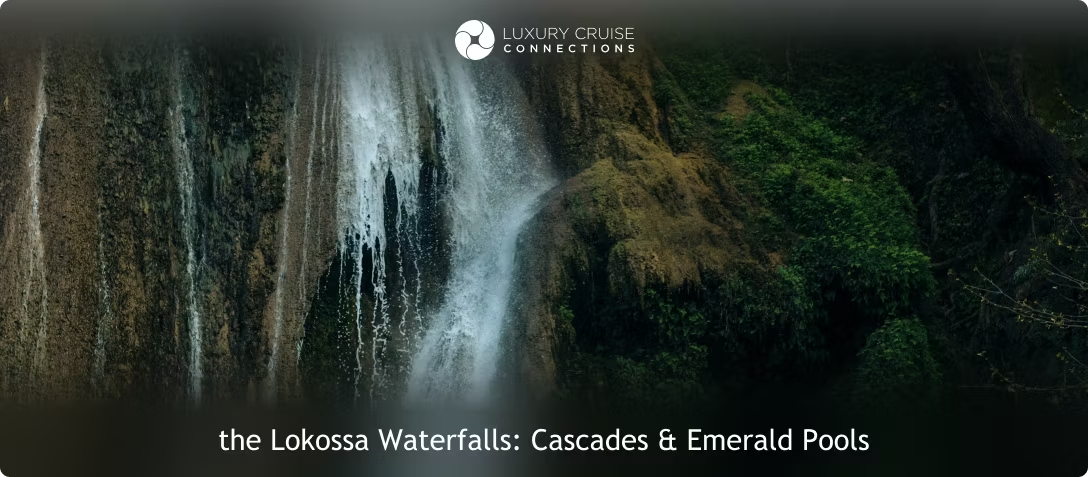
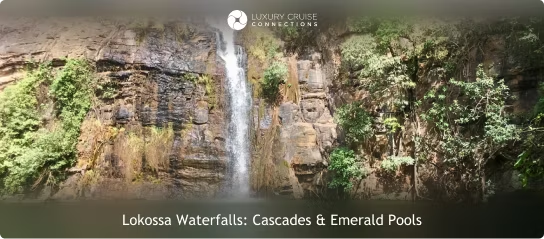
    Explore the Lokossa Waterfalls, near the town of Lokossa in southwestern Benin. Natural rock formations and dense vegetation surround the falls, which present a tranquil setting shaped by seasonal rains and flowing streams. The area reflects the region’s ecological diversity, with native plants and birds adding life to the landscape. The waterfalls remain a quiet retreat for visitors seeking nature without urban distractions.
    Explore the Lokossa Waterfalls

    The main attraction is the cascading water framed by lush greenery and smooth boulders. Visitors walk along forest trails that lead to scenic viewpoints overlooking the falls. Lake Ahémé offers additional nature-based activities such as fishing and birdwatching. Cultural sites like the Lokossa Royal Palace and the Ethnographic Museum provide historical context to the region’s heritage.

    Visitors experience the sound of rushing water, the cool mist rising from the falls, and the calm atmosphere of the surrounding forest. Local guides share stories about the area’s traditions and natural features. The setting supports quiet reflection, photography, and short hikes through shaded paths. The experience combines natural beauty with cultural insight.

    November to February during the dry season

    Residents near Lokossa.

    1,000 CFA entry fee ($1.50)


What are the Most Popular Tourist Attractions in Benin?

The Most Popular Tourist Attractions in Benin are listed below.

  • Royal Palaces of Abomey
  • Ouidah and the Door of No Return
  • Pendjari National Park
  • Cotonou’s Dantokpa Market
  • Ganvié Stilt Village
  • Sacred Forest of Kpasse in Ouidah


Which Vacation Spots in Benin are Best for Beach Lovers?

The vacation spots in Benin that are best for Beach Lovers are listed below.


What are the Top Holiday Destinations in Benin?

The top holiday destinations in Benin are listed below.


What are the Best Things to Do in Benin for First-Time Visitors?

The best things to do in Benin for first-time visitors are listed below.

A striking lakeside community built on stilts just outside Cotonou. Ganvié is known as the “Venice of Africa.” Wooden houses rise above the water, creating a living network of canals, markets, and pirogues that serve as boats and homes. The village preserves a centuries-old way of life shaped by fishing, floating markets, and traditions born from escaping slave raids.
Ouidah on Benin’s coast holds cultural and historical depth that makes it one of the most meaningful things to do in Benin City. Ouidah lies on Benin’s coast and holds deep significance in both Vodoun religion and the transatlantic slave trade. Sacred Forests, python shrines, and the Temple of Pythons reveal spiritual traditions that anchor Vodoun culture. The Slave Route leads to the Door of No Return and the Ouidah Museum of History, tracing a painful, powerful history.
The UNESCO World Heritage site marks the heart of the ancient Kingdom of Dahomey, north of Porto-Novo. Mud-brick palaces feature detailed bas-reliefs and royal artifacts that tell tales of Dahomey’s dynasty. The site hosts a museum and the “Walk of the Slaves,” offering insight into royal life and the kingdom’s involvement in slavery.
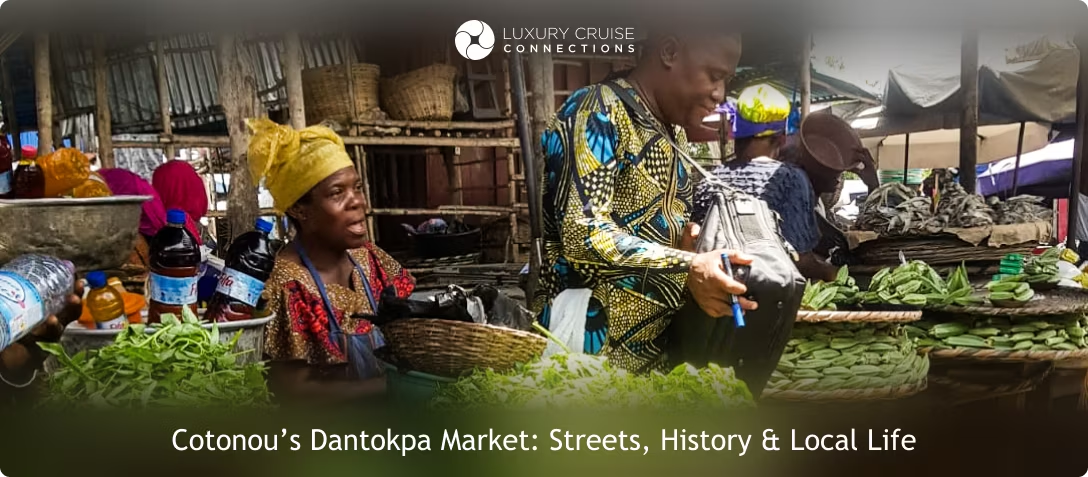
The sprawling Dantokpa Market and the contemporary art hub Fondation Zinsou in Cotonou offer contrasting cultural experiences. Dantokpa stretches over acres with stalls selling fabrics, crafts, food, and religious items, a vivid showcase of daily life and commerce. Fondation Zinsou inhabits a restored villa and displays modern African art through rotating exhibits and cultural events.
Pendjari National Park is one of the major wildlife reserves in the WAP trans-border conservation complex. Savannahs and wetlands host elephants, lions, hippos, antelope, and over 300 bird species, making it a prime destination for game drives and guided walks. It brings nature and wildlife into focus for visitors who seek the wild side of Benin.
A tranquil beach town west of Cotonou, Grand-Popo blends history, coastal beauty, and peaceful charm. Palm-lined sands offer a soothing coastal retreat, while paths to the Mono River’s mangroves reveal quiet natural habitats. The atmosphere invites calm and reflection after exploring Benin’s history.
 

How to Experience the Culture of Benin during a Visit?

To experience the culture of Benin during a visit, there are six steps to follow. First, explore historical landmarks such as the Royal Palaces of Abomey and the Ouidah Museum of History to understand the deep roots of the culture of Benin. Second, attend traditional festivals like the Voodoo Festival in Ouidah, where rituals, music, and dance reveal the vibrant heritage of the nation.

Third, engage with local artisans in markets and workshops to see the craftsmanship behind textiles, wood carvings, and beadwork that are part of Benin culture. Fourth, follow a trusted Benin food guide to discover regional dishes in local eateries and street markets. Fifth, visit fishing villages along the coast and rural farming communities inland to witness daily life shaped by traditional practices. Lastly, take part in cultural workshops or storytelling sessions to gain personal insight into folklore and oral history passed through generations.

What food is Benin known for? Benin is known for food with rich flavors and diverse ingredients, reflecting coastal and inland influences. Popular dishes include pounded yams served with vegetable sauces, grilled fish seasoned with local spices, and peanut-based stews. Street favorites such as fried plantains and akara (bean cakes) are enjoyed with refreshing drinks made from hibiscus or palm wine.

Best Things to Do Around the World

Discover the best activities, landmarks, and experiences in every cruise destination and port of call.

Europe Western, Central & Mediterranean
America North, Central, South & Caribbean
Africa & Asia Oceania & Antarctica