10 Best Things to Do in Cambodia

The 10 best things to do in Cambodia combine culture, history, and natural beauty. Cambodia is famous for the grand Angk...

add

The 10 best things to do in Cambodia combine culture, history, and natural beauty. Cambodia is famous for the grand Angkor Wat and its deep history, marked by the Khmer Rouge regime. Find a variety of experiences, from ancient ruins to vibrant local life. Things to do in Cambodia span across the country’s diverse regions. Explore iconic temples, like Angkor Wat and Ta Prohm, and reflect at sites like the Killing Fields of Choeung Ek.


The Apsara dance offers insight into Cambodia’s artistic traditions, while a cruise on Tonle Sap Lake introduces the unique floating villages. The beaches of Sihanoukville provide a relaxing retreat, and the Royal Palace in Phnom Penh reveals the country's royal heritage. Bokor National Park is perfect for adventure seekers with its hiking trails and scenic views. Cambodia offers a wide range of experiences, making it an unforgettable destination for travelers. Exploring what to do in Cambodia, discovering what to see in Cambodia, or experiencing the top things to do in Cambodia guarantees a rich and rewarding journey for visitors.

  • Visit the Angkor Wat
  • Explore the Killing Fields of Choeung Ek
  • Experience the Apsara Dance
  • Cruise on Tonle Sap Lake
  • Visit Phnom Penh’s Royal Palace
  • Relax at Sihanoukville’s Beaches
  • Explore the Ancient Temples of Angkor
  • Discover Banteay Srei Temple
  • Visit the National Museum in Phnom Penh
  • Take a Journey to Bokor National Park
  • Visit Angkor Wat

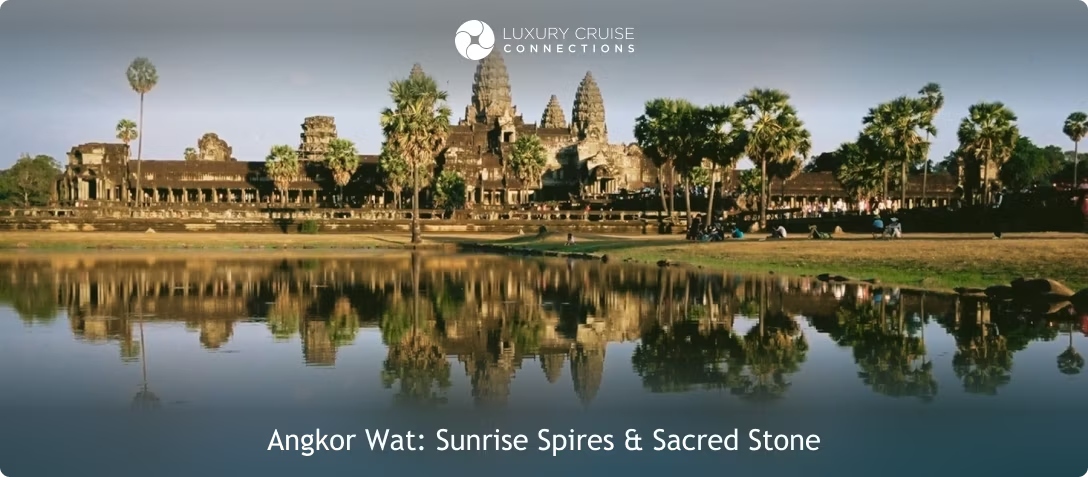
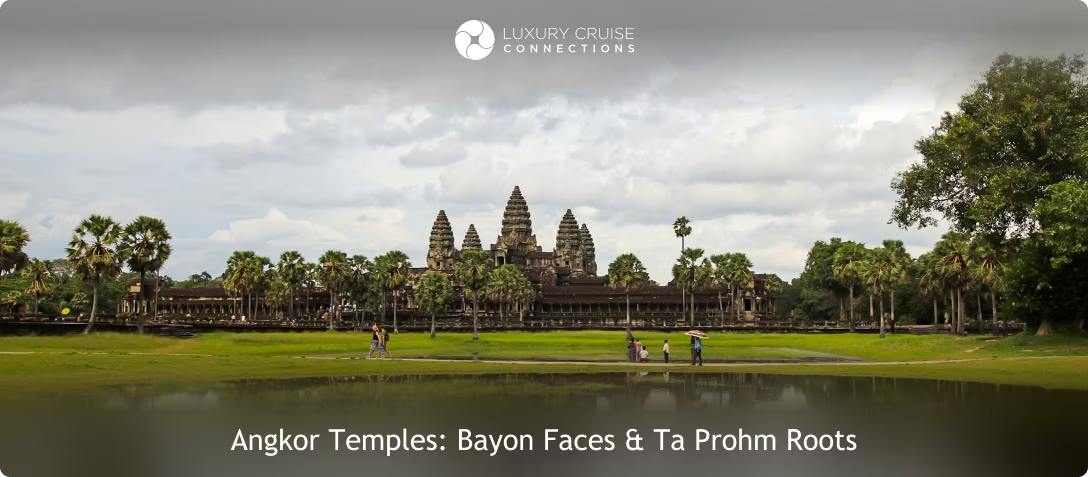
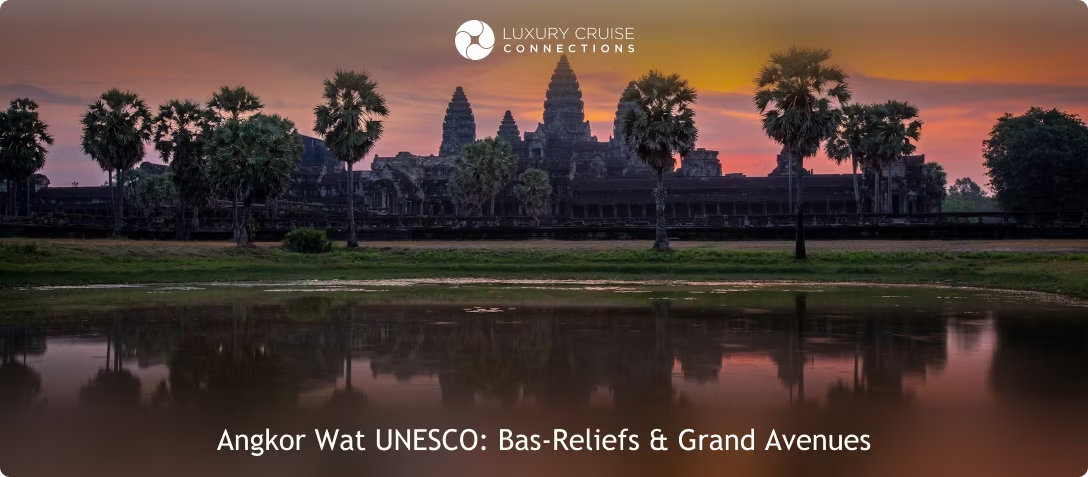
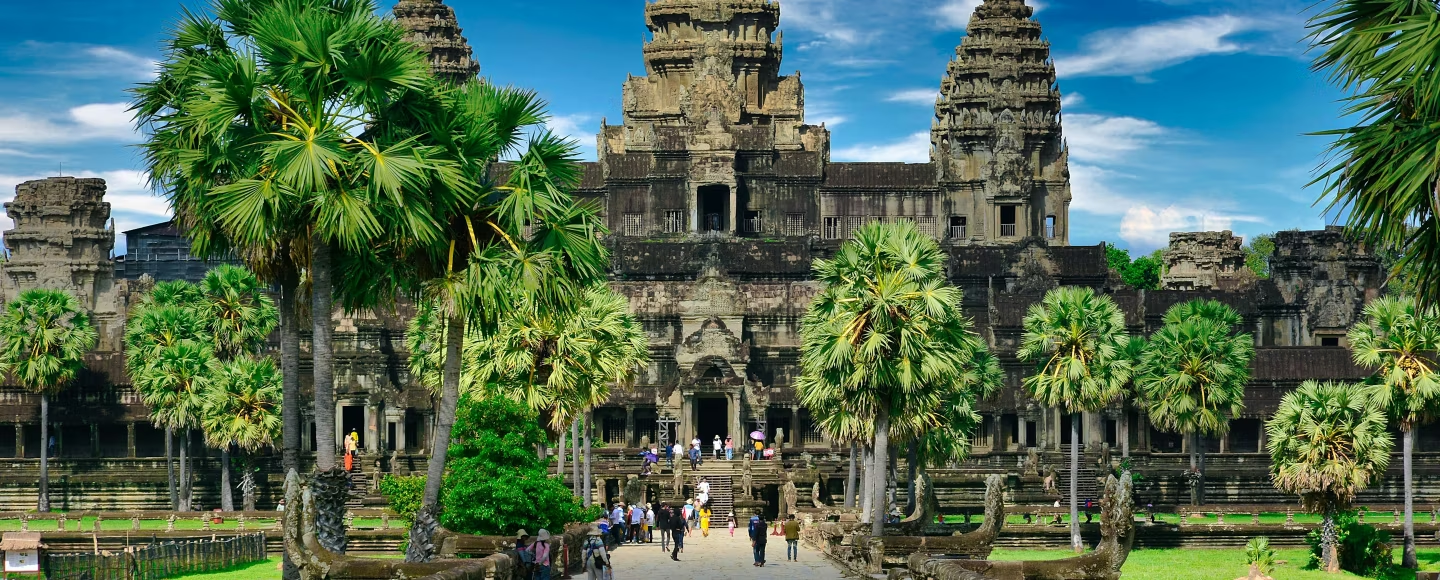
    Angkor Wat is a vast temple complex located in Siem Reap, Cambodia. The temple was originally constructed in the early 12th century during the reign of King Suryavarman II. It served as a Hindu temple dedicated to the god Vishnu. The temple transformed into a Buddhist site, reflecting Cambodia’s evolving religious landscape. Angkor Wat is famous for its architectural grandeur and intricate bas-reliefs. The temple stands as the largest religious monument in the world and a symbol of Cambodia’s rich cultural and spiritual heritage. The temple is an outstanding example of classical Khmer architecture, with its stunning galleries, towers, and detailed carvings that tell stories of Hindu mythology, Cambodian history, and spiritual beliefs. Angkor Wat is a UNESCO World Heritage Site for its historical and cultural significance.
    Visit Angkor Wat

    Explore the majestic central temple, which features soaring spires that represent Mount Meru, the center of the Hindu universe. The temple’s expansive galleries are adorned with exquisite bas-reliefs depicting scenes from Hindu epics like the Ramayana and Mahabharata. The temple’s large, peaceful courtyard and its surrounding moats improve its grandeur. The surrounding Angkor Archaeological Park includes other significant temples such as Bayon, Ta Prohm, and Banteay Srei, which offer rich historical and spiritual experiences. Sunrise and sunset views from Angkor Wat provide breathtaking photo opportunities, adding to the temple’s allure.

    A visit to Angkor Wat provides a sense of awe and wonder as visitors walk through its vast complex, marveling at the intricate stone carvings and vast corridors. The peaceful atmosphere allows visitors to reflect on the spiritual significance of the temple and the history of the Khmer Empire. The detailed bas-reliefs offer a glimpse into ancient Cambodian life, while the impressive architecture gives visitors a deeper understanding of the Kingdom of Angkor's accomplishments. Guided tours provide rich stories about the temple’s construction, religious history, and significance, improving the experience.

    November to February, during the dry season, provides the best weather with cooler temperatures and clear skies.

    Local guides are available at the entrance of Angkor Wat. Professional cultural tours can be booked to explore the history and symbolism of the temples.

    $37 for a one-day pass to Angkor Wat and the surrounding temples. A multi-day pass is available for extended visits.

  • Explore the Killing Fields of Choeung Ek

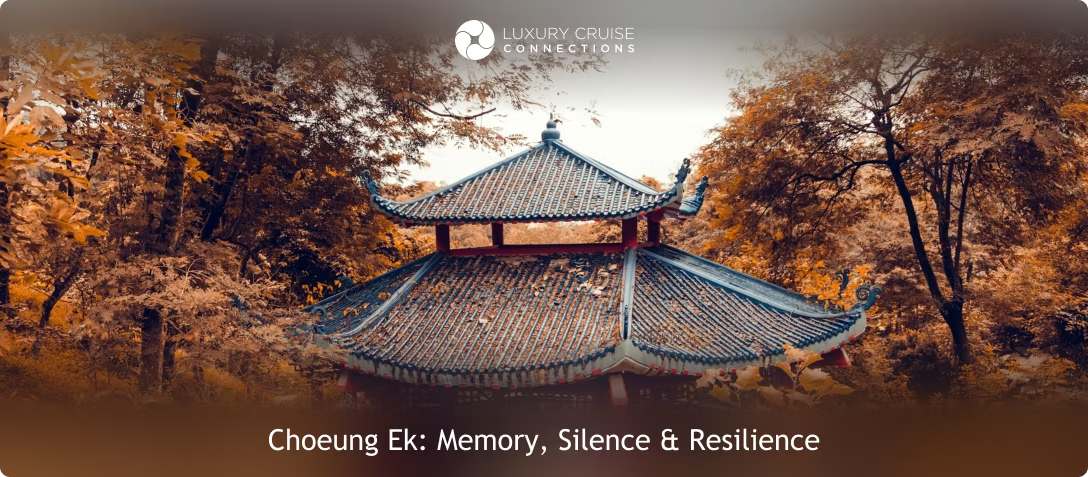
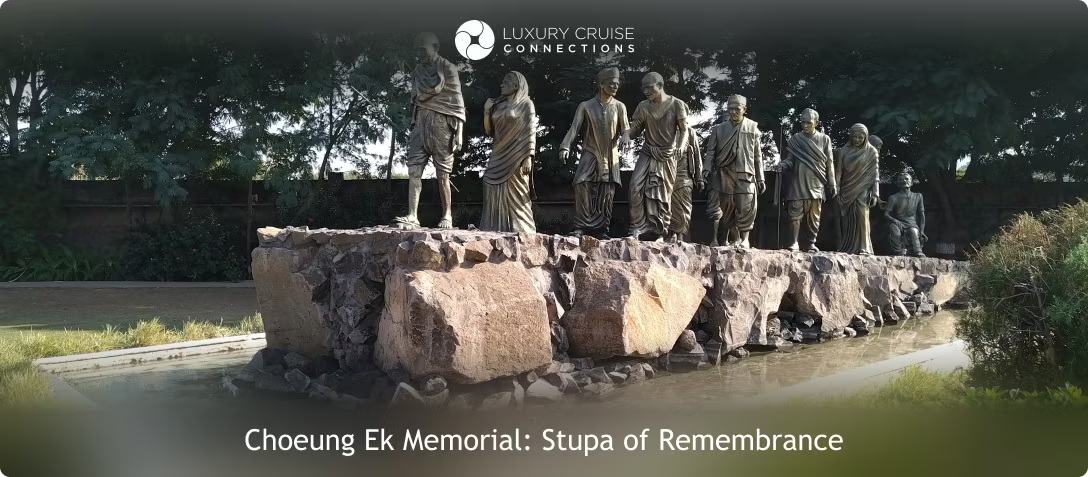
    The Killing Fields of Choeung Ek is a somber historical site located about 15 kilometers south of Phnom Penh, Cambodia. The site served as one of many execution grounds during the Khmer Rouge regime from 1975 to 1979. Thousands of men, women, and children were killed there. More than 17,000 people were estimated to have been murdered and buried at the site. The site stands as a poignant reminder of Cambodia’s tragic history during the rule of Pol Pot. Choeung Ek is a memorial and a place of reflection for the victims of the genocide. The Choeung Ek Memorial Stupa, filled with over 5,000 skulls, stands as a testament to the lives lost. Walk around the preserved area, which includes mass graves, remains of victims, and informative exhibits.
    Explore the Killing Fields of Choeung Ek

    The main feature of the Killing Fields of Choeung Ek is the Memorial Stupa, a large glass tower filled with human skulls and bones, arranged by age and sex. See the mass graves, which have been preserved to honor the individuals who perished. Audio guides or local guides narrate the tragic history of the site, describing the methods of execution and the harrowing conditions suffered by the victims. The Tree of the Killing Fields, where children were killed by being bashed against its trunk, and the Killing Tree, used for the murder of infants, provide chilling reminders of the brutality of the regime.

    A visit to Choeung Ek offers a deeply moving experience, allowing visitors to reflect on the horrors of the Khmer Rouge era. Visitors encounter silent markers and mass graves while walking through the site. Each marker and grave tells the tragic story of the lives lost. The preserved area provides an opportunity to learn about Cambodia's dark past and understand the resilience of its people. The Choeung Ek Memorial Stupa is a place for quiet contemplation, while the informative displays offer context to the site’s historical significance. Guided tours enrich the experience by providing deeper insights into the history of the Khmer Rouge regime and the impact it had on Cambodia.

    The best time to visit is during the dry season from November to February, when the weather is cooler and more comfortable for walking.

    Local guides are available for tours of the site. Audio guides are provided to improve the learning experience.

    Entry fees are typically around $6, and there is an additional cost for audio guides or local guides.

  • Relax at Sihanoukville Beaches

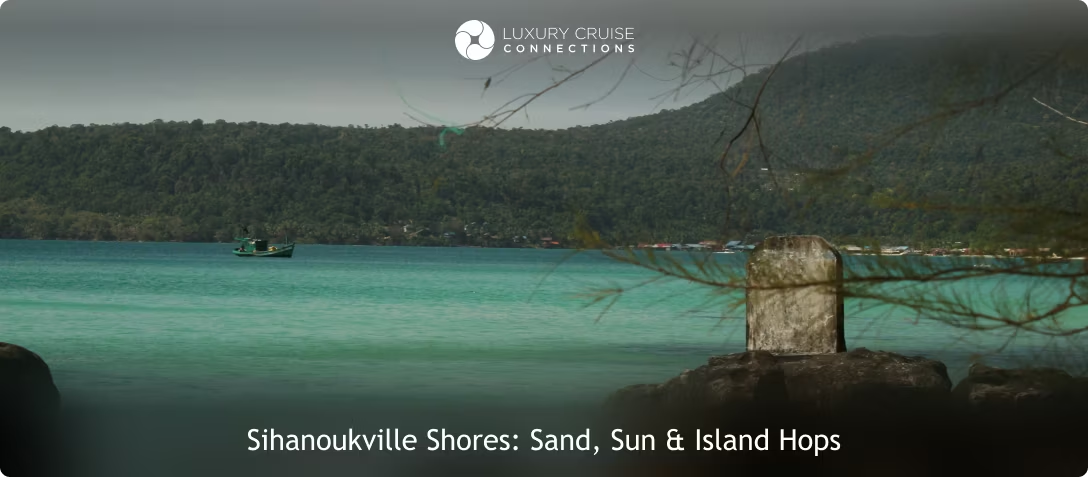
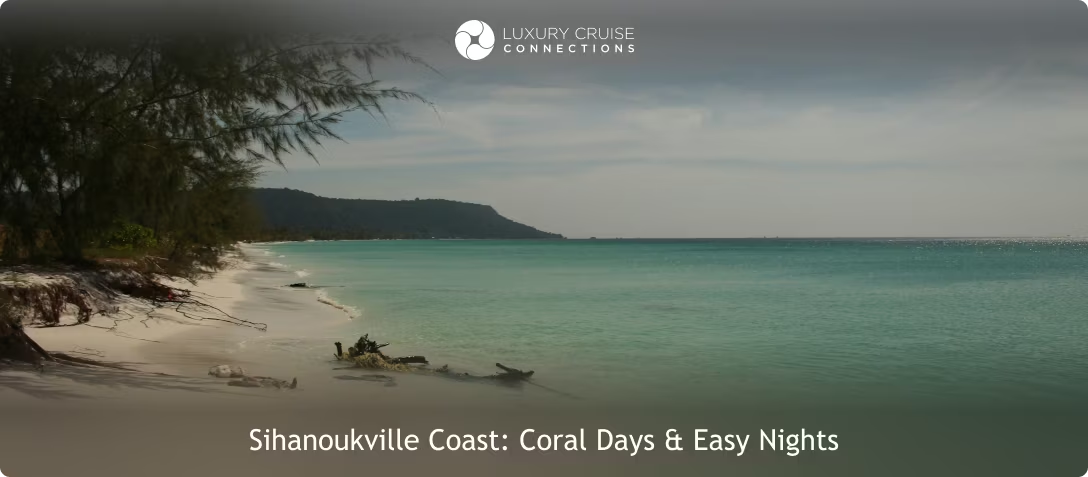
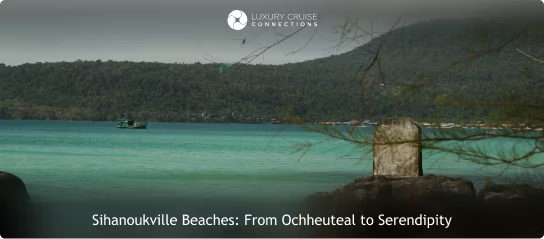
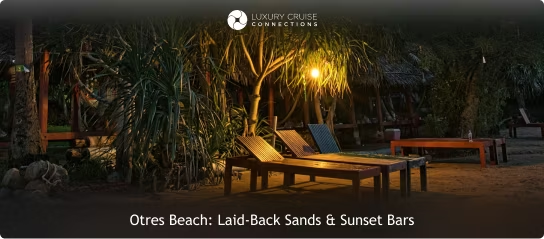
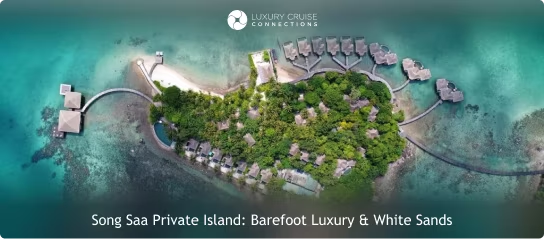
    Sihanoukville is located on Cambodia’s southern coast and is renowned for its beautiful beaches, making it a popular destination for beach lovers. The beaches offer a variety of experiences, ranging from bustling, lively spots to quiet, secluded areas. Ochheuteal Beach and Serendipity Beach are among the most well-known, with plenty of restaurants, bars, and water activities. Otres Beach provides a quieter, less developed environment, perfect for relaxation. The nearby Koh Rong and Koh Rong Samloem islands, accessible from Sihanoukville, offer even more pristine, less crowded beaches to explore.
    Relax at Sihanoukville Beaches

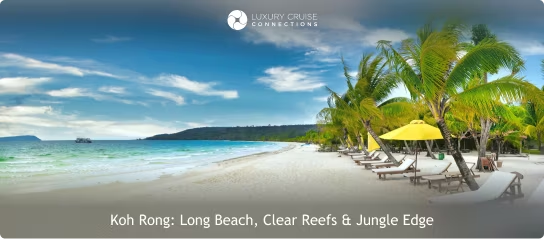
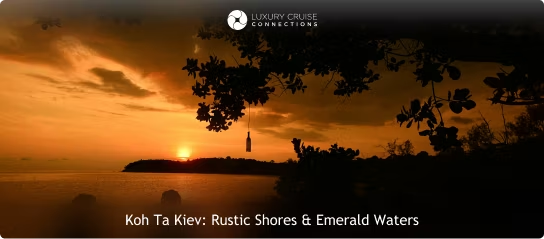
    Sihanoukville’s beaches are perfect for enjoying Cambodia’s tropical climate, with clear blue waters and golden sands. Otres Beach stands out for its laid-back, peaceful environment, offering an ideal setting for relaxation and enjoying the beauty of nature. Ochheuteal Beach provides a range of water sports, including jet-skiing, kayaking, and parasailing, for travelers seeking more activity. The nearby islands, like Koh Rong, are famous for their pristine, untouched beaches, offering ideal spots for swimming, snorkeling, or simply unwinding on the shore.

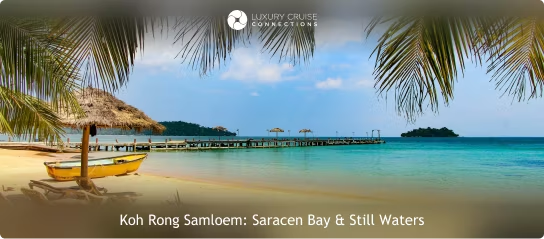
    Relaxing at Sihanoukville’s beaches allows visitors to enjoy the serene atmosphere of Cambodia’s coastline. Visitors unwind under the sun, swim in the warm, clear waters, or take part in beach activities. The sunsets at Otres Beach offer a perfect end to a day of relaxation, with stunning views. The nearby islands, such as Koh Rong and Koh Rong Samloem, provide more opportunities for exploration, featuring quiet beaches, snorkeling spots, and beautiful marine life. Sihanoukville’s beaches offer something for every type of beachgoer, whether seeking relaxation or engaging in water sports.

    The best time to visit Sihanoukville’s beaches falls between November and February, when the weather is dry and cooler.

    Local guides are available for travelers wanting to explore nearby islands or engage in water activities.

    Beaches are free to visit, but water sports and island trips incur additional costs, ranging from $10 to $30, depending on the activity.

  • Discover Phnom Penh's Royal Palace

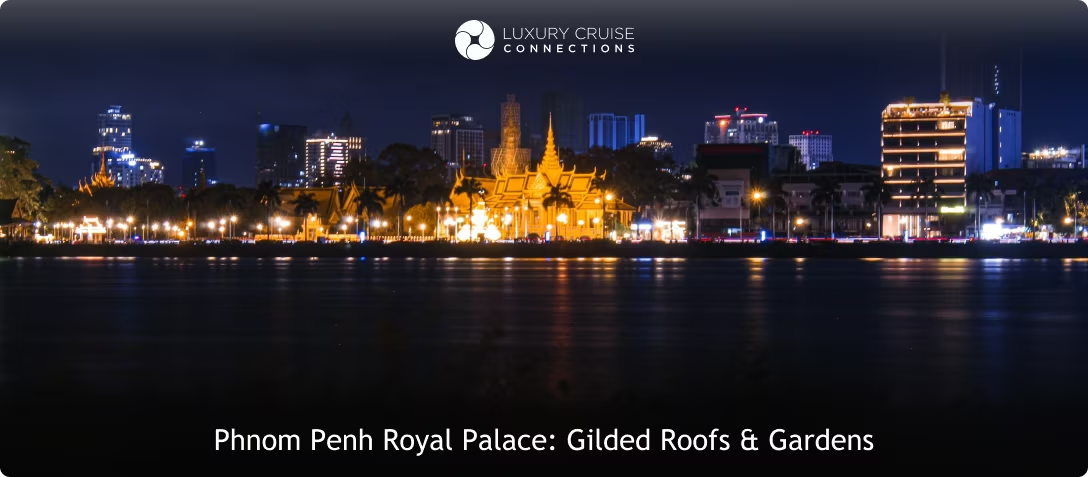
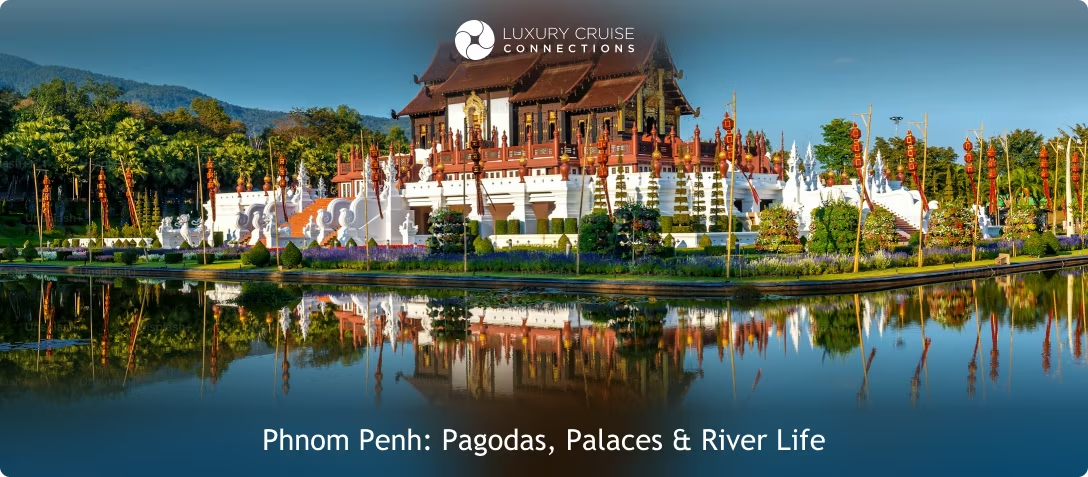
    The Royal Palace in Phnom Penh is one of Cambodia's most iconic landmarks, representing the country's royal heritage and architectural grandeur. The palace was built in 1866 during the reign of King Norodom, and serves as the residence of the Cambodian monarch and the royal family. The complex is a stunning example of traditional Khmer architecture, blending ornate structures with lush gardens and peaceful courtyards. The Silver Pagoda is located within the palace grounds and is renowned for its floors made of silver tiles and its collection of precious Buddha statues, including a solid gold statue of the Emerald Buddha.
    Discover Phnom Penh's Royal Palace

    Visitors to the Royal Palace can explore the intricately designed pavilions, including the Throne Hall, where royal ceremonies are held. The Silver Pagoda offers a serene atmosphere for reflection, with its beautiful statues and artwork. The surrounding gardens, with their tranquil ambiance and vibrant flowers, are perfect for leisurely strolls. The palace’s Pavilion of Napoleon, Moonlight Pavilion, and Coronation Hall provide visitors with insight into the history and grandeur of Cambodia’s monarchy.

    Exploring the Royal Palace gives visitors a sense of Cambodia's royal history and the craftsmanship of its architecture. The peaceful gardens and stunning buildings provide an atmosphere of serenity amidst the hustle and bustle of Phnom Penh. Guided tours offer an in-depth look at the royal family’s history, the significance of the various buildings, and the cultural importance of the Silver Pagoda. Visitors admire the unique blend of Khmer, French colonial, and traditional architectural styles while learning about the palace’s role in Cambodia’s political and cultural life.

    The best time to visit is during the dry season, from November to February, when the weather is cooler and more pleasant for walking.

    Guided tours are available at the entrance, providing detailed explanations of the palace’s history and significance.

    The entrance fee for the Royal Palace is around $10, with an additional fee for the Silver Pagoda.

  • Visit the Temples of Angkor Thom

    Angkor Thom is the last capital of the Khmer Empire and is a walled city in the Angkor Archaeological Park, Siem Reap, Cambodia. The temple was built in the late 12th century by King Jayavarman VII and spans over 9 square kilometers, and features several impressive temples. The Bayon Temple, famous for its towering stone faces of Avalokiteshvara, is believed to represent the king. The city includes the Terrace of the Elephants, the Terrace of the Leper King, and the South Gate, highlighting the grandeur of the Khmer Empire.
    Visit the Temples of Angkor Thom

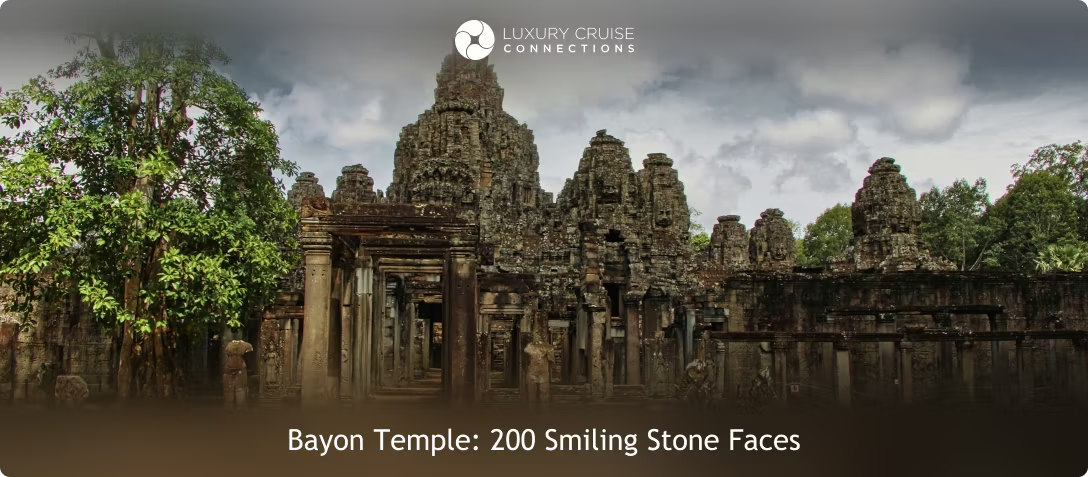
    A visit to Angkor Thom offers the chance to explore the Bayon Temple, famous for its 200+ massive stone faces, many thought to represent the divine. The Terrace of the Elephants showcases intricate bas-reliefs of elephants and scenes of ancient warfare and royal life. The Terrace of the Leper King, named after its enigmatic statue, reflects the symbolic and spiritual significance of Khmer art. The South Gate, a significant city entrance, features giant stone faces that watch over the road leading into the city.

    Exploring Angkor Thom immerses visitors in the history and grandeur of the Khmer Empire. The South Gate offers a glimpse of the city's scale, where grand structures meet detailed sculptures. The Bayon Temple provides a surreal experience with its many faces that appear to follow visitors. The Terrace of the Elephants and the Terrace of the Leper King present beautiful views and rich carvings, depicting Cambodia's past through art. A visit to Angkor Thom reveals the scale, sophistication, and religious significance of the ancient capital.

    The dry season (November to February) offers the best weather for visiting Angkor Thom with cooler temperatures and clearer skies.

    Local guides are available at the entrance or hired for more in-depth tours of the area, offering detailed explanations about the history and symbolism of the temples.

    Entry is included in the Angkor Park pass, which costs $37 for a one-day pass or more for multiple-day visits to the Angkor temples.

  • Explore the Tonle Sap Lake

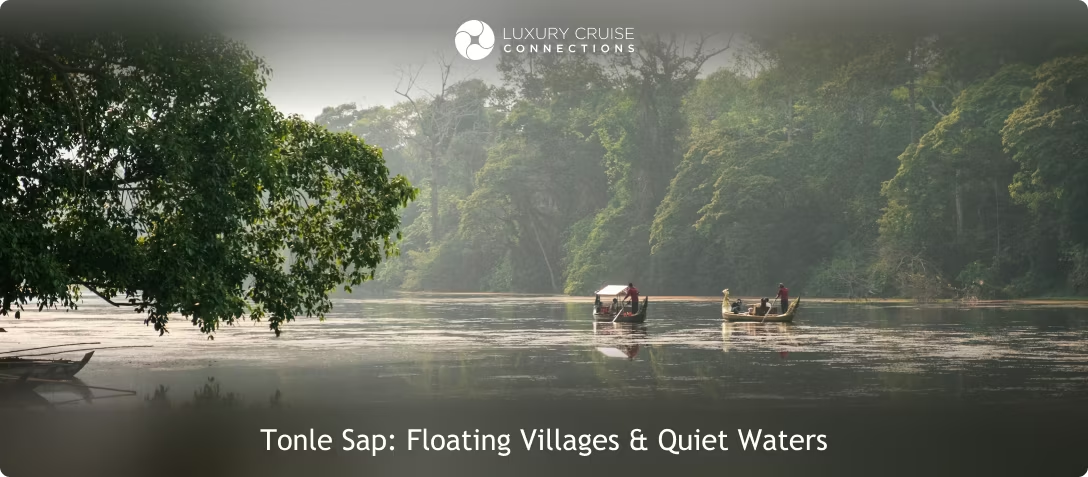
    Tonle Sap Lake is the largest freshwater lake in Southeast Asia, located in central Cambodia. The lake spans around 2,500 square kilometers during the dry season and expands to over 5,000 square kilometers in the wet season due to the Mekong River’s inflow. The lake serves as a critical ecosystem, home to diverse wildlife and numerous fish species. Fishing communities in floating villages along its shores rely on the lake for sustenance and income. The lake plays a vital role in supporting their livelihoods. Tonle Sap Lake is integral to Cambodia’s cultural, economic, and ecological landscape.
    Explore the Tonle Sap Lake

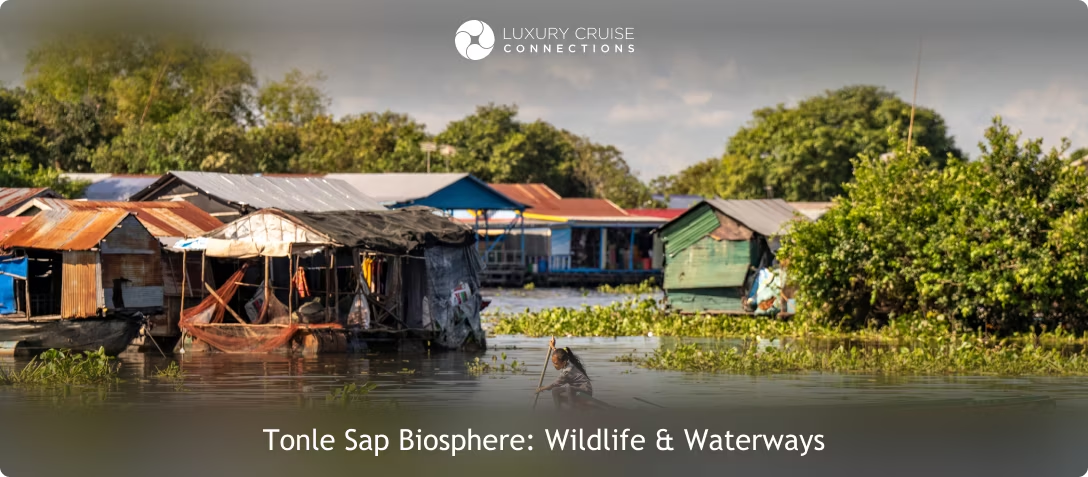
    Visitors to Tonle Sap Lake experience the unique floating villages, such as Kampong Phluk and Kampong Kleang, where homes, schools, and markets float on the water. A boat ride through these villages offers a close-up view of local life, where stilted homes and boats serve as the primary means of transportation. The lake hosts diverse bird species, making it a popular spot for birdwatching, particularly in the Tonle Sap Biosphere Reserve, a UNESCO-protected area supporting various migratory birds. The surrounding area is rich in natural beauty, featuring lush wetlands and aquatic plants that create a peaceful, picturesque atmosphere.

    Exploring Tonle Sap Lake offers an exciting experience of Cambodia’s rural life. Boat tours provide a unique perspective of the floating communities, where locals live, work, and interact in harmony with the water. Visitors witness daily activities such as fishing, trading, and schooling while enjoying the tranquility of the lake’s surroundings. The lake’s biodiversity, including its birdlife, offers opportunities for nature lovers to connect with Cambodia’s natural environment. The quiet beauty of the area, along with its cultural significance, makes Tonle Sap Lake a must-see destination for individuals seeking a deeper understanding of Cambodia’s way of life.

    The best time to visit Tonle Sap Lake is during the dry season, from November to February, when the water levels are stable and the weather is cooler.

    Local guides are available for boat tours and provide insight into the culture and history of the floating villages. Professional birdwatching tours are available for nature enthusiasts.

    Boat rides typically cost around $20 to $30, depending on the tour duration and village visited. Entrance to the Tonle Sap Biosphere Reservation has additional fees.

  • Hike in the Cardamom Mountains

    The Cardamom Mountains form a vast mountain range in southwestern Cambodia, covering over 4,000 square kilometers. The mountains are recognized for their stunning biodiversity, and are a haven for wildlife, including rare species like the Indochinese tiger and Asian elephant. Dense forests, cascading waterfalls, and remote villages characterize the Cardamoms. The region remains largely untouched, making it a prime destination for adventurous travelers and nature enthusiasts exploring Cambodia's wild interior. Hiking through the Cardamom Mountains offers a chance to discover some of the country's most pristine and least-explored areas.
    Hike in the Cardamom Mountains

    The Cardamom Mountains offer several trekking routes that take visitors through lush forests, across rivers, and to scenic viewpoints with breathtaking panoramas. Hikers explore Tmatboey, a village renowned for its conservation efforts, or visit Chi Phat, an ecotourism village that serves as a base for exploring the area. The famous Tatai Waterfall and the remote Kirirom National Park provide exceptional opportunities for hiking, wildlife spotting, and enjoying the natural beauty of the Cardamoms. The mountains showcase some of Cambodia’s most beautiful and unspoiled landscapes, making the hiking experience an exciting adventure.

    Hiking in the Cardamom Mountains offers a rugged adventure into Cambodia’s wild side. Trekking through dense jungles and rugged terrain, visitors experience the country’s natural beauty firsthand. The hike presents stunning views of waterfalls, rivers, and wildlife, creating a sense of serenity and awe. Rich in biodiversity, the mountains are home to various bird species, reptiles, and mammals. The trek is physically challenging, but the reward is an unforgettable connection to Cambodia’s pristine nature. The region provides an ecotourism experience, allowing visitors to learn about local conservation efforts while enjoying the tranquility of the wilderness.

    The best time to hike in the Cardamom Mountains is during the dry season, from November to February, when the weather is cooler and trails are more accessible.

    Local guides are recommended, as they offer expert knowledge about the terrain, wildlife, and conservation efforts. Ecotourism companies offer organized trekking tours.

    Trekking tours range from $30 to $50 per day, depending on the length of the hike and whether transportation is provided. Additional fees apply for visiting protected areas or national parks.

  • Discover the Ratanakiri Province

    Ratanakiri Province is located in the northeastern part of Cambodia, famous for its remote and unspoiled beauty. The province is rich in natural resources, including dense jungles, cascading waterfalls, and serene lakes. It is home to diverse ethnic minorities, particularly the Tumpoun, Brao, and Jarai people, whose cultures and traditions add to the area’s charm. Ratanakiri is a haven for travelers seeking off-the-beaten-path experiences, offering a mix of ecotourism, adventure, and cultural exploration. The province is famous for its Virachey National Park, one of Cambodia’s largest protected areas, which is renowned for its biodiversity and wildlife.
    Discover the Ratanakiri Province

    The province boasts several natural landmarks, including Lake Yeak Laom, a stunning volcanic lake surrounded by lush forests. Visitors swim in the crystal-clear waters or hike around the lake for panoramic views of the surrounding landscape. Tad Fane Waterfall, a majestic two-tiered waterfall, is another must-see destination in Ratanakiri. The Virachey National Park offers opportunities for trekking, birdwatching, and wildlife spotting, with rare species such as elephants and tigers. The region’s indigenous cultures are a highlight, with local villages offering insight into the traditional lifestyles of the ethnic minorities.

    Exploring Ratanakiri Province allows visitors to immerse themselves in the natural beauty and cultural diversity of northeastern Cambodia. Hiking through dense jungles, swimming in Lake Yeak Laom, and witnessing the power of Tad Fane Waterfall provide unforgettable experiences. Visitors interact with local communities, learning about their traditions, crafts, and ways of life. The province’s remote location offers a peaceful escape from the hustle and bustle of urban centers, providing a serene and authentic Cambodian experience. Adventurers appreciate the ecotourism opportunities, from trekking in Virachey National Park to exploring the area’s waterfalls and lakes.

    The best time to visit Ratanakiri Province is during the dry season, from November to March, when the weather is cooler and more suitable for outdoor activities.

    Local guides are recommended for treks in Virachey National Park and other natural areas. They provide expertise on local wildlife, plant life, and indigenous cultures.

    Entrance fees to Virachey National Park and some protected areas range from $5 to $10. Trekking tours cost around $30 to $50 per day, depending on the length and services included.

  • Visit the Banteay Srei Temple

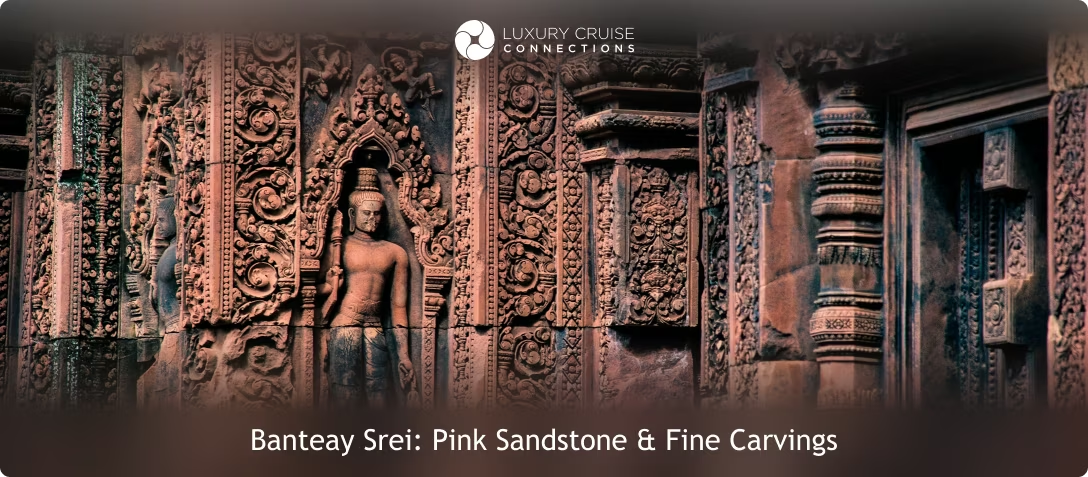
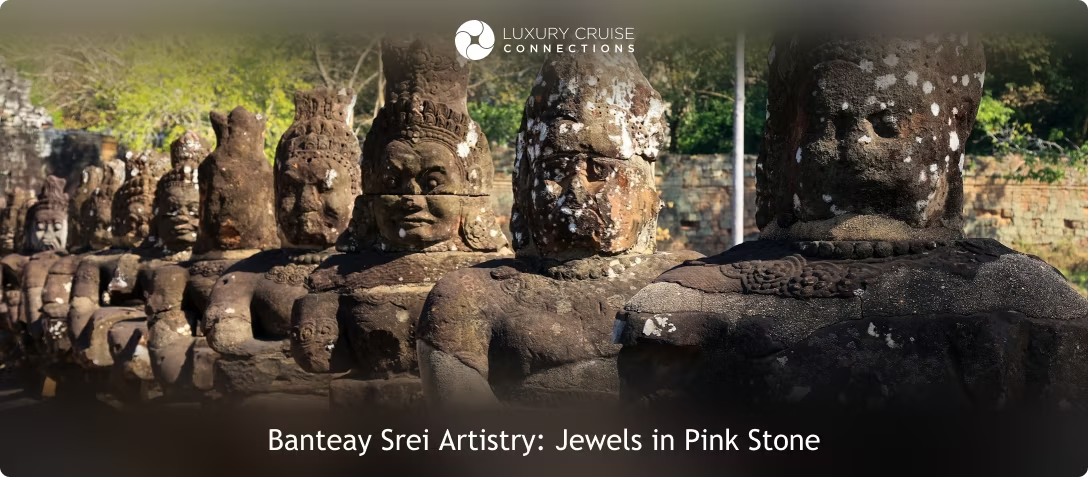
    Banteay Srei Temple is a small yet stunning temple located about 25 kilometers northeast of Angkor Wat in Siem Reap, Cambodia. Constructed in the 10th century during the reign of King Rajendravarman II, the temple is dedicated to the Hindu god Shiva. The temple is famous for its exceptional beauty and is referred to as the “Citadel of Women” because of its intricate and delicate carvings believed to represent the feminine divine. Banteay Srei is made from pink sandstone, which gives it a distinct color compared to other temples in the Angkor Archaeological Park. The architectural details, especially the bas-reliefs and carvings, are among the finest examples of classical Khmer art.
    Visit the Banteay Srei Temple

    The highlight of Banteay Srei lies in its exceptional craftsmanship. Visitors marvel at the intricate bas-reliefs that depict scenes from Hindu mythology, such as the Ramayana and Mahabharata, showcasing the depth of Khmer artistry. The temple’s walls are adorned with detailed depictions of gods, demons, and animals, as well as vibrant floral patterns. The relatively small size of the temple makes it easy to explore, and its more intimate atmosphere offers visitors a quiet experience compared to the larger temples in the Angkor Park.

    A visit to Banteay Srei allows visitors to appreciate the finest examples of Khmer art in a serene setting. The temple’s compact design, elaborate carvings, and stunning architectural features make it a favorite for photography enthusiasts. Visitors walk through the temple’s courtyards and admire the fine details up close, experiencing the artistry of a bygone era. The remote location of the temple ensures a more tranquil visit, with fewer crowds compared to the major temples of Angkor Wat and Bayon.

    The best time to visit Banteay Srei is during the dry season, from November to February, when the weather is cooler and more comfortable for exploring.

    Local guides are available at the entrance and provide detailed explanations about the history, carvings, and significance of the temple.

    The temple is included in the Angkor Park entry pass, which costs $37 for a one-day pass.

  • Explore the Town of Kampot

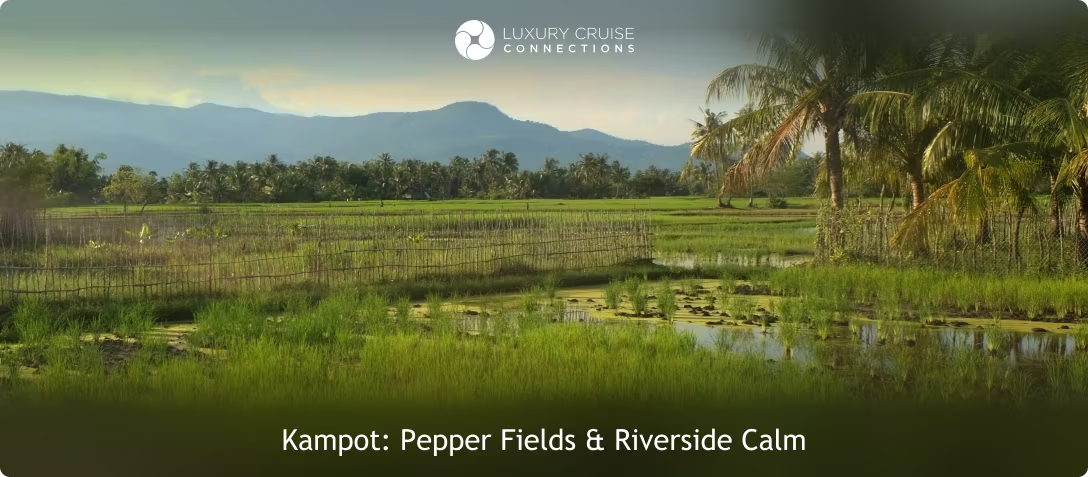
    Kampot is a charming riverside town in southern Cambodia, famous for its laid-back atmosphere, colonial architecture, and scenic landscapes. Situated along the Bokor Mountain. The town is surrounded by lush greenery along the Range and the Praek Tuek Chhu River, offering a perfect blend of nature and culture. French colonial heritage remains evident, with old buildings and quaint streets that add to its historical charm. Kampot is famous for Kampot pepper, a high-quality spice cultivated in the region for centuries and considered some of the best in the world.
    Explore the Town of Kampot

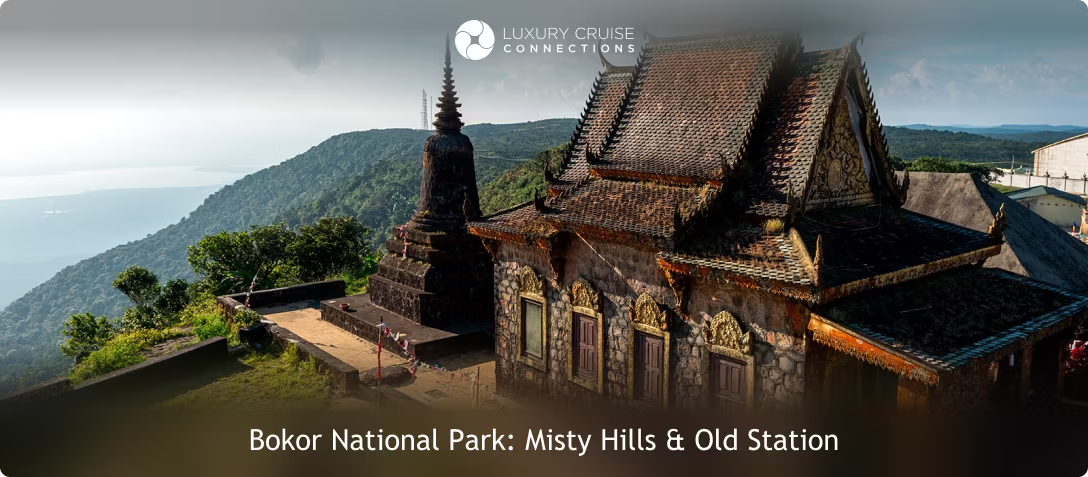
    Bokor National Park is among the main attractions in Kampot, located just outside the town. Visitors hike through dense forests, visit the Bokor Hill Station, a former French colonial resort, and enjoy panoramic views of the surrounding mountains and coastline. The Praek Tuek Chhu River offers boat rides with views of the river, nearby islands, and lush landscapes. Local markets provide opportunities to explore the vibrant culture and taste Kampot pepper dishes.

    Exploring Kampot offers a unique blend of history, nature, and local culture. Strolling through the town allows visitors to admire the French colonial buildings and experience the town’s relaxed pace. A boat ride along the Praek Tuek Chhu River presents peaceful views of the riverbanks and nearby mountains. Bokor National Park provides a serene escape, with hiking trails leading to breathtaking viewpoints and waterfalls. Kampot offers cultural immersion, with local markets, restaurants, and cafes showcasing Cambodian cuisine, particularly dishes made with Kampot pepper.

    The best time to visit Kampot is during the dry season, from November to February, when the weather is cooler and more suitable for outdoor activities.

    Local guides are available for tours of Bokor National Park, and boat rides along the river arranged with local operators.

    Entrance to Bokor National Park costs around $5, while boat rides and tours vary depending on the duration and services offered.


What are the Most Popular Tourist Attractions in Cambodia?

The Most Popular Tourist Attractions in Cambodia are listed below.

  • Angkor Wat
  • Bayon Temple
  • Ta Prohm
  • Phnom Penh
  • Killing Fields of Choeung Ek
  • Killing Fields of Choeung Ek
  • Sihanoukville
  • Bokor National Park
  • Banteay Srei
  • Kampot
  • Angkor Wat

    The largest religious monument in the world and a UNESCO World Heritage site. Angkor Wat is famous for its awe-inspiring architecture, vast temple complex, and intricate bas-reliefs depicting Hindu mythology. It draws millions of visitors each year, making it Cambodia's most iconic and visited tourist destination.
    Angkor Wat
  • Bayon Temple

    The temple showcases an impressive collection of over 200 massive stone faces of Avalokiteshvara and features stunning bas-reliefs that depict scenes of Cambodian life and history, offering a unique and striking experience for visitors exploring the Angkor Archaeological Park.
    Bayon Temple
  • Ta Prohm

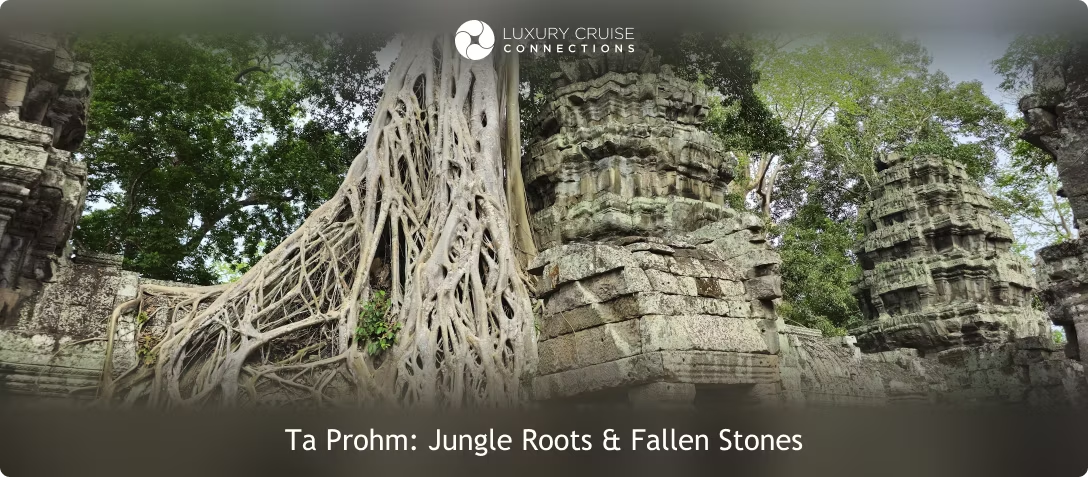
    The temple, famously known as the "Tomb Raider Temple," has become iconic due to the large trees growing out of its ruins. The intertwining roots of ancient trees like the strangler fig add a dramatic and mystical atmosphere to the temple, making it one of the most visually striking sites in Cambodia
    Ta Prohm
  • Phnom Penh

    Cambodia's capital city is rich in history and culture, with landmarks such as the Royal Palace, the Silver Pagoda, and the National Museum. Visitors explore the grandeur of Cambodia's royal heritage and learn about the country's past through its museums and historical buildings. Phnom Penh is a vibrant city where the past and present come together.
    Phnom Penh
  • Killing Fields of Choeung Ek

    A memorial and mass grave site where over 17,000 people were executed during the Khmer Rouge era. The Killing Fields provide a somber and emotional experience for visitors, offering a powerful reminder of Cambodia's tragic history. The Choeung Ek Memorial Stupa contains thousands of skulls and bones, serving as a tribute to the victims.
    Killing Fields of Choeung Ek
  • Tonle Sap Lake

    Tonle Sap Lake is the largest freshwater lake in Southeast Asia and is a UNESCO Biosphere Reserve famous for its floating villages and rich biodiversity. The lake’s ecosystem supports a variety of wildlife, and visitors take boat tours to explore the floating communities and the scenic beauty surrounding the lake.
    Tonle Sap Lake
  • Sihanoukville

    A coastal city famous for its beautiful beaches and islands. Sihanoukville offers a laid-back atmosphere, perfect for relaxation, swimming, and water-based activities such as snorkeling and diving. Nearby islands like Koh Rong and Koh Rong Samloem provide pristine beaches, crystal-clear waters, and serene environments for tourists seeking a peaceful escape.
    Sihanoukville
  • Bokor National Park

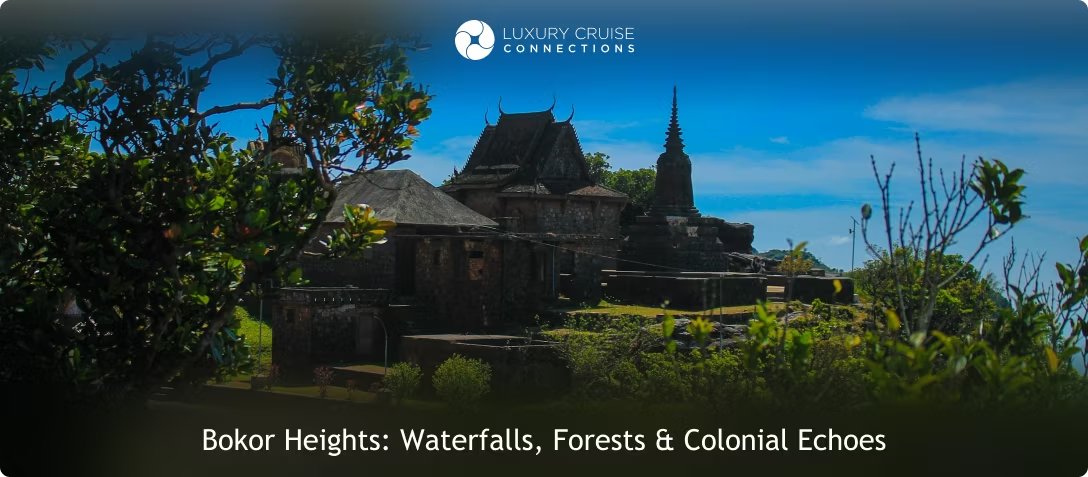
    Bokor National Park is located in the Cardamom Mountains and is famous for its stunning landscapes, including waterfalls, dense forests, and panoramic views. The Bokor Hill Station, a former French colonial resort, is a highlight. The park offers hiking opportunities and is a perfect spot for nature lovers and adventurers.
    Bokor National Park
  • Banteay Srei

    Banteay Srei is a small temple dedicated to the Hindu god Shiva and is famous for its meticulously detailed sandstone carvings. The temple stands out for its fine craftsmanship and well-preserved artistry, regularly considered one of the most beautiful in the Angkor complex, making it a must-visit for travelers interested in the intricacies of Khmer architecture.
    Banteay Srei
  • Kampot

    A charming riverside town famous for its colonial architecture, peaceful atmosphere, and beautiful landscapes. Kampot offers a slower pace of life, with attractions like the Kampot pepper plantations, Bokor Mountain, and the scenic Kampot River. The town’s relaxed vibe, combined with its proximity to natural wonders, makes it an excellent destination for travelers looking for a peaceful getaway.
    Kampot


Which Vacation Spots in Cambodia Are Best for Beach Lovers?

The Vacation Spots in Cambodia for Beach Lovers are listed below.


What are the Best Things to Do in Cambodia for First-Time Visitors?

The Best Things to do in Cambodia for First-Time Visitors are listed below.

Cambodia's most iconic landmark stands as a must-see for first-time visitors. The grandeur of the temple, combined with its intricate carvings and historical significance, creates an unforgettable experience.
Travelers who wish to understand Cambodia’s history must visit the Killing Fields of Choeung Ek. The site serves as a poignant reminder of the country's tragic past during the Khmer Rouge era, offering visitors a chance to reflect on the resilience of the Cambodian people.
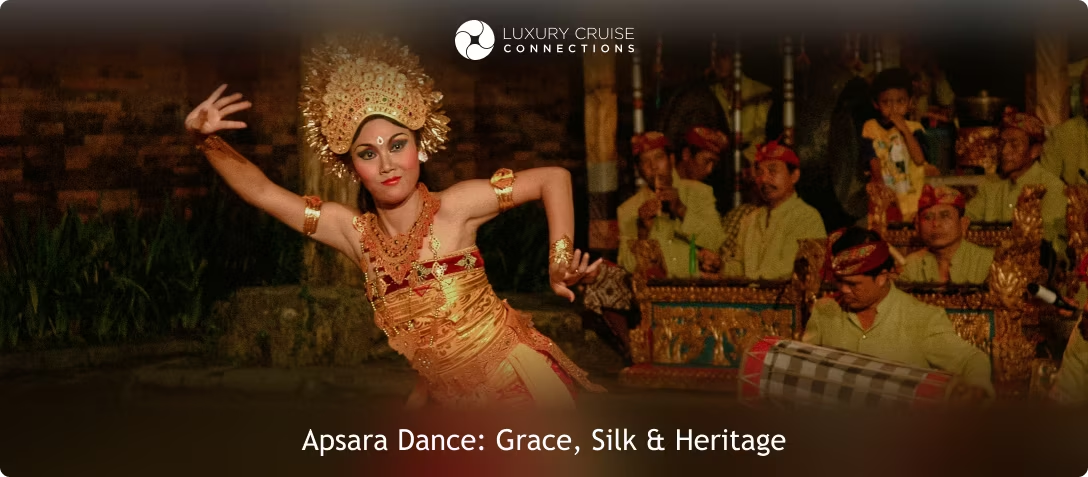
A traditional Apsara dance performance offers insight into Cambodia’s cultural heritage. The graceful movements and colorful costumes highlight the country’s artistic traditions and provide a captivating cultural experience.
Southeast Asia's largest freshwater lake allows visitors to explore floating villages and experience the tranquil beauty of Cambodia’s natural landscapes. The boat rides provide a unique glimpse into local life on the water.
Sihanoukville is home to some of Cambodia’s most beautiful beaches, offering a relaxed environment for first-time visitors. Visitors unwind on the sandy shores, swim, and enjoy various water activities in a laid-back setting.
The Royal Palace in Phnom Penh is a stunning architectural gem, providing visitors with a glimpse into Cambodia's royal history. Its beautiful gardens and intricate designs make it a must-visit for anyone exploring the city.
The Angkor Archaeological Park features other impressive temples like Ta Prohm and Bayon Temple. These ancient sites immerse visitors in Cambodia’s historical and architectural wonders.
Banteay Srei is smaller but equally impressive, famous for its exquisite carvings and fine details. First-time visitors appreciate the beauty and craftsmanship of this 10th-century temple, considered a masterpiece of Khmer art.
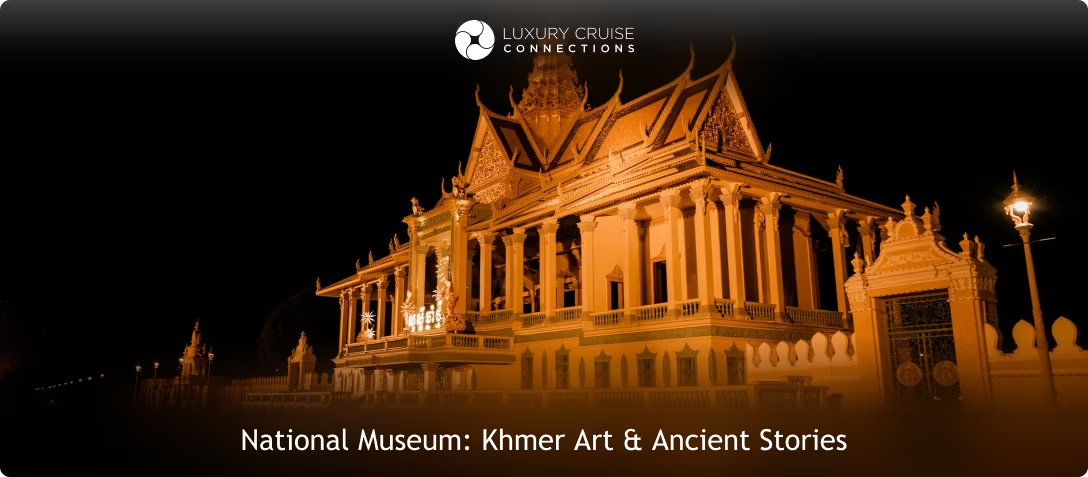
The National Museum in Phnom Penh offers valuable insights into Cambodia’s cultural heritage, with collections of art, sculpture, and artifacts spanning various historical periods.
Bokor National Park is perfect for outdoor enthusiasts, offering hiking trails, panoramic views, and historical sites like the Bokor Hill Station. It’s an ideal destination for first-time visitors seeking nature, adventure, and history in one place.

How does the Culture in Cambodia Influence Its Tourist Attractions?What are the Must-Do Activities in Cambodia for Culture Enthusiasts?

The culture in Cambodia influences its tourist attractions by shaping sites that reflect the historical and spiritual legacy of the Khmer Empire, as seen in Bayon Temple and Ta Prohm. Bayon Temple and Ta Prohm highlight the impressive architectural achievements and spiritual significance of the Khmer civilization. The temples attract millions of tourists annually, offering a glimpse into the country’s rich heritage and the artistry of an empire that flourished centuries ago, making Cambodia tourist places a significant draw for visitors.

Cambodia’s tragic past shapes its cultural landscape. The Killing Fields of Choeung Ek and the Tuol Sleng Genocide Museum stand as solemn reminders of the atrocities committed during the Khmer Rouge regime. Visitors experience the devastating impact of the genocide, gaining insight into the human cost of Cambodia’s recent history. The memorials serve as a powerful reminder of resilience, with Cambodia’s ongoing efforts to heal from the trauma of the dark period, reflecting the importance of Cambodia's tourist attractions in educating future generations.

Cambodia’s tourist places offer a blend of ancient splendor and modern reflection. Cambodia tourist attractions such as the majestic temples of Angkor provide a connection to the country’s royal and religious heritage, while the Killing Fields and Tuol Sleng offer a deeper, more somber exploration of Cambodia’s recovery from its recent past. The tourist places in Cambodia highlight the diversity of the country’s history, showcasing the ancient and the painful, but ultimately triumphant, journey of its people.

What are the Must-Do Activities in Cambodia for Culture Enthusiasts?

The must-do activities in Cambodia for culture enthusiasts are numerous and essential for anyone looking to explore the country's rich history. Angkor Wat offers visitors the chance to admire its intricate carvings and understand the spiritual significance of the temples that once stood at the heart of the Khmer Empire. Bayon Temple, with its iconic stone faces, and Ta Prohm, where nature intertwines with ancient ruins, provide a deeper connection to Cambodia's cultural and historical roots.

Watching a traditional Apsara dance performance offers another significant cultural experience. The dance tells stories through graceful, intricate movements and vibrant costumes. Apsara dance plays an important role in Cambodian culture and is regularly performed in theaters or during cultural festivals.

Visiting local markets and pagodas provides further cultural enrichment. The Central Market in Phnom Penh showcases local crafts, food, and goods, allowing visitors to experience Cambodia’s vibrant everyday life. The Silver Pagoda in Phnom Penh offers insight into the country’s Buddhist traditions and religious practices, with its intricate architecture and deep spiritual importance.

Cultural immersion in Cambodia requires these experiences to understand its rich landscape fully. The activities in Cambodia offer a comprehensive exploration of the country’s history, art, and spirituality. Engaging in the Cambodia activities reveals the depth and diversity of the country's traditions.

Best Things to Do Around the World

Discover the best activities, landmarks, and experiences in every cruise destination and port of call.

Europe Western, Central & Mediterranean
America North, Central, South & Caribbean
Africa & Asia Oceania & Antarctica