10 Best Things to Do in Dominican Republic

The 10 best things to do in Dominican Republic include visiting Punta Cana beaches, exploring Santo Domingo’s Colo...

add

The 10 best things to do in Dominican Republic include visiting Punta Cana beaches, exploring Santo Domingo’s Colonial Zone, climbing Pico Duarte mountain and snorkeling coral islands in Isla Saona and Catalina Island. Other highlights of the Dominican Republic include visiting Altos de Chavón village, experiencing Damajagua Waterfalls, hiking in national parks and whale watching in Samana. The Dominican Republic is a country located on the island of Hispaniola in the heart of the Caribbean. The Dominican Republic combines tropical island beauty, vibrant culture, and historical depth to offer travelers a mix of nature, adventure, and heritage.

Travelers deciding what to see in Dominican Republic find no shortage of options, from coral islands and historic landmarks, to rainforests, mountains, and unspoiled beaches. Deciding what to do in Dominican Republic depends on whether you prefer adrenaline-filled outdoor adventures or relaxing beach days in front of Caribbean seas. The most memorable things to do in the Dominican Republic capture this balance, blending natural wonder, cultural discovery, and the easy-going rhythm that defines island life.

  • Visit Punta Cana Beaches
  • Explore the Colonial Zone in Santo Domingo
  • Hike Pico Duarte
  • Discover Isla Saona
  • Snorkel at Catalina Island
  • Visit the Altos de Chavón Village
  • Experience Damajagua Waterfalls
  • Explore the Parque Nacional del Este
  • Enjoy Whale Watching in Samaná
  • Relax at Bahía de las Águilas
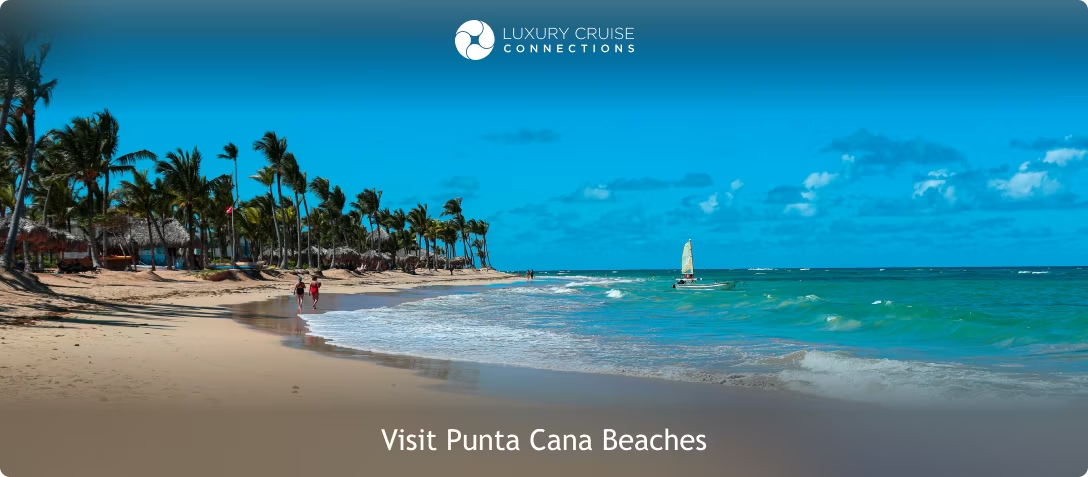
  • Visit Punta Cana Beaches

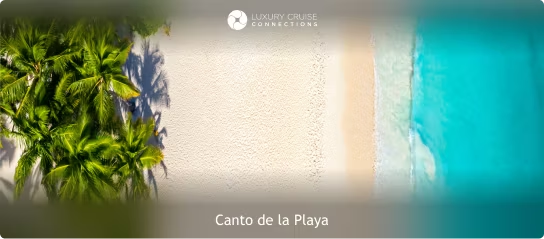
    Visit Punta Cana beaches in the Dominican Republic for turquoise seas, white sands and palm-lined beach clubs. The name Punta Cana translates to ‘Tip of the White Palm’ in Spanish, a reference to both its position at the easternmost point of the Dominican Republic, and its white palm trees. The beaches of Punta Cana extend 32 kilometers (20 mi) along La Costa del Coco. These Punta Cana beaches run from Uvero Alto in the north, down to Juanillo in Cap Cana. Punta Cana beaches give travelers the choice of family-friendly shores, luxury resort beaches, and quiet undeveloped coasts. .
    Visit Punta Cana Beaches

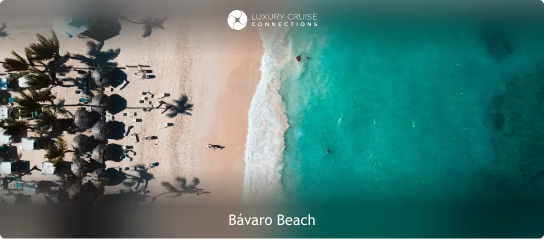
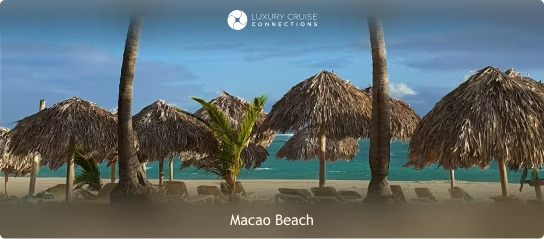
    Highlights of Punta Cana beaches include Bávaro beach, Macao beach, Arena Gorda beach, El Cortecito, Juanillo beach, Uvero Alto beach, and Cabeza de Toro beach, each offering distinct seaside environments. Bávaro beach stands out as the central and most developed beach in Punta Cana, offering resorts, shops, and water-sport access. Macao beach offers surfing, less development, and open natural shorelines than Bávaro beach. Arena Gorda ("Coarse Sand”) beach and El Cortecito (“Little Tip”) lie between those extremes with moderate infrastructure and access. Juanillo beach in Cap Cana gives a more upscale, private setting with calm waters. Uvero Alto beach delivers quieter sands farther north. Cabeza de Toro (“Bull's Head”) beach offers sheltered bays with calmer seas for family-friendly snorkeling.

    The experience of visiting Punta Cana beaches provides both tranquility and recreation. Visitors relax on soft white sands and swim in warm shallow Caribbean waters. Snorkeling trips to nearby reefs give nature-lovers a close-up look at corals and fish. Catamaran cruises take travelers to coral sites such as Bávaro Reef or the shallow waters off Cabeza de Toro. These boat excursions combine sailing with music and dancing, creating a festive Caribbean atmosphere. Adventure seekers enjoy jet skiing or parasailing with panoramic Punta Cana coastal views. Evenings along the shore provide vibrant nightlife with beach clubs, bars, and restaurants offering Dominican fare and live entertainment.

    The best time to visit Punta Cana beaches is between December and April, during the dry season. Sunny skies, minimal rain and comfortable temperatures during the dry season make it ideal for seaside activities and sunbathing.

    Guides from local operators lead snorkeling trips, catamaran cruises, and off-road tours. They provide safe access, transport, and orientation at sites such as Bávaro Reef, Cabeza de Toro, and Macao Beach

    There is no entry fee for the majority of Punta Cana beaches. Juanillo Beach in Cap Cana charges non-resort visitors $20-30 to enter but this fee is redeemable for food and drinks at the Juanillo Grill Beach Club.

  • Explore the Colonial Zone in Santo Domingo

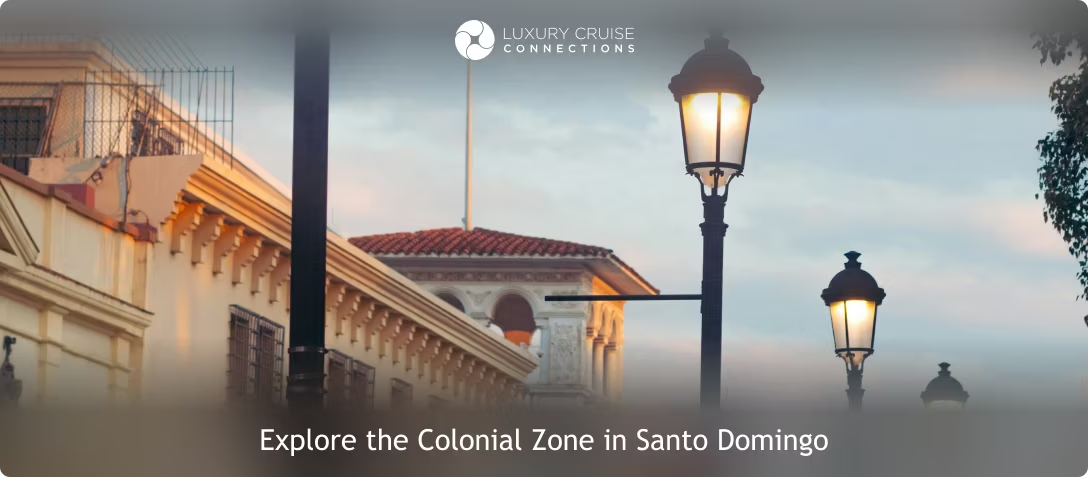
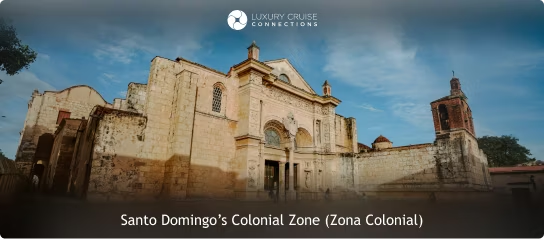
    Exploring the Colonial Zone (Zona Colonial) in Santo Domingo provides a unique experience where history, architecture, and local life come together. The Colonial Zone is a historic district by the west bank of the Ozama River in the Dominican Republic’s capital city, Santo Domingo. Zona Colonial was established in 1496, making it the oldest continuously inhabited European settlement in the Americas. The Colonial Zone district features cobblestone streets, stone churches, and colonial architecture reflecting Spanish influence. Visitors walk within the walled city to discover over 500 years of the Dominican Republic’s history. The Colonial Zone’s museums, plazas, cultural centers, and preserved fortifications further the educational experience.
    Explore the Colonial Zone in Santo Domingo

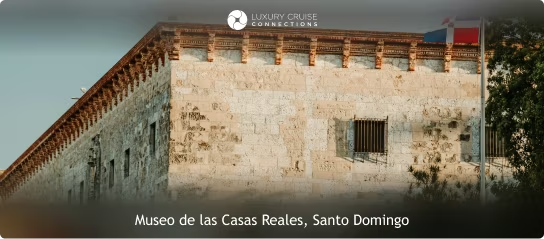
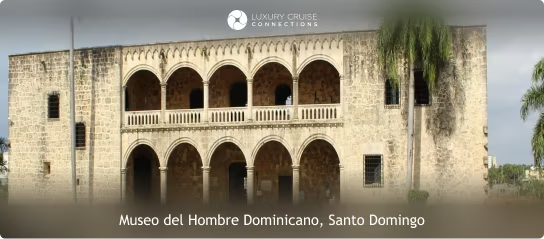
    Highlights of the Colonial Zone in Santo Domingo include the Catedral Primada de América, the first cathedral built in the New World. The Alcázar de Colón in Santo Domingo was the palace of Diego Columbus, son of Christopher Columbus and governor of the Dominican Republic’s early colony. The residence shows colonial life through preserved interiors, furniture, and tapestries. Calle El Conde is a pedestrian street with cafés, small shops, and artisan stalls selling Dominican goods such as amber jewelry, larimar stones, cigars, and hand-woven crafts. Parque Colón serves as the district’s social hub, where local Dominicans gather daily.

    Explore the Colonial Zone in Santo Domingo connects visitors with centuries of Dominican history. Museums and landmarks detail the early Spanish settlement and its role in shaping the Caribbean. Visitors tour cathedrals, forts, and museums that showcase the Spanish colonial era. They taste Dominican food in cafés and restaurants serving dishes such as mangú, sancocho, and fried plantains. Travelers shop along Calle El Conde for amber jewelry, larimar stones, cigars, and handmade crafts. Musicians perform merengue and bachata in plazas, while locals gather in Parque Colón to socialize. The Colonial Zone offers a balance of historic landmarks, street culture, and Dominican flavors in one walkable district.

    The best time to visit the Colonial Zone in Santo Domingo is from December to March, when cooler weather makes walking around the historic sites more comfortable.

    Local guides in the Colonial Zone lead walking tours that add context to the district’s history and culture. Art-themed, architecture-focused and food-themed guided walks of Santo Domingo’s Colonial Zone are available.

    Admission to the Colonial Zone in Santo Domingo is free of charge. Museums and historic sites in the Colonial Zone charge entry fees between $1-$6 per site.

  • Hike Pico Duarte

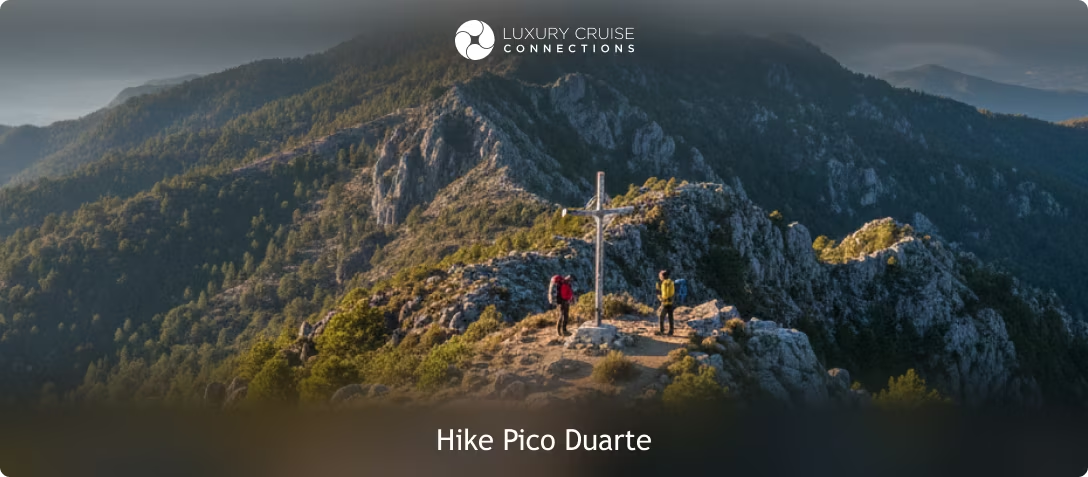
    Hike Pico Duarte to summit the highest peak in the Dominican Republic, Hispaniola, and the entire Caribbean. Pico Duarte stands at 3,101 m (10,174 ft) above sea level. Pico Duarte is located within the Dominican Republic’s Cordillera Central mountain range. It is protected by two national parks, Armando Bermúdez National Park and José del Carmen Ramírez National Park. Pico Duarte offers challenging but rewarding treks through pine forests, valleys, and rivers. Reaching Pico Duarte’s summit is a physical challenge requiring multi-day hiking and camping, making it a bucket-list item for adventure travelers and nature lovers visiting the Dominican Republic
    Hike Pico Duarte

    Highlights of Pico Duarte hikes include the dramatic landscapes and diverse ecosystems encountered on the way to the top. The summit of Pico Duarte is accessible by a variety of routes (La Ciénaga, Valle de Tetero, Mata Grande, Sabaneta). La Ciénaga trail is the most popular route and measures 23 km one way, usually taking hikers 2-3 days. Pico Duarte Trails pass through cloud forests, mountain streams, and open plateaus. Wildlife sightings range from endemic birds (Palmchat, Hispaniolan trogon, Hispaniolan parrot) to unique plant species (pine forests, alpine grasses, orchids). The summit provides sweeping views across the island, sometimes as far as the Caribbean Sea. Hikers also encounter a bust of Juan Pablo Duarte, one of the Dominican Republic’s founding fathers, a cross, and a Dominican flag at the summit.

    The combination of rugged terrain, natural beauty, and cool climate makes hiking Pico Duarte an unforgettable Caribbean experience. Trekking Pico Duarte demands stamina and preparation but rewards visitors with unmatched scenery along the way. Hikers follow marked mountain trails led by official park guides or independent tour operators. Days are spent trekking through forests and mountain ridges, while evenings are spent resting at refuges like La Compartición and meeting fellow hikers. At the summit, visitors celebrate with panoramic views and photo opportunities with the Dominican flag. Certain guided treks to Pico Duarte include interaction with rural communities, meals of local food, and mule support for gear.

    The best time to hike Pico Duarte is from December to March, when pleasant temperatures and drier weather create favorable hiking conditions.

    Guides for Pico Duarte hikes are mandatory, with local park rangers and tour companies leading treks and providing mules for equipment.

    Entrance to the national parks cost $2. Local guides for Pico Duarte treks cost $15-$20 per day. Rental of carrier mules and cargo mules costs $6-$10 each.

  • Discover Isla Saona

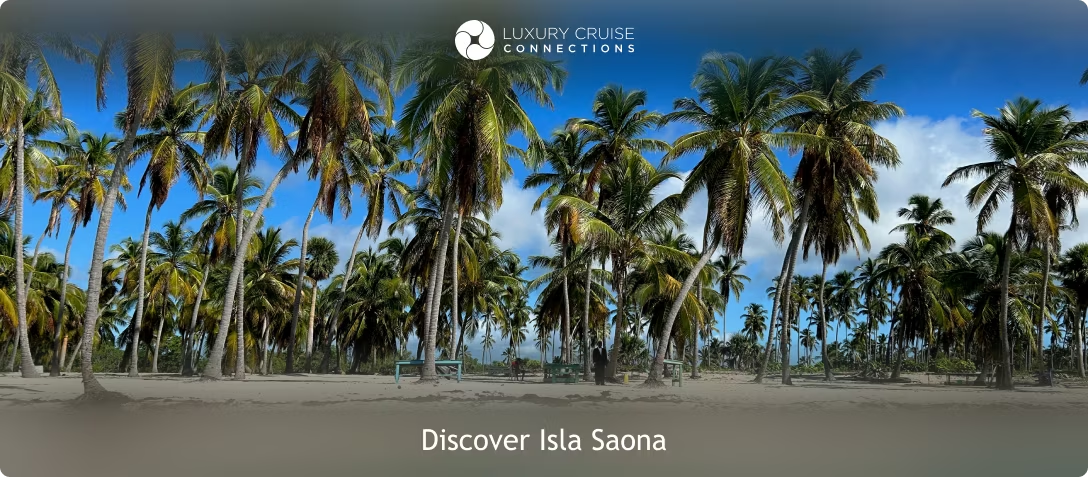
    Discover Isla Saona for a full-day of relaxation and natural exploration by the sea. Isla Saona is a 110-square-kilometer (42 sq mi) island surrounded by the Caribbean sea. It is one of the Dominican Republic’s most visited natural attractions, celebrated for its sandbars, turquoise waters, mangroves, and nearby fishing village. Isla Saona’s palm-lined shores, coral reefs, and shallow sandbars are ideal for swimming and encountering wildlife. Isla Saona takes its name from the Italian city of Savona, a reference made by Christopher Columbus during his voyages. Isla Saona remains a protected island within Cotubanamá National Park (formerly known as the Parque Nacional del Este), ensuring preservation of its ecosystems.
    Discover Isla Saona

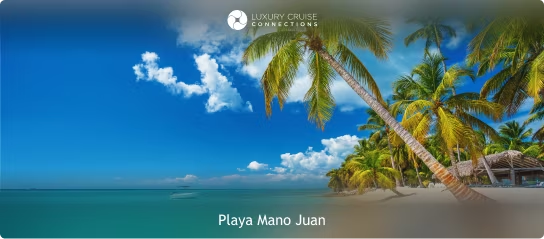
    Highlights of Isla Saona include its untouched beaches, shallow lagoons, reef systems, wildlife, and cultural sites. The coral reef at El Peñón supports colorful fish, sea turtles, stingrays, and occasional nurse sharks. Isla Saona’s natural pool offshore is a key attraction where visitors wade among starfish in crystal-clear waters. Mano Juan is a charming fishing village near Isla Saona, that lets visitors see local fishing life, crafts, and turtle nesting sites. Cotubanamá Cave is a fascinating cave in Isla Saona that contains pre-Columbian rock art, offering insight into the island’s Indigenous heritage.

    Visitors to Isla Saona relax on sandbars, snorkel reefs, explore mangroves, sail by catamaran, taste seafood, and learn village traditions. Visitors have the chance to wade among starfish in waist-deep Caribbean water around Isla Sana’s sandbars. Snorkelers at El Peñón Reef encounter coral gardens, parrotfish, and rays. Visitors kayak, snorkel or take a boat ride inside Cotubanamá National Park to admire the mangroves. Catamaran cruises in Isla Saona provide an experience of Dominican music, rum drinks, and swimming stops. In Mano Juan, visitors learn about village traditions such as fishing, wooden boat building, turtle conservation, and making crafts from palm and seashells.

    The best time to discover Isla Saona is between December and April, when the weather is most pleasant for outdoor exploration and water visibility is high.

    Guides to Isla Saona organize catamaran and speedboat tours that include stops at the best sandbars, reefs, and villages. Wildlife guides provide an educational experience when visiting turtle nesting sites and mangroves

    Guided expeditions to Isla Saona cost between $50-$200 per person, depending on the choice of speedboat or catamaran.

  • Snorkel at Catalina Island

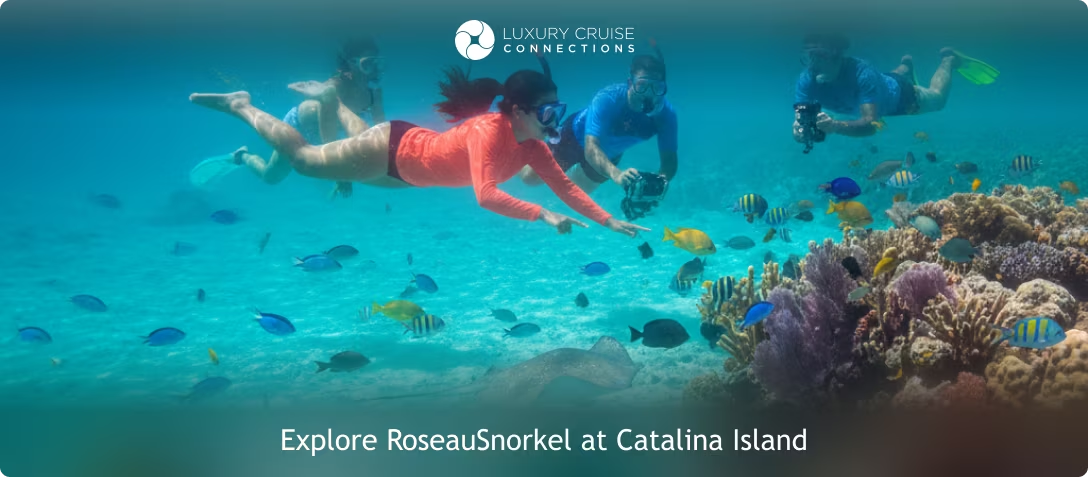
    Snorkel at Catalina Island to explore the best of Dominican Republic’s vibrant reef ecosystems. Catalina Island (Isla Catalina) is a protected island that lies on the Dominican Republic’s southeastern coast in La Romana Province. Catalina Island is valued for its biodiversity, sandbanks, coral reefs, mangroves and tranquil beaches. Boats bring visitors on guided excursions to Catalina Island’s reefs and beaches. Catalina’s abundant marine life and crystal-clear waters give it a reputation as a premier snorkeling and diving destination in the Dominican Republic.
    Snorkel at Catalina Island

    Highlights of Catalina Island include its two most famous snorkel and dive sites, the Wall and the Aquarium. The Wall is a snorkel and dive site that features steep coral-covered slopes descending from about 5 meters down to 20-25 meters deep. Snorkelers and divers at the Wall encounter tropical fish, sponges, sea fans, rays, and occasional groupers along the drop-off. The Aquarium snorkel and dive site lies on the opposite side of the island. The Aquarium reaches depths of 12 meters for divers, while snorkelers stay in shallower zones of 3-6 meters. The Aquarium features colorful coral gardens, moray eels, lobster, and schools of reef fish. Other Catalina Island highlights include Banco de Arena sandbanks for wading in crystal-clear shallow water. Beaches like Playa Isla Catalina and the island’s western coast provide restful shore stops between snorkeling and diving reefs.

    The experience of snorkeling at Catalina Island is an unforgettable marine adventure. Visitors first travel from La Romana or Bayahibe to Catalina Island on catamarans and speedboats, often with open-deck views of the Caribbean. Snorkelers visit snorkel sites to float above reefs, swim through shallow water and marvel at marine life. Excursions stop at Banco de Arena where travelers wade in warm sandbanks. Dominican meals like grilled fish, rice, and plantains are served on shore. Visitors spend time resting on Playa Isla Catalina or walking along the island’s western coves. A selection of Catalina Island tours end with live music or dancing on the return trip.

    The best time to snorkel at Catalina Island is from December to May, when seas are calm and water visibility is highest.

    Local guides at Catalina Island enrich excursions by ensuring safe navigation, teaching reef conservation, and pointing out lesser-seen marine life. Guides also coordinate logistics such as equipment, timing at snorkel sites, and meals onshore.

    Catalina Island snorkeling excursions generally cost between $40-$100 and are inclusive of snorkeling gear rental.

  • Visit the Altos de Chavón Village

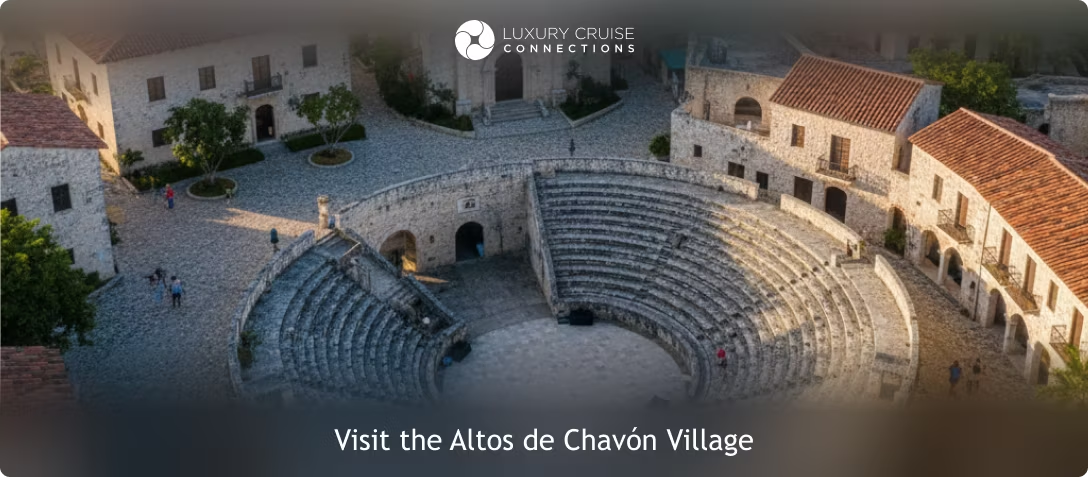
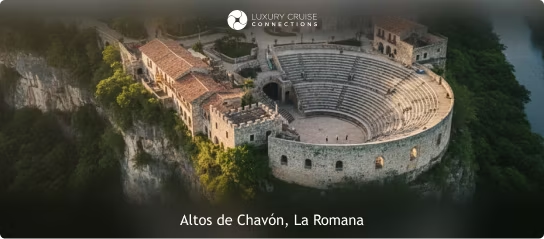
    Visit Altos de Chavón village to explore a picturesque hotspot for art, history, and design in the Dominican Republic. Altos de Chavón is a 16th-century Mediterranean-style village replica in La Romana, set atop the Chavón River. It was constructed in the 1970s by industrialist Charles Bluhdorn and Italian designer Roberto Copa as part of a creative vision to establish a cultural center in the Dominican Republic. Altos de Chavón includes cobbled streets, stone facades, terraces, art galleries, shops, cafés, and village squares. Altos de Chavón also hosts cultural institutions like the Archaeological Regional Museum, the Altos de Chavón School of Design (affiliated with Parsons), and a Greek-style amphitheater.
    Visit the Altos de Chavón Village

    Highlights of Altos de Chavón village include its architectural setting, cultural venues, and beautiful river views. The Church of St. Stanislaus was consecrated in 1979 and is famous for its rustic neoclassical stone façade and beautiful stained glass windows. The Archaeological Regional Museum is home to one of the country's largest collections of pre-Columbian and Taino artifacts (over 3,000 artifacts). The Altos de Chavón Amphitheater hosts concerts and performances (including Frank Sinatra and Shakira) in a Greek-style open setting that seats 5,000 guests. Galleries, artisan workshops, and boutiques line Altos de Chavón’s cobbled alleyways.

    Altos de Chavón village creates a memorable experience where Dominican art, history, and community intersect. Visitors stroll through cobblestone streets lined with artisan shops and art studios showcasing Dominican and international artists. Panoramic views from the village overlook the Chavón River and surrounding countryside. Stopping by the museum allows visitors to learn about Taíno and colonial heritage through curated exhibits. Visitors eat from the variety of open-air restaurants offering traditional Dominican and global cuisine.

    The best time to visit Altos de Chavón Village is from November to April, when weather is pleasant for walking and outdoor events.

    Guided walking tours of Altos de Chavón are available to help visitors understand its historical and cultural context

    Entry to Altos de Chavón Village costs $25 per person, with additional fees for entry to events, exhibitions and craft workshops.

  • Experience Damajagua Waterfalls

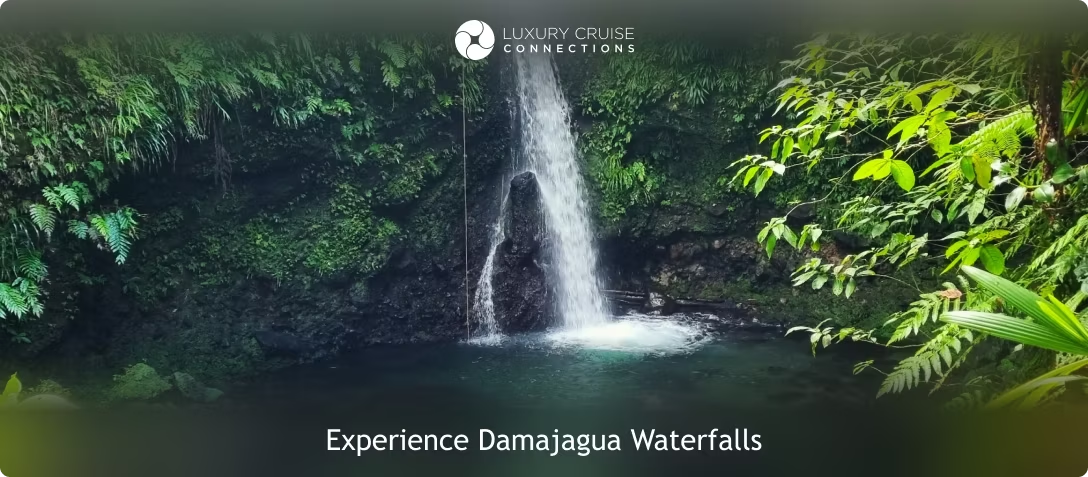
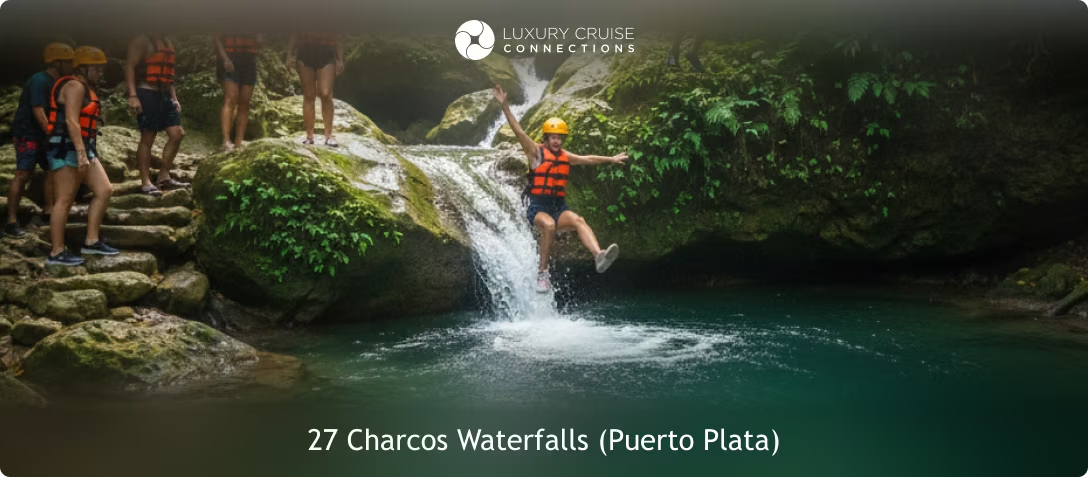
    Visit the Damajagua Waterfalls to hike, swim, and slide through one of the Dominican Republic’s most adventurous natural attractions. Damajagua Waterfalls are located near Puerto Plata in the Dominican Republic’s northern region. The Damajagua Waterfalls (or “27 Charcos de Damajagua”) refer to a protected area featuring a series of 27 waterfalls and natural pools formed by the Damajagua River. The site is managed as an ecotourism project, with local guides leading visitors through tropical forest trails to the Damajagua cascades. The mix of nature and adrenaline make Damajagua’s waterfalls a must-do for thrill-seekers visiting the Dominican Republic.
    Experience Damajagua Waterfalls

    Highlights of the Damajagua Waterfalls include its cascades, natural slides, and pools. Damajagua Waterfalls’s full route covers 27 waterfalls but the majority of travelers explore a circuit of 7 waterfalls. The features of the Damajagua waterfalls include smooth rock slides, deep turquoise pools, and natural jump points. Waterfall jump points range from 3-8 meters with expert guides indicating the safest spots for each leap. The tropical forest surrounding the Damajagua falls is home to native Dominican plants and wildlife, adding a scenic backdrop to the adventure.

    The combination of hiking, swimming, and jumping makes Damajagua Waterfalls one of the most fun things to do in Dominican Republic. Visitors begin with a challenging uphill hike to Damajagua through forest, rocky terrain, and river crossings. Safety equipment like helmets and life vests are put on before following guides through the Damajagua cascade system. Visitors swim through cool water pools, slide down smooth rocks, and leap from ledges into clear water. Each of the 27 cascades offers visitors a different challenge in skill and courage. Tours often finish with a Dominican-style lunch of rice, beans, and grilled meat near the park entrance.

    The best time to experience Damajagua Waterfalls is between December and April, when water levels of the falls are safer and hiking trails are dry.

    Guides for Damajagua Waterfalls are mandatory to ensure traveler safety during climbs, jumps, and river crossings. These guided tours provide the necessary equipment for waterfall crossings, like life vests and helmets, and help photograph your Damajagua adventure.

    Guided expeditions through Damajagua Waterfalls cost between $20-$99 per person depending on the group size and tour duration

  • Explore the Parque Nacional del Este

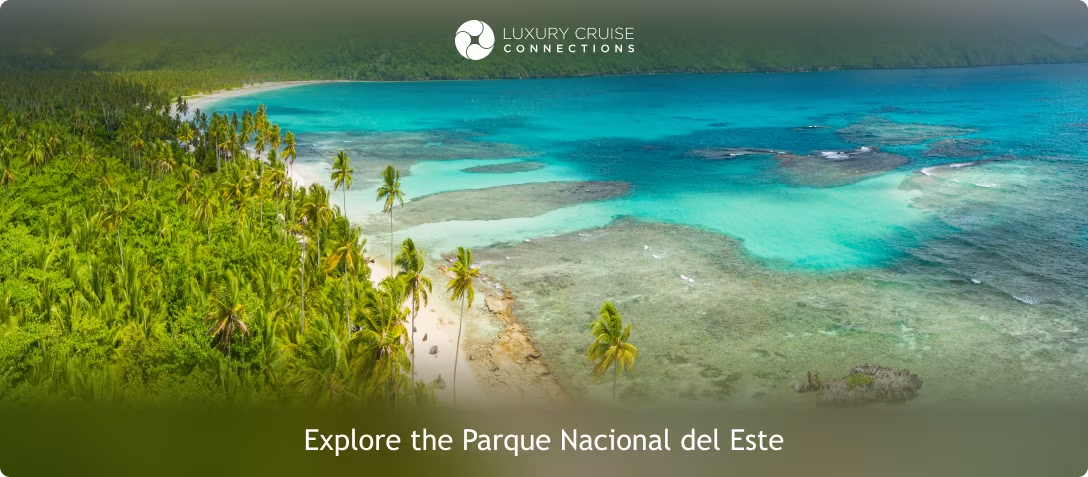
    Explore Parque Nacional del Este in the Dominican Republic to experience coastal forests, caves, and marine reserves in one majestic protected area. Parque Nacional del Este (now Cotubanamá National Park) lies in the southeastern Dominican Republic. Parque Nacional del Este spans 790-800 square kilometers (305-310 square mi), combining terrestrial and marine zones. The park’s boundaries include the peninsula, Isla Saona, and the small Cayo Catalinita. The land area includes subtropical rainforest, dry forest, limestone cliffs, mangroves, beaches, and numerous caves. Parque Nacional del Este park protects 539 plant species and 300 bird species, making it a key ecotourism site in the Caribbean.
    Explore the Parque Nacional del Este

    Highlights of Parque Nacional del Este include its diverse ecosystems and archaeological treasures. The Padre Nuestro Trail leads through subtropical dry forest to caves with underground lakes and Taíno rock art. Taíno rock art in Parque Nacional del Este shows petroglyphs and pictographs of animals and humans, offering insight into the Dominican Republic’s pre-Columbian culture. Parque Nacional del Este’s marine reserves include coral reefs near Saona and Catalina, as well as the Catuano Strait. The beaches of Isla Saona host nesting sites for sea turtles such as hawksbill, green, and leatherback. The wildlife on land includes Hispaniolan parrots, pelicans, and the rare solenodon.

    The experience of exploring Parque Nacional del Este in the Dominican Republic combines hiking, birdwatching, snorkeling, and cultural discovery. Hikers trek along the Padre Nuestro and Guaraguao trails through dry forest to caves decorated with mysterious Taíno petroglyphs. Birdwatchers spend hours observing bird species unique to Hispaniola (Hispaniolan woodpecker, Hispaniolan parrot, palmchat). Snorkelers and divers explore the reefs of Parque Nacional del Este and swim amongst colorful fish and corals. Boat trips connect visitors to Isla Saona, where they swim in natural pools and rest on white-sand beaches
    The best time to explore Parque Nacional del Este is from December to April, when dry weather supports both hiking and water activities.
    Guides are recommended for hiking, caving, and archaeological exploration in Parque Nacional del Este. Local certified guides ensure visitor safety and add context about Dominican Republic’s biodiversity and pre-Columbian history.

    Entry to Parque Nacional del Este costs $2 and is usually included in the cost of guided expeditions.

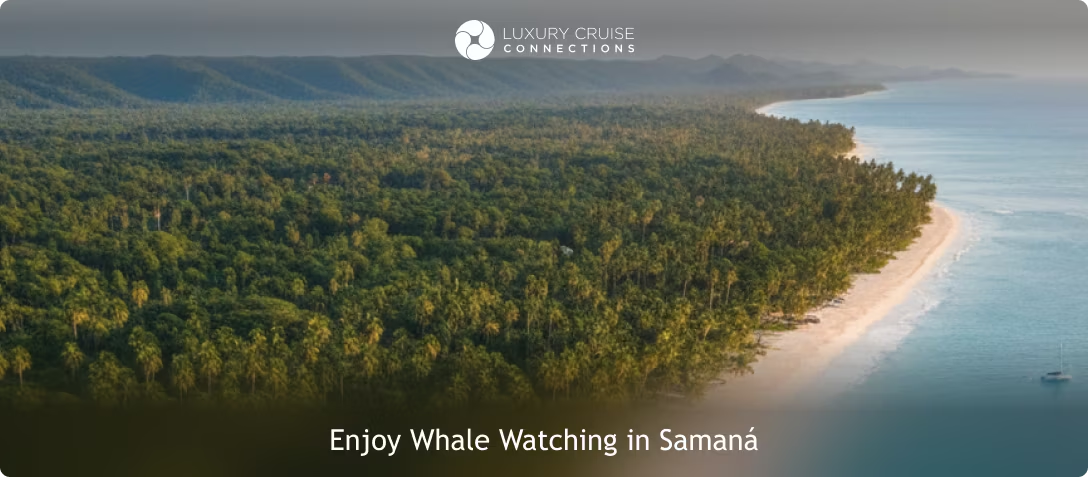
  • Enjoy Whale Watching in Samaná

    Whale watching in Samaná provides majestic wildlife encounters in one of the top whale-watching destinations in the Caribbean. Samaná Bay in the Dominican Republic serves as a major breeding and calving ground for North Atlantic humpback whales. Hundreds of humpback whales migrate to Samaná’s protected waters every year from January to March. These whales mate and give birth in Samaná’s warm waters. Organized travel tours depart from the town of Samaná to let visitors observe whales in their natural habitat. These tour boats are regulated and enforce sanctuary rules to ensure whale safety and a low-impact visitor experience. The experience of watching whales in Samana attracts marine biologists, photographers, and travelers from around the world to the Dominican Republic
    Enjoy Whale Watching in Samaná

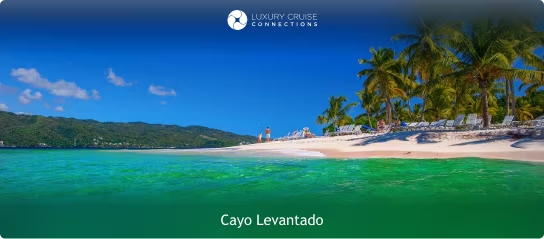
    Highlights of whale watching in Samaná include observing humpback whale behavior, hearing their songs, and viewing the scenic coastline. Common observed humpback whale behavior includes breaching, tail-slapping and rolling on the water’s surface. Boats stop at a safe distance so travelers have the chance to spot mother-calf pairs in the bay. The use of hydrophones by guides allows guests to hear whale songs beneath the water. Many tours also pass Cayo Levantado and offer panoramic views of the Samaná Peninsula’s hills and beaches.

    The experience of whale watching in Samaná blends nature, learning, and unforgettable marine encounters. Visitors take an early morning boat ride from the port town of Samaná. The boat captain and crew scan for whale activity while marine guides provide educational commentary about whale behavior and conservation. Boats maintain safe distances from whale pods, allowing whales to surface and interact naturally. Visitors listen to the songs of humpbacks through underwater microphones and take dramatic photos of breaches and tails emerging from the sea. The excursion usually lasts two to three hours, ending with stunning coastal views.

    The best time to enjoy whale watching in Samaná is from mid-January to late-March, during peak humpback whale migration season. Whale watching during peak migration season leads to increased sightings

    Guides for whale watching in Samaná are licensed marine experts, offering safe navigation and educational commentary on humpback whale behavior.

    Whale watch tours in Samaná cost between $60-$230 per person, depending on group size, tour duration, and inclusions like visits to Cayo Levantado.

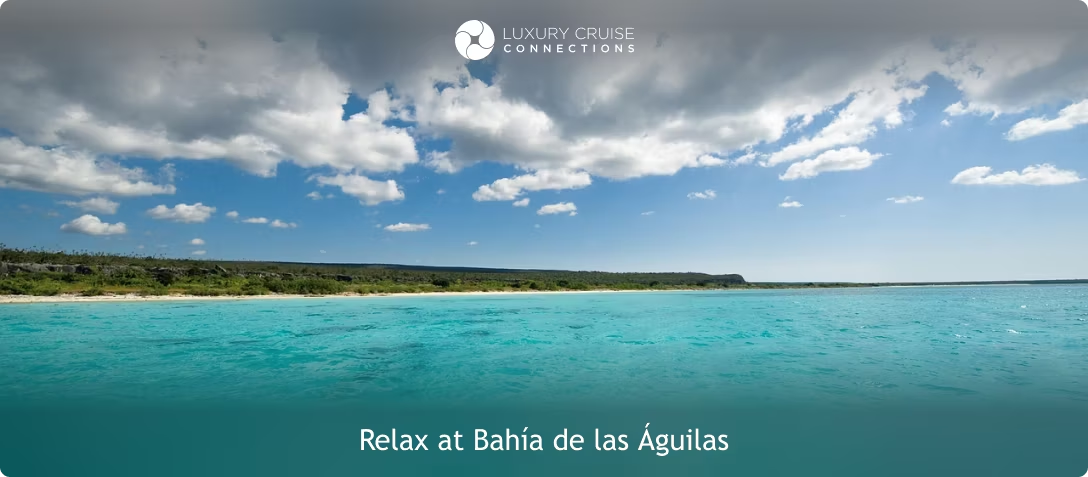
  • Relax at Bahía de las Águilas

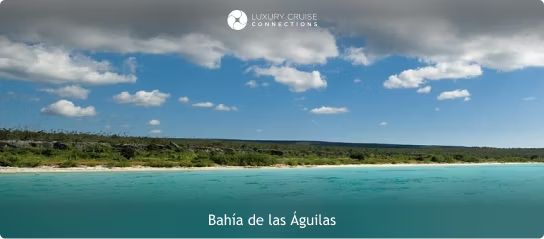
    Relaxing at Bahía de las Águilas reveals one of the Caribbean’s most unspoiled beaches. Bahía de las Águilas is a largely undeveloped, 8 kilometer (5 mi) beach on the southwestern coast of the Dominican Republic. Bahía de las Águilas sits within Jaragua National Park, part of the Jaragua-Bahoruco-Enriquillo UNESCO Biosphere Reserve. Coral reefs, seagrass beds, and nesting sea turtles give Bahía de las Águilas high ecological value. The Bahía de las Águilas coastline remains free of resorts, shops, or restaurants. Key features of Bahía de las Águilas include its powder-white sand and aquamarine waters. Bahía de las Águilas beach is celebrated for its remoteness. Access to Bahía de las Águilas requires a 4x4 vehicle or boat ride from nearby villages.
    Enjoy Whale Watching in Samaná

    Highlights of Bahía de las Águilas include its dramatic geology, remoteness, and abundant rare wildlife. The bay is framed by rugged rock karsts that rise sharply from the desert-like landscape, contrasting with the wide sweep of white sand. Stunning sunsets over the Caribbean Sea create vivid light displays on Bahía de las Águilas’s karsts. The reefs and snorkel sites of Bahía de las Águilas feature coral gardens alive with tropical fish, hawksbill turtles, and leatherback turtles. The surrounding waters and mangroves support endangered species like the Antillean manatee. On land, lucky visitors spot the rhinoceros iguana basking on limestone rocks and eagles flying overhead.

    The experience of relaxing at Bahía de las Águilas centers on peace and natural immersion. Visitors take boats from La Cueva de los Pescadores or drive through the desert-like landscape of Jaragua National Park to reach the bay. Visitors spend hours walking along Bahía de las Águilas’s empty shores, swimming in shallow waters and snorkeling. The absence of commercial development amplifies the natural sounds of sea and wind. Bahía de las Águilas’s remoteness offers visitors an unforgettable coastal experience away from the tourist crowds.

    The best time to relax at Bahía de las Águilas is from December to April, when skies are clear and seas are calm for swimming and snorkeling

    Guides for Bahía de las Águilas are available in Pedernales, offering boat transfers, ecological insight, and local orientation.

    The entry fee to Jaragua National Park to get to Bahía de las Águilas costs $3. Boat rides from La Cueva to Bahía de las Águilas cost between $15-$50 depending on whether the boat is shared or private.


What are the Most Popular Tourist Attractions in Dominican Republic?

The most popular tourist attractions in Dominican Republic are listed below:

  • Bávaro Beach (Punta Cana)
  • Zona Colonial (Santo Domingo)
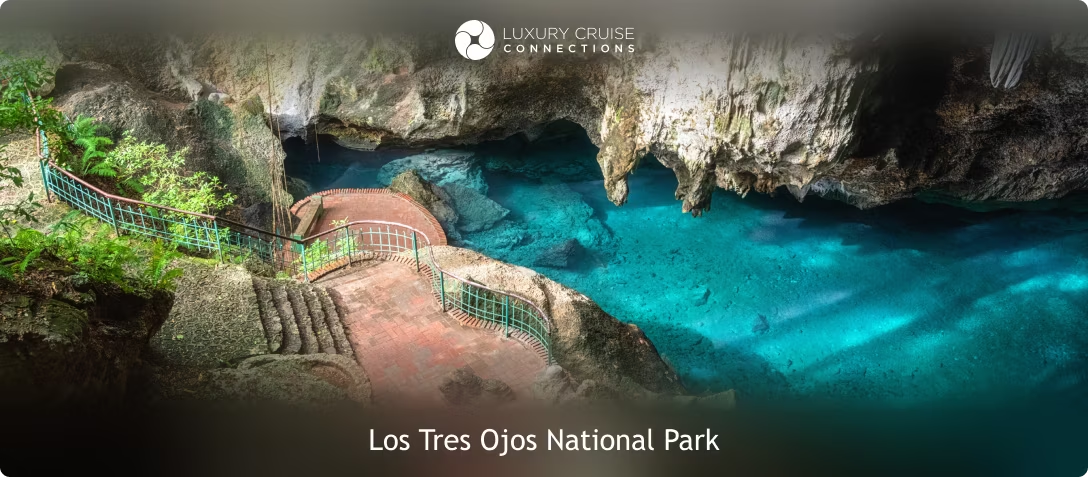
  • Los Tres Ojos National Park
  • 27 Charcos Waterfalls
  • Los Haitises National Park
  • Samaná Peninsula
  • Jarabacoa
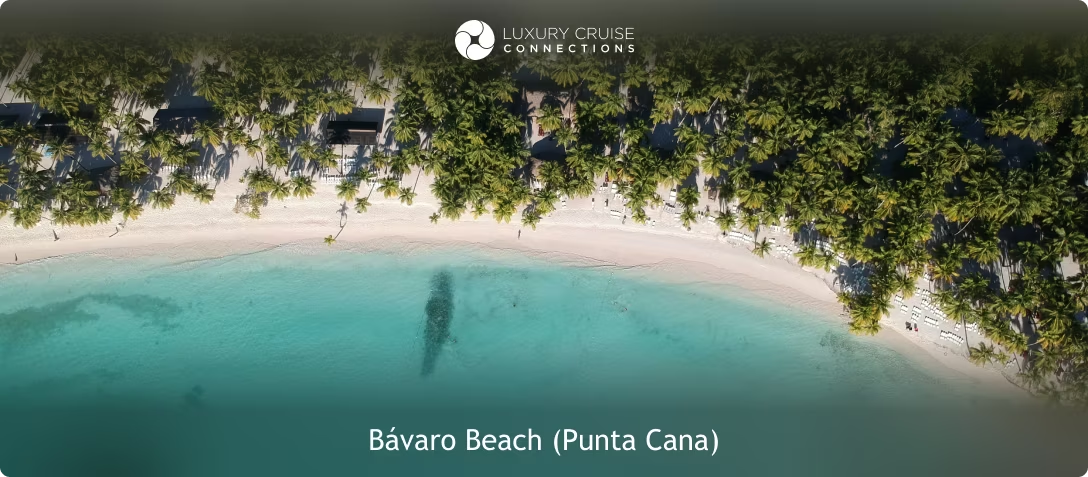
  • Bávaro Beach (Punta Cana)

    Bávaro Beach is a famous stretch of white sand and turquoise waters in Punta Cana, known for luxury resorts and water sports.
    Bávaro Beach (Punta Cana)
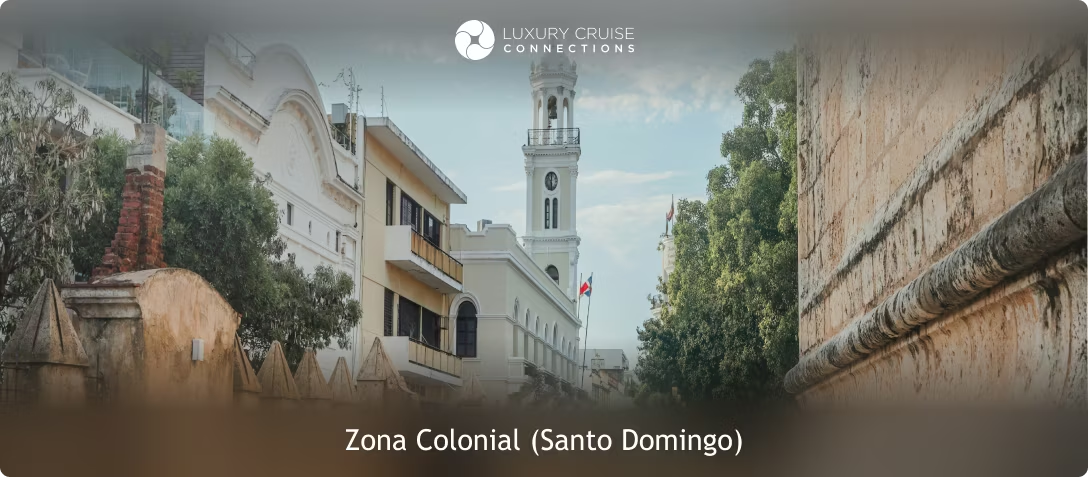
  • Zona Colonial (Santo Domingo)

    Zona Colonial is the UNESCO-listed historic district of Santo Domingo, founded in 1496 as the first permanent European settlement in the Americas.
    Zona Colonial (Santo Domingo)
  • Los Tres Ojos National Park

    Los Tres Ojos is a limestone cave system in Santo Domingo featuring three crystal-clear lakes and striking underground formations.
    Los Tres Ojos National Park
  • 27 Charcos Waterfalls (Puerto Plata)

    The 27 Charcos of Damajagua are waterfalls and pools near Puerto Plata where visitors hike, swim, and slide through a river canyon.
    27 Charcos Waterfalls (Puerto Plata)
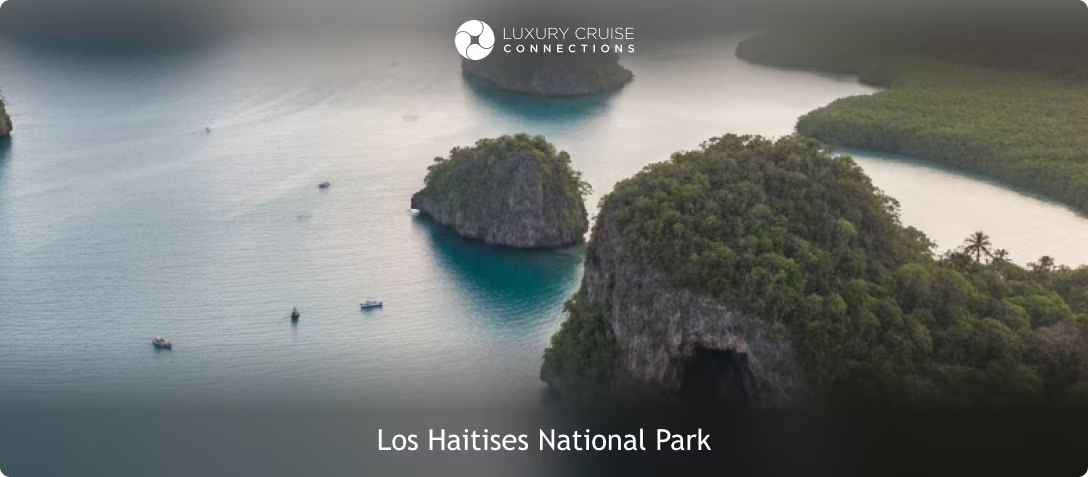
  • Los Haitises National Park

    Los Haitises is a protected reserve on Samaná Bay, known for its limestone karsts, mangroves, caves with Taíno art, and rich birdlife
    Los Haitises National Park
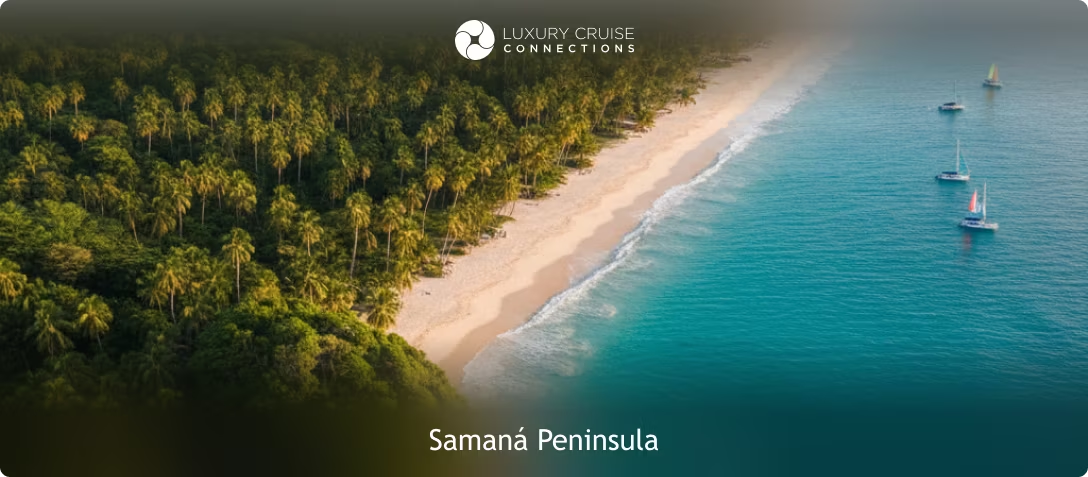
  • Samaná Peninsula

    The Samaná Peninsula is a lush region on the northeast coast, famous for secluded beaches, waterfalls, and seasonal humpback whale watching.
    Samaná Peninsula
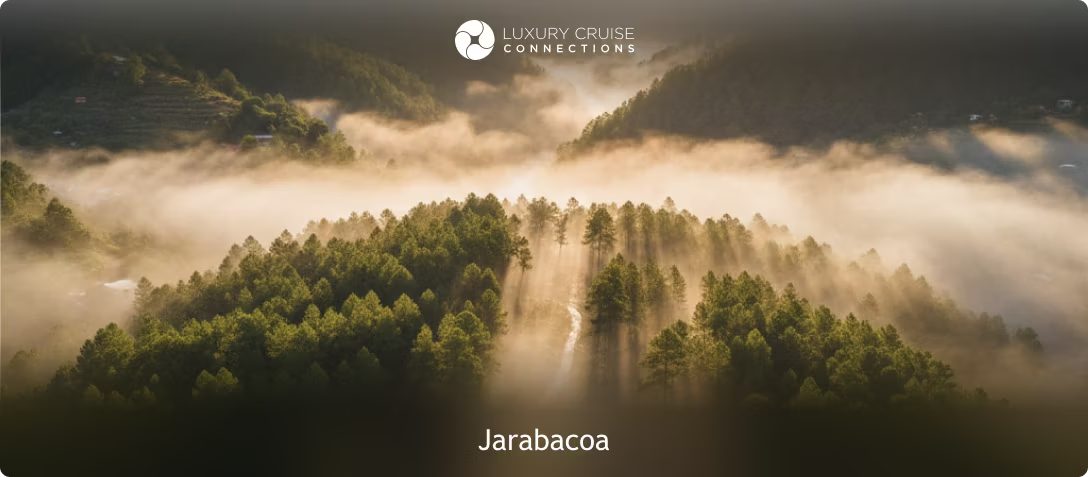
  • Jarabacoa

    Jarabacoa is a mountain town in the Cordillera Central, known for its cool climate, rivers, waterfalls, and outdoor adventures like rafting and canyoning.
    Jarabacoa


What to See in the Dominican Republic during a Cultural Tour?


Which Vacation Spots in Dominican Republic Are Best for Beach Lovers?

The vacation spots in Dominican Republic that are best for beach lovers are listed below.


What are the Best Things to Do in Dominican Republic for First-Time Visitors?

The best things to do in Dominican Republic for first-time visitors are listed below:

A protected island within Cotubanamá National Park, Saona is a must for first-time visitors who want to experience the Dominican Republic’s turquoise lagoons, coral reefs, and postcard-perfect beaches.
Located in Punta Cana, Bávaro Beach is ideal for newcomers seeking a quintessential Caribbean introduction with calm seas, soft sands, and plenty of seaside charm.
The oldest European-founded city in the Americas, this historic district is perfect for first-time visitors to the Dominican Republic who want to walk centuries-old streets and discover the island’s colonial heritage.
Near Puerto Plata, the 27 Charcos of Damajagua offer a thrilling way for first-time travelers to dive into adventure, combining hiking, sliding, and swimming through cascading pools.
One of the Caribbean’s premier wildlife encounters, this awe-inspiring experience lets first-time travelers witness humpback whales breaching in the Dominican Republic’s coastal waters.
A recreated Mediterranean-style village near La Romana, it’s a charming stop for first-time visitors drawn to architecture, riverside views, and art
Now known as Cotubanamá National Park, this protected area is recommended for first-time visitors to the Dominican Republic interested in exploring caves, tropical trails, and diverse wildlife.
 

Is the Dominican Republic more affordable than other Caribbean Vacation Spots?

Yes, the Dominican Republic is more affordable than other Caribbean vacation spots. Onshore costs for excursions, dining, and transport are typically lower at Dominican ports such as Santo Domingo, Amber Cove and La Romana than at comparable stops in the Bahamas, Barbados, or the U.S. Virgin Islands. Unlike many smaller islands that rely heavily on imports and pass higher costs on to visitors, the Dominican Republic benefits from a larger economy and stronger local supply chains. This keeps everyday travel expenses, like guided tours and local meals ashore, more affordable for cruise passengers visiting DR.

Dominican Republic’s established tourism infrastructure also creates competition among operators, helping to lower excursion prices in its main ports. Tourists are able to enjoy the best vacation spots in Dominican Republic without paying the premium rates common on smaller Caribbean islands. In terms of affordability, the Dominican Republic is closer to Jamaica, Puerto Rico, and Cuba.

Best Things to Do Around the World

Discover the best activities, landmarks, and experiences in every cruise destination and port of call.

Europe Western, Central & Mediterranean
America North, Central, South & Caribbean
Africa & Asia Oceania & Antarctica