

10 Best Things to Do in Bulgaria

The best things to do in Bulgaria are visiting the Rila Monastery, exploring the city of Plovdiv, and hiking in the Piri...

add

The best things to do in Bulgaria are visiting the Rila Monastery, exploring the city of Plovdiv, and hiking in the Pirin National Park. Bulgaria is in the heart of the Balkans and is a country of exceptional diversity, offering a mix of coastal, mountainous, and historical landscapes. The country’s varied terrain makes it an ideal destination for nature lovers, adventure seekers, and history enthusiasts alike, from the serene beaches along the Black Sea coast to the dramatic peaks of the Rila and Pirin Mountains. Visitors enjoy a wide range of things to do in Bulgaria, whether it’s hiking the breathtaking Seven Rila Lakes or discovering ancient ruins in Plovdiv. Bulgaria’s rich cultural heritage is evident in its numerous historical sites, from the UNESCO-listed Nessebar to the iconic Rila Monastery. The country offers an abundance of charming towns and villages, each with unique traditions and landmarks. Visitors must not miss the beautiful Rose Valley, famous for its centuries-old tradition of rose oil production, when considering where to go in Bulgaria. Bulgaria’s vibrant capital, Sofia, features stunning architecture, while the coastal towns along the Black Sea offer relaxation and adventure. Bulgaria is a destination with endless places to visit in Bulgaria, catering to all types of travelers with its diverse landscapes and cultural treasures.

  • Visit the Rila Monastery
  • Explore the City of Plovdiv
  • Hike in the Pirin National Park
  • Relax at the Black Sea Coast
  • Discover the Alexander Nevsky Cathedral
  • Visit UNESCO Nessebar
  • Explore the Rose Valley
  • See the Seven Rila Lakes
  • Tour the Varna Archaeological Museum
  • Visit the Belogradchik Rocks
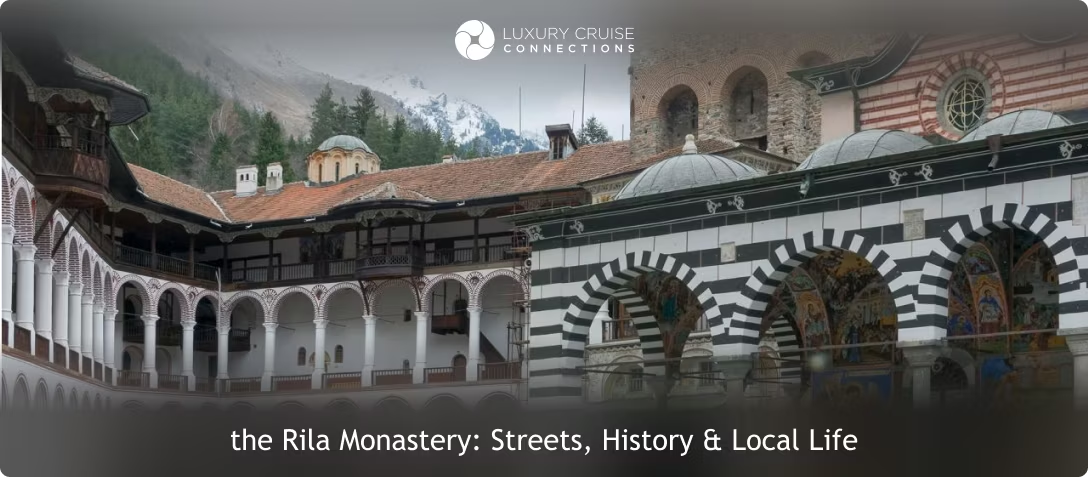
  • Visit the Rila Monastery

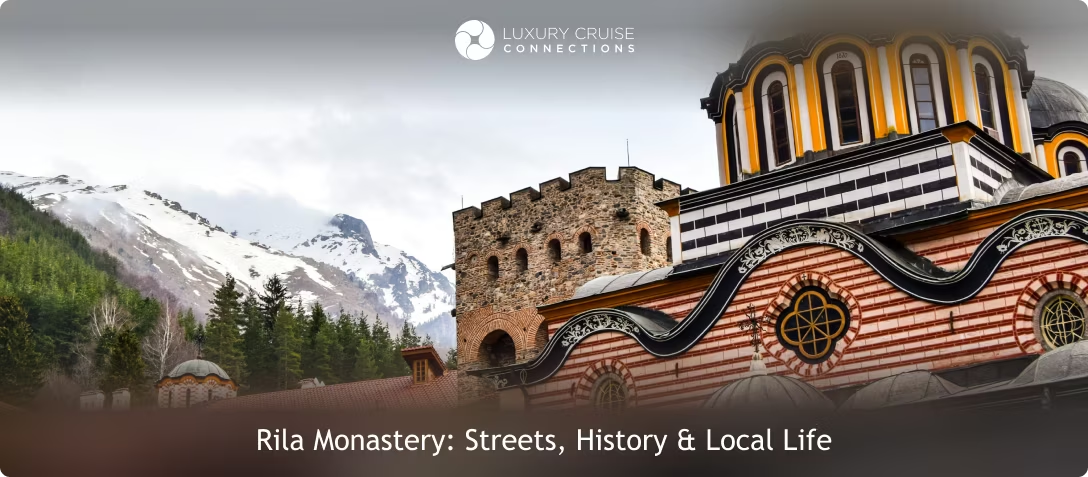
    The Rila Monastery is a UNESCO World Heritage site, and is one of Bulgaria’s most significant cultural and spiritual landmarks. The monastery is a stunning example of Bulgarian Renaissance architecture and Orthodox Christianity, located in the Rila Mountains. The monastery was founded in the 10th century by Saint Ivan of Rila, and it has since become a symbol of Bulgarian resilience and spiritual heritage. The complex includes the main church, a museum, residential buildings, and a beautiful courtyard surrounded by mountainous scenery.
    Visit the Rila Monastery

    The Rila Monastery Complex and Church are known for their stunning frescoes, architecture, and peaceful atmosphere. The History Museum showcases the monastery’s cultural and religious significance, while the Tower of Hrelio offers panoramic views of the Rila Mountains. The Ethnographic Museum and Bulgarian Renaissance Guestrooms display Bulgarian folk culture and historical architecture. The Monastery Farm allows visitors to explore the working farm that has been part of the monastery's operation for centuries.

    Visitors to the Rila Monastery explore its tranquil surroundings, admire its beautiful frescoes, and learn about its significant role in Bulgarian history and religion. The site offers a peaceful retreat, with the opportunity for reflection and appreciation of the surrounding natural beauty. Visitors take the time to visit the nearby caves of Saint Ivan of Rila, adding a spiritual and historical aspect to their trip. The monastery’s serene atmosphere makes it a perfect spot for meditation or quiet contemplation.

    The best time to visit Rila Monastery is during the spring or autumn months, when the weather is mild and the surrounding landscapes are breathtaking.

    Visitors choose between live guiding services in English or Bulgarian. English guides are available for 25.00 BGN per group, while Bulgarian guides are offered at 15.00 BGN per group. Audio guides are available in various languages for 10.00 BGN per device. Visitors must check availability before arrival and contact the history museum for inquiries regarding the guides.

    Free entry (Monastery Complex and Church). The History Museum charges 8.00 BGN for adults, 2.00 BGN for students, and 4.00 BGN per parent with 2.00 BGN per child for a family ticket. The Tower of Hrelio, Ethnographic Museum, Bulgarian Renaissance Guestrooms, and Monastery Farm cost 5.00 BGN for adults, 2.00 BGN for students, and 3.00 BGN per parent with 2.00 BGN per child for a family ticket. Guiding services are 25.00 BGN for English, 15.00 BGN for Bulgarian, and 10.00 BGN for an audio guide per device.

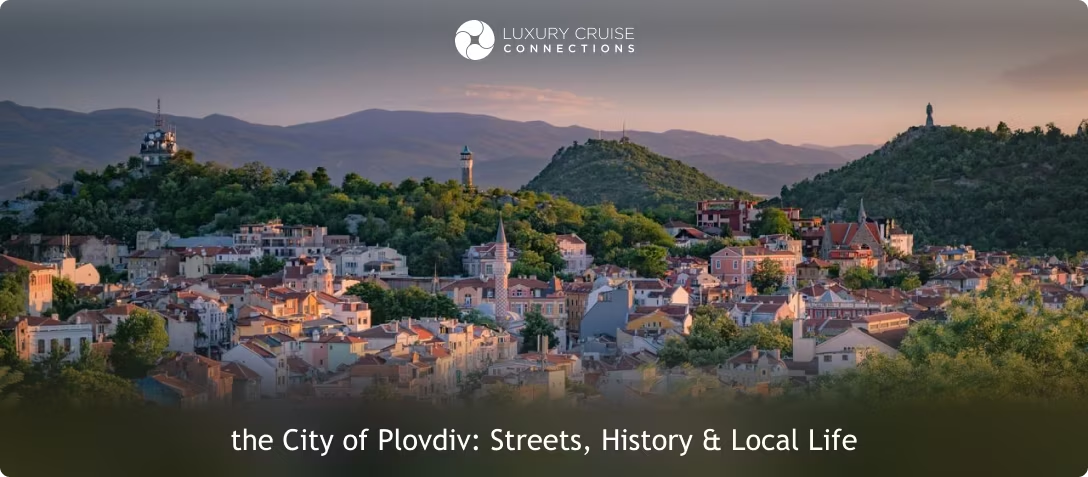
  • Explore the City of Plovdiv

    Plovdiv is the second-largest city in Bulgaria, and is a captivating blend of ancient history and vibrant modern culture. Plovdiv’s history stretches back over 6,000 years, with roots in the Thracian, Roman, Byzantine, and Ottoman empires as the oldest continuously inhabited city in Europe. The city is a major administrative, academic, economic, and cultural hub in the south-central region of Bulgaria. Plovdiv’s rich history is seamlessly intertwined with its contemporary life, offering a unique perspective on Bulgaria's evolution through the ages.
    Explore the City of Plovdiv

    Plovdiv is the oldest city in Europe, offering rich historical significance, with ancient sites like the Roman Theatre, Ancient Stadium, and Nebet Tepe showcasing its Thracian, Roman, and Byzantine heritage. The city’s Old Town is a charming mix of cobblestone streets and colorful Bulgarian Revival-style houses, complemented by museums like the Regional Archaeological and Ethnographic Museums. Plovdiv boasts modern amenities, including an international airport, a major rail network, and a duty-free zone, making it a convenient and accessible destination for leisure and business travelers.

    Visitors are welcome to engage in a wide variety of experiences in Plovdiv. A stroll through the cobbled streets of the Old Town offers a picturesque view of the city’s history, while the Roman Theatre, still in use for performances, showcases its ancient glory. The city is known for its lively arts scene, with numerous galleries and music events. Outdoor enthusiasts enjoy exploring the natural beauty surrounding Plovdiv, including nearby hills like the Rhodope Mountains, where hiking and nature walks provide breathtaking panoramic views. The city’s nightlife and culinary scene are noteworthy, offering local delicacies and contemporary dining experiences.

    The best time to visit Plovdiv is during spring (April to June) and autumn (September to October) when the weather is mild for sightseeing. Summer (June to August) is perfect for cultural festivals and outdoor events, though it’s busier. Winter and early spring offer a quieter atmosphere for guests seeking a more peaceful visit.

    Plovdiv offers a variety of guided tours for travelers wanting a deeper understanding of the city’s history and culture. Experienced local guides lead visitors through the historical sites and share fascinating insights about the city’s evolution. Visitors rent audio guides available in multiple languages to explore the Old Town and Roman Theatre at their own pace for a more independent experience. Professional guides are available for specialized tours focusing on Plovdiv’s unique architecture, art, and cultural heritage.

    Plovdiv’s attractions offer great value, with museum and historical site entrance fees ranging from 2.00 BGN to 8.00 BGN for adults, along with family and student discounts. Private group tours are available starting at 25.00 BGN, offering a personalized experience, while audio guides are rented for 10.00 BGN per device for a self-guided tour.

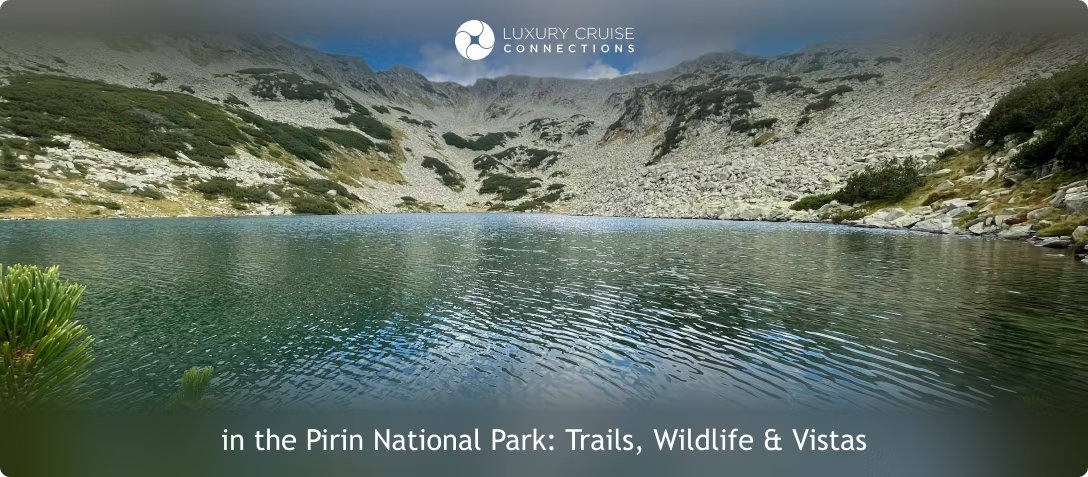
  • Hike in the Pirin National Park

    Pirin National Park is a UNESCO World Heritage Site and is one of Bulgaria’s most stunning natural areas, covering over 40,000 hectares of rugged mountains, ancient forests, and pristine lakes. The park offers breathtaking views of alpine meadows, jagged rocks, and glacial lakes dominated by the towering Vihren Peak at 2,914 meters. Its diverse ecosystems support rare plant species and wildlife such as brown bears, wolves, and golden eagles, making it a paradise for nature lovers. Visitors enjoy a variety of hiking trails, from gentle walks to challenging climbs, leading to iconic lakes like Muratovo and Okoto. The park holds historical significance, with ancient Thracian sites and monasteries dotting its landscape. Pirin National Park is an unforgettable destination for outdoor enthusiasts, whether for hiking, wildlife watching, or simply experiencing its tranquility.
    Hike in the Pirin National Park

    Pirin National Park’s key attractions include the breathtaking views of the Pirin Mountain range, the serene Lake Muratovo, and the emerald waters of Lake Okoto. The park is home to vibrant alpine meadows, ancient forests, and rich wildlife.

    Pirin National Park offers a variety of outdoor experiences, such as moderate hikes and challenging climbs, accompanied by scenic landscapes. The hike to the glacial lakes provides an opportunity to immerse in nature, take in the peaceful surroundings, and appreciate Bulgaria’s natural beauty.

    The best time to visit Pirin National Park is from late June to early September, when the weather is most favorable for hiking and outdoor activities.

    Guided tours are available, offering detailed insights into the park’s flora, fauna, and history. Audio guides are available for self-guided tours, providing useful information throughout the hike.

    Entry to the park and hiking trails is free, but there are fees for the museums and guided tours. A family ticket for the museums is approximately 4.00 BGN per parent and 2.00 BGN per child. Audio guides cost 10.00 BGN per device.

  • Relax at the Black Sea Coast

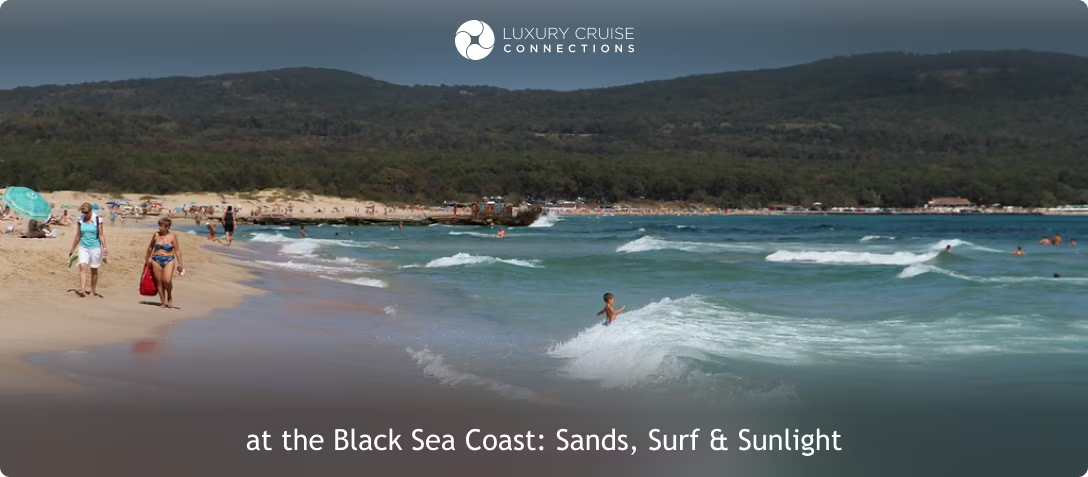
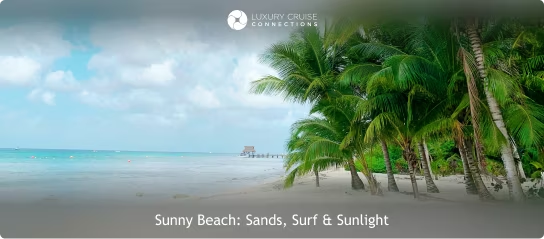
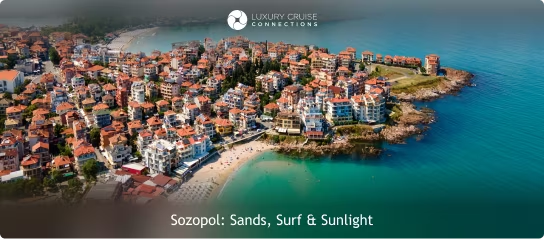
    The Bulgarian Black Sea Coast is a prime summer destination offering a combination of sandy beaches, windswept cliffs, and quaint traditional architecture. It is home to vibrant resorts, ancient ruins, and protected nature reserves stretching from Romania to Turkey. The coast is divided into northern and southern sections, with iconic spots like Varna, Burgas, and Sunny Beach.
    Relax at the Black Sea Coast

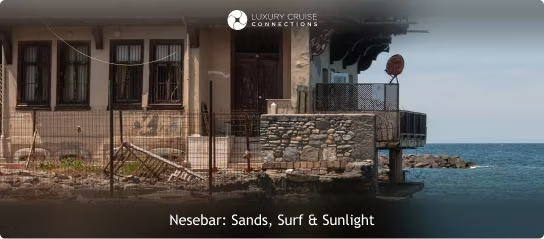
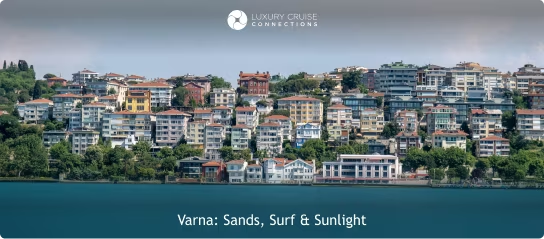
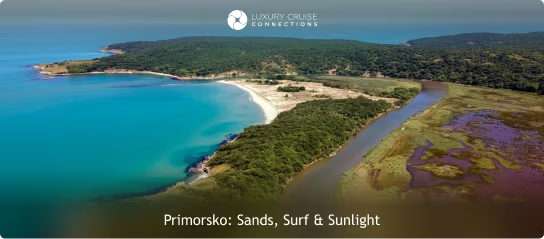
    The Bulgarian Black Sea Coast boasts several iconic destinations that attract tourists throughout the year. Sunny Beach is the largest beach resort, offering numerous accommodations, lively bars, and an energetic atmosphere. Nesebar isa UNESCO World Heritage site, renowned for its well-preserved Old Town, ancient churches, and rich cultural history. Varna ("sea capital" of Bulgaria) is home to Roman ruins, a large seaside park, and vibrant cultural events. Primorsko and Pomorie are famous for their natural beaches, mineral mud baths, and peaceful environments, making them perfect for relaxation. The Ropotamo Nature Reserve offers a unique blend of wetlands, sand dunes, and diverse bird species, providing an exceptional experience for nature lovers.

    Visitors enjoy sunbathing on long sandy beaches, exploring ancient ruins, and participating in water sports such as windsurfing and diving. The region is known for its cultural events, including music festivals and the popular "July Morning" gathering to greet the sunrise.

    The best time to visit the Bulgarian Black Sea Coast is during the summer (June to August) for vibrant festivals and beach activities. Spring (April to June) and autumn (September to October) offer milder temperatures and fewer crowds, ideal for relaxed sightseeing.

    Guided tours are available for historical sites like Nesebar and Varna, offering insights into Bulgaria’s ancient history and cultural heritage. Local guides lead hiking or wildlife tours in nature reserves for outdoor activities.

    Most attractions along the coast are affordable, with museum entrance fees ranging from 2.00 BGN to 8.00 BGN for adults. Guided tours start at around 25.00 BGN per group, and audio guides are rented for approximately 10.00 BGN per device.

  • Discover the Alexander Nevsky Cathedral

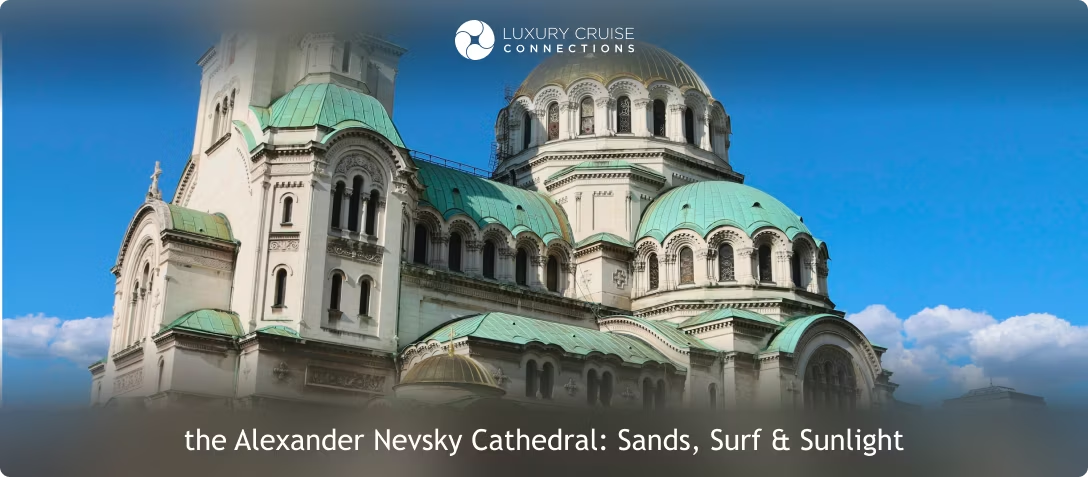
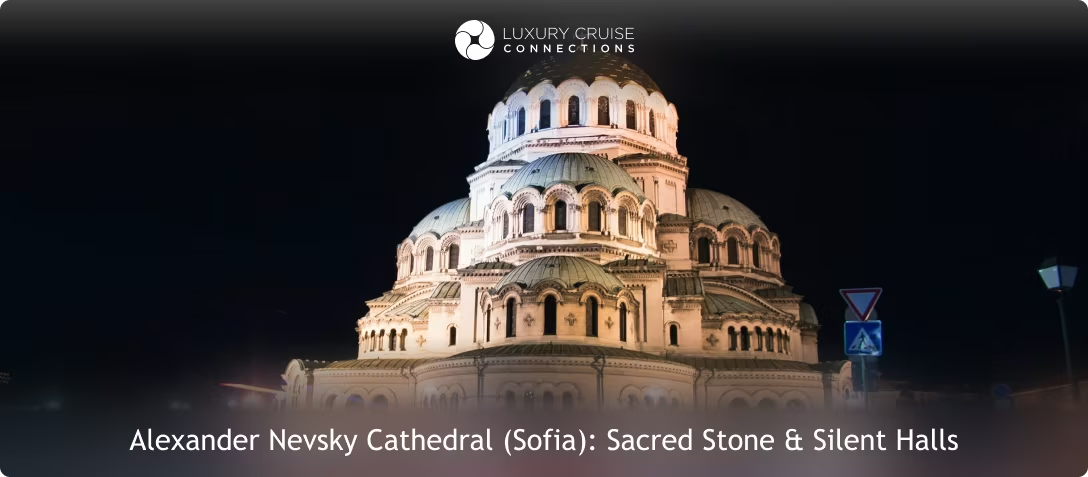
    The Alexander Nevsky Cathedral is one of the largest Eastern Orthodox cathedrals in the world and is located in Sofia, Bulgaria’s capital. The cathedral was built to honor Russian soldiers who died during the Russo-Turkish War of 1877 and stands as a monument to Bulgaria’s liberation from Ottoman rule. The cathedral’s grand architecture is a stunning example of the trade boom era, completed in 1912, with parts sourced from across Europe. Its central dome rises 150 feet high, and the bell tower reaches 175 feet.
     Discover the Alexander Nevsky Cathedral

    The cathedral’s central dome is a prominent feature, visible from nearly every part of Sofia. The exquisite gates and mosaics, imported from Venice, and the metal elements crafted in Berlin, add to the cathedral's artistic appeal. The proximity of the cathedral to the Bulgarian Parliament, the Monument to the Unknown Soldier, and the Bulgarian Academy of Sciences enhances its cultural significance.

    Visitors marvel at the cathedral’s imposing architecture, explore the intricate mosaics, and take in the serene atmosphere inside. The cathedral’s grand scale and historical importance make it a must-see for travelers visiting Sofia. The site is home to an impressive collection of religious relics and icons

    The best time to visit the Alexander Nevsky Cathedral is during spring and autumn when the weather is mild, and the city is not overcrowded with tourists. The cathedral is open to visitors year-round.

    A guided tour of the cathedral is recommended for visitors wishing to gain deeper insight into its history and religious significance. Audio guides are available for a more self-directed experience.

    Entrance to the cathedral is free of charge. However, there is a small fee for accessing the cathedral’s museum or for guided tours.

  • Visit the UNESCO Nessebar

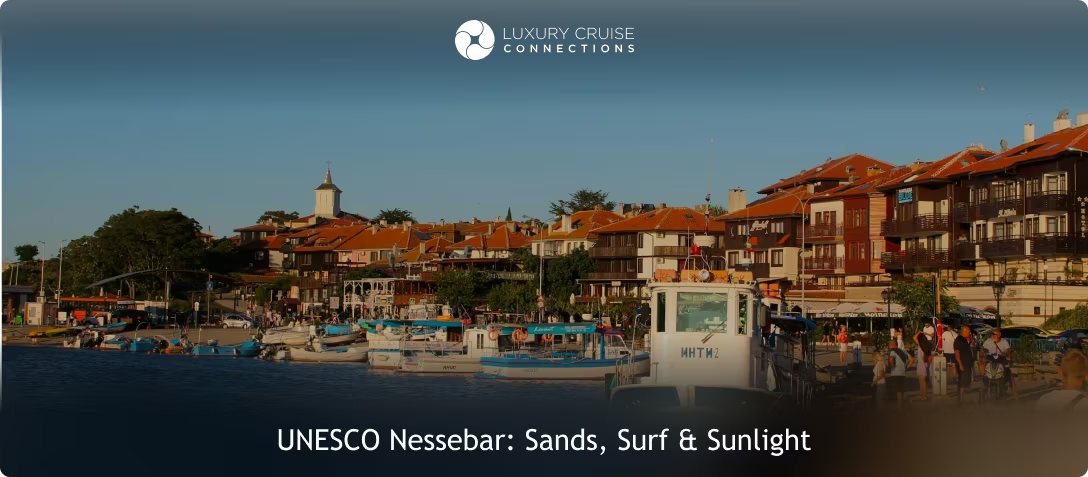
    Nessebar is located on the Bulgarian Black Sea Coast, and is a UNESCO World Heritage Site recognized for its rich history spanning over three millennia. The ancient town, initially a Thracian settlement named Messambria, later became a Greek colony and a major trading center. It features a stunning blend of Hellenistic, Byzantine, and Ottoman architecture, with numerous churches, temples, and fortifications that reflect its diverse cultural influences. The town’s well-preserved medieval churches and ancient ruins make it a must-visit destination for history lovers.
    Visit the UNESCO Nessebar

    The Old Town Quarter of Nessebar, situated on a picturesque peninsula, is home to a variety of Byzantine-style churches dating back to the 5th through the 17th century. Notable attractions include the Temple of Apollo, the Acropolis, and the archaeological museum, where visitors learn about the city's long and diverse history. The tour includes a lecture on the town’s history and architecture, which enriches the overall experience.

    Visitors explore the cobbled streets of Nessebar’s Old Town, taking in the stunning views of the Black Sea. The town’s churches, such as the Church of Christ Pantocrator and St. Stephen's Church, offer a glimpse into the region’s Byzantine influence. The archaeological museum provides insight into the town’s evolution from a Greek colony to a major medieval center. A guided tour provides in-depth knowledge of the area's cultural and architectural significance.

    The best time to visit Nessebar is during the late spring (May-June) or early autumn (September-October) when the weather is pleasant, and the town is not overly crowded. The summer months are busy due to the resort’s popularity, but they offer a lively atmosphere with numerous events and festivals.

    An English-speaking guide is included in the tour, along with a travel assistant to help navigate the town. Visitors are treated to a well-rounded experience with an informative lecture on the history and architecture of Nessebar.

    Visiting the Old Town of Nessebar is free. However, visiting the archaeological museum and the tour price includes the English-speaking guide, all expenses for the guide, and travel assistant. There is an additional fee for certain activities within the museum or special tours, depending on the time of year. The entrance fee to the Nessebar Archaeological Museum is 9.00 BGN (approximately 4.60 EUR) for adults and 4.50 BGN (approximately 2.30 EUR) for children. The fee is 8.00 BGN for organized groups (approximately 4.09 EUR) for adults and 4.00 BGN (approximately 2.05 EUR) for children.

  • Explore the Rose Valley

    The Rose Valley in Bulgaria is renowned for its production of Rosa Damascena, which is the heart of the country’s rose oil industry. A region of Bulgaria has been cultivating roses for centuries, making Bulgaria the world’s largest producer of rose oil, located south of the Stara Planina Mountains. The rose-picking season, which lasts from May to June, fills the air with a fragrant scent as fields are covered in colorful flowers. The rose oil, extracted through distillation, is prized for its use in the perfume and pharmaceutical industries, and its value is so high that it is stored in the vaults of the National Bank.
    Explore the Rose Valley

    Key attractions include visiting the rose fields, where visitors participate in the traditional rose-picking process. Tourists enjoy ritual reenactments of the rose-picking traditions and learn about the distillation process that turns the blossoms into the highly sought-after rose oil during the festival. The Rose Valley’s towns, such as Kazanlak, Karlovo, Sopot, and Kalofer, offer insight into the history of rose cultivation and its cultural significance.

    Tourists join the local communities in rose-picking, experiencing firsthand the meticulous task of harvesting the delicate blossoms. Special events, such as the Rose Festival, celebrate the rich history and importance of roses in Bulgarian culture, with performances, processions, and local traditions. Visitors enjoy the stunning views of the valley covered in blooming roses and learn about the agricultural practices that have sustained such an industry for centuries.

    The best time to visit is during the rose-picking season, from May to June, when the flowers are in full bloom and the area is filled with vibrant colors and fragrances. The Rose Festival, which takes place during picking season, offers a unique opportunity to experience local traditions and festivities.

    Tours are available with English-speaking guides who provide in-depth knowledge of the rose oil production process, the history of the region, and the cultural significance of the roses. Guides offer insights into the local villages and their rose-picking practices.

    There is no single entrance fee for the Rose Valley, as it's a region. However, specific attractions, like ethnographic complexes in Kazanlak, charge around 12 BGN to 24 BGN (approximately $6 to $12 EUR), depending on whether visitors visit independently or on a tour. The Rose Festival and other activities include additional charges for participation or tickets to specific attractions.

  • See the Seven Rila Lakes

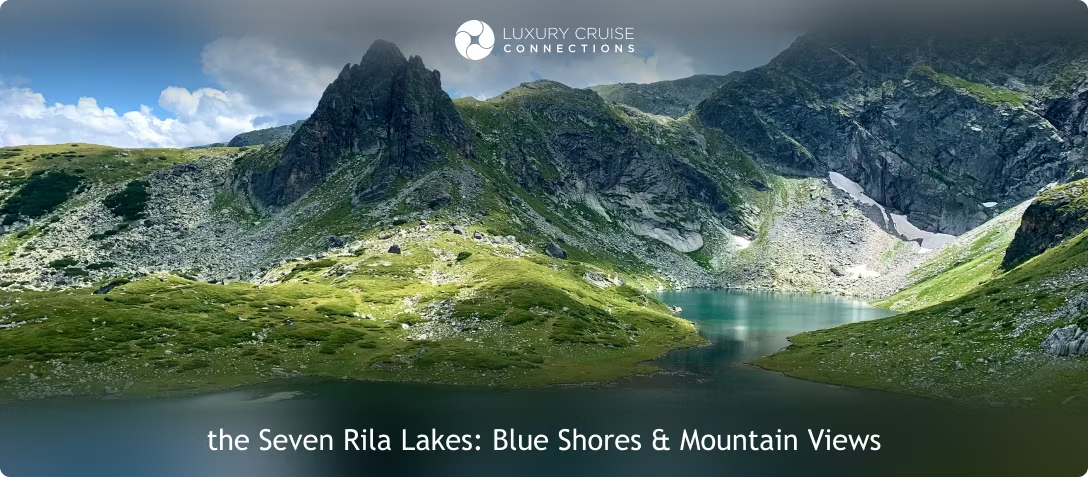
    Seven Rila Lakes is a renowned hiking destination in Bulgaria, celebrated for its seven stunning alpine lakes situated in the Rila Mountain range. Each lake is named based on its unique features, such as “The Eye” and “The Tear.” The hiking trail spans 10 km (6.2 miles) and offers a moderately challenging loop, leading hikers through picturesque landscapes filled with lush greenery, rocky paths, and crystal-clear waters. The towering mountain peaks create a breathtaking backdrop as visitors explore the area, making it a truly memorable experience.
    See the Seven Rila Lakes

    The highlights of the Seven Rila Lakes include the striking lakes, such as The Tear, The Eye, and The Kidney, each offering distinctive shapes and mesmerizing clear waters. The hiking trails wind through the scenic area, providing opportunities for exploration. An added convenience is the option to take a chairlift to the top, bypassing some challenging terrain. Visitors get to unwind and relax after the hike at the Sapareva Banya Spa, one of Europe's hottest hot springs, making it an ideal way to conclude the adventure.

    The experience of hiking the Seven Rila Lakes is challenging and rewarding. The hike involves an elevation gain of 350 m (1,150 ft) and offers different seasonal experiences. The lakes are easily accessible in the summer, offering peaceful surroundings and panoramic views of the mountains. Hikers witness the beauty of the landscape in spring, transitioning from snow-covered peaks to vibrant greenery, though the trails are challenging with lingering snow. Swimming is not allowed to preserve the natural environment since the lakes are located within a national park.

    The best time to visit the Seven Rila Lakes is during the summer months (July and August), when the weather is warm and the trails are free of snow, making for optimal hiking conditions. Spring (May to June) and fall (September to October) are good options, though the weather is more unpredictable, and there may still be snow on the trails, especially in the higher altitudes. Winter conditions require snowshoes, as the area experiences heavy snow, making hiking more difficult.

    Guides are recommended for hikers unfamiliar with alpine hiking conditions. Guided tours offer valuable insights into the area's history and natural beauty. Self-guided hikes are available, which include transport to the site and tickets for the chairlift. Several tour options depart from Sofia and Plovdiv, including full-day trips that combine hiking with visits to the nearby Rila Monastery, allowing visitors to experience the lakes and the cultural heritage of the region.

    The chairlift ride to the lakes costs about €5 for a one-way ticket or €8 for a return ticket. Public transportation to the lakes costs around €10 each way. Tours are available, with self-guided hikes costing around €30 per person and full-day guided tours starting at €60 per person, which include transport and other amenities.

  • Tour the Varna Archaeological Museum

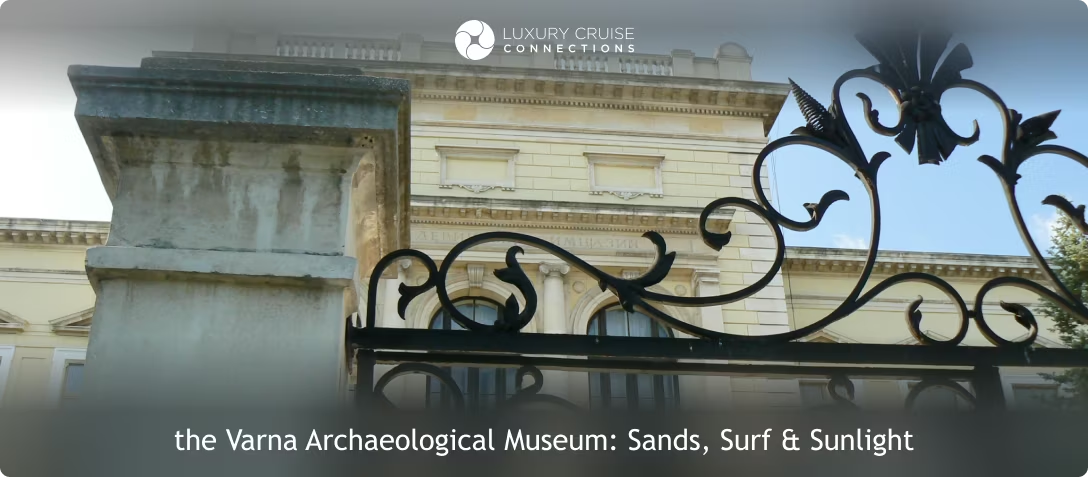
    The Varna Archaeological Museum, established in 1887, is one of the most significant cultural and historical institutions in Bulgaria. The Varna Archaeological Museum is housed in a building constructed between 1892 and 1898, originally designed as a girls' high school. The museum showcases a rich collection of archaeological artifacts from the Paleolithic period to the Middle Ages, making it a treasure trove for history enthusiasts. Its exhibits are spread over 2,150 square meters and offer visitors a chance to explore the ancient history of the Varna region and beyond.
    Tour the Varna Archaeological Museum

    The museum's most significant exhibits include the Varna Eneolith necropolis, discovered in 1972, which contains over 3,000 golden objects weighing more than 6 kilograms. The golden artifacts are a remarkable testament to the area's ancient civilization. Visitors explore the largest Mesolithic collection of flint tools in South-East Europe, as well as a vast collection of ancient ceramics, coins, and jewelry. Other highlights include the museum's collection of over 2000 coins, including golden, silver, bronze, and copper items from various periods, and a notable collection of early Bulgarian belt decorations and jewels from the Second Bulgarian Empire.

    Visitors find a comprehensive chronological exhibition that takes them through the various historical ages, showcasing the development of human society in the Varna region. The museum features a significant collection of religious icons from the 14th to 19th centuries, with rich specimens from the Tryavna icon-painting school. The museum’s atmosphere allows for a deep immersion into Bulgaria’s ancient past, with detailed artifacts from the Roman, Hellenistic, and Late Antiquity periods. The museum offers the only children's educational museum in Bulgaria, providing an engaging experience for young visitors.

    The best time to visit the Varna Archaeological Museum is during the spring and summer months (May to September) when the museum is open daily. Visitors are able to explore the museum's exhibits uninterrupted. The quieter months of the fall and winter (October to April) offer a more relaxed experience, though the museum is closed on Sundays and Mondays during such a time. The museum's educational exhibits are available during the same hours, offering additional educational opportunities for families and children.

    Guided tours are available in Bulgarian and other languages, providing insightful explanations about the museum’s exhibits. A guide improves the visitor experience by offering a deeper understanding of the artifacts and the history of the Varna region. These tours are available for an additional cost, so visitors must inquire at the information desk for pricing and availability.

    Admission to the museum is as follows: Adults pay 10 BGN (approximately 5.11 EUR), children are charged 3 BGN (approximately 1.53 EUR), and students pay 5 BGN (approximately 2.56 EUR). The cost is 8 BGN (approximately 4.09 EUR) per person for groups of more than 10 people. Additional fees apply for guided tours. Visitors purchase tickets and information materials in the foyer, where there is a pavilion for souvenirs and literature related to the museum.

  • Visit the Belogradchik Rocks

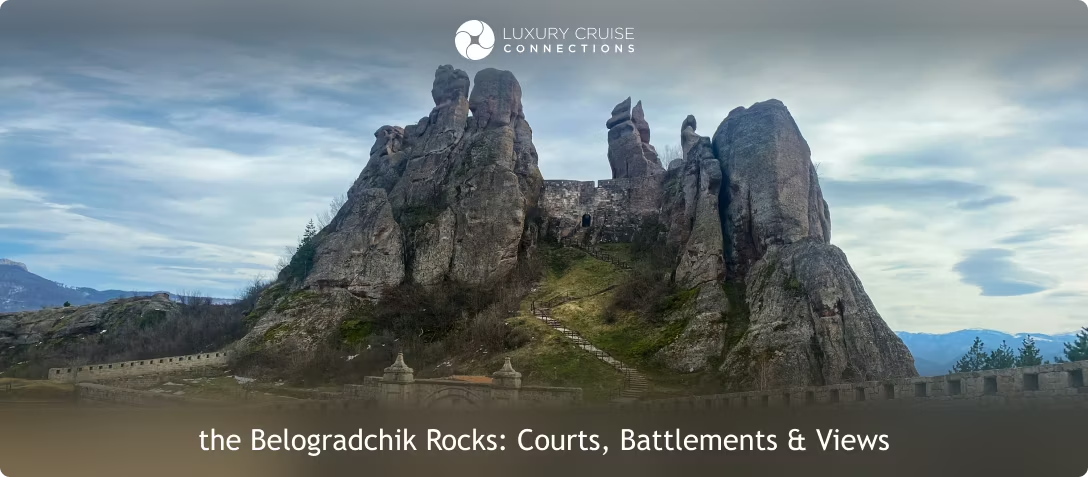
    The Belogradchik Rocks (Belogradchik Cliffs) are a stunning natural phenomenon located in northwestern Bulgaria. The unique rock formations span over 30 kilometers in length and cover about 90 square kilometers, and have captivated visitors for centuries with their striking beauty and geological history. The rocks are composed primarily of red sandstone, shaped over millions of years by the forces of wind, water, and erosion, situated near the town of Belogradchik at the foothills of the Balkan Mountains. Their extraordinary shapes and sizes make them an unforgettable destination for nature enthusiasts and history lovers alike.
    Visit the Belogradchik Rocks

    The Belogradchik Rocks are renowned for their fantastical shapes, many of which resemble animals, humans, and other objects. Notable formations include the Madonna, the Horseman, the Schoolgirl, and the Bear. These formations are the result of differential erosion, where some rock layers are more resistant to weathering than others. The area offers numerous hiking trails that allow visitors to explore the formations up close. Several observation platforms are offering breathtaking panoramic views of the surrounding landscape from these trails. The Belogradchik Fortress, a historical site nearby, provides another must-see attraction for visitors.

    Visitors experience a mix of natural beauty, folklore, and history while exploring the Belogradchik Rocks. The hiking trails provide opportunities to get close to these magnificent formations, offering different perspectives of the rocks and allowing for fantastic photo opportunities. The area’s rich folklore adds an enchanting touch to the visit, with local legends and stories passed down through generations. Guided tours are available, providing deeper insights into the geological and cultural significance of the site. The rocks themselves stand as a testament to the immense power of natural forces over millions of years.

    The best time to visit the Belogradchik Rocks is during the spring and summer months, from May to September, when the weather is typically pleasant, and the hiking conditions are ideal. Visitors fully appreciate the vibrant landscape and the detailed rock formations during these months. The autumn months (October) offer a quieter experience with cooler temperatures and beautiful foliage, while winter visits require proper equipment due to snow and cold weather, though the rocks are accessible year-round.

    Guided tours are available for tourists seeking a more in-depth understanding of the Belogradchik Rocks’ geological and cultural significance. Local guides are knowledgeable about the area’s history, folklore, and geology, enriching the visitor experience. Visitors explore the area on their own, with well-marked hiking trails and informational signs throughout the region.

    A small fee is needed to access the Belogradchik Rocks, with ticket prices varying depending on the area visited. Entrance to the rock formations and hiking trails is often included in the cost of a guided tour. Fees for guided tours and specific attractions, such as the Belogradchik Fortress, is additional. Visitors must check with the local tourist information centers for the latest pricing details.


What are the Most Popular Tourist Attractions in Bulgaria?

The Most Popular Tourist Attractions in Bulgaria are listed below.

  • Alexander Nevsky Cathedral (Sofia)
  • Rila Monastery
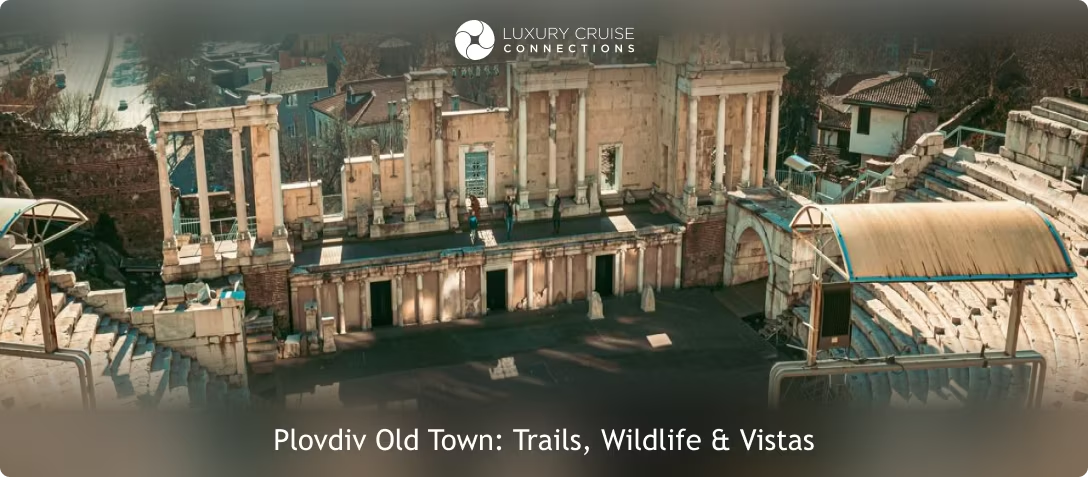
  • Plovdiv Old Town
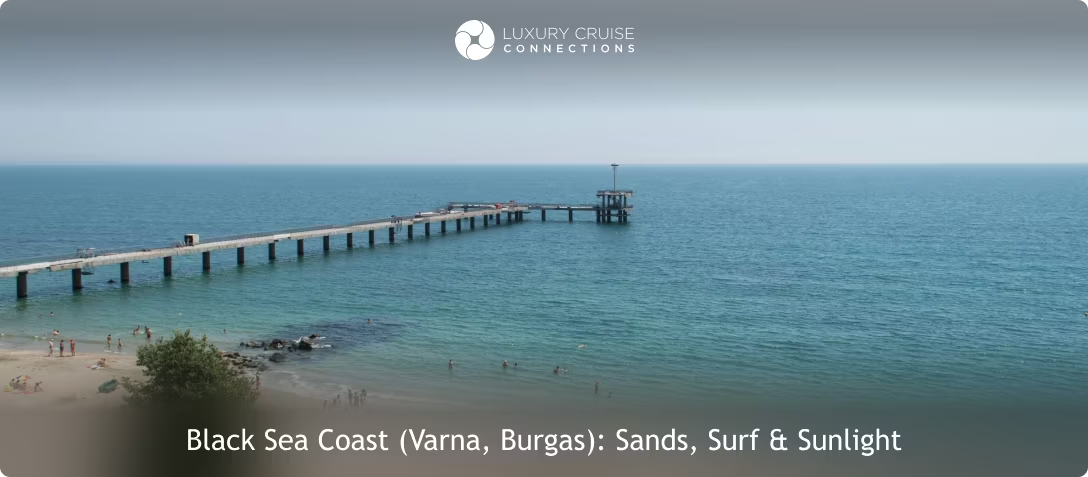
  • Black Sea Coast (Varna, Burgas)
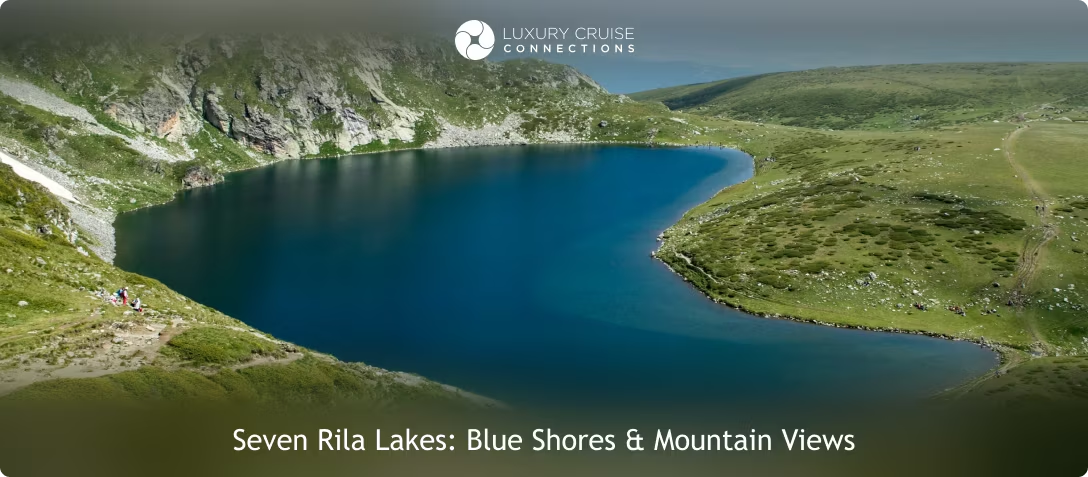
  • Seven Rila Lakes
  • Bansko (Ski Resort)
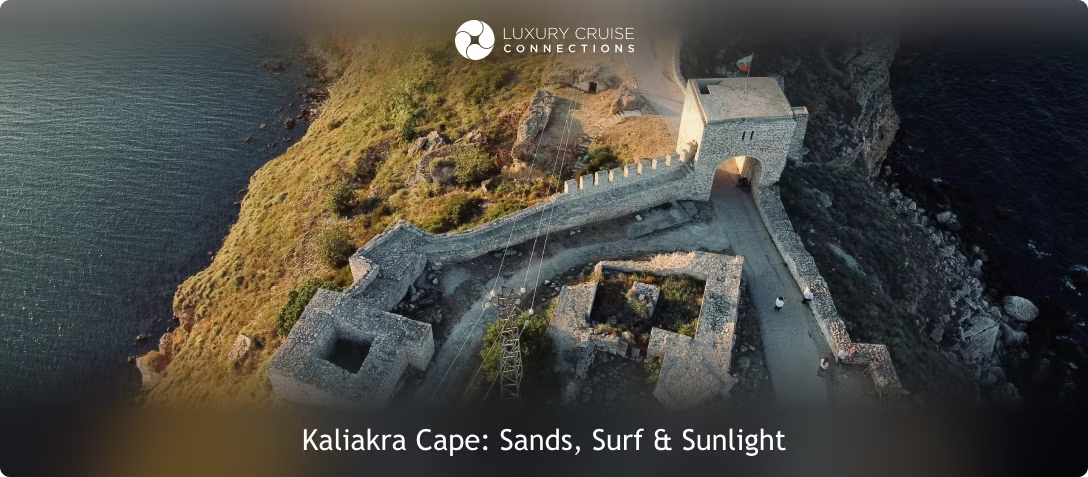
  • Kaliakra Cape
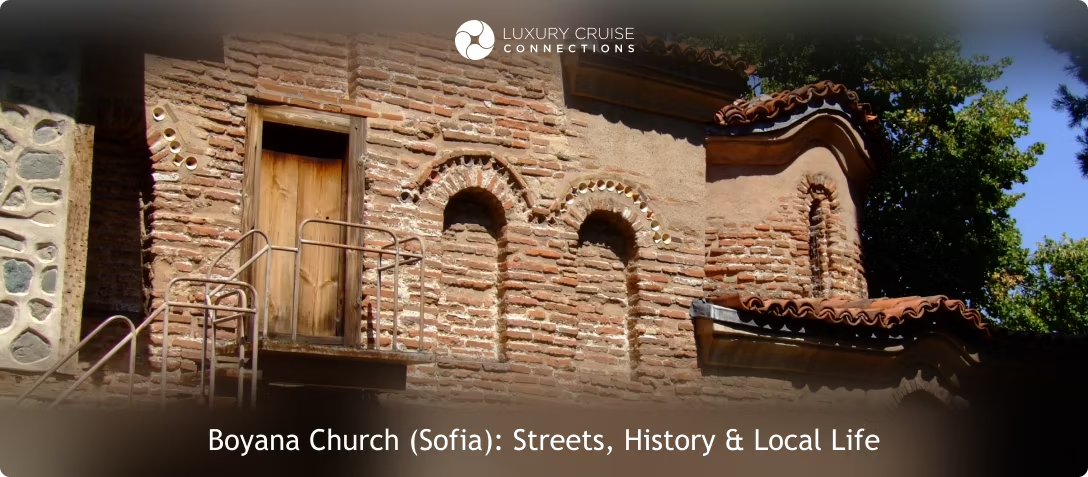
  • Boyana Church (Sofia)
  • Alexander Nevsky Cathedral (Sofia):

    The Alexander Nevsky Cathedral is one of the largest Eastern Orthodox cathedrals in the world located in Sofia. It is a striking example of Neo-Byzantine architecture and is adorned with golden domes, impressive mosaics, and intricate frescoes. The cathedral is dedicated to Russian soldiers who died in the Russo-Turkish War, making it a religious and historical symbol of Bulgaria.
    Alexander Nevsky Cathedral (Sofia)
  • Rila Monastery

    The Rila Monastery, a UNESCO World Heritage Site, is one of Bulgaria’s most significant cultural and religious landmarks. The monastery, nestled in the Rial Mountains, is known for its rich history, beautiful frescoes, and stunning architecture. Visitors come to experience its peaceful ambiance and to explore its spiritual and cultural significance.
    Rila Monastery
  • Plovdiv Old Town

    Plovdiv's Old Town is a UNESCO World Heritage Site, renowned for its preserved Roman ruins, cobbled streets, and colorful Revival-style houses. It offers a journey through history, as one of the oldest cities in Europe, with ancient landmarks like the Roman theater and archaeological sites. The charming streets host vibrant galleries, cultural events, and music festivals.
    Plovdiv Old Town
  • Black Sea Coast (Varna, Burgas)

    Bulgaria's Black Sea coast is famous for its beautiful sandy beaches, clear waters, and vibrant resort towns like Varna and Burgas. The area attracts tourists looking for a relaxing beach vacation with options for water sports, spa treatments, and nightlife. The coast features several historical landmarks and ancient ruins, along with its natural beauty.
    Black Sea Coast (Varna, Burgas)
  • Seven Rila Lakes

    The Seven Rila Lakes are a group of glacial lakes located in the Rila Mountains. Each lake is situated at a different altitude, offering visitors breathtaking views and hiking. The lakes are a popular destination for nature lovers and adventurers, providing tranquil landscapes and challenging hiking trails.
    Seven Rila Lakes
  • Bansko (Ski Resort):

    Bansko is Bulgaria's premier ski resort, located in the Pirin Mountains. It attracts skiers and snowboarders from around the world, famous for its excellent slopes, modern ski facilities, and vibrant après-ski culture. Bansko is famous for its medieval old town and traditional Bulgarian architecture.
    Bansko (Ski Resort):
  • Kaliakra Cape

    Kaliakra Cape, located on the Black Sea coast, offers dramatic cliffs and breathtaking views over the sea. The area is rich in history, featuring ancient ruins and a medieval fortress. The site is a natural reserve, home to diverse wildlife and unique flora. Visitors are drawn to its striking landscape and historical significance.
    Kaliakra Cape
  • Boyana Church (Sofia)

    The Boyana Church, located on the outskirts of Sofia, is a UNESCO World Heritage Site. The church is noted for its medieval frescoes, which are considered masterpieces of Eastern European art. The frescoes, dating back to the 13th century, offer valuable insights into the history of Bulgarian culture and art during the medieval period.
    Boyana Church (Sofia)


Which Vacation Spots in Bulgaria are Best for Beach Lovers?

Best Vacation Spots in Bulgaria for Beach Lovers are listed below.


What are the Best Things to Do in Bulgaria for First-Time Visitors?

The Best Things to do in Bulgaria for First-Time Visitors are listed below.

The Alexander Nevsky Cathedral in Sofia is one of Bulgaria’s most iconic landmarks, known for its stunning architecture and impressive size. The cathedral's golden domes and intricate mosaics are a sight to behold. The monument was built in memory of Russian soldiers who lost their lives during the Russo-Turkish War and serves as a symbol of the Bulgarian religious and cultural history. The cathedral provides a tranquil space for reflection amid the bustling city of Sofia.
Plovdiv’s Old Town is a UNESCO World Heritage Site filled with cobbled streets, Roman ruins, and colorful Revival-style houses. The area is known for its picturesque atmosphere, with narrow streets and historical buildings. The ancient Roman theater and archaeological sites offer a glimpse into the city’s past. Plovdiv is Bulgaria’s European Capital of Culture for 2019, with vibrant galleries, festivals, and music events.
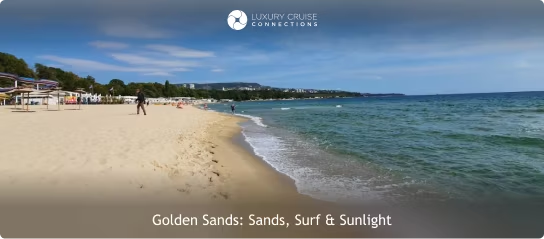
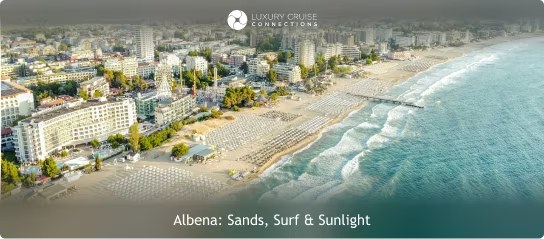
Bulgaria’s Black Sea coast offers beautiful sandy beaches, warm waters, and vibrant resort towns like Varna and Burgas. The coastline features stunning natural landscapes, with clear waters and golden beaches. Visitors enjoy sunbathing, swimming, and exploring the seaside towns. The coastal resorts are home to vibrant nightlife, delicious seafood, and numerous entertainment options.
The Rila Mountains, home to the famous Rila Monastery, are perfect for outdoor enthusiasts seeking nature and adventure. The mountain views offer panoramic landscapes of lakes, waterfalls, and dense forests. There are various hiking trails suitable for different skill levels, from easy walks to more difficult climbs. The Rila Monastery, a UNESCO World Heritage Site, adds a spiritual touch to the hike, making it a meaningful experience.
The Rila Monastery is one of Bulgaria’s most important cultural and historical sites, known for its beautiful frescoes and rich history. The monastery is an example of Bulgarian Renaissance architecture, featuring colorful murals and intricate designs. It has been a center of Bulgarian Orthodox Christianity for centuries. Visitors often find the monastery to be a tranquil retreat, offering moments of solitude in a serene setting.
Is Bulgaria a Good Holiday Destination for Families?

Yes, Bulgaria is a great holiday destination for families. The country is a family-friendly destination because of its wide array of activities, which cater to all ages. The beach resorts along the Black Sea coastline are especially popular, with their safe and clean beaches, water parks, and kid-friendly activities. Families explore Bulgaria's rich history and culture, from visiting ancient ruins in Plovdiv to touring the Rila Monastery. The country’s nature is perfect for outdoor adventures, with hiking trails in the Pirin and Rila mountains and numerous national parks to explore. Bulgaria offers diverse options that make it one of the best holiday destinations in Bulgaria for families, whether they are interested in historical exploration, nature activities, or relaxing by the beach. Travelers consider Bulgaria holiday destinations to be ideal for a mix of cultural exploration, outdoor adventures, and beach relaxation.

How can you Plan a Vacation in Bulgaria?

You can plan a vacation to Bulgaria by following the five essential steps. First, decide on the best season to visit. The summer months (May to September) are popular for their warm weather, while the off-season (October to April) offers fewer crowds and lower prices. Second, create an itinerary that highlights Bulgaria’s key attractions, such as Sofia, Plovdiv, Rila Monastery, and the Pirin Mountains. Ensure to include a balance of historical landmarks, cultural experiences, and natural wonders. Third, arrange transportation between cities. Bulgaria has a well-connected bus and train network, consider renting a car for flexibility or booking domestic flights for longer distances. Fourth, book the accommodation in advance, especially during the peak tourist season, to ensure availability. Lastly, research local customs, currency, and language basics to make the experience smoother. Vacations in Bulgaria become well-organized and enjoyable by following these steps.

Is Bulgaria Worth Visiting for Nature Lovers?

Yes, Bulgaria is worth visiting for nature lovers. Natural landscapes abound in the country, from the rugged Rila and Pirin mountain ranges to the serene Black Sea coastline. Bulgaria has several national parks, including Rila National Park and Pirin National Park, offering breathtaking views, hiking trails, and diverse wildlife. The Rila Mountains feature some of the most picturesque natural settings in the country, with crystal-clear lakes and dense forests. The Pirin Mountains, a UNESCO World Heritage Site, provide an excellent environment for outdoor activities like hiking and skiing. The natural beauty of Bulgaria offers numerous opportunities to connect with nature, whether for hiking, bird watching, or simply relaxing. Outdoorsy tourists must visit Bulgaria if they seek adventure and tranquility.

Do People Visit Bulgaria for Its Cities?

Yes, people visit Bulgaria for its cities. Cities like Sofia and Plovdiv are major draws due to their rich history, ancient ruins, and vibrant culture. Sofia, the capital, offers a mix of Roman, Ottoman, and Soviet architecture, while Plovdiv is known for its ancient Roman theater and charming old town. These cities provide a unique blend of historical landmarks and modern attractions, making them some of the best cities to visit in Bulgaria. Travelers enjoy exploring which Bulgaria cities to visit and engage the local culture, food, and art scene, further cementing Bulgaria’s cities as key destinations for visitors.

Best Things to Do Around the World

Discover the best activities, landmarks, and experiences in every cruise destination and port of call.

Europe Western, Central & Mediterranean
America North, Central, South & Caribbean
Africa & Asia Oceania & Antarctica