

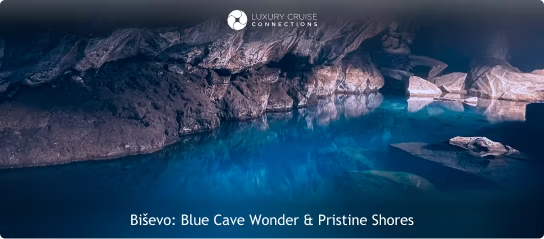
10 Best Things to Do in Croatia

The best things to do in Croatia are exploring Dubrovnik, visiting Plitvice Lakes, and cruising the Adriatic Islands. Se...

add

The best things to do in Croatia are exploring Dubrovnik, visiting Plitvice Lakes, and cruising the Adriatic Islands. Seeing Split’s Diocletian's Palace, relaxing on Zlatni Rat Beach, touring Pula, enjoying Hvar, kayaking the Blue Cave, visiting Rovinj, and hiking Mount Ucka are other best things to do in Croatia. Croatia is a Mediterranean country known for its stunning Adriatic coastline, historic walled cities, and more than 1,200 islands. Travelers looking for things to do in Croatia are sure to find a combination of natural beauty, cultural heritage, and vibrant island life. Croatia things to do include exploring charming coastal towns, wandering through United Nations Educational, Scientific and Cultural Organization (UNESCO) World Heritage sites, and enjoying scenic landscapes. Options for what to see in Croatia range from national parks to medieval streets and hidden beaches. Visitors choosing where to go in Croatia experience a blend of adventure, history, and relaxation along its shores and islands.

  • Explore Dubrovnik Old Town
  • Visit Plitvice Lakes National Park
  • Cruise through the Adriatic Islands
  • Walk along the Split Diocletian's Palace
  • Relax on Zlatni Rat Beach (Bol)
  • Tour the Ancient City of Pula and Amphitheater
  • Discover Hvar Island's Nightlife and Beaches
  • Go Kayaking in the Blue Cave (Biševo)
  • Visit the Medieval Town of Rovinj
  • Hike Mount Učka for Panoramic Views
  • Explore Dubrovnik Old Town

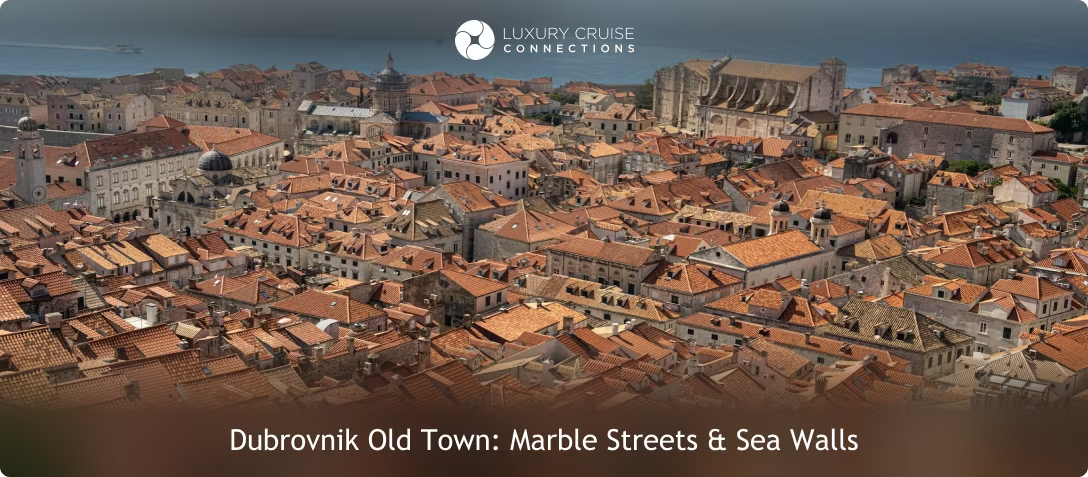
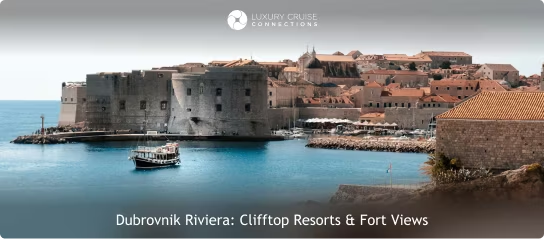
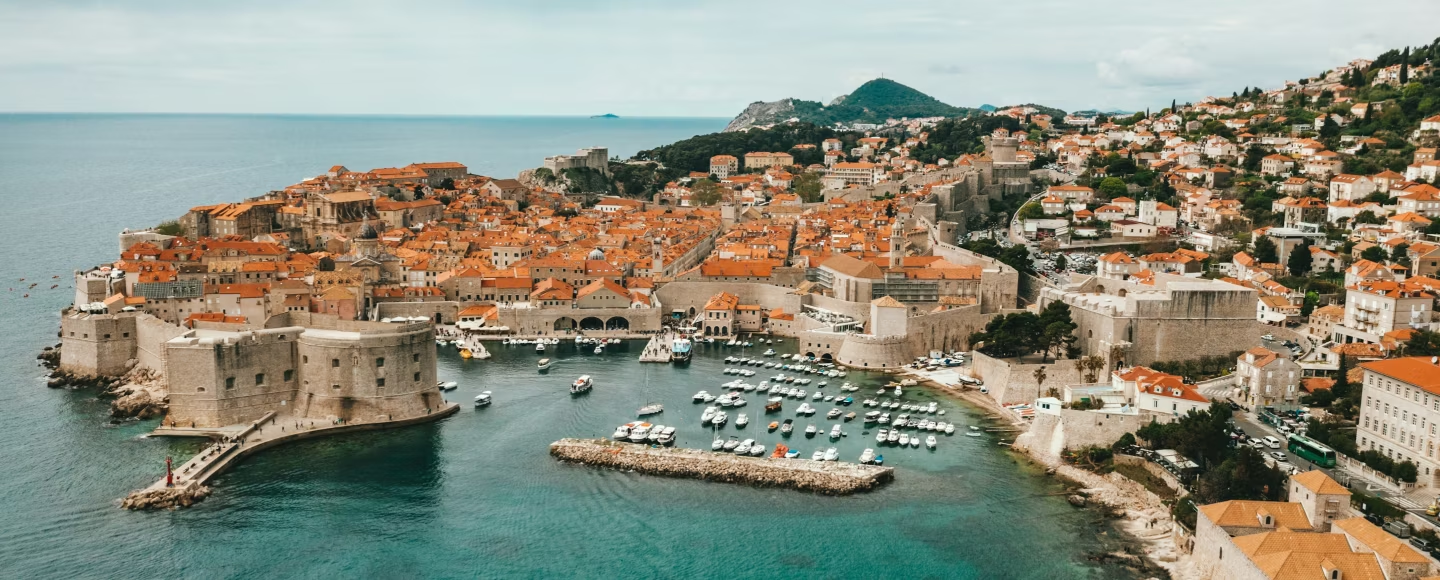
    Dubrovnik Old Town is a medieval-walled city in southern Croatia, known as the “Pearl of the Adriatic.” The UNESCO World Heritage Site features limestone walls, the Rector's Palace, Dubrovnik Cathedral, and marble streets that reflect the history of the Dubrovnik Republic. The city walls surround the historic center and overlook the Adriatic Sea, preserving centuries of architecture and culture.
    Explore Dubrovnik Old Town

    The Dubrovnik City Walls stretch for 2 kilometers and rise to 25 meters, offering panoramic views of the red rooftops and the Adriatic Sea. The Rector's Palace displays Gothic and Renaissance architecture, with historic exhibits inside. Dubrovnik Cathedral houses religious treasures and art. The Stradun, the main street, features cafés, souvenir shops, and historic buildings. The Lovrijenac Fortress provides a scenic viewpoint over the Old Town and is included with the city walls ticket.

    Walking through the Dubrovnik Old Town allows visitors to explore cobblestone alleys, hidden courtyards, and ancient staircases. The limestone buildings glow during golden hour, improving the view of the Stradun and nearby harbor. Restaurants in the Old Town open terraces with views of the Adriatic, offering traditional Croatian dishes. Shop for handmade souvenirs from local artisans and listen to classical music performances in historic squares.

    Best Time: Early morning (8 AM to 10 AM), or late afternoon (after 4 PM), shoulder seasons April to May, September to October.

    Free walking tours from Pile Gate, official city guides through the Dubrovnik tourist office, and audio guides at the city walls entrance.

    Entry to Dubrovnik Old Town is free. City Walls ticket €33 adults peak season, €19 off-season, children under 18 free.

  • Visit Plitvice Lakes National Park

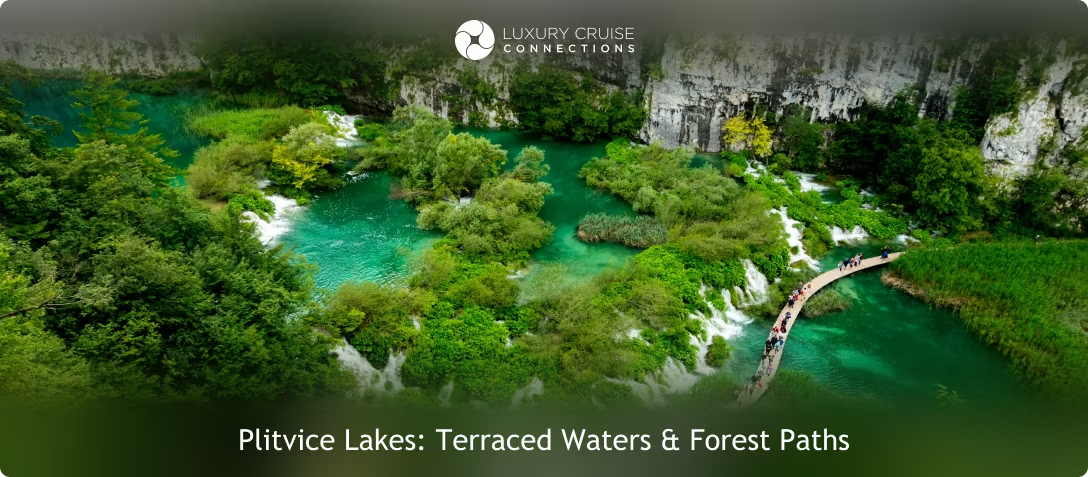
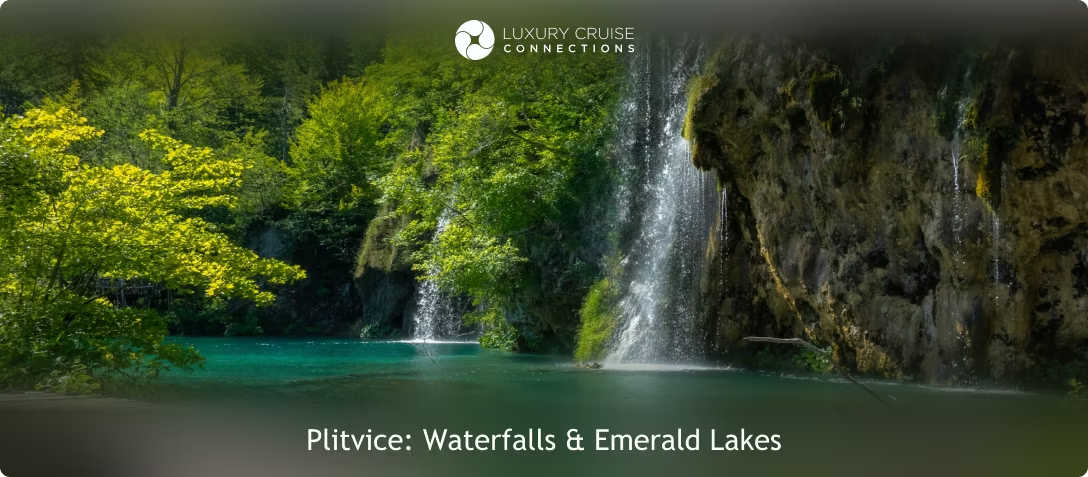
    Plitvice Lakes National Park is Croatia's oldest and largest national park, recognized as a UNESCO World Heritage Site for its natural beauty. The park features 16 emerald lakes connected by travertine waterfalls, including Veliki Slap, the tallest waterfall in Croatia. Plitvice Lakes National Park spans over 73,000 acres of forests, crystal-clear waters, and diverse wildlife, creating a breathtaking landscape that combines lakes, waterfalls, and greenery.
    Visit Plitvice Lakes National Park

    Plitvice Lakes National Park is divided into Upper Lakes and Lower Lakes sections. The Lower Lakes feature spectacular waterfalls, with Veliki Slap plunging 78 meters into a canyon. The Upper Lakes offer tranquil, larger lakes, surrounded by dense forests and quiet trails. Ride electric boats on Lake Kozjak, use shuttle buses between the Upper and Lower Lakes, and walk along wooden boardwalks that showcase the park’s natural beauty. Admission tickets include access to hiking trails, boardwalks, and the panoramic boat ride.

    Visitors to Plitvice Lakes National Park walk along wooden boardwalks over turquoise lakes and alongside cascading waterfalls. The panoramic shuttle train and boat rides provide scenic forest and lake views. Photography enthusiasts capture the lakes’ shifting colors from azure to green, depending on sunlight and minerals. The trails pass through diverse ecosystems, allowing visitors to spot wildlife, hear flowing water, and breathe fresh mountain air while experiencing the park’s natural wonders.

    Best Time: Spring to September, early morning arrivals for fewer crowds, shoulder seasons fall or spring for a quieter experience, May through June for peak waterfall flow.

    Guided day-trips from Split or Zagreb, self-guided exploration with park maps, audio guides at visitor centers, start at Entrance 1 Rastovača.

    Adult tickets €43 peak season, children under seven and guests with disability over 50% free, children 7-18 discounted, students over 18 discounted with ID, booking recommended.

  • Cruise through the Adriatic Islands

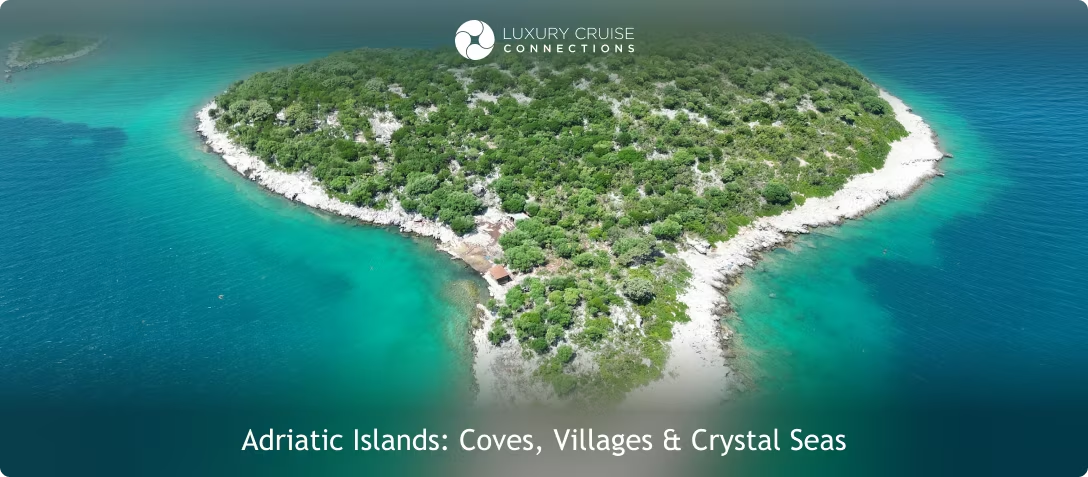
    Cruising through Croatia's Adriatic Islands allows travelers to explore the Dalmatian Coast aboard small luxury ships. The cruises navigate crystal-clear waters, reaching hidden coves and secluded bays while offering personalized service. Passengers wake up in a new destination each day, visiting over 1,000 islands that feature medieval towns, pristine beaches, and UNESCO World Heritage sites
    Cruise through the Adriatic Islands

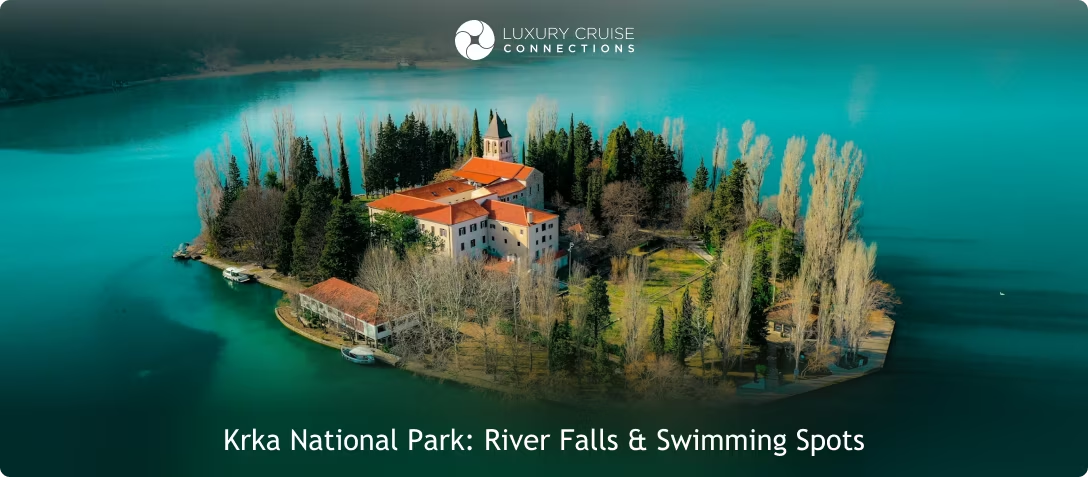
    The Split Return South itinerary visits the top islands of Split, Hvar, Korčula, Dubrovnik, Mljet, and Makarska. Split showcases the ancient Diocletian's Palace. Hvar offers lavender fields, luxury beach clubs, and vibrant nightlife. Korčula is the birthplace of Marco Polo, with historic streets, rooftop bars, and jewelry shops. Dubrovnik features the Old Town with its city walls and baroque architecture. Vela Przina in Lumbarda and Pupnatska Luka on Korčula beaches provide sun and sea experiences. The cruise includes visits to Krka National Park for waterfalls and river explorations.

    Passengers swim in the turquoise bays around Hvar and Korčula Islands. Visitors walk the ancient stone streets of Dubrovnik, Split, and Korčula Towns. Travelers enjoy wine tastings at local vineyards on Korčula and Hvar. Small ship decks offer relaxation while watching Adriatic sunsets and socializing with other passengers. The crew provides guided shore excursions and cultural experiences, including traditional folk performances and captain’s dinners. Travelers taste Croatian cuisine prepared onboard and learn about Croatian history and culture from cruise directors.

    Best Time: May through September peak season, shoulder seasons May and September for fewer crowds, July and August for peak summer atmosphere but highest prices.

    Onboard cruise directors, local guides at each port, self-guided exploration, optional shore excursions with local experts.

    7-night cruises from €2,280 per guest, premium small ship experiences from €2,670. All-inclusive packages cover meals, accommodation, and guided tours. Early booking discounts available.

  • Walk along the Split Diocletian's Palace

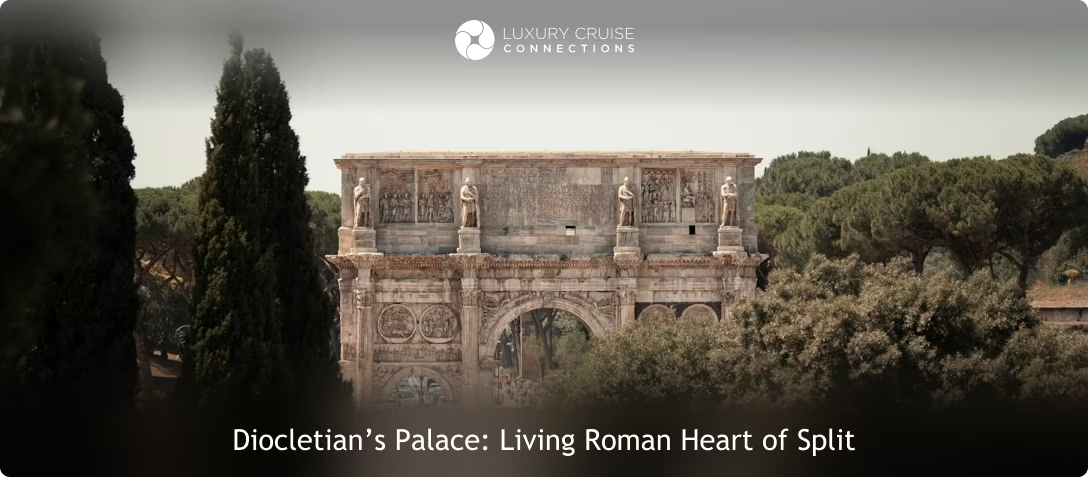
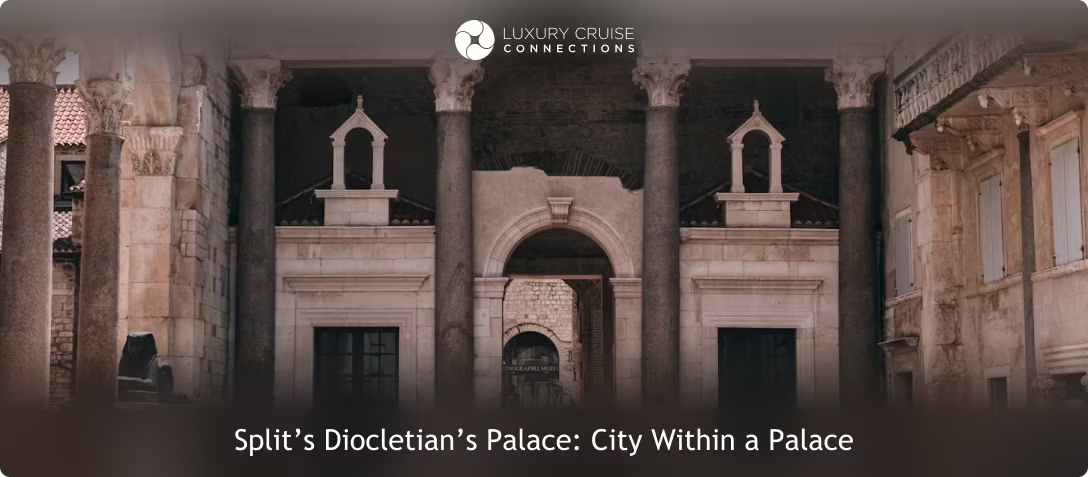
    Diocletian's Palace is a Roman architectural masterpiece built in the early 4th century as the retirement residence for Emperor Diocletian. The palace occupies about half of Split's Old Town and remains remarkably well-preserved. UNESCO recognizes the palace for blending ancient Roman architecture with modern Croatian life, where ancient corridors house shops, restaurants, and private residences. Locals live in apartments within the palace walls, making it a living monument in the heart of Split.
    Walk along the Split Diocletian's Palace

    The palace features immense limestone walls surrounding 10 acres of temple ruins, museums, hotels, markets, coffee shops, modern boutiques, and the Cathedral of Saint Domnius. The Peristyle is the central courtyard with ancient columns and a gathering space for visitors and performers. The Golden Gate is a main entrance, while the underground substructures reveal the palace’s architectural foundation. Visitors climb the bell tower of the Cathedral of Saint Domnius for panoramic views of Split and the Adriatic Sea.

    Walking through Diocletian's Palace allows visitors to stroll ancient Roman streets while observing modern shops, cafés, and residences. Travelers explore underground cellars, browse local crafts in historic chambers, and dine in restaurants built within Roman walls. Guided tours and self-guided exploration are available, including a visit to the nearby Game of Thrones Museum. Visitors discover hidden courtyards, examine Roman architectural details, and experience the unique mix of history and daily life in Split.

    Best Time: Off-tourist season for fewer crowds, early morning or late afternoon for better lighting, spring through early fall for pleasant weather, and avoid peak summer midday hours.

    Local guides for top sights like the Golden Gate, Peristyle, and Gregory of Nin statue, self-guided exploration of palace grounds, and audio guides through tour operators.

    Walking around the palace is free, the underground substructures museum €2.88, the Cathedral of Saint Domnius bell tower €2.88, and individual museums require separate admission

  • Relax on Zlatni Rat Beach (Bol)

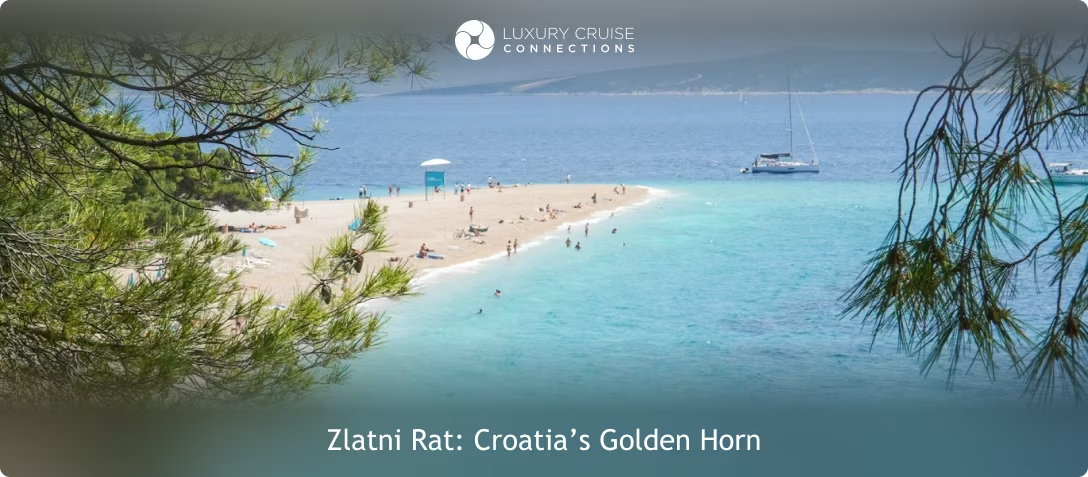
    Zlatni Rat Beach is a famous beach located on Brač Island near the town of Bol, Croatia. The beach stretches about 500 meters into the Adriatic Sea, forming a unique tongue shape created by fine pebble deposits around an underwater reef. The tip of Zlatni Rat constantly changes shape due to winds, waves, and sea currents, making each visit visually different. The beach is one of the most photographed and recognized spots on the Croatian coastline and represents the scenic beauty of Bol.
    Relax on Zlatni Rat Beach (Bol)

    Zlatni Rat Beach offers calm water on one side for families and windy conditions on the other side for surfers and kite-surfers. Amenities include parking, toilets, showers, sun loungers, and parasols. Nearby bars and restaurants include Beach Bar Potočine, NOA Beach Bar and Restaurant, Aquamarin Beach Club, Fanatik na Moru, Borak Beach Restaurant, and Litore. The surrounding pine forests and mountain backdrop add to the beach’s natural beauty.

    Swim in the crystal-clear turquoise waters or enjoy windsurfing and kite-surfing on the windier side of the beach. Travelers walk along smooth white pebbles, sunbathe on rented loungers, and relax under umbrellas. The beach offers scenic views along a pine-shaded promenade connecting Bol town to Zlatni Rat. Enjoy meals and drinks at nearby beach bars and fine dining restaurants while observing the changing shape of the beach.

    Best Time: May through June and September for pleasant weather and manageable crowds. Early morning or late afternoon for optimal lighting. Avoid July and August for high-season crowds. Afternoon winds create perfect conditions for water sports.

    Self-guided walking along the promenade from Bol. Small taxi boats from Bol harbor take 10 to 15 minutes. Walking 20 to 30 minutes along the waterfront from Bol town center. Rental car or taxi options are available.

    Beach access is free. Taxi boat from Bol harbor costs approximately €4.06 per tourist. Sunbed and umbrella rental fees vary by season and location. Parking fees apply during peak summer months.

  • Tour the Ancient City of Pula and Amphitheater

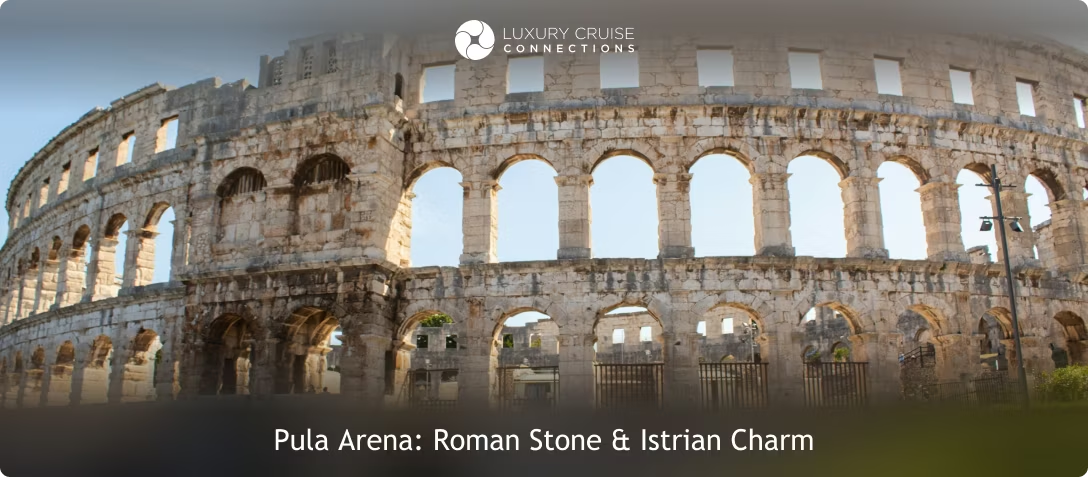
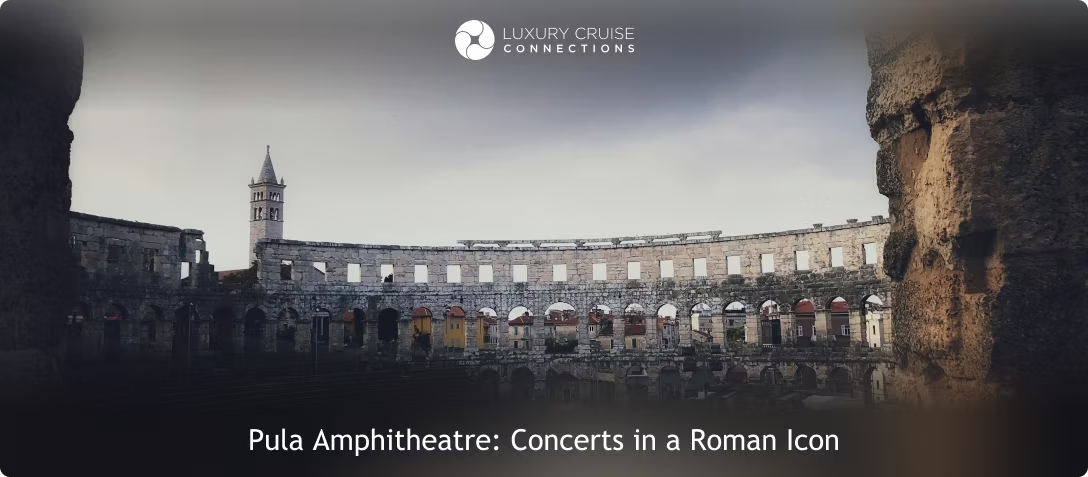
    Pula is a historic city on the Istrian Peninsula of Croatia, featuring Roman ruins throughout the Old Town. The city was first occupied by the Romans in 177 BC. The Pula Arena is one of the six largest surviving Roman amphitheaters in the world and dominates the city skyline. The amphitheater’s name comes from the Latin word harena, referring to the sand that covered its central area. The UNESCO-protected structure provides visitors with a vivid glimpse into gladiatorial combat and ancient Roman entertainment.
    Tour the Ancient City of Pula and Amphitheater

    The Pula Arena accommodates about 5,000 spectators and hosts operas, ballets, sports events, and the Pula Film Festival. The Temple of Augustus presents Roman religious architecture, while the Arch of the Sergians displays triumphal stonework. Pula Fortress offers panoramic views of the city and coastline. The underground Zerostrasse tunnels house exhibitions on World War I history, viticulture, and olive growing in Istria. The monuments together illustrate Pula’s rich Roman and regional heritage.

    Explore the four levels of the Pula Arena, walking through stone corridors where gladiators once prepared for battle. Examine original Roman construction techniques and observe the interplay between ancient architecture and modern city life. Cultural events bring the amphitheater to life, allowing concerts and festivals to be experienced where Romans once gathered. Travelers photograph historic streets, visit monuments, and trace Pula’s evolution from Roman colony to contemporary Croatian city

    Best Time: The Pula Arena is open during the summer from 8 am to 10 pm. The minimum opening hours are 9 am to 5 pm. Spring and early fall offer pleasant weather and fewer crowds. The amphitheater is closed only on New Year’s Day.

    Self-guided exploration with information panels. Audio guides are available at the entrance. Guided tours of historical sites are available. Tickets are valid anytime during opening hours.

    Adult tickets cost approximately €10.20. Some ticket options are priced at €20.40 each. Children over 6 and students pay half price. Smaller children enter for free. Advance online booking is recommended to guarantee entry.

  • Discover Hvar Island’s Nightlife and Beaches

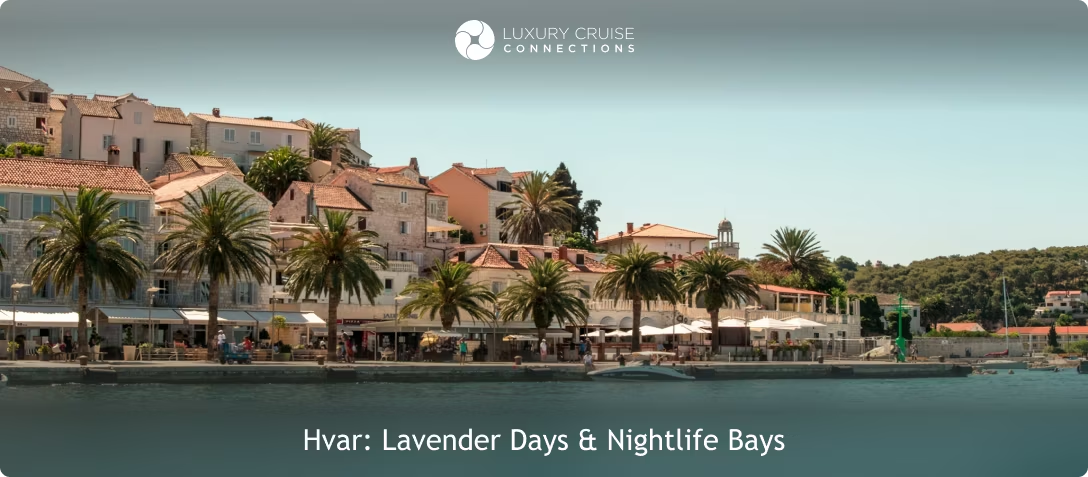
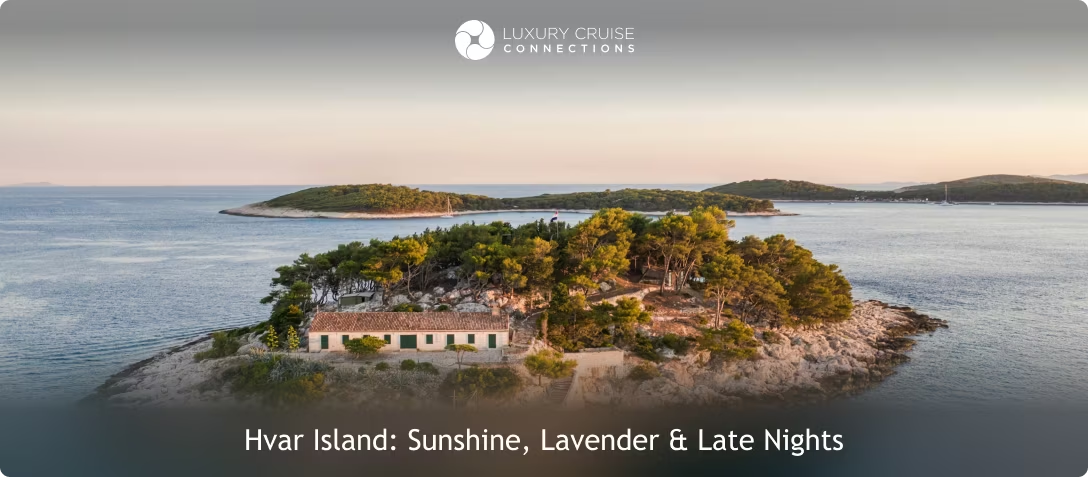
    Hvar Island stands as Croatia's premier party destination. The island combines Mediterranean glamour with vibrant nightlife that rivals famous European hotspots like Ibiza and Mykonos. Hvar Town is a Mediterranean paradise off the coast of Croatia on the crystal-clear Adriatic Sea. Summer nightlife in Hvar Town is one of the best on the Adriatic. Luxury yachts dock alongside ancient stone buildings and lavender-scented hillsides. The island balances stunning beaches with world-class nightlife venues, attracting celebrities, yacht owners, and party enthusiasts seeking sophisticated entertainment in an idyllic Adriatic setting.
    Discover Hvar Island’s Nightlife and Beaches

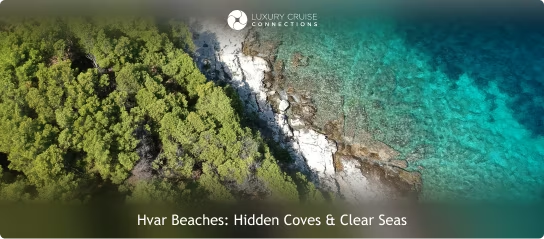
    Carpe Diem Beach offers relaxation during the day and lively parties at night. Hula Hula Beach Club provides visitors with magical sunset views and beachside cocktails. The Pakleni Islands feature secluded beach clubs accessible by water taxi for exclusive parties. Hvar Town's waterfront promenade offers cocktail bars and restaurants. The historic fortress overlooks the archipelago and hosts sunset parties for visitors seeking panoramic views.

    Enjoy sunbathing, lounging in cabanas, refreshing cocktails, and relaxing massages during the day. Beach clubs transform into vibrant nighttime venues after sunset. Carpe Diem Beach offers unique parties under the stars on its secluded island. Water taxis provide convenient and romantic transport between the mainland and island clubs. Transition smoothly from lazy beach days to sophisticated cocktail hours and dancing under Mediterranean stars.

    Best Time: June through September for peak nightlife season. Mid-July through August offers celebrity sightings and major events. Shoulder seasons provide beach access with fewer crowds. Water taxis leave every 20 minutes from Hvar Town and return every full hour from Carpe Diem Beach.

    Taxi boats depart from in front of Mlinar Bakery. Self-guide by using water taxi services. Local nightlife tours are available through tour operators. Hotel concierges provide insider recommendations for exclusive venues.

    Water taxi transport costs approximately €10.20 for a round trip. Carpe Diem Beach charges €37 for entrance, including the water taxi. Beach club cabanas and VIP areas require additional reservation fees ranging from €95 to €480. Cocktails cost €14 to €23 at premium beach clubs.

  • Go Kayaking in the Blue Cave (Bisevo)

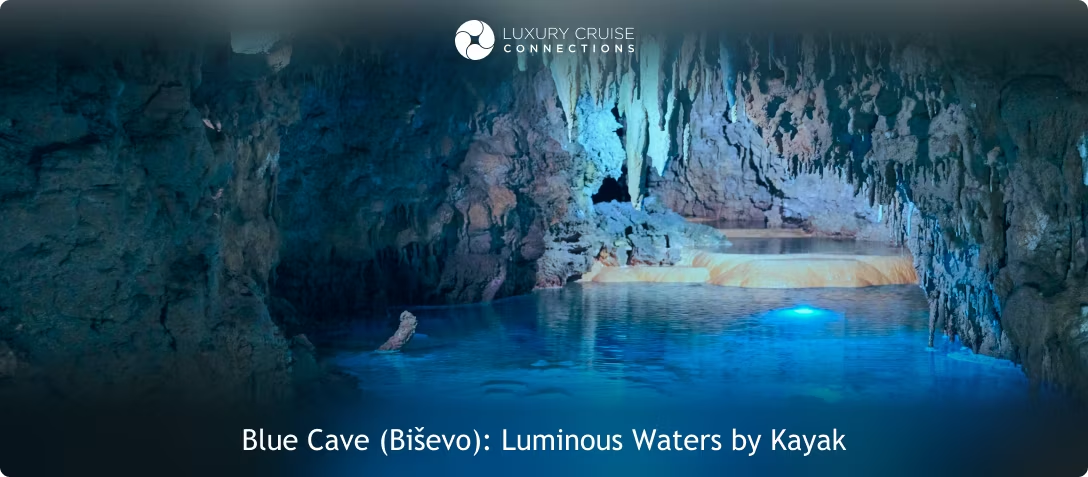
    The Blue Cave on Bisevo Island is one of Croatia's most spectacular natural phenomena. Sunlight enters through a narrow underwater entrance and reflects off the crystal-white seabed, creating a dazzling blue glow that illuminates the cave walls. The cave measures 24 meters long and 12 meters wide, forming a natural cathedral of light. Access to Blue Cave is only possible via small boats or kayaks, making it an experience that is exclusive and intimate. The natural wonder draws tourists from around the world to witness its unique, radiant beauty.
    Go Kayaking in the Blue Cave (Bisevo)

    Daily tours depart from Split and travel to the Blue Cave on Bisevo, Stiniva Bay on Vis Island, the Green Cave, the Paklinski Islands near Hvar, and Hvar Town. Join organized excursions from Split, Hvar, or Vis. The Monk Seal Cave on Bisevo provides an additional underwater adventure. Stiniva Bay offers pristine pebble beaches surrounded by dramatic cliffs. The Green Cave features an emerald-colored glow, and many tours combine multiple cave visits for a complete island-hopping experience.

    Kayaking to the Blue Cave allows visitors to paddle through crystal-clear Adriatic waters under their own power. Visitors navigate a narrow entrance where the ceiling drops just above the water level before emerging into the illuminated blue chamber. Swimming and snorkeling reveal the cave's underwater formations. Photography enthusiasts capture the magical reflections of blue light. The serene water environment provides a peaceful setting for quiet meditation and appreciation of the natural masterpiece.

    Best Time: Tours operate from April 1st to November 1st. The best period for visiting is mid-June through early September. Early morning departures offer calmer seas and better lighting. Most tours leave the port at 9 am and return at 6 pm.

    Professional kayak guides are required for safe navigation of the cave. Organized tours or public boat options are available. Certified tour operators provide safety equipment and instructions. Local fishermen offer authentic boat transfers to kayak starting points.

    Off-peak tickets cost €10.20 for adults and €5.10 for children aged 6 to 12. Summer tickets from mid-June to August cost €13.30 for adults and €7.15 for children. Day trips are priced at €101 each with an early booking discount of 20%. Basic boat trips to the Blue Cave start at €15.30.

  • Visit the Medieval Town of Rovinj

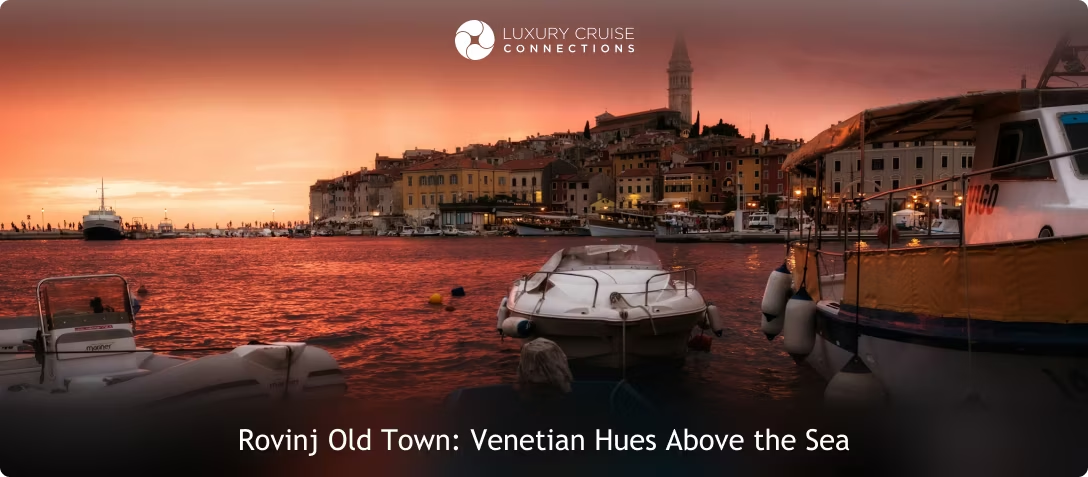
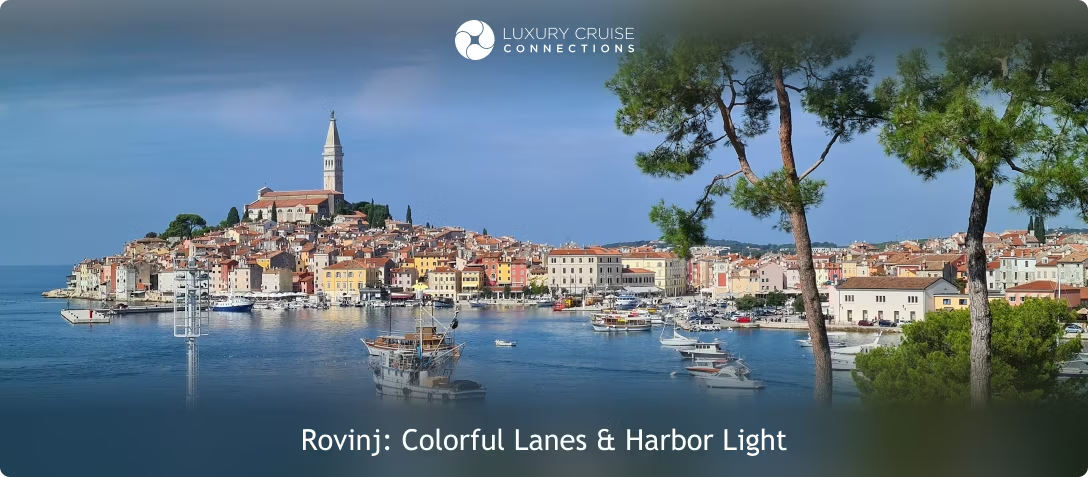
    Rovinj is a lively fishing port located at the head of the Adriatic Sea. The area features a medieval Old Town with tightly nestled houses, winding cobblestone streets, and a picturesque harbor. The architecture reflects strong Italian influence, from the Veneto region, with colorful buildings rising directly from the sea. Rovinj was originally an island, then became connected to the mainland 250 years ago, forming a unique peninsula. Explore numerous shops, art galleries, bars, and restaurants throughout the town, experiencing its well-preserved charm and vibrant atmosphere.
    Visit the Medieval Town of Rovinj

    Rovinj is famous for St. Euphemia Cathedral, the highest church tower in Istria at 61 meters tall. Built from 1725 to 1736, the baroque cathedral dominates the town from its hilltop location. Old Town features colorful dwellings lining twisting cobbled streets, outdoor cafés, artisan boutiques, and fine art galleries. Medieval town walls and gates mark the main historical areas, leading visitors along narrow streets and small squares filled with cultural and historical landmarks.

    Walking through Old Town Rovinj feels like traveling back in time along cobblestone streets. Enjoy cafés serving Istrian wine and browse artisan boutiques showcasing local handicrafts. Climbing the 192-step bell tower at St. Euphemia offers panoramic views of the Adriatic Sea and the surrounding cityscape. Explore hidden courtyards, discover charming alleyways, and enjoy waterfront dining while watching fishing boats return to the harbor. The town provides a variety of history, culture, and scenic coastal views.

    Best Time: Late spring through early fall for warm weather and longer daylight. Early morning or late afternoon for golden hour photography. Shoulder seasons provide fewer crowds in medieval streets. The church is open daily during the summer months.

    Self-guided exploration through cobblestone streets and medieval walls. Walking tours are available from the tourism office covering historical sights. Local art galleries and boutiques provide cultural insights. Dress respectfully when visiting churches to avoid being denied entry.

    Entrance to St. Euphemia Church is free. Bell tower access costs approximately €2.88. Exploration of the medieval Old Town is free. Each art galleries and boutique have its own pricing for purchases.

  • Hike Mount Ucka for Panoramic Views

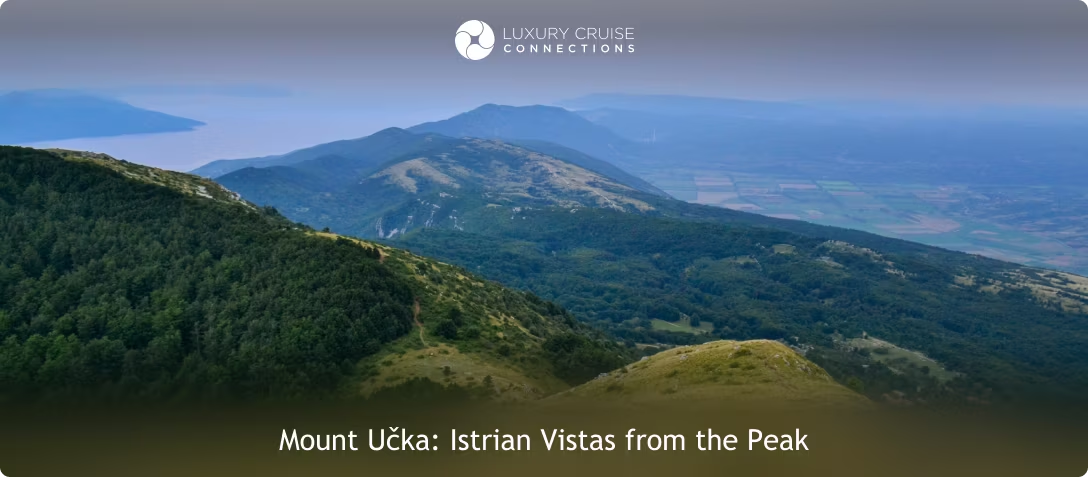
    Mount Učka is located on the northern Adriatic coast of Croatia near the city of Rijeka and covers an area of 160 square kilometers. The mountain is the highest on the Istrian peninsula, reaching its peak at Vojak summit, which stands at 1,401 meters above sea level. The landscape features coastal landscape is covered in lush forests and is home to a variety of fauna and flora, including several endangered species. The symbol of Učka Nature Park is the historic stone observation tower built in 1911 on the Vojak peak. The park has been protected since 1999, preserving its pristine landscapes and offering hikers a mix of Mediterranean coastal views and alpine mountain terrain.
    Hike Mount Ucka for Panoramic Views

    Vojak peak at 1,401 meters offers spectacular panoramic views, including the Adriatic Sea, the Croatian archipelago, and, on clear days, Italy across the valley. The trail to the summit rises through dense beech forests before opening up to the 360-degree lookout tower. Suhi Vrh is the second-highest peak at 1,332 meters and provides additional panoramic viewpoints toward Kvarner Bay and its islands. The Slap trail leads to a waterfall emerging from various points inside the canyon, adding variety beyond summit hikes. The historic stone observation tower is a prime spot for photographers and nature enthusiasts seeking commanding views of the region.

    Hikers ascend well-marked trails that gradually transition from Mediterranean vegetation to alpine forests. The climb offers a mix of steep sections and moderate paths, culminating in breathtaking 360-degree views of Istria’s coastline, the Velebit mountains, Croatian islands, Rijeka, and, on clear days, the distant Alps. Stop at the souvenir shop at the summit to commemorate their hike. The mountain provides a unique perspective where the Adriatic Sea, Italian coastline, Croatian islands, and Alpine peaks are seen simultaneously, creating an exceptional geographical experience in Croatia.

    Best Time: Spring through early fall for optimal weather conditions. Wear sturdy shoes and bring enough water because conditions get hot. Clear days are best for maximum panoramic visibility. Start early in the morning to avoid afternoon heat and crowds.

    Well-marked trails allow self-guided hiking. Visitor programs include workshops for children and guided tours. Local hiking guides are available through tour operators in Opatija and Rijeka.

    Entrance to the park is free for hiking access. Special programs are charged at the park headquarters or the Info-centre Poklon. Guided tours and educational programs require separate fees. Parking at trailheads is free of charge.


What are the Most Popular Tourist Attractions in Croatia?

The most popular tourist attractions in Croatia are listed below.

  • Plitvice Lakes National Park
  • Diocletian’s Palace in Split
  • Hvar Island
  • Krka National Park
  • Rovinj Old Town
  • Pula Arena
  • Mljet National Park
  • Zadar Sea Organ and Sun Salutation
  • Korčula Island
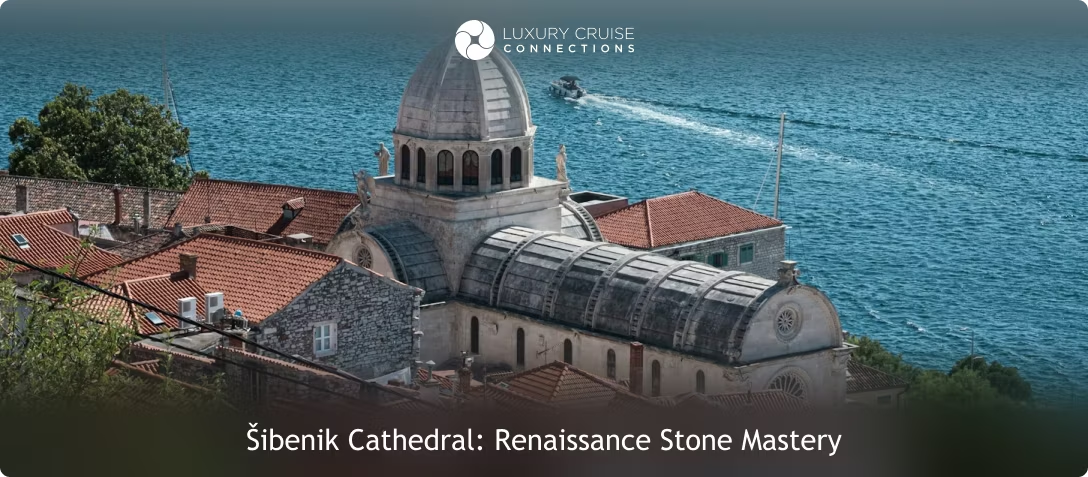
  • Šibenik Cathedral
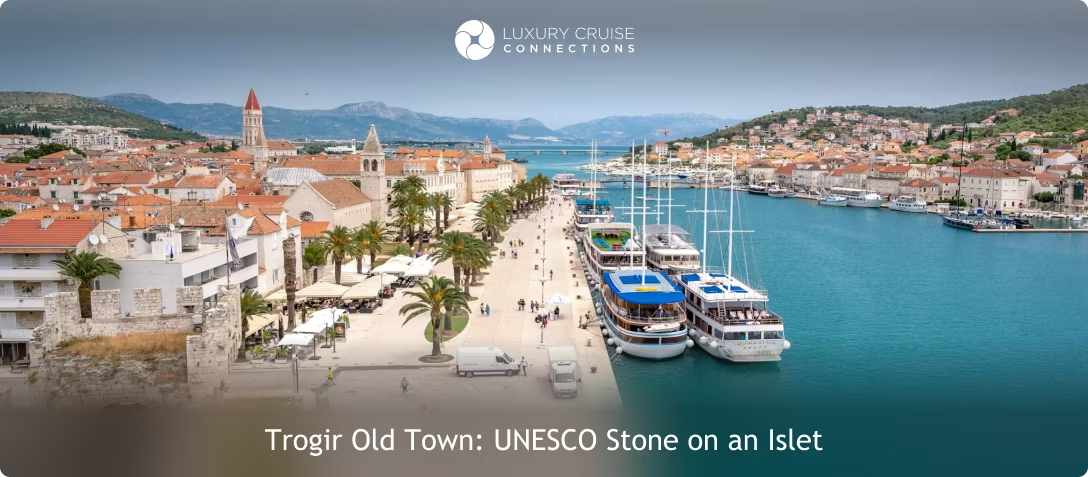
  • Trogir Old Town
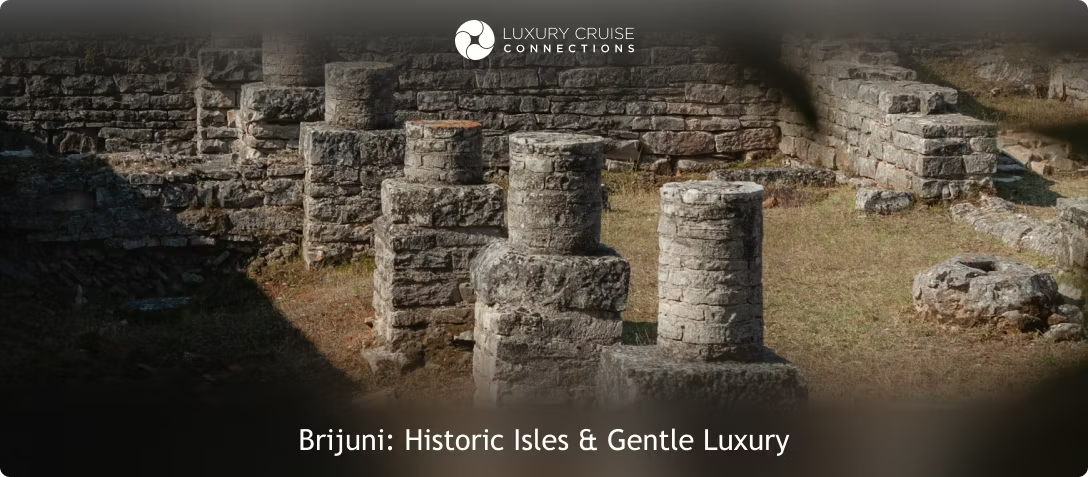
  • Brijuni National Park
  • Paklenica National Park
  • Istrian Peninsula Wine Routes


Which Vacation Spots in Croatia Are Best for Beach Lovers?

Vacation spots in Croatia that are the best for beach lovers are listed below.


What are the Best Things to Do in Croatia for First-Time Visitors?

The best things to do in Croatia for first-time visitors are listed below.

Walk through the UNESCO World Heritage medieval city (Pearl of the Adriatic), featuring marble-paved streets, baroque churches, and Game of Thrones filming locations within ancient walls.
Complete the 2-kilometer circular walk along the 14th-century fortifications, offering panoramic views of the Adriatic Sea, red-tiled rooftops, and surrounding islands
Explore the living 1,700-year-old Roman palace where 3,000 people still reside, shop, and dine among ancient columns, temples, and basement chambers.
Experience Croatia's most famous beach with its unique triangular white pebble formation that shifts with winds and tides, surrounded by pine forests and clear waters.
Navigate wooden walkways over 16 terraced turquoise lakes connected by waterfalls, taking electric boats and trains through Croatia's most visited natural attraction.
Charter a boat or join organized tours to explore hidden coves, the Pakleni Islands archipelago, and enjoy the Mediterranean lifestyle on Croatia's sunniest island.
Stroll cobblestone streets lined with colorful Venetian houses built on rocks above the sea, climb to St. Euphemia Church, and enjoy sunset views from the harbor.
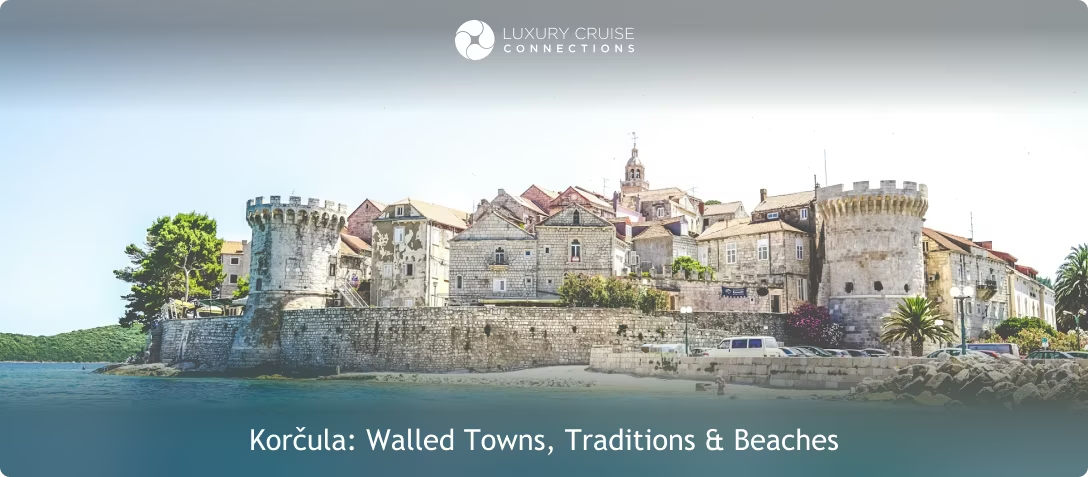
Explore the "Little Dubrovnik" medieval walled town, claiming to be Marco Polo's birthplace, featuring stone streets, Gothic architecture, and traditional sword dance performances.
Take a boat tour from Split or Hvar to witness the magical blue illumination created when sunlight enters through an underwater opening in the natural sea cave.
Visit family-owned wineries in Croatia's premier wine region to sample Malvasia white wines, Teran reds, and enjoy truffle hunting experiences with local delicacies.
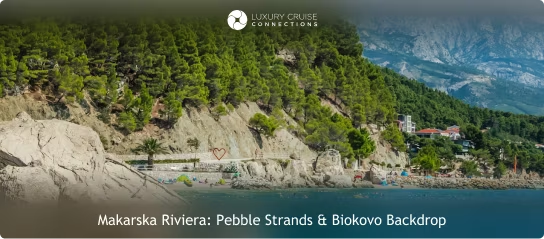
Enjoy 60 kilometers of pebble beaches beneath the dramatic Biokovo Mountains, with beach bars, water sports rentals, and charming coastal towns to explore.
Visit Croatia's most beautiful medieval castle surrounded by a romantic lake and English-style park, featuring original furniture, weapons collections, and fairy-tale architecture.
Walk through one of the world's best-preserved Roman amphitheaters, still hosting summer concerts and festivals while exploring underground chambers where gladiators once prepared.
Paddle along the unique waterfront where the Sea Organ creates music from waves while the Sun Salutation installation provides spectacular light shows at sunset.
Trek through dramatic canyons and climb limestone cliffs in the Velebit Mountains, offering some of Europe's best rock climbing and pristine wilderness experiences.
Are there Fun Things to Do in Croatia for Outdoor Adventures?

Yes, there are fun things to do in Croatia for outdoor adventures for travelers seeking thrilling experiences. The most enjoyable things to do in Croatia include sea kayaking through the ultramarine waters of the Pakleni Otoci islands, sailing along the Adriatic coast, and hiking in pristine national parks like Plitvice Lakes and Paklenica. Rock climbing opportunities are exceptional at Paklenica National Park, with routes ranging from beginner-friendly to challenging multi-pitch climbs for experienced climbers. Croatia adventure activities include biking through vineyards and olive groves on Korčula Island, rafting along emerald rivers, and exploring wild rivers and waterfalls on foot or by kayak. The combination of water sports, hiking, sailing, and climbing provides endless excitement and memorable experiences for active travelers across Croatia’s diverse landscapes.

How to Plan a Trip to Croatia on a Budget?

To plan a trip to Croatia on a budget, there are five steps. First, book accommodation in private apartments called “sobes” instead of expensive hotels, as they provide authentic Croatian hospitality at lower costs and include kitchens for preparing meals. Second, eat at local bakeries for breakfast and snacks, enjoying fresh burek, pastries, and sandwiches for just a few euros, then dine at traditional “konobas” (taverns) for simple homemade meals at reasonable prices, with dishes starting from 40 kuna. Third, use public ferries for island hopping instead of costly private tours, as ferries are frequent, affordable, and provide authentic travel experiences. Fourth, choose ferries over fast boats for safer, cheaper, and more reliable travel between islands while enjoying scenic routes. Lastly, consider traveling during shoulder seasons when accommodation and dining costs drop, and fewer tourists. Travelers make the most of their Croatia trip ideas while exploring historic cities and the stunning coastline, creating a memorable and budget-friendly trip to Croatia.

Are Croatia’s Tourist Attractions Family-Friendly?

Yes, Croatia's tourist attractions are highly family-friendly and cater to children of all ages. The Croatia tourist attractions include beautiful sandy beaches (Saplunara Beach on Mljet), ideal for swimming, sunbathing, and building sandcastles. The attractions in Croatia feature impressive national parks, with Plitvice Lakes National Park offering lakes and waterfalls connected by safe wooden walkways and an electric boat ride across Lake Kozjak that delights kids. Boat trips provide another family-friendly option, allowing visitors to explore nearby islands like Lokrum, Šipan, and Lopud while enjoying clear waters and snorkeling adventures. Croatia attractions include fun experiences in cities (Zagreb), with its funicular ride, and thrilling speedboat trips to the Blue Cave, keeping children entertained. The combination of safe beaches, accessible national parks, and engaging boat activities makes attractions in Croatia ideal for families seeking memorable and enjoyable experiences.

How to Experience Croatia’s Famous Beaches with Fewer Crowds?

To experience Croatia’s famous beaches with fewer crowds, there are five steps. First, visit during the shoulder seasons of late spring (May to June) or early fall (September to October) to enjoy mild weather and avoid peak tourist season. Second, arrive early in the morning to secure the best spot, enjoy calm waters, and benefit from gentler sunlight for swimming and photos. Third, explore hidden and remote beaches Nugal Beach, Stiniva Beach, Rt Kamenjak, or Sveti Ivan Beach on Cres Island for serene and uncrowded coastal escapes. Fourth, consider accessing beaches by boat, taking a tour, or chartering a private vessel to reach popular destinations outside peak hours and experience the Adriatic Sea from a unique perspective. Lastly, target lesser-known islands like Dugi Otok, where Sakarun Beach offers shallow turquoise waters and a quiet pebble shore, making it the best place to visit in Croatia for beaches without massive tourist crowds.

Are there Activities in Croatia Perfect for Families with Children?

Yes, there are activities in Croatia perfect for families with children. The Croatia activities include swimming in the crystal-clear Adriatic Sea, where islands near Dubrovnik offer sandy beaches, calm waters, and shallow areas suitable for children of different swimming abilities. Exploring ancient castles and city walls provides another fun experience, allowing kids to run through narrow alleyways, climb inside historic forts, and discover bustling waterfronts while learning about local history in Dubrovnik and Split. Ferry rides between islands create memorable family adventures, such as hopping to Lokrum Island, known for its wild peacocks, rabbits, shady walking trails, and hidden coves, or traveling from Split to Hvar, Brač, Vis, Korčula, and Šolta. Activities in Croatia engage children while parents enjoy the stunning scenery, historic sites, and cultural richness, making the family vacation educational and entertaining.

Best Things to Do Around the World

Discover the best activities, landmarks, and experiences in every cruise destination and port of call.

Europe Western, Central & Mediterranean
America North, Central, South & Caribbean
Africa & Asia Oceania & Antarctica