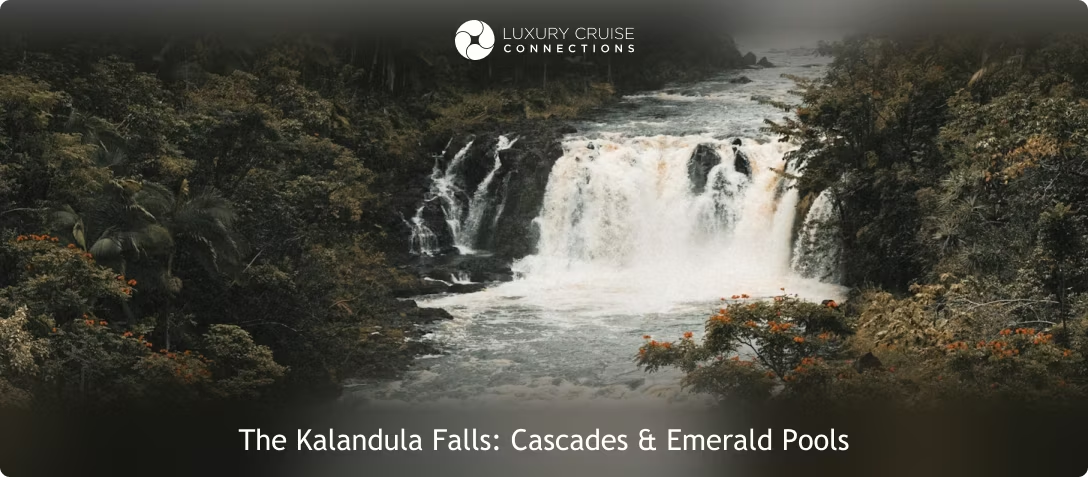
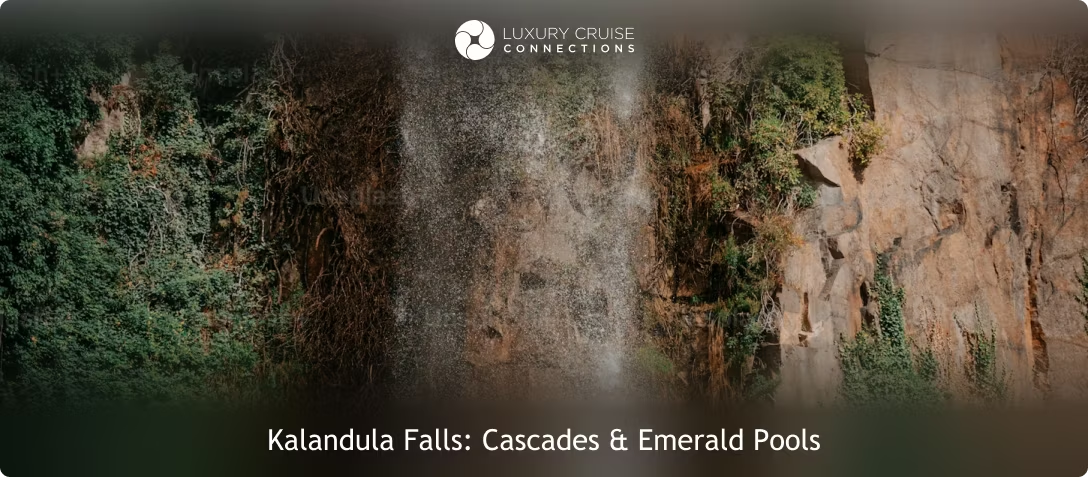
The massive size of Kalandula Falls makes it one of Africa’s most impressive waterfalls. The surrounding landscape is lush and green, adding to the breathtaking views of the falls. Visitors take in the scenic beauty from viewpoints, where the powerful flow of water is heard crashing into the river below. The falls are stunning during the rainy season when the volume of water increases. Visitors explore small villages nearby to gain a better understanding of local cultures and traditions.
Visitors take guided tours to learn about the geological and cultural significance of Kalandula Falls. People choose to hike the surrounding area to capture panoramic photographs of the falls and the lush terrain. Visitors enjoy picnicking along the riverbank while taking in the sights and sounds of nature. It is a place where one relaxes, unwinds, and enjoys the natural beauty of Angola in peace.
The best time to visit is during the rainy season, from November to April, when the water flow is at its peak, increasing the waterfall’s grandeur.
Local guides are available to provide insights into the falls' history, surrounding nature, and nearby villages.
Entry ranges from $5 to $10 per person. Guided tours cost between $10 and $20 per person, depending on the length and type of tour. Visitors must wear sturdy footwear for the hike and bring water for hydration.
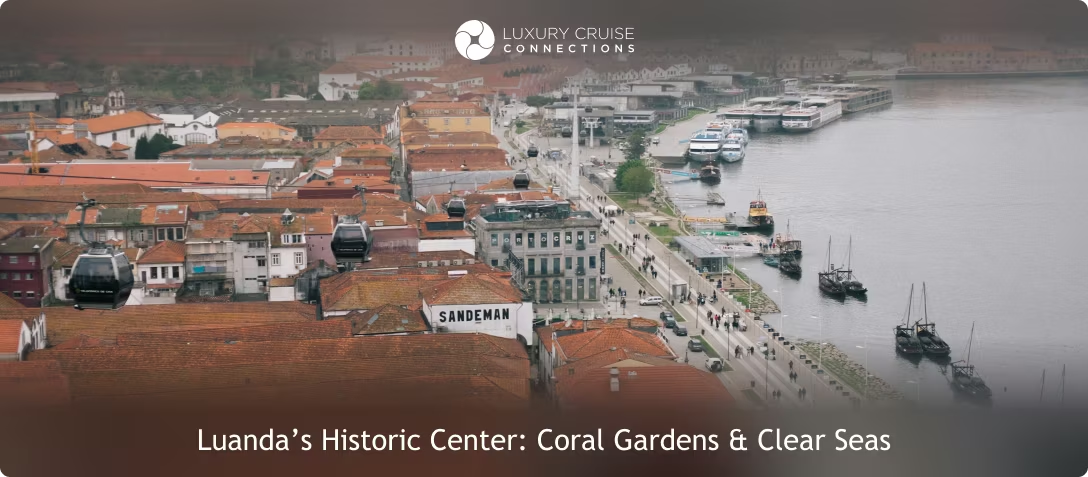
The Fortress of São Miguel offers panoramic views of Luanda and the harbor, serving as a testament to Angola’s colonial history, built in the 16th century. The National Museum of Anthropology displays Angola’s cultural heritage, including traditional artifacts and tribal art. Angola's Independence Square is another key feature, symbolizing the country's struggle for freedom. The Kinaxixi Market is a lively spot where visitors experience local life and shop for unique crafts and fresh produce
Visitors take guided tours through the historic center, learning about the city’s colonial past and its transformation over time. Exploring the Fortress of São Miguel provides a glimpse into Angola’s military history, while the National Museum of Anthropology offers deeper insights into the rich cultures that shaped the country. A stroll through the Kinaxixi Market provides a sense of the local culture, with its vibrant displays of Angolan music, food, and handicrafts.
The best time to visit is from May to October, when the weather is cooler and more comfortable for exploring the historic sites in Luanda.
Local guides are recommended for a more in-depth experience of the history and cultural significance of the landmarks in the historic center.
Entry to the Fortress of São Miguel and other museums costs around $5 to $10. Guided tours range from $15 to $30 per person, depending on the tour length and inclusions.
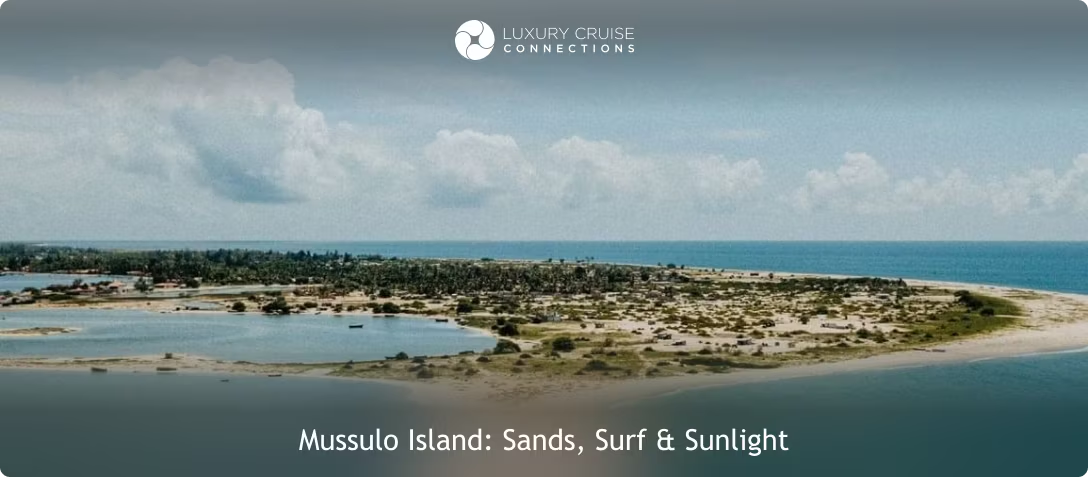
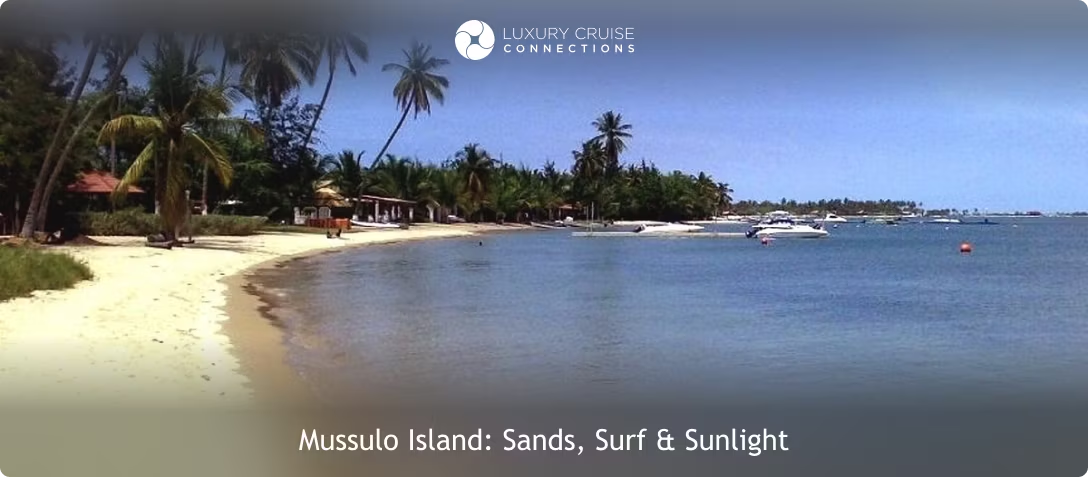
The island features beautiful, uncrowded beaches perfect for sunbathing and swimming. The calm, warm waters of the Atlantic Ocean provide an excellent environment for water sports such as kayaking and paddleboarding. Visitors explore the island’s mangrove forests, which offer a unique opportunity to enjoy nature and birdwatching. Mussulo Island is home to beachfront resorts and restaurants, providing a relaxing atmosphere for dining and unwinding.
Visitors spend their time enjoying the beaches, soaking up the sun, and swimming in the clear waters. Water sports and boat tours are available for travelers seeking more active pursuits. The island offers a peaceful setting for picnics and leisurely walks, with scenic views of the surrounding ocean. Visitors enjoy the local seafood at the island's restaurants while watching the sunset over the Atlantic.
The best time to visit Mussulo Island is from May to October, when the weather is dry and the temperature is more comfortable for outdoor activities.
Guided boat tours are available for exploring the island and its surroundings for water sports.
Entry to the island is free, but visitors need to pay for boat transport, water sports activities, and meals at local restaurants. Prices for activities range from $10 to $30 per person.

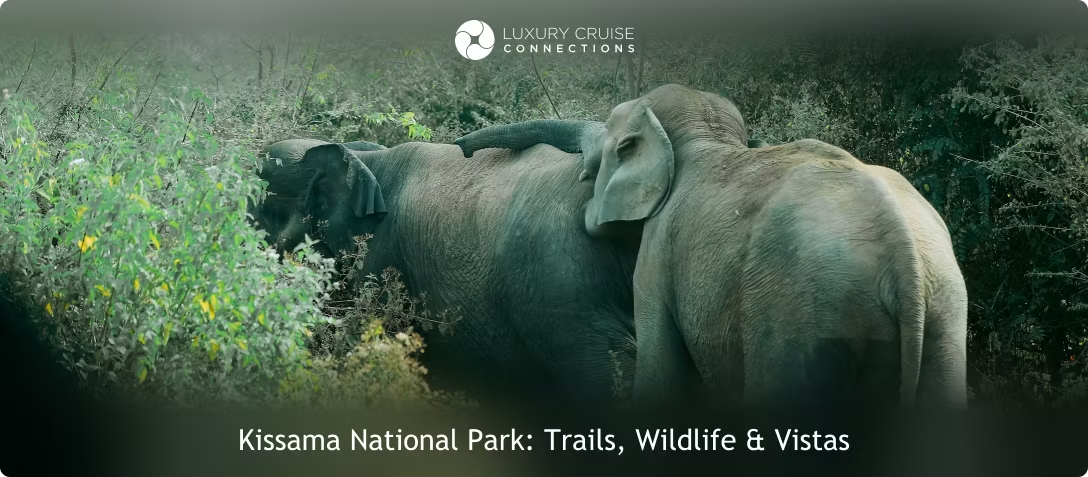
Kissama National Park is famous for its wildlife, elephants, and other large mammals. The Kissama National Park has rich birdlife, making it an excellent destination for birdwatching. Visitors enjoy thrilling safari drives, where visitors observe animals up close in their natural environment. It is home to beautiful landscapes, including beautiful lakes and forests, offering visitors a chance to explore the park’s varied terrains.
Visitors embark on guided safaris by vehicle or on foot to explore the park's stunning wildlife and ecosystems. Travelers have the opportunity to see the park’s diverse animals, including the famous Kissama elephants, and enjoy the beauty of the natural surroundings during a safari. Birdwatching enthusiasts spot various species of birds(the African fish eagle, hornbills, and flamingos), adding to the park's appeal. The park’s calm, untamed atmosphere makes it a perfect destination for nature lovers and adventure seekers.
The best time to visit is during the dry season, from May to October, when animals are more seen near water sources, and the weather is cooler for outdoor activities.
Local guides are recommended for safari tours to increase the experience and provide insights into the park’s wildlife and conservation efforts.
Entry to the park costs around $10 to $15 per person. Safari tours range from $30 to $100, depending on the type and duration of the tour. Visitors must wear comfortable clothing, bring sunscreen, and stay hydrated during their safari.
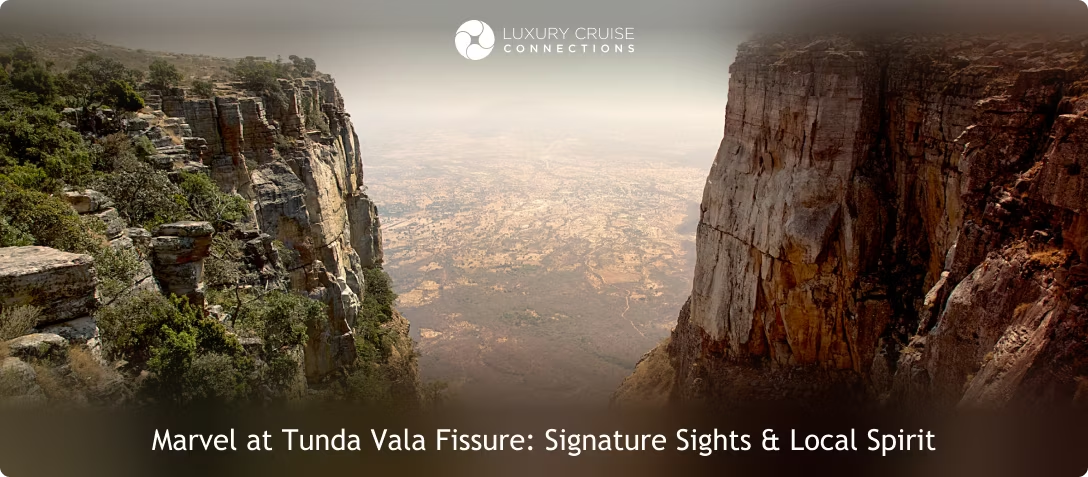
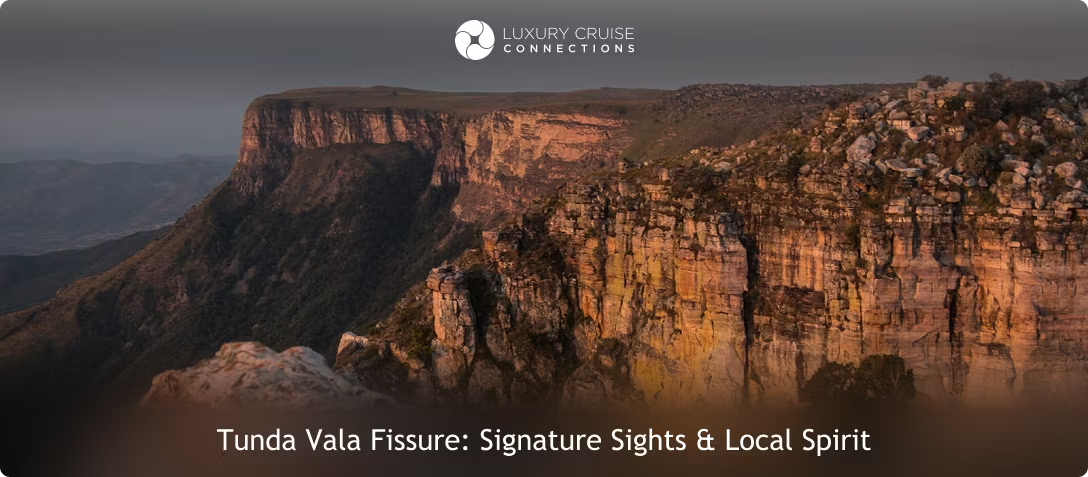
The Tunda Vala Fissure provides visitors with sweeping panoramic views of deep ravines and distant plateaus, showcasing the raw beauty of Angola's natural landscape. The vastness of the fissure and its contrasting landscapes of cliffs, valleys, and grassy plains make it an ideal location for photography and nature exploration. The region is untouched, offering a tranquil and remote experience for travelers looking to surround themselves in Angola’s pristine beauty.
Visitors hike along the edges of the fissure, exploring the area’s diverse plant and animal life while enjoying the stunning views. The hike offers an opportunity to connect with nature, and for adventurous travelers, the terrain provides a challenge that adds to the excitement of the visit. It is a perfect spot for relaxation and contemplation while taking in the vast, untouched landscape as a peaceful destination.
The best time to visit is during the dry season, from May to October, when the weather is cooler, and the hiking conditions are more favorable.
Local guides are recommended for travelers unfamiliar with the area, as local guides provide valuable information about the geology and history of the site.
Entry fees to the Tunda Vala Fissure are minimal, ranging from $5 to $10. Guided tours cost between $15-$30, depending on the length of the hike and services included. Visitors must wear sturdy footwear for the hike and bring plenty of water.
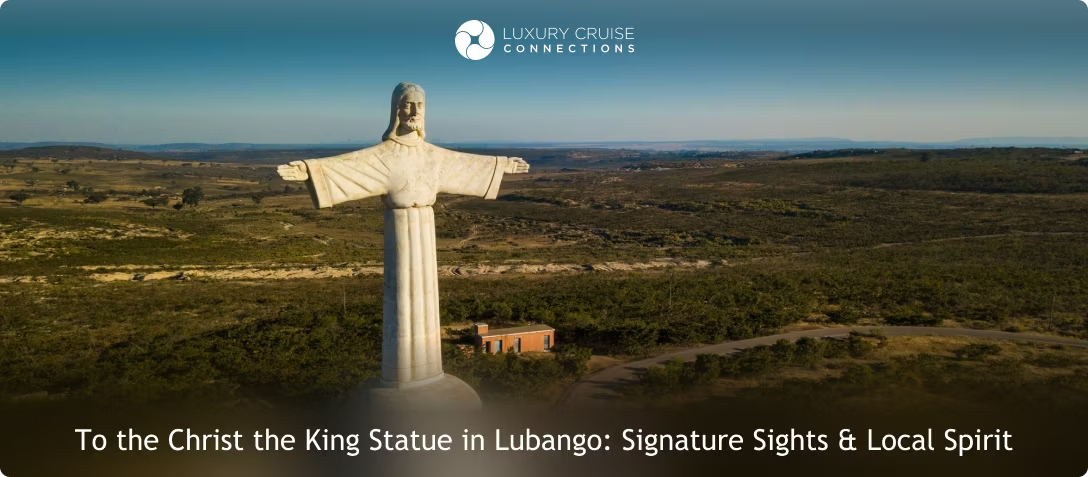
The Christ the King statue’s towering presence is complemented by its magnificent views of the city, the surrounding hills, and the distant plains below. Visitors admire the detailed design of the statue, which features Christ with open arms, symbolizing peace and hope. The surrounding area provides an excellent spot for photography at sunrise and sunset when the lighting adds to the statue’s beauty.
Visitors climb the hill to reach the base of the statue, where breathtaking views of the entire city of Lubango and the surrounding mountainous region greet them. The journey to the statue is a popular activity for locals and tourists, offering a mix of outdoor exercise and spiritual reflection. Visitors take in the magnificent scenery, explore the area, and learn about the cultural significance of the statue once at the top.
The best time to visit is during the dry season, from May to October, when the weather is cooler and ideal for hiking.
Local guides are available to provide insights into the statue's history, significance, and the best viewpoints for photographs.
Entry to the site is free, and donations are appreciated. Guided tours range from $10-$20 per person, depending on the length and services included. Visitors must wear comfortable shoes for the climb and bring water to stay hydrated.
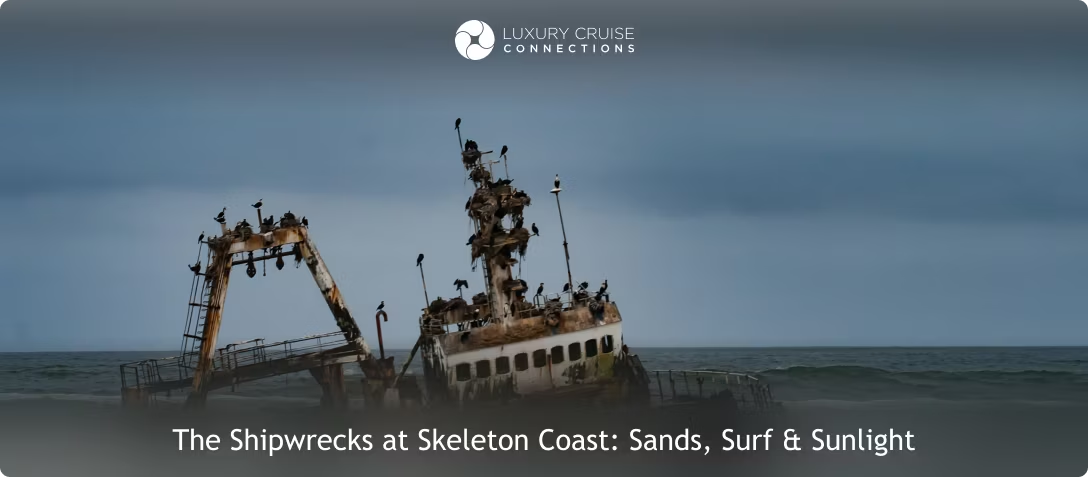
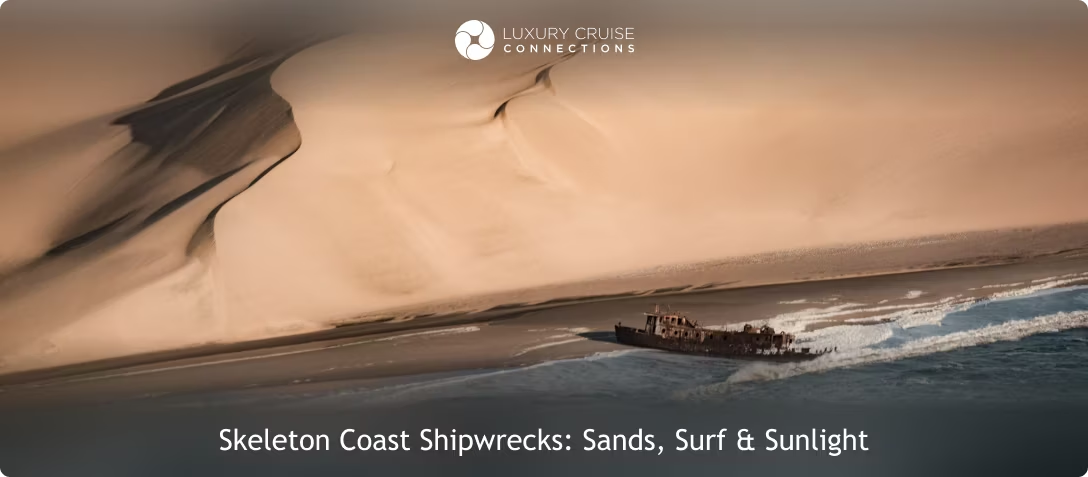
The shipwrecks at Skeleton Coast are the most famous landmarks in Angola, with several well-preserved wrecks dotting the shoreline. The ghostly remains of ships contrast vividly against the backdrop of the desert and the sea, making it a unique destination for explorers and photographers. The coast is known for its rich wildlife, including seals and birds, adding an extra layer of intrigue for nature lovers.
Visitors embark on guided tours of the Skeleton Coast, exploring the shipwrecks and learning about the maritime history and the harsh conditions that led to the disasters. The tour includes stops at the shipwrecks, where visitors walk around the remains and capture photographs of the eerie scene. The rugged terrain offers an adventure for travelers interested in the exploration of remote, untouched places, while the nearby wildlife provides an opportunity to connect with Angola’s natural environment.
The best time to visit is during the dry season, from May to October, when the weather is more favorable for exploration and photography
Local guides are recommended for safe navigation and to provide informative details about the history of the shipwrecks and the coast.
Entry to Skeleton Coast is free and guided tours range from $20-$50 per person, depending on the tour length and services provided. Visitors must wear sturdy footwear and bring sun protection due to the harsh environment
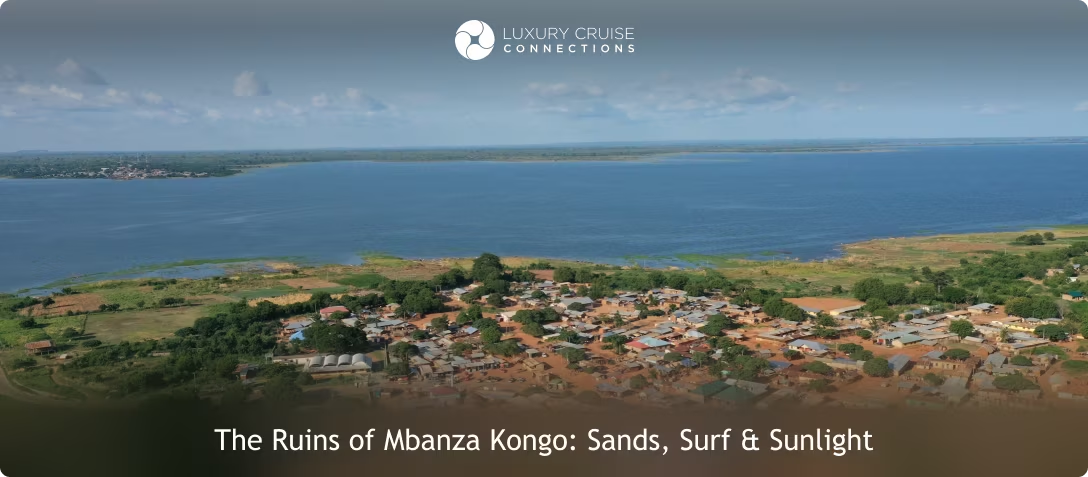
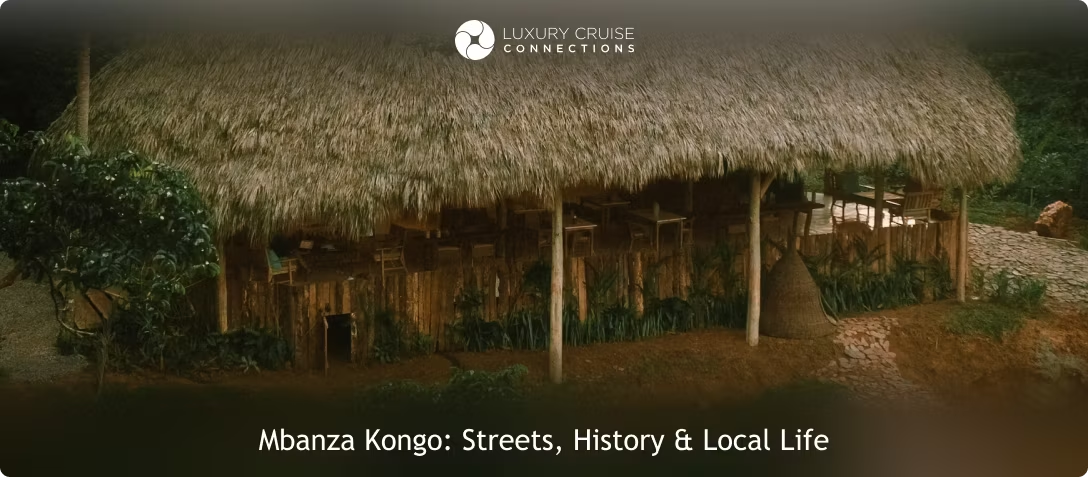
The ruins of Mbanza Kongo offer a unique glimpse into the Kongo Kingdom’s past, with remnants of stone structures, ceremonial structures, and burial sites. The site is home to various historical landmarks, including the Palace of the Kings of Kongo and the Church of São Salvador, which were integral to the Kingdom's religious and political life. Visitors explore the area’s archaeological sites, and the nearby Museu da Cidade de Mbanza Kongo offers further insight into the history of the region and the cultural significance of the Kongo Kingdom.
Exploring Mbanza Kongo allows visitors to engage in Angola’s rich historical heritage. Guided tours offer detailed information about the ruins, explaining their importance in the context of the Kingdom of Kongo’s history. Visitors walk through the ancient streets and experience the tranquility of this historical site, which remains a powerful symbol of the Kongo Kingdom’s once-great influence.
The best time to visit is from May to October, during the dry season, when the weather is cooler and the conditions are more favorable for exploration.
Local guides are recommended to gain deeper knowledge of the site’s history, cultural significance, and the ancient Kingdom of Kongo.
Entry fees are around $5-$10, and guided tours cost $15 to $30 per person, depending on the length and depth of the tour. Visitors must wear comfortable shoes for walking on uneven terrain.
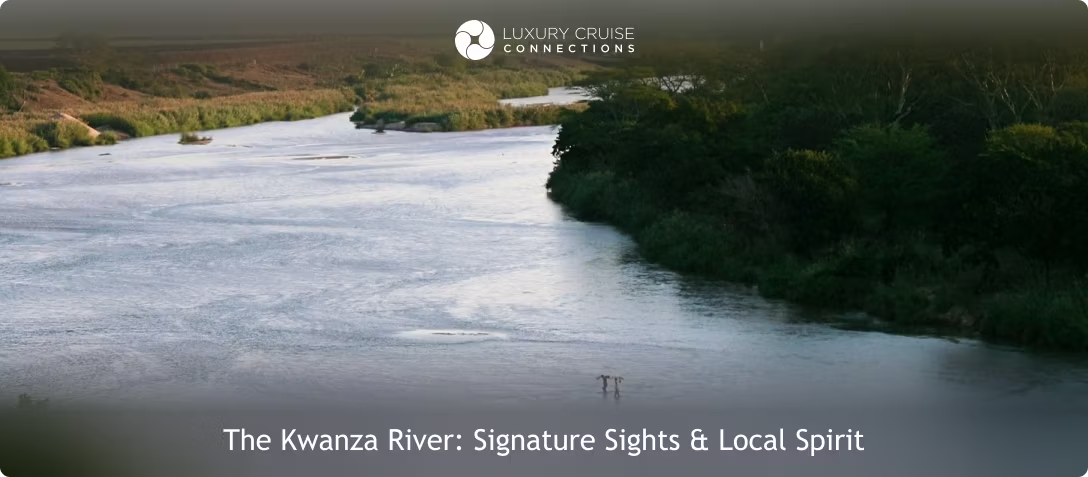
A Kwanza River cruise provides visitors with breathtaking views of the surrounding landscape, including dense forests, sandy shores, and dramatic cliffs. The Kwanza River is home to various species of wildlife, including hippos, crocodiles, and birds, making it an excellent destination for nature enthusiasts. The journey along the river includes visits to small towns and villages, where travelers experience the local culture and traditional life. Kwanza River is ideal for relaxing and reflection, due to its calm and unhurried pace.
Visitors embark on guided boat tours, which range from short tours to multi-day journeys, depending on the desired experience. The journey offers travelers a peaceful and intimate connection with nature and the chance to spot local wildlife. Tours provide insights into the river’s ecological importance and the livelihoods of people living along its banks. The cruise is perfect for travelers seeking a scenic and relaxing experience, far from the noise of urban life.
The best time to visit is during the dry season, from May to October, when the weather is more favorable for outdoor activities and the river is at its calmest.
Local guides are recommended for river cruises to provide insights into the region’s ecology, history, and culture.
Cruise fees range from $20-$50 per person, depending on the length of the tour and services included. Visitors must bring sunscreen, hats, and plenty of water for hydration during the journey.
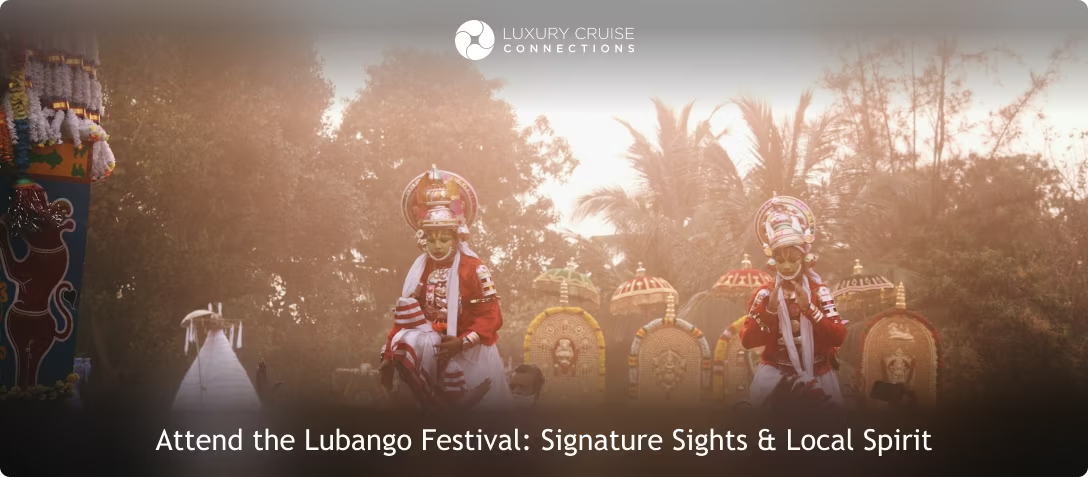
The Lubango Festival features an array of performances, including traditional music, dance, and theater, reflecting the cultural diversity of Angola’s southern regions. Visitors enjoy performances by local musicians, dancers, and artists, showcasing traditional and modern styles. The festival includes craft markets where visitors purchase handmade goods ( textiles, jewelry, and artwork) that reflect Angola's artistic traditions. Local food stalls offer a taste of Angolan cuisine, giving visitors a chance to indulge in regional specialties.
Attending the Lubango Festival provides a unique cultural experience, where visitors witness the heart of Angola’s southern culture through lively performances and interactions with local communities. The festival is a great way to enjoy the music, dance, and food of the region, while learning about Angola's history and customs. The festival's upbeat and colorful atmosphere is perfect for travelers seeking to explore the soul of Angola through its people and traditions.
The Lubango Festival takes place in the dry season, from May to October, when the weather is more inviting to outdoor activities and celebrations.
Local guides provide insightful tours during the festival, offering a deeper understanding of the cultural significance of the performances and local traditions.
Entry to the festival is free, while specific events or performances require a small fee, ranging from $5-$10. Visitors must expect to spend additional money on food, crafts, and souvenirs at the festival.
The reasons why Angola is becoming a Popular Cruise Destination are listed below.
The main cruise ports in Angola are Luanda, Lobito, and Namibe. Luanda is the primary port for international cruise ships, offering access to the city’s cultural landmarks, markets, and historical sites. Lobito is an important port that connects visitors to urban attractions and natural landscapes located on the central coast. Namibe provides travelers with access to pristine beaches and the Skeleton Coast, known for its unique geological features situated along the southern coast. The cruise ports are entry points for cruise travelers exploring Angola’s diverse cultural and natural attractions.
The best time to visit Angola on a cruise is during the dry season, from May to October. The period offers more pleasant weather for shore excursions, with cooler temperatures and less rainfall, making it ideal for exploring Angola's outdoor attractions. The dry season ensures smoother sea conditions, providing a more comfortable cruising experience. Visitors enjoy the country's natural beauty, including its pristine beaches, wildlife, and cultural landmarks, without the disruption of heavy rains or extreme heat, enriching the Luxury Cruise Experience. Luxury Cruise Experience.
No, people do not recommend visiting Angola tourist attractions during the summer. The summer season is hot and rainy, with heavy rains and high humidity, making travel challenging and roads difficult to navigate from November to April. The dry season is ideal for visiting Angola attractions due to cooler temperatures, less rainfall, and smoother sea conditions, making outdoor activities and cruises more comfortable from May to October. Tourist attractions in Angola are best explored during the dry period.
Yes, Angola is a good destination for a romantic getaway. The country offers a unique blend of natural beauty, cultural heritage, and stunning landscapes that make it ideal for couples seeking an unconventional experience. Kalandula Falls and Kissama National Park provide breathtaking views and tranquil settings perfect for exploring nature together. The Miradouro da Lua offers a lunar-like landscape that creates a romantic backdrop for memorable moments. The historic ruins of Mbanza Kongo offer couples a chance to dive into Angola’s rich cultural history. Angola is best suited for couples who enjoy outdoor adventures and cultural exploration rather than traditional resort-style vacations. The country's diverse terrain, safaris, beach destinations( Mussulo Island), and cultural experiences make it ideal for couples seeking an active and authentic Romantic Getaway for Couples. Angola is not the best choice if couples are looking for luxury resorts and relaxation compared to other traditional romantic destinations.
The top places to visit in Angola are listed below.

The most famous Angola landmarks are listed below.
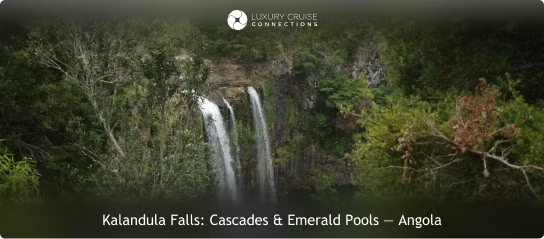
Kalandula Falls is one of Africa's largest and most impressive waterfalls, located in the Malanje Province. Kalandula Falls' breathtaking beauty makes it a must-see natural landmark in Angola.
Attributes of Kalandula Falls: Natural Beauty, Stunning Views, Photography Opportunities, Tranquil Environment.
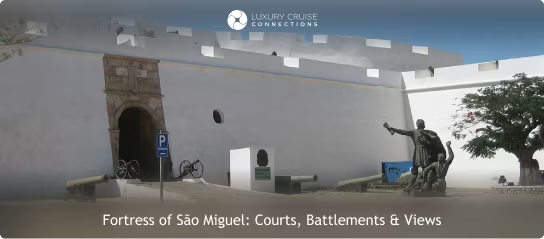
The Fortress of São Miguel is a historic landmark built in the 16th century by the Portuguese, located in Luanda. Fortress of São Miguel offers panoramic views of the city and is a historical site showcasing Angola's colonial past.
Attributes of Fortress of São Miguel: Colonial Architecture, Historical Significance, Panoramic Views, Military Heritage.
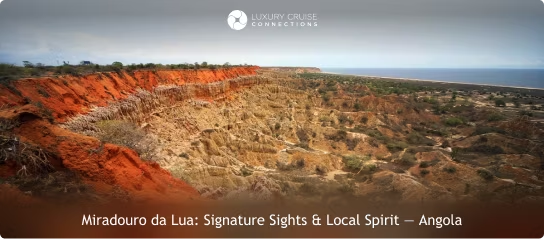
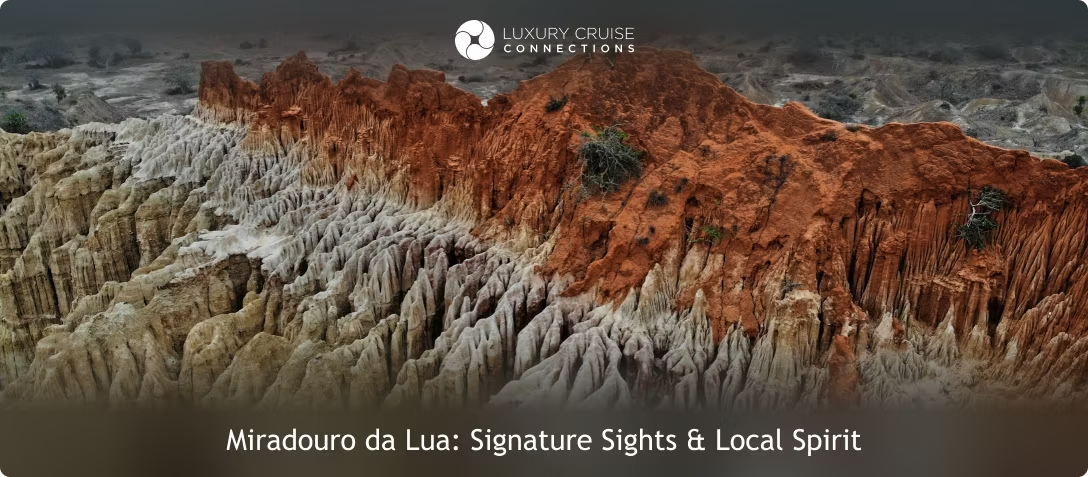
Miradouro da Lua features striking rock formations known for their unique lunar-like landscape near Luanda. Miradouro da Lua is a popular site for photography and exploration.
Attributes of Miradouro da Lua: Unique Geological Formation, Photography Spot, Scenic Views, Lunar Landscape.
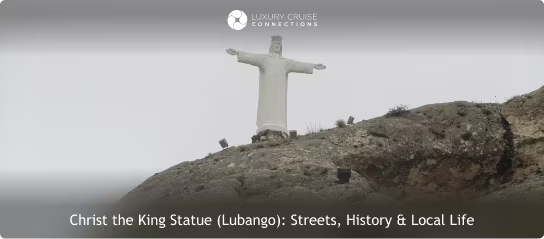
The Christ the King Statue in Lubango stands at 30 meters tall and offers stunning views of the city and surrounding areas. Christ the King is an iconic symbol of Angola's Catholic heritage.
Attributes of Christ the King Statue: Iconic Landmark, Religious Symbol, Panoramic Views, Cultural Heritage.
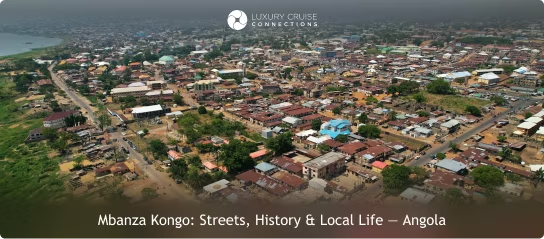
Mbanza Kongo was the capital of the Kingdom of Kongo, a UNESCO World Heritage site. Visitors explore ancient ruins, stone structures, and cultural landmarks that reflect the region's historical significance.
Attributes of Mbanza Kongo: UNESCO World Heritage Site, Ancient Ruins, Cultural Heritage, Historical Significance.
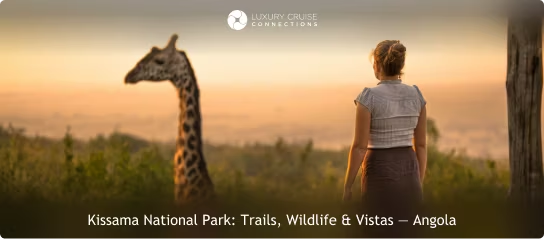
Kissama National Park is a vast wildlife reserve located south of Luanda. Kissama National Park is home to diverse species, including elephants, giraffes, and zebras, making it an essential landmark for wildlife enthusiasts.
Attributes of Kissama National Park: Wildlife Safari, Natural Conservation, Biodiversity, Adventure Activities.
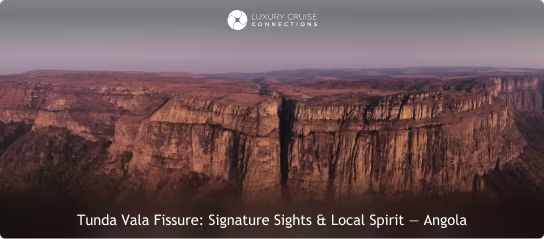
The Tunda Vala Fissure offers visitors fascinating views of deep cracks in the earth, an unforgettable natural wonder located in Huila Province.
Attributes of Tunda Vala Fissure: Geological Wonder, Scenic Views, Hiking Opportunities, Rugged Terrain.
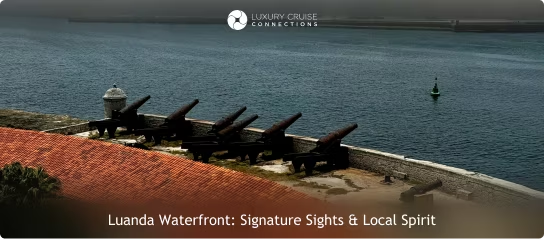
The Luanda Waterfront is a modern development along the Atlantic Ocean that provides beautiful views, dining, and shopping options. Luanda Waterfront highlights Angola's growing urban landscape while offering a pleasant escape near the city.
Attributes of Luanda Waterfront: Urban Development, Coastal Views, Dining and Shopping, Modern Amenities.

Angola’s Skeleton Coast is famous for its haunting shipwrecks, remnants of maritime disasters that occurred due to the region's treacherous waters. The eerie scene is a unique natural landmark for adventurers.
Attributes of Shipwrecks at Skeleton Coast: Maritime History, Eerie Atmosphere, Adventure Exploration, Coastal Landmarks.
Angola is famous for its rich cultural heritage, diverse landscapes, and natural wonders. The country is known for its breathtaking natural attractions such as Kalandula Falls, one of Africa's largest waterfalls, and the Tunda Vala Fissure, a dramatic geological formation. Angola is renowned for its wildlife in Kissama National Park, which is home to various species (elephants, giraffes, and zebras). The country has a rich history, reflected in Angola famous landmarks ( the Fortress of São Miguel in Luanda and the ancient ruins of Mbanza Kongo), which are a UNESCO World Heritage site. Angola landmarks are attractions for visitors, showcasing the country's historical significance and natural beauty. The country’s thriving oil industry and emerging tourism sector are becoming significant, making it a notable destination for business and leisure travel. Landmarks in Angola offer a diverse experience for tourists looking to explore its cultural and environmental heritage.
Discover the best activities, landmarks, and experiences in every cruise destination and port of call.
Europe & World Cruises
Western, Central & Mediterranean
America
North, Central, South & Caribbean
Africa & Asia
Oceania & Antarctica
