10 Best Things to Do in Djibouti

The best things to do in Djibouti are visiting Lake Assal, exploring Day Forest National Park, relaxing on Tadjoura&rsqu...

add

The best things to do in Djibouti are visiting Lake Assal, exploring Day Forest National Park, relaxing on Tadjoura’s beaches, diving in the Gulf of Tadjoura, and discovering Ardoukoba’s volcanic landscapes. Djibouti's other highlights include seeing the White Volcano, exploring Djibouti City, hiking the Goda Mountains, spotting wildlife on Moucha Island, and taking a boat ride to Dolphin Bay. 


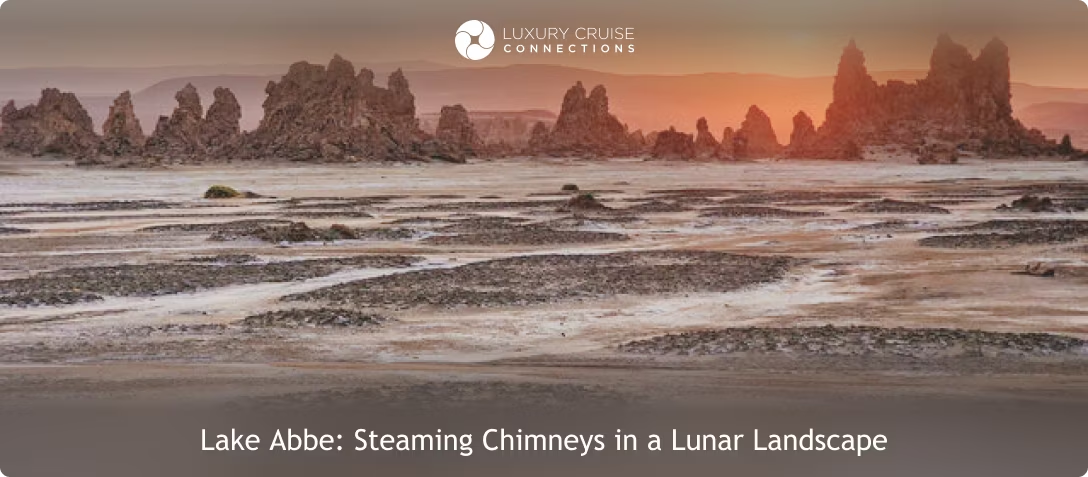
Djibouti is a small country in the Horn of Africa known for its unique landscapes and rich culture. Lake Assal attracts travelers with its salt-crusted shoreline, lying below sea level. The Gulf of Tadjoura offers diving with whale sharks and colorful coral reefs. Popular Djibouti tourist attractions include Lake Abbé with its limestone chimneys and the Goda Mountains featuring green vegetation contrasting with the surrounding desert. Ardoukoba Volcano displays striking volcanic terrain. Sable Blanc beach provides white sands for relaxation. Djibouti City’s markets showcase local goods and vibrant culture. The places to visit in Djibouti include remote desert plains with ancient lava flows and historic coastal towns like Tadjoura. Travelers seeking adventure hike volcanoes, snorkel along coral reefs, or explore highland forests. Visitors deciding what to do in Djibouti enjoy desert adventures, underwater exploration, cultural tours, and beach activities. The experiences make Djibouti one of East Africa’s most distinctive destinations.

  • Visit Lake Assal the Lowest Point in Africa
  • Explore the Day Forest National Park
  • Relax on the Beaches of Tadjoura
  • Go Diving in the Gulf of Tadjoura
  • Discover the Volcanic Landscapes of Ardoukoba
  • Visit the White Volcano (Goubet)
  • Explore the City of Djibouti
  • Hike in the Goda Mountains
  • See the Babouins and Wildlife at Moucha Island
  • Take a Boat Trip to Dolphin Bay
  • Visit Lake Assal the Lowest Point in Africa

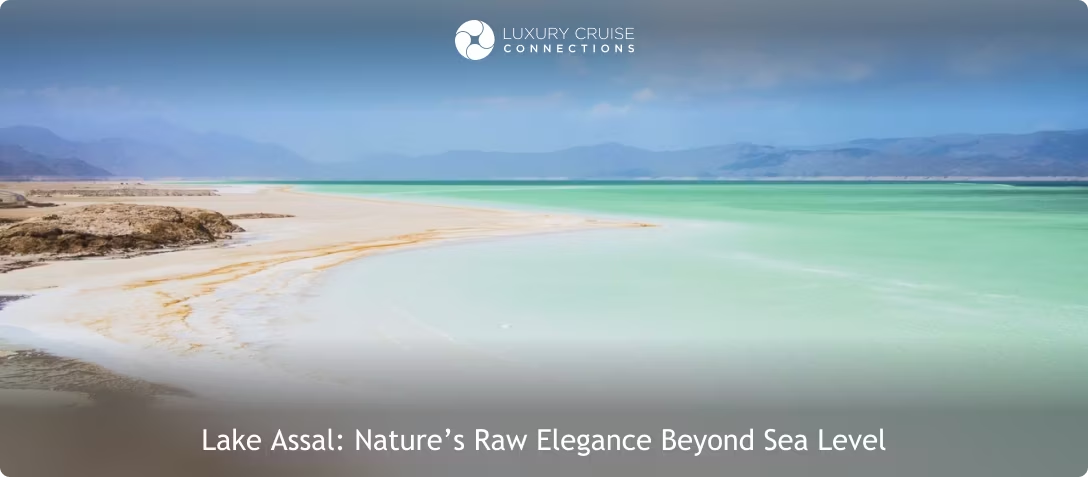
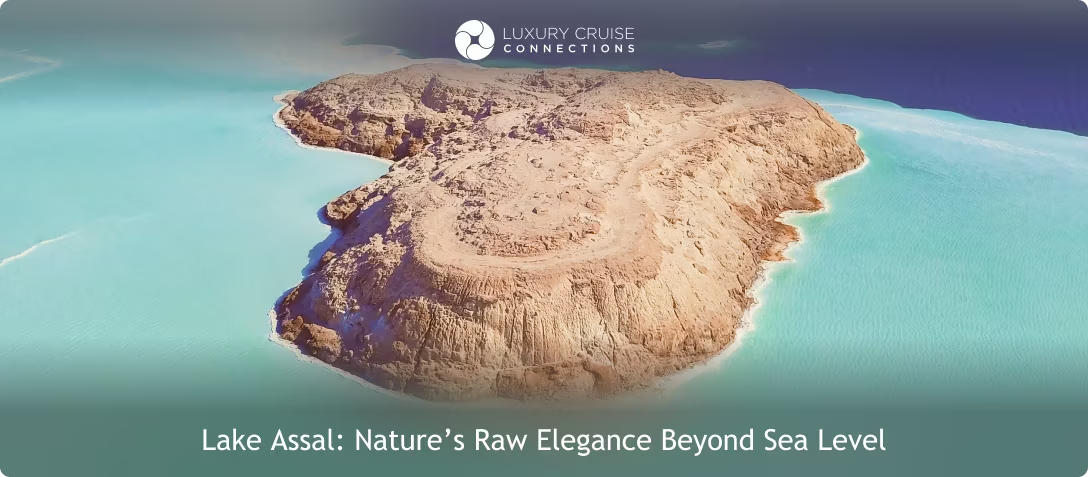
    Lake Assal is a crater lake located 110 kilometers west of Djibouti City at the western end of the Gulf of Tadjoura. The lake sits within the Afar Depression and holds the record as the lowest point in Africa below sea level. Lake Assal contains more than 300 grams of salt per liter, making its water even saltier than the Dead Sea. The name Lake Assal translates to “honey lake” due to the thick, viscous quality of its brines. The striking geological wonder lies within the Assal–Ghoubbat al Kharab rift, at the top of the Great Rift Valley.
    Visit Lake Assal the Lowest Point in Africa

    Lake Assal’s main highlight is its massive salt flats that stretch across the landscape, glistening under the sun and creating a spectacular white surface. The lake displays bright turquoise waters surrounded by rugged volcanic mountains, producing a dramatic contrast against the salt-crusted shores. Explore the unique salt formations through photography and sightseeing. The site gives an opportunity to observe traditional salt harvesting carried out by the Afar people, a practice that has been passed down for generations.

    A visit to Lake Assal offers the chance to walk across the salt flats and experience a setting that feels otherworldly. The journey to the lake involves crossing the Danakil Desert in a 4x4 vehicle, which adds an element of adventure. Enjoy floating in the lake’s hyper-saline water, which provides a sensation similar to the Dead Sea. The combination of volcanic landscapes, salt crusts, and glowing blue waters makes the destination feel like stepping onto another planet.

    November to March during cooler months.

    Professional tour guides included in organized tours and hotel staff connect travelers with reliable tour companies.

    Organized tours cost 5,860 DJF per traveler when sharing a vehicle with four travelers and include entrance fees.

  • Explore the Day Forest National Park

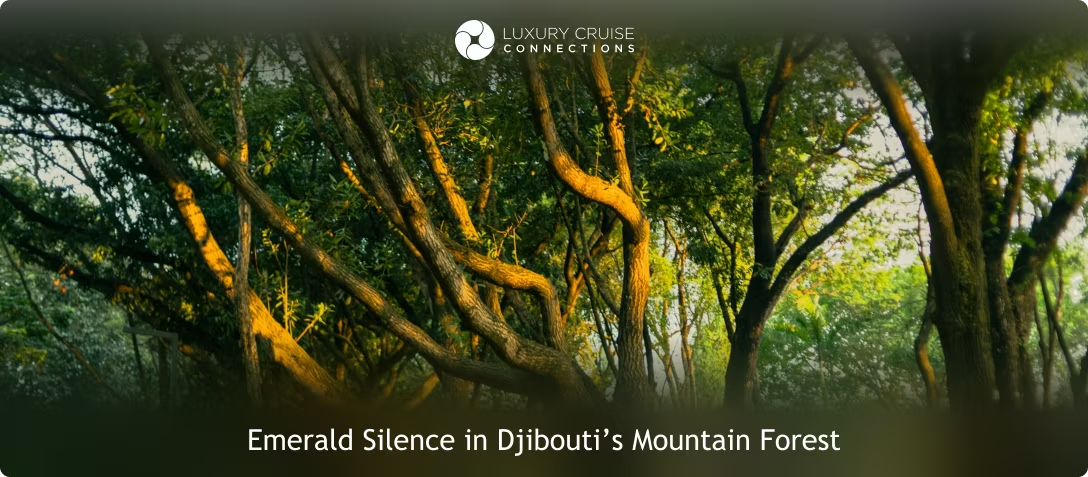
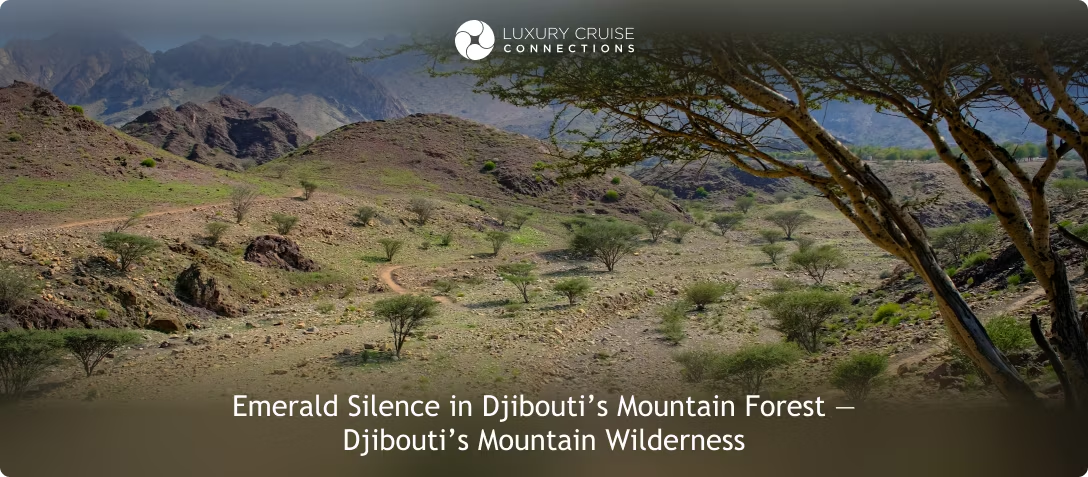
    Day Forest National Park (Forêt du Day National Park) lies in the Goda Mountains within the Tadjourah Region of Djibouti. The forest is among the rare green areas in the country, which is primarily dry. The park is the wettest place in Djibouti, receiving 500 millimeters of rainfall every year. The area protects a vital patch of forest that stands as a remnant of ancient vegetation, making it one of the last closed-protected forests in the country. The park forms a unique ecological sanctuary where dense greenery contrasts sharply with the surrounding semi-desert landscape.
    Bunk'Art Museums

    Day Forest National Park is home to diverse plant life such as Euphorbia, ficus trees, and Ziziphus, which are remnants of a time when the Sahara supported wide stretches of greenery. The Bankoualé waterfall is between Randa and the forest, and is among the park’s most impressive natural attractions. Hikers explore trails across the Goda Mountains, taking in some of the most scenic views in Djibouti. The area shelters rare wildlife, allowing nature lovers to observe species not commonly found elsewhere in the country.

    Exploring Day Forest National Park provides a refreshing contrast to Djibouti’s desert climate. Hikers enjoy treks to Banquale led by local guides, who share knowledge about the terrain, plants, and wildlife. Campsites offer simple huts, a shared but well-kept toilet block, and freshly prepared food, making the stay comfortable and authentic. Adventurers travel across mule tracks by off-road vehicles, which requires careful navigation due to the rugged landscape. The forest visit includes discovering ancient rock carvings, hiking shaded trails, and relaxing in Djibouti’s greenest and most vibrant environment.

    November to March, during the cooler months, for comfortable hiking.

    Local guides available for treks and hikes with expertise in the area’s natural features.

    Shared taxi from Djibouti City to Ali Sabieh costs 502 DJF, and a local taxi to the park entrance near Airolaf costs 1,837 DJF. Entrance and camping fees are extra charges to be arranged with tour operators or local authorities

  • Relax on the Beaches of Tadjoura

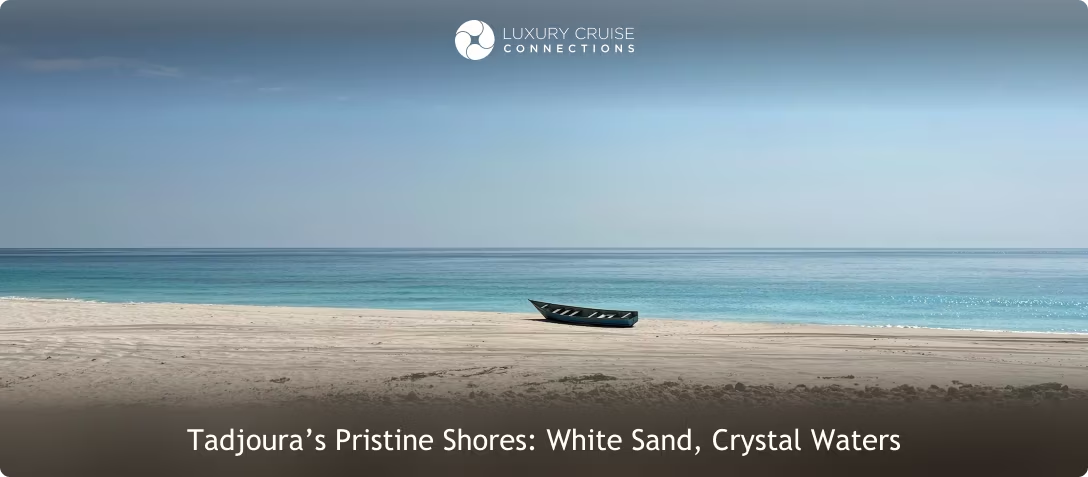
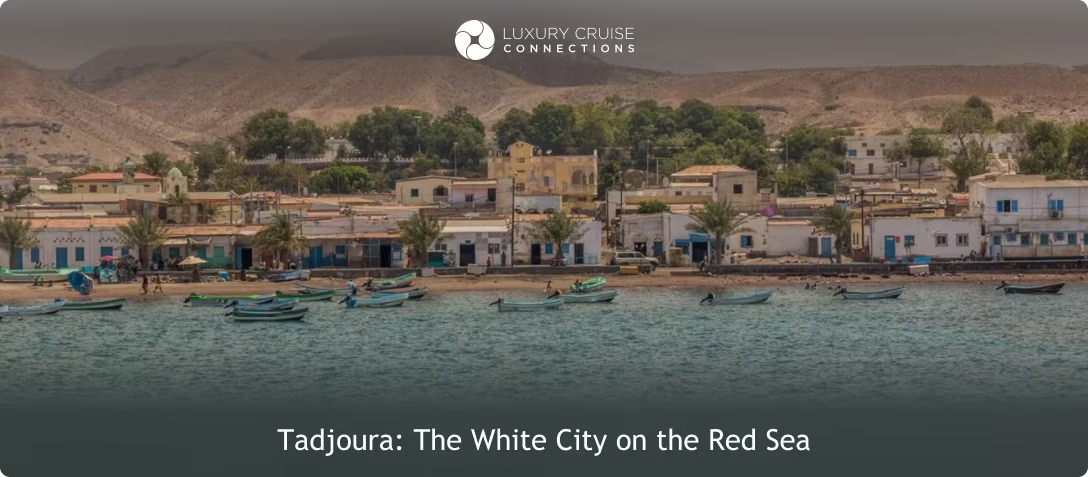
    Tadjoura is a coastal town on the Gulf of Tadjoura and is known as one of Djibouti’s best destinations for beach relaxation. The coastline features clear waters that are ideal for snorkeling and diving, along with vibrant coral reefs full of marine life. Tadjoura holds cultural significance as one of Djibouti’s oldest towns, with colorful markets and traditional architecture that reflect its rich history. The beaches surrounding the town provide white sand shores and access to some of the most beautiful marine environments along the Red Sea.
    Relax on the Beaches of Tadjoura

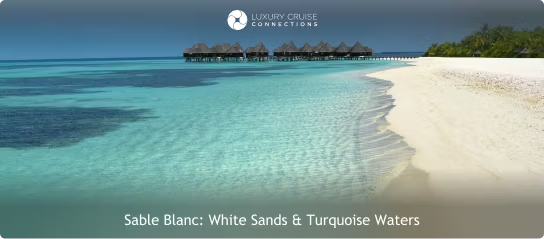
    Sable Blanc is the most famous attraction, offering a quiet white sand beach that is accessible by boat from Tadjoura town. The Gulf of Tadjoura provides excellent snorkeling and diving opportunities where visitors discover abundant marine life. Scuba diving, fishing, and swimming are popular activities along the coast. Dolphin and whale shark sightings add to the experience, making the Gulf a notable place for marine wildlife observation. The nearby Moucha Island is another highlight with additional beaches and snorkeling spots.

    Visitors to the beaches of Tadjoura relax on pristine white sand and swim in clear turquoise waters. Snorkeling and diving trips allow travelers to explore coral reefs and enjoy close encounters with marine species. Boat tours include dolphin and whale shark sightings, creating memorable wildlife experiences. Time at the beach is balanced with cultural exploration, as Tadjoura town offers colonial-style architecture and authentic Djiboutian cuisine. The combination of relaxation, adventure, and cultural heritage makes the Gulf of Tadjoura an ideal beach destination.

    November to March during the cooler season for comfortable beach conditions.

    Local boat operators and diving guides in Tadjoura town offer safe access to snorkeling sites and marine excursions.

    Snorkeling costs 837 DJF to 1,675 DJF, while daily budgets average 6,700 DJF to 10,880 DJF, including food, lodging, and beach activities. Boat rides to Sable Blanc or other nearby beaches require extra transportation fees based on group size and distance.

  • Go Diving in the Gulf of Tadjoura

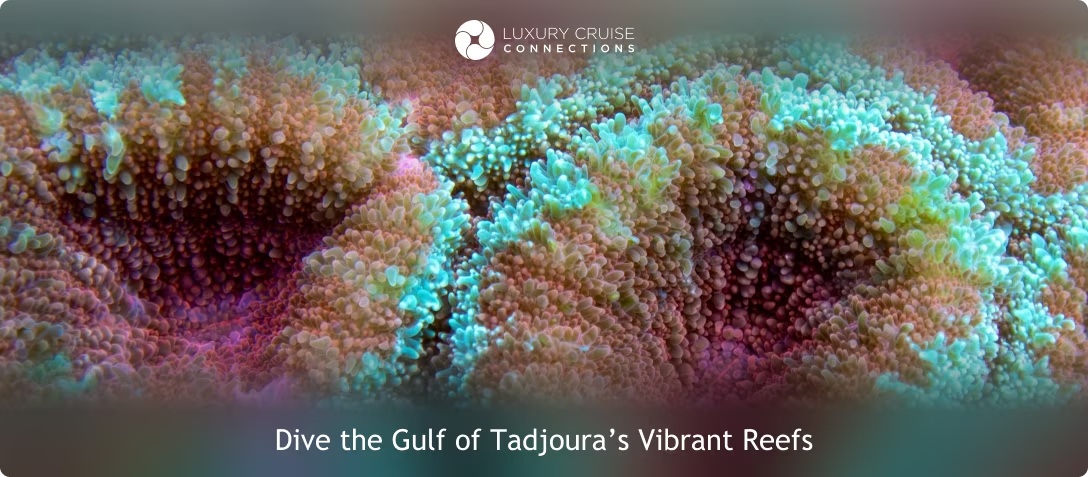
    The Gulf of Tadjoura lies at the western end of the Gulf of Aden along Djibouti’s coastline and is among the country’s top diving destinations. The Gulf is recognized for its rich marine biodiversity, attracting divers and snorkelers from around the world. The underwater environment includes more than 200 species of coral, colorful sponges, and large schools of tropical fish. Giant nudibranchs and other rare species thrive in the waters, making the gulf a unique diving location in the Red Sea region.
    Go Diving in the Gulf of Tadjoura

    The reefs of Ras Eiro on the southern shore of the Gulf of Tadjoura showcase vibrant coral formations and abundant marine life. Whale sharks gather from November to February during plankton blooms, offering close encounters with these gentle giants. Other prime dive sites include Rhounda Khomaytou, where large schools of jacks and barracuda circle around dramatic reef walls, and La Dame Blanche, a shipwreck lying 25 meters underwater. The Devil’s Cauldron at Goubet Al Kharab is known as a nursery for young whale sharks, making it an exceptional diving location.

    Divers explore reefs filled with fish such as clownfish, snappers, lionfish, and barracudas while swimming alongside dolphins, manta rays, and sharks. Advanced divers have the opportunity to descend into deeper waters where pelagic species feed, including tiger sharks and pilot whales. The Gulf’s warm and clear water provides ideal conditions for scuba diving and underwater photography. Photographers capture striking images of moray eels, reef fish, and intricate coral gardens that thrive across the gulf. Each dive delivers a combination of adventure, marine diversity, and stunning seascapes.

    November to February during whale shark season, with clear waters and high visibility.

    : Certified dive operators based in Djibouti City provide equipment, training, and guided access to the main dive sites.

    Snorkeling trips cost 14,200 DJF, two-tank dives cost 22,600 DJF, and whale shark excursions range between 15,050 DJF and 28,450 DJF, depending on location and trip duration.

  • Discover the Volcanic Landscapes of Ardoukoba

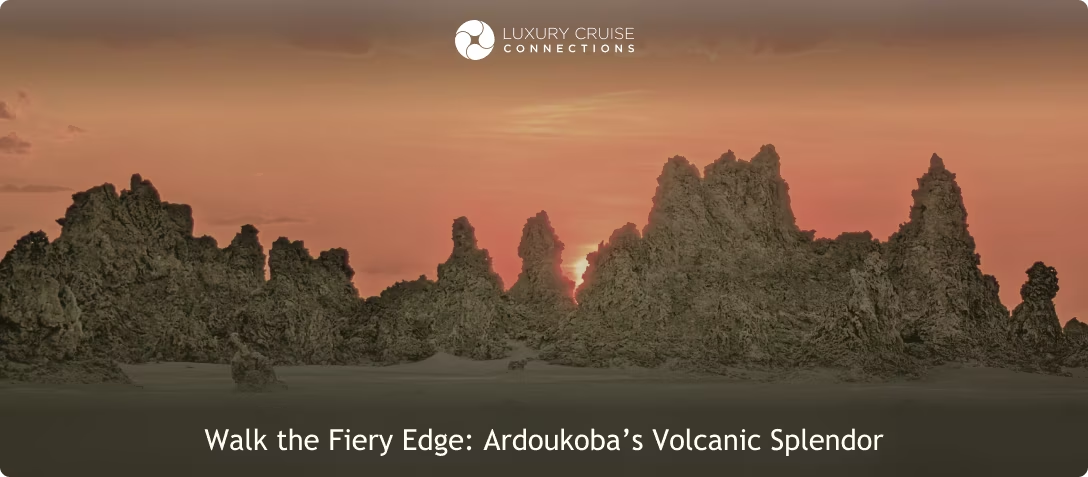
    Ardoukoba is a fissure vent volcano located 100 kilometers from Djibouti City, rising to a height of 298 meters above sea level. The volcano formed from a volcanic fissure and consists of basaltic slag cones with two basaltic lava flows. Ardoukoba last erupted in November 1978 after being dormant for nearly 3,000 years, triggered by an earthquake. The surrounding rift measures 17 kilometers in width and 800 meters in depth, linking Lake Assal with the Ghoubbat al Kharab gulf. The region forms part of the Afar Depression, one of the most geologically active areas in East Africa.
     Discover the Volcanic Landscapes of Ardoukoba

    The volcanic terrain around Ardoukoba features striking lava fields, steam vents, and rugged cinder cones. Hikers cross sharp, black lava flows that create dramatic scenery leading toward the volcano. The backdrop of Lake Assal with mountains on the horizon adds a spectacular view to the landscape. Walking across jagged volcanic plains offers a rare opportunity to explore a raw and unspoiled environment shaped by powerful geological forces.

    Travelers hiking through Ardoukoba traverse solidified lava created during the 1978 eruption, observing unique formations etched into the terrain. The climb to the summit presents a challenging but rewarding adventure across sharp volcanic rock. Visitors encounter an environment that remains active, with occasional small tremors reminding explorers of the area’s volcanic nature. Panoramic views from the volcano include Lake Assal and the vast expanse of the Afar Depression, offering an unforgettable combination of natural beauty and geological significance.

    November to February, during the cooler months when hiking conditions are more comfortable

    Local guides with knowledge of the volcanic terrain provide safe routes and geological context during hikes.

    Multi-day tours, including Ardoukoba, cost between 301,000 DJF and 445,800 DJF for a 7-day all-inclusive trip. Tour operators offer day trips from Djibouti City at lower prices depending on the itinerary.

  • Visit the White Volcano (Goubet)

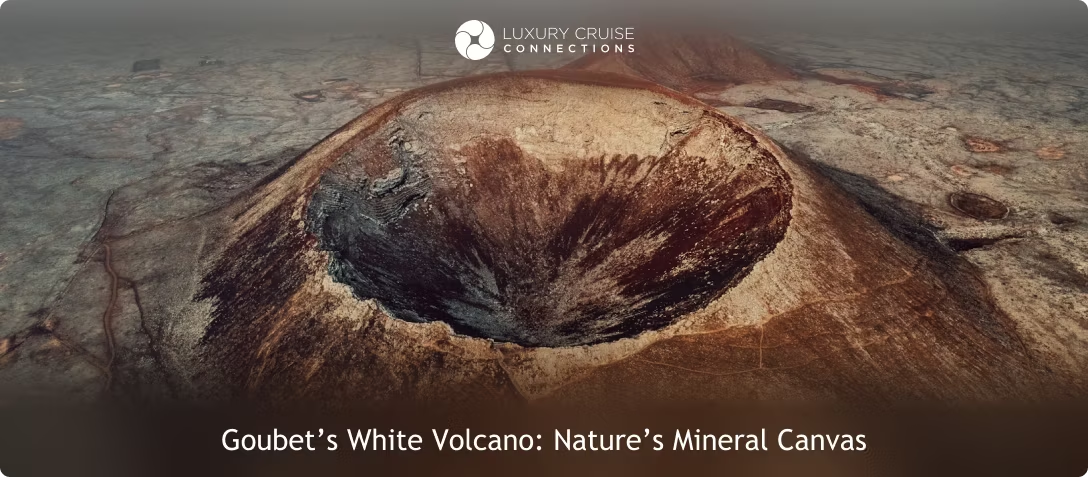
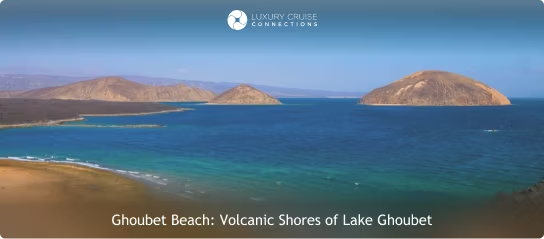
    The White Volcano (Goubet al Kharab or the Devil’s Cauldron) is a volcanic formation located in the Goubet region of Djibouti. The volcano is known for its white mineral deposits that contrast sharply with the surrounding dark volcanic rock. The site lies within the Afar Depression, one of the most geologically active areas in the Horn of Africa. The volcano sits at the meeting point of three tectonic plates, creating an environment of dramatic volcanic formations and ongoing geothermal activity.
    Visit the White Volcano (Goubet)

    The White Volcano features bright mineral deposits, crystalline layers, and striking volcanic structures shaped by heat and mineral-rich waters. The crater formations, fumaroles, and steaming vents provide evidence of continuing volcanic activity beneath the surface. The nearby Devil’s Cauldron is a nursery for young whale sharks, which makes the coastal waters surrounding the volcano equally remarkable. The combination of white volcanic deposits, black lava fields, and deep blue waters creates dramatic scenery ideal for photography and exploration. Visitors encounter hot springs and mineral pools that add to the area’s unusual geological character.

    Explorers walk through a landscape that looks otherworldly, with glowing white volcanic deposits set against stark desert rock. The terrain requires careful movement, but the reward is direct views of fumaroles and steaming vents releasing geothermal energy. Hikers study the unusual shapes created by mineral deposits while observing how volcanic activity interacts with nearby coastal waters. The experience highlights the raw energy of the Earth and provides a deeper understanding of the geological forces shaping the Afar Depression. Panoramic views combine volcanic plains with the waters of the Gulf of Tadjoura, giving visitors a dramatic sense of place.

    November to March during the cooler season when hiking is more comfortable.

    Local guides with expertise in volcanic activity ensure safe navigation and provide insight into geothermal features.

    Day tours cost between 16,750 DJF and 33,500 DJF, including transportation and guide services. Multi-day packages that combine the White Volcano with other volcanic sites cost more, depending on duration and included activities

  • Explore the City of Djibouti

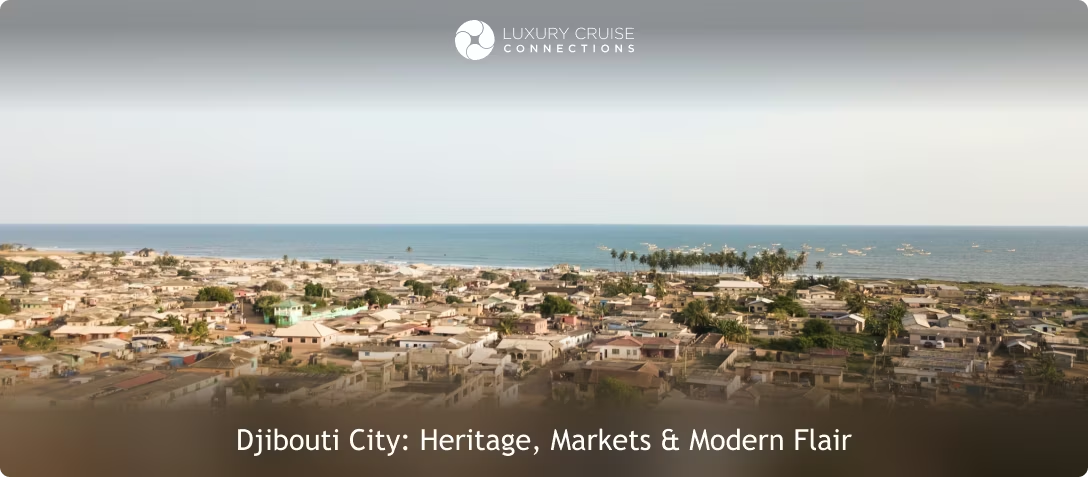
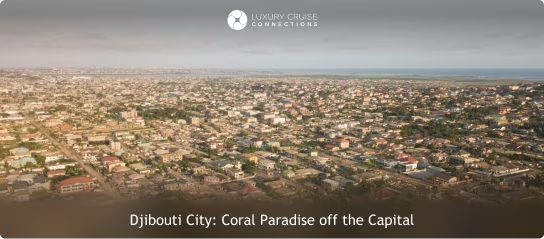
    Djibouti City is the capital and largest urban center of the Republic of Djibouti, showcasing a blend of Arab, East African, and European influences. The city reflects its colonial past through French-style buildings while integrating modern development and traditional neighborhoods into a unique urban setting. Djibouti City is an essential hub for international trade, with the Port of Djibouti and Djibouti International Airport functioning as key gateways for global business and travel. Its diverse architecture, lively neighborhoods, and strategic role make it the cultural and economic heart of the country.
    Explore the City of Djibouti

    The Marché Central (Central Market) is the city’s main attraction, offering a lively scene filled with local crafts, spices, textiles, and fresh produce. The area surrounding the central mosque highlights traditional Arab architecture, while the Presidential Palace represents the governmental side of Djiboutian life. Explore museums and cultural institutions that present the country’s heritage, alongside the European Quarter, which features preserved colonial-era buildings. Natural escapes such as Maskali Day Forest National Park provide additional variety to the city experience.

    Travelers encounter a vibrant metropolis where colonial, Arab, and African influences merge into a distinct cultural identity. The Central Market provides direct access to daily life through its bustling stalls, while the European Quarter offers a quieter walk among historic structures. Culinary exploration introduces flavors shaped by Arab, African, and French traditions, with street cafés and restaurants reflecting the diversity. The port area illustrates Djibouti’s global role, as visitors watch container ships and maritime activity that link the city to international commerce. The market, historic quarters, cuisine, and port activity create a dynamic combination of culture, history, and modern life.

    November to March for comfortable walking conditions and market visits.

    City guides arranged through hotels or tour companies provide insight into architecture, culture, and market etiquette.

    Budget hotels cost between 5,025 DJF and 10,050 DJF per night. Local meals range from 837 DJF to 2,505 DJF. Market goods and transport around the city are priced affordably for international visitors.

  • Hike in the Goda Mountains

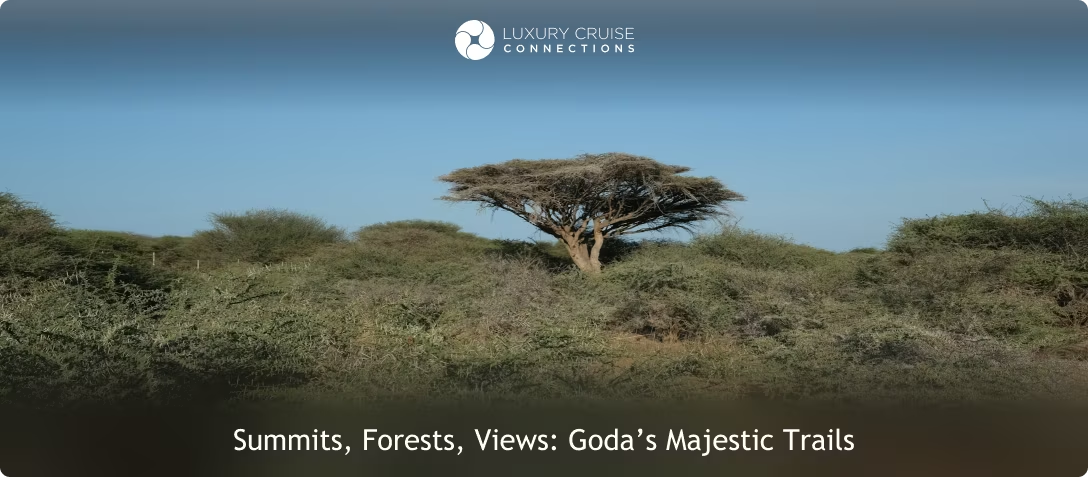
    The Goda Mountains rise northwest of the Gulf of Tadjoura to an elevation of 1,750 meters, making them the second-highest point in Djibouti. The name “Goda” means “twisted” or “devoured” in the Afar language, referring to the distinctive ridge line of the range. The mountain area is the most heavily vegetated region in the country and forms an ecological island of montane forest within a vast semi-desert landscape. The slopes host unique ecosystems that connect to the Ethiopian montane grasslands and woodlands, creating an isolated refuge for plants and animals. A section of the range is protected within Day Forest National Park, the only national park in Djibouti, where hikers gain access to highland forest trails and diverse biodiversity.
    Hike in the Goda Mountains

    The Goda Mountains feature a wide range of terrain, from steep rocky ascents and terraced slopes to gentle forest paths that lead into valleys and shaded trails. The hiking routes provide panoramic views over the Gulf of Tadjoura and deep into the Afar Depression. Day Forest National Park is the central attraction within the mountains, known for its rare wildlife, dense vegetation, and sweeping viewpoints. Wildlife enthusiasts encounter the endemic Djibouti francolin and numerous reptiles, birds, and plant species unique to the highlands. The area reflects vibrant Afar culture, as small highland communities maintain traditional ways of life within the mountain setting.

    Hiking in the Goda Mountains presents a striking contrast to Djibouti’s surrounding desert, offering cooler forested slopes that provide a refreshing change from the country’s arid climate. Trekkers encounter hidden valleys, freshwater springs, and lush greenery that reveal the mountains’ ecological richness. The trails introduce explorers to cultural and natural heritage, as hikers pass through Afar villages while learning about local traditions and experiencing authentic highland life. Each hike presents varied challenges, from simple forest walks to strenuous climbs over jagged rock formations, rewarded by breathtaking views across the landscape. The Goda Mountains deliver an engaging experience that combines nature, culture, and adventure.

    Visit from November to March during cooler weather for safe and enjoyable hiking conditions.

    Hire local mountain guides who know the trail systems, endemic species, and cultural sites.

    Guided hiking tours cost 13,400 DJF to 25,100 DJF per day, including transportation from Djibouti City. Multi-day trekking packages offer lower daily rates for extended exploration.

  • See the Babouins and Wildlife at the Moucha Island

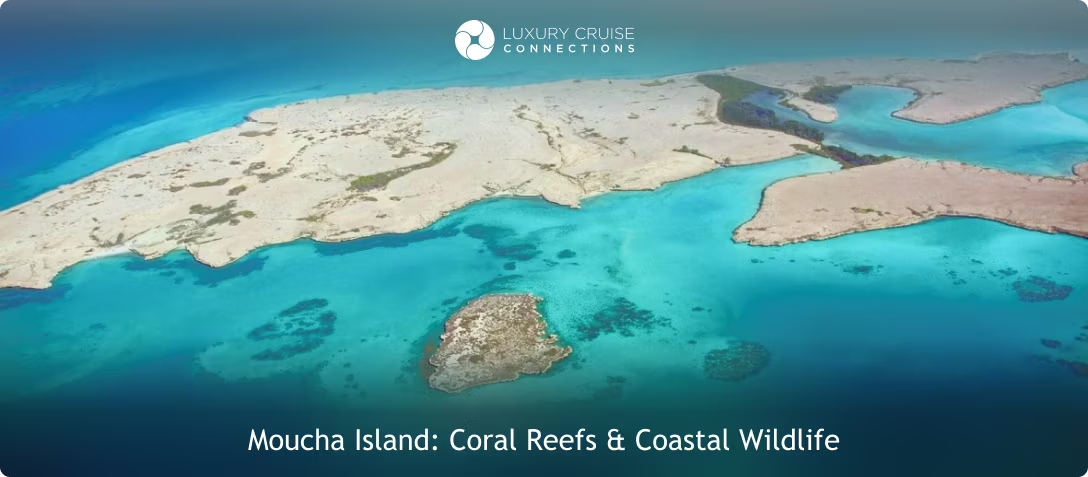
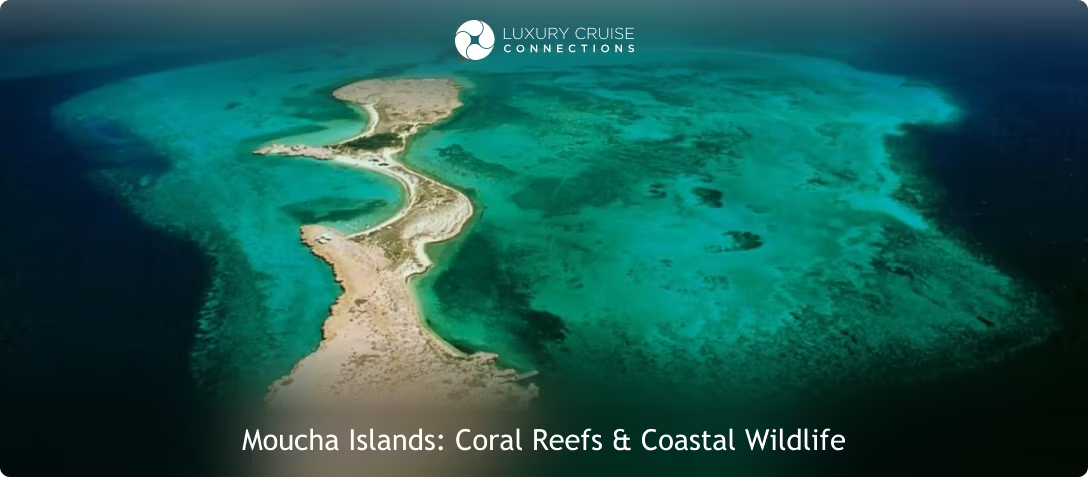
    Moucha Island is a small coral island in the Gulf of Tadjoura, located not far from Djibouti City. The island stretches three kilometers in length and is surrounded by Maskali Island, smaller islets, and a protective coral reef. The area blends desert and marine environments, creating an ecosystem that supports terrestrial and aquatic wildlife. The broader region around Moucha Island provides natural habitats for Hamadryas baboons, green monkeys, and diverse birdlife, while the surrounding waters shelter thriving coral reefs and tropical fish species
    See the Babouins and Wildlife at the Moucha Island

    Moucha Island offers visitors a variety of terrestrial and marine wildlife encounters. The coastal areas near the island provide opportunities to observe Hamadryas baboons and green monkeys that live in the surrounding vegetation. The coral reef encircling the island is home to clownfish, groupers, barracuda, mullet, and moray eels. The island is known for its snorkeling and diving opportunities, with colorful reefs offering excellent underwater visibility. Fishing, swimming, and relaxed beach walks complement the wildlife activities, making the island a versatile destination for land and sea exploration.

    Wildlife watchers encounter baboons foraging in the coastal vegetation and lounging in shaded areas, while green monkeys appear near boats and landing points. Marine explorers swim or dive through vibrant reefs filled with tropical fish and observe marine life in its natural environment. The combination of terrestrial encounters with primates and underwater adventures with reef ecosystems creates a rare opportunity to experience desert-adapted wildlife alongside rich marine biodiversity. Enjoy the calm and secluded atmosphere of the island, where the natural setting provides relaxation and active exploration.

    November to March offers cooler weather for land exploration and clear visibility for snorkeling and diving.

    Hire local boat operators and wildlife guides for safe travel, marine life identification, and primate behavior observation.

    Day trips to Moucha Island cost 44,500 DJF for two travelers, including boat transfers. Chartered boats range between 16,750 DJF and 33,500 DJF, depending on size and season. Local boat rides cost 200 DJF per traveler.

  • Take a Boat Trip to the Dolphin Bay

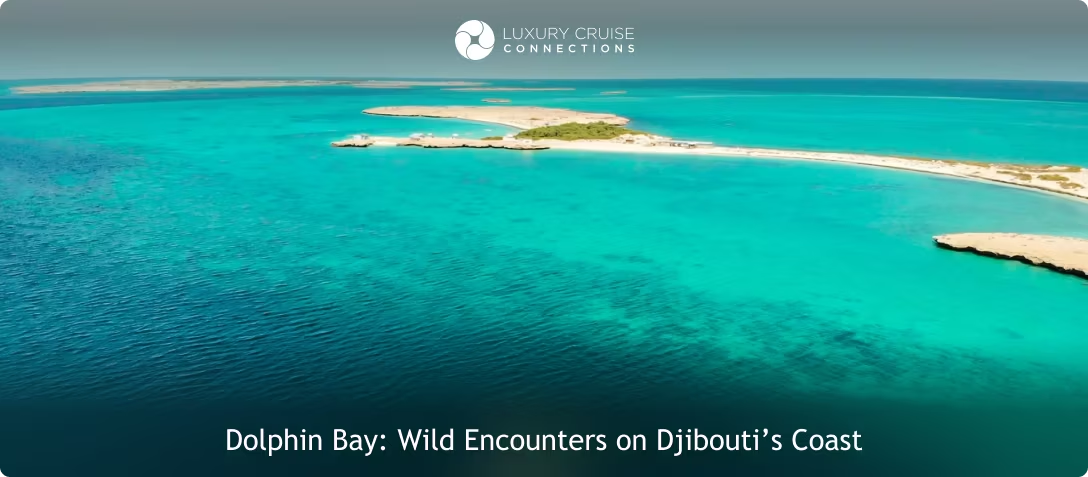
    Dolphin Bay is the prime marine area of the Gulf of Tadjoura, where dolphins gather and are observed during guided boat excursions. The Gulf is shaped by strong tidal currents that attract marine life, making it a hotspot for dolphins, manta rays, and whale sharks. Coral reefs line the gulf and support hundreds of fish species, while the waters remain among the clearest in Djibouti. Established tour operators such as Dolphin Excursions Djibouti provide safe and professional access to the unique marine environment.
    Take a Boat Trip to the Dolphin Bay

    Dolphin Bay is best known for its frequent sightings of bottlenose dolphins that swim alongside boats and leap out of the water in coordinated movements. The area features colorful coral gardens and schools of reef fish that create perfect conditions for snorkeling and scuba diving. Visitors encounter manta rays gliding through the water and whale sharks feeding on plankton during the migration season. The reefs host more than 200 coral species, offering underwater photographers and marine enthusiasts some of the most diverse ecosystems in the region.

    Watch dolphin pods swimming freely in the open sea while in a boat, and enjoy the rare experience of seeing marine mammals in their natural habitat. Snorkeling with whale sharks gives travelers the chance to swim near the largest fish in the world, while being safe due to the gentle nature of the species. Divers explore reefs filled with tropical fish, while rays and other shark species appear in deeper waters. The trip combines relaxation on calm waters with thrilling wildlife encounters that showcase the richness of Djibouti’s marine ecosystem.

    November to February offers the best dolphin sightings and clear water for snorkeling and diving.

    Book certified marine guides through Dolphin Excursions Djibouti or other established operators for safe and knowledgeable trips.

    Boat tours range between 16,750 DJF and 33,500 DJF per day, depending on trip length and activities, with whale shark snorkeling priced at a higher rate.


What are the Most Popular Tourist Attractions in Djibouti?

The most popular tourist attractions in Djibouti are listed below.

  • Lake Assal
  • Lake Abbe
  • Day Forest National Park
  • Moucha Islands
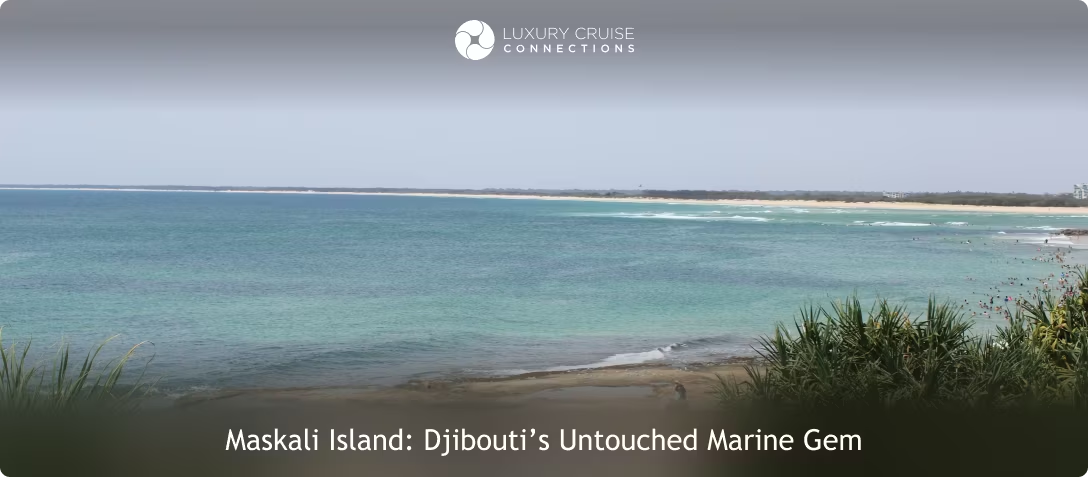
  • Maskali Island
  • Tadjoura
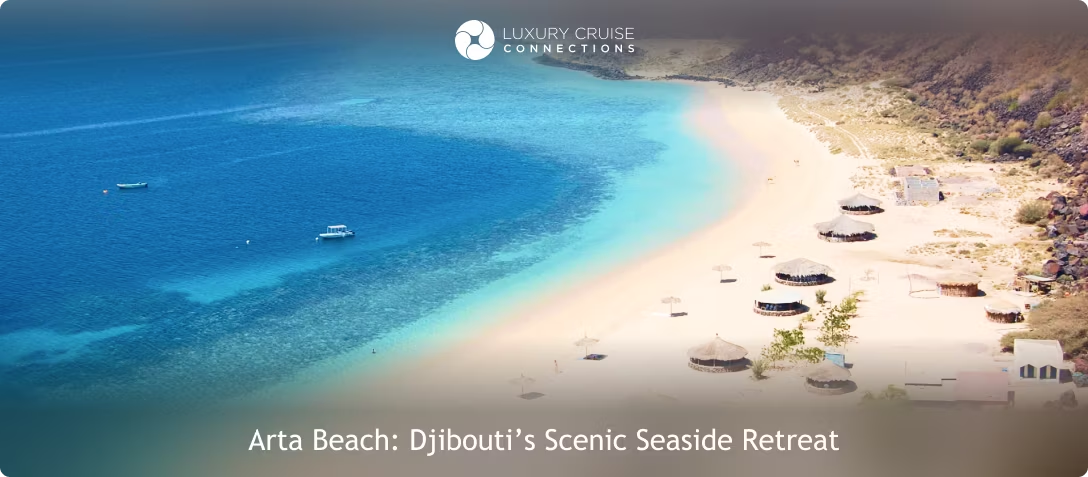
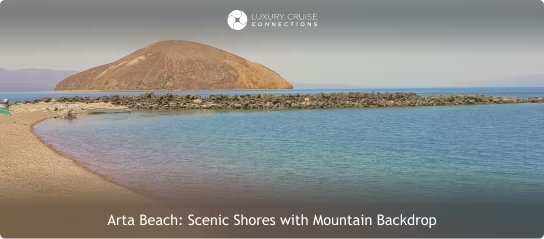
  • Arta Beach
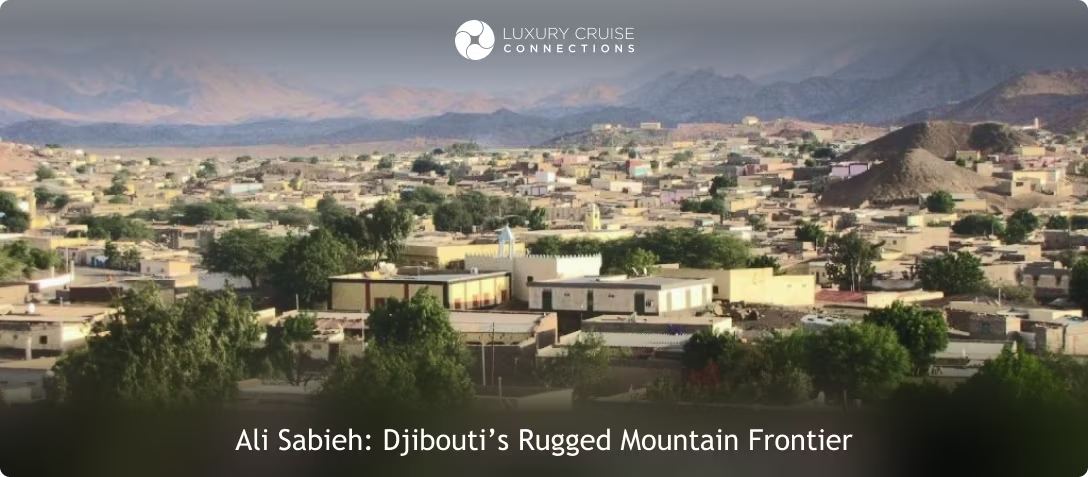
  • Ali Sabieh Mountains
  • Djibouti City Central Market
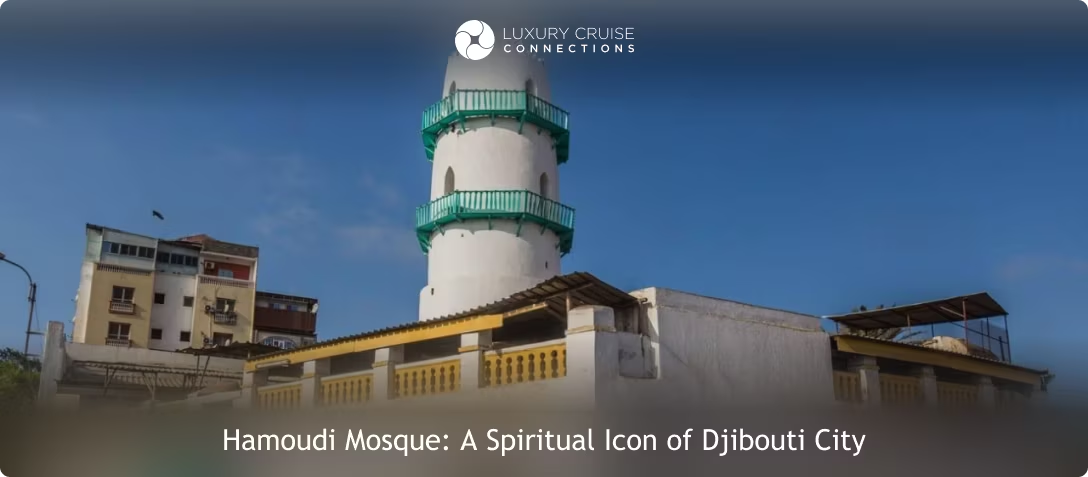
  • Hamoudi Mosque


Which Vacation Spots in Djibouti are Best for Beach Lovers?

Vacation spots in Djibouti that are best for beach lovers are listed below.


What are the Best Things to Do in Djibouti for First-Time Visitors?

The best things to do in Djibouti for first-time visitors are listed below.

Africa's lowest point and the world's third saltiest body of water, featuring striking white salt formations and dramatic desert scenery.
A surreal landscape marked by towering limestone chimneys, steaming geothermal vents, and otherworldly scenery.
Ksamil is part of the Albanian Riviera, and it is known for its white sandy beaches and crystal-clear water. Visitors relax on the beach, take a boat to the nearby islands, or enjoy water activities (kayaking). It is a perfect spot for a laid-back day, making it one of the best places to visit in Albania for beach lovers.Attributes of Ksamil Beach: White Sandy Beaches, Boat Tours, Water Activities.
A premier underwater destination featuring whale sharks, colorful coral reefs, and crystal-clear waters.
A coral island paradise offering pristine beaches, clear lagoons, and excellent snorkeling experiences.
A vibrant hub of activity where colorful stalls showcase spices, textiles, and traditional goods.
Djibouti’s only national park featuring lush mountain forests, endemic wildlife, and cool hiking trails
A historic coastal settlement known for whitewashed buildings, ancient mosques, and cultural heritage.
A dramatic marine area shaped by strong tidal forces and home to dolphins, manta rays, and whale sharks.
A mountain range rising above 1,700 meters that offers diverse trails, panoramic views, and a cool climate.
Where can you Experience the Unique Djibouti Scenery?

You can experience the unique Djibouti scenery at Lake Assal, the Day Forest National Park, the Ardoukoba volcano, and the beaches along the Gulf of Tadjoura, each revealing strikingly different landscapes. Lake Assal is the lowest point in Africa, where glistening salt flats meet turquoise waters in a dramatic desert setting. Day Forest National Park offers a rare green oasis filled with juniper and acacia trees, creating a sharp contrast to the arid surroundings. Ardoukoba volcano presents a rugged volcanic terrain with black lava fields that highlight Djibouti’s geological power.

Are there Activities in Djibouti Perfect for Families with Children?

Yes, there are activities in Djibouti perfect for families with children, combining recreation, education, and outdoor fun. Aquaclub in Djibouti City provides a safe and enjoyable setting with water slides, swimming pools, and play areas that keep children entertained in a controlled environment. Lake Assal introduces families to an extraordinary natural landmark where children learn about geology while exploring the shimmering salt flats and surrounding desert scenery.

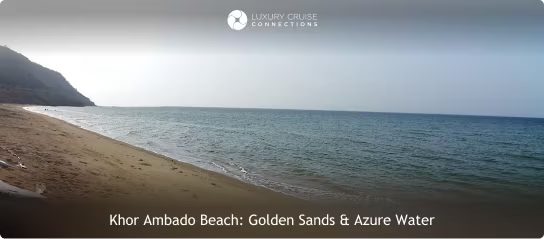
Moucha Island gives families the chance to enjoy calm waters, snorkeling, and beach activities in a relaxed setting. Khor Ambado and Sable Blanc beaches offer soft sands and gentle waves, creating ideal conditions for swimming and sandcastle building. Boat trips along the Gulf of Tadjoura bring additional excitement through encounters with dolphins and colorful fish, offering an engaging experience for young travelers. The family-friendly activities make Djibouti a rewarding destination for children, while providing relaxation and adventure for all ages.

Are there Fun Things to Do in Djibouti for Outdoor Adventures?

Yes, there are fun things to do in Djibouti for outdoor adventures that showcase land and sea experiences in dramatic natural settings. Volcano hiking at Ardoukoba and trekking across the Goda Mountains provide thrilling climbs through rugged terrain shaped by tectonic forces. Lake Assal invites adventurers to cross salt flats with striking white crystalline surfaces. The Danakil Depression offers desert camping under vast star-filled skies.

The Gulf of Tadjoura creates opportunities for scuba diving, snorkeling with whale sharks, and coral reef exploration surrounded by marine biodiversity. Kite surfing and deep-sea fishing add excitement for water sports enthusiasts, while 4x4 expeditions across lava fields reveal raw volcanic landscapes. Wildlife tracking in the Day Forest introduces encounters with unique flora and fauna. Cultural experience with Afar communities highlights traditional desert survival practices. The activities make Djibouti a destination that blends physical challenge with extraordinary natural beauty.

Best Things to Do Around the World

Discover the best activities, landmarks, and experiences in every cruise destination and port of call.

Europe Western, Central & Mediterranean
America North, Central, South & Caribbean
Africa & Asia Oceania & Antarctica