10 Best Things to Do in Costa rica

Best Things to Do in Costa Rica include visiting Arenal Volcano National Park, exploring Manuel Antonio National Park, h...

add

Best Things to Do in Costa Rica include visiting Arenal Volcano National Park, exploring Manuel Antonio National Park, hiking through cloud forests, spotting sloths and toucans, surfing along the Pacific coast, and soaking in volcanic hot springs. The best activities to do in Costa Rica showcase the lush rainforests, abundant wildlife, and a strong dedication to ecotourism. Costa Rica presents an ideal setting for adventure and discovery.


Costa Rica is a vibrant Central American country that offers a rich blend of natural beauty and ecological commitment. Each region of Costa Rica provides distinct landscapes and cultural gems, making every journey through the country a unique adventure. Travelers searching for fun things to do in Costa Rica, such as beach hopping, snorkeling in coral reefs, and joining local festivals, provide memorable moments. Guests wondering what to do in Costa Rica discover zip-lining above jungle canopies, rafting through tropical rivers, and visiting sustainable coffee farms.

  • Visit Arenal Volcano National Park
  • Explore Manuel Antonio National Park
  • Relax on Playa Conchal
  • Zip-line through Monteverde Cloud Forest
  • Hike in Corcovado National Park
  • Discover Tortuguero National Park
  • Go White-water Rafting in the Pacuare River
  • Visit the Hanging Bridges in Monteverd
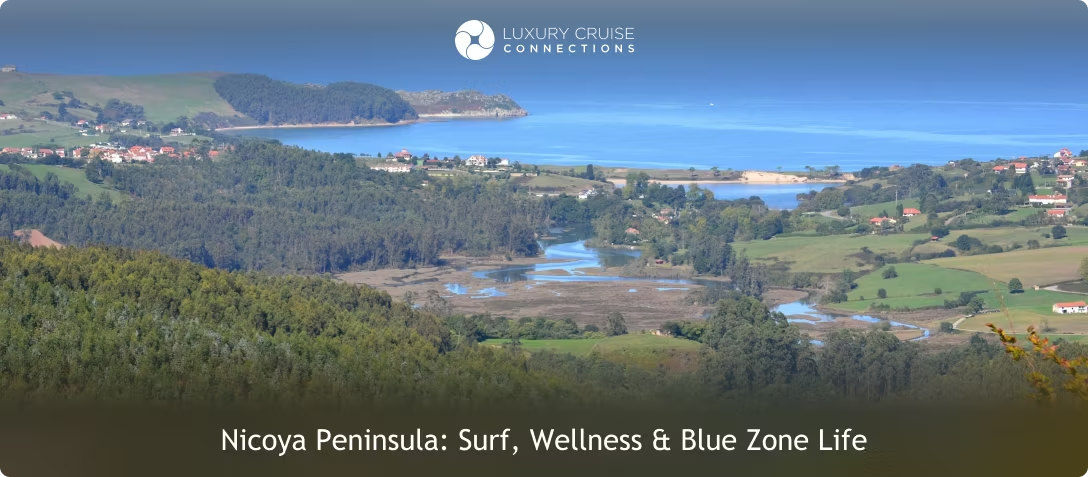
  • Explore the Nicoya Peninsula
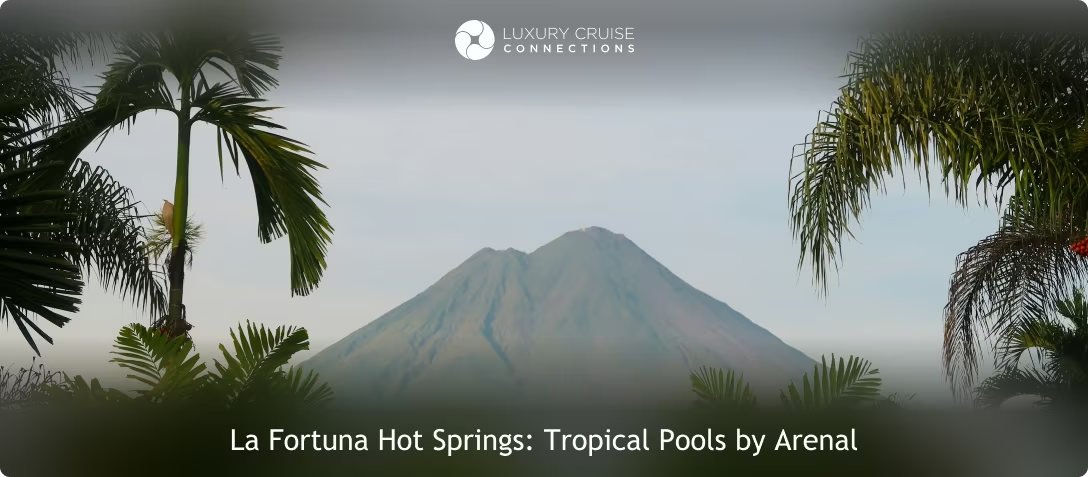
  • Soak in Hot Springs near La Fortuna
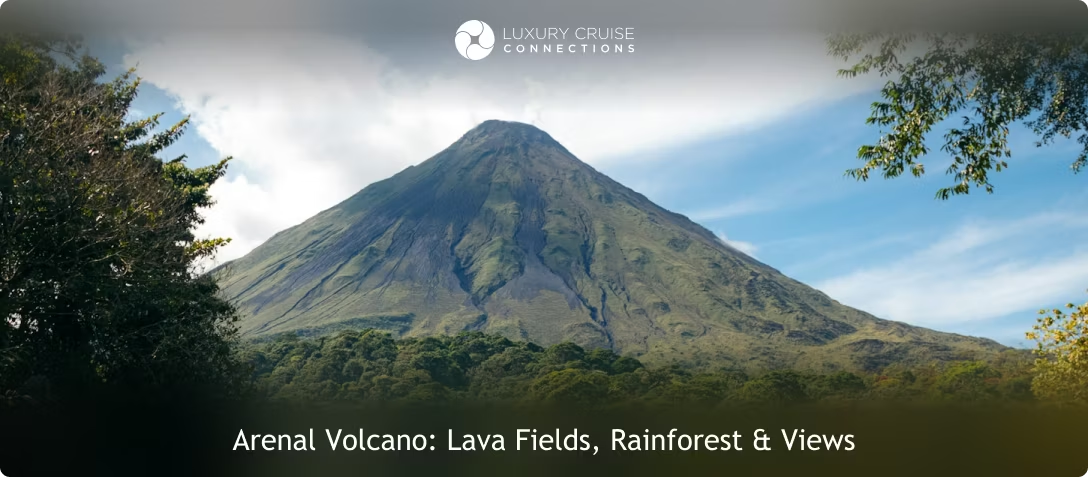
  • Visit Arenal Volcano National Park

    Arenal Volcano National Park is located near the town of La Fortuna, and features a dormant stratovolcano rising 1,670 meters above sea level. The park covers a protected area filled with rainforest, lava fields, and scenic trails. Two main sectors (Peninsula and Volcano) offer distinct views and access points. The Volcano Sector includes trails leading to old lava flows and panoramic viewpoints, while the Peninsula Sector provides lake views and birdwatching opportunities. Costa Rica offers a vibrant mix of natural wonders and outdoor adventures. Costa Rica is known for its lush rainforests and biodiversity, and it attracts travelers seeking nature experiences.
    Visit Arenal Volcano National Park

    Arenal Volcano National Park is a top destination for its landscapes and geothermal features. Top activities in Arenal Volcano National Park include hiking through lava fields, observing wildlife such as toucans and howler monkeys, and visiting thermal hot springs nearby. The park’s trails vary in difficulty and length, allowing access to different ecosystems and geological formations. The Sloth Watching Trail and Arenal Hanging Bridges offer additional experiences for nature enthusiasts and photographers. Other activities include hiking in national parks, relaxing on beaches, and exploring wildlife-rich jungles. Fun options range from zip-lining above cloud forests to rafting in tropical rivers.

    Visitors experience a combination of volcanic terrain, tropical forest, and peaceful lake scenery. Clear skies during the dry season reveal the volcano’s full silhouette, while the surrounding rainforest remains vibrant year-round. Guided tours provide insights into the park’s geology and ecology, with naturalists pointing out native species and explaining volcanic history.

    The best time to visit Arenal Volcano National Park falls between December and April, when dry conditions provide clear views and uninterrupted outdoor activities. Travelers benefit from arriving early in the morning to avoid crowds and enjoy cooler temperatures. The park operates daily, with the Volcano Sector open from 8:00 AM to 4:00 PM and the Peninsula Sector until 5:00 PM.

    Guided tours are available through local operators in La Fortuna, offering packages that include transportation, meals, and expert-led hikes. The area’s geothermal activity supports nearby hot springs, which provide a relaxing end to a day of exploration. Lightweight clothing, sturdy footwear, and insect repellent improve comfort during hikes.

    Entrance fees are 7,800 CRC for adults and 2,600 CRC for children. Tickets are valid for one-time entry and must be purchased separately for each sector.

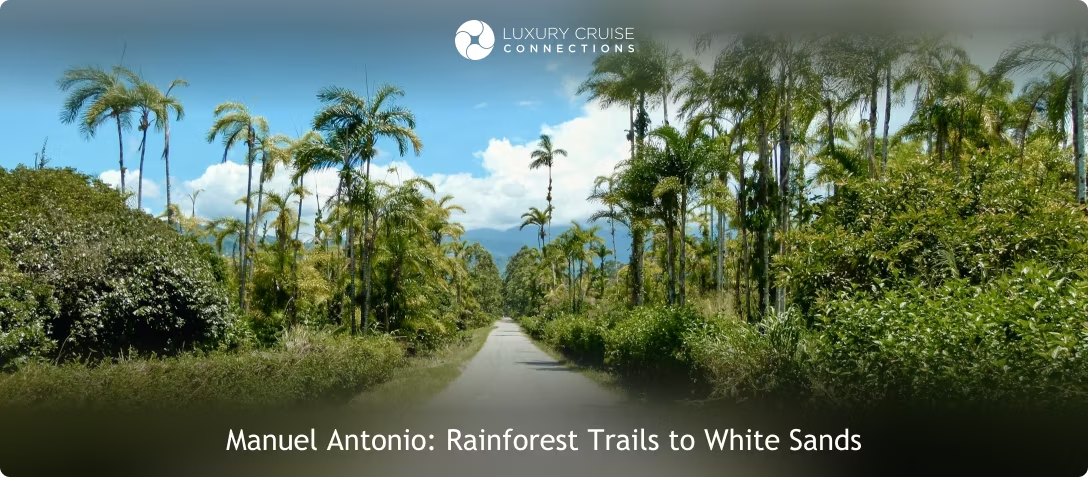
  • Explore Manuel Antonio National Park

    Manuel Antonio National Park is located on Costa Rica’s central Pacific coast near the town of Quepos, and holds the distinction of being the smallest national park in the country, while attracting many visitors each year. The park was established in 1972 and protects a unique combination of rainforest, mangroves, and white-sand beaches. The park’s small size allows for a complete experience in a single day, with well-maintained trails leading through dense vegetation and toward scenic coastal viewpoints. Manuel Antonio National Park is a popular destination for coastal scenery and rainforest exploration.
    Explore Manuel Antonio National Park

    Top activities in Manuel Antonio National Park include hiking along trails of Sendero Perezoso, which passes through sloth habitats, and Sendero Punta Catedral, which offers panoramic views of the Pacific Ocean. Wildlife sightings represent a major draw, with squirrel monkeys, sloths, iguanas, and colorful birds appearing along the paths. Beaches within the park (Playa Espadilla Sur and Playa Manuel Antonio) provide calm waters and shaded areas for resting after a hike.

    Visitors experience a blend of tropical forest and beach environments, with opportunities to observe native species in proximity. Early morning visits increase the chance of wildlife encounters and offer cooler temperatures for walking. The park’s layout allows for a smooth transition between forest trails and beach access, creating a varied and rewarding day trip.

    The best time to visit Manuel Antonio National Park falls between December and April, when dry conditions allow for clear skies and uninterrupted exploration. Arriving early in the morning helps avoid crowds and increases the chance of seeing active animals. Travelers benefit from booking tickets in advance due to daily visitor limits. The park remains closed on Tuesdays, and entry requires a timed reservation.

    Guided tours are available through local tour operators and include transportation, naturalist guides, and spotting scopes for wildlife viewing. Lightweight clothing, water, and insect repellent improve comfort during hikes, while beachwear suits the coastal sections of the park.

    Entrance fees are 6,000 CRC for adults and 1,600 CRC for children. Parking near the entrance costs around 4,000 to 5,000 CRC per day.

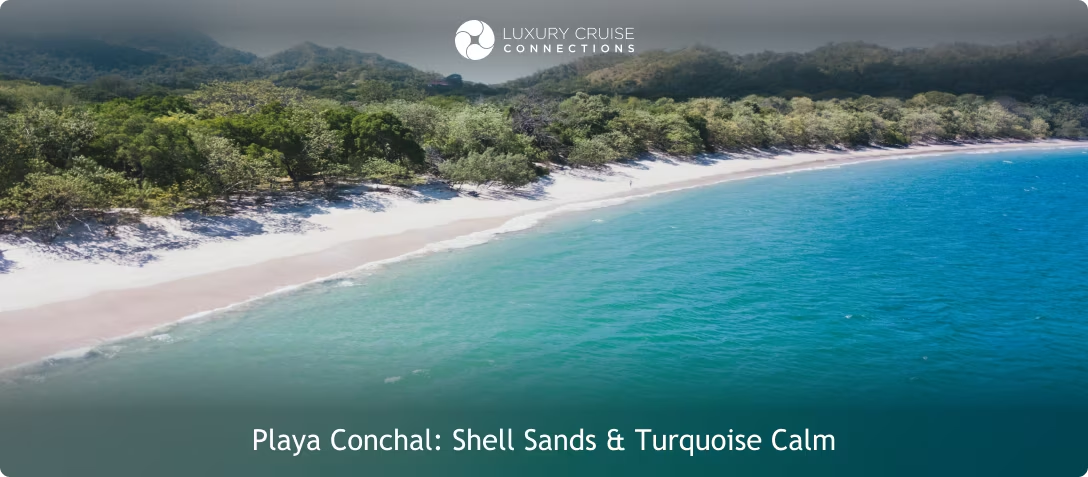
  • Relax on Playa Conchal

    Playa Conchal lies along the North Pacific Coast in Guanacaste Province, near the town of Brasilito. The beach features a shoreline composed of crushed seashells rather than sand, creating a shimmering surface under the sun. The water remains clear and turquoise, forming a protected cove that supports gentle waves and scenic views. The location has gained recognition for its beauty and remains accessible by road from Liberia Airport, which sits approximately one hour away.
    Relax on Playa Conchal

    Relaxing on Playa Conchal involves spending time on the shell-covered beach, swimming in calm waters, and enjoying the natural surroundings. Activities include snorkeling near coral reefs, walking along the shore during sunset, and paddling a kayak along the coastline. Visitors engage in beach volleyball or sample local dishes from nearby food stalls. The area supports low-impact recreation and provides opportunities for quiet reflection or casual social interaction.

    Experiences at Playa Conchal include observing marine life while snorkeling, feeling the texture of smooth shells underfoot, and watching the horizon change colors during twilight. The beach environment supports a peaceful atmosphere, with minimal commercial development and natural scenery dominating the view. The absence of entrance fees allows for spontaneous visits, and the lack of loud nightlife contributes to a calm setting.

    The best time to visit Playa Conchal falls between November and April, when dry conditions support clear skies and calm seas.

    Guided tours are available through local tour operators and include transportation and equipment rental. Travelers must arrive early to find shaded spots and avoid the midday heat. Bringing water, sun protection, and snacks makes longer stays more comfortable. Renting a kayak or snorkel gear from local vendors adds variety. Staying in nearby accommodations (Reserva Conchal or the Westin Resort) offers direct beach access and amenities.

    No entrance fee applies to Playa Conchal, and public access remains open throughout the week. Parking near the beach may cost around 4,000 to 5,000 CRC per day, depending on location and season.

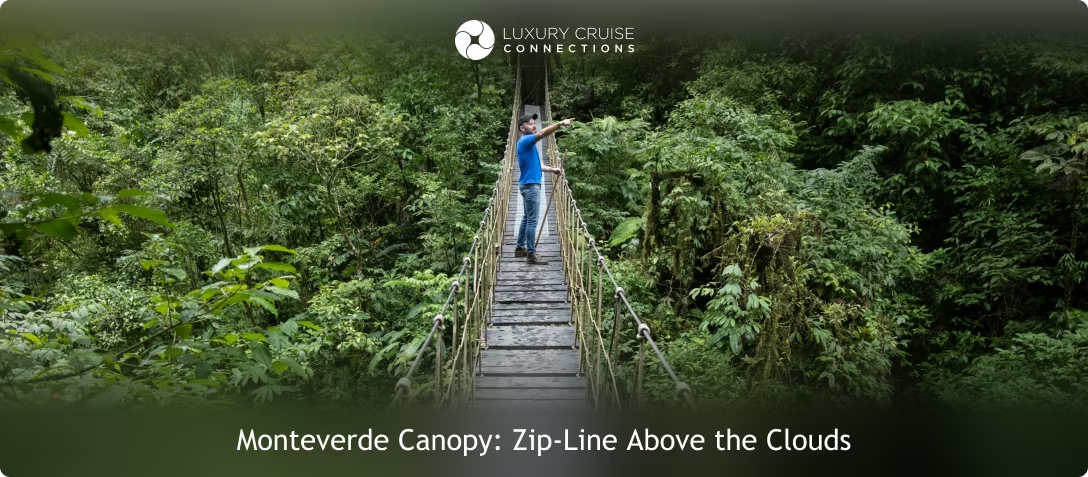
  • Zip-line through Monteverde Cloud Forest

    Monteverde Cloud Forest offers one of the most thrilling outdoor experiences in Costa Rica. The forest is located in the highlands of Puntarenas Province, which features a mist-covered canopy, rich biodiversity, and dramatic elevation changes. Zip-lining in Monteverde offers a thrilling way to explore the cloud forest, with scenic views and encounters with native wildlife. It involves gliding along steel cables above the canopy at adventure parks (Selvatura, Monteverde Extremo, and Treetopia), which feature multiple lines, platforms, and options (Tarzan swings and aerial trams). Lines cross deep valleys at high speeds, creating a sensation of flight in the misty landscape. The activity is appealing to nature lovers and thrill seekers.
    Zip-line through Monteverde Cloud Forest

    Top attractions include the Superman-style zipline at Treetopia Park, which allows participants to soar face-first over the forest, and the 13-line canopy tour at Selvatura Adventure Park. Wildlife sightings add another layer of excitement, with toucans, monkeys, and the resplendent quetzal appearing along the route. Hanging bridges and nature trails accompany zipline packages, offering a slower-paced way to observe the forest from above.

    Visitors experience a blend of adrenaline and tranquility while suspended above the trees. The sensation of flying through clouds, hearing distant bird calls, and feeling the cool mountain air creates a memorable connection to the environment. The forest’s altitude and moisture contribute to a mystical atmosphere, with fog drifting through the branches and sunlight filtering through layers of green.

    The best time to visit Monteverde Cloud Forest falls between December and April, when dry conditions support clearer skies and smoother logistics. Parks include transportation, meals, and access to additional attractions (butterfly gardens or sloth sanctuaries).

    Guided tours are available through adventure parks and travel agencies, with packages ranging from basic zipline circuits to full-day excursions. Preparation improves comfort and safety during the activity. Wearing closed-toe shoes, long pants, and a light jacket helps protect against wind and harness friction. Bringing water and securing loose items prevents distractions during the ride.

    Fees vary, with standard zipline tours priced between 20,000 CRC and 35,000 CRC per person. Booking in advance ensures access to preferred time slots, and arriving early allows time for orientation and gear fitting.

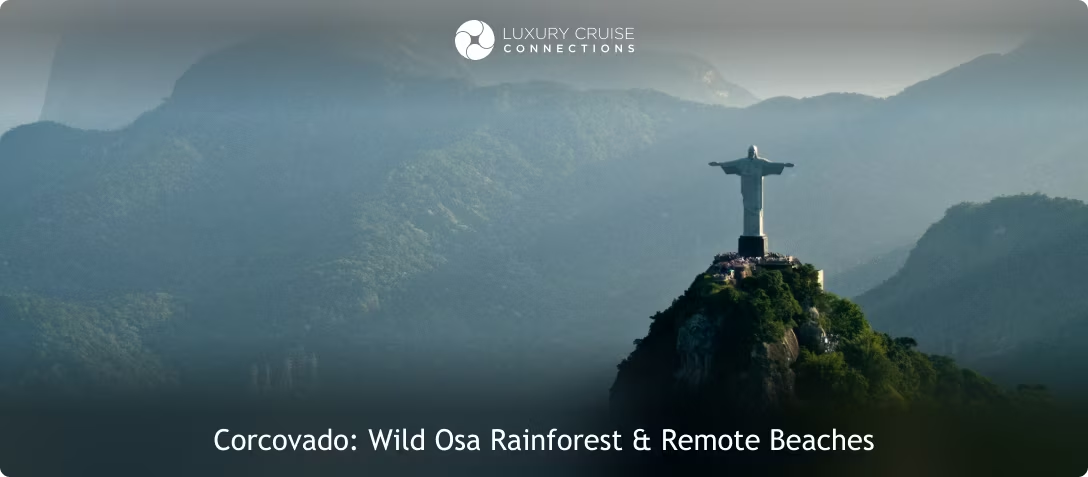
  • Hike in Corcovado National Park

    Corcovado National Park is on the Osa Peninsula in southwestern Costa Rica and protects one of the unique regions on the planet. The park was established in 1975 and spans over 400 square kilometers. It contains 13 distinct ecosystems, including lowland rainforest, mangrove swamps, and coastal marine habitats. The area supports more than 500 tree species, 140 mammal species, and hundreds of bird varieties, turning it into a haven for endangered animals (Baird’s tapir, jaguars, and harpy eagles).
    Hike in Corcovado National Park

    Hiking in Corcovado National Park offers a rare opportunity to explore untouched wilderness. Trails pass through dense jungle, cross rivers, and lead to remote beaches where scarlet macaws and white-faced capuchin monkeys appear frequently. The most popular routes include the trek from San Pedrillo to Sirena Station and the path from La Leona to Sirena, each requiring several hours of walking through humid terrain. Sirena Station is a central hub for multi-day hikes and provides basic lodging for overnight stays.

    Visitors experience a combination of physical challenge and ecological connection. The forest’s humidity, rich sounds, and thick vegetation create a sensory environment unlike any other. Encounters with wild animals, sightings of rare plants, and views of pristine coastline contribute to a deeply memorable journey. The absence of urban infrastructure allows nature to dominate every aspect of the experience.

    The best time to hike in Corcovado National Park falls between December and April, when dry conditions reduce trail hazards and improve visibility.

    Guides are mandatory for entry into the park and must be arranged in advance. Booking with certified guides provides access to expert knowledge and increases the chance of wildlife sightings. Preparation is important for comfort and safety. Wearing moisture-wicking clothing, sturdy hiking boots, and a wide-brimmed hat helps manage heat and terrain. Carrying sufficient water, insect repellent, and waterproof gear ensures readiness for sudden rain and biting insects.

    Entrance fees are 6,000 CRC for nationals and 17,000 CRC for foreign visitors. Guided tours vary in price depending on duration and services, with day hikes starting around 40,000 CRC and multi-day treks reaching 100,000 CRC or more. Reservations must be made through official websites of travel tours, and transportation to access points (Puerto Jiménez or Drake Bay) requires additional planning.

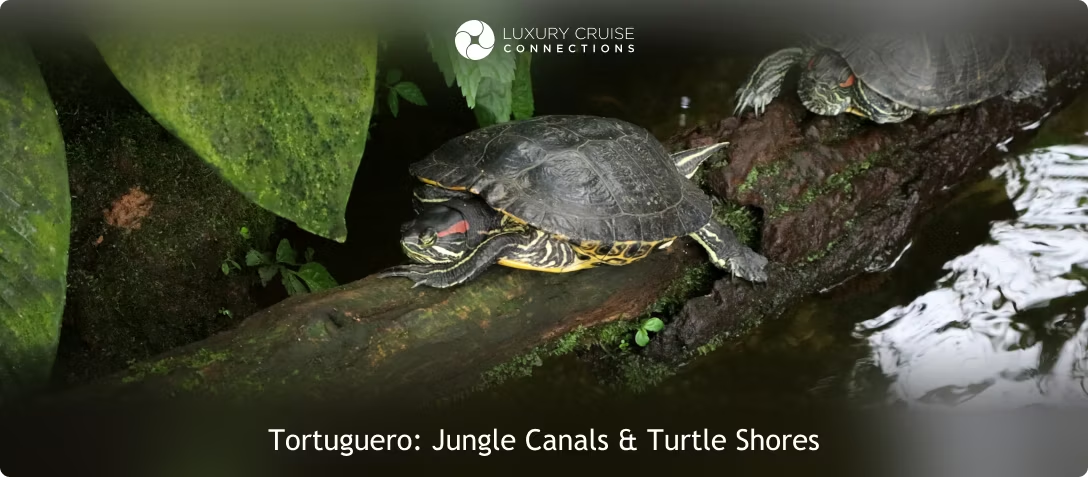
  • Discover Tortuguero National Park

    Tortuguero National Park rests along the northern Caribbean coast of Costa Rica and has over 300 square kilometers of protected rainforest, wetlands, and coastline. The park was established in 1975 to safeguard one of the most vital nesting grounds for endangered sea turtles. The name “Tortuguero” means “land of turtles,” reflecting the region’s ecological importance. The area has a network of canals, lagoons, and rivers bordered by dense jungle, creating a landscape that resembles the Amazon basin in its biodiversity and isolation.
    Discover Tortuguero National Park

    The attractions within Tortuguero National Park draw nature enthusiasts and wildlife observers. The nesting beaches host thousands of green sea turtles between July and October, offering a rare glimpse into the life cycle of marine reptiles. The Sea Turtle Conservancy Visitor Center provides educational exhibits and conservation insights. Cerro Tortuguero is the highest point on the Caribbean side of Costa Rica, and it offers panoramic views after a short hike. Birdwatching tours reveal over 300 species, including toucans, herons, and kingfishers. Canoe and kayak excursions through the canals allow quiet exploration of remote areas, increasing the chance of spotting manatees, caimans, and howler monkeys.

    A visit to Tortuguero National Park provides a rich, multisensory experience. The sounds of tropical birds, the sight of monkeys swinging through trees, and the scent of damp earth combine to create a vivid impression of untouched nature. Boat rides through the waterways reveal hidden corners of the forest, while guided hikes introduce rare plant species and elusive animals. The absence of roads and reliance on water transport adds to the feeling of isolation.

    The most favorable months for visiting Tortuguero National Park fall between February and April, when rainfall decreases and wildlife activity remains high.

    Trusting certified guides ensures safety and provides valuable information about the surrounding ecosystem. Wearing lightweight clothing and closed-toe shoes improves comfort during the activity. Staying hydrated and applying insect repellent reduces discomfort from heat and insects. Choosing a route with moderate elevation and shorter lines allows a more leisurely pace.

    Entrance fees cost approximately 8,000 CRC for nationals and 10,000 CRC for foreign visitors. Guided boat tours range from 16,000 CRC to 24,000 CRC, depending on duration and group size. Zip-line packages start around 20,000 CRC and vary by provider.

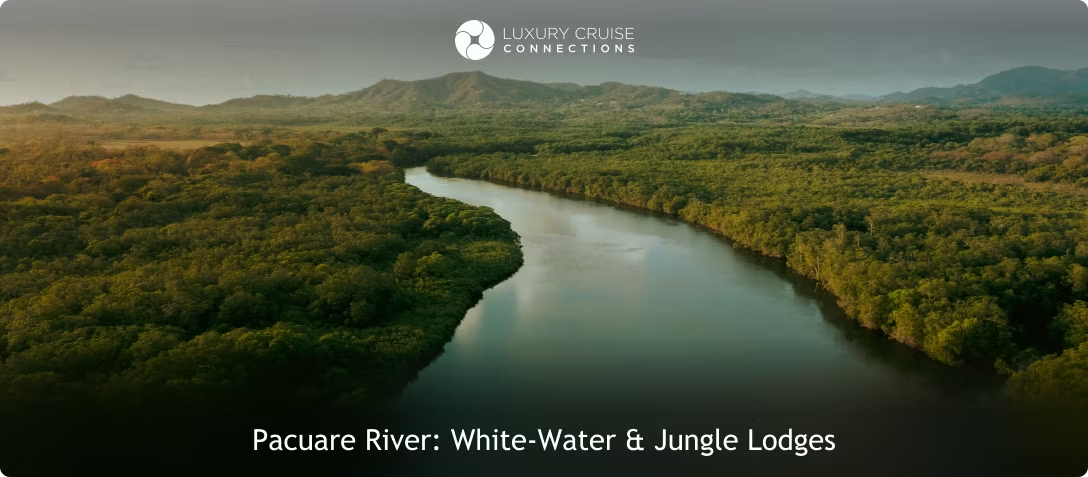
  • Go White-water Rafting in the Pacuare River

    White-water rafting in the Pacuare River presents a thrilling journey through one of Costa Rica’s most scenic landscapes. The river stretches across the Talamanca Mountains and flows into the Caribbean Sea, carving through deep canyons and lush rainforest. National Geographic once listed the Pacuare River among the top ten rivers in the world for rafting, due to its combination of natural beauty and challenging rapids. The river features Class III and IV rapids, which create a dynamic environment for adventure seekers and nature lovers.
    Go White-water Rafting in the Pacuare River

    Rafting excursions along the Pacuare River include several key attractions. The Huacas Waterfall plunges beside the river and creates a misty backdrop during the descent. The canyon walls rise steeply and display layers of tropical vegetation, while toucans, sloths, and blue morpho butterflies appear along the banks. Jungle lodges tucked into remote areas offer overnight stays and provide access to hiking trails, zip-lines, and natural pools. The rafting route from San Martín to Siquirres covers approximately 26 kilometers and includes a mix of calm stretches and rapid-filled sections.

    Visitors experience a mix of adrenaline and tranquility. The rush of navigating through swirling rapids contrasts with the peaceful moments drifting past quiet forested bends. The sound of rushing water, the sight of towering trees, and the feel of cool mist create a vivid sensory experience. Guides lead the journey and provide safety instructions, paddling techniques, and ecological insights. The presence of wildlife and the absence of urban noise contribute to a sense of immersion in nature.

    The most favorable months for rafting fall between February and April, when rainfall decreases and river conditions remain stable.

    Trusting experienced guides ensures safe navigation and allows a deeper appreciation of the surroundings. Wearing quick-drying clothing and secure footwear improves comfort during rafting and zip-lining. Packing light and using waterproof bags protects belongings from splashes and rain. Choosing a lodge with hammocks, river views, and fresh meals adds restorative value after a day of activity.

    Entrance to the rafting route does not require a park fee, but guided tours range from 45,000 CRC to 90,000 CRC, depending on duration and services. Overnight packages with meals and lodging start around 120,000 CRC

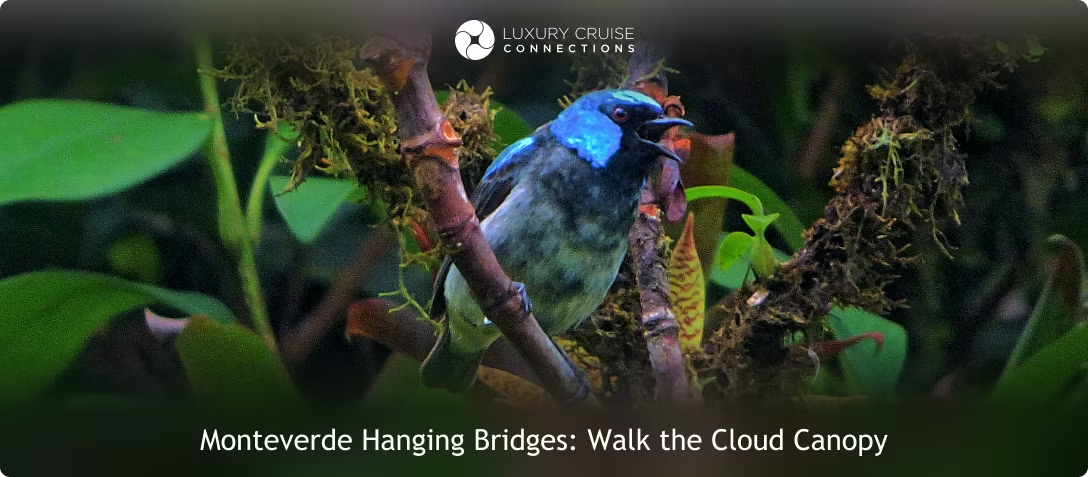
  • Visit the Hanging Bridges in Monteverde

    Monteverde’s hanging bridges offer a peaceful way to explore the cloud forest from above, which is located in the highlands of northwestern Costa Rica. The region features mist-covered treetops, rich biodiversity, and cool mountain air. The bridges stretch across deep valleys and connect trails through dense vegetation, allowing access to elevated views and quiet observation points. Parks in Monteverde provide hanging bridge experiences, including Selvatura Adventure Park, Sky Walk at Treetopia, and 100% Aventura
    Visit the Hanging Bridges in Monteverde

    Hanging bridges in Monteverde consist of suspended walkways built into the forest canopy. Selvatura Park includes eight bridges along a 3-kilometer trail, while Sky Walk features six bridges in a two-loop circuit. Each structure varies in length and height, with some reaching over 230 meters. The bridges sway gently with movement and offer views of orchids, moss-covered branches, and distant mountains. Wildlife sightings include howler monkeys, sloths, and colorful birds such as toucans and quetzals.

    Visitors experience a blend of quiet reflection and visual discovery. The forest’s moisture creates a soft atmosphere, with fog drifting through the trees and sunlight filtering through layers of green. The bridges provide a unique vantage point for observing life in the canopy, where many species remain hidden from ground-level trails. The sound of birdsong and rustling leaves adds depth to the experience.

    The most favorable months for visiting the hanging bridges fall between December and April, when dry conditions support clear skies and safe footing. Choosing early morning hours reduces crowding and increases the chance of wildlife sightings.

    Guided tours offer naturalist insights and improve understanding of the forest’s ecology. Comfort during the walk depends on preparation. Wearing closed-toe shoes and layered clothing helps manage altitude and temperature changes. Bringing water and insect repellent improves the journey through humid terrain.

    Entrance fees vary by park. Selvatura charges around 17,000 CRC for adults and 11,000 CRC for children. Sky Walk tours range from 15,000 CRC to 20,000 CRC, depending on guide services and package options. Reservations are recommended, and transportation from nearby towns (Santa Elena) is available through local operators.

  • Explore the Nicoya Peninsula

    The Nicoya Peninsula stretches along Costa Rica’s northwestern Pacific coast and covers parts of Guanacaste and Puntarenas provinces. The region holds recognition as one of the world’s five Blue Zones, where residents experience longer lifespans and lower rates of chronic illness. Factors contributing to the distinction include daily physical activity, strong community ties, and diets rich in whole grains, vegetables, and natural dairy. The peninsula features a mix of surf towns, quiet beaches, tropical forests, and wildlife reserves, making it one of the most diverse destinations in the country.
    Explore the Nicoya Peninsula

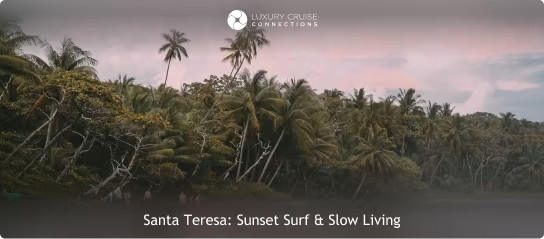
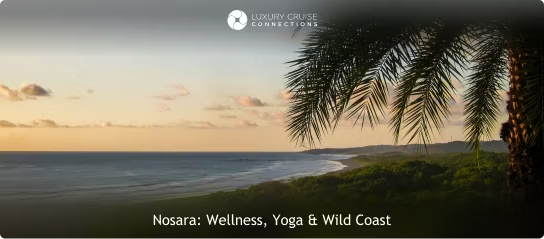
    Several towns across the Nicoya Peninsula offer distinct attractions. Santa Teresa draws surfers with consistent waves and a laid-back atmosphere. Nosara supports a strong wellness culture, with yoga studios and retreats set among forested hills. Samara provides calm waters and a relaxed beach scene, while Montezuma offers access to waterfalls and coastal trails. Cabo Blanco Nature Reserve protects native species and provides hiking paths through dense forest to secluded beaches. Isla Tortuga, located offshore, presents opportunities for snorkeling and observing marine life.

    Visitors experience a wide range of activities across the peninsula. Surfing at Playa Guiones, hiking to Montezuma Waterfalls, and swimming in the coves near Mal País represent just a few examples. Wildlife sightings include howler monkeys, iguanas, and sea turtles. Sunset views from beachside cafés and quiet walks through nature reserves contribute to a peaceful rhythm. The region’s diversity supports adventure and relaxation, with each town offering a distinct pace and personality.

    The most favorable months for visiting the Nicoya Peninsula fall between November and April, when dry conditions support beach activities and road travel.

    Comfort during exploration depends on preparation. Wearing breathable clothing, using sun protection, and carrying water improve the experience in hot coastal areas. Renting a vehicle allows access to remote beaches and hidden trails, while booking accommodations near central towns simplifies logistics. Choosing owned lodges and restaurants supports the community and provides authentic cultural interaction.

    Guided tours vary by location and activity, with surf lessons starting around 20,000 CRC and nature hikes priced between 15,000 and 30,000 CRC. Entrance to Cabo Blanco Nature Reserve costs approximately 1,600 CRC for nationals and 2,000 CRC for foreign visitors.

  • Soak in Hot Springs near La Fortuna

    Natural hot springs near La Fortuna offer a peaceful escape surrounded by lush rainforest and volcanic terrain. The mineral-rich pools provide a soothing experience in a tropical setting, heated by underground activity from Arenal Volcano. The region features over fifteen hot spring facilities, each with distinct characteristics (cascading waterfalls, landscaped gardens, and varying water temperatures). The presence of geothermal energy creates a unique environment where relaxation and nature blend.
    Soak in Hot Springs near La Fortuna

    Hot springs near La Fortuna include a range of destinations suited to different preferences. Tabacón Thermal Resort presents a luxurious setting with river-fed pools and tropical foliage. Ecotermales offers a quieter atmosphere with limited entry and natural surroundings. Baldi Hot Springs features twenty-five pools, waterslides, and a lively ambiance suitable for families. The Springs Resort includes private plunge pools and panoramic views of Arenal Volcano. Each location provides a distinct experience shaped by design, layout, and access to nature.

    Visitors experience several benefits while soaking in the hot springs. Warm mineral water supports muscle relaxation and stress relief. Landscaped paths and shaded seating areas create peaceful moments between dips. Swim-up bars, waterfalls, and jungle views contribute to the enjoyment of being with nature. Other facilities include spa services, dining options, and guided access to nearby trails. The combination of thermal comfort and scenic beauty fosters a memorable experience.

    The most favorable months for visiting hot springs near La Fortuna fall between December and April, when dry weather supports travel and outdoor activities. Arriving early in the day avoids crowds and allows time for exploration.

    Preparation improves comfort during a visit. Packing a swimsuit, sandals, and a towel ensures readiness for pool access. Choosing lightweight clothing and staying hydrated supports well-being in humid conditions. Booking in advance secures entry to popular locations (Tabacón and Ecotermales). Selecting a facility with lockers and changing rooms simplifies logistics.

    Entry fees vary by location. Tabacón charges around 42,000 CRC for a day pass with lunch, while Ecotermales offers access for approximately 40,000 CRC. Baldi Hot Springs provides budget-friendly options starting at 10,000 CRC. Guided packages that combine hot springs with volcano hikes or wildlife tours range from 25,000 to 75,000 CRC, depending on duration and services included.


What are the Most Popular Tourist Attractions in Costa Rica?

The most popular tourist attractions in Costa Rica are listed below.

  • Cartago and the Basilica
  • Poás Volcano National Park
  • Orosi Valley
  • Rincón de la Vieja National Park
  • San José’s National Theater
  • Cahuita National Park
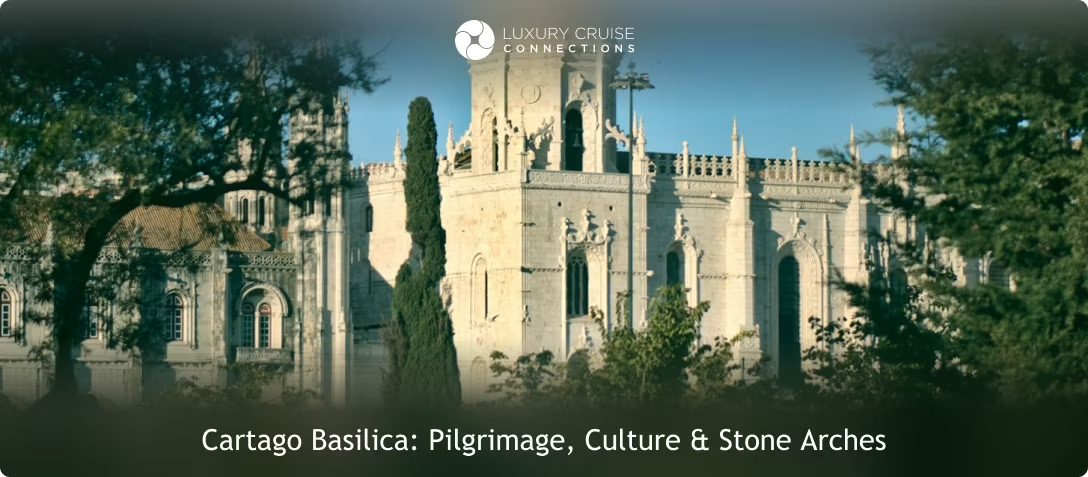
  • Cartago and the Basilica of Our Lady of the Angels - Cultures and Traditions

    The historic city is home to a grand basilica that attracts pilgrims every year, as it combines cultural heritage with striking architecture.
    Cartago and the Basilica of Our Lady of the Angels - Cultures and Traditions
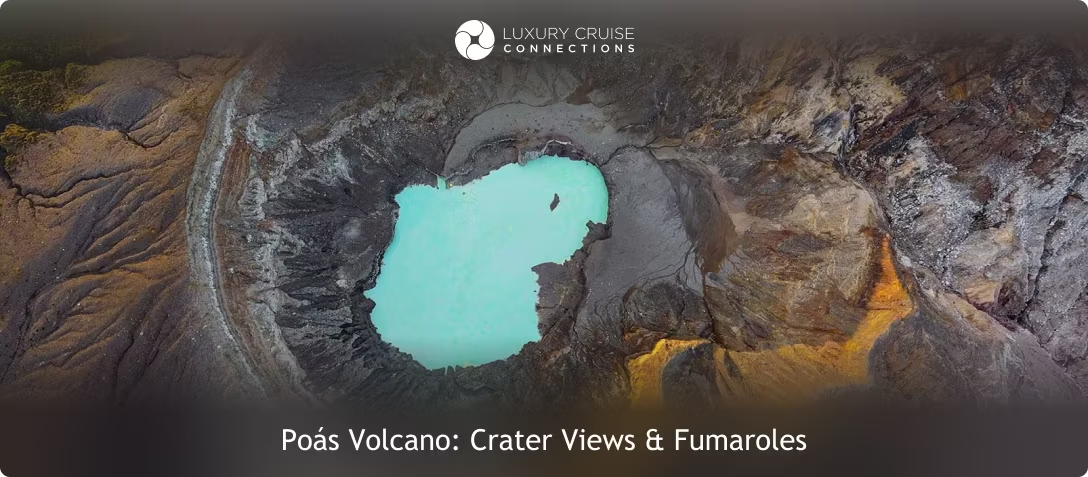
  • Poás Volcano National Park - An Accessible Site

    Poás offers dramatic landscapes and fumarolic activity, featuring one of the largest volcanic craters in the world. The park is a popular stop from San José due to its accessibility.
    Poás Volcano National Park - An Accessible Site
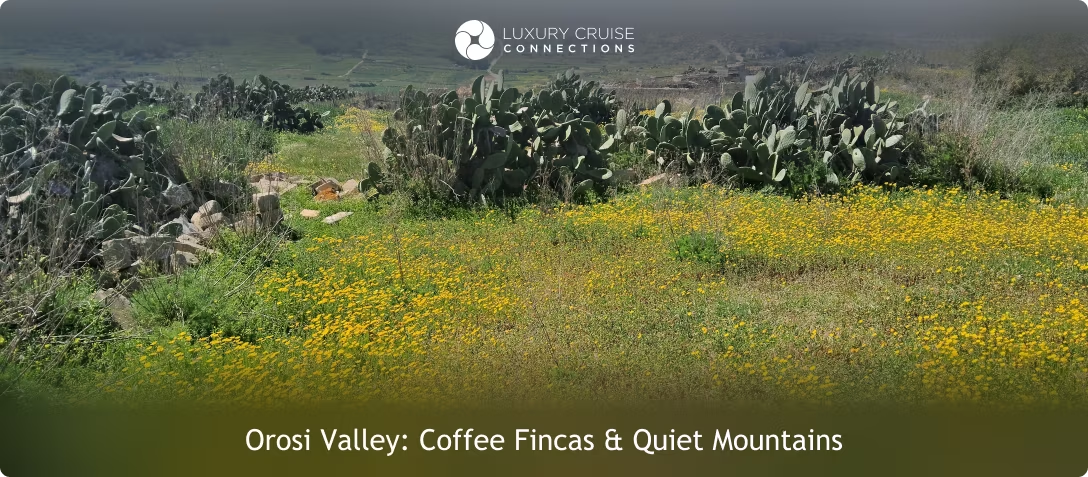
  • Orosi Valley - Alpines and Coffee

    The valley is known for coffee plantations, colonial churches, and serene landscapes. Orosi is surrounded by mountains, a peaceful retreat just outside San José
    Orosi Valley - Alpines and Coffee
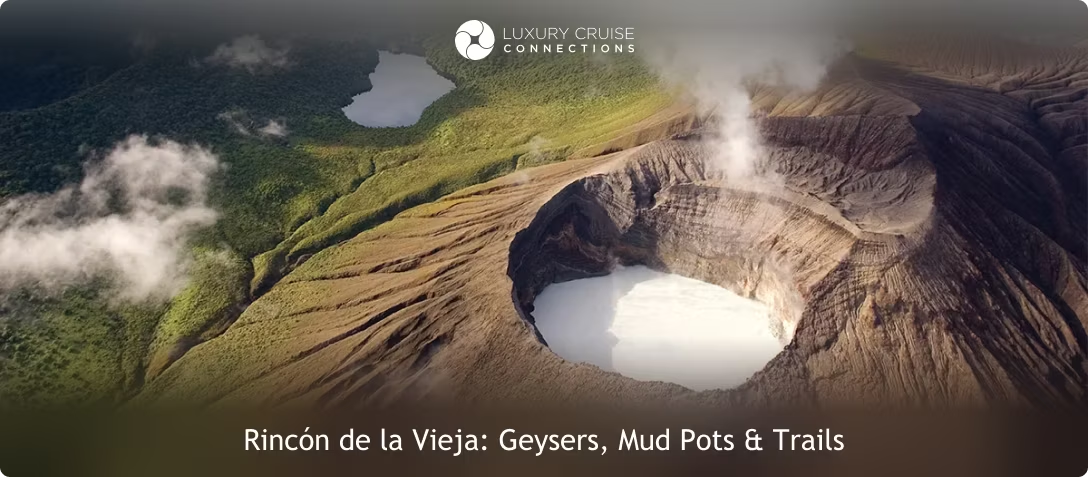
  • Rincón de la Vieja National Park

    The geothermal park features bubbling mud pots, hot springs, and hiking trails. Its landscape combines volcanic activity with rich wildlife.
    Rincón de la Vieja National Park
  • San José’s National Theater - Ancient Landmark

    The 19th-century theater is a cultural landmark located in the capital, showcasing European-inspired architecture. Visitors attend performances or join guided tours.
    San José’s National Theater - Ancient Landmark
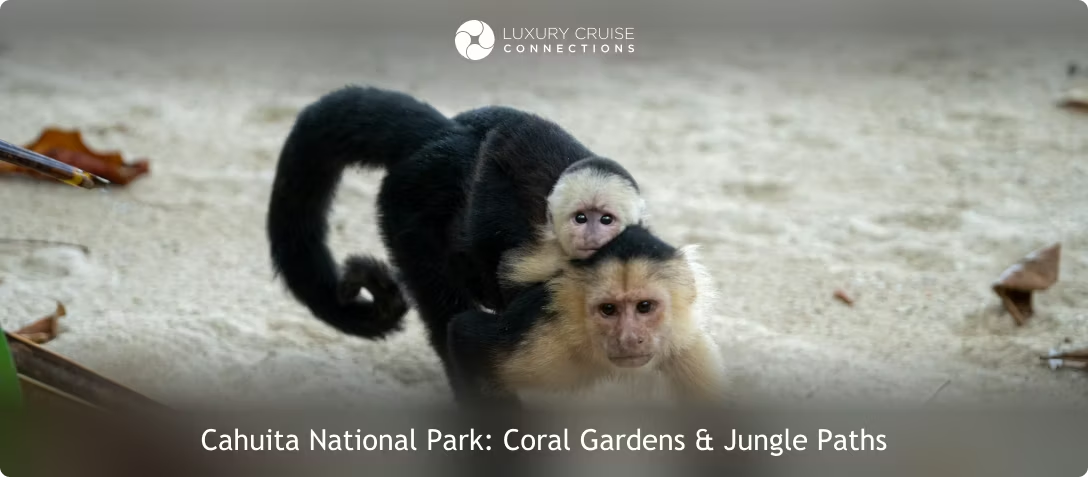
  • Cahuita National Park - Perfect for Underwater Activities

    Cahuita is located on the Caribbean coast of Costa Rica tourist attractions, famed for its coral reefs and marine life. Snorkeling, wildlife viewing, and beach walks are among the highlights.
    Cahuita National Park - Perfect for Underwater Activities


Which Vacation Spots in Costa Rica are Best for Beach Lovers?

The vacation spots in Costa Rica that are best for beach lovers are listed below.


What are the Best Things to Do in Costa Rica for First-Time Visitors?

The best things to do in Costa Rica for first-time visitors are listed below.

Playa Flamingo is known for its white sands and calm waters, and is excellent for swimming, sailing, and fishing. The area offers upscale resorts and stunning ocean views.

Attributes: Beach Quality, Water Activities, Local Amenities

Coffee is a cornerstone of Costa Rican culture, and plantations open their fields to visitors. Guided tours explain the growing process and end with fresh tastings.

Attributes: Educational Value, Popular Locations, Cultural Importance

Cocos Island is world-renowned for diving. A UNESCO World Heritage Site far off Costa Rica’s Pacific coast, where hammerhead sharks, rays, and dolphins thrive in its pristine waters.

Attributes: UNESCO Status, Diving Conditions, Remote Access

The museum is located beneath the Plaza de la Cultura and houses a vast collection of pre-Columbian gold artifacts. The Gold Museum offers a deeper understanding of Costa Rica’s cultural legacy.

Attributes: Architectural Design, Cultural Insight, Historical Collection

Playa Avellanas (Little Hawaii) is a favorite among surfers. The beach retains a rustic charm with casual beachfront cafés despite its popularity.

Attributes: Beach Features, Surf Breaks, Local Culture

How do Costa Rica's Tourist Destinations vary by Season?

Costa Rica’s tourist destinations vary by season (dry or wet) because of weather conditions, cultural activities, and wildlife habitat. Costa Rica experiences two main seasons (dry season from December to April and wet season from May to November). Access to remote areas becomes easier due to improved road conditions and lower river levels during the dry season. Wildlife viewing increases in national parks (Manuel Antonio and Corcovado), where animals gather near water sources. Beaches along the Pacific coast attract more visitors during the period due to clearer skies and calmer surf.

The wet or rainy season brings abundant landscapes and fewer crowds to popular spots (Monteverde and Tortuguero). Waterfalls grow stronger, and rafting conditions improve in rivers like Pacuare and Sarapiquí. Trails in rainforest areas become muddy or impassable, affecting access to certain eco-lodges and reserves. Seasonal changes influence the visibility of marine life, with humpback whales appearing near the southern Pacific coast between August and October. The timing of local festivals and agricultural cycles affects travel experiences across Costa Rica tourist destinations.

Are there Activities in Costa Rica Perfect for Families with Children?

Yes, there are activities in Costa Rica perfect for families with children. Wildlife spotting tours in places (Tortuguero and Manuel Antonio) offer opportunities to observe monkeys, toucans, and colorful frogs in their natural habitats. Visiting sloth sanctuaries introduces children to one of the country's most beloved animals while promoting awareness of conservation efforts. Calm beaches along the Nicoya Peninsula and the Caribbean coast allow safe swimming and sand play, creating relaxed environments for younger travelers. Activities to do in Costa Rica include butterfly gardens, boat rides through mangroves, and interactive exhibits at ecological parks. Activities in Costa Rica support family bonding through nature, discovery, and gentle adventure.

Are there Fun Things to Do in Costa Rica for Outdoor Adventures?

Yes, there are fun things to do in Costa Rica for outdoor adventures. Ziplining through cloud forests in Monteverde provides sweeping views of mist-covered treetops and native wildlife. Surfing along the Pacific coast in towns (Tamarindo and Santa Teresa) delivers consistent waves and vibrant beach culture. Whitewater rafting in rivers (Pacuare and Sarapiquí) combines adrenaline with rainforest scenery, including waterfalls and canyon walls. Hiking to volcanoes (Arenal and Rincón de la Vieja) reveals geothermal features, panoramic vistas, and encounters with tropical flora and fauna. Fun things to do in Costa Rica include canyoning, horseback riding, and snorkeling in coral reefs. Adventures in Costa Rica reflect the country’s natural diversity, with each region offering distinct terrain and ecosystems. Costa Rica outdoor activities support physical challenge, ecological discovery, and meaningful connection to the environment.

Best Things to Do Around the World

Discover the best activities, landmarks, and experiences in every cruise destination and port of call.

Europe Western, Central & Mediterranean
America North, Central, South & Caribbean
Africa & Asia Oceania & Antarctica