Are there Activities in Denmark Perfect for Families with Children?
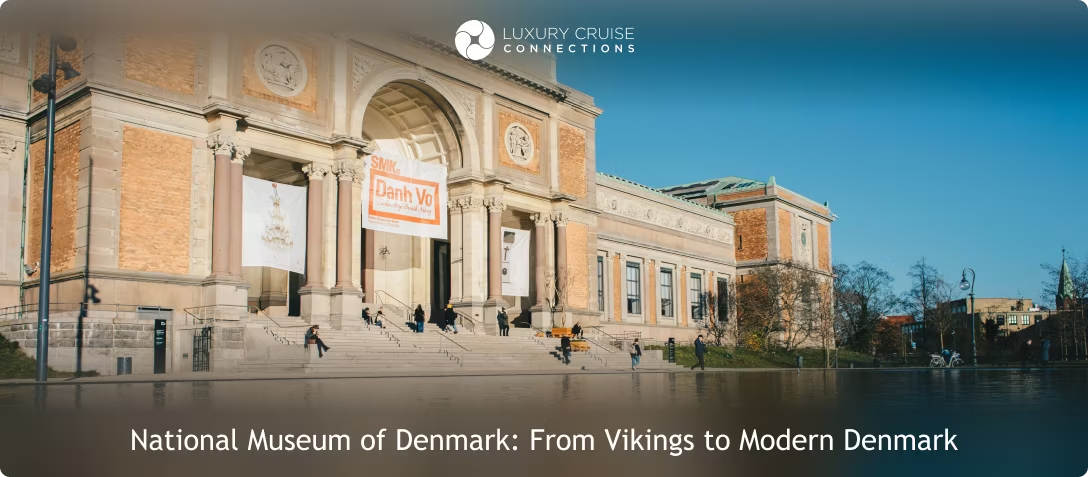
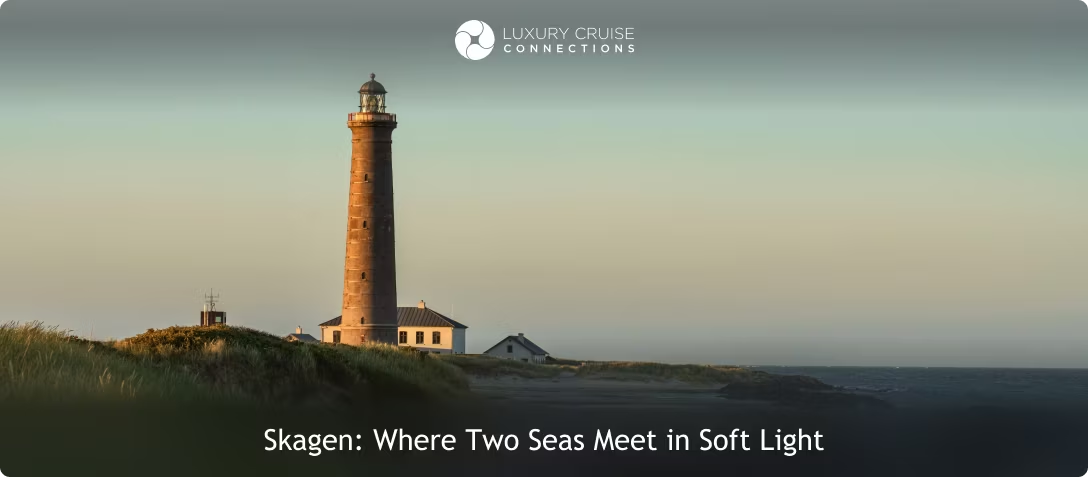
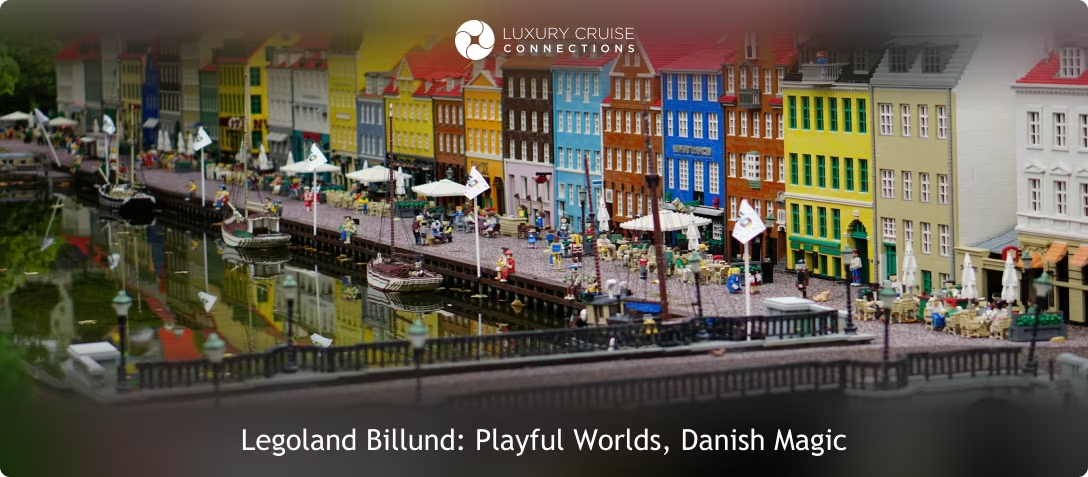
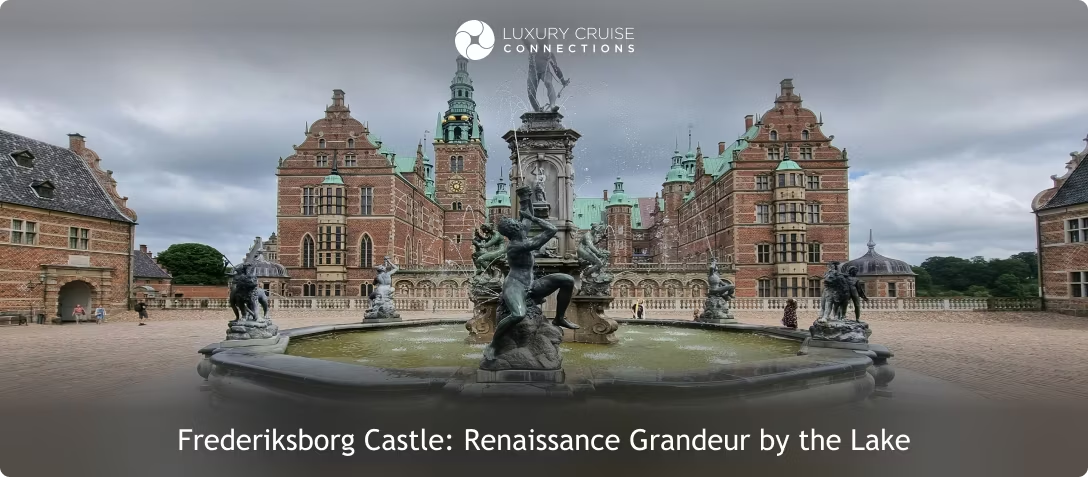
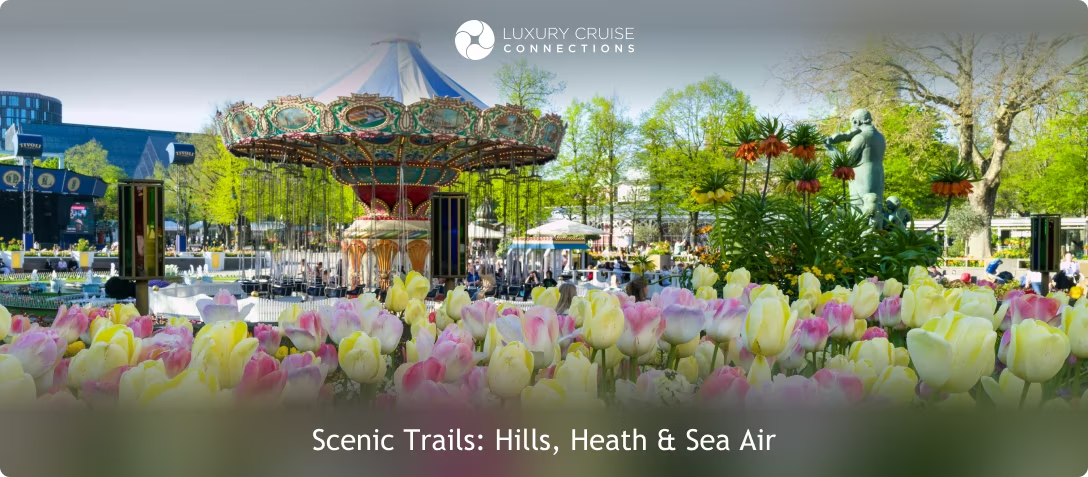
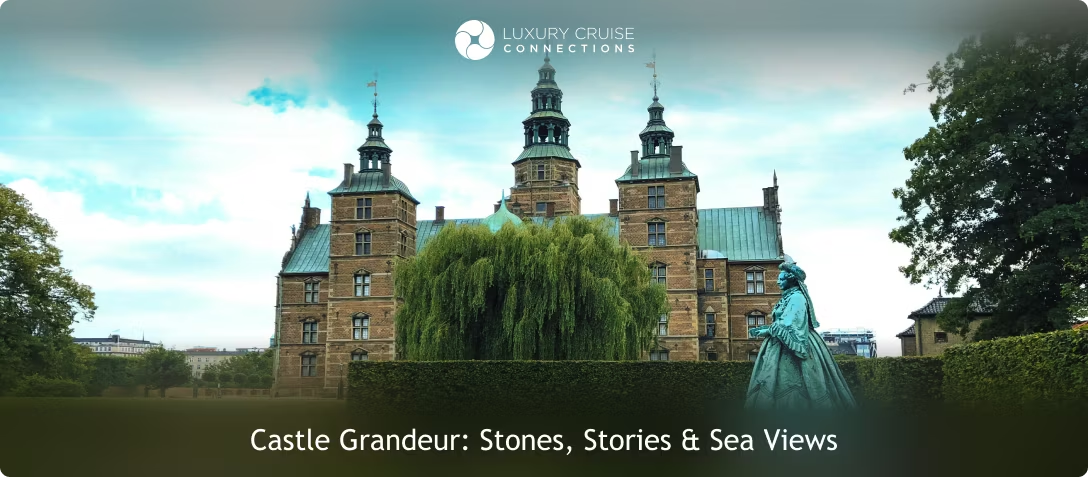
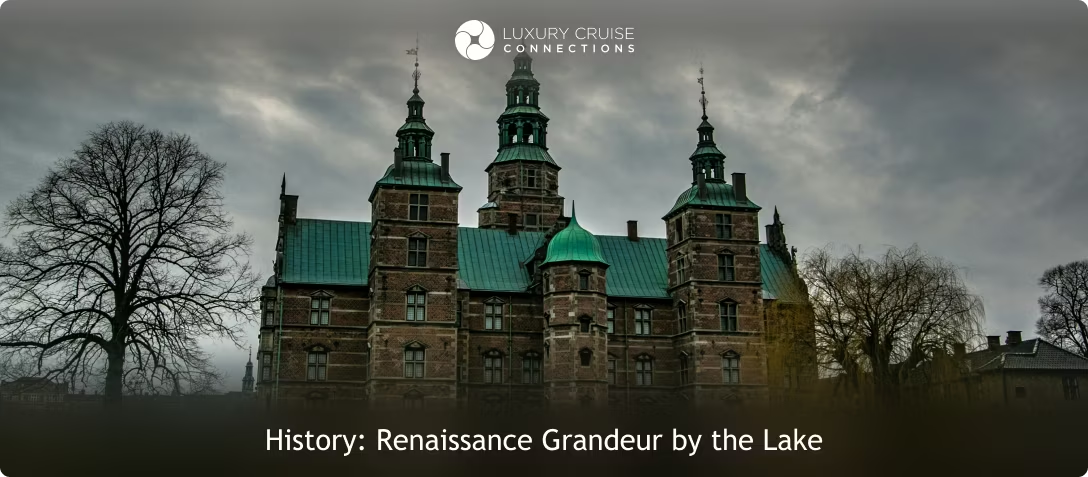
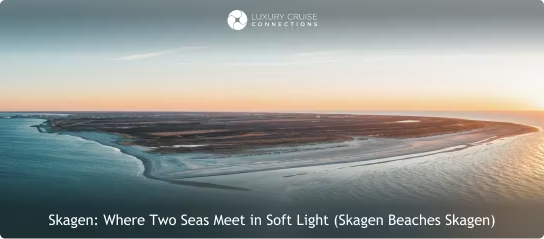
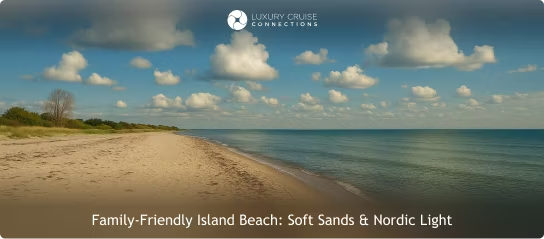
Yes, there are activities in Denmark perfect for families with children. The country provides a variety of attractions that engage children and offer enjoyable experiences for all family members. Tivoli Gardens in Copenhagen features amusement rides, games, live performances, and seasonal events that entertain and inspire young visitors. Legoland Billund presents LEGO-themed attractions, creative workshops, and interactive rides that combine fun and education. The Viking Ship Museum in Roskilde offers hands-on exhibits, boat-building demonstrations, and learning experiences about Viking history. Mols Bjerge National Park allows families to hike scenic trails, observe wildlife, and enjoy outdoor recreation in rolling hills and forests. Amager Beach Park and Skagen’s beaches provide safe swimming, sand play, and outdoor activities along the coast. Frederiksborg Castle and the National Museum of Denmark include guided tours and educational programs that introduce children to history and culture. The destinations provide a combination of recreation, cultural enrichment, and outdoor adventure, ensuring memorable family experiences throughout Denmark.
Are there Fun Things to do in Denmark for Outdoor Adventures?
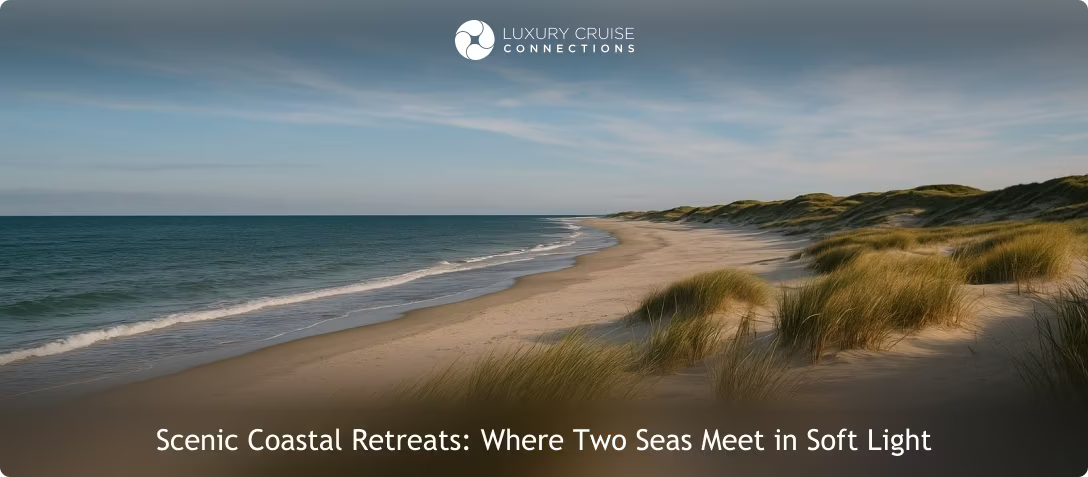
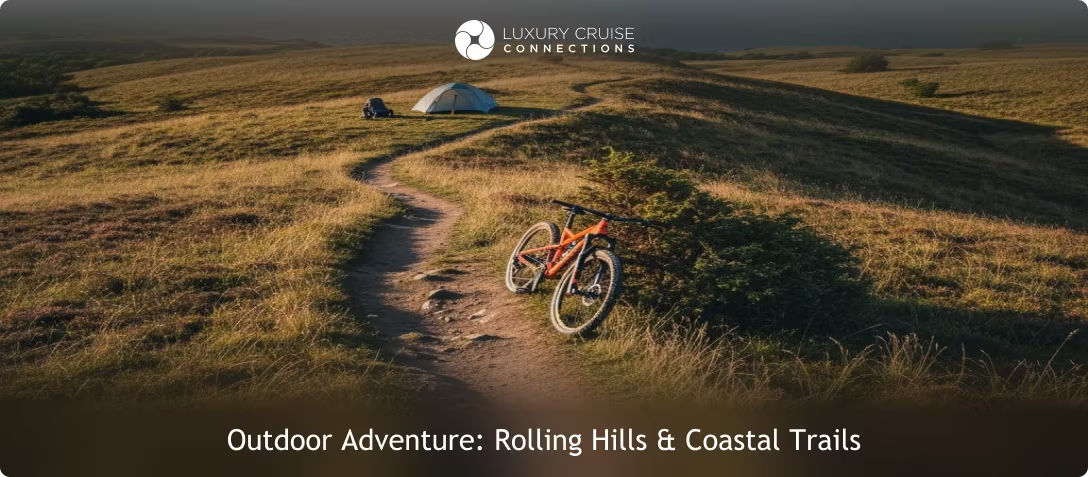
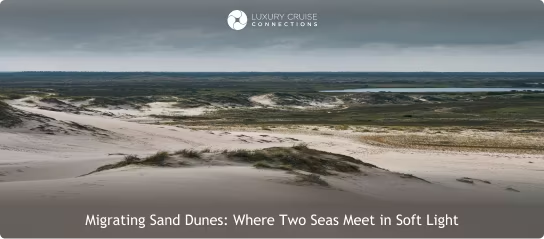
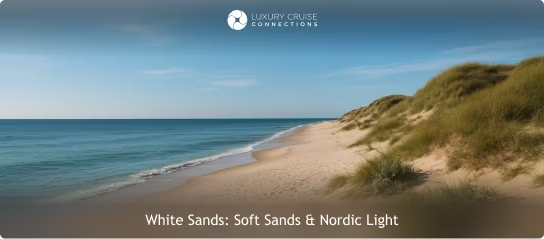
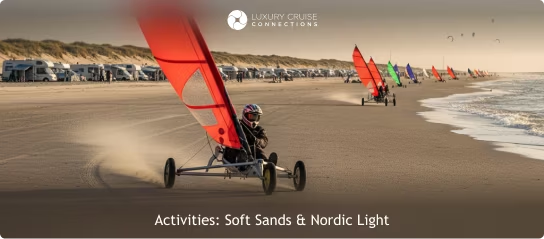
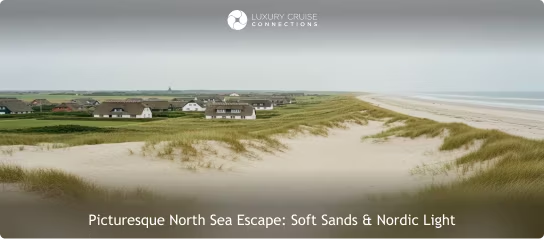
Yes, there are fun things to do in Denmark for outdoor adventures. The country provides a wide variety of activities for travelers seeking active and engaging experiences in nature. Sea kayaking along Denmark’s coastline, fjords, and archipelagos allows exploration of scenic waters, hidden coves, and coastal wildlife, including seabirds and seals, while enjoying peaceful surroundings. Sailing excursions give visitors opportunities to navigate calm seas, admire panoramic views of islands, and explore historic harbors and fishing villages that dot the coastline. Hiking trails in Mols Bjerge National Park, Råbjerg Mile, coastal dunes, and inland forests lead to scenic viewpoints, rolling hills, and tranquil natural landscapes, offering a mix of gentle walks and more challenging treks. Rock climbing and bouldering are available at select cliffs and quarry sites along the Jutland coast, providing physical challenges for beginners and experienced climbers, as well as stunning vantage points over the surrounding scenery. Biking through Denmark’s flat landscapes, coastal paths, and countryside villages allows travelers to combine exercise with cultural exploration, passing windmills, farms, and historic towns at a leisurely pace. Coastal beaches, such as Skagen, Blåvand, Amager Beach Park, and Rømø, offer safe swimming, sand play, windsurfing, kite flying, and sunbathing opportunities, along with family-friendly facilities and serene surroundings. Nature reserves, parks, and coastal trails provide additional options for birdwatching, wildlife spotting, picnicking, and photography. Outdoor adventures in Denmark integrate water sports, hiking, cycling, climbing, and beach activities, giving travelers memorable experiences across diverse natural landscapes, from serene fjords to windswept beaches and scenic inland hills.
How to Plan a Trip to Denmark on a Budget?
To plan a trip to Denmark on a budget, follow the seven steps. First, book accommodation in budget-friendly hostels, guesthouses, or private apartments, which provide comfortable lodging and kitchen facilities for preparing meals, allowing for significant cost savings compared with hotels. Second, eat at local bakeries, cafés, and street food stalls for affordable meals, enjoying traditional Danish specialties such as smørrebrød open sandwiches, freshly baked pastries, and local seafood dishes at lower prices. Third, use public transportation, including trains, buses, and regional ferries, instead of private tours, as the option is frequent, economical, and reliable while offering scenic views of the Danish countryside, islands, and coastal routes. Fourth, rent bicycles to explore cities, towns, and nearby attractions, taking advantage of Denmark’s extensive cycling infrastructure while reducing transport expenses and experiencing local culture up close. Fifth, plan travel during shoulder seasons from May to early June or September to October, when accommodation rates drop, dining prices decrease, and major attractions are less crowded, providing a more relaxed and enjoyable visit. Sixth, take advantage of free or low-cost activities such as visiting public parks, strolling along historic streets, attending seasonal festivals, and exploring museums with discounted or free admission days. Lastly, purchase a Copenhagen Card or regional tourist passes to combine transportation with entry to multiple cultural sites, maximizing savings for multiple days. Following these steps allows travelers to experience Denmark’s historic towns, cultural landmarks, natural landscapes, and urban highlights while maintaining a budget-conscious itinerary.
How much does a Typical Trip to Denmark Cost?
A typical trip to Denmark for mid-range travelers costs approximately $247 per person per day. The budget allows for comfortable accommodations, dining at regular restaurants, local transportation, and exploring a variety of attractions. Daily expenses are generally distributed as follows: $95 for lodging, $97 for meals, $38 for local transportation, and $47 for entertainment and activities. Costs vary depending on the season, location within Denmark, and personal preferences. Traveling during shoulder seasons or choosing budget-friendly accommodations and dining options to help reduce expenses. A one-week trip averages around $1,730 per person, while a two-week trip typically costs about $3,461 per person. The estimates provide a general guide for planning a mid-range budget itinerary in Denmark, allowing travelers to enjoy cultural sites, natural landscapes, and urban attractions without excessive spending.