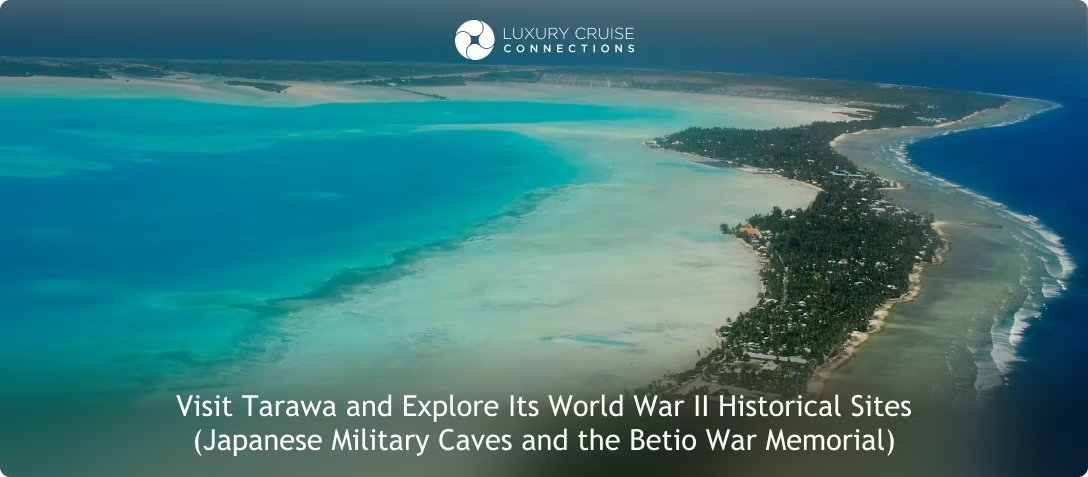
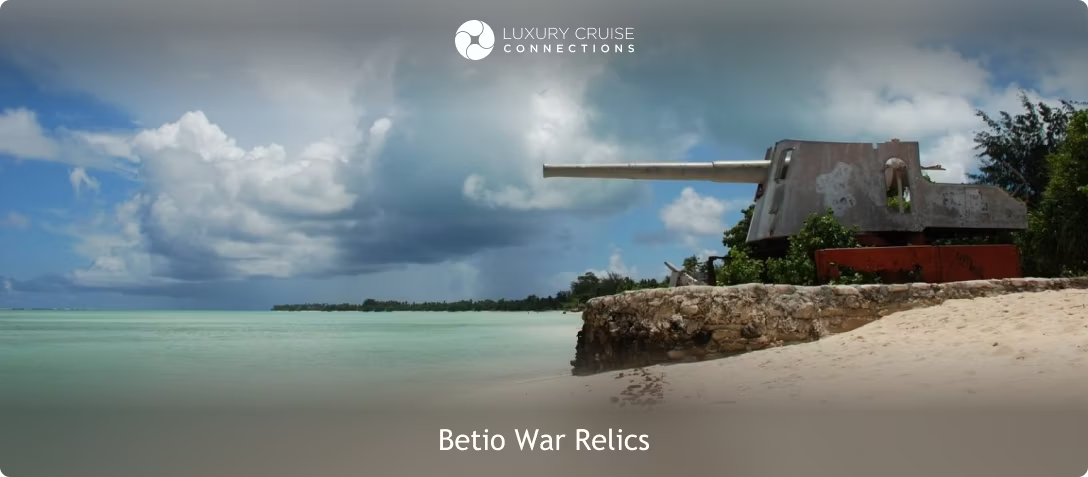
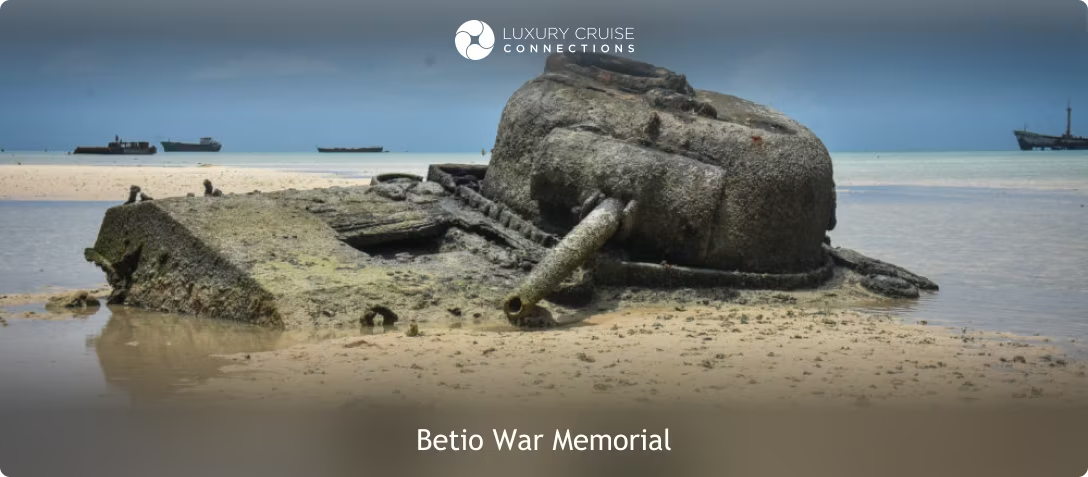
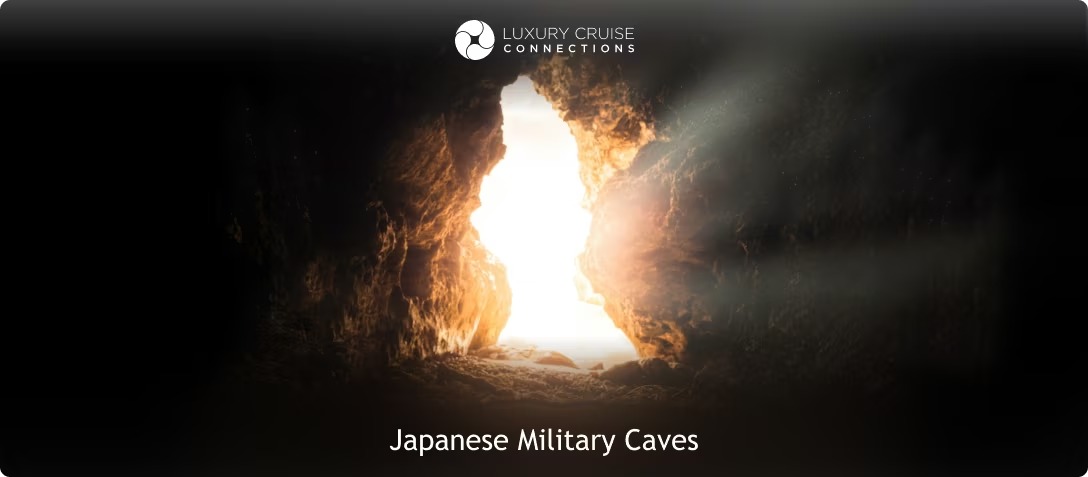
Highlights of Tarawa and its World War II Historical Sites include the coral-rock tunnels dug by Japanese forces into the islet of Betio. Another highlight is the Betio War Memorial plaque, which marks the site of intense fighting during the US assault in November 1943. Another highlight is the scattered remnants of artillery pieces and rusted landing craft along the lagoon shore. These weapon remains are visible reminders of the three-day battle that reshaped Pacific strategy.
Visiting Tarawa and exploring its World War II Historical Sites provides an educational experience of oft-forgotten Pacific history. Visitors walk across narrow causeways linking South Tarawa to Betio. They enter low, hand-carved tunnels once used as shelters and command posts and read engraved inscriptions at the memorial monument. They look out over the turquoise lagoon where warships once anchored and observe weathered bunkers half-buried in sand and coral.
The best time to visit Tarawa and explore the World War II historical sites is from May to October, when the dry season brings lower humidity and calmer conditions for walking outdoors.
Local history guides lead tours of the World War II historical sites and provide detailed accounts of the 1943 Battle of Tarawa, troop movements, and the strategic importance of Betio in the Pacific campaign.
Entry to Tarawa, Japanese Military Caves and the Betio War Memorial is free.
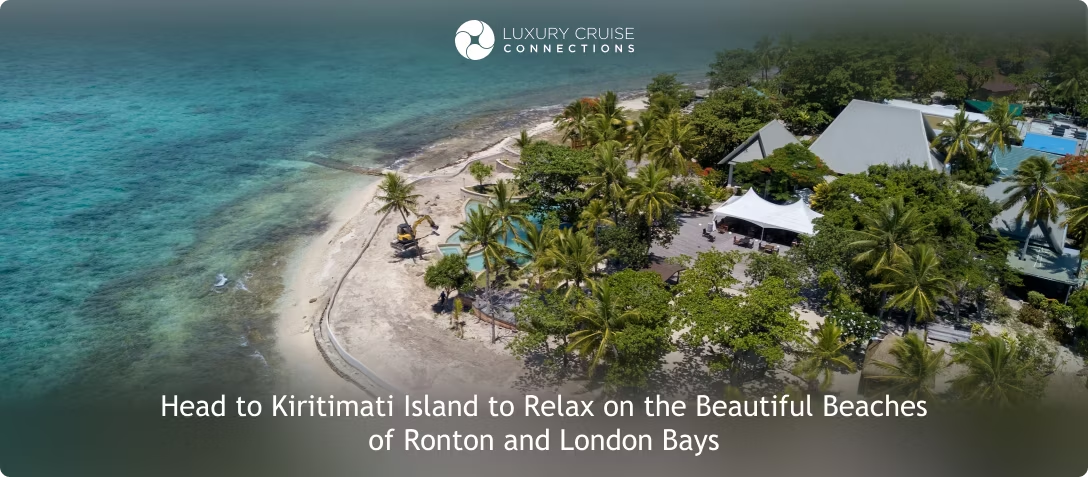
Highlights of Kiritimati Island include its scenic crescent shorelines that open onto calm, reef-protected waters. Another highlight is the clarity of Ronton Bay’s lagoon, where the shallow seabed creates beautiful shifting shades of blue and green under equatorial sunlight. Another highlight is Ronton Bay’s undeveloped stretch of sand with coconut palms and uninterrupted ocean views. Kiritimati is also a rich habitat for birdlife such as the endemic Christmas Island Warbler, and frigatebirds and terns circle above the lagoons at low tide
Relaxing on Kiritimati Island’s beautiful Ronton Bay lets visitors enjoy a remote island paradise with white sand, azure water, and open Pacific views. Visitors relax on warm sand, wade into waist-deep lagoons, and float in clear water protected by offshore reefs. Fishing enthusiasts enjoy world-class saltwater fly fishing. Visitors have opportunities to join lagoon tours and go surfing and diving. Nature-lovers watch frigatebirds and terns circle above the lagoons at low tide.
The best time to head to Kiritimati Island and relax on Ronton Bay is from May to October, when the southeast trade winds bring drier conditions and calmer seas.
Local island guides lead tours of Kiritimati Island and Ronton Bay and provide transport, lagoon access, and information about bird habitats and reef ecosystems.
Entry to Kiritimati Island is free.
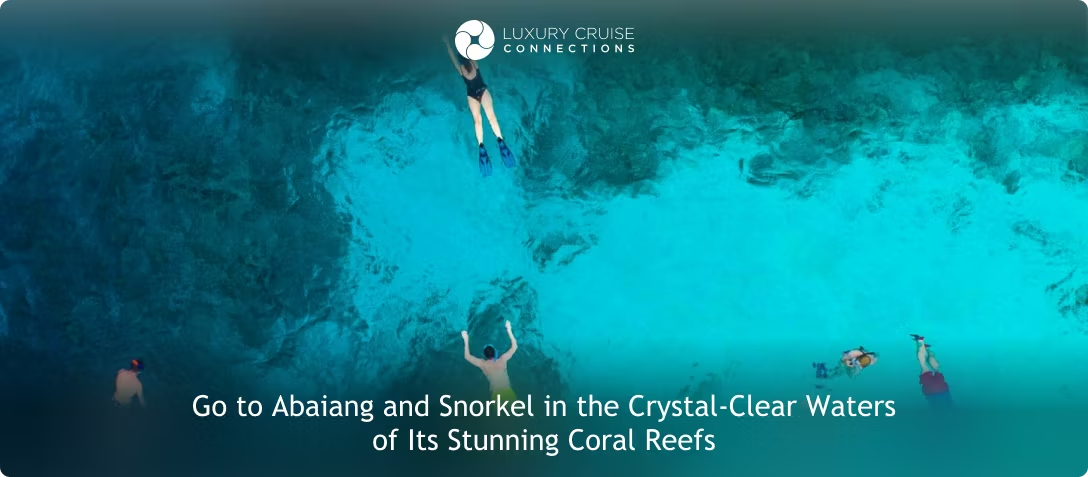
Highlights of Abaiang include snorkeling above vibrant, biodiverse coral heads inside the lagoon. Abaiang is home to colorful blue coral (Heliopora coerulea), large Porites colonies and an abundance of crabs and lobsters. Other Abaiang must-sees are the reef edges along the ocean side of the atoll, where clearer currents attract schools of parrotfish and surgeonfish. Another Abaiang highlight is visiting small islets such as Tebwanga. Tebwanga offers white-sand beaches and shallow turquoise water that creates ideal entry points for guided reef swims.
Going to Abaiang and snorkeling its reefs offers an immersive experience of Kiribati’s pristine coral ecosystems. Travelers board small dinghies from village shorelines and cross the lagoon before putting on snorkeling gear and entering warm shallow water. Snorkelers admire vibrant coral formations and marine life in clear detail because visibility in Abaiang’s reefs often reaches 20 to 30 meters in calm conditions. Visitors often combine snorkeling with time on Abaiang’s nearby islets where they learn pandanus weaving from local artisans.
The best time to go to Abaiang and snorkel is from May to October, when drier conditions and steadier trade winds keep visibility high and seas relatively calm.
Local guides lead snorkeling trips around Abaiang and provide reef safety briefings. Guides explain tides and currents and share knowledge of traditional fishing areas and Kiribati village customs.
Entry to Abaiang is free. Snorkeling tours in Abaiang cost [$20 to $30] depending on boat transport distance, group size, and rental of snorkeling gear.
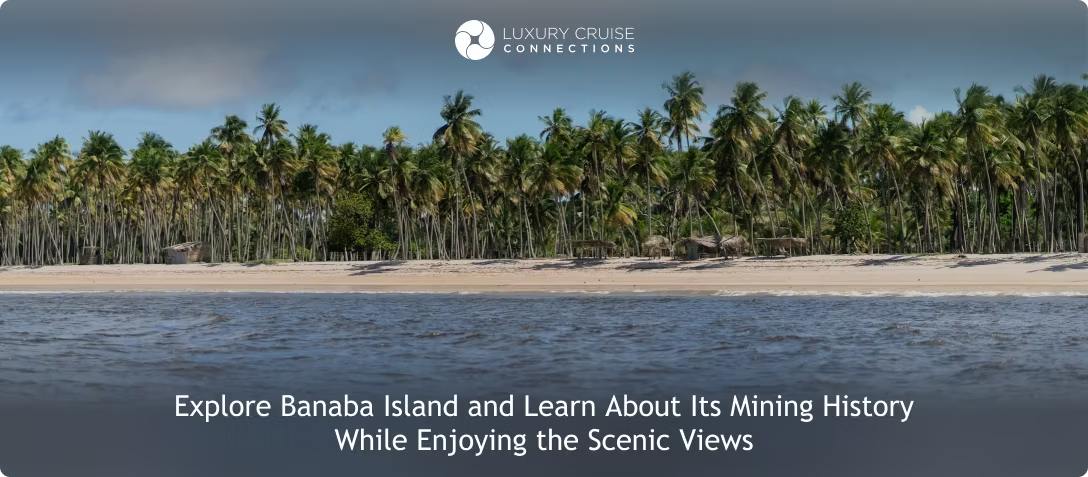
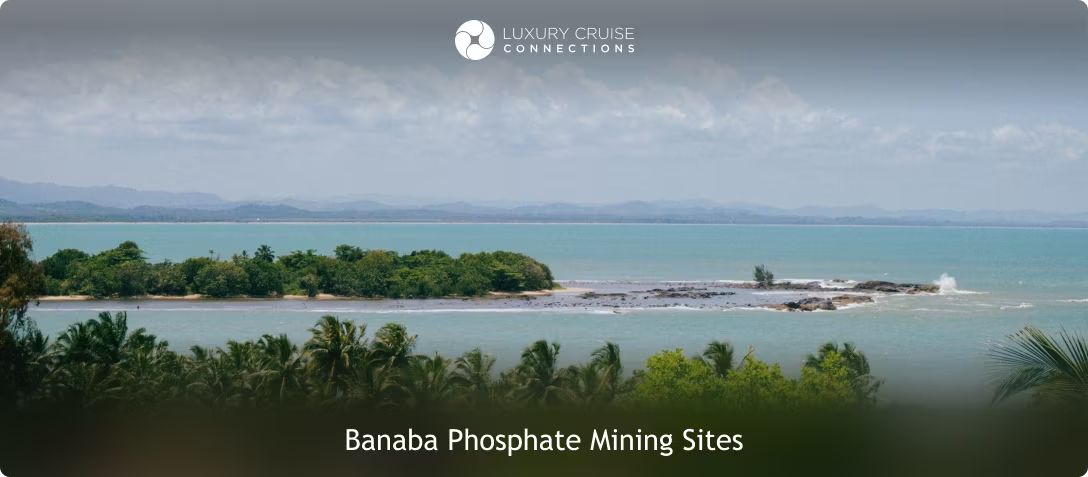
Highlights of Banaba Island include the jagged limestone pinnacles left behind by decades of phosphate mining, which create an almost-lunar terrain across the island’s interior. Another highlight is the remains of colonial-era mining infrastructure, where visitors see concrete foundations and equipment relics tied to British Phosphate Commissioners operations that began in 1900. Another highlight of Banaba Island is its elevated coastal cliffs, which offer dramatic Pacific views that are rarely found in low-lying Kiribati.
Exploring Banaba Island offers visitors a powerful blend of environmental history, cultural tradition, and sweeping Pacific views. Visitors walk through rocky mining fields and see sharp coral limestone spires rising from the ground. They observe ghostly remnants of British phosphate mining machinery and old colonial homes. They hike to the island’s summit, which is Kiribati’s highest point at 81 meters above sea level. Travelers descend into Te Bangabanga Cave, an underground freshwater cave linked to a local legend of a guiding crab spirit.
The best time to explore Banaba Island and learn about its mining history while enjoying the views is from May to October. Rainfall is lower, humidity is more moderate, and walking across exposed limestone terrain is more comfortable during this season.
Local guides lead tours around Banaba Island and explain the history of phosphate mining, point out significant quarry zones, and provide context about how mining affected Banaban communities.
Entry to Banaba Island is free.
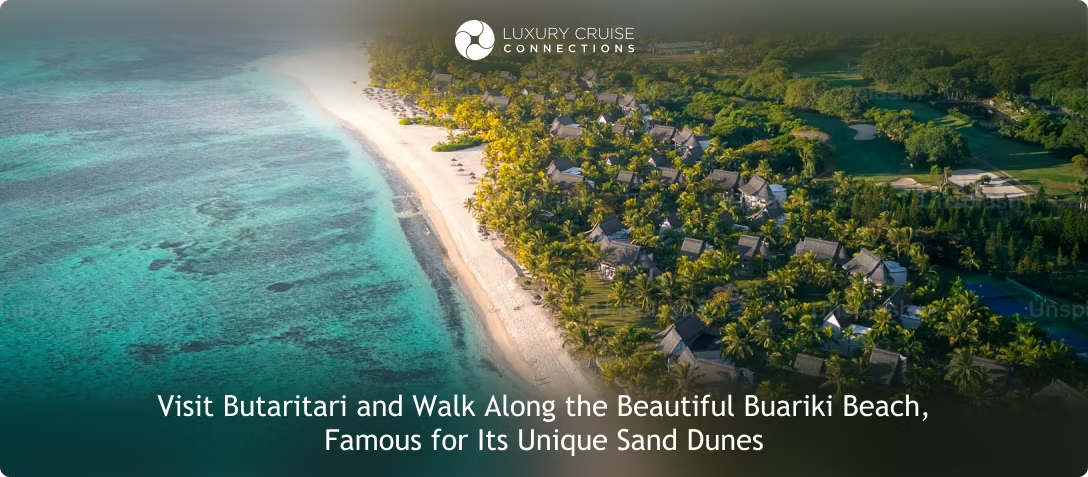
Highlights of visiting Butaritari and Buariki Beach include the sweeping stretch of Buariki Beach, where pale sand rises into natural dunes shaped by steady trade winds. Another Butaritari highlight is the contrast between the calm turquoise lagoon on the island’s inner side and the deep-blue open ocean along Buariki’s outer reef edge. Another highlight is the King’s Pond (Te nei ni man) that was a private fishing ground for local kings. Another highlight is Butaritari’s World War II history, as the atoll was the site of the 1942 Makin Raid and the 1943 Battle of Makin.
Visiting Butaritari and walking along the beautiful Buariki Beach combines World War II history with striking coastal scenery. Visitors walk through Butaritari's quiet villages and follow sandy tracks. They explore Butaritari’s World War II sites linked to the 1942 Makin Raid and the 1943 Battle of Makin, and learn from local guides about the island’s complex history. They walk Buariki Beach, climb low dunes shaped by ocean winds, and watch waves break along the exposed shoreline. Visitors taste local delicacies, dine on fresh seafood and observe traditional clam hunting.
The best time to visit Butaritari and walk along the unique sand dunes of Buariki Beach is from May to October, when rainfall is lower and breezes keep temperatures comfortable.
Local island guides lead tours of Butaritari and Buariki and assist visitors in reaching remote ocean-facing stretches safely. They explain sand dune formations on the beach and share oral histories of the islets.
Entry to Butaritari and Buariki Beach is free.
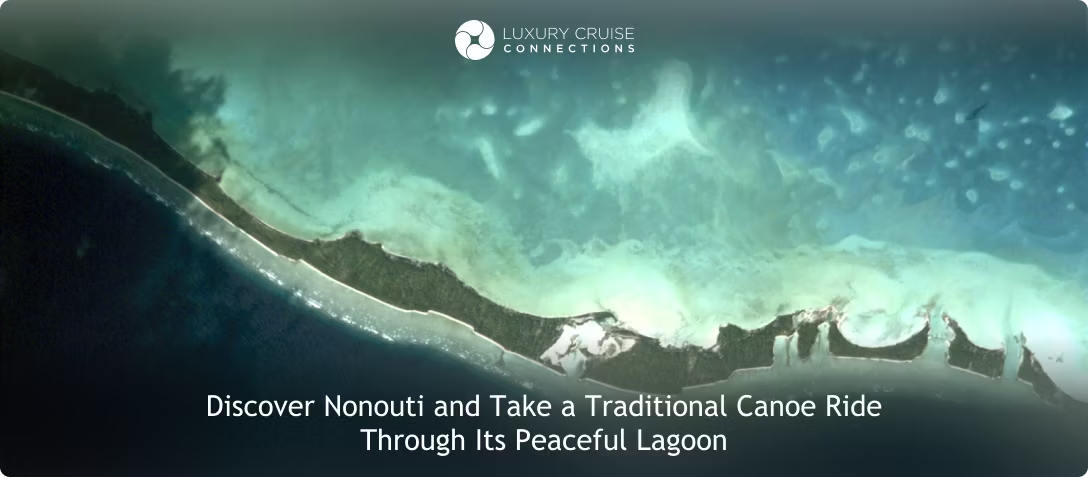
Highlights of Nonouti Island include its large coral lagoon with beautiful blue waters and rich biodiversity. Another Nonouti highlight is riding a traditional canoe that is crafted with local techniques passed down through generations. Traditional canoes in Nonouti Island are uniquely constructed without metal and involve lashing wooden planks together with coconut fiber cord. Another Nonouti highlight are the village maneabas, which are large open-sided meeting houses near the shore. Nonouti’s maneabas reflect the atoll’s communal structure and remain central to ceremonies and local governance.
Discovering Nonouti and taking a traditional canoe ride through its peaceful lagoon offers visitors a close look at daily life on a remote Pacific atoll. Travelers walk along sandy village paths in Taboiaki and Matang and meet local canoe builders. They step into a narrow outrigger canoe and are paddled across glassy waters. They watch giant trevally (GT) reef fish move beneath the surface and glide past local fishermen checking woven traps (gillnetting). Visitors pause near Nonouti lagoon’s edge, enjoy ocean breezes, and observe how land, reef, and community function as one system.
The best time to discover Nonouti Island and take a traditional canoe ride is from May to October, when the lagoon waters remain especially calm during Kiribati’s drier season.
Local village guides lead canoe outings on Nonouti and provide insight into traditional navigation, fishing methods, and the cultural role of the maneaba within Gilbertese society
Entry to Nonouti is free. Traditional canoe rides cost [$10 to $25] depending on the duration of the paddle and whether a guided village visit is included.
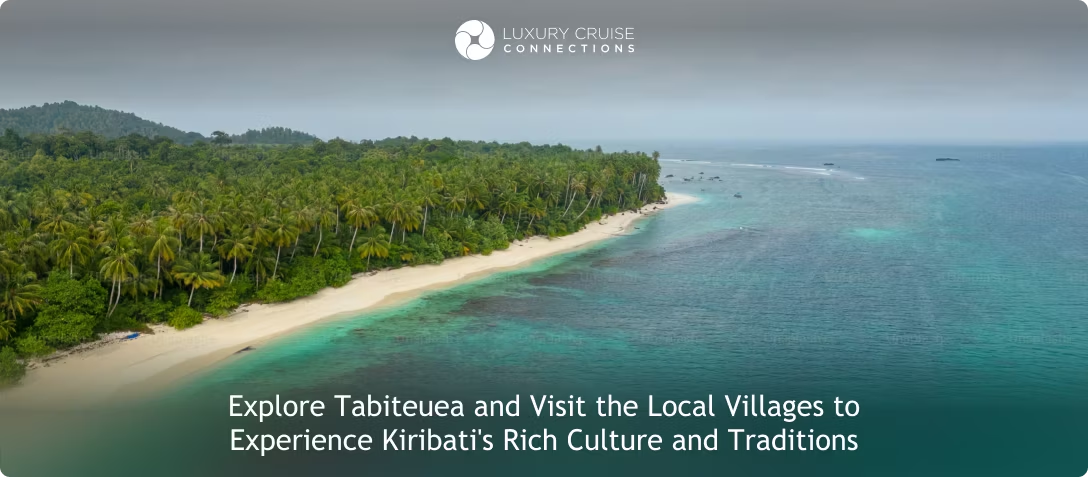
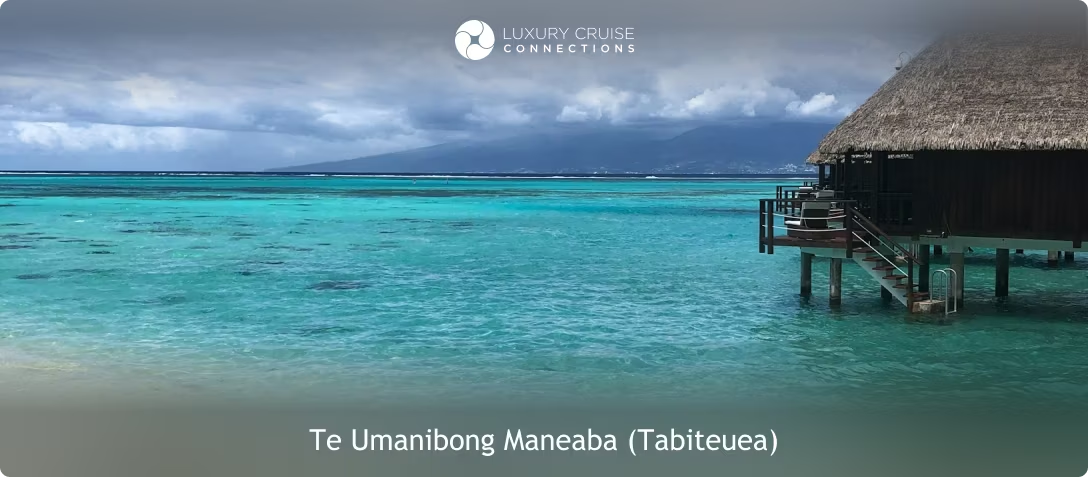
Highlights of Tabiteuea are the impressive maneaba structures, which serve as the social and political heart of each village community. Key villages in Tabiteuea include Utiroa, Buariki, Kabuna, and Taumwa. Another Tabiteuea highlight is watching elders lead gatherings inside thatched halls with storytelling, dispute resolution, and rehearsals for dances like Ruoia. Another highlight of Tabiteuea is its lagoon shoreline where traditional canoe building and net fishing demonstrate skills passed down through generations.
Exploring Tabiteuea offers visitors a direct connection to Kiribati’s living traditions and communal way of life. Visitors walk sandy village paths lined with coconut palms. They enter maneabas and sit on woven mats while local leaders explain clan structures and customs. Travelers observe women weaving pandanus mats and men repairing fishing nets. They watch traditional Te Bino or Te Kainikamaen dance, which imitates the movements of frigate birds. Visitors share simple meals of fresh fish and breadfruit and hear rhythmic songs.
The best time to explore Tabiteuea and visit the local villages is from May to October, when travel between villages is easier on dry, firm ground.
Local community guides lead tours of Tabiteuea and the local villages and explain clan systems, maneaba protocols, and the historical role of the atoll in Kiribati.
Entry to Tabiteuea and its villages is free. Guided cultural visits cost [$5 to $25] depending on the village, group size and included activities.
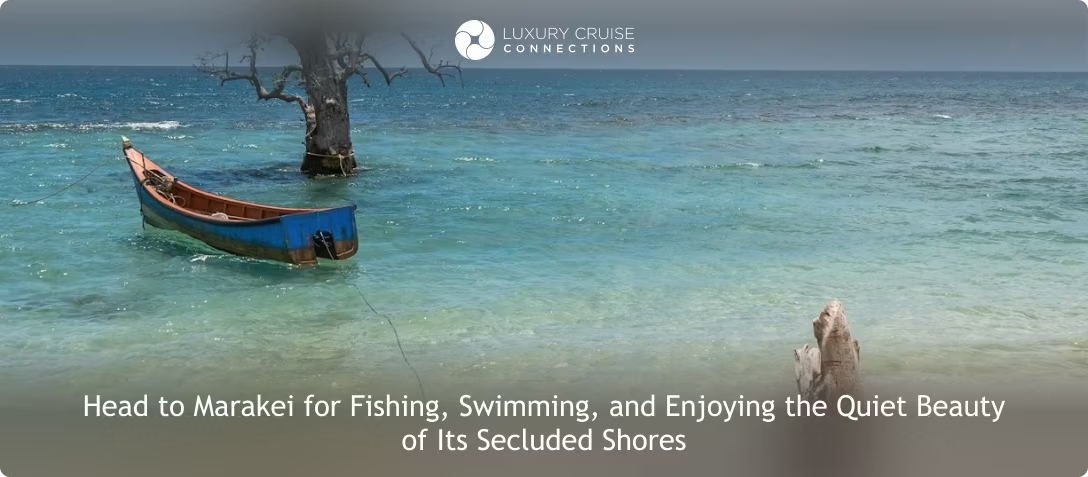
Highlights of Marakei include its traditional fishing grounds, where local species such as blue spotted grouper, two spot red snapper, golden hind, and darkfin hind are commonly caught. Another highlight is Marakei’s nearly unbroken ring of reef enclosing a broad shallow lagoon. The lagoon provides clear waist-deep water ideal for swimming. Another Marakei highlight is the network of causeways linking villages around the atoll’s rim. These causeways allow visitors to walk or cycle along the ocean-facing side.
Heading to Marakei offers travelers a quiet, community-centered island experience rooted in Kiribati lagoon life. Visitors arrive by boat or small aircraft and walk through palm-lined village paths toward the Marakei lagoon shore. They wade into warm, crystal-clear water and swim over sandy bottoms alive with small reef fish. Travelers join local fishers at dawn and observe reef edge spearfishing. They learn to use traditional scoop nets, and try handline fishing in seafood-rich lagoon channels. They pass lush bwabwai taro fields inland and relax on unspoiled beaches.
The best time to head to Marakei for fishing, swimming, and enjoying secluded shores is from May to October, when conditions are drier, and lagoon waters remain calm and clear.
Local guides lead fishing trips and lagoon outings on Marakei and provide practical knowledge about tides, reef channels, and customary village practices.
Entry to Marakei atoll is free.
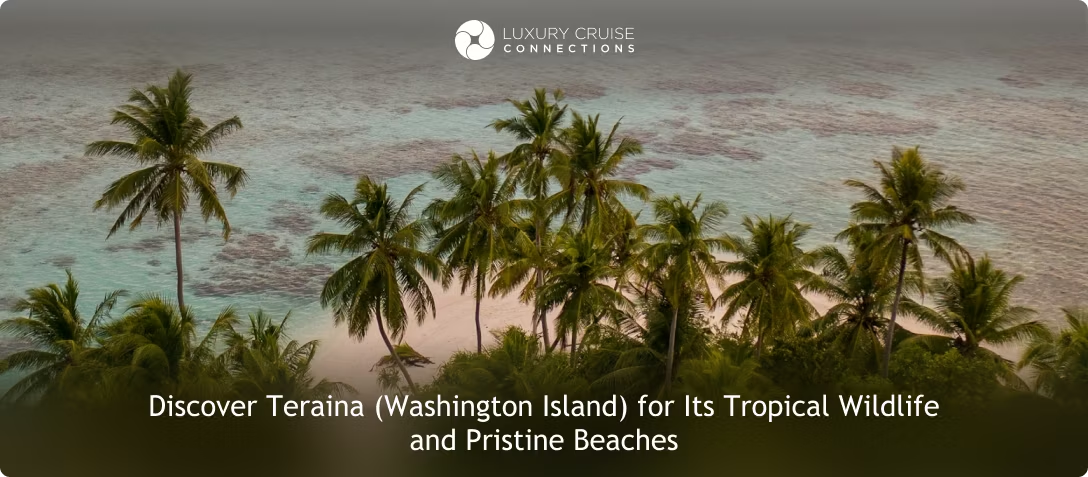
Highlights of Teraina include its central freshwater lake and swamp system, which create dense tropical vegetation rarely found elsewhere in Kiribati. Another highlight is the island’s coconut groves and breadfruit trees which form a green canopy. Another Teraina highlight is its secluded coral-sand beaches and clear waters, where tourists snorkel over vibrant reefs with diverse corals and reef fish. Another highlight is the presence of ancient marae sites, offering insight into the island’s Polynesian heritage and early settlement history.
Discovering Teraina provides a quiet, nature-focused experience that reveals a greener and more isolated side of Kiribati. Visitors tour wetlands and see freshwater pools that support taro patches and local agriculture. They board small boats to explore the island’s large freshwater lake and navigate narrow canals once used to transport copra from inland plantations to the coast. Travelers continue into dense tropical forest and listen to the rare Kuhl’s lorikeet in the canopy. They then rest on Teraina’s unspoiled beaches, swim in warm lagoon waters, and watch the sunset.
The best time to discover Teraina for its tropical wildlife and pristine beaches is from May to October, when rainfall is lower and forest paths and coastal areas are easier to access.
Local community guides lead tours of Teraina and its tropical wildlife areas and provide insight into traditional agriculture, bird habitats, and daily island life.
Entry to Teraina is free.
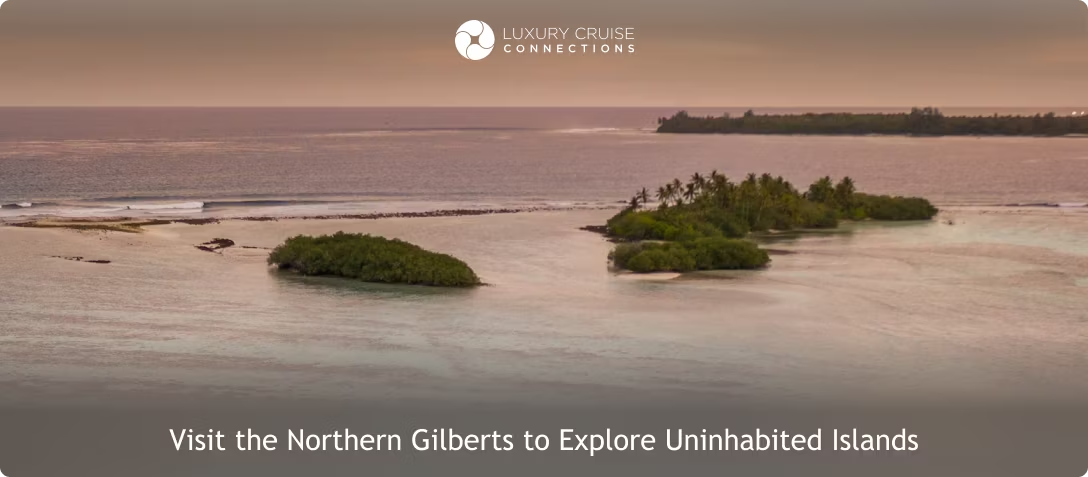
Highlights of the Northern Gilberts include the greener landscapes of Butaritari and Makin, often called the “garden” islands for their abundant bananas and taro made possible by higher rainfall. Another highlight is the ring of uninhabited islets around Butaritari and Abaiang, where visitors find healthy reefs and empty white sand beaches. Another highlight is Butaritari’s historic high-chief tradition, along with visits to village maneabas, lagoon boating in clear protected waters, and locally crafted shark-tooth swords and woven mats.
Visiting the Northern Gilberts to explore uninhabited islands delivers a rare mix of isolation, wildlife, and living tradition. Visitors hire local boats to reach islets such as Kotabu or Tikurere, where they picnic on white sand and swim in untouched lagoons. They snorkel above coral reefs filled with sea turtles and tropical fish or kayak across calm turquoise waters. Travelers watch noddies and frigate birds at Noumwatong Bird Sanctuary, join traditional fishing trips, and visit Kuma village to see whale-calling shrines.
The best time to visit the Northern Gilberts to explore uninhabited islands is May to October, when calmer seas make boat travel and lagoon visits more comfortable.
Local boat operators and community guides lead tours of Northern Gilberts to explore uninhabited islets and navigate across reef passages.
Entry to the Northern Gilberts is free.
The reasons why Kiribati is becoming a popular Cruise Destination are listed below.
The best time to visit Kiribati on a cruise is during the dry season (April to October), when the trade-wind months bring lower rainfall and more stable sea conditions. Within the dry window, spring (April to May) and fall (September to October) offer the most pleasant balance of steady trade winds, manageable heat, and calmer lagoon waters for shore landings. Reduced humidity and lighter rainfall during Kiribati’s dry season create more comfortable touring conditions for cultural visits, snorkeling, and atoll explorations.
Dry season aligns with Kiribati’s main cruise season, particularly for expedition-style voyages visiting the Gilbert Islands and remote atolls. Kiribati does not have a large mainstream cruise infrastructure and smaller vessels operate most reliably outside the wet season (November to March), when there is a chance that storms disrupt itineraries. This combination of comfortable excursion weather and reliable docking conditions make the dry season the ideal time to book Luxury Cruise Experience in Kiribati.
Yes, Kiribati Island is a good Pacific cruise destination. Kiribati sits on remote central Pacific routes and offers classic atoll geography such as continuous reef rims, shallow lagoon flats, reef passes, and wide ocean-facing sandbanks. These low-lying coral formations create protected anchorage zones and clear snorkeling waters that define traditional South Pacific cruising. Small ship arrivals at Kiribati Island preserve a quiet atmosphere that feels far removed from busier Pacific ports. Couples cruising to Kiribati enjoy snorkeling over coral reefs, traditional canoe outings, walking on unspoiled white-sand beaches, and watching sunsets over the ocean horizon. Cultural excursions in Kiribati let couples authentically experience Micronesian community life through village visits and traditional canoe rides.
A cruise trip to Kiribati ranges from [$2,000 - $6,000] per tourist depending on the cruise line, cabin type, and length of the cruise voyage. A 7 - 10 day cruise to Kiribati costs between [$2,000 - $6,000] per person, while shorter 3 - 4 day cruises to Kiribati are rare due to its remote location which involves long Pacific crossings. Cruise trip prices fluctuate based on the time of year, with higher prices during Kiribati’s peak travel seasons (April to October) and lower prices during the off-season (November to May). Luxury cruises to Kiribati with all-inclusive packages, private suites and balcony cabins tend to have higher rates. Cruise prices do not include shore excursions, drinks, or gratuities, which increase the total cost of the cruise trip to Kiribati.
The most historic sites in Kiribati to explore are listed below.
Some fun things to do in Kiribati are listed below.
Fly fishing on Kiritimati Island ranks among the top saltwater angling experiences in the Pacific. Anglers target bonefish, trevally, and triggerfish across expansive shallow flats with local guides

Snorkeling in Abaiang Lagoon offers clear water and accessible coral reefs close to shore. Visitors explore Abaiang’s colorful reef systems and observe tropical fish in calm lagoon conditions.
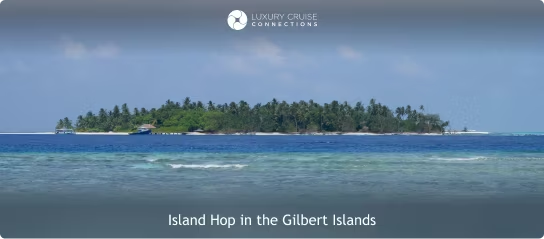
Island hopping between islets in atolls such as Marakei or Tabiteuea allows travelers to explore multiple beaches and villages in one fun outing. Small boats transport visitors across shallow lagoons for swimming and shoreline walks.
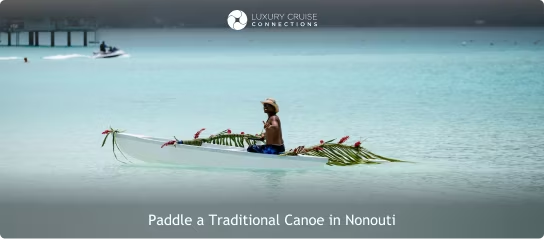
Paddling a traditional canoe in Nonouti Lagoon connects visitors directly with Kiribati’s seafaring heritage. The activity combines light physical effort with scenic lagoon views and cultural exchange.
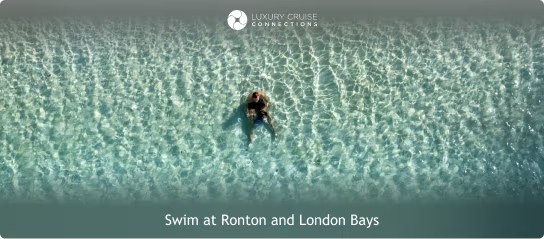
Swimming at London Bay (Ronton Bay) on Kiritimati provides wide beaches and warm turquoise water. Visitors enjoy relaxed ocean swimming and sunset walks along undeveloped Pacific shores.
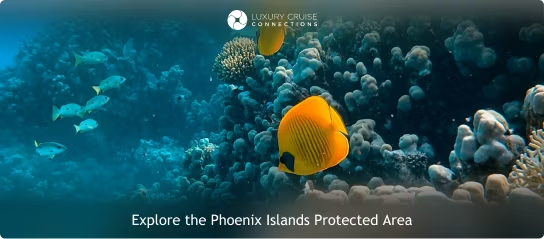
Exploring the Phoenix Islands Protected Area offers one of the most remote marine experiences in the central Pacific. Visitors on expedition vessels witness untouched coral reefs, deep ocean channels, and abundant seabird colonies within one of the world’s largest marine protected areas.
The best spots for snorkeling and scuba diving in Kiribati are listed below.
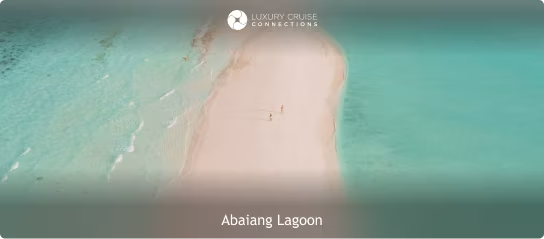
Abaiang Lagoon lies north of Tarawa and offers clear shallow water with accessible reef systems close to shore. Snorkelers and divers explore coral bommies and sandy channels with high visibility in protected lagoon conditions
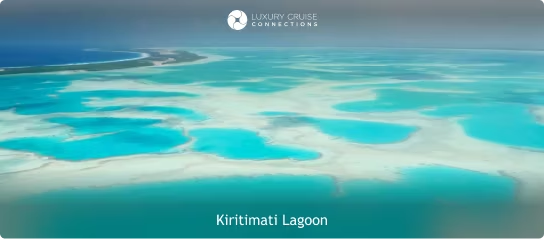
Kiritimati Lagoon on Christmas Island is one of the largest coral atoll lagoons in the world. Divers access reef edges, drop-offs, and flats known for bonefish and trevally in expansive open water.
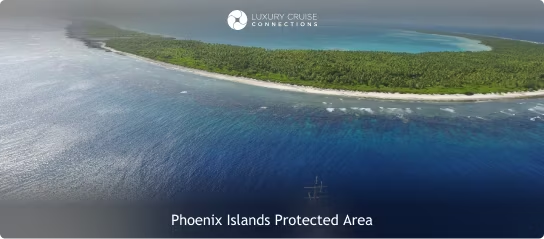
Phoenix Islands Protected Area spans remote central Pacific waters with largely untouched coral ecosystems. Advanced divers experience deep reef walls and pelagic species in isolated offshore environments.
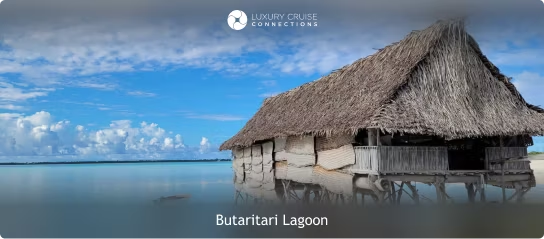
Butaritari Lagoon benefits from higher rainfall that supports clearer lagoon channels and diverse marine life. Snorkelers explore mangrove edged shorelines and reef patches in shallow coastal areas.
The top cultural festivals and events to attend in Kiribati are listed below.

Independence Day Celebrations take place annually on 12 July and mark Kiribati’s independence from the United Kingdom in 1979. Independence Day Celebrations include traditional dancing, choral singing, sports competitions, and community feasts across the Gilbert Islands.

Kiribati National Cultural Festival brings together performers and artisans from different islands to showcase regional traditions. Kiribati National Cultural Festival highlights dance competitions, traditional costumes, canoe displays, and storytelling, making it especially accessible for new visitors seeking an overview of island culture.
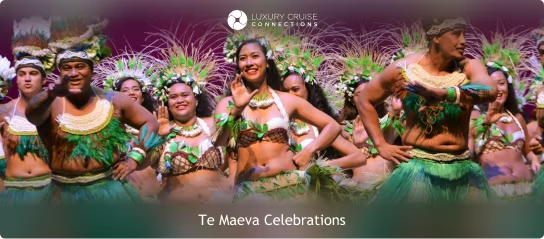
Te Maeva refers to festive events associated with national pride and heritage. Te Maeva is typically celebrated around Independence season. Te Maeva events feature choreographed group dances and choir performances that reflect island identity and community structure.

Church Anniversary Feasts occur throughout the year in village communities and reflect the strong Christian influence in Kiribati. Church Anniversary Feasts include communal meals, hymn singing, and coordinated attire that bring entire villages together.
Kiribati is a beautiful country to visit for two reasons. The first reason is Kiribati’s vast coral atoll landscapes. Kiribati stretches across 33 low lying atolls where turquoise lagoons meet white sand beaches and shallow reef flats. Visitors are able to observe wide ocean horizons and palm lined shores across remote Pacific settings. The second reason is Kiribati’s beautiful coastal forests and ancient mangrove forests. Towering coconut palms and pandanus trees frame Kiribati’s inland villages. Ancient mangrove forests line sheltered lagoon shores and tidal inlets and add ecological richness to the atoll environment.
You can explore Kiribati’s ancient mangrove forests on Abaiang Atoll, along lagoon margins in South Tarawa, and in sheltered coastal areas of Butaritari. Abaiang Atoll is north of Tarawa and contains accessible mangrove belts where narrow channels cut through dense root systems. South Tarawa offers smaller mangrove forest stands near village shorelines and tidal flats. Butaritari’s higher rainfall and elevation supports broader coastal vegetation zones. This allows visitors to explore thicker mangrove growth along Butaritari’s lagoon edge.
Yes, there are spots in Kiribati for birdwatching and nature tours. In Kiritimati, birdwatchers visit the salt flats and lagoon edges near Ronton Bay to see frigatebirds, red-footed boobies and white terns gather near shallow reef shelves. The inland wetlands around Kiritimati’s large central lagoon attract migratory shorebirds. On Teraina, Washington Lake and surrounding freshwater swamps draw herons and other waterbirds uncommon on Kiribati’s drier atolls. In Abaiang, guided nature walks along the inner lagoon reef flats at low tide let visitors observe reef fish nurseries, seabirds feeding offshore, and coconut crabs sheltering along the treeline.
You can experience local culture in Kiribati by spending time in village communities, observing traditional governance and joining fishing activities. Firstly, spend time in outer island villages such as those on Tabiteuea, Marakei, or Abaiang. Visitors observe daily routines that include lagoon fishing, copra drying, canoe repair, and communal food preparation near family homes. Secondly, visit a traditional maneaba meeting house to understand Kiribati’s social structure. The maneaba functions as the center of decision making, storytelling, and conflict resolution, and visitors learn how clan seating arrangements reflect lineage and status. Thirdly, participate in local fishing and food practices with local resident hosts. Kiribati residents demonstrate net fishing, coconut preparation, and the cooking of breadfruit and fresh reef fish over open fires.
You can visit Instagram-worthy spots in Kiribati after a cruise by arranging island tours or boat transfers from where the cruise tenders ashore, usually Fanning Island and Kiritimati. Since cruise schedules are tight, coordinating transport in advance with cruise providers or local guides ensures visitors reach scenic areas efficiently and return on time.
In South Tarawa, the lagoon side near Bairiki and the causeway connecting the islets offer wide ocean views and vibrant turquoise water that photograph well in natural daylight. The World War II relics scattered along Betio’s shoreline provide striking historical backdrops for Instagram photos, including rusted landing craft partially submerged in the lagoon. In Banaba, elevated limestone cliffs overlooking the Pacific create dramatic and photogenic ocean panoramas that contrast sharply with the flat atolls elsewhere in Kiribati.
Yes, there are fun things to do in Kiribati for outdoor adventures because the country’s lagoons, reef systems, and open coastal terrain create natural spaces for exciting marine activity and coastal exploration. Tourists snorkel over coral reefs in Abaiang and Kiritimati, where clear equatorial waters support reef fish and reef sharks. Divers explore deeper reef channels and drop-offs around Kiritimati for more advanced underwater adventures. In Nonouti, visitors paddle traditional canoes across lagoon waters. On Butaritari, travelers walk ocean-facing beaches and explore reef flats at low tide. Fishing enthusiasts target bonefish on the shallow coral flats of Kiritimati, while others join night fishing trips using torchlight in lagoon waters. On Banaba, visitors hike across raised limestone terrain that rises above the surrounding ocean.
Discover the best activities, landmarks, and experiences in every cruise destination and port of call.
Europe & World Cruises
Western, Central & Mediterranean
America
North, Central, South & Caribbean
Africa & Asia
Oceania & Antarctica
