10 Best Things to Do in Falkland Islands

The 10 best things to do in Falkland Islands include visiting Volunteer Point to see penguins, exploring Stanley the cap...

add

The 10 best things to do in Falkland Islands include visiting Volunteer Point to see penguins, exploring Stanley the capital, discovering the Falkland Islands Museum, visiting Bluff Cove Lagoon, and walking around the islands’ beaches. Other Falkland Islands highlights include exploring the Goose Green settlement, taking a wildlife tour to see sea lions, visiting Darwin Island, exploring the Mount Longdon Memorial, and enjoying birdwatching at Pebble Island. 

Falkland Islands is a remote South Atlantic archipelago that features rugged coastlines, abundant wildlife, and a distinctive British heritage. Things to do in Falkland Islands range from coastal exploration, learning about military history, and observing unique wildlife. Travelers researching what to do in Falkland Islands discover penguin colonies, battle memorials, and vibrant island communities. Visitors searching for places to visit in Falkland Islands experience unspoiled scenery, quiet beaches, and remarkable birdlife unique to the Southern Hemisphere.

  • Visit Volunteer Point to See Penguins
  • Explore Stanley, The Capital
  • Discover the Falkland Islands Museum
  • Visit the Bluff Cove Lagoon
  • Walk around the Islands’ Beaches
  • Explore the Goose Green Settlement
  • Take a Wildlife Tour to See Sea Lions
  • Visit the Darwin Island
  • Explore the Mount Longdon Memorial
  • Enjoy Birdwatching at Pebble Island
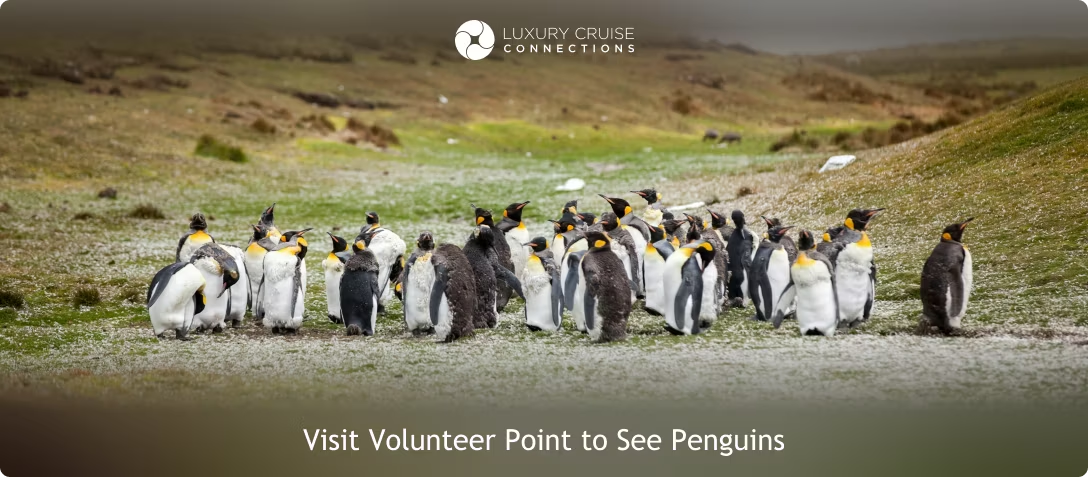
  • Visit Volunteer Point to See Penguins

    Volunteer Point is a private nature reserve and important ecotourism destination in the Falkland Islands. Volunteer Point is home to the largest accessible king penguin colony outside South Georgia. Visitors have a chance to observe adult and baby penguins in their natural environment. The landscape of Volunteer Point features long white beaches, open tussac grasslands, and low dunes facing the South Atlantic Ocean. Volunteer Point lies within a working sheep farm and functions as a protected conservation area and a classified Important Bird Area.
    Visit Volunteer Point to See Penguins

    Highlights of Volunteer Point in Falkland Islands include visiting the king penguin colony where thousands of birds gather on the open coastal plain. Gentoo and Magellanic penguins also nest nearby in burrows and grassland, providing close views of all species. The wide sandy beach at Volunteer Point offers clear observation of penguins entering and leaving the surf. Another highlight is the off-road journey needed to reach Volunteer Point, across East Falkland’s interior which reveals peat bogs and open moorland scenery.

    Visiting Volunteer Point to see penguins is one of the most unique wildlife experiences in the Falkland Islands. Visitors travel to Volunteer Point by 4x4 across rough terrain that reveals the isolation of East Falkland. Travelers arrive and observe king penguins standing in neat lines while penguin chicks crowd together in brown down. Visitors photograph the king penguins, gentoo penguins and Magellanic penguins as they cross the sand to the ocean. Rangers at Volunteer Point explain nesting habits and conservation rules that protect the colony. Guests often stop along the return track to observe upland geese, caracaras, and Falkland skuas.

    The best time to visit Volunteer Point is from January to March or October to April, when penguin sightings are more rewarding. January to March is when the king penguin chicks are at their most active. October to April is the broader penguin breeding season in Falkland Islands.

    Local guides from Stanley lead 4x4 tours to Volunteer Point through private farm routes. Guides hold landowner permission and share information about penguin’s breeding cycles and habitat. Authorized guides are mandatory to visit Volunteer Point in Falkland Islands.

    Guided tours to Volunteer Point to see penguins costs between $200 - $400, depending on group size and tour duration, and include a guide, transport and permits.

  • Explore Stanley, The Capital

    Stanley is the capital of the Falkland Islands and the southernmost British town of its size. The settlement lies on Stanley Harbour surrounded by low hills and coastal grassland. Stanley city serves as the administrative and cultural heart of the Falkland Islands where government, trade, and tourism meet. Visitors explore Stanley as a compact base that offers easy access to local history and daily island life. The architecture of Stanley reveals British and maritime influence through colorful tin roofed houses and stone churches. The port of Stanley remains the main entry point for ships visiting the South Atlantic.
    Explore Stanley, The Capital

    Highlights of Stanley include Christ Church Cathedral, an Anglican cathedral famous for its Whale Bone Arch made from two blue whale jaws. The Falkland Islands Museum in Stanley presents artifacts from Falkland Islands’s maritime and wartime history within restored waterfront buildings. The Government House in Stanley has stood as a symbol of British administration since the 19th century. Another key highlight of Stanley is the harbor promenade along Ross Road full of brightly painted houses, shops, pubs and cafes.

    Exploring Stanley is a memorable experience that reveals the Falklands’ British spirit and small-town warmth. Visitors walk along Ross Road viewing painted houses, shops, and fishing vessels moored in Stanley Harbour. At Christ Church Cathedral, travelers photograph the Whale Bone Arch against the South Atlantic light. Inside the Falkland Islands Museum, guests learn about early whaling, telegraph systems, and the 1982 conflict. Visitors relax in cozy waterfront cafes on Ross Road, tasting tea, cakes, and British-inspired savory pies. Visitors finish their walk at the Stanley Harbour where local fishermen unload their catch at sunset.

    The best time to explore Stanley is from October to April during the Austral summer, when the weather is warmest and daylight hours are longer.

    Local historians lead walking tours in Stanley explaining early settlement, naval history, and the 1982 conflict. Some guides specialize in heritage buildings and political history. Self-guided maps from the Stanley’s Visitor Centre allow independent exploration of Stanley landmarks.

    Access to Stanley’s public areas is free.

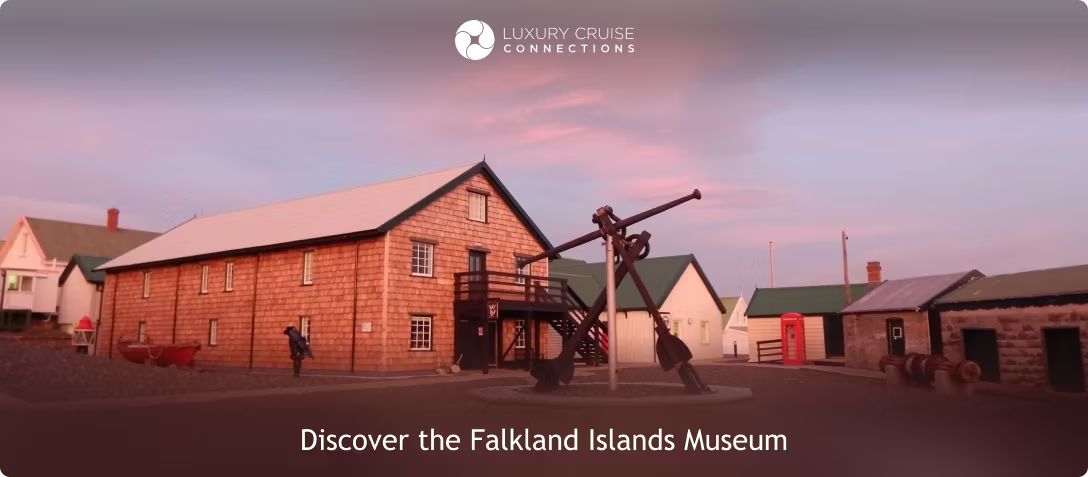
  • Discover the Falkland Islands Museum

    The Falkland Islands Museum, also known as the Historic Dockyard Museum, is located on Stanley waterfront near the harbor. The museum preserves the maritime, social, and military history of the Falkland Islands. The buildings of the Falkland Islands Museum date from the early 20th century and include workshops and warehouses. Museum exhibits explain the Falkland Islands’s isolation, settlement, and the 1982 conflict that shaped so much of its identity. The museum is a must-see for all visitors wishing to understand the social history of the Falkland Islands.
    Discover the Falkland Islands Museum

    Highlights of the Falkland Islands Museum include the Maritime Gallery which displays a number of maritime and military objects, including a harpoon gun. Other highlights are the social history section displays early domestic life of Falkland Island inhabitants, with radios, clothing, and photographs of settlers. The 1982 war gallery presents uniforms, equipment, and films about the Argentinian invasion and subsequent return of British forces. Outdoor museum exhibits include the Smithy, the Wash House and the Print Shop.

    Discovering the Falkland Islands Museum gives visitors a clear sense of island life and endurance. Visitors enter the fascinating Maritime exhibit and browse ship figureheads, vessel models, and relics. In the Social History exhibit, visitors see tools and personal objects from remote farmhouses across the islands. In the war gallery, visitors learn about the 1982 conflict through recorded video and audio testimonies. In the Natural History gallery, visitors marvel at a 7 meter diorama of key Falkland Island birds including the King Penguin and Royal Albatross. Visitors stop by the museum gift shop before leaving to browse local books, woollen gifts, wildlife figurines and local pottery.

    The Falkland Islands Museum is open and enjoyable year-round.

    The Falkland Islands Museum offers guided tours that explain maritime, social, and military exhibits in depth.

    Entry to the Falkland Islands Museum costs about $6 USD per person.

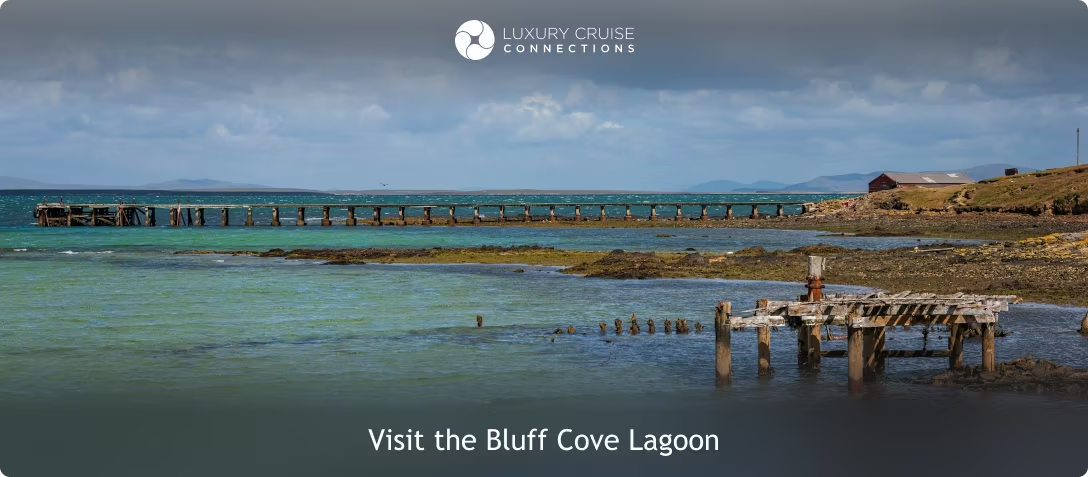
  • Visit the Bluff Cove Lagoon

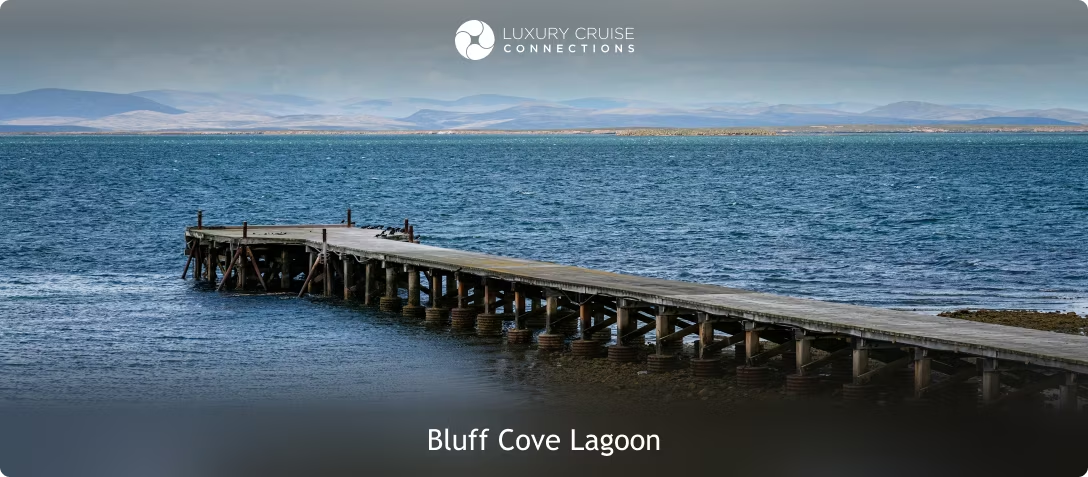
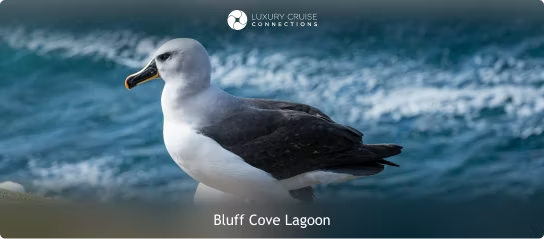
    Bluff Cove Lagoon is a private coastal wildlife reserve on East Falkland, about half an hour from Stanley. Bluff Cove lagoon supports thriving colonies of gentoo and king penguins and offers access to one of the island’s best wildlife viewing beaches Bluff Cove Lagoon lies along a white‑sand beach and includes a large sandy shore, a coastal lagoon, and surrounding hills and sheep farm fields. The site supports a fascinating array of bird species and marine animals, and a visit combines nature with local farm heritage and hospitality.
    Visit the Bluff Cove Lagoon

    Highlights of Bluff Cove Lagoon include the large gentoo penguin colony that occupies the beach and dunes. The smaller king penguin group nearby provides a rare close-up encounter with both species in one setting. The long sandy bay of Bluff Cove Lagoon allows uninterrupted viewing of penguins entering and leaving the surf. The Sea Cabbage Café sits above the lagoon offering tea, cakes, and panoramic ocean views. Another highlight is the small museum displaying maritime relics and farm tools from early Falkland settlers.

    Visiting Bluff Cove Lagoon offers a vivid wildlife experience in a remote Falkland setting. Visitors ride by 4x4 or minivan from Stanley across bog peat wilderness before reaching the lagoon’s beach. At the colony, travelers observe gentoo penguins feeding fluffy chicks and walking to the surf. Rangers guide visitors along marked trails and explain penguin behavior and environmental care. Afterwards, visitors relax at the Sea Cabbage Café where local hosts serve tea and home-baked desserts. They listen to live music and admire views of the South Atlantic before browsing the small nearby museum and The Bluff Cove gift shop. Most visits to Bluff Cove Lagoon take around 3 hours.

    The best time to visit Bluff Cove Lagoon is from November to February when weather is mild. Late January to February is the best time to view newly hatched penguin chicks.

    Licensed rangers lead tours to Bluff Cove Lagoon, interpret wildlife activity and ensure minimal disturbance near nesting areas. Visits operate only through authorized excursions

    Guided tours from Stanley to Bluff Cove cost around $220 per person, including transport and tea at the Sea Cabbage Cafe.

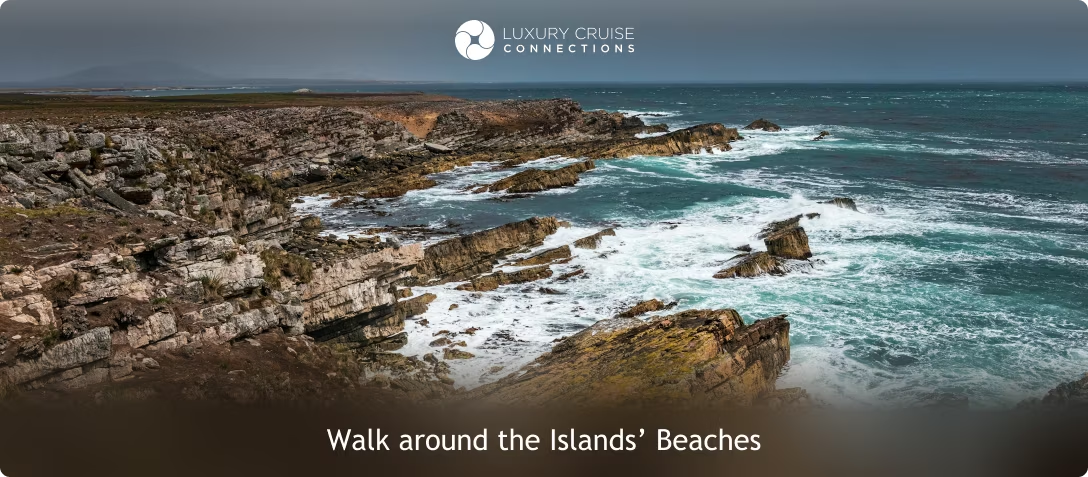
  • Walk around the Islands’ Beaches

    Walking around the beaches of the Falkland Islands reveals some of the most pristine and untouched coastlines in the South Atlantic. These remote beaches stretch for miles with golden or white sand and clear blue-green waters bordered by rocky cliffs and moorland. Falkland Island’s shores provide habitat for penguins, seals, sea lions, and seabirds in a setting free from crowds or infrastructure. Beaches near Stanley and across the outer islands offer dramatic solitude, silence, and unique wildlife.
    Walk around the Islands’ Beaches

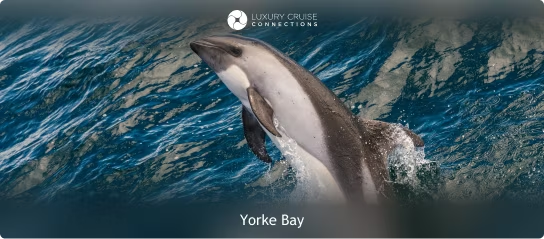
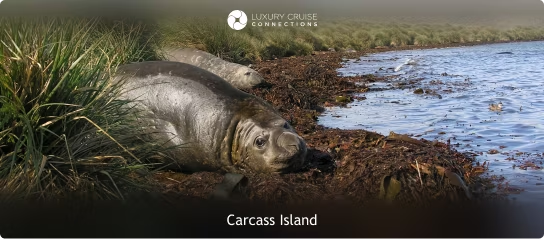
    Highlights of the Falkland Islands’ beaches include Yorke Bay near Stanley where Magellanic penguins nest in burrows across the dunes. Elephant Beach on Pebble Island allows close views of gentoo penguins and sea lions resting along the sand. The untouched beaches of Carcass Island are excellent for birdwatching and spotting gentoo and Magellanic penguins, Cobb’s wren, and tussac birds. Another highlight is Bull Point on East Falkland where white sand beaches, rocky coves, and an old lighthouse create dramatic coastal scenery.

    Walking around the beaches of the Falkland Islands offers a quiet and open coastal experience. At Yorke Bay visitors climb dunes, watch Magellanic penguins, and enjoy soft sand and ocean views. Bull Point provides long beaches for kite-flying and picnicking beside coves and the remains of a lighthouse. On Carcass Island visitors reach Leopard Beach and birdwatch for endemic species. Each beach walk reveals the Falkland Island’s unique beach wilderness, seabirds, dunes, and solitude. Friendly locals often greet walkers and share stories about the area’s wildlife.

    The best time to walk the Falkland Islands’ beaches is from October to April when weather is mild and daylight hours are long.

    Local naturalist guides in Stanley lead walking tours on Falkland Islands’ beaches focused on bird identification and photography

    Walking on public beaches in the Falkland Islands is free.

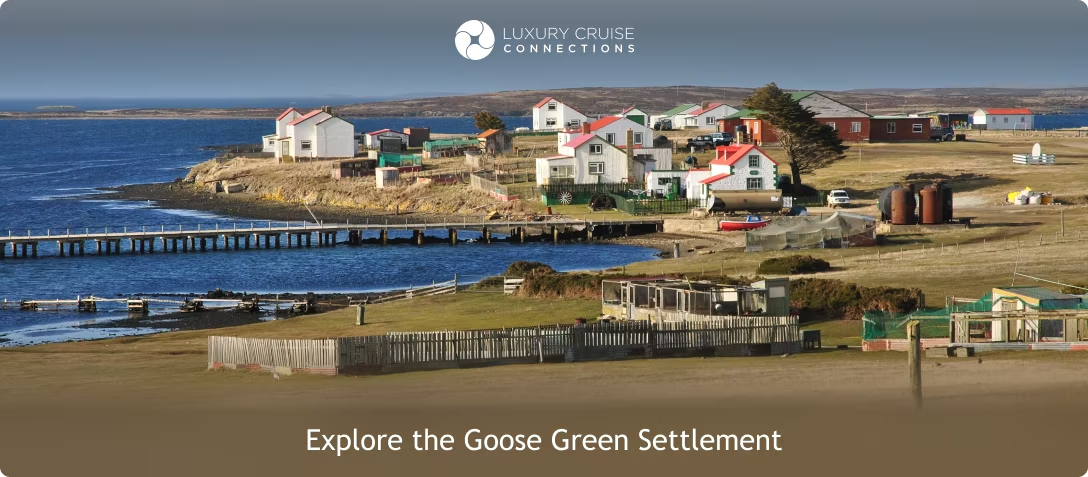
  • Explore the Goose Green Settlement

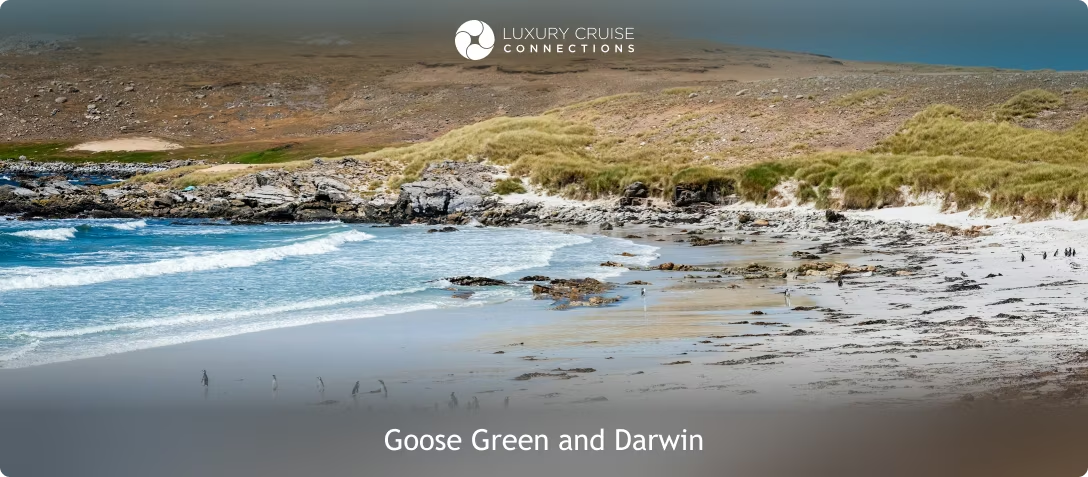
    Goose Green is a historic farming settlement on East Falkland located beside Choiseul Sound. The site sits amid wide open farmland and coastal plains, offering visitors a raw and authentic glimpse of rural island life. Goose Green remains a living sheep farm settlement and retains historic buildings, basic services and a small working airfield. It retains a population of about 40 residents. Goose Green gained international attention during the 1982 conflict when British forces secured it in the first major land battle of the war (the Battle of Goose Green).
     Explore the Goose Green Settlement

    Highlights of Goose Green include the battle memorial beside the community hall which honors those lost in 1982. The historic shearing sheds show traditional wool production still practiced in the settlement. The Goose Green store and small airstrip illustrate early self-reliance in remote areas. The nearby Darwin Cemetery contains graves of soldiers from both sides and provides quiet reflection. Another highlight is the nearby Bodie Suspension Bridge, and the Vicar of Bray shipwreck

    Exploring Goose Green reveals the Falkland Islands’ rural heritage and its wartime past. Visitors begin at the Goose Green Museum to learn about the 1982 conflict and early sheep farming. They walk the historical trail past the 2 Para Memorial and the village hall where civilians were held during the occupation. At the shoreline, travelers observe steamer ducks and oystercatchers feeding near the tidal flats. Guests may spot gentoo penguins near the ferry terminal or dolphins offshore. Before leaving, visitors stop at the Woolpack Café for tea and views over Choiseul Sound.

    The best time to explore Goose Green is from November to March when the weather is most pleasant for walking around the settlement.

    Local history guides lead day trips from Stanley to Goose Green and Darwin. Guides provide detailed accounts of the 1982 battle and the settlement’s agricultural life.

    Entry to the Goose Green settlement is free

  • Take a Wildlife Tour to See Sea Lions

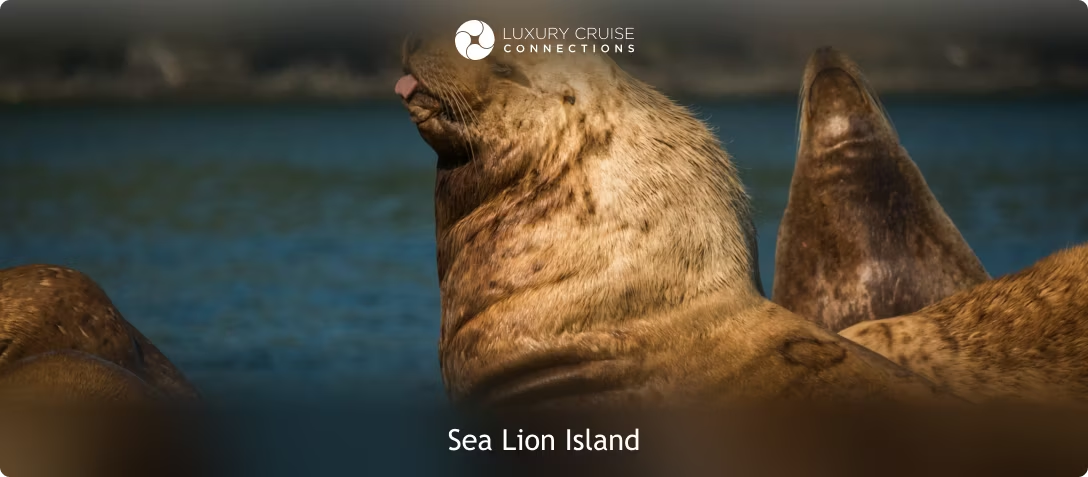
    Taking a wildlife tour to see sea lions is one of the most powerful wildlife experiences for visitors to the Falkland Islands. Sea Lion colonies in the Falkland Islands occupy remote headlands and beaches across East Falkland, West Falkland, and Sea Lion Island. The coastline around Sea Lion Island provides the largest and most accessible breeding colony. Specialized wildlife tours depart from Stanley and take visitors to observe adult and baby sea lions resting on rocks and dunes. Expert wildlife guides explain sea lion behavior, breeding patterns, and the role of these species in the Falkland Islands’ ecosystem.
     Take a Wildlife Tour to See Sea Lions

    Highlights of sea lion tours in the Falkland Islands include the main colony on Sea Lion Island where southern sea lions breed. Large bulls defend harems on open beaches while females nurse pups near the surf. Southern elephant seals are also occasionally spotted on wildlife tours, with mature males reaching over 4 metres in length. Sea Lion Island is a major wildlife tourist destination and easy to explore on foot. The island’s cliffs and beaches provide sightings of orcas, particularly during the seal pupping season. Other highlights of sea lion wildlife tours in Falkland Islands include sightings of dolphin pods offshore and penguin colonies inland.

    Taking a wildlife tour to see sea lions offers visitors a unique and respectful encounter with the Falklands’ marine wildlife. Guests travel by small aircraft or boat to Sea Lion Island, then walk short marked trails across low dunes and grassland. At the shoreline, visitors observe and photograph southern sea lions in family groups, with bulls guarding harems and pups nursing near the shore. Wildlife guides explain sea lion behavior and help identify other species nearby such as dolphins and orcas. Visitors often also spot Magellanic, gentoo and rockhopper penguins crossing the beach.

    The best time to take a wildlife tour to see sea lions is during the summer months, specifically October to November, as this is sea lion breeding season.

    Licensed wildlife guides accompany sea lion tours ensuring safety and conservation compliance.

    Day tours to see sea lions costs between $200 - $300 USD depending on group size and the location visited.

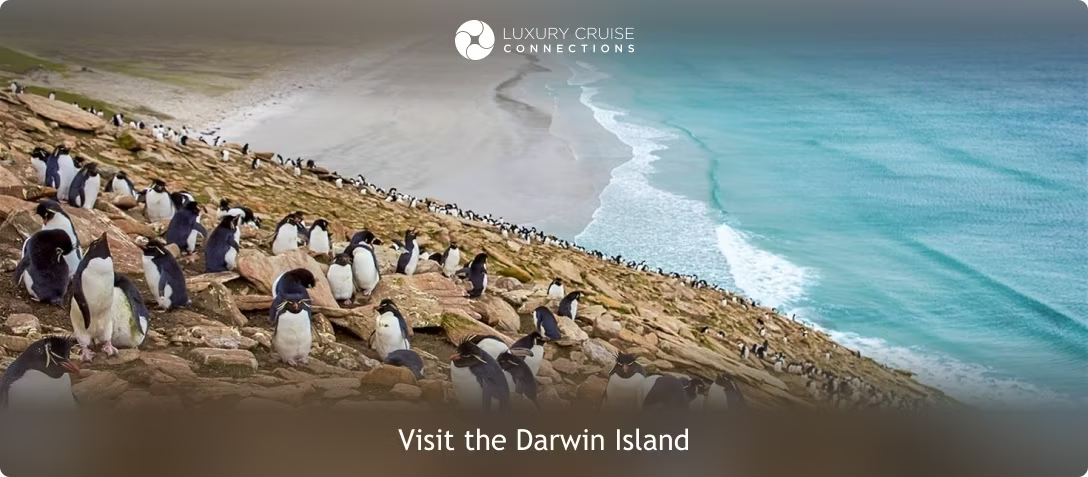
  • Visit the Darwin Island

    The Darwin Island is a small rural settlement on East Falkland located beside and linked to Goose Green. Darwin Island holds historic significance from the 1982 conflict between Argentina and Britain and is a fascinating destination for history lovers. Darwin Island is located on the shore of Choiseul Sound about 96 km southwest of Stanley. The island was named after Charles Darwin who reportedly stayed here overnight while he conducted a zoological survey of the Falkland Islands. Darwin Island was also the center for sheep farming in the Lafonia region.
    Visit the Darwin Island

    Highlights of Darwin Island include the heritage structures such as the old stone corral and the 19th‑century “galpon” building once used by gauchos. These buildings reflect Darwin’s origins in early ranching and farming. Another highlight is the Argentine Military Cemetery, which holds the remains of the 236 Argentine soldiers killed during the Falklands War. Another Darwin Island highlight is the small racecourse. Darwin Island is also a popular destination for birdwatching as the waterfront setting along tidal flats and ponds shoulders a natural environment where birdlife thrives.

    Visiting Darwin Island gives travelers insight into Falklands Islands’ military history and rural traditions. Visitors begin at the Argentine Military Cemetery, where they reflect on the 1982 conflict and view the memorial plaques. They walk to the old stone corral and the galpon building, which echoes Darwin’s gaucho and ranching past. Along Choiseul Sound, nature lovers birdwatch near tidal ponds where waders and waterfowl feed. Visitors sometimes observe horse racing on the local track or meet residents at Darwin Lodge. Some explore trails to Mount Osborne or fish and canoe along the quiet waterfront.

    The best time to visit Darwin Island is from November to March when roads stay dry and daylight lasts longer.

    Local guides from Stanley lead tours linking Darwin Island with Goose Green. Guides explain historical events, military history, and farming life.

    Entry to Darwin Island is free.

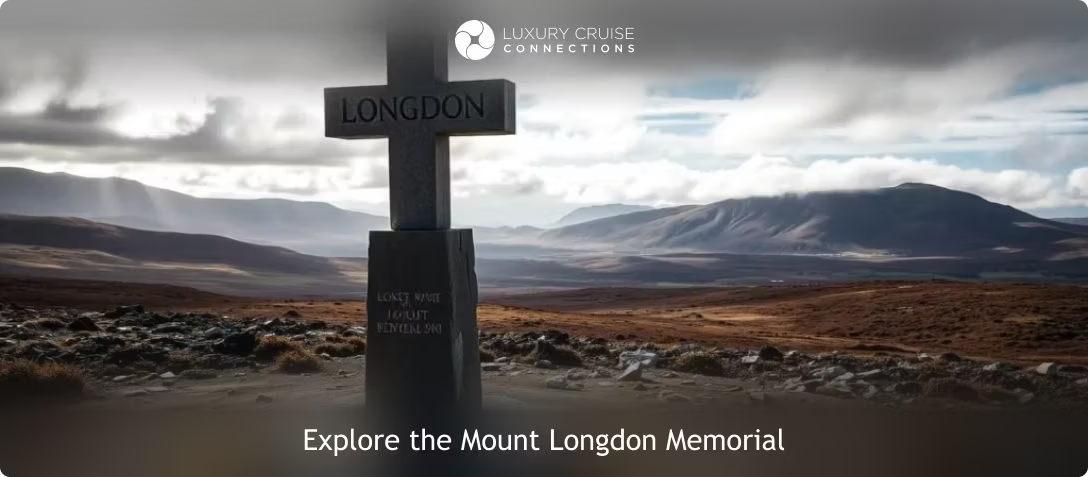
  • Explore the Mount Longdon Memorial

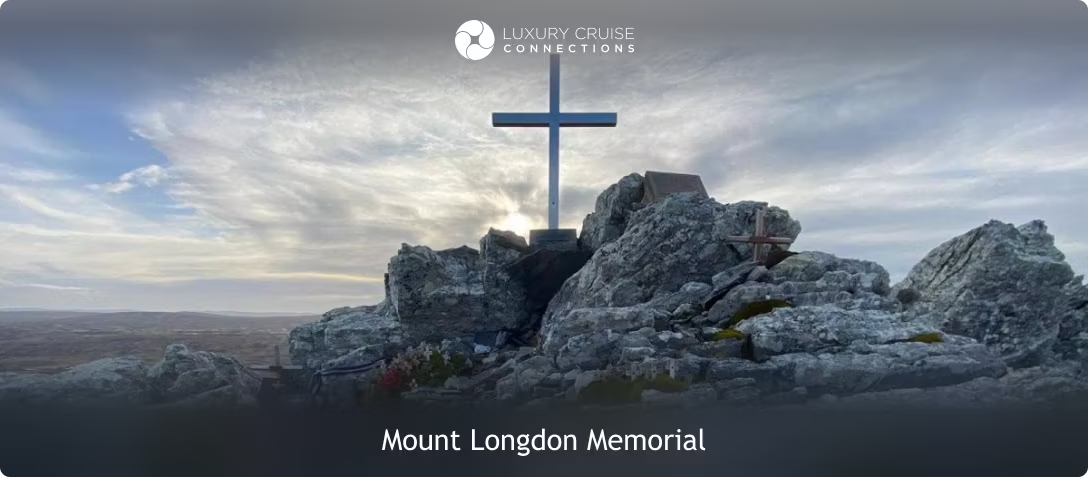
    The Mount Longdon Memorial marks the summit of Mount Longdon, a 186‑metre hill on East Falkland that overlooks the islands’ capital city. The memorial site commemorates the fierce 1982 battle fought there during the Falklands War. It honors British soldiers who fought during the final advance toward Stanley and is an important site for history lovers. The ridge retains visible trenches and shell marks preserved by the local climate. Mount Longdon represents courage, endurance, and remembrance within the Falkland Islands. The hilltop also offers sweeping views across the surrounding moorland and Stanley harbour below
    Explore the Mount Longdon Memorial

    Highlights of exploring the Mount Longdon Memorial include the main memorial cross at the summit of the mountain. The cross is surrounded by plaques listing the names of fallen soldiers. Another highlight is the view from the summit of Mount Longdon, which offers panoramic views over Stanley, Murrell farms and surrounding ridgelines. Historic battlefield remains such as old dug‑outs, ammunition positions and former gun posts lie within walking distance from the memorial.

    Exploring the Mount Longdon Memorial allows visitors to retrace one of the Falklands’ most historic battles. Visitors follow a short trail to the summit where the main cross and metal-flower memorial stand. Along the path, guests view engraved plaques and crosses that honour soldiers who died in the 1982 battle. At the summit, travelers admire wide views across Stanley, Mount Tumbledown, and the coastal moorlands. Visitors walk along the ridge to explore former battle positions and nearby dug-outs preserved from the conflict. Visitors to the memorial have the opportunity to polish memorials using supplies stored onsite. Guided tours provide wartime context and help interpret the Mount Longdon Memorial’s historical significance

    The best time to explore Mount Longdon is from December to March when rainfall is minimal and visibility from the summit of Mount Longdon is clearer.

    Battlefield historians from Stanley lead tours to Mount Longdon Memorial, explaining military stories and providing historical context.

    Access to the Mount Longdon Memorial is free.

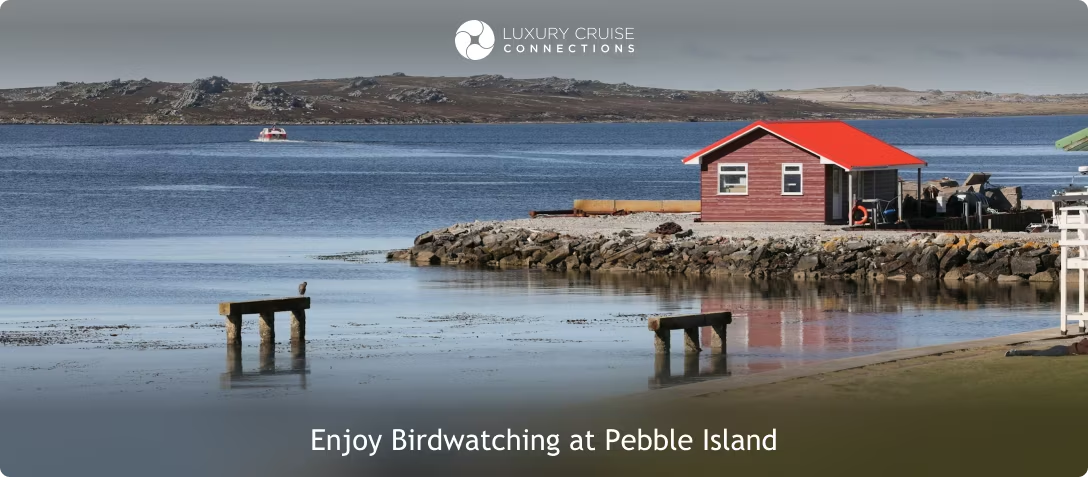
  • Enjoy Birdwatching at Pebble Island

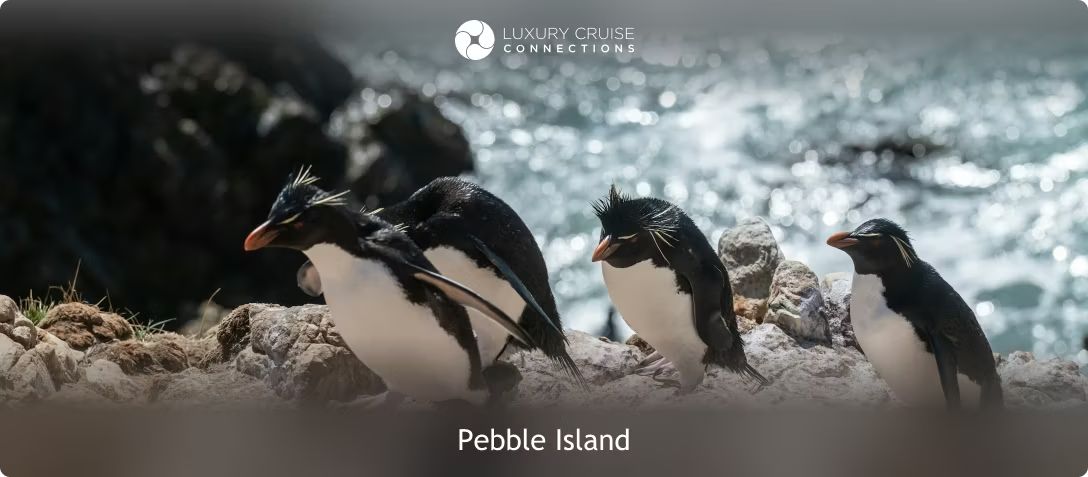
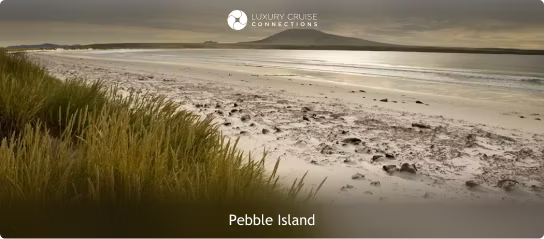
    Pebble Island is the third-largest island in the Falklands and a leading destination for birdwatching. Pebble Island is located off West Falkland. It spans 38 kilometres and includes heathland, ponds, beaches and rocky cliffs. Pebble Island supports 42 resident bird species and attracts rare vagrants from mainland South America. It is the only place in the Falklands where all six penguin species recorded in the islands have been seen. Pebble Island also holds military wreckage and a war memorial.
    Enjoy Birdwatching at Pebble Island

    Highlights of Pebble Island birdwatching include sightings of black-crowned night herons, imperial cormorants and breeding colonies of Magellanic, gentoo, rockhopper and macaroni penguins. Pebble Island is the only site where all six Falkland penguin species have been recorded, including king and erect-crested penguins. Another highlight of Pebble Island is Elephant Beach, the Falklands’ longest beach at 6.4 kilometres. Elephant Beach hosts penguins and seabirds along white sands. Pebble Island’s eastern ponds attract red shoveler, cinnamon teal and black-necked swans. Historic highlights include remains of Argentine aircraft from the 1982 conflict and the memorial to HMS Coventry

    Birdwatching on Pebble Island is a deeply rewarding experience for nature lovers seeking close wildlife encounters in a remote location. Many guests stay overnight at Pebble Island Lodge and join guided off-road tours across the island. In the east, visitors watch cinnamon teal and black-necked swans in quiet ponds beside heathland. Along Elephant Beach, travelers observe penguins, cormorants and herons near the surf. The west of Pebble Island reveals rocky cliffs with gentoo and rockhopper colonies. Wildlife guides explain penguin behaviour and help spot rare bird species. Visitors also stop at Argentine aircraft remains and the HMS Coventry memorial to learn about Pebble Island’s role in the 1982 conflict

    The best time to enjoy birdwatching at Pebble Island is from November to March when weather is pleasant for outdoor exploration and bird activity increases.

    Local naturalist guides lead birdwatching excursions on Pebble Island. Guides add ecological context, facilitate bird sightings and ensure safe access to remote viewing areas.

    Independent birdwatching on Pebble Island’s public beach is free.


What are the Most Popular Tourist Attractions in Falkland Islands?

The most popular tourist attractions in the Falkland Islands are listed below.

  • Port Stanley
  • Volunteer Point
  • Bluff Cove Lagoon
  • Goose Green and Darwin
  • Pebble Island
  • Sea Lion Island
  • Mount Longdon Memorial
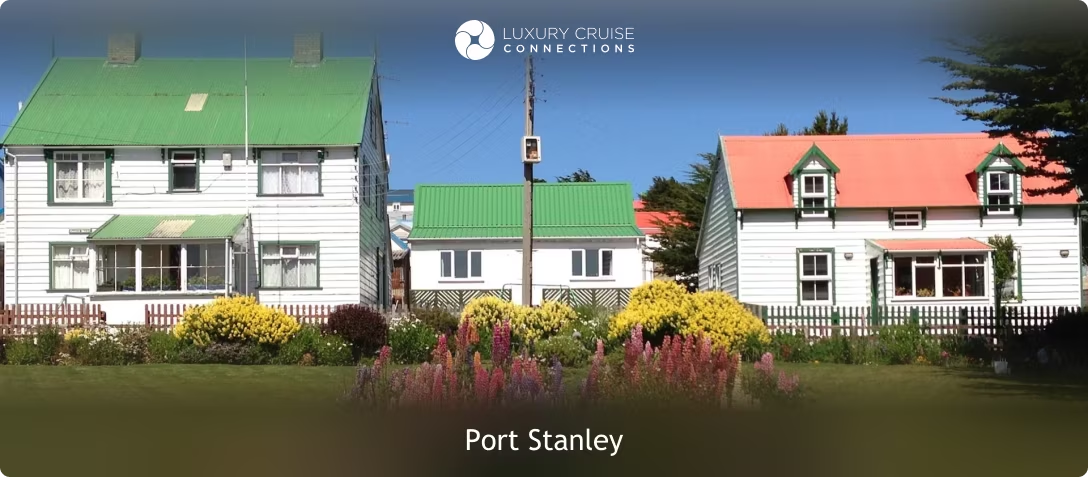
  • Port Stanley

    Port Stanley is the Falkland Island’s capital city and cultural hub. Its walkable waterfront, colorful houses, Whale Bone Arch, and the Historic Dockyard Museum make it the most visited and recognizable place in the Falklands.
    Port Stanley
  • Volunteer Point

    Volunteer Point on East Falkland draws thousands of tourists for its large king penguin colony and long white beach. Volunteer Point remains a top wildlife excursion where visitors can observe king, gentoo and Magellanic penguins in a natural coastal setting.
    Volunteer Point
  • Bluff Cove Lagoon

    Bluff Cove Lagoon is a private reserve near Stanley known for gentoo and king penguins and the Sea Cabbage Café. Its intimate tours and limited access create a popular birdwatching experience.
    Bluff Cove Lagoon
  • Goose Green and Darwin

    Goose Green and Darwin in Falkland Islands attract history-buffs for their rich war history. Tourists visit the 1982 memorials, sheep shearing sheds, and local farms to understand both Falkland’s history and daily life.
    Goose Green and Darwin
  • Pebble Island

    Pebble Island offers penguin colonies, wetlands, and historic wrecks that appeal to photographers and birdwatchers. Pebble Island’s remote landscape and military aircraft remains make it a popular offshore attraction.
    Pebble Island
  • Sea Lion Island

    Sea Lion Island is a protected wildlife sanctuary home to elephant seals, sea lions, and penguins. Sea Lion Island is a popular nature tourism destination where visitors stay in eco-lodges and join guided walks
    Sea Lion Island
  • Mount Longdon Memorial

    The Mount Longdon Memorial near Stanley preserves battle sites from the 1982 conflict. Tourists follow marked trails to memorials and take in sweeping views over the harbor and surrounding hills.
    Mount Longdon Memorial


Which Vacation Spots in Falkland Islands are Best for Beach Lovers?

The vacation spots in Falkland Islands that are best for beach lovers are listed below.


What are the Best Things to Do in Falkland Islands for First-Time Visitors?

The best things to do in Falkland Islands for first-time visitors are listed below.

Visiting Volunteer Point to see penguins gives first-time visitors direct access to the Falklands’ most iconic wildlife and landscapes. Volunteer Point’s large king penguin colony, white sand beach and remote 4x4 journey showcase the islands’ isolation and ecological richness.
Exploring Port Stanley introduces first-time visitors to daily life in the Falklands’ capital city. Stanley’s walkable layout, colorful houses, and British character offer an immediate connection to local culture, history and hospitality.
Visiting the Falkland Islands Museum helps first-time visitors understand the islands’ cultural roots and wartime legacy. Museum on exploration, rural life and the 1982 conflict provide context for other places on Falkland's itinerary.
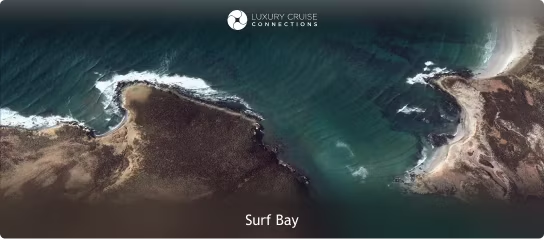
Walking the Falkland Islands’ beaches like Yorke Bay and Surf Bay introduces first-time visitors to the islands’ coastal calm and abundant wildlife. These easy-access shores near Stanley combine penguin sightings with quiet open landscapes.
Touring Goose Green and Darwin gives first-time visitors insight into Falkland important military history and rural settlement. The war memorials, sheep farms and wide scenery reveal the islands’ resilience and remote way of life.
Exploring Mount Longdon Memorial connects first-time visitors to the Falklands’ wartime history and open terrain. The preserved battlefield and summit views over Stanley combine reflection with powerful scenery.
Joining a sea lion wildlife tour introduces first-time visitors to the Falklands’ marine life in a natural setting. On Sea Lion Island, travelers watch sea lions, elephant seals and seabirds and learn from wildlife experts.

How to Experience Wildlife and Nature in the Falklands?

To experience wildlife and nature in the Falklands, there are six steps to follow. First, plan your Falkland visit to align with the seasonal activity of the wildlife you most want to see. Penguins in the Falklands are most active from October to April during their breeding season. For baby penguin sightings, visit between January and March when chicks are visible at Volunteer Point and Bluff Cove Lagoon. Sea lions breed from October to November on Sea Lion Island, while migratory birds such as black-necked swans and cinnamon teal appear between November and March. Overall, October to March offers the best conditions for wildlife viewing across the Falkland Islands.

Second, start with accessible wildlife sites near Stanley, such as Gypsy Cove for Magellanic penguins or Bluff Cove Lagoon for gentoo and king penguins on guided tours. Third, book structured excursions to key locations like Volunteer Point, Sea Lion Island or Pebble Island where expert guides lead wildlife viewing. Fourth, if time allows, explore Falkland's remote islands such as Carcass Island or West Point Island for birdwatching and marine life in quieter settings. Fifth, choose nearby accommodation such as Sea Lion Island Lodge or Pebble Island Lodge where local hosts offer wildlife-focused outings. Sixth, follow conservation rules by keeping distance from animals, staying on paths and following guide instructions to protect the Falklands’ fragile natural habitats.

How to visit the Falkland Islands Beaches Safely?

To visit the Falkland Islands beaches safely, there are six steps to follow. First, always stay on marked paths on the beach and pay close attention to signage. The UK completed its official demining program in 2020 but it is possible that beach areas near historical battlefields contain unexploded ordnance. Never enter beach areas marked with danger signs or restricted access. Second, be prepared for sudden changes in coastal weather. Dress in layers, pack waterproof gear, and bring sun protection, as the combination of wind, rain, and strong UV light is common in the Falklands. Third, respect all wildlife by keeping a minimum distance of six meters. Do not approach, touch, or block animals, especially nesting penguins or seals on their way to the sea. Fourth, wear sturdy footwear suited for uneven, sandy, or rocky beach terrain. Fifth, consider hiring a local guide who can ensure safe access to more remote or less clearly marked Falkland beaches. Finally, carry essentials such as water, a map or navigation app, and a small first aid kit, particularly when visiting isolated beach areas..

How to make the most of a Vacation in the Falkland Islands?

To make the most of a vacation in the Falkland Islands, there are seven steps to follow. First, align your Falkland Islands vacation with the summer season when weather conditions are mild and wildlife activity is high. Second, begin your stay in Stanley to settle in, explore cultural highlights like the Historic Dockyard Museum, and enjoy local cafés. Third, visit popular Falkland tourist attractions such as Volunteer Point, Bluff Cove Lagoon, and the Mount Longdon Memorial to experience the islands’ iconic wildlife and history. Fourth, diversify your vacation activities with beach walks, penguin watching, battlefield tours, and farm visits. Fifth, explore outer islands such as Pebble Island or Sea Lion Island to experience remoteness and unique wildlife. Sixth, travel with experienced local guides who enhance your understanding and ensure safe access to restricted or private beaches. Finally, allow extra time for rest and flexibility. The weather in the Falkland Islands changes quickly, so having a flexible vacation schedule helps you adapt.

Are there Activities in Falkland Islands Perfect for Families with Children?

Yes, there are many activities in the Falkland Islands perfect for families with children. The islands’ small size, safe roads and welcoming communities make them easy to explore with younger travellers. Penguin watching in the Falklands is a popular family activity. At Volunteer Point, children observe king, gentoo and Magellanic penguins nesting and moving along the beach. At Bluff Cove Lagoon, families follow marked paths while guides explain penguin behaviour and conservation in a way that encourages curiosity and care for nature. Beaches like Yorke Bay and Surf Bay offer soft sand and easy wildlife sightings where children watch penguins near the water. In Stanley, families visit the Historic Dockyard Museum, photograph the Whale Bone Arch and enjoy simple meals at waterfront cafés. Short guided drives across East Falkland give access to nature sites without long travel times.

Are there Fun Things to Do in Falkland Islands for Outdoor Adventures?

Yes, there are fun things to do in the Falkland Islands for outdoor adventures. Hiking is popular across the islands’ open moorland, coastal ridges and island trails, with routes offering views of cliffs, beaches and inland plains. At Mount Longdon, hikers combine ridge walking with battlefield history. Self-guided trails surround Stanley and include hills and shoreline tracks, while local guides lead hill walks and nature hikes across East Falkland. Off-road 4x4 tours reach remote sites like Volunteer Point and Cape Dolphin where adventurers encounter penguins and marine life. Sea kayaking is ideal for exploring calm inlets near Stanley and Darwin. Mountain biking, climbing and trail running are growing in popularity, particularly in exposed areas that offer rewarding views. Geocaching is also popular around Stanley and in remote areas with landowner permission. Adventure-based tour operators in the Falkland Islands offer itineraries with kayaking, climbing, hiking and electric bike rides.

Best Things to Do Around the World

Discover the best activities, landmarks, and experiences in every cruise destination and port of call.

Europe Western, Central & Mediterranean
America North, Central, South & Caribbean
Africa & Asia Oceania & Antarctica