10 Best Things to Do in El Salvador

The 10 best things to do in El Salvador include visiting Ruta de Las Flores, exploring El Boquerón National Park,...

add

The 10 best things to do in El Salvador include visiting Ruta de Las Flores, exploring El Boquerón National Park, relaxing at El Tunco Beach, hiking the San Vicente Volcano, and discovering the Joya de Cerén Archaeological Site. Other El Salvador highlights include visiting Lake Coatepeque, exploring Suchitoto, experiencing Cerro Verde National Park, touring the capital San Salvador, and enjoying El Imposible National Park.

El Salvador is a country in Central America with dramatic natural landscapes, ancient archaeological sites and coffee-growing highlands. Exploring El Salvador things to do reveals the country’s balance of adventure, heritage, and nature tourism within compact distances. Deciding what to do in El Salvador depends on the length of your visit, travel interests, and whether you prefer outdoor adventure or coastal relaxation. The top things to do in El Salvador offer visitors direct encounters with the country’s living culture and spectacular volcanic landscapes.

  • Visit Ruta de Las Flores
  • Explore El Boquerón National Park
  • Relax at El Tunco Beach
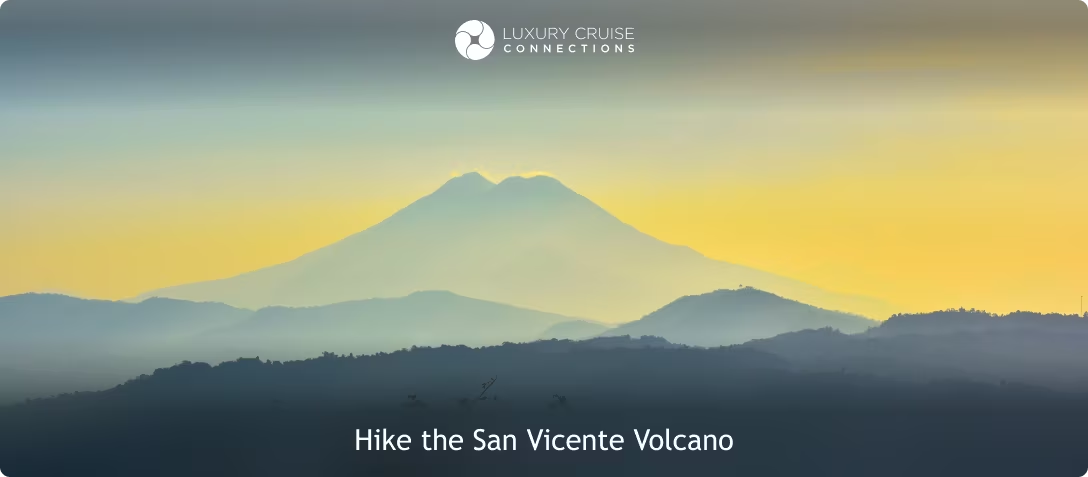
  • Hike the San Vicente Volcano
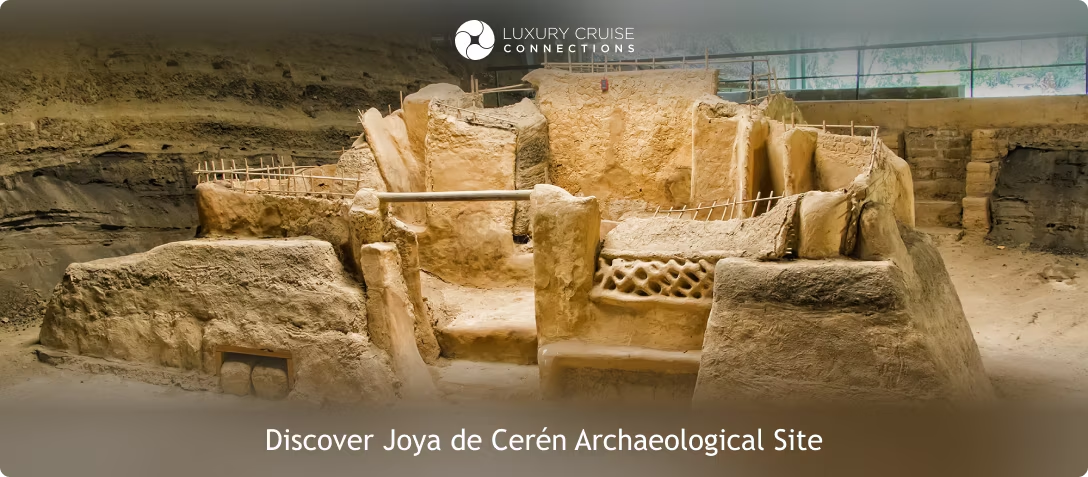
  • Discover Joya de Cerén Archaeological Site
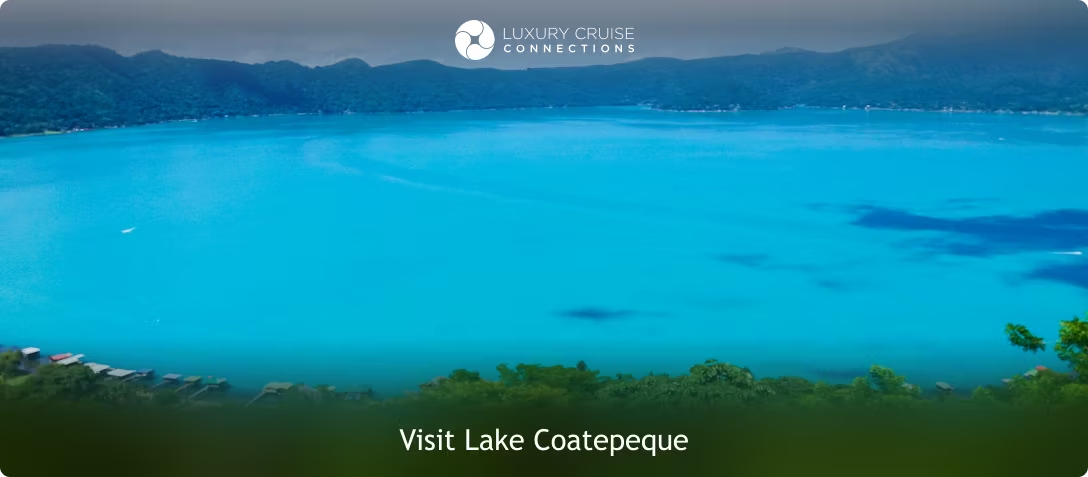
  • Visit Lake Coatepeque
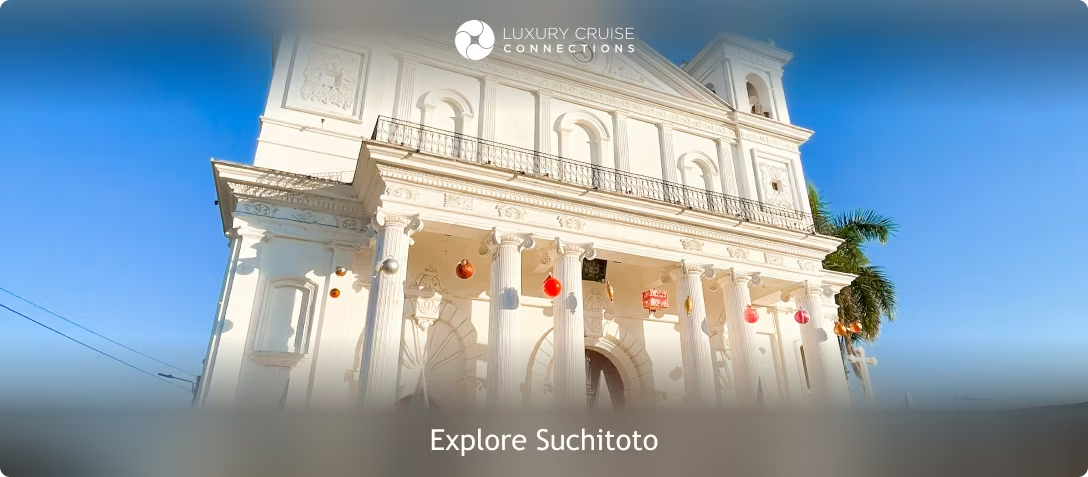
  • Explore Suchitoto
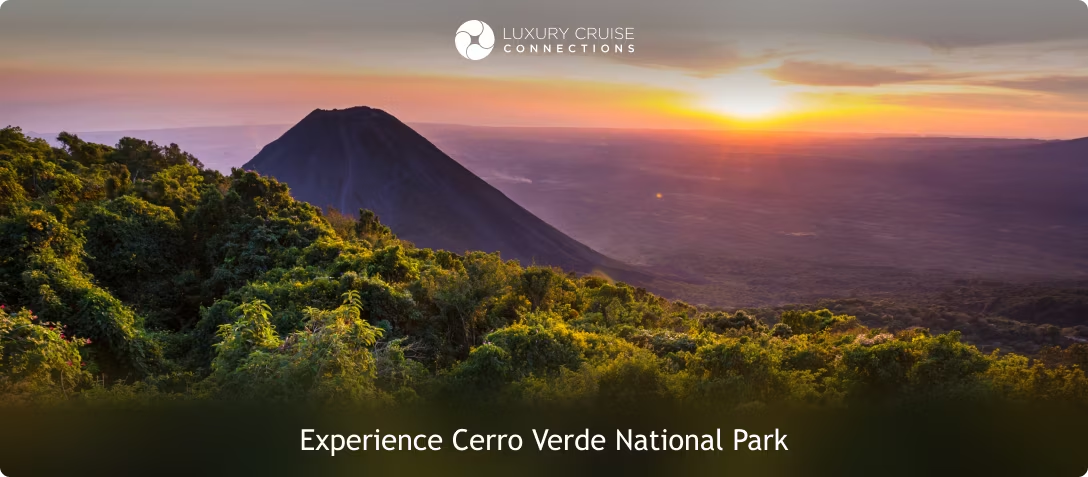
  • Experience Cerro Verde National Park
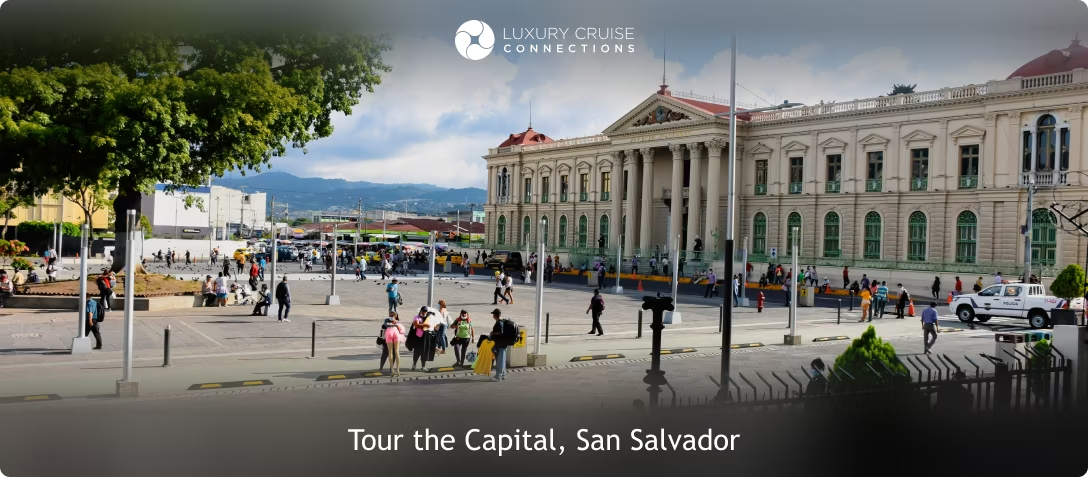
  • Tour the Capital, San Salvador
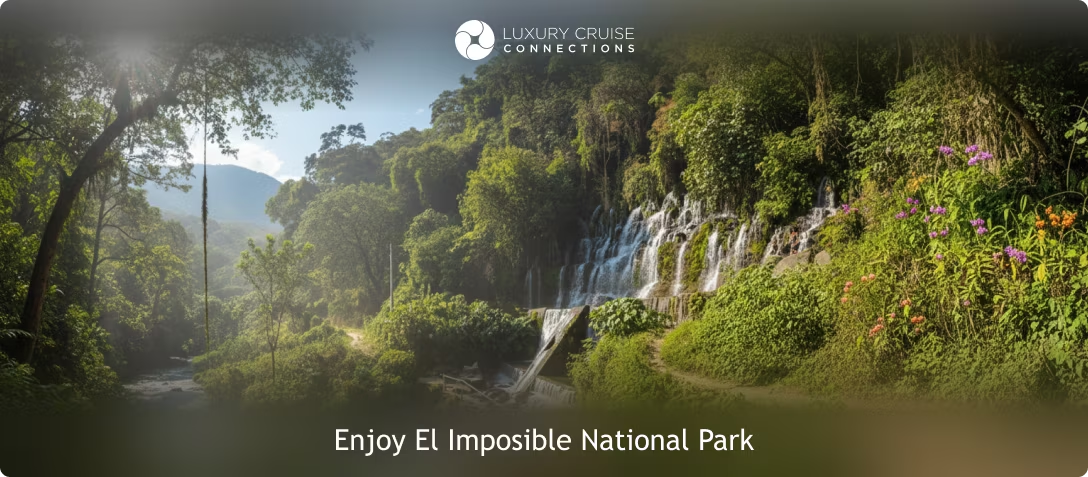
  • Enjoy El Imposible National Park
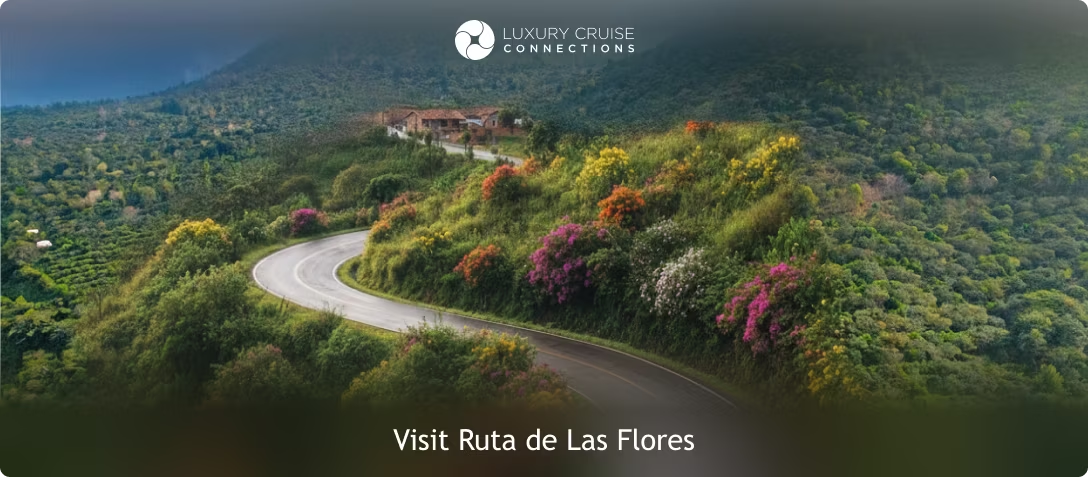
  • Visit Ruta de Las Flores

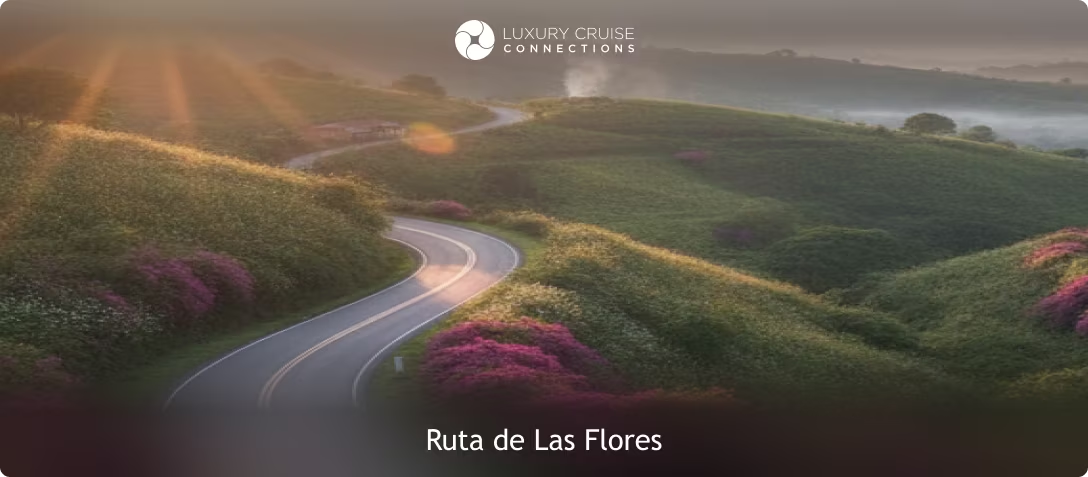
    Ruta de Las Flores is a scenic mountain route in western El Salvador connecting the colonial towns of Juayúa, Apaneca, Ataco, Nahuizalco, and Salcoatitán. Ruta de Las Flores lies across the Ahuachapán and Sonsonate departments at about 1,200 meters above sea level. The s region is known for coffee plantations, hand-painted murals, and traditional weekend markets. Visitors to Ruta de Las Flores encounter cobblestone streets and colonial churches set among coffee farms and pine-covered hills. The name comes from the wildflowers that bloom along the roadside, forming one of El Salvador’s most colorful and culturally rich journeys.
    Visit Ruta de Las Flores

    Highlights of Ruta de Las Flores include the Juayúa Food Festival that is held every weekend and serves regional dishes such as pupusas and tamales. Another highlight is the Ataco murals that cover walls along Ruta de Las Flores with vivid scenes of rural life and folklore. The Apaneca Zipline provides views over coffee valleys and cloud forests. The Nahuizalco night market is famous for woven crafts and candlelight displays. The coffee farms around Concepción de Ataco are another top attraction where visitors learn about roasting and tasting techniques. Each stop along Ruta de Las Flores reveals a different side of local Salvadoran culture and landscape.

    Visiting Ruta de Las Flores is a cultural and scenic experience through El Salvador’s coffee highlands. Travelers drive between Salvadoran towns bordered by flower-filled slopes. In Juayúa, visitors taste regional dishes at open-air stalls. In Ataco they admire colorful murals and watch artisans weaving colorful textiles. In Apaneca, visitors take coffee tours that reveal traditional roasting methods and let them taste local coffee brews. Hiking trails near Ataco lead through pine forests with views of waterfalls. In Nahuizalco, visitors wander through atmospheric candlelit markets filled with crafts and folk music.

    The best time to visit Ruta de Las Flores is from November to February when wildflowers bloom and coffee harvesting takes place.

    Local guides in Juayúa and Ataco offer walking and coffee tours with insight into regional culture and agriculture.

    Access to the towns along Ruta de Las Flores is free.

  • Explore El Boqueron National Park

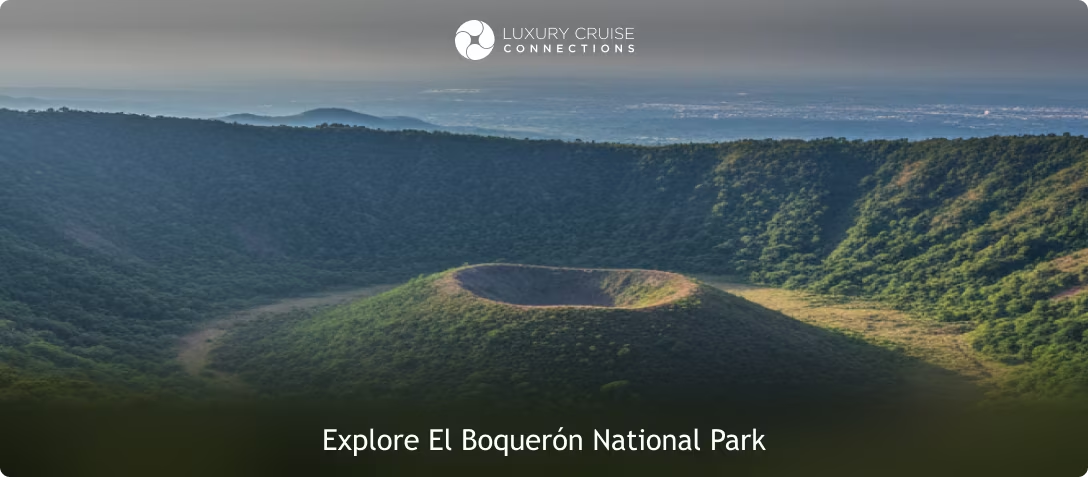
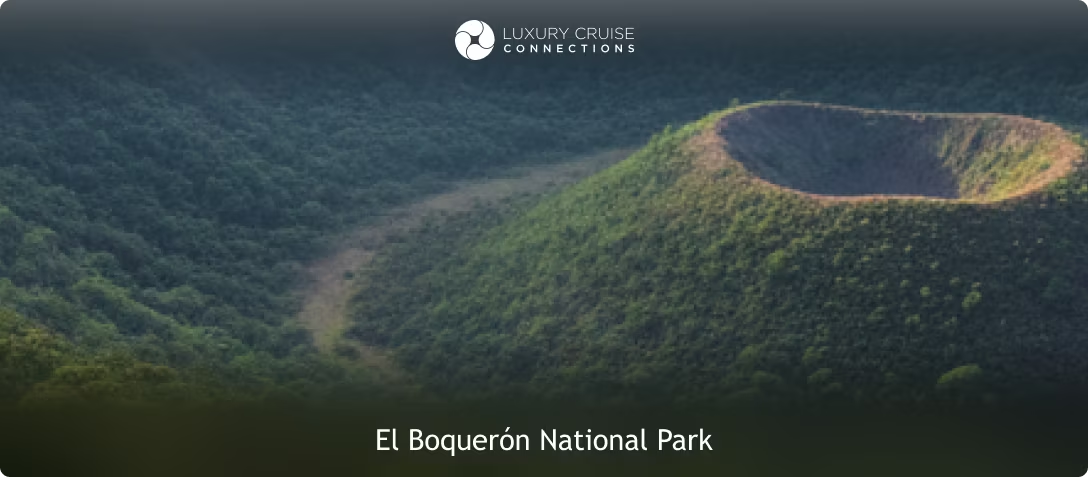
    El Boquerón National Park lies on the summit of the San Salvador Volcano in central El Salvador. The volcano reaches 1,800 meters and contains a crater 1.5 kilometers wide and 558 meters deep. The crater, known as El Boquerón, was formed about 800 years ago when a major eruption collapsed the volcano’s original cone, leaving the vast depression seen today. El Boquerón National Park’s trails lead through pine forests, orchids, and cooled lava rock. El Boquerón National Park stands as one of the country’s most accessible volcanic sites, combining natural beauty with a museum that explains El Salvador’s volcanic history.
     Explore El Boqueron National Park

    Highlights of El Boquerón National Park include the main crater viewpoint overlooking the smaller Boqueroncito crater. Another highlight is the park’s small but modern interpretive center, which provides context on San Salvador volcano. El Boquerón’s museum displays geological samples and eruption records. Walking trails in El Boquerón National Park lead through shaded forest with scenic lookouts over the capital. Small food stalls near the entrance of El Boquerón National Park serve coffee and local snacks to visitors.

    Exploring El Boquerón National Park offers an elevated experience above the capital. Visitors walk a short and easy hike (15-20 minutes) to reach the crater viewpoint where the small inner crater is visible. Visitors explore shaded trails and enjoy the cool pine air and views of the surrounding hills. Nature lovers spot native birds such as motmots and hummingbirds along the El Boquerón hiking route. Visitors then stop at the park’s interpretive center to read educational displays about San Salvador Volcano. Visitors often stop at a nearby café, pupusería or restaurant before or after their visit to El Boquerón National Park, and eat on terraces overlooking the valley.

    The best time to visit El Boquerón National Park is from December to March when rainfall is low, temperatures are pleasant for hiking and visibility is high.

    Park Guides at El Boquerón National Park provide geological information and assist visitors on main walking routes. Guides are arranged through tour operators or by hiring a local guide at the El Boquerón park entrance.

    Entry to El Boquerón National Park costs $2 USD for foreigners.

  • Relax at El Tunco Beach

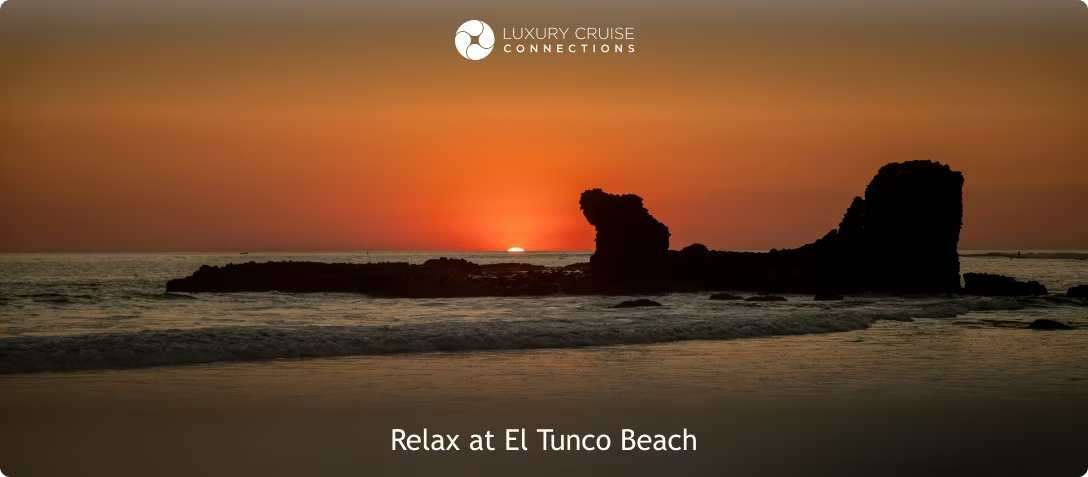
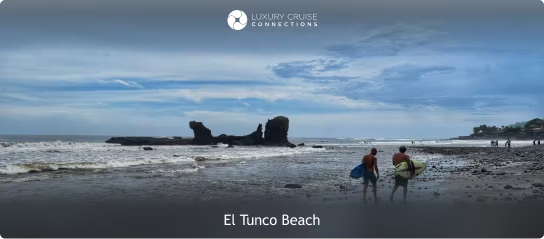
    El Tunco Beach lies on El Salvador’s central Pacific coast, 37 kilometers southwest of San Salvador. El Tunco Beach is a two-street surf village within La Libertad Department. El Tunco Beach is famous for its volcanic black sand and powerful waves. The beach is named after a rock formation that is shaped like a pig and visible during low tide. El Tunco Beach has become a hub for surfers, backpackers, and weekend travelers seeking ocean views and nightlife. The area combines coastal scenery with small cafes, surf hostels, and open-air restaurants serving fresh seafood.
     Relax at El Tunco Beach

    Highlights of El Tunco Beach include consistent surf breaks such as Sunzal and Bocana. Sunzal is a right-hand point surf break, while La Bocana is a powerful left-hand rivermouth break. Both Sunzal and Bocana are ideal for intermediate and advanced surfers. Another highlight of El Tunco Beach is the rock formation, “El Tunco”, which is a popular coastal landmark and sunset viewpoint. The waterfront promenade hosts weekend markets and live music. Cafes and bars line the beach offering local coffee, ceviche, and pupusas. Nearby cliffs provide viewpoints overlooking the Pacific Ocean.

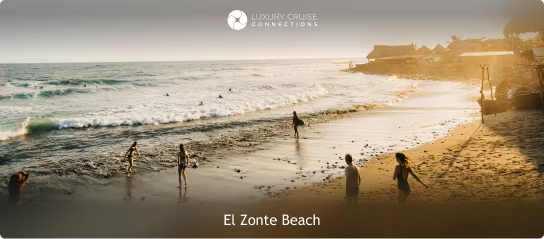
    Relaxing at El Tunco Beach in El Salvador offers visitors a blend of surf and coastal leisure. Visitors watch early surfers catching waves at Sunzal, while beginners take lessons at the main beach. In the afternoon, visitors walk along black volcanic sand and swim in calmer waters near the shore. Travelers rest in beachfront hammocks and taste fried fish or shrimp from small eateries. Travelers rent scooters to explore nearby beaches such as Mizata or El Zonte. Visitors listen to music drifting from seaside bars as the sun sinks behind the El Tunco rock formation. They share open-air meals, chat with locals and enjoy El Tunco’s vibrant nightlife.

    The best time to visit El Tunco Beach is from November to April when dry weather ensures stable surf conditions and calm seas.

    Local surf instructors offer daily lessons and board rentals for all levels along El Tunco’s main beach

    Access to El Tunco beach is free. Surfboard rental at El Tunco costs around $10 - $15 per day.

  • Hike the San Vicente Volcano

    The San Vicente Volcano (also called Chichontepec) is a volcano located in central El Salvador, between the departments of San Vicente and La Paz. San Vicente is El Salvador’s second-highest peak and rises 2,182 meters above sea level. The twin summits of San Vicente volcano overlook coffee plantations, forests, and hot springs. The area supports diverse wildlife including armadillos, toucans, and orchids. San Vicente holds deep cultural value as part of indigenous Pipil territory and offers visitors panoramic views across the central valley
    Hike the San Vicente Volcano

    Highlights of the San Vicente Volcano include its twin peaks that offer wide 360-degree views over Lake Ilopango, coastal plains, and surrounding valleys. Another highlight of San Vicente Volcano is the network of forest trails that cut through cloud forest filled with orchids, bromeliads, and moss-covered stones. Another highlight is the series of observation points near San Vicente’s upper ridge. These observation points reveal steaming fumaroles and exposed volcanic vents, known as "infernillos".

    Hiking the San Vicente Volcano offers visitors a demanding yet rewarding experience. Visitors begin near Tepetitan and climb through coffee fields into dense cloud forest. Adventurous hikers follow the Sendero de la Cumbre to reach the summit and view surrounding valleys. Visitors choosing the Trail of the Crosses walk a rocky ridge marked with religious symbols and broad lookouts. Visitors on the Trail of Sorrows pass through humid jungle and spot orchids and birds. Guides assist hikers on steeper sections and route junctions. At San Vicente’s base, visitors observe steam and gas vents from the active infiernillos on the lower flank.

    The best time to hike the San Vicente Volcano is from December to February when low rainfall and clear skies create pleasant hiking conditions and firmer trails.

    Experienced local mountain guides from San Vicente accompany groups for navigation, safety, and route orientation.

    Access to the San Vicente Volcano site is free. Guided hikes to the summit of San Vicente Volcano typically cost around $90-$100 USD per person for full‑day tours including transport

  • Discover Joya de Ceren Archaeological Site

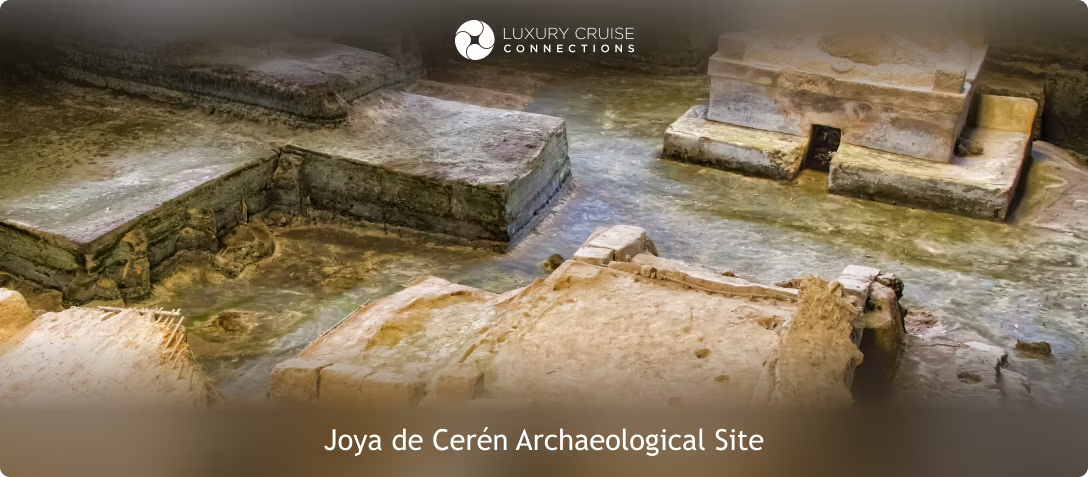
    Joya de Cerén Archaeological Site in El Salvador is the best-preserved example of a pre-Hispanic farming village in Mesoamerica. Volcanic ash from an eruption around AD 500 sealed the site, leaving behind intact structures, tools, and food stores. Joya de Cerén is located 36 kilometers northwest of San Salvador in La Libertad Department. Excavations of Joya de Cerén reveal adobe houses, kitchens, and storage areas remarkably intact. The site provides a detailed record of daily life among common Maya people, offering visitors with rare insight into Mayan domestic and agricultural practices. Joya de Cerén is one of El Salvador's UNESCO World Heritage Sites and referred to as the “Pompeii of the Americas”.
     Discover Joya de Ceren Archaeological Site

    Highlights of Joya de Cerén include the ten excavated structures that display the domestic and communal life of a Maya farming village. The site includes typically family homes, a village shaman’s house, kitchens, and storage areas covered by protective roofs. The on-site museum exhibits ceramic vessels, grinding stones, and farming implements recovered during excavations. Elevated walkways in Joya de Cerén lead through the dig area and allow close observation of walls, floors, and crop remnants still embedded in volcanic ash. Informational panels explain the eruption of the Loma Caldera volcano that buried the village and protected it from decay. Joya de Cerén Archaeological site’s preservation reveals everyday life frozen in remarkable detail.

    Joya de Cerén Archaeological Site gives visitors rare insight into the daily life of a farming community in El Salvador’s ancient past. Visitors walk covered pathways viewing ancient family homes and tools left in place at the time of the volcanic eruption. Visitors observe layers of volcanic ash around structures, seeing how time froze an entire community. Visitors also have a chance to enter and experience a replica steam sauna in the village. Knowledgeable local guides describe how volcanic ash preserved household details like clay stoves and woven mats. The small museum deepens understanding of agriculture, rituals, and trade.

    The best time to visit Joya de Cerén is from November to March when the weather is dry and moderate, making walking around the site more comfortable.

    Local site guides offer archaeological explanations and history of the ancient settlement

    Entry to Joya de Cerén Archaeological Site costs $3 USD for foreign visitors.

  • Visit Lake Coatepeque

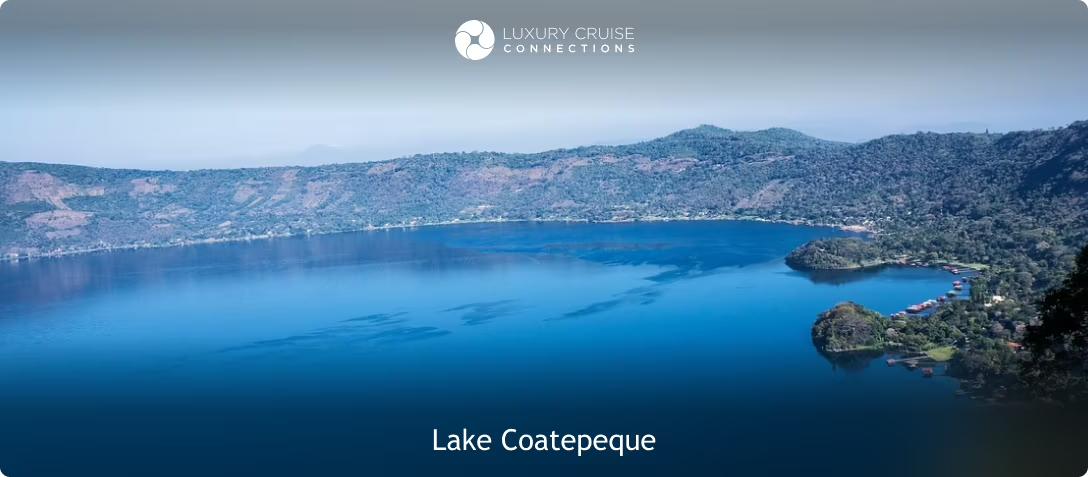
    Lake Coatepeque lies in the western highlands of El Salvador, 18 kilometers south of Santa Ana. Lake Coatepeque occupies a volcanic crater formed thousands of years ago and spans nearly 25 square kilometers. The lake’s deep blue waters reach depths of about 115 meters. Lake Coatepeque is surrounded by forested slopes and small villas and serves as one of the country’s most scenic natural landmarks. The Lake Coatepeque area combines water recreation, scenic viewpoints, and volcanic geology, offering a peaceful contrast to the nearby Santa Ana Volcano.
    Visit Lake Coatepeque

    Highlights of Lake Coatepeque include panoramic viewpoints along the rim, particularly at Cerro Verde and El Mirador de Los Patos. The lake’s central island, Teopán, holds archaeological remains of pre-Hispanic settlements. Waterfront restaurants serve local fish and provide direct lake access for swimming and kayaking. Boat rides cross Lake Coatepeque’s clear water to small docks and private resorts. The color of Lake Coatepeque sometimes shifts to turquoise due to volcanic minerals, creating a distinctive natural spectacle visible from surrounding hills.

    Visiting Lake Coatepeque offers visitors a calm and scenic experience in El Salvador’s volcanic region. Travelers follow the rim road and enjoy beautiful views before descending to the lakeshore. Visitors rent small boats from local vendors or waterfront restaurants built on wooden decks. Visitors relax and dine on fried tilapia, plantain and fresh fruit juice. Swimmers enjoy the contrasting water temperatures caused by hot springs mixing with cooler lake water. Kayakers explore coves near the forested edge and photograph the volcano peaks reflected on the lake. The day often ends with sunset views from hillside cafes overlooking Lake Coatepeque’s blue crater basin.

    The best time to visit Lake Coatepeque is from November to February when skies remain clear and temperatures mild.

    Local boat operators and eco-guides offer lake tours and explain volcanic formation and history.

    Access to viewpoints in Lake Coatepeque is free. Kayak rental in Lake Coatepeque costs around $4 - $5 USD per hour.

  • Explore Suchitoto

    Suchitoto is a colonial town in northern El Salvador, overlooking Lake Suchitlán in Cuscatlán Department. Suchitoto preserves cobblestone streets, whitewashed buildings, and one of El Salvador’s most intact colonial layouts. Suchitoto is known for its arts scene, historic architecture, and cultural festivals such as Festival Permanente de Arte y Cultura. The surrounding hills of Suchitoto provide views across the artificial lake and nearby waterfalls. Suchitoto remains a center for local crafts, indigo dye workshops, and cultural tourism reflecting traditional Salvadoran heritage.
    Explore Suchitoto

    Highlights of Suchitoto include the Santa Lucía Church, built in 1853 with neoclassical columns and a bright white facade. The Suchitoto Theatre hosts art exhibits and local performances. The Cascada Los Tercios waterfall displays vertical basalt columns formed by cooled lava. Indigo workshops in Suchitoto’s town demonstrate natural dyeing using locally grown plants. The lakeside viewpoint Mirador de San Cristóbal gives panoramic views over Lake Suchitlán, often framed by migrating birds.

    Exploring Suchitoto offers a blend of art, history, and lakeside scenery. Visitors walk along quiet streets lined with adobe houses and tiled roofs. At the main plaza, they enter Santa Lucía Church to admire its wooden altar and courtyard. In small studios, artisans demonstrate indigo dyeing and traditional weaving. Travelers visit Los Tercios waterfall to observe the hexagonal rock formations. Cafes overlooking the lake serve local coffee and tamales while street musicians play guitar. Suchitoto’s relaxed rhythm and preserved colonial charm create an atmosphere of quiet authenticity unique to El Salvador’s highland communities.

    The best time to explore Suchitoto is from December to March when the weather stays dry and more pleasant for walking tours

    Cultural guides from the local tourism office offer town walks covering history, architecture, and crafts.

    Access to Suchitoto town is free. Walking tours of Suchitoto cost between $15 to $50 depending on tour duration and group size. There are also free walking tours of Suchitoto that run on a donation basis.

  • Experience Cerro Verde National Park

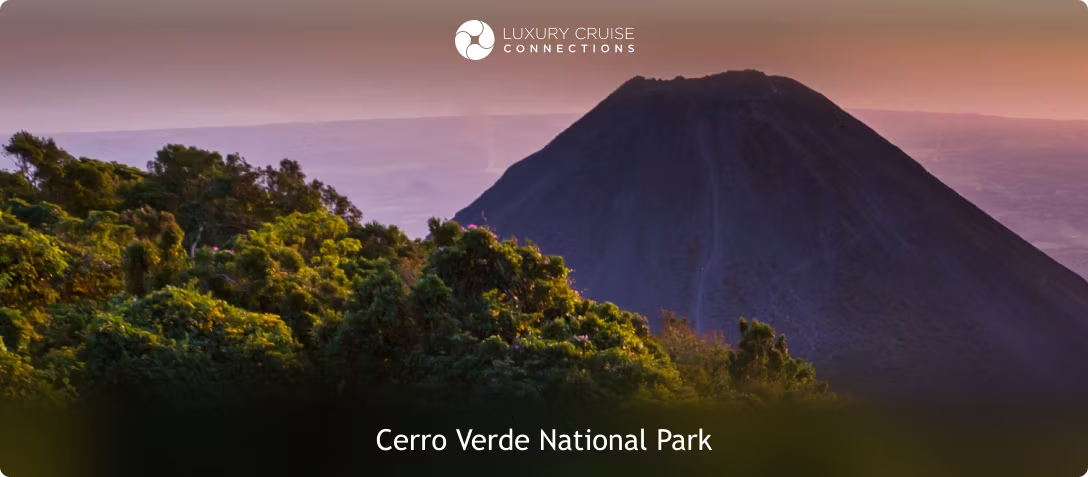
    Cerro Verde National Park lies in the Santa Ana Department, 77 kilometers from San Salvador. Cerro Verde National Park sits at 2,035 meters on an extinct volcanic plateau within the Apaneca-Ilamatepec mountain range. The park overlooks Izalco and Santa Ana volcanoes and provides cool temperatures year-round. Dense cloud forest covers the slopes, home to orchids, ferns, and numerous bird species. Cerro Verde forms part of a protected tri-volcanic landscape that highlights the geological and ecological diversity of western El Salvador.
    Experience Cerro Verde National Park

    Highlights of Cerro Verde National Park include the Los Volcanes viewpoint which offers clear views of Izalco and Santa Ana peaks. The forest trails, such as Los Miradores and Las Orquídeas, lead through shaded vegetation and bird habitats. The Santa Ana Volcano trail begins within the Cerro Verde National Park and offers access to one of El Salvador’s most famous hikes. The old hotel ruins at the summit of Cerro Verde serve as an observation point and picnic area surrounded by mist and orchids.

    Experiencing Cerro Verde National Park connects visitors with the volcanic heart of El Salvador. Walkers follow forest paths covered by moss and ferns. Visitors listen to the sound of local birds such as the turquoise-browed motmot, white-bellied chachalaca, and emerald toucanet. Visitors marvel at panoramic views of Izalco’s cone rising from the valley from the Los Volcanes viewpoint. Some visitors continue toward the Santa Ana trailhead for a more strenuous climb. Cooler air and constant mist create a serene atmosphere across the plateau. Rest areas allow quiet observation of butterflies and hummingbirds before returning to the Cerro Verde park entrance.

    The best time to visit Cerro Verde National Park is from November to February when skies stay clear for mountain views.

    Local guides in Cerro Verde National Park accompany hikers and provide extra context on volcano geography and local ecology

    Entry to Cerro Verde National Park costs $3 USD for foreign visitors.

  • Tour the Capital, San Salvador

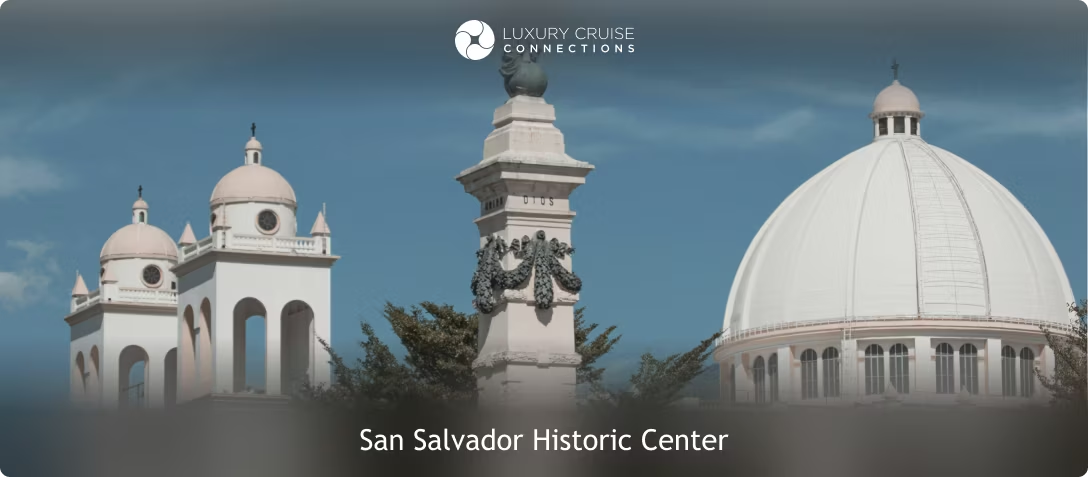
    San Salvador is the capital city and largest city of El Salvador. San Salvador is located in El Salvador’s central valley beneath the San Salvador Volcano. San Salvador serves as El Salvador’s political, economic, and cultural center. Touring San Salvador gives visitors access to historical landmarks like the Metropolitan Cathedral, National Palace, and Teatro Nacional. Museums, markets, and public squares showcase El Salvador’s history and contemporary life.
    Tour the Capital, San Salvador

    Highlights of touring the capital, San Salvador include the Plaza Barrios, home to the Cathedral and National Palace. The Museo Nacional de Antropología Dr. David J. Guzmán displays pre-Columbian artifacts and colonial collections. The Iglesia El Rosario features stained glass that fills its concrete arches with color. The National Theater in San Salvador’s historic center presents classical and cultural performances. The Mercado Central offers street food, textiles, and daily trade scenes reflecting San Salvador’s vibrant energy.

    Touring San Salvador gives visitors insight into El Salvador’s identity through its historical neighborhoods, and vibrant civic spaces. Visitors start at the historic center of San Salvador. They walk through Plaza Barrios and observe colonial architecture. Inside the Cathedral, they view Archbishop Romero’s tomb. At the nearby El Rosario Church, travelers marvel at the spectacular stained glass ceiling. They visit museums to learn about El Salvador’s rich history from the Maya period to its independence in 1821. Visitors dine at Salvadoran markets and restaurants and sample pupusas and tropical fruit juices. Travelers often combine a visit to San Salvador with a stop at El Boquerón viewpoint for views over the city basin and surrounding volcanoes.

    The best time to tour San Salvador is from December to March when conditions remain clear and comfortable for walking around the city.

    City guides offer cultural and historical tours covering downtown landmarks and local neighborhoods.

    General access to San Salvador’s central district, including most historic churches and plazas, remains free of charge. Museums and theatres charge $5 - $10 USD per entry.

  • Enjoy the El Imposible National Park

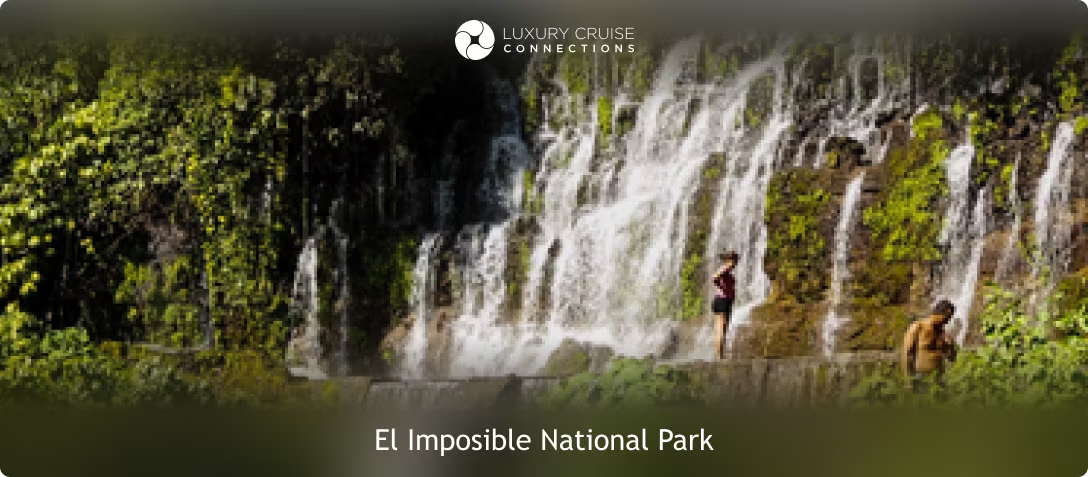
    El Imposible National Park lies in Ahuachapán Department in western El Salvador, near the Guatemalan border. El Imposible National Park covers more than 3,800 hectares of tropical forest and rugged mountain terrain. The name “El Imposible” refers to a difficult mountain pass that once challenged mule traders crossing this region. The park protects one of the country’s last remaining dry tropical forests, making it a popular stop for nature tourism. El Imposible harbors over 500 plant species and diverse wildlife including pumas, ocelots, and emerald toucanets.
    Enjoy the El Imposible National Park

    Highlights of El Imposible National Park include the Cerro León and Los Enganches trails that reveal panoramic views of forested valleys. The Mirador de la Cueva viewpoint provides clear sights of the Pacific coast. The Río Guayapa runs through the park and forms natural pools ideal for swimming. The visitor center in San Benito explains El Imposible National Park’s biodiversity and conservation work.

    Enjoying El Imposible National Park offers a deep immersion in El Salvador’s natural beauty. Visitors enter through the San Benito station and follow marked trails. Marked trails vary from gentle routes to steep climbs like the trail to Cerro El León. The air grows cooler with the changing altitude and guides point out orchids, butterflies, and forest birds. Downhill trails lead to the Guayapa River, where visitors rest and swim in clear natural pools. Wildlife sightings include tigrillos, wild boars, and occasionally pumas in remote areas. Birdwatchers observe species such as toucans, motmots, and hawks along shaded paths.

    The best time to enjoy El Imposible National Park is from November to April during the dry season, which provides ideal hiking conditions.

    Official park guides lead hikes along El Imposible’s trails and help visitors identify birds, plants, and wildlife along the way.

    Entry to El Imposible National Park costs $7 USD for foreigners and parking costs an additional $1.


What are the Most Popular Tourist Attractions in El Salvador?

The most popular tourist attractions in El Salvador are listed below.

  • Santa Ana Volcano (Ilamatepec)
  • Lake Coatepeque
  • Joya de Cerén Archaeological Site
  • Ruta de Las Flores
  • El Tunco Beach
  • Suchitoto
  • Cerro Verde National Park
  • El Boquerón National Park
  • El Imposible National Park
  • San Salvador Historic Center
  • Santa Ana Volcano (Ilamatepec)

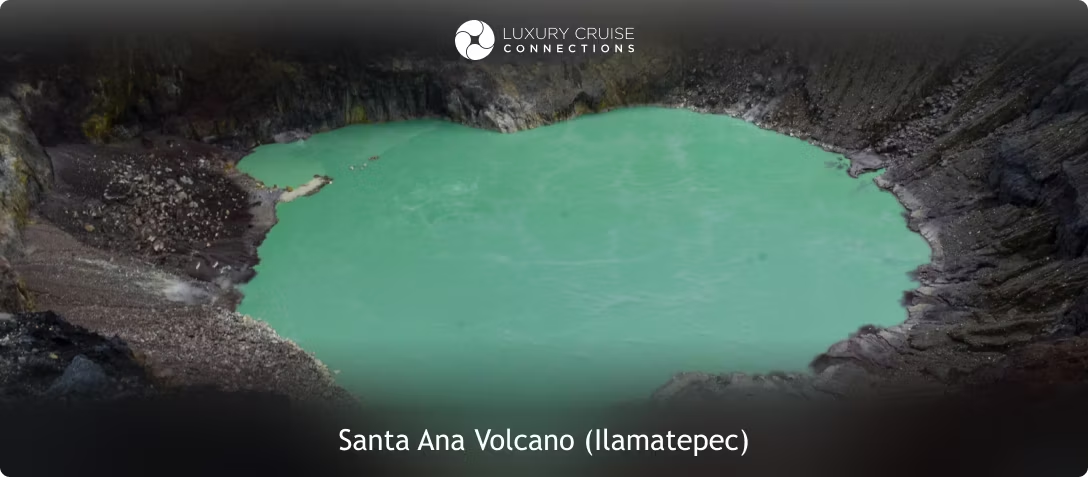
    Santa Ana Volcano is the tallest volcano in El Salvador, located within Cerro Verde National Park in the western highlands. Santa Ana Volcano attracts thousands of tourists for its accessible summit hike and striking turquoise crater lake surrounded by panoramic mountain views.
    Santa Ana Volcano (Ilamatepec)
  • Lake Coatepeque

    Lake Coatepeque is a vast volcanic crater lake near Santa Ana known for its deep blue waters and peaceful setting. It draws both locals and international tourists for boating, swimming, and dining at restaurants that overlook its scenic shoreline.
    Lake Coatepeque
  • Joya de Cerén Archaeological Site

    Joya de Cerén is a UNESCO World Heritage Site preserving a pre-Hispanic Maya farming village buried by volcanic ash around AD 500. Joya de Cerén’s exceptional preservation makes it one of the most visited archaeological sites in El Salvador and a highlight of cultural tourism.
    Joya de Cerén Archaeological Site
  • Ruta de Las Flores

    The Ruta de Las Flores is a mountain route linking colonial towns such as Juayúa, Apaneca, and Ataco in western El Salvador. Tourists are drawn by its coffee plantations, mural-covered streets, and weekend food festivals that showcase Salvadoran cuisine and crafts.
    Ruta de Las Flores
  • El Tunco Beach

    El Tunco Beach, located in La Libertad Department, is one of El Salvador’s most famous surf destinations. Its consistent waves, volcanic sand, and vibrant nightlife make it a top stop for international surfers and beach lovers.
    El Tunco Beach
  • Suchitoto

    Suchitoto is a preserved colonial town overlooking Lake Suchitlán, known for its cobblestone streets and whitewashed Santa Lucía Church. Suchitoto attracts tourists for its historic charm, art galleries, and cultural events that represent traditional Salvadoran life.
    Suchitoto
  • Cerro Verde National Park

    Cerro Verde National Park sits atop an extinct volcano in the Apaneca-Ilamatepec range and features dense cloud forest and cool mountain air. Cerro Verde is popular for its easy trails, birdwatching, and views of Izalco and Santa Ana volcanoes rising above the valleys.
    Cerro Verde National Park
  • El Boquerón National Park

    El Boquerón National Park is located on the rim of the San Salvador Volcano, just outside the capital. Its massive crater, forest trails, and viewpoints make it one of the most accessible and frequently visited natural attractions in the country.
    El Boquerón National Park
  • El Imposible National Park

    El Imposible National Park in Ahuachapán protects one of El Salvador’s last tropical forests and covers over 3,800 hectares of mountain terrain. El Imposible is popular with hikers and nature lovers for its biodiversity, waterfalls, and panoramic ridges overlooking the Pacific.
    El Imposible National Park
  • San Salvador Historic Center

    The Historic Center of San Salvador features major landmarks such as the Metropolitan Cathedral, National Palace, and Iglesia El Rosario. San Salvador remains a focal point for tourists exploring the country’s history, architecture, and urban culture in one walkable district.
    San Salvador Historic Center


Which Vacation Spots in El Salvador Are Best for Beach Lovers?

The best vacation spots in El Salvador for beach lovers are listed below.


What are the Best Things to Do in El Salvador for First-Time Visitors?

The best things to do in El Salvador for first-time visitors are listed below

The Santa Ana Volcano is El Salvador’s tallest and most recognizable peak, rising above Lake Coatepeque in the country’s west. The Santa Ana Volcano offers first-time visitors an unforgettable hike to its turquoise crater lake and panoramic views over the volcanic highlands.
The Ruta de Las Flores is a scenic mountain route linking the colonial towns of Juayúa, Apaneca, and Ataco. The Ruta de Las Flores gives first-time visitors a taste of El Salvador’s rural charm through coffee farms, artisan markets, and colorful murals.
El Tunco Beach in La Libertad is the country’s most popular surf and leisure destination along the Pacific coast. El Tunco Beach introduces first-time visitors to El Salvador’s coastal culture with black sand shores, lively bars, and year-round surf waves.
Joya de Cerén is a UNESCO World Heritage Site that preserves a Maya farming village buried by volcanic ash. Joya de Cerén allows first-time visitors to explore one of El Salvador’s most important archaeological sites and understand everyday life in the ancient world.
Suchitoto is a preserved colonial town overlooking Lake Suchitlán, known for its cobblestone streets and whitewashed architecture. Suchitoto offers first-time visitors an authentic look at El Salvador’s artistic, historical, and cultural traditions in a serene lakeside setting.
El Boquerón National Park sits on the rim of the San Salvador Volcano, only a short drive from El Salvador’s capital city. El Boquerón National Park provides first-time visitors easy access to forest trails and viewpoints that overlook the vast volcanic crater and city below.
Lake Coatepeque is a large crater lake near Santa Ana with deep blue waters and volcanic surroundings. Lake Coatepeque gives first-time visitors a chance to enjoy swimming, boating, and lakeside dining amid one of El Salvador’s most beautiful natural landscapes.
Cerro Verde National Park is a cloud forest reserve in western El Salvador within the Los Volcanes complex. Cerro Verde National Park introduces first-time visitors to the country’s natural beauty with birdwatching trails and panoramic views of Izalco and Santa Ana volcanoes.
The Historic Center of San Salvador is the cultural heart of the capital, featuring landmarks such as the National Palace and Metropolitan Cathedral. The Historic Center gives first-time visitors a clear introduction to El Salvador’s political history, architecture, and vibrant city life.
El Imposible National Park in Ahuachapán protects one of the country’s last tropical forests and mountain ecosystems. El Imposible National Park offers first-time visitors a look at El Salvador’s wild natural side through forest hikes, river crossings, and panoramic viewpoints.
How to Explore the Lakes and Natural Parks in El Salvador?

To explore the lakes and natural parks in El Salvador, there are five steps to follow. First, choose which lakes and natural parks you wish to visit depending on their distinct features. Popular lakes in El Salvador to explore include Lake Coatepeque (crater lake) and Lake Suchitlán (wetland lake). Popular natural parks in El Salvador to explore include Cerro Verde National Park (highland trails with volcano views), El Boquerón National Park (crater trail and viewpoint), and El Imposible National Park (remote tropical forest). Second, plan suitable activities for your visit to these natural sites. Lake Coatepeque activities include kayaking, swimming, and lakeside dining. Lake Suchitlán activities include boat rides and birdwatching. Cerro Verde National Park activities include forest trails and volcano lookouts. El Boquerón National Park activities include short hikes to a volcanic crater. El Imposible National Park activities include long forest hikes, river swimming, and wildlife spotting. Third, organize transport by renting a car, hiring a driver, or joining guided tours. Most lakes and parks lie one to three hours from San Salvador. Fourth, use local guides available at park entrances to help navigate trails and explain the area’s ecology and geology. Fifth, prepare sturdy shoes, water and sunscreen for your outdoor exploration.

Are there Activities in El Salvador Perfect for Families with Children?

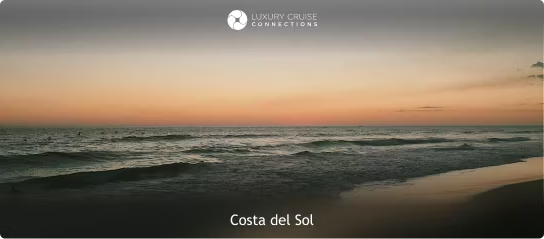
Yes, there are plenty of activities in El Salvador perfect for families with children, combining nature, culture, and gentle adventure. In Lake Coatepeque’s, families enjoy boat rides and lakeside dining. Lake Coatepeque’s calm waters are also ideal for swimming and kayaking with children. At Cerro Verde National Park, families explore short, shaded trails with viewpoints overlooking nearby volcanoes and forests rich in birds and butterflies. In San Salvador, children enjoy interactive exhibits at the Tin Marín Children’s Museum and open spaces in Bicentenario Park. The Ruta de Las Flores offers colorful small towns where families can stroll through markets, sample local foods, and visit coffee farms. For beach days, Costa del Sol provides calm waves and long sandy stretches safe for children to play.

Are there Fun Things to Do in El Salvador for Outdoor Adventures?

Yes, there are many fun things to do in El Salvador for outdoor adventures, }offering a variety of experiences across its volcanic and coastal landscapes. Hiking enthusiasts summit active volcanoes like Santa Ana or Izalco, explore crater rims at El Boquerón National Park, or follow cloud forest trails in Cerro Verde. In El Imposible National Park, nature lovers trek through dense forest, spot wildlife, and swim in river pools. Surfers head to Pacific beaches such as El Tunco and El Zonte for consistent surf breaks and laid-back surf communities. Kayakers explore the calm waters of Lake Coatepeque and the mangroves near Jiquilisco Bay. Waterfall hikes, ziplining, and mountain biking are also popular in regions like Apaneca and Juayúa. These outdoor activities are all accessible within a few hours of San Salvador, making El Salvador a compact but rewarding destination for travelers seeking outdoor adventure.

Best Things to Do Around the World

Discover the best activities, landmarks, and experiences in every cruise destination and port of call.

Europe Western, Central & Mediterranean
America North, Central, South & Caribbean
Africa & Asia Oceania & Antarctica