10 Best Things to Do in Montenegro

Montenegro combines nature, history, and culture, making it a top destination for all types of travelers. The country sp...

add

Montenegro combines nature, history, and culture, making it a top destination for all types of travelers. The country spans vast regions, from pristine beaches to snow-capped mountains, while towns and cities hold centuries of history and charm. Whether seeking adventure in the great outdoors, relaxing on sun-soaked beaches, or exploring ancient architecture, there’s no shortage of things to do in Montenegro. Here are the top places to visit in Montenegro that capture the heart and soul of the captivating destination.

  • Visit Bay of Kotor
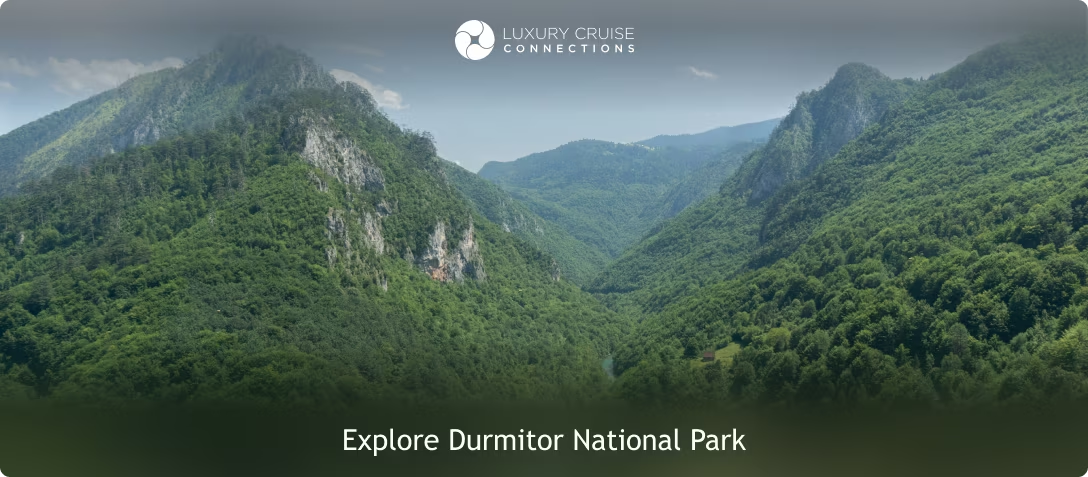
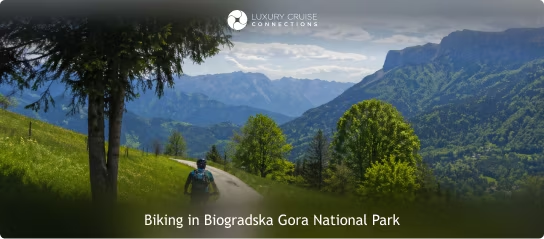
  • Explore Durmitor National Park
  • Relax at Sveti Stefan
  • Tour Ostrog Monastery
  • Hike Bobotov Kuk
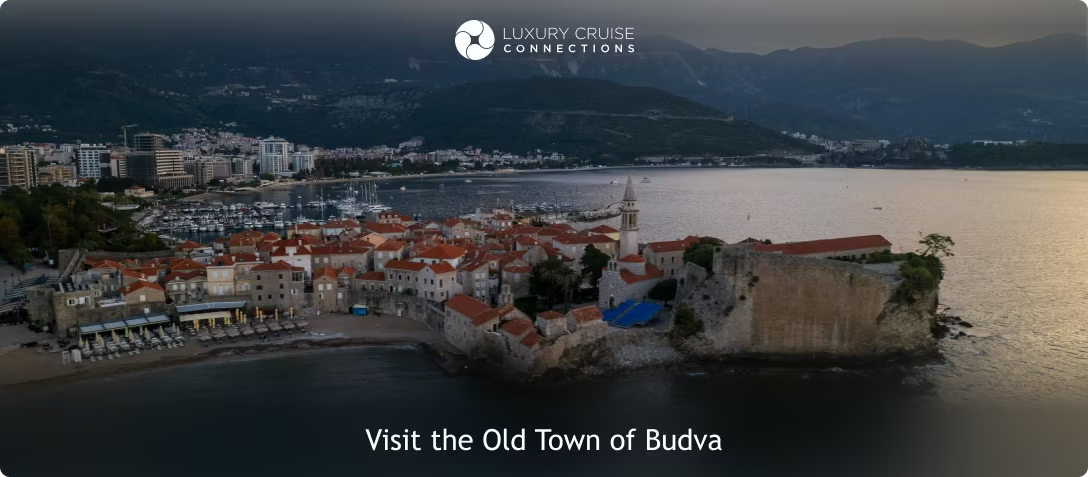
  • Visit the Old Town of Budva
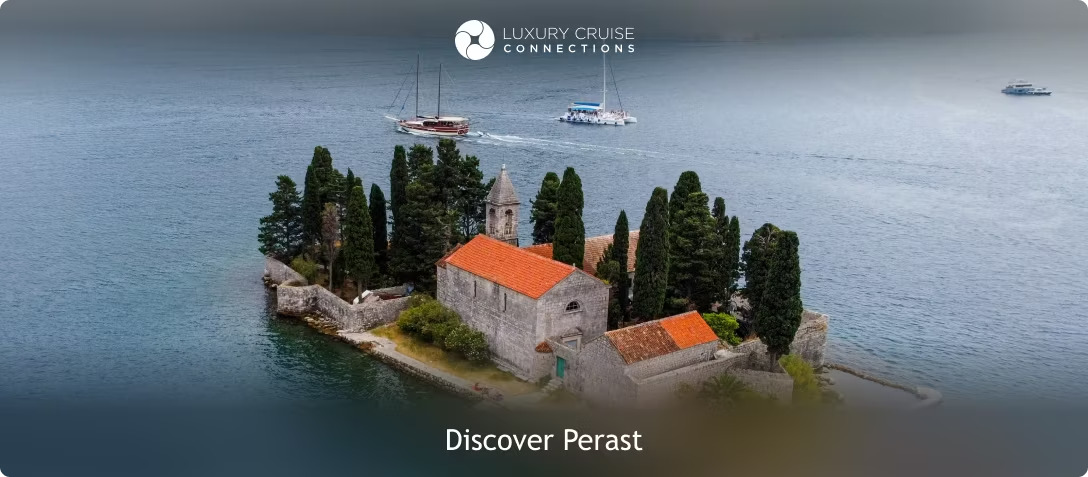
  • Discover Perast
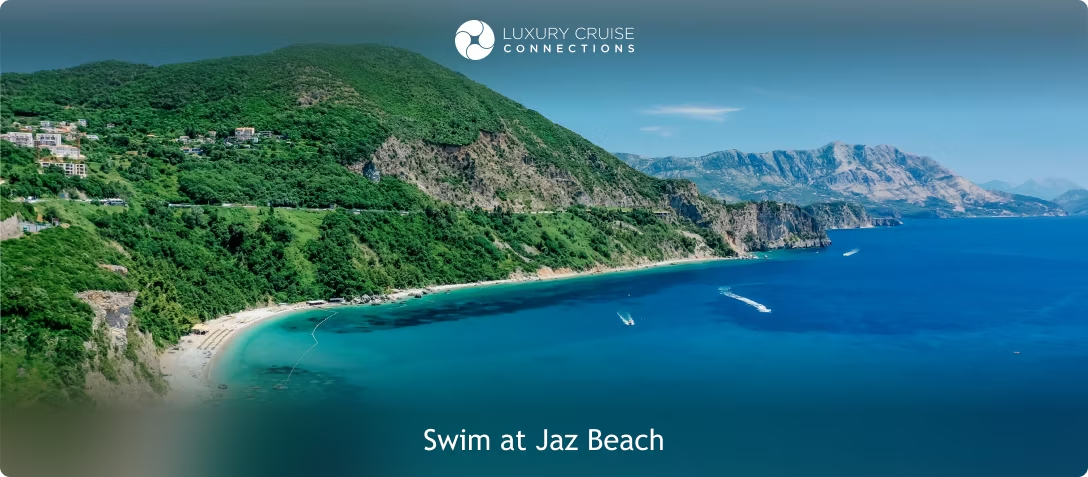
  • Swim at Jaz Beach
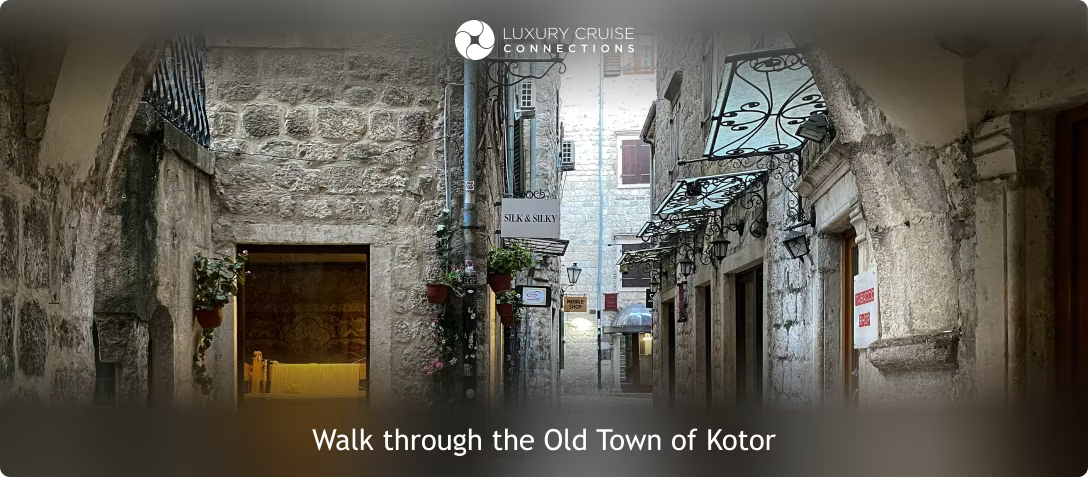
  • Walk through the Old Town of Kotor
  • Take a Boat Trip to Blue Cave
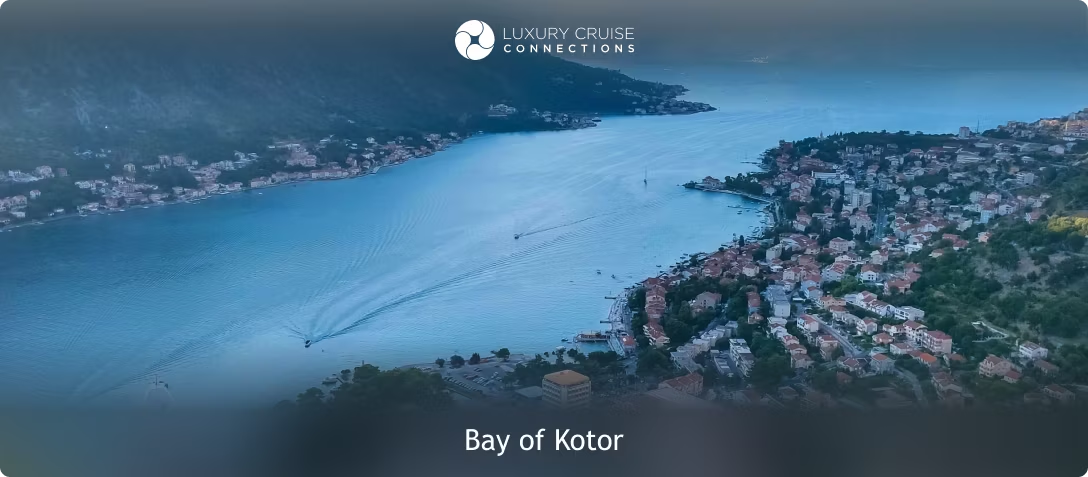
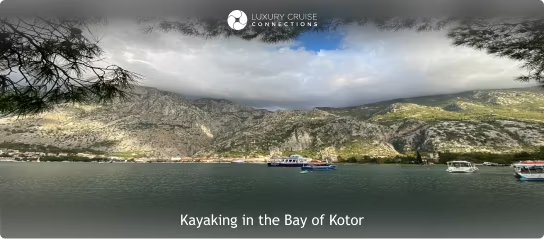
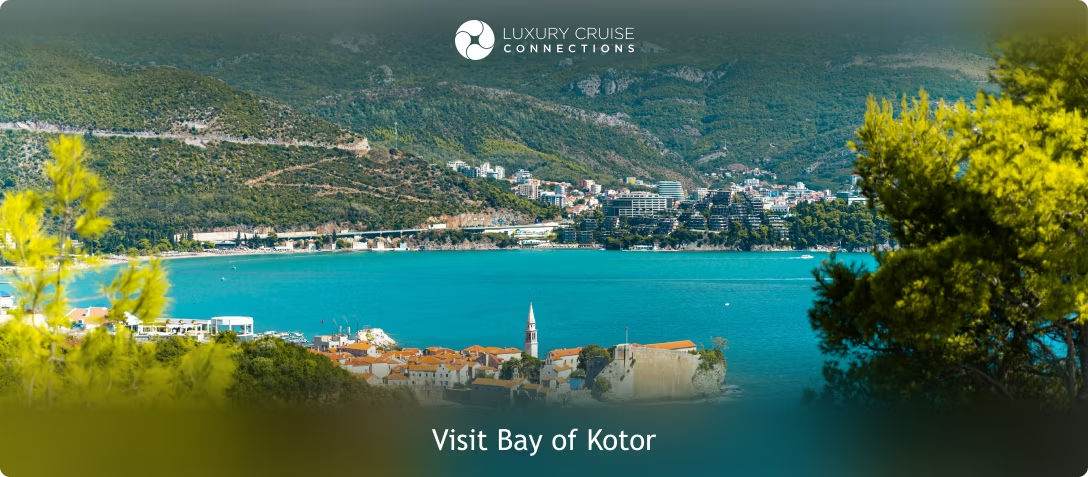
  • Visit Bay of Kotor

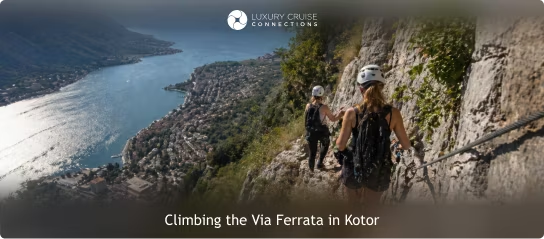
    Bay of Kotor sits along Montenegro’s Adriatic coast, framed by steep mountains plus calm, fjord-like waters. Ancient settlements line the shoreline, reflecting centuries of maritime history plus fortified urban life. Dramatic natural scenery pairs elegantly beside medieval architecture.
     Visit Bay of Kotor

    Medieval Kotor Old Town, Perast’s baroque palaces, towering city walls attract constant attention. Boat excursions reveal hidden coves plus iconic island churches. Scenic viewpoints above the bay deliver panoramic coastal vistas.

    Visitors walk stone streets, climb historic fortifications, enjoy quiet boat rides across reflective waters. Cafés, small museums, local markets create cultural immersion through daily coastal rhythms. Calm waters invite relaxed exploration by kayak or small vessel.

    Mild weather plus lighter crowds appear during April, May, September, October.

    Licensed local guides offer historical walking tours plus boat excursions.

    Old Town museums plus boat trips charge entry prices ranging $5–$25

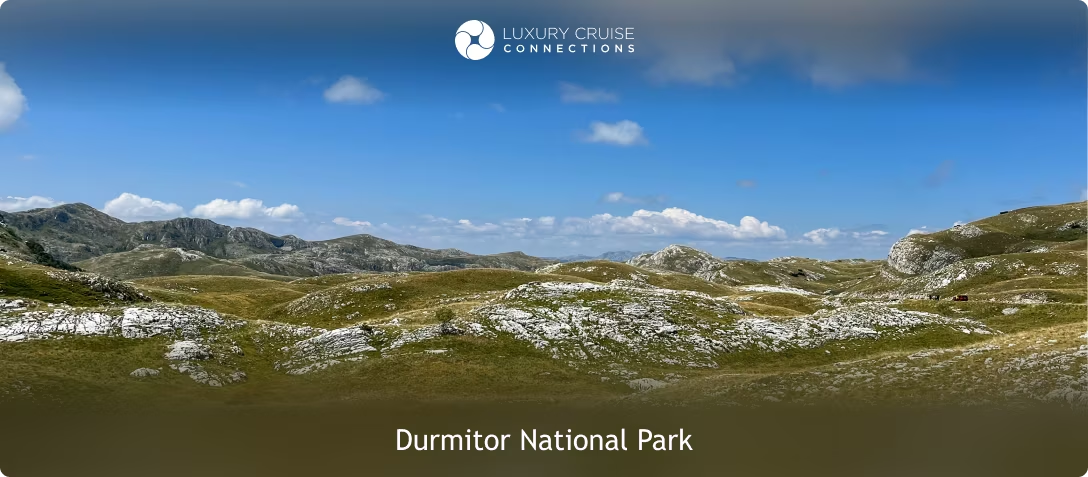
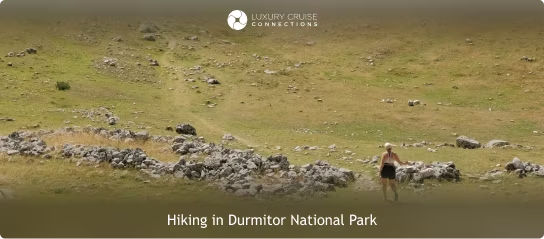
  • Explore Durmitor National Park

    Durmitor National Park stands as a protected mountain region in northern Montenegro, celebrated through dramatic peaks, deep canyons, and glacial lakes. The park traces its roots across ancient geology, traditional highland culture. UNESCO World Heritage status recognizes outstanding natural value, preserved wilderness.
     Explore Durmitor National Park

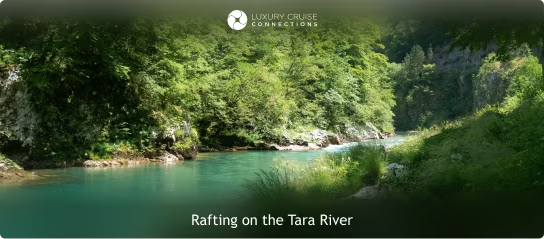
    Black Lake draws attention via mirror-like waters, forested shores. Tara River Canyon delivers jaw-dropping depth, rafting thrills. Bobotov Kuk summit attracts climbers seeking panoramic alpine views.

    Visitors encounter crisp mountain air, sweeping vistas, and quiet trails. Hiking routes pass pine forests, alpine meadows, rocky ridgelines. Seasonal activities include rafting, wildlife observation, and winter snow sports.

    Late spring, summer bring open trails, stable weather.

    Local mountain guides provide navigation support, safety insight, and route planning.

    Park entry fees range around $3-$5 per day.

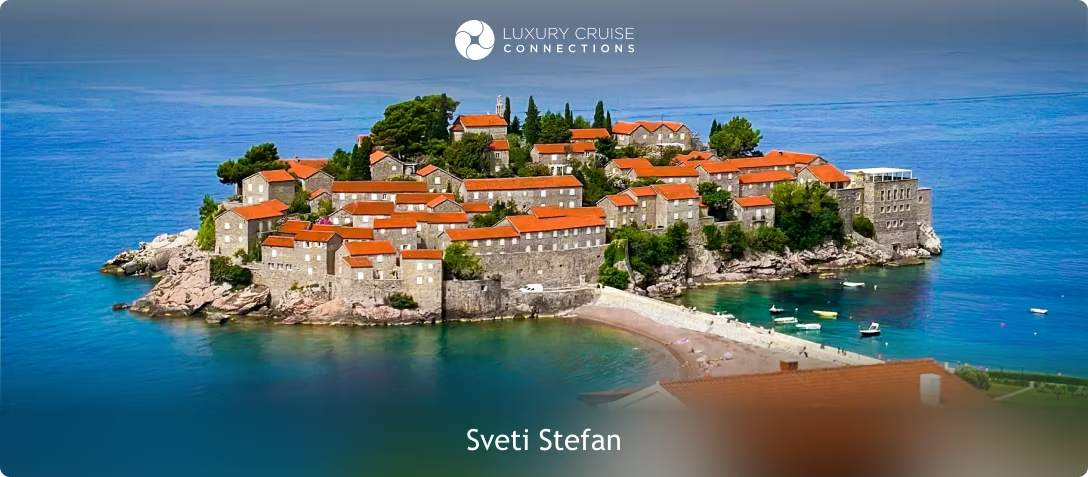
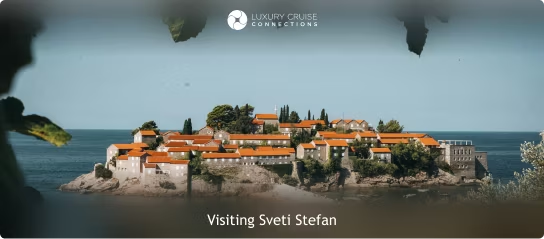
  • Relax at Sveti Stefan

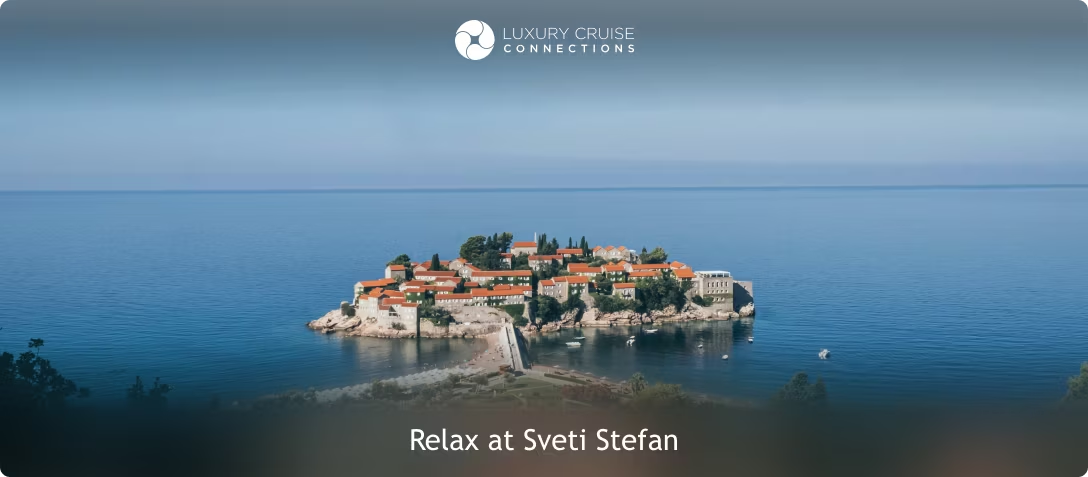
    Sveti Stefan stands as a historic coastal islet linked to mainland Montenegro by a narrow causeway. The site began life as a fortified village during the medieval era. Stone houses line compact lanes across the islet. Adriatic waters surround the entire setting.
    Relax at Sveti Stefan

    Pink-pebble beaches draw constant attention. Preserved stone architecture defines the skyline. Scenic viewpoints rise above the coastline. Photo opportunities appear from all angles of the islet

    Visitors encounter a calm seaside atmosphere shaped by history. Gentle sea conditions invite swimming near the shore. Quiet walks reveal striking contrasts among sea tones, stone textures, and coastal light. Nearby viewpoints deliver dramatic coastal scenery.

    Late spring brings warm weather plus lighter visitor traffic.

    Licensed local guides offer historical context during scheduled tours.

    Beach access near the islet ranges around $10-$15 per person.

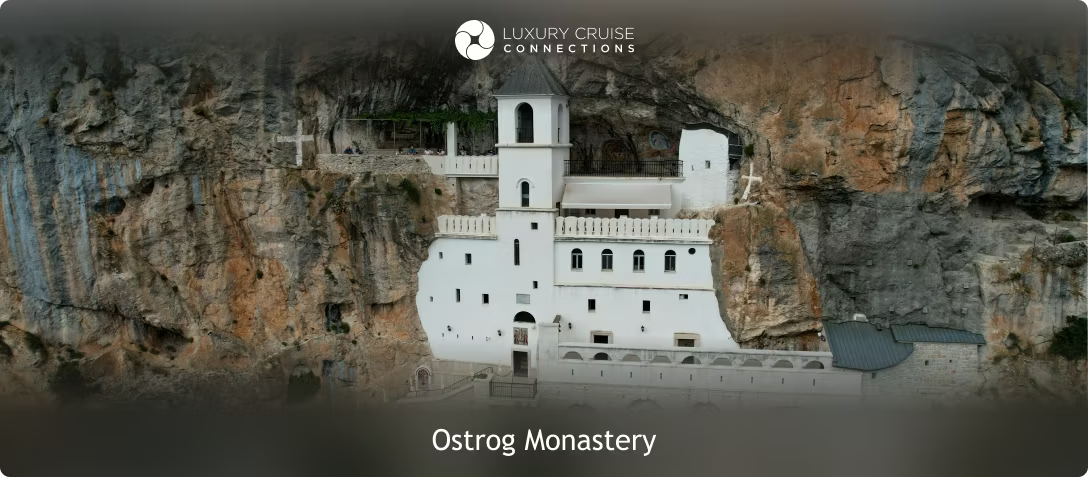
  • Tour Ostrog Monastery

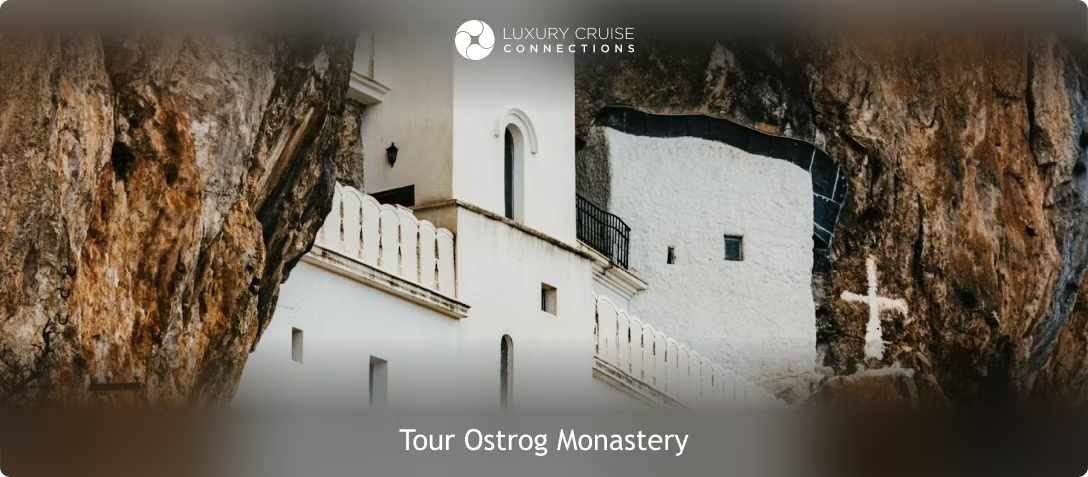
    Ostrog Monastery stands as a dramatic Orthodox Christian site carved directly into a vertical cliff. The monastery dates back to the 17th century and honors Saint Basil of Ostrog. White stone walls contrast sharply against dark rock faces, creating a striking visual presence. Pilgrims from many faiths travel here seeking spiritual meaning.
    Tour Ostrog Monastery

    Upper Monastery chapels draw strong attention due to cliffside placement. Frescoes preserved inside rock chambers display remarkable craftsmanship. Panoramic valley views deliver memorable photo moments. Saint Basil relics remain a central point of reverence.

    Visitors sense calm immediately upon arrival at the monastery complex. Quiet paths lead through sacred spaces filled with candlelight and incense. Cliffside positioning creates a powerful emotional response. A lot of guests describe a deep sense of reflection during time spent here.

    Late spring or early autumn offers pleasant weather plus clearer mountain roads.

    Licensed local guides share historical context plus religious significance through structured tours.

    Entrance access ranges around $5-$10 depending on visit arrangements.

  • Hike Bobotov Kuk

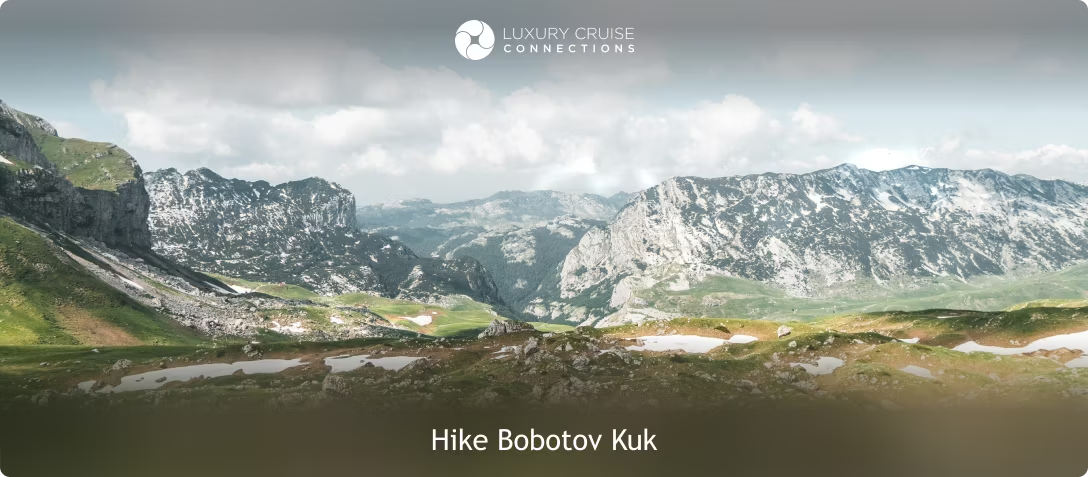
    Bobotov Kuk rises as the highest summit inside Durmitor National Park. Limestone ridges, glacial valleys, and alpine terrain define the setting. Elevation reaches 2,523 meters above sea level.
    Hike Bobotov Kuk

    Summit trails reveal dramatic cliffs, Black Lake views, and distant mountain chains. Snow patches linger near upper sections during early season. Panoramic scenery rewards steady ascent.

    Climbers face steep paths, shifting weather, and high-altitude silence. Summit arrival delivers sweeping horizons, raw mountain atmosphere. Physical challenge pairs naturally alongside visual reward.

    Late spring through early autumn offers stable conditions.

    Certified local guides increase route clarity, safety awareness.

    Ostrog Monastery entry donation ranges $10-$15 depending season.

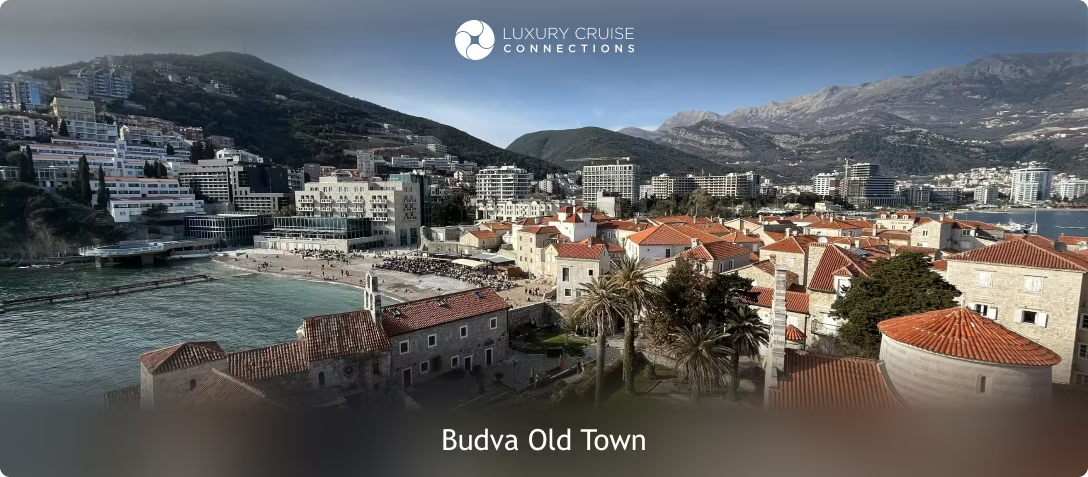
  • Visit the old town of Budva

    The Old Town of Budva forms a fortified medieval core on the Adriatic coast. Stone walls, narrow streets, and centuries-old buildings define the area. Venetian influence shapes architecture, churches, plazas. A compact layout preserves historic character in all corners.
    Visit the old town of Budva

    The Citadel delivers panoramic views across sea rooftops. The Church of Saint John features a historic bell tower. Ancient city walls invite scenic walks around the peninsula. Small squares host cultural events throughout the year.

    Visitors experience lively cafés, art galleries, and evening events. A blend of history, coastal scenery, and nightlife creates constant energy. Cobblestone lanes encourage slow exploration through hidden corners. Sunset hours bring dramatic light across stone façades.

    Late spring, early autumn deliver mild weather, lighter crowds.

    Local guides offer deeper historical context through walking tours.

    Entry remains free, museum access ranges around $2–$5.

  • Discover Perast

    Perast stands as a historic coastal settlement facing the Bay of Kotor. Stone palaces, baroque churches, maritime legacy shape town character. Centuries of naval success created cultural depth visible across streets, façades, and waterfront.
    Discover Perast

    Top attractions include Our Lady of the Rocks island church, Saint Nicholas Church, preserved noble palaces. Boat excursions reach the island shrine. Waterfront paths present uninterrupted bay panoramas.

    A visit delivers calm exploration, cultural discovery, and striking photography opportunities. Slow-paced streets encourage mindful walking, architectural observation, and scenic appreciation. Bay reflections, church bells, gentle water movement define the atmosphere

    Preparation supports a smooth visit. Compact layout allows easy exploration on foot. Early arrival avoids midday tour traffic.

    Licensed local guides share maritime history, architectural stories during walking tours.

    Boat transport toward Our Lady of the Rocks, the fee ranges around $10-$15.

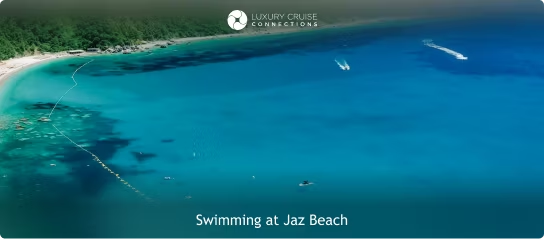
  • Swim at Jaz Beach

    Jaz Beach sits along Montenegro’s Adriatic coast near Budva, featuring a long stretch of pebbled shore. Clear turquoise water meets gentle slopes, creating easy sea entry. The setting blends open shoreline, rocky edges, calm bays.
    Swim at Jaz Beach

    Swimming, snorkeling, paddleboarding rank among top activities. Beach bars, waterfront cafes, sunset views draw visitors. Quiet coves at each end provide calmer conditions

    Warm water supports long swims, relaxed floating. Wide space supports sunbathing, casual walks, beach games. A laid-back coastal mood defines daily time spent here.

    Late spring through early autumn delivers pleasant weather, swimmable sea

    Local boat operators run snorkeling trips, kayak rentals.

    Beach entry carries no charge; parking ranges $5–$10.

  • Walk through the old town of Kotor

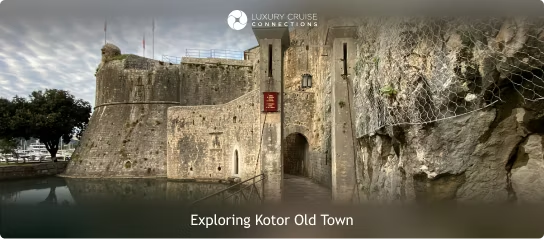
    The Old Town of Kotor stands as a fortified medieval quarter surrounded by towering stone walls near the Adriatic coast. Narrow streets, historic squares, Romanesque churches define daily life inside the city core. Centuries of Venetian influence shaped architecture, culture, and urban layout. Ancient gates still mark original entrances into the walled city.
    Walk through the old town of Kotor

    Key sights include Saint Tryphon’s Cathedral, Maritime Museum, Clock Tower. City walls invite an uphill walk toward panoramic viewpoints above the harbor. Small plazas host cafés, local shops, and historic palaces. Nightfall brings illuminated stone streets, lively atmosphere.

    Visitors walk cobblestone alleys filled by history, culture, and coastal charm. Church bells echo across squares during daily routines. Local cuisine, artisan goods, and waterfront views create lasting memories. All turns reveal layered stories from past centuries.

    Early hours offer quieter walks, softer light.

    Licensed local guides share historical insight through walking tours.

    Museum entry fee ranges around $5-$15.

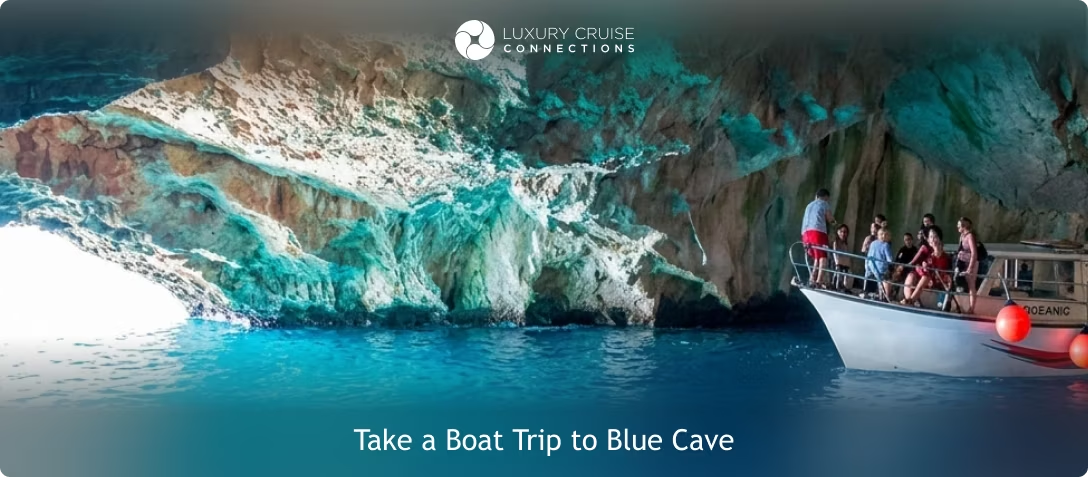
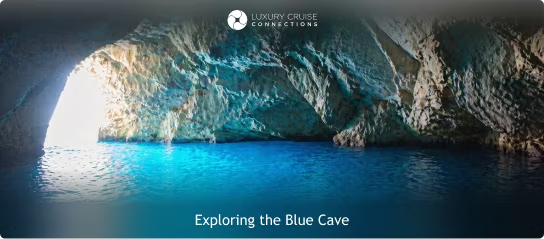
  • Take a boat trip to Blue Cave

    Blue Cave stands as a natural sea cave carved into coastal limestone near the Lustica Peninsula. Sunlight enters the grotto through an underwater opening, creating an intense blue glow across the interior. Boat access provides the primary route into the cave. Clear Adriatic water defines the setting.
    Take a boat trip to Blue Cave

    Electric blue water ranks among the top visual sights along the Montenegrin coast. Boat entry allows close views of the cave walls. Calm sea conditions reveal striking light reflections across the surface. Photography draws strong interest across daylight hours.

    Visitors enter the cave by small boat. Swimming inside the grotto delivers a surreal sense of floating inside blue light. Water clarity supports effortless movement near the surface. The atmosphere feels calm, immersive, unforgettable

    Early arrival reduces crowd presence. Calm sea conditions improve safety inside the cave. Secure personal items prior to boat entry. Short visits fit best within coastal boat itineraries.

    Licensed boat operators from nearby coastal towns provide direct access.

    Boat trips fee range from $10-$15 per person.


What are the Most Popular Tourist Attractions in Montenegro?

The most popular tourist attractions in Montenegro are listed below.

  • Bay of Kotor
  • Durmitor National Park
  • Sveti Stefan
  • Ostrog Monastery
  • Budva Old Town


What are Some Fun Things to Do in Montenegro

Some fun things to do in Montenegro are listed below.


What are the best places to visit in Montenegro for beaches and seaside relaxation?

The best places to visit in Montenegro for beaches and seaside relaxation are listed below.


What are the Best Things to Do in Montenegro for First-Time Visitors?

The best things to do in Montenegro for first-time visitors are listed below.

A UNESCO World Heritage site, the Bay of Kotor offers dramatic views, ancient towns, and a wealth of history. It is often considered one of Europe’s most beautiful bays, with its tranquil waters and steep mountains creating an unforgettable setting. Visitors can explore the picturesque town of Kotor with its medieval architecture and fortress, providing a glimpse into Montenegro's rich past.
The famous island resort, Sveti Stefan, is an idyllic destination that combines history, natural beauty, and luxury. Known for its stunning beaches and exclusive feel, Sveti Stefan is a former fishing village now transformed into a high-end getaway. The island is connected to the mainland by a narrow causeway, providing a sense of seclusion and tranquility. It offers the perfect balance of peaceful retreat and coastal exploration.
Budva, with its well-preserved old town, is a vibrant mix of ancient architecture and lively modern energy. The cobblestone streets, historic Venetian walls, and sandy beaches create a dynamic atmosphere that’s perfect for first-time visitors. The town’s nightlife and dining scene make it a popular spot, while the charming squares and ancient churches provide moments of quiet reflection
Ostrog Monastery is one of the best spiritual sites in Montenegro, perched dramatically on a cliffside. The monastery's stunning location offers breathtaking views of the surrounding valley, making it a must-visit for history and culture enthusiasts. The structure’s blend of nature and architecture is awe-inspiring, with its religious significance drawing pilgrims from around the world.
Durmitor National Park is a natural paradise known for its spectacular landscapes, offering everything from serene lakes to towering peaks. Hikers can enjoy a range of trails that cater to both beginners and seasoned climbers, all while being surrounded by lush alpine meadows and glacial lakes. The park's rugged terrain and diverse wildlife make it a favorite for outdoor adventurers looking to connect with nature.

What makes Montenegro a Beautiful Country to Visit?

Montenegro is a beautiful country to visit due to its stunning blend of dramatic landscapes, rich history, and diverse coastal and mountainous regions. The country offers a unique combination of rugged mountains, crystal-clear lakes, and picturesque beaches along the Adriatic Sea. From the ancient fortified towns like Kotor to the untouched wilderness of Durmitor National Park, Montenegro presents a variety of natural and historical wonders. The Bay of Kotor, with its picturesque setting surrounded by towering mountains, is one of Europe’s best beautiful spots. Additionally, the serene beaches along the Budva Riviera and the iconic island of Sveti Stefan add to the country's coastal charm. Whether exploring medieval towns, hiking through vast national parks, or enjoying the coastal views, Montenegro’s diverse landscapes and deep cultural heritage make it an unforgettable destination.

What are the most famous places in Montenegro to take a selfie?

The most famous places in Montenegro to take a selfie are the Bay of Kotor, Sveti Stefan, Perast, Budva Old Town, Durmitor National Park, plus the Blue Cave. Each location delivers instantly recognizable scenery, strong visual contrast, iconic backdrops that consistently appear across global travel media. The Bay of Kotor draws attention through dramatic mountain walls rising directly above reflective water, creating striking harbor selfies from waterfront paths or fortress viewpoints. Sveti Stefan ranks among the most photographed Adriatic scenes due to its stone island silhouette, turquoise water, elevated coastal overlooks. Perast offers elegant baroque façades, bell towers, plus postcard views toward island churches. Budva delivers textured backdrops through medieval walls, narrow stone streets, seaside promenades. Durmitor National Park attracts landscape-focused selfies featuring alpine lakes, rugged peaks, expansive valleys. The Blue Cave completes the list through glowing blue water reflections that create vivid, high-impact images captured directly from small boats or swimming entry points.

Are there any stuff to taste or drink after a cruise to Montenegro?

Yes, there are many things to taste or drink after a cruise to Montenegro. Montenegro offers distinctive food plus drink experiences that reward travelers after a cruise stop. Local cuisine reflects coastal traditions, mountain influences, centuries of Mediterranean trade, delivering bold flavors plus regional character. Fresh seafood dominates coastal menus, including grilled Adriatic fish, mussels, octopus salad, black risotto prepared using cuttlefish ink. Mountain regions contribute smoked meats, aged cheeses, hearty stews served warm. Local wine culture stands out through Vranac red wine, produced widely across vineyards near Podgorica, offering deep flavor profiles paired perfectly beside traditional dishes. Rakija fruit brandy appears frequently after meals, distilled from grapes, plums, figs. These culinary experiences rank among Montenegro must see highlights beyond sightseeing alone.

How can I experience Local Culture in Montenegro?

Local culture in Montenegro appears through everyday interaction across historic towns, rural villages, coastal communities, food traditions, religious heritage, seasonal celebrations. Walking medieval streets, joining open markets, sharing regional meals, listening to traditional music, visiting monasteries reveal social values, customs, and daily rhythm. Small towns like Kotor, Perast, Cetinje display stone architecture, church squares, and community gatherings. Mountain regions present shepherd culture, handcrafted goods, storytelling traditions passed across generations. Travel guides highlight cultural encounters across lonely planet Montenegro.

Are there Activities in Montenegro Perfect for Families with Children?

Yes, there are activities in Montenegro perfect for families with children. Montenegro offers numerous activities perfect for families with children, thanks to its combination of outdoor adventures, historical sites, and accessible beaches. Families can enjoy peaceful beach days, visit family-friendly towns, or explore national parks filled with wildlife. The country's compact size and well-connected regions make it easy for families to travel and find safe, fun experiences. From relaxing days at beaches like Jaz Beach to educational trips to natural parks (Durmitor National Park), there’s plenty to engage younger travelers. Additionally, the gentle hiking trails and boat trips cater well to children, providing a perfect mix of adventure and relaxation.

Are there Fun Things to Do in Montenegro for Outdoor Adventures?

Yes, there are fun things to do in Montenegro for outdoor adventures. Montenegro is a haven for outdoor adventure lovers, offering a variety of fun things to do in Montenegro for all types of adventurers. Whether it’s hiking, rafting, or exploring the beautiful coast, there’s no shortage of thrilling activities. The diverse landscapes of Montenegro—from towering mountains to serene beaches—make it an ideal destination for outdoor exploration. Visitors can raft through the Tara River Canyon, hike through the rugged terrain of Durmitor National Park, or enjoy kayaking along the Bay of Kotor. Additionally, the country’s coastal areas provide excellent opportunities for water sports, including jet-skiing and paddleboarding. The natural beauty of Montenegro, combined with adventure-filled activities like canyoning and rock climbing, ensures that anyone seeking an adrenaline rush will find plenty to explore. Fun things to do in Montenegro range from the tranquility of its pristine lakes to the excitement of its adventurous routes. Montenegro's diverse outdoor experiences make it a perfect destination for travelers looking to embrace both adventure and natural beauty.

Best Things to Do Around the World

Discover the best activities, landmarks, and experiences in every cruise destination and port of call.

Europe Western, Central & Mediterranean
America North, Central, South & Caribbean
Africa & Asia Oceania & Antarctica