10 Best Things to Do in Malta

The 10 best things to do in Malta include exploring ancient temples, relaxing along the Mediterranean beaches, and disco...

add

The 10 best things to do in Malta include exploring ancient temples, relaxing along the Mediterranean beaches, and discovering charming towns like Mdina and Valletta. Places to visit in Malta include the Blue Lagoon, touring the Hal Saflieni Hypogeum, and hiking along the cliffs of Gozo, which offer memorable experiences on the island. Malta is a vast country with a rich ancient history, modern megacities, and diverse landscapes ranging from rocky coastlines and clear waters to ancient fortresses and rural countryside. Travelers searching for things to do in Malta explore its fascinating archaeological sites, picturesque villages, and vibrant capital. Valletta stands as a historic hub with its baroque architecture, while seaside towns offer idyllic beaches and crystal-clear waters. Malta places to visit include its United Nations Educational, Scientific and Cultural Organization (UNESCO)-listed sites, quaint fishing villages, and coastal walking trails. Malta provides a wealth of experiences for every traveler whether it is history, adventure, or relaxation.

  • Explore Valletta
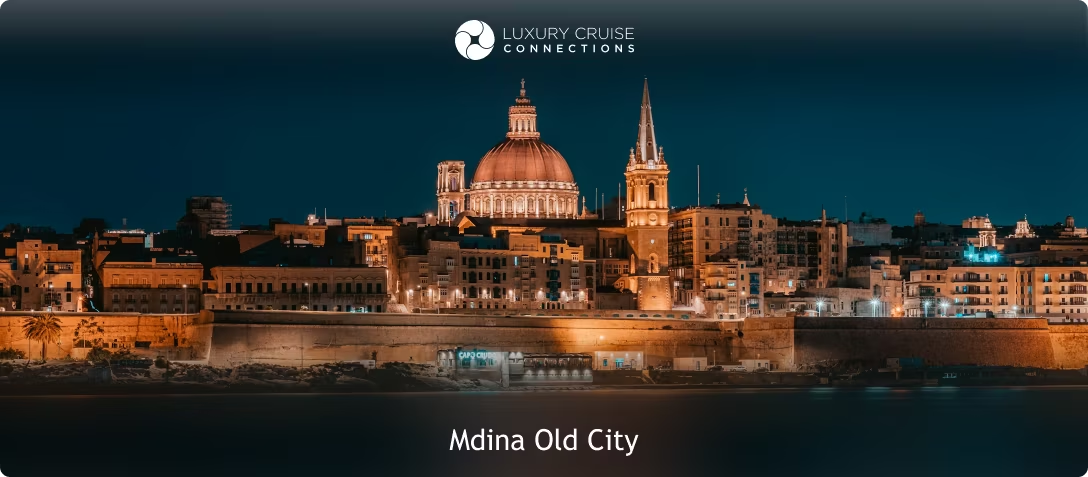
  • Visit Mdina Old City
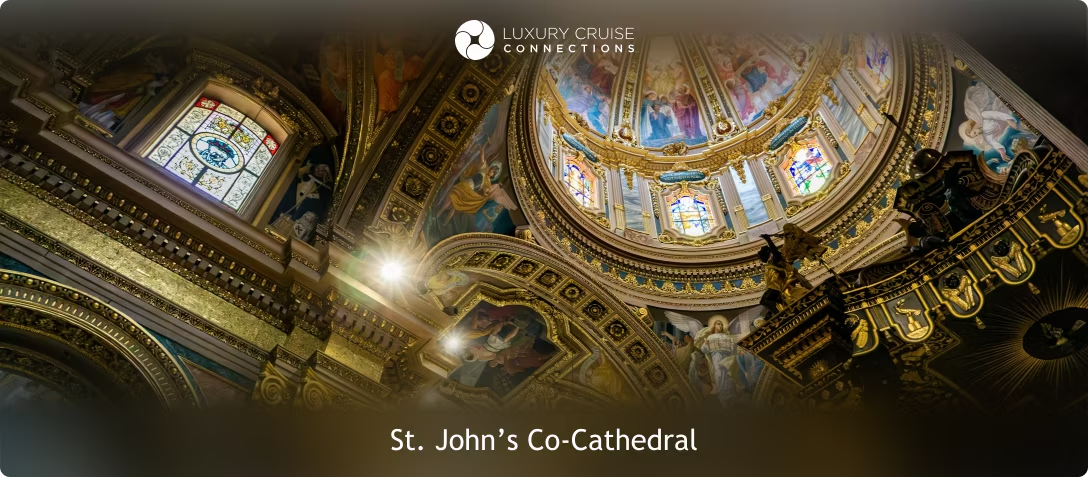
  • Tour St John’s Co-Cathedral
  • Discover the Blue Lagoon Comino
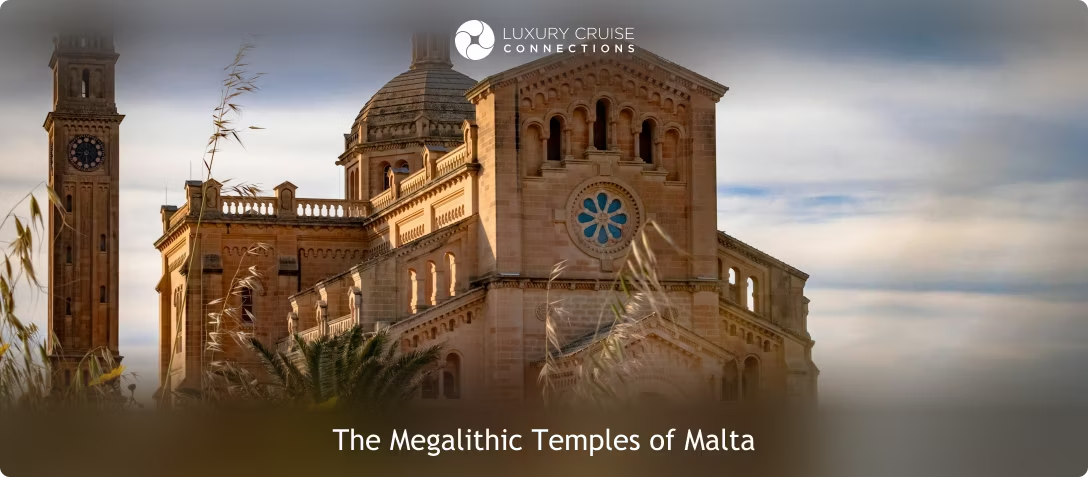
  • See the Megalithic Temples of Malta
  • Walk the Three Cities
  • Swim at Golden Bay
  • Explore Gozo Island
  • Visit Popeye Village
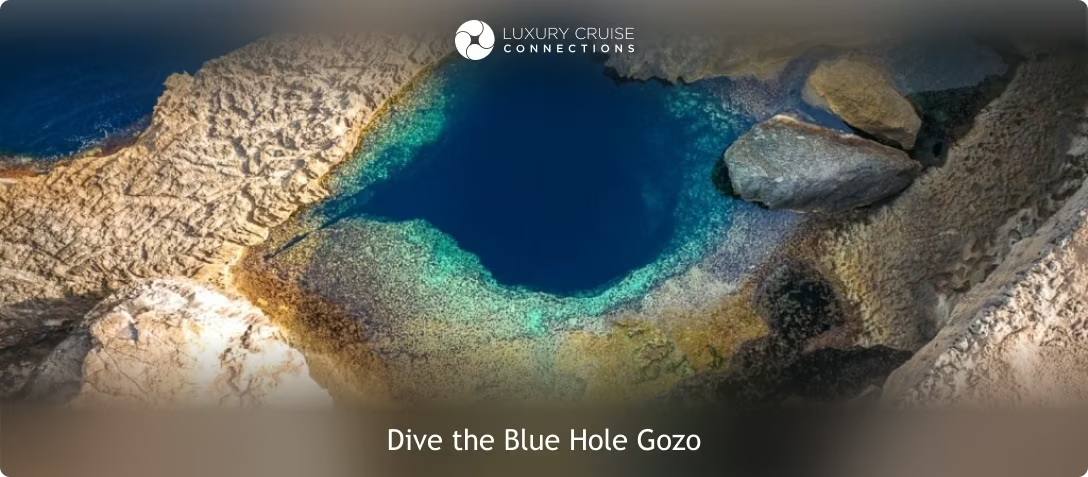
  • Dive the Blue Hole Gozo
  • Explore Valletta

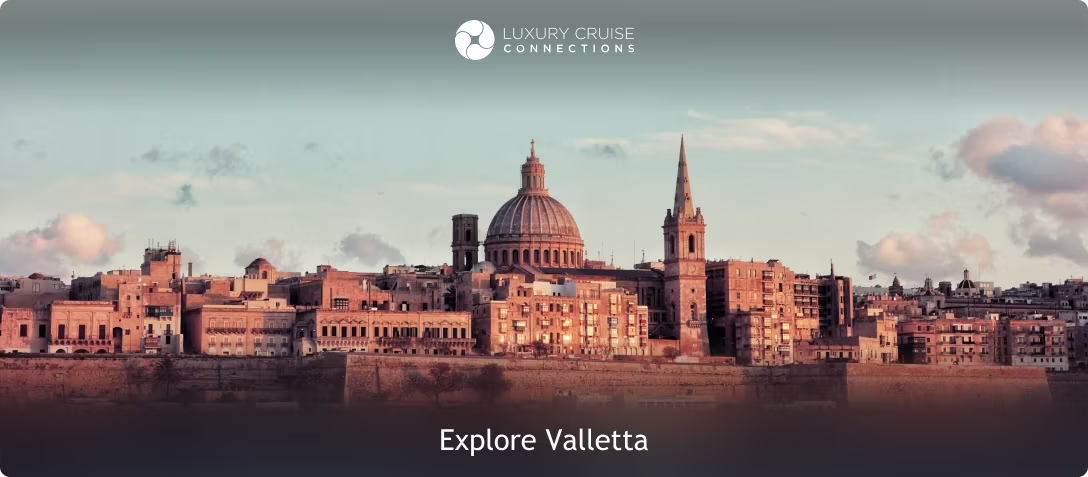
    Valletta, the capital of Malta, is a UNESCO World Heritage site located on a peninsula on the island's southern coast. Valletta is known for its stunning Baroque architecture, rich history, and strategic importance. The city covers only 0.8 square kilometers, making it one of the smallest capitals in Europe. Despite its size, Valletta is packed with cultural landmarks, museums, and historic buildings, offering visitors an immersive look into Malta’s past and its role in Mediterranean history.
    Explore Valletta

    Valletta’s most iconic sites include St. John’s Co-Cathedral, the Grand Master's Palace, and the Upper Barracca Gardens, which offer panoramic views of the Grand Harbour. The cathedral, with its intricate Baroque interior and Caravaggio paintings, stands as one of the world’s most stunning religious buildings. The historical streets, lined with palaces, churches, and gardens, are a testament to the city’s strategic military and cultural importance during the Knights of St. John’s rule.

    Visitors to Valletta can explore its charming streets on foot, taking in the impressive architecture and vibrant local life. The National Museum of Archaeology offers insights into Malta’s prehistoric era, while the Fort St. Elmo Museum tells the story of the Great Siege of 1565. Valletta is also home to an array of local cafes, offering visitors a chance to enjoy traditional Maltese food while soaking in the city's atmosphere. Guided tours, including walking and historical tours, are available to enhance the experience.

    The best time to visit Valletta is from April to June and September to November, when the weather is pleasant, and the crowds are thinner.

    Hiring a guide is recommended for in-depth knowledge of Valletta’s history and landmarks.

    Entry fees for major attractions (St. John’s Co-Cathedral) range from [10 to 15], with discounts for students and senior citizens.

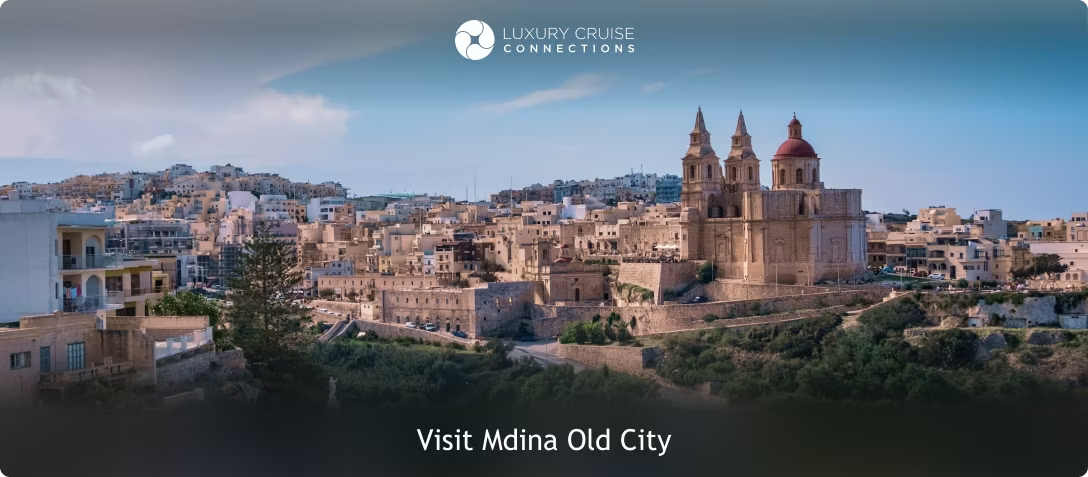
  • Visit Mdina Old City

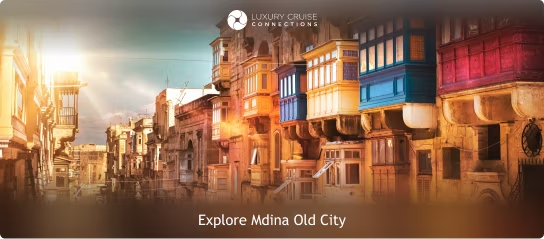
    Mdina, known as the "Silent City," is a fortified city located in the center of Malta. Mdina is renowned for its medieval architecture and narrow, winding streets. Its location on a hilltop offers panoramic views of the surrounding countryside. Mdina’s history dates back over 4,000 years, and it has been a cultural and political center throughout various historical periods, including the Phoenician, Roman, and medieval eras. Mdina is a tranquil destination, with only a small population, giving it a peaceful, timeless atmosphere.
    Visit Mdina Old City

    Mdina’s highlights include the Mdina Gate, the impressive St. Paul's Cathedral, and the Palazzo Falson. The Mdina Gate serves as the main entrance to the city and is an iconic landmark, offering a glimpse of the city’s medieval history. St. Paul's Cathedral, built in the 17th century, is a stunning example of Baroque architecture. The narrow, cobbled streets are lined with charming houses, palaces, and gardens, which have remained unchanged for centuries.

    Visitors stroll through Mdina’s quiet streets, exploring its historical buildings and enjoying the views from the bastions. The Mdina Dungeons offer a glimpse into the city’s darker history, while the National Museum of Natural History showcases Malta’s flora and fauna. A visit to the nearby Fontanella Tea Garden provides an excellent opportunity to relax and take in the panoramic views of the island. Mdina is home to various shops selling handmade crafts, jewelry, and traditional Maltese goods.

    The best time to visit Mdina is during the spring and fall when the weather is cooler, and the city is less crowded.

    A guided tour is recommended for a deeper understanding of Mdina’s history and significance.

    Entry fees to major sites like St. Paul's Cathedral are around [5 to 10], with discounts available for children and seniors.

  • Tour St Johns Co Cathedral

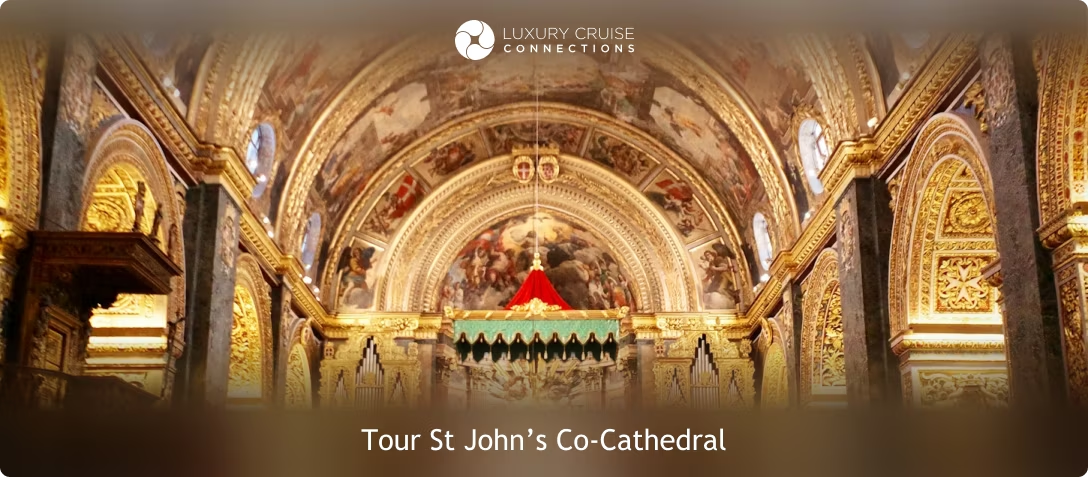
    St. John’s Co-Cathedral is a baroque masterpiece located in Valletta, Malta. The cathedral, built in the late 16th century, serves as the co-cathedral of the Roman Catholic Archdiocese of Malta. It was constructed by the Knights of St. John and is renowned for its stunning Baroque architecture, detailed interior, and historical significance. The cathedral’s design incorporates elements of both Renaissance and Baroque styles, making it one of the finest examples of Baroque architecture in the world.
    Tour St Johns Co Cathedral

    The cathedral's highlight is its richly adorned interior, which features intricate frescoes, ornate altars, and marble floors. The centerpiece is the famous Caravaggio painting, "The Beheading of St. John the Baptist," located in the Oratory. The cathedral’s floor is made up of tombstones belonging to knights of the Order of St. John, adding to its historical significance. The ceiling, painted with biblical scenes, is another stunning feature, showcasing the artistic skill of the time.

    Visitors to St. John's Co-Cathedral marvel at the lavish baroque interior, taking time to admire the detailed artwork and architecture. Audio guides and guided tours are available to provide a deeper understanding of the cathedral’s history and its connection to the Knights of St. John. The Oratory, where the Caravaggio painting is housed, is an essential part of the visit, offering insights into the artist’s life and his time in Malta. The cathedral features a museum with religious artifacts and historical exhibits.

    The best time to visit is during the early morning or late afternoon to avoid the crowds and enjoy a peaceful experience.

    Opt for a guided tour to fully appreciate the rich history and details of the artwork inside.

    Entry fees for St. John’s Co-Cathedral are approximately [10 to 15], with discounts for students and seniors.

  • Discover the Blue Lagoon Comino

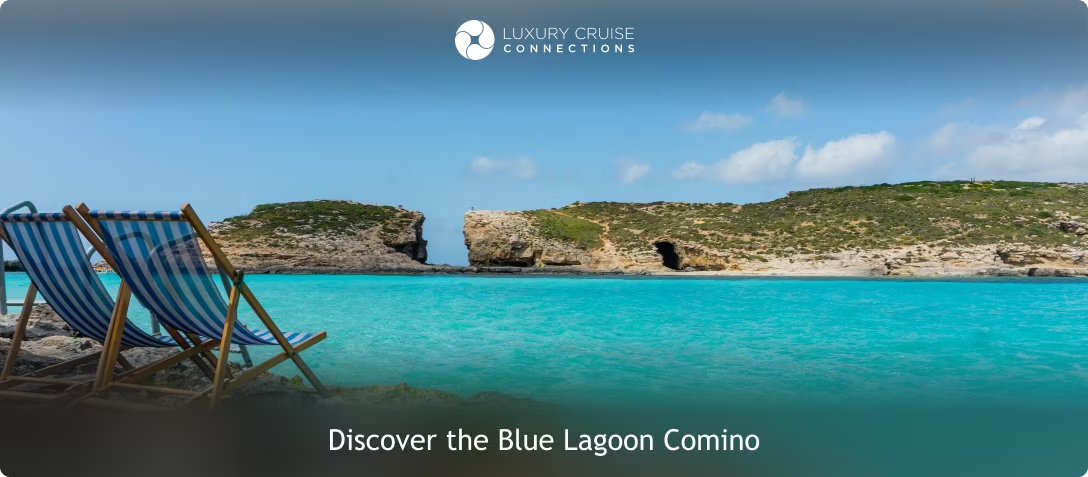
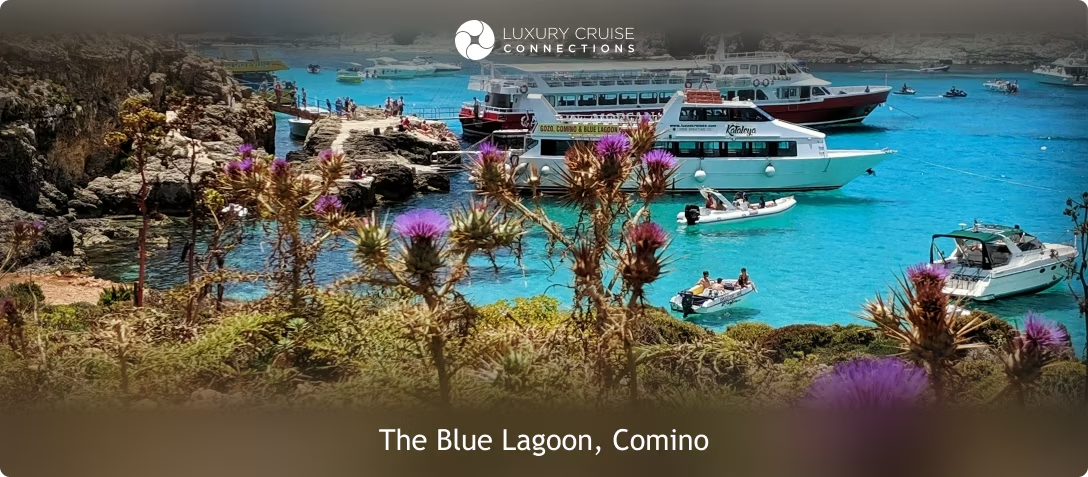
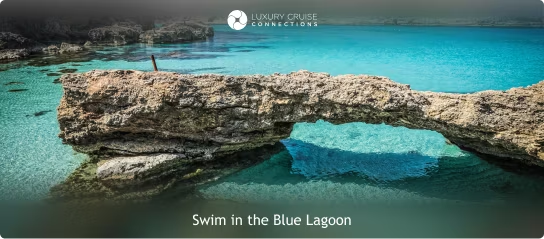
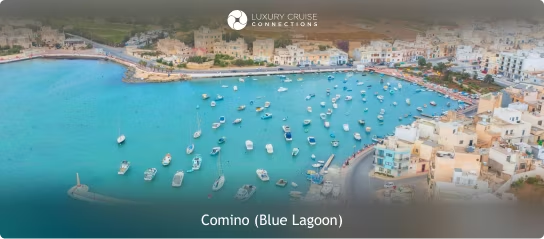
    The Blue Lagoon, located on the small island of Comino, is one of Malta's most famous natural attractions. The Blue Lagoon is a popular destination for swimming, snorkeling, and relaxing, known for its crystal-clear turquoise waters and stunning natural beauty. The lagoon is a peaceful retreat away from the hustle and bustle of the larger islands, surrounded by dramatic cliffs and accessible only by boat. Comino, which covers just 3.5 square kilometers, is known for its pristine environment, making the Blue Lagoon a must-see for nature lovers and adventure seekers alike.
     Discover the Blue Lagoon Comino

    The highlight of the Blue Lagoon is its strikingly clear water, which has an ethereal blue color due to the shallow depth and the surrounding white sand. The lagoon is ideal for snorkeling, where visitors explore underwater caves, rocky formations, and abundant marine life. The beach is small, but its beauty makes it an idyllic spot for sunbathing and swimming. The historic St. Mary's Tower, built by the Knights of St. John, offers scenic views over the lagoon and the island.

    Visitors to the Blue Lagoon enjoy a day of sunbathing on the rocky shore, swimming in the calm, warm waters, or taking part in water sports (kayaking and paddleboarding). The lagoon is accessible via regular boat services from Malta and Gozo, with trips available throughout the day. Hiking around the island provides opportunities to explore other secluded coves and stunning viewpoints for tourists looking for a more tranquil experience. The nearby Comino Hotel offers refreshments and meals for tourists who wish to relax and enjoy the surrounding scenery.

    The best time to visit is during the spring or early fall to avoid the peak summer crowds and enjoy cooler temperatures.

    Guided boat tours around Comino offer added insights into the island’s history and surrounding areas, while visiting the Blue Lagoon itself is simple.

    Entry to the Blue Lagoon is free, but boat trips cost between [10 to 20] per person, depending on the departure point and tour duration.

  • See the Megalithic Temples of Malta

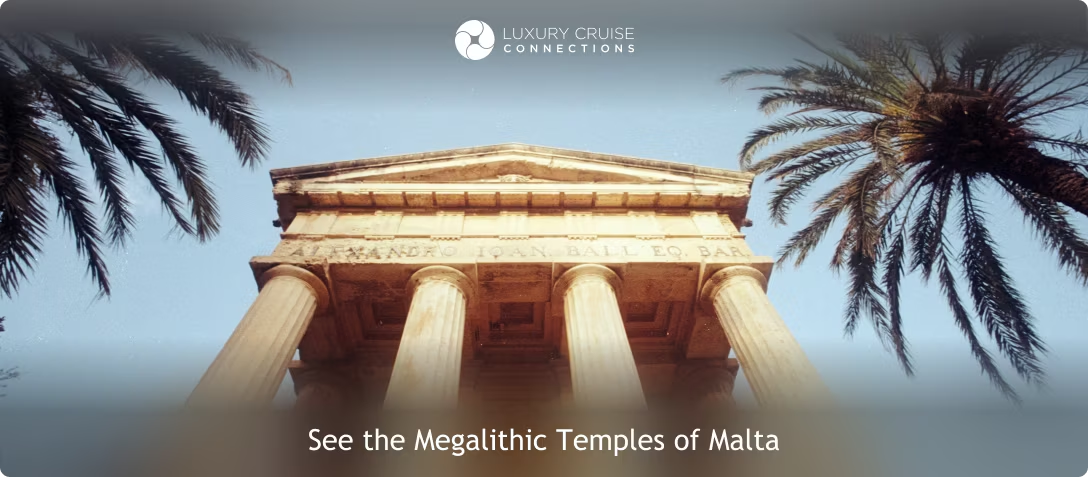
    The Megalithic Temples of Malta are a group of prehistoric structures dating back over 5,000 years, making them the oldest free-standing stone buildings in the world. The temples (Ħaġar Qim, Mnajdra, Tarxien, and others) showcase the remarkable engineering and architectural skills of the ancient Maltese civilization. The temples are spread across the island, offering a glimpse into Malta's early history and the spiritual practices of its ancient inhabitants. The temples are an essential part of Malta’s archaeological heritage, designated as a United Nations Educational, Scientific and Cultural Organization (UNESCO) World Heritage site.
    See the Megalithic Temples of Malta

    The highlight of visiting the Megalithic Temples is exploring Ħaġar Qim and Mnajdra, two of the most significant temple complexes. Ħaġar Qim, perched on a hill overlooking the sea, features massive megalithic stones arranged in a circular formation. Mnajdra, located nearby, is known for its alignment with the sun during the equinoxes, a testament to the advanced astronomical knowledge of the temple builders. The temples are built using massive limestone blocks, and their intricate carvings and structures are impressive examples of prehistoric craftsmanship.

    Visitors to the Megalithic Temples take guided tours to learn about the history and cultural significance of the ancient sites. The open-air museums around the temples provide informative displays and exhibits about the history of the temples and the ancient people who built them. Visitors observe how the temple aligns with the sun during the equinoxes, a fascinating demonstration of the temple’s astronomical precision at Mnajdra. The temples offer a tranquil setting, perfect for photography and appreciating the beauty of Malta’s ancient landscape

    The best time to visit the temples is in the spring or fall when the weather is mild, and the sites are less crowded

    A guided tour is highly recommended for a deeper understanding of the temples' history and significance.

    Entry fees for the Megalithic Temples range from [10 to 15], with discounts for students and seniors.

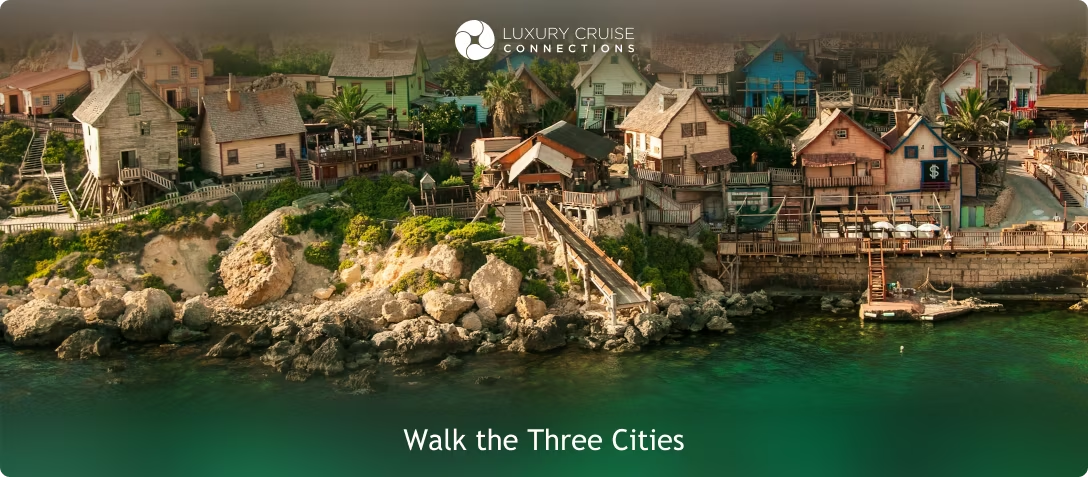
  • Walk the Three Cities

    The Three Cities (Vittoriosa, Senglea, and Cospicua) are historic towns located across the Grand Harbour from Valletta. The Three Cities, known for their rich history and stunning architecture, were once the heart of the Knights of St. John’s rule in Malta. The cities offer visitors a chance to explore narrow streets, centuries-old fortifications, and charming harborside views. The cities' well-preserved buildings, including grand palaces and churches, reflect Malta's medieval and baroque heritage. Walking through the Three Cities provides an authentic experience of Maltese culture and history.
    Walk the Three Cities

    The highlight of visiting the Three Cities is exploring the picturesque streets and scenic views of the Grand Harbour. Vittoriosa (Birgu) is the most famous of the three, known for its well-preserved medieval buildings, including the Inquisitor’s Palace and the Maritime Museum. Senglea, located on a small peninsula, offers stunning panoramic views of the harbor and Valletta, while Cospicua is home to impressive fortifications and the scenic St. Lawrence Bastion. The peaceful atmosphere and historical charm of these cities make them a perfect place for a leisurely walk.

    Visitors can enjoy a leisurely walk through the narrow cobbled streets of each city, discovering hidden squares, vibrant local life, and historic landmarks. A visit to the Fort St. Angelo in Vittoriosa offers a glimpse into Malta's military past, while Senglea's Gardjola Gardens provide spectacular views of the Grand Harbour. The waterfront promenade in Cospicua is ideal for taking in the scenery and enjoying the tranquility of the area. Guided walking tours are available to provide a deeper understanding of the history of the Three Cities and the role they played in Malta’s development.

    The best time to visit is early in the morning or late afternoon, when the weather is cooler, and the streets are quieter.

    A guided walking tour is recommended for those interested in the historical context and stories behind the cities.

    Entry to the Three Cities is free, but fees for museums and fortifications range from [5 to 10].

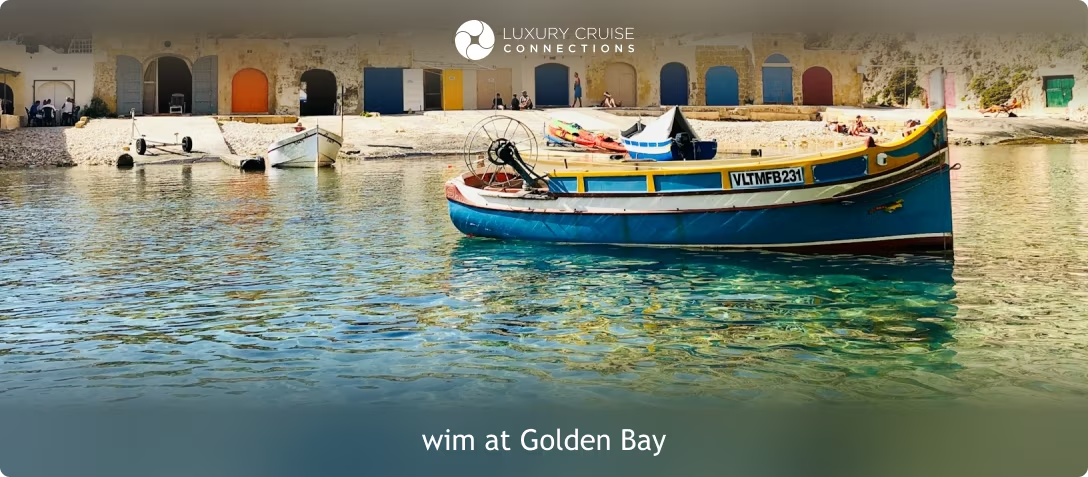
  • Swim at Golden Bay

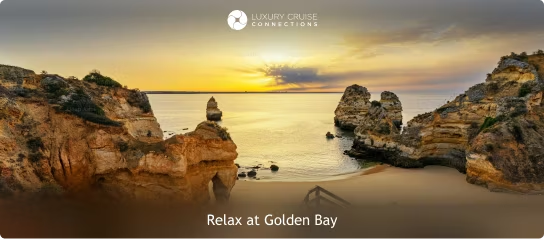
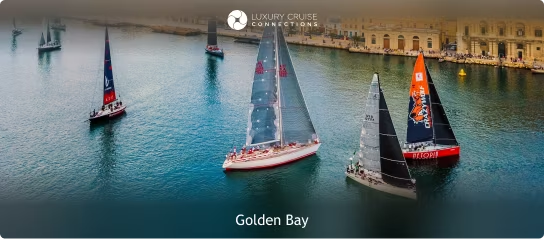
    Golden Bay is one of Malta’s most beautiful beaches, located on the northwest coast of the island. The Golden Bay is a favorite spot for both locals and tourists, known for its fine golden sand and crystal-clear waters. The beach offers a picturesque setting for swimming, sunbathing, and relaxing by the sea, surrounded by rugged cliffs and lush greenery. It is easily accessible by car and public transport, making it a popular destination for a day trip from Valletta or other parts of Malta.
    Swim at Golden Bay

    The highlight of Golden Bay is its stunning natural beauty, with the soft golden sands contrasting against the turquoise waters. The beach is ideal for swimming, as the water is calm and shallow, perfect for families with children or travelers looking to relax in the sun. The surrounding cliffs provide a dramatic backdrop, and the nearby natural environment offers opportunities for scenic walks along the coastline. Golden Bay is known for its excellent sunsets, which make it a popular spot for evening visits.

    Visitors to Golden Bay enjoy a variety of activities, including swimming, sunbathing, and beach volleyball. The beach is equipped with facilities such as sunbeds, umbrellas, and snack bars, making it a comfortable place to spend the day. Water sports (kayaking and windsurfing) are available for travelers looking for a more active experience. A short walk along the cliffs offers stunning views of the bay and the Mediterranean Sea for tourists interested in a quieter experience.

    The best time to visit is in the early morning or late afternoon when the beach is less crowded, and the temperature is more comfortable.

    Local tours offer hikes or excursions that include stops at Golden Bay, while no guides are required to enjoy the beach.

    Access to Golden Bay is free, though parking fees range from [3 to 5] depending on the season. Rental of sunbeds and umbrellas costs [5 to 10].

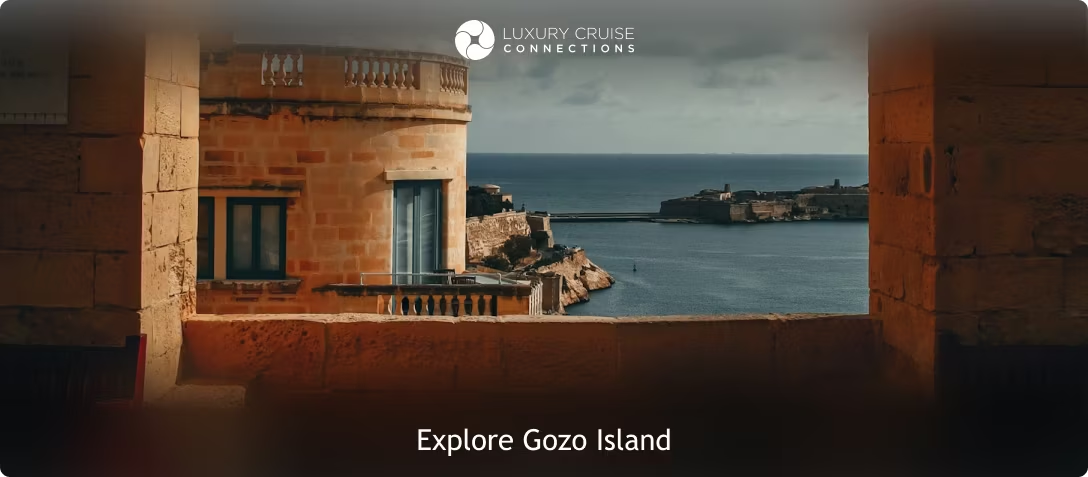
  • Explore Gozo Island

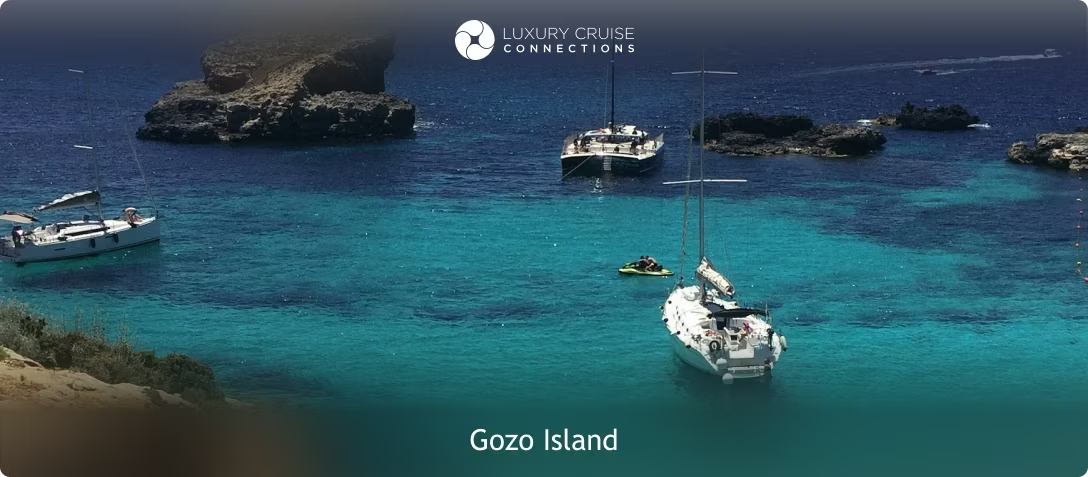
    Gozo Island is the second-largest island in the Maltese archipelago, located just north of Malta’s main island. Known for its lush landscapes, traditional villages, and historical landmarks, Gozo offers a peaceful contrast to the busier parts of Malta. The island is renowned for its natural beauty, including rolling hills, rugged cliffs, and clear waters ideal for snorkeling and diving. Gozo is also home to significant archaeological and cultural sites (the Ġgantija Temples), making it an ideal destination for history enthusiasts and nature lovers alike.
    Explore Gozo Island

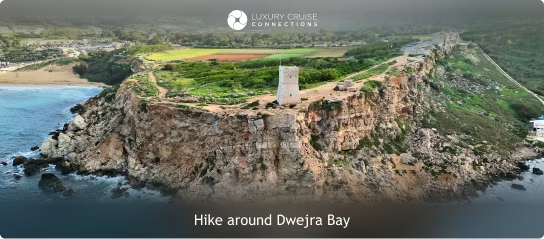
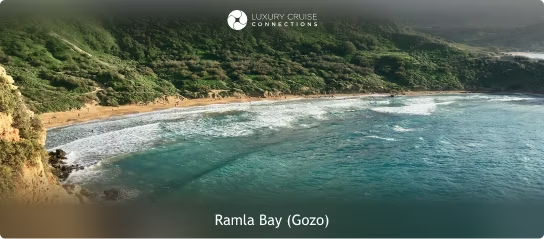
    The highlight of visiting Gozo is the Ġgantija Temples, one of the oldest freestanding stone structures in the world, dating back to 3600 BCE. Popular sites include the Citadel in Victoria, which offers sweeping views of the island, and Dwejra Bay, home to the famous Azure Window (now collapsed but still a notable spot for photographs). The island’s beaches (Ramla Bay, with its red sand, and the Blue Hole in Dwejra) are perfect for relaxing or engaging in water activities.

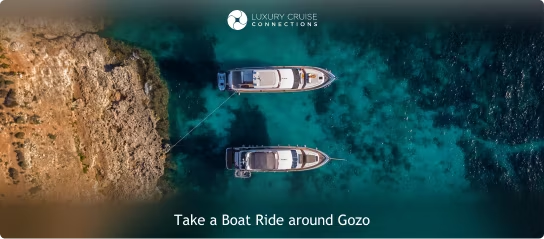
    Visitors to Gozo explore its charming villages (Xlendi and Marsalforn), which feature narrow streets, traditional stone houses, and vibrant local life. Gozo is ideal for hiking, with scenic routes offering views of the countryside and coastline. Diving enthusiasts explore the island’s underwater caves and vibrant marine life, while travelers interested in history visit the Cittadella Museum and the numerous churches and forts across the island. A boat trip around Gozo offers an alternative way to take in its coastal beauty and nearby smaller islands.

    The best time to visit Gozo is from April to June or September to November when the weather is pleasant, and the island is less crowded.

    A guided tour is recommended for a comprehensive understanding of Gozo’s history and attractions.

    Entry to most natural sites is free, but visiting places like the Ġgantija Temples and the Citadel costs [5 to 10]. Boat trips around the island range from [15 to 25] per person.

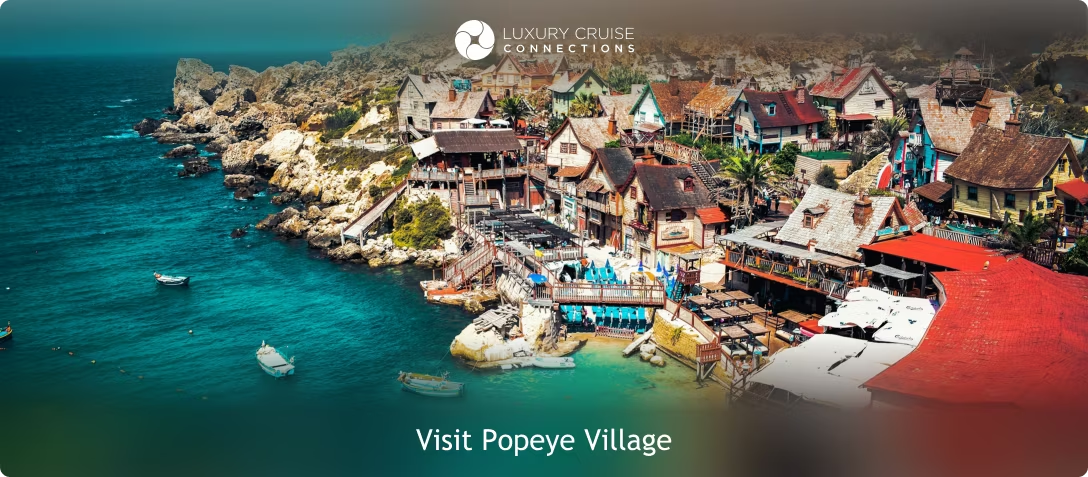
  • Visit Popeye Village

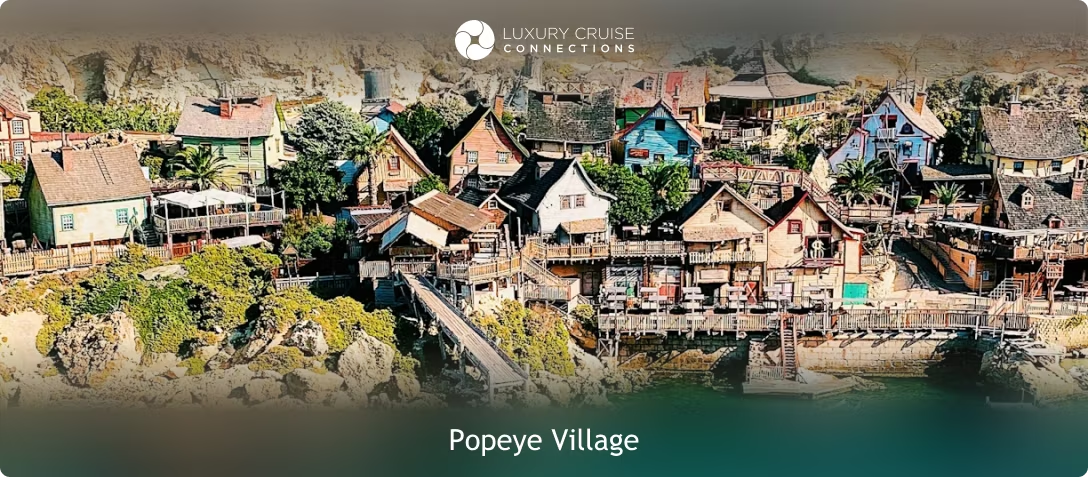
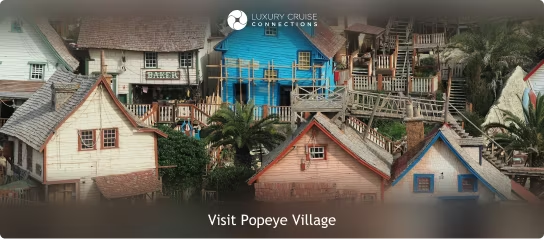
    Popeye Village, located in the northern part of Malta, is a unique theme park built around the film set of the 1980 musical "Popeye," starring Robin Williams. The Popeye Village has since been transformed into a family-friendly attraction originally constructed as a set for the movie. It features colorful wooden buildings, live-action shows, boat rides, and various activities that bring the world of Popeye and his friends to life. The village, surrounded by beautiful views of the Mediterranean Sea, offers a fun and interactive experience for visitors of all ages.
    Visit Popeye Village

    The highlight of Popeye Village is the chance to explore the original movie set, which includes Popeye’s house, Olive Oyl’s house, and the marina. Visitors enjoy daily live shows that reenact scenes from the movie and even interact with characters like Popeye, Olive Oyl, and Bluto. The village also has a small museum dedicated to the making of the film, showcasing props, costumes, and behind-the-scenes footage. The stunning coastal views surrounding the village provide a picturesque setting for photos and leisurely walks.

    Visitors to Popeye Village enjoy a variety of activities (boat rides along the coastline, character meet-and-greets, and themed play areas for children). The park offers water-based activities (swimming and sunbathing at its private beach). Cafes and restaurants are serving food and drinks, perfect for a family outing for tourists looking to relax. The park provides a fun, nostalgic experience for travelers who grew up with the Popeye cartoons and a charming day out for families.

    The best time to visit Popeye Village is in the spring or fall when the weather is comfortable, and the crowds are thinner.

    A local tour offers insights into the movie's production and the history of the set, while the village is self-guided

    Entry to Popeye Village is [12 to 15] per adult, with discounts for children and family tickets available.

  • Dive the Blue Hole Gozo

    The Blue Hole in Gozo is one of the most famous dive sites in the Mediterranean, known for its crystal-clear waters and unique underwater rock formations. The Blue Hole is a natural sinkhole that leads into a vast underwater tunnel, offering an exciting challenge for novice and experienced divers, located near Dwejra Bay. The site is accessible by land and boat, making it a popular destination for diving enthusiasts visiting Gozo. The surrounding area is rich in marine life, including schools of fish, octopuses, and vibrant coral, providing a diverse and stunning underwater ecosystem to explore.
    Dive the Blue Hole Gozo

    The highlight of diving at the Blue Hole is the thrilling experience of swimming through the underwater tunnel, which opens up into a large cavern. The site is famous for its deep, clear water, which allows divers to experience incredible visibility. The top of the hole is accessible to snorkelers, offering a view of the water's surface and the surrounding cliffs. The underwater formations, including arches and caves, are a must-see for those diving deeper. The area is a popular spot for free diving, providing an exhilarating and peaceful experience for travelers who prefer to dive without equipment

    Diving at the Blue Hole involves navigating through the tunnel to reach the open sea, where divers explore the vibrant marine life and unique rock formations. The site is suitable for divers of all skill levels, but it is recommended to have an experienced guide or instructor for safety for tourists diving through the tunnel. The clear waters provide excellent visibility, making it easier to spot various species of fish, crustaceans, and other underwater creatures. Non-divers enjoy the view from above, either by snorkeling or walking along the nearby cliffs for a spectacular panoramic view of the Blue Hole.

    The best time to visit the Blue Hole is from late spring to early fall when the weather is warm, and the water conditions are calm.

    Experienced diving guides are available for travelers new to the site or looking for a more detailed diving experience.

    Diving at the Blue Hole costs around [40 to 60] per person, depending on the dive shop and the type of experience offered.


What are the Most Popular Tourist Attractions in Malta?

The most popular tourist attractions in Malta are listed below.

  • St. John’s Co-Cathedral
  • The Megalithic Temples of Malta
  • Mdina Old City
  • The Blue Lagoon, Comino
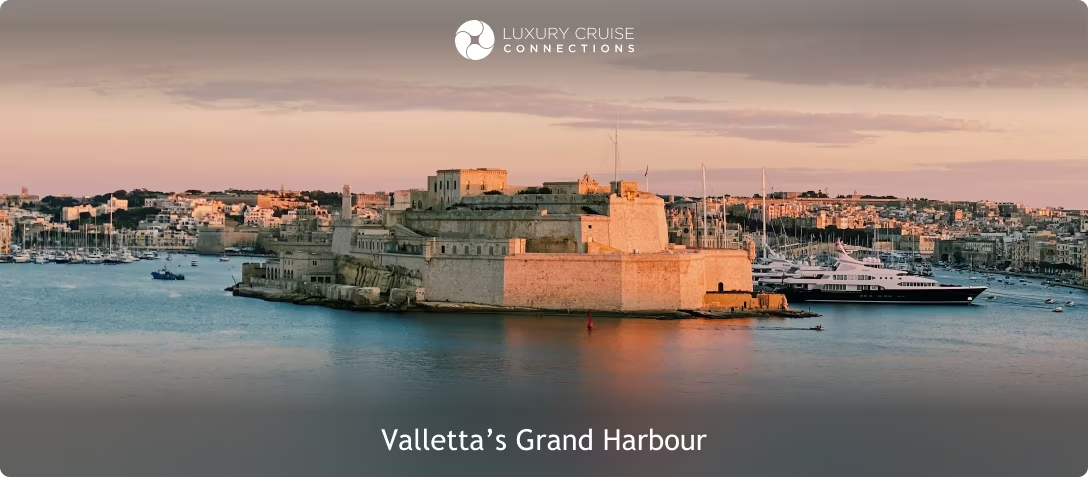
  • Valletta’s Grand Harbour
  • Gozo Island
  • Popeye Village


What are Some Fun Things to Do in Malta

Some fun things to do in Malta are listed below.


What are the best places to visit in Malta for beaches and seaside relaxation?

The best places to visit in Malta for beaches and seaside relaxation are listed below.


What are the Best Things to Do in Malta for First-Time Visitors?

The best things to do in Malta for first-time visitors are listed below.

The place is rich in history and architecture. First-time visitors must explore the stunning St. John’s Co-Cathedral, the Upper Barracca Gardens for panoramic views, and walk through the narrow streets filled with baroque buildings and charming shops.
The Megalithic Temples of Malta are the oldest freestanding stone structures in the world. Visiting the ancient temples (Ħaġar Qim and Mnajdra) gives first-time visitors a glimpse into Malta's prehistoric past.
The Blue Lagoon in Comino is a must-see for first-time visitors to Malta. Its crystal-clear turquoise waters are perfect for swimming, snorkeling, and relaxing on the small beach, offering a quintessential Maltese experience.
The ancient walled city is another must-visit for new arrivals. Its medieval charm, narrow streets, and impressive Mdina Cathedral make it a perfect place for a peaceful stroll and sightseeing known as the "Silent City."
The nearby island of Gozo offers scenic boat tours that allow visitors to explore hidden coves, beaches, and cliffs, providing a beautiful and tranquil escape from the mainland. It is a great way for first-timers to experience Malta's coastal beauty.

What makes Malta a Beautiful Country to Visit?

Malta is a beautiful country to visit due to its stunning Mediterranean landscapes, rich history, and vibrant culture. Malta’s natural beauty is defined by crystal-clear waters, rugged coastlines, and sandy beaches, offering visitors tranquil escapes and adventurous opportunities. The country’s historical charm is seen in its ancient temples, medieval cities, and baroque architecture, with United Nations Educational, Scientific and Cultural Organization (UNESCO) World Heritage sites like the Megalithic Temples and Valletta’s historic streets. The combination of picturesque scenery and rich cultural heritage makes Malta a destination that appeals to travelers seeking history, nature, and modern amenities in one place. Its warm climate and strategic location in the heart of the Mediterranean add to its allure, making it an ideal spot for year-round travel.

What are the most famous places in Malta to take a selfie?

The most famous places in Malta to take a selfie are the Blue Lagoon in Comino, St. John’s Co-Cathedral in Valletta, Mdina Old City, the Azure Window in Dwejra Bay, and Golden Bay. The Blue Lagoon stands out with its crystal-clear waters and striking turquoise hue, offering a perfect backdrop for a stunning selfie. St. John’s Co-Cathedral provides a historical and architectural setting, with its ornate Baroque interior and exterior making for a beautiful selfie. The narrow, charming streets and panoramic views from the city’s bastions offer a fantastic location for a selfie with a medieval touch in Mdina Old City. The surrounding scenery in Gozo provides dramatic views ideal for a memorable selfie, although the Azure Window has collapsed. The Golden Bay is a great spot for a relaxed, beach-themed selfie with its sandy beach and clear waters, capturing the essence of Malta’s coastal beauty.

Are there any stuff to taste or drink after a cruise to Malta?

Yes, there is stuff to taste or drink after a cruise to Malta. Traditional Maltese cuisine includes pastizzi (flaky pastries filled with ricotta or peas), rabbit stew (a local delicacy), and Bragioli (stuffed beef olives). Imqaret (date-filled pastries) and Kwarezimal (a honey and almond biscuit) are must-tries for travelers with a sweet tooth. The island is known for its Maltese wines like Gellewza and Moscato, which are perfect for sipping after a day of sightseeing. Locally brewed Cisk lager is a popular drink, and Kinnie, a soft drink made from bitter oranges, is a unique, refreshing Maltese beverage. Visitors enjoy the tastes in local restaurants or outdoor cafes, providing a truly authentic Maltese experience.

How can I experience Local Culture in Malta?

You can experience local culture in Malta through exploring the historic streets of Valletta and Mdina, where you’ll find a blend of medieval, baroque, and Renaissance architecture. Visit the Megalithic Temples, the world’s oldest free-standing structures, to learn about the island’s ancient history. Participate in local festivals like Festa celebrations, which occur throughout the year in various towns and feature processions, music, and fireworks. Visit local markets (the Marsaxlokk Fish Market) to interact with local vendors and taste fresh Maltese produce for a deeper cultural immersion. Enjoy traditional Maltese music and dances (the għana, a form of folk singing) at cultural events or local taverns. Take the chance to try local Maltese cuisine at family-run restaurants, savor dishes made from centuries-old recipes passed down through generations.

Are there Activities in Malta Perfect for Families with Children?

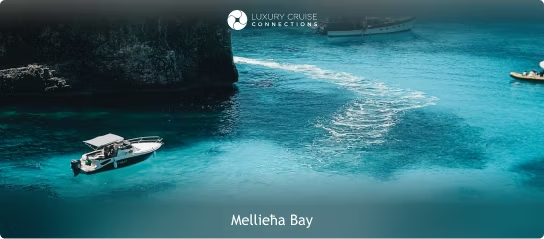
Yes, Malta offers a wide range of activities perfect for families with children. Malta is known for its family-friendly attractions and natural beauty, providing plenty of opportunities for fun and education. Families visit Popeye Village, a theme park built around the film set of the 1980 movie "Popeye," where children enjoy interactive shows, boat rides, and character meet-and-greets. The Malta National Aquarium is another great option, featuring marine life exhibits that are educational and entertaining for young visitors. Families head to Golden Bay or Mellieħa Bay, where children swim in calm, shallow waters and enjoy the soft sands for outdoor fun. The Playmobil FunPark is a popular spot, offering indoor and outdoor play areas based on the iconic Playmobil toys. The Mediterranean Marine Park provides opportunities for kids to engage with marine animals, making it a fun and educational experience for the whole family.

Are there Fun Things to Do in Malta for Outdoor Adventures?

Yes, there are plenty of fun things to do in Malta for outdoor adventures. Malta offers various activities for outdoor enthusiasts, ranging from water sports to hiking and exploring nature reserves. Visitors enjoy scuba diving and snorkeling in the crystal-clear waters around Malta, at the Blue Lagoon in Comino and the Blue Hole in Gozo, which are renowned for their vibrant marine life and underwater caves.

Hiking along Malta's rugged coastline offers breathtaking views of the Mediterranean Sea for travelers who prefer land-based adventures. Trails around areas like Dwejra Bay and the Victoria Lines provide scenic routes, perfect for walkers and nature lovers. Kayaking, windsurfing, and mountain biking are popular activities for travelers looking to explore the island's diverse landscapes in a more active way.

Malta’s national parks and nature reserves offer opportunities for outdoor exploration (the Għar Lapsi area), which is ideal for cliff diving and swimming, and Simar Nature Reserve, where visitors discover the island's wildlife. The outdoor experiences make Malta an excellent destination for travelers seeking adventure while surrounded by natural beauty.

Best Things to Do Around the World

Discover the best activities, landmarks, and experiences in every cruise destination and port of call.

Europe Western, Central & Mediterranean
America North, Central, South & Caribbean
Africa & Asia Oceania & Antarctica