10 Best Things to Do in Luxembourg

The 10 best things to do in Luxembourg cover exploring the subterranean Bock Casemates, visiting the Grand Ducal Palace,...

add

The 10 best things to do in Luxembourg cover exploring the subterranean Bock Casemates, visiting the Grand Ducal Palace, and hiking the scenic Mullerthal Trail. Luxembourg offers travelers a visit to the ancient religious heritage of Echternach Abbey, a chance to experience the Moselle Valley vineyards, and a tour of ancient religious heritage at Echternach Abbey, experience the Moselle Valley vineyards, and tour historic landmarks like Vianden Castle. Explore the industrial history of Esch-sur-Alzette, relax in the dense Ardennes forests, and view photography exhibitions in Clervaux. Luxembourg represents a land with a rich ancient history, modern megacities, and diverse landscapes ranging from rocky cliffs to winding river valleys. 


Luxembourg provides a different perspective on the strategic and multifaceted nature of the Grand Duchy. Travelers maximize their vacation enjoyment by selecting specific sites while prioritizing activitiesthe enjoyment of their vacation by selecting specific sites while prioritizing things to do in Luxembourg. The territory serves as a gateway to heritage sites and premium river cruise experiences. History enthusiasts find memorable places to visit in Luxembourg to appreciate the military evolution of the capital. Scenic beauty remains a primary draw for tourists, identifying the most famous Luxembourg places to visit.

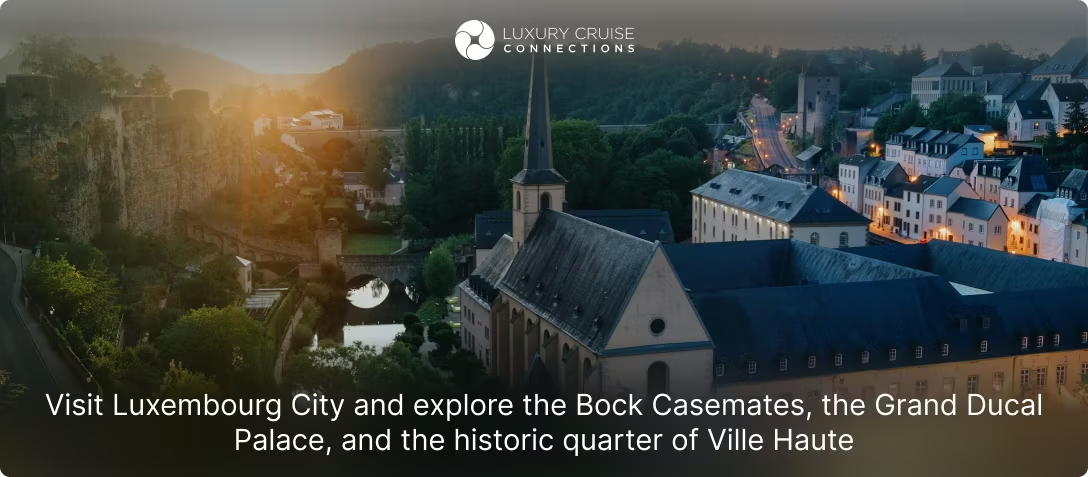
  • Visit Luxembourg City and explore the Bock Casemates, the Grand Ducal Palace, and the historic quarter of Ville Haute
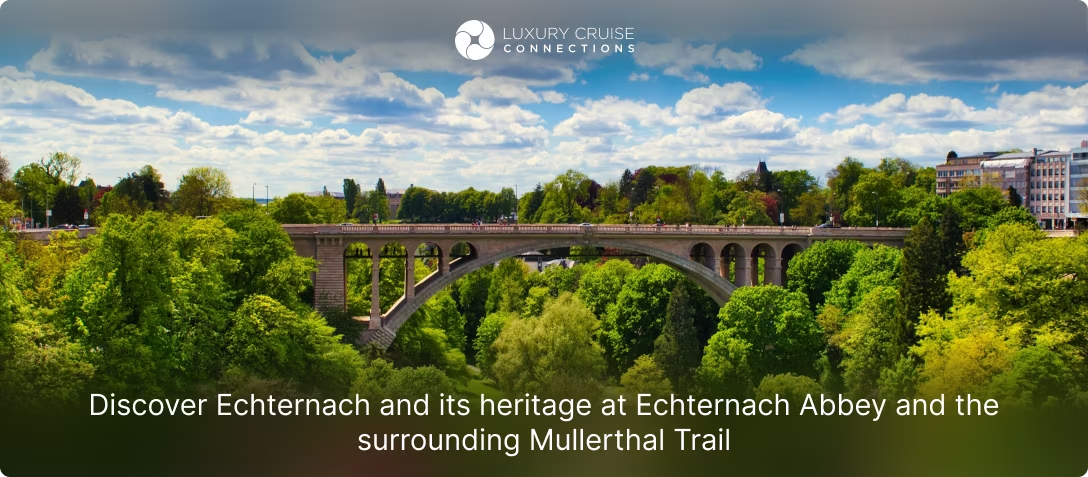
  • Discover Echternach and its heritage at Echternach Abbey and the surrounding Mullerthal Trail
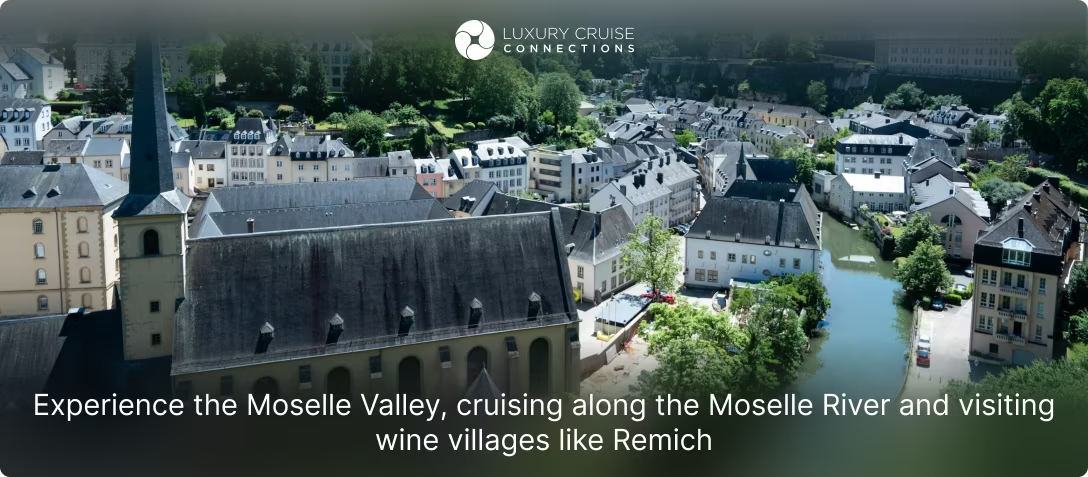
  • Experience the Moselle Valley, cruising along the Moselle River and visiting wine villages like Remich
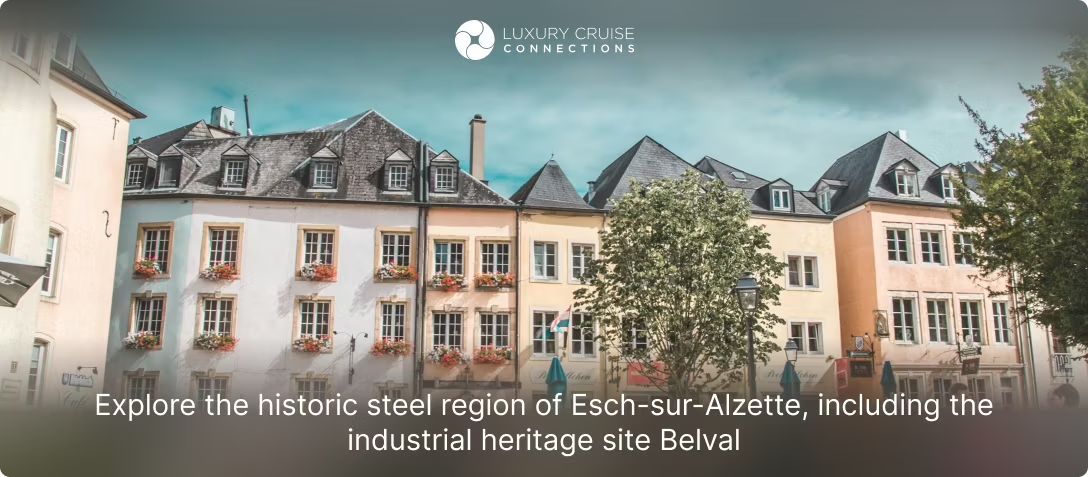
  • Explore the historic steel region of Esch-sur-Alzette, including the industrial heritage site Belval
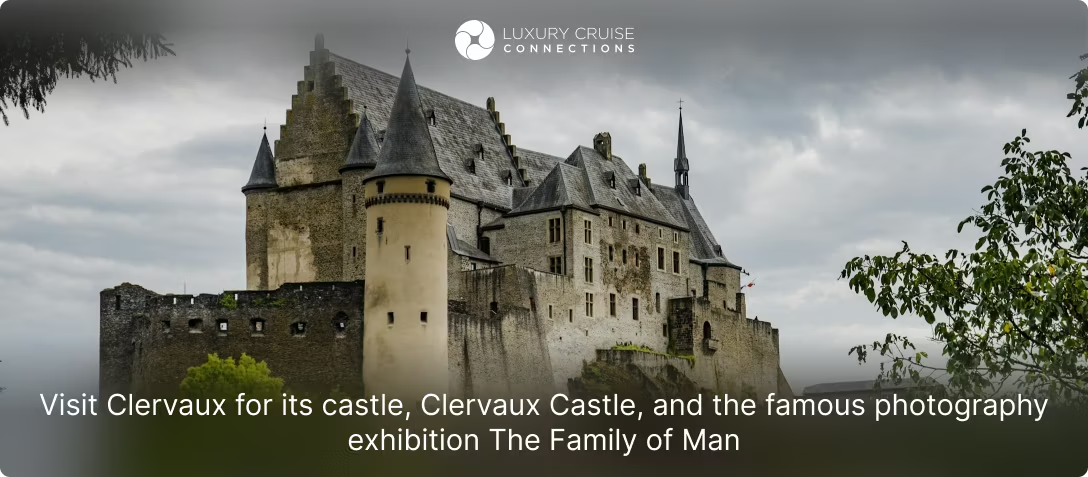
  • Visit Clervaux for its castle, Clervaux Castle, and the famous photography exhibition The Family of Man
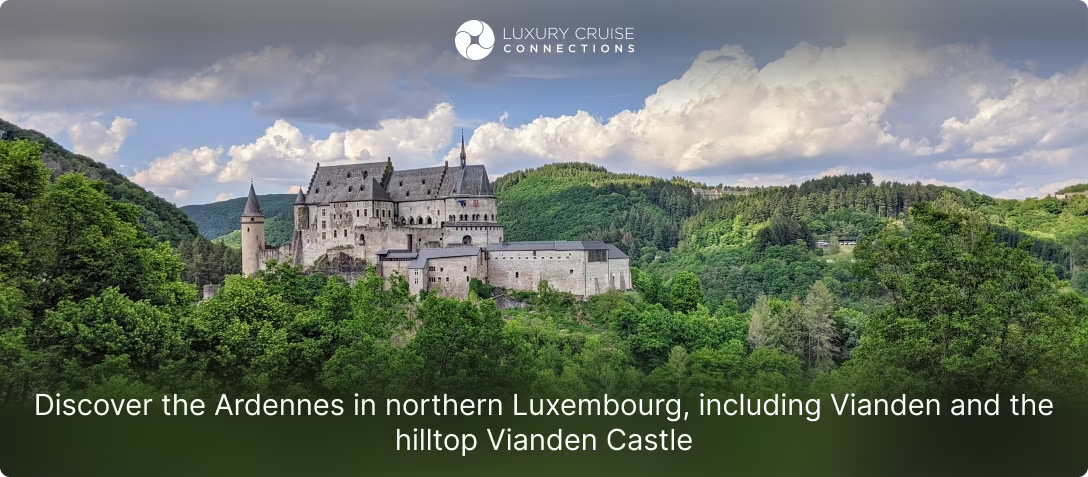
  • Discover the Ardennes in northern Luxembourg, including Vianden and the hilltop Vianden Castle
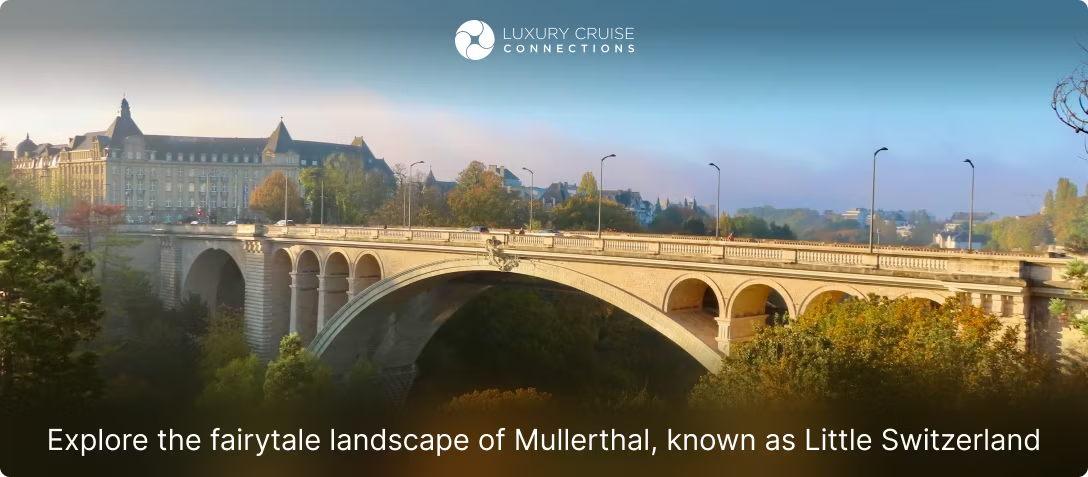
  • Explore the fairytale landscape of Mullerthal, known as “Little Switzerland,” and visit rock formations like Schiessentümpel
  • Explore the fairytale landscape of Mullerthal, known as “Little Switzerland,” and visit rock formations like Schiessentümpel
  • Discover the medieval town of Larochette and the ruins of Larochette Castle
  • Explore the picturesque village of Beaufort, visiting Beaufort Castle and hiking nearby trails in the Mullerthal
  • Visit Luxembourg City and explore the Bock Casemates, the Grand Ducal Palace, and the historic quarter of Ville Haute

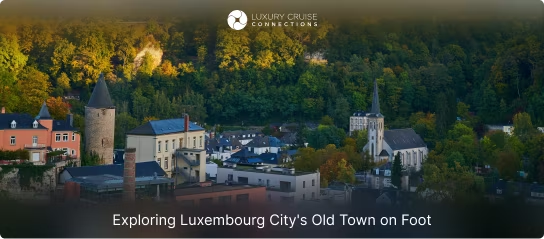
    Luxembourg City serves as the national capital and a global financial hub. The urban landscape sits atop sheer sandstone cliffs above deep river gorges. Ancient stone fortifications define the architectural layout of the old town. Modern skyscrapers stand near the edge of the historic plateau districts. Luxembourg City acts as a primary center for many things to do in Luxembourg.
    Visit Luxembourg City and explore the Bock Casemates, the Grand Ducal Palace, and the historic quarter of Ville Haute

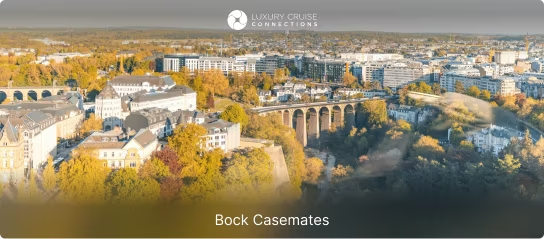
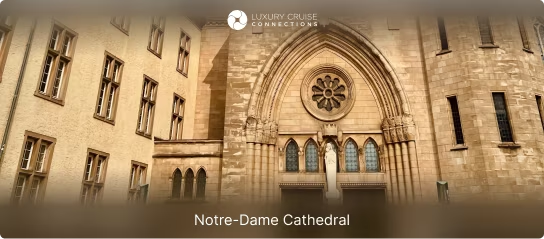
    The Bock Casemates feature a 23-kilometer network of subterranean defense galleries, offering a glimpse into Luxembourg's military past. The Grand Ducal Palace showcases a Flemish Renaissance facade and serves as the official sovereign residence, representing the country's royal heritage. Ville Haute comprises the medieval core of the city, with the bustling Place d'Armes at its heart, offering a vibrant atmosphere for locals and tourists alike. The Notre-Dame Cathedral displays late Gothic architecture with impressive stained glass windows, making it a striking example of Luxembourg's religious history. The Adolphe Bridge spans the Petrusse Valley, featuring a massive stone arch and offering panoramic views of the surrounding area.

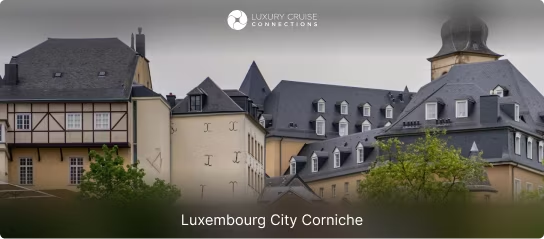
    Travelers walk through narrow stone tunnels that once protected thousands of soldiers. The changing of the guard ceremony provides a look at local military traditions. Views from the Corniche offer a panoramic perspective of the lower river valley. The environment combines historical heritage with a multicultural atmosphere. High-end boutiques in the upper city offer a luxury shopping experience.

    Spring months (March to May) offer mild weather for exploring the stone ramparts on foot. Summer evenings (June to August) provide long hours of daylight for sightseeing across the valley.

    Professional walking tours depart from the central tourism office daily. Informational plaques explain the history of the fortress at every major site. Audio guides provide detailed context for the subterranean passages.

    Entrance for the casemates costs range from [€14 to €18 ($15 to $20)] for adult visitors. Guided palace tours require a fee of [€14 to €16 ($15 to $18)] per guest. Public transport within the city remains free for all travelers.

  • Discover Echternach and its heritage at Echternach Abbey and the surrounding Mullerthal Trail

    Echternach stands as the oldest town in the country with roots in a seventh-century monastery. The settlement sits along the Sauer River near the border with Germany. Medieval walls and towers still protect parts of the historical center. The town functions as the cultural heart of the eastern region. Travelers consider the area one of the essential places to visit in Luxembourg.
    Discover Echternach and its heritage at Echternach Abbey and the surrounding Mullerthal Trail

    The Basilica of Saint Willibrord houses the remains of the patron saint in a decorated crypt, offering a spiritual connection to the region's history. The Abbey Museum displays ancient manuscripts from the famous local scriptorium, showcasing the valley's rich cultural and religious heritage. The Mullerthal Trail begins nearby, winding through dense forests and sandstone cliffs, offering scenic views and a chance to explore the natural beauty of the area. A Roman Villa ruin provides insight into the ancient history of the valley, highlighting the area's role in Roman times. The market square features the Gothic Denzelt building as a central landmark, adding to the historical charm of the town.

    Visitors admire the symmetrical beauty of the abbey gardens during a quiet stroll. The annual hopping procession attracts thousands of pilgrims for a unique rhythmic tradition. Hikers feel the cool air inside narrow rock crevices along the forest paths. Traditional restaurants serve local specialties in the shadow of the medieval town hall. The sound of church bells echoes through the narrow cobblestone streets.

    Late spring (April to May) offers the chance to witness the traditional dancing procession in May. Fall months (September to November) provide colorful foliage along the surrounding hiking trails.

    Local history tours explain the monastic influence on the town's development. Trail maps are available at the information center near the bus station.

    Entry to the Abbey Museum costs [€7 ($8)] per person. Access to the hiking trails and the Roman Villa remains free.

  • Experience the Moselle Valley, cruising along the Moselle River and visiting wine villages like Remich

    The Moselle Valley follows the winding river between the vineyards of Luxembourg and Germany. Sloping hillsides provide the ideal climate for producing world-class white wines. Small fishing villages sit along the riverbank with historic waterfront promenades. The region offers a slower pace of life compared to the metropolitan center. The valley ranks highly among popular Luxembourg places to visit.
    Experience the Moselle Valley, cruising along the Moselle River and visiting wine villages like Remich

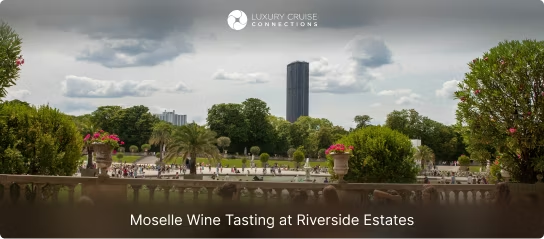
    The river promenade in Remich features numerous cafes and shaded walking paths, making it a perfect spot for a stroll with scenic views of the Moselle River. Wine cellars in Grevenmacher offer guided tours and tastings of local sparkling vintages, giving visitors a chance to explore the region’s rich winemaking tradition. The European Museum in Schengen explains the history of open borders within the continent, showcasing the pivotal role the Schengen Agreement played in fostering European unity. Scenic viewpoints from the top of the vineyard hills offer panoramic views of the winding river loops and picturesque landscapes, making it a great spot for photography. Pleasure boats depart regularly from the docks for sightseeing cruises, allowing visitors to enjoy a relaxing view of the surrounding nature and riverbanks.

    Passengers relax on the sun deck while the ship glides past emerald green vineyards. The taste of fresh Riesling complements the regional cuisine served in local taverns. Cyclists follow flat paths that hug the shoreline for miles. Butterfly gardens provide a colorful encounter with tropical species in a climate-controlled greenhouse. The sunset over the water creates a picturesque end to a day of exploration.

    September and October mark the harvest season with many local wine festivals. Summer (June to August) provides the best conditions for river cruises and outdoor dining.

    Wine makers provide personal insights during cellar visits and tasting sessions. Boat captains share historical facts about the river during the cruise.

    River cruise tickets range from [€13 to €27 ($15 to $30)] depending on the duration. Wine tasting flights cost around ]€9 to €18 ($10 to $20)] at local estates.

  • Explore the historic steel region of Esch-sur-Alzette, including the industrial heritage site Belval

    Esch-sur-Alzette serves as the second-largest city and a former center for iron production. The southern region features red soil rich in minerals that fueled the industrial revolution. Industrial ruins now coexist with modern architectural projects and research facilities. The city represents the successful transformation of an economy based on heavy industry. The area provides a unique contrast to the medieval north.
    Explore the historic steel region of Esch-sur-Alzette, including the industrial heritage site Belval

    The Belval blast furnaces remain as towering monuments to the steel era, offering a glimpse into Luxembourg's industrial past. The Rockhal concert hall hosts international music acts within a refurbished industrial setting, blending modern entertainment with historical architecture. The University of Luxembourg campus brings a youthful energy to the former factory grounds, making the area a hub of academic and social activity. Red Rock Skatepark offers a modern space for recreation among the iron structures, attracting skaters and sports enthusiasts alike. The National Museum of the Resistance details the history of local opposition during the war, providing visitors with a deeper understanding of Luxembourg’s resilience and resistance efforts during WWII.

    Visitors climb the massive metal structures to see the surrounding landscape from high platforms. Modern shops and restaurants fill the ground floors of sleek new buildings. The orange and red hues of the earth create a distinct visual identity for the region. Travelers learn about the lives of miners through interactive museum displays. The urban environment feels dynamic and forward-looking.

    Weekdays offer the chance to see the bustling campus life of the university. Summer evenings (June to August) are ideal for attending outdoor events at the Belval site.

    Heritage tours explain the technical process of iron smelting in the blast furnaces. Digital apps provide self-guided walking routes through the industrial monuments.

    Climbing the blast furnace costs [€5 to €10 ($5 to $11)] for adults. Entry to the Resistance Museum is free for the general public.

  • Visit Clervaux for its castle, Clervaux Castle, and the famous photography exhibition The Family of Man

    Clervaux sits in a deep valley within the northern Ardennes region. The town features a white-walled castle that dominates the central village square. Rolling hills and dense forests surround the settlement to create a peaceful atmosphere. The location serves as a major destination for art lovers and history enthusiasts. The village maintains a traditional charm with its slate-roofed buildings.
    Visit Clervaux for its castle, Clervaux Castle, and the famous photography exhibition The Family of Man

    The Family of Man exhibition displays over five hundred photographs inside Clervaux Castle, offering visitors a visual journey through the human experience. Clervaux Castle houses the Museum of Models of Luxembourgish Fortresses, showcasing intricate models of the country's historical fortifications. The Abbey of Saint Maurice stands on a hill, featuring Romanesque-Burgundian architecture and offering a serene environment for reflection and exploration. The Battle of the Bulge Museum preserves artifacts from the historic winter conflict, providing an insightful look at one of World War II's pivotal battles. A pedestrian zone in the town offers small boutiques, local bakeries, and a charming atmosphere, making it an ideal place to stroll and experience local culture.

    Travelers feel the emotional power of the photography collection through its themes of human connection, capturing moments that resonate deeply. The quiet sanctuary of the abbey provides a peaceful space for contemplation, allowing visitors to unwind and reflect. Hiking paths lead from the town center into the heights of the Ardennes, offering scenic routes for nature enthusiasts. Local hotels offer a cozy retreat after a day of sightseeing, providing comfort and relaxation. The sight of the white castle against the green hills provides a classic photo opportunity, with the contrasting colors creating a perfect shot for visitors.

    Spring (March to May) and summer (June to August) provide the best weather for exploring the outdoor abbey grounds. Winter (December to February) months offer a serene atmosphere with potential snow on the castle towers.

    Museum staff offer context for the photography collection and the military history of the castle. Printed guides are available in multiple languages at the visitor center.

    Admission to the photography exhibition costs around [€6 to €10 ($6 to $11)] per person. Access to the Benedictine Abbey remains free for visitors.

  • Step Back in Time at Butrint

    The Ardennes region features rugged plateaus and deep river valleys in the north. Vianden stands as a primary attraction with its massive castle perched on a rocky ridge. The town retains its medieval layout with narrow streets and stone bridges. The mountain setting seamlessly blends natural beauty with the Vianden castle. The area attracts nature lovers and history buffs alike.
    Discover the Ardennes in northern Luxembourg, including Vianden and the hilltop Vianden Castle

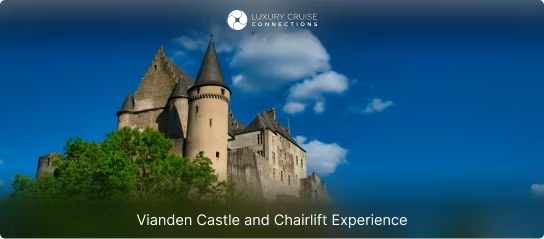
    Vianden Castle remains a frequently visited historical monument in the country, attracting history enthusiasts and tourists alike. The chairlift provides a scenic ride to a viewpoint above the castle towers, offering panoramic views of the surrounding landscapes and the town below. The Victor Hugo House displays the life and works of the famous French author, who lived in Vianden during his exile. The Our River dam creates a large reservoir for hydroelectric power and recreation, making it a key feature for both energy production and leisure activities. Medieval festivals take place within the castle walls every summer, providing an immersive experience that brings history to life with reenactments, performances, and medieval-themed events.

    Visitors walk through the restored knight’s hall and the Byzantine gallery of the fortress. The view from the chairlift reveals the scale of the forest and the river loops. Hikers enjoy the silence of the woods on trails that follow the ancient town walls. Traditional cakes from local bakeries provide a sweet snack during the tour. The historical atmosphere makes the town feel like a film set.

    July and August feature the medieval festival with knights and traditional crafts. Early autumn (September to October) offers spectacular fall colors in the surrounding forests, creating a picturesque setting for outdoor activities.

    Audio tours inside the castle provide the history of the counts of Vianden. Information centers offer maps for the extensive hiking network.

    Castle entry costs approximately [€9 to €14 ($10 to $15)] for adult visitors. The chairlift ride costs around [€4 to €7 ($5 to $8)] for a round trip.

  • Explore the fairytale landscape of Mullerthal, known as “Little Switzerland,” and visit rock formations like Schiessentümpel

    The Mullerthal region earned its nickname due to the dramatic sandstone cliffs and lush green forests. The landscape features deep canyons and rushing streams that create a mystical environment. Berdorf serves as a central village for exploring the most famous rock formations. The area provides a paradise for active travelers and outdoor photographers. The terrain remains unique within the Grand Duchy.
    Explore the fairytale landscape of Mullerthal, known as “Little Switzerland,” and visit rock formations like Schiessentümpel

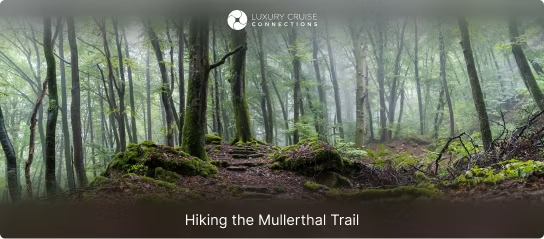
    Schiessentümpel waterfall features a triple cascade beneath a stone bridge, creating a picturesque scene for nature lovers. The Huel Lee cave shows the marks of ancient stone quarrying, offering a glimpse into the region's historical industry. Perekop rock offers a high viewpoint accessible by a narrow staircase, providing panoramic views of the surrounding area. The Mullerthal Trail provides a variety of routes through the most scenic zones, allowing hikers to explore the region's stunning landscapes. Sandstone towers in Berdorf serve as a popular site for rock climbing, attracting outdoor enthusiasts to challenge their skills while enjoying the natural beauty.

    Hikers navigate narrow passages between towering stone walls covered in moss. The sound of the waterfall provides a relaxing soundtrack to the forest walk. Sunlight filters through the dense canopy to illuminate the craggy rock faces. Adventurers climb steep ladders to reach hidden viewpoints above the trees. The environment feels remote and wild despite being near local villages.

    Spring (March to May) brings high water levels for the impressive waterfall displays, creating a powerful and beautiful sight. Summer (June to August) provides cool shade within the canyons during hot days, making it a perfect escape from the heat.

    Marked trails utilize a color-coded system for easy navigation. Local climbing schools offer lessons on the sandstone cliffs in Berdorf.

    Access to the natural parks and the Schiessentümpel remains free for everyone. Parking at popular trailheads may require a small fee of [€2 to €5 ($2 to $5)].

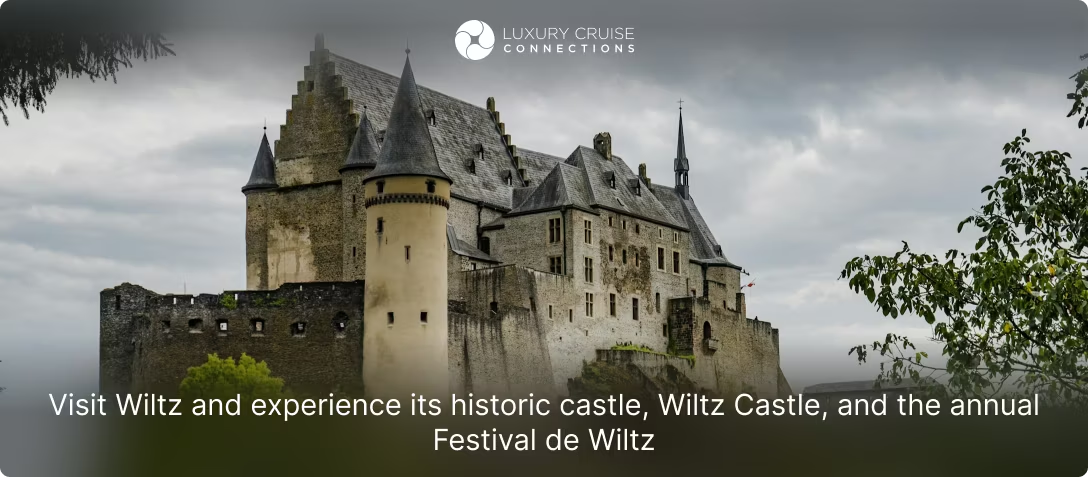
  • Visit Wiltz and experience its historic castle, Wiltz Castle, and the annual Festival de Wiltz

    Wiltz sits in the heart of the northern Ardennes and functions as a cultural regional center. The town is split into an upper and lower section connected by steep streets. Wiltz Castle serves as a major landmark and a venue for international events. The surrounding highlands offer a peaceful backdrop for cultural exploration. The community maintains a strong sense of local identity and tradition.
    Visit Wiltz and experience its historic castle, Wiltz Castle, and the annual Festival de Wiltz

    The National Museum of Brewing explains the history of the local beer industry, showcasing the region's brewing traditions. The Battle of the Bulge Museum inside the castle details the military history of the region, focusing on its significance during World War II. The open-air amphitheater hosts world-class theater and musical performances, offering a cultural experience under the sky. Dechen-Haus displays the traditional lifestyle and crafts of the northern highlands, providing insight into the area's heritage. The Our Valley provides scenic driving routes near the town, offering breathtaking views of the landscape and natural beauty.

    Audience members enjoy live music under the stars in the castle gardens. Travelers sample local beers brewed according to ancient recipes. The steep walk between the town levels provides a good workout and different views. Museums offer a somber look at the impacts of the war on the local population. The atmosphere becomes festive and lively during the summer season.

    June and July are the months for the annual performing arts festival. September offers the Genzefest with its colorful parade and local music.

    Museum staff provide detailed information about the brewing process. Event schedules for the festival are available online and at the castle gate.

    Tickets for festival performances range from [€30 to €80 ($30 to $80)] depending on the show. Museum entry costs around [€5 to €10 ($5 to $11)] for visitors.

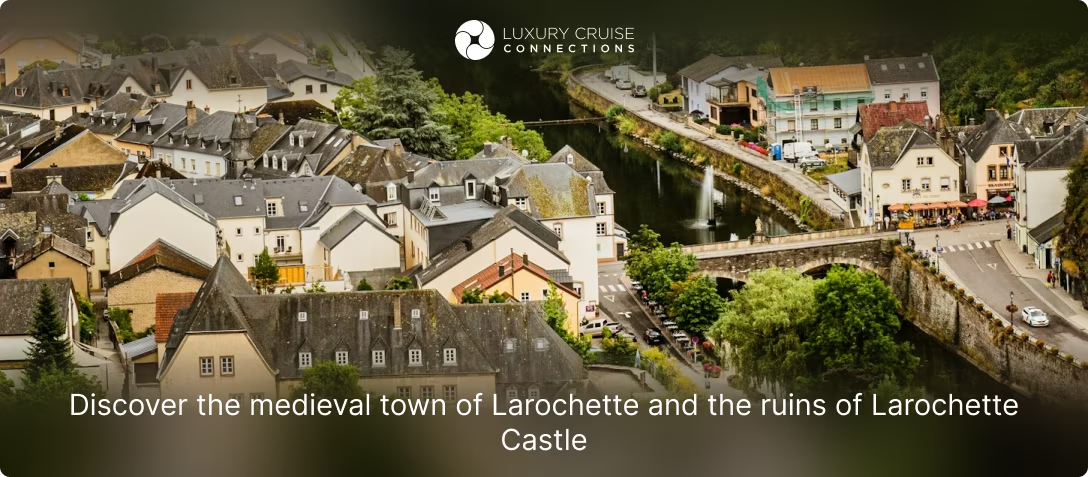
  • Discover the medieval town of Larochette and the ruins of Larochette Castle

    Larochette lies in a narrow valley surrounded by high cliffs and thick forests. The ruins of the castle overlook the town from a strategic promontory. Historic houses with colorful facades line the river flowing through the center. The town serves as a quiet retreat for tourists exploring the central region. The silhouette of the fortress creates a dramatic impression upon arrival.
    Discover the medieval town of Larochette and the ruins of Larochette Castle

    The House of Homburg within the castle grounds features restored interior rooms, providing a glimpse into the castle's historical significance and its role in the region's heritage. The watchtower offers a high vantage point for viewing the valley below, delivering panoramic views of the surrounding landscape and offering a perfect spot for photography. Hiking trails lead to the Nommerlayen rock formations in the nearby woods, offering a scenic and adventurous route for nature lovers seeking to explore the area's unique geological features. The market square offers a variety of traditional cafes and craft shops, ideal for a relaxing break after exploring the area’s historic landmarks. The ruins display the architectural evolution of the fortress over five centuries, showcasing the changes made throughout its long history and providing a deeper understanding of its strategic importance.

    Visitors imagine medieval life while walking through the stone manor ruins. The quiet streets of the town offer a relaxing environment for an afternoon walk. Photographers find the castle ruins especially beautiful during the golden hour. The sound of the river creates a peaceful atmosphere in the valley. Local trails offer a mix of historical sites and natural beauty.

    Spring months (March to May) offer blooming gardens within the town center, adding vibrant colors and fresh beauty to the surroundings.

    Informational boards at the castle explain the defensive features of the site. Trail maps for the surrounding valley are available at the local tourist office.

    Entrance to the castle ruins costs approximately [€5 to €8 ($5 to $9)] for adults. Access to the town and the local forest paths remains free.

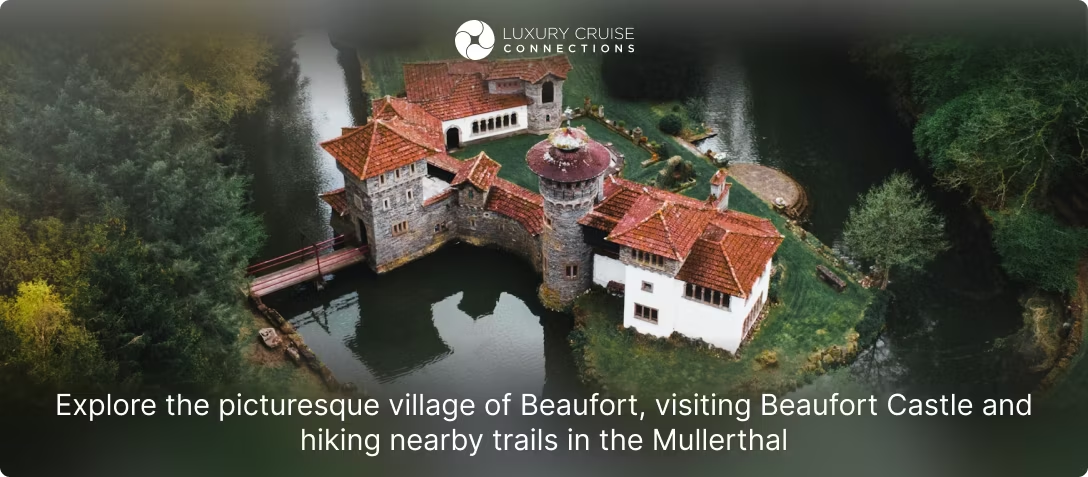
  • Explore the picturesque village of Beaufort, visiting Beaufort Castle and hiking nearby trails in the Mullerthal

    Beaufort features a combination of medieval history and natural beauty in the east. The village hosts two distinct castles located right next to each other. Lush meadows and craggy rocks surround the historical site. The location provides a starting point for exploring the northern part of Little Switzerland. The village maintains a quiet and traditional rural character.
    Explore the picturesque village of Beaufort, visiting Beaufort Castle and hiking nearby trails in the Mullerthal

    The medieval castle ruins, dating back to the 11th century, provide a glimpse into the past with a visit to the dungeon, offering a direct connection to the region's history. The Renaissance palace, fully furnished and preserving the luxury of the 17th century, allows visitors to experience the grandeur of the era, reflecting the wealth and culture of the time. The local distillery produces Cassero, a famous blackcurrant liqueur, offering visitors a unique taste of the region's flavors. Nearby, hiking trails lead through the Haupeschbach valley, known for its distinctive rock formations, offering a scenic and adventurous route for nature enthusiasts. The ice rink, popular with families and tourists, provides a perfect winter activity, making it an ideal spot for skating while enjoying the season's charm.

    Travelers feel the history while exploring the dark corridors of the ancient fortress. The taste of the sweet liqueur provides a unique regional culinary experience. Hikers follow the stream as it winds through moss-covered boulders in the woods. The transition between the ruin and the palace shows the change in noble lifestyles. The village provides a calm atmosphere away from the busier tourist centers.

    Summer (June to August) offers the chance to tour the medieval ruins and the Renaissance palace. Winter (December to February) is the peak season for enjoying the local outdoor ice rink.

    Guided tours of the Renaissance castle provide personal stories about the former residents. Trail signs are clearly marked for travelers heading into the Mullerthal.

    nA combined ticket for both castles costs around [€9 to €14 ($10 to $15)]. Liqueur tastings are often included or available for a small extra fee.


What are the Most Popular Tourist Attractions in Luxembourg?

The most popular tourist attractions in Luxembourg are listed below.

  • Bock Casemates
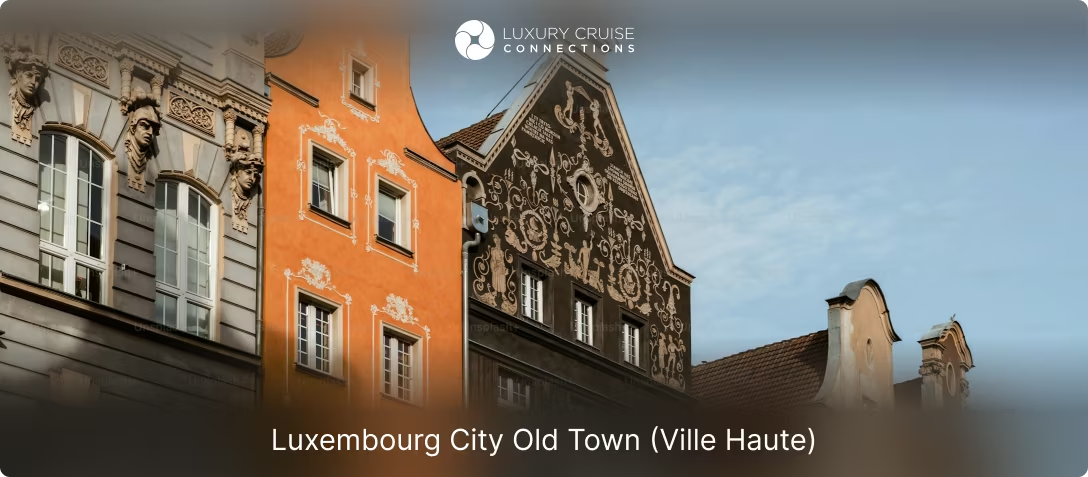
  • Luxembourg City Old Town (Ville Haute)
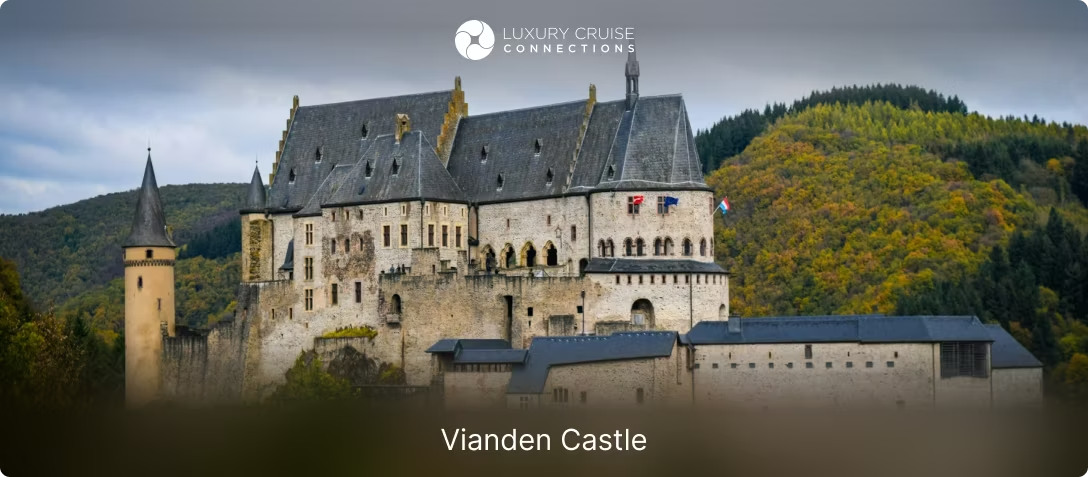
  • Vianden Castle
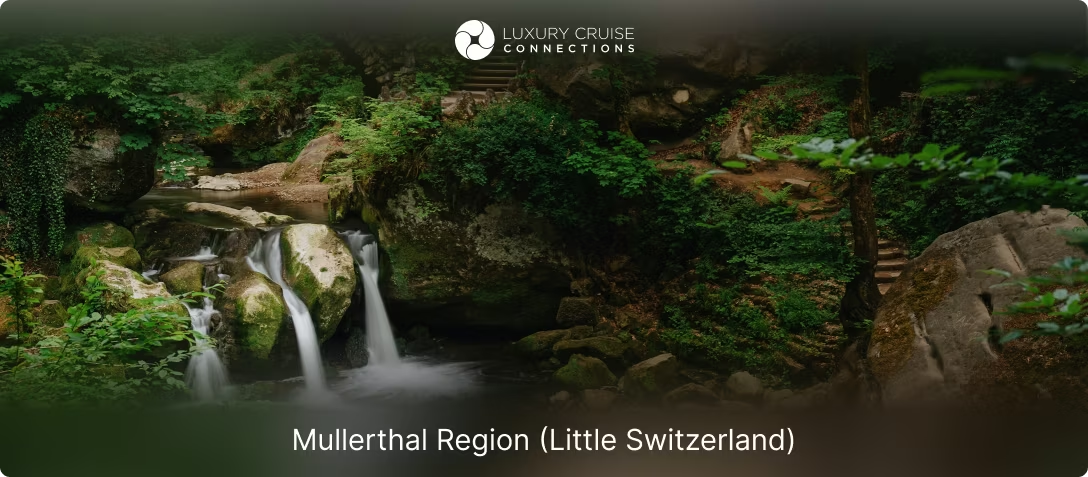
  • Mullerthal Region (Little Switzerland)
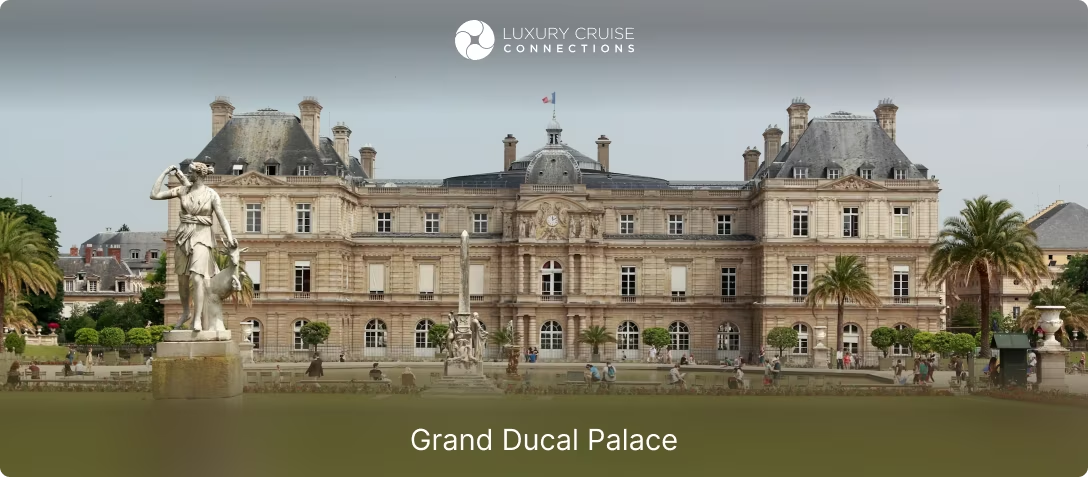
  • Grand Ducal Palace
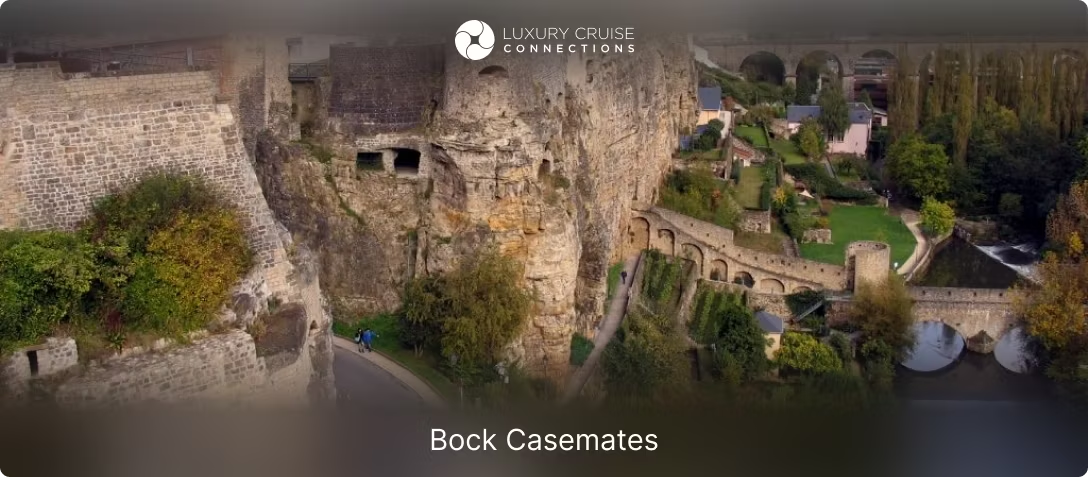
  • Bock Casemates

    A vast underground fortress network carved into sandstone cliffs beneath Luxembourg City forms one of the most extraordinary military heritage sites in Western Europe. The tunnels stretch over 17 kilometers (10.5 miles) and once housed thousands of soldiers, horses, and military equipment beneath the Old Town. Exploration of the casemates reveals cannon galleries, storage chambers, and openings cut directly into the cliff face overlooking the Alzette valley.
    Bock Casemates
  • Luxembourg City Old Town (Ville Haute)

    The elevated old quarter of Luxembourg City preserves medieval street layouts, grand ducal institutions, and Baroque-era churches within a compact area designated as a UNESCO World Heritage Site. The Place Guillaume II serves as the civic heart of the quarter, bordered by the town hall, a weekly market, and equestrian statues. Cobblestone streets connect the cathedral, palace, and key museums within a 20-minute walking radius.
    Luxembourg City Old Town (Ville Haute)
  • Vianden Castle

    A massive Romanesque and Gothic fortress rises above the Our River valley in the northern Ardennes region of Luxembourg, standing as one of the largest and best-preserved medieval castles in Western Europe. The castle houses period-accurate interiors, a chapel, and exhibition rooms tracing over 1,000 years of Luxembourgish noble history. A chairlift from the town of Vianden provides a panoramic approach to the castle entrance across the forested hillside
    Vianden Castle
  • Mullerthal Region (Little Switzerland)

    A network of sandstone rock formations, moss-covered gorges, and marked hiking trails defines Luxembourg's Mullerthal region, locally referred to as "Little Switzerland." The area contains some of the most photogenic natural landscapes in the Benelux region, with narrow canyon paths, waterfalls, and ancient beech forests. Trails range from short family-friendly loops to full-day routes connecting historic chapels, rock arches, and village centers.
    Mullerthal Region (Little Switzerland)
  • Grand Ducal Palace

    Located at the center of Luxembourg City, the Grand Ducal Palace serves as the official city residence of the Grand Duke of Luxembourg and functions as the working seat of government. The exterior displays a striking Renaissance-Flemish facade detailed with ornamental ironwork, stone carvings, and gilded accents. Guided tours during the summer months grant access to select state rooms, offering insight into the ceremonial traditions and artistic collections of the ruling family.
    Grand Ducal Palace


What are Some Fun Things to Do in Luxembourg?

Some fun things to do in Luxembourg are listed below.


What are the Best Places to Visit in Luxembourg City During a River Cruise?

The best places to visit in Luxembourg City during a river cruise are listed below.


What are the Best Things to Do in Luxembourg for First-Time Visitors?

The best things to do in Luxembourg for first-time visitors are listed below.

The underground fortress tunnels beneath Luxembourg City's Old Town constitute the most visited heritage site in the country and serve as the essential first stop for newcomers seeking to understand Luxembourg's strategic military history. Visitors descend into sandstone galleries that once sheltered 35,000 soldiers and emerge at cliff-face openings with views across the Alzette valley that qualify as among the most dramatic urban viewpoints in Western Europe. Guided audio tours in multiple languages explain the fortification's construction phases across ten centuries of European military evolution.
The upper promenade bordering Luxembourg City's fortification walls delivers panoramic views of the Alzette valley, the Grund district, and layers of historic architecture in a single accessible walking route. First-time visitors gain an immediate orientation to the city's dramatic topography and understand why the Old Town and fortifications together hold UNESCO World Heritage designation. The path connects directly to key sights (Bock, Notre-Dame Cathedral, and the Grand Ducal Palace) within a 30-minute walking loop.
Luxembourg's working royal palace occupies the center of the Old Town and presents one of the most ornate Renaissance-Flemish facades in the Benelux region, decorated with carved ironwork, royal crests, and gilded detailing. Summer guided tours open select state rooms where visitors view ceremonial furnishings, tapestries, and portraits representing the lineage of the House of Nassau-Weilburg. The palace exterior alone serves as a significant photographic landmark regardless of tour availability.
The Moselle wine route runs along Luxembourg's eastern border through a succession of wine villages, vineyard estates, and riverside tasting rooms producing the country's signature white wines and Crémant sparkling varieties. First-time visitors discover that Luxembourg's wine culture carries centuries of uninterrupted tradition rooted in Roman viticulture practices along the Moselle valley. Estate visits in Remich, Ehnen, or Wormeldange provide direct introductions to the winemakers and the terroir that distinguishes Luxembourg's output from neighboring German and French Moselle productions.
A 45-minute drive from Luxembourg City brings first-time visitors to one of the largest and best-preserved medieval fortresses in Western Europe, set dramatically above the Our River valley in the northern Ardennes. The castle interior displays reconstructed living quarters, a Byzantine-influenced chapel, and rotating exhibitions covering the full history of the county of Vianden from the 10th century onward. The optional chairlift ascent from the town below adds a scenic aerial perspective on the castle and the surrounding valley before the main visit begins.
Are There Any stuff to Taste or Drink After a Cruise to Luxembourg?

Yes, there are plenty of foods and drinks to try after a cruise to Luxembourg. The Luxembourg Moselle region produces internationally recognized white wines, with Riesling, Pinot Gris, and Pinot Blanc grown on south-facing slopes along the river. The country's sparkling wine, known as Crémant de Luxembourg, carries an EU-protected designation and pairs well with local river fish dishes served in Remich and Ehnen. Judd mat Gaardebounen, a smoked pork collar with broad beans, stands as the national dish and appears on menus across traditional Luxembourg restaurants. A hearty green bean soup with bacon and potatoes, called Bouneschlupp, reflects the country's Germanic culinary heritage and remains a staple in regional eateries.

Luxembourg-brewed beers from producers like Bofferding and Battin accompany casual meals in riverside brasseries. Riesling-based eau-de-vie distilled from Moselle grapes serves as a traditional digestif following evening meals in wine-producing villages. Luxembourg's location at the crossroads of French and German culinary traditions creates a restaurant scene that blends formal French technique with hearty Central European comfort food. Post-cruise dining in Luxembourg offers a genuinely fun experience for food-focused travelers.

How Can I Experience Local Culture in Luxembourg?

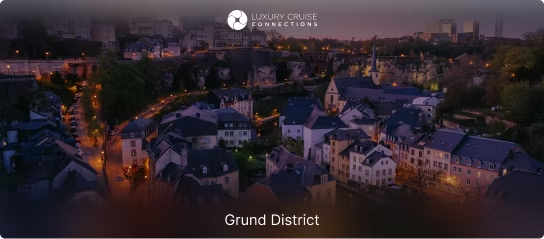
You can experience local culture in Luxembourg by visiting neighborhoods that preserve centuries of layered heritage in their architecture, language, and daily rhythms. The Grund district of Luxembourg City, set within the Alzette gorge, functions as a living quarter where residents, artists, and restaurateurs occupy historic stone buildings connected by narrow alleys and river-facing terraces. Traditional markets held at Place Guillaume II on Wednesday and Saturday mornings bring local farmers, bakers, and artisans together in a setting that reflects the practical social customs of Luxembourgish community life. The country's three official languages (Luxembourgish, French, and German) shift naturally in conversation depending on context, and hearing locals code-switch between languages within a single exchange reveals the genuinely plural cultural identity of the Grand Duchy. Village festivals tied to the grape harvest (Grevenmacher and Wormeldange) between September and October open private estates and community halls to visitors for communal meals, folk music, and wine tastings rooted in regional tradition. The national holiday on June 23rd, celebrating the birthday of Grand Duke Henri, transforms Luxembourg City into a public festival with open-air concerts, fireworks over the Alzette valley, and free museum access. The Philharmonie Luxembourg, one of Europe's most architecturally celebrated concert halls, offers visitors a connection to the country's rich classical music scene. The Philharmonie showcases Luxembourg's contemporary cultural expression.

Are There Activities in Luxembourg Perfect for Families with Children?

Yes, there are activities in Luxembourg perfect for families with children (castle exploration, nature trail hiking, and interactive museum visits). Vianden Castle engages children with its restored medieval interiors, armory rooms, and the excitement of approaching the fortress by chairlift above the river valley. The Mullerthal trail network offers short loop hikes through sandstone gorges and natural rock formations that children find genuinely adventurous without requiring advanced fitness levels. The National Museum of Natural History in Luxembourg City presents fossil collections, biodiversity exhibits, and interactive geological displays accessible to school-age visitors. The Pétrusse Valley park beneath the Old Town provides open green space for running, picnicking, and exploring the remnants of historic fortification walls along a flat riverside path. Water play areas and cycle paths along the Moselle between Remich and Schengen give families an active outdoor option that pairs well with a riverside lunch at a local brasserie. Luxembourg's compact size allows families to cover multiple experiences within a single day without long transit times between destinations, reducing fatigue for younger travelers.

Are There Fun Things to Do in Luxembourg for Outdoor Adventures?

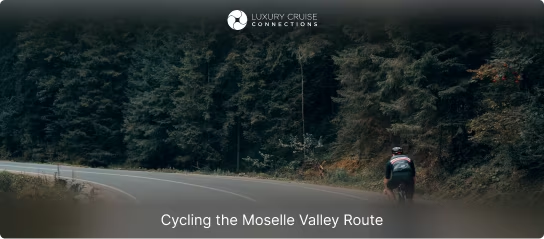
Yes, there are fun things to do in Luxembourg for outdoor adventures (trail hiking, cycling, and kayaking). The Mullerthal trail network extends over 110 kilometers of marked paths through sandstone gorges, beech forests, and rocky plateaus in the eastern part of the country, offering routes for casual walkers and experienced hikers alike. The RAVeL (Réseau Autonome de Voies Lentes) cycle route along the Moselle River connects Luxembourg's wine villages in a flat, paved path ideal for day-long cycling excursions with vineyard stops built into the route.

Kayaking and canoeing on the Sure River in the north provides a water-level perspective on Luxembourg's Ardennes landscape, navigating calm stretches past forested riverbanks and medieval bridge ruins. Rock climbing in the Mullerthal region attracts sport climbers drawn to the region's sandstone formations, which offer routes across multiple difficulty grades. Trail running events organized in the Ardennes and the Moselle wine region attract international participants each year, reinforcing Luxembourg's reputation as a destination for active outdoor tourism. Luxembourg's dense network of signposted nature trails, paired with its compact geography, allows for completing a demanding outdoor activity demonstrates the full range of fun things to do in Luxembourg within a single active day.

Best Things to Do Around the World

Discover the best activities, landmarks, and experiences in every cruise destination and port of call.

Europe Western, Central & Mediterranean
America North, Central, South & Caribbean
Africa & Asia Oceania & Antarctica