10 Best Things to Do in Italy

The 10 best things to do in Italy include visiting Rome and exploring the Colosseum, the Roman Forum, and Vatican City,...

add

The 10 best things to do in Italy include visiting Rome and exploring the Colosseum, the Roman Forum, and Vatican City, discovering Florence and its Renaissance heritage at the Uffizi Gallery and Florence Cathedral (Duomo), and experiencing Venice, cruising the Grand Canal and visiting St. Mark’s Basilica. Italy is rich in ancient history, modern megacities, and vast landscapes. Glaciers cover large portions of the volcanic terrain alongside roaring waterfalls, and massive tectonic plates meet at the surface within the national parks. Northern lights illuminate the sky during the dark winter months. Geothermal lagoons provide heat for outdoor bathing centers. Modern urban centers offer sophisticated dining and cultural museums. Ancient sagas describe early settlers and their legendary battles. Volcanic eruptions continue to shape coastal regions. Massive ice caves form within frozen mountain ranges. Travelers find unique geological features across the entire island. National parks protect the pristine wilderness from urban development. Exploring the landmarks represents the most exciting things to do in Italy. Visitors discover numerous places to visit in Italy. The locations remain popular “Italy places to visit.”

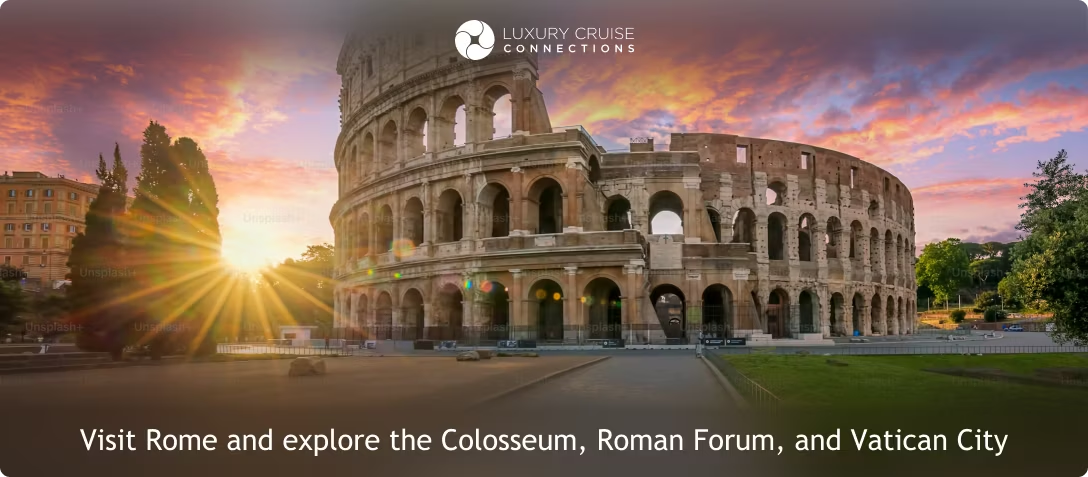
  • Visit Rome and explore the Colosseum, Roman Forum, and Vatican City
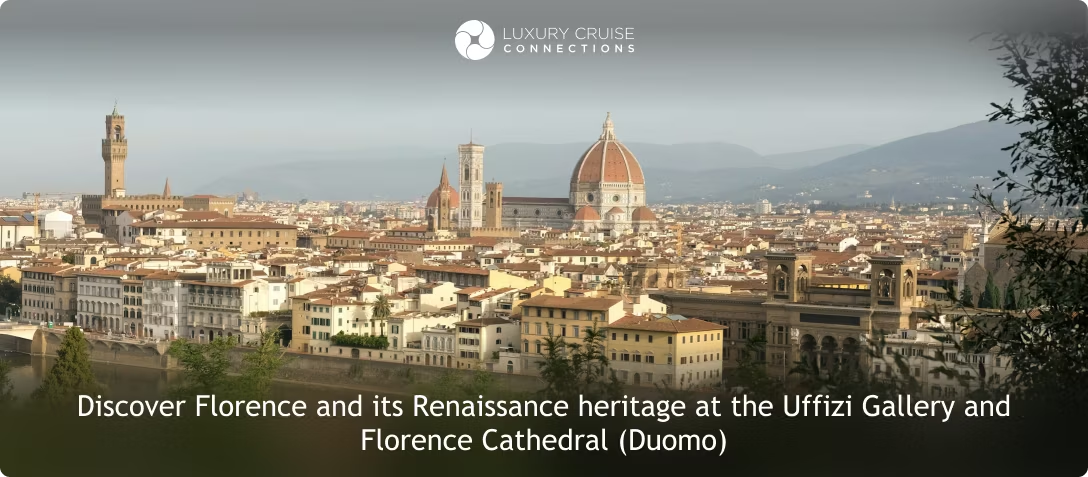
  • Discover Florence and its Renaissance heritage at the Uffizi Gallery and Florence Cathedral (Duomo)
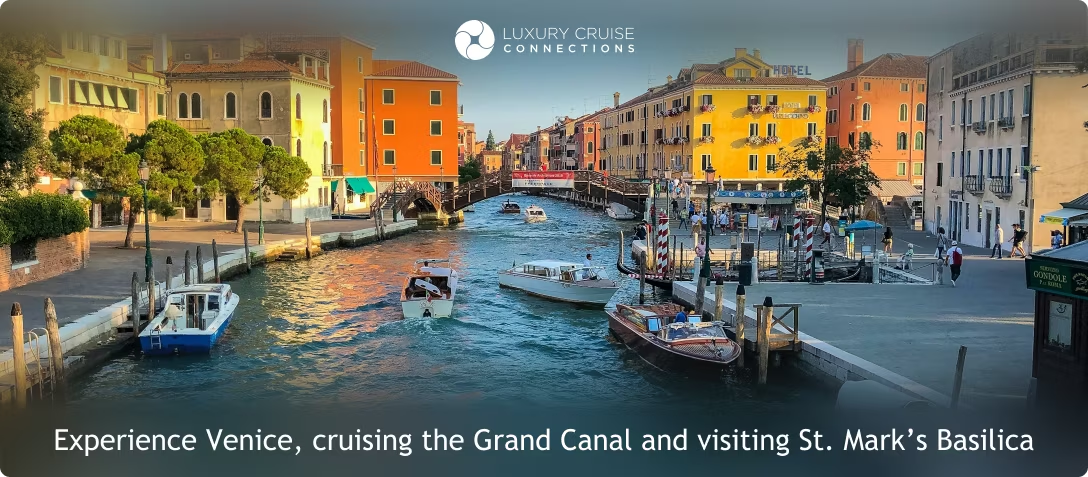
  • Experience Venice, cruising the Grand Canal and visiting St. Mark’s Basilica
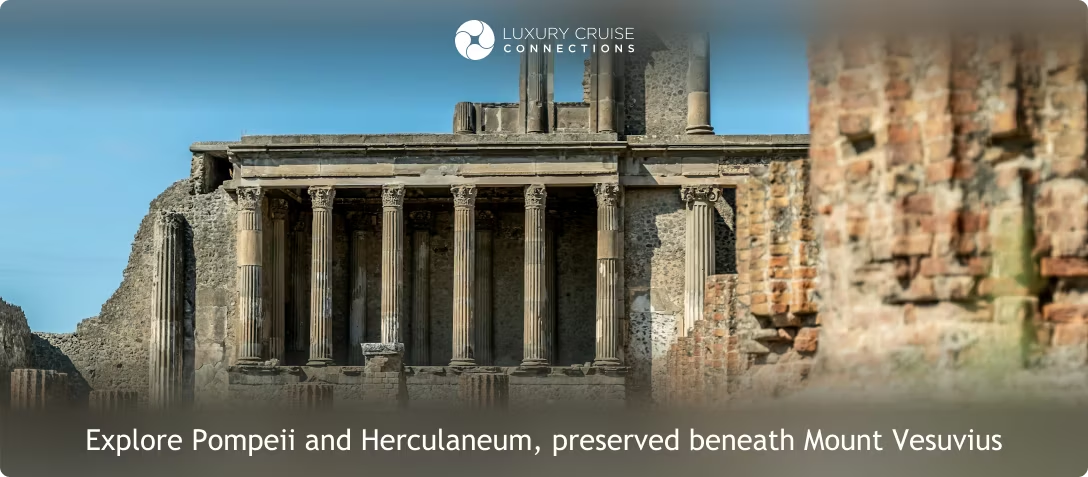
  • Explore Pompeii and Herculaneum, preserved beneath Mount Vesuvius
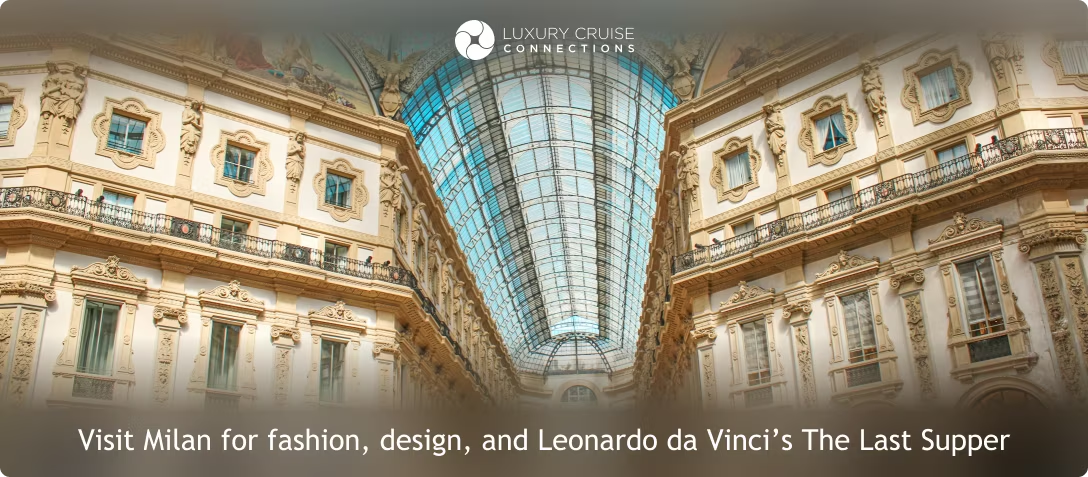
  • Visit Milan for fashion, design, and Leonardo da Vinci’s The Last Supper
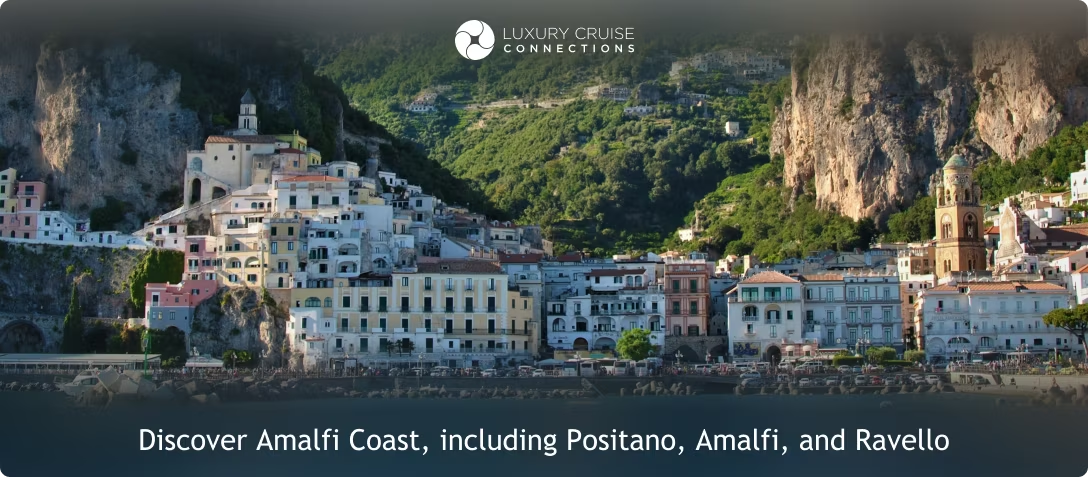
  • Discover Amalfi Coast, including Positano, Amalfi, and Ravello
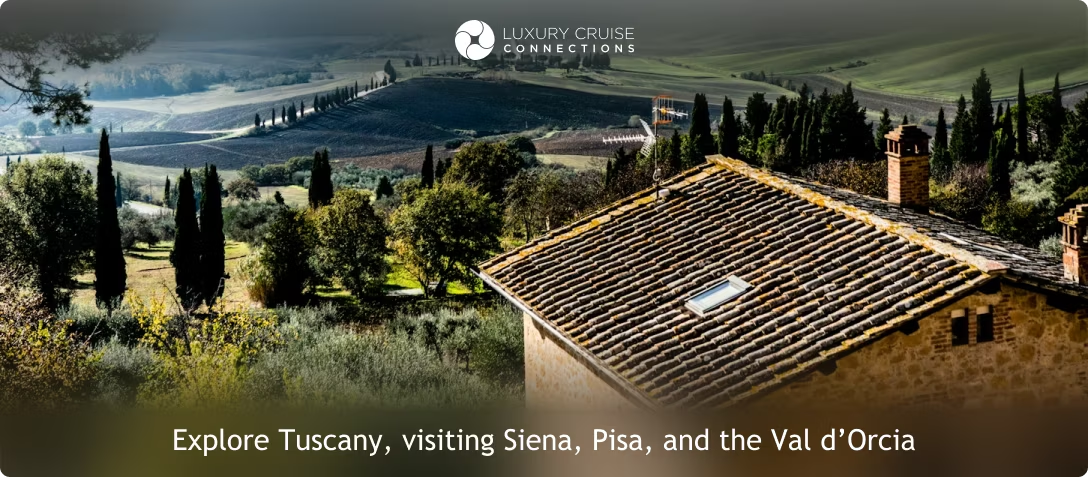
  • Explore Tuscany, visiting Siena, Pisa, and the Val d’Orcia
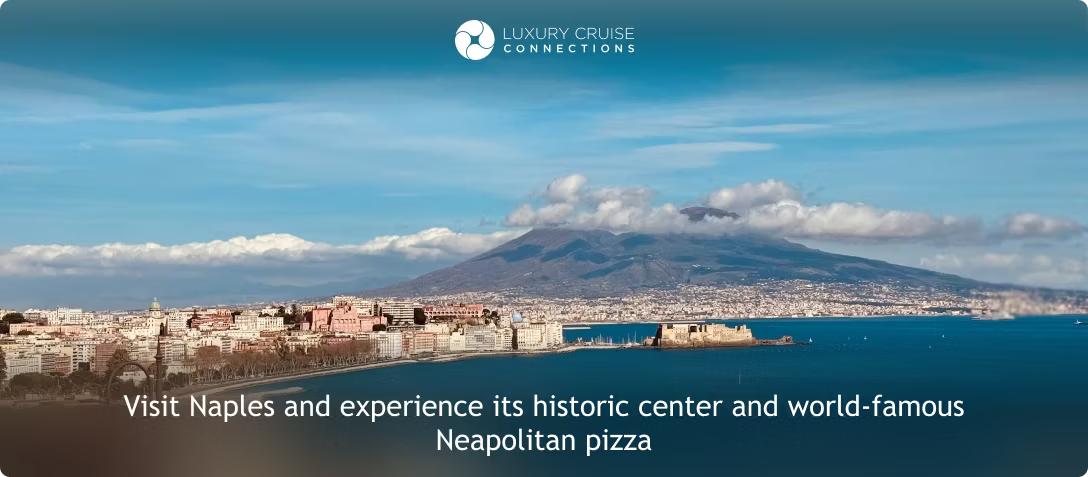
  • Visit Naples and experience its historic center and world-famous Neapolitan pizza
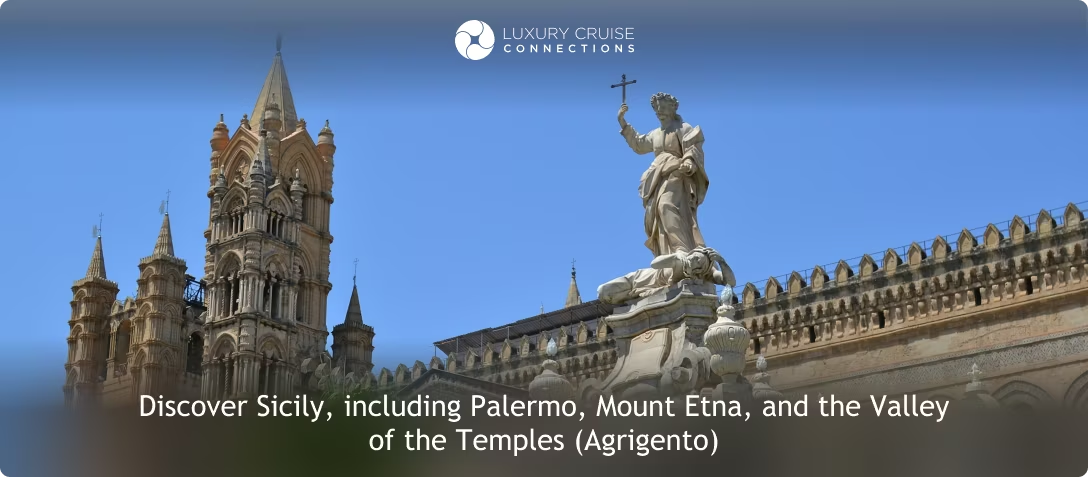
  • Discover Sicily, including Palermo, Mount Etna, and the Valley of the Temples (Agrigento)
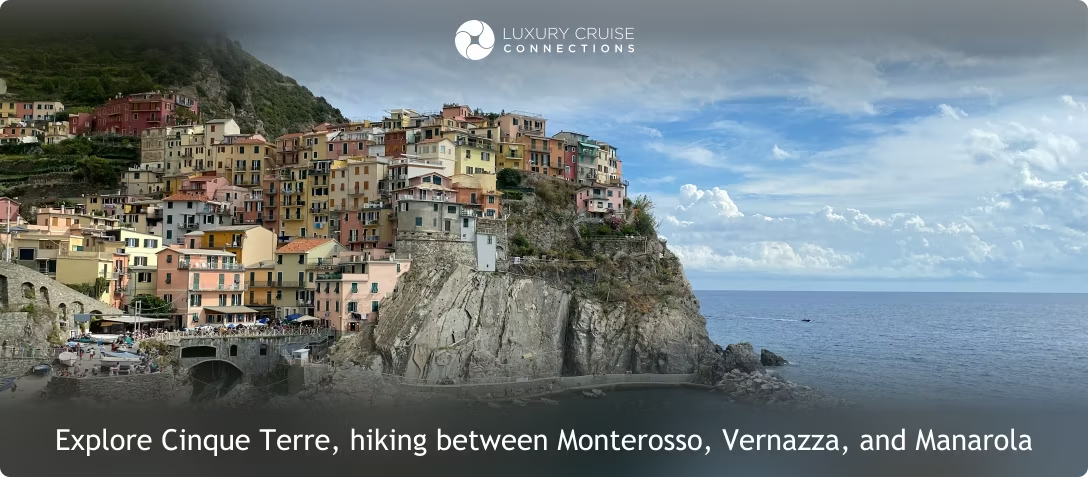
  • Explore Cinque Terre, hiking between Monterosso, Vernazza, and Manarola
  • Visit Rome and explore the Colosseum, Roman Forum, and Vatican City

    Rome is the capital city of the Italian Republic. The urban area contains ancient ruins intertwined with modern infrastructure. Vatican City operates as an independent city-state within the metropolitan boundaries. History spans over two millennia within the city walls. Architecture reflects the transition from the Roman Empire to the Renaissance.
    Visit Rome and explore the Colosseum, Roman Forum, and Vatican City

    The Colosseum stands as a massive stone amphitheater for gladiatorial combat. Roman Forum ruins represent the political heart of the ancient world. St. Peter's Basilica displays the largest interior of any Christian church. The Pantheon features a massive unreinforced concrete dome. Trevi Fountain showcases intricate Baroque sculptures and water displays.

    Visitors feel the weight of history while walking through stone arches. Crowds gather in the squares to enjoy traditional gelato. Sunlight hits the marble statues in the Vatican Museums. Walking tours reveal hidden archaeological layers beneath modern streets. Tourists throw coins into the fountain to ensure a return trip.

    Spring months (April and May) offer mild temperatures. Autumn (September and October) provides clear skies and pleasant weather.

    Professional historians provide detailed context for ancient sites. Official tour operators assist with navigating the vast museum complexes.

    [$20−$40]

  • Discover Florence and its Renaissance heritage at the Uffizi Gallery and Florence Cathedral (Duomo)

    Florence is the regional capital of Tuscany. The city remains the recognized birthplace of the Renaissance movement. Art fills the streets and galleries across the historic center. Buildings showcase the wealth of the Medici family dynasty. The Arno River flows through the heart of the urban area.
    Discover Florence and its Renaissance heritage at the Uffizi Gallery and Florence Cathedral (Duomo)

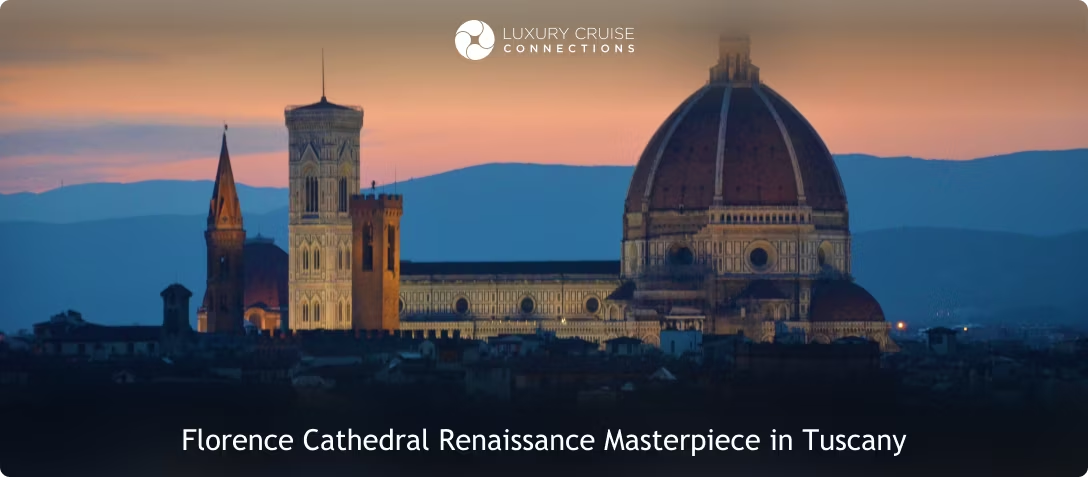
    The Uffizi Gallery houses masterpieces by Botticelli and Michelangelo. Florence Cathedral features the massive brick dome of Brunelleschi. Giotto's Bell Tower provides panoramic views of the terracotta roofs. The Ponte Vecchio bridge contains numerous historic jewelry shops. David stands as a marble masterpiece within the Accademia Gallery.

    Travelers walk across stone bridges during the golden hour. Sunlight illuminates the green and white marble of the Duomo. Artisans work on leather goods in local workshops. Scent of traditional Tuscan cuisine fills the narrow alleys. Climbing the cathedral stairs offers a perspective of the city's layout.

    Early spring (March and April) provides fewer crowds. Late autumn (October and November) offers cool air for walking tours.

    Licensed art historians offer detailed lectures on Renaissance techniques. Specialized curators lead private tours through the Uffizi collections.

    [$20−$35]

  • Experience Venice, cruising the Grand Canal and visiting St. Mark’s Basilica

    Venice occupies a group of 118 small islands. Canals are the primary transportation routes for residents. No cars travel through the historic center of the city. Gothic architecture characterizes many of the palaces along the water. The lagoon environment shapes the daily life of the population.
     Experience Venice, cruising the Grand Canal and visiting St. Mark’s Basilica

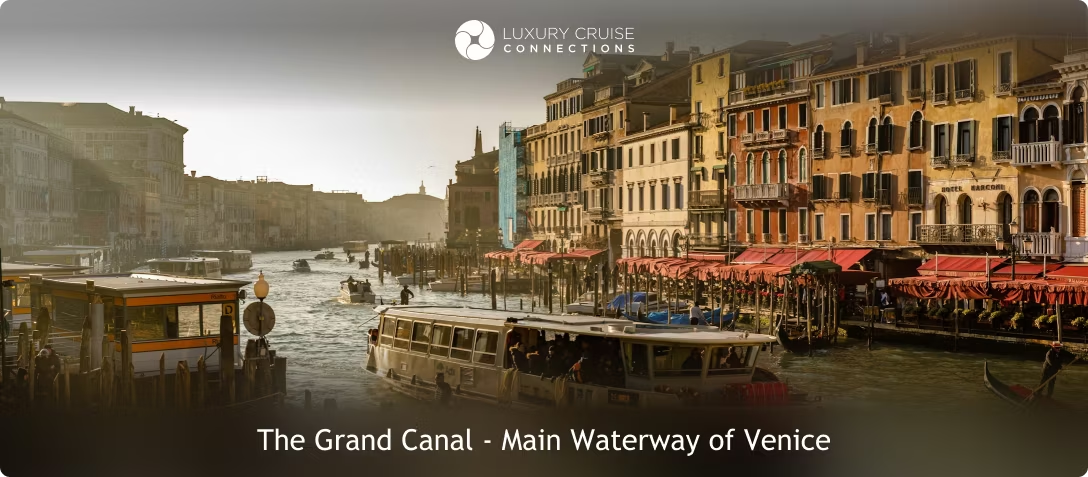
    The Grand Canal winds through the center of the islands. St. Mark’s Basilica displays intricate golden mosaics and domes. Doge’s Palace represents the former political power of the republic. Rialto Bridge remains the oldest crossing over the main waterway. The Bridge of Sighs connects the palace to the historic prison.

    Gondola rides provide a quiet view of hidden courtyards. Water buses transport passengers between various island districts. Pigeons gather in the expansive space of St. Mark’s Square. Seafood markets offer fresh catches from the surrounding lagoon. Glassblowing demonstrations occur on the nearby island of Murano.

    Late spring months (May and June) provide ideal conditions. Early autumn (September) offers warm water and fewer crowds.

    Private boat captains explain the history of the canal palaces. Local historians describe the architectural evolution of St. Mark's Square.

    [$80−$120]

  • Explore Pompeii and Herculaneum, preserved beneath Mount Vesuvius

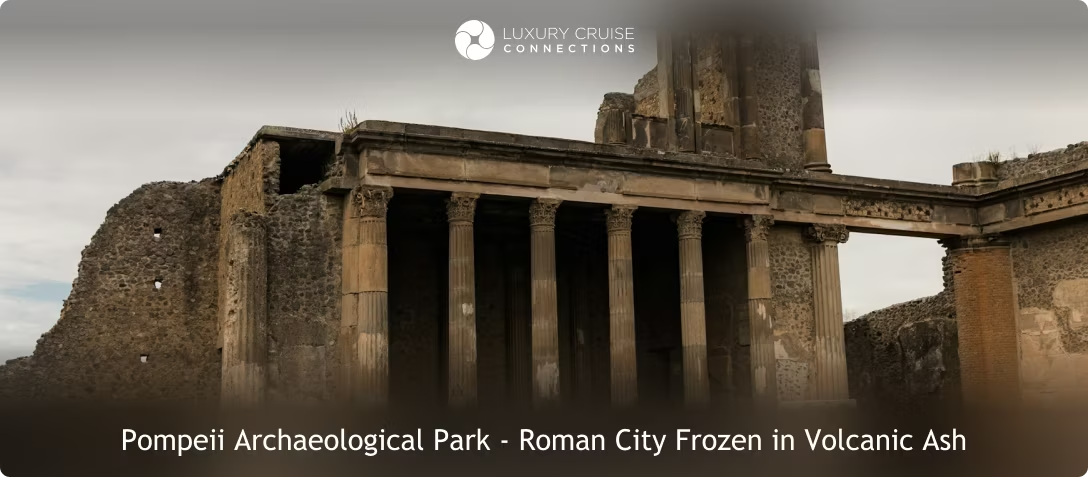
    Pompeii exists as a vast archaeological site in southern Italy. Volcanic ash buried the city during an eruption in 79 AD. Excavations reveal a city frozen in time for centuries. Buildings remain intact with original frescoes and floor mosaics. The site provides a unique look at Roman urban planning.
    Explore Pompeii and Herculaneum, preserved beneath Mount Vesuvius

    The House of the Vettii displays well-preserved wall paintings. Mount Vesuvius looms over the ruins as a permanent backdrop. Amphitheater structures show the scale of ancient public entertainment. Herculaneum offers smaller but more detailed residential remains. Plaster casts reveal the final positions of ancient residents.

    Walking through stone streets creates a sense of time travel. Sunlight bakes the ancient stones of the public forum. Visitors explore the rooms of private villas and public baths. Quiet pathways lead through the residential quarters of the dead city. The scale of the destruction becomes apparent during the walk.

    Winter months (November to March) provide cooler temperatures for outdoor walking. Early spring (April) offers blooming wildflowers and clear views of the volcano.

    Archaeological specialists lead tours through the excavated residential blocks. Certified researchers provide insight into the latest volcanic discoveries.

    [$18−$22]

  • Visit Milan for fashion, design, and Leonardo da Vinci’s The Last Supper

    Milan operates as the global capital of fashion and finance. Modern skyscrapers define the skyline of the northern metropolis. The city houses several of the most important art collections. Industrial design is important in the local economy. Historical landmarks sit adjacent to contemporary shopping districts.
    Visit Milan for fashion, design, and Leonardo da Vinci’s The Last Supper

    The Duomo di Milano features thousands of marble statues and spires. Leonardo da Vinci’s The Last Supper mural remains a primary attraction. Galleria Vittorio Emanuele II provides a luxury glass-vaulted shopping space. La Scala Opera House hosts world-famous musical performances. Sforza Castle contains museums dedicated to ancient and Renaissance art.

    High-fashion boutiques attract shoppers to the central districts. Rooftop access at the cathedral provides views of the Alps. Art lovers admire the delicate brushwork of the mural. Business professionals gather for espresso in busy cafes. Modern art installations decorate the streets of the Brera district.

    Fashion weeks in February and September attract industry professionals and crowds. Spring months (April and May) provide pleasant weather for sightseeing.

    Fashion industry experts provide tours of the shopping districts. Museum curators explain the complex history of Leonardo's masterpieces.

    [$15−$30]

  • Discover Amalfi Coast, including Positano, Amalfi, and Ravello

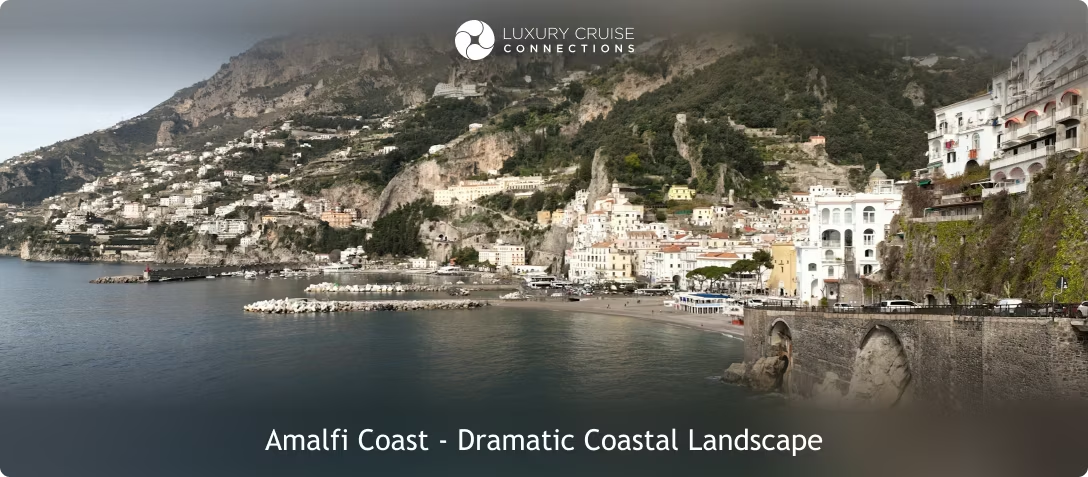
    The Amalfi Coast covers a stretch of the Sorrentine Peninsula. Steep cliffs drop sharply into the blue waters of the Tyrrhenian Sea. Colorful villages cling to the rocky slopes above the beaches. UNESCO recognizes the region as a cultural landscape. Mediterranean vegetation covers the hillsides around the coastal towns.
    Discover Amalfi Coast, including Positano, Amalfi, and Ravello

    Positano features steep alleys and iconic pastel colored houses. Amalfi Cathedral displays a mix of Arab and Norman architecture. Ravello offers high-altitude gardens with views of the sea. Path of the Gods provides a scenic hiking route between towns. Emerald Grotto reveals glowing green water inside a sea cave.

    Boat tours allow travelers to see the cliffs from the water. The scent of lemon groves fills the air in the terraces. Tourists relax on the pebble beaches of the small coves. Dinner on a balcony provides a view of the sunset. Local buses navigate the winding roads along the cliff edges.

    Late spring months (May and June) provide blooming flowers and mild heat. Early autumn (September) offers warm water and smaller crowds.

    Local boat operators lead excursions to hidden coastal grottoes. Trekking specialists assist with navigating the cliffside mountain paths.

    [$10−$60]

  • Explore Tuscany, visiting Siena, Pisa, and the Val d’Orcia

    Tuscany occupies a large region in central Italy. Rolling hills define the landscape of the rural provinces. Medieval hilltop towns preserve the architectural style of the past. Agriculture remains a central part of the regional identity. Vineyards produce some of the most famous wines in the world.
    Explore Tuscany, visiting Siena, Pisa, and the Val d’Orcia

    The Leaning Tower of Pisa stands as a global landmark. Siena features a shell-shaped piazza for historic horse races. Val d’Orcia provides the most photographed landscapes in the country. San Gimignano displays a skyline of medieval stone towers. Cortona offers a glimpse into ancient Etruscan history.

    Wine tastings occur in historic cellars across the Chianti region. Sunlight turns fields of sunflowers into bright yellow carpets. Travelers drive along roads lined with tall cypress trees. Staying in an agriturismo provides a connection to the land. Medieval festivals bring the history of the towns to life.

    Harvest season (September and October) provides a glimpse into traditional farming. Spring months (May and June) offer green landscapes and mild temperatures.

    Wine sommeliers lead tours of the historic vineyard estates. Agricultural historians explain the evolution of Tuscan hilltop architecture.

    [$20−$80]

  • Visit Naples and experience its historic center and world-famous Neapolitan pizza

    Naples is the third-largest city in Italy. The historic center contains a dense network of ancient streets. Mount Vesuvius dominates the horizon to the east of the city. Harbor views look out toward the islands of Capri and Ischia. Cultural life remains vibrant and energetic within the urban core.
    Visit Naples and experience its historic center and world-famous Neapolitan pizza

    Neapolitan pizza remains the most famous culinary export of the city. The National Archaeological Museum houses artifacts from Roman ruins. Castel dell’Ovo sits on a small island in the harbor. Spaccanapoli Street divides the historic center into two sections. Veiled Christ statue displays incredible detail in the Sansevero Chapel.

    Chaos and energy fill the streets of the Spanish Quarters. The scent of fresh dough and tomatoes comes from pizzerias. Local markets sell fresh produce and traditional Neapolitan pastries. Exploring underground tunnels reveals the hidden history of the city. The atmosphere reflects the raw and authentic side of the South.

    Spring months (April and May) provide clear views of the bay. Early autumn (September) offers warm evenings for outdoor dining.

    Culinary specialists lead food walks through the traditional pizzerias. Urban historians describe the layers of Greek and Roman architecture.

    [$12−$20]

  • Discover Sicily, including Palermo, Mount Etna, and the Valley of the Temples (Agrigento)

    Sicily exists as the largest island in the Mediterranean Sea. Mount Etna remains one of the most active volcanoes in the world. Different civilizations left their mark on the island over millennia. Coastal regions feature diverse beaches and rocky outcrops. The island operates as an autonomous region of Italy.
    Discover Sicily, including Palermo, Mount Etna, and the Valley of the Temples (Agrigento)

    The Valley of the Temples displays massive ancient Greek structures. Palermo features a cathedral with a blend of architectural styles. Taormina offers an ancient theater with views of the sea. Monreale Cathedral showcases vast areas of golden mosaics. Mount Etna provides a lunar landscape for hikers and explorers.

    Tasting traditional cannoli provides a sweet highlight of the trip. Sunlight reflects off the white stone of the Syracuse ruins. Travelers explore salt pans on the western coast. Ancient ruins provide a backdrop for modern cultural festivals. Scent of citrus orchards fills rural valleys.

    Late spring (May and June) provides ideal conditions for hiking. Early autumn (September and October) offers warm water and mild air.

    Volcanology experts lead trekking tours up the slopes of Mount Etna. Archaeological researchers explain the value of the Agrigento temples.

    [$15−$45]

  • Explore Cinque Terre, hiking between Monterosso, Vernazza, and Manarola

    Cinque Terre consists of five distinct fishing villages. The region forms a national park on the Ligurian coast. Terraced vineyards produce white wine on steep hillsides. No cars enter the historic centers of the five settlements. The rugged coastline limits access to trains and boats.
     Explore Cinque Terre, hiking between Monterosso, Vernazza, and Manarola

    Monterosso features the largest beach area for swimming. Vernazza possesses a natural harbor and a medieval castle. Manarola provides the most famous viewpoint for coastal photos. Corniglia sits high on a cliff surrounded by grapevines. Riomaggiore displays colorful houses stacked along a narrow ravine.

    Hiking between villages offers views of the turquoise sea. Train rides through tunnels connect the towns in minutes. Local shops sell cones of fried seafood to passersby. Sunset turns colored houses into vibrant shades of red. Swimming in clear water provides a break from the heat.

    Late spring (May and June) provides blooming flowers and accessible trails. Early autumn (September) offers warm water and pleasant hiking temperatures.

    Trail maintenance crews provide updated information on hiking conditions. Local vintners lead tours through the terraced coastal vineyards.

    [$10−$25]


What are the Most Popular Tourist Attractions in Italy?

The most popular tourist attractions in Italy are listed below.

  • The Colosseum
  • St. Peter's Basilica
  • The Pantheon
  • Pompeii Archaeological Park
  • The Grand Canal
  • Florence Cathedral Renaissance Masterpiece in Tuscany
  • Leaning Tower of Pisa
  • Amalfi Coast
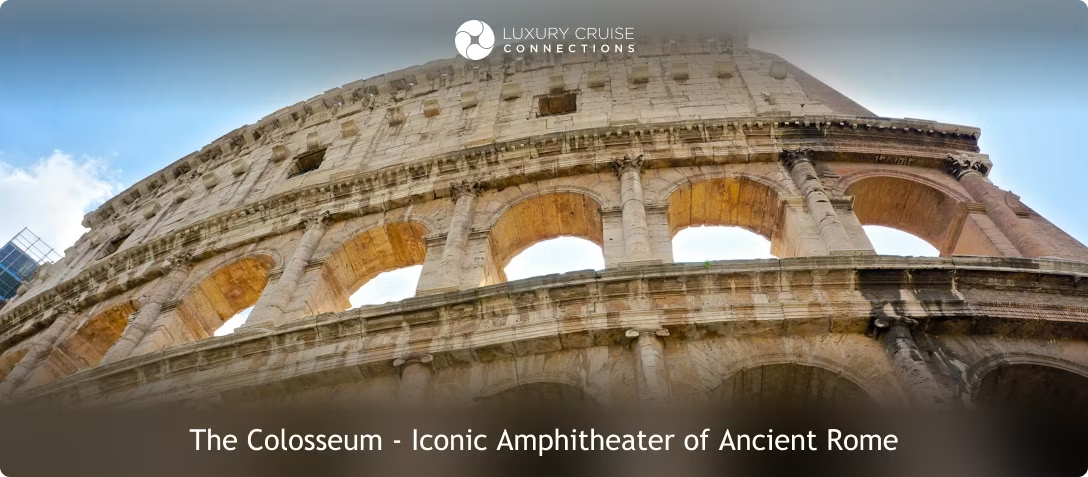
  • The Colosseum - Iconic Amphitheater of Ancient Rome

    A massive stone structure stands in the center of Rome. Gladiatorial contests took place within the walls for centuries. Architecture reflects the engineering prowess of the Roman Empire. Visitors explore the underground chambers and seating tiers.
    The Colosseum - Iconic Amphitheater of Ancient Rome
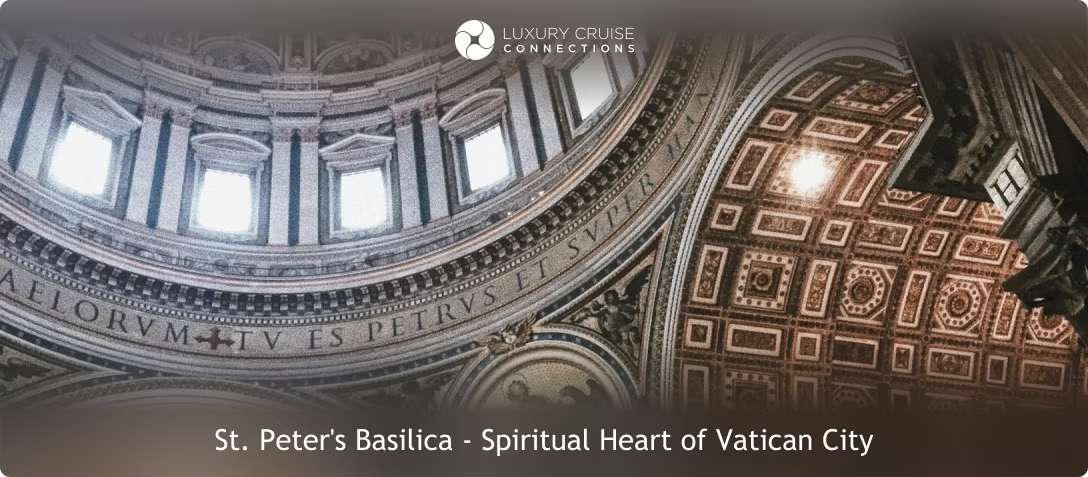
  • St. Peter's Basilica - Spiritual Heart of Vatican City

    A massive church dominates the skyline of the independent enclave. Renaissance artists designed the dome and the ornate interior. Pilgrims gather in the expansive square for religious ceremonies. Treasures within the sanctuary include Michelangelo's Pieta
    St. Peter's Basilica - Spiritual Heart of Vatican City
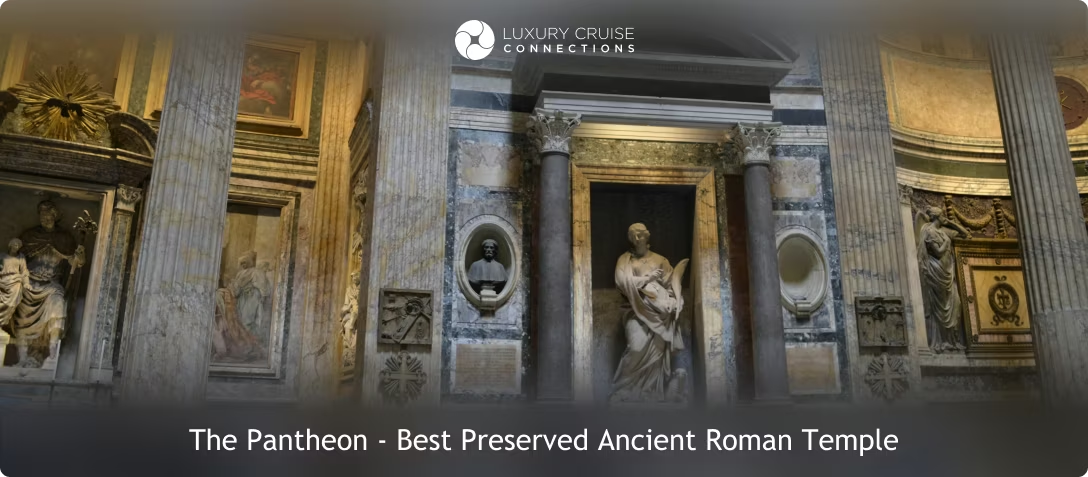
  • The Pantheon - Best Preserved Ancient Roman Temple

    A former pagan temple remains intact after two thousand years. The concrete dome features a central opening known as the oculus. Light streams through the roof to illuminate the marble floor. Historical figures like Raphael rest within the interior tombs.
    The Pantheon - Best Preserved Ancient Roman Temple
  • Pompeii Archaeological Park - Roman City Frozen in Volcanic Ash

    Ancient streets reveal the daily life of a first century city. Mount Vesuvius looms over the excavated villas and public baths. Frescoes and mosaics decorate the walls of the preserved homes. Excavations provide a detailed look at Roman urban planning.
    Pompeii Archaeological Park - Roman City Frozen in Volcanic Ash
  • The Grand Canal - Main Waterway of Venice

    Palaces line the banks of the winding aquatic thoroughfare. Gondolas and water buses transport residents between the islands. Bridges like the Rialto offer views of the historic facades. Architecture displays a unique blend of Gothic and Byzantine styles.
    The Grand Canal - Main Waterway of Venice
  • Florence Cathedral Renaissance Masterpiece in Tuscany

    A massive red dome sits atop the marble structure. Giotto designed the adjacent bell tower for the city. Interior mosaics and frescoes decorate the expansive prayer space. Travelers climb the stairs for a view of the terracotta rooftops.
    Florence Cathedral  Renaissance Masterpiece in Tuscany
  • Leaning Tower of Pisa - Iconic Tilted Bell Tower

    A marble structure leans due to unstable foundation soil. The tower stands within the Square of Miracles alongside the cathedral. Tourists capture photos of the unique architectural tilt. History dates back to the twelfth century of the medieval republic.
    Leaning Tower of Pisa - Iconic Tilted Bell Tower
  • Amalfi Coast - Dramatic Coastal Landscape

    Steep limestone cliffs drop into the blue Tyrrhenian Sea. Colorful villages cling to the rocky slopes above the beaches. Lemon groves scent the air in the terraced gardens. Winding roads provide panoramic views of the Mediterranean horizon.
    Amalfi Coast - Dramatic Coastal Landscape


What are Some Fun Things to Do in Italy?

Some fun things to do in Italy are listed below.


What are the best places to visit in Italy for beaches and seaside relaxation?

The best places to visit in Italy for beaches and seaside relaxation are listed below.


What are the Best Things to Do in Italy for First-Time Visitors?

The best things to do in Italy for first-time visitors are listed below.

Rome houses the largest stone amphitheater ever built by the Roman Empire. Visitors explore the underground tunnels where gladiators prepared for battle, but the adjacent forum ruins display the ancient center of political and social life.
Vatican City contains an immense collection of papal art and historical treasures. The Sistine Chapel features the world-famous ceiling painted by Michelangelo, but St. Peter’s Basilica stands as a massive monument to Renaissance and Baroque engineering.
Venice consists of a network of islands connected by hundreds of stone bridges. Gondolas navigate the winding canals past Gothic palaces and historic warehouses, but water buses provide efficient transportation across the lagoon for residents and travelers.
Florence is the home to the most important collection of Renaissance art in the world. The cathedral features a massive brick dome that dominates the Tuscan skyline, but the Uffizi Gallery displays valuable works by masters (Botticelli and Da Vinci).
Pisa features a freestanding bell tower famous for its unintended tilt. The structure sits within the Square of Miracles alongside a magnificent cathedral and baptistery, but the white marble exterior provides a striking contrast against the green lawns of the plaza.

What makes Italy a Beautiful Country to Visit?

Italy is a beautiful country to visit because of its unique combination of natural landscapes and human creativity. The country features unique environments from the snow-capped Alps in the north to the sun-drenched beaches of Sicily in the south. Dramatic limestone cliffs line the Amalfi Coast while rolling hills define the Tuscan countryside. Renaissance masterpieces fill the galleries with Florence and Venice. Ancient ruins (Colosseum) stand as testaments to the power of the Roman Empire. Each region provides a distinct architectural style influenced by centuries of diverse cultural exchanges. Pastel colored houses cling to the rocky shores of the Cinque Terre. Cypress trees frame the winding roads of the Val d’Orcia. Massive cathedrals display intricate marble facades and golden mosaics. Natural beauty and historical value blend in every province.

What are the most famous places in Italy to take a selfie?

The most famous places in Italy to take a selfie include iconic landmarks (Leaning Tower of Pisa) and scenic vistas across the peninsula. The Leaning Tower of Pisa provides a classic backdrop for creative photography. Travelers gather at the Trevi Fountain in Rome to capture the grandeur of Baroque sculpture. The colorful buildings of Positano offer a vibrant setting overlooking the Mediterranean Sea. St. Mark’s Square in Venice provides a historic frame with its Byzantine basilica and bell tower. The white marble spires of the Milan Duomo have a striking urban background. Lake Como features elegant villas and mountain scenery ideal for social media posts. The Spanish Steps in Rome attract visitors for their architectural symmetry and flower displays. Recognized locations represent the most popular sights for international tourists. High-quality images help preserve memories of the journey.

Is there any stuff to taste or drink after a cruise to Italy?

Yes, there is stuff to taste or drink after a cruise to Italy (Neapolitan pizza, artisanal gelato, and regional wines). Travelers find authentic pizza featuring fresh buffalo mozzarella and San Marzano tomatoes in coastal ports. Artisanal gelato shops serve flavors made from local fruits and nuts in every piazza. Espresso bars provide a quick shot of intense coffee culture during morning walks. Southern regions produce chilled limoncello made from fragrant Amalfi lemons. Tuscany serves world-famous red wines (Chianti) alongside pecorino cheeses. Seafood restaurants near the docks offer fresh catches from the Mediterranean. Traditional pastries (cannoli and sfogliatella) represent the sweet heritage of the southern provinces. Culinary experiences remain a highlight of every visit.

How can I experience Local Culture in Italy?

You can experience a local culture in Italy by participating in daily activities and community gatherings. Morning visits to open-air markets reveal the seasonal produce and lively interactions of the residents. Dining at traditional trattorias during the late evening allows for observation of local social customs. Small towns host seasonal festivals celebrating religious saints or agricultural harvests. Walking through neighborhood churches reveals hidden artistic treasures away from the main tourist paths. Public squares are the heart of social life, where people gather for conversation and leisure. Attending an opera performance in an ancient amphitheater highlights the country’s musical legacy. Engaging with artisans in their workshops provides insight into traditional craftsmanship (leather work or lace making). Local life revolves around family and historical preservation in every community.

Are there Activities in Italy Perfect for Families with Children?

Yes, there are activities in Italy that are perfect for families with children (gladiator schools, puppet theaters, and hands-on science museums). Gladiator schools in Rome offer interactive training sessions where kids learn about ancient history through physical activity. Science museums (Museo Galileo) in Florence feature hands-on exhibits for curious young minds. Puppet theaters in Sicily continue traditional storytelling through elaborate wooden figures and lively performances. Public parks (Borghese Gardens) provide space for bike rentals and outdoor play. Gelato-making workshops allow children to participate in the culinary traditions of the country. Families find welcoming atmospheres in most restaurants and public spaces across the nation.

Are there Fun Things to Do in Italy for Outdoor Adventures?

Yes, there are fun things to do in Italy for outdoor adventures (including alpine hiking, coastal kayaking, and mountain skiing). Hiking trails in the Dolomites provide challenging routes through jagged limestone peaks and alpine meadows. Coastal paths in the Cinque Terre connect historic villages with views of the sapphire sea. Skiing resorts in the northern mountains attract enthusiasts during the winter months. Kayaking along the Amalfi Coast reveals hidden sea caves and secluded beaches only accessible by water. Cyclists enjoy the winding roads and scenic landscapes of the central provinces. Adventure seekers find endless opportunities for exploration on the peninsula. Warm Mediterranean excursions differ greatly from the glacial fun things to do in Italy.

Best Things to Do Around the World

Discover the best activities, landmarks, and experiences in every cruise destination and port of call.

Europe Western, Central & Mediterranean
America North, Central, South & Caribbean
Africa & Asia Oceania & Antarctica