10 Best Things to Do in Lithuania

Lithuania offers a vast geography filled with ancient history, modern urban centers, and diverse scenery. The Baltic nat...

add

Lithuania offers a vast geography filled with ancient history, modern urban centers, and diverse scenery. The Baltic nation possesses 1000 years of heritage visible through Gothic architecture and Baroque churches. Travelers find lively city centers alongside serene natural parks. Modern urban areas provide high-quality services and cultural events throughout the year. Visitors explore the sandy dunes of the Baltic coast or the dense forests of the interior regions. Ancient traditions remain alive in local festivals and craft markets. The country provides numerous things to do in Lithuania. History enthusiasts admire medieval castles standing on lake islands. Nature lovers trek through glacial lakes and pine forests. Modern art galleries showcase regional talent in major cities. Culinary tours introduce visitors to traditional potato dishes and smoked meats. 


Lithuania presents a unique blend of Northern European culture and Baltic identity. Travelers find affordable luxury and high-quality hospitality. The diverse geography ensures a variety of places to visit in Lithuania. Each region holds specific charms ranging from spa towns to pilgrimage sites. Explorers discover hidden gems in small villages and bustling markets. Lithuania remains a top choice for travelers seeking authentic European experiences. Many tourists choose specific Lithuania places to visit, whether for cultural immersion, outdoor adventure, or culinary discovery. Seasonal events, from midsummer festivals to winter markets, further enrich the travel experience, making Lithuania a destination that balances tradition, modernity, and natural beauty.

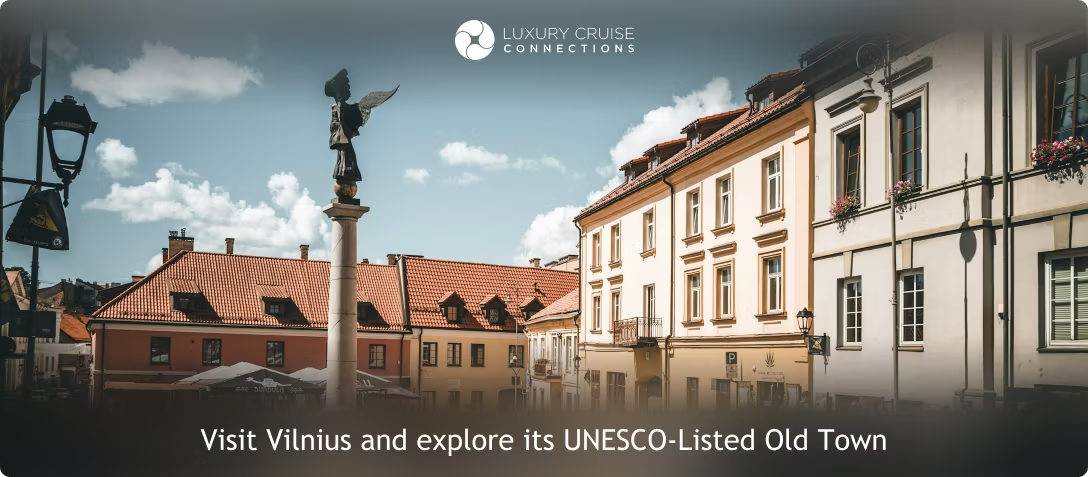
  • Visit Vilnius and explore its UNESCO-Listed Old Town
  • Discover Kaunas and Its Interwar Modernist Architecture
  • Experience Klaipėda
  • Explore the Curonian Spit
  • Visit Trakai and Tour
  • Discover Šiauliai
  • Explore Druskininkai
  • Visit Palanga and Relax
  • Discover Panevėžys
  • Explore Aukštaitija National Park
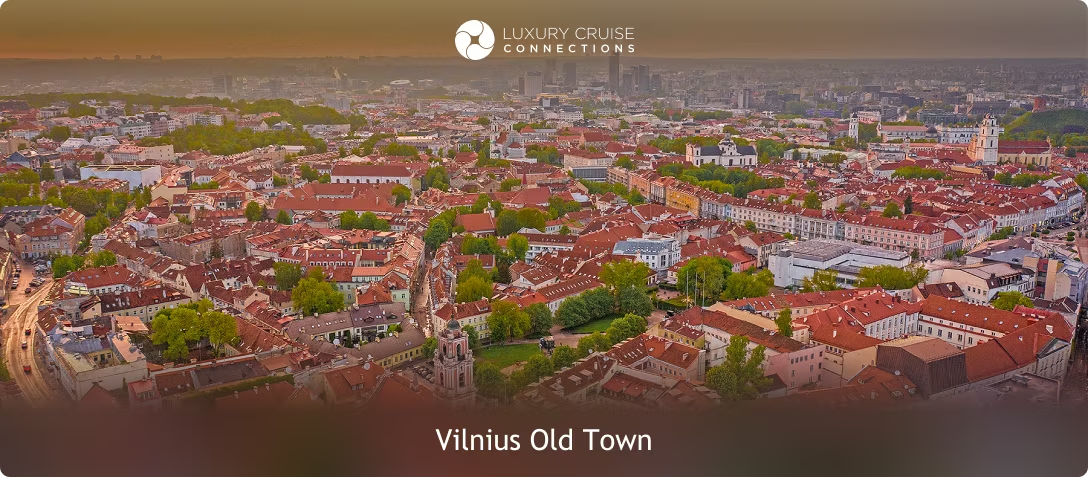
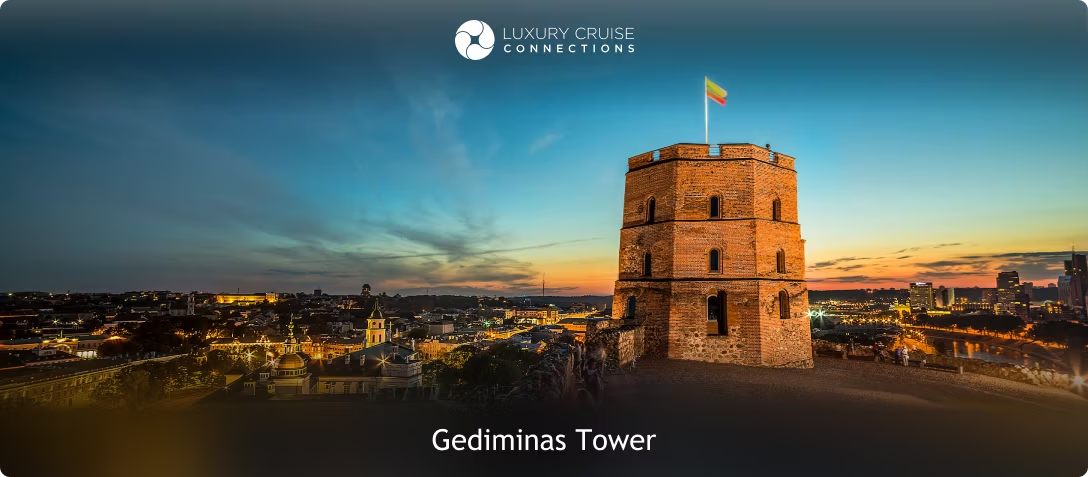
  • Visit Vilnius and explore its UNESCO-listed Old Town, Gediminas’ Tower, and Cathedral Square

    Vilnius, Lithuania’s capital, boasts a rich blend of medieval and Baroque architecture, especially in its UNESCO-listed Old Town. The area features historical landmarks like Gediminas’ Tower, offering panoramic views of the city, and Cathedral Square, the heart of Vilnius, which houses the stunning Vilnius Cathedral. This mix of culture and history makes Vilnius a must-see destination in Lithuania.
    Visit Vilnius and explore its UNESCO-listed Old Town, Gediminas’ Tower, and Cathedral Square

    Gediminas’ Tower is an iconic symbol of Vilnius, offering a glimpse into the city’s medieval past. Cathedral Square is home to the magnificent Vilnius Cathedral, which hosts Lithuanian kings' coronations and religious events. Visitors can stroll through cobbled streets, visiting museums, churches, and enjoy the vibrant atmosphere of the old town.

    Visitors explore the narrow alleys of the Old Town, enjoying the architecture and local shops. A visit to Gediminas’ Tower allows for breathtaking views of the city. Cathedral Square offers a chance to admire the architecture while enjoying local cafes and cultural events.

    Spring and summer offer the best weather for walking around the Old Town.

    Guided tours of Vilnius’ historical sites are available in various languages.

    Gediminas’ Tower entry costs [3], and access to the Cathedral is free, though donations are appreciated.

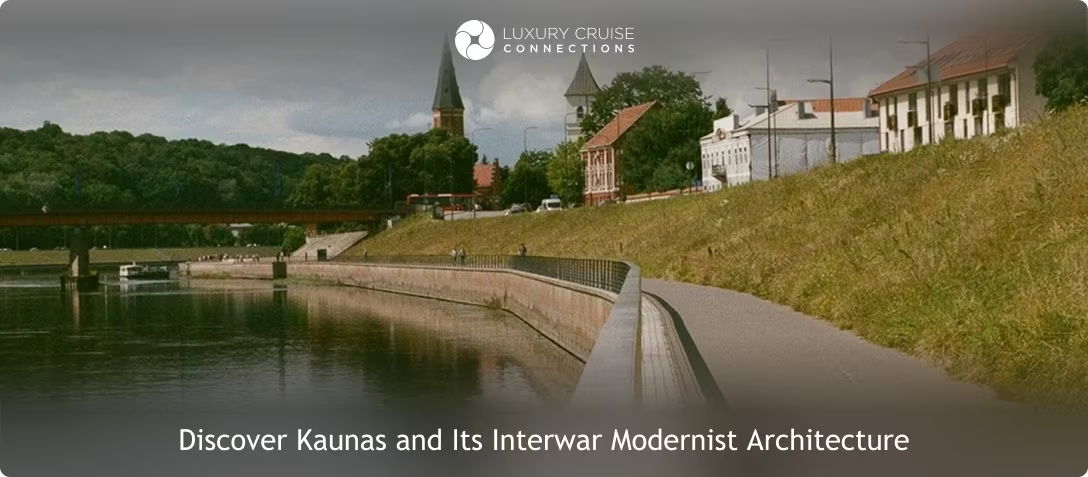
  • Discover Kaunas and its interwar modernist architecture, Kaunas Castle, and lively Laisvės Alėja

    Kaunas, Lithuania’s second-largest city, is renowned for its rich history and interwar modernist architecture, which has earned it recognition as the European Capital of Culture in 2022. The city offers visitors the opportunity to experience Kaunas Castle, a symbol of Lithuania’s medieval history, alongside the modernist architecture that defines the city’s 20th-century heritage.
    Discover Kaunas and its interwar modernist architecture, Kaunas Castle, and lively Laisvės Alėja

    Kaunas Castle is a significant historical landmark, dating back to the 14th century. Laisvės Alėja, the main pedestrian street, is lined with interwar modernist buildings, and offers a vibrant atmosphere with shops, cafes, and cultural spaces. The city also offers plenty of art galleries and museums to explore.

    Visitors explore the Kaunas Castle, learning about its medieval past. Walking along Laisvės Alėja reveals the city’s rich 20th-century history through its architecture. Local museums offer insights into Kaunas' role in Lithuania’s modern history.

    Late spring and early fall offer the best weather for strolling along Laisvės Alėja.

    Available tours cover the history of Kaunas Castle and modernist architecture.

    Kaunas Castle entry is [5], and museum fees vary between [2-5].

  • Experience Klaipėda, strolling through its charming Old Town and visiting the Lithuanian Sea Museum/h2>

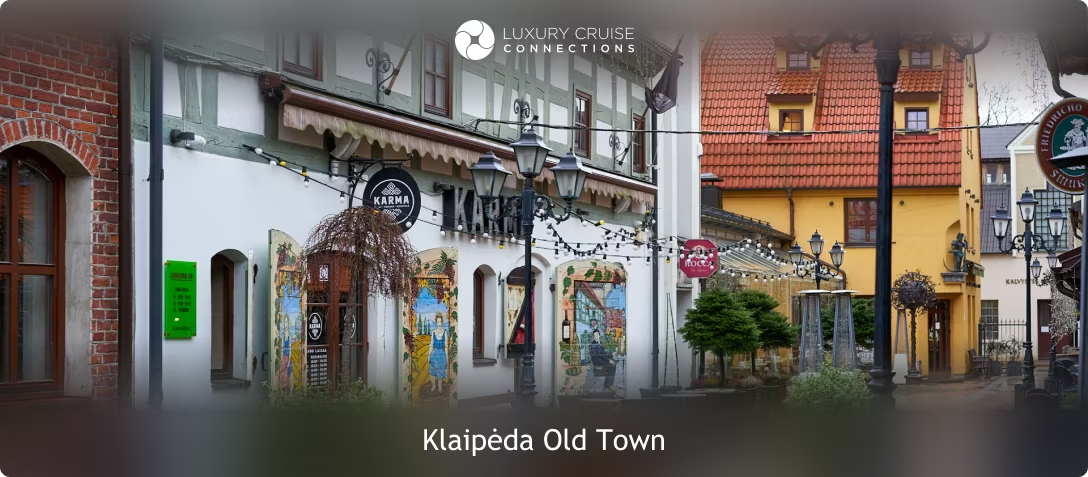
    Klaipėda is Lithuania’s main port city, located on the Baltic Sea. The city offers a charming Old Town filled with German-style architecture and cobbled streets, along with the Lithuanian Sea Museum, where visitors can learn about the region’s maritime history and coastal biodiversity. Klaipėda is a gateway to the Curonian Spit, a UNESCO Biosphere Reserve.

    Experience Klaipėda, strolling through its charming Old Town and visiting the Lithuanian Sea Museum

    The Lithuanian Sea Museum features exhibits on marine life, ships, and historical maritime artifacts. The Old Town, with its colorful buildings and vibrant squares, offers a lively atmosphere with cafes and galleries.

    Visitors tour the Lithuanian Sea Museum to discover the region’s rich maritime history. Strolling through the Old Town, guests can enjoy local shops, restaurants, and the beautiful architecture. Klaipėda also provides easy access to the nearby Curonian Spit for natural exploration.

    Late spring and summer are ideal for enjoying the outdoors and coastal views.

    Guided tours are available for both the Sea Museum and Old Town.

    The Sea Museum entry is [7], and Old Town exploration is free.

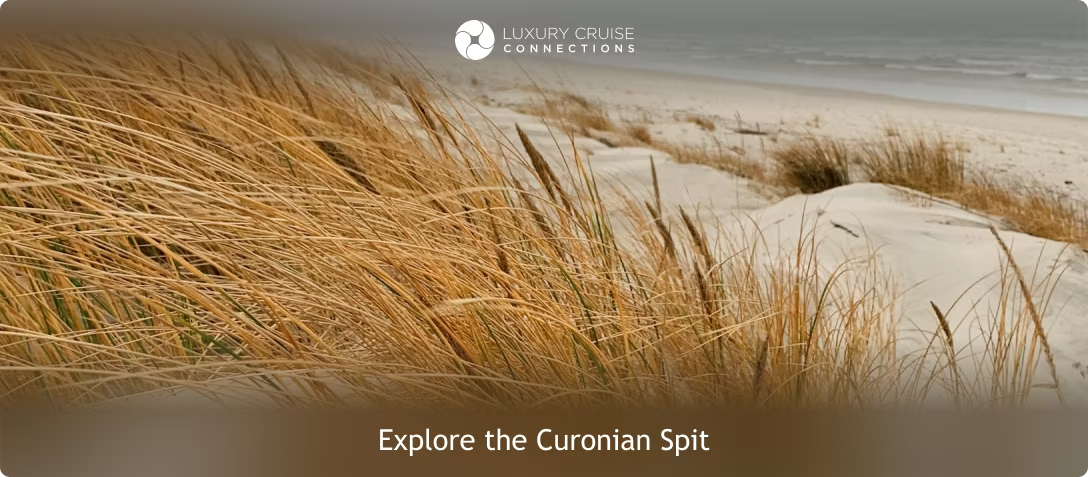
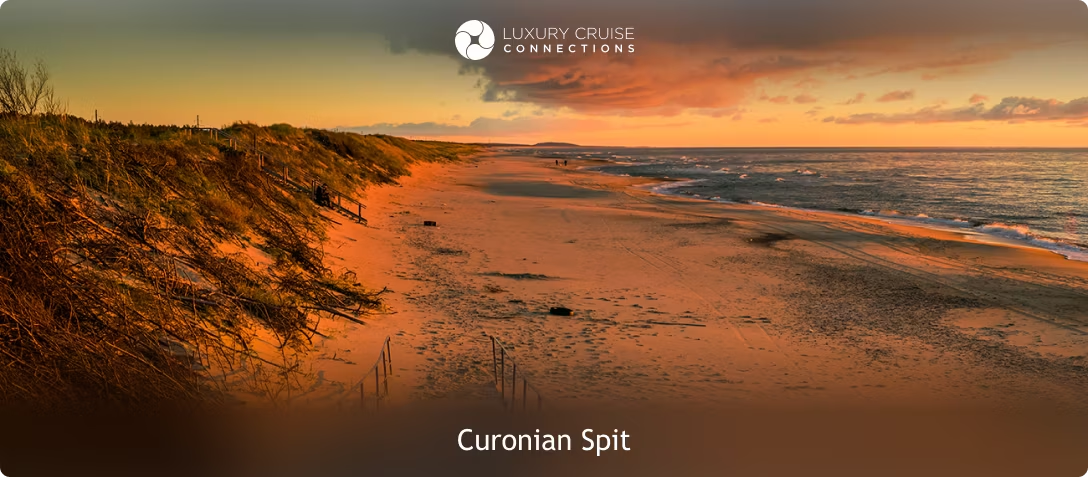
  • Explore the Curonian Spit, known for its dramatic sand dunes and Baltic Sea landscapes

    The Curonian Spit is a UNESCO Biosphere Reserve known for its striking sand dunes, pristine beaches, and unique landscape that separates the Curonian Lagoon from the Baltic Sea. Visitors can hike or cycle through the Spit’s forests and dunes, experiencing one of the most beautiful areas in Lithuania.
     Explore the Curonian Spit, known for its dramatic sand dunes and Baltic Sea landscapes

    The Curonian Spit offers stunning views of both the Baltic Sea and the Curonian Lagoon. The dunes provide a unique and dramatic landscape, while the nearby villages are perfect for those seeking a peaceful retreat surrounded by nature.

    Visitors hike through the towering sand dunes, explore the quaint villages, and enjoy the scenic beaches. Cycling is a popular way to explore the area, offering access to the hidden gems of the Spit.

    Summer provides the best weather for outdoor activities and beach visits.

    Walking and biking tours of the Curonian Spit are available.

    Entry to the Curonian Spit National Park is approximately [5].

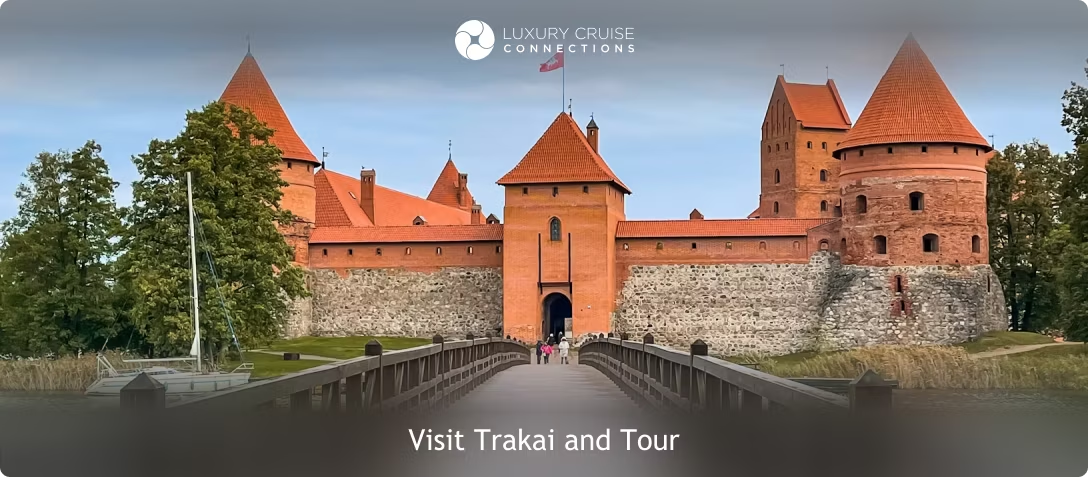
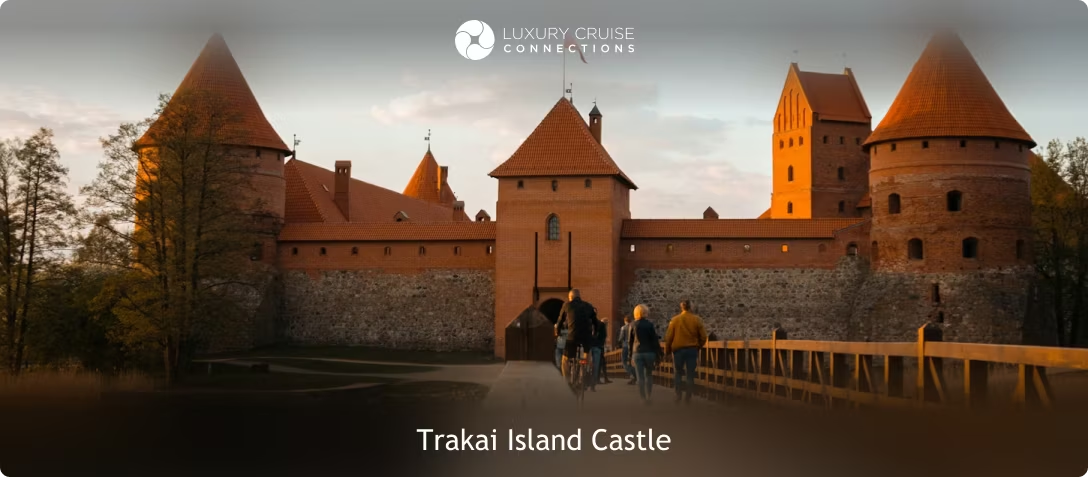
  • Visit Trakai and tour the iconic Trakai Island Castle set on Lake Galvė

    Trakai Island Castle is one of Lithuania’s most iconic landmarks. Set on an island in Lake Galvė, the medieval castle offers visitors the chance to explore its rich history and stunning architecture while enjoying scenic views of the surrounding lake and nature.
    Visit Trakai and tour the iconic Trakai Island Castle set on Lake Galvė

    Trakai Island Castle stands out for its picturesque location and architectural beauty. The castle houses a museum, where visitors can learn about Lithuania’s history, culture, and the medieval period.

    Visitors explore the castle, stroll along the lake, and enjoy boat rides. The surrounding area offers hiking trails, providing additional opportunities to experience Trakai’s natural beauty.

    Early autumn offers cooler temperatures and fewer crowds.

    Audio guides are available for castle tours.

    Castle entry costs [4].

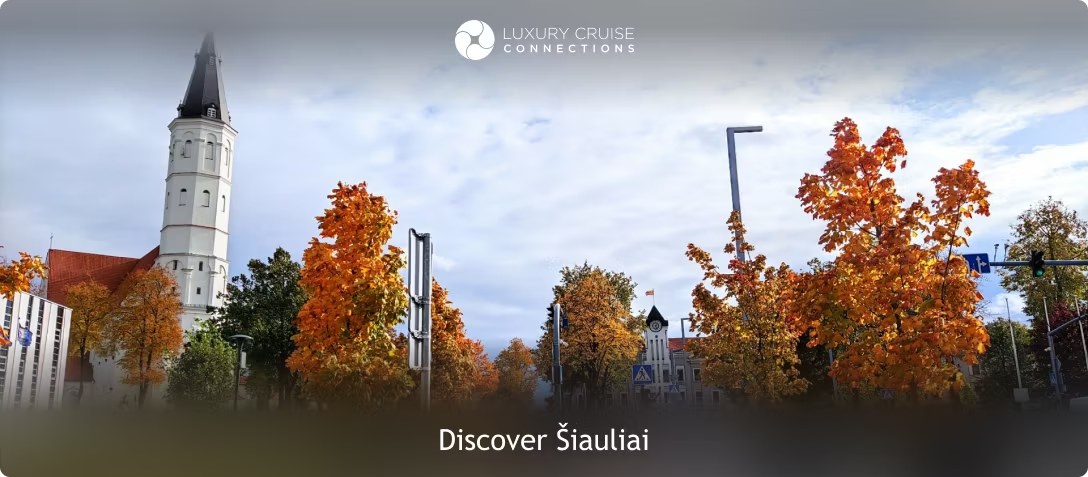
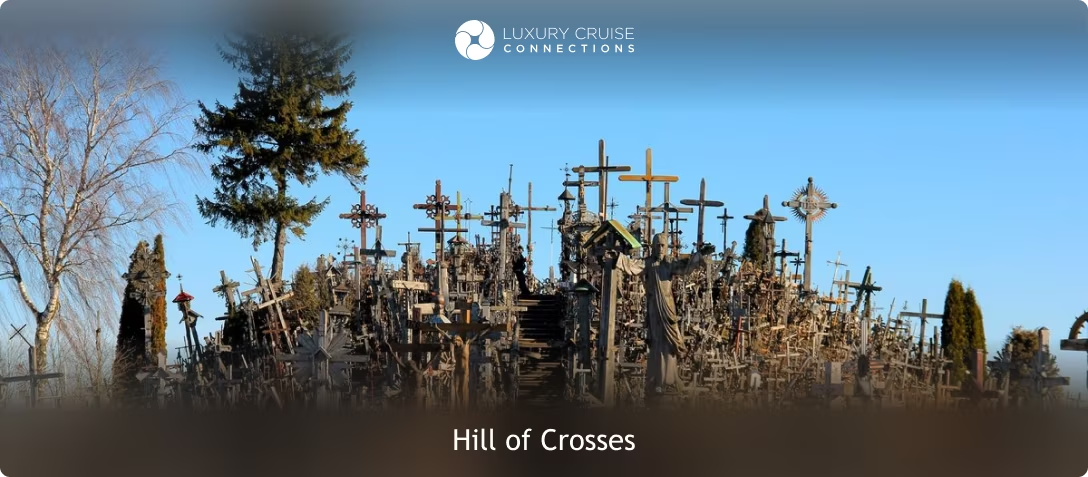
  • Discover Šiauliai, home to the famous Hill of Crosses pilgrimage site

    Šiauliai is a city in northern Lithuania, famous for the Hill of Crosses, a significant pilgrimage site that symbolizes Lithuania's spiritual resilience. The Hill of Crosses has become an international site of devotion, with millions of crosses placed by visitors from all over the world.
    Discover Šiauliai, home to the famous Hill of Crosses pilgrimage site

    The Hill of Crosses stands as a powerful symbol of faith and resistance, with thousands of crosses placed over the years. Visitors can walk through the hill, reflecting on its spiritual significance. The nearby town of Šiauliai offers cultural attractions such as museums and local eateries.

    Visitors explore the Hill of Crosses, placing their own crosses as part of the pilgrimage. The surrounding area offers a peaceful atmosphere, perfect for reflection. Šiauliai’s museums and parks provide a deeper understanding of Lithuania’s cultural history.

    Spring and summer are ideal for visiting, offering pleasant weather.

    There are informative guides available for tours of the Hill of Crosses.

    Access to the Hill of Crosses is free, though donations are welcome.

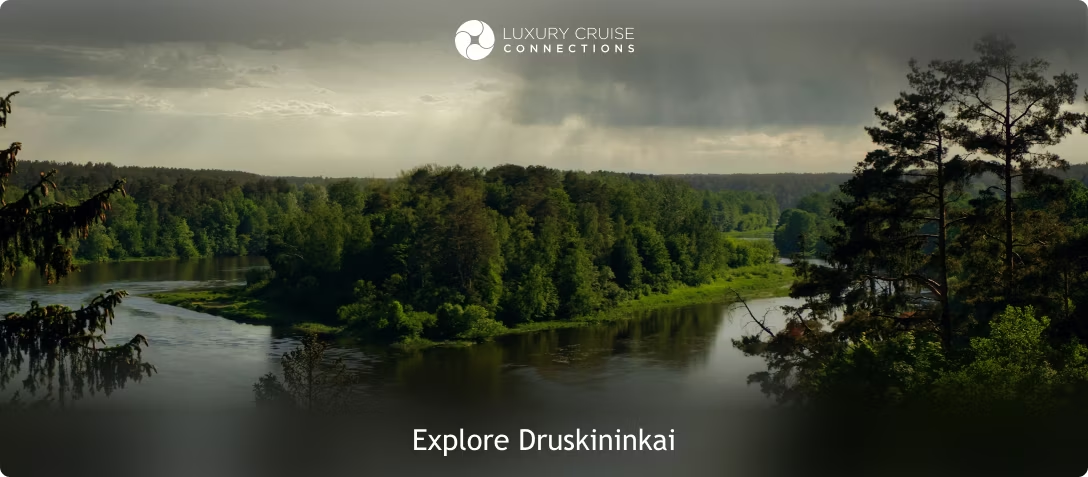
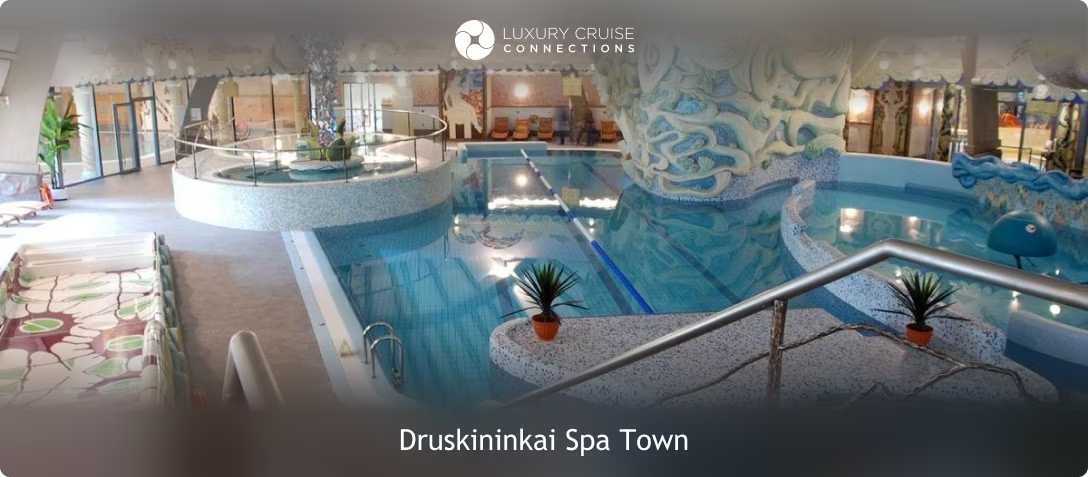
  • Explore Druskininkai, known for its wellness resorts and forest surroundings

    Druskininkai is a famous spa town located in southern Lithuania, renowned for its wellness resorts and therapeutic mineral springs. Surrounded by lush forests, it is an excellent destination for relaxation and rejuvenation.
    Explore Druskininkai, known for its wellness resorts and forest surroundings

    Druskininkai offers a range of wellness treatments, from mineral baths to mud therapy, making it a top destination for health tourism. The town is also home to the Snow Arena, the largest indoor ski slope in the Baltic States, and the nearby Grūtas Park, an outdoor museum showcasing Soviet-era sculptures.

    Visitors can indulge in spa treatments at one of Druskininkai’s renowned resorts. The surrounding forest offers peaceful walking trails, while the Snow Arena provides skiing and snowboarding activities. Druskininkai’s cultural offerings include art galleries and local eateries.

    Year-round, with the winter months offering snow sports and the warmer months focusing on wellness retreats.

    Wellness tours are available, with local guides offering spa and nature experiences.

    Spa treatments vary, but entry to the Snow Arena costs around [15].

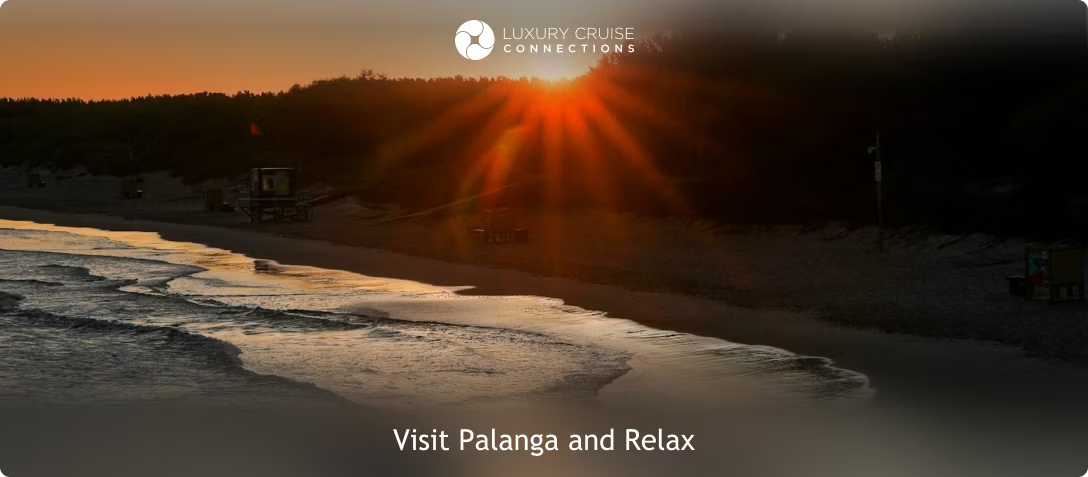
  • Visit Palanga and relax on its sandy beaches along the Baltic coast

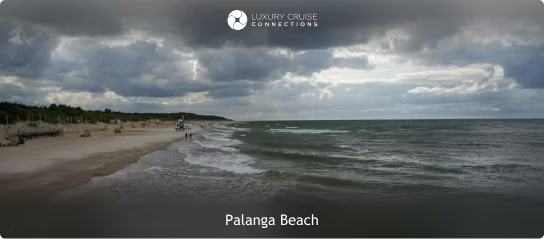
    Palanga is Lithuania’s most popular seaside resort town, known for its long sandy beaches along the Baltic Sea. The town attracts visitors looking to enjoy the sun, sea, and vibrant cultural atmosphere.
    Visit Palanga and relax on its sandy beaches along the Baltic coast

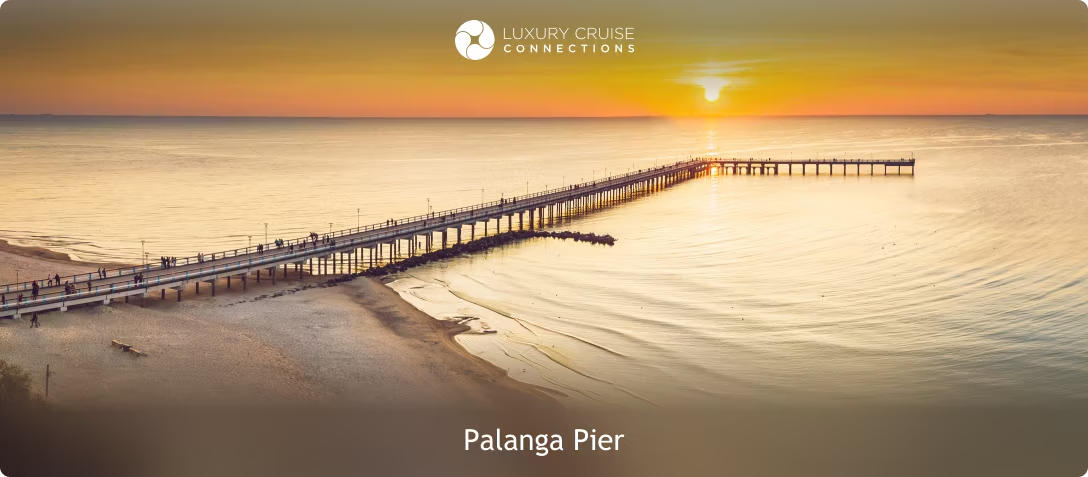
    Palanga’s beaches are ideal for sunbathing and water sports, with beautiful promenades and nearby parks. The Palanga Pier extends into the Baltic Sea, offering stunning views and photo opportunities. The town also hosts the Palanga Amber Museum, located in a beautiful mansion surrounded by lush gardens.

    Visitors relax on the sandy beaches, enjoy cycling along the coastline, or explore Palanga Pier. The Palanga Amber Museum provides an insight into the history of amber, which is abundant in the region.

    Summer is the peak season for beachgoers, with the warmest weather and lively cultural events.

    Guided tours of the Palanga Amber Museum and nature reserves are available.

    The Amber Museum entry costs [5].

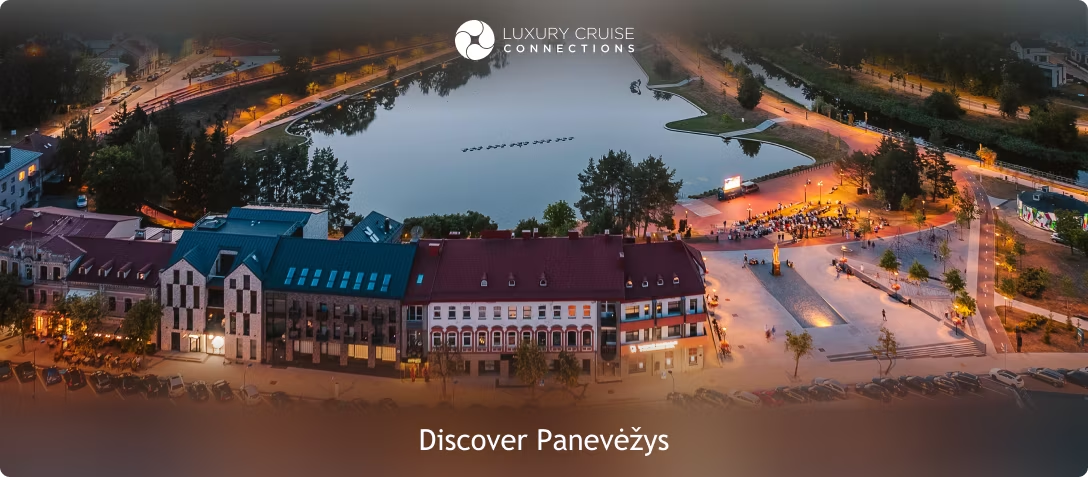
  • Discover Panevėžys, offering cultural theaters and nearby nature parks

    Panevėžys is a city known for its rich cultural scene, with theaters, galleries, and a vibrant arts community. The city is also close to several nature parks, providing a balance of cultural and outdoor activities.
    Discover Panevėžys, offering cultural theaters and nearby nature parks

    The Juozo Miltinio Theater is a must-see for theater lovers, showcasing Lithuanian performances. Panevėžys is also home to beautiful parks such as the Beržynė and Lėnava parks, offering peaceful escapes for visitors to explore.

    Visitors can enjoy a cultural evening at the theater, followed by a stroll through one of the city’s green parks. The surrounding countryside offers hiking and birdwatching opportunities, with scenic trails and natural beauty.

    Spring and summer provide the best weather for outdoor activities.

    Local guides offer tours of cultural landmarks and nature parks.

    Theater tickets range from [5-15], depending on the show.

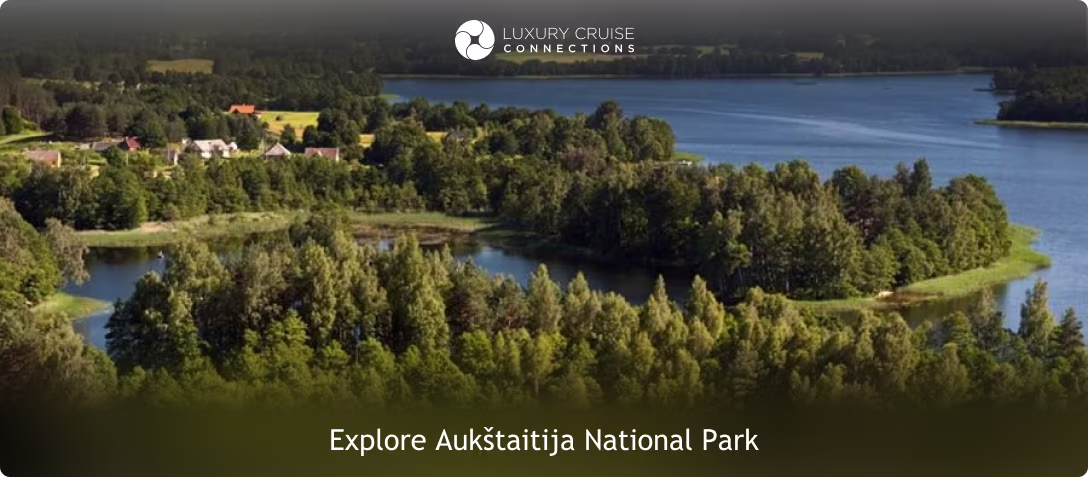
  • Explore Aukštaitija National Park, famous for its lakes, forests, and traditional wooden villages

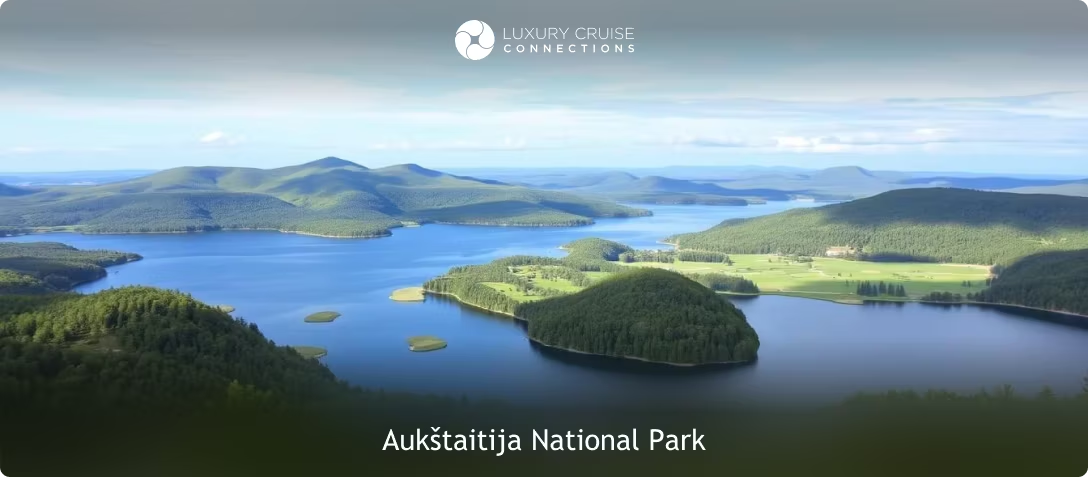
    Aukštaitija National Park is one of Lithuania’s most stunning natural areas, known for its vast lakes, dense forests, and traditional wooden villages. The park offers visitors the chance to experience rural Lithuanian life while enjoying outdoor activities like hiking, boating, and fishing.
    Explore Aukštaitija National Park, famous for its lakes, forests, and traditional wooden villages

    The park is home to over 100 lakes, including the beautiful Lake Asalnai, and is an excellent location for water sports and fishing. Visitors can explore traditional wooden villages that showcase the country’s cultural heritage.

    Visitors enjoy hiking through the forested trails, swimming or boating on the lakes, and learning about local traditions in the wooden villages. The park is also great for birdwatching, with diverse wildlife in its protected areas.

    Summer offers the best conditions for outdoor activities, while autumn is perfect for witnessing the changing foliage.

    There are guided tours available, particularly for those interested in traditional village life and nature.

    Entry to the park is free, but some activities like boat rentals may cost around [10-20].


What are the Most Popular Tourist Attractions in Lithuania?

The most popular tourist attractions in Lithuania are listed below.

  • Vilnius Old Town
  • Trakai Island Castle
  • Curonian Spit
  • Hill of Crosses
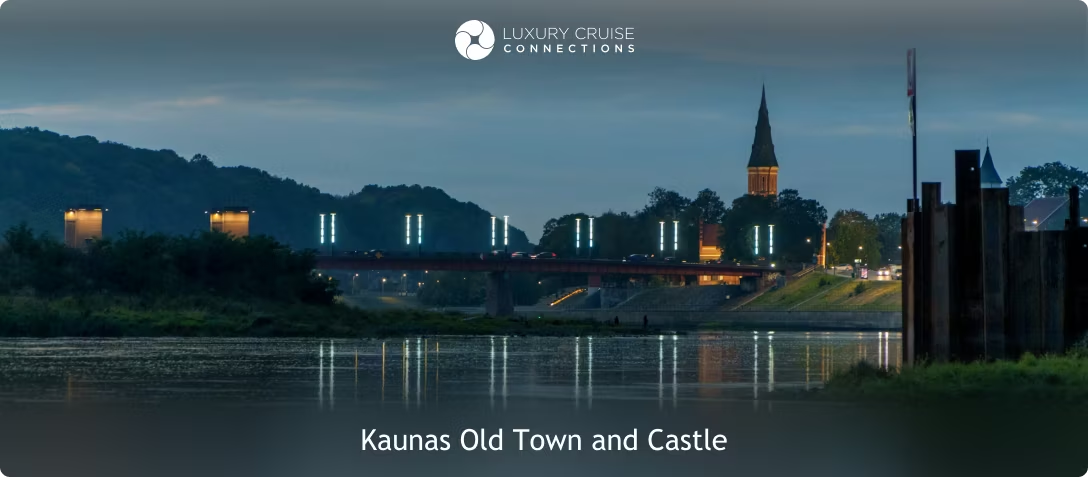
  • Kaunas Old Town and Castle
  • Palanga Pier
  • Klaipėda Old Town
  • Aukštaitija National Park
  • Druskininkai Spa Town
  • Gediminas Tower


What are Some Fun Things to Do in Lithuania

Some fun things to do in Lithuania are listed below.


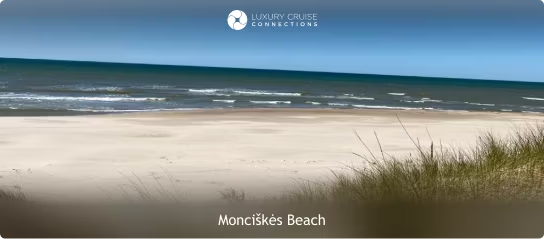
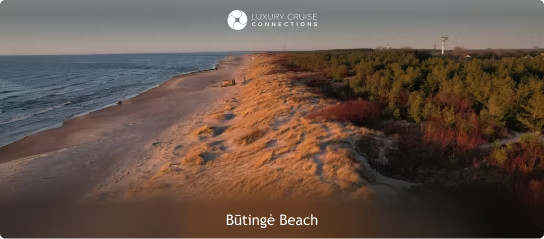
Which Lithuanian Beaches Are Perfect for a Relaxing Getaway?

The perfect beaches in Lithuania for a relaxing getaway are listed below.


What are the Best Things to Do in Lithuania for First-Time Visitors?

The best things to do in Lithuania for First-Time visitors are listed below.

Vilnius Old Town is a UNESCO World Heritage site featuring Gothic, Renaissance, and Baroque buildings concentrated within a walkable historic center. Cathedral Square forms the symbolic heart of the city, while Gediminas Tower rises above the skyline and provides panoramic views. The district contains churches, museums, courtyards, and narrow cobblestone streets that reflect centuries of Lithuanian statehood and European influence.
The 14th century red brick castle stands on an island in Lake Galvė and is connected to the mainland by wooden bridges. The castle houses museum exhibits detailing the Grand Duchy of Lithuania and medieval defence systems. The surrounding lake scenery creates a balanced mix of history and natural beauty.
The narrow peninsula separates the Baltic Sea from the Curonian Lagoon and features towering sand dunes, pine forests, and fishing villages. The environment demonstrates a rare interaction between nature and human settlement over centuries.
Kaunas Old Town features Gothic buildings near the Nemunas River, while Kaunas Castle represents one of the oldest defensive structures in Lithuania. Laisvės Alėja pedestrian boulevard adds cultural depth with galleries and cafés.
Established as the country’s oldest national park, Aukštaitija contains dense forests, over 100 lakes, and preserved wooden villages. The park supports outdoor recreation while protecting ecological diversity and traditional lifestyles.

What makes Lithuania a Beautiful Country to Visit?

Lithuania is a beautiful Country to visit because it combines preserved medieval cities, untouched natural landscapes, and a calm Baltic coastline within a compact and accessible territory. Vilnius Old Town presents Baroque architecture, Gothic churches, and cobblestone streets that reflect centuries of cultural development. Trakai Island Castle rises from Lake Galvė and creates one of the most photographed medieval scenes in the Baltic region. The Curonian Spit offers dramatic sand dunes shaped by wind and sea, forming a rare coastal ecosystem protected by UNESCO.

Aukštaitija National Park (lakes, forests, and traditional wooden villages) that reflect rural heritage. Palanga provides sandy beaches and sunset views over the Baltic Sea. Hill of Crosses near Šiauliai introduces a powerful spiritual symbol surrounded by open countryside. Lithuania’s beauty comes from balance, where urban history meets quiet nature without overcrowding. Lithuania delivers cultural depth, natural scenery, and coastal tranquillity in one destination.

What are the most famous places in Lithuania to take a selfie?

The famous places in Lithuania to take a selfie are Vilnius Old Town, which provides colorful streets and cathedral backdrops ideal for urban photography. Gediminas Tower offers panoramic skyline views above the capital. Trakai Island Castle creates dramatic lake reflections that frame medieval architecture.

The Curonian Spit dunes present sweeping Baltic Sea landscapes with elevated viewpoints. Palanga Pier captures sunset silhouettes over the sea. Hill of Crosses creates a unique spiritual background filled with layered wooden crosses. Aukštaitija National Park offers forest and lake panoramas. Nida Lighthouse on the Curonian Spit delivers elevated coastal perspectives for striking travel photos.

What Lithuanian Food Is Popular Among Tourists?

The popular food in Lithuania among tourists is Cepelinai are the most recognized national dish and consists of large potato dumplings filled with minced meat or cheese, served with sour cream and bacon sauce. Šaltibarščiai is a bright pink cold beet soup made with kefir, cucumbers, and boiled eggs, commonly enjoyed during warm months. Kugelis is a baked potato pudding prepared with grated potatoes, onions, eggs, and pork, creating a hearty main course.

Kibinai are baked pastries filled with meat or vegetables and originated from the Karaim community in Trakai. Smoked fish from the Baltic coast, particularly mackerel and herring, attracts visitors in seaside towns like Klaipėda and Palanga. Lithuanian honey cake and rye bread complete the culinary experience, offering authentic flavors rooted in local agricultural traditions.

Where Can Visitors Discover Lithuanian Traditions and Heritage?

Visitors discover Lithuanian traditions and heritage in historic towns, open-air museums, and preserved rural communities across the country. Rumšiškės Open Air Museum presents reconstructed wooden villages that demonstrate regional architecture and daily life from the 18th and 19th centuries. Kernavė Archaeological Site displays ancient hill forts and represents early Baltic civilization. Vilnius Old Town preserves religious festivals, craft workshops, and traditional markets.

Hill of Crosses reflects spiritual devotion and national resilience through generations. Trakai showcases Karaim culture through traditional cuisine and wooden houses. Seasonal folklore festivals in Kaunas and Klaipėda highlight music, dance, and costume traditions that continue to define Lithuanian cultural identity.

Are there Activities in Lithuania Perfect for Families with Children?

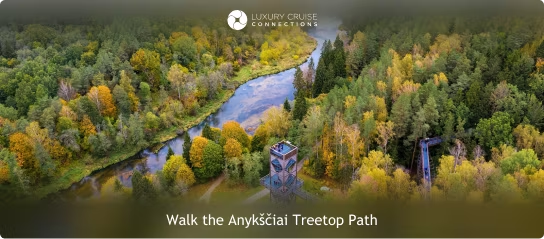
Yes, Lithuania offers many activities that are perfect for families with children. Lithuania provides interactive museums, outdoor parks, and coastal resorts that suit different age groups. Lithuanian Sea Museum in Klaipėda features aquariums and dolphin shows that combine education with entertainment. Anykščiai Treetop Walking Path allows children to explore forest canopies safely on elevated platforms. Druskininkai Snow Arena offers indoor skiing experiences throughout the year, creating active recreation opportunities.

Palanga Beach gives families access to wide sandy shores and cycling paths along the Baltic Sea. Vilnius Old Town includes parks and open squares where children move freely while adults explore historic surroundings. Lithuania combines cultural learning and outdoor activity, making Lithuania suitable for family focused travel.

Are there Fun Things to Do in Lithuania for Outdoor Adventures?

Yes, Lithuania offers many fun activities suited for outdoor adventures. Lithuania’s landscape includes forests, lakes, rivers, and coastal dunes that support diverse recreational experiences. Aukštaitija National Park provides canoe routes across interconnected lakes, along with hiking trails and wildlife observation towers.

The Curonian Spit allows cycling through pine forests and climbing panoramic sand dunes overlooking the Baltic Sea. Anykščiai Treetop Walking Path offers elevated forest views, while Nemunas River routes support kayaking and boat excursions. Winter months introduce cross country skiing and snow activities in forest regions and at Druskininkai Snow Arena. Lithuania combines water sports, hiking, cycling, and scenic exploration, creating a strong destination profile for fun things to do in Lithuania.

Best Things to Do Around the World

Discover the best activities, landmarks, and experiences in every cruise destination and port of call.

Europe Western, Central & Mediterranean
America North, Central, South & Caribbean
Africa & Asia Oceania & Antarctica