10 Best Things to Do in Latvia

The 10 best things to do in Latvia offer a blend of ancient history, modern culture, and stunning natural landscapes. La...

add

The 10 best things to do in Latvia offer a blend of ancient history, modern culture, and stunning natural landscapes. Latvia stands as a vast country containing a rich ancient history, modern megacities, and diverse landscapes. The territory offers a wide array of historical sites alongside contemporary urban developments. Dense forests cover 54% of the land, providing numerous opportunities for nature exploration. Medieval castles rise from the hillsides, reflecting centuries of strategic defense and noble life. The Baltic Sea coastline stretches for 500 kilometers, featuring white sand beaches and charming fishing villages. Modern architecture in urban centers provides a contrast to the cobblestone streets of ancient districts. Travelers find a high standard of hospitality within the diverse regions of the nation. Cultural festivals showcase the unique musical and artistic traditions of the Baltic people. National parks preserve rare geological formations and provide habitat for native wildlife. Historical museums document the transition from ancient tribes to a modern European state. Diverse ecosystems range from coastal dunes to inland bogs and river valleys. The country provides a serene environment for travelers seeking peace or adventure. Visiting the local markets allows for a deep dive into the culinary heritage of the region. Every city contains unique landmarks that narrate a specific chapter of the national story. Travelers find many things to do in Latvia. Finding the right places to visit in Latvia requires research into the regional highlights. Tourists prioritize specific places in Latvia to visit.

  • Visit Riga
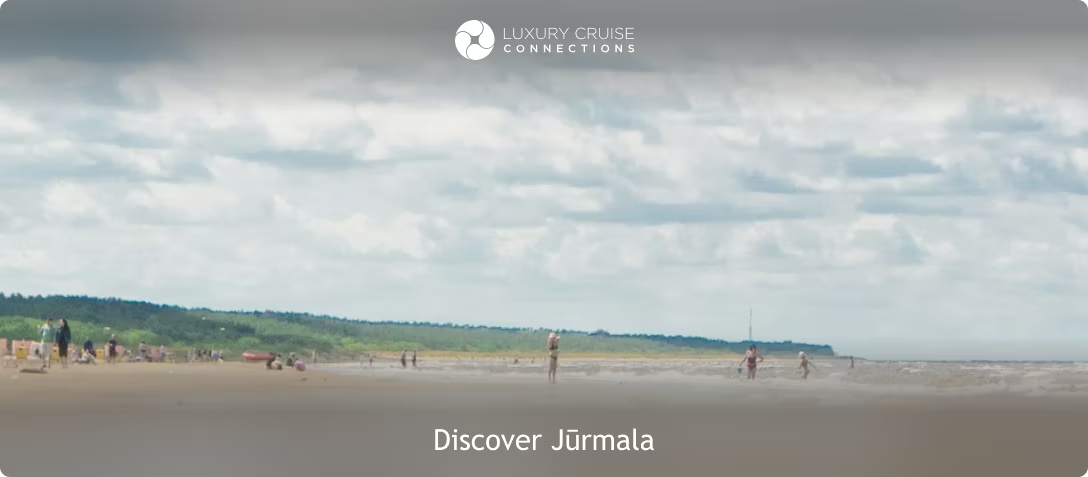
  • Discover Jūrmala
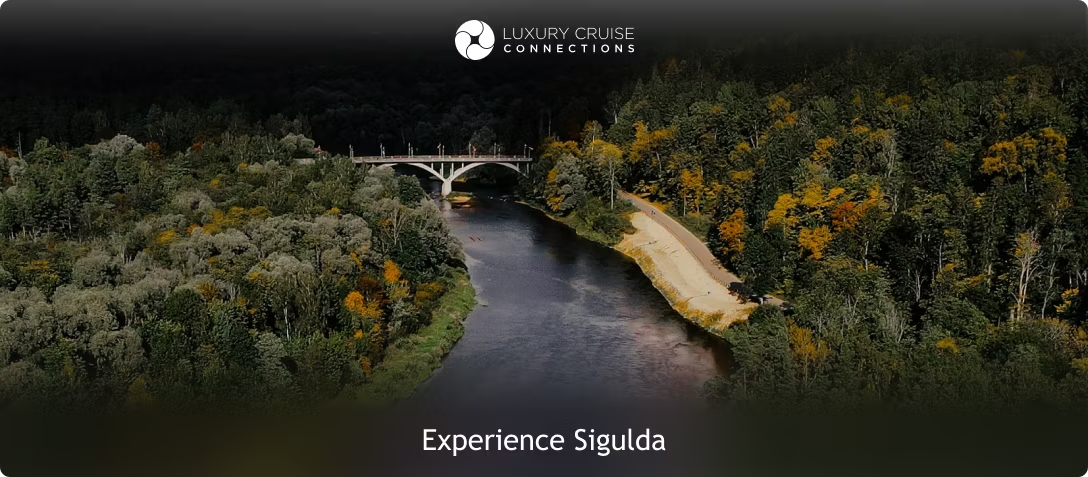
  • Experience Sigulda
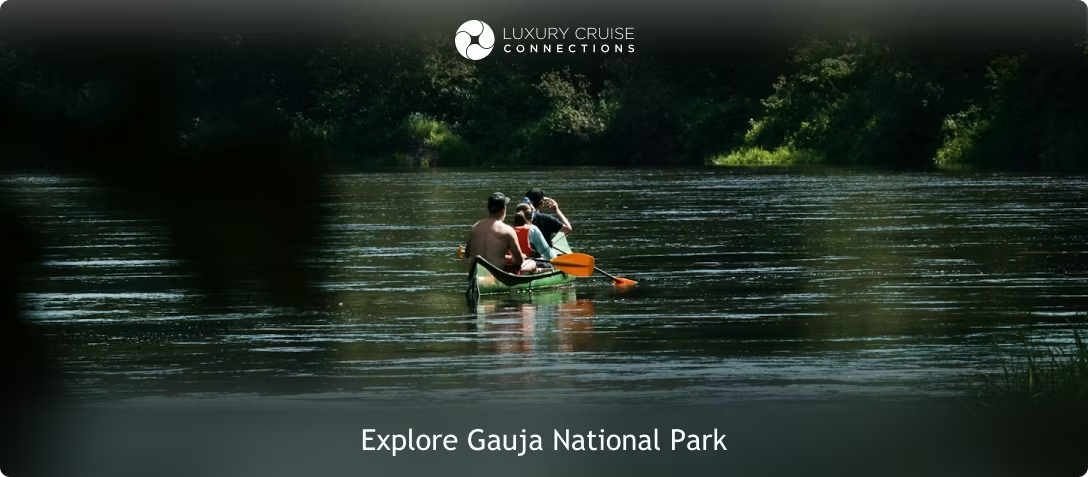
  • Explore Gauja National Park
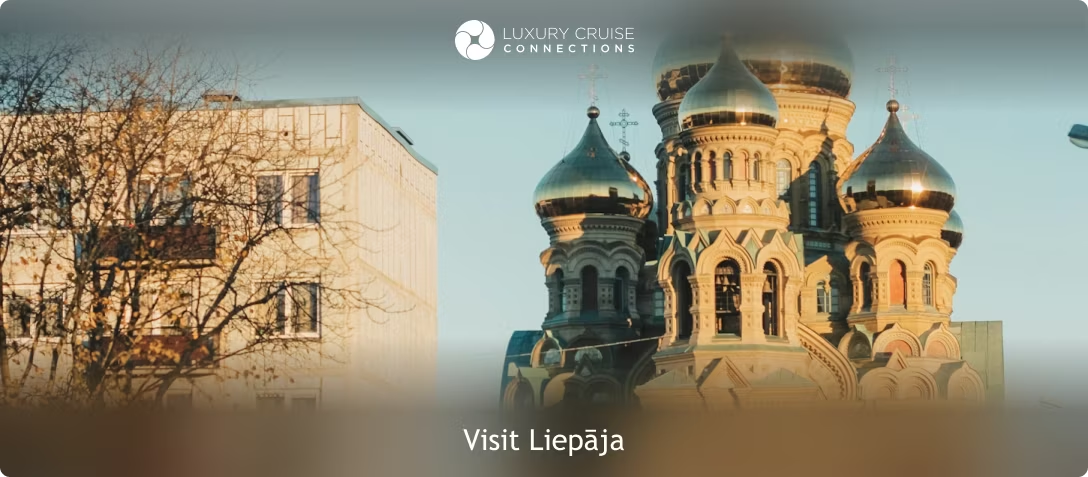
  • Visit Liepāja
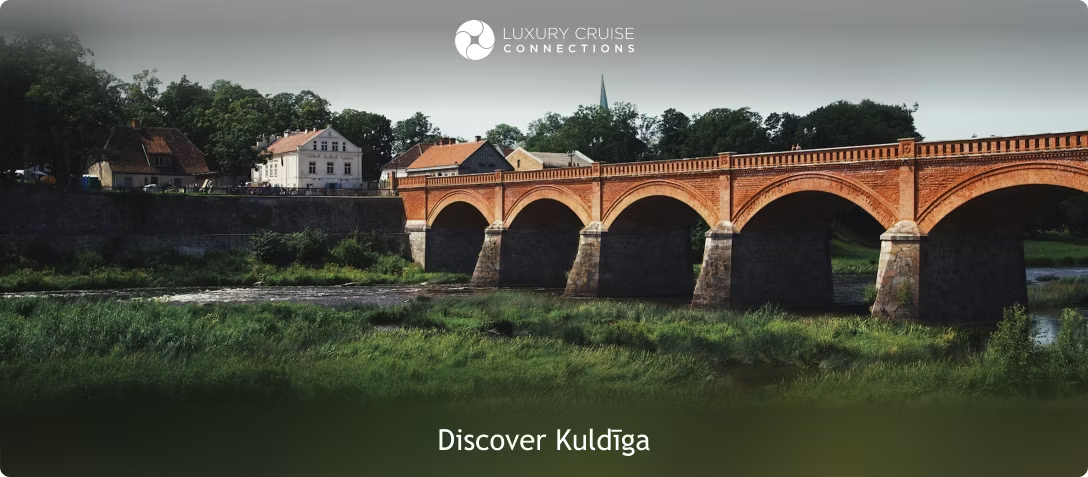
  • Discover Kuldīga
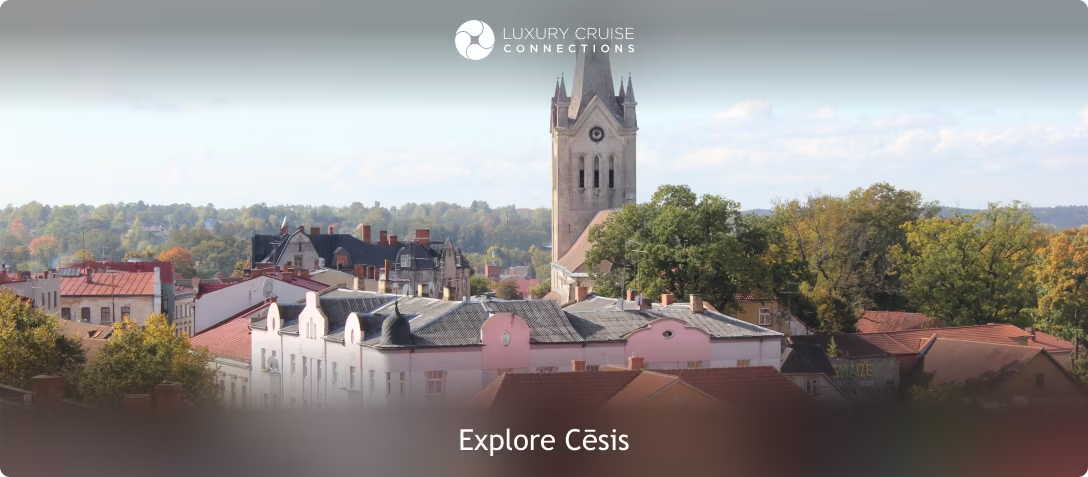
  • Explore Cēsis
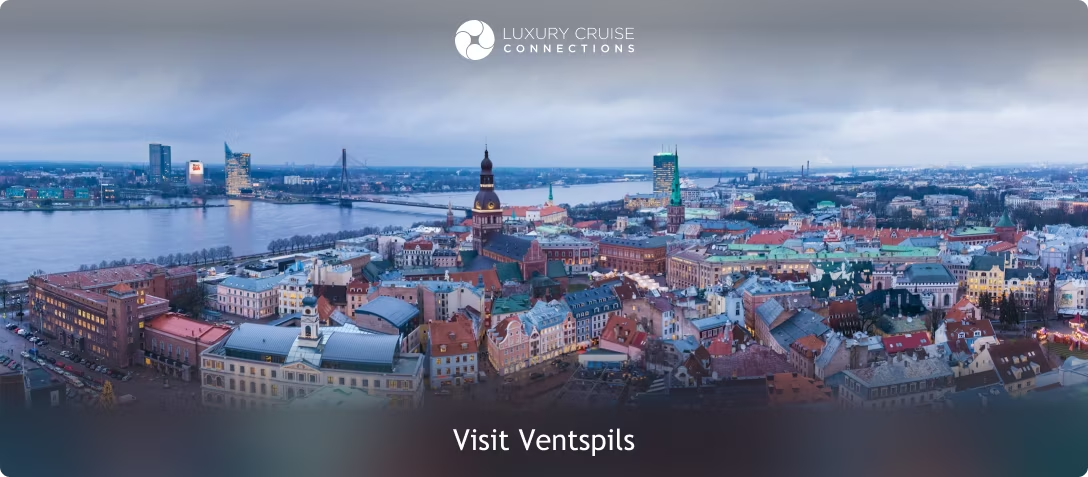
  • Visit Ventspils
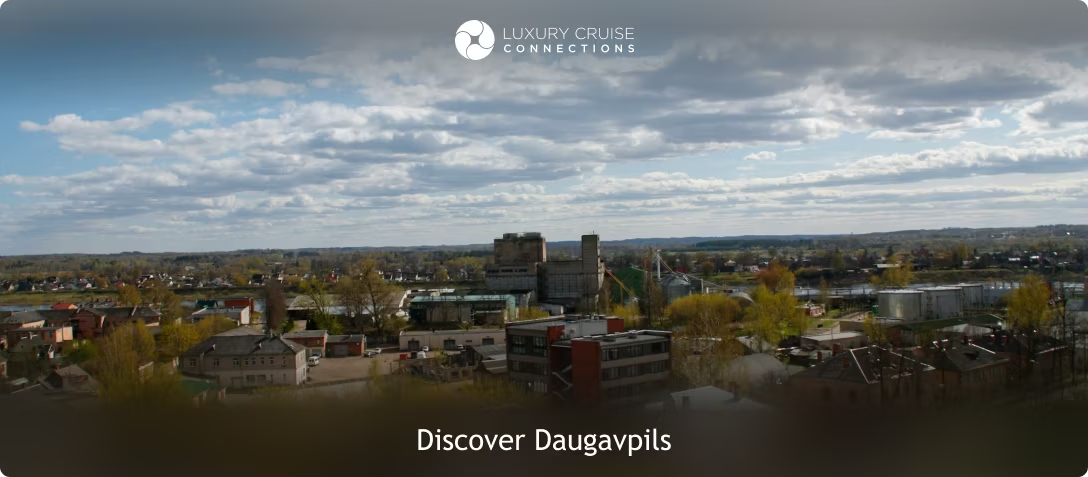
  • Discover Daugavpils
  • Explore Cape Kolka
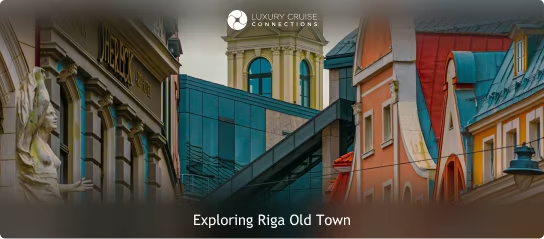
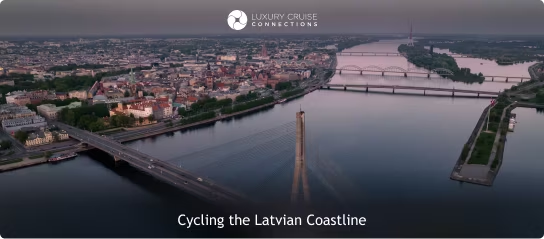
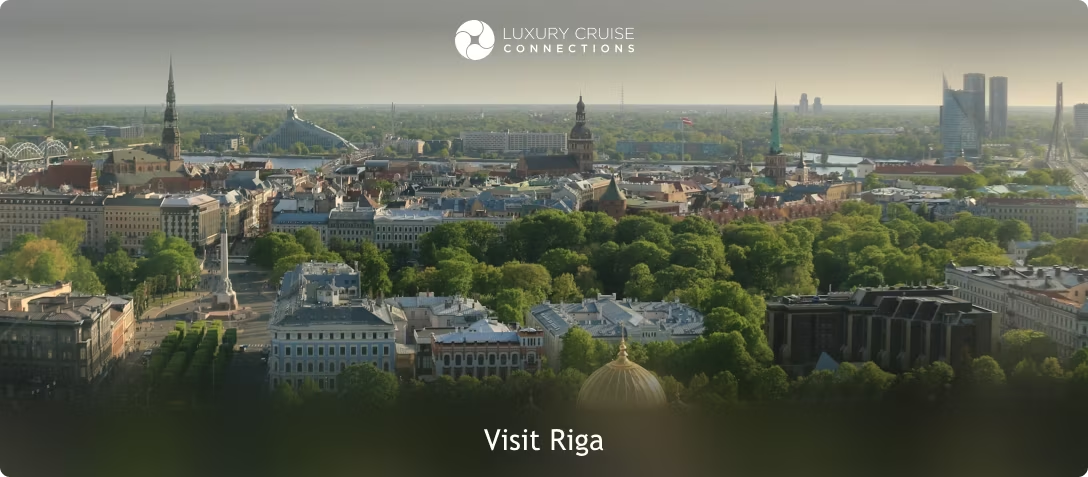
  • Visit Riga and explore the Old Town (Vecrīga), Riga Central Market, and the Art Nouveau district

    Riga's Old Town (Vecrīga) is a UNESCO World Heritage site, showcasing medieval architecture and cobbled streets. The Riga Central Market offers a lively local experience, where visitors can explore traditional foods and products. The Art Nouveau district is famous for its stunning early 20th-century architecture, showcasing elaborate facades and decorative elements.
    Visit Riga and explore the Old Town (Vecrīga), Riga Central Market, and the Art Nouveau district

    The Old Town (Vecrīga) offers a rich historical experience, where visitors can walk through landmarks like St. Peter’s Church and the House of Blackheads, representing the city's medieval charm. At the Riga Central Market, one of Europe's largest, tourists immerse themselves in local culture by sampling fresh produce and traditional Latvian delicacies. The Art Nouveau District, along Alberta iela, stands out with its stunning architectural masterpieces, showcasing ornate facades and intricate decorative details that highlight Riga’s early 20th-century design brilliance. Each of the Old Town (Vecrīga), the Riga Central Market, and the Art Nouveau District areas offers a unique glimpse into Riga's past and present, making the city a blend of history, culture, and beauty.

    Visitors can enjoy a mix of history, culture, and shopping. Explore the ancient streets of the Old Town, indulge in local Latvian foods at the Central Market, and be enchanted by the elegant architecture of the Art Nouveau district.

    The best time to visit Riga is from May to September, when the weather is mild and the city comes alive with festivals.

    Hire a local guide for walking tours to fully immerse yourself in the history and culture of the Old Town and Art Nouveau district

    Entrance to the Old Town is free, though some attractions (like St. Peter’s Church) charge a small fee.

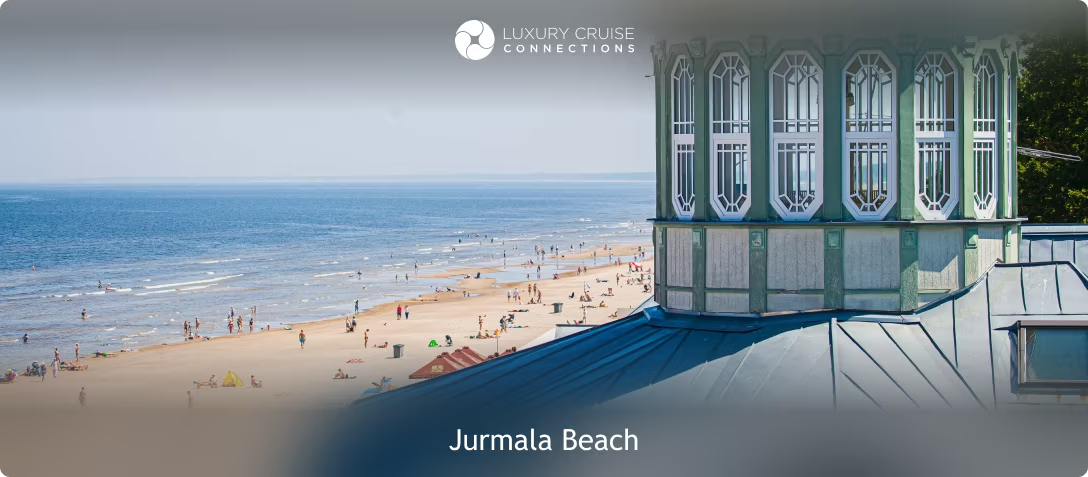
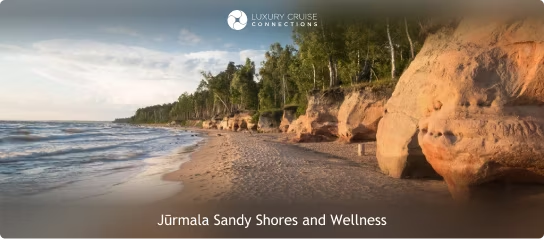
  • Discover Jūrmala and relax along its sandy Baltic Sea beaches and wooden seaside villas

    Jūrmala is a charming resort town located along the Baltic Sea, known for its long sandy beaches and beautiful wooden seaside villas. The town offers a peaceful atmosphere, perfect for relaxation and enjoying nature.
    Discover Jūrmala and relax along its sandy Baltic Sea beaches and wooden seaside villas

    Jūrmala offers a perfect blend of relaxation and exploration. Spend time at its pristine sandy beaches, ideal for sunbathing and swimming. The town’s historic wooden seaside villas are a beautiful example of early 20th-century design, making them a must-see for architecture enthusiasts. Jūrmala’s Central Park provides a peaceful escape with its walking paths, tranquil lakes, and lush greenery, perfect for a stroll. For a more lively experience, Jomas Street offers a lively atmosphere with its cafes, restaurants, and shops, making it the ideal spot for shopping or enjoying a meal while soaking in the local culture.

    Visitors can enjoy a relaxing day by the beach, exploring Jūrmala’s unique architecture, and experiencing local culture through art galleries and coastal walking routes. The peaceful ambiance makes it a great destination for families, couples, or anyone seeking a quiet retreat.

    The best time to visit Jūrmala is during the summer months (May to September) when the weather is warm and the town is lively with events.

    Consider a walking or bike tour to explore the town’s historic architecture and natural beauty.

    Access to the beaches is free, but some attractions like museums or wellness centers may have an entrance fee.

  • Experience Sigulda, exploring medieval castles and the scenic Gauja River Valley

    Sigulda is a picturesque town located in the heart of Latvia, known for its medieval castles and the scenic beauty of the Gauja River Valley. It is a popular destination for both history lovers and nature enthusiasts.
    Experience Sigulda, exploring medieval castles and the scenic Gauja River Valley

    Sigulda is home to several historic landmarks, including Sigulda Castle, a medieval fortress that offers breathtaking panoramic views of the surrounding Gauja River Valley. The castle, dating back to the 13th century, is one of the iconic structures in Latvia, providing visitors with a glimpse into the country's past. Nearby, Turaida Castle stands as another well-preserved historical site, housing a museum that showcases the rich history of the region and its cultural heritage. The Gauja River Valley provides an ideal location for hiking and cycling, with lush forests, dramatic cliffs, and winding rivers offering a serene yet thrilling outdoor experience. The Sigulda area features a bobsleigh and luge track, a popular spot for both professional competitions and public rides, offering an adrenaline rush for individuals seeking excitement.

    Visitors can immerse themselves in the rich history of Sigulda by touring its castles, enjoying the tranquility of the Gauja River Valley, and taking part in outdoor activities (hiking, biking, and even winter sports). The town’s natural beauty and historical landmarks provide a perfect blend for an enriching experience.

    The best time to visit Sigulda is during the spring and summer months (May to September), when the weather is mild and the landscape is lush and green.

    Consider hiring a local guide to explore the castles and learn about the fascinating history of the region.

    Entrance to the castles and museums requires a small fee, with discounts available for students and groups.

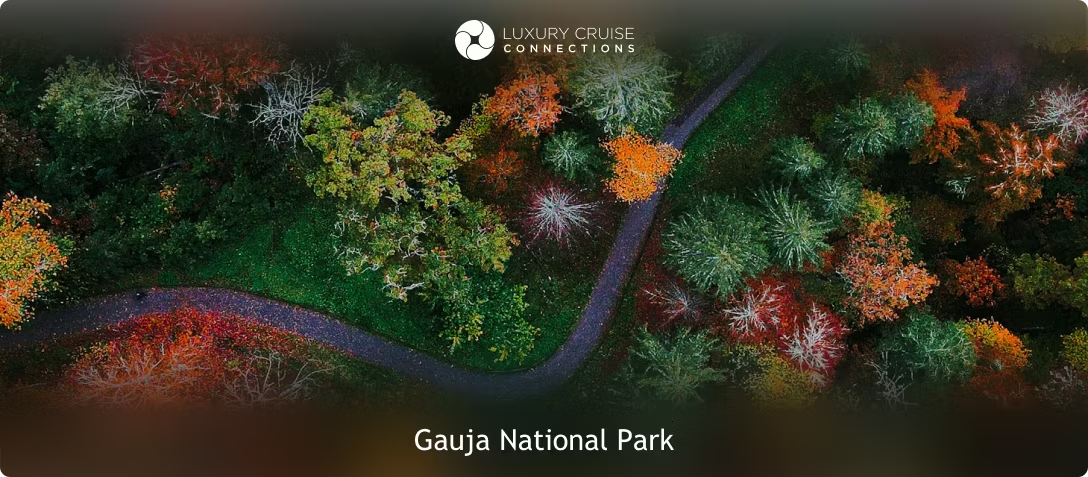
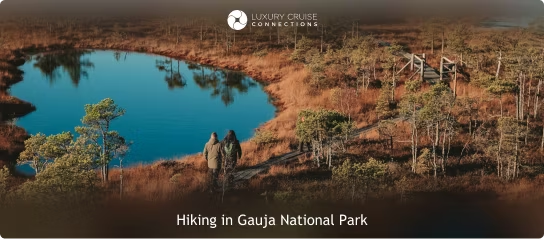
  • Explore Gauja National Park, Latvia’s largest national park, known for forests, caves, and hiking trails

    Gauja National Park is Latvia’s largest national park, covering over 90,000 hectares. It is renowned for its diverse landscapes, including dense forests, dramatic cliffs, deep valleys, and the Gauja River, which runs through it. The park is a haven for outdoor enthusiasts, offering numerous trails for hiking, cycling, and exploring.
    Explore Gauja National Park, Latvia’s largest national park, known for forests, caves, and hiking trails

    Gauja National Park offers visitors a chance to explore the largest cave in the Baltic States, Gutmanis Cave, known for its stunning size and historical significance. The park’s lush forests provide serene walking paths, where visitors can enjoy scenic views from various observation towers scattered throughout the area. Among its highlights is the medieval Turaida Castle, offering a glimpse into Latvia’s rich past, surrounded by breathtaking natural beauty. For history enthusiasts, the park features Cēsis Castle, which provides an exceptional opportunity to learn about Latvia’s history while appreciating its well-preserved medieval architecture.

    Visitors can hike or cycle along designated trails, enjoy panoramic views from observation towers, and explore ancient caves and historic landmarks. The park offers a chance to connect with nature and delve into the rich history of Latvia.

    Spring to early autumn is ideal for exploring, with mild temperatures and lively foliage in the fall.

    Local guides are available for tours of historical sites and nature walks.

    Entry to the park is free, but certain sites, like the Turaida Museum Reserve, charge an admission fee.

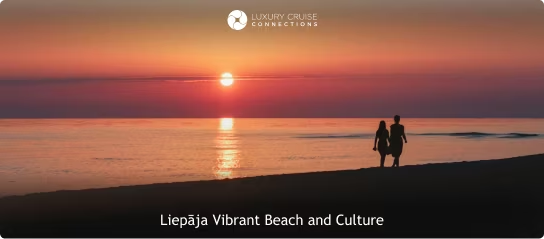
  • Visit Liepāja for its beaches, historic Karosta district, and vibrant music culture

    Liepāja, located on the western coast of Latvia, is known for its beautiful beaches, historical landmarks, and lively music scene. This seaside city, once a key port in the Russian Empire, offers visitors a unique combination of natural beauty, rich history, and cultural experiences.
    Visit Liepāja for its beaches, historic Karosta district, and vibrant music culture

    Liepāja offers a perfect escape with its sandy beaches, ideal for sunbathing and swimming, providing a relaxing spot by the Baltic Sea. The Karosta district, once a military port, features a fascinating mix of Soviet-era architecture and historical sites, including the Karosta Prison, where visitors take a guided tour to delve into the area’s complex Soviet past. In addition to its natural beauty and history, Liepāja is renowned for its lively music scene, which plays a significant role in Latvian rock music history, with various live performances and music festivals held throughout the year.

    Visitors can enjoy a blend of relaxation and exploration, from strolling through Liepāja’s charming streets to visiting its historical districts. The city’s lively music scene offers numerous opportunities to attend concerts and festivals, while the Karosta district provides a fascinating look into Latvia's past, its military history.

    Summer months (June to August) are ideal for enjoying the beach and outdoor music festivals.

    A guided tour of the Karosta district and the prison is highly recommended to gain insights into the area's history.

    Entry to some historical sites, like the Karosta Prison, requires a ticket.

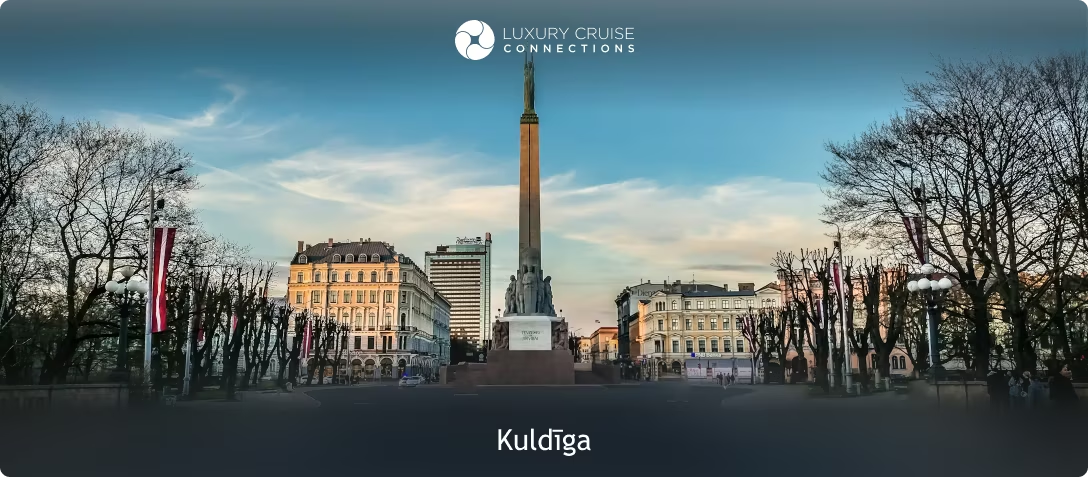
  • Discover Kuldīga, home to the Venta Rapid (Europe’s widest waterfall) and charming old town streets

    Kuldīga is a historic town located in western Latvia, known for its impressive natural beauty and well-preserved architecture. The town is home to Venta Rapid, the widest waterfall in Europe, as well as charming old town streets that transport visitors back in time.
    Discover Kuldīga, home to the Venta Rapid (Europe’s widest waterfall) and charming old town streets

    Visit Venta Rapid, Europe’s widest waterfall, where the waters of the Venta River stretch an astonishing 249 meters across, creating a magnificent sight. Afterward, explore Kuldīga’s quaint streets, lined with traditional wooden houses, which offer a picturesque glimpse into the town’s past. The charm of Kuldīga is further enriched by the 17th-century Kuldīga Town Hall and the nearby historic brick bridges, which add a unique historical character to the town, making it a captivating destination for history and nature enthusiasts alike.

    Visitors experience the beauty of nature by standing at the edge of Venta Rapid, marveling at its width and power. A stroll through the town reveals its rich history, with well-preserved streets and buildings offering a peek into the past. Kuldīga offers a peaceful and scenic environment for a relaxing getaway or a cultural exploration.

    Late spring to early autumn is ideal for enjoying the waterfall and the town’s outdoor attractions.

    Local tours are available to provide deeper insights into the history of the town and the waterfall.

    There are no entrance fees for the waterfall, but guided tours and museum entries may have a fee.

  • Explore Cēsis, featuring medieval castle ruins and a beautifully preserved town center

    Cēsis is a picturesque town located in the heart of Latvia, renowned for its rich medieval history and well-preserved architecture. The town is best known for the Cēsis Castle ruins, which offer a fascinating glimpse into the past, and its charming town center that showcases centuries-old buildings and cobblestone streets.
    Explore Cēsis, featuring medieval castle ruins and a beautifully preserved town center

    Visit the Cēsis Castle, a medieval fortress dating back to the 13th century, which offers stunning views of the surrounding landscape and provides a glimpse into Latvia's past. Afterward, take a leisurely stroll through the beautifully preserved town center, where visitors explore historical buildings, quaint cafes, and artisan shops, creating a charming atmosphere. To further immerse yourself in the town’s cultural heritage, explore the Cēsis History and Art Museum, which showcases the town's rich history and its significant role in Latvia’s development.

    Visitors wander through the historic streets of Cēsis, immersing themselves in the town's medieval atmosphere. A visit to the castle allows for exploration of its towers and ruins, offering a deeper understanding of its strategic importance. The museum provides insights into the rich history of Cēsis, adding another layer to the town's cultural experience.

    The best time to visit Cēsis is during the warmer months, from late spring to early autumn, when outdoor attractions like the castle are enjoyable.

    Guided tours are available for a more detailed exploration of the castle and the town’s history.

    There is an entrance fee to the Cēsis Castle and the History and Art Museum.

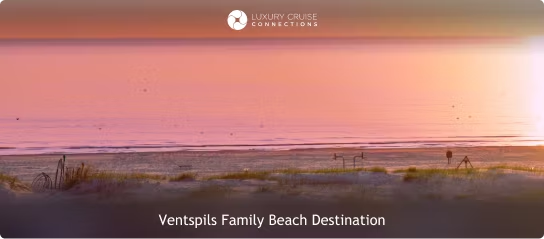
  • Visit Ventspils for family-friendly beaches, parks, and its colorful harbor promenade

    Ventspils, a lively port city located on the western coast of Latvia, is known for its family-friendly atmosphere and beautiful beaches. The city offers a blend of natural beauty and modern amenities, making it an ideal destination for travelers looking for relaxation and outdoor activities.
    Visit Ventspils for family-friendly beaches, parks, and its colorful harbor promenade

    Enjoy the sandy beaches along the Baltic Sea, ideal for swimming, sunbathing, and engaging in beach sports. Afterward, take a stroll along the colorful harbor promenade, where visitors admire the yachts and enjoy the lively atmosphere. For a more serene experience, explore Ventspils' parks (the popular Flower Hill, which features beautiful seasonal flowers and provides a relaxing environment for families to unwind).

    Visitors spend time at the beach or in the parks, relaxing or engaging in outdoor activities like cycling and walking. The lively harbor promenade provides a picturesque setting to enjoy a leisurely walk while taking in the sea breeze. The city’s family-friendly parks and green spaces offer a peaceful escape for visitors seeking relaxation.

    Summer months (June to August) are ideal for enjoying the beaches and outdoor activities.

    Local guides are available to provide insights into the history of the port and the city's development.

    The beaches and parks are free to visit, but certain attractions may require a small fee for entry.

  • Discover Daugavpils, known for its massive fortress and multicultural heritage

    Daugavpils, Latvia’s second-largest city, is a rich blend of historical landmarks and cultural diversity. The city is renowned for its massive fortress, which stands as a testament to the city’s military past, as well as its multicultural heritage that is reflected in its architecture, cuisine, and cultural sites
    Discover Daugavpils, known for its massive fortress and multicultural heritage

    Explore the Daugavpils Fortress, one of the largest in Europe, which provides visitors with a fascinating glimpse into the city’s military history and strategic importance. For animal lovers, a visit to the Latgale Zoo, one of the oldest zoos in Latvia, offers a unique experience, showcasing a range of animals native to the region. To immerse themselves in the city’s cultural diversity, visitors explore various museums, including the Daugavpils Mark Rothko Art Centre, which houses a remarkable collection of works by one of the world’s prominent modern artists.

    Visitors to Daugavpils enjoy a deep dive into its rich history by touring the fortress and nearby historical sites. The city’s multicultural aspect be experienced through its unique blend of architectural styles, diverse communities, and wide array of cultural activities (local festivals and exhibitions).

    Summer months (June to August) are ideal for exploring outdoor attractions, including the fortress and the zoo.

    Local guides offer in-depth tours of the fortress and the city’s historical sites, providing valuable insights into Daugavpils' past.

    The fortress and museums may charge an entrance fee, but visiting the city’s parks and public areas is free.

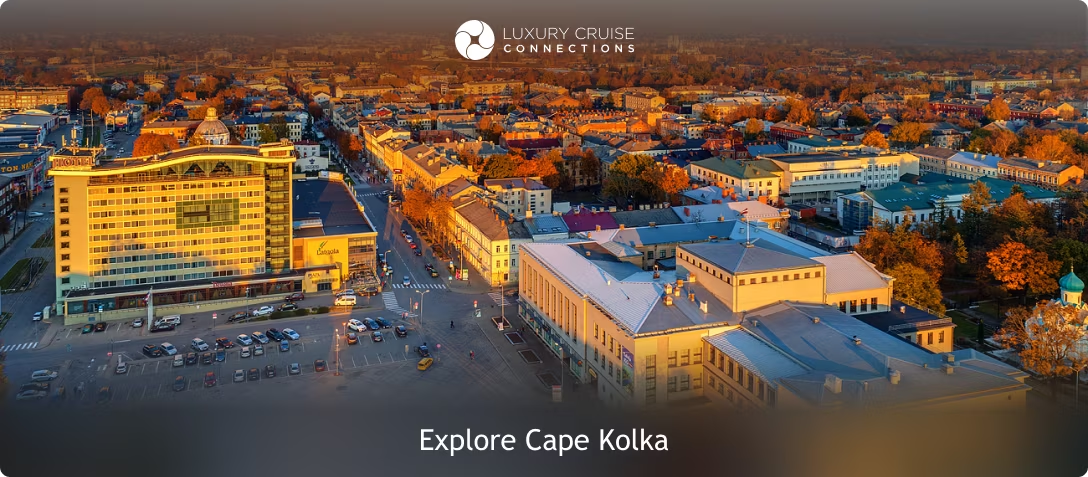
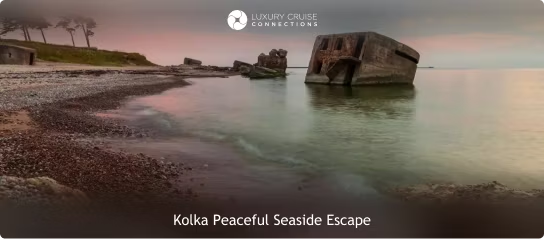
  • Explore Cape Kolka, where the Baltic Sea meets the Gulf of Riga, offering dramatic coastal scenery

    Cape Kolka is a stunning natural landmark where the Baltic Sea meets the Gulf of Riga, creating dramatic coastal scenery. This unique location offers a breathtaking view where the two bodies of water converge, making it one of Latvia's most picturesque and peaceful destinations.
    Explore Cape Kolka, where the Baltic Sea meets the Gulf of Riga, offering dramatic coastal scenery

    Visit the Cape Kolka lighthouse, an iconic structure that has guided ships for over a century, offering panoramic views of the surrounding waters. Visitors enjoy the rugged coastal landscapes, where the powerful waves of the Baltic Sea meet the serene waters of the Gulf of Riga, creating a dramatic and tranquil setting. For visitors seeking further exploration, the nearby nature trails provide an opportunity to observe diverse wildlife, including various bird species that inhabit the area, making it an ideal spot for nature enthusiasts and photographers.

    Visitors immerse themselves in the natural beauty of the area by walking along the coastline and exploring the lighthouse. The dramatic scenery offers a perfect backdrop for photography, while the tranquil atmosphere makes it a great place for relaxation. Birdwatchers will appreciate the diversity of species found in the area during migration seasons.

    The best time to visit is during the warmer months (May to September) when the weather is ideal for outdoor activities and coastal exploration.

    Local guides offer insightful tours about the history of Cape Kolka and its role in maritime navigation.

    Visiting the cape and the lighthouse is free, but tours may charge a fee.


What are the Most Popular Tourist Attractions in Latvia?

The most popular tourist attractions in Latvia are listed below.

  • Riga Old Town
  • Jurmala Beach
  • Gauja National Park
  • Turaida Castle
  • Cēsis Castle
  • Rundāle Palace
  • Ventspils
  • Kuldīga
  • Riga Old Town

    The historic center of Riga, a UNESCO World Heritage site, is renowned for its charming medieval streets, Gothic architecture, and lively cafes.
    Riga Old Town
     
  • Jurmala Beach

    Known for its long, sandy beach and picturesque wooden villas, Jurmala offers relaxation by the Baltic Sea, making it a perfect spot for sunbathing and water sports.
    Jurmala Beach
     
  • Gauja National Park

    Latvia’s largest national park, famous for its lush forests, dramatic cliffs, caves, and the scenic Gauja River. It’s ideal for hiking and exploring nature.
    Gauja National Park
     
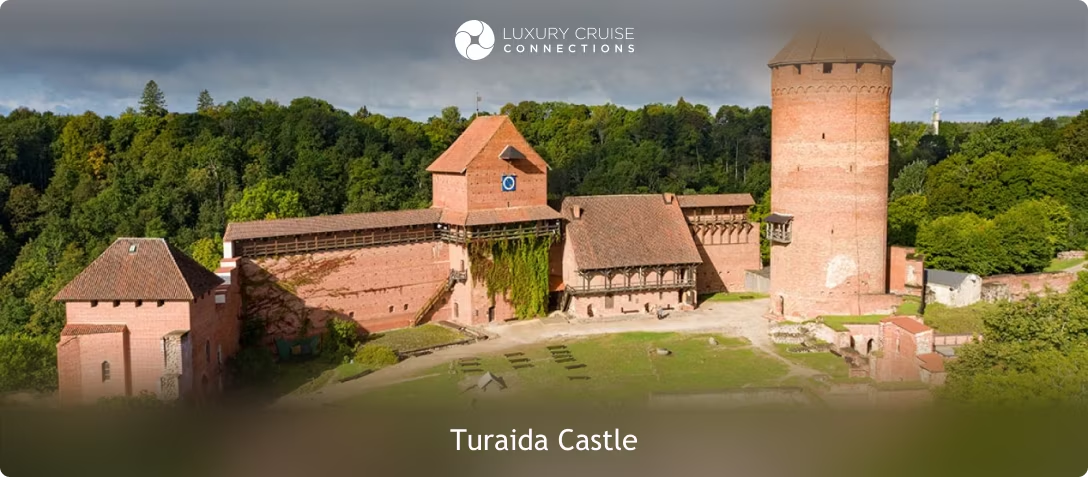
  • Turaida Castle

    A medieval fortress located in Sigulda, offering beautiful views of the surrounding area and a glimpse into Latvia’s history.
    Turaida Castle
     
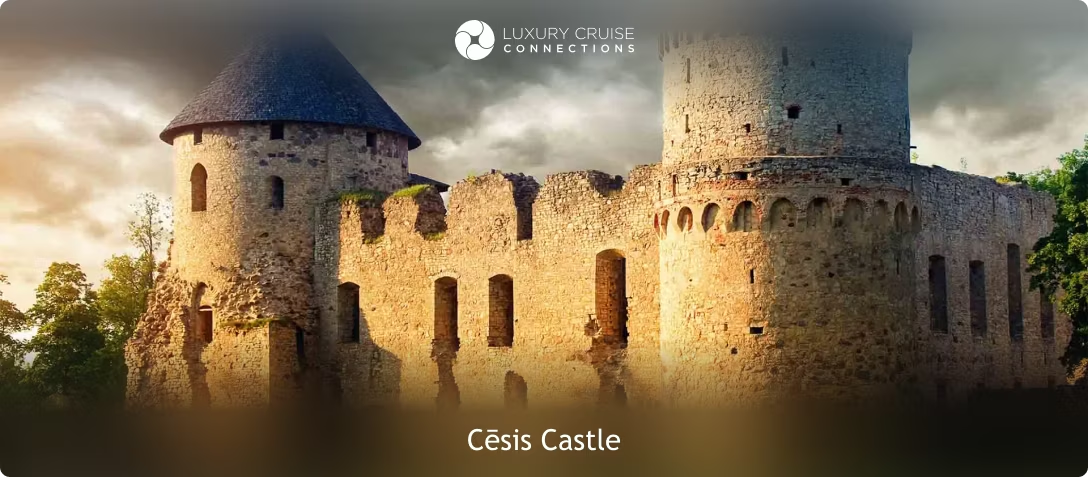
  • Cēsis Castle

    One of Latvia’s important medieval castles, located in Cēsis, offering well-preserved ruins and a look into the country’s rich past.
    Cēsis Castle
     
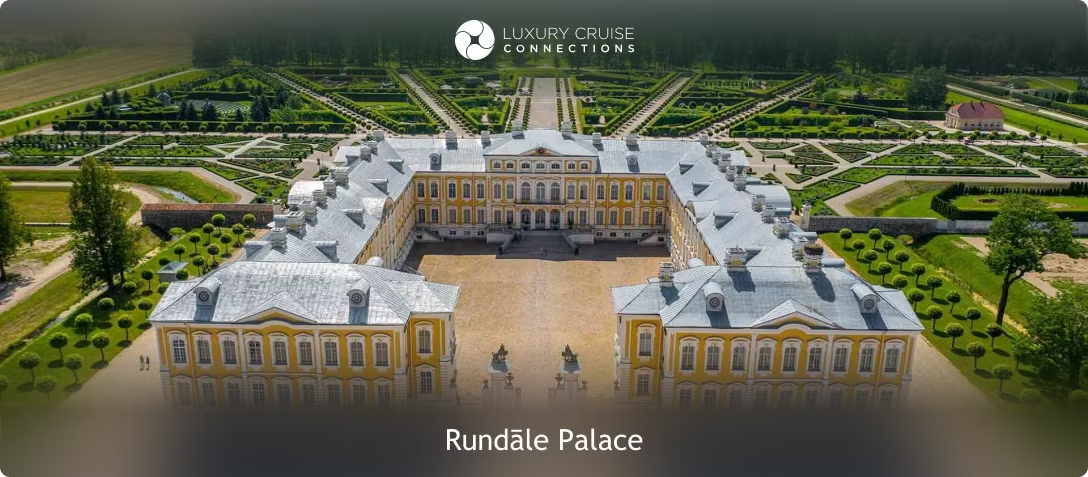
  • Rundāle Palace

    The "Versailles of Latvia," a Baroque palace with extensive gardens, is one of Latvia’s important cultural landmarks.
    Rundāle Palace
     
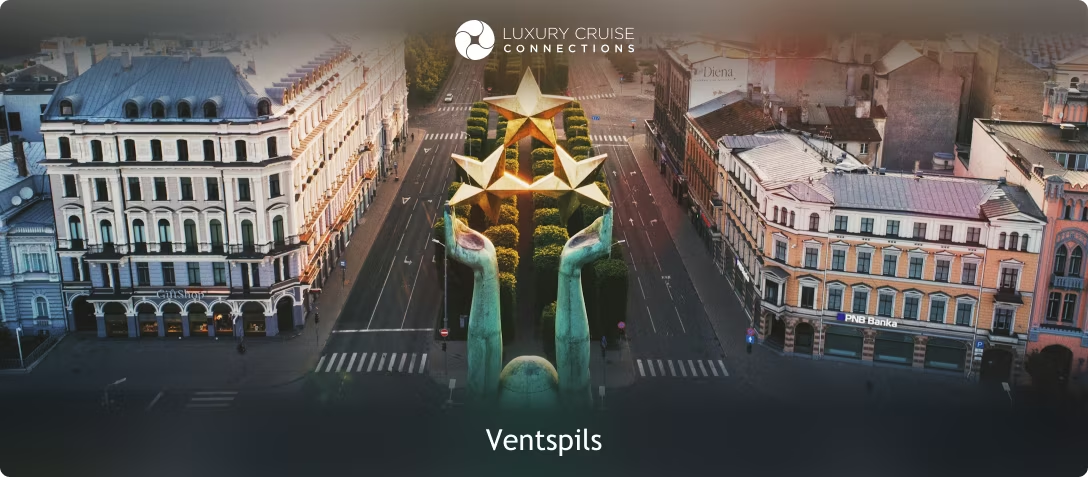
  • Ventspils

    Known for its harbor, beautiful beaches, and family-friendly parks, Ventspils is a perfect destination for both nature lovers and families.
    Ventspils
     
  • Kuldīga

    Famous for the Venta Rapid, Europe's widest waterfall, and its charming medieval old town with picturesque streets and historical buildings.
    Kuldīga


What are the best outdoor and cultural activities in Latvia?

The best outdoor and cultural activities in Latvia are listed below.


What are the best tourist attractions to visit in Latvia for beaches and seaside relaxation?

The best tourist attractions to visit in Latvia for beaches and seaside relaxation are listed below.


What are the Best Things to Do in Latvia for First-Time Visitors?

The best things to do for first-time visitors in Latvia are listed below.

Explore the UNESCO-listed Old Town of Riga, filled with medieval architecture, cobblestone streets, and lively squares. The list should include visiting St. Peter’s Church, the House of Blackheads, and Riga Castle.
Jūrmala is known for its long sandy beaches and wellness centers. Ideal for a relaxing day by the sea. Swimming, sunbathing, and visiting local spas must be included in the list.
Known for its picturesque landscapes, hiking trails, and medieval castles, Gauja National Park offers nature lovers a variety of outdoor activities. Hiking, cycling, and visiting the Turaida Castle should be included in the list.
Riga boasts some of the best Art Nouveau buildings in the world. The architecture reflects the city’s rich cultural heritage. A walking tour of Alberta Street and the Art Nouveau Museum will be included in the list.
A symbol of Latvian resilience, the Hill of Crosses in Latvia is a religious and cultural site worth visiting. The visitors try reflecting at the site and explore the surrounding area.

What makes Latvia a Beautiful Country to visit?

Latvia represents a beautiful country to visit because of its untouched natural landscapes and architectural diversity. Dense forests cover over 50% of the territory, providing a green backdrop to every journey. The coastline features hundreds of kilometers of pristine beaches and dramatic cliffs. Inland, the landscape is dotted with blue lakes and winding rivers. Ancient castles and manor houses add a historical charm to the countryside. Cities boast a unique mix of medieval, wooden, and Art Nouveau architecture. Every season brings a different kind of beauty to the region. Snow-covered forests in winter create a magical atmosphere for outdoor sports. Spring brings a burst of green as the meadows begin to bloom. Summer allows for long days by the sea under golden sunsets. Autumn transforms the river valleys into a sea of colorful leaves. Commitment to environmental preservation ensures that the air and water remain clean. This harmony between nature and human history creates a visually stunning environment for all travelers.

Where should Tourists Go for Scenic Views in Latvia?

Tourists should go to several specific locations for scenic views in Latvia. The observation tower of St. Peter's Church in Riga provides a 360-degree panorama of the capital. Sigulda offers breathtaking vistas of the Gauja River Valley from the cable car or the Turaida Castle tower. Cape Kolka provides a dramatic view of the meeting between the Baltic Sea and the Gulf of Riga. The Venta Rapid in Kuldīga offers a unique perspective on the widest waterfall. The Ķemeri Bog Boardwalk allows visitors to see the vast expanse of pristine wetlands from an observation platform. Coastal cliffs in Jūrmalciems provide a rugged view of the Baltic shoreline. The Daugava River loops near Daugavpils offer scenic overlooks of the winding waterway. Many historical manor houses are situated on hillsides overlooking lush gardens and lakes. The observation tower of St. Peter's Church in Riga provides ample opportunities for photography and nature appreciation. Climbing the various church towers in provincial towns reveals the charm of the red-roofed districts. Scenic views are abundant throughout the diverse regions of the country.

Where can you enjoy authentic Latvian cuisine after docking in Riga?

Tourists can enjoy authentic Latvian cuisine after docking in Riga at several traditional restaurants. Locations (Lido) provides a wide array of local dishes in a rustic atmosphere. Menus feature grey peas with speck, a staple of the national diet. Rye bread serves as a fundamental part of every meal and is served with local honey. Freshly smoked fish from the Baltic Sea is a delicacy found at the Central Market. Forest mushrooms and berries are used in soups and desserts. Traditional taverns in the Old Town offer hearty meat dishes and local beers. Potato pancakes served with sour cream remain a popular choice for many visitors. Many chefs focus on seasonal ingredients sourced from local farms. The culinary scene combines ancient recipes with modern presentation techniques. Drinking a glass of Riga Black Balsam provides a unique herbal taste of the region. Authentic dining experiences are a highlight of any visit to the capital.

How can I experience the local culture in Latvia?

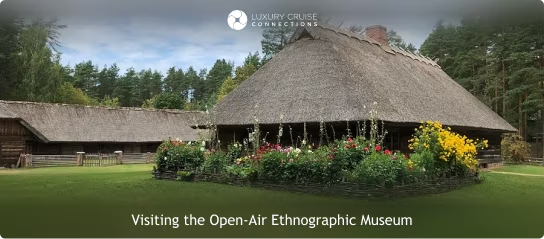
Local culture in Latvia can be experienced through festivals, museums, and traditional crafts. The Song and Dance Festival showcases thousands of performers in traditional costumes every 5 years. Visiting the Ethnographic Open-Air Museum provides a look into the rural life of past centuries. Artisanal markets offer hand-woven textiles, amber jewelry, and carved wooden items. Midsummer (Jāņi) celebrations involve singing, dancing, and bonfire lighting in the countryside. Traditional saunas (pirts) provide a deep dive into the wellness rituals of the Baltic people. Museums in the capital display a vast collection of folk art and historical artifacts. Local theaters and concert halls present world-class performances in the native language. Engaging with local guides reveals the legends and folklore associated with ancient sites. The language reflects a unique branch of the Indo-European family. Participating in a traditional pottery or weaving workshop allows for a hands-on cultural experience. This rich heritage is visible in every corner of the nation.

Are there Activities in Latvia Perfect for Families with Children?

Yes, there are numerous activities in Latvia perfect for families with children. Capital features a world-class zoo and many interactive museums. Adventure parks in Ventspils and Sigulda offer obstacle courses and slides for all ages. Blue Flag beaches provide safe and clean environments for swimming. Local parks contain large playgrounds and recreational areas. Puppet Theater in Riga presents entertaining shows for younger audiences. Science centers provide hands-on exhibits that educate and entertain. Many restaurants offer dedicated play areas and children's menus. Winter brings opportunities for sledding and ice skating in city centers. Diverse wildlife in national parks fascinates nature-loving families. Traveling between cities is easy due to reliable train and bus networks. Overall safety of the country makes it a stress-free destination for parents. The activities, attractions, safety, and family-friendly amenities in Latvia make it a top choice for family vacations.

Are there Fun Things to do in Latvia for Outdoor Adventures?

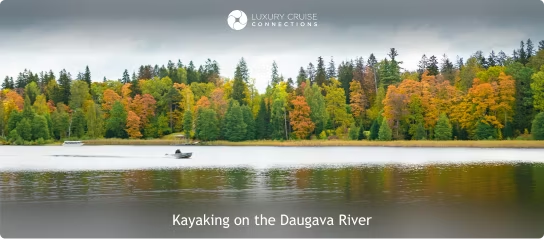
Yes, there are many fun things to do in Latvia for outdoor adventures. Diverse terrain supports activities like windsurfing, bog shoeing, and bobsleighing. Bungee jumping from a cable car in Sigulda provides an adrenaline rush over the river valley. Extensive cycling routes connect the coastal towns and rural villages. Winter months offer cross-country skiing through the snowy forests. Exploring the hidden caves and cliffs of the Gauja National Park is a popular activity for hikers. Professional guides lead expeditions into remote parts of the wilderness. The abundance of lakes and rivers makes fishing a common pastime. Many parks feature treetop obstacle courses that challenge physical fitness. Adventure seekers find numerous fun things to do in Latvia. Outdoor adventures allow for a deep connection with the natural environment.

Best Things to Do Around the World

Discover the best activities, landmarks, and experiences in every cruise destination and port of call.

Europe Western, Central & Mediterranean
America North, Central, South & Caribbean
Africa & Asia Oceania & Antarctica