10 Best Things to Do in Ireland

The best things to do in Ireland encompass visiting ancient ruins, exploring vibrant cities, and hiking along dramatic c...

add

The best things to do in Ireland encompass visiting ancient ruins, exploring vibrant cities, and hiking along dramatic coastal cliffs. Ireland places to visit offer a land with a rich ancient history, modern megacities, and diverse landscapes. Travelers find a high concentration of cultural heritage sites and natural wonders across the island. Exploring the rolling green hills reveals centuries of folklore and monastic history. Modern urban centers (Dublin and Belfast) provide a blend of contemporary life and historical significance. Specific attractions range from the medieval architecture of Kilkenny to the rugged beauty of the Wild Atlantic Way. Visitors experience a unique combination of hospitality and breathtaking scenery in every county. The island contains a vast array of activities for history buffs and nature lovers. Every region offers distinct traditions and local crafts for travelers to discover. Cultural immersion occurs through music, language, and historical storytelling. The diverse experiences represent the top things to do in Ireland.

  • Explore Dublin and visit Trinity College and the Book of Kells
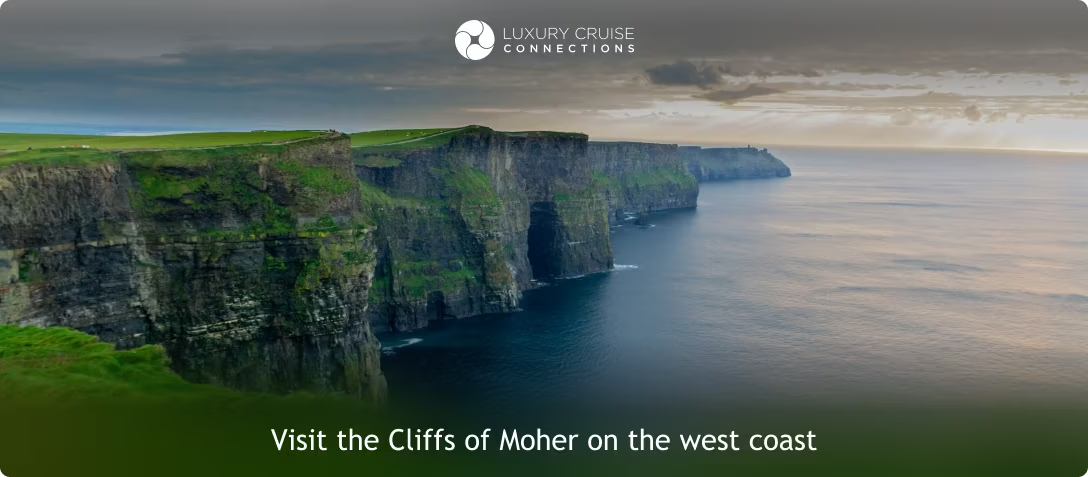
  • Visit the Cliffs of Moher on the west coast
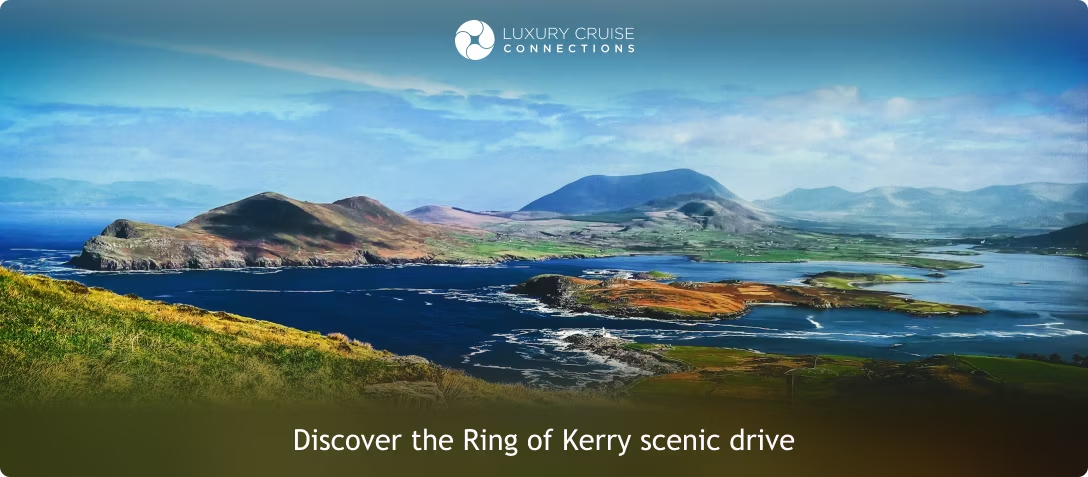
  • Discover the Ring of Kerry scenic drive
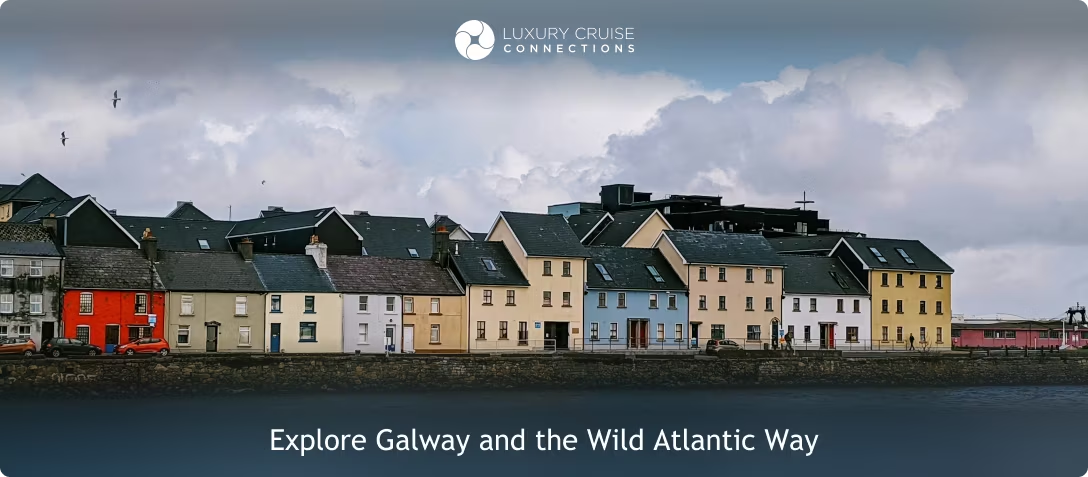
  • Explore Galway and the Wild Atlantic Way
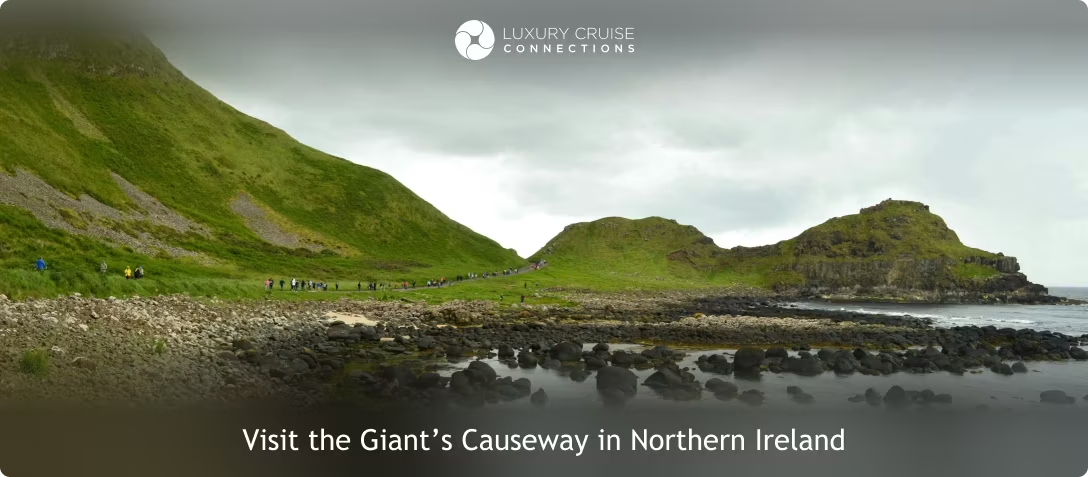
  • Visit the Giant’s Causeway in Northern Ireland
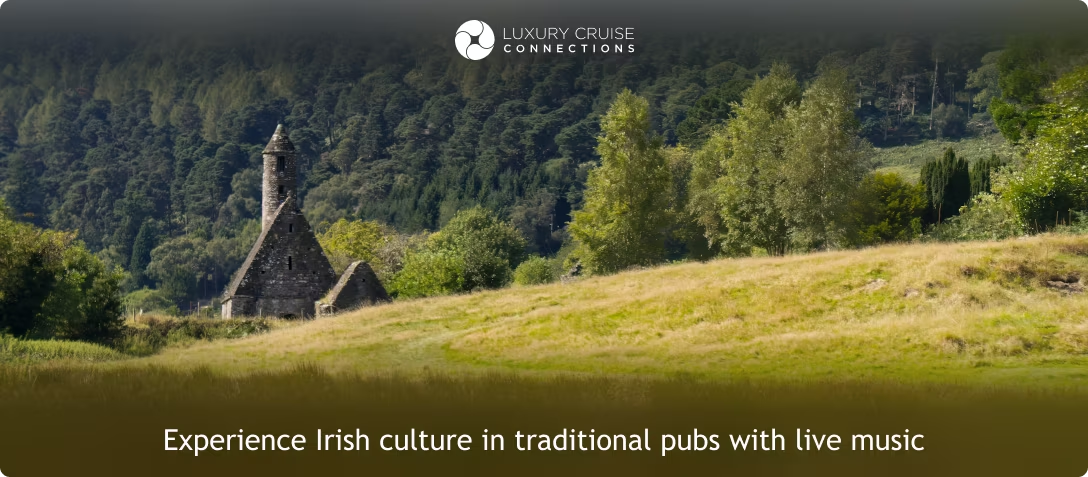
  • Experience Irish culture in traditional pubs with live music
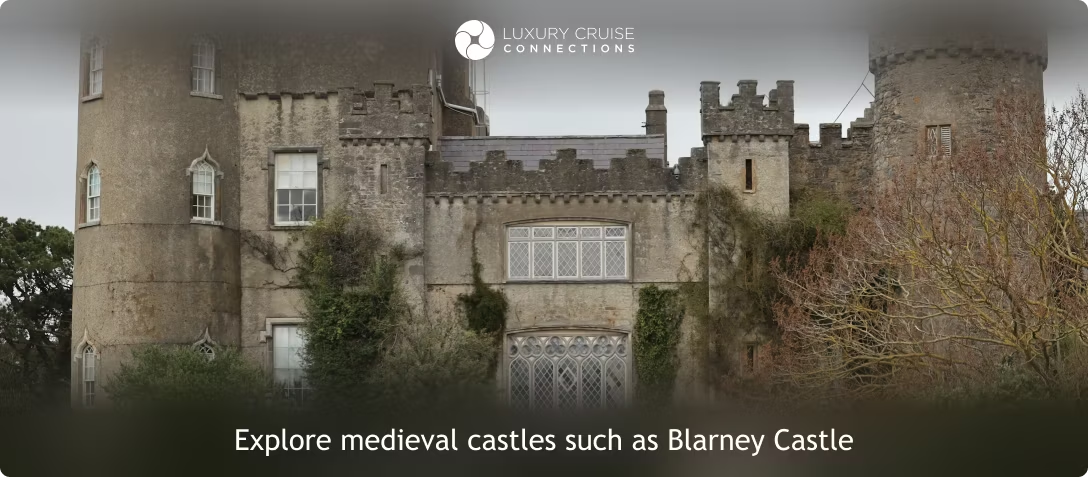
  • Explore medieval castles such as Blarney Castle
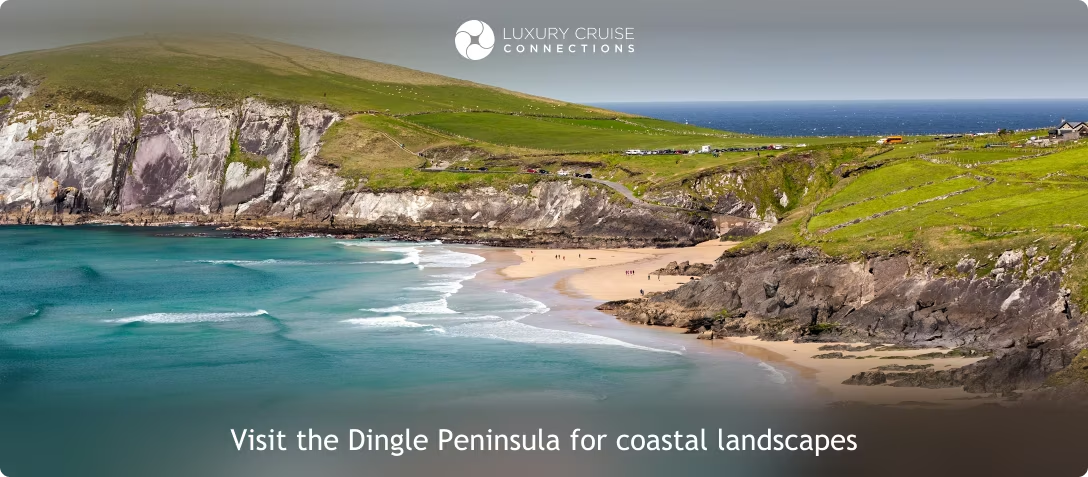
  • Visit the Dingle Peninsula for coastal landscapes
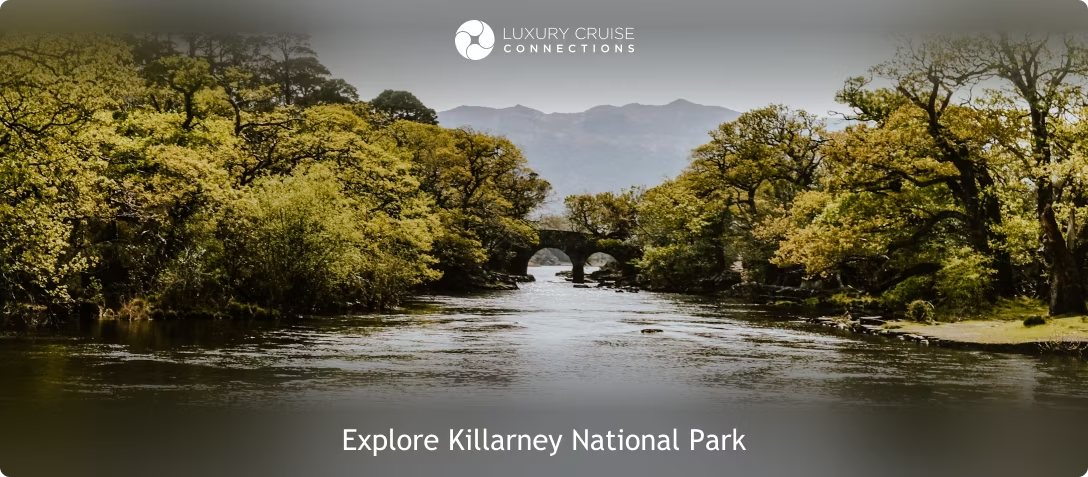
  • Explore Killarney National Park
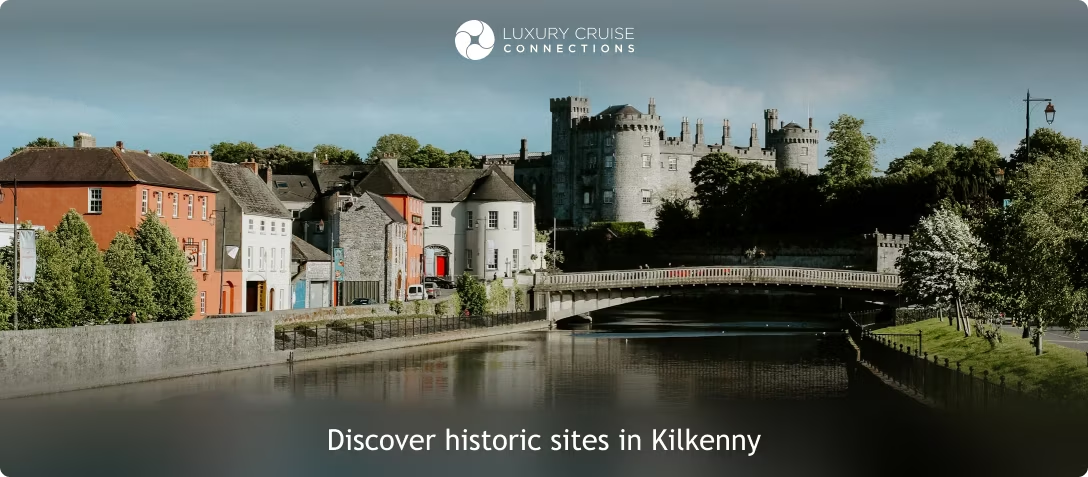
  • Discover historic sites in Kilkenny
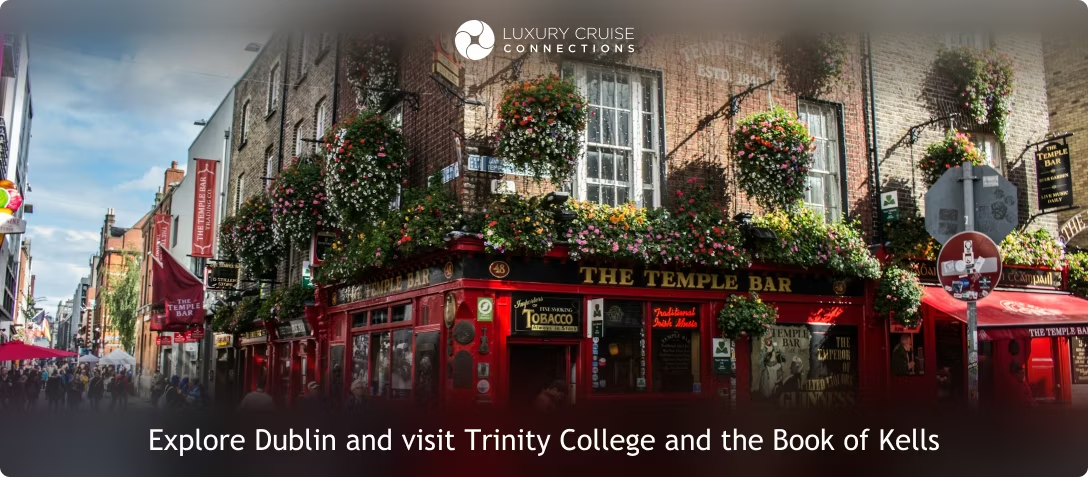
  • Explore Dublin and visit Trinity College and the Book of Kells

    Dublin is the capital of the Republic of Ireland and sits at the mouth of the River Liffey. The city contains a mix of Georgian architecture, modern tech hubs, and medieval cathedrals. Trinity College represents the oldest university in the country and serves as a center for academic history.
    Explore Dublin and visit Trinity College and the Book of Kells

    The Book of Kells is an illuminated manuscript created by Celtic monks around 800 AD. The Long Room library contains 200,000 of the oldest books in the university collection. Intricate decorations and Latin text fill the pages of the sacred gospel book

    Visitors walk across the cobblestone squares of the college campus to reach the Old Library. Sightseers view the detailed artistry of the manuscript through protective glass cases. The atmosphere within the library feels solemn and historic.

    Spring months [April to May] offer fewer crowds and mild weather.

    Student-led tours provide personal insights into the history of the college.

    Entrance tickets for the library and exhibit cost [19−25].

  • Visit the Cliffs of Moher on the west coast

    The Cliffs of Moher are sea cliffs located at the southwestern edge of the Burren region in County Clare. The cliffs run for about 14 kilometers and reach a maximum height of 214 meters. The site is a signature point on the Wild Atlantic Way tourism trail.
    Visit the Cliffs of Moher on the west coast

    O’Brien’s Tower marks the highest point of the cliffs and offers a viewing platform for tourists. Seabirds like puffins and razorbills nest on the steep rock faces during the summer months (March to June). The visitor center is built into the hillside to minimize the visual impact on the landscape.

    Travelers hike along the gravel paths while listening to the crashing waves below. Mist often rolls in from the Atlantic to create a dramatic and moody atmosphere. Views extend to the Maumturks mountains in Connemara on clear days.

    Late afternoon visits avoid the peak morning tour bus arrivals.

    Access to the visitor center and parking area costs [10−15].

    Entry to

  • Discover the Ring of Kerry scenic drive

    The Ring of Kerry is a 179-kilometer circular tourist route in County Kerry in southwestern Ireland. The drive passes through seaside villages, ancient ruins, and mountainous terrain. It circles the Iveragh Peninsula and offers some of the most famous vistas in the country.
    Discover the Ring of Kerry scenic drive

    Torc Waterfall cascades through a wooded area near the start of the route. Skellig Michael is a remote monastic island visible from the coast near Portmagee. Molls Gap provides a high-altitude view of the Black Valley and MacGillycuddy’s Reeks.

    Drivers navigate narrow, winding roads while encountering sheep and local cyclists. Stops at small coastal towns (Sneem) allow for breaks and local seafood. The landscape changes from lush forests to rugged Atlantic shorelines within a few kilometers.

    Summer months (March to June) provide the most daylight for driving.

    Private chauffeurs allow travelers to focus on the views instead of the road.

    National park areas are free, while private gardens cost [5−10].

  • Explore Galway and the Wild Atlantic Way

    Galway is a harbor city on Ireland’s west coast where the River Corrib meets the Atlantic Ocean. The city is famous for its artistic energy, festivals, and traditional Irish language speakers. It is a primary hub for exploring the Connemara region.
    Explore Galway and the Wild Atlantic Way

    The Spanish Arch is a historical remnant of the old city walls near the harbor. Shop Street features brightly colored storefronts and numerous buskers performing daily. Eyre Square provides a central green space dedicated to famous Irish figures.

    Visitors listen to traditional music in pubs located within the Latin Quarter. Fresh oysters and seafood chowder are staples in the local restaurants along the pier. Walking tours reveal the history of the 14 tribes that once ruled the city.

    July is the peak month for festivals and outdoor events.

    Local history experts lead walking tours through the medieval alleys

    Most city landmarks are free to view from the exterior.

  • Visit the Giant’s Causeway in Northern Ireland

    The Giant’s Causeway is an area of about 40,000 interlocking basalt columns in County Antrim. The columns resulted from an ancient volcanic fissure eruption millions of years ago. The site is the only UNESCO World Heritage site in Northern Ireland.
    Visit the Giant’s Causeway in Northern Ireland

    The Wishing Chair is a natural throne-shaped rock formation among the columns. Grand Causeway refers to the largest of the three spills of basalt pillars. The Giant’s Boot is a large stone shaped like a shoe found on the shore.

    Sightseers climb over the hexagonal stones while the sea spray hits the coast. Trails lead up the cliffside for a bird's-eye view of the honeycomb patterns. The visitor center displays the scientific and mythological theories behind the formation.

    Autumn months (September to October) offer cooler air and fewer tourists.

    National Trust rangers provide geological tours of the site.

    Visitor experience tickets including parking cost [15−18]

  • Experience Irish culture in traditional pubs with live music

    Traditional pubs are social institutions in Ireland where community members gather for conversation and entertainment. The venues prioritize atmosphere over modern decor and often feature open fireplaces. Music is a core component of the pub experience across the country.
    Experience Irish culture in traditional pubs with live music

    Traditional music sessions (seisiún) involve groups of musicians playing acoustic instruments like the bodhrán and uilleann pipes. Storytelling remains a cherished tradition where locals share tall tales and historical accounts. Pub food like Irish stew and soda bread provides a taste of local home cooking.

    Travelers sit among locals while enjoying a pint of stout or a glass of whiskey. Spontaneous singing often occurs when a well-known folk song begins. The environment feels inclusive and welcoming to visitors from all backgrounds.

    Evening hours after 9:00 PM are the best for live music.

    Pub crawl tours in Dublin introduce visitors to historic watering holes.

    Most music sessions are free to attend with the purchase of a drink.

  • Explore medieval castles such as Blarney Castle

    Blarney Castle is a medieval stronghold in Blarney, near Cork, dating back to 1446. The tower house stands as a partial ruin surrounded by massive gardens and rock formations. It is one of the most visited fortifications in the world.
    Explore medieval castles such as Blarney Castle

    The Blarney Stone is built into the battlements and supposedly grants eloquence to travellers who kiss it. The Poison Garden contains a collection of toxic plants like wolfsbane and mandrake. Rock Close is a mystical area with ancient yew trees and druidic stone circles.

    Visitors climb a narrow spiral staircase to reach the top of the castle tower. Kissing the stone requires leaning backward over a gap while a staff member assists. The view from the ramparts extends over the lush greenery of County Cork.

    Early morning arrivals avoid the long lines for the stone.

    Audio guides provide the history of the McCarthy clan.

    Adult entry tickets cost [18−22].

  • Visit the Dingle Peninsula for coastal landscapes

    The Dingle Peninsula is the northernmost of the major peninsulas in County Kerry. The coastal landscapes is a Gaeltacht region where the Irish language is spoken in daily life. The area is known for its high mountains, sandy beaches, and ancient archaeological sites.
    Visit the Dingle Peninsula for coastal landscapes

    Slea Head Drive is a scenic route that hugs the western edge of the peninsula. Gallarus Oratory is a dry stone Christian chapel that remains waterproof after 1,000 years. Coumeenoole Beach features dramatic cliffs and turquoise water.

    Travelers drive along the edge of the cliffs while looking out at the Blasket Islands. Local shops in Dingle town sell handmade pottery and woolen goods. Friendly dolphins are sometimes spotted in the harbor by tour boats.

    Spring months [May to June] offer the best chance for sunny weather.

    Boat tours provide access to the remote Blasket Islands.

    Small parking fees at scenic spots range from [2−5].

  • Explore Killarney National Park

    Killarney National Park was the first national park established in Ireland in 1932. It covers over 10,000 hectares of diverse ecology (the Lakes of Killarney and oak forests). The park is home to the only remaining wild herd of native red deer.
    Explore Killarney National Park

    Ross Castle is a 15th-century tower house sitting on the edge of Lough Leane. Muckross Abbey is a ruined Franciscan friary with a massive ancient yew tree in its courtyard. The Gap of Dunloe is a narrow mountain pass that separates the mountains.

    Visitors rent bicycles to explore the paved paths around the lakes. Traditional horse-drawn jaunting cars take tourists through the wooded areas. Boat trips cross the water to reach the historic Innisfallen Island.

    Summer months (March to June) are ideal for boat trips.

    Park rangers offer guided nature walks through the ancient forests.

    Entry to the park is free, while house tours cost [8−12].

  • Discover historic sites in Kilkenny

    Kilkenny is a city in southeast Ireland known for its well-preserved medieval architecture. The "Medieval Mile" connects the major landmarks of the city center through narrow streets. It serves as a hub for Irish design and craftsmanship.
    Discover historic sites in Kilkenny

    Kilkenny Castle is a 12th-century fortress with grand Victorian rooms and extensive parklands. St. Canice’s Cathedral features a 9th-century round tower that visitors climb for city views. The Smithwick’s Experience provides a look into the history of the oldest brewery in Ireland.

    Travelers walk through the "slip" alleyways to discover hidden gardens and craft shops. Guided tours of the castle reveal the lifestyle of the powerful Butler family. Local artisans demonstrate glass blowing and jewelry making in the design center.

    Winter months [November to December] feature festive markets and lights

    Walking tours depart from the tourist office daily.

    Castle tours cost [8−12] per adult.


What are the Most Popular Tourist Attractions in Ireland?

The most popular tourist attractions in Ireland are listed below.

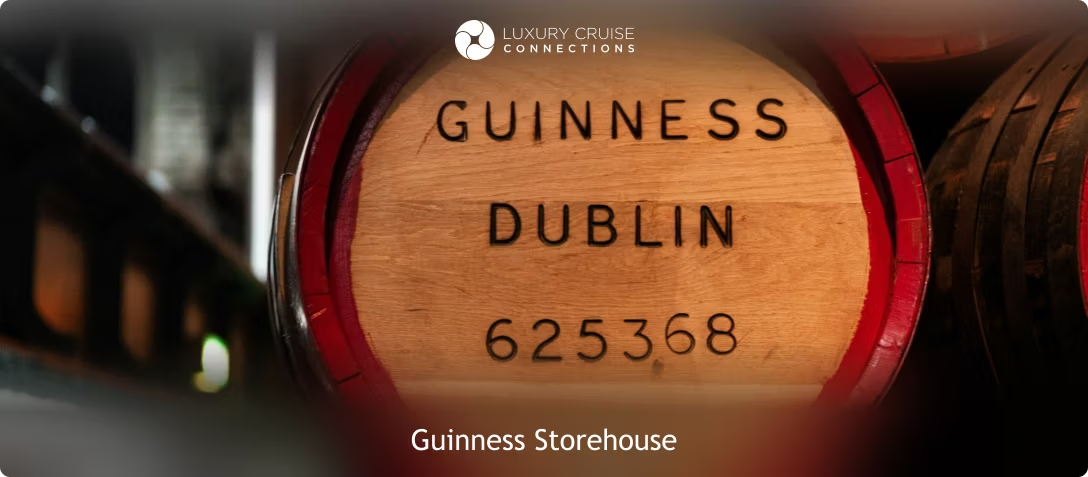
  • Guinness Storehouse
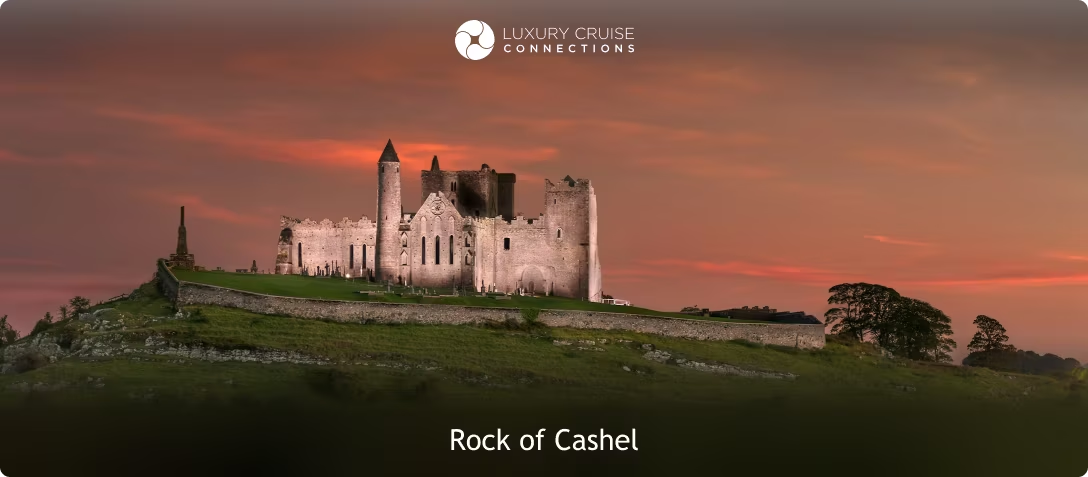
  • Rock of Cashel
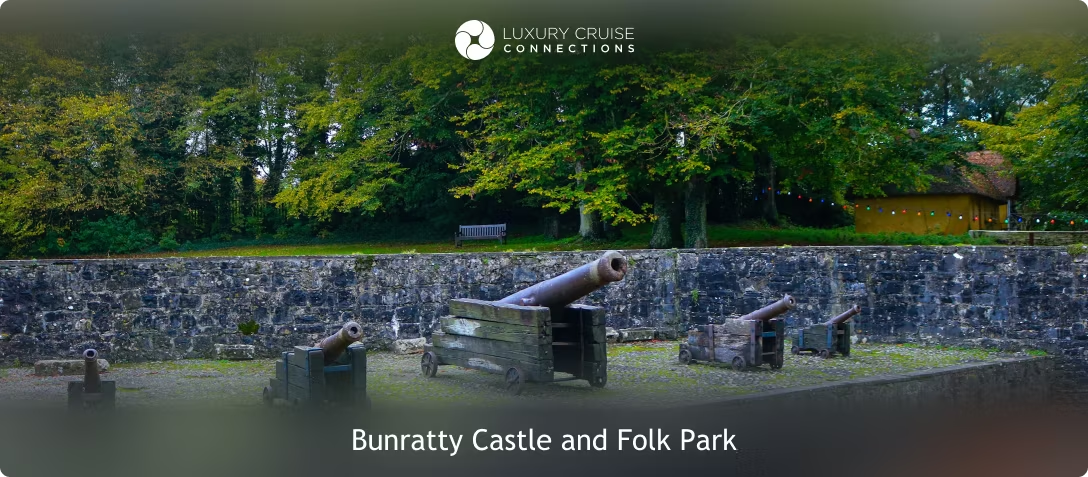
  • Bunratty Castle and Folk Park
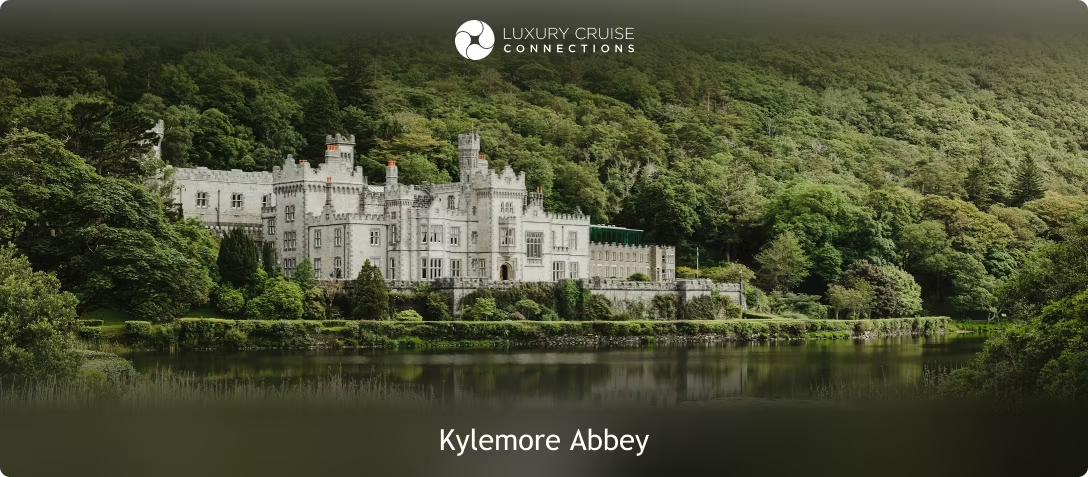
  • Kylemore Abbey
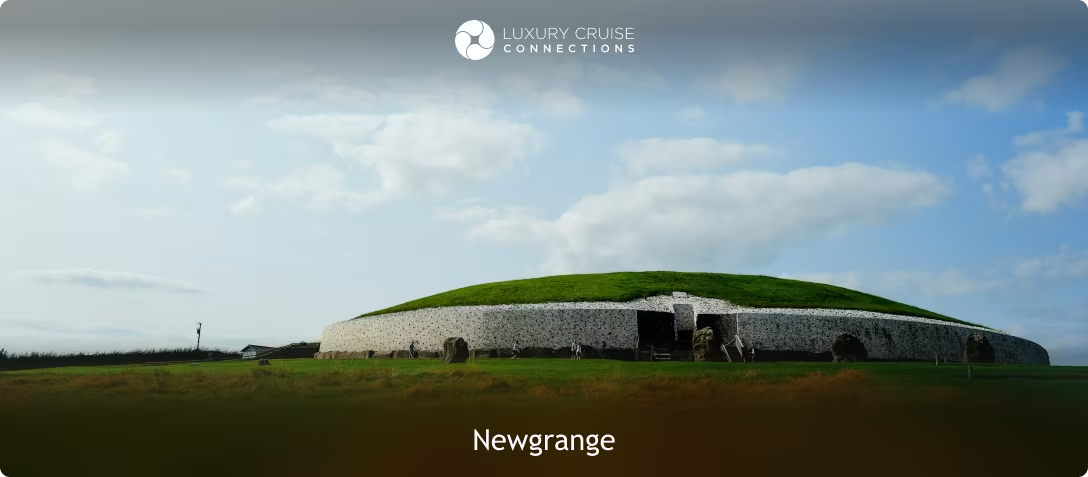
  • Newgrange


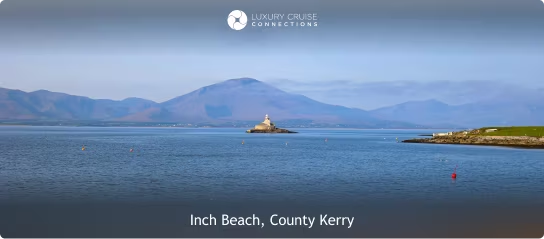
Which Vacation Spots in Ireland Are Best for Beach Lovers?

The best vacation spots in Ireland for beach lovers are listed below.


What are the Best Things to Do in Ireland for First-Time Visitors?

The best things to do in Ireland for first-time visitors are listed below.

The route covers the most iconic urban landmarks and historic sites. Travelers see Trinity College, St. Patrick’s Cathedral, and the Guinness Storehouse.
Travelers follow the coastal road to see the most dramatic scenery in the country. Local villages provide stops for traditional food and music.
site offers a look at the most famous natural wonder in Ireland. Visitors walk the cliff-edge paths and explore the visitor center.
Travelers visit the historic tower house to kiss the stone and see the gardens. Medieval history and local legends characterize the experience.
Visitors spend an evening in a local pub to hear folk music and meet residents. Cultural immersion and social atmosphere define the night.

What makes Ireland a Beautiful Country to Visit?

Ireland is a beautiful country to visit because the geography displays extreme contrasts between rugged stone and vibrant greenery. Massive limestone plateaus cover the Burren region, while fertile valleys fill the interior with deep emerald hues. Waterfalls drop over dark basalt cliffs into lush glens filled with ferns. White sand beaches meet the dark blue water of the Atlantic Ocean along the western coast. Peat bogs feature unique flora and pools in remote highland areas. Deep fjords like Killary Harbour cut into the shoreline to provide dramatic views from the water. Crystal clear rivers flow through ancient oak forests and past grey stone ruins. Wildflowers bloom in yellow and purple across the meadows during the summer months (March to June). Mist illuminates the green hills with a soft light during the morning hours.

Every county offers a different aesthetic, ranging from jagged sea stacks to expansive rolling plains. The lack of industrial development in rural areas emphasizes the raw power of the landscape. Natural beauty remains preserved in large national parks and protected coastal zones. Colors shift from deep greys to bright oranges on the cliffs based on the position of the sun. Glacial lakes hold dark waters that sparkle under the clouds.

How can I experience Local Culture in Ireland?

You can experience local culture in Ireland by participating in regional festivals and community traditions throughout the year. Travelers join the St. Patrick’s Day celebrations to see parades and music in every major city. Bloomsday offers a chance to see literary enthusiasts dressed in Edwardian attire in Dublin during June. Visitors eat traditional meals like bacon and cabbage in local taverns to taste authentic flavors. Traditional markets provide a look into the daily life and crafts of the people in every region. Heritage walks through old towns reveal hidden monastic sites and Viking ruins from different eras. Folk dance performances and music sessions occur in rural pubs during the evenings for entertainment. Travelers stay in family-run bed and breakfasts to learn about local customs and home-cooked food directly from residents. Local buses and trains offer an authentic way to navigate the rural counties. Artisans demonstrate traditional weaving and crystal cutting skills in specialized centers. Spirituality is felt by visiting ancient holy wells and pilgrimage sites in the mountains. Cultural immersion involves learning about the diverse history and folklore that define the nation.

Are there Activities in Ireland Perfect for Families with Children?

Yes, there are activities in Ireland perfect for families with children. Ireland is a good destination for families with children because the country offers diverse interactive and outdoor activities. Open farms in the countryside feature animal feeding and playground areas for young minds to explore agriculture. Interactive museums like EPIC The Irish Emigration Museum provide digital exhibits for children to learn about history. Medieval castles turn into adventure spaces with suit of armor displays and hidden passages for children. Coastal towns offer boat trips to see seals and puffins during the summer months (March to June). Adventure centers provide ziplining and forest climbing in many different counties. Cultural shows with Irish dancing entertain children with lively rhythms and costumes. Every region possesses parks and woodlands for outdoor play and family picnics. The variety ensures an engaging trip for the entire family throughout the island.

Are there Fun Things to Do in Ireland for Outdoor Adventures?

Yes, there are fun things to do in Ireland for outdoor adventures. Ireland is a recommendable destination for adventure because the terrain supports varied physical activities. The mountain ranges offer world-class trails for hikers and hill walkers. Rivers in the interior provide opportunities for kayaking and canoeing through lush scenery. Coastal areas allow for surfing and sea kayaking in the Atlantic waters. National parks host trails for mountain biking and rock climbing in the wilderness. Marine regions provide space for deep-sea fishing and sailing along the coast. High-altitude passes in Kerry attract cyclists for a physical challenge. Adventure parks offer zorbing and obstacle courses in many different countries. Travelers find fun things to do in Ireland.

Best Things to Do Around the World

Discover the best activities, landmarks, and experiences in every cruise destination and port of call.

Europe Western, Central & Mediterranean
America North, Central, South & Caribbean
Africa & Asia Oceania & Antarctica