10 Best Things to Do in Iceland

The 10 best things to do in Iceland include exploring the Golden Circle, relaxing in the Blue Lagoon geothermal spa, and...

add

The 10 best things to do in Iceland include exploring the Golden Circle, relaxing in the Blue Lagoon geothermal spa, and visiting Hallgrímskirkja Church in Reykjavik. Travelers discover waterfalls (Seljalandsfoss and Skógafoss), experience the Northern Lights, and explore the South Coast and black sand beaches of Vík. Visitors tour glaciers and ice caves, discover Jökulsárlón Glacier Lagoon, go whale watching, and explore Þingvellir National Park. Iceland represents a vast land with a rich ancient history, modern towns, and diverse volcanic landscapes. The country offers a list of top attractions and experiences available across the North Atlantic region. Adventurers find unique geological features, cultural landmarks, and natural wonders during every trip. Each location provides a different perspective on the fire and ice nature of the island. Travelers select specific sites to maximize the enjoyment of their vacation.

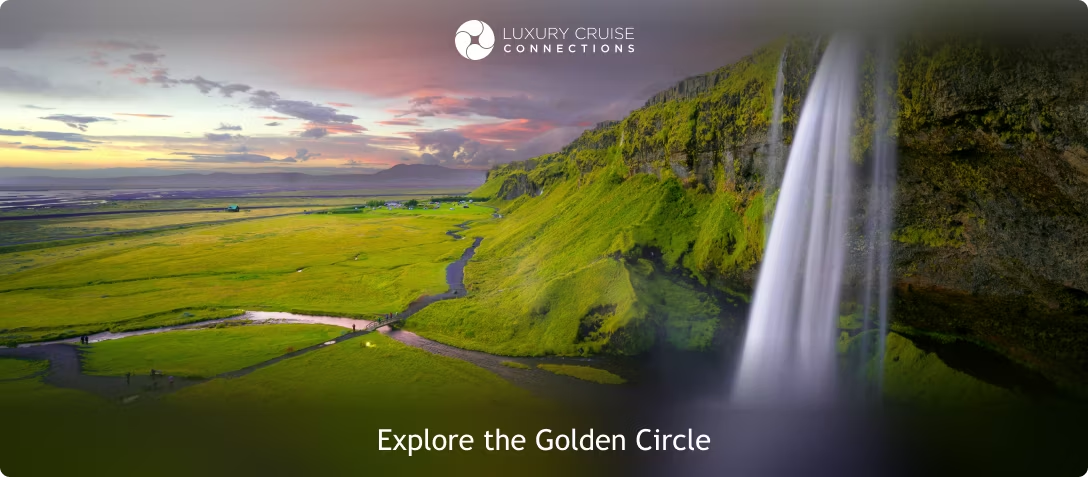
  • Explore the Golden Circle
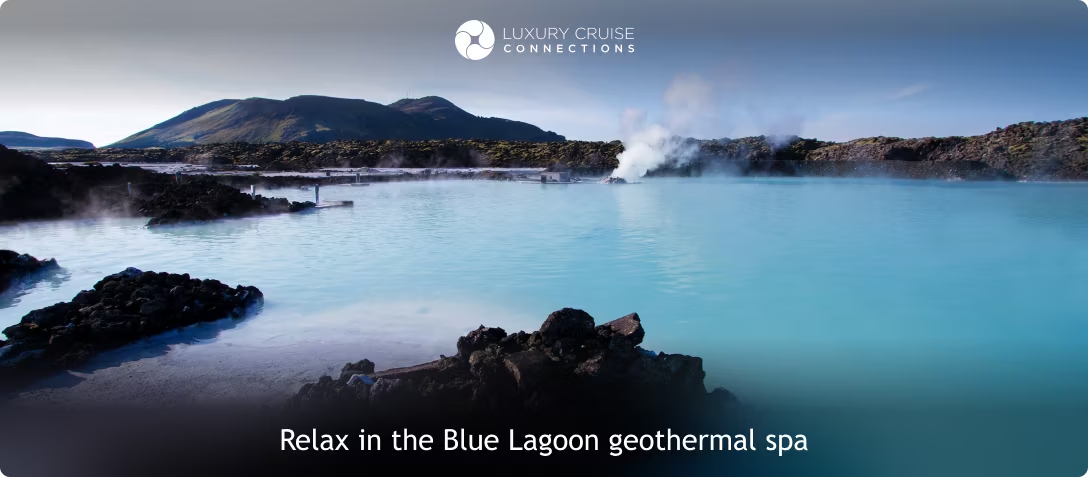
  • Relax in the Blue Lagoon geothermal spa
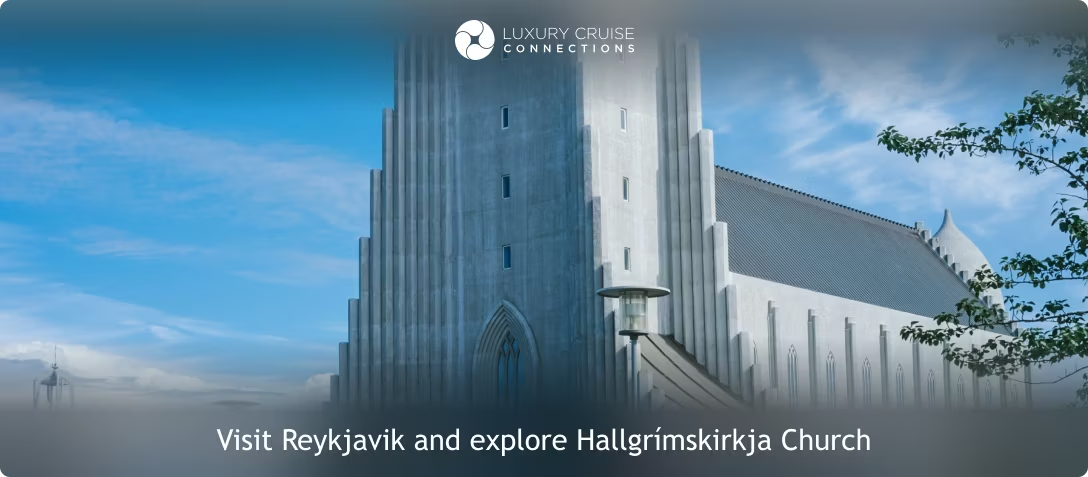
  • Visit Reykjavik and explore Hallgrímskirkja Church
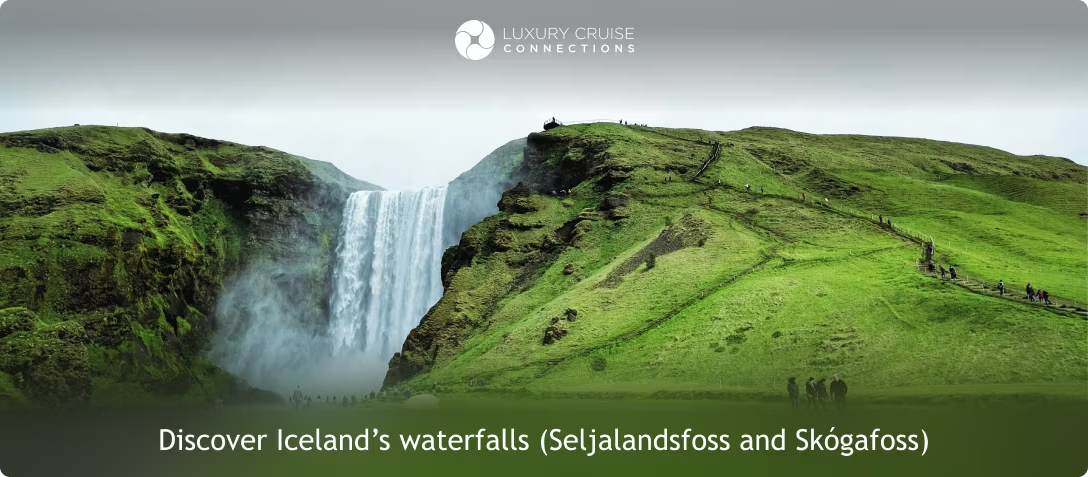
  • Discover Iceland’s waterfalls (Seljalandsfoss and Skógafoss)
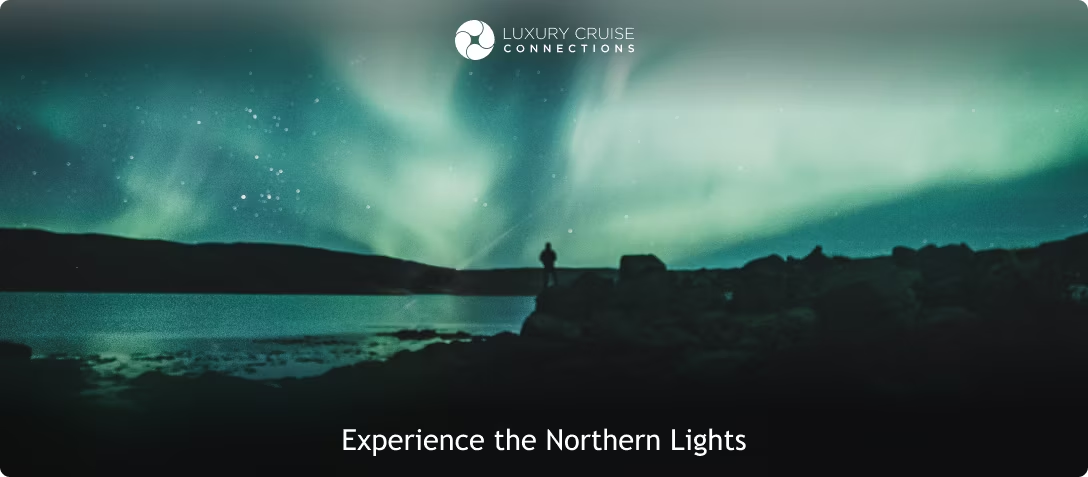
  • Experience the Northern Lights
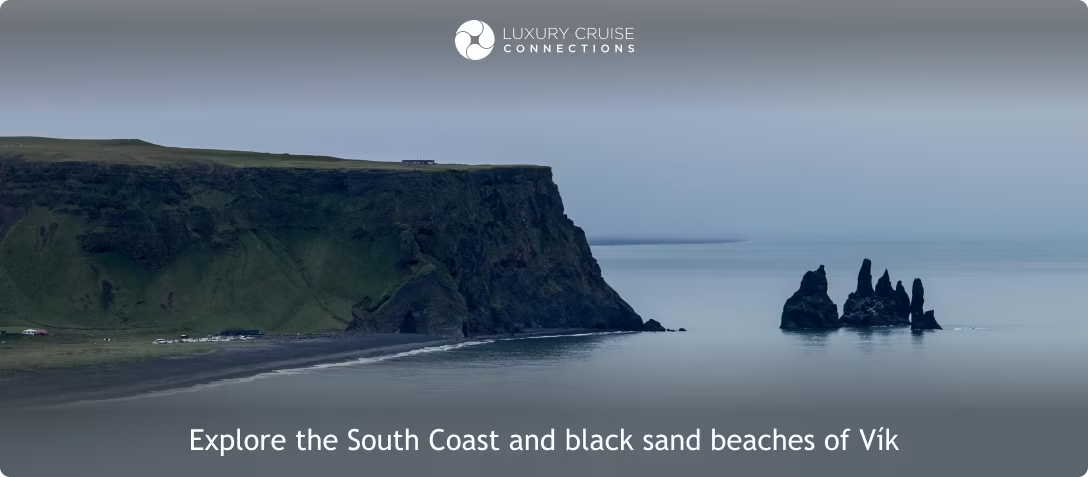
  • Explore the South Coast and black sand beaches of Vík
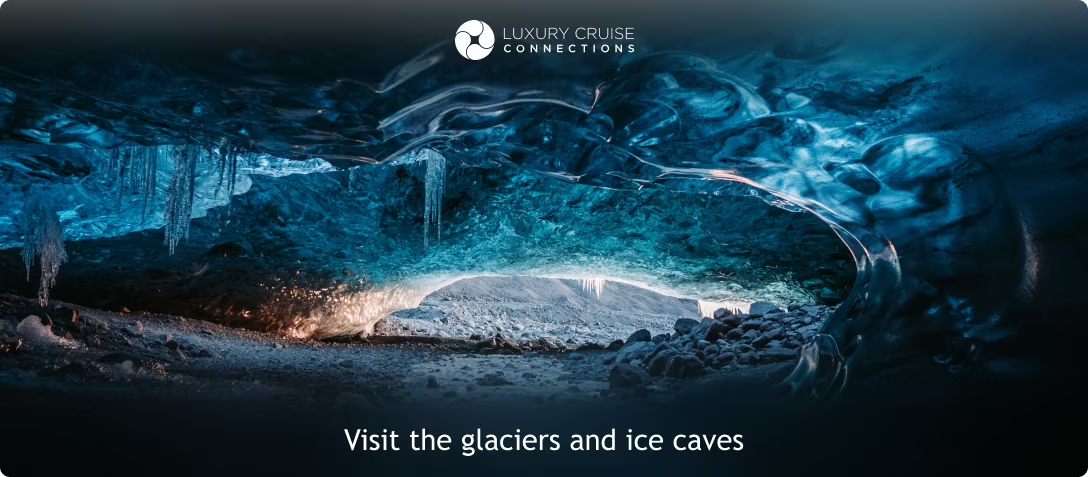
  • Visit the glaciers and ice caves
  • Discover Jökulsárlón Glacier Lagoon
  • Go whale watching from Reykjavik or Húsavík
  • Explore Þingvellir National Park
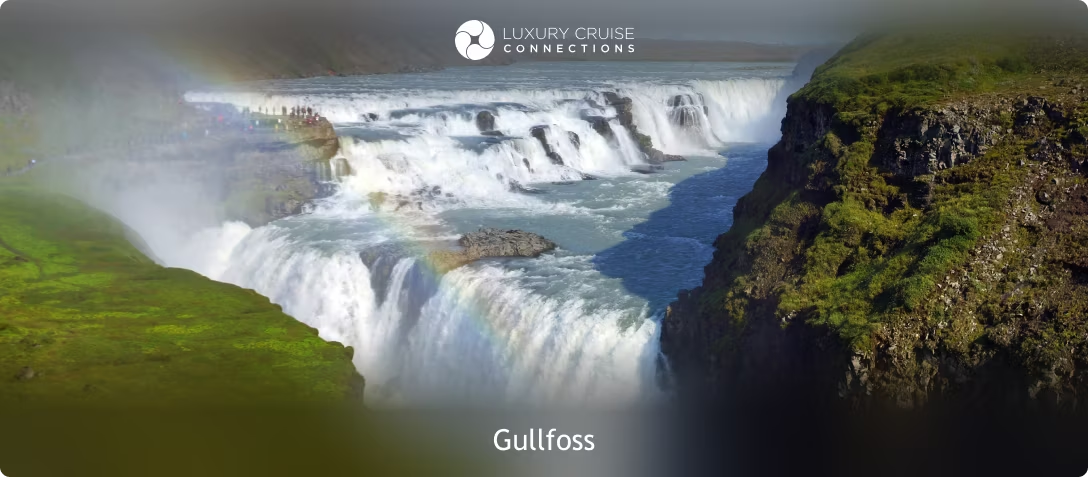
  • Explore the Golden Circle (Þingvellir National Park, Geysir, Gullfoss)

    The Golden Circle route encompasses three famous natural landmarks in Southwest Iceland. The circuit covers approximately 300 kilometers from the capital city. Volcanic activity and tectonic shifts define the landscape of the entire region. Many travelers choose the path for its proximity to Reykjavik. The route remains a top priority for most tourists visiting the country.
    Explore the Golden Circle (Þingvellir National Park, Geysir, Gullfoss)

    Þingvellir National Park marks the rift between the North American and Eurasian tectonic plates. The Geysir geothermal area features the Strokkur fountain geyser. Gullfoss waterfall drops in two stages into a deep canyon.

    Visitors walk between continental plates in the rift valley. Steam rises from bubbling mud pots across the area. Rainbows appear over the massive waterfall during sunny days. The ground feels warm in active geothermal zones.

    Summer (June to August) provides the midnight sun for late exploration with fewer crowds. Early mornings offer the best light for photography.

    Tour operators offer day trips from Reykjavik for a comprehensive experience. Self-drive options allow for a flexible pace.

    Parking at Þingvellir costs about [$7-$10] per vehicle. Entry to the other sites remains free for all guests.

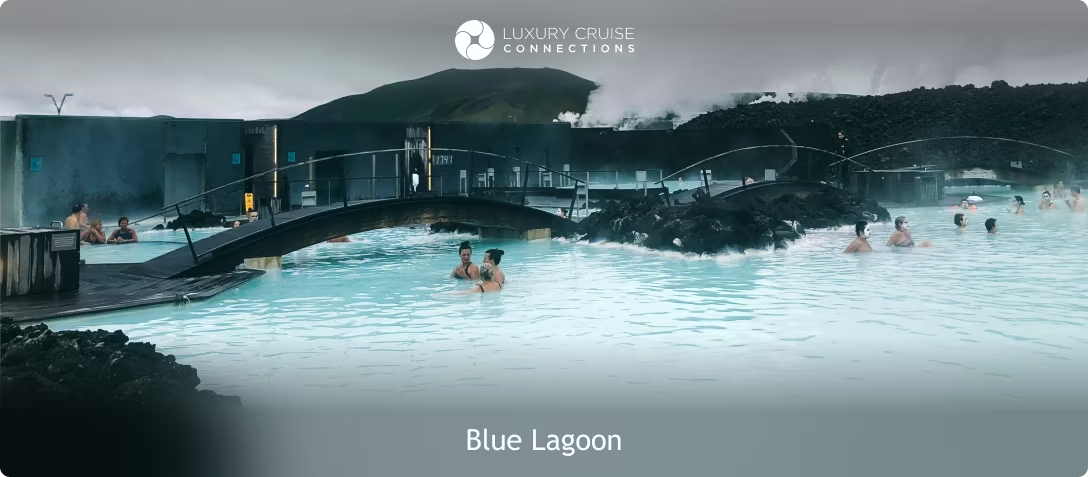
  • Relax in the Blue Lagoon geothermal spa

    The Blue Lagoon is a world-famous geothermal spa located in a lava field on the Reykjanes Peninsula. Mineral-rich water originates from deep underground near a geothermal power plant. Silica and sulfur provide therapeutic benefits for skin health. The water stays at a warm temperature year-round, regardless of the weather. The facility is one of the primary tourist destinations in the nation.
    Relax in the Blue Lagoon geothermal spa

    The milky blue water stays at a comfortable temperature year-round. Silica mud masks are available at the lagoon edges. An in-water bar serves refreshments to bathers.

    Bathers float in warm water surrounded by black volcanic rocks. Steam creates a mystical atmosphere across the large lagoon. The skin feels smooth after applying the natural mineral mud. Relaxation stays high in the peaceful environment.

    Evening visits permit views of the northern lights during the winter months (November to March). Morning hours provide a quieter experience.

    Staff members provide instructions on spa usage at the entrance. Booking in advance remains essential for all guests.

    Entry prices range between [$60-$120] depending on the time. Premium packages include extra towels and masks.

  • Visit Reykjavik and explore Hallgrímskirkja Church

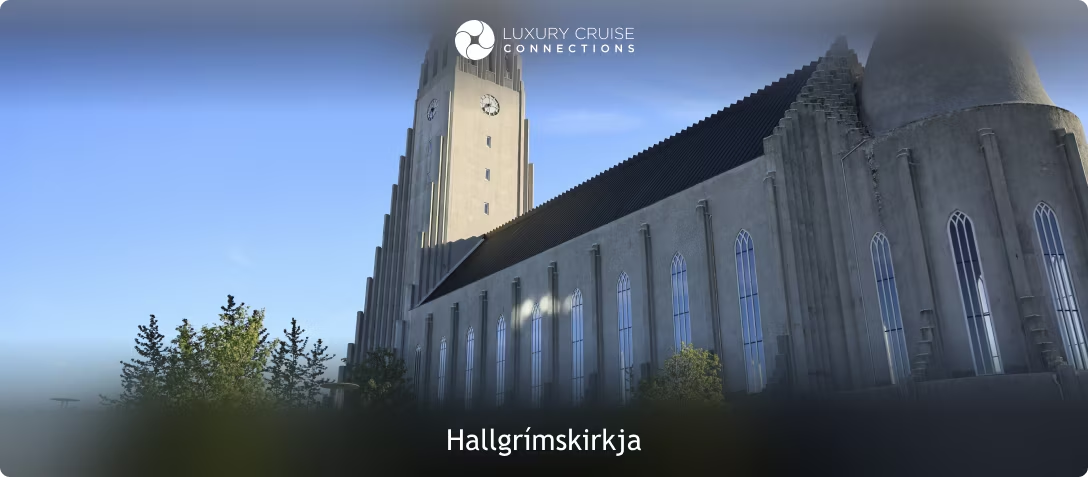
    Hallgrímskirkja is a Lutheran church and one of the tallest structures in Reykjavik. The architecture mimics the basalt lava columns found in Icelandic nature. The building stands at the top of a hill in the city center to provide a visual anchor. Construction took several decades to complete the modern design. The church is a symbol of national pride and religious heritage.
    Visit Reykjavik and explore Hallgrímskirkja Church

    The church pipe organ contains over five thousand pipes. An observation deck provides 360-degree views of the city. A statue of Leif Erikson stands in front of the entrance.

    Visitors climb the tower to see colorful rooftops and the ocean. The interior provides a quiet space for reflection. Modern design blends with traditional religious elements in the sanctuary. Sound echoes through the massive hall during organ rehearsals.

    Clear days provide visibility as far as the Snæfellsnes Peninsula. Sunset offers beautiful colors over the harbor.

    Local walking tours include the church as a primary historical stop. Audio guides explain the unique design.

    Tower access costs approximately [$10-$15] per adult. Entry to the sanctuary remains free.

  • Discover Iceland’s waterfalls such as Seljalandsfoss and Skógafoss

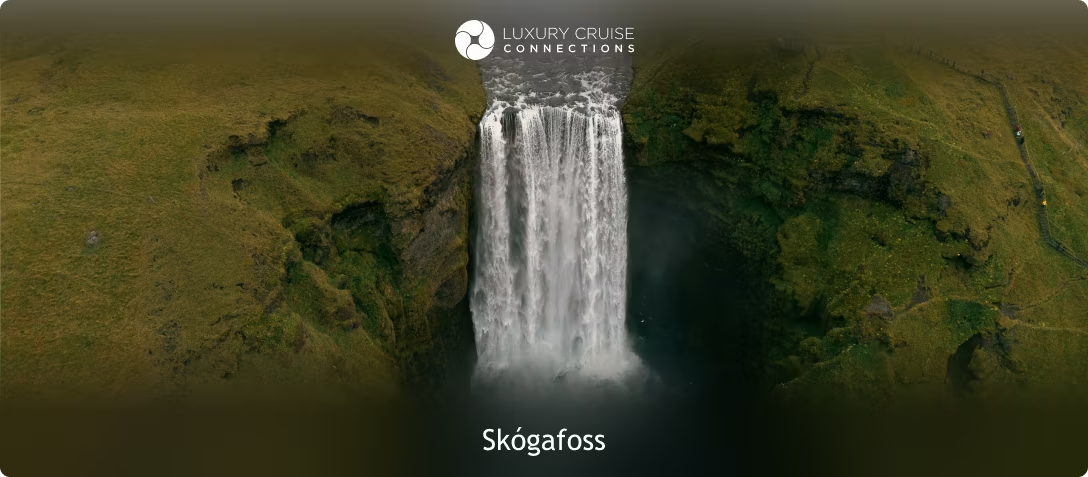
    Seljalandsfoss and Skógafoss represent two of the most iconic waterfalls on the South Coast. The cascades fall from high cliffs into rocky basins below. Glacial meltwater feeds the flow throughout the year to ensure a powerful display. Lush greenery surrounds the water during the summer months (June to August). The sites remain easily accessible via the main highway.
    Discover Iceland’s waterfalls such as Seljalandsfoss and Skógafoss

    A path allows visitors to walk behind the falling water at Seljalandsfoss. Skógafoss features a wide curtain of water and a steep staircase. Rainbows form in the mist on bright days.

    Hikers feel the heavy spray while standing near the base. The roar of the falling water drowns out other sounds. Climbing the stairs at Skógafoss provides views of the coast. Waterproof clothing keeps travelers dry during the close encounter.

    Spring (April to May) and summer (June to August) provide lush green surroundings. Winter (November to March) creates beautiful ice formations around the falls.

    Tour buses depart from Reykjavik for southern coast excursions. Signs provide safety information about slippery paths.

    Parking at Seljalandsfoss costs around [$6-$8]. Access to Skógafoss remains free for everyone.

  • Experience the Northern Lights (Aurora Borealis)

    The Northern Lights are a natural light display caused by solar particles hitting the atmosphere. The dancing lights appear in shades of green, purple, and pink during the dark months. Dark nights and clear skies are necessary for optimal visibility. Observers find the best conditions in rural areas far from city illumination. The phenomenon occurs most frequently between September and April.
    Experience the Northern Lights (Aurora Borealis)

    Remote locations away from city lights offer the clearest views. Solar activity dictates the intensity of the colors. Winter months (November to March) provide the necessary darkness for the show.

    Observers wait in the cold for the lights to move across the sky. The silence of the rural areas improves the magical feeling. Colors shift and swirl in silent patterns. Memories of the aurora stay with travelers forever.

    September to April provide the best chances for sightings. The hours between midnight and 2 AM are peak times.

    Expert guides track weather patterns and solar data. Professional tours provide transport to optimal viewing spots.

    Group tours range from [$50-$100] per person. Private jeep tours cost around [$150-$300].

  • Explore the South Coast and black sand beaches of Vík

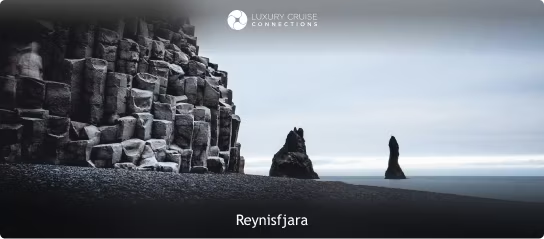
    The South Coast features dramatic cliffs and black sand beaches near the village of Vík. Volcanic activity shaped the dark shoreline over thousands of years. Jagged rock stacks rise from the ocean near the beach to create a rugged look. Strong winds and powerful waves define the coastal environment. Many travelers stop here to admire the unique geological formations.
     Explore the South Coast and black sand beaches of Vík

    Reynisfjara beach showcases hexagonal basalt columns and sea caves. Dyrhólaey arch offers views of the endless coastline. The Reynisdrangar stacks tower over the waves.

    Travelers walk on jet black sand while watching powerful waves. The contrast between white foam and dark sand creates beauty. Puffins nest in the cliffs during the summer months (June to August). Nature feels raw and wild along the southern edge.

    Summer months (June to August) provide warmer temperatures for walking. Low tide allows safer access to the caves.

    Rangers patrol the beach to warn about dangerous sleeper waves. Guided tours explain the geology of the basalt.

    Access to the beaches remains free for all guests. Parking fees apply at some popular sites.

  • Visit the glaciers and ice caves

    Glaciers cover large portions of Iceland and hide blue ice caves beneath the surface. The caves form as water freezes and thaws within the ice mass throughout the year. The ice appears translucent and ancient due to high pressure from above. Professional equipment remains necessary for a safe visit to the remote locations (glaciers and ice caves). Each season brings new cave structures as the glacier shifts.
    Visit the glaciers and ice caves

    Vatnajökull glacier hosts some of the largest ice caves. Crystal blue tunnels reveal the inner structure of the glacier. Guided hikes take visitors onto the frozen surface.

    Adventurers wear crampons to walk safely across the ice. The silence inside the caves creates a peaceful atmosphere. Light shines through the frozen walls to create a blue glow. The journey involves traveling in specialized off-road vehicles.

    Winter months (November to March) provide the only safe period for cave entry. Morning tours offer the best natural lighting.

    Certified glacier guides are mandatory for all visits. Safety gear (helmets and harnesses) comes with the tour.

    Ice cave tours cost between [$150-$250] per person. Glacier hiking starts around [$100].

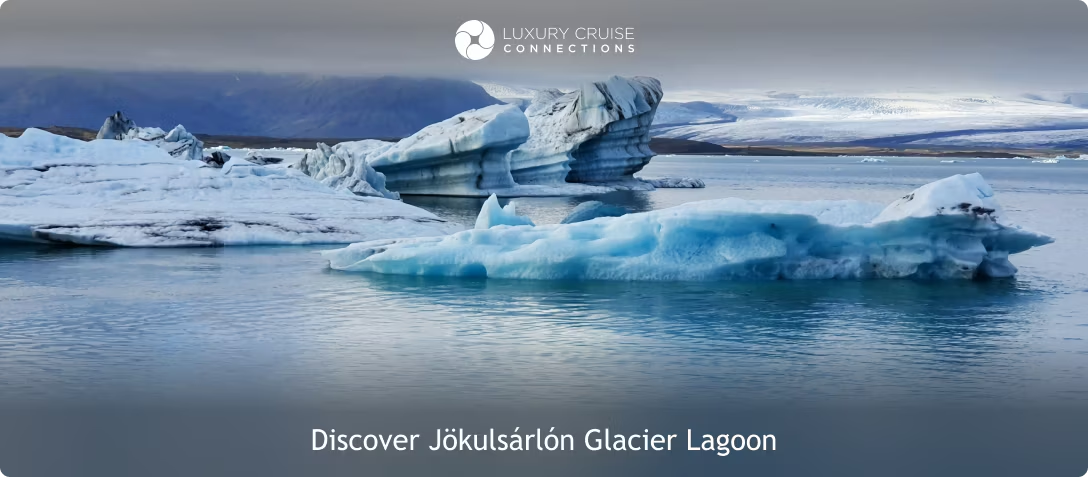
  • Discover Jökulsárlón Glacier Lagoon

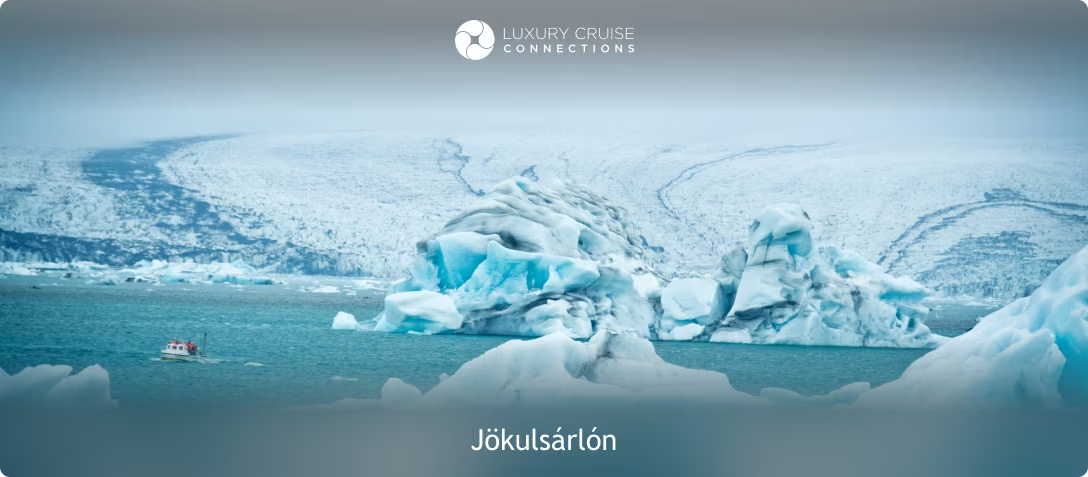
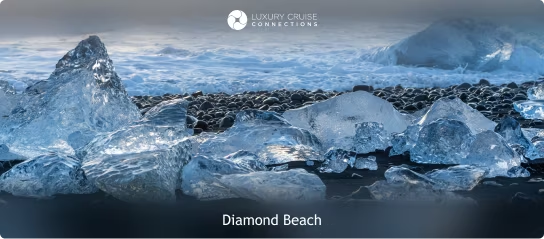
    Jökulsárlón is a large glacial lake filled with floating icebergs in Southeast Iceland. The lagoon sits at the base of the Breiðamerkurjökull glacier. Ice chunks drift toward the ocean and wash up on nearby Diamond Beach. The water is deep and contains minerals that create a bright blue color. The site remains one of the most photographed locations in the north.
    Discover Jökulsárlón Glacier Lagoon

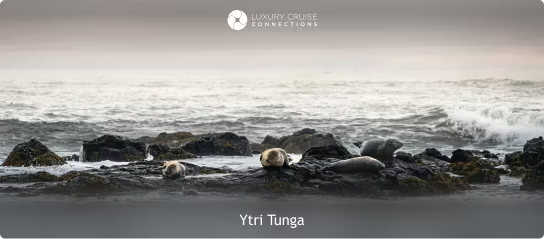
    Blue and white icebergs float slowly in the deep water. Seals rest on the ice during the day. Amphibious boats take visitors among the massive ice blocks.

    Passengers see the scale of the glacier from the water. The sound of cracking ice echoes across the lagoon. Photographers find endless subjects in the shifting ice shapes. The cold wind carries the scent of the glacier.

    Summer months (June to August) offer boat tours on the lagoon. Sunset provides golden light on the icebergs.

    Boat captains share facts about the melting rate of the glacier. Shore paths allow for self-guided walks.

    Boat tours cost approximately [$50-80]. Parking remains free at the main lot.

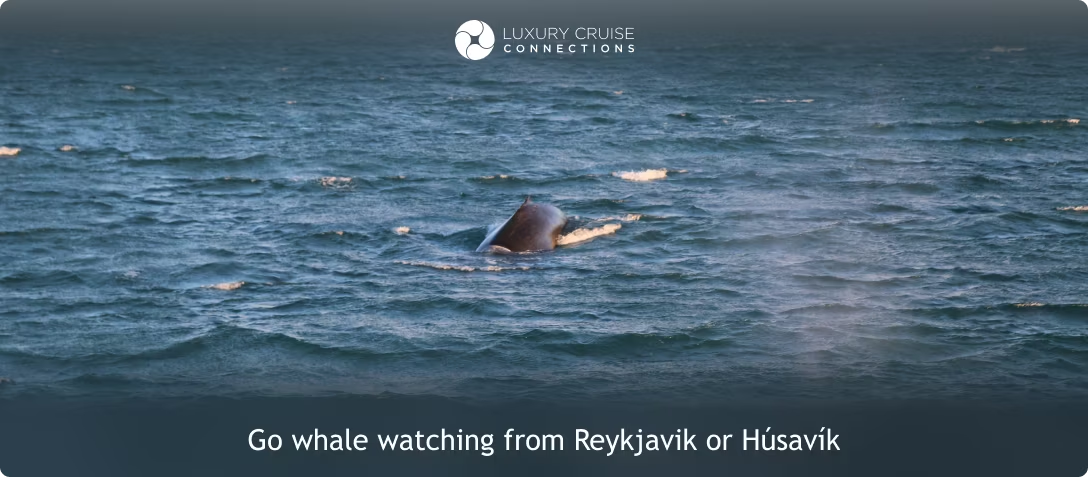
  • Go whale watching from Reykjavik or Húsavík

    Whale-watching tours depart from coastal harbors to find marine mammals in their natural habitat. Iceland is a feeding ground for many species during the summer months (June to August). Húsavík is known as the whale capital of the north due to high sighting rates. Boats vary from traditional wooden ships to modern speedboats. The activity provides an educational look at the ocean ecosystem.
    Go whale watching from Reykjavik or Húsavík

    Humpback whales and minke whales appear in the bays. Dolphins and porpoises jump alongside the tour boats. Puffins fly around the vessels during the nesting season.

    Spotters look for blows and tails on the horizon. The excitement grows when a large whale surfaces nearby. Fresh sea air fills the lungs during the boat ride. Passengers learn about marine conservation from expert guides.

    June to August provide the highest success rates for sightings. Morning departures offer calmer sea conditions.

    Marine biologists explain the behavior of the whales. Thermal suits are provided to keep guests warm.

    Standard boat tours cost around [$80-$150-$120] and speedboat tours range around [200].

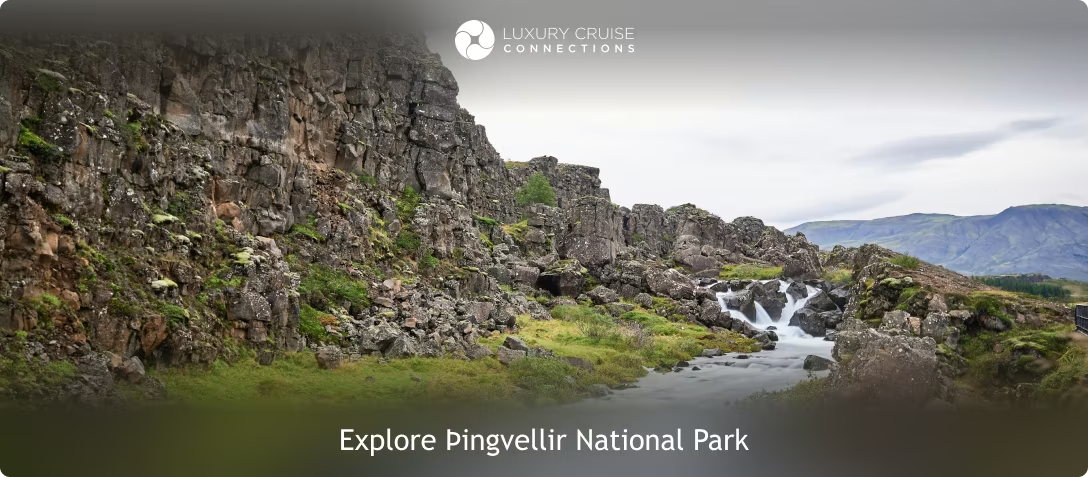
  • Explore Þingvellir National Park, a UNESCO World Heritage Site

    Þingvellir National Park holds deep historical and geological significance for the island. The park marks the location of the first parliament founded in 930 AD. A rift valley shows the separation of the tectonic plates in a visible way. The site became a UNESCO World Heritage Site due to its cultural value. Visitors find a diverse landscape of rocky cliffs and clear water.
    Explore Þingvellir National Park, a UNESCO World Heritage Site

    Almannagjá gorge provides a path between the continental plates. Silfra fissure offers snorkeling in crystal clear water. Lake Þingvallavatn is the largest natural lake in the country.

    History comes alive among the rocky ruins of the old assembly. Nature lovers admire the unique plants and clear streams. The scale of the geological rift feels immense while walking through the gorge. The water in the fissures stays pure and cold.

    Spring (April to May) and fal (September to October)l offer mild weather and fewer tourists. Weekdays provide a quieter atmosphere than weekends.

    Informational signs tell the story of the parliament. Visitor centers offer maps and history brochures.

    Parking costs around [$7-$10] per vehicle. Snorkeling permits require an extra fee.


What are the Most Popular Tourist Attractions in Iceland?

The most popular tourist attractions in Iceland are listed below.

  • Blue Lagoon
  • Gullfoss
  • Hallgrímskirkja
  • Jökulsárlón
  • Skógafoss


Which Vacation Spots in Iceland Are Best for Beach Lovers?’

The best vacation spots in Iceland for beach lovers are listed below.


What are the Best Things to Do in Iceland for First-Time Visitors?

The best things to do in Iceland for first-time visitors are listed below.

Visitors journey through a historic valley where tectonic plates pull apart. The route features a geothermal field with an active geyser and a massive waterfall.
Travelers soak in warm, mineral-rich water located in a rugged lava field. Silica mud masks provide skin treatments while steam rises from the milky blue pools.
The capital city offers a landmark church with a design inspired by volcanic rock formations. An observation deck provides a panoramic view of the colorful downtown streets.
Massive cascades plunge from high cliffs along the southern coastline. A path allows people to walk behind the falling water for a unique perspective.
The solar activity is high, and dark winter skies reveal dancing colors. Remote locations provide the best visibility away from city lights.
Volcanic sand and jagged sea stacks create a dramatic shoreline near a small village. Basalt columns form a natural staircase along the edge of the ocean.
Guides lead treks across frozen plains and into deep blue chambers beneath the surface. The formations change every year as the ice moves and melts.
Icebergs drift from a glacier toward the Atlantic Ocean through a deep lagoon. Seals rest on the floating ice while boats move through the water for exciting things to do in Iceland.
Boats depart from coastal harbors to find marine mammals in their natural habitat. Knowledgeable crews explain the behaviors of humpback and minke whales at the places to visit in Iceland.
The historical location marks the site of the first parliament in the world. Geological rifts show the physical separation of the tectonic plates in Iceland, places to visit.
What makes Iceland a Beautiful Country to Visit?

Iceland is a beautiful country to visit because of the raw power of its natural landscapes. Volcanic mountains stand next to massive glaciers across the entire island. Cascading waterfalls flow over dark basalt cliffs into lush valleys. The coastline features black sand beaches and jagged rock formations. Geothermal fields create a surreal atmosphere with steam and boiling mud. The contrast between fire and ice defines the visual character of the land. Northern lights paint the sky with green and purple hues during the winter (November to March). Summer (June to August) brings the midnight sun and vibrant green hills. Crystal clear rivers cut through ancient lava fields. Every region offers a different and stunning view of the Earth.

How can I experience Local Culture in Iceland?

You can experience local culture in Iceland by visiting small fishing villages and regional museums. Traditional food (fermented shark and dried fish) offers a taste of the past. Public swimming pools serve as social gathering places for the community. Music festivals in the capital showcase the talent of local artists. Hand-knit wool sweaters represent a staple of local craftsmanship. Reading the sagas provides insight into the history of the early settlers. Residents share stories about folklore and hidden people in the mountains. Local shops sell items made from volcanic rock and wool. Attending a concert or a play in a local theater reveals modern creativity. Staying at a farm allows for interaction with the unique horse breed of the island.

Are there Activities in Iceland Perfect for Families with Children?

Yes, there are activities in Iceland perfect for families with children. Iceland sites offer educational and fun experiences. Interactive museums (Perlan) provide a look into the natural wonders of the island. Whale watching tours excite young travelers with sightings of large marine mammals. Safe swimming pools with slides are available in almost every town. The open spaces and parks allow for running and exploring in nature. Families enjoy seeing the small and friendly horses at local stables. Walking paths at the national parks are easy for children to navigate. The safe environment makes it a stress-free destination for parents.

Are there Fun Things to Do in Iceland for Outdoor Adventures?

Yes, there are fun things to do in Iceland for outdoor adventures. Iceland offers things to do (glacier hiking and snorkeling) because the terrain is perfect for high-energy activities. Glacier hiking allows travelers to walk on ancient ice with expert guides. Snorkeling in clear fissures provides a view between two tectonic plates. Super jeep tours cross rugged rivers and climb steep volcanic hills. Ice climbing challenges the strength of the body on frozen walls. Snowmobiling across a glacier provides a fast way to see the snowy peaks. Kayaking in the fjords offers a quiet way to explore the coast. The activities (glacier hiking and snorkeling) ensure there are many fun things to do in Iceland.

Best Things to Do Around the World

Discover the best activities, landmarks, and experiences in every cruise destination and port of call.

Europe Western, Central & Mediterranean
America North, Central, South & Caribbean
Africa & Asia Oceania & Antarctica