When do Local Festivals and Events occur in the Faroe Islands?
Local festivals and events in the Faroe Islands occur throughout the year, with most major celebrations taking place between June and August. Norðoyastevna occurs during the first weekend of June. Norðoyastevna marks the start of the national rowing competition and features local music, games, and parades. The Norðoyastevna festival is celebrated in Klaksvík. The G! Festival occurs over three days in mid-July. The G! Festival is a coastal music celebration where Faroese and international artists perform beside the ocean. G! Festival is celebrated in Syðrugøta. Ólavsøka occurs on 28-29 July. Ólavsøka commemorates Saint Olaf and the opening of the Faroese Parliament and is celebrated in Tórshavn. Ólavsøka remains the most important annual gathering in the Faroe Islands and features rowing races, chain dancing, and cultural performances. Summarfestivalurin occurs in August. Summarfestivalurin concludes the summer with large open-air concerts and family activities. Summarfestivalurin is celebrated in Klaksvík. Smaller local festivals and cultural events in the Faroe Islands continue through the rest of the year, including Vetrarjazz (Winter Jazz) in February, Dining Week (Matstovudagar) in March, and the Geytin Film Awards in winter.
How to Organize a Multi-day Vacation in the Faroe Islands?
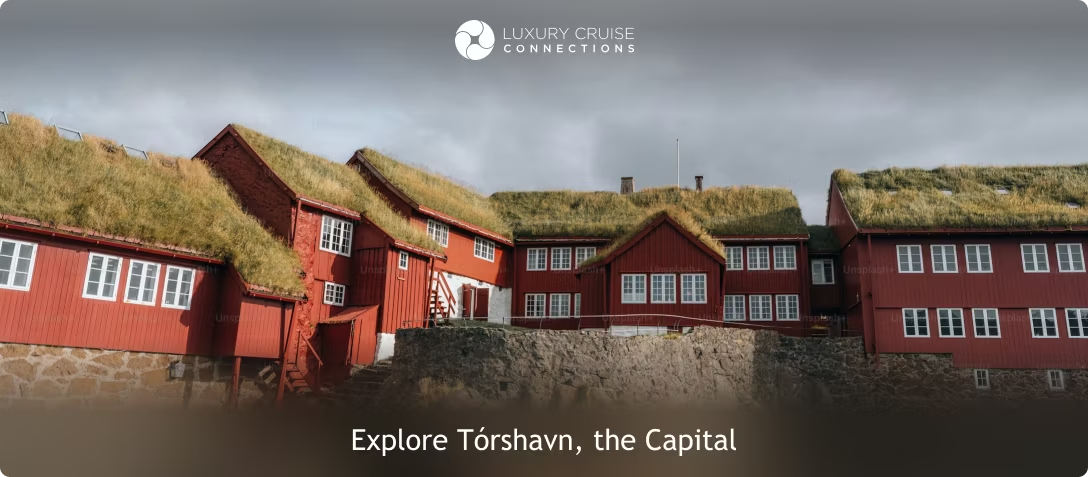
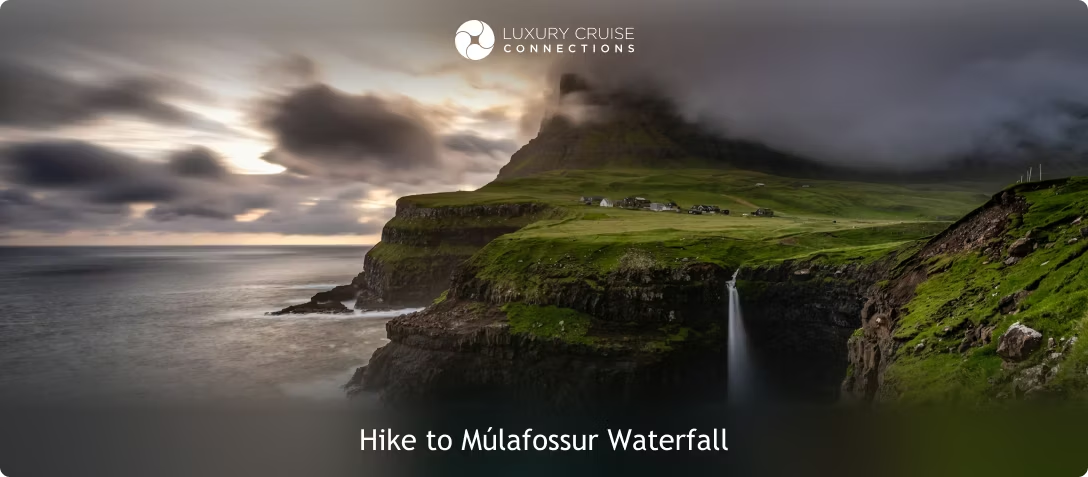
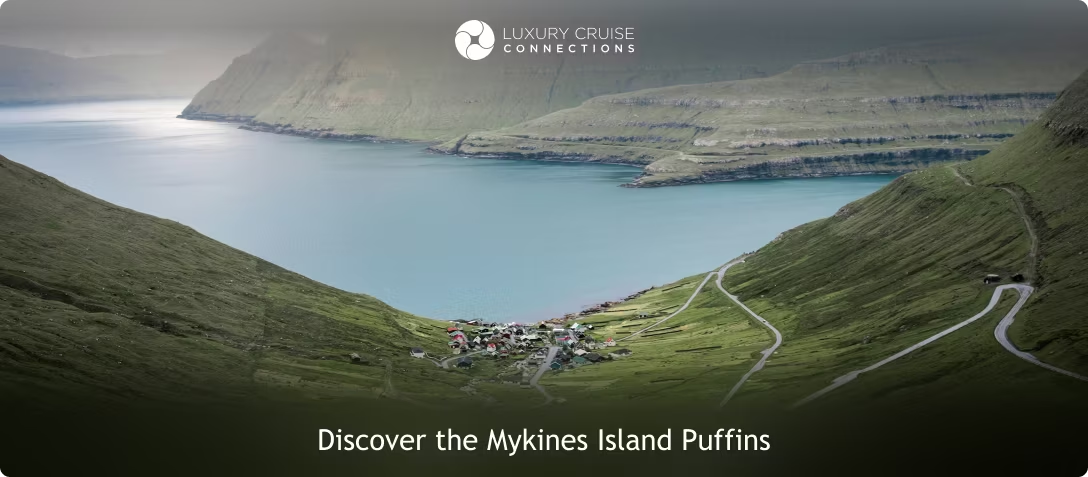
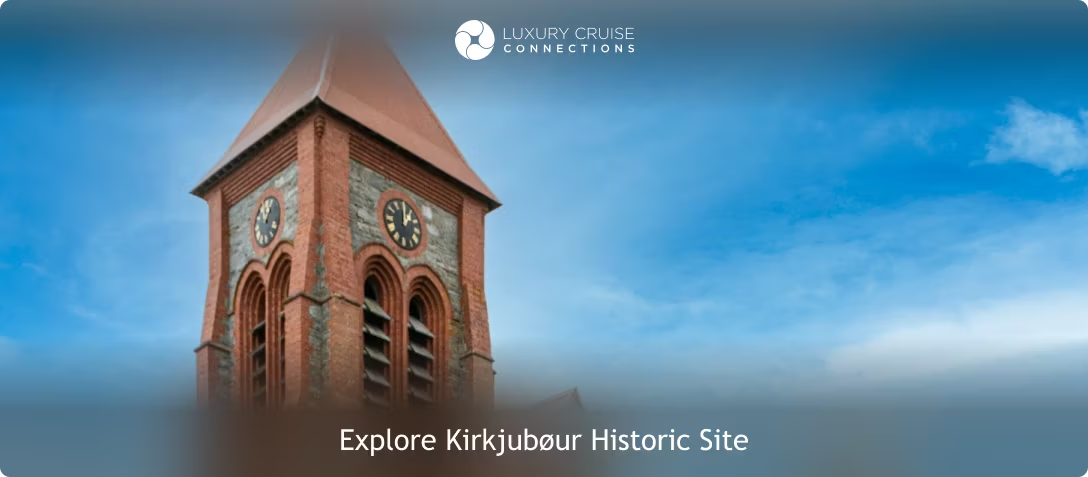
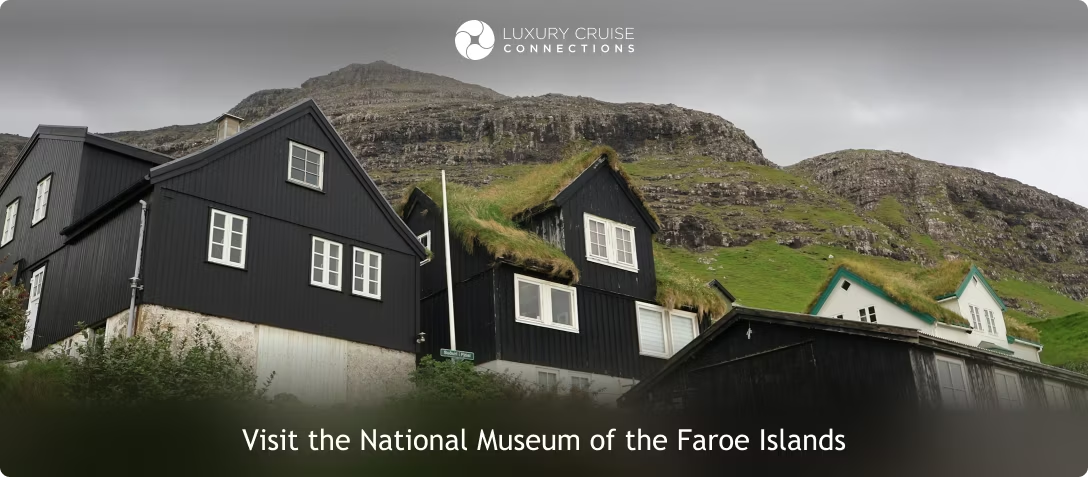
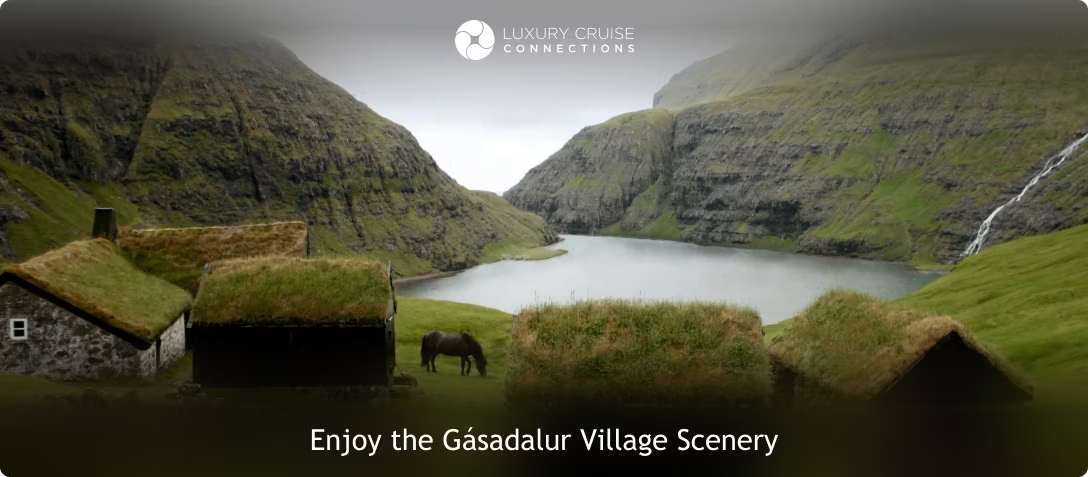
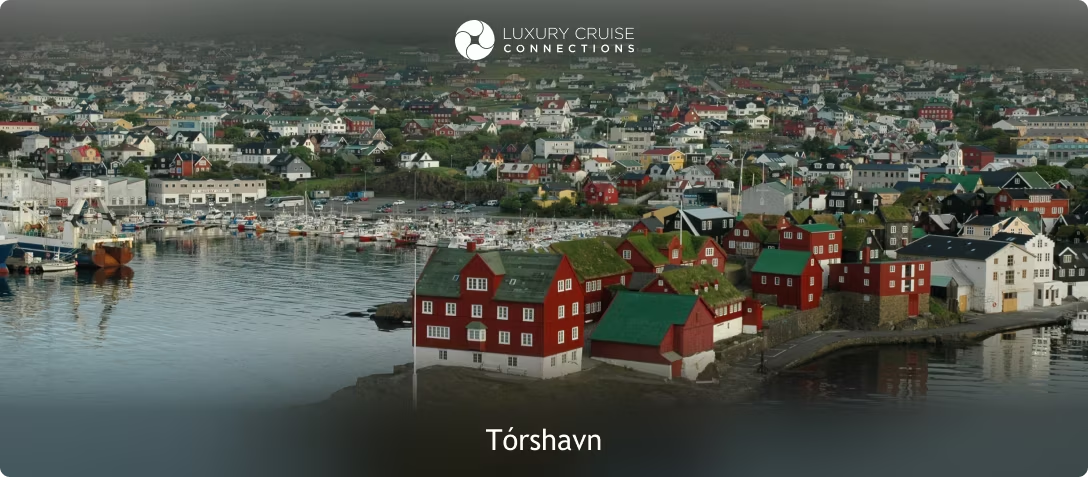
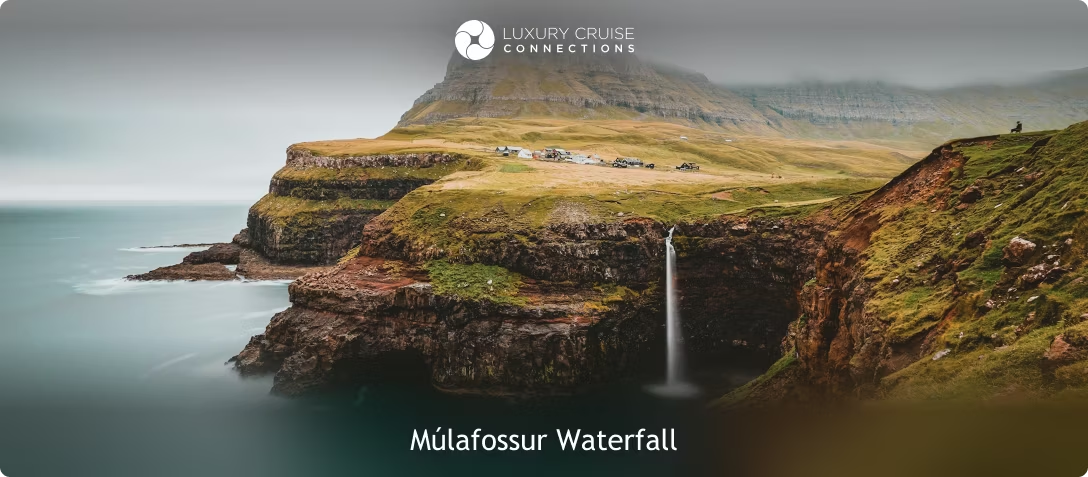
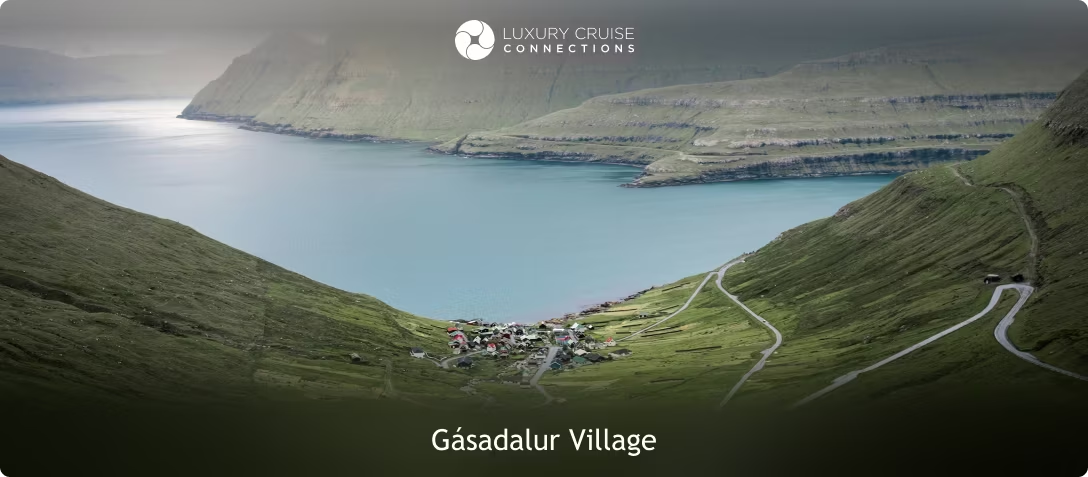
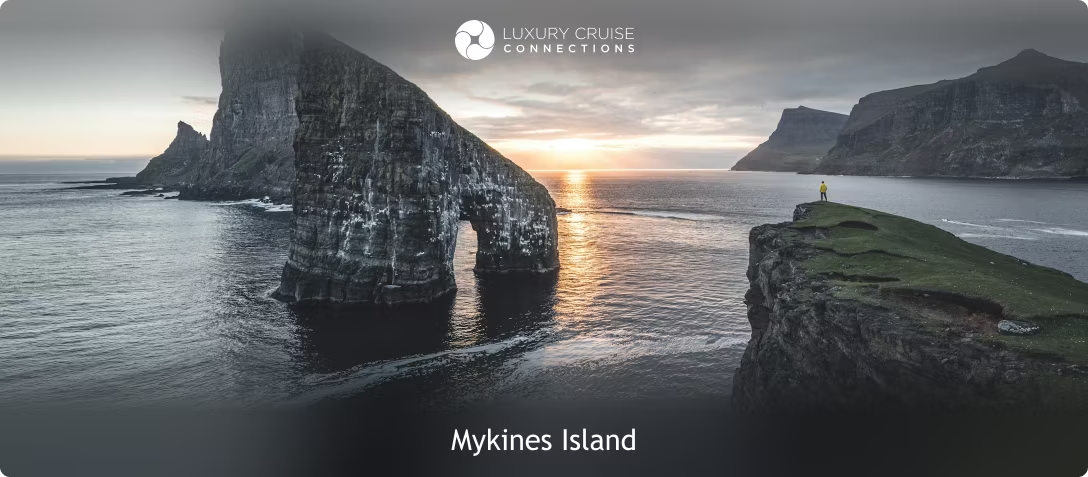
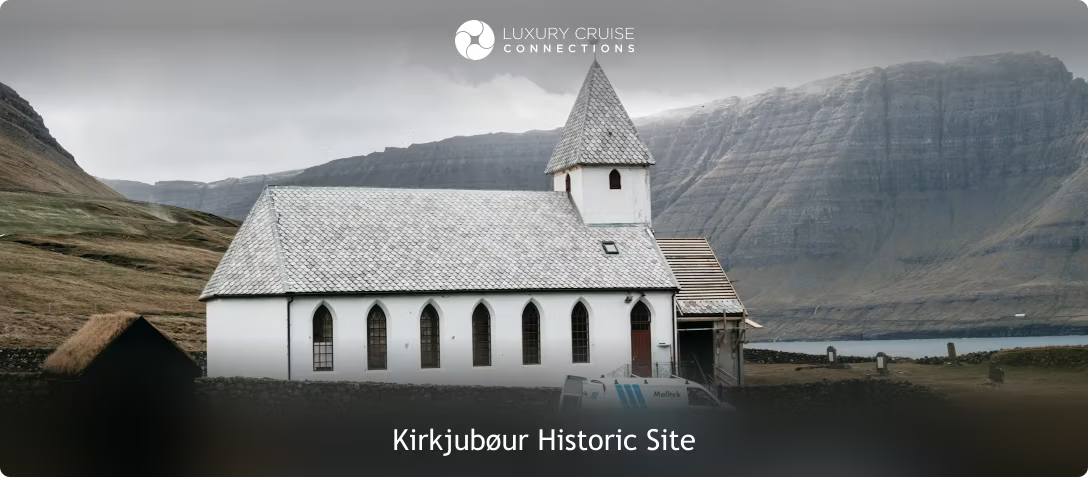
To organize a multi-day vacation in the Faroe Islands, there are six steps to follow. First, decide how many days to spend in the Faroe Islands, as a five to seven-day stay allows visitors to explore several islands without rushing. Second, choose the season according to your travel goals, since summer from May to August provides long daylight for sightseeing, while spring and early autumn offer fewer visitors and quieter landscapes. Third, select Tórshavn as the main base for your Faroe Islands vacation and spend the first two days exploring Tinganes, Skansin Fortress, and the National Museum, and take an afternoon drive to Kirkjubøur to see medieval ruins. Fourth, dedicate a full day to Vágar Island for the hike to Múlafossur Waterfall and visits to Gásadalur and Sandavágur Village. Fifth, plan a day trip to Mykines Island to observe puffins, or to Eysturoy and Gjógv for coastal walks and traditional village scenery. Sixth, reserve the final day for relaxation and shopping in Tórshavn before your departure.
Does the Faroe Islands have public transportation for tourists?
Yes, the Faroe Islands have public transportation for tourists, supported by a network of buses and ferries that link its major towns and islands. Blue regional buses connect Vágar Airport, Tórshavn, Klaksvík, and Runavík, while red city buses operate free of charge within Tórshavn. Tourists purchase a seven-day transport pass (around $104 USD) for unlimited travel on buses and ferries, excluding the seasonal Mykines route which needs to be booked separately. Public transportation in the Faroe Island operates on time, drivers speak to tourists in English, and buses in populated areas are equipped for wheelchair access. Faroe Islands’ ferries carry both passengers and cars between islands. Faroe Island ferry schedules are listed on the ssl.fo website.
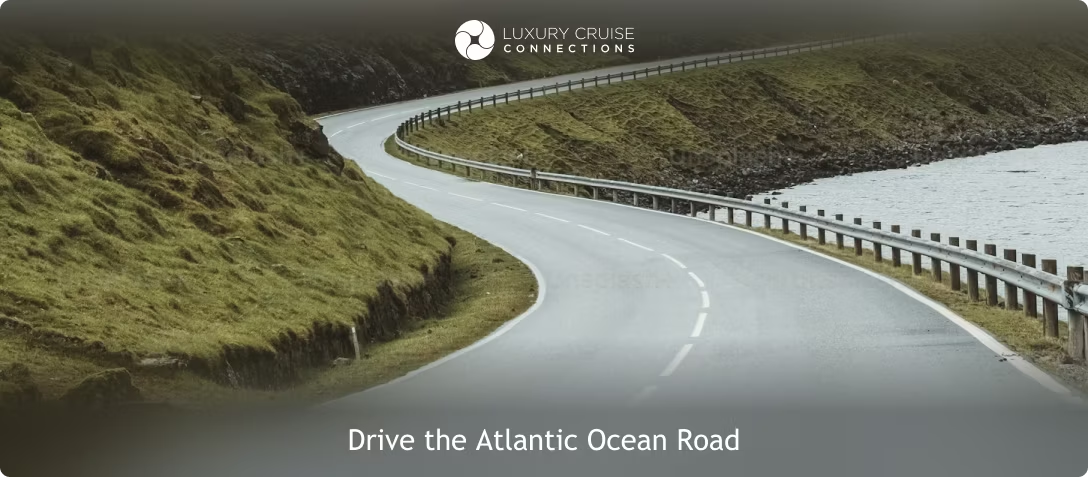
Faroe Islands’ public transportation covers most populated areas, but tourists seeking greater flexibility or wishing to travel to remote areas benefit from Faroe Islands’ private transportation options. Private car rentals are available in Tórshavn and at Vágar Airport and allow tourists to access viewpoints, hiking trails, and lesser-visited islands at their own pace. Tourists are required to pay tolls for the undersea tunnels connecting main islands, including the Eysturoyartunnilin with its undersea roundabout.
Are there Activities in Faroe Islands Perfect for Families with Children?
Yes, there are activities in Faroe Islands perfect for families with children because the islands combine nature, culture, and outdoor learning in a safe and compact setting. Families find easy access to short trails, interactive museums, and wildlife experiences across the main Faroe Islands. Kids visiting Mykines Island watch puffins nesting on grassy cliffs while local guides explain seabird life. At the National Museum in Tórshavn, children handle Viking artifacts and view reconstructed turf-roofed homes that show how Faroese families once lived. Parents bringing kids to the Nordic House in Tórshavn enjoy storytelling sessions, craft workshops, and music events that celebrate Faroese traditions. Families also visit the open-air museum Hoyvíksgarður, where children explore old farm buildings and learn about traditional rural life. Boat trips from Vestmanna give families a safe way to see sea cliffs and puffins up close.
Are there Fun Things to Do in Faroe Islands for Outdoor Adventures?
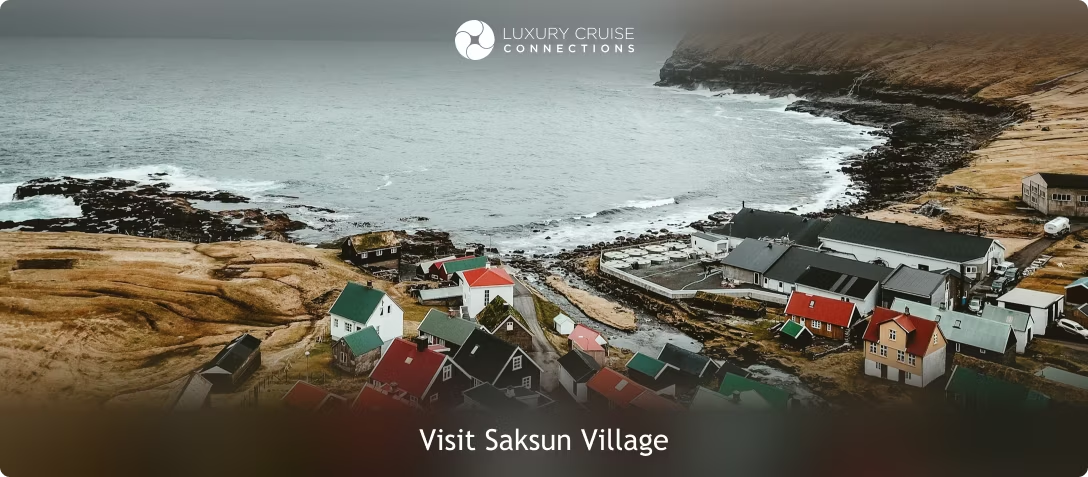
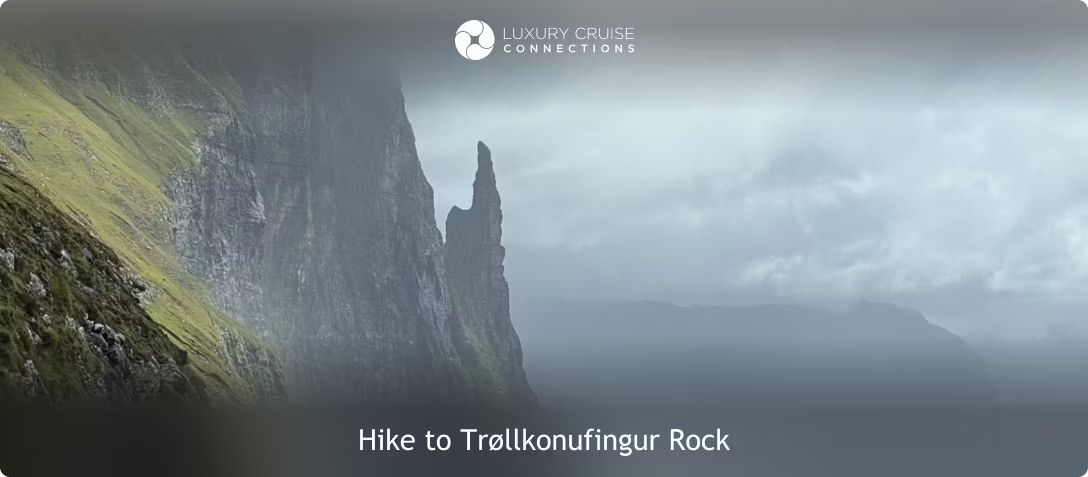
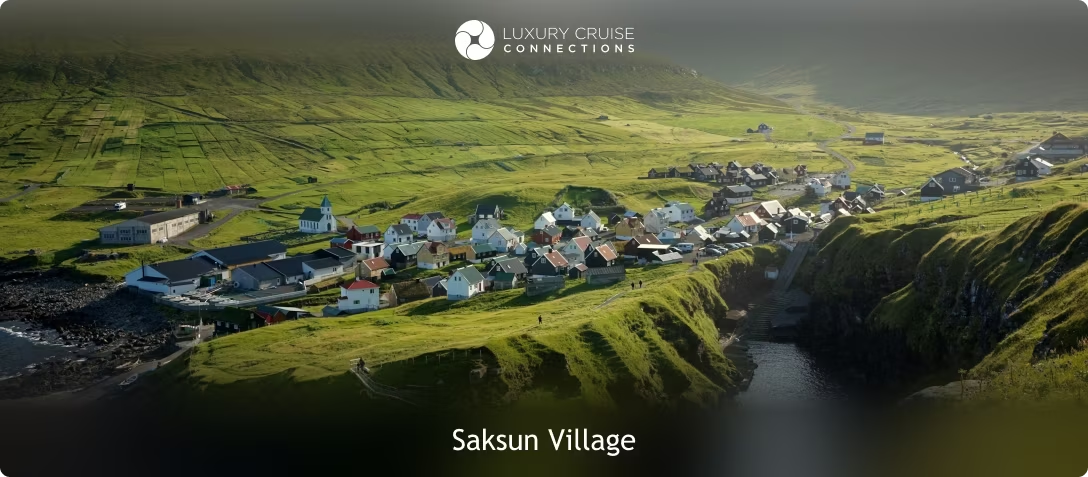
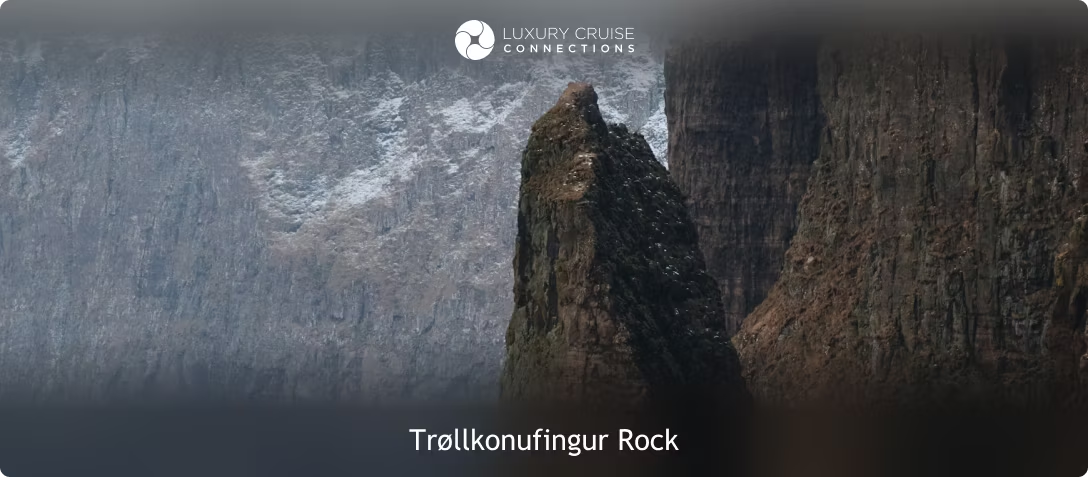
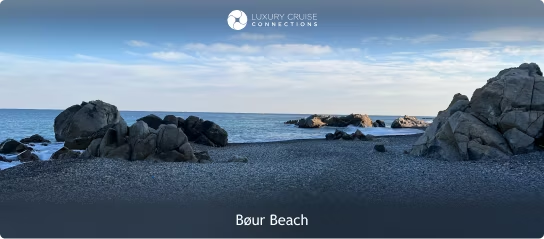
Yes, there are fun things to do in Faroe Islands for outdoor adventures since the islands combine dramatic terrain, ocean access, and wildlife encounters. Hikers in the Faroe Islands follow trails that cross mountains, cliffs, and valleys, including the popular routes to Trælanípa, Múlafossur Waterfall, and Trøllkonufingur Rock. Climbers explore basalt ridges and sea stacks that rise hundreds of meters above the Atlantic. Kayakers explore fjords around Eysturoy and Streymoy, passing quiet fishing villages and steep rock walls. Cyclists ride coastal roads linking villages such as Bøur, Saksun, and Gjógv. Mykines Island visitors experience fun wildlife encounters while walking among puffins, fulmars, and gannets nesting on cliffs.