What are the Main Cruise Ports in Estonia?
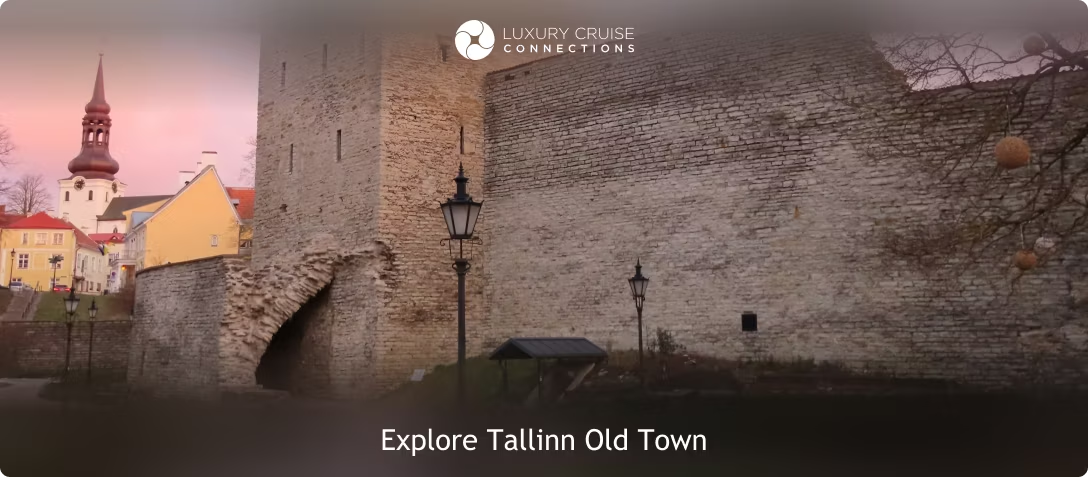
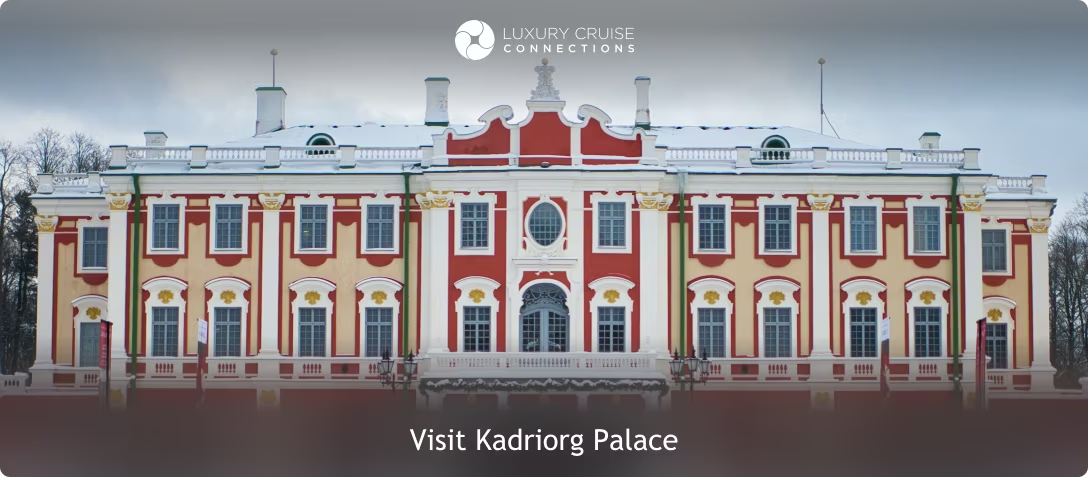
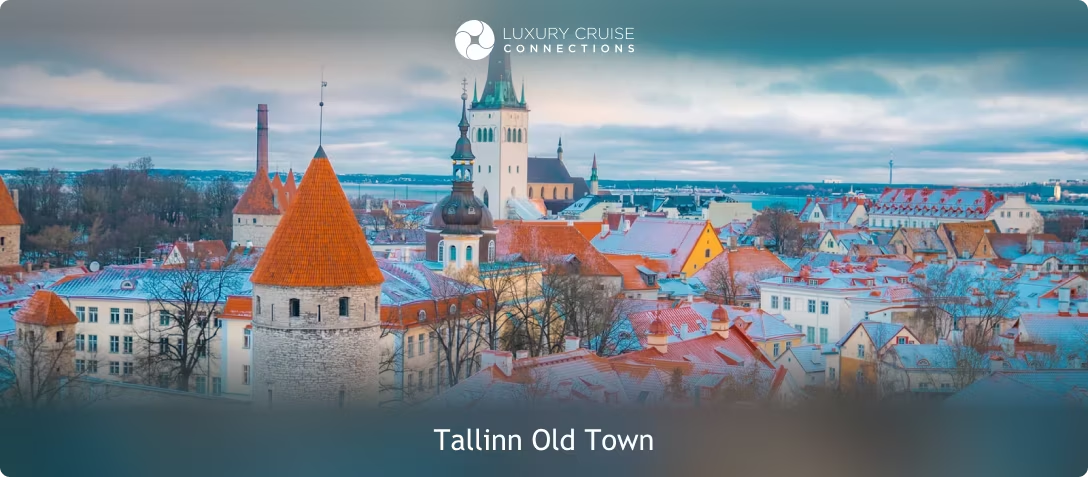
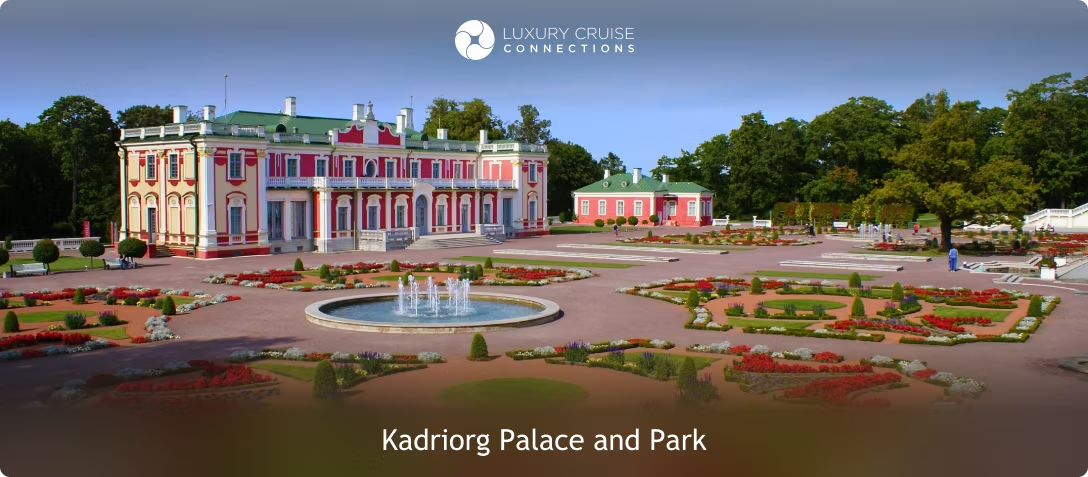
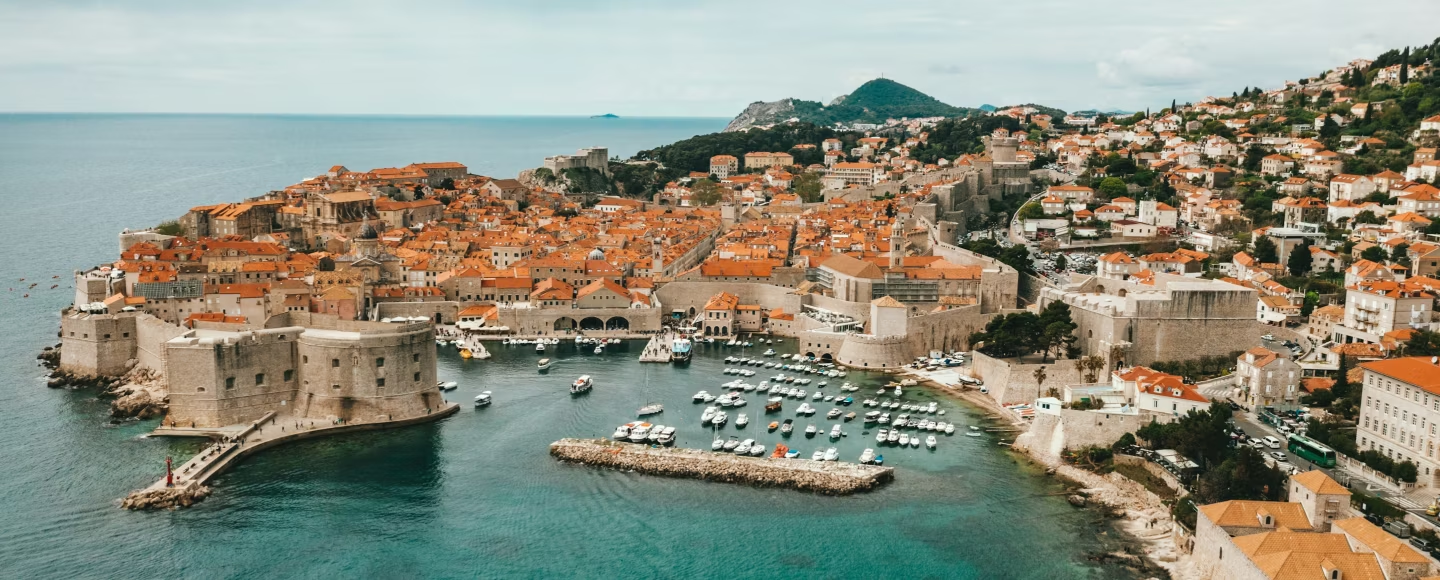
The main cruise ports in Estonia are Tallinn Harbor (Old City Harbor) and Saaremaa Harbour. Tallinn’s Old City Harbour is Estonia’s principal cruise gateway and one of the busiest passenger ports in Northern Europe. Tallinn Harbour features modern cruise terminals, deep-water quays, and accessible gangways. It regularly accommodates large international cruise ships sailing through the Baltic Sea. Tallinn Harbour port is located about 1 km (0.6 miles) from the UNESCO-listed Tallinn Old Town. Its proximity to landmarks such as Toompea Hill, Town Hall Square, and Kadriorg Palace makes Tallinn Harbor ideal for short, time-efficient shore excursions.
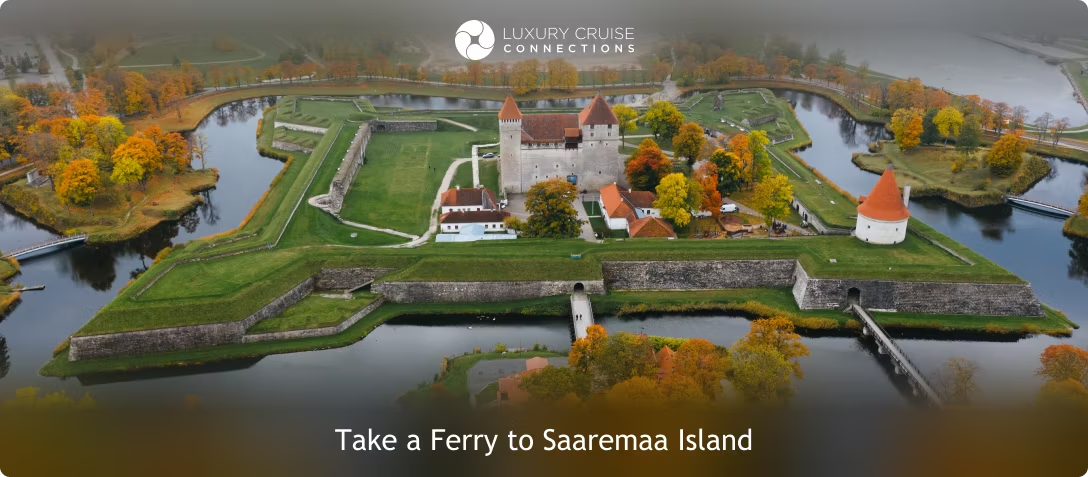
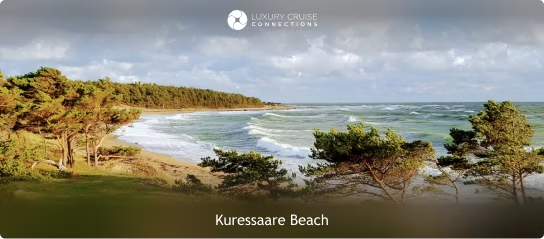
Saaremaa Harbor is the second major cruise port in Estonia, located on the island of Saaremaa near Ninase village. The harbor was purpose-built to receive cruise ships up to 200 meters long, supporting tourism development beyond the mainland. It provides a scenic island stop between Tallinn, Riga, and Helsinki, where passengers visit Kuressaare Castle, Angla Windmill Hill, and nearby coastal villages. Together, these two Cruise Ports give Estonia strong cruise coverage, linking its capital’s heritage with the natural and cultural highlights. Together, these two main Cruise Ports give Estonia strong regional connectivity, combining access to the capital’s historic center with the scenic island landscapes of Saaremaa.
When is the Best Time to Visit Estonia on a Cruise?
The best time to visit Estonia on a cruise is from May to September, when Baltic weather is mild, daylight lasts long, and sea conditions are calm. This period marks Estonia’s main cruising season, with daylight stretching 12-19 hours per day compared to only six in winter. Daytime temperatures average 60–72°F (15–22°C), and rainfall remains moderate—ideal for exploring Tallinn’s Old Town, Saaremaa’s coastal villages, and Estonia’s national parks.
These May to September months coincide with the wider Baltic cruise calendar, ensuring reliable docking and a full schedule of port activities. Cruisers enjoy walking tours, cycling routes, and island excursions under long summer evenings, while festivals such as Tallinn Old Town Days (June) and Midsummer celebrations (June) add local color to shore visits. The pleasant conditions and cultural events from May to September make this the ideal period for planning a Luxury Cruise Experience that includes Estonia.
Is Estonia a Budget-Friendly Travel Destination?
Yes, Estonia is a budget-friendly travel destination because daily costs for food, lodging, and transport in Estonia remain lower than in much of Western and Northern Europe. A meal at an inexpensive restaurant in Estonia averages about €15 ($16), while a similar meal in Denmark or the Netherlands costs around $23. Public transport in Tallinn costs roughly €30 ($34) for a monthly pass, while equivalent passes cost $67 in Berlin and $115.87 in Amsterdam. Mid-range hotels and guesthouses in Estonia typically cost 30-40% less than comparable stays in Finland or Belgium.
Is Estonia Safe for Solo Travelers?
Yes, Estonia is safe for solo travelers and provides a comfortable, low-risk environment when travelers apply normal awareness. The country maintains a low crime rate by European standards. According to Numbeo’s 2025 Safety Index, Estonia ranks among the safest countries in Europe with a Safety Index of 76.5, ahead of Latvia, Lithuania, and Sweden, and comparable to Finland and Denmark. Solo female travelers consistently report feeling secure walking around Tallinn, even at night. Safety advisories for Estonia focus on routine measures such as keeping valuables secure, using licensed taxis, and avoiding poorly lit areas. Female travelers report very low levels of harassment in urban zones. Emergency services operate reliably, and English is widely spoken in city centers, adding to Estonia’s reputation as a safe and welcoming destination for solo visitors.
Is Estonia a Good Destination for a Romantic Getaway?
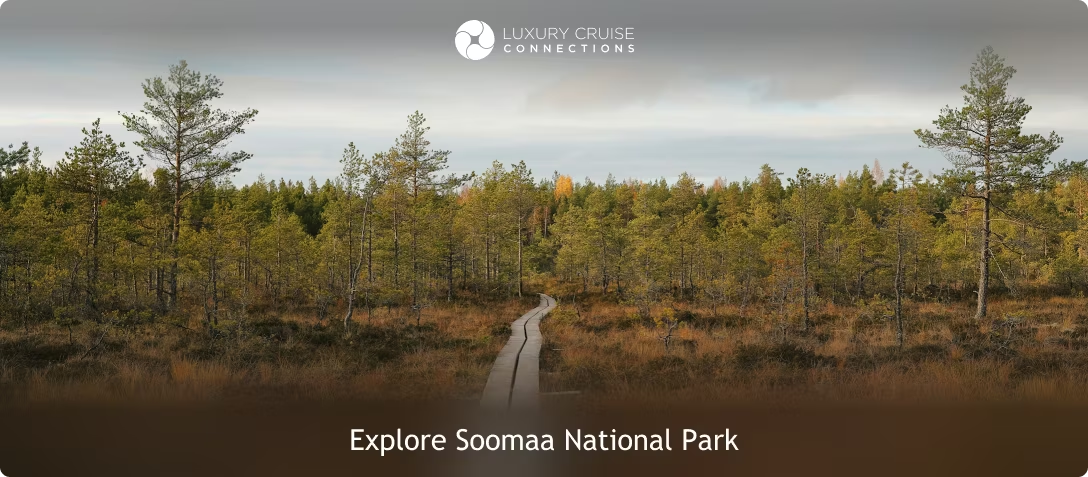
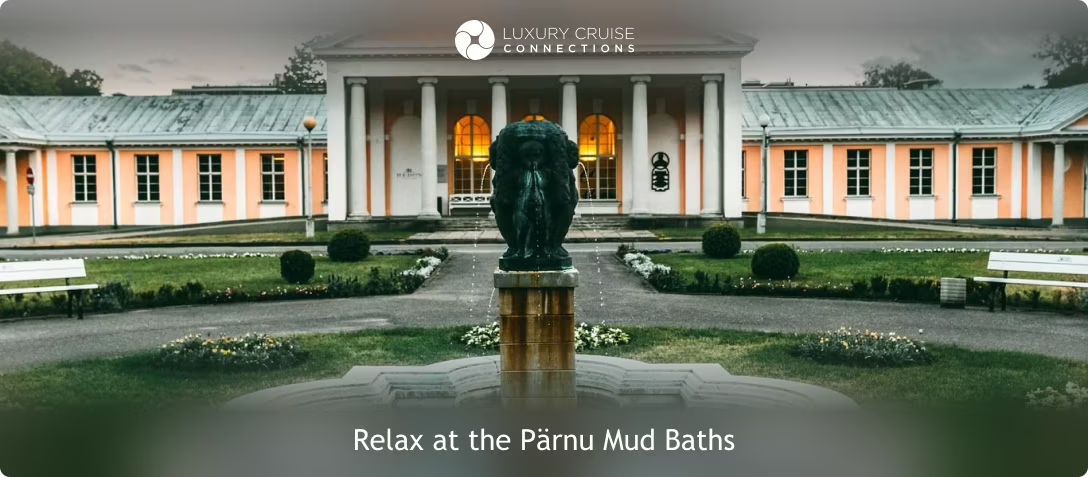
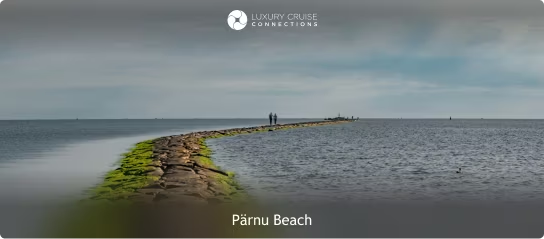
Yes, Estonia is a good destination for a romantic getaway because it combines historic charm, peaceful nature, and intimate coastal scenery that appeal to couples. Cruising couples can begin in Tallinn, where the medieval Old Town’s cobblestone streets, candlelit restaurants, and panoramic viewpoints create a timeless romantic setting. Couples savor glasses of local berry wine in coastal cafés, tasting blends made from Estonian blackcurrants, blueberries, or sea buckthorn while watching the sun set over the Baltic Sea. Estonia’s natural landscapes also invite connection and relaxation. Couples explore the serene bog trails of Soomaa National Park, stroll along Pärnu Beach at sunset, or enjoy shared spa experiences using natural Baltic muds. Estonia’s mix of medieval beauty, quiet nature, and seaside calm makes it an unforgettable Romantic Getaway for Couples.
How to make the most of a Weekend Trip to Estonia?
To make the most of a weekend trip to Estonia, there are three steps to follow. First, spend Saturday exploring Tallinn Old Town, walking through Toompea Hill, Town Hall Square, and the Kiek in de Kök Museum before dining in a medieval-style restaurant such as Olde Hansa. Second, dedicate Sunday morning to Tallinn’s coastal and cultural areas, including Kadriorg Palace, the Kumu Art Museum, and the seaside promenade for a relaxed walk and local berry wine at a waterfront café. Third, if it is a long weekend and you have extra time, take a short excursion beyond the city. One option is to visit Lahemaa National Park for forest and manor scenery. A second option for your extra day is to visit Pärnu Beach for a Baltic Sea atmosphere.