10 Best Things to Do in Egypt

The 10 best things to do in Egypt include visiting the Pyramids of Giza, exploring the Egyptian Museum in Cairo, cruisin...

add

The 10 best things to do in Egypt include visiting the Pyramids of Giza, exploring the Egyptian Museum in Cairo, cruising the Nile River, discovering the Valley of the Kings, and visiting the Temple of Karnak. Other Egypt highlights include seeing the Abu Simbel Temples, snorkeling at Sharm El Sheikh, exploring the Egyptian Red Sea Coast, visiting the Great Sphinx of Giza, and wandering through the ancient city of Alexandria.

Egypt is a vast country that stretches across North Africa and the Middle East. Egypt is defined by the Nile River Valley, sweeping desert plateaus, and ancient monuments that trace one of the world’s earliest civilizations. The range of things to do in Egypt combines ancient Egyptian wonders, coastal escapes, and outdoor adventure. Travelers searching for fun things to do in Egypt find camel rides by the pyramids, Nile sailing at sunset, and reef diving in clear waters. Visitors curious about what to see in Egypt encounter monuments, markets, and temples that reveal over 5,000 years of civilization. 

Many visitors also seek unique things to do in Egypt, such as exploring royal tombs beneath the Theban hills, taking hot air balloon rides over Luxor, or relaxing in seaside resorts along the Red Sea.

  • Visit the Pyramids of Giza
  • Explore the Egyptian Museum in Cairo
  • Cruise the Nile River
  • Discover the Valley of the Kings
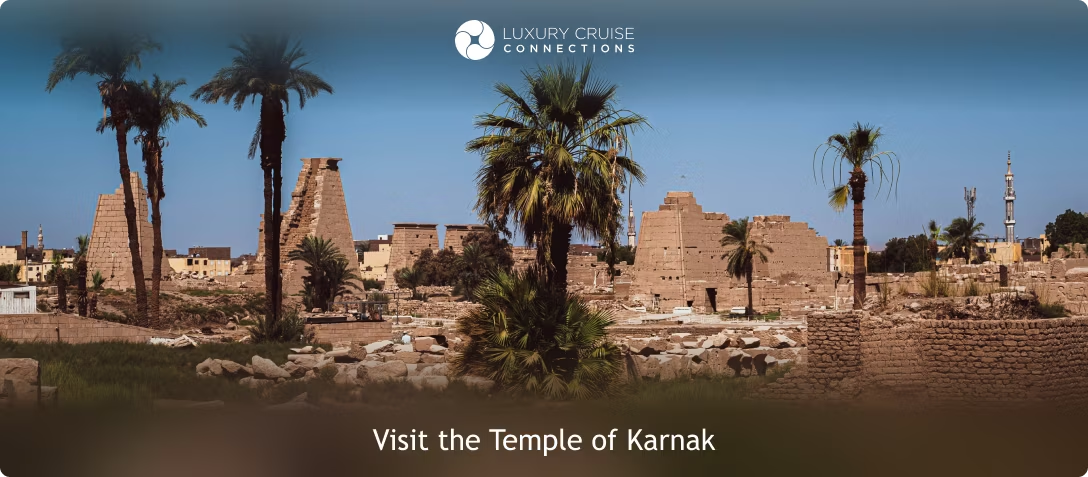
  • Visit the Temple of Karnak
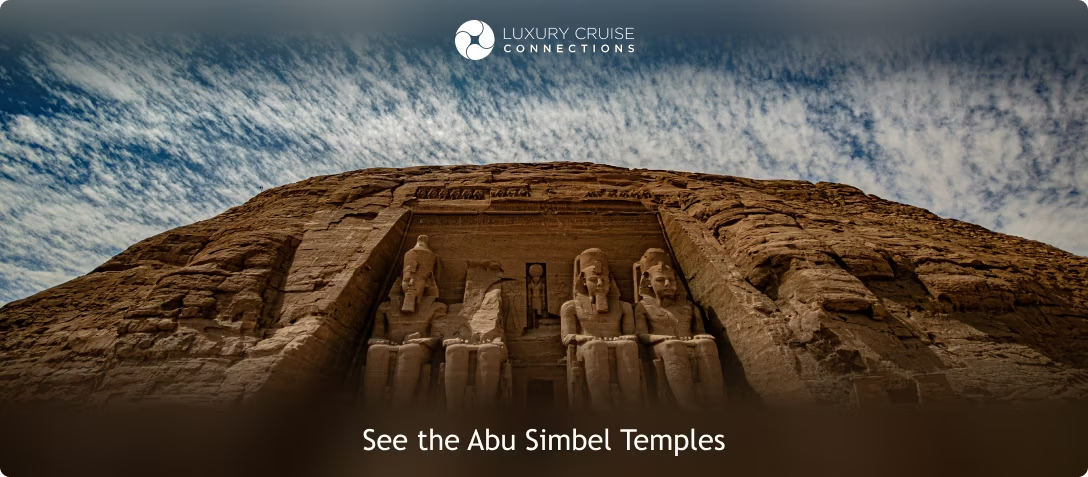
  • See the Abu Simbel Temples
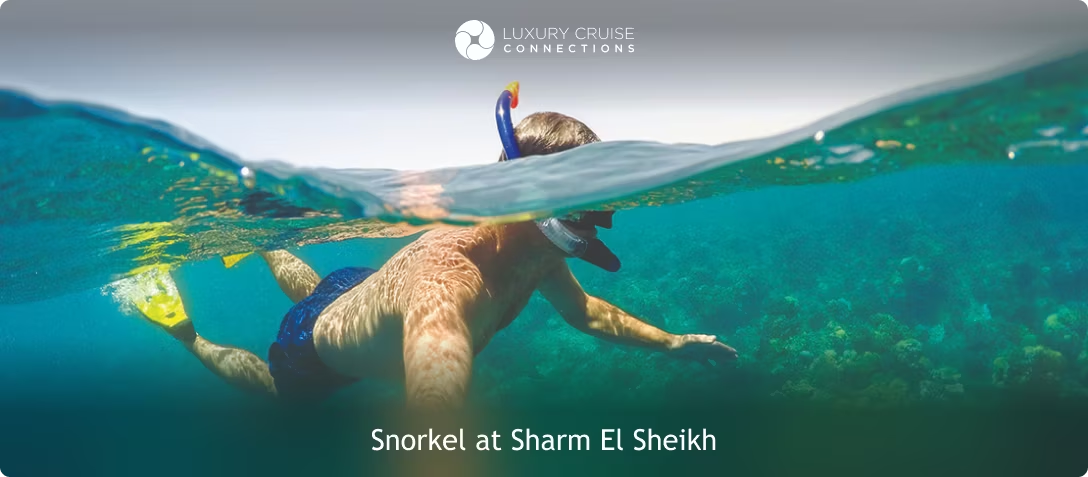
  • Snorkel at Sharm El Sheikh
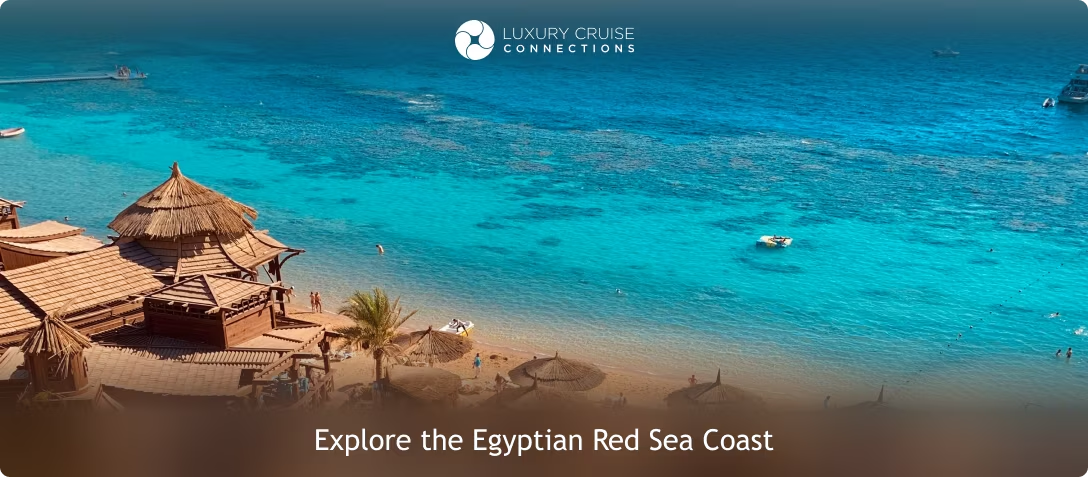
  • Explore the Egyptian Red Sea Coast
  • Visit the Great Sphinx of Giza
  • Wander through the Ancient City of Alexandria
  • Visit the Pyramids of Giza

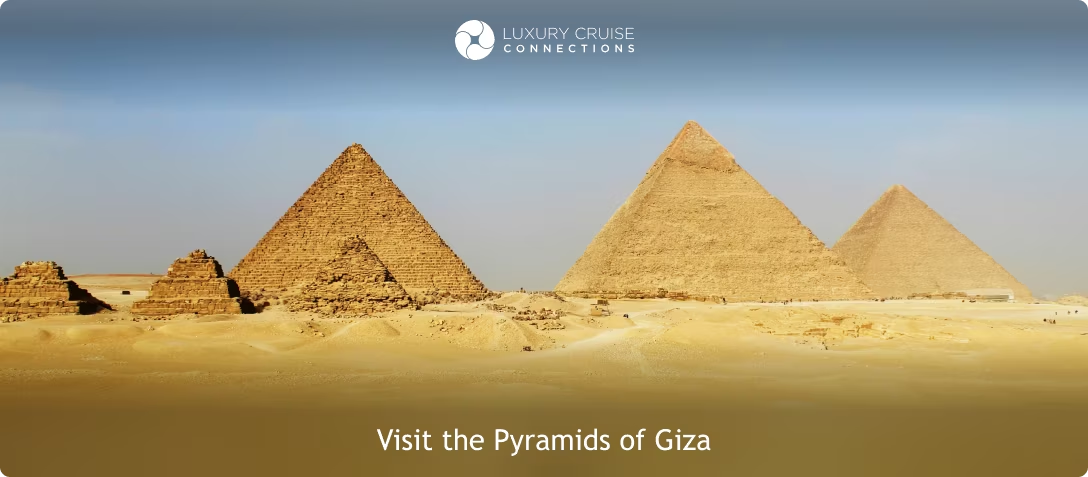
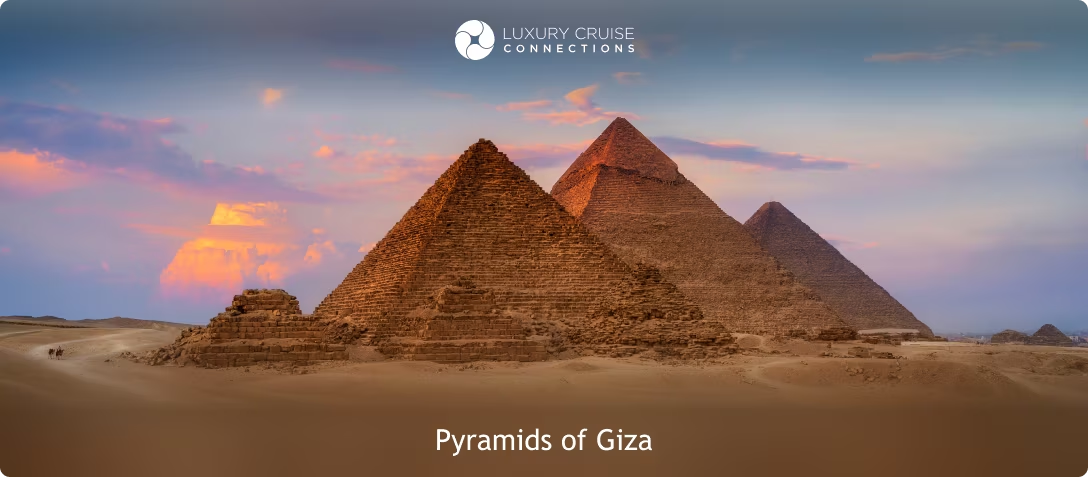
    The Pyramids of Giza are a complex of three royal tombs built for Pharaohs Khufu, Khafre, and Menkaure about 4,500 years ago. They stand as the most iconic site in Egypt and a lasting symbol of ancient engineering. Located on the Giza Plateau 13 kilometers southwest of Cairo, the pyramids overlook the Nile Valley and reflect the power and belief of Egypt’s Old Kingdom. Built during the Fourth Dynasty, their alignment with the cardinal points shows Ancient Egypt’s precise astronomical knowledge. Each pyramid holds passages and chambers once filled with treasures for the afterlife. Visiting the Pyramids of Giza is a journey into humanity’s oldest architectural legacy and the only surviving Wonder of the Ancient World
    Visit the Pyramids of Giza

    Highlights of the Pyramids of Giza include the Great Pyramid of Khufu (Cheops), which originally reached 146 meters and used about 2.3 million limestone blocks. The Pyramid of Khafre (Chephren) appears taller due to its higher base and still retains some outer casing near its summit. The Pyramid of Menkaure (Mykerinos) is a smaller but elegant pyramid that features the remains of a mortuary temple. The Solar Boat Museum displays a reconstructed cedar vessel that once carried the pharaoh’s spirit to eternity. The surrounding necropolis contains tombs of nobles, and the Great Sphinx nearby guards the plateau.

    Visiting the Pyramids of Giza is an unmissable encounter with Egypt’s ancient wonder. Visitors walk across the sandy Giza Plateau and stand beside the immense limestone blocks that form each pyramid. Egyptologist guides describe the methods used to align and build these monuments with remarkable accuracy. Entering the Great Pyramid reveals narrow passages leading to the King’s Chamber, where the still granite walls create a sense of timelessness. Travelers often then visit the Panoramic Viewpoint on a desert ridge to photograph all three pyramids aligned perfectly against the horizon. Riding camels or horses across the plateau offers sweeping desert views that stretch toward the city of Cairo.

    The best time to visit the Pyramids of Giza is from October to April. Cooler weather during these months makes walking across the open plateau more comfortable and allows for longer visits without heat fatigue.

    Egyptologist guides lead tours across the Giza Plateau and inside selected Giza pyramids. These licensed guides explain construction methods, royal burial customs, and the religious symbolism behind the Giza pyramid design.

    Entry to the Giza Plateau, which covers the main pyramids, the Sphinx, and the surrounding necropolis, costs $15 USD per person. Access to the interiors of the pyramids requires separate tickets: the Great Pyramid of Khufu costs $31 USD, the Pyramid of Khafre $7 USD, and the Pyramid of Menkaure $5 USD.

  • Explore the Egyptian Museum in Cairo

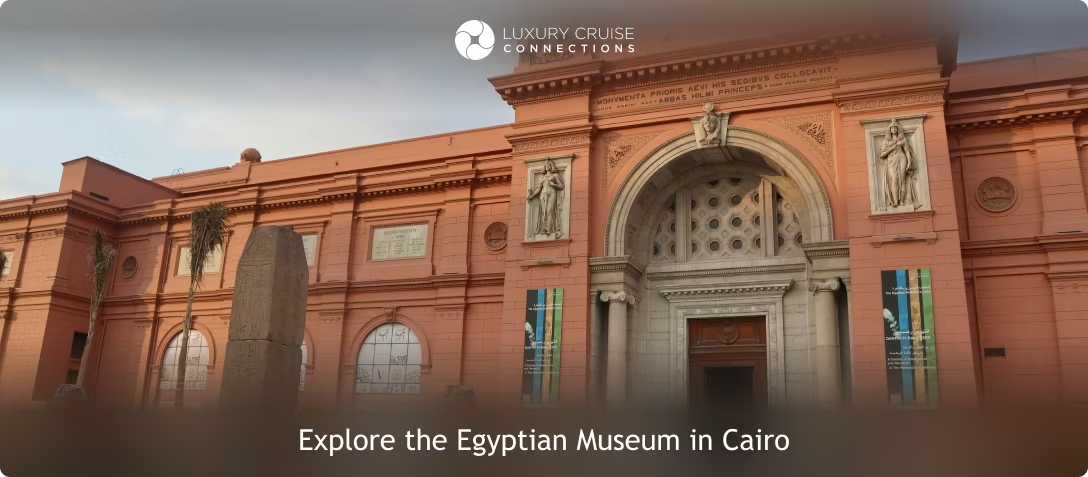
    The Egyptian Museum in Cairo holds the world’s largest collection of pharaonic artifacts. The museum stands in Tahrir Square in the historic district of Downtown Cairo. Opened in 1902 within a pink neoclassical building designed by the French architect Marcel Dourgnon, it remains one of Egypt’s most important cultural landmarks. The museum houses more than 170,000 artifacts spanning the pre-dynastic to Greco-Roman periods, revealing the artistic, religious, and social evolution of ancient Egyptian civilization. Exhibits range from royal mummies and gilded coffins to monumental statues and delicate jewelry crafted for the afterlife. The museum reflects Egypt’s enduring commitment to preserving its rich heritage and serves as a vital research institution for archaeologists worldwide.
    Explore the Egyptian Museum in Cairo

    Highlights of the Egyptian Museum in Cairo include its collection of the treasures of Tutankhamun with his gold funerary mask and nested coffins displayed in upper galleries (though certain objects are expected to move to the new Grand Egyptian Museum in Giza in future). Another highlight of the Egyptian Museum is the Royal Mummy Room exhibits, which preserve remains of eleven notable Egyptian rulers including Ramses II and Hatshepsut. The Amarna collection showcases naturalistic art from Akhenaten’s period. Another highlight is the Narmer Palette, one of the earliest historical records of Egypt’s unification. The museum’s ground floor displays colossal statues of Amenhotep III, while papyri and jewelry occupy quieter corners offering insight into daily life.

    Exploring the Egyptian Museum in Cairo helps visitors grasp the scale and continuity of Egypt’s cultural history. Visitors walk through labelled galleries displaying thousands of artifacts arranged by historical period, creating a clear journey from the Old Kingdom to the Greco-Roman era. Visitors marvel at the golden mask of Tutankhamun, his sarcophagus, and the throne that once rested in his tomb. Egyptologists explain the stories behind the jewelry, statues, and papyrus fragments, helping visitors understand the beliefs and artistry of Egypt’s dynasties. The Royal Mummy Room lets visitors stand face to face with pharaohs such as Ramses II and Hatshepsut.

    The Egyptian Museum in Cairo is open and enjoyable to visit year-round.

    Professional Egyptologist guides conduct tours that explain the symbolism and historical significance of artifacts and dynasties.

    Entry to the Egyptian Museum in Cairo costs $11.50 USD for adults. Entry to The Royal Mummy Room costs an additional $15.50 USD.

  • Cruise the Nile River

    Cruising the Nile River is one of Egypt’s most iconic travel experiences and a journey through the landscapes that shaped its civilization. The river flows north for over 1,500 kilometers linking Egypt’s ancient capitals and farmlands. The Nile between Luxor and Aswan forms the heart of this route where temples, villages, and date palms line the water. The river has supported Egypt’s people since antiquity as a source of life, trade, and belief. Along its banks rise the remains of Thebes, Edfu, and Kom Ombo. A single day cruising on the Nile offers calm scenery and insight into daily life, while multi-day Nile cruises follow the path of Egypt’s ancient pharaohs.
    Cruise the Nile River

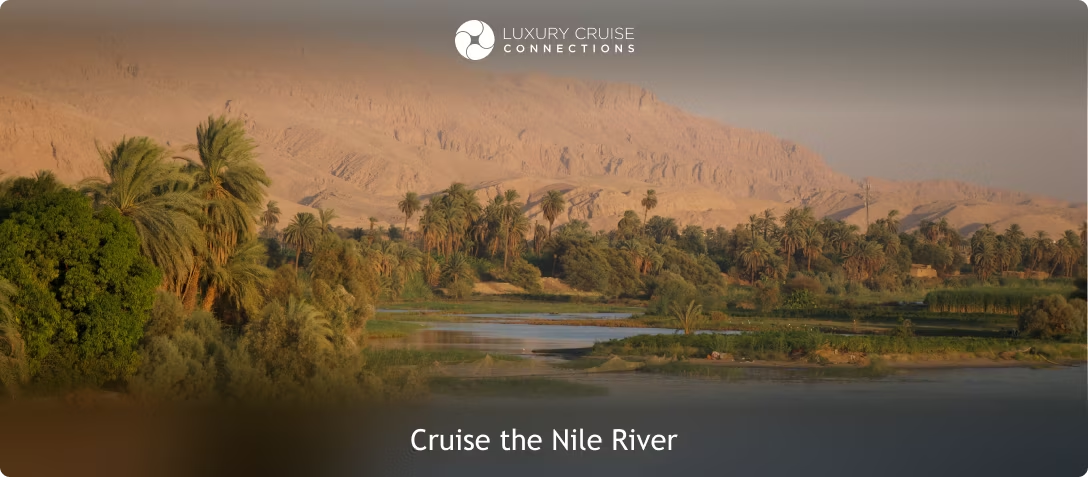
    Highlights of a Nile River cruise include discovering Egypt’s ancient landmarks in a continuous journey along the water. The Nile reveals views from the boat of green fields, palm groves, and desert cliffs. The temples of Luxor and Karnak stand near the riverbanks and display grand columns and sacred courtyards that reflect the power of Thebes. Farther south, the temples of Edfu and Kom Ombo rise directly beside the Nile and are reached only by boat. The pyramids of Memphis rise from the desert as the earliest symbols of Egypt’s civilization. The entire cruise presents Egypt’s history through a continuous panorama of water, land, and sky.

    Cruising the Nile River allows travelers to experience Egypt’s ancient heart from the calm of the Nile’s water. Visitors wake to soft light over the Nile and watch the shoreline drift past fields and villages. Local Egyptian tea is often served on deck as the boat cruises through palm-lined banks where fishermen work in silence. Stops along the river Nile typically include guided visits to temples close to the water. Meals often feature Egyptian dishes prepared onboard and enjoyed against a backdrop of drifting scenery. Evenings bring still air and reflections of distant lights across Egypt’s timeless river.

    The best time to cruise the Nile is from October to April when cooler temperatures and clear skies make deck viewing and shore excursions more comfortable.

    Licensed Egyptologists often accompany cruises leading excursions at each site and explaining historical context.

    Entry fees to temples like Luxor, Edfu, and Kom Ombo along the Nile cost between $5 - $12 USD per site.

  • Discover the Valley of the Kings

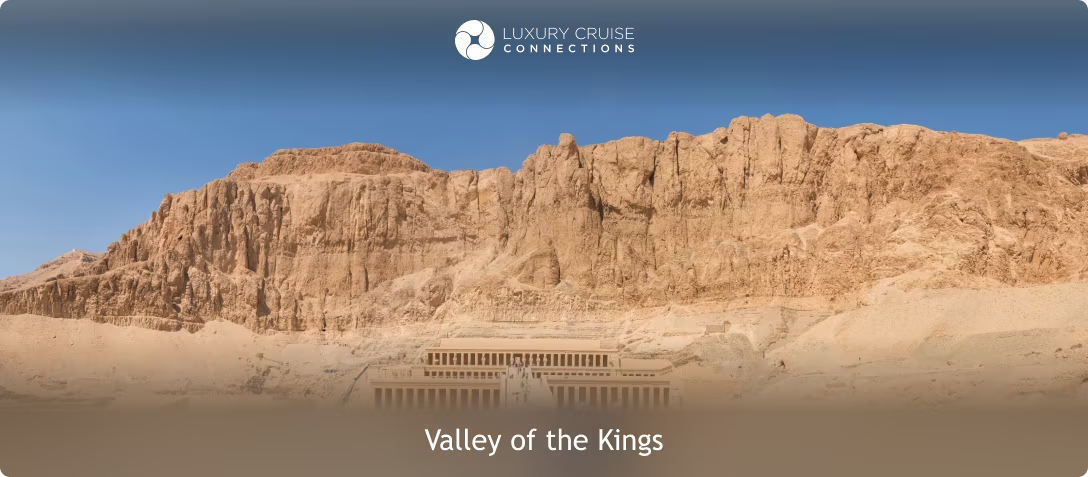
    The Valley of the Kings in Egypt served as the royal burial ground for pharaohs of the New Kingdom, dating from around 1539 to 1075 BCE. The valley holds over sixty rock-cut tombs adorned with wall paintings and hieroglyphs that describe the pharaoh’s journey through the afterlife. The Valley of the Kings forms part of the UNESCO-listed Theban Necropolis, once the necropolis of ancient Thebes. The arid desert landscape conceals elaborate chambers designed to safeguard royal treasures and mummies from tomb raiders. The richly decorated walls depict gods, protective spells, and sacred rituals that reveal the Egyptians’ spiritual beliefs and mastery of symbolic art. This site remains one of the world’s most significant archaeological locations that preserves ancient Egyptian mythology and afterlife beliefs
    Discover the Valley of the Kings

    Highlights of the Valley of the Kings include the tomb of Tutankhamun, discovered intact by Howard Carter in 1922. Visitors enter the small burial chamber which still contains the pharaoh’s stone sarcophagus and mummy. Tomb KV5, among the largest in the valley, held the burial chambers of several sons of Ramses II, showing the scale of royal family burials. The tomb of Seti I impresses with deep carvings and brightly painted scenes of gods. The tomb of Ramses VI features vivid astronomical ceilings. The visitor center presents scale models and exhibits explaining the site’s history.

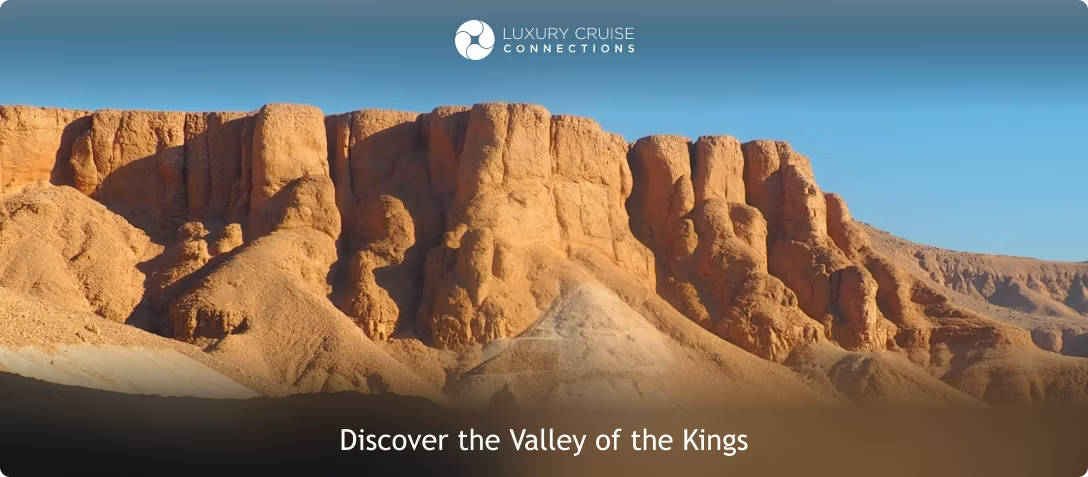
    Visiting the Valley of the Kings lets travelers discover the hidden burial world of Egypt’s New Kingdom pharaohs. Visitors walk through the stark desert landscape that is surrounded by sheer limestone cliffs before reaching the tomb area. Outside, expert guides describe the tomb designs and religious symbolism depicted in the wall art before travellers enter. Visitors then descend narrow corridors into chambers covered with colorful scenes of deities guiding the pharaoh through the afterlife. Within the tombs, visitors move through cool, quiet passages and marvel at hieroglyphs, painted ceilings, and the outlines of ancient gods.

    The best time to discover the Valley of the Kings is from November to February when temperatures are cooler, making outdoor walking more comfortable.

    Licensed Egyptologists in the Valley of the Kings lead tours explaining tomb architecture, mythology, and conservation work.

    General entry to the Valley of the Kings costs $15 USD and includes access to three tombs. Entry to Tutankhamun’s tomb costs an additional $15 USD. Entry to Seti I’s tomb costs $40 USD.

  • Visit the Temple of Karnak

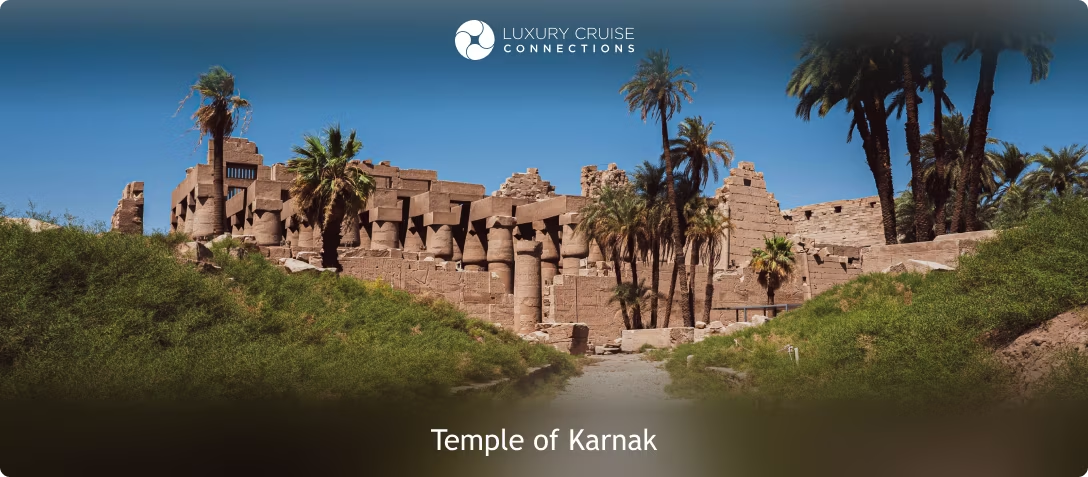
    The Temple of Karnak in Luxor is the largest religious complex ever built and one of Egypt’s most significant monuments. Karnak Temple served as a place of worship and a treasury, administrative center, and royal palace for New Kingdom pharaohs. It was dedicated to the Theban Triad of Amun-Ra, Mut, and Khonsu. Construction of the Temple of Karnak began around 2000 BCE during the Middle Kingdom and continued for more than 1,500 years. The complex features towering pylons, colossal statues, and vast courtyards that display the architectural and political power of ancient Egypt. Its Sacred Lake and processional avenues marked the heart of Theban religious life and continue to symbolize devotion, power, and continuity through Egypt’s dynastic history.
    Visit the Temple of Karnak

    Highlights of the Temple of Karnak include the awe-inspiring Great Hypostyle Hall containing 134 sandstone columns rising 21 meters. The Great Hypostyle Hall was designed to evoke the image of a papyrus thicket as per the world-creation myth of Ancient Egypt. The obelisks of Hatshepsut and Thutmose I dominate the open courtyards. Other highlights of the Temple of Karnak include Sacred Lake, which provided priests with ritual purification before ceremonies. The avenue of sphinxes once linked Karnak with Luxor Temple forming a grand ceremonial route. Reliefs across the temple walls depict pharaohs offering gifts to the gods. Another highlight is the evening sound and light show which illuminates the monuments with historical narration.

    Visiting the Temple of Karnak is an awe-inspiring experience that reveals the scale and spirituality of ancient Egypt. Travelers take 2-3 hours to explore the vast complex. They walk beneath towering columns carved with hieroglyphs and figures of gods and kings. Guides recount the grand religious festivals once held here, when priests carried the statue of Amun-Ra along the Avenue of Sphinxes to Luxor Temple. Visitors rest beside the Sacred Lake. Exploring the vast precinct of Amun-Re and smaller temples of Mut and Montu gives a fuller sense of the Karnak complex’s scale. Watching the evening light show adds drama as the monuments are illuminated and voices tell stories of ancient Thebes.

    The best time to visit the Temple of Karnak is from October to April when daytime temperatures are cooler.

    Certified Egyptologists conduct site tours of the Temple of Karnak to explain architectural evolution, deities, and ceremonial practices.

    Entry to the Temple of Karnak costs $15 USD. A ticket to the evening light-and-sound show costs around $20 USD.

  • See the Abu Simbel Temples

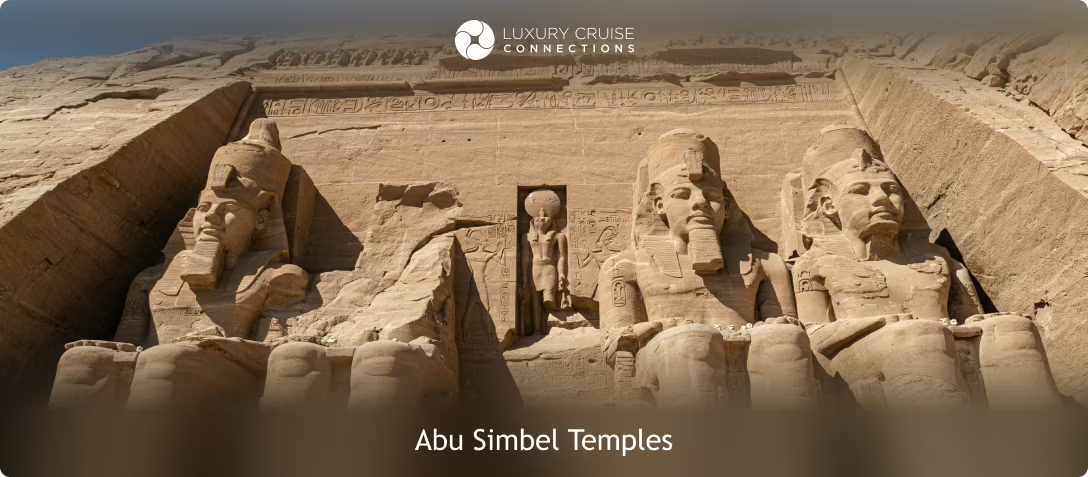
    The Abu Simbel Temples are two monumental rock-cut temples in southern Egypt near the border with Sudan. They stand within the ancient region of Nubia and represent one of Egypt’s most remarkable archaeological sites. The temples were carved from sandstone cliffs during the reign of Egyptian king Ramses II (around 1264 BCE) to commemorate his military victories and honor the gods Amun, Ra-Horakhty, and Ptah. A smaller adjoining temple honors Queen Nefertari and the goddess Hathor. In the 1960s both temples were relocated to higher ground to prevent submersion by the rising waters of Lake Nasser following the construction of the Aswan High Dam. The site demonstrates Egypt’s engineering skill and cultural preservation.
    See the Abu Simbel Temples

    Highlights of the Abu Simbel Temples include the four colossal seated statues of Ramses II each standing about 20 meters high and flanked by smaller figures of his family. The Great Temple of Ramses II extends 56 meters into the sandstone cliff and contains three chambers lined with Osiride statues and reliefs depicting the Battle of Kadesh. Another highlight is the Temple of Hathor dedicated to Queen Nefertari portrayed as the goddess Hathor herself. Six large statues, four of Ramses II and two of Nefertari, decorate the temple’s façade. Inside the Temple of Hathor, vivid carvings show the royal couple presenting offerings to the gods. The Abu Simbel Temples overlook the deep blue waters of Lake Nasser.

    Seeing the Abu Simbel Temples is an awe-inspiring experience that connects visitors to the legacy of the Egyptian king Ramses II. Travelers that arrive at dawn witness when sunlight first touches the colossal statues that cast long shadows across the forecourt. Visitors walk toward the Great Temple of Ramses II and admire its towering façade before entering. They explore pillared halls decorated with scenes of Ramses’s victories and learn from guides about the temple’s astronomical alignment. Visitors continue to the smaller Temple of Nefertari. Outside, visitors rest near the edge of Lake Nasser and observe the quiet desert landscape. After sunset, guests watch the Sound and Light Show which narrates the temple’s history through projected images and music.

    The best time to see the Abu Simbel Temples is from November to March when desert temperatures are cooler and more comfortable for walking between the temples.

    Accredited Egyptologist guides explain the Abu Simbel Temples’ construction, iconography, and relocation process.

    Entry to the Abu Simbel temples costs $8.50 USD for adults and $4.50 USD for students.

  • Snorkel at Sharm El Sheikh

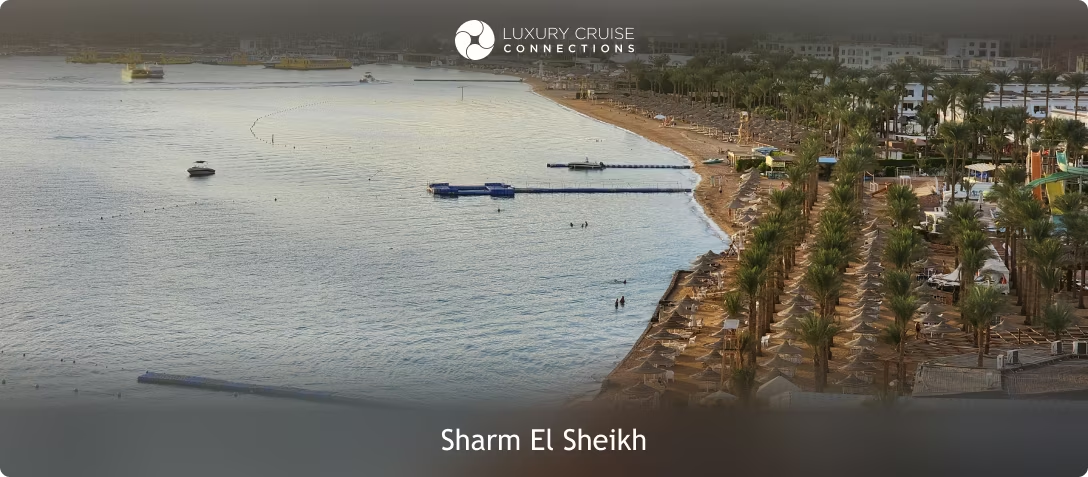
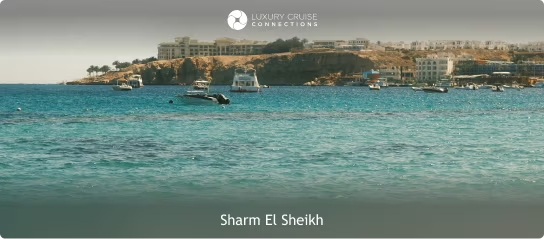
    Sharm El Sheikh is a coastal city in Egypt’s Sinai Peninsula that is recognized as the country’s premier snorkeling destination. Sharm El Sheikh translates to “Bay of the Sheikh” and reflects its early life as a fishing village on the Red Sea coast. The area is famous for crystal-clear water, coral reefs, and abundant marine species that thrive in the Red Sea’s warm currents. Ras Mohammed National Park nearby safeguards extensive coral systems and diverse fish populations. Modern dive centers and conservation programs in Sharm El Sheikh sustain reef health and support responsible snorkeling tourism.
    Snorkel at Sharm El Sheikh

    Highlights of Sharm El Sheikh include Ras Mohammed National Park, a protected reserve with some of the Red Sea’s most spectacular reefs. Shark Reef and Yolanda Reef both provide dense coral formations that attract turtles, barracudas, and reef sharks. Another highlight of Sharm El Sheikh is Tiran Island. Tiran Island is reachable by boat and provides access to Gordon Reef and Jackson Reef’s vivid coral walls and schools of tropical fish. Naama Bay offers shallow clear waters ideal for beginners and families. Shark’s Bay provides easy shore access to colorful coral gardens. Ras Um Sid features giant clams and dense coral fans, while Nabq Bay shelters rays and juvenile fish in calm lagoons.

    Snorkeling at Sharm El Sheikh offers a close encounter with the Red Sea’s extraordinary underwater life. Visitors begin at Sharm El Sheikh’s beachside dive centers where guides supply fins and masks before boat transfers to offshore reefs. On arrival, snorkelers enter warm turquoise water and float above fields of branching coral. Snorkelers observe angelfish, parrotfish, and clownfish weaving through anemones. At Ras Mohammed, snorkelers follow reef edges where sunlight filters through shoals of silver fish and turtles glide between coral towers. Around Tiran Island, divers drift past soft corals and spot rays resting on sandy patches. After exploring, guests relax on deck and watch the desert mountains fade into the horizon, ending the day with views that unite sea and sand.

    The best time to snorkel in Sharm El Sheikh is from April to October when warm water and clear visibility reveal abundant marine life

    Local snorkeling guides in Sharm El Sheikh lead trips, provide safety instruction, and supply snorkeling equipment. Many work with certified marine guides who explain Sharm El Sheikh’s reef ecology and help with species identification.

    Entry to Ras Mohammed National Park costs about $2-5 USD depending on nationality. Equipment rental averages $5 - $10 USD for masks, fins, and snorkels.

  • Explore the Egyptian Red Sea Coast

    The Egyptian Red Sea Coast stretches over 1,900 kilometers along the country’s eastern boundary and is one of Egypt’s premier coastal regions. The Red Sea Coast lies between the arid Eastern Desert and the Red Sea, forming a corridor of resort towns, coral reefs, and marine sanctuaries. Coral reefs here are among the healthiest in the world, hosting tropical fish, turtles, and dolphins. The Red Sea’s warm, clear waters contrast with desert mountains, creating a dramatic natural setting for diving, snorkeling, and relaxation in Egypt.
    Explore the Egyptian Red Sea Coast

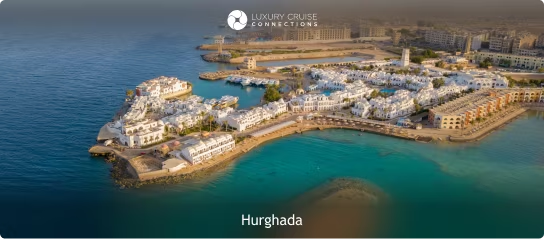
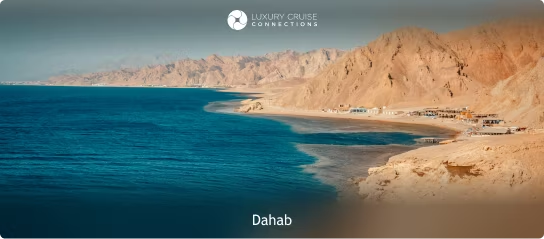
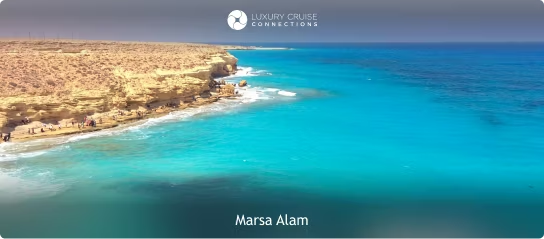
    Highlights of the Egyptian Red Sea Coast include Hurghada, a major resort town with easy access to Giftun Island and nearby diving reefs. Sharm El Sheikh is a coastal city that borders Ras Mohammed National Park and harbors vibrant coral walls and reef fish. Marsa Alam is a quieter resort area that offers sites such as Abu Dabbab, known for sea turtles and dugongs. Dahab is a laid-back beach town famous for the Blue Hole dive site. El Gouna is a modern resort complex built around lagoons and marinas. Safaga is a port town recognized for its mineral springs and black sand beaches.

    Exploring Egypt’s Red Sea Coast reveals a dynamic mix of marine adventure and desert tranquility. Visitors travel between Egyptian resort towns along a coastline where rich coral reefs begin just offshore. In Hurghada, visitors join boat trips to nearby islands and snorkel in turquoise lagoons. In Sharm El Sheikh, travelers dive or snorkel among schools of fish in Ras Mohammed National Park. Travelers in Marsa Alam swim beside turtles and occasionally glimpse dugongs grazing in shallow bays. Dahab offers the chance to relax and eat at waterfront cafes and kitesurf in its sheltered lagoons. Evening walks along marinas or seaside promenades along the Red Sea Coast bring views of golden mountains and calm, starlit water.

    The best time to explore Egypt’s Red Sea Coast is from March to May and from September to November when air and sea temperatures remain comfortable. Summer from June to August brings intense heat above 100 °F (38 °C), while winter from December to February has cooler evenings but good water clarity.

    Local guides and certified dive instructors operate throughout the Red Sea Coast. They organize snorkeling, diving, and desert excursions. Many are trained in marine conservation and help visitors identify coral and fish species while ensuring reefs remain protected.

    Boat trips to islands along the Red Sea Coast such as Giftun or Tiran cost between $25 - $50 USD and include transport, snorkeling gear and lunch. Ras Mohammed National Park along the Red Sea Coast charges an entry fee of about $2 - $5 USD.

  • Visit the Great Sphinx of Giza

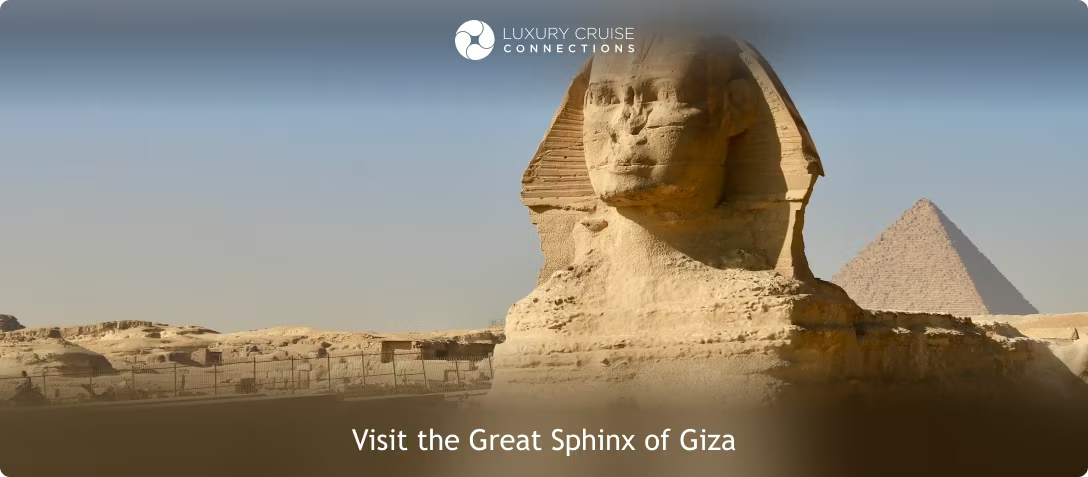
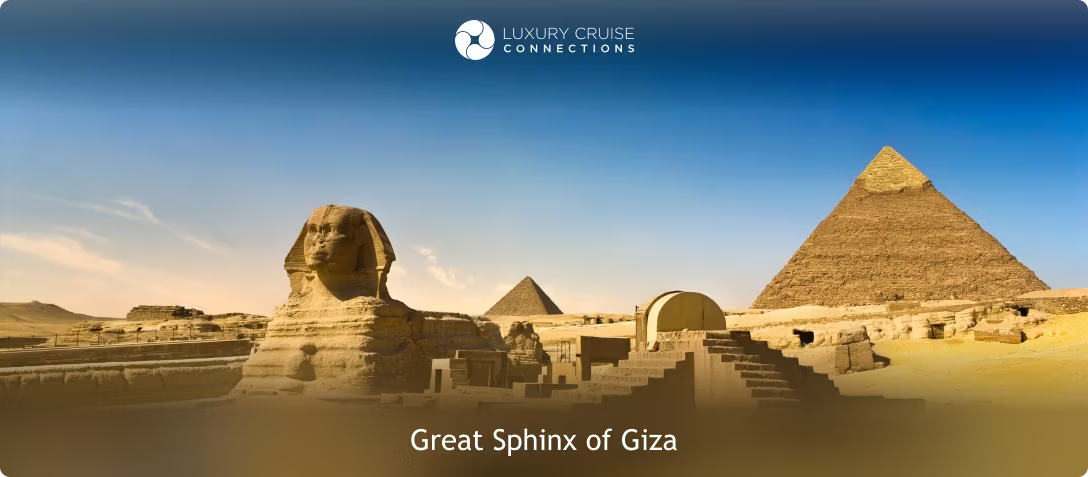
    The Great Sphinx of Giza is a colossal limestone statue on Egypt’s Giza Plateau near Cairo. It stands at the eastern edge of the Pyramids of Giza, facing directly toward the rising sun. The monument was carved from a single limestone ridge around 2500 BCE during the reign of Pharaoh Khafre. The Great Sphinx combines a lion’s body with a human head to symbolize royal power and divine protection. Measuring 73 meters in length and 20 meters in height, the Great Sphinx served as guardian of the Giza Necropolis, a UNESCO World Heritage Site. The Sphinx’s weathered surface and restored features preserve the grandeur of Egypt’s Old Kingdom craftsmanship.
    Visit the Great Sphinx of Giza

    Highlights of the Great Sphinx of Giza include its massive scale and its close alignment with the Pyramid of Khafre, forming one of Egypt’s most recognizable sights. The Sphinx Temple beside the statue contains remnants of limestone walls used for ancient solar rituals dedicated to Ra. The nearby Valley Temple of Khafre reveals precise Old Kingdom masonry in massive limestone and granite blocks. Viewing terraces around the site allow visitors to see the Sphinx framed against the pyramids. At night, the Giza Sound and Light Show illuminates both the Sphinx and the pyramids while a narration voiced through the Sphinx recounts Egypt’s ancient history.

    Travelers typically visit the Great Sphinx of Giza after exploring the Pyramids of Giza since both attractions stand within the same archaeological site. Visitors view the Giza pyramids from the upper plateau and then descend toward the Great Sphinx enclosure where the statue faces the morning sun. Visitors stand before the Sphinx monument and marvel at its vast proportions and its alignment with the Pyramid of Khafre rising behind it. Egyptologists explain the Sphinx’s role as guardian of the necropolis and its connection to solar worship. From the terraces, travelers are able to photograph both the Sphinx and the pyramids in one frame. After sunset, the Pyramids Sound and Light Show projects colorful lights across the plateau, using the Sphinx as narrator to tell the story of Egypt’s ancient kings.

    The best time to visit the Great Sphinx of Giza is from October to April when the weather is mild and suitable for exploring the open Giza plateau.

    Licensed Egyptologists guide visitors across the Giza Plateau and explain the Sphinx’s history, symbolism, and alignment with the pyramids.

    Entry to the Giza Plateau costs $15 USD per person and includes access to the Sphinx viewing area. The Pyramids Sound and Light Show requires an additional ticket costing $20 per adult and $11 per child.

  • Wander through the Ancient City of Alexandria

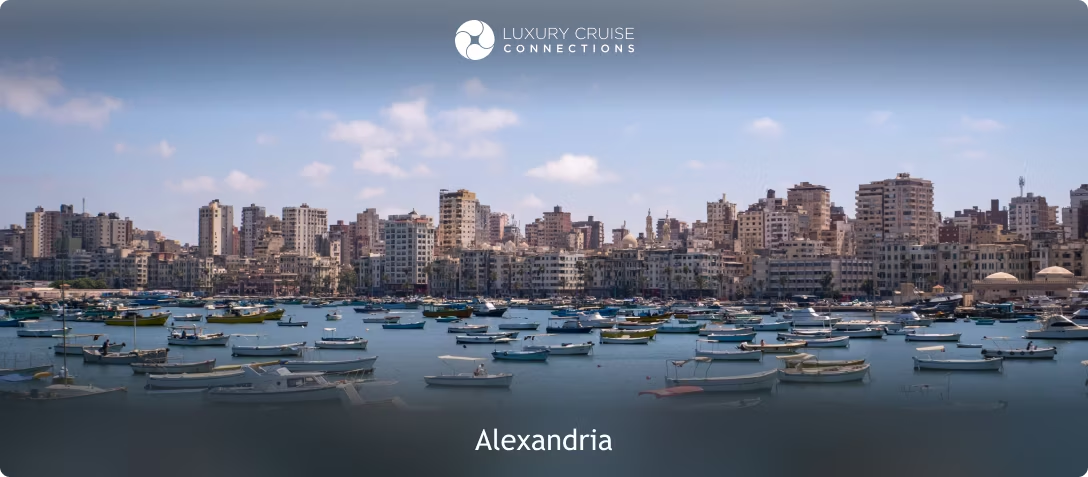
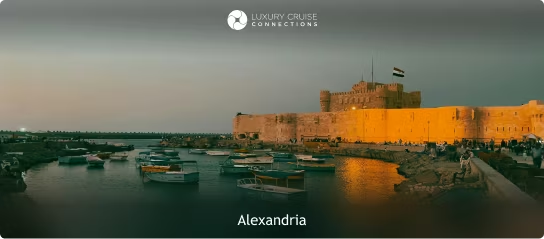
    The ancient city of Alexandria is Egypt’s historic Mediterranean center of learning, trade, and culture. Alexandria lies on the western edge of the Nile Delta and stretches about forty kilometers along Egypt’s northern coast. The city of Alexandria was founded by Alexander the Great in 331 BCE as the capital of Ptolemaic Egypt and one of the most important cities of the ancient world. The Great Library of Alexandria and the Lighthouse of Pharos defined the ancient city of Alexandria’s reputation for scholarship and engineering. Wandering the surviving streets, harbors, and ruins of Alexandria reveals the blend of Greek, Roman, and Egyptian traditions that shaped its identity as the “Bride of the Mediterranean.
    Visit the Great Sphinx of Giza

    Highlights of Alexandria include the Bibliotheca Alexandrina, a modern cultural complex that honors the famous ancient Library of Alexandria. The Catacombs of Kom El Shoqafa in Alexandria combine ancient Egyptian, Greek, and Roman burial art in spiraling underground chambers. The Roman Amphitheatre in Kom El Dikka reveals marble seats and mosaics from the second century. Another highlight of Alexandria is Qaitbay Citadel which is built on the original site of the Pharos Lighthouse and offers panoramic harbor views. Pompey’s Pillar and nearby Serapeum ruins provide further glimpses of Alexandria’s classical heritage.

    Visitors experience ancient Alexandria through its temples, catacombs, and classical ruins. Visitors enter the Bibliotheca Alexandrina to study exhibits about the Great Library and Egypt’s scholars. Visitors explore Kom El-Dikka to see Roman theatres and columns preserved within the modern city. Visitors descend into the Catacombs of Kom El Shoqafa to view carvings that merge Egyptian and Greek forms. Visitors then stroll along the Corniche and watch boats cross the Mediterranean beside the old harbor. Food-lovers eat grilled seafood in cafés overlooking the sea. Travelers end the day in Alexandria’s markets buying spices, antiques, and handmade souvenirs that celebrate its ancient past.

    The best time to wander through the Ancient City of Alexandria is from March to June and September to November. Temperatures are mild and humidity is moderate during these months, making walking around the city more comfortable.

    Local historians and archaeologists conduct walking tours that cover Alexandria’s Hellenistic, Roman, and Islamic landmarks. Private guides at major Alexandria sites provide detailed interpretation of art and architecture.

    Entry to the Bibliotheca Alexandrina costs $4 - $5 USD. The Catacombs of Kom El Shoqafa entry costs $4 USD and the Qaitbay Citadel entry costs $5 USD.


What are the Most Popular Tourist Attractions in Egypt?

The most popular tourist attractions in Egypt are listed below.

  • Pyramids of Giza
  • Valley of the Kings
  • Temple of Karnak
  • Abu Simbel Temples
  • Great Sphinx of Giza
  • Sharm El Sheikh
  • Alexandria
  • Pyramids of Giza

    The Pyramids of Giza are an ancient complex and Egypt’s most visited landmark with over 14 million visitors each year. Located on the Giza Plateau near Cairo, the pyramids represent the pinnacle of ancient Egyptian engineering and are the only surviving Wonder of the Ancient World.
    Pyramids of Giza
  • Valley of the Kings

    The Valley of the Kings is the royal burial ground of New Kingdom pharaohs on Luxor’s west bank. The Valley of the Kings’s richly decorated tombs and painted chambers attract millions of visitors drawn to Egypt’s dynastic art and mythology.
    Valley of the Kings
  • Temple of Karnak

    The Temple of Karnak in Luxor is a vast religious complex that showcases over 1,500 years of continuous construction by successive pharaohs. The Temple of Karnak’s monumental pylons, obelisks, and the Great Hypostyle Hall make it one of Egypt’s most visited archaeological sites.
    Temple of Karnak
  • Abu Simbel Temples

    The Abu Simbel Temples near Lake Nasser are colossal rock-cut sanctuaries built by Ramses II. Abu Simbel Temples’ massive statues and solar alignment event draw consistent crowds year-round.
    Abu Simbel Temples
  • Great Sphinx of Giza

    The Great Sphinx of Giza stands beside the pyramids and continues to attract global interest as one of Egypt’s most recognizable monuments. The Great Sphinx’s enormous limestone form and symbolic design embody the artistic ideals of ancient Egypt.
    Great Sphinx of Giza
  • Sharm El Sheikh

    Sharm El Sheikh on the Red Sea coast is Egypt’s most popular resort city. Tourists visit Sharm El Sheikh for coral reefs, clear waters, marine activities and relaxation.
    Sharm El Sheikh
  • Alexandria

    Alexandria on Egypt’s Mediterranean coast ranks among the country’s most visited cultural cities. Alexandria’s Greco-Roman ruins, seafront promenade, and landmarks such as the Bibliotheca Alexandrina and Qaitbay Citadel showcase Egypt’s historic connection to the classical world.
    Alexandria


Which Vacation Spots in Egypt Are Best for Beach Lovers?

The vacation spots in Egypt best for beach lovers are listed below.


What are the Best Things to Do in Egypt for First-Time Visitors?

The best things to do in Egypt for first-time visitors are listed below.

The Pyramids of Giza in Egypt stand on the Giza Plateau near Cairo and remain Egypt’s most famous attraction. Seeing the Great Pyramid and the Great Sphinx gives first-time travelers a powerful introduction to Egypt’s ancient civilization.
The Egyptian Museum in Egypt holds the world’s largest collection of pharaonic artifacts. Exploring Tutankhamun’s treasures, royal mummies, and ancient sculptures helps first-time visitors understand the depth of Egypt’s history before visiting its temples and tombs.
The Nile River in Egypt links many of the country’s most important archaeological sites. A cruise between Luxor and Aswan offers first-time travelers a relaxed and organized way to experience temples, villages, and desert scenery.
The Temples of Luxor and Karnak in Egypt display the grandeur of the ancient Theban kingdom. Touring the temples’ columns, statues, and sacred lakes reveal the spiritual life of the pharaohs and provide essential context for new visitors.
The Valley of the Kings in Egypt holds the tombs of New Kingdom rulers, including Tutankhamun. Its vividly painted chambers illustrate beliefs about the afterlife and show first-time travelers the artistry of ancient burial traditions.
The Abu Simbel Temples in Egypt, built by Ramses II near Lake Nasser, impress first-time visitors with their colossal statues and the dramatic desert setting.
The Red Sea in Egypt offers clear water, coral reefs, and colorful marine life around Sharm El Sheikh and Hurghada. Snorkeling in the Red Sea provides first-time visitors with a refreshing escape from Egypt’s desert and monuments.
Alexandria in Egypt offers coastal charm and classical heritage. Exploring the Bibliotheca Alexandrina, Qaitbay Citadel, and Roman catacombs provides first-time visitors with context on Egypt’s Greek and Roman past.

Can you Explore the Ancient Pyramids of Egypt without a Tour Guide?

Yes, you can explore the ancient Pyramids of Egypt without a tour guide by planning ahead and following the site’s rules. Independent visitors reach the Giza Plateau easily by taxi or rideshare from central Cairo, about 15 kilometers away. General admission tickets are purchased at the Giza Plateau entrance for access to the Great Pyramid of Khufu, the Pyramid of Khafre, the Pyramid of Menkaure, and nearby monuments. Separate tickets are required to enter the pyramid interiors. The Pyramids of Egypt site opens daily from 8:00 am to 5:00 pm, with final entry about one hour before closing time. Marked paths and multilingual signs explain the history of each structure and audio guides and mobile apps provide additional context for self-guided visits. Travelers who prefer interpretation hire a licensed guide at the entrance of the Giza Plateau. Photography is allowed across the plateau but restricted inside the pyramids, and only small bags enter the interiors. Comfortable walking shoes, water, and sun protection are essential. Self-guided visits offer flexibility and lower costs, while guided tours provide transport, convenience, and expert narration.

How to make the most of a short stay in Egypt for Sightseeing?

To make the most of a short stay in Egypt for sightseeing, there are six steps to follow. First, begin in Cairo to get a clear introduction to Egypt’s ancient civilizations. Cairo is an excellent starting point for short stays in Egypt as it is the gateway to must-see attractions like the Pyramids of Giza, the Great Sphinx, and the Egyptian Museum. These landmarks are close together, allowing travelers to maximize limited time while gaining a strong sense of Egypt’s history. Second, save time on your short stay in Egypt by taking a domestic flight from Cairo to Luxor, instead of traveling by road or train. Luxor is the best base for seeing the sights of the Temple of Karnak and the Valley of the Kings. Third, use the afternoon for a short Nile River cruise or felucca sail, a relaxing way to see daily Egyptian life along the river. Fourth, travel on to Aswan to visit the Abu Simbel Temples. Visiting at sunrise allows you to see these Egyptian monuments in ideal light and avoid midday heat. Fifth, spend one day of your short stay on the Red Sea Coast in Sharm El Sheikh or Hurghada for underwater sightseeing among coral reefs. Visiting the Red Sea Coast provides a vivid contrast to Egypt’s desert landscapes. Lastly, plan ahead to make the most of your short stay or consider pre-booking guided tours and private transfers

Are there Activities in Egypt Perfect for Families with Children?

Yes, there are many activities in Egypt perfect for families with children. Egypt blends ancient history, desert landscapes, and coastal adventure in ways that are exciting for travelers of all ages. Families visit the Pyramids of Giza and the Great Sphinx, where camel rides and light shows make Egypt’s ancient world engaging for children. The Egyptian Museum in Cairo fascinates children with colorful sarcophagi and the treasures of Tutankhamun. In Luxor and Aswan, Nile River cruises let families explore temples such as Karnak and Philae in comfort. Along the Red Sea Coast in Hurghada and Sharm El Sheikh, families with kids enjoy activities like snorkeling, glass-bottom boat rides, and dolphin-watching. Desert trips near Luxor or Dahab provide gentle camel rides and stargazing that show families another side of Egypt. Many Cairo attractions like the Solar Boat Museum and planetariums complete the educational experience.

Are there Fun Things to Do in Egypt for Outdoor Adventures?

Yes, there are many fun things to do in Egypt for outdoor adventures. Egypt’s varied landscapes of desert, mountain and sea create a playground for thrill-seekers, nature lovers, and families who enjoy active travel. Desert outdoor adventures in Egypt include quad biking across the sand dunes near Luxor and sandboarding in the White Desert. Camel rides and 4x4 safaris provide soft adventure across Egypt’s open terrain. Egypt’s Sinai Peninsula appeals to hikers with trails through rugged mountains and the climb to Mount Sinai. Near Luxor, hot air balloon rides over the Valley of the Kings combine adventure with extraordinary scenery. Sea outdoor adventures in Egypt include surfing, parasailing, and boat excursions along the Red Sea coast. Snorkeling and diving in Sharm El Sheikh and Hurghada reveal coral reefs full of tropical fish, rays, and sea turtles. Outdoor family adventures often include cruising up the Nile, exploring oases like Bahariya, or camping beneath star-filled skies.

Best Things to Do Around the World

Discover the best activities, landmarks, and experiences in every cruise destination and port of call.

Europe Western, Central & Mediterranean
America North, Central, South & Caribbean
Africa & Asia Oceania & Antarctica