10 Best Things to Do in Martinique

10 best things to do in Martinique present volcanic peaks, French Caribbean architecture, and crescent-shaped beaches al...

add

10 best things to do in Martinique present volcanic peaks, French Caribbean architecture, and crescent-shaped beaches along the Lesser Antilles arc. 10 best things to do in Martinique highlight rainforest highways, rum distilleries dating to the 17th century, and coastal villages shaped by Creole heritage. Martinique functions as an overseas region of France, covering 1,128 square kilometers with diverse terrain ranging from black sand volcanic shores to coral-edged bays. The island carries a layered history influenced by Indigenous Kalinago communities, French colonial settlement in 1635, and modern European Caribbean identity. Fort-de-France is the administrative and cultural center, featuring colonial streets, markets, and harbor promenades. Travelers exploring things to do in Martinique encounter rainforest hikes, marine reserves, and heritage plantations across varied places to visit in Martinique and distinct Martinique places to visit.

  • Explore Fort-de-France
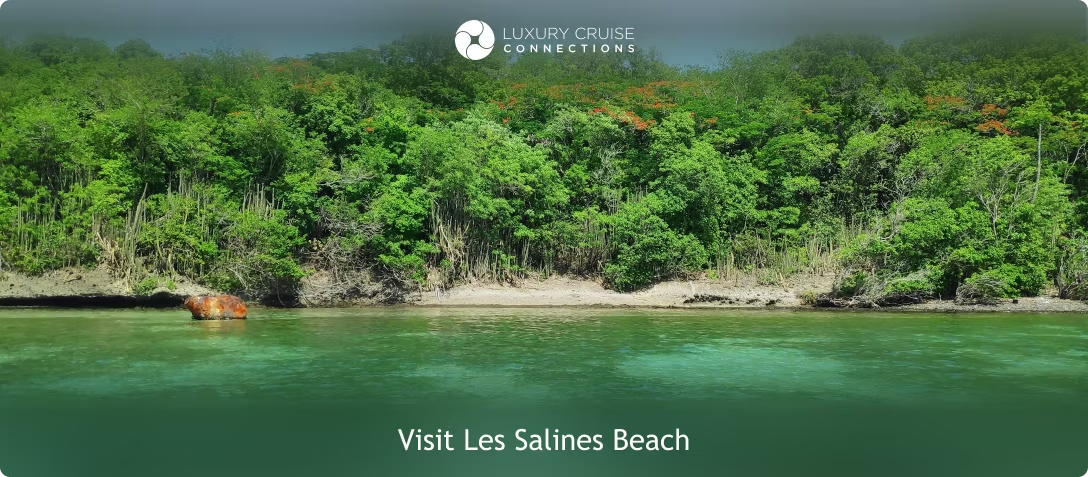
  • Visit Les Salines Beach
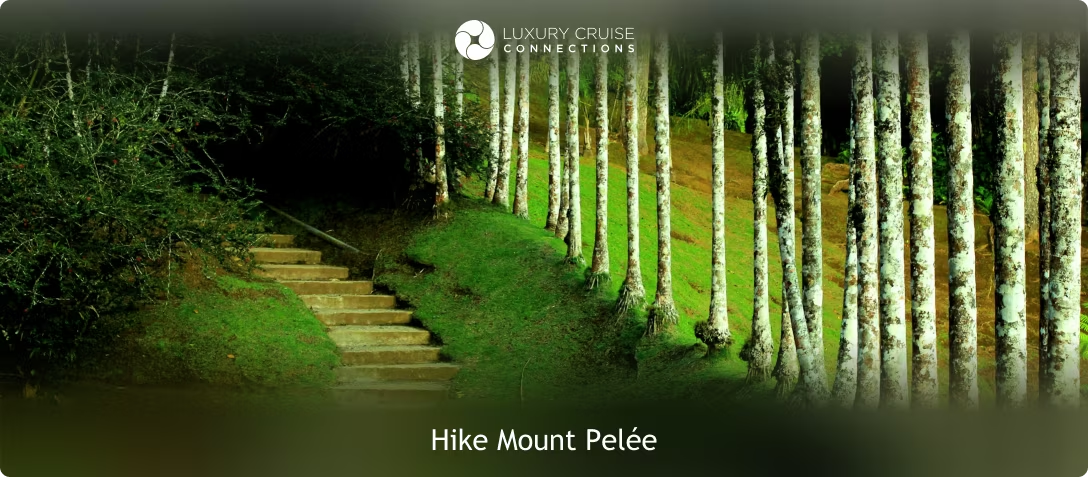
  • Hike Mount Pelée
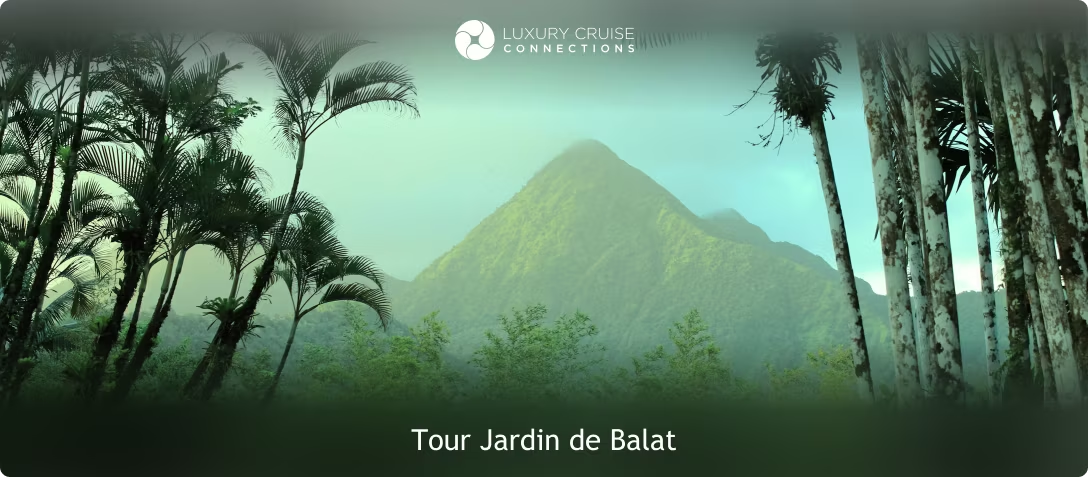
  • Tour Jardin de Balata
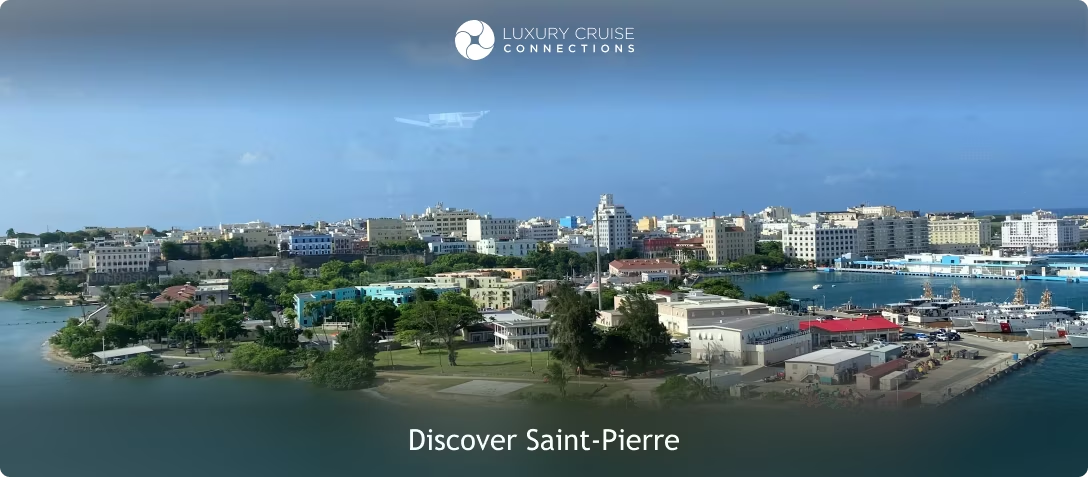
  • Discover Saint-Pierre
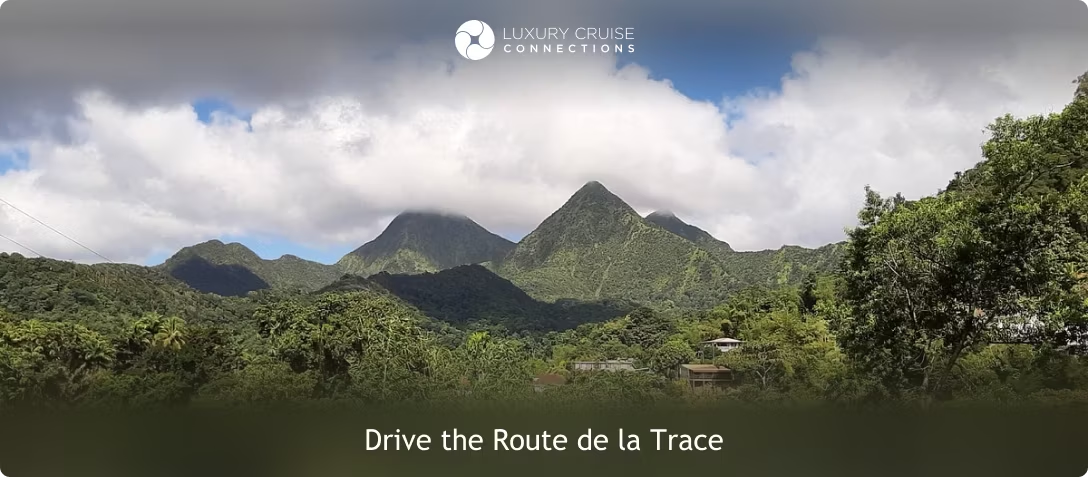
  • Drive the Route de la Trace
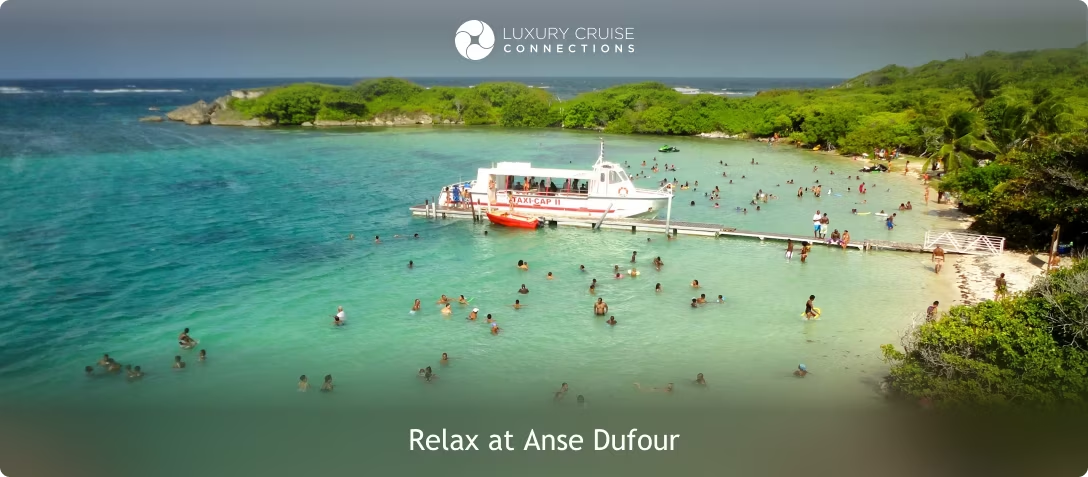
  • Relax at Anse Dufour
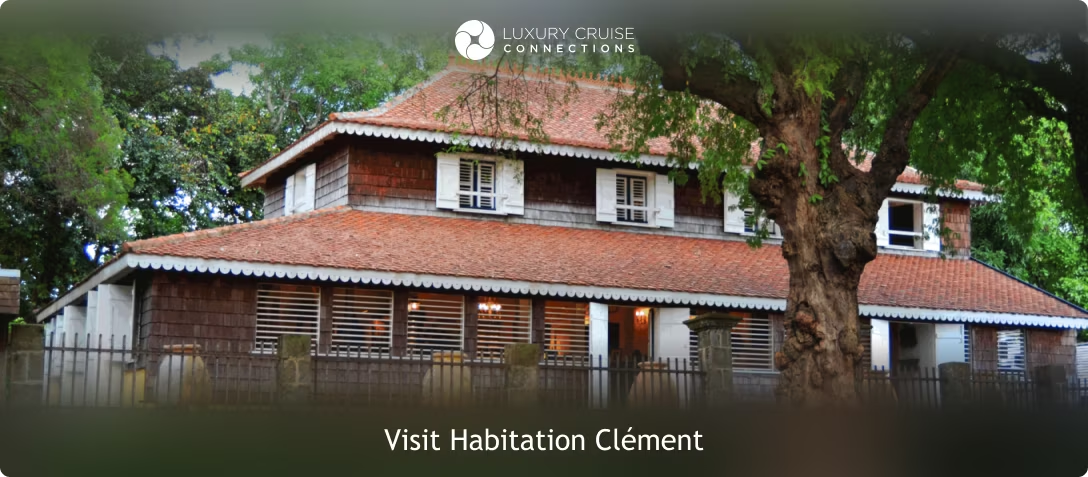
  • Visit Habitation Clément
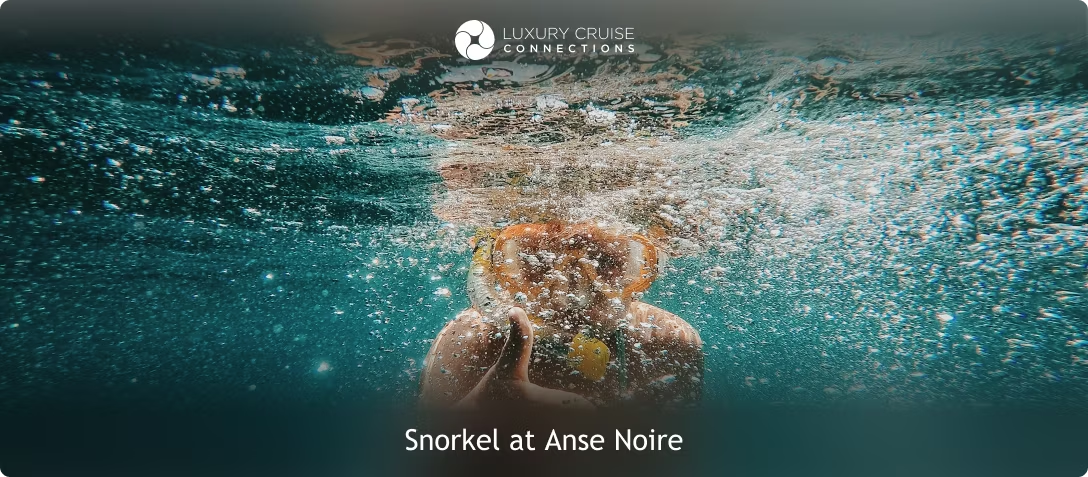
  • Snorkel at Anse Noire
  • Explore Presqu'île de la Caravelle
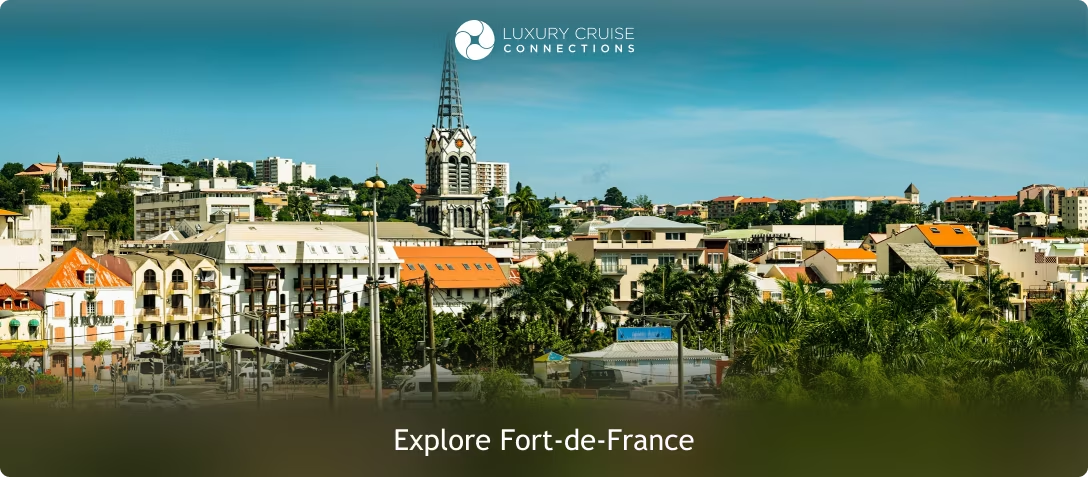
  • Explore Fort-de-France

    Fort-de-France is the capital city and primary cruise gateway of Martinique. The harbor district contains colonial era buildings, open-air markets, and La Savane park stretching along the waterfront. Fort Saint-Louis overlooks the bay from a 17th-century defensive position guarding the Caribbean Sea.
    Explore Fort-de-France

    Schoelcher Library features ornate metal architecture imported from Paris in the 19th century. The Grand Marché showcases spices, tropical fruits, and handcrafted goods reflecting Creole identity

    Visitors walk shaded boulevards, sample local pastries, and observe fishing boats entering the harbor basin. Street cafés present French Caribbean cuisine within compact city blocks measuring under 5 square kilometers.

    December to April offers lower rainfall and average temperatures between 24°C and 30°C.

    Licensed walking tours range from 2 to 3 hours covering colonial history.

    Guided tours range from [$25 to $60], depending on group size.

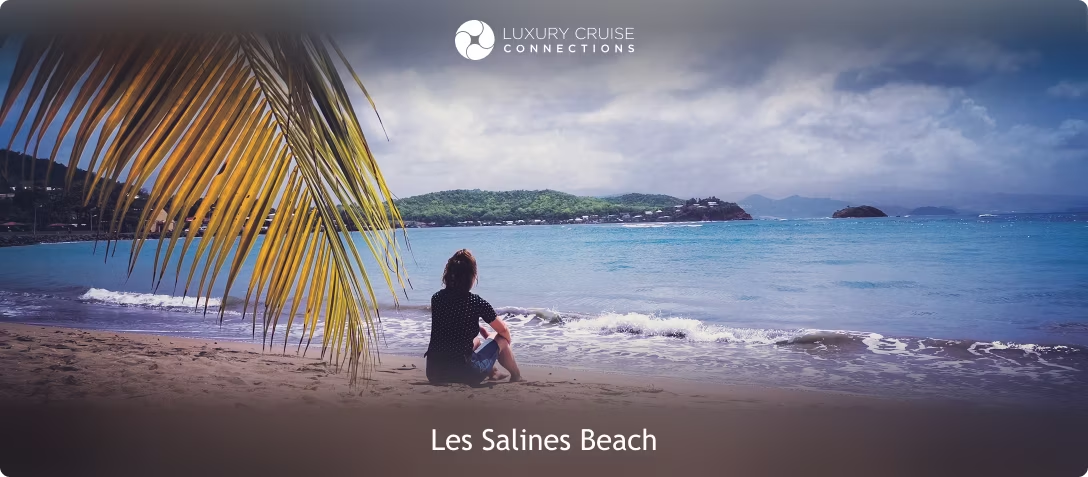
  • Visit Les Salines Beach

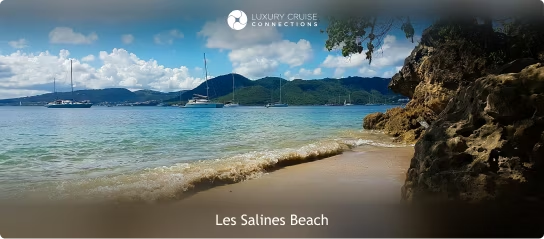
    Les Salines Beach stretches along the southern coast near Sainte-Anne across a 1-kilometer shoreline of fine white coral sand. Coconut palms line the backshore, creating natural shade across the upper beach zone. Shallow lagoon waters measure from 1 to 2 meters in depth near the shoreline. Sea temperatures remain stable from 26°C to 29°C during the dry season (December to April).
    Visit Les Salines Beach

    The beach features clear turquoise water with visibility reaching from 10 to 20 meters during calm sea conditions. The gradual seabed slope supports safe swimming across wide tidal flats. Vendors near the parking zone sell fresh fruit, grilled seafood, and coconut water (local stalls).

    Visitors swim in calm waters, walk beneath palm canopies, and observe fishing boats offshore. Sunset hours from 17:30 to 18:30 create warm light reflecting across the bay.

    Dry season (December to April) records lower rainfall, averaging from 60 mm to 100 mm monthly.

    Independent access requires no licensed guide

    Public entry remains free; parking ranges from [$5 to $10].

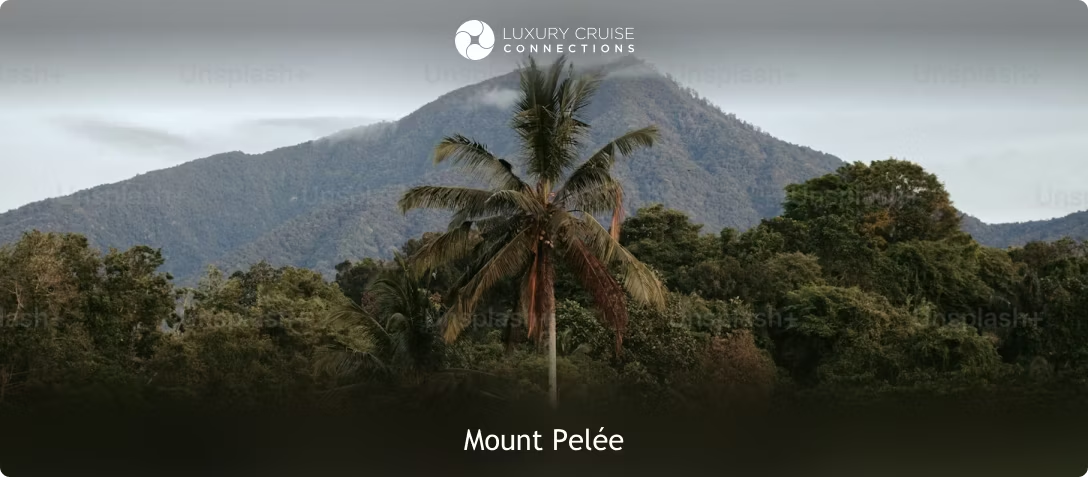
  • Hike Mount Pelée

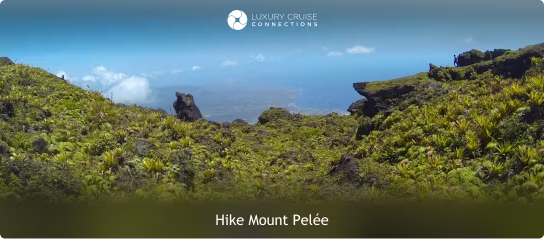
    Mount Pelée rises 1,397 meters above sea level in northern Martinique, forming the island’s highest volcanic peak. The stratovolcano erupted in 1902, destroying Saint-Pierre and altering the northern coastline. Marked hiking routes extend from 400 meters in elevation to the summit ridge.
    Hike Mount Pelée

    The summit ridge provides panoramic views across the Caribbean Sea and Atlantic Ocean during clear mornings. Cloud forest vegetation surrounds mid-elevation trails from 600 to 1,000 meters. Volcanic rock formations and fumarole remnants reflect geological activity.

    Hikers ascend rocky switchbacks and forested paths across gradients reaching a 30 percent incline. Air temperature decreases from coastal averages of 28°C to summit readings near 20°C. Total hiking duration ranges from 4 to 6 hours.

    Dry season (January to May) reduces rainfall levels and trail erosion

    Certified mountain guides lead structured ascents with safety briefings.

    Trail access remains free; guided hikes range from [$40 to $90].

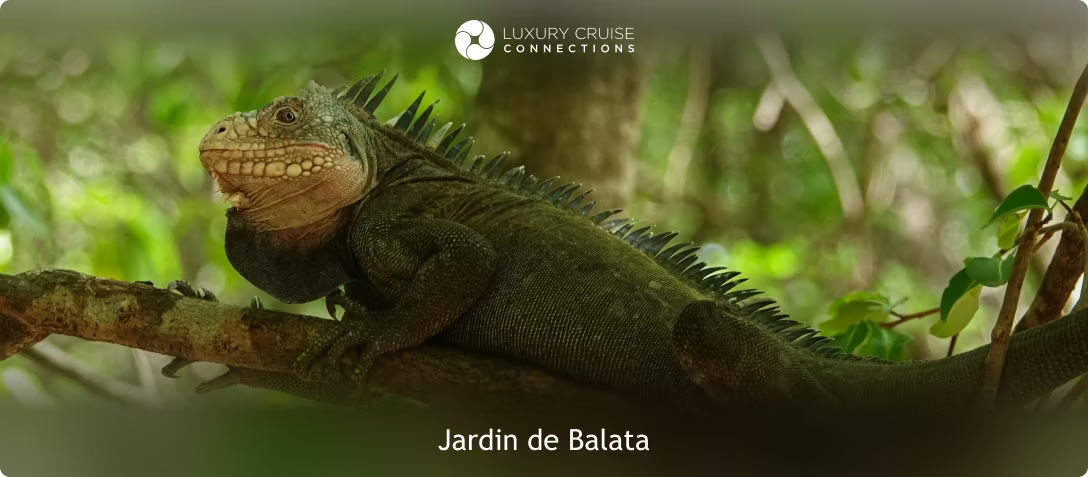
  • Tour Jardin de Balata

    Jardin de Balata sits 10 kilometers north of Fort-de-France within a rainforest valley at an elevation of 250 meters. The botanical garden displays over 3,000 tropical plant species (heliconias, orchids, bromeliads) arranged across landscaped terraces. Creole-style wooden structures overlook manicured lawns and mountain backdrops.
    Tour Jardin de Balata

    Suspension bridges rise from 10 to 15 meters above ground level, providing canopy-level viewpoints across forested hills. Flowering pathways attract hummingbirds and butterflies across shaded sections of the garden.

    Visitors walk paved circuits measuring 1.5 kilometers across gentle gradients. Interpretive panels describe plant origin, climate adaptation, and botanical classification. Mountain breezes moderate air temperatures from 24°C to 28°C throughout the dry season (December to April).

    Morning entry from 08:30 to 10:30 reduces midday heat exposure.

    Self-guided exploration uses posted botanical explanations.

    Adult admission costs [$16]; child tickets range from [$11 to $13]

  • Discover Saint-Pierre

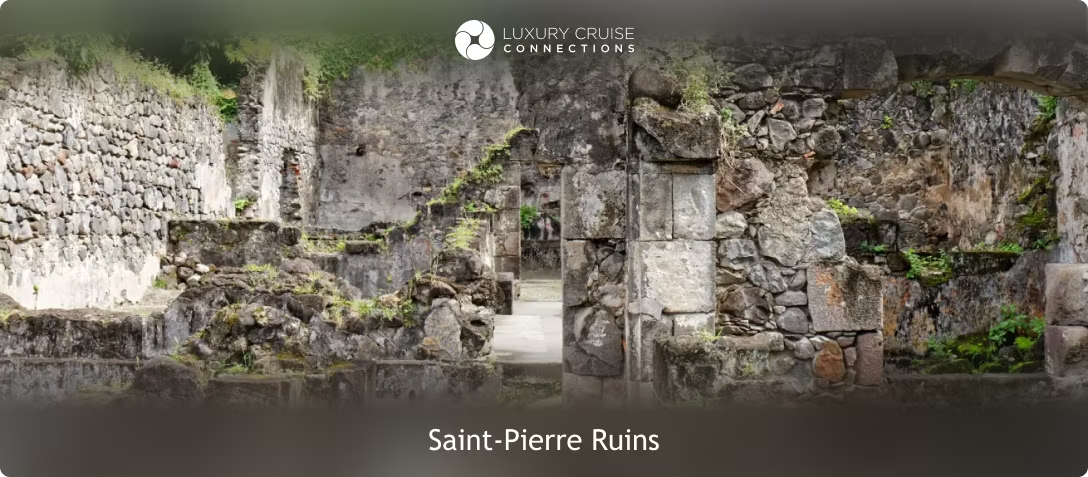
    Saint-Pierre lies on the northwest coast beneath Mount Pelée and functioned as the island’s economic center before 1902. The volcanic eruption destroyed nearly 90 percent of the town and caused over 28,000 fatalities. Preserved ruins remain visible across a 2 square kilometer historic zone.
    Discover Saint-Pierre

    The ruined theater and prison cell of Cyparis remain preserved as documented historical sites. The Volcanological Museum presents eruption timelines, lava flow maps, and survivor accounts.

    Visitors walk stone foundations, sea-facing ruins, and restored waterfront promenades. Coastal breezes maintain average temperatures from 25°C to 30°C across the harbor area.

    Dry season (January to May) records lower rainfall levels, averaging from 70 mm to 120 mm monthly.

    Local historians provide structured walking tours lasting 2 hours.

    Museum entry costs [$8]; guided tours range from [$20 to $45].

  • Drive the Route de la Trace

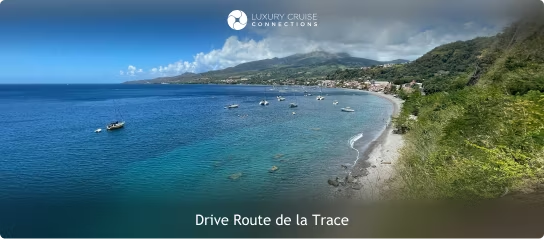
    Route de la Trace extends 30 kilometers across northern Martinique linking Fort-de-France to Morne Rouge. The mountain highway climbs from sea level to elevations reaching 500 meters through dense tropical forest. The historic route follows pathways established during the 17th century colonial period.
    Drive the Route de la Trace

    Roadside viewpoints overlook deep valleys and volcanic peaks including Mount Pelée rising 1,397 meters above sea level. Rainforest vegetation (giant ferns, bamboo groves, mahogany trees) lines narrow curves along the ascent.

    Drivers navigate winding mountain roads featuring gradients from 5 percent to 12 percent incline. Mist and cloud cover appear at higher elevations during wet season (June to November). Air temperatures drop from coastal averages of 29°C to upland readings near 23°C.

    Dry season (December to April) records reduced rainfall from 60 mm to 100 mm monthly.

    Guided scenic tours operate in small vehicles accommodating 6 to 12 passengers.

    Car rental averages [$45 to $90] per day.

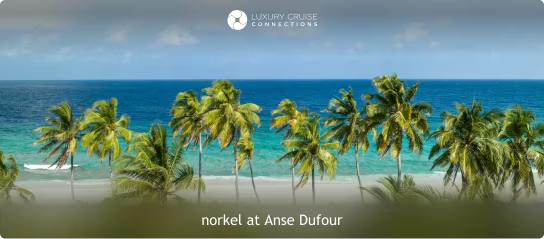
  • Relax at Anse Dufour

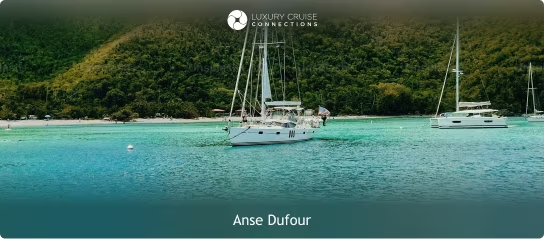
    Anse Dufour rests along the southwest coast near Trois-Îlets, forming a sheltered cove of golden sand. The bay measures 300 meters across with shallow waters ranging from 1 to 3 meters in depth. Small fishing boats anchor near the shoreline, reflecting traditional maritime activity.
    Relax at Anse Dufour

    Sea turtles feed on seagrass beds located from 5 to 10 meters offshore. Clear water visibility reaches from 15 to 20 meters during calm sea conditions.

    Swimmers float across calm waters protected by natural headlands. Coastal cliffs frame panoramic views across the Caribbean Sea. Afternoon sunlight from 15:30 to 17:30 creates reflective water surfaces ideal for photography.

    Dry season (January to May) provides calmer sea states and reduced rainfall.

    Local snorkeling operators conduct turtle observation tours.

    Public access remains free; snorkeling excursions range from [$35 to $70]

  • Visit Habitation Clément

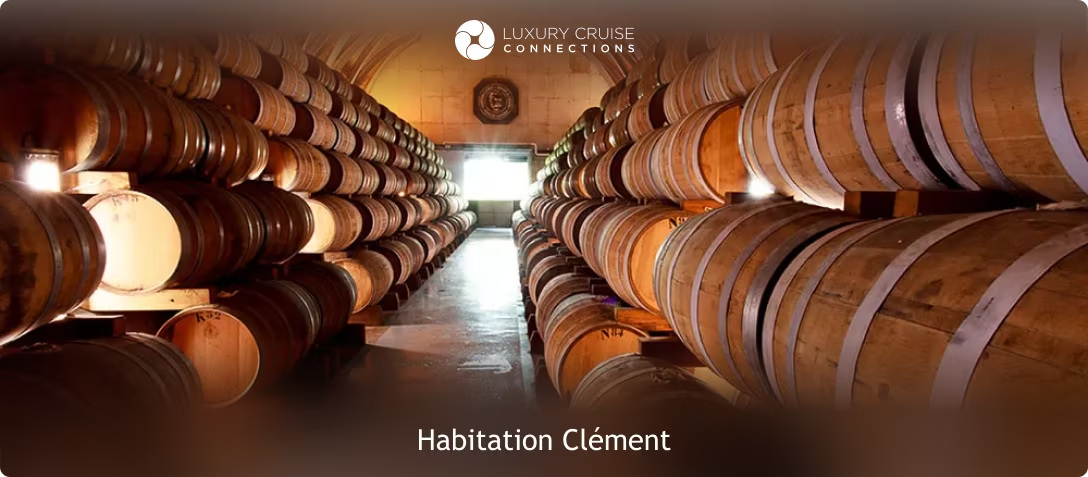
    Habitation Clément operates as a historic rum estate located in Le François across 160 hectares of preserved plantation grounds. The property dates to 1887 and features a restored Creole mansion elevated above manicured gardens. Sugarcane cultivation historically supported rum production under French agricultural standards.
    Visit Habitation Clément

    The distillery complex displays copper stills, aging cellars, and oak barrels storing agricole rum for periods ranging from 3 to 15 years. Art installations and sculpture gardens appear throughout landscaped sections of the estate.

    Visitors tour fermentation rooms and barrel warehouses, maintaining temperatures from 22°C to 26°C. Guided tastings introduce white rum, aged rum, and vintage selections (agricole production methods). Walking paths extend 2 kilometers across shaded tropical grounds.

    Dry season (December to April) reduces rainfall and improves walking comfort.

    Guided estate tours last from 1 to 2 hours, including tasting sessions.

    Admission costs [$15]; premium tasting sessions range from [$25 to $45]

  • Snorkel at Anse Noire

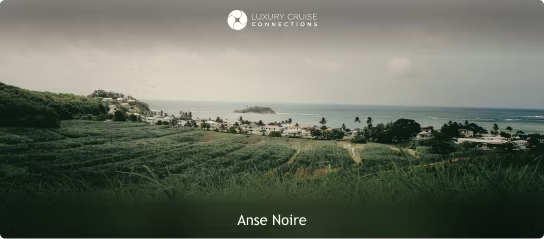
    Anse Noire forms a volcanic black sand beach along the southwest coast near Anse Dufour. The cove measures 200 meters in length, enclosed by steep green headlands. Water depth increases from 1 meter at the shoreline to 15 meters offshore.
    Snorkel at Anse Noire

    Rocky reef zones host parrotfish, angelfish, and sea turtles grazing near coral patches. Water visibility ranges from 10 to 20 meters during the dry season (January to May).

    Snorkelers descend wooden staircases leading from cliffside parking to the beach. Calm mornings from 08:00 to 10:00 present smoother sea surfaces and improved underwater clarity.

    Dry season (January to May) records lower rainfall levels, averaging from 60 mm to 110 mm monthly.

    Local operators provide snorkeling equipment rentals.

    Beach access remains free; equipment rental ranges from [$10 to $25]

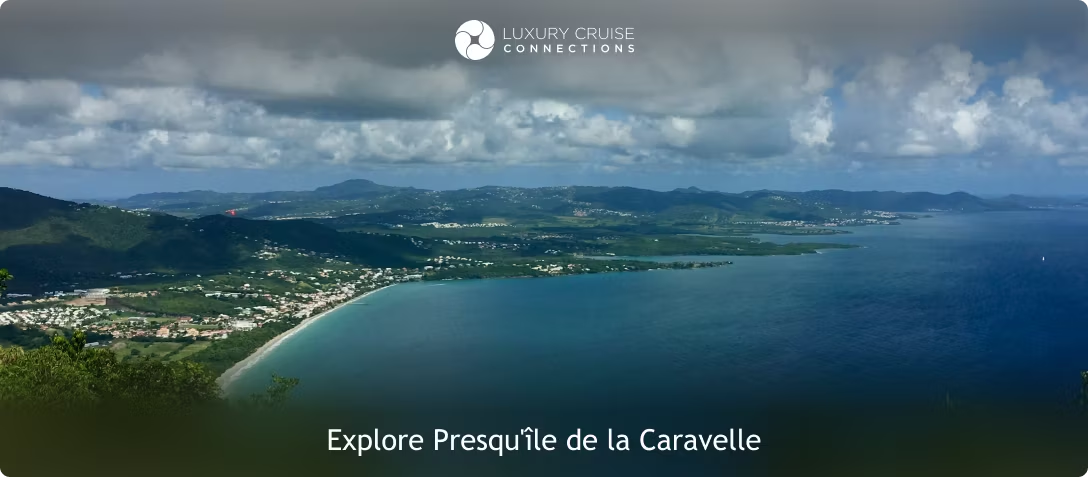
  • Explore Presqu'île de la Caravelle

    Presqu'île de la Caravelle extends along the eastern coast, forming a protected peninsula nature reserve covering 388 hectares. The reserve contains dry forest, mangrove wetlands, and rugged Atlantic-facing cliffs shaped by trade winds. Marked hiking circuits range from 3 kilometers to 9 kilometers across varied terrain.
    Explore Presqu'île de la Caravelle

    Caravelle Lighthouse stands at 148 meters elevation overlooking Atlantic swells and coral reefs offshore. Mangrove lagoons support bird species (herons, frigatebirds, egrets) nesting within brackish inlets.

    Hikers follow coastal ridgelines and sandy trails across exposed headlands. Atlantic wind speeds average from 20 km/h to 35 km/h along cliff sections. Sea spray and open ocean views contrast sharply with sheltered mangrove areas.

    Dry season (December to May) reduces trail mud and heavy rainfall averaging from 70 mm to 120 mm monthly.

    Self-guided routes use posted trail markers and orientation boards.

    Reserve access remains free; guided nature walks range from [$25 to $50]


What are the Most Popular Tourist Attractions in Martinique?

The most popular tourist attractions in Martinique are listed below.

  • Mount Pelée
  • Les Salines Beach
  • Jardin de Balata
  • Saint-Pierre Ruins
  • Habitation Clément
  • Mount Pelée

    Mount Pelée rises 1,397 meters above sea level, forming the island’s highest volcanic peak. The 1902 eruption reshaped northern Martinique and destroyed Saint-Pierre, causing over 28,000 fatalities. Marked hiking trails begin from 400 meters in elevation and extend to the summit ridge, offering panoramic Caribbean and Atlantic views
    Mount Pelée
  • Les Salines Beach

    Les Salines Beach stretches nearly 1 kilometer along the southern coast near Sainte-Anne. Shallow waters measure from 1 to 2 meters in depth, and visibility reaches from 10 to 20 meters during the dry season (December to April). Coconut palms line wide white sand areas supporting swimming and shoreline walks.
    Les Salines Beach
  • Jardin de Balata

    Jardin de Balata contains over 3,000 tropical plant species arranged across 1.5 kilometers of landscaped pathways. Suspension bridges rise from 10 to 15 meters above ground level, providing canopy views across forested hills. The garden sits 10 kilometers from Fort-de-France within upland rainforest terrain.
    Jardin de Balata
  • Saint-Pierre Ruins

    Saint-Pierre preserves volcanic ruins across a 2-square-kilometre coastal zone beneath Mount Pelée. The restored waterfront and Volcanological Museum document eruption history and reconstruction phases. Stone foundations, theater remnants, and historic cells remain accessible to visitors.
    Saint-Pierre Ruins
  • Habitation Clément

    Habitation Clément spans 160 hectares in Le François, featuring rum aging warehouses storing barrels from 3 to 15 years. The estate includes a restored 19th-century Creole mansion surrounded by sculpture gardens and sugarcane fields.
    Habitation Clément


What are Some Fun Things to Do in Martinique

Some fun things to do in Martinique are listed below.


What are the best places to visit in Martinique for beaches and seaside relaxation?

The best places to visit in Martinique for beaches and seaside relaxation are listed below.


What are the Best Things to Do in Martinique for First-Time Visitors?

The best things to do in Martinique for first-time visitors are listed below.

Les Salines Beach is located in Sainte-Anne along the southern coastline. The shoreline stretches nearly 1 kilometer featuring white sand and shallow turquoise water measuring from 1 to 2 meters in depth.
Fort-de-France is the capital and main cruise gateway on the western coast. The harbor district includes La Savane Park and Schoelcher Library within 500 meters of the cruise pier.
Mount Pelée rises 1,397 meters above sea level in northern Martinique. Marked trails extend from 400 meters in elevation to the summit ridge.
Route de la Trace spans 30 kilometers linking Fort-de-France to Morne Rouge through rainforest elevations reaching 500 meters. Scenic overlooks reveal valley ridges and volcanic slopes.
Jardin de Balata displays over 3,000 tropical plant species across landscaped terraces. Suspension bridges rise from 10 to 15 meters above ground level..
Saint-Pierre preserves volcanic ruins across a 2 square kilometer coastal zone beneath Mount Pelée. The Volcanological Museum documents the 1902 eruption history.
Anse Dufour forms a sheltered 300-meter cove near Trois-Îlets. Sea turtles appear in shallow zones from 5 to 10 meters offshore.
Habitation Clément operates as a historic rum estate in Le François spanning 160 hectares. Guided tours include tasting sessions and mansion visits.
Anse Noire features volcanic black sand and water visibility from 10 to 20 meters during the dry season (January to May). Rocky reef zones host reef fish and sea turtles.
Presqu'île de la Caravelle is a protected peninsula covering 388 hectares along the eastern coast. Coastal trails lead to a lighthouse positioned 148 meters above sea level.

What makes Martinique a Beautiful Country to Visit?

Martinique is a beautiful country to visit because volcanic mountains, coral-edged bays, and French Caribbean towns create a striking geographic contrast across 1,128 square kilometers. Mount Pelée rises 1,397 meters above sea level, forming a dramatic northern skyline above Saint-Pierre. White sand beaches in the south extend from 800 meters to 1 kilometer along turquoise water measuring from 1 to 3 meters in depth near shore. Rainforest corridors along Route de la Trace climb to elevations reaching 500 meters through dense tropical forest (mahogany trees, giant ferns). Coastal water clarity ranges from 15 to 25 meters during the dry season (December to April), revealing coral reefs offshore. Fort-de-France combines Creole balconies and French masonry overlooking a sheltered Caribbean harbor.

What are the most famous places in Martinique to take a selfie?

The most famous places in Martinique to take a selfie are Les Salines Beach, Mount Pelée Summit, Schoelcher Library, Anse Noire, and Presqu'île de la Caravelle Lighthouse. Les Salines Beach stretches nearly 1 kilometer featuring white sand and turquoise water measuring from 1 to 2 meters in depth near shore. Mount Pelée rises 1,397 meters above sea level, providing panoramic island views from the summit ridge. Schoelcher Library in Fort-de-France displays ornate 19th-century metal architecture assembled in 1893. Anse Noire presents volcanic black sand framed by green cliffs with water clarity from 10 to 20 meters during the dry season (January to May). Presqu'île de la Caravelle Lighthouse stands 148 meters above sea level overlooking Atlantic cliffs and open ocean horizons.

Are there any stuff to taste or drink after a cruise to Martinique?

Yes, there are traditional foods and local beverages to taste after a cruise to Martinique. Martinique cuisine reflects French and Creole heritage centered on seafood, tropical produce, and sugarcane-based spirits. Accras de morue (salt cod fritters) appear in harbor restaurants served with Creole pepper sauce. Colombo chicken features curry-influenced seasoning rooted in Caribbean migration history. Fresh seafood platters include grilled snapper and lobster sourced from coastal waters. Rhum agricole stands as the island’s signature spirit, distilled from fresh sugarcane juice rather than molasses. Distilleries (Habitation Clément, Depaz) age rum from 3 to 15 years in oak barrels, creating layered flavor profiles. Ti’ Punch combines white rum, cane syrup, and lime, served before evening meals along Fort-de-France waterfront districts.

How can I experience Local Culture in Martinique?

You can experience local culture in Martinique through market visits, village exploration, heritage estates, and music traditions reflecting French Caribbean identity. Fort-de-France Grand Marché presents spices, tropical fruit, and handmade crafts inside covered stalls near the harbor district. Fishing villages (Sainte-Anne, Trois-Îlets) display wooden boats and a daily seafood trade along compact coastal docks. Catholic churches dating from the 17th century illustrate colonial architectural influence across town centers. Rum estates explain agricole production beginning with sugarcane harvest and continuing through distillation and barrel aging from 3 to 15 years. Cultural festivals occur in season (January to March), featuring Creole music and rhythmic drumming performances. Guided heritage tours interpret plantation history and maritime trade routes across structured community-based settings.

Are there Activities in Martinique Perfect for Families with Children?

Yes, there are activities in Martinique perfect for families with children. Southern beaches (Les Salines, Anse Dufour) feature shallow water measuring from 1 to 2 meters in depth, creating safe swimming conditions along protected bays. Botanical gardens (Jardin de Balata) provide paved walking paths extending 1.5 kilometers across landscaped terraces with educational plant displays. Dolphin watching excursions depart from Fort-de-France, lasting from 1 to 2 hours under supervised marine operators. Snorkeling sessions occur in calm coves with water visibility from 15 to 25 meters during the dry season (December to April). Public parks near cruise terminals offer shaded seating and open lawn space suitable for relaxed outdoor breaks. Structured shore programs align activities with family-oriented cruise itineraries.

Are there Fun Things to Do in Martinique for Outdoor Adventures?

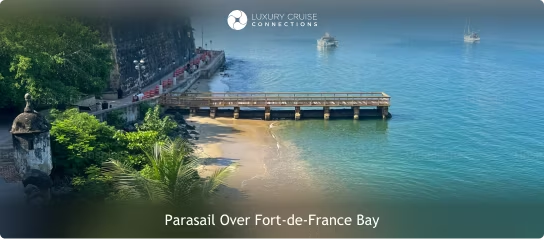
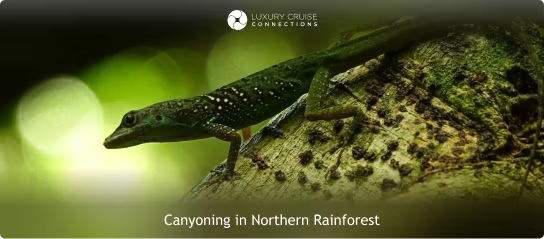
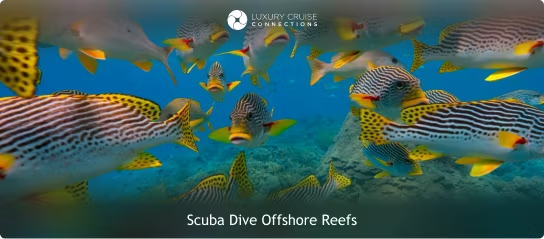
Yes, there are fun things to do in Martinique for outdoor adventures. Mount Pelée hiking routes extend from 400 meters elevation to the 1,397 meter summit ridge across volcanic terrain and cloud forest sections. Canyoning excursions descend waterfalls ranging from 5 to 20 meters within northern rainforest gorges under guided supervision. Coastal snorkeling sites (Anse Dufour, Anse Noire) offer water visibility from 15 to 25 meters during the dry season (December to April). Scuba diving reefs feature depths from 10 to 30 meters, hosting coral formations and reef fish. Parasailing lifts participants from 50 to 120 meters above Fort-de-France Bay, providing aerial coastal perspectives. Route de la Trace scenic drives climb 30 kilometers through rainforest elevations reaching 500 meters across mountain terrain.

Best Things to Do Around the World

Discover the best activities, landmarks, and experiences in every cruise destination and port of call.

Europe Western, Central & Mediterranean
America North, Central, South & Caribbean
Africa & Asia Oceania & Antarctica