What are the Best Things to Do in Haiti for First-Time Visitors?
The best things to do in Haiti for first-time visitors are listed below.
The most popular tourist attractions in Haiti are listed below.
The reasons why Haiti is becoming a popula Cruise Destination are listed below.
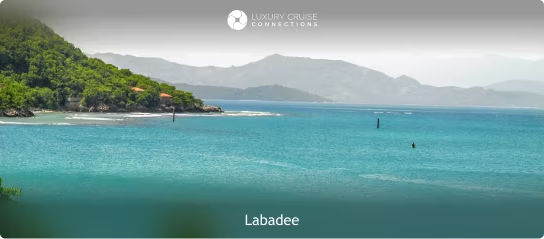
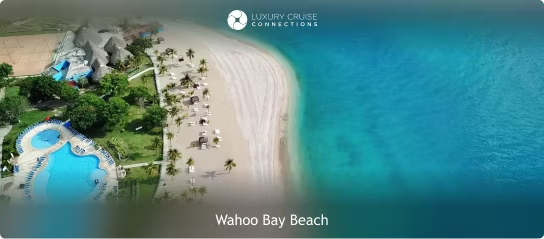
The 2 main cruise ports in Haiti are Labadee Port and Cap-Haïtien Port. Labadee Port is located on the northern coast of Haiti, near the city of Cap-Haïtien. Labadee is a private cruise port operated exclusively by Royal Caribbean and is best known for its resort-style setting and secure, resort-only environment. Labadee Port features dedicated beaches, zip lines, water sports, a local artisan market, and oceanfront dining areas. Labadee is not a public port and does not allow free movement beyond its boundaries, but it offers organized shore excursions within the resort zone.
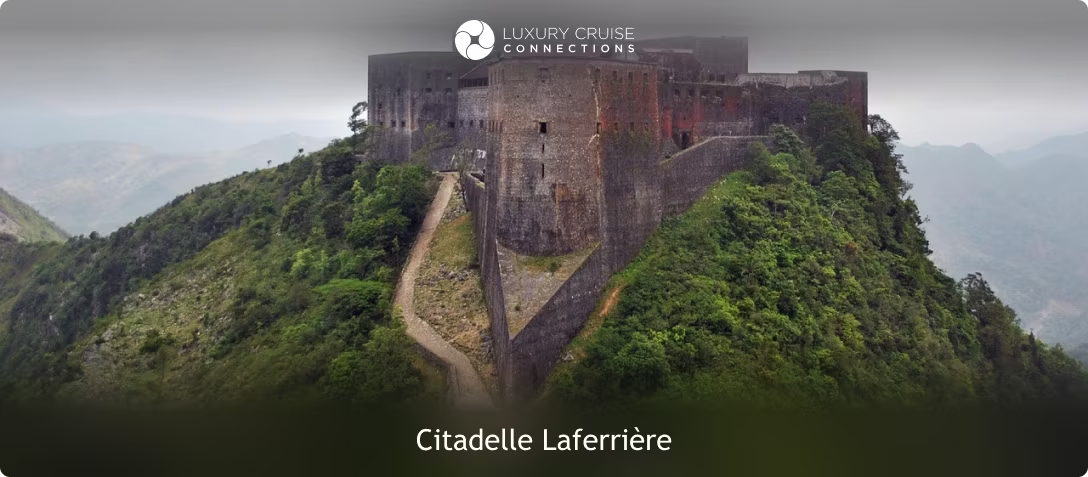
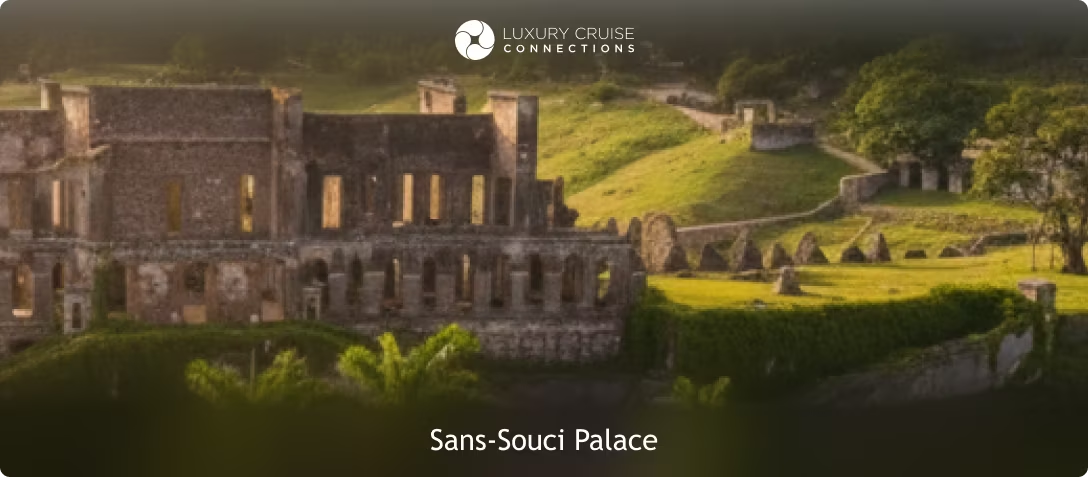
SCap-Haïtien Port is located in northern Haiti, east of Labadee. Cap-Haïtien is a public port that offers close proximity to key Haitian landmarks. It serves as a cruise gateway to Citadelle Laferrière and the ruins of Sans-Souci Palace. Excursions from Cap-Haïtien include guided trips to these revolutionary-era monuments as well as tours of the colonial Old Town, and visits to local beaches and craft markets. Together, these two Cruise Ports offer both resort-style amenities and access to Haiti’s most important historic landmarks.
The best time to visit Haiti on a cruise is from December to April, when the dry season delivers warm temperatures, lower humidity, and reliable weather. Daytime temperatures during this period typically range from 77-86°F (25-30°C), creating comfortable touring conditions for shore excursions and coastal exploration. This timeframe aligns with Haiti’s main cruise season, particularly for stops along the northern coast. Cruise travelers benefit from favorable weather for exploring cultural landmarks like the Citadelle Laferrière and Sans-Souci Palace, relaxing at beach areas such as Labadee and Cormier Plage, and enjoying smoother sailing conditions across the northern Caribbean coast near Cap-Haïtien. Visiting during the dry season avoids the heavier rainfall and higher humidity of late summer and early autumn, while also reducing the risk of tropical storms. It also coincides with major local festivals, such as Carnival in Jacmel, which adds color and energy to early-year itineraries. These stable conditions and comfortable temperatures make December through April the most rewarding time to book a Luxury Cruise Experience in Haiti.
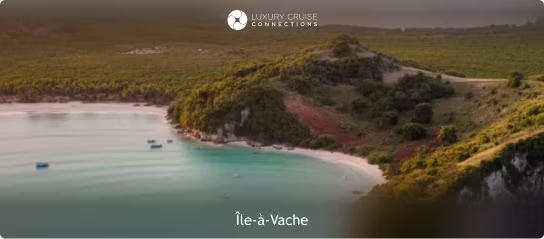
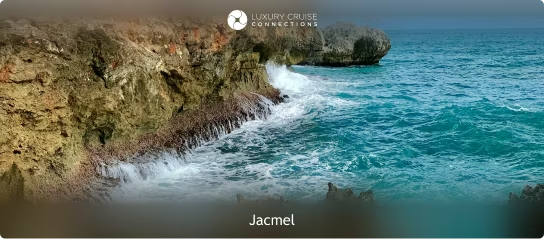
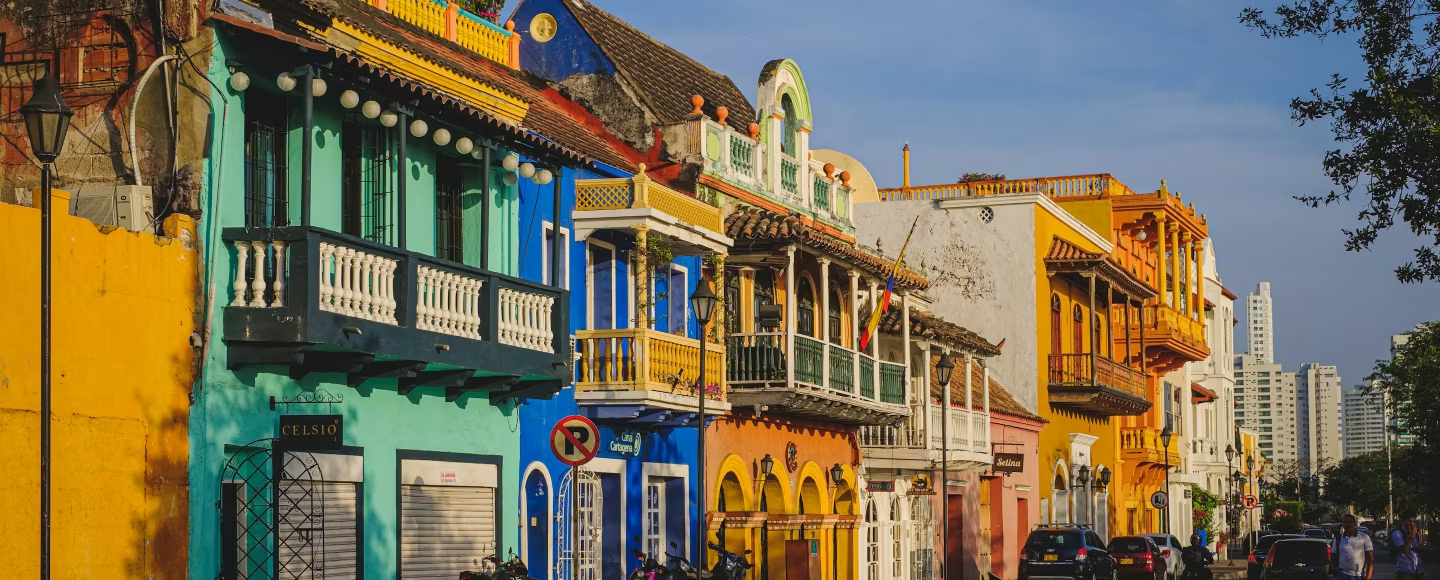
Yes, Haiti is a good destination for a romantic getaway because it offers couples a mix of scenic coastlines, artistic charm, and intimate natural escapes. In Labadee, couples relax on white-sand beaches shaded by palm trees, take sunset strolls along the coast, and enjoy private cabanas with ocean views. In Île-à-Vache, they stay in quiet beachfront eco-resorts, swim in turquoise bays like Abaka Bay, and dine on fresh seafood by candlelight. In Jacmel, couples wander pastel-colored colonial streets filled with art galleries and local murals, then sip cocktails at seaside cafés overlooking the bay. In Cap-Haïtien, they explore the Citadelle Laferrière together, walk through lush tropical gardens, and enjoy hilltop views of the coast. The combination of peaceful beaches, cultural charm, mountain scenery, and authentic Haitian hospitality makes Haiti an ideal Romantic Getaway for Couples
Independent travel in Albania provides more flexibility and the ability to explore at one's own pace. Independent travel lacks the convenience of having local expertise and facing potential language barriers, while Albania travel offers a cost-effective and customizable experience. Travelers encounter challenges with transportation and navigation in less touristy areas, without an Albania tour guide. Independent travelers have the freedom to explore off-the-beaten-path locations at their own pace.
The most popular tourist attractions in Haiti are listed below.
The vacation spots in Haiti best for beach lovers are listed below.
The best things to do in Haiti for first-time visitors are listed below.
Haiti is a beautiful country to visit for four reasons. The first reason is Haiti’s historic landmarks set in dramatic landscapes. Hilltop fortresses and royal palaces (Citadelle Laferrière, Sans-Souci Palace) rise from mountain ridges and valleys, blending stone architecture with sweeping Caribbean scenery. The second reason Haiti is a beautiful country to visit is its vibrant artistic and cultural expression. Art, music, metalwork, festivals, and painted streets are woven into daily life, making creativity visible in cities and coastal towns (Jacmel, Port-au-Prince). The third reason Haiti is a beautiful country to visit is its dramatic natural contrast. Mountain ranges, waterfalls, fertile valleys, and Caribbean beaches (Bassin Bleu, Île-à-Vache) exist close together, allowing visitors to experience varied scenery within short traveling distances. The fourth reason is because Haiti offers Caribbean beauty without overdevelopment. Visitors encounter lightly developed coastlines, pristine beaches, and traditional villages in Haiti that retain a raw, authentic character.
You can experience local culture in Haiti by engaging with creative communities, exploring historic towns, joining public celebrations, and tasting traditional food. Firstly, visit local markets and artisan workshops in Haitian cities like Port-au-Prince and Jacmel. These places offer a glimpse into daily life and showcase Haiti’s handcrafted metalwork, paintings, papier-mache masks, and textiles. Secondly, explore Haiti’s historic towns and landmarks. Walking through the colonial streets of Cap-Haitien or visiting the ruins of Sans-Souci Palace and the Citadelle Laferrière connects visitors with Haiti’s revolutionary and architectural legacy. Thirdly, attend local festivals and music events in Haiti. Cultural celebrations such as Carnival in Jacmel or rara street parades during Lent display traditional music, costumes, and dance. Finally, try Haitian dishes at local restaurants and roadside eateries. Meals like griot (fried pork), diri ak djon djon (black mushroom rice), and marinad (spiced fritters) reflect Haiti’s Creole heritage.
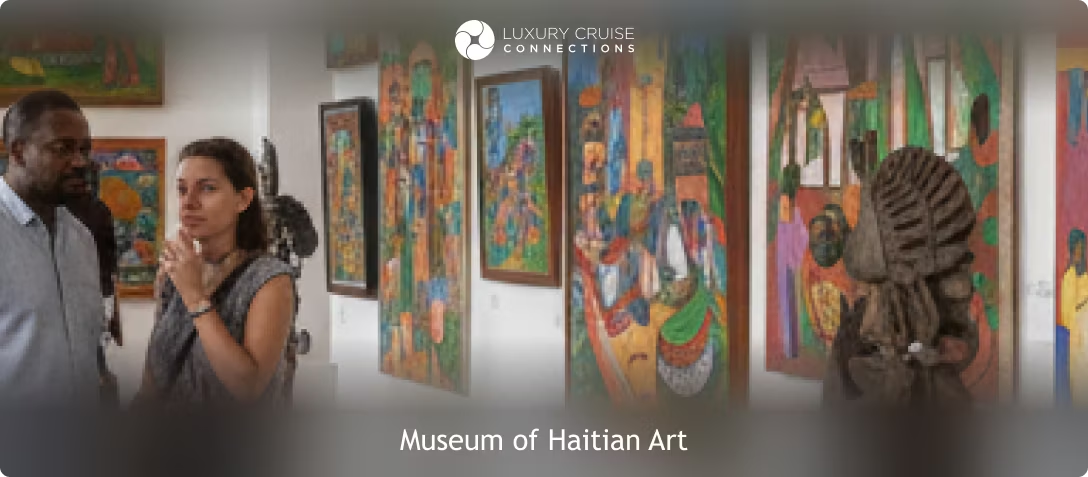
Yes, there are activities in Haiti perfect for families with children because the country offers educational, interactive, and nature-based experiences in welcoming settings. A family visit to the Citadelle Laferrière introduces kids to Haiti’s national pride through engaging guided tours. At the Museum of Haitian Art, children learn creatively through colorful visual stories (The Congo Queen, 1946). The Iron Market in Port-au-Prince is a vibrant place where families explore handmade crafts together. Natural wonders like the Bassin Bleu waterfalls offer children a safe and refreshing spot for light hiking, rope-assisted climbs, and splashing. On Île-à-Vache, families enjoy beach picnics, shallow-water swims, and boat rides to quiet coves. In Jacmel, older children take art workshops or try their hand at papier-mâché mask making.
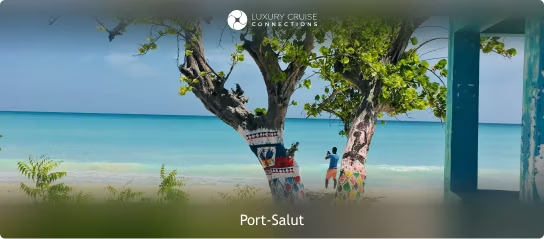
Yes, there are fun things to do in Haiti for outdoor adventures because the country’s rugged landscapes, tropical coastline, and mountain interiors create diverse opportunities for exploration. In northern Haiti, adventurers hike the steep stone paths to the Citadelle Laferrière mountaintop fortress. Near Jacmel, outdoor lovers trek to the Bassin Bleu Waterfalls, where rope descents and forest trails lead to turquoise pools perfect for swimming and cliff jumping. On the southern coast, boat trips to Île-à-Vache include snorkeling over coral reefs, sea kayaking along mangrove-lined shores, and beach hikes through coconut groves. In Labadee, travelers zoom over the ocean on the Dragon’s Breath Zipline, ride alpine coasters, and kayak around rocky coves. Inland, hiking trails around Pico La Selle and La Visite National Park take visitors through pine forests, highland farms, and remote mountain villages.

Discover the best activities, landmarks, and experiences in every cruise destination and port of call.
Europe & World Cruises
Western, Central & Mediterranean
America
North, Central, South & Caribbean
Africa & Asia
Oceania & Antarctica