10 Best Things to Do in Guadeloupe

The 10 best things to do in Guadeloupe include relaxing on Plage de la Caravelle, hiking in the National Park of Guadelo...

add

The 10 best things to do in Guadeloupe include relaxing on Plage de la Caravelle, hiking in the National Park of Guadeloupe, visiting the Memorial ACTe Museum, and discovering Les Chutes du Carbet. Other Guadeloupe highlights include snorkeling in the Jacques Cousteau Reserve, touring Fort Delgrès, taking boat trips to the Îles des Saintes, hiking La Soufrière volcano, visiting the Guadeloupe Botanical Garden, and enjoying the Pointe-à-Pitre Market. 

Guadeloupe is a Caribbean island group in the French West Indies with volcanic terrain, rich Afro-Caribbean history, and lush tropical forests. The range of things to do in Guadeloupe includes hiking volcanic peaks, snorkeling coral reefs, exploring historic forts, and experiencing Creole markets. Visitors curious about what to do in Guadeloupe find both nature and heritage in close reach across compact islands. Those seeking varied Guadeloupe things to do encounter island-to-island contrasts, from rural fishing communities to cosmopolitan centers with French-Caribbean flair.

  • Relax on the stunning Plage de la Caravelle
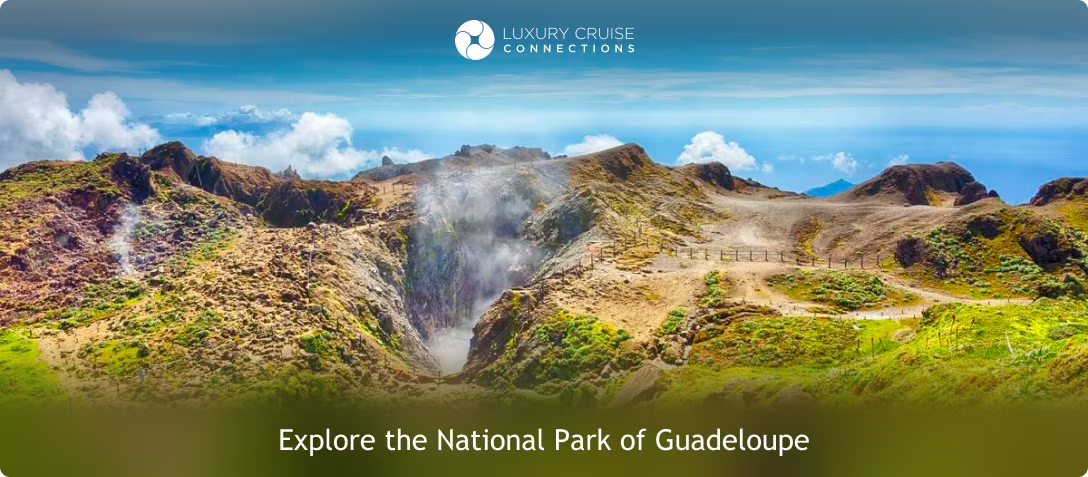
  • Explore the National Park of Guadeloupe
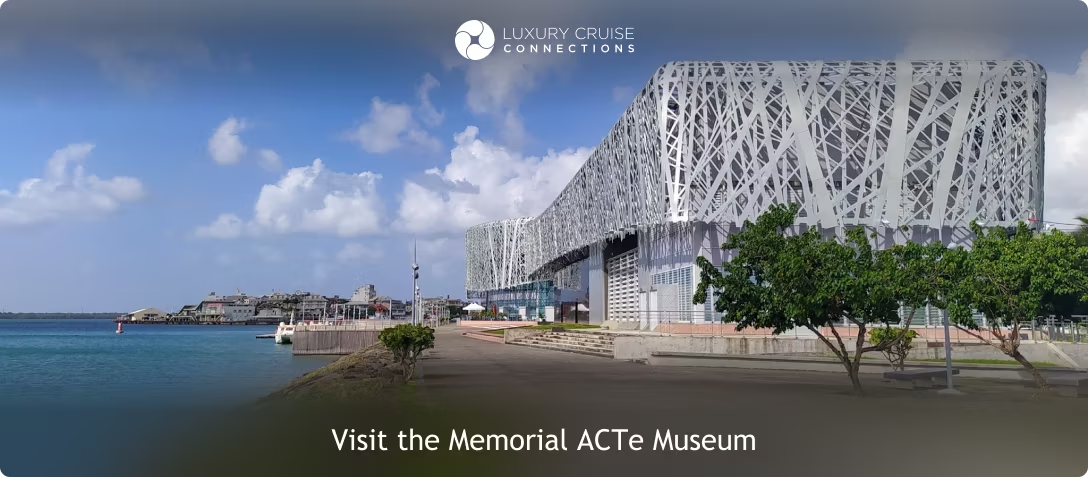
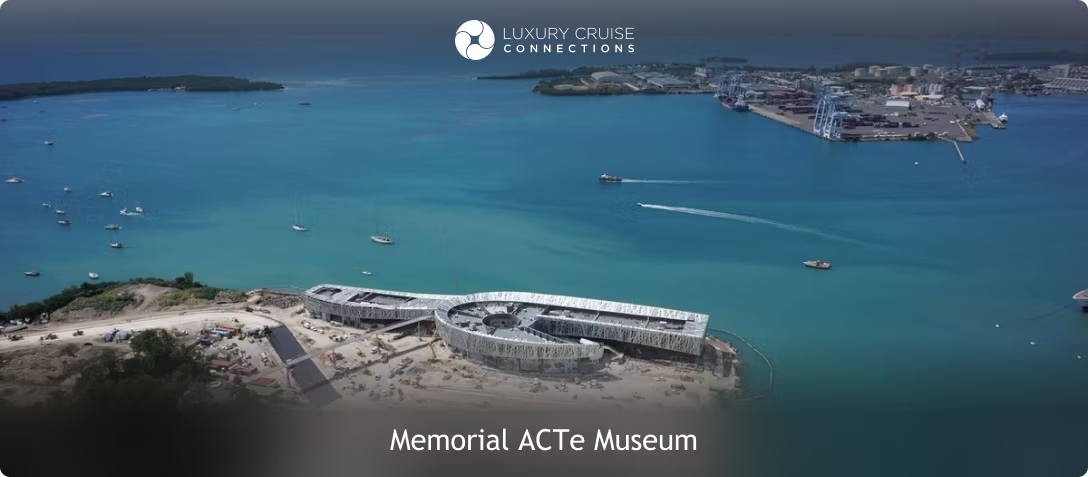
  • Visit the Memorial ACTe Museum
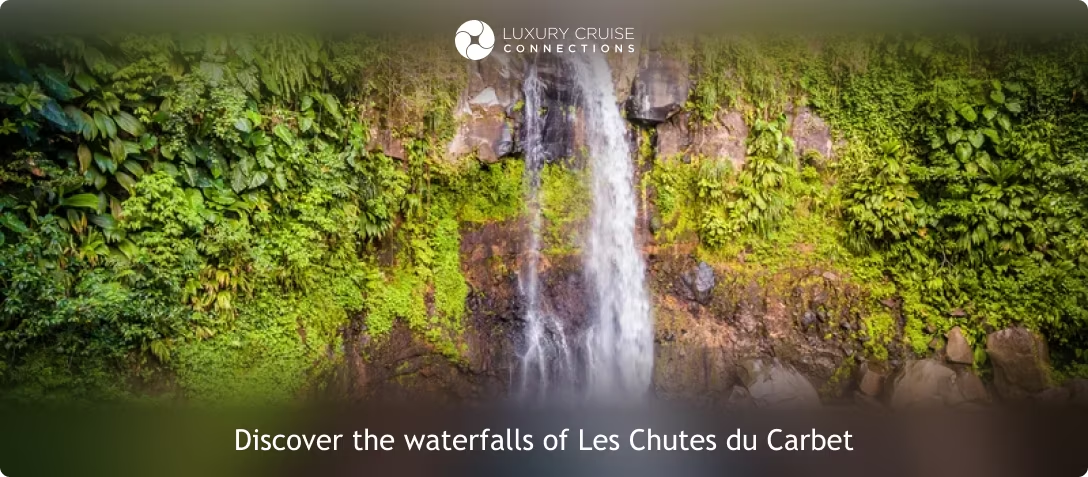
  • Discover the waterfalls of Les Chutes du Carbet
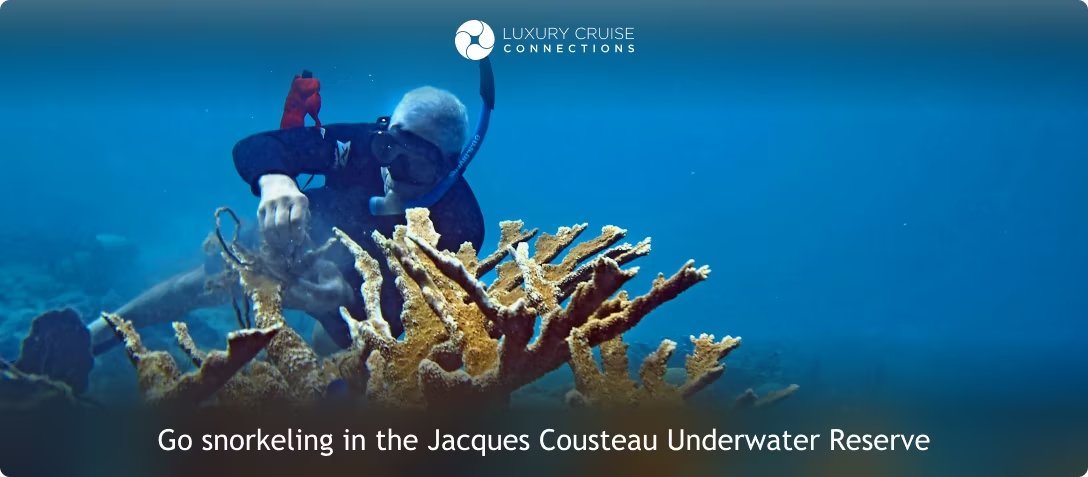
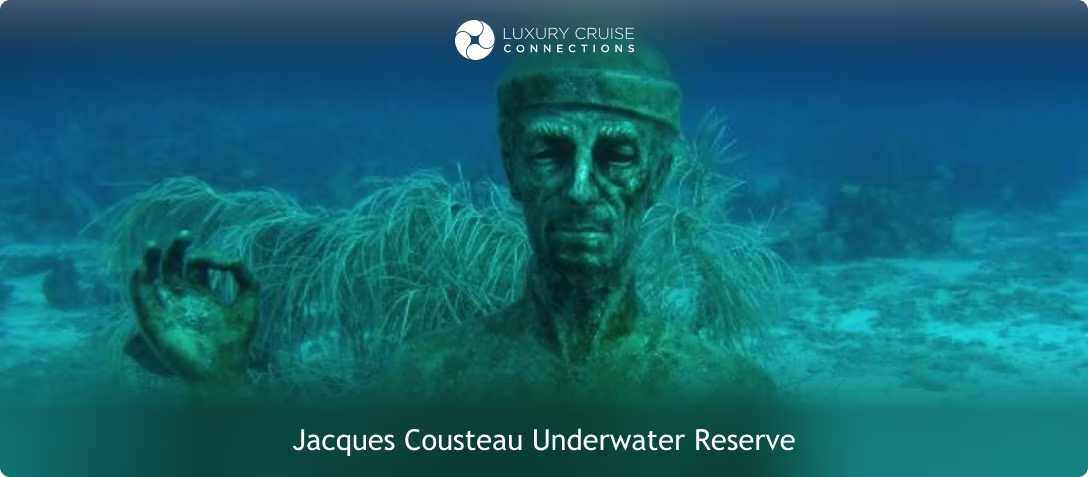
  • Go snorkeling in the Jacques Cousteau Underwater Reserve
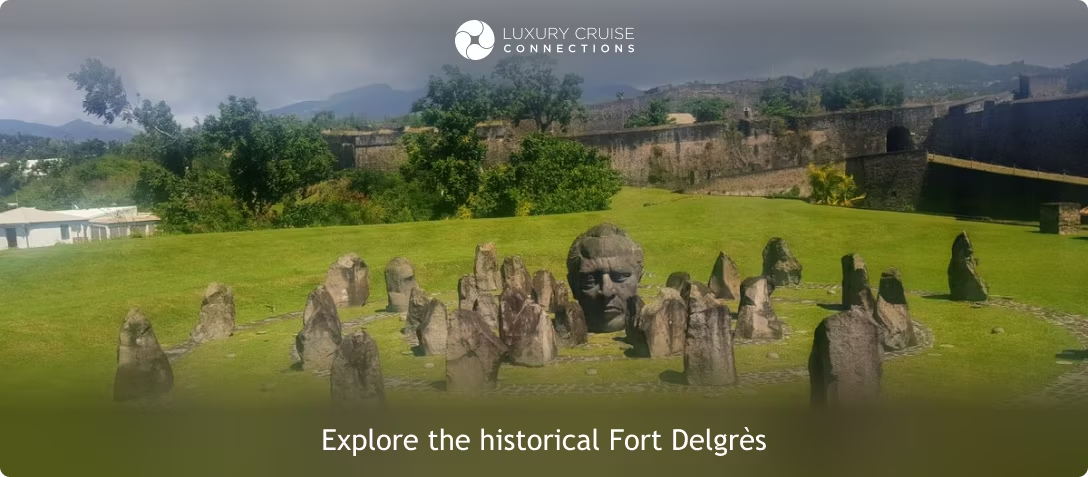
  • Explore the historical Fort Delgrès
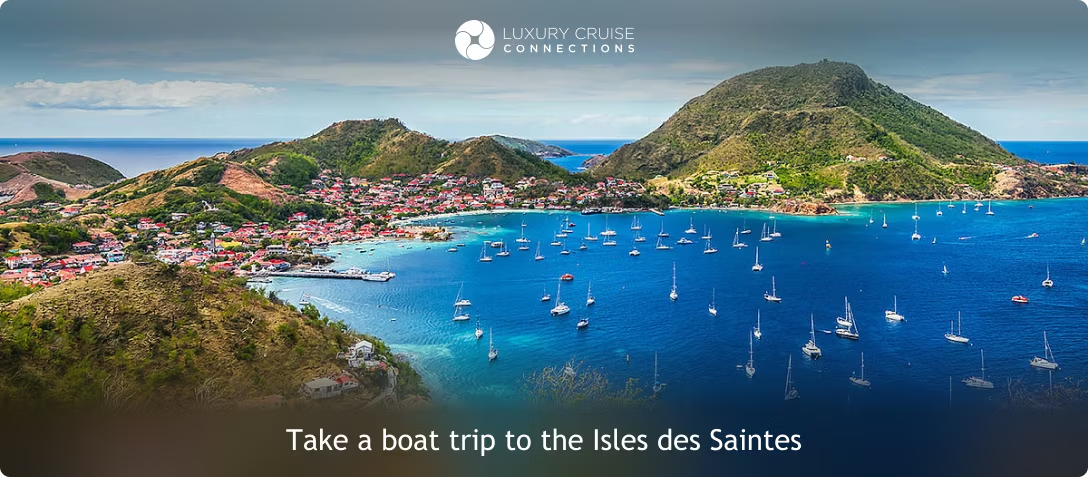
  • Take a boat trip to the Isles des Saintes
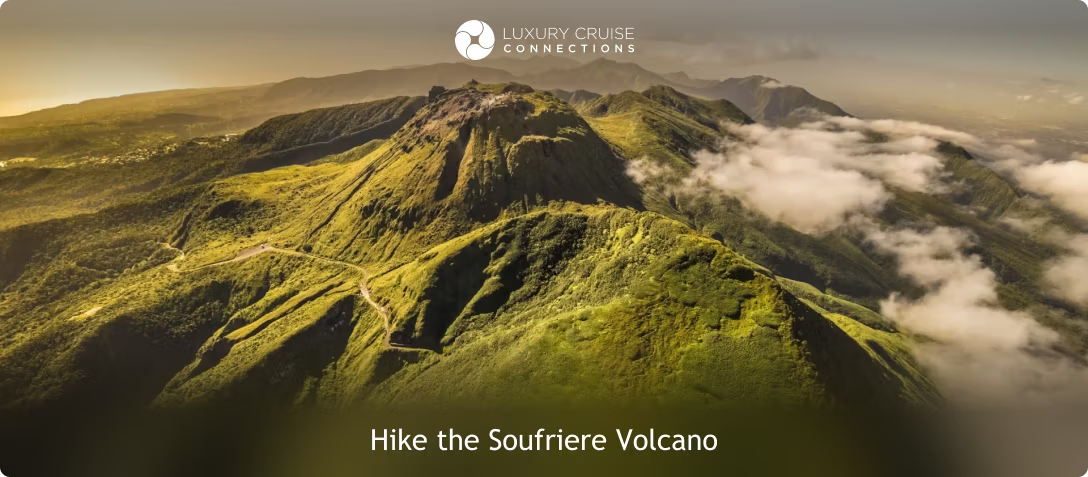
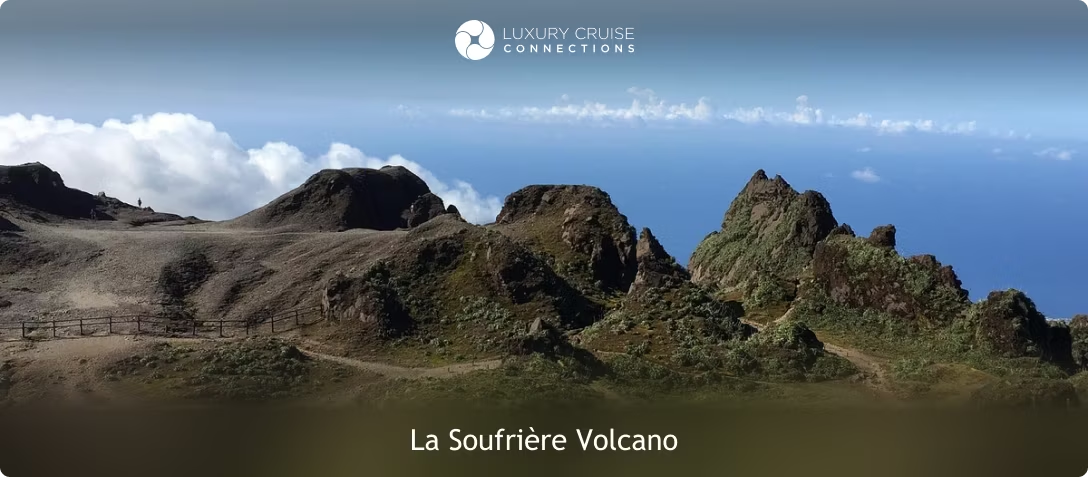
  • Hike the Soufriere Volcano
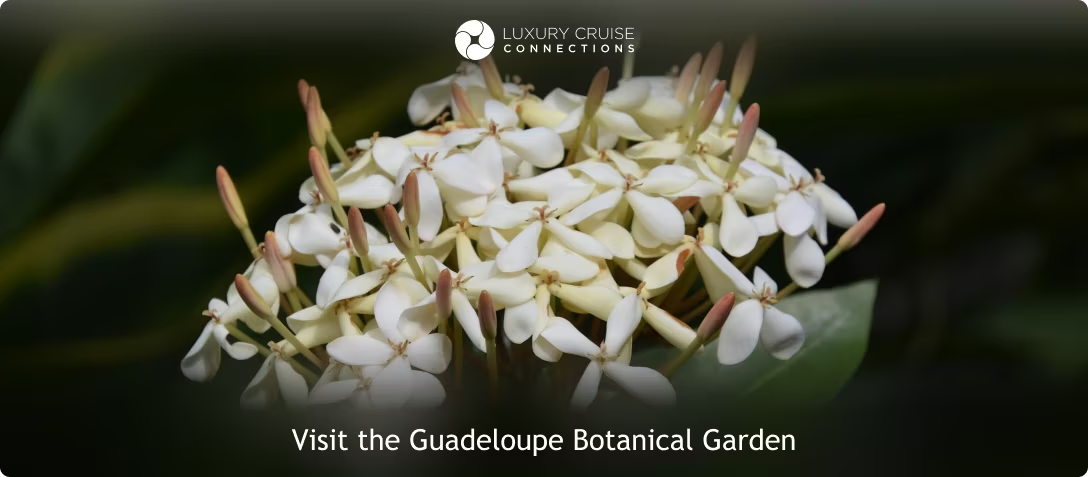
  • Visit the Guadeloupe Botanical Garden
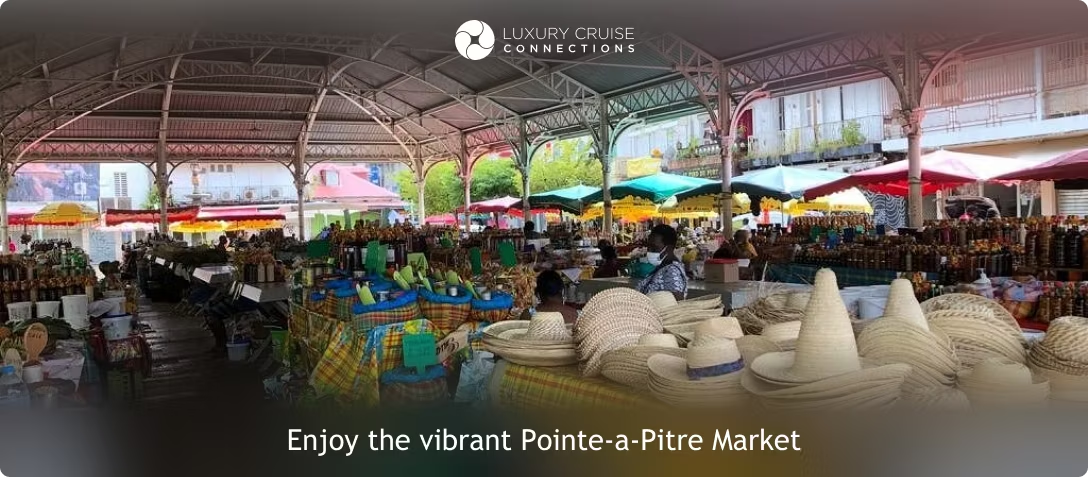
  • Enjoy the vibrant Pointe-a-Pitre Market
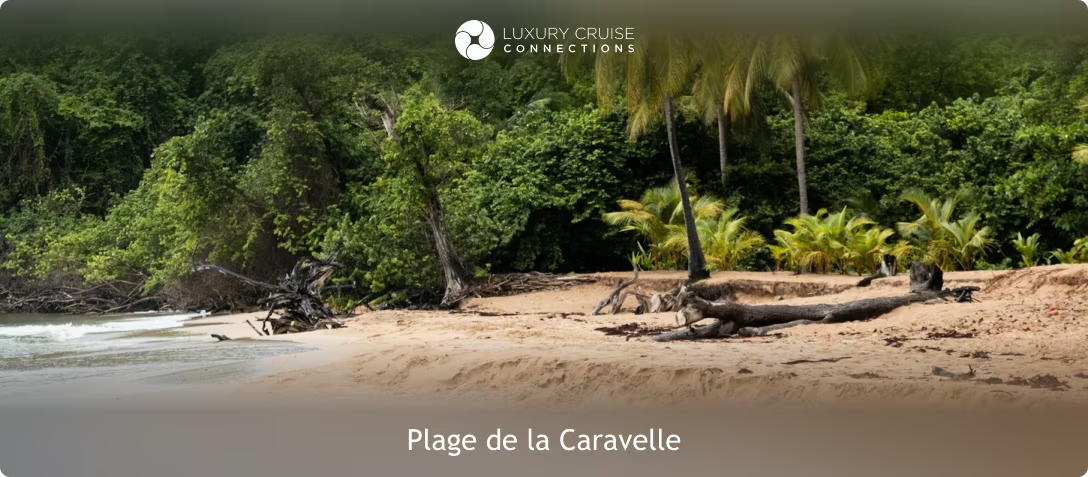
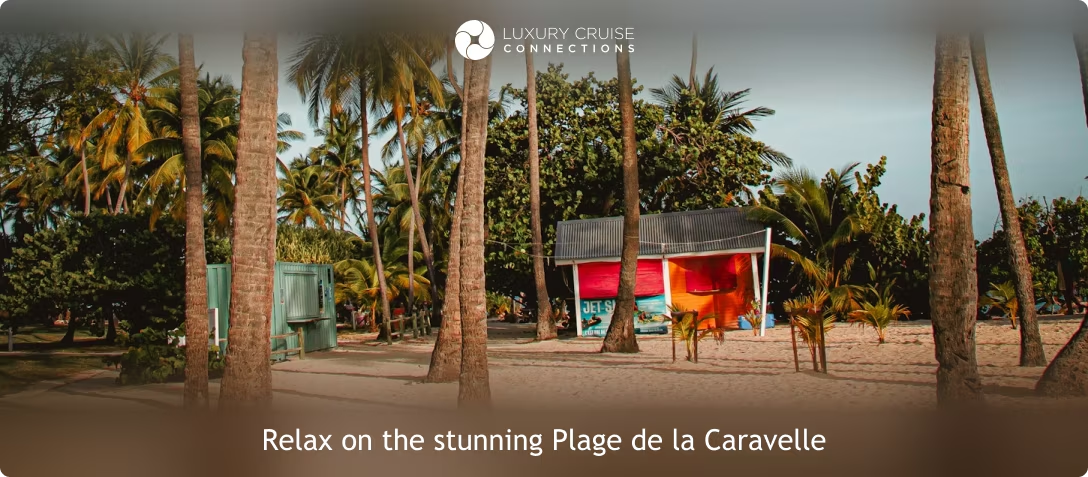
  • Relax on the stunning Plage de la Caravelle

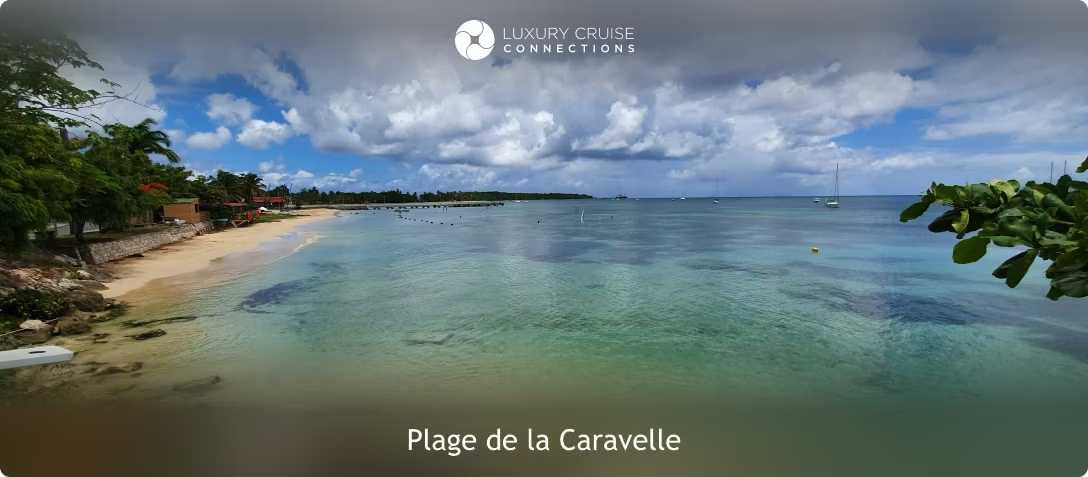
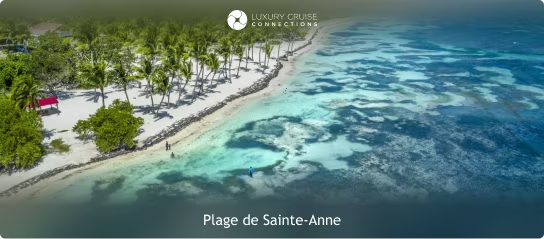
    Plage de la Caravelle (La Caravelle beach) is a white sand beach on Grande-Terre Island and one of Guadeloupe’s most visited recreational attractions. Relaxing on Plage de la Caravelle is a quintessential island experience that lets visitors enjoy calm waters, tropical setting and direct Caribbean Sea views. Plage de la Caravelle’s clear shallows also make it an ideal destination for swimming and sunbathing. The beach is located on the southern coast of Sainte-Anne. Plage de la Caravelle is also called Club Med Beach, because ​​of its proximity to the Club Med La Caravelle resort.
     Relax on the stunning Plage de la Caravelle

    Highlights of Plage de la Caravelle include its soft white sand lined with coconut palms. Another highlight is the shallow turquoise water, which offers excellent swimming conditions. A key feature is the natural reef barrier that creates a calm lagoon. Another Caravelle attraction is the westward view of sunsets over the sea. Food stalls and beachside cafes near Sainte-Anne provide local Creole dishes and fresh fruit juices. The on-site Club Med La Caravelle resort offers facilities such as loungers and water sports access.

    Relaxing on Plage de la Caravelle offers a serene beach experience on Guadeloupe’s iconic Caribbean coastline. Visitors walk past the palm-lined entrance near Club Med and find space to relax under the trees or in the open sand. They swim in the warm lagoon where the water stays calm throughout the day. They rest on towels or beach chairs, enjoy the sun and shade and snack on accras and coconut sorbet from local vendors. Visitors often stay until evening to watch the sun set over the water and enjoy Plage de la Caravelle’s relaxed evening atmosphere.

    The best time to visit Plage de la Caravelle is from December to May, when the weather stays dry and sunny and the skies are clear for beach relaxation.

    Plage de la Caravelle is a public beach that is easy to access and explore without a guide. Guided services help with transport between multiple locations (from Plage de la Caravelle to the scenic Pointe des Châteaux and the lively town center of Sainte-Anne in Grande-Terre) or provide professional instruction for activities like kitesurfing and windsurfing.

    Entry to Plage de la Caravelle is free. Rentals for loungers cost from $5 - $20 USD, depending on duration.

  • Explore the National Park of Guadeloupe

    The National Park of Guadeloupe is a protected natural area and UNESCO Biosphere Reserve that showcases the ecological richness of the French Caribbean. Exploring the National Park of Guadeloupe immerses visitors in Guadeloupe’s wild, volcanic, and tropical heart. This rainforest sanctuary is located on the mountainous island of Basse-Terre and invites travelers to hike through lush jungle, view volcanic craters, and swim beneath cascading waterfalls. The park spans over 21,000 hectares and is home to 300+ tree species and endemic birds like the Guadeloupe woodpecker.
    Explore the National Park of Guadeloupe

    Highlights of the National Park of Guadeloupe include the towering La Soufrière volcano (also known as the Old Lady), which steams and smolders at 1,467 meters above sea level. Another key attraction of the National Park of Guadeloupe is Carbet Falls, a trio of dramatic waterfalls tumbling down rainforest cliffs. A popular spot near the volcano, Les Bains Jaunes, offers warm sulfur pools perfect for a post-hike soak. Another highlight is the Cousteau Reserve off Pigeon Island, part of the park’s marine extension which offers excellent snorkeling opportunities.

    Exploring the National Park of Guadeloupe offers visitors a deep connection to raw Caribbean nature through volcanic landscapes and humid rainforest trails. Visitors begin by walking through the dense canopy of the Matouba or Ravine Thomas trails. They climb toward La Soufrière’s summit, where clouds and sulfur vents swirl around panoramic views. They then descend to Carbet Falls to view misty cascades and rest by jungle streams. Others snorkel the coral gardens of the marine reserve, spot tropical birds, and bathe in natural hot springs surrounded by bamboo groves.

    The best time to explore the National Park of Guadeloupe is from December to May, when the weather is drier and trails are more accessible for hiking and wildlife viewing.

    Local park rangers and eco-guides lead tours of the Guadeloupe National Park and provide insights on volcanic geology, flora, fauna, and trail safety for hikers of all levels.

    Entry to Guadeloupe National Park is free. Guided hikes and snorkeling tours within the park’s marine area range from $5 - $50 USD, depending on the tour duration, group size, and inclusions.

  • Visit the Memorial ACTe Museum

    The Memorial ACTe Museum in Guadeloupe is a historical and cultural institution that serves as a center for remembrance of slavery. Visiting MACTe is a meaningful cultural activity to explore how Guadeloupe’s identity was shaped through its past connection to the transatlantic slave trade. The Memorial ACTe Museum is located on the seafront in Pointe-à-Pitre and features a permanent exhibition hall, reflective spaces, and temporary galleries. The museum sits on the former Darboussier sugar factory site and has earned international recognition, including recognition from UNESCO’s Slave Route Project. The dark metal mesh and open design of Memorial ACTe reflect both mourning and rebirth
    Visit the Memorial ACTe Museum

    Highlights of the Memorial ACTe Museum include the expansive permanent exhibit tracing slavery’s global impact through documents, personal narratives, and multimedia installations. Another key attraction of the Memorial ACTe is the Morne Mémoire walkway, a 275 meter rooftop path offering sweeping views of the bay and Pointe-à-Pitre city . Another highlight of MACTe is the peaceful Reflection Garden, which encourages quiet contemplation. Visitors also appreciate the museum facade’s unique black-and-silver design, which symbolizes memory and resilience.

    Visiting the Memorial ACTe Museum offers a powerful and educational experience that connects Guadeloupe’s present to its historical roots. Visitors walk through immersive galleries that chronologically depict centuries of colonial trade and resistance in Guadeloupe. They read translated testimonies, listen to audio excerpts, and view artifacts that include real iron shackles and a mock-up of a slave hut. Guests move between indoor exhibitions and outdoor areas, where they pause in shaded spaces and take in panoramic views. Visitors climb the Morne Mémoire path and rest at the lookout point.

    The best time to visit the Memorial ACTe Museum is December through May, when dry weather makes walking the outdoor promenade and enjoying the coastal views most pleasant.

    Museum cultural guides lead tours of the Memorial ACTe Museum and provide context about key exhibits, local history, and the architectural symbolism of the building.

    Admission to the Memorial ACTe Museum is $6 USD for children and $17 USD for adults.

  • Discover the waterfalls of Les Chutes du Carbet

    The waterfalls of Les Chutes du Carbet (Carbet Falls) in Guadeloupe are a natural landmark and recreational site known for their dramatic height and lush rainforest setting. Les Chutes du Carbet’s highest waterfall drops 115 meters, making it one of the tallest cascades in the Caribbean. The impressive waterfall trio is located within Guadeloupe National Park on Basse-Terre Island and invites travelers to hike to scenic viewpoints and admire tropical forest scenery. Les Chutes du Carbet remains a popular eco-tourism destination for its volcanic origins, multi-tiered layout, and mist-covered cliffs.
    Discover the waterfalls of Les Chutes du Carbet

    Highlights of the waterfalls of Les Chutes du Carbet include the Second Waterfall, a 110-meter drop easily accessed via a developed rainforest trail with dramatic lookout points. Another highlight is the First Waterfall, plunging 115 meters in a two-tiered descent with a more rugged hiking route that takes 3 hours. Another Carbet Falls highlight is the reception area’s panoramic promontory, offering wide views of the tropical valley and even Grande-Terre on clear days. The lush forest canopy, hanging mosses, and the constant thundering of water add to Carbet Falls’s immersive appeal.

    Discovering the waterfalls of Les Chutes du Carbet gives visitors a full-sensory immersion in Guadeloupe’s rainforest terrain. Visitors begin at the reception area, then walk forested trails lined with ferns and towering trees. At the Second Waterfall, they pause for photos and rest at the falls viewing deck. Adventurous travelers who continue to the First Waterfall hike steeper paths shaded by dense vegetation. Along the way, they hear tropical birds and feel the cool spray from distant falls, ending the visit feeling reconnected with nature.

    The best time to discover the waterfalls of Les Chutes du Carbet is from December to May, when dry season weather offers safer trails, clearer skies, and stronger water flow without heavy rain interruptions. Although the Carbet Falls water flow is more impressive during the rainy season, visiting during the rainy season is not recommended for safety reasons.

    Park guides at Guadeloupe National Park lead tours of Les Chutes du Carbet and provide insights into the waterfalls’ volcanic origin, local wildlife, and trail safety.

    Admission to Les Chutes du Carbet costs $6 USD per adult.

  • Go snorkeling in the Jacques Cousteau Underwater Reserve

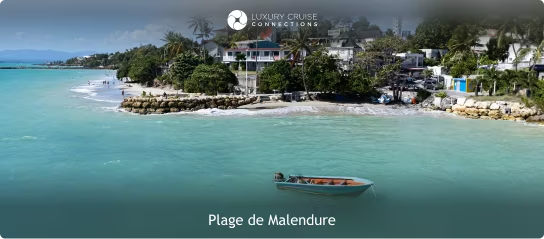
    The Jacques Cousteau Underwater Reserve is a protected marine area and recreational snorkeling destination in Guadeloupe. It holds environmental significance for its exceptional biodiversity and preservation of important coral ecosystems in the French Caribbean. The reserve covers 987 hectares (ha) and was named after famed oceanographer Jacques Cousteau. The reserve is located off the western coast of Basse-Terre near Plage de Malendure in Bouillante and surrounds the twin Îlets Pigeon (Pigeon Islands). Visitors go snorkeling in the Jacques Cousteau Underwater Reserve to enjoy shallow coral gardens and high visibility. The reserve is home to an abundance of vibrant reefs, sea turtles, angelfish, and colorful sponges.
    Go snorkeling in the Jacques Cousteau Underwater Reserve

    Highlights of the Jacques Cousteau Underwater Reserve include snorkeling over shallow coral beds near Îlets Pigeon, where soft and hard corals attract schools of tropical fish. Another highlight is spotting sea turtles gliding between patches of reef or rising to the surface for air. Another key highlight of the Jacques Cousteau Reserve is the submerged bronze bust of Jacques Cousteau, placed 12 meters below the surface as a tribute. Another Réserve Cousteau highlight is paddling out by kayak from Plage de Malendure to the islets for a self-guided snorkeling adventure.

    Snorkeling in the Jacques Cousteau Underwater Reserve offers a rare chance to explore Guadeloupe’s protected reef ecosystem firsthand. Visitors board a small boat or kayak from the shore at Malendure Beach, glide across calm turquoise waters, and arrive at the Pigeon Islands. They drop anchor at mooring buoys and slip into the water with masks and fins. Swimmers view coral heads teeming with parrotfish and watch sea turtles swim past. Diving enthusiasts dive deeper with expert guides to glimpse the Cousteau statue beneath the surface or explore nearby shipwrecks.

    The best time to go snorkeling in Jacques Cousteau Underwater Reserve is from December to April, when sea conditions are calmer and visibility is highest for underwater exploration. January to March is the best time to hear humpback whale songs while snorkeling.

    Certified snorkeling and diving guides lead tours of the Jacques Cousteau Underwater Reserve and provide safety support, environmental insight, and access to the best underwater spots near the Îlets Pigeon.

    Entry to the Jacques Cousteau Underwater Reserve is free, but access requires a boat tour. Boat tours in the Cousteau Reserve cost $20 - $35 USD depending on tour length, equipment rental, and included activities.

  • Explore the historical Fort Delgrès

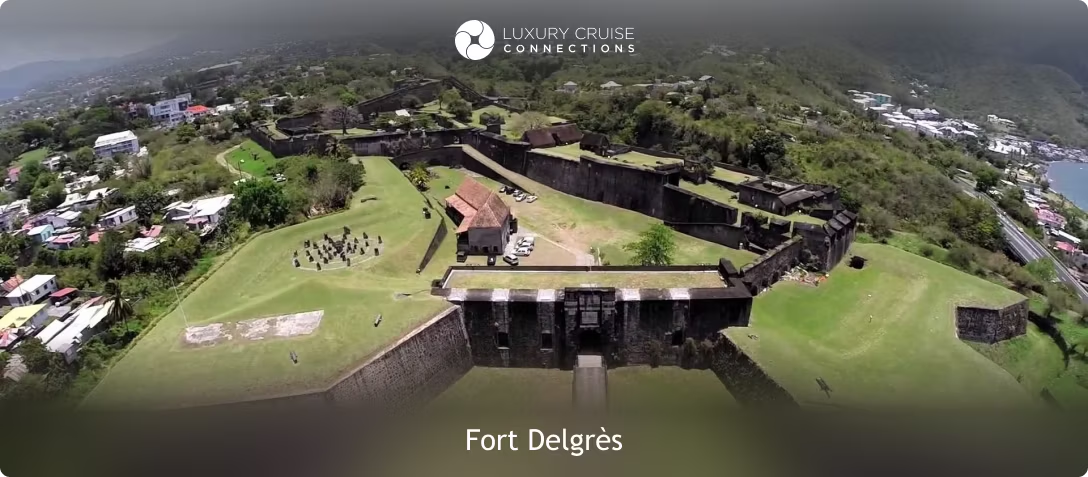
    The historical Fort Delgrès is a national monument and 17th-century military fortress that serves as a powerful symbol of Guadeloupe’s resistance to slavery and colonial domination. The fort covers 5 hectares and was built in 1650 by Governor Charles Houël to defend against English forces. Exploring Fort Delgrès reveals permanent and temporary exhibitions and historic monuments. Fort Delgrès is located on a hilltop in Basse-Terre and offers views of the Caribbean Sea and Mount Soufrière. Fort Delgrès was formerly known as Fort Saint-Charles, Fort Royal, and Fort Richepance. It was renamed after Louis Delgrès, a freedom fighter who led the 1802 rebellion against Napoleonic forces.
    Explore the historical Fort Delgrès

    Highlights of the historical Fort Delgrès include the panoramic terrace that overlooks the Bay of Basse-Terre and the surrounding volcanic landscapes. Another key attraction of the historical fort is the Bastion Delgrès, where a plaque commemorates the final stand of Delgrès and his companions. Another Fort Delgrès highlight is the inner courtyard, flanked by vaulted stone casemates that now serve as exhibit spaces. Visitors also value Fort Delgrès’s preserved ramparts and zigzagging walls, which reflect classic Vauban-style military design that have been adapted to the Caribbean terrain.

    Exploring the historical Fort Delgrès offers visitors a reflective and scenic journey through Guadeloupe’s colonial and emancipation-era past. Visitors walk across a stone bridge over a dry moat and enter the massive central courtyard. They climb the bastions to admire expansive views of Basse-Terre and the sea. Along the way, they read interpretive panels and learn about military architecture, the region’s resistance against slavery and the life of Louis Delgrès. They view historical artifacts, pause at the Monument to Delgrès, and rest in shaded corners of the ramparts.

    The best time to explore the historical Fort Delgrès is from December to May for optimal weather for walking the ramparts and enjoying unobstructed views.

    Local heritage guides lead tours of Fort Delgrès and provide historical narratives about the 1802 revolt, the fort’s military design, and its place in Guadeloupe’s identity. Guided tours in Guadeloupe often include Fort Delgrès as one of the stops.

    Entry to the historic Fort Delgrès is free of charge.

  • Take a boat trip to the Isles des Saintes

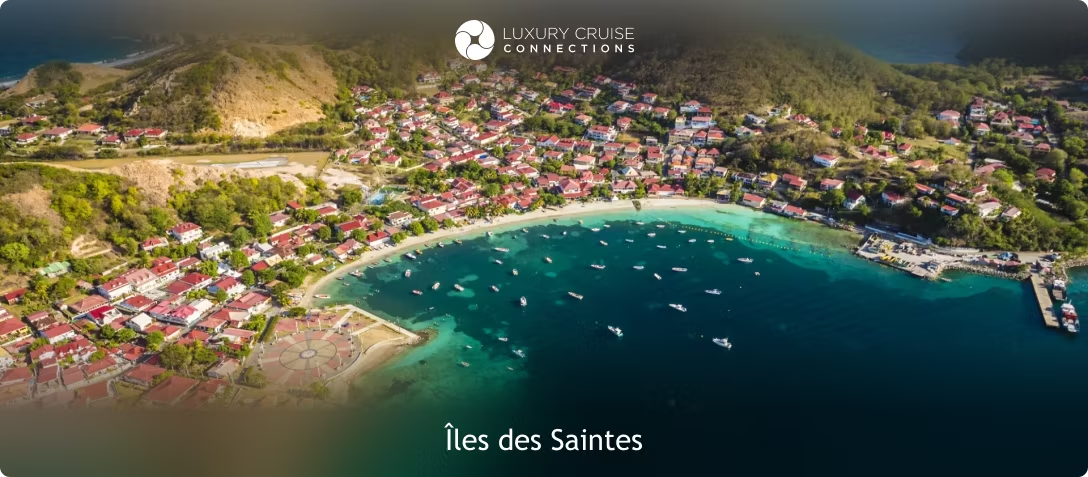
    The Isles des Saintes (Les Saints) is a spectacular archipelago in Guadeloupe that is accessible only by sea. Taking a boat trip to the Isles des Saintes is a popular excursion from mainland Guadeloupe to explore a quieter island world. The Isles des Saintes cluster is located just south of Basse-Terre in Guadeloupe and includes both inhabited islands (Terre-de-Haut and Terre-de-Bas) and uninhabited islets (Îlet à Cabrit, Grand Ilet, and La Coche). The islands are world-famous for their scenic bays, charming villages, protected marine life and diverse range of island activities on offer.
    Take a boat trip to the Isles des Saintes

    Highlights of the Isles des Saintes include the iconic Bay of Les Saintes, which is ranked among the most beautiful bays in the world. Another highlight is Fort Napoléon, which features panoramic sea views, landscaped cactus gardens, and a museum of maritime history. Another key attraction of the Isles des Saintes is Plage du Pain de Sucre, a crescent-shaped beach ideal for snorkeling and swimming. Another Isles des Saintes highlight is the colorful fishing village of Bourg des Saintes, where travelers enjoy seaside cafés, Creole architecture, and artisan boutiques.

    A boat trip to the Isles des Saintes in Guadeloupe offers a relaxing escape with panoramic coastal scenery and local charm. Visitors board a ferry or charter boat from Trois-Rivières on Basse-Terre or Pointe-à-Pitre and cruise across turquoise water, watching seabirds and sailboats pass by. Visitors arrive at Terre-de-Haut and stroll through the main village, view colonial-era churches, and climb to Fort Napoléon for a wide-angle view of the bay. Travelers dine on fresh seafood, try coconut tartlets called Tourments d’Amour, swim at Plage de Pompierre, and shop for handmade crafts in open-air markets (Terre-de-Haut Village Market).

    The best time to take a boat trip to the Isles des Saintes is December to May, when sunny weather makes boat rides, beach trips, and walking tours most enjoyable.

    Local guides lead boat excursions between the Isles des Saintes islands and walking tours of Fort Napoléon, offering social and historical insights and access to secluded beaches.

    Round-trip boat tickets to the Isles des Saintes cost $30 - $60 USD per person, depending on the point of departure. Entry to Fort Napoléon in Terre-de-Haut costs approximately $5 USD.

  • Hike the Soufriere Volcano

    The Soufrière Volcano is an active stratovolcano and a protected natural site that is the highest peak in the Lesser Antilles. Hiking the Soufrière Volcano is a premier outdoor activity in Guadeloupe which offers hikers and nature lovers a chance to ascend a live volcanic summit. Soufriere Volcano is located on the island of Basse-Terre within Guadeloupe National Park. Soufrière Volcano is also called “La Grande Soufrière” or simply “La Vieille Dame”.
    Hike the Soufriere Volcano

    Highlights of the Soufrière Volcano include reaching the summit at 1,467 meters for sweeping views across Basse-Terre and nearby islands like Les Saintes. Another key attraction of the Soufrière Volcano is the Chemin des Dames trail, a well-marked hiking route through rainforest, savanna, and volcanic terrain. Another highlight is the chance to witness active fumaroles, which emit sulfuric gases from the crater during the hike. Another Soufrière Volcano highlight is the relaxing thermal pool at Bains Jaunes, located at the base, and perfect after a long hike.

    Hiking the Soufrière Volcano offers an immersive adventure into Guadeloupe’s rugged volcanic landscape and biodiversity. Visitors begin by walking through dense tropical forest near the Bains Jaunes, then climb rocky slopes along the Chemin des Dames trail. They pass steaming vents and sulfur-scented air as they gain elevation. At higher altitudes, travelers view misty ridgelines, volcanic domes, and the wide crater rim. Many rest at the summit to absorb the cooler temperatures, powerful winds, and unmatched 360-degree views of the Caribbean. The experience of summiting Soufrière Volcano takes 3 - 5 hours for a round trip.

    The best time to visit the Soufrière Volcano is from December to April when the dry season brings clearer skies and more stable trail conditions for hiking.

    National Park guides lead hikes to the Soufrière Volcano and provide geological insights, safety briefings, and interpretation of the volcano’s active features along the route.

    Entry to the Soufrière Volcano is free. Guided hiking tours of Soufrière Volcano cost $40 - $120 USD per person, depending on the group size and whether transportation is included.

  • Visit the Guadeloupe Botanical Garden

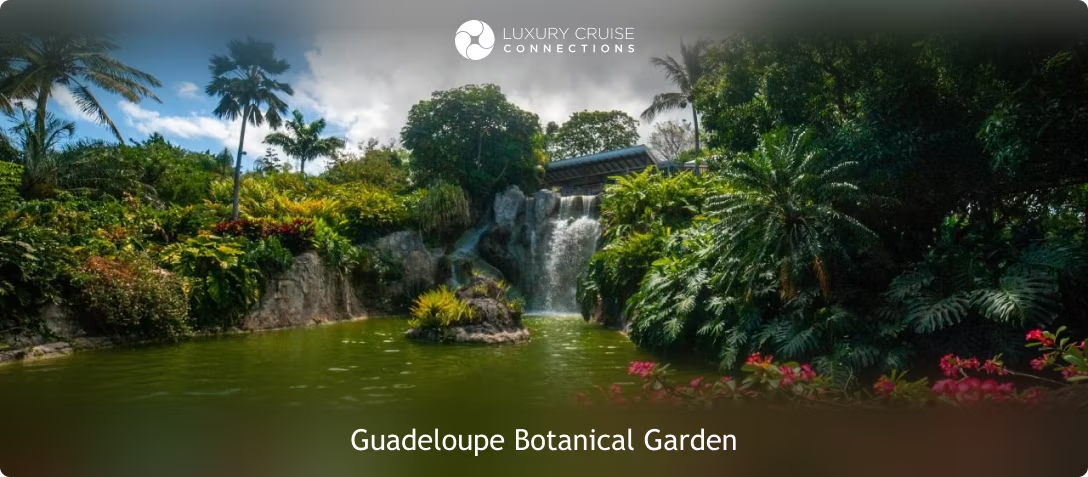
    The Guadeloupe Botanical Garden (the Deshaies Botanical Garden) is a recreational and ecological park that showcases the lush biodiversity of Guadeloupe and the wider Caribbean. Visiting the Botanical Garden is one of the best ways to explore Guadeloupe’s tropical flora in a curated and family-friendly setting. The Guadeloupe Botanical Garden is located in Deshaies on the northwest coast of Basse-Terre. The garden was designed by landscape architect Michel Gaillard and features 7 hectares of landscaped paths and themed zones. The Guadeloupe Botanical Garden features 1,000+ plant species, a cascading waterfall, koi-filled ponds, an aviary, and panoramic views of the Caribbean Sea.
    Visit the Guadeloupe Botanical Garden

    Highlights of the Guadeloupe Botanical Garden include the striking 10-meter artificial waterfall that anchors the garden’s landscape and offers a scenic photo stop. Another highlight is the flamingo pond, where visitors see bright pink birds up close in a tranquil water setting. Another key attraction of the Guadeloupe Botanical Garden is the suspended wooden bridge, which overlooks a cascading stream and tropical foliage. Another highlight of the garden is the aviary filled with multicolored parakeets that visitors feed by hand.

    Visiting the Guadeloupe Botanical Garden offers a peaceful and sensory-rich experience that immerses visitors in the vibrant flora and fauna of the island. Guests enter through the welcome area, then walk along winding paths through dense clusters of palms, orchids, and bougainvillea. Visitors view labeled plant collections and spot wildlife such as hummingbirds and koi fish. Travelers rest on shaded benches, tour the aviary, and cross the footbridge over the waterfall. Many dine at the on-site panoramic restaurant, which offers local favorites (accras and coconut-based desserts) and sweeping views of the coast.

    The best time to visit the Guadeloupe Botanical Garden is from December to May, the dry season, ideal for walking the garden paths and viewing the plants in full bloom.

    Local garden guides lead tours of the Guadeloupe Botanical Garden and share information about the plant species, the history of the site, and points of interest along the walking trails.

    Entry to the Guadeloupe Botanical Garden is $18 USD for adults and $12 USD for children ages 5-12.

  • Enjoy the vibrant Pointe-a-Pitre Market

    The vibrant Pointe-a-Pitre Market is an open-air market that offers a window into everyday Guadeloupean life and culture. Pointe-à-Pitre Market is located in the heart of Pointe-à-Pitre on Grande-Terre island. The market offers a vital shopping destination and social hub for both locals and visitors. Pointe-a-Pitre Market’s stalls are spread across areas like the Marché aux Épices and Marché de la Darse. The market features ironwork halls, waterfront views, and a kaleidoscope of local flavors, textures, and Creole traditions.
    Enjoy the vibrant Pointe-a-Pitre Market

    Highlights of the vibrant Pointe-à-Pitre Market include the Marché aux Épices (Spice Market), where bundles of cinnamon, colombo, and vanilla fill the air with rich aromas. Another highlight is Marché de la Darse, a daily open-air produce market near the harbor, offering seasonal fruits (mango, guava, and passionfruit). Another key attraction of the Pointe-à-Pitre Market is its stalls lined with madras fabric, infused rum tastings, and handmade crafts that reflect Guadeloupe’s Creole identity.

    A visit to the vibrant Pointe-à-Pitre Market immerses travelers in Guadeloupe’s street life culture. Visitors begin by walking beneath the colonial-era iron roof of Marché Saint-Antoine, where vendors greet them with spice samples and folk remedies. They shop for fresh produce at Marché de la Darse by the waterfront, then browse stalls filled with teas, hot sauces, and local textiles. They hear Creole conversations and music from nearby cafés, savor tropical juices, and watch the rhythms of everyday trade unfold.

    Pointe-à-Pitre Market is open and enjoyable year-round.

    Local cultural guides lead tours of the vibrant Pointe-à-Pitre Market and provide insight into Guadeloupean ingredients, culinary traditions, and Creole market customs.

    Entry to the vibrant Pointe-à-Pitre Market is free.


What are the Most Popular Tourist Attractions in Guadeloupe?

The most popular tourist attractions in Guadeloupe are listed below.

  • La Soufrière Volcano
  • Plage de la Caravelle
  • Memorial ACTe Museum
  • Les Chutes du Carbet
  • Jacques Cousteau Underwater Reserve
  • Fort Delgrès
  • Îles des Saintes
  • Guadeloupe Botanical Garden
  • La Soufrière Volcano

    La Soufrière Volcano is the highest peak in Guadeloupe and a popular natural attraction in the country. La Soufrière attracts adventure-seeking tourists for its crater hikes, volcanic scenery, and panoramic views.
    La Soufrière Volcano
  • Plage de la Caravelle

    Plage de la Caravelle is one of Guadeloupe’s most well-known beaches and a major draw on the southern coast of Grande-Terre. Plage de la Caravelle is favored for its calm turquoise water, soft sand, and swaying palms.
    Plage de la Caravelle
  • Memorial ACTe Museum

    Memorial ACTe Museum is Guadeloupe’s leading cultural institution and one of the most visited museums on the island. Memorial ACTe draws tourists with its striking design and powerful exhibits on slavery and identity.
    Memorial ACTe Museum
  • Les Chutes du Carbet

    Les Chutes du Carbet are the tallest waterfalls in Guadeloupe and a top nature attraction within the island’s national park. Les Chutes du Carbet are popular for their jungle setting, misty cascades, and photo viewpoints.
    Les Chutes du Carbet
  • Jacques Cousteau Underwater Reserve

    Jacques Cousteau Underwater Reserve is Guadeloupe’s top diving site and a popular destination for marine activities. Jacques Cousteau Reserve is known for clear waters, coral reefs, and accessible snorkeling areas.
    Jacques Cousteau Underwater Reserve
  • Fort Delgrès

    Fort Delgrès is the most visited historical site in Basse-Terre and an important landmark of resistance in Guadeloupe. Fort Delgrès is known for its panoramic views and preserved military architecture.
    Fort Delgrès
  • Îles des Saintes

    Îles des Saintes (Terre-de-Haut) is a popular offshore destination in Guadeloupe and part of a scenic archipelago. Terre-de-Haut appeals to visitors for its peaceful village, protected bay, and hilltop fort.
    Îles des Saintes
  • Guadeloupe Botanical Garden

    Guadeloupe Botanical Garden is a lush and accessible garden in the town of Deshaies. Guadeloupe Botanical Garden is popular for its tropical plants, walking paths, and birdlife.
    Guadeloupe Botanical Garden


Which Vacation Spots in Guadeloupe Are Best for Beach Lovers?

The vacation spots in Guadeloupe that are best for beach lovers are listed below.


What are the Best Things to Do in Guadeloupe for First-Time Visitors?

The best things to do in Guadeloupe for first-time visitors are listed below.

Guadeloupe National Park is a protected rainforest area in Basse-Terre that showcases the island’s natural diversity. Exploring Guadeloupe National Park introduces first-time visitors to the country’s waterfalls, hiking trails, and tropical landscapes.
Memorial ACTe is a major museum in Pointe-à-Pitre that presents Guadeloupe’s history of slavery and cultural identity. Visiting Memorial ACTe helps first-time visitors understand the country’s past through immersive exhibits and modern design.
Plage de la Caravelle is a white sand beach on Grande-Terre and one of the most visited coastal spots in Guadeloupe. Relaxing on Plage de la Caravelle gives first-time visitors an easy beach day with swimmable water and scenic views.
Îles des Saintes is a small island group south of Basse-Terre known for peaceful bays and Creole charm. Taking a boat trip to Îles des Saintes gives first-time visitors a short island escape with coastal views and village walks.
Pointe-à-Pitre Market is a public market in Guadeloupe’s capital that offers local produce, spices, and street food. Walking the Pointe-à-Pitre Market lets first-time visitors experience Creole flavors, colors, and daily life.

What makes Guadeloupe a Beautiful Country to Visit?

Guadeloupe is a beautiful country to visit for three reasons. The first reason is Guadeloupe’s unique island layout and scenery. Guadeloupe spans five main islands with a mix of beautiful volcanic peaks, coral reefs, rainforest valleys, and white sand beaches. Travelers are able to hike across La Soufrière volcano, snorkel off Îlets Pigeon, and relax by the shores of Sainte-Anne within one trip. The second reason Guadeloupe is a beautiful country to visit is its vibrant Creole heritage. Guadeloupean towns like Pointe-à-Pitre and Terre-de-Haut showcase French-Caribbean architecture, open-air markets, and colonial-era forts. The third reason Guadeloupe is a beautiful country to visit is the color and rhythm of daily life. Visitors encounter streets filled with madras fabrics, tropical produce, and the sounds of gwo ka drums and zouk music.

How can I experience Local Culture in Guadeloupe?

You can experience local culture in Guadeloupe by walking through markets, tasting Creole cuisine, visiting historical sites, and joining local celebrations. Firstly, experience daily life in Guadeloupe by exploring open-air markets and waterfront town centers. Markets in Pointe-à-Pitre, Basse-Terre, and Sainte-Anne reveal daily rhythms through spices, fresh produce, and vendor exchanges in Creole and French. Secondly, eat Creole food in local cafés, beach stalls, or family-run restaurants. Local dishes such as colombo chicken, accras, and boudin are served with homemade sauces and tropical juices and reflect African, French, and Caribbean influences. Thirdly, visit cultural sites that preserve Guadeloupe’s identity and history. The Memorial ACTe Museum, Fort Delgrès, and colonial churches offer insight into slavery, resistance, and Creole heritage. Finally, attend local celebrations and religious festivals to see Guadeloupean culture in motion. Guadeloupean festivals like Carnival, patron saint festivals, and drum nights feature music, dancing, and traditional dress.

Are there Activities in Guadeloupe Perfect for Families with Children?

Yes, there are activities in Guadeloupe perfect for families with children because the islands offer safe beaches and fun learning experiences. Visiting the Guadeloupe Zoo in Basse-Terre lets kids observe tropical animals and walk canopy bridges through the forest. Exploring the Botanical Garden in Deshaies introduces local plants and birds in a peaceful, enclosed space. In Guadeloupe National Park, short hiking trails lead to waterfalls and natural pools where children play safely. Children enjoy interactive museums like Le Musée du Rhum, where older kids learn about local history and Creole traditions. In Sainte-Anne, families relax and swim at calm beaches such as Plage de la Caravelle. Boat trips to Îlets Pigeon or Petite-Terre give older children a chance to snorkel in shallow coral areas. The Guadeloupe Aquarium in Le Gosier also offers touch tanks and exhibits focused on Caribbean sea life.

Are there Fun Things to Do in Guadeloupe for Outdoor Adventures?

Yes, there are fun things to do in Guadeloupe for outdoor adventures because the islands offer diverse terrains that range from volcanic peaks to coral lagoons. On Basse-Terre, hikers climb La Soufrière volcano to enjoy panoramic views and steamy crater trails. Canyoning tours in Basse-Terre lead visitors down forested gorges and through hidden waterfalls. In Guadeloupe National Park, rainforest treks lead to waterfalls and river pools ideal for swimming. Snorkelers and divers explore the Jacques Cousteau Underwater Reserve, known for coral gardens, turtles, and reef fish. Grande-Terre offers fun kitesurfing and paddleboarding along the coasts near Sainte-Anne. On Petite-Terre, visitors hike through dry brush and snorkel with rays in a protected lagoon. Kayakers explore quiet bays near Terre-de-Haut, and riders follow coastal horseback trails near Le Moule.

Best Things to Do Around the World

Discover the best activities, landmarks, and experiences in every cruise destination and port of call.

Europe Western, Central & Mediterranean
America North, Central, South & Caribbean
Africa & Asia Oceania & Antarctica