10 Best Things to Do in Grenada

The 10 best things to do in Grenada include visiting Grand Anse Beach, exploring Grand Etang National Park, discovering...

add

The 10 best things to do in Grenada include visiting Grand Anse Beach, exploring Grand Etang National Park, discovering the Grenada National Museum, and taking a River Antoine Rum Distillery tour. Other Grenada highlights include hiking to the Seven Sisters Waterfalls, visiting the historic Fort George, snorkeling at the Underwater Sculpture Park, and touring cocoa plantations, spice estates, and the vibrant St. George's Market.

Grenada is a small island country in the southeastern Caribbean with volcanic landscapes, colonial heritage, and rich agricultural traditions. The range of things to do in Grenada includes coastal relaxation, rainforest hikes, and cultural exploration. Travelers curious what to do in Grenada have opportunities to taste chocolate at plantations, snorkel between submerged sculptures, or shop for fresh spices in local markets. Popular places to visit in Grenada reveal its layered identity through colonial forts, rainforest waterfalls, and scenic coastlines.

  • Visit the Grand Anse Beach
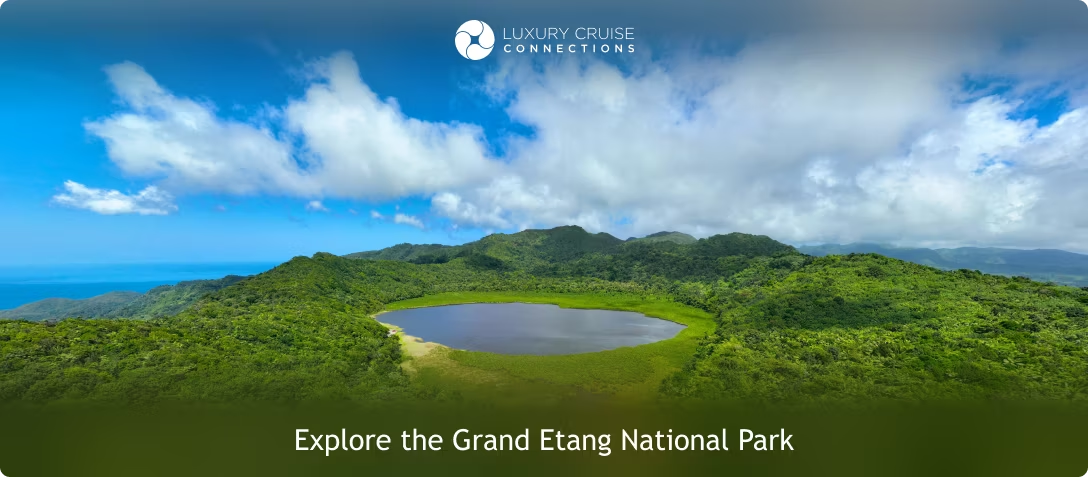
  • Explore the Grand Etang National Park
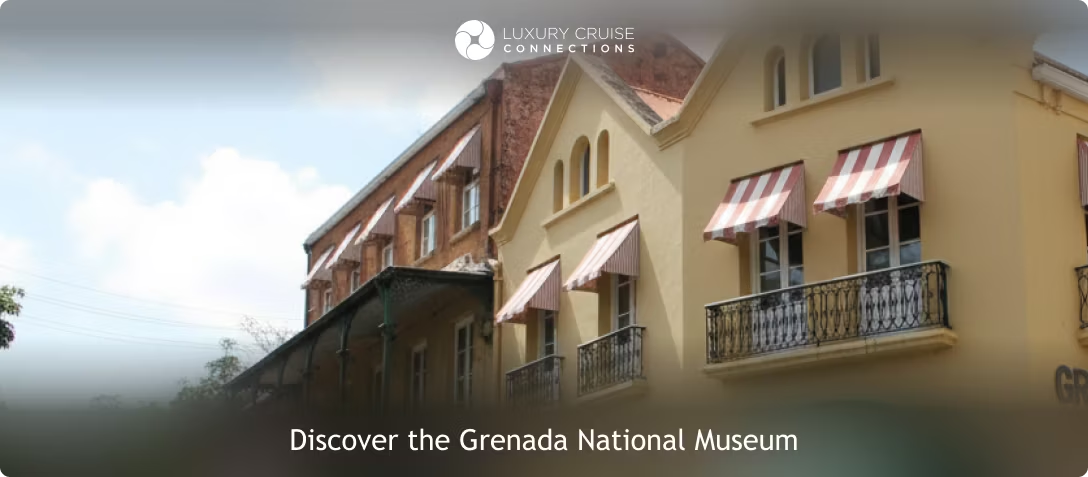
  • Discover the Grenada National Museum
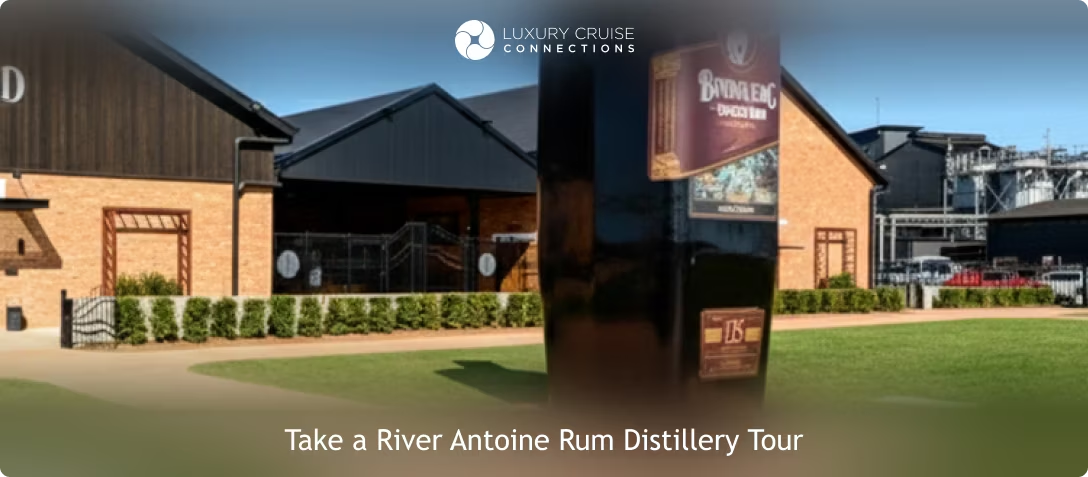
  • Take a River Antoine Rum Distillery Tour
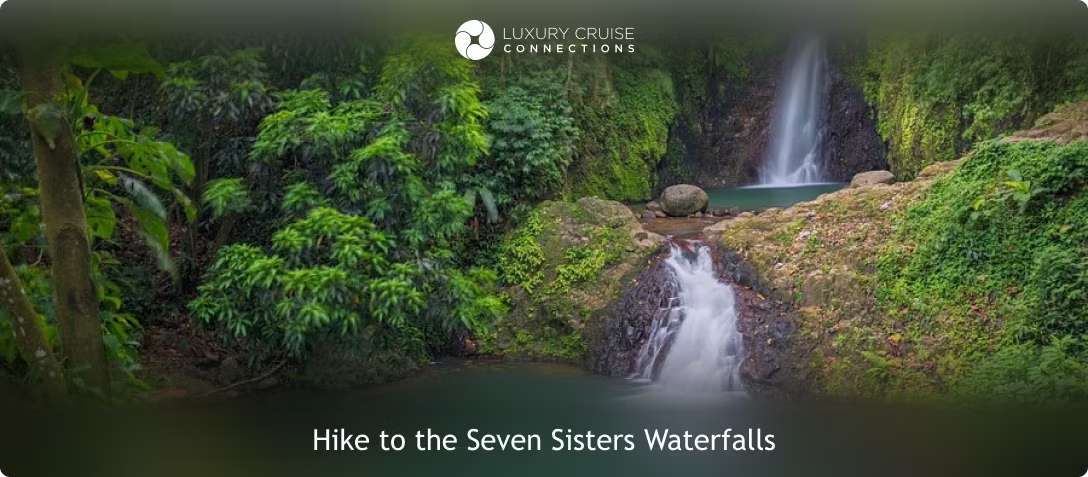
  • Hike to the Seven Sisters Waterfalls
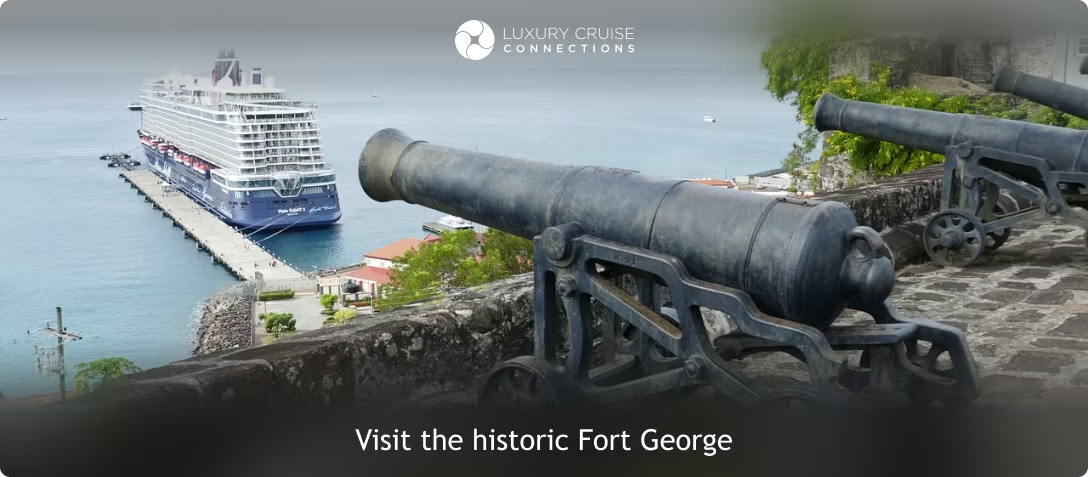
  • Visit the historic Fort George
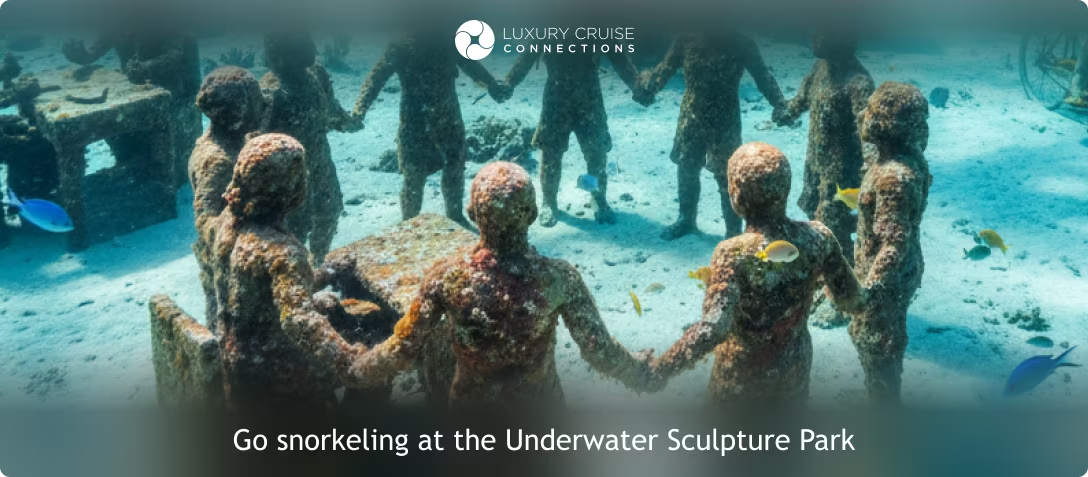
  • Go snorkeling at the Underwater Sculpture Park
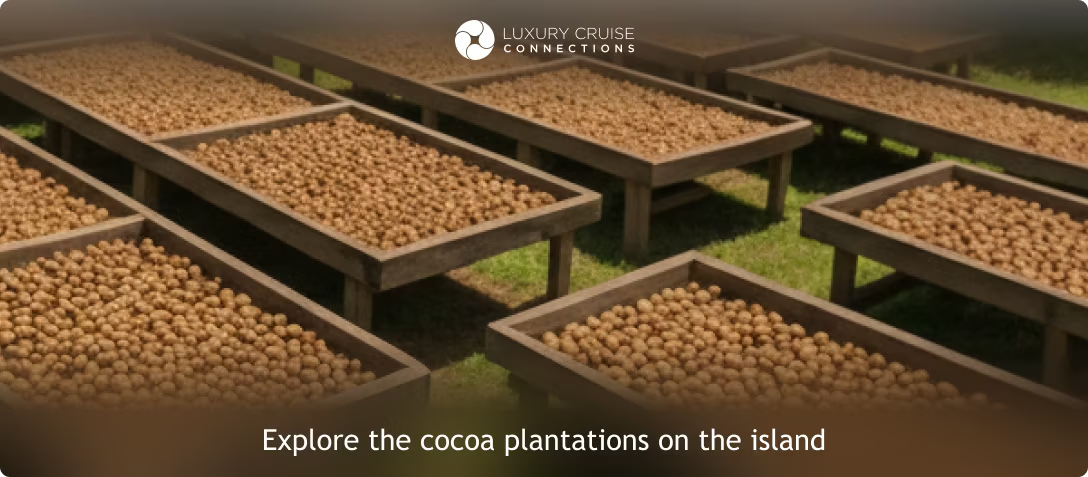
  • Explore the cocoa plantations on the island
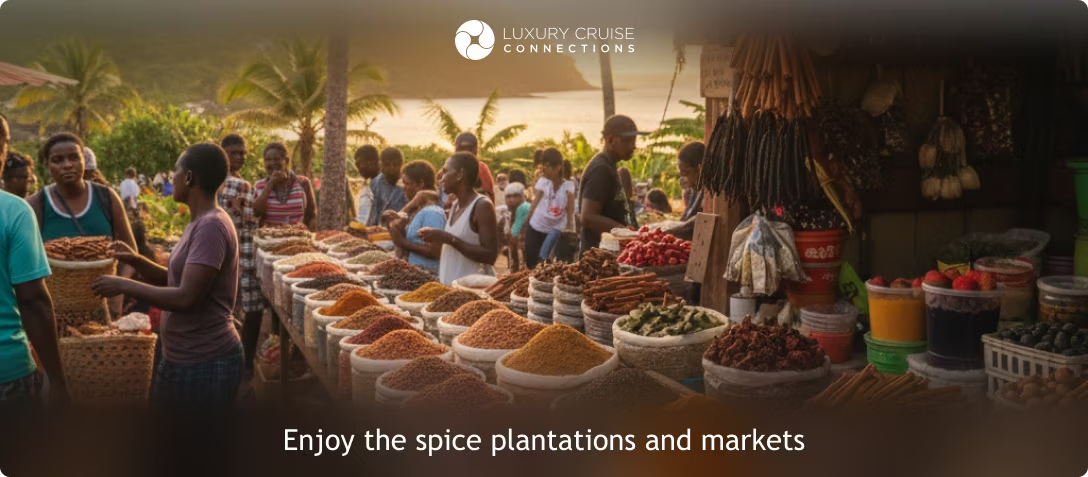
  • Enjoy the spice plantations and markets
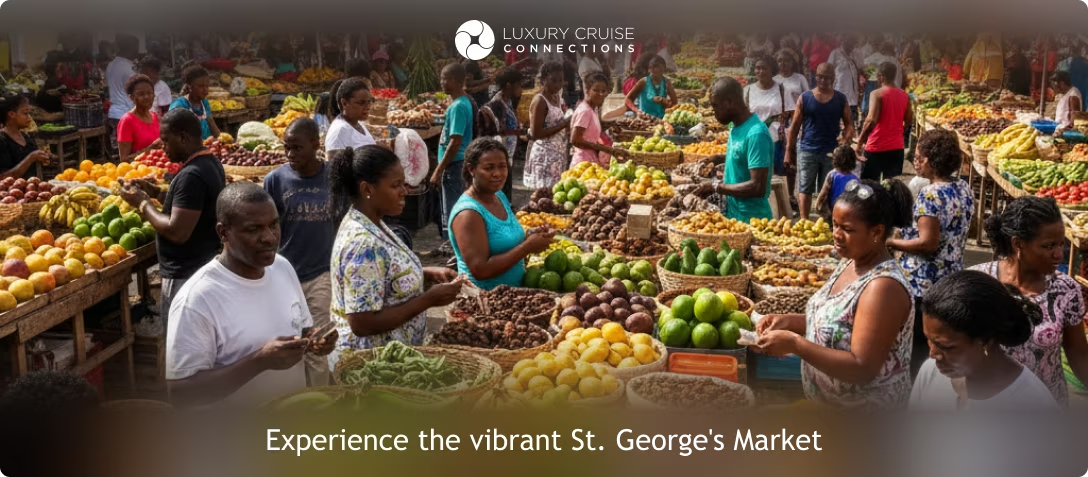
  • Experience the vibrant St. George's Market
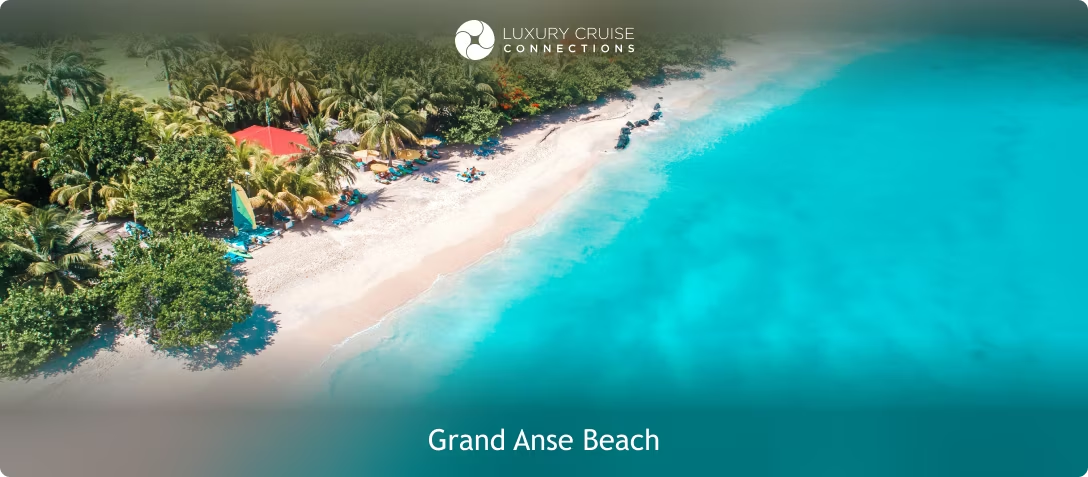
  • Visit the Grand Anse Beach

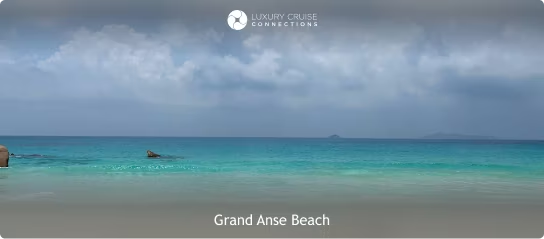
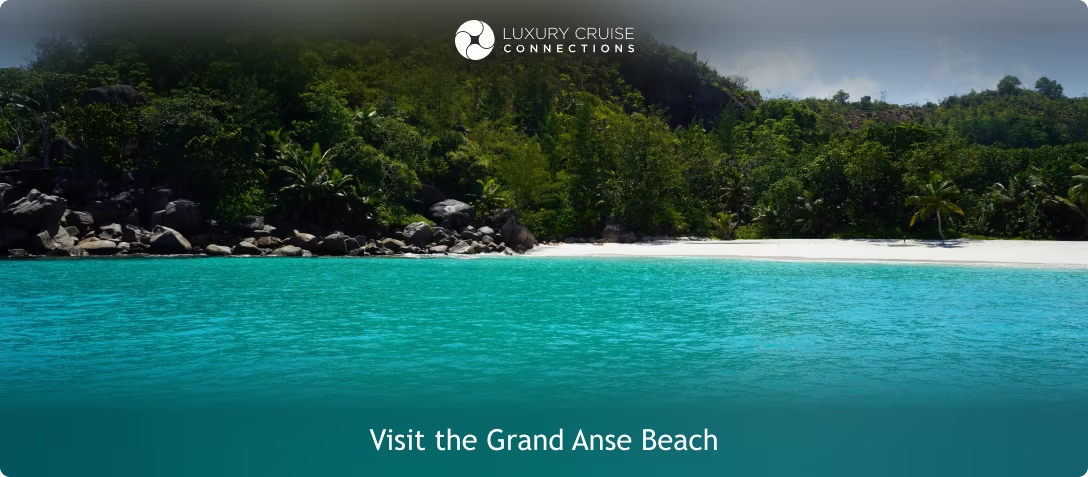
    Grand Anse Beach is a two-mile stretch of white sand and Grenada’s most iconic shoreline. Grand Anse Beach is located near St. George’s on Grenada’s southwestern coast, facing the Caribbean Sea. The beach is world-famous for its turquoise waters, gentle surf, coconut palms, and panoramic views of the surrounding hills. Grand Anse Beach plays a central role in Grenada’s leisure tourism and offers water sports, coastal relaxation and beachfront dining.
    Visit the Grand Anse Beach

    Highlights of Grand Anse Beach include its calm turquoise waters which offer ideal swimming conditions. Another highlight is the stretch of soft white sand that provides ample space for sunbathing and walking. Another key attraction is the view of St. George’s Harbour from the northern end of the beach.The Grand Anse Craft and Spice Market sits near the beach and features handmade jewelry, batik fabrics, and local spices.

    Visiting Grand Anse Beach is a classic Caribbean beach experience in Grenada. Visitors walk along Grand Anse’s shoreline or swim in the warm, shallow waters. Locals sell coconut water and spices near the sand. Guests relax under sea grape trees and enjoy grilled fish or rum punch at beachfront cafes and restaurants. Adventure-seekers find opportunities to snorkel, dive and sail from Grand Anse. Sunset offers a chance to admire boats anchored in the bay and sunset views of the hills behind St. George’s.

    The best time to visit Grand Anse Beach is during the dry season (January to May) when skies are clear and the sea conditions are calmest for swimming.

    Local beach guides offer snorkeling tours along Grand Anse Beach’s southern reef. Guides bring snorkelers to biodiverse hotspots, provide gear, and explain marine life.

    Entry to Grand Anse Beach is free of charge. Fees for beach chairs, umbrellas, and water sport gear rentals range between $5-20 USD per hour.

  • Explore the Grand Etang National Park

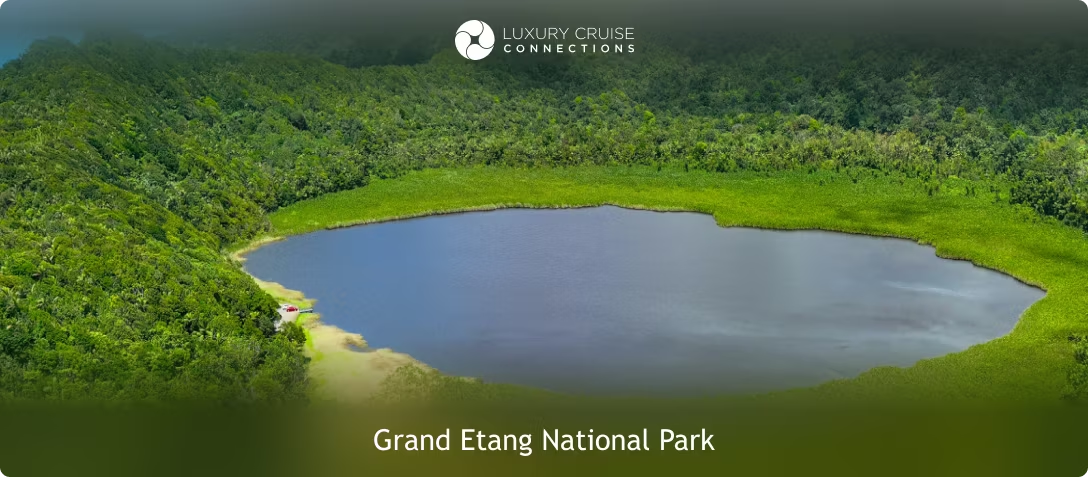
    Grand Etang National Park is a protected rainforest reserve in central Grenada and one of the island’s top natural sites. Grand Etang park lies in the mountains of the parish of St. Andrew and surrounds the volcanic Grand Etang Lake. The national park contains diverse ecosystems, including cloud forests, waterfalls, and crater lakes. Exploring Grand Etang National Park introduces visitors to Grenada’s rich biodiversity through a series of hiking trails.
    Explore the Grand Etang National Park

    Highlights of Grand Etang National Park include the Grand Etang Lake, which sits in a volcanic crater and reflects the surrounding hills. Another highlight is the Seven Sisters Falls, a series of cascades accessed by trail through lush forest. Another Grand Etang Park highlight is the Visitor Center which displays information about the park’s flora and fauna. Another key attraction is Mount Qua Qua, a high peak with a 3.5-kilometer trail that offers hikers panoramic views of the island.

    Exploring Grand Etang National Park is a rugged rainforest experience and one of Grenada’s key inland adventures. Visitors hike through Grand Etang’s dense forest trails that cross streams and lead to scenic viewpoints. Along the way, travelers hear the call of mona monkeys and spot hummingbirds near wild heliconias. Hikers who reach the Seven Sisters Falls often swim in the cool plunge pools. Visitors enjoy the misty climate that stays cool even during Grenada’s warmer months.

    The best time to visit Grand Etang National Park is in the dry season (January to May) when trails are safer and views from mountains are clear.

    Local hiking guides lead treks through Grand Etang National Park and provide navigation, identify native species, and ensure safe footing on muddy trails.

    Entry to Grand Etang National Park costs between $2-5 USD depending on the trail.

  • Discover the Grenada National Museum

    The Grenada National Museum is a historical museum in St. George’s and a key site for learning about the island’s past. The Grenada National Museum occupies a colonial building built in the mid-1700s, which once served as army barracks and a prison. The museum presents exhibits on Grenada’s Amerindian heritage, European colonization, and post-independence history. It preserves over 200,000 artifacts and showcases the history and culture of the people of Grenada, Carriacou and Petite Martinique.
    Discover the Grenada National Museum

    Highlights of the Grenada National Museum include its Amerindian room, which displays pottery and tools from pre-Columbian settlements. Another highlight is the colonial exhibit, which covers the French and British periods through maps, coins, and weapons. Another museum highlight is the slavery and plantation section, which documents Grenada’s transatlantic trade and local resistance. Another key attraction is the room dedicated to Grenada’s independence and revolution, featuring political posters and photographs.

    Discovering the Grenada National Museum is an educational experience that introduces visitors to Grenada’s heritage. Visitors walk through small rooms arranged by historical themes such as Kalinago, the European invasion, Slavery and Independence. They examine displays of native artifacts, read about colonial rule, and observe items from Grenada’s sugar industry. The Grenada National Museum also features short films, vintage photographs and family-friendly interactive exhibits. Official museum staff offer explanations of exhibits and answer any visitor questions.

    The Grenada National Museum is open and enjoyable year-round.

    Local guides lead tours of St. George’s that include a stop at Grenada National Museum. Guides explain Grenada museum's exhibits, answer questions, and highlight key artifacts.

    Entry to the Grenada National Museum costs between $5 USD per adult.

  • Take a River Antoine Rum Distillery Tour

    The River Antoine Rum Distillery is the oldest functioning water-powered distillery in the Caribbean and a unique industrial heritage site in Grenada. The distillery is located in the parish of St. Andrew near the River Antoine. The distillery was founded in 1785 and still uses original equipment to produce high-proof white rum. The River Antoine Rum Distillery team runs regular tours that allow visitors to discover a preserved example of 18th-century rum production. A distillery visit reveals Grenada’s deep ties to sugar and export industries.
    Take a River Antoine Rum Distillery Tour

    Highlights of the River Antoine Rum Distillery include the operational waterwheel, which powers the cane-crushing machinery and is the oldest functioning waterwheel in the Caribbean. Another distillery highlight is the open fermentation vats where wild yeast creates high-alcohol rum. The traditional pot stills are heated by firewood and reflect centuries-old distillation methods. Another key attraction of the River Antoine Rum Distillery is the bottling area, where workers seal bottles by hand for local sale.

    Taking a River Antoine Rum Distillery tour is a unique historical and sensory experience in Grenada. Visitors walk through the distillery grounds guided by knowledgeable staff who answer their questions about the labor-intensive distillery process. They watch sugarcane stalks feed into the water-powered press and observe cauldrons of boiling syrup. The tour ends with a tasting of the strong River Antoine rum. Guests also learn about the export limits due to the rum’s high alcohol content (60-75%). Visitors have the chance to eat traditional Grenadian dishes like stewed pigeon peas, cinnamon fried plantain and chicken in orange sauce at the on-site restaurant.

    The best time to take a River Antoine Rum Distillery tour is in the dry season (January to May) when weather is comfortable for outdoor walking and cane processing is ongoing.

    Official distillery guides lead River Antoine Distillery tours and explain the rum-making process, demonstrate equipment, and provide samples to visitors.

    Taking a River Antoine Rum Distillery Tour costs between $3-5 USD depending on group size, and includes rum tastings

  • Hike to the Seven Sisters Waterfalls

    The Seven Sisters Waterfalls in Grenada are a series of cascading falls located in the Grand Etang Forest Reserve. The Seven Sisters rank among Grenada’s most scenic natural attractions and are valued for their beauty, freshwater pools, and ecological richness. The falls lie in the central highlands of the island, near the village of St. Margaret. Visitors access the Seven Sisters and the swimming areas by hiking an easy-to-moderate forest trail through rainforest and volcanic terrain.
    Hike to the Seven Sisters Waterfalls

    Highlights of the Seven Sisters Waterfalls include the two main falls at the trail’s end, which plunge into deep natural pools. Another highlight is the rainforest hiking trail, which passes giant bamboo, ferns, and tropical trees. Hikers often spot mona monkeys and colorful birds along the way. Another key attraction is the chance to swim beneath the falls in clear, cold water.

    Hiking to the Seven Sisters Waterfalls is a rewarding outdoor experience and one of Grenada’s top rainforest activities. Visitors begin at a marked trailhead and walk downhill along a 30-40 minute rugged trail. They pass thick forest and cross small streams and slippery rocks. On arrival at the Seven Sisters, guests swim in the refreshing lower pool or climb to the upper falls. Local farmers sometimes sell fruit near the trail entrance.

    The best time to hike to the Seven Sisters Waterfalls is during the dry season (January to May) when trails stay firm and water levels are safe for swimming.

    Local hiking guides lead tours to the Seven Sisters Waterfalls and assist with navigation, provide safety tips, and identify native plants and wildlife.

    Entry to the Seven Sisters Waterfalls costs between $2-5 USD depending on access point.

  • Visit the historic Fort George

    Fort George is an 18th-century coastal fortress in St. George’s and one of Grenada’s most important historic sites. Fort George was built by the French in 1705 and later expanded by the British to play a strategic role in colonial defense. The fort contains thick stone walls, underground tunnels, and original cannons. Fort George offers visitors fascinating insight into Grenada’s military past and provides one of the best elevated views in the capital, overlooking the Carenage.
    Visit the historic Fort George

    Highlights of Fort George in Grenada include its cannon-lined battlements, which face the harbor and offer panoramic views of St. George’s. Another highlight is the fort’s underground magazine, where gunpowder and munitions were once stored. Another highlight is the cell where Prime Minister Maurice Bishop was held in 1983. Another key attraction is Fort George’s west-facing lookout point, which offers sunset views over the Caribbean Sea.

    Visiting Fort George offers an educational experience of Grenada’s military history. Visitors climb the steep slope to the fort and enter through a stone gate. They walk along ramparts lined with cannons, explore arched chambers and climb steps to viewpoints over the Carenage. They read signs or listen to knowledgeable guides explain Fort George’s French and British past. Visitors take photographs of the red-roofed town below and the anchored boats in the bay.

    The best time to visit Fort George is during the dry season (January to May) when skies stay clear and city views remain unobstructed.

    Local heritage guides lead tours of Fort George and explain colonial history, design, and political events.

    Entry to Fort George in Grenada costs $2 USD per adult.

  • Go snorkeling at the Underwater Sculpture Park

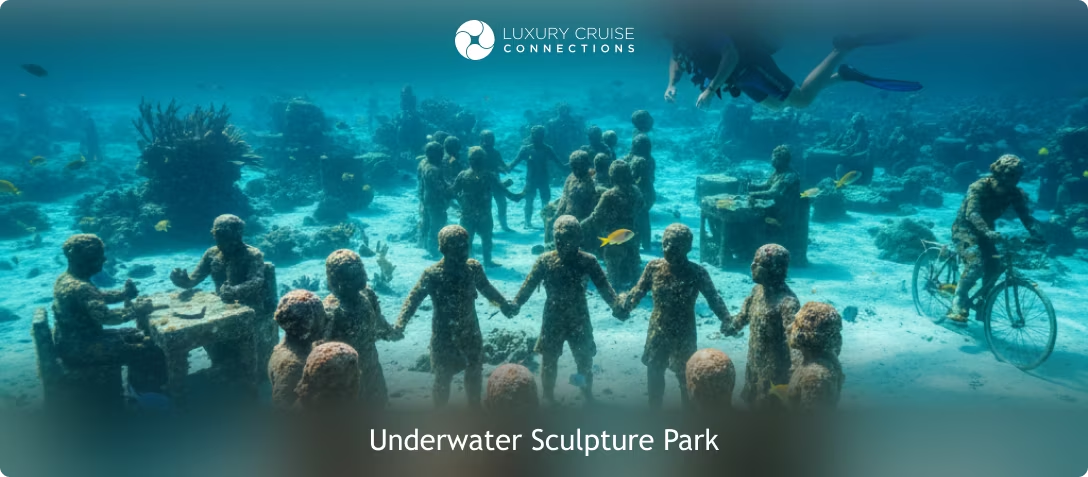
    The Underwater Sculpture Park in Grenada is a submerged art installation that combines environmental art with coral restoration. The Underwater Sculpture Park is located in Molinière Bay and remains one of Grenada’s most distinctive marine attractions. The park features 75 works resting on the sea floor at depths between 5-8 meters. The sculptures were created by artist Jason deCaires Taylor in 2006 and the site is listed as one of National Geographic’s 25 Wonders of the World. The Underwater Sculpture Park serves as a rich habitat for marine life and is a popular snorkeling and diving destination.
    Go snorkeling at the Underwater Sculpture Park

    Highlights of the Underwater Sculpture Park include the Circle of Children, which features life-sized figures holding hands on the seafloor. Another highlight is Vicissitudes, a ring of standing figures that attract reef fish and soft coral. The Lost Correspondent sculpture depicts a man at a desk covered in marine growth. Another key attraction is the Grace Reef, where a series of female forms lies scattered across the seabed.

    Snorkeling at the Underwater Sculpture Park is a surreal and active experience and one of Grenada’s signature coastal activities. Visitors float above the sculptures in high-visibility water and observe marine life among the art. They snorkel between natural rock formations and contemporary art and examine coral-covered faces and hands. Guests often combine Underwater Sculpture Park snorkeling excursions with a beach stop at Grand Anse or Magazine Beach.

    The best time to snorkel at the Underwater Sculpture Park is during the dry season (January to May) when seas are calm and visibility is high.

    Local snorkeling guides lead tours of the sculpture park and ensure safety, explain sculpture meanings, and point out reef wildlife.

    Entry to the Underwater Sculpture Park in Grenada is $3.50 and is included in most guided snorkeling tours. Guided snorkeling tours to the Underwater Sculpture Park cost between $65-200 USD depending on boat type, gear rental, and tour duration.

  • Explore the cocoa plantations on the island

    Grenada’s cocoa plantations refer to working agricultural estates that grow Trinitario cocoa. Trinitario cocoa is prized for its fine flavor and used in premium chocolate around the world. Grenada’s cocoa plantations are spread across the island, with key plantations located in the fertile hills of St. Mark, St. Andrew, and St. Patrick. Select estates welcome visitors to discover and taste Grenada’s chocolate at its source. Cocoa plantation visits reflect Grenada’s colonial-era agricultural legacy and support small-scale farmers.
    Explore the cocoa plantations on the island

    Highlights of Grenada’s cocoa plantations include the drying houses where cacao beans ferment and sun-dry on trays. Another attraction is the chance to walk among cocoa trees and see ripe pods harvested by hand. Another highlight is Belmont Estate in St. Patrick, a restored 17th-century property offering cocoa tours, tastings, and local cuisine. Another highlight is The Diamond Chocolate Factory near Victoria, which shows the bean-to-bar process and features a shop with finished products.

    Exploring the cocoa plantations is a hands-on experience of Grenada’s chocolate industry and local farming practices. Visitors walk through shaded cocoa groves and see pods cut open to reveal fresh beans. They observe the traditional foot-shuffling method used to turn fermenting beans and observe the drying process in open-air trays. At estate shops, guests taste rich dark chocolate and sip hot cocoa tea. Visitors shop for souvenirs, take photos of nutmeg trees, and talk with farmers about cultivation techniques.

    The best time to explore Grenada’s cocoa plantations is in the dry season (January to May) when cacao harvesting, drying, and fermentation are actively taking place.

    Local agricultural guides lead tours of cocoa plantations in Grenada and explain production stages, demonstrate tools, and lead chocolate tastings.

    Entry to Grenada’s cocoa plantations costs between $2-15 USD depending on the estate and tour type.

  • Enjoy the spice plantations and markets

    Grenada’s spice plantations and markets are central to its identity as the “Spice Island” and offer visitors an immersive way to explore its agricultural heritage. Grenada grows spices like nutmeg, mace, cinnamon, clove, turmeric, and bay leaf in its rich volcanic soil. Key Grenada spice plantations are located in St. Andrew, St. David, and St. George. These spice plantations provide insight into Grenada’s export economy and allow guests to see and smell spices at their source. Key Grenada spice markets include Market Square in St. George’s and smaller community markets in Grenville and Gouyave.
    Enjoy the spice plantations and markets

    Highlights of Grenada’s spice plantations and markets include the Gouyave Nutmeg Processing Station, where local nutmeg is graded, dried, and packed. Another highlight is the Laura Herb and Spice Garden in St. David, which features labeled spice plants and a guided walk. Another highlight is the Market Square in St. George’s which sells fresh cinnamon, whole nutmeg, and hand-tied spice bundles.

    Enjoying Grenada’s spice plantations and markets connects visitors directly to the island’s most famous exports. Guests walk through fields of spice trees and learn how each plant grows and is harvested. They observe nutmeg sorting, feel dried leaves, and smell essential oils used in local remedies. At public spice markets, visitors browse colorful stalls, buy spice packets, taste local preserves, and talk with vendors. They take photos of drying racks and spice wreaths or join spice workshops to blend their own seasoning.

    The best time to visit Grenada’s spice plantations and markets is during the dry season (January to May) when processing is active and outdoor conditions stay pleasant.

    Local agricultural and cultural guides lead spice tours and explain growing methods, demonstrate drying and grading, and help identify scent and flavor profiles.

    Entry to spice plantations and gardens costs between $2-10 USD depending on site and tour type. Market visits are free, with costs based on purchases.

  • Experience the vibrant St. George's Market

    St. George’s Market is Grenada’s main public market and a vibrant center of local commerce. St. George’s Market is located near Market Hill in downtown St. George’s and dates back to colonial times. The market features fresh produce, locally-grown spices, handicrafts, and prepared foods. St. George’s Market offers visitors an immersive and colorful experience centered around Grenada’s agricultural output.
    Experience the vibrant St. George's Market

    Highlights of St. George’s Market include the variety of spice vendors selling nutmeg, mace, cinnamon, and clove in handmade bundles. Another highlight is the produce section, where local farmers display bananas, dasheen, callaloo, and plantains. Another market highlight is the craft stalls feature handwoven baskets, batik textiles, and coconut shell jewelry. Another key attraction is the street food area of St. George’s Market, where visitors try fried bakes, fish cakes, and fresh fruit juice.

    SExperiencing St. George’s Market immerses visitors in Grenada’s local rhythm and traditional food culture. Guests walk through open-air aisles lined with colorful stalls and fragrant spices. They taste seasonal fruits, talk with vendors about recipes, and watch Grenadian women sort herbs into bunches. Shoppers buy handmade items, take photos of produce displays, and hear local music playing in the background. On Saturdays, St. George’s Market fills with residents shopping for the week and becomes ideal for people‑watching.

    The best time to visit St. George’s Market in Grenada is during the dry season (January to May) when the weather is dry and Saturday trade reaches its peak.

    Local cultural guides offer walking tours of St. George’s Market and explain spice uses, identify produce, and help visitors interact with vendors.

    Entry to St. George’s Market in Grenada is free of charge.


What are the Most Popular Tourist Attractions in Grenada?

The most popular tourist attractions in Grenada are listed below.

  • Grand Anse Beach
  • Underwater Sculpture Park
  • Grand Etang National Park
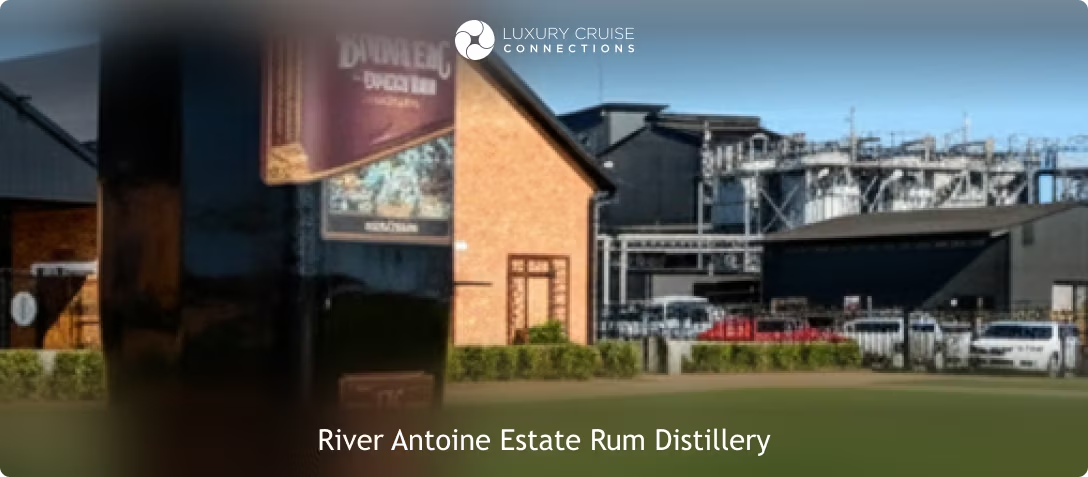
  • River Antoine Estate Rum Distillery
  • Seven Sisters Waterfalls
  • Belmont Estate
  • Fort George & Fort Frederick
  • Grand Anse Beach

    Grand Anse Beach is Grenada’s most famous shoreline, located on the island’s southwestern coast near St. George’s. Grand Anse Beach attracts tourists for its soft white sand, calm turquoise waters and lively atmosphere.
    Grand Anse Beach
  • Underwater Sculpture Park

    The Underwater Sculpture Park in Molinière Bay is the world’s first submerged sculpture installation and a key attraction for marine tourism in Grenada. The Underwater Sculpture Park attracts snorkelers and divers who explore sunken artworks covered in coral and sea life.
    Underwater Sculpture Park
  • Grand Etang National Park

    Grand Etang National Park is a rainforest reserve in central Grenada built around a volcanic crater lake. Grand Etang National Park is popular for its hiking trails, biodiversity, and cool mountain air.
    Grand Etang National Park
  • River Antoine Estate Rum Distillery

    Grenada’s River Antoine Estate is the oldest functioning water-powered rum distillery in the Caribbean. River Antoine Estate Rum Distillery is known for preserving 18th-century rum-making techniques and offering guided tours with tastings of its high-proof white rum.
    River Antoine Estate Rum Distillery
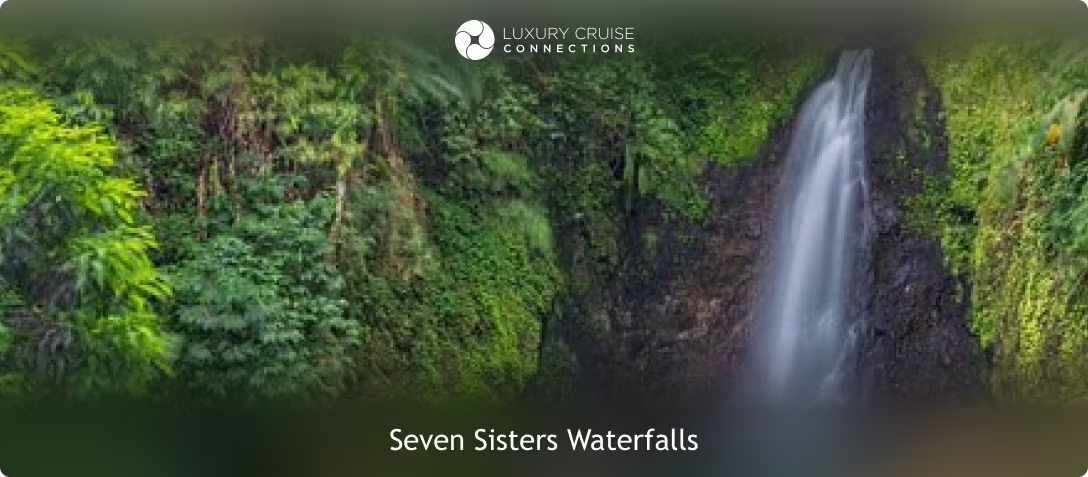
  • Seven Sisters Waterfalls

    The Seven Sisters Waterfalls are a series of cascading falls located in Grenada’s Grand Etang Forest Reserve. The Seven Sisters Waterfalls offer tourists the chance to hike through lush rainforest and swim in natural pools.
    Seven Sisters Waterfalls
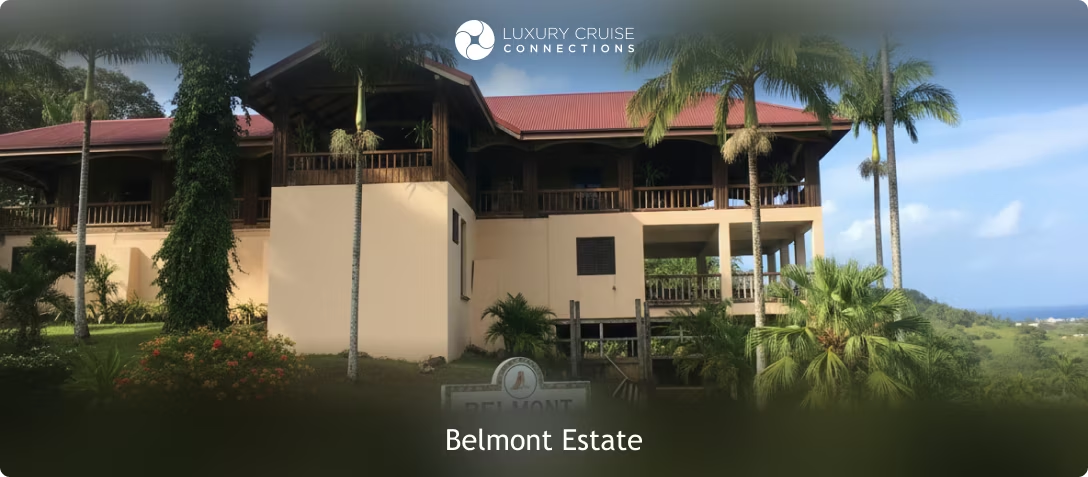
  • Belmont Estate

    Belmont Estate is a restored 17th-century plantation that highlights Grenada’s agricultural heritage. Belmont Estate is popular with tourists for its cocoa processing tours, chocolate tastings, and on-site restaurant.
    Belmont Estate
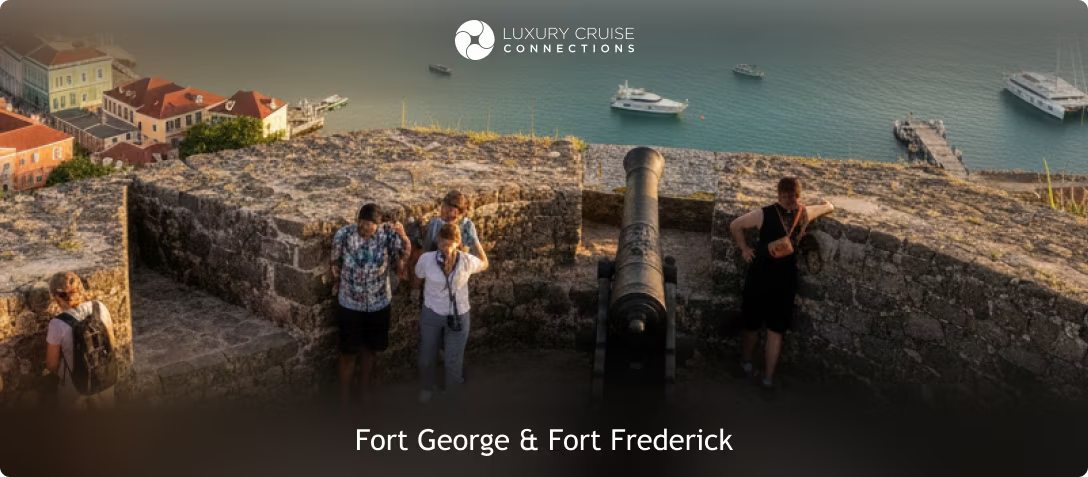
  • Fort George & Fort Frederick

    Fort George and Fort Frederick are colonial-era forts in St. George’s, Grenada. Fort George & Fort Frederick are popular for their military architecture, harbor viewpoints, and their historical significance.
    Fort George & Fort Frederick


Which Vacation Spots in Grenada Are Best for Beach Lovers?

The vacation spots in Grenada that are best for beach lovers are listed below.


What are the Best Things to Do in Grenada for First-Time Visitors?

The best things to do in Grenada for first-time visitors are listed below.

Grand Anse Beach is Grenada’s most iconic and accessible beach, located near the capital and major resorts. Grand Anse Beach is ideal for first-time visitors thanks to its calm waters, beachfront facilities, and easy access to dining and local culture.
The River Antoine Rum Distillery is the oldest water-powered rum distillery in the Caribbean and a unique cultural site in Grenada. Touring the River Antoine Distillery offers first-time travelers a glimpse into traditional island industries and the chance to sample strong local rum.
Grand Etang National Park is a rainforest reserve in central Grenada featuring moderate hiking trails, a volcanic lake, and native wildlife. Exploring Grand Etang is a great choice for first-time visitors who want to experience Grenada’s natural beauty within a day-trip..
The Underwater Sculpture Park in Molinière Bay is the world’s first submerged sculpture gallery and one of Grenada’s most distinctive attractions. Snorkeling at the Underwater Sculpture Park introduces first-time visitors to the island’s marine life and its blend of art and ecology.
Grenada’s cocoa plantations are key to its chocolate industry and are located in lush, rural parts of the island. Touring a cocoa plantation allows first-time visitors to learn how chocolate is made and taste local flavors in a scenic setting.

What makes Grenada a Beautiful Country to Visit?

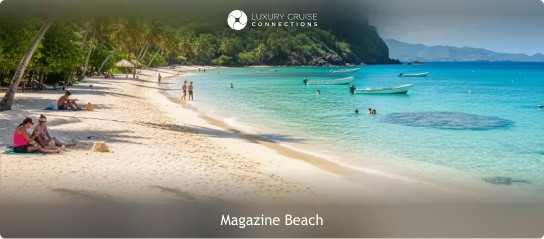
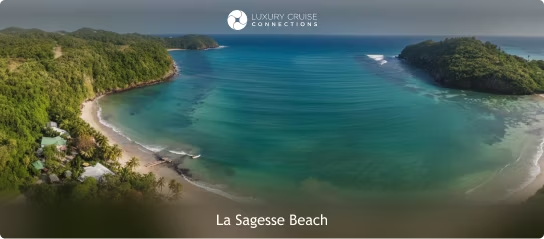
Grenada is a beautiful country to visit for four reasons. The first reason is Grenada’s unspoiled natural coastline. Grenada features white sand beaches, palm-fringed bays, and rugged headlands surrounded by turquoise Caribbean water. Travelers swim at Grand Anse Beach, snorkel in the clear waters of Magazine Beach, and walk the quiet shores of La Sagesse within one visit to Grenada. The second reason Grenada is a beautiful country to visit is its lush, mountainous interior. Grenada’s volcanic terrain supports tropical rainforests, stunning waterfalls, crater lakes, and tropical wildlife in places like Grand Etang National Park.The third reason Grenada is a beautiful country to visit is its vibrant culture. Grenada blends colonial towns, colorful markets, and historical forts like Fort George. The fourth reason is Grenada’s identity as the “Spice Island.” Grenada’s farms, gardens, and hillsides are filled with cocoa, nutmeg, banana, and clove trees that define Grenada’s landscape and commerce.

How can I experience Local Culture in Grenada?

You can experience local culture in Grenada by observing daily life, tasting traditional food, exploring agricultural heritage, and joining festivals. Firstly, experience daily life in Grenada by visiting public markets, coastal villages, and town squares. In St. George’s Market, travelers watch vendors sort spices, hear local music, and shop for seasonal produce like callaloo and plantains. Secondly, taste traditional Grenadian food at local restaurants, family-owned cafés, and roadside vendors. Local dishes such as oil down, grilled fish, and cocoa tea reflect Grenada’s African, French, and Indian influences. Thirdly, tour Grenada’s cocoa plantations, nutmeg processing stations, and rum distilleries (Belmont Estate, Laura Spice Garden, and River Antoine Distillery) to see how agriculture supports local life. Finally, attend community festivals. Events like the Carriacou Maroon & String Band Music Festival showcase music, drumming and dance that reflects Grenada’s Caribbean heritage.

Are there Activities in Grenada Perfect for Families with Children?

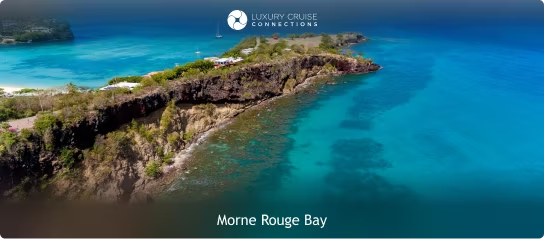
Yes, there are activities in Grenada perfect for families with children because the island blends outdoor adventure, cultural learning, and beach activities in a safe and welcoming setting. In St. George’s, families explore Market Square to see colorful displays of local spices and fruit. At the Grenada National Museum, families interact with kid-friendly exhibits and learn about island history together. At Grand Etang National Park, children spot mona monkeys, explore short forest trails, and view the crater lake from easy lookout points. At Morne Rouge Beach, children have the chance to swim in shallow, calm water. Older children enjoy snorkeling at Magazine Beach or along the edge of the Underwater Sculpture Park. At the Seven Sisters Waterfalls, families hike through nature and swim in the pools at the base. At Belmont Estate, families with children learn how chocolate is made, interact with farm animals, and taste fresh Grenadian cocoa. At the Laura Spice Garden, kids touch and smell cinnamon, bay leaves, and nutmeg while learning about Grenada’s farming traditions. Short boat trips along Grenada’s coast or to nearby Carriacou also give families a fun way to explore new beaches and enjoy the island from the sea without long travel times.

Are there Fun Things to Do in Grenada for Outdoor Adventures?

Yes, there are fun things to do in Grenada for outdoor adventures because the island combines volcanic peaks, tropical rainforest, coral reefs, and calm Caribbean waters. Grenada’s varied terrain supports hiking through Grand Etang National Park to Grand Etang Lake and along the Mount Qua Qua Trail. Advanced hikers enjoy steeper climbs leading to Mount St Catherine, Grenada’s tallest peak. Grenada offers waterfall adventures at Seven Sisters Falls, Concord Falls, and Annandale Falls, where visitors hike lush jungle trails and swim in cool pools. Divers explore coral reefs at Flamingo Bay, Purple Rain, and Shark Reef, along with the sunken Bianca C cruise ship. Sea kayakers paddle along the Caribbean coast near Magazine Beach. Boat trips to Carriacou and Sandy Island offer gentle outdoor adventures like beach exploration, reef snorkeling and swimming in shallow bays.

Best Things to Do Around the World

Discover the best activities, landmarks, and experiences in every cruise destination and port of call.

Europe Western, Central & Mediterranean
America North, Central, South & Caribbean
Africa & Asia Oceania & Antarctica