10 Best Things to Do in French Polynesia

The 10 best things to do in French Polynesia include exploring Bora Bora’s lagoon, visiting the Tahiti Pearl Museu...

add

The 10 best things to do in French Polynesia include exploring Bora Bora’s lagoon, visiting the Tahiti Pearl Museum, hiking Mount Otemanu, discovering the Gardens of Vaipahi, and snorkeling in Moorea’s coral reefs. Other French Polynesia highlights include experiencing the Fautaua Waterfall, relaxing on Matira Beach, visiting the Marquesas Islands, taking a Polynesian cultural tour, and enjoying a sunset cruise in Papeete. 

French Polynesia is an island country of turquoise lagoons, volcanic peaks, and deep-rooted Polynesian culture. French Polynesia consists of five archipelagos and more than 100 islands located in the South Pacific Ocean between Australia and South America. Deciding what to do in French Polynesia depends on which islands you visit and the balance you seek between relaxation, and outdoor adventure. The range of things to do in French Polynesia includes marine life encounters, rainforest hikes, and watching cultural performances that reveal the islands’ rich heritage.

  • Explore Bora Bora’s Lagoon
  • Visit the Tahiti Pearl Museum
  • Hike Mount Otemanu
  • Discover the Gardens of Vaipahi
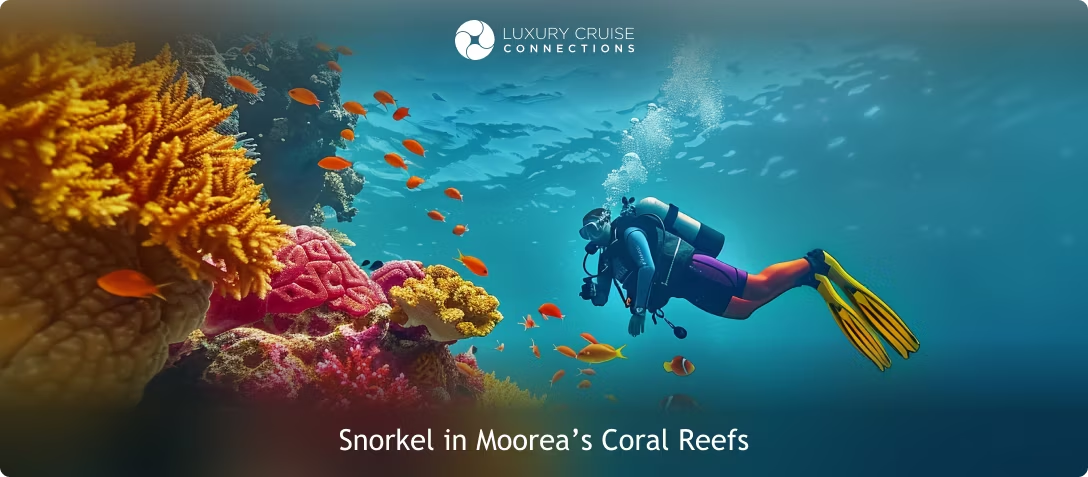
  • Snorkel in Moorea’s Coral Reefs
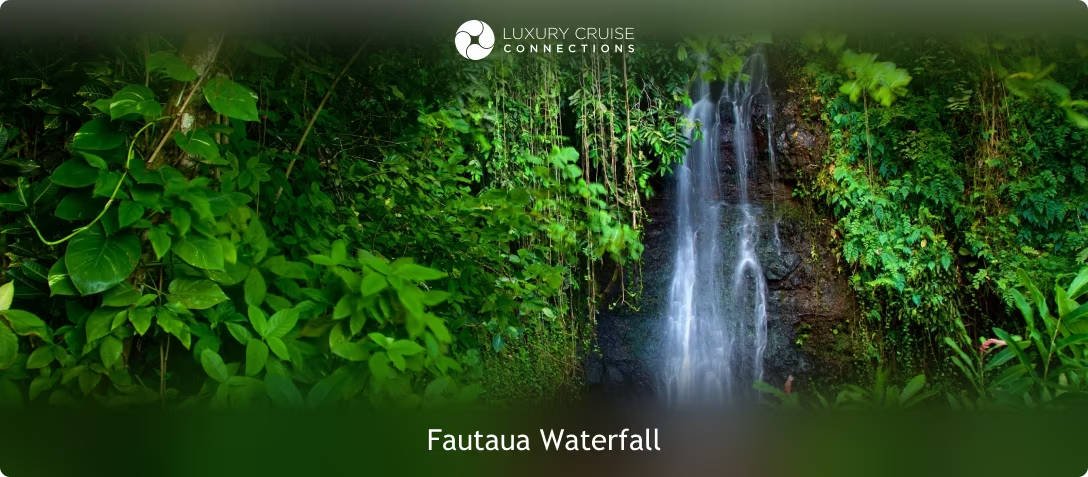
  • The Fautaua Waterfall
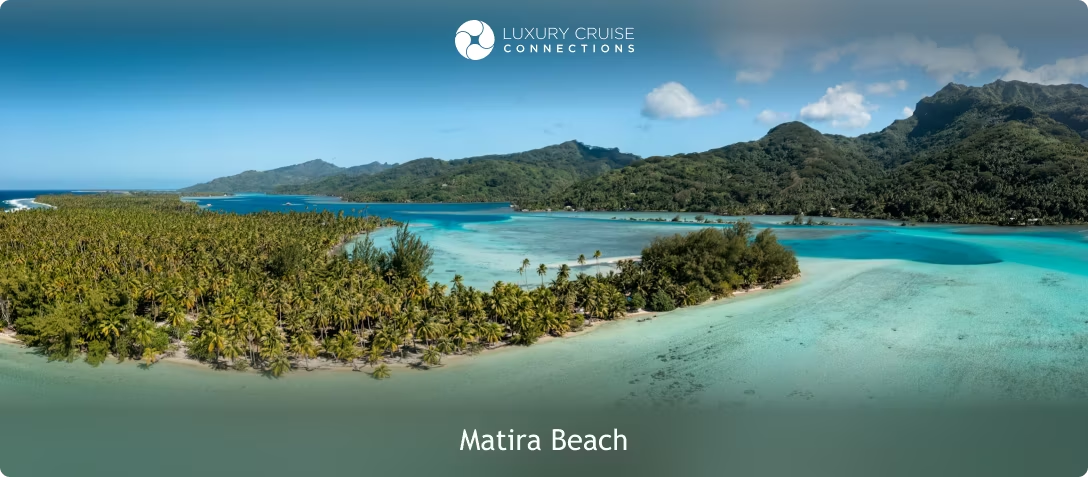
  • Relax on Matira Beach
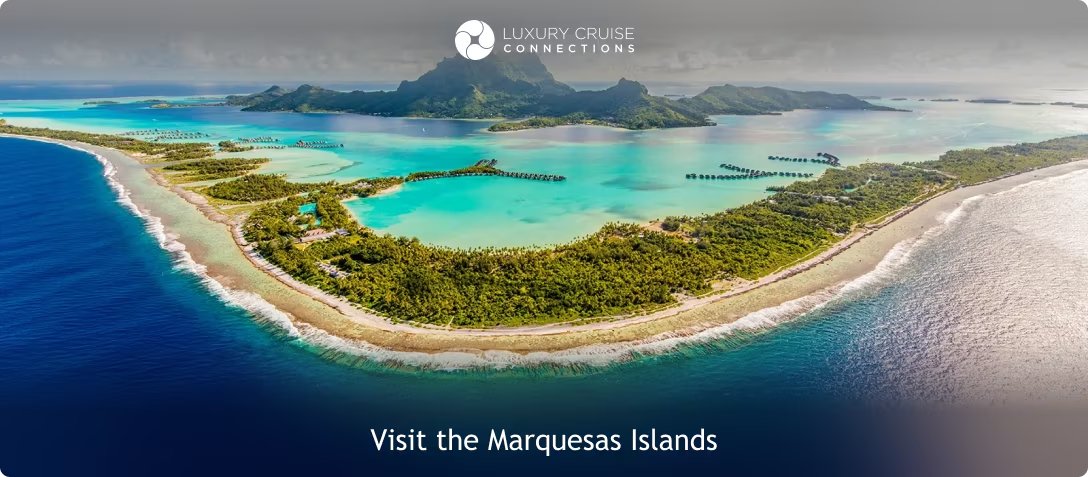
  • Visit the Marquesas Islands
  • Take a Polynesian cultural tour
  • Enjoy a Sunset Cruise in Papeete
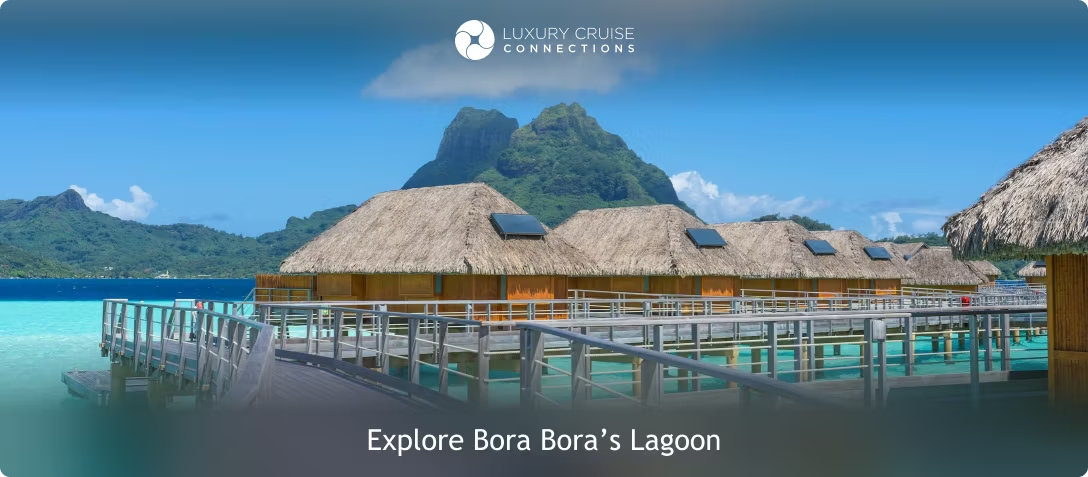
  • Explore Bora Bora's Lagoon

    Bora Bora’s Lagoon surrounds the main island in French Polynesia’s Leeward group, about 230 kilometers northwest of Tahiti. Bora Bora’s lagoon spans 30 square kilometers and is encircled by a barrier reef and small islands (motus) like Motu Piti Aau and Motu Tapu. The lagoon is famous for its crystalline waters that range from pale aqua to deep sapphire depending on depth. Bora Bora’s lagoon supports coral gardens, manta rays, and blacktip reef sharks. Exploring Bora Bora’s lagoon reveals French Polynesia’s marine biodiversity and offers access to reefs, sandbars, and deep-water passes. The lagoon’s clarity often exceeds 30 meters allowing exceptional underwater photography.
    Explore Bora Bora's Lagoon

    Highlights of Bora Bora’s Lagoon include the Bora Bora Coral Garden, also known as the Bora Bora Aquarium. Bora Bora Coral Garden is located in the southern part of the lagoon near Motu Piti Uu Uta and is a popular snorkeling spot. Another highlight is the Lagoonarium on Motu Piti Aau, which is a semi-natural marine park that offers guided snorkeling with stingrays and reef sharks. Matira Beach stretches for two kilometers and offers public access to shallow turquoise water. Another key highlight of Bora Bora’s lagoon is Tupitipiti Point, a deep dive site with coral arches and eagle rays. Sunset cruises departing from Vaitape Wharf reveal panoramic views of Mount Otemanu glowing gold in evening light.

    Exploring Bora Bora’s lagoon is a key experience in French Polynesia that introduces visitors to coral reef environments. Many visitors join snorkeling tours that stop at Coral Garden, a shallow reef near Motu Piti Uu Uta. Snorkelers drift above staghorn coral and watch guides feed rays in crystal clear water. Many travelers stop for lunch on a private motu where cooks serve grilled mahi-mahi and fresh coconut. Travelers based at Matira Beach are able to kayak independently to the Coral Garden site in under 30 minutes across calm flats. Divers descend at Tupitipiti Point to view sea fans and reef sharks patrolling the drop-off. Photographers capture Mount Otemanu mirrored on the still surface. As dusk approaches, travelers watch the lagoon reflect the changing sky over the reef rim.

    The best time to explore Bora Bora’s Lagoon is from May to October when rainfall is minimum, weather is pleasant and Manta rays sightings are more common.

    Local guides lead snorkeling tours, provide safety instructions, and explain coral formations and species at each site.

    Guided snorkeling excursions in the Bora Bora Lagoon costs $125 - $160 USD per person including snorkeling gear, lunch, and boat transfers.

  • Visit the Tahiti Pearl Museum

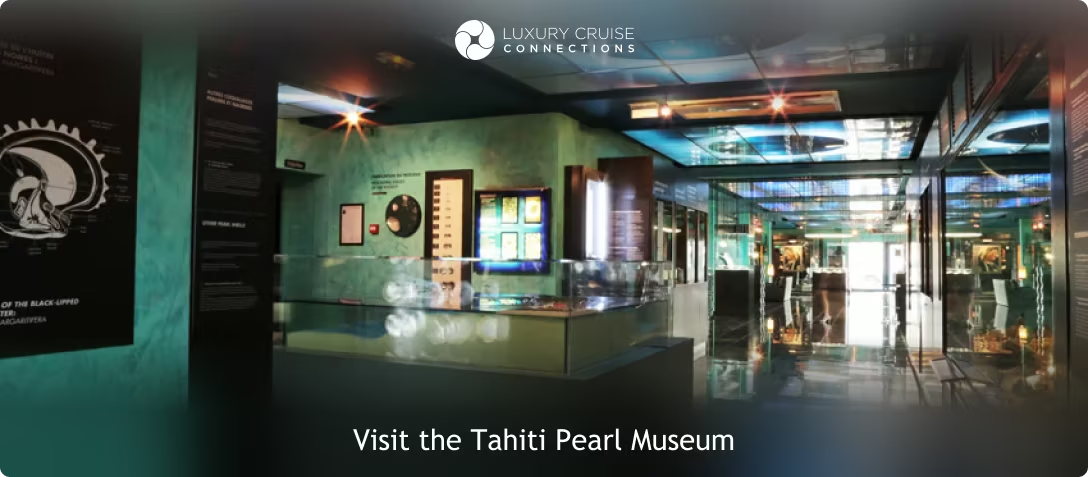
    The Tahiti Pearl Museum in French Polynesia is the only museum in the world dedicated to pearls. The Tahiti Pearl Museum is located on Boulevard Pomare in Papeete, Tahiti. The museum was founded by Robert Wan, a pioneer of the Tahitian pearl industry. The Robert Wan pearl brand is recognized by fashion designers and brands such as Tiffany, Chanel, and Tournaire. Museum exhibits trace the black-lipped oyster Pinctada margaritifera, which produces Tahiti’s famous black pearls. The museum serves as an educational center preserving the cultural and economic importance of pearls to French Polynesia.
    Visit the Tahiti Pearl Museum

    Highlights of the Tahiti Pearl Museum include La Robert WAN, a 26-millimeter round pearl displayed under spotlight in a secure case. The Royal Collection presents crowns, necklaces, and tiaras that feature Tahiti pearls in antique European court designs. Historical exhibits explain pearl farming across Polynesia using shell tools, grafting knives, and cultivation diagrams. Another highlight of Tahiti Pearl Museum is the cultural gallery, which shows legends and beliefs from India, Persia, and the Pacific that link pearls to divine origins. Illustrated manuscripts and miniature paintings add context to the pearl’s symbolic role across civilizations.

    Visiting the Tahiti Pearl Museum reveals how Tahitian pearls are cultivated and valued. Visitors walk through displays that explain the Tahitian pearl grafting process using labeled tools and shell samples. They view diagrams that show how oysters are farmed in lagoon environments across French Polynesia and examine pearls under lighting that reveals differences in surface and color. Visitors also marvel at the large La Robert WAN pearl considered the largest of its kind. They browse the on-site boutique and shop for their own Tahitian pearl souvenirs.

    The Tahiti Pearl Museum is open and enjoyable year-round.

    Official museum guides provide tours focusing on the history and cultivation of pearls in Tahiti.

    Entry to the Tahiti Pearl Museum is free.

  • Hike Mount Otemanu

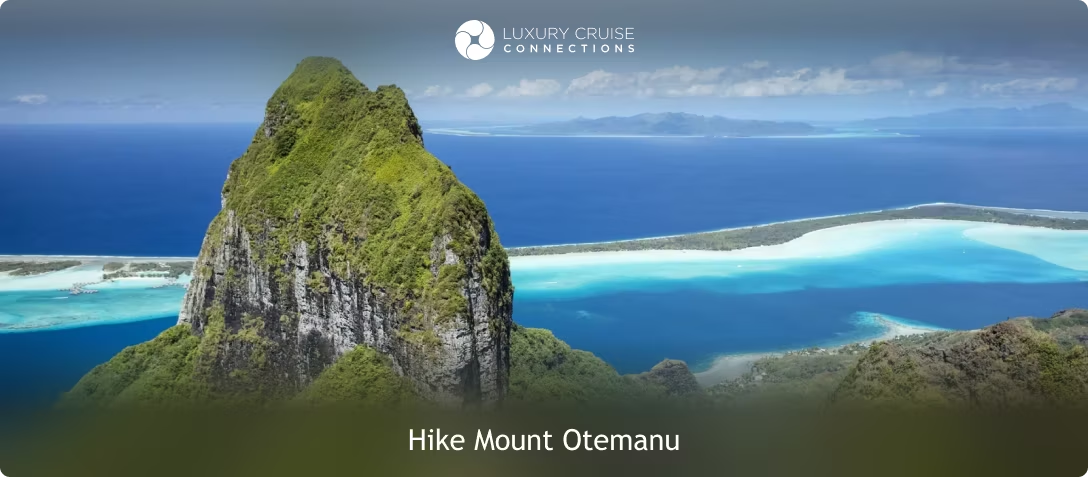
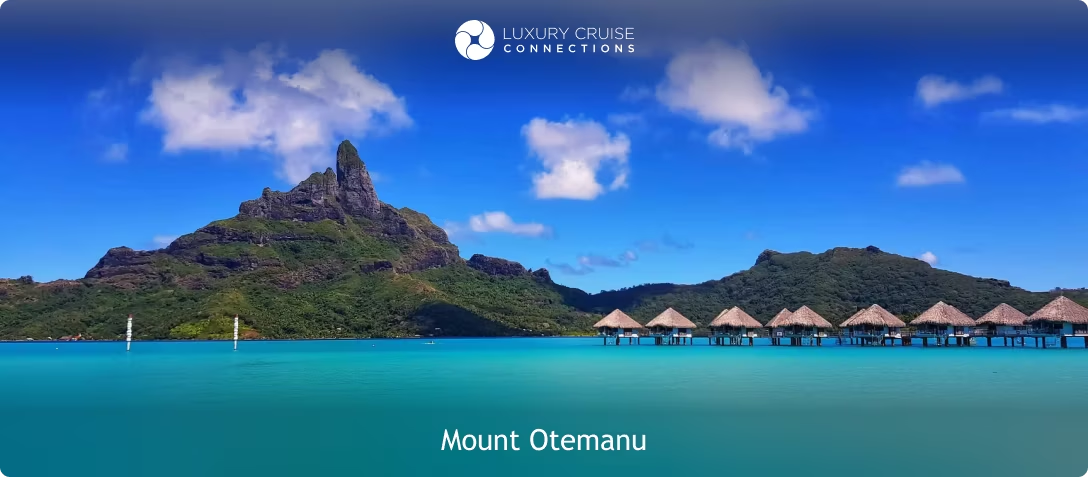
    Mount Otemanu is a jagged volcanic peak on Bora Bora and the highest point in French Polynesia’s Leeward Islands. The mountain rises 727 meters from the center of the island and is visible from every direction, making Otemanu the defining natural landmark of Bora Bora. Hiking Mount Otemanu is a rewarding activity for travelers seeking dramatic scenery. Mount Otemanu’s fluted basalt ridges are remnants of an extinct volcano that once formed Bora Bora. The lower slopes are covered in dense forest and scattered with archaeological remains including ceremonial marae and wartime bunkers. Otemanu’s summit is inaccessible but guided hikes reach panoramic lookouts.
    Hike Mount Otemanu

    Highlights of Mount Otemanu include the Ana o Pea cave on the northeastern face, said to be a sacred royal burial site. Hiking to Ana o Pea provides shade and a lookout point with views across the lagoon to Tahaʻa and Raʻiatea. The route includes rope-assisted sections and reveals Bora Bora’s rugged terrain and biodiversity. Another highlight is the Valley of the Kings hike which begins at Anau Valley and passes through dense forest, World War II bunkers and Polynesian altars. Another highlight of Mount Otemanu is the aerial view seen during helicopter tours.

    Hiking Mount Otemanu is a challenging but rewarding experience that exposes visitors to French Polynesia’s volcanic interior and cultural landscape. Hikers follow jungle trails that trace the island’s geological core and connect sacred and wartime sites. Hikers on the Valley of the Kings trail walk through forested slopes, observe marae and bunkers, and learn about local traditions. Experienced hikers visiting the Ana o Pea route climb steep ridges using ropes to reach the cave’s shaded ledge. From there, hikers view the lagoon and spot Tahaʻa and Raʻiatea beyond the reef line..

    The best time to hike Mount Otemanu is between May and October when trails are firmer and weather is more pleasant for outdoor exploration.

    Local certified guides are mandatory for hiking Mount Otemanu. Guides ensure route safety and share Polynesian myths and ecological facts about Mount Otemanu.

    Guided hikes of Mount Otemanu cost $130 - $180 USD per person depending on group size, duration, and gear inclusions.

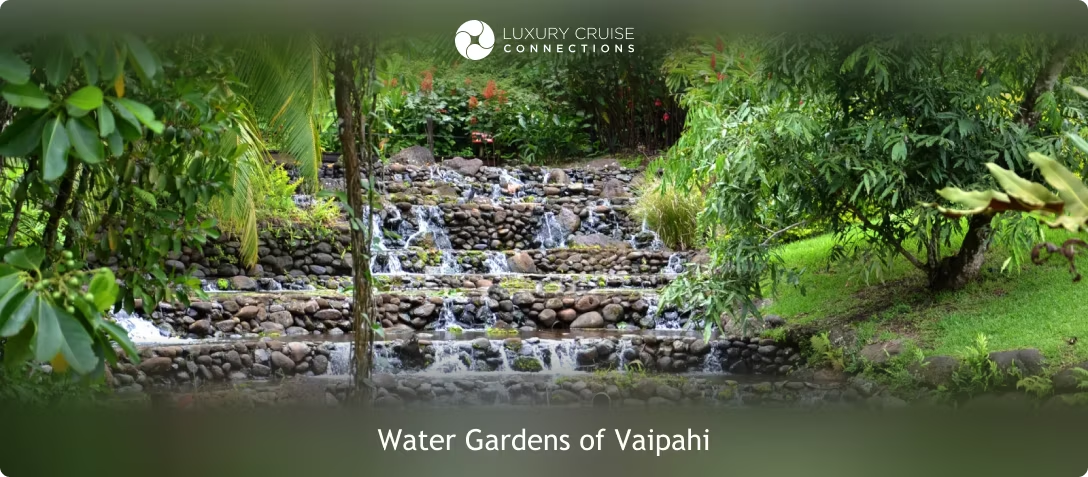
  • Discover the Gardens of Vaipahi

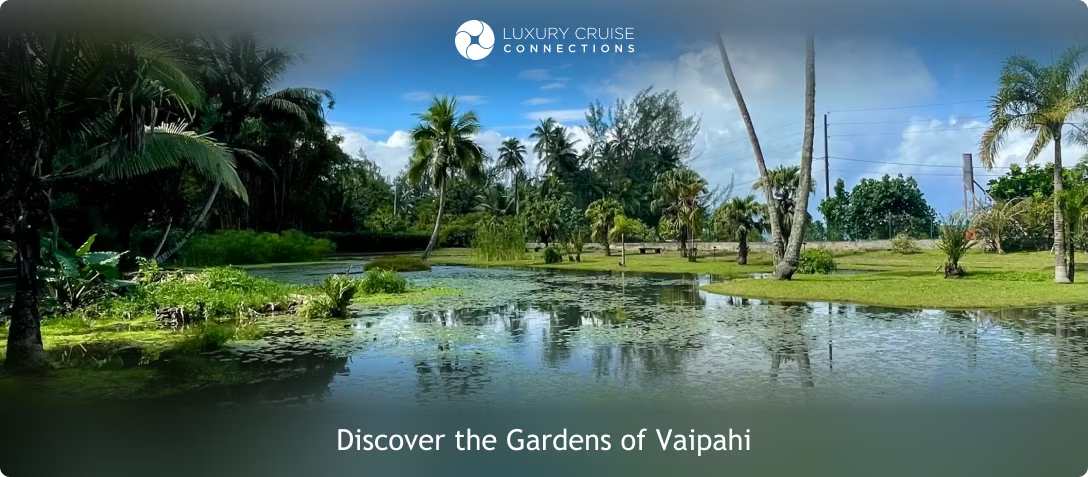
    The Gardens of Vaipahi are a landscaped botanical site located on Tahiti’s south coast in French Polynesia. At the Gardens of Vaipahi, visitors explore peaceful surroundings and discover Tahiti’s freshwater ecosystems and plant biodiversity. The Gardens of Vaipahi surrounds a natural spring and includes over 75 species of tropical plants including bamboo, heliconias, and giant taro. Ancient marae ruins within the garden mark early Polynesian settlements. The site’s layout follows traditional Tahitian landscaping principles which combine water, rock, and native flora to symbolize balance and renewal.
    Discover the Gardens of Vaipahi

    Highlights of the Gardens of Vaipahi in French Polynesia include the three walking trails that lead visitors through beautiful natural surroundings. Trail walks range from fifteen minutes to one hour. The lower trails are flat and lead visitors around the gardens. The upper trails of the Gardens of Vaipahi cross native forest and lead to waterfalls and viewpoints. Another highlight is the ethnobotanical section which displays plants used in Polynesian medicine and rituals. The garden’s shaded pavilions provide resting spots beside rare orchids and ferns. Interpretive signs describe the historical importance of the Mataiea Valley, once a settlement area of the Arii royal line. The river terrace hosts picnics and cultural performances.

    Discovering the Gardens of Vaipahi is a tranquil experience that immerses visitors in Tahiti’s botanical and cultural heritage. Visitors seeking a laidback experience walk shaded garden trails lined with wild ginger and breadfruit trees. They cross wooden bridges over clear streams that descend from the Te Pari mountains. Along the paths, visitors read plaques in English and French that explain the Tahitian plants’ medicinal and spiritual uses. Visitors seeking a more challenging experience follow steeper upper trails that lead to waterfalls and views overlooking Lake Vaihiria.

    The best time to visit the Gardens of Vaipahi is from May to October when rainfall decreases and trails are less muddy.

    Local guides lead botanical tours around the Gardens of Vaipahi explaining native Tahitian species and their traditional uses.

    Entry to the Gardens of Vaipahi is free.

  • Snorkel in Moorea's Coral Reefs

    Moorea’s coral reefs are a lagoon-based reef system that surrounds Moorea island in French Polynesia. Snorkeling in Moorea’s coral reefs provides close encounters in one of the richest marine ecosystems in the South Pacific. Moorea’s barrier reef stretches 61 kilometers long. The reefs lie between Moorea’s volcanic shore and its barrier reef, creating calm, shallow zones ideal for beginners and advanced snorkelers. Coral species in Moorea’s coral reefs include staghorn, brain, and plate corals that shelter more than 500 fish species. The lagoon also hosts blacktip reef sharks, green turtles, and occasional eagle rays. Water visibility in Moorea often reaches 35 meters, providing exceptional conditions for underwater photography.
    Snorkel in Moorea's Coral Reefs

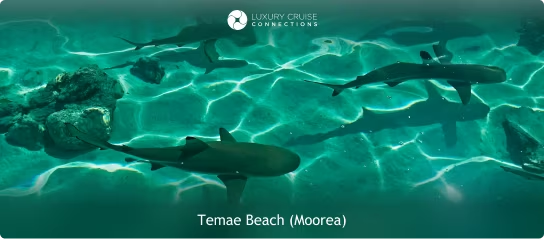
    Highlights of Moorea’s Coral Reefs include the Coral Garden Tiahura, near Motu Fareone, which offers clear visibility and dense coral formations close to shore. Coral Garden Tiahura is ideal for all skill levels due to its shallow waters and accessibility. Another highlight of Moorea’s Coral Reefs is the sharks and rays sandbar, where snorkelers get up close with sharks and sting rays. Temae Beach offers long stretches of coral heads near shore and beach views of Tahiti. Another highlight is Ta'ahiamanu Beach, a public beach in the north of Opunohu Bay which offers great snorkeling.

    Snorkeling in Moorea’s coral reefs is a vivid experience that reveals French Polynesia’s marine diversity in calm, shallow waters. Visitors join guided tours to the shark and ray sandbar, a lagoon site in northwest Moorea. There, snorkelers stand in chest-deep water and have up-close encounters with blacktip sharks, stingrays, surgeonfish, and threadfin butterflyfish. At Temae Beach, snorkelers explore coral heads between 0.5 and 3 meters deep in clear water with easy beach access. Many visitors kayak from Moorea’s shores to reach quieter reef zones or coral gardens near the motus. Between snorkels, guests relax on beautiful white sand beaches and enjoy turquoise ocean views.

    The best time to snorkel in Moorea’s Coral Reefs is from April to November when currents are calm and water visibility is excellent

    Local guides ensure safety, explain marine species, and lead snorkelers to Moorea’s most abundant reef sites.

    Moorea’s Coral Reefs are free to enter from public beaches such as Temae and Ta’ahiamanu. Guided snorkeling tours in Moorea range from $50 - $130 USD depending on duration, group size and inclusions such as gear or motu stop.

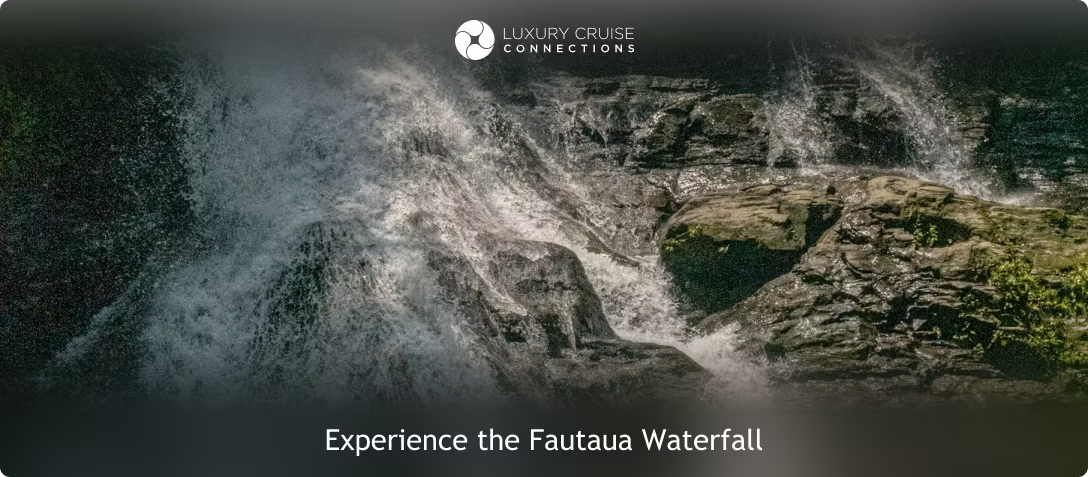
  • Experience the Fautaua Waterfall

    The Fautaua Waterfall, known locally as Cascade de Fautaua, is one of the tallest waterfalls in French Polynesia. It drops 135 meters from the Fautaua River into a deep basin surrounded by basalt cliffs. Fautaua Waterfall is located in Fautaua Valley on Tahiti, and features dense rainforest with pandanus, Polynesian chestnut trees, and wild hibiscus. The ruins of Fort Fachoda from the 19th century sit near the upper falls. The area forms part of Papeete’s water catchment system. Visitors experience the waterfall by hiking into the valley and reaching its plunge pool or climbing to the cliff above.
    Experience the Fautaua Waterfall

    Highlights of the Fautaua Waterfall begin with the Fautaua Waterfall hiking itself, which passes rainforest, river crossings, and the Fachoda bridge. From the Fachoda bridge point, visitors hike either to the summit or the base of Fautaua Waterfall. Fautaua Waterfall’s upper route leads past steep ledges, rope sections, and basalt outcrops to the ruins of Fort Fachoda and the governor’s gardens. A highlight is the view from the top, where water plunges into the valley below and natural basins offer swimming spots. The plunge pool at the base of Fautaua Waterfall provides a place to rest and cool off after the hike.

    Experiencing the Fautaua Waterfall involves hiking through Tahiti’s rainforest and river terrain. Visitors start from the trailhead near Papeete and follow a dirt road for 3 kilometers before reaching the Fachoda bridge. From there, hikers choose between ascending the waterfall’s summit or descending to the waterfall base. Hikers who summit climb steep terrain with ropes and narrow ledges to the top of Fautaua Waterfalls. At the summit, visitors swim in natural basins and explore ruins of Fort Fachoda before returning. Hikers who descend to the waterfall base enjoy a relaxing swim in the plunge pool.

    The best time to experience the Fautaua Waterfall is from May to October when river levels are moderate and hiking trails less slippery.

    Local guides help visitors obtain the required permit, ensure safety on the trail, and interpret native plants and landmarks.

    A hiking permit to enter Fautaua Waterfall costs $5 USD per person and must be obtained from Papeete Town Hall.

  • Relax on Matira Beach

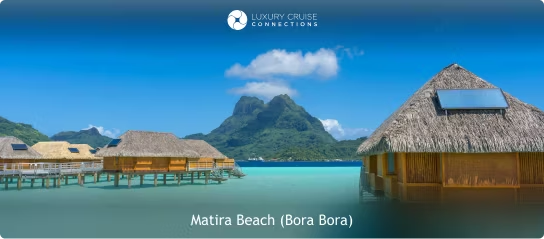
    Matira Beach is a white sand beach located on the southern tip of Bora Bora in French Polynesia. Relaxing on Matira Beach offers access to Bora Bora’s lagoon, clear shallow waters, and spectacular coastal scenery. Matira Beach has been nominated as the most beautiful beach in the world and hosts the annual famous outrigger canoe race, Hawaiki Nui. Matira Beach stretches for nearly two kilometers and is bordered by palm trees and calm reef-protected waves. Matira is the main public beach on Bora Bora and remains free of development along much of its length. Matira Beach’s location between Matira Point and the InterContinental Bora Bora Le Moana treats beach visitors to views of Mount Otemanu.
    Relax on Matira Beach

    Highlights of Matira Beach include its vivid lagoon waters, which shift from pale aquamarine to deep blue as sunlight moves overhead. Matira Beach’s shallow slope and calm reef-protected waters make swimming easy and safe for all ages. The beach’s long stretch of white sand remains undeveloped, making it easy to find quiet spots to relax. Another highlight of Matira Beach is the view from Matira Point at sunset, when the sky reflects on the water and Mount Otemanu appears in silhouette. Local food vendors near the parking area offer fresh fruit, snacks, and cold drinks throughout the day.

    Relaxing on Matira Beach is a popular experience in French Polynesia that combines easy swimming, open space, and lagoon views. Visitors enter Matira Beach’s warm, waist-deep water to swim or snorkel among coral heads. Others sunbathe, read, or rest under palm trees or inside a public boukarou (thatched-roof structure). Children play in Matira Beach’s white sand while paddleboarders and kayakers explore clear flats. Visitors eat from small local restaurants near the beach and browse vendors selling coconut water, fruit, and handmade crafts. As evening arrives, visitors gather at Matira Point to watch the sun descend behind the reef. The calm lagoon turns gold, then violet, creating one of Bora Bora’s most photographed moments.

    The best time to visit Matira Beach is from May to October for sunny skies and less rainfall.

    Relaxing at Matira Beach does not require a guide. Certain Bora Bora island tours, lagoon tours, and snorkeling trips include a stop at Matira Beach.

    Access to Matira Beach is free of charge.

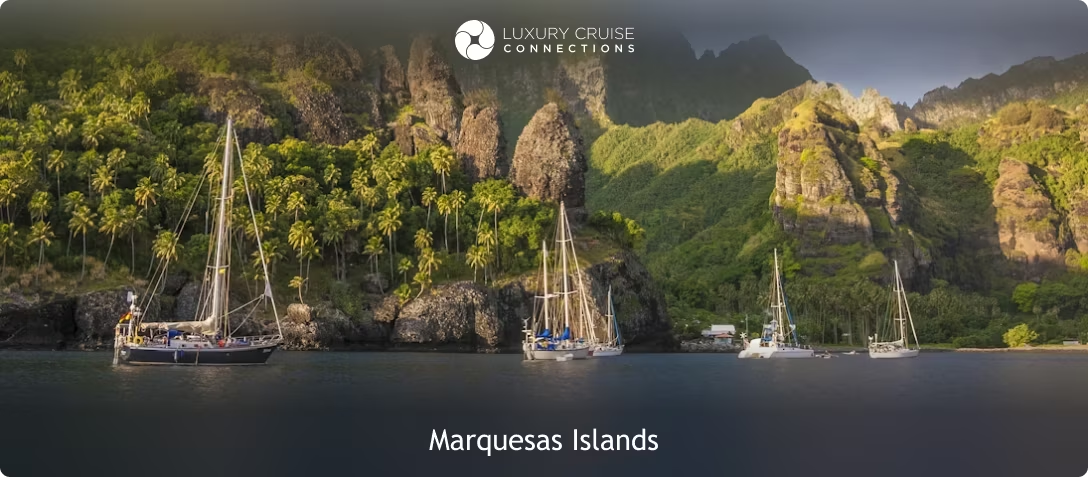
  • Visit the Marquesas Islands

    The Marquesas Islands are a remote volcanic archipelago in the northeast of French Polynesia, located over 1,300 kilometers from Tahiti. Visiting the Marquesas Islands offers travelers access to one of the most culturally and geographically distinct regions in the South Pacific. The Marquesas archipelago consists of 12 islands, of which six are inhabited, including Nuku Hiva and Hiva Oa. The Marquesas Islands are characterized by sharp basalt peaks, steep valleys, and dark sand beaches. The Marquesas hold deep cultural significance for Polynesian archaeology and are known for their stone tiki, tattooing traditions, and ceremonial sites. The isolation of the Marquesas Islands has preserved ecosystems and customs that are unique to the rest of French Polynesia.
    Visit the Marquesas Islands

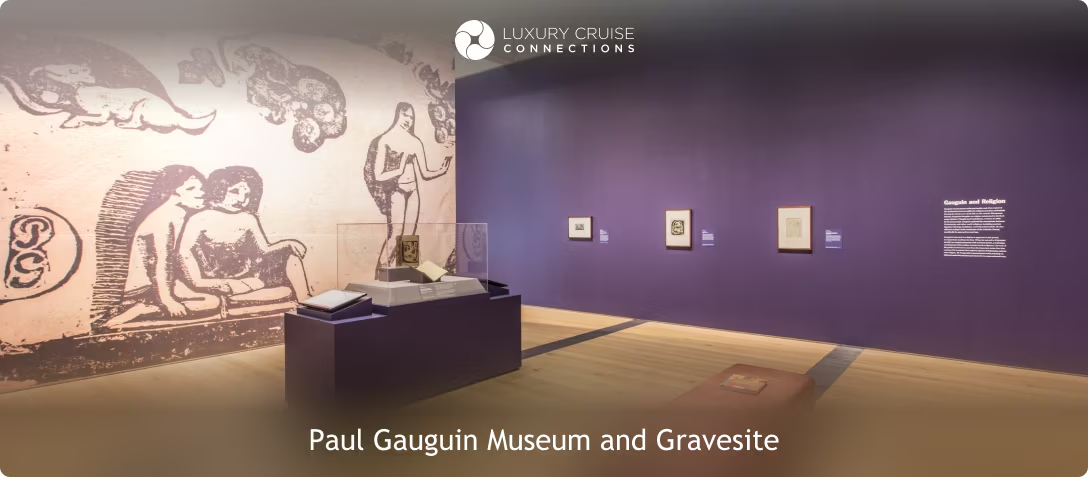
    Highlights of the Marquesas Islands include the archaeological sites of Hiva Oa island, where visitors explore stone platforms, giant tiki statues, and ancient Puamau ceremonial centers. Hiva Oa is also the final resting place of artist Paul Gauguin. Another highlight is Taiohae Bay on Nuku Hiva island, a natural harbor surrounded by cliffs and home to artisan workshops. Taiohae has a large stone cathedral called Notre Dame Cathedral. Another highlight is the restored site of Kamuihei in Nuku Hiva, where banyan trees shade petroglyphs, house platforms, and sacred rocks used for ritual practices. Another highlight of the Marquesas Islands is Ua Pou island, known for its basalt pillars that give it the nickname “Cathedral Island”.

    Visiting the Marquesas Islands is a powerful experience that reveals Polynesia’s ancestral roots and wild nature. Visitors explore Marquesas’ archaeological sites like Puamau and Kamuihei, where stone tiki and petroglyphs stand among banyan trees. In Atuona and Taiohae, travelers visit local museums, browse wood carvings, and learn about tattooing traditions. Hikers trek to Hakaui Waterfall through forested valleys. Horseback rides cross volcanic terrain, and 4x4 drives reach remote coastal views. Evenings in the Marquesas Islands bring visitors to open-air pavilions where village troupes perform dances to live drumming.

    The best time to visit the Marquesas Islands is from August to December, when rainfall is minimal and temperatures are comfortable for outdoor exploration. The Marquesas Islands follow a separate equatorial weather pattern that produces drier conditions later in the year compared with Tahiti and Moorea.

    Local guides in the Marquesas Islands explain archaeological sites, lead hikes, and arrange cultural visits to villages and workshops. They assist with access to remote areas on the islands and help visitors understand the Marquesas Islands’s rich history and culture.

    Prices of guided tours to the Marquesas Islands vary tremendously depending on transport (flight, cruise ship) from the main islands. Many travelers book all-inclusive packages, while independent visitors negotiate excursion fees directly with local guides based on activity and location.

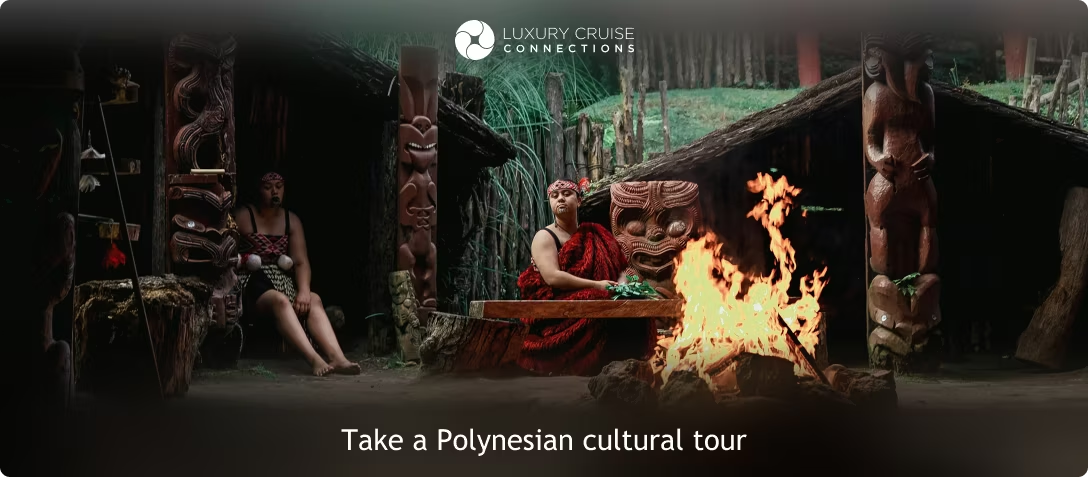
  • Take a Polynesian cultural tour

    A Polynesian cultural tour in French Polynesia introduces travelers to ancestral heritage and island customs. Polynesian cultural tours operate on Tahiti, Moorea, and Bora Bora and cover a range of historical sites, craft workshops, and dance performances. The experience showcases Polynesian navigation, tattoo art, and traditional cuisine. Locations such as the Museum of Tahiti and the Islands, and Tiki Village Cultural Center on Moorea provide educational context for Polynesian migration and daily life. Local guides, many descended from traditional families, interpret legends and explain the significance of rituals still practiced across French Polynesia today
    Take a Polynesian cultural tour

    Highlights of a Polynesian cultural tour include the Tiki Village Cultural Center in Moorea, where dancers perform the ‘ote’a and demonstrate tapa cloth making. Visitors also explore replicas of traditional homes and watch coconut husking, weaving, and cooking demonstrations. Another highlight is the Museum of Tahiti and the Islands, in Punaauia, which offers guided tours of their main and temporary exhibitions. Another highlight is the range of cultural tours and workshops in Bora Bora. Here, visitors attend pareo dyeing workshops or carving classes. Another highlight is the evening tama'ara'a, a traditional feast with music, dance, and Polynesian food cooked in an underground oven called an ahima’a.

    Taking a Polynesian cultural tour is an enriching experience that immerses visitors in island identity. Visitors at the Tiki Village Cultural Center watch women beat bark cloth into tapa, and learn about Marquesan tattoo symbols. They observe fire dancing, drumming, and hula performances at the open-air stage. Visitors at the Museum of Tahiti and the Islands browse exhibitions with ancient stone tools and double-hulled canoe models. Museum guides explain how star navigation guided early voyagers to these islands. Bora Bora cultural tours offer hands-on activities like pareo dyeing using natural pigments and flower crown weaving. In the evenings, visitors dine at resorts and dedicated venues that host tama'ara’as. Diners feast on roasted pork, fresh fish, and local taro and coconut treats while enjoying live music, traditional drumming, and mesmerizing fire or hula dances.

    The best time to take a Polynesian cultural tour is from May to October during the dry season when festivals and performances are held more frequently and outdoor venues are more comfortable.

    Local guides from Tiki Village Cultural Center and the Museum of Tahiti and the Islands lead Polynesian tours offering cultural knowledge, language context, and firsthand interpretation of ancestral practices.

    Entry to the Museum of Tahiti and the Islands costs $9 USD per adult. A single cultural workshop at the Tiki Village Cultural Center costs around $31 USD per person. Dinner and performance nights at the same venue cost $102 USD per person.

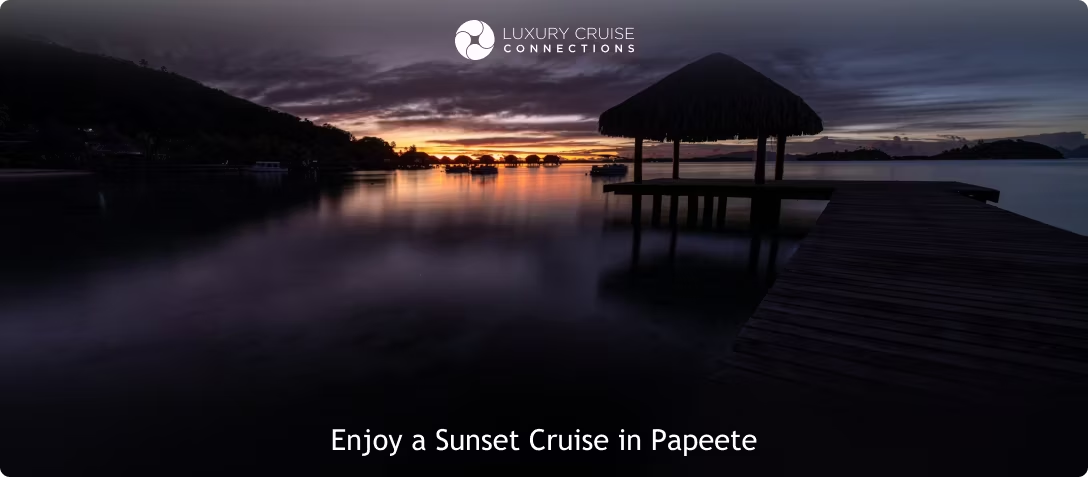
  • A Sunset Cruise in Papeete is an unforgettable experience by boat along the northwest coast of Tahiti, French Polynesia’s main island. Enjoying a sunset cruise in Papeete offers scenic views of the island’s shoreline, open ocean, and the silhouette of Moorea across the channel. Sunset cruises typically depart from Papeete Marina and follow the Sea of the Moon, a calm lagoon stretch protected by reef. The experience combines coastal beauty with peaceful reflection as city lights blend with changing sky colors. Most sunset cruise boats include music, drinks, and commentary about landmarks visible along the route.

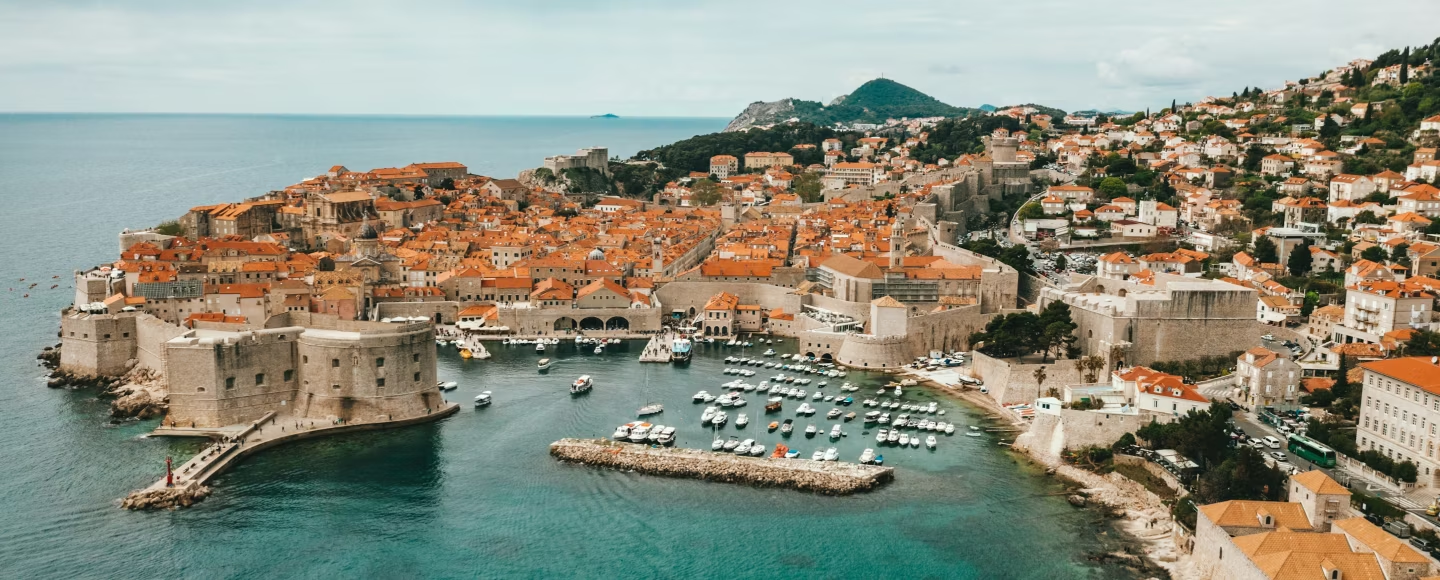
    Durres, one of Albania’s oldest cities, features a 2nd-century Roman Amphitheatre and Venetian Tower.
    Enjoy a Sunset Cruise in Papeete

    Highlights of a Sunset Cruise in Papeete include views of Moorea’s jagged mountains glowing in sunset light. The harbor skyline shows colonial buildings and anchored cruise ships illuminated in the evening. Onboard hosts serve cocktails like Mai Tais using Tahitian vanilla rum and tropical fruit juice. Some sunset cruises include dinner, live ukulele music and Polynesian songs. The twilight reflection across the Sea of the Moon creates vivid colors ideal for photography, relaxation and romance.

    Enjoying a sunset cruise in Papeete is a paradisiacal experience that offers relaxation, open water, and island views. Visitors board catamarans or boats at Papeete Marina for a 1.5 to 2-hour sail along the coast. Guests admire the silhouette of Moorea and the profile of Tahiti’s volcanic mountains as the sun lowers. Crew often serve drinks such as Maitai cocktails and share stories about the island’s history, geology, and landmarks. The pace is slow and peaceful, allowing travelers to enjoy changing light and quiet sea air. Visitors disembark the cruise after sunset just as lights begin to glow along the shore.

    The best time to enjoy a Sunset Cruise in Papeete is from May to October when skies remain clear and winds are gentle.

    Local captains and crew lead sunset cruises from Papeete, prepare cocktails with Tahitian ingredients, and share stories about island history, landmarks, and hidden coastal features.

    Two-hour sunset cruises in Papeete cost around $150 USD per person and include drinks and hotel transfers. Private sunset cruises start around $650 USD per group.


What are the Most Popular Tourist Attractions in French Polynesia?

The most popular tourist attractions in French Polynesia are listed below.

  • Mount Otemanu
  • Matira Beach
  • Taputapuatea Marae
  • Fautaua Waterfall
  • Papeete Market
  • Water Gardens of Vaipahi
  • Marquesas Islands
  • Marquesas Islands
  • Paul Gauguin Museum and Gravesite
  • Mount Otemanu

    Mount Otemanu is a volcanic peak rising above the lagoon of Bora Bora and one of the most recognized natural landmarks in French Polynesia. Mount Otemanu is a popular tourist attraction for its dramatic scenery that is often viewed on guided hikes, boat tours, or helicopter rides.
    Mount Otemanu
  • Matira Beach

    Matira Beach in French Polynesia is a beautiful public beach in Bora Bora. Matira Beach is a popular tourist attraction for swimming, sunset photography, and accessibility from resorts and cafés.
    Matira Beach
  • Taputapuatea Marae

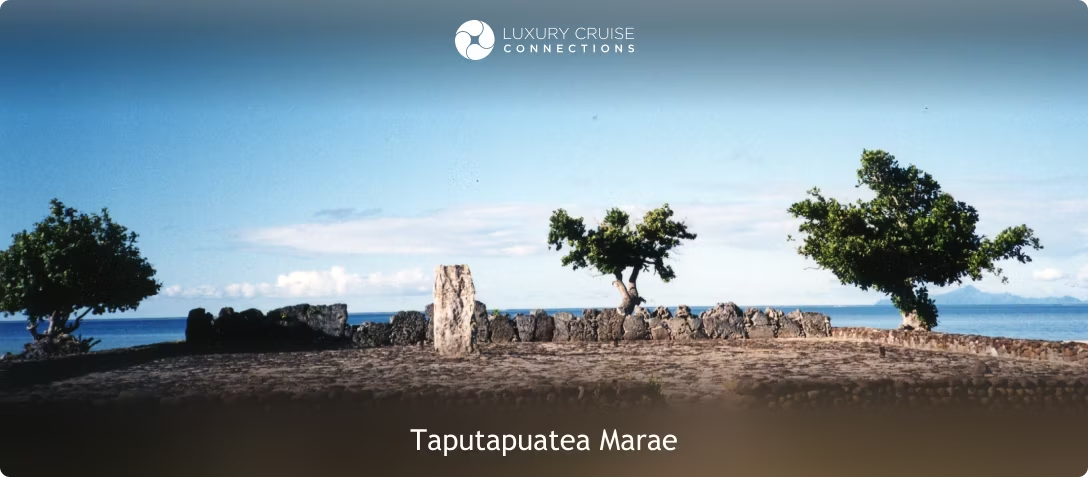
    Taputapuatea Marae in French Polynesia is a UNESCO World Heritage Site and one of the most significant ancient temple sites in the Pacific. Taputapuatea Marae is a popular tourist attraction for those interested in Polynesian history, sacred traditions, and archaeological heritage.
    Taputapuatea Marae
  • Fautaua Waterfall

    Fautaua Waterfall is located on the island of Tahiti in French Polynesia. Fautaua Waterfall ranks among the tallest waterfalls in the region and is a popular tourist attraction for nature lovers.
    Fautaua Waterfall
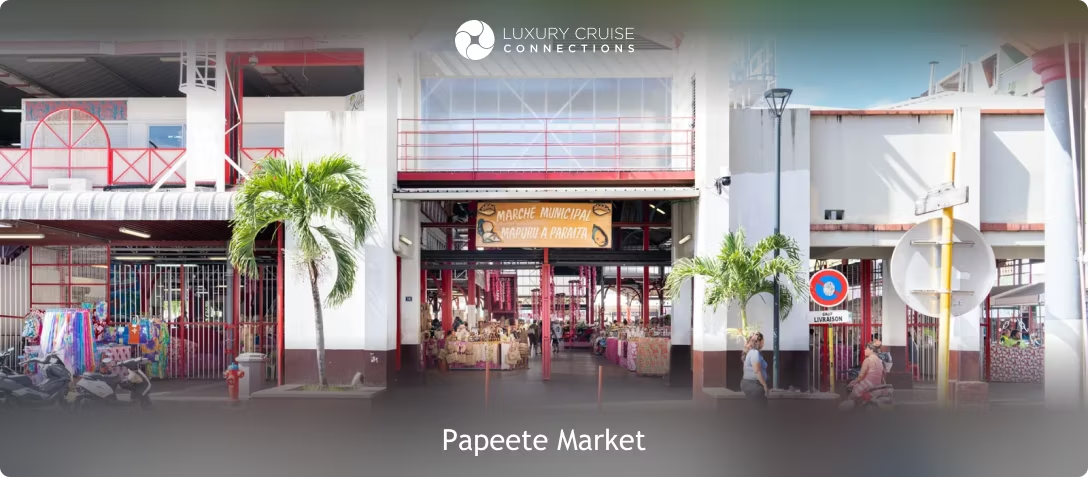
  • Papeete Market

    Papeete Market, or Marché de Papeete, is the central market in Tahiti’s capital and one of the busiest public spaces in French Polynesia. Papeete Market is a popular tourist attraction for its vibrant mix of local crafts, fresh produce, Tahitian vanilla, and handmade textiles.
    Papeete Market
  • Water Gardens of Vaipahi

    The Water Gardens of Vaipahi are landscaped botanical gardens on the south coast of Tahiti in French Polynesia. The Water Gardens of Vaipahi are a popular tourist attraction for visitors interested in nature walks, Polynesian plants, and lush scenery.
    Water Gardens of Vaipahi
  • Marquesas Islands

    The Marquesas Islands are a remote volcanic archipelago in northeastern French Polynesia. The Marquesas Islands are popular for their rugged landscapes, stone tiki figures, and ancient ceremonial sites.
    Marquesas Islands
  • Paul Gauguin Museum and Gravesite

    The Paul Gauguin Museum and Gravesite on Hiva Oa in the Marquesas Islands of French Polynesia commemorates the artist’s life and work during his final years. The Paul Gauguin Museum and Gravesite is a popular tourist attraction for visitors interested in post-impressionist art, cultural history, and remote island scenery.
    Paul Gauguin Museum and Gravesite


Which Vacation Spots in French Polynesia Are Best for Beach Lovers?

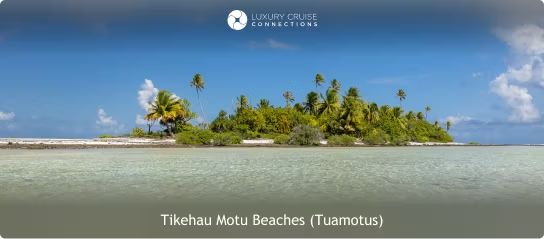
The best vacation spots in French Polynesia for beach lovers are listed below


What are the Best Things to Do in French Polynesia for First-Time Visitors?

The best things to do in French Polynesia for first-time visitors are listed below.

Bora Bora’s lagoon is one of the most iconic natural attractions in French Polynesia and a must-see for first-time visitors. Exploring Bora Bora’s Lagoon by boat or snorkeling tour introduces travelers to its clear waters, coral gardens, and views of Mount Otemanu.
Taputapuatea Marae on Raiatea is a UNESCO World Heritage Site and an essential stop for understanding Polynesian culture. Visiting Taputapuatea Marae gives first-time visitors insight into the spiritual and navigational history of French Polynesia.
Moorea’s coral reefs are among the most accessible and vibrant in French Polynesia, making them ideal for first-time visitors. Snorkeling in Moorea allows travelers to see tropical fish, rays, and reef structures close to shore or on guided lagoon tours.
Papeete Market is the cultural and commercial heart of Tahiti and a top experience for first-time visitors to French Polynesia. Shopping at Papeete Market offers the chance to sample local food, buy handmade pareos, and see daily island life.
A sunset cruise is a classic introduction to French Polynesia’s coastal beauty and calm atmosphere. Taking a sunset cruise around islands like Moorea or Tahiti treats first-time visitors to views of mountains, reefs, and sky reflections.
Visiting a pearl farm is a unique way for first-time visitors to learn about one of French Polynesia’s most famous exports. Pearl farm tours and Tahiti's pearl museum explains the cultivation process and lets guests see oysters and finished pearls up close.
Matira Beach is the most well-known public beach in French Polynesia and a perfect first stop for beach lovers. Relaxing on Matira Beach introduces first-time visitors to calm, shallow waters and the classic beauty of Bora Bora’s lagoon.

How to make the most of a Weekend Trip to French Polynesia?

To make the most of a weekend trip to French Polynesia, there are six steps to follow. First, choose one accessible island base such as Tahiti or Moorea to reduce travel time and keep transfers short. Second, pick two to three activities on or close to your island base that combine both land and water. Focus on must-see attractions like snorkeling with rays in Moorea’s lagoon, visiting local markets, or hiking to scenic lookouts. Third, plan a simple daily itinerary. For example, begin the first morning at Papeete Market in Tahiti, then take an afternoon ferry to Moorea. On day two, snorkel with rays in the morning, visit the Belvedere Lookout in the afternoon, and finish the day with a sunset cruise. On the final morning, enjoy a relaxed swim or a walk along the beach before returning. Fourth, dine at places in French Polynesia that combine local flavor with a memorable setting, such as The Lotus Restaurant in Tahiti for fine dining, Snack Mahana in Moorea for beachfront seafood in a casual setting, and Le Coco’s in Tahiti for French-Polynesian cuisine with ocean views. Fifth, set aside one block of time to unwind without a fixed schedule. Sixth, confirm all tour bookings for your weekend trip in French Polynesia in advance to maximize your limited time.

Are there Activities in French Polynesia Perfect for Families with Children?

Yes, there are activities in French Polynesia perfect for families with children. Many islands in French Polynesia offer calm lagoons ideal for safe swimming and snorkeling. The shallow areas off Moorea and Bora Bora allow children to see colorful fish and rays during guided excursions. In Tahiti, families with children visit the Museum of Tahiti and The Islands to learn about Polynesian culture through interactive exhibits. In Huahine and Raiatea, nature tours introduce children to vanilla farms, archaeological sites, and river outings that are both educational and easy-going. Glass-bottom boat rides, pareo painting workshops, cultural shows, and fruit tastings offer further ways for families to experience French Polynesia’s islands together

Are there Fun Things to Do in French Polynesia for Outdoor Adventures?

Yes, there are fun things to do in French Polynesia for outdoor adventures, with diverse land and water activities that highlight its volcanic landscapes and biodiversity. French Polynesia’s calm lagoons and abundant reefs offer excellent conditions for swimming, snorkeling and diving. In Bora Bora and Moorea, travelers join guided lagoon tours to swim with rays and reef sharks. Rangiroa’s Tiputa Pass provides drift diving with dolphins and large pelagic fish. Paddleboarding and kayaking in the reef-fringed bays of Moorea allow for scenic and accessible exploration. On land, adventurers hike to waterfalls in Tahiti and Nuku Hiva or follow jungle trails to ancient archeological sites. Horseback riding, mountain biking, and 4x4 tours offer alternative ways to experience French Polynesia’s rugged terrain

Best Things to Do Around the World

Discover the best activities, landmarks, and experiences in every cruise destination and port of call.

Europe Western, Central & Mediterranean
America North, Central, South & Caribbean
Africa & Asia Oceania & Antarctica