10 Best Things to Do in Kuwait

The 10 best things to do in Kuwait include visiting Kuwait Towers, discovering Kuwait City’s shopping districts, r...

add

The 10 best things to do in Kuwait include visiting Kuwait Towers, discovering Kuwait City’s shopping districts, relaxing along Al Kout Beach, exploring Failaka Island’s archaeological sites, and visiting the Grand Mosque of Kuwait. Other Kuwait highlights include discovering Al Shaheed Park and its museums, exploring the Kuwaiti Desert, visiting Souq Al-Mubarakiya, experiencing The Scientific Center in Salmiya, and exploring Al Jahra. 

Kuwait is a country in the Persian Gulf (Arabian Gulf) that blends deep maritime history, modern cities, and expansive desert landscapes. The wide range of things to do in Kuwait includes climbing observation towers for panoramic city views, luxury shopping, walking along waterfront promenades, and exploring the surrounding desert landscapes. Deciding which places to visit in Kuwait depends on preferences for cultural experiences, outdoor adventure, shopping, and historic sites. The most authentic Kuwait places to visit include grand mosques, desert landscapes, traditional souqs, island archaeological sites, and coastal areas that reveal the country’s history, traditions, and unique terrain.

  • Visit Kuwait Towers and explore the surrounding waterfront:
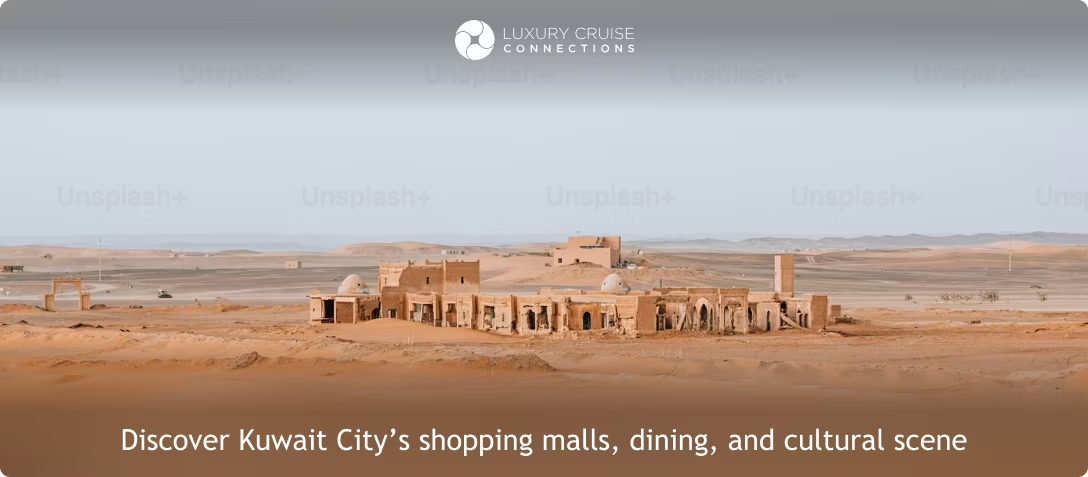
  • Discover Kuwait City’s shopping malls, dining, and cultural scene
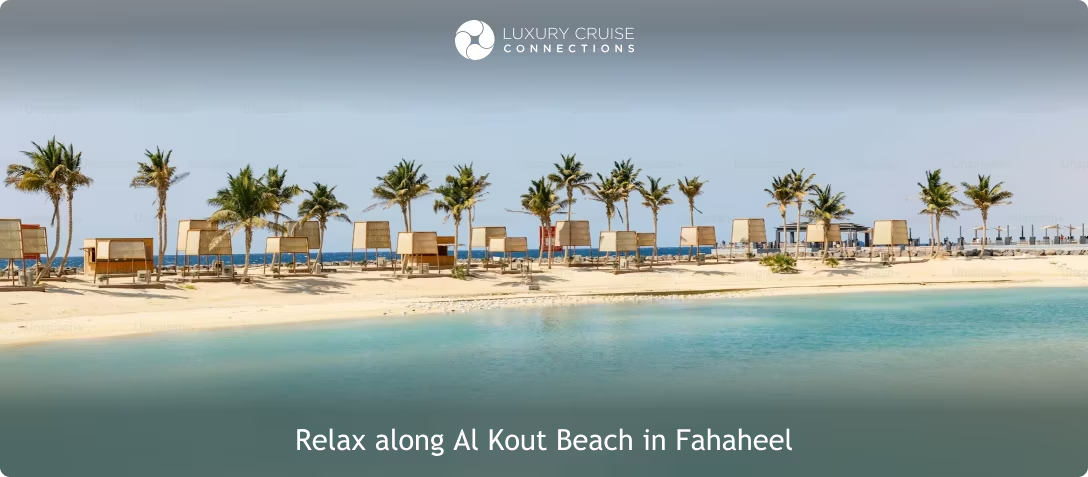
  • Relax along Al Kout Beach in Fahaheel
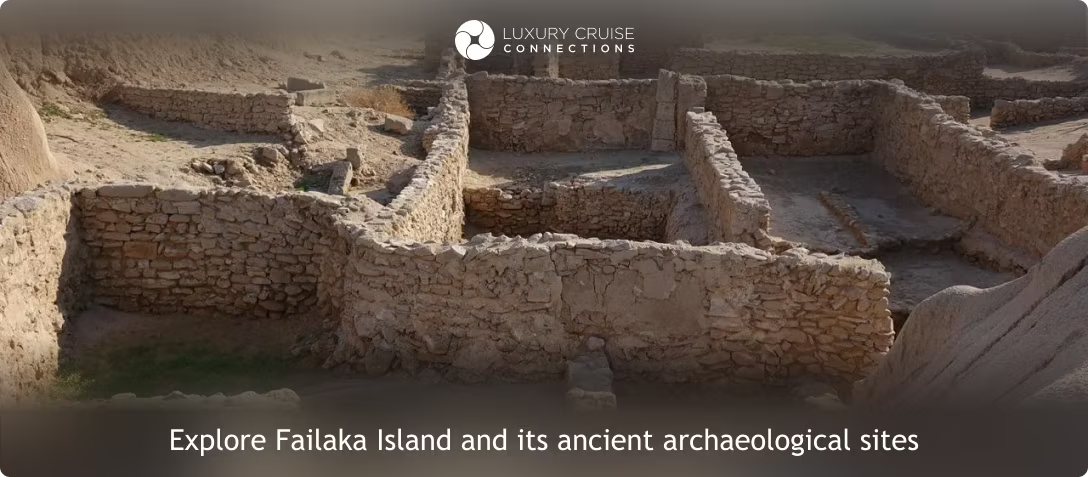
  • Explore Failaka Island and its ancient archaeological sites
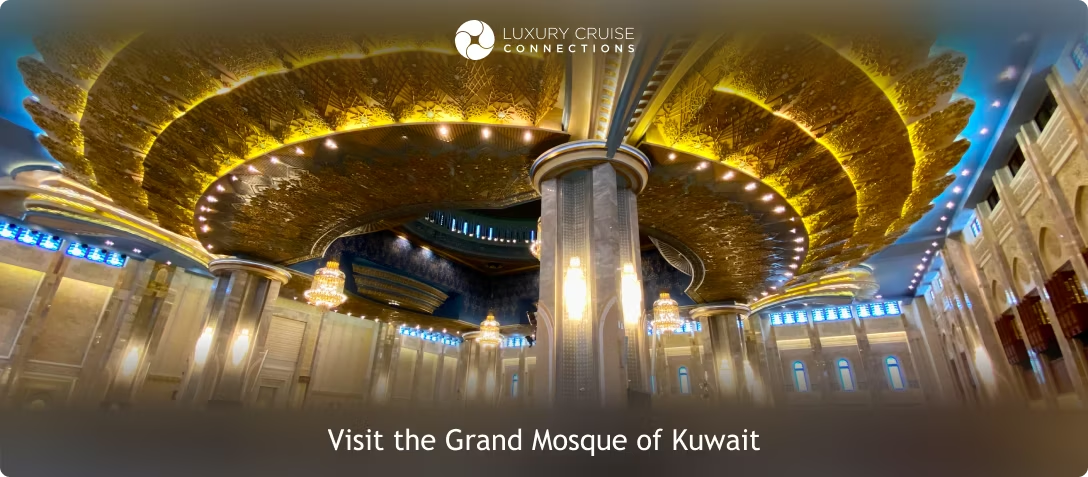
  • Visit the Grand Mosque of Kuwait
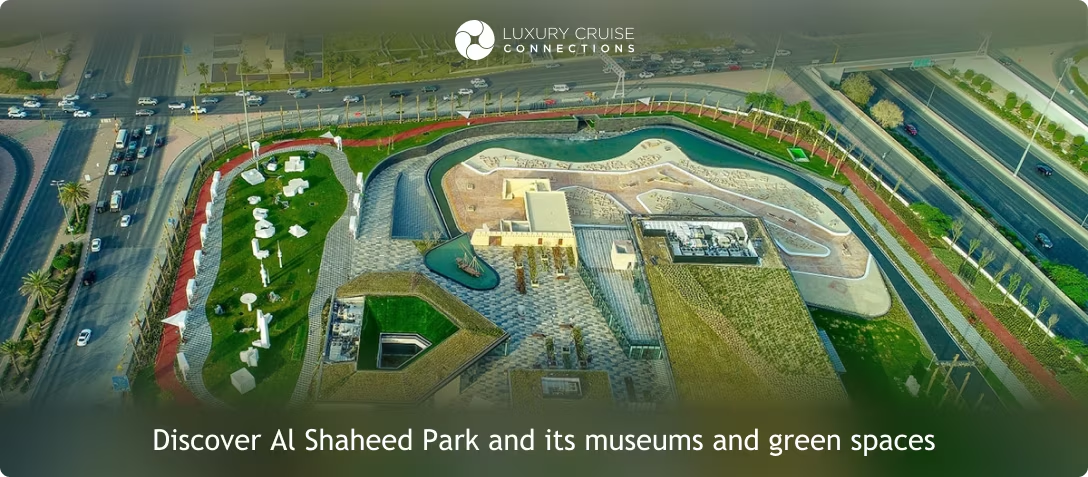
  • Discover Al Shaheed Park and its museums and green spaces
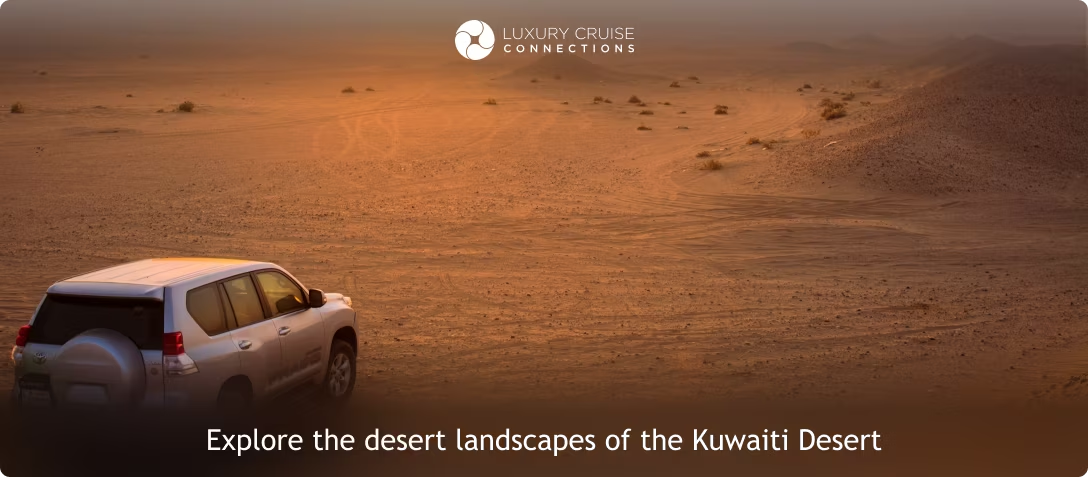
  • Explore the desert landscapes of the Kuwaiti Desert
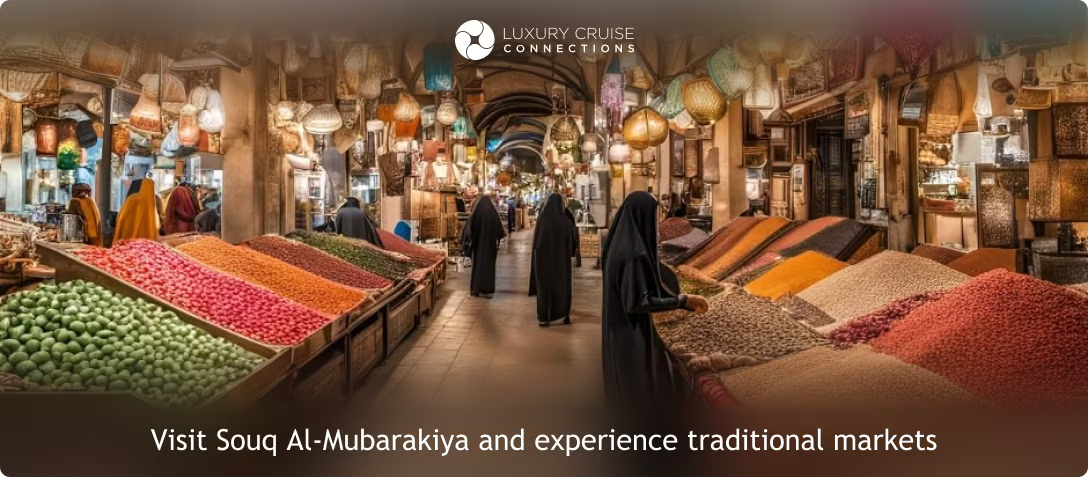
  • Visit Souq Al-Mubarakiya and experience traditional markets
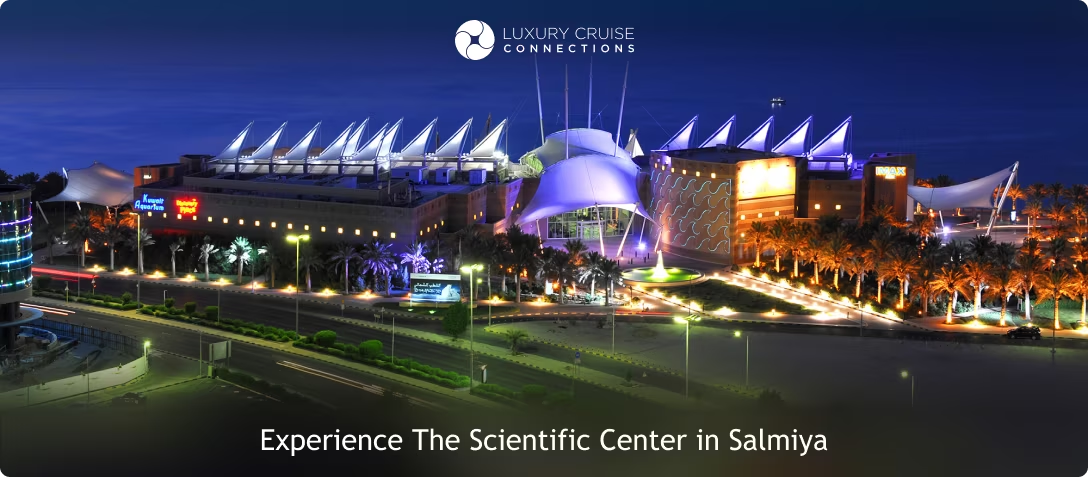
  • EExperience The Scientific Center in Salmiya
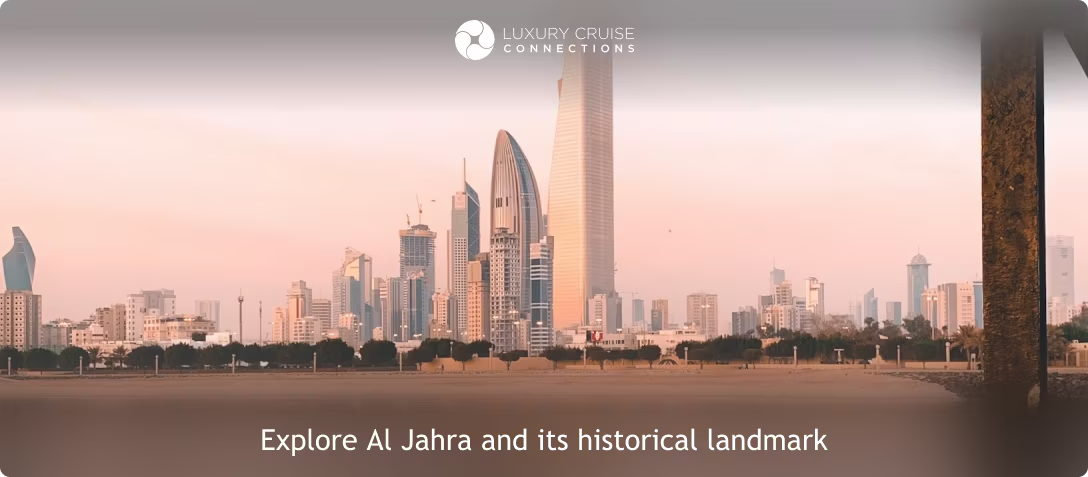
  • Explore Al Jahra and its historical landmark
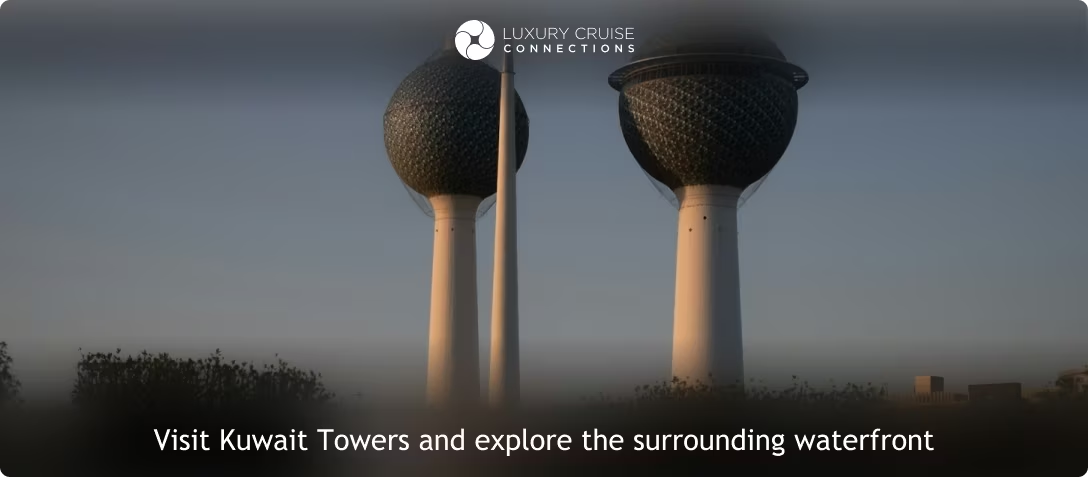
  • Visit Kuwait Towers and explore the surrounding waterfront

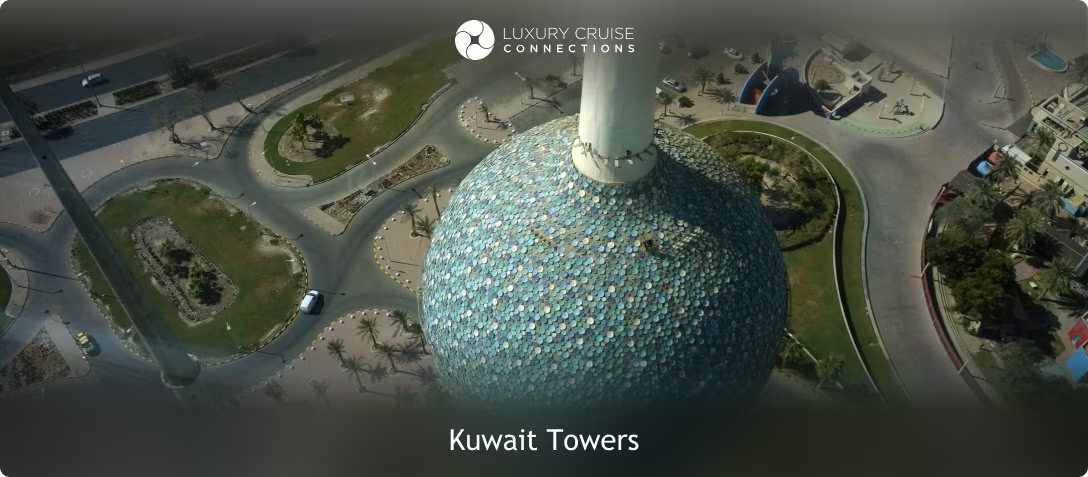
    Kuwait Towers are a trio of blue-tiled towers that dominate Kuwait’s skyline and offer visitors panoramic views over the Arabian Gulf. This national symbol is known for their elevated viewing sphere and revolving restaurant that allow visitors to view the capital from above. Kuwait Towers is located on Arabian Gulf Street in the Sharq district of Kuwait City. The tower complex was completed in 1979 and includes the 187-meter main tower with a public sphere, a 147-meter water storage tower, and a 113-meter lighting tower.
    Visit Kuwait Towers and explore the surrounding waterfront

    Highlights of Kuwait Towers include the main tower’s spherical observation deck called The Viewing Sphere. The deck is 120m high and provides a 360-degree view stretching across Kuwait City’s skyline and the open waters of the Gulf. Another highlight of the towers is the revolving restaurant within the upper sphere, at 82m high. Diners slowly rotate above the city while enjoying international and Middle Eastern cuisine. Another tower highlight is the nearby well-kept waterfront promenade along Arabian Gulf Road. The waterfront offers paved walkways, sea views, and open lawns that frame the towers against the coastline.

    Visiting Kuwait Towers and exploring the surrounding waterfront offers a unique vantage point over Kuwait City’s skyline and the Arabian Gulf. Visitors approach the towers from Arabian Gulf Street and photograph the blue mosaic spheres rising above the shoreline. They enter the main tower, ride the elevator upward, and view the city grid, port facilities, and Gulf waters from the enclosed observation sphere. After descending, they walk along the promenade, watch the sunset over the water, and rest on benches facing the sea breeze.

    The best time to visit Kuwait Towers is from November to March, when the pleasant climate makes walking along the coast and viewing the skyline more comfortable.

    Local city guides lead tours of Kuwait Towers and provide historical background on their construction, architectural design, and role in Kuwait’s water infrastructure system.

    Entry to Kuwait Towers costs [$10]. Entry to the surrounding waterfront is free.

  • Discover Kuwait City’s shopping malls, dining, and cultural scene

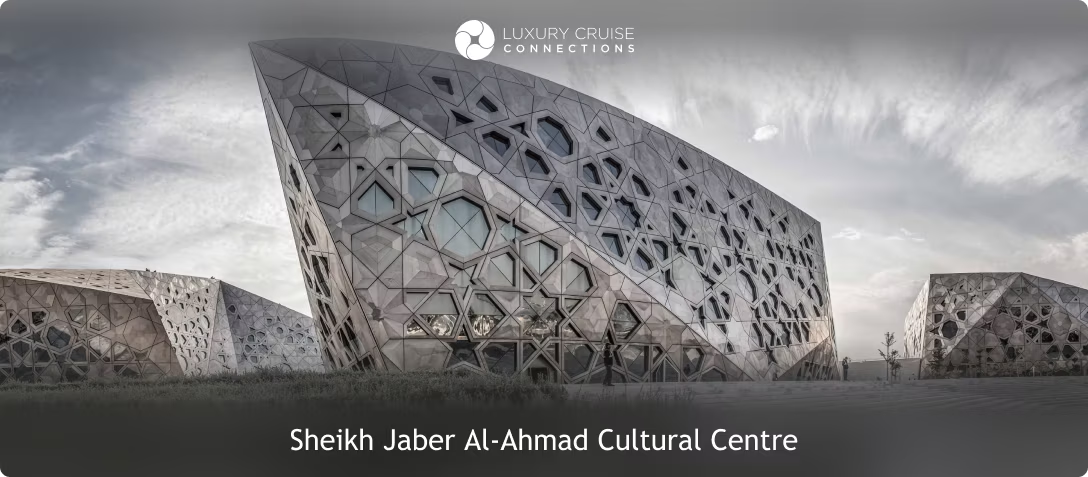
    Kuwait City’s shopping malls, dining and cultural scene offer a premier entertainment destination in the Gulf. These commercial and cultural districts are where travelers shop at global brands, dine on Kuwaiti and international cuisine, and engage with Bedouin and Islamic traditions. Kuwait City is located on the southern shore of Kuwait Bay and offers a wide range of malls, waterfront promenades, and historic souks. Cultural institutions such as Sheikh Jaber Al-Ahmad Cultural Centre reinforce Kuwait City’s commitment to the arts.
    Discover Kuwait City’s shopping malls, dining, and cultural scene

    Highlights of Kuwait City’s shopping malls, dining, and cultural scene include The Avenues, the biggest shopping mall in Kuwait. The Avenues features twelve avenue districts, including the Grand Avenue district which recreates a covered streetscape lined with luxury brands and cafés. Another highlight is 360 Mall, a mall known for its sculptural glass façade and immersive cinema complex. Another key attraction is Souk Al-Mubarakiya, which is Kuwait’s oldest traditional market. Souk Al-Mubarakiya is where visitors purchase saffron, oud perfumes, and Bedouin handicrafts in narrow alleys that reflect Kuwait’s maritime trading history.

    Discovering Kuwait City’s shopping, dining and cultural scene delivers a full-spectrum view of Kuwait’s prosperity, heritage, and daily life. Visitors walk through The Avenues and browse international fashion houses before pausing for Arabic coffee beneath skylit arcades. They drive toward Salmiya, stroll along Marina Crescent, and dine on grilled hammour or machboos rice overlooking the Gulf. Travelers then enter Souk Al-Mubarakiya, sample dates and spices, and bargain for textiles.

    The best time to discover Kuwait City’s shopping malls, dining, and cultural scene is November to March, when walking between souks, waterfront promenades, and cultural landmarks is more comfortable in cooler weather.

    Local cultural guides lead tours of Kuwait City’s shopping malls, dining, and cultural scene and explain the history of pearl trading, Bedouin craftsmanship, and the architectural symbolism behind landmarks such as the Kuwait Towers.

    Entry to Kuwait City’s shopping malls and restaurants is free. Culturally related activities are free and admission-based.

  • Relax along Al Kout Beach in Fahaheel

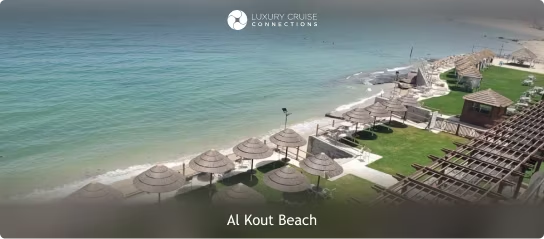
    Al Kout Beach in Fahaheel is a modern waterfront promenade and leisure destination. This popular Kuwaiti coastal retreat combines open shoreline access with the adjacent Al Kout Mall complex. The beach is located on the Arabian Gulf coast in the Fahaheel district, 30 to 40 minutes south of Kuwait City. Al Kout Beach features a promenade, marina-front restaurants, and nightly musical fountain shows.
    Relax along Al Kout Beach in Fahaheel

    Highlights of Al Kout Beach include the Dancing Musical Fountains, which stage illuminated water and music performances that draw crowds along the waterfront plaza. Another highlight is its integrated marina, where rows of docked boats frame open Gulf views and connect to waterside cafés. Another highlight is the direct access to Al Kout Mall, a large modern retail and entertainment center with a cinema (Cinescape cinema), indoor karting, and international brands. Al Kout Mall’s unique location allows visitors to shift seamlessly between sea views and indoor leisure.

    Relaxing along Al Kout Beach is a family-friendly way to enjoy dining, leisure, and Kuwait’s coastal beauty. Visitors walk along the clean seaside promenade and feel the Gulf breeze. They stop at the Al Kout marina to view fishing boats and yachts, then cross toward the bridge where locals cast lines into the water. Travelers shop at the Al Kout mall, dine at outdoor restaurants overlooking the harbor and watch the illuminated fountain shows as music fills the plaza.

    The best time to relax along Al Kout Beach in Fahaheel is from November to April, when Kuwait’s cooler temperatures allow for comfortable seaside walks and outdoor dining.

    Local marina and cultural guides lead tours of Al Kout Beach and provide insight into Kuwait’s maritime heritage, fishing traditions, and the development of Fahaheel as a coastal district.

    Entry to Al Kout Beach in Fahaheel is free.

  • Explore Failaka Island and its ancient archaeological sites

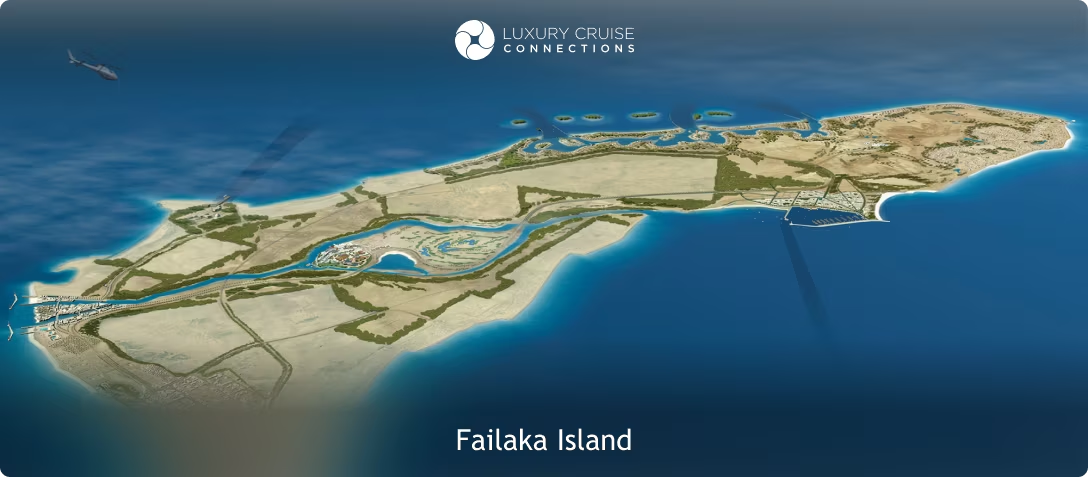
    Failaka Island is an offshore island known for its ancient archaeological sites and layered civilizations, offering visitors the opportunity to explore Bronze Age Dilmun ruins and Hellenistic Greek fortifications. The island is a key cultural destination in Kuwait because it preserves over 4,000 years of history, including its period as Ikaros under Alexander the Great’s successors. Failaka Island is located in the Arabian Gulf, 20 kilometers off the coast of Kuwait City. Visitors reach Failaka Island by ferry and tour temples, settlements, and war-scarred neighborhoods that remain as open-air historical records.
    Explore Failaka Island and its ancient archaeological sites

    Highlights of Failaka Island and its ancient archaeological sites include the Dilmun settlement (approximately 2100 BC to 1700 BC), where visitors see temple platforms and early urban layouts that document Gulf trade networks. Another highlight is the Hellenistic fortress built during the Seleucid era (beginning of the 3rd century BC), with its rectangular plan and stone foundations reflecting Greek military architecture in the region. Another key attraction of the island is the Gulf War “tank cemetery,” where rusting armored vehicles remain in place as physical evidence of the 1990 to 1991 conflict. The Failaka Heritage Village reconstructs traditional Kuwaiti houses and displays artifacts that illustrate pre-invasion island life in the late 19th and early 20th centuries

    Exploring Failaka Island gives visitors a rare opportunity to walk through Kuwait’s oldest settlement layers while observing visible traces of recent history in the same landscape. Travelers board a ferry from Kuwait City to reach Failaka Island’s shoreline. They tour the Dilmun ruins at Al-Khidr, view temple foundations, and read educational signs explaining ancient trade routes. Visitors ride electric scooters or four-wheelers across open terrain, stop at the Greek fortress, and photograph abandoned homes and military remnants. They rest on quiet beaches, watch wild camels roam, and experience Failaka Island’s stark silence.

    The best time to explore Failaka Island and its ancient archaeological sites is November to March, when cooler temperatures make outdoor walking and site exploration comfortable.

    Local cultural and archaeological guides lead tours of Failaka Island and explain the significance of Dilmun temples, Hellenistic structures, and Gulf War remnants, providing historical context that visitors would otherwise miss.

    Entry to most archaeological areas on Failaka Island is free. Ferry transportation to Failaka Island costs [$15 to $25] depending on the operator and package.

  • Visit the Grand Mosque of Kuwait

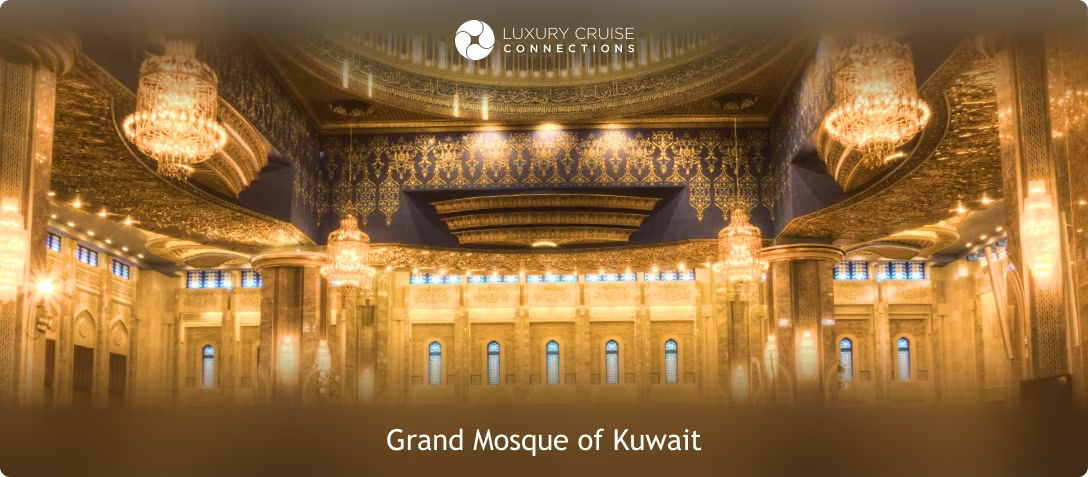
    The Grand Mosque of Kuwait is the country’s largest mosque and a central place of Islamic worship. The mosque complex is 45,000 square metres large and accommodates more than 10,000 worshippers beneath its monumental dome. The mosque remains an architectural landmark that reflects Kuwait’s spiritual identity and where visitors are welcome to tour vast prayer halls and learn about Kuwaiti religious traditions. The mosque is located on the Arabian Gulf Road in Kuwait City near the Seif Palace. Visitors join free guided tours to understand its complex, mosaics, and calligraphy-adorned interiors.
    Visit the Grand Mosque of Kuwait

    Highlights of the Grand Mosque of Kuwait include its 43-meter-high main dome, which crowns a five-level prayer hall designed in a blend of Islamic and Persian styles. Another highlight is the expansive blue carpet in the men’s prayer hall, woven in a single piece and framed by 144 high windows that filter natural light across intricate mosaics. Another key attraction is the carved teakwood doors and massive chandeliers, alongside a replica of one of the oldest Qurans displayed for educational visits.

    Visiting the Grand Mosque of Kuwait offers an awe-inspiring introduction to Kuwait’s religious life and architectural ambition. Visitors enter through the main courtyard and observe the minaret rising above the skyline. They join weekday guided tours and walk across the vast carpeted prayer hall beneath the towering dome. Women receive abayas at the entrance, and guests move quietly through cool marble corridors while guides explain Islamic practices and daily prayers. They study framed Arabic calligraphy and examine the Quran replica.

    The best time to visit the Grand Mosque of Kuwait is from November to March, when walking the large marble courtyard and the surrounding Gulf Road area is more comfortable with cooler weather.

    Cultural guides, often coordinated through local outreach centers, lead weekday tours of the Grand Mosque of Kuwait and provide structured explanations of Islamic beliefs, architectural symbolism, and mosque etiquette.

    Entry to the Grand Mosque of Kuwait is free.

  • Discover Al Shaheed Park and its museums and green spaces

    Al Shaheed Park is a 78.5 acre urban park and cultural complex, featuring landscaped gardens, scenic paths, and two major museums. The park is Kuwait’s largest urban park and serves as a national symbol of environmental renewal and historical remembrance. Al Shaheed Park is located on the periphery of Kuwait City along Soor Street. Visitors stroll the park’s botanical gardens, visit Thekra and Habitat Museums, and relax beside the Green Belt Lake. Al Shaheed park was opened in phases beginning in 2015. The park integrates green roofs, shaded walkways, and sculptural landmarks such as “Freedom” by Bader M. Al Mansour which blends civic memory with contemporary design.
    Discover Al Shaheed Park and its museums and green spaces

    Highlights of Al Shaheed Park and its museums and green spaces include the Thekra Museum. Thekra Museum’s exhibits document Kuwait’s modern history and pivotal events such as the Battle of Al-Jahra and the Gulf War. Another highlight is the Habitat Museum, where interactive exhibits explain Kuwait’s desert ecology and native species. Another key attraction is the Green Belt Lake with its cascading waterfalls. The restored Old Al Shaab Gate and evening musical fountain shows anchor the park’s civic and cultural identity.

    Discovering Al Shaheed Park gives visitors an experience of culture, remembrance, and open-air leisure in the heart of Kuwait’s capital. Visitors enter the park through landscaped gateways and walk shaded paths lined with native plants. They tour the Thekra Museum to examine archival photographs and wartime narratives, then explore the Habitat Museum to learn about desert flora and fauna. They pause at the lake to watch waterfalls flow, rest at cafés overlooking the gardens, and stay for illuminated fountain shows after sunset.

    The best time to discover Al Shaheed Park and its museums and green spaces is November to April, when cooler temperatures make walking more comfortable.

    Park and museum guides lead tours of Al Shaheed Park and provide historical context inside Thekra Museum while explaining ecological exhibits within the Habitat Museum.

    Entry to Al Shaheed Park is free.

  • Explore the desert landscapes of the Kuwaiti Desert

    The Kuwaiti Desert refers to the arid sandy landscapes which cover the majority of Kuwait’s 17,820 square kilometres land mass. These deserts are a defining natural environment of Kuwait and consist of gravel plains, shifting sand dunes, and limestone ridges. The Kuwaiti Desert is located across the southern and northern regions of the country, stretching inland from Kuwait Bay. The desert offers activities such as 4WD barchan dune drives, camel farm visits, climbing the 145-meter Jal Al-Zour ridge, and desert camping that reveal traditional desert life.
    Explore the desert landscapes of the Kuwaiti Desert

    Highlights of the desert landscapes of the Kuwaiti Desert include adrenaline-filled 4WD dune bashing over crescent-shaped dunes in the southern sands. Another key attraction is Mutla’a Ridge, an elevated viewpoint that overlooks vast gravel plains and provides sweeping views toward Kuwait Bay. Another highlight is visiting camel farms and traditional desert camps, where Bedouin-style hospitality and open-fire BBQ meals reflect long-standing nomadic traditions. The seasonal depressions of Al-Rawdatain and Al-Baten create rare ecological pockets because they collect rainwater and attract migratory birds.

    Exploring the desert landscapes of the Kuwaiti Desert gives visitors a direct encounter with Kuwait’s vast scale, silence, and raw terrain. Travelers ride in 4x4 vehicles across rolling dunes, stop to photograph wind-shaped sand patterns, and try sandboarding on steep slopes. Visitors walk along rocky trails near Jal Al-Zour, climb ridges for panoramic views, and tour camel farms to observe herding practices. As the sun lowers, they rest at desert camps, share grilled meals, and watch the sky shift from gold to deep violet.

    The best time to explore the desert landscapes of the Kuwaiti Desert is from November to April, when cooler temperatures make outdoor driving, camping, and hiking more comfortable and safer.

    Desert safari guides lead tours of the Kuwaiti Desert and provide skilled 4WD driving, safety oversight, and cultural insight into Bedouin traditions and desert ecology.

    Entry to the desert landscapes of the Kuwaiti Desert is free. Guided desert safari tours cost [$40 to $150] depending on vehicle type, duration, and included activities.

  • Visit Souq Al-Mubarakiya and experience traditional markets

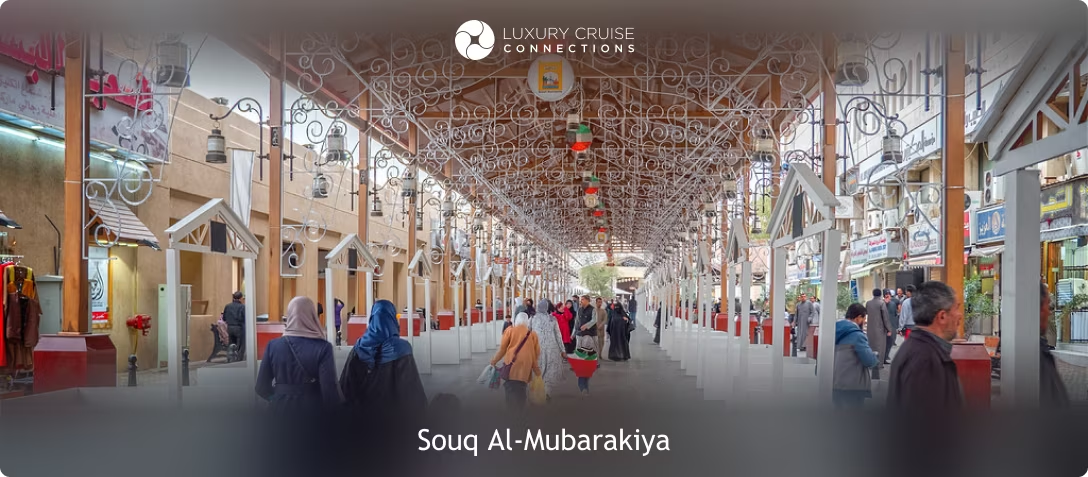
    Souq Al-Mubarakiya is a 200-year-old traditional open-air market in Kuwait City where visitors experience Kuwait’s historic trading culture through shopping, dining, and bargaining. The traditional market complex (souq) is a living commercial district that reflects the country’s pre-oil mercantile heritage, offering spices, dates, oud perfumes, gold jewelry, textiles, and local cuisine in one setting. Souq Al-Mubarakiya is located in the heart of Kuwait City near the old seafront trading area. Visitors wander its alleyways, shop for handcrafted goods, and dine at long-standing local restaurants that preserve Kuwaiti culinary traditions.
    Visit Souq Al-Mubarakiya and experience traditional markets

    Highlights of Souq Al-Mubarakiya and traditional markets include their preserved old-style architecture and maze-like alleys. It has vibrant spice and perfume sections filled with saffron, cardamom, and burning oud. Another highlight is the gold and silver jewelry quarter, where bargaining is customary and craftsmanship emerges in detailed necklaces and bangles. Another highlight is the Sheikh Mubarak Kiosk, a small museum documenting Kuwait’s ruling history, along with the first Islamic pharmacy in Kuwait. The souq also features an open-air food court serving grilled Nagroor fish and tanoor bread.

    Visiting Souq Al-Mubarakiya offers an immersive introduction to Kuwait’s traditional commercial life and daily life. Visitors walk through narrow corridors lined with spice sacks and incense burners. They browse Persian carpets, abayas, antiques, and handcrafted souvenirs. They pause at the Sheikh Mubarak Kiosk to view historical displays, then explore the first Islamic pharmacy nearby. They sample fresh dates, sip Arabic tea, and watch vendors grill fish purchased directly from the adjacent fish market. As evening arrives, visitors bargain in the gold section, photograph the glowing lantern-lit pathways, and settle into open-air restaurants for kebabs.

    The best time to visit Souq Al-Mubarakiya is November to March, when cooler temperatures make walking through the open-air alleys comfortable and evening dining more enjoyable.

    Local cultural guides lead tours of Souq Al-Mubarakiya and provide historical context about Kuwait’s pearl-diving era, traditional trade routes, and architectural features that visitors might otherwise overlook.

    Entry to Souq Al-Mubarakiya is free.

  • Experience The Scientific Center in Salmiya

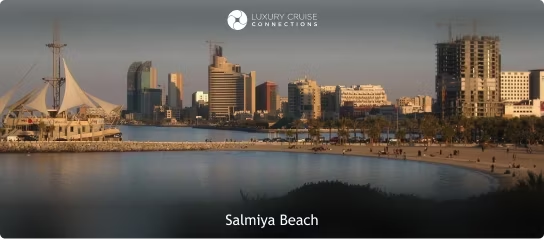
    The Scientific Center is a leading educational and entertainment complex in Kuwait. The centre combines a large public aquarium, an IMAX theater, and interactive science exhibits into one waterfront destination. The Scientific Center in Salmiya is recognized for housing one of the Middle East’s largest aquariums and promoting environmental awareness through its immersive displays. The center is located on Arabian Gulf Street in the Salmiya district. Visitors tour The Scientific Center’s marine ecosystems, explore hands-on science galleries, and admire views of the Arabian Gulf.
    Experience The Scientific Center in Salmiya

    Highlights of The Scientific Center in Salmiya include the 1.5 million-liter main aquarium tank, where sharks glide above visitors through a panoramic viewing window. Another highlight is the centre’s three ecological zones (sea, desert, coastal edge) that each present habitats native to the Arabian Peninsula. Another highlight is the IMAX theater, which projects 3D documentaries with 8000-watt surround sound. Discovery Place also stands out with physics-based experiments and environmental science exhibits designed for active participation.

    Experiencing The Scientific Center in Salmiya offers families an engaging look at Kuwait’s marine and desert environments while blending learning with entertainment. Visitors walk through dimly lit aquarium tunnels and observe sharks, rays, penguins, and otters in carefully recreated habitats. They move into Discovery Place and test interactive exhibits that demonstrate energy, motion, and environmental systems. They enter the IMAX theater to watch large-format documentaries before stepping outside to stroll along the waterfront promenade and pause at the café overlooking the Gulf.

    The best time to experience The Scientific Center in Salmiya is from November to April, when cooler weather makes waterfront walks and nearby outdoor areas more comfortable.

    Educational guides lead tours of The Scientific Center and provide scientific context about marine species, conservation efforts, and the design of the aquarium’s ecosystems.

    Entry to The Scientific Center costs [$20].

  • Explore Al Jahra and its historical landmarks

    Al Jahra is the capital of the Al Jahra Governorate of Kuwait. This former oasis settlement played a vital role in Kuwait’s trade routes and national defense, particularly during the 1920 Battle of Jahra. Al Jahra remains a culturally significant district experience that reveals Kuwait’s early defensive history, desert traditions, and agricultural roots through sites such as the Red Palace (Al-Qasr Al-Ahmar) and surrounding desert landscapes. Al Jahra is located 30 km west of Kuwait City. Visitors tour restored forts, observe migratory birds at Al Jahra Pools Nature Reserve, and explore traditional desert terrain.
    Explore Al Jahra and its historical landmarks

    Highlights of Al Jahra and its historical landmarks include the Red Palace, built in 1897 by Sheikh Mubarak Al-Sabah using thick mud-brick walls and defensive watchtowers. Another highlight is the Mutla Ridge, which offers panoramic desert views and serves as a popular setting for camel rides and quad biking. Another highlight is the Al Jahra Pools Nature Reserve, a protected wetland that attracts migratory birds and reflects the region’s historic oasis environment.

    Exploring Al Jahra offers visitors a deeper understanding of Kuwait’s early settlement life and desert heritage. Visitors walk through the courtyards of the Red Palace and examine historic weapons displayed inside its restored rooms. They drive toward Mutla Ridge and view wide desert horizons shaped by wind and sand. Travelers watch flamingos and herons at the wetlands, then browse local markets to sample traditional foods and shop for handcrafted goods.

    The best time to explore Al Jahra is November to March, when cooler desert temperatures make outdoor tours, wildlife observation, and ridge excursions more comfortable.

    Local heritage guides lead tours of Al Jahra and its historical landmarks and explain the events of the 1920 Battle of Jahra, the architecture of the Red Palace, and the environmental importance of the nature reserve.

    Entry to the Red Palace (Al-Qasr Al-Ahmar) is free. Guided desert excursions and safari activities typically cost [$25 to $80].


What are the Most Popular Tourist Attractions in Kuwait?

The most popular tourist attractions in Kuwait are listed below.

  • Kuwait Towers
  • Souq Al-Mubarakiya
  • Grand Mosque of Kuwait
  • Sheikh Jaber Al-Ahmad Cultural Centre
  • Failaka Island


Which Vacation Spots in Kuwait Are Best for Beach Lovers?

The vacation spots in Kuwait that are best for beach lovers are listed below.


What are the Best Things to Do in Kuwait City for First-Time Visitors?

The best things to do in Kuwait City for first-time visitors are listed below.

Kuwait Towers are iconic waterfront landmarks in Kuwait known for their distinctive spheres and views over the Arabian Gulf. Visiting Kuwait Towers introduces first-time visitors to Kuwait City’s skyline and coastal setting from panoramic observation areas.
Souq Al-Mubarakiya is a historic market district in Kuwait City featuring traditional shops, cafés, and food stalls. Visiting Souq Al-Mubarakiya allows first-time visitors to experience everyday Kuwaiti commerce and street food in one of the country’s oldest trading areas.
The Scientific Center is a marine education complex in Kuwait City featuring aquariums, discovery exhibits, and an IMAX theater. Visiting The Scientific Center gives first-time visitors in Kuwait an engaging introduction to Gulf marine life and environmental science.
The Grand Mosque of Kuwait is the largest mosque in Kuwait and an important religious landmark in Kuwait City. Visiting the Grand Mosque of Kuwait allows first-time visitors to understand Islamic architecture and Kuwaiti religious traditions through guided tours.

What makes Kuwait a Beautiful Country to Visit?

Kuwait is a beautiful country to visit for three reasons. The first reason is its unique desert landscape. Kuwait’s landmass is over 90% desert and its flat plains stretch from the outskirts of Kuwait City toward the Saudi and Iraqi borders. Travelers have opportunities to visit these beautiful remote environments through desert excursions, scenic sunset viewpoints, and Bedouin cultural experiences. The second reason is Kuwait’s coastal setting along the Arabian Gulf. Visitors enjoy seaside walks along the Gulf Road and its waterfront promenades, island excursions in Kuwait Bay, and vast coastal scenery that contrasts with Kuwait’s desert environment. The third reason Kuwait is a beautiful country to visit is its striking modern architecture. Kuwait City features impressive landmarks such as the Kuwait Towers, the sculptural Al Hamra Tower, and the contemporary cultural complex Sheikh Jaber Al-Ahmad Cultural Centre.

How can I experience Local Culture in Kuwait?

You can experience local culture in Kuwait by visiting traditional markets, trying Kuwaiti cuisine, exploring museums, and spending time in public gathering spaces. Firstly, walk through traditional markets such as Souq Al-Mubarakiya in Kuwait City. The market’s food stalls, cafés, and trading shops allow visitors to observe everyday social life and traditional commerce. Secondly, try traditional Kuwaiti dishes like machboos (spiced rice with meat or fish) and grilled seafood in local restaurants. Thirdly, visit cultural institutions like the Kuwait National Museum to deeply understand Kuwait’s history and identity. Finally, spend time in Kuwait public spaces where social life takes place in the evenings. Parks (Al Shaheed Park) and waterfront promenades along the Arabian Gulf (Gulf Road Corniche, Marina Crescent) are popular gathering places for local families and community events.

Are there Activities in Kuwait Perfect for Families with Children?

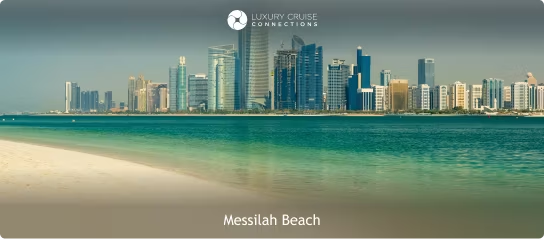
Yes, there are activities in Kuwait perfect for families with children because the country offers aquariums, parks, entertainment complexes, and safe coastal recreation areas. Families visit The Scientific Center in Kuwait City, where large aquariums, shark tunnels, and hands-on exhibits introduce children to marine life from the Arabian Gulf. Families walk and relax in Al Shaheed Park, where gardens, fountains, and shaded lawns create open space for children to play. Families spend time in indoor entertainment zones at The Avenues Mall, which includes cinemas, play areas, and restaurants within a single, air-conditioned complex. Families swim and spend the day at Messilah Beach, where an on-site amusement park and soft-play facilities at Trampo In The Park cater for younger children. Evening strolls along the marina promenade at Marina Crescent introduce families to Kuwait’s waterfront social life.

How can I experience Local Culture in Kuwait?

Yes there are fun things to do in Kuwait for outdoor adventures because the country combines wide desert landscapes with accessible Gulf waters and offshore islands. In the Al Salmi Desert, adventurers drive 4×4 vehicles across open desert plains, join dune buggy excursions, and camp overnight under clear desert skies. Along the coast of Kuwait City, outdoor enthusiasts kayak, jet ski, and paddleboard in the calm waters of the Arabian Gulf.

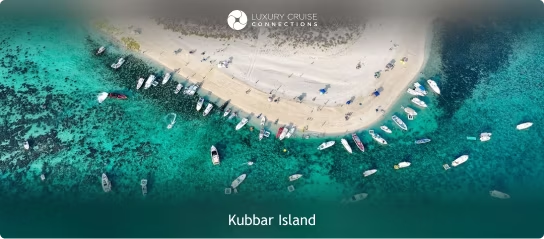
Around Kuwait Bay, travelers join deep-sea fishing trips or sailing excursions that follow traditional maritime routes used for pearl diving. Kuwait’s offshore islands like Kubbar Island attract snorkelers and boaters who explore clear Gulf waters and coral patches. In Kuwait’s interior desert regions, motorsport enthusiasts participate in off-road rallies, quad biking, and long-distance desert drives across the country’s open terrain.

Best Things to Do Around the World

Discover the best activities, landmarks, and experiences in every cruise destination and port of call.

Europe Western, Central & Mediterranean
America North, Central, South & Caribbean
Africa & Asia Oceania & Antarctica