


10 Best Things to Do in Jordan

The 10 best things to do in Jordan include exploring ancient cities carved into rock, floating in mineral-rich waters, a...

add

The 10 best things to do in Jordan include exploring ancient cities carved into rock, floating in mineral-rich waters, and walking through vast desert landscapes. Travelers explore lost Nabataean capitals, stand on biblical mountains, and navigate lively urban streets. Jordan places to visit stands as a vast country with a rich ancient history, modern megacities, and diverse landscapes that stretch from fertile valleys to dramatic deserts. Civilizations left clear marks across the land, and contemporary life moves quickly in growing city centers. Visitors searching for culture, adventure, and heritage find countless things to do in Jordan across every region. Iconic landmarks and natural wonders define the top places to visit in Jordan. Ancient ruins, sacred sites, and sweeping desert scenery shape the identity of Jordan, places to visit.

  • Visit Petra
  • Discover Wadi Rum
  • Relax at the Dead Sea
  • Explore Amman
  • Visit Jerash
  • Discover Aqaba
  • Experience Bethany Beyond the Jordan
  • Visit Madaba
  • Visit Mount Nebo
  • Discover the Desert Castles
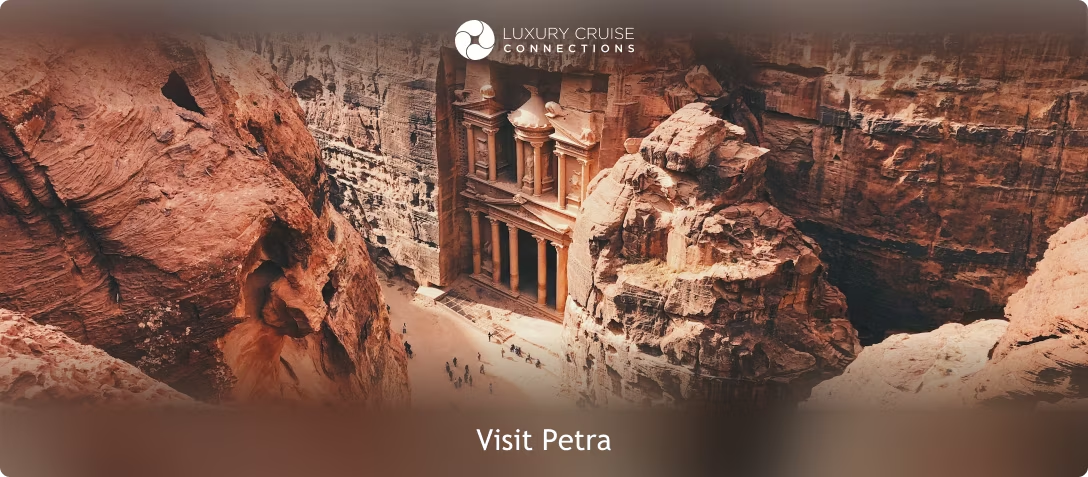
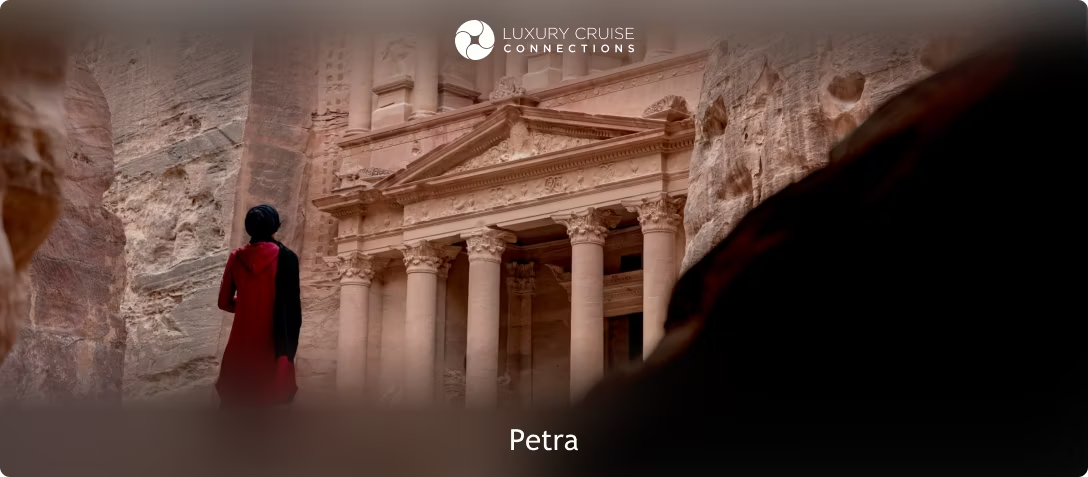
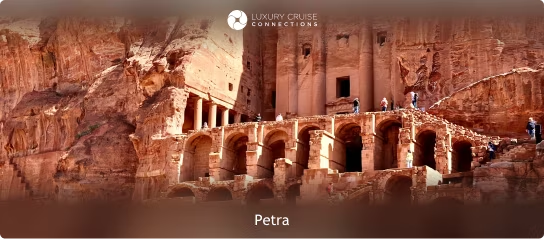
  • Visit Petra and explore the Ancient Rose City, Al-Khazneh, and the Siq

    Petra is an ancient Nabataean city carved into sandstone cliffs in southern Jordan. The settlement emerged around the 4th century BCE as a major caravan trade center. Nabataean engineers designed water channels and reservoirs that supported urban life in an arid climate. UNESCO recognizes Petra as a World Heritage Site due to its architectural and historical value.
    Visit Petra and explore the Ancient Rose City, Al-Khazneh, and the Siq

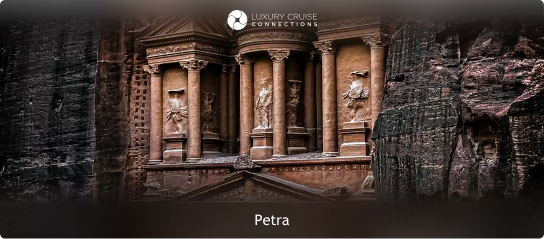
    Al-Khazneh stands as the most iconic façade within Petra. The Siq forms a narrow canyon entrance that leads dramatically to the Treasury. The Monastery known as Ad Deir crowns a hilltop reached by hundreds of stone steps. The Royal Tombs display elaborate carvings that reflect Nabataean artistry.

    Travelers walk through the winding Siq before witnessing the Treasury emerge from the rock. Visitors hike uphill trails that overlook the desert valley. Guides share stories about trade routes and Nabataean society. Sunlight shifts across the sandstone and changes the color of the cliffs throughout the day.

    March to May and September to November provide moderate temperatures

    Licensed guides operate at the main entrance and explain the historical context.

    Entry costs around [$50–$70] depending on ticket type.

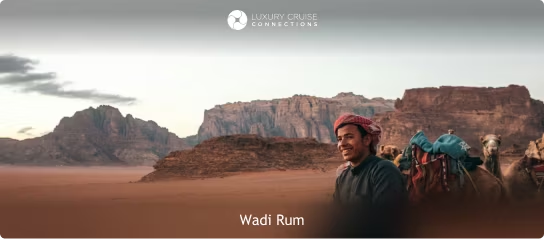
  • Discover Wadi Rum and experience a Bedouin camp adventure in the desert

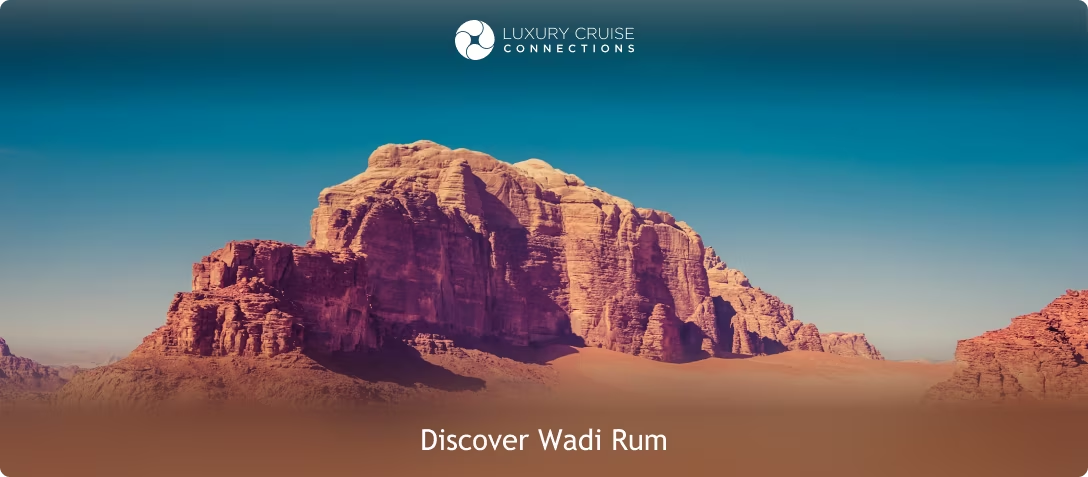
    Wadi Rum is a protected desert valley characterized by red sand dunes and towering rock formations. Bedouin tribes have inhabited the region for generations and preserve strong cultural traditions. The landscape formed through erosion that shaped dramatic cliffs and arches. The area gained international recognition through films and desert expeditions.
    Discover Wadi Rum and experience a Bedouin camp adventure in the desert

    Jeep tours cross vast open plains surrounded by sandstone mountains. Natural rock bridges rise above the desert floor. Petroglyphs carved into stone reflect ancient human presence. Bedouin camps provide traditional tents and regional cuisine.

    Visitors ride across dunes while drivers navigate rugged terrain. Travelers gather around campfires to share tea and stories. Stargazing reveals clear constellations in the absence of city lights. Sunrise and sunset create deep red and orange tones across the sand.

    October to April offers cooler weather conditions.

    Bedouin guides lead tours and cultural activities.

    Entry to the protected area costs about [$5–$7] excluding camp packages.

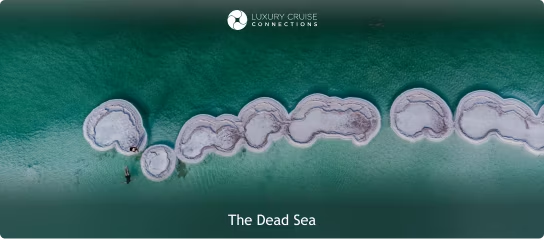
  • Relax at the Dead Sea and enjoy its healing waters and mud

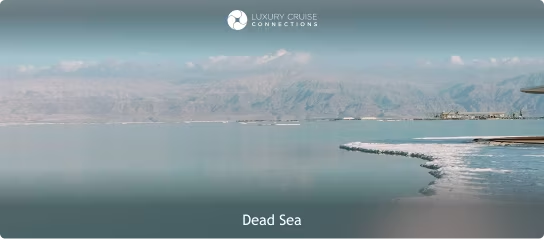
    The Dead Sea lies more than 400 meters below sea level. The lake contains a high salt concentration that prevents most aquatic life. The shoreline stretches along Jordan’s western border. Mineral deposits attract wellness tourism and scientific interest.
    Relax at the Dead Sea and enjoy its healing waters and mud

    Dense water allows effortless floating without swimming skills. Dark mineral mud lines sections of the coast. Salt formations create crystal patterns along the shoreline. Resort facilities provide access to spa treatments.

    Visitors lean back on the water and remain suspended at the surface. Travelers apply mineral mud before rinsing in the sea. Photographs capture the contrast of blue water and white salt edges. Spa areas provide relaxation after floating sessions.

    March to May and September to November reduce extreme heat exposure.

    Resort staff provide safety instructions.

    Private beach access ranges from [$15–$30]

  • Explore Amman and visit the Citadel, Roman Theater, and the Jordan Museum

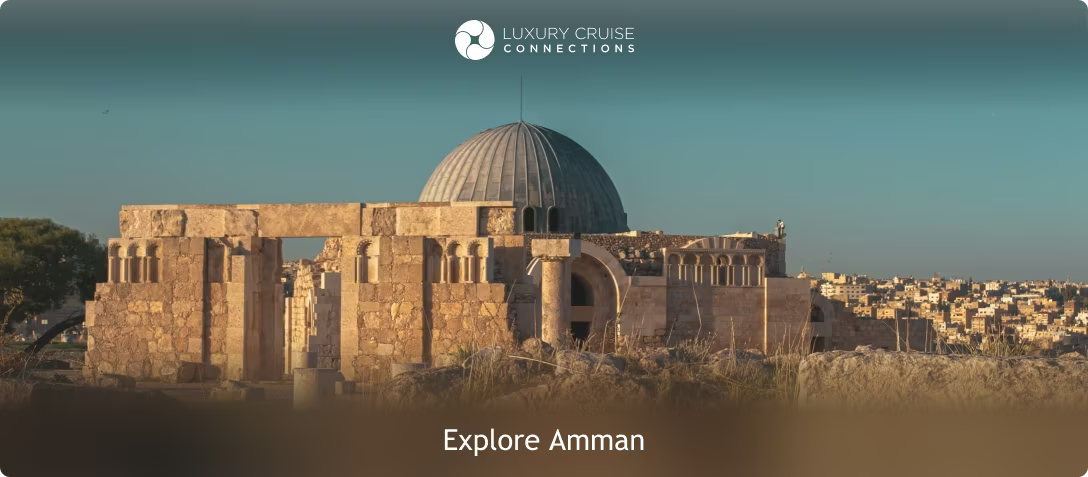
    Amman serves as the capital city of Jordan. The city expands across rolling hills that once hosted ancient settlements. Roman and Islamic structures remain visible within the urban landscape. Modern districts include business centers and cultural venues.
    Explore Amman and visit the Citadel, Roman Theater, and the Jordan Museum

    The Citadel features the Temple of Hercules and Umayyad Palace remains. The Roman Theater seats thousands of spectators in downtown Amman. The Jordan Museum displays archaeological artifacts from different eras. Traditional markets animate the streets near historic sites.

    Travelers climb to the Citadel for panoramic city views. Visitors walk through lively souks filled with spices and textiles. Museums provide insight into Jordan’s prehistoric and classical past. Evening cafés offer a glimpse into contemporary urban life.

    Spring and autumn provide comfortable walking conditions.

    City tours explain historical transitions across periods.

    Entry to major sites ranges from [$3–$10].

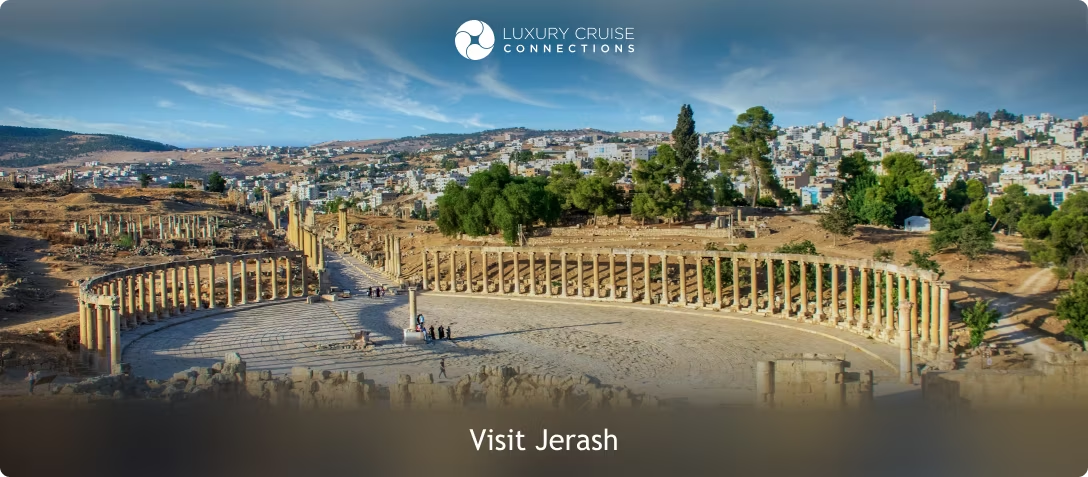
  • Visit Jerash and walk through the well-preserved Roman ruins

    Jerash is one of the most intact Roman cities outside Italy. The city flourished during the 1st century CE under Roman rule. Stone-paved streets and columns define the layout. Archaeological excavations continue to uncover structures.
     Visit Jerash and walk through the well-preserved Roman ruins

    Oval Plaza opens into a grand colonnaded street. The Temple of Artemis stands on elevated ground. South Theater hosts cultural performances during festivals. The Arch of Hadrian marks the city’s historic entrance.

    Visitors stroll along ancient roads once used by Roman chariots. Guides explain architectural details and inscriptions. Seasonal festivals recreate elements of Roman culture. Elevated viewpoints reveal the full scale of the ruins.

    March to May offers mild weather.

    Local historians provide in-depth site tours.

    Entry costs around [$10–$15].

  • Discover Aqaba and enjoy scuba diving or snorkeling in the Red Sea

    Aqaba is Jordan’s only coastal city, located along the northeastern edge of the Red Sea. The city functions as a commercial port and a marine tourism hub. Warm water temperatures support coral reefs and diverse sea life throughout the year. Mountain ranges frame the coastline and create a striking desert-to-sea landscape.
    Discover Aqaba and enjoy scuba diving or snorkeling in the Red Sea

    Coral reefs extend close to the shore and attract divers from around the region. Japanese Garden and other reef sites feature colorful coral formations and reef fish. Sunken military tanks and shipwrecks create structured dive environments. Beach resorts line the coast and provide direct sea acces

    Travelers snorkel above coral gardens in clear blue water. Certified divers explore wreck sites and observe rays and sea turtles. Visitors relax on sandy beaches after underwater excursions. Sunset views reflect golden light across the Gulf of Aqaba

    September to November offers warm sea conditions and moderate air temperatures.

    Certified dive centers provide equipment and instruction.

    Snorkeling tours start around [$25–$40], depending on duration.

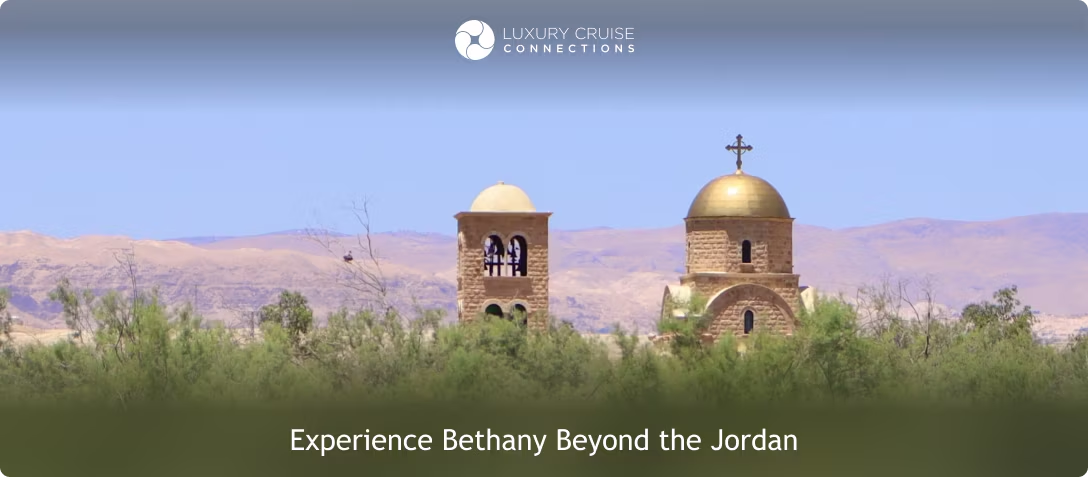
  • Experience Bethany Beyond the Jordan

    Bethany Beyond the Jordan is a recognized pilgrimage site along the eastern bank of the Jordan River. Christian tradition identifies the location as the baptism site of Jesus. Archaeologists uncovered church foundations and baptismal pools in the surrounding area. Religious authorities from multiple denominations acknowledge the site’s significance.
    Experience Bethany Beyond the Jordan

    Ancient churches and mosaics remain visible near the riverbank. Pilgrimage routes connect archaeological remains to the water’s edge. Designated platforms allow safe access to the Jordan River. The site maintains structured pathways and visitor facilities.

    Pilgrims participate in prayer ceremonies near the river. Visitors observe clergy-led baptisms conducted in the flowing water. Guides explain biblical references connected to the location. Quiet surroundings create a reflective spiritual atmosphere.

    November to March provides cooler conditions.

    Official site guides accompany all organized visits.

    Entry costs approximately [$12], including guided access

  • Explore Madaba and see the famous Mosaic Map of the Holy Land

    Madaba is known as the City of Mosaics due to its concentration of Byzantine artwork. The town sits along the historic King’s Highway south of Amman. Archaeological findings date back to the Roman and Byzantine periods. Local workshops continue the tradition of mosaic craftsmanship
     Explore Madaba and see the famous Mosaic Map of the Holy Land

    The Church of Saint George houses a 6th-century mosaic map of the Holy Land. The mosaic depicts Jerusalem and surrounding biblical locations in detailed stone fragments. Archaeological parks display preserved floors from ancient churches. Museums present additional examples of intricate mosaic panels.

    Visitors examine the mosaic map and identify historical landmarks within the design. Guides describe the religious and geographic meaning behind each section. Travelers walk through quiet streets lined with craft shops. Artisans demonstrate how small stones form detailed images.

    March to May provides pleasant walking weather.

    Local guides explain historical symbolism in the mosaics.

    Church entry costs around [$2–$3].

  • Visit Mount Nebo and take in panoramic views of the Holy Land

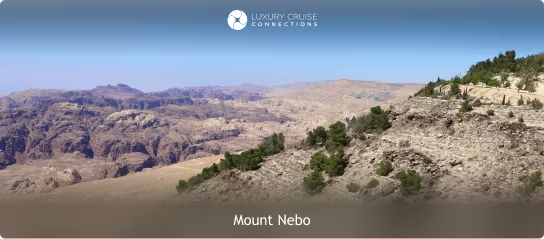
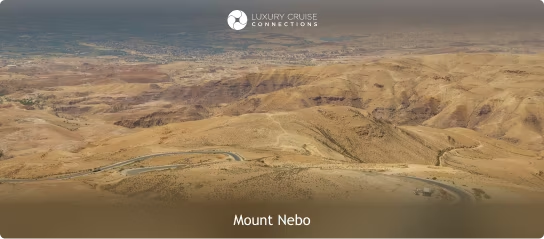
    Mount Nebo is a biblical site traditionally associated with the story of Moses. The hill rises above the Jordan Valley and overlooks the Dead Sea. Archaeological remains indicate an early Christian presence at the summit. A memorial church preserves mosaic floors from different eras.
    Visit Mount Nebo and take in panoramic views of the Holy Land

    Viewing platforms provide wide vistas across the valley toward Jerusalem on clear days. The memorial church displays intricate mosaic patterns. Sculptural monuments commemorate the biblical narrative. Informational panels explain the historical and religious context.

    Visitors walk along stone paths that lead to panoramic viewpoints. Pilgrims reflect near monuments honoring Moses. Photographers capture expansive landscapes stretching across the valley. The quiet setting encourages contemplation.

    March to May avoids peak summer heat.

    Site guides provide historical explanations.

    Entry costs about [$2–$3].

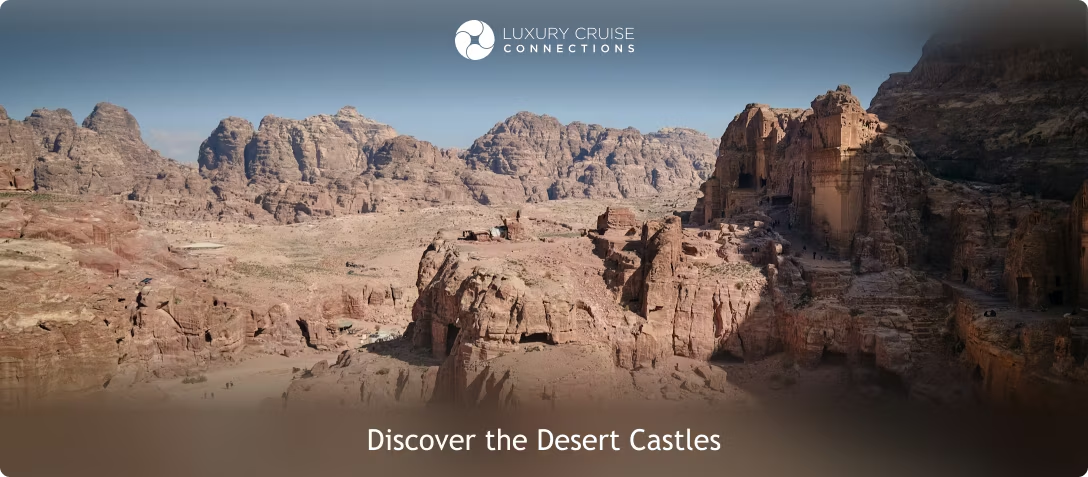
  • Discover the Desert Castles and explore Qasr Amra, Qasr Kharana, and Qasr al-Mushatta

    The Desert Castles are early Islamic structures built during the Umayyad period in the 7th and 8th centuries. Rulers used the complexes as seasonal residences and administrative centers. The castles stand across the eastern desert plains outside Amman. Architectural styles reflect early Islamic artistic development.
    Discover the Desert Castles and explore Qasr Amra, Qasr Kharana, and Qasr al-Mushatta

    Qasr Amra contains interior frescoes depicting courtly life and zodiac imagery. Qasr Kharana presents a fortified rectangular design rising from the desert floor. Qasr al-Mushatta features a carved stone façade showcasing geometric patterns. The castles reveal different aspects of Umayyad craftsmanship.

    Travelers walk through quiet courtyards surrounded by open desert. Visitors examine painted ceilings and carved details up close. Guides describe the political and cultural context of the Umayyad dynasty. The remote setting creates a sense of isolation and history.

    October to April reduces exposure to intense desert heat.

    Private drivers arrange combined castle itineraries.

    Entry fees range from [$2–$5] per site.


What are the Most Popular Tourist Attractions in Jordan?

The most popular tourist attractions in Jordan are listed below.

  • Petra
  • Wadi Rum
  • Dead Sea
  • Amman Citadel
  • The Jordan River
  • Petra

    Petra is an ancient city carved into red sandstone cliffs. The most iconic feature is Al-Khazneh, the Treasury, which is a breathtaking example of rock-cut architecture. Visitors navigate the Siq, a narrow canyon, to reach the historical marvel. The city was once the thriving capital of the Nabataean Kingdom, offering a glimpse into Jordan’s rich past.
    Petra
  • Wadi Rum

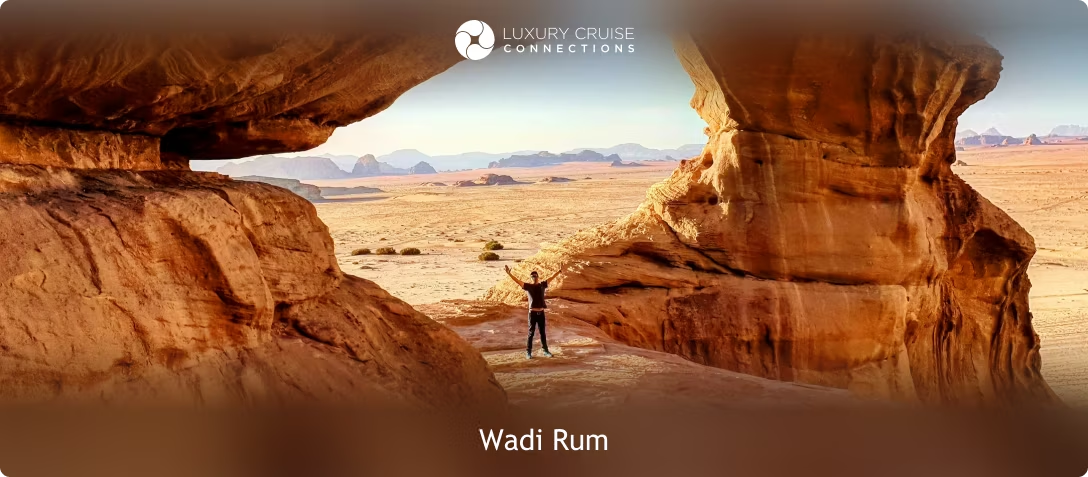
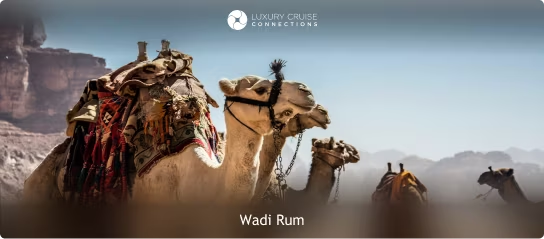
    Wadi Rum is a vast desert known for its striking sandstone mountains and expansive, empty landscapes. It attracts visitors with jeep tours, camel rides, and stargazing under the desert sky. The desert is also the backdrop of many films, adding to its cinematic allure. Bedouin tribes live in the area, offering a chance to explore the region’s culture and traditions.
    Wadi Rum
  • Dead Sea

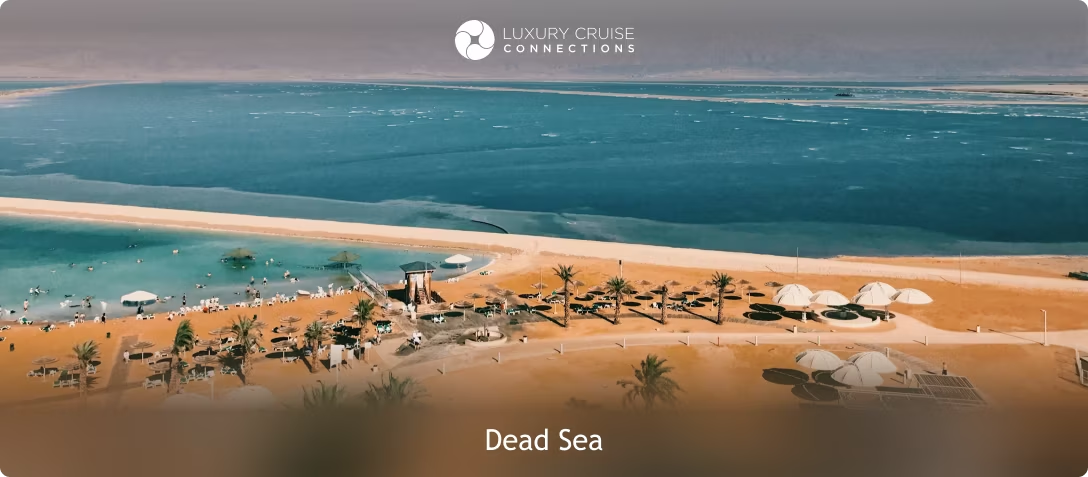
    Desert landscape, natural beauty, Bedouin culture, outdoor adventure. Dead Sea: The Dead Sea is the lowest point on Earth, famous for its hypersaline waters. Visitors float effortlessly on the surface due to the high salt concentration. The surrounding area is a popular spot for health and wellness, with mineral-rich mud known for its skin benefits. The region's unique geology makes it a fascinating place to explore.
    Dead Sea
  • Amman Citadel

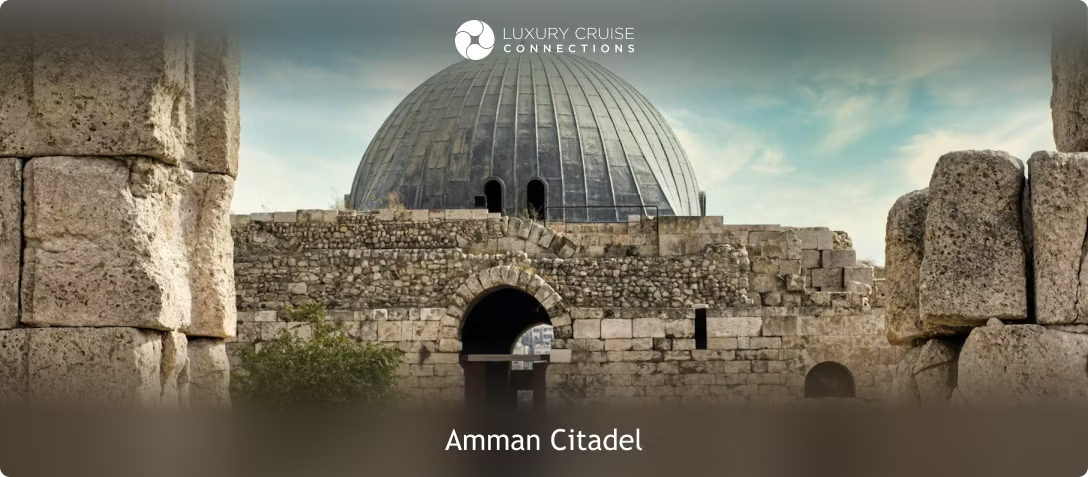
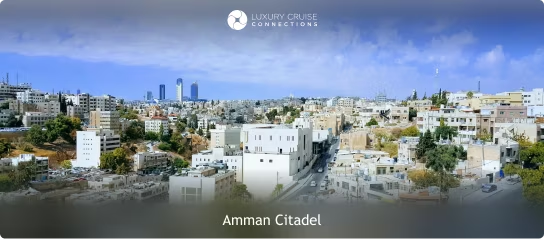
    The Amman Citadel sits atop Jebel al-Qala'a, offering panoramic views of the city. The site contains ruins from multiple historical periods, including Roman, Byzantine, and Umayyad. Visitors can explore the Temple of Hercules, the Umayyad Palace, and the Archaeological Museum. The Citadel holds significant archaeological and cultural value, making it a must-see for history enthusiasts.
    Amman Citadel
  • The Jordan River

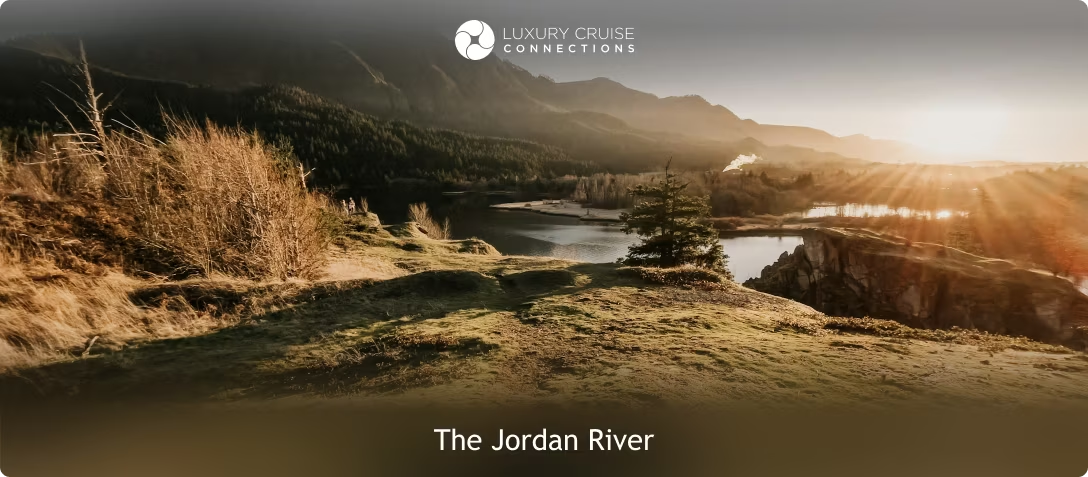
    The Jordan River is a sacred waterway in both Christian and Jewish traditions. Visitors often visit the Baptism Site of Jesus Christ, a major pilgrimage destination. The river has played a central role in biblical history and is a peaceful place for reflection. Its waters are a significant symbol for many people of faith.
    The Jordan River


What are the Best Spots for Scenic Views in Jodran?

The best spots of scenic views in Jordan are listed below.


What Are the Best Hiking Spots Near Jordan’s Cruise Ports?

The best hiking spots near Jordan’s cruise ports are listed below.


What are the Best Things to Do in Jordan for First-Time Visitors?

The best things to do in Jordan for First-Time visitors are listed below.

Petra is an ancient city known for its rock-cut architecture and history. First-time visitors can explore the Siq, a narrow gorge, which leads to the iconic Treasury. The Monastery, high in the hills, offers a challenging but rewarding hike with panoramic views. Petra offers a glimpse into Jordan’s rich past, making it a must-see for anyone visiting the country for the first time.
The Dead Sea is famous for its high salinity, allowing visitors to float effortlessly on the water. First-time visitors can experience the therapeutic benefits of the mineral-rich mud found along the shores. The sea sits at the lowest point on Earth, making it a unique and surreal experience. The calm waters and relaxing environment make the Dead Sea a perfect spot for unwinding.
Wadi Rum offers a stunning desert landscape with vast sand dunes and towering sandstone mountains. First-time visitors can take jeep tours or camel rides to explore the natural beauty of the desert. The area has a rich history, with ancient petroglyphs and the remains of old Bedouin camps. The tranquil desert atmosphere provides a peaceful escape for those seeking adventure.
The Amman Citadel is a historical hilltop site that offers spectacular views of the city. First-time visitors can explore ruins from multiple ancient civilizations, including the Temple of Hercules and the Umayyad Palace. The site provides a glimpse into Jordan’s long history while enjoying the panoramic views of the capital.
The Dead Sea beaches provide a tranquil and unique experience, perfect for first-time visitors. Visitors can relax on the shores while enjoying the therapeutic benefits of the salt-rich waters. The region is known for its natural beauty, offering an easy way to unwind and enjoy the serene atmosphere.

What Historical Sites Can You Visit in Jordan?

Jordan is home to several significant historical sites that offer insight into its rich past. Petra, an ancient city carved into red sandstone cliffs, is one of the most iconic archaeological locations. The city was once the capital of the Nabataean Kingdom and is home to remarkable structures like Al-Khazneh (the Treasury) and the Roman Theater. Amman Citadel, situated in the heart of the capital, contains ruins from the Roman, Byzantine, and Umayyad periods, including the Temple of Hercules and the Umayyad Palace. Jerash, an ancient Roman city, showcases impressive ruins like Hadrian's Arch and the Roman Theater, providing a glimpse into Roman urban planning. Madaba is known for its ancient mosaics, including the 6th-century Madaba Map, while Mount Nebo, a significant religious site, offers panoramic views of the Jordan Valley and is believed to be where Moses saw the Promised Land.

The Jordan River is another important historical site, particularly for its biblical significance as the location of Jesus Christ's baptism. The Baptism Site of Jesus Christ remains a key pilgrimage destination. Qasr al-Kharrana, an ancient desert castle, provides insight into the region's strategic importance during the Umayyad period. The castle's thick walls, defensive towers, and enclosed courtyard reveal the historical significance of the area as a crossroads for trade routes and empires. Each of the sites plays a crucial role in understanding Jordan's rich cultural and religious heritage.

Are there Unique Jordanian Drinks and Food to Try After a Cruise Trip?

Jordan offers a variety of unique food and drinks that are perfect to try after a cruise trip. Mansaf is the national dish, made with lamb, rice, and a rich yogurt sauce called jameed. The dish is a must-try for its deep cultural significance and flavorful combination of ingredients. Another popular dish is Maqluba, a rice and vegetable dish typically made with chicken or lamb, cooked in a pot and flipped upside down before serving.

Jordan is also known for its drinks. One to try is Jallab, a refreshing drink made from dates, grape molasses, and rose water, often served with pine nuts. Another is Tamar Hindi, a sweet and tangy tamarind drink that’s popular during hot weather. For a more traditional experience, Arabic coffee (qahwa) is served to guests, flavored with cardamom and sometimes saffron. Arabic c0offee drinks and dishes offer a great way to experience Jordan’s culinary heritage after a cruise trip.

Are there Fun Things to do in Jordan?

Yes, there are fun things to do in Jordan. The country offers a variety of activities that cater to different interests, from exploring historical sites to outdoor adventures. For example, first-time visitors can enjoy hiking in Petra or floating in the Dead Sea. Wadi Rum provides thrilling desert experiences like jeep tours, camel rides, and stargazing. Jordan is also home to vibrant cities like Amman, where you can experience the local culture, cuisine, and markets. Whether you’re into history, nature, or adventure, Jordan has something for everyone. The fun things to do in Jordan make it an exciting destination for travelers seeking relaxation and exploration.

Best Things to Do Around the World

Discover the best activities, landmarks, and experiences in every cruise destination and port of call.

Europe Western, Central & Mediterranean
America North, Central, South & Caribbean
Africa & Asia Oceania & Antarctica