10 Best Things to Do in Israel

The 10 best things to do in Israel involve visiting ancient religious sites, floating in saline lakes, and exploring mod...

add

The 10 best things to do in Israel involve visiting ancient religious sites, floating in saline lakes, and exploring modern coastal cities. Visiting the holy sites of Jerusalem, exploring the Red Sea at Eilat, and touring the Baháʼí Gardens in Haifa are top activities. Israel contains a diverse landscape with a rich ancient history, modern megacities, and varied geography. Travelers looking for a mix of spiritual heritage and contemporary lifestyle find unique experiences across the region. Options for adventure range from desert safaris in the Negev to hiking in the Galilee. Visitors choosing destinations experience a blend of tradition, religious significance, and vibrant urban culture. Every region provides a different perspective on the history of the land. Specific sites like the Western Wall offer glimpses into the biblical past while other places (Sea of Galilee) showcase natural wonders. The compact geography ensures a wide range of activities for every type of visitor. Cultural festivals provide immersive encounters with local traditions and regional crafts. Travelers looking for global experiences find many things to do in Israel. Historic landmarks represent places to visit in Israel. Ancient ruins characterize Israel places to visit.

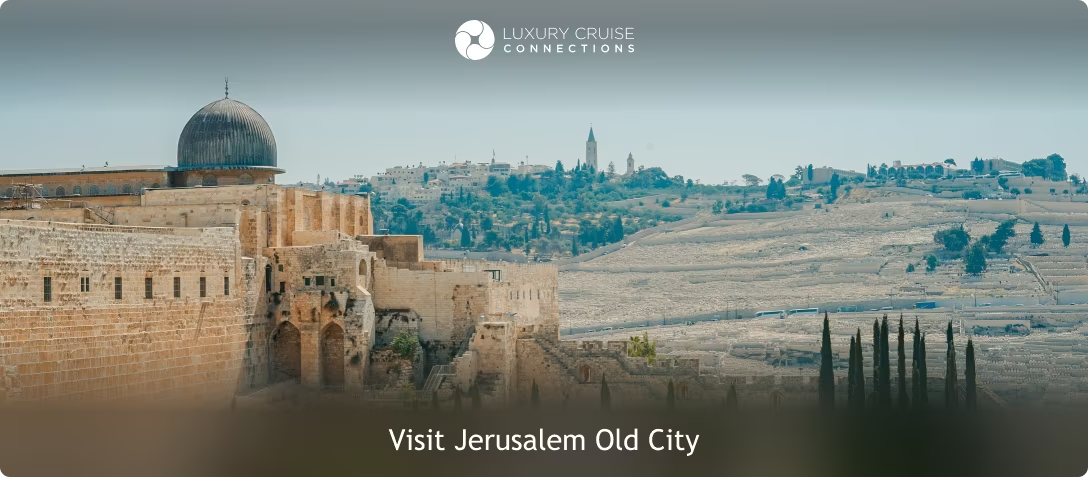
  • Visit Jerusalem Old City
  • Relax on Tel Aviv Beaches
  • Float in the Dead Sea
  • Explore Masada
  • Tour the Sea of Galilee
  • See the Baháʼí Gardens
  • Hike the Negev Desert
  • Discover Acre
  • Dive in Eilat
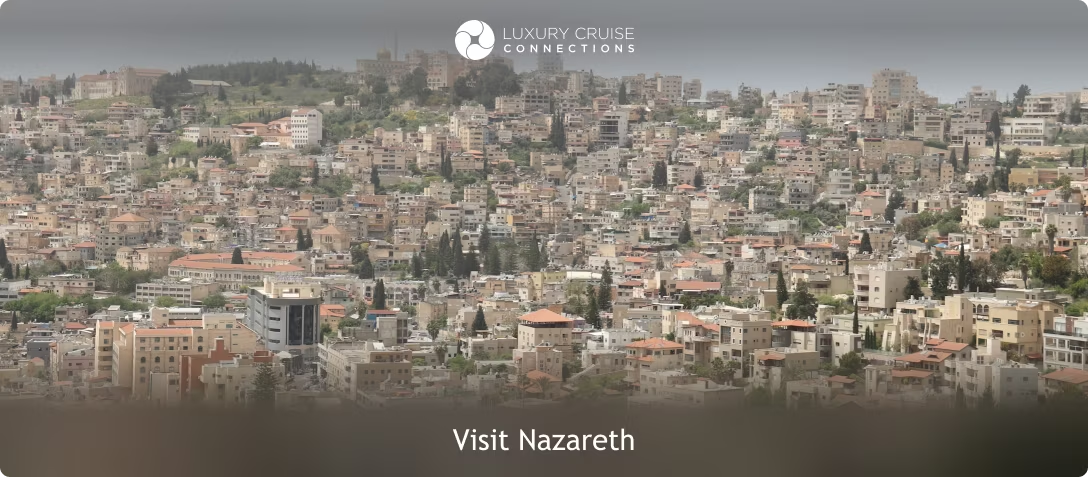
  • Visit Nazareth
  • Visit Jerusalem and explore the Old City

    Jerusalem is an ancient city in the Judean Mountains located between the Mediterranean and the Dead Sea. The Old City is a walled area containing major religious sites for multiple world faiths. It is one of the most significant spiritual centers on the planet.
    Visit Jerusalem and explore the Old City

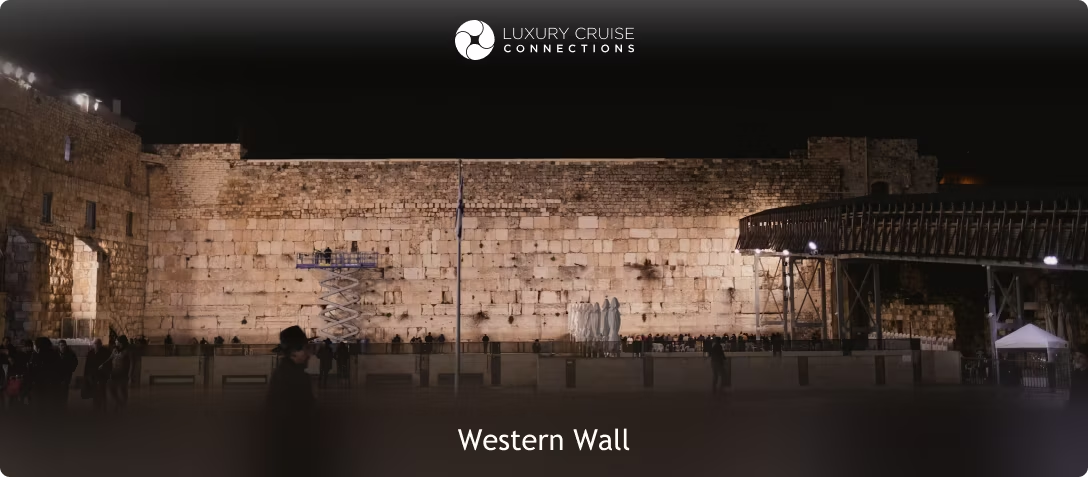
    The Western Wall stands as a remnant of the Second Temple and is a sacred site for prayer. The Church of the Holy Sepulchre marks the traditional location of the crucifixion and burial of Jesus. Dome of the Rock features an iconic golden dome visible from across the city skyline.

    Visitors walk through the narrow stone alleys of the four quarters to hear the call to prayer and church bells. Street markets sell local spices, textiles, and religious artifacts in the Muslim Quarter. Pilgrims touch the ancient stones while following the traditional stations of the Cross.

    Spring months (March to May) offer pleasant temperatures for walking.

    Licensed historical guides are available for hire at the Jaffa Gate.

    Entry to the Old City is free, while specific museums cost [10-15].

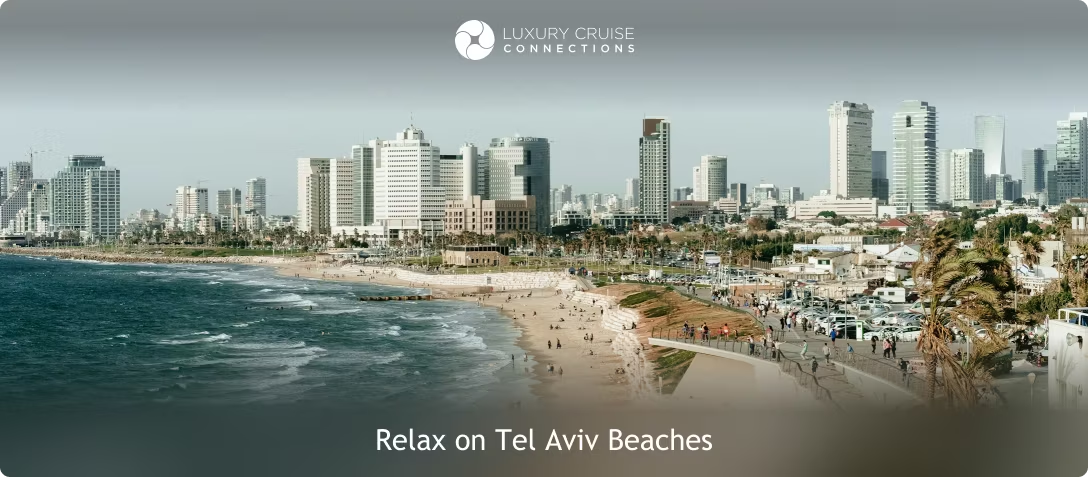
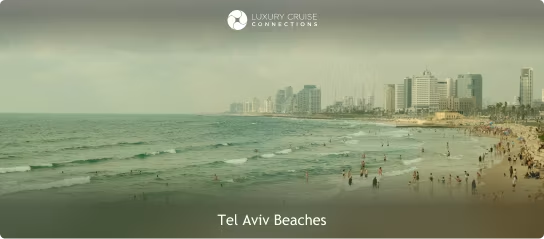
  • Discover Tel Aviv’s beaches, nightlife, and cultural scene

    Tel Aviv is a modern metropolis located on the Mediterranean coast of Israel. The city is known for its Bauhaus architecture, vibrant social life, and growing tech industry. It represents the cosmopolitan side of the nation.
    Discover Tel Aviv’s beaches, nightlife, and cultural scene

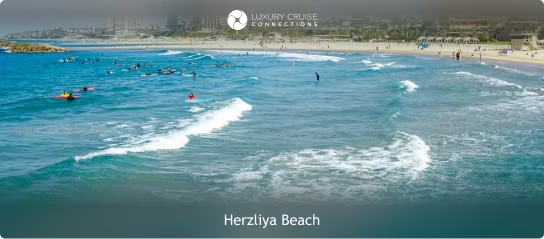
    The White City contains over 4,000 buildings constructed in the Bauhaus style and is a UNESCO World Heritage site. Sandy beaches like Gordon and Hilton offer space for relaxation and water sports. Carmel Market is a bustling center for fresh food and local crafts.

    Travelers enjoy the sun on the Mediterranean shore before visiting the art galleries in Neve Tzedek. Nightlife districts provide diverse dining and entertainment options after sunset. The Jaffa port area offers a look at ancient stone structures and local fishing traditions.

    Summer months (June to August) are ideal for beach activities.

    Walking tours of the White City depart from the Bauhaus Center.

    Most public beaches are free for all visitors.

  • Float in the Dead Sea

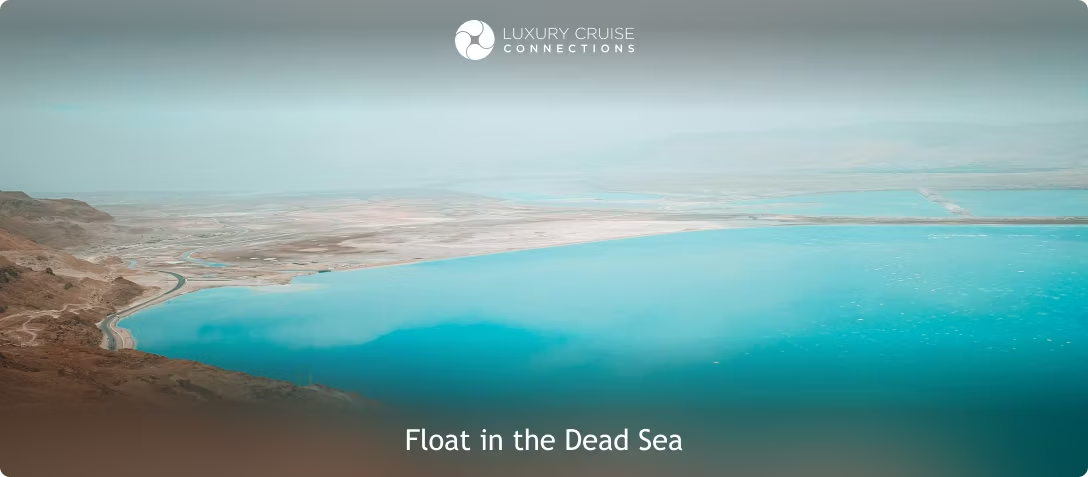
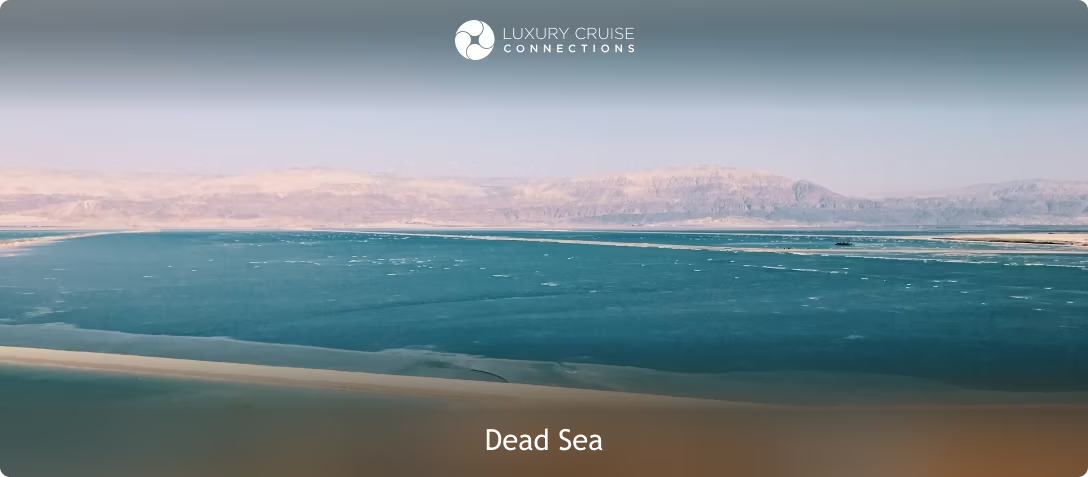
    The Dead Sea is a salt lake bordered by Jordan to the east and Israel to the west. It is the lowest point on earth and possesses a salt concentration nearly ten times that of the ocean. The unique environment makes life for fish or plants impossible.
    Float in the Dead Sea

    Mineral rich mud found along the shore is used for natural skin treatments. High salinity levels create a buoyancy that allows people to float without any effort. Thermal springs and nature reserves like Ein Gedi sit near the shoreline.

    Swimmers lean back to find themselves suspended on the surface of the dense water. The dry air and low UltraViolet radiation provide a therapeutic environment for visitors. Salt formations create white sculptures along the turquoise shoreline.

    Autumn months (September to November) offer mild air temperatures.

    Resort staff provide instructions for safe floating techniques.

    Entry to private beaches costs [15-25].

  • Explore the ancient fortress of Masada

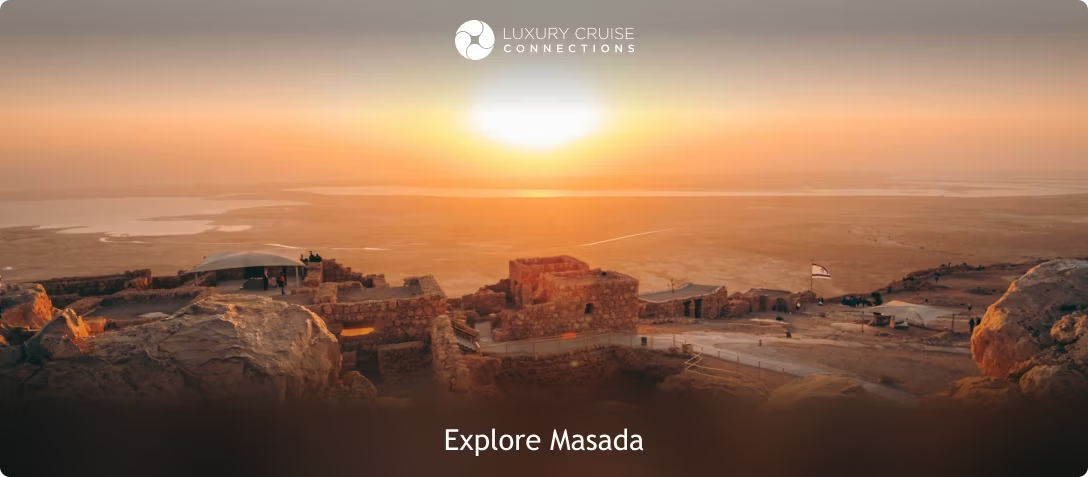
    Masada is a rugged natural fortress situated on a rock plateau overlooking the Dead Sea. King Herod the Great built palaces and fortifications on the mountain around 30 BCE. The site is a symbol of determination and historical struggle.
    Explore the ancient fortress of Masada

    The Northern Palace features three levels of terraces built into the cliff face. A Roman siege ramp remains visible as a testament to the ancient battle. The synagogue and bathhouses display well-preserved mosaics and wall paintings.

    Travelers reach the summit by cable car or by hiking the Snake Path at sunrise. Views of the Judean Desert and the Dead Sea appear from the fortress ramparts. Historical artifacts found during excavations are displayed in the on-site museum.

    Winter months (December to February) are best for hiking to avoid the heat.

    Audio guides explain the history of the Jewish rebels.

    Entry and cable car tickets cost [20-30].

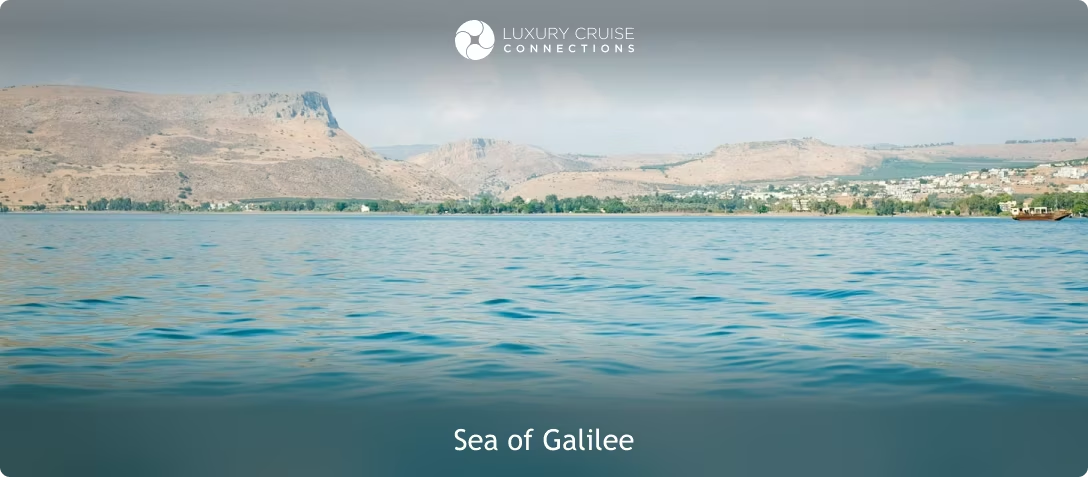
  • Visit the Sea of Galilee and surrounding biblical sites

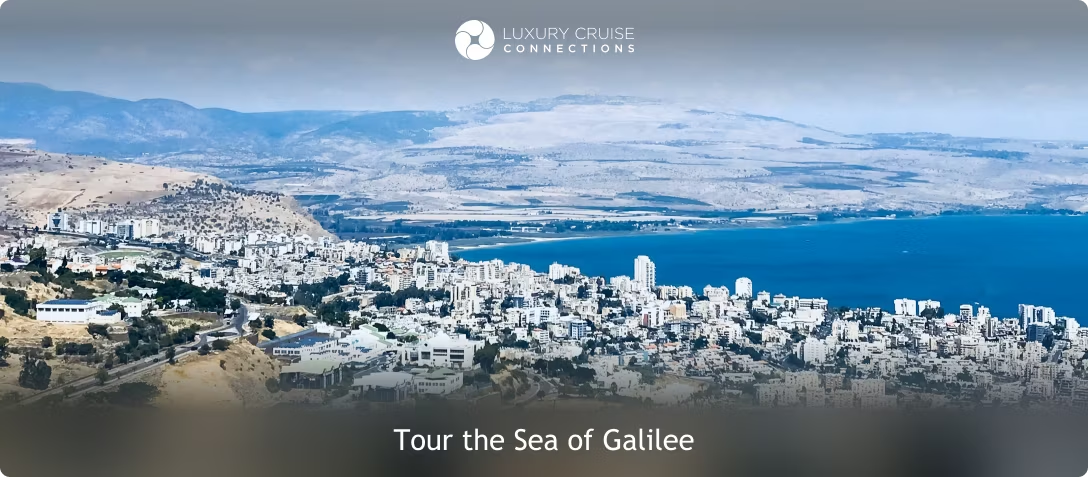
    The Sea of Galilee is a large freshwater lake located in the northern Jordan Valley. It is a central location for historical narratives and modern water resources. Lush hills and fertile plains surround the water.
    Visit the Sea of Galilee and surrounding biblical sites

    Capernaum contains the ruins of an ancient synagogue and a house believed to belong to Peter. Mount of Beatitudes offers a quiet space with gardens and views of the lake. Tabgha features a church with a famous 5th century mosaic of fish and bread.

    Visitors take boat rides on the calm water to see the surrounding Golan Heights. Walking trails connect various archaeological sites along the shoreline. Local restaurants serve traditional fish caught directly from the lake.

    Spring months (March to May) feature blooming wildflowers in the hills.

    Group tours focus on historical and religious contexts of the region.

    Entry to most archaeological parks costs [5−10].

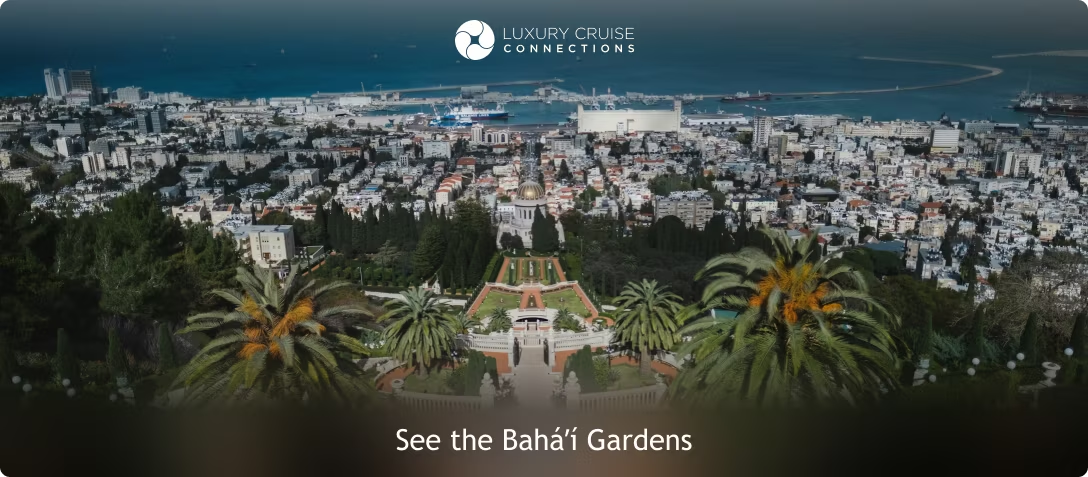
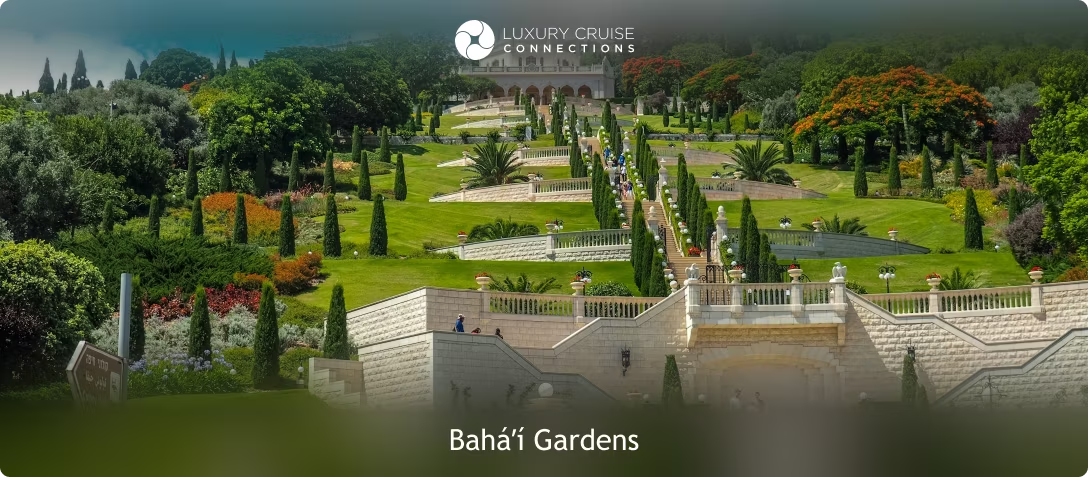
  • Discover Haifa and the Baháʼí Gardens

    Haifa is the largest city in northern Israel and is built on the slopes of Mount Carmel. It is known for its industrial port and religious diversity. The city is the global center for the Baháʼí Faith.
    Discover Haifa and the Baháʼí Gardens

    The Baháʼí Gardens consist of 19 terraces descending the mountain with symmetrical lawns and floral displays. The German Colony at the base of the gardens features restored 19th century stone houses. Stella Maris Monastery offers views of the Mediterranean Bay.

    Walking tours lead visitors through the manicured terraces while providing views of the harbor below. The atmosphere in the gardens is quiet and reflective. The port area offers diverse culinary options influenced by Mediterranean traditions.

    Spring months (April to June) provide the best flower blooms.

    Free guided tours of the inner gardens are available with reservations.

    Entry to the main gardens is free.

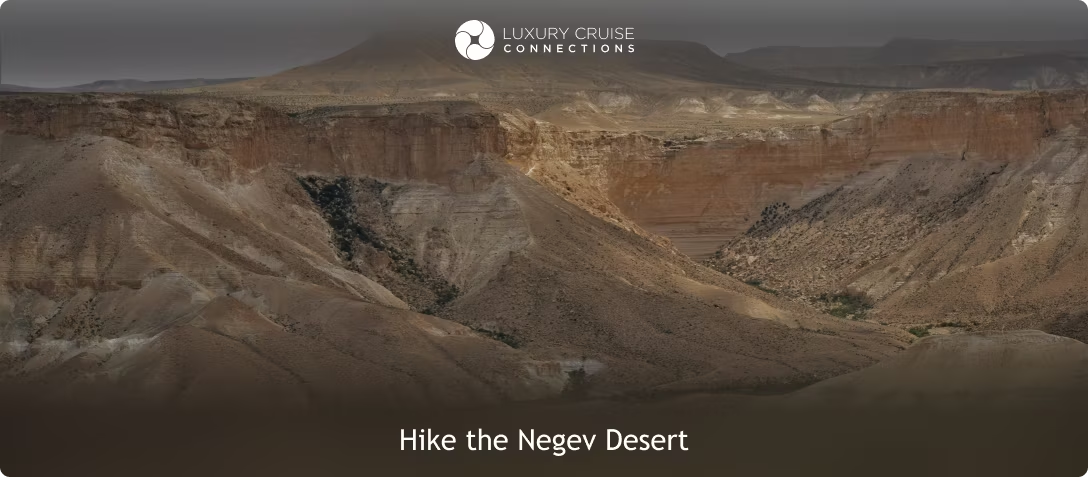
  • Explore the desert landscapes of the Negev

    The Negev is a desert region covering more than half of Israel's total land area in the south. It features rocky mountains, deep craters, and ancient nomadic routes. The landscape is characterized by its raw natural power.
    Explore the desert landscapes of the Negev

    Makhtesh Ramon is a massive erosion crater with unique geological formations. Timna Park contains red sandstone formations and the world’s oldest copper mines. Shivta is a ruined Byzantine city located on the ancient Incense Route.

    Travelers participate in jeep safaris to spot wild ibex and other desert animals. Stargazing in the remote areas provides clear views of the sky away from city lights. Bedouin hospitality centers offer traditional tea and insights into nomadic life.

    Autumn months (October to November) are pleasant for desert exploration.

    Specialized desert guides lead treks through the craters.

    National park entry fees cost [8−15].

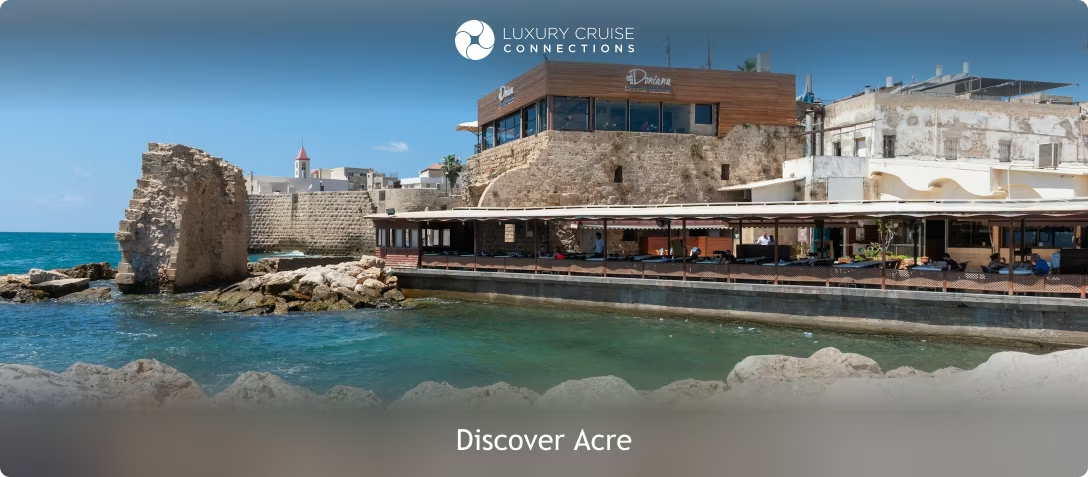
  • Visit Acre (Akko) and its Crusader history

    Acre is a historic port city on the northern coast of the Mediterranean. It contains well preserved ruins from the Crusader and Ottoman periods. The city is a UNESCO World Heritage site with a long maritime history.
    Visit Acre (Akko) and its Crusader history

    The Knights’ Halls are underground stone chambers used by the Hospitaller Order. The Templar Tunnel connects the fortress to the harbor. Al Jazzar Mosque is a grand example of Ottoman architecture with a green dome.

    Visitors wander through the busy market alleys to taste local hummus and sweets. Walking along the sea walls provides a view of the Mediterranean waves. The underground tunnels offer a cool path through the history of the city.

    Spring months (April to May) offer mild coastal weather.

    Multi language audio guides are provided at the ticket office.

    Entry to the Crusader citadel costs [12−18].

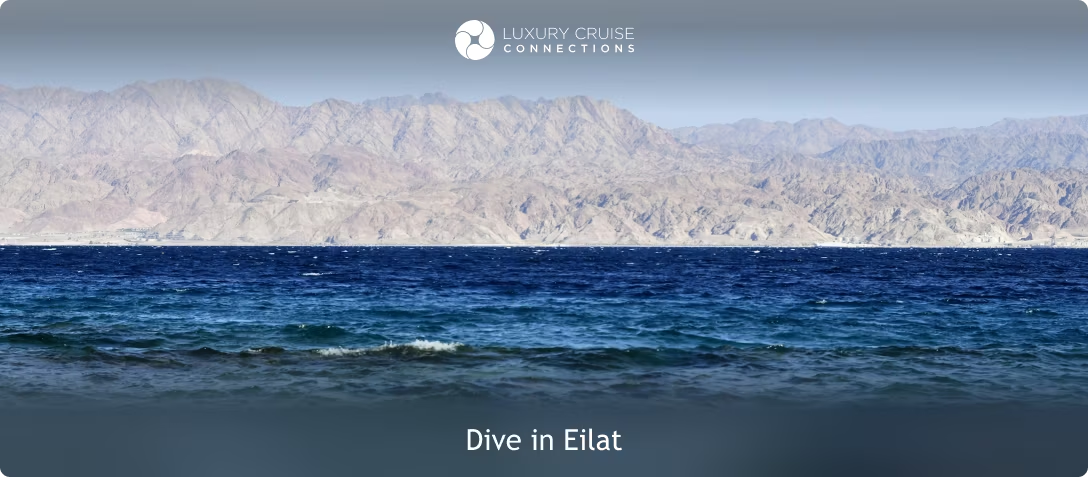
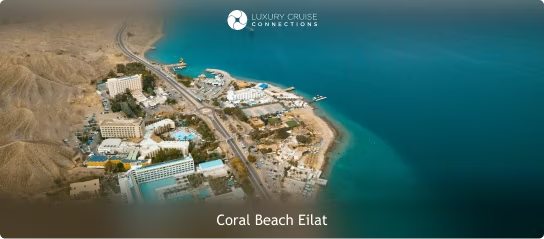
  • Experience Eilat and the Red Sea for snorkeling and diving

    Eilat is a resort city located at the southern tip of Israel on the Red Sea. It is a popular destination for sun seekers and underwater enthusiasts. The city sits between the sea and the desert mountains.
    Experience Eilat and the Red Sea for snorkeling and diving

    Coral Beach Nature Reserve offers snorkeling paths among vibrant coral gardens and tropical fish. The Underwater Observatory Marine Park features a tower for viewing the reef without getting wet. Dolphin Reef allows visitors to observe and swim with dolphins in a natural habitat.

    Divers explore the clear blue water to see rays and sea turtles. Tax free shopping malls provide a break from the desert heat. Sunsets over the Eilat Mountains create a golden glow over the water.

    Autumn months (September to November) have perfect water temperatures.

    Dive centers offer courses for all levels of experience.

    Marine park entry costs [$10−$20].

  • Explore Nazareth and its historical and religious landmarks

    Nazareth is the largest Arab city in Israel and is located in the Lower Galilee. It is historically significant as the childhood home of Jesus. The city combines ancient religious sites with a bustling modern market.
     Explore Nazareth and its historical and religious landmarks

    The Basilica of the Annunciation is a modern church built over an ancient grotto. St. Gabriel’s Church features an underground spring known as Mary’s Well. The Old City market offers traditional crafts, spices, and local textiles.

    Travelers walk through the narrow stone streets while hearing the call to prayer and church bells. Pilgrims visit various shrines associated with historical narratives. Traditional restaurants serve local Galilean dishes in historic stone buildings.

    Winter months (December to January) are festive during the holiday season.

    Walking tours explore the layers of history in the city center.

    Most churches are free to enter.


What are the Most Popular Tourist Attractions in Israel?

The most popular tourist attractions in Israel are listed below.

  • Western Wal
  • Dead Sea
  • Masada
  • Baháʼí Gardens
  • Sea of Galilee


Which Vacation Spots in Israel Are Best for Beach Lovers?

The best vacation spots in Israel for beach lovers are listed below.


What are the Best Things to Do in Israel for First-Time Visitors?

The best things to do in Israel for First-time visitors are listed below.

The route covers the most significant spiritual and historical sites. Travelers see the Western Wall, the Holy Sepulchre, and the historic markets
Travelers experience the unique buoyancy of the salt lake. Local mud treatments and scenic desert views characterize the visit.
Visitors ascend the mountain to see the ruins of the royal palace. History and desert vistas provide a memorable encounter.

What makes Israel a Beautiful Country to Visit?

Israel is a beautiful country to visit because its geography features extreme contrasts between green mountains and golden deserts. Massive limestone cliffs overlook the Dead Sea, while fertile valleys in the north produce abundant vineyards. Waterfalls drop over volcanic rocks in the Golan Heights into lush pools. Sandy beaches meet the white foam of the Mediterranean along the western coast. Geothermal springs and mineral lakes offer unique natural wonders in the Jordan Valley. Deep craters cut into the desert floor to provide dramatic views from high ridges. Crystal clear water flows through ancient springs and natural canyons. Wildflowers bloom in red and yellow across the hills during the spring months (March to May). Sunsets illuminate the white stone buildings of Jerusalem with a golden glow. Every region offers a different aesthetic, ranging from snowy peaks to coral reefs. The lack of vast forests emphasizes the raw beauty of the desert's geological formations. Natural beauty remains preserved in protected national parks and marine zones. Colors shift from deep reds to bright oranges based on the position of the sun. Glacial mountains in the far north hold snow that sparkles in the winter light.

How can I experience Local Culture in Israel?

You can experience local culture in Israel by participating in regional festivals and community traditions throughout the year. Travelers visit the Mahane Yehuda Market to taste authentic street food and local spices. Shabbat provides a look into the quiet transformation of cities as businesses close for the day of rest. Visitors eat traditional meals like falafel and shakshuka in local eateries to experience authentic flavors. Outdoor markets offer a glimpse into the daily life and crafts of the people in every region. Heritage walks through old cities reveal hidden synagogues and ancient mosques from different eras. Folk music performances and modern dance occur in cultural centers like the Suzanne Dellal Center. Travelers stay in a kibbutz to learn about collective living and agricultural traditions directly from residents. Local trains and light rails offer an authentic way to navigate the busy streets. Artisans demonstrate traditional pottery and jewelry-making skills in specialized workshops. Spirituality is felt by attending evening prayers at the Western Wall. Cultural immersion involves learning about the diverse languages and religions that define the nation.

Are there Activities in Israel Perfect for Families with Children?

Yes, there are activities in Israel perfect for families with children. The country offers a wide range of interactive museums and outdoor parks for young travelers throughout the year. Science museums in Haifa and Jerusalem feature hands on exhibits for children to explore modern technology. Animal parks and zoos provide opportunities for educational encounters with local wildlife in open habitats. Beaches along the Mediterranean offer shallow water and sandy shores for safe recreational play. National parks include tunnels and ancient ruins that function as adventure playgrounds for energetic children. Cultural workshops allow children to participate in traditional crafts and listen to local music. Families find diverse entertainment options in the major cities across the region. The compact geography makes it easy to visit multiple child-friendly sites in a single trip.

Are there Fun Things to Do in Israel for Outdoor Adventures?

Yes, there are fun things to do in Israel for outdoor adventures. The diverse terrain supports a variety of high energy activities for travelers looking for excitement. Northern mountains offer trails for hikers and mountain bikers looking for a physical challenge. Rivers in the Galilee provide opportunities for kayaking and rafting during the spring months (March to May). Coastal areas allow for surfing and windsurfing in the Mediterranean waters along the west coast. National parks host jeep safaris for observing rare desert animals in the south. Marine regions provide space for scuba diving and snorkeling in the Red Sea. Adventure parks offer rappelling and rock climbing in many different geological regions. Travelers find fun things to do in Israel.

Best Things to Do Around the World

Discover the best activities, landmarks, and experiences in every cruise destination and port of call.

Europe Western, Central & Mediterranean
America North, Central, South & Caribbean
Africa & Asia Oceania & Antarctica