10 Best Things to Do in India

The best things to do in India include exploring the Taj Mahal in Agra, wandering through the pink streets of Jaipur, an...

add

The best things to do in India include exploring the Taj Mahal in Agra, wandering through the pink streets of Jaipur, and cruising the backwaters of Kerala. Seeing the spiritual rituals in Varanasi, relaxing on the beaches of Goa, and trekking in the Himalayas are other top activities. India contains a vast expanse with a rich ancient history, modern megacities, and diverse landscapes. Travelers looking for a combination of cultural landmarks and natural beauty find unique experiences across the subcontinent. Options for adventure range from tiger safaris in national parks to exploring ancient rock-cut caves. Visitors choosing destinations experience a blend of tradition, spirituality, and vibrant urban life. Every region provides a different perspective on the heritage of the land. Specific sites (Taj Mahal) offer glimpses into the royal past, while others (Cruise the Kerala Backwaters) showcase natural wonders. The vast geography ensures a wide range of activities for every type of visitor. Cultural festivals provide exciting encounters with local traditions and regional crafts.

  • Visit the Taj Mahal in Agra
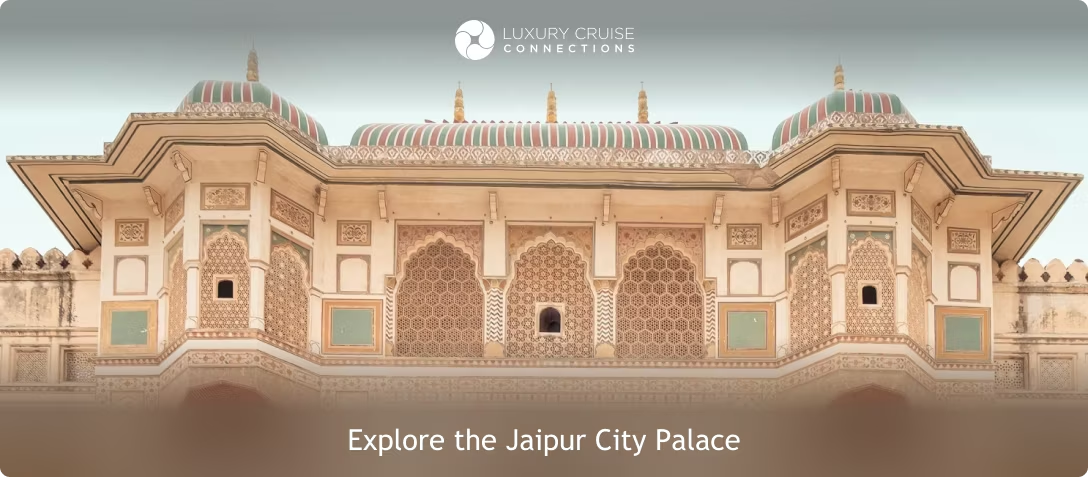
  • Explore the Jaipur City Palace
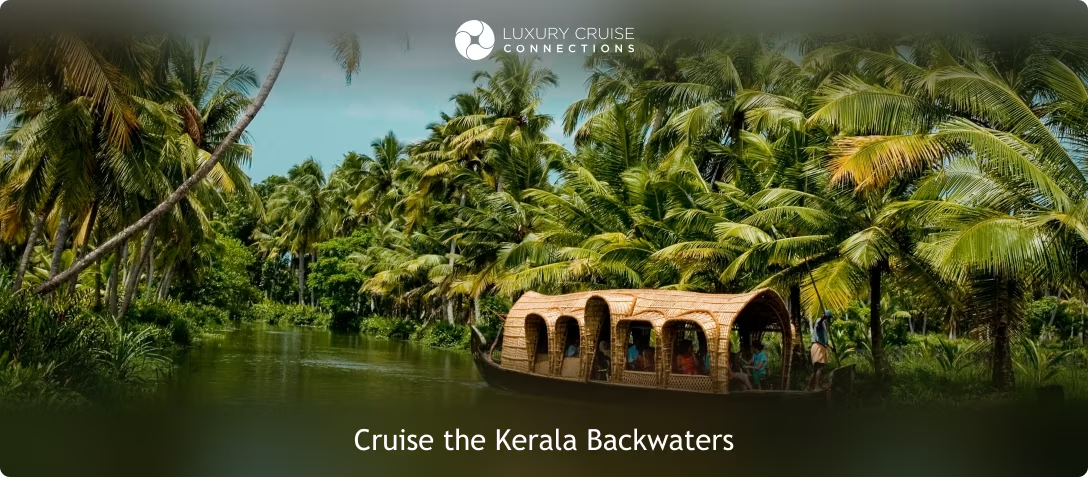
  • Cruise the Kerala Backwaters
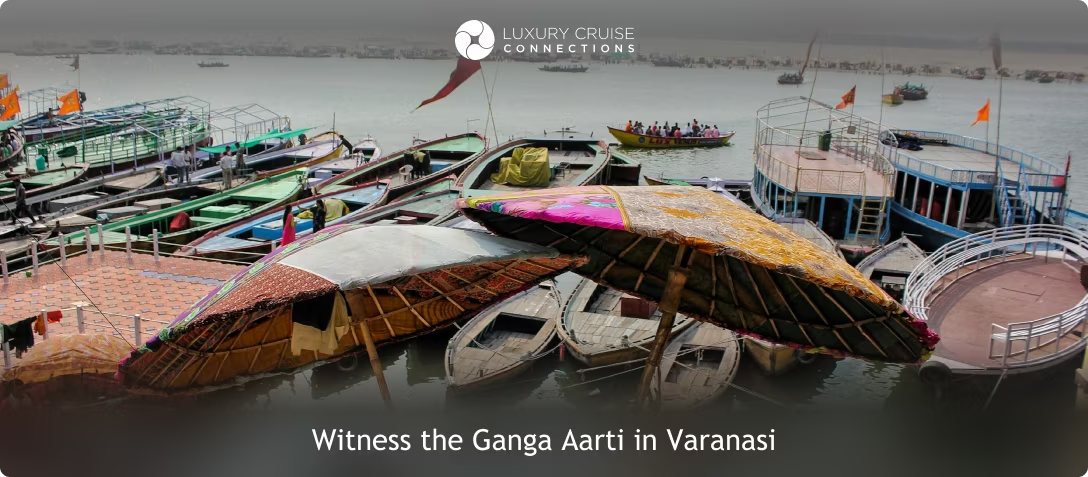
  • Witness the Ganga Aarti in Varanasi
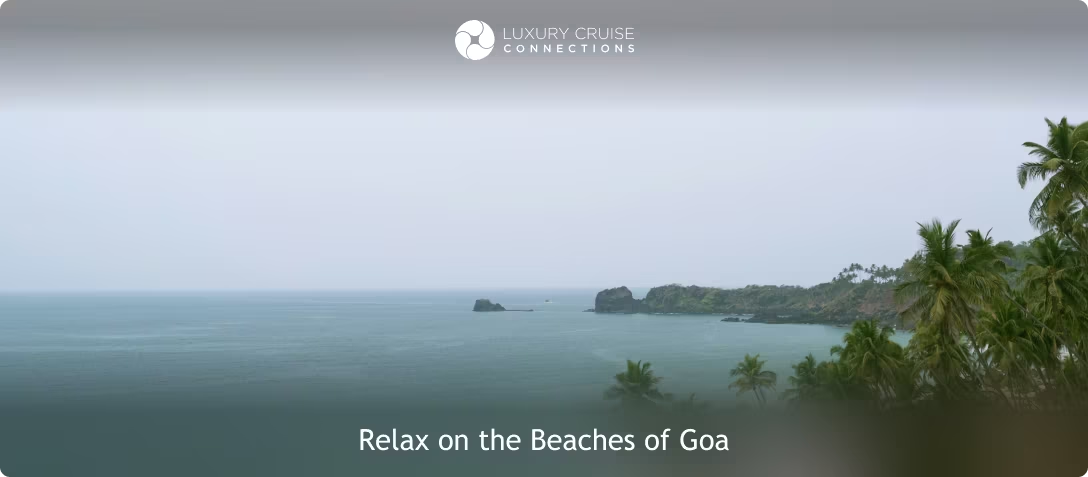
  • Relax on the Beaches of Goa
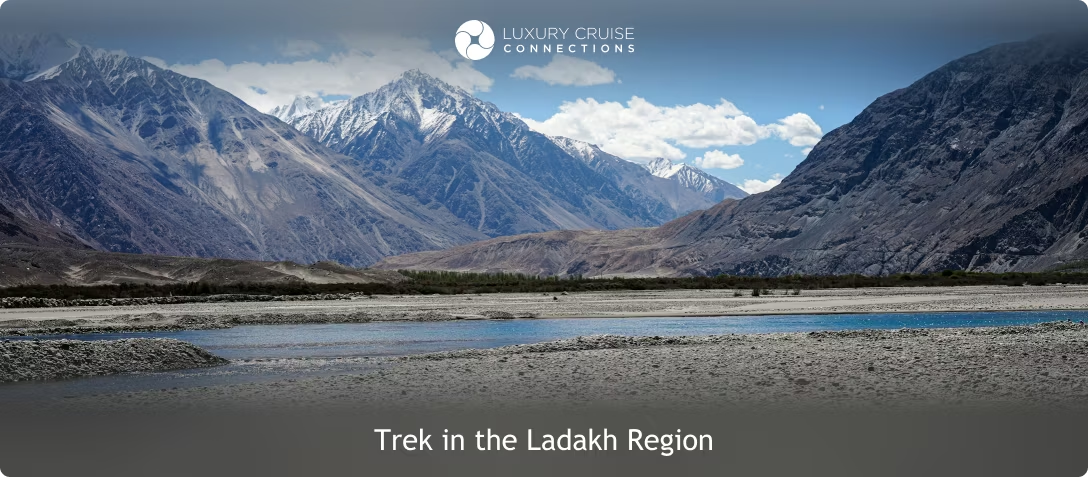
  • Trek in the Ladakh Region
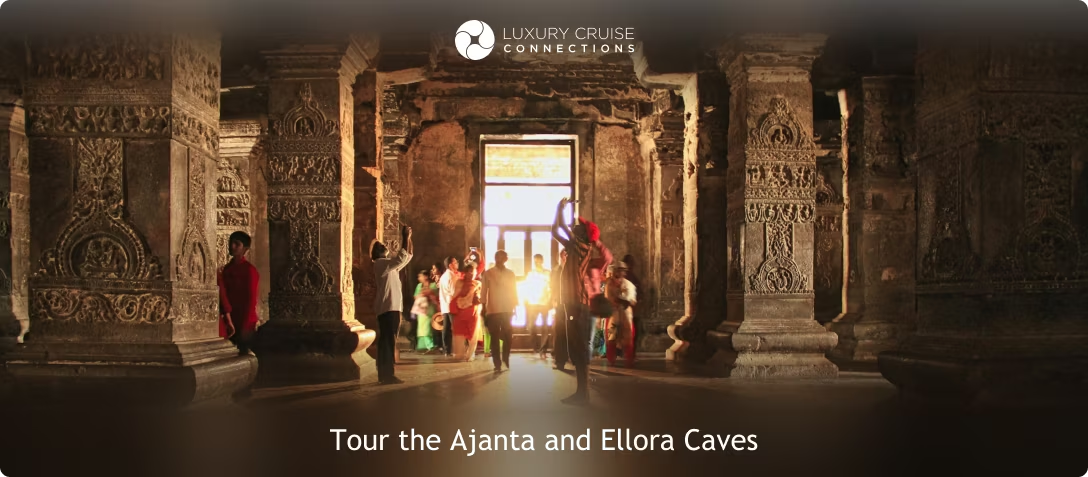
  • Tour the Ajanta and Ellora Caves
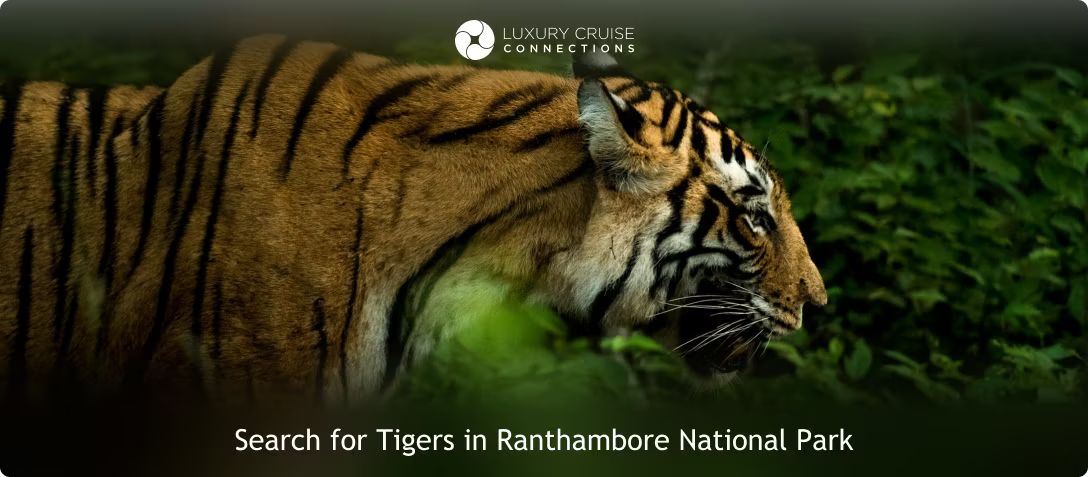
  • Search for Tigers in Ranthambore National Park
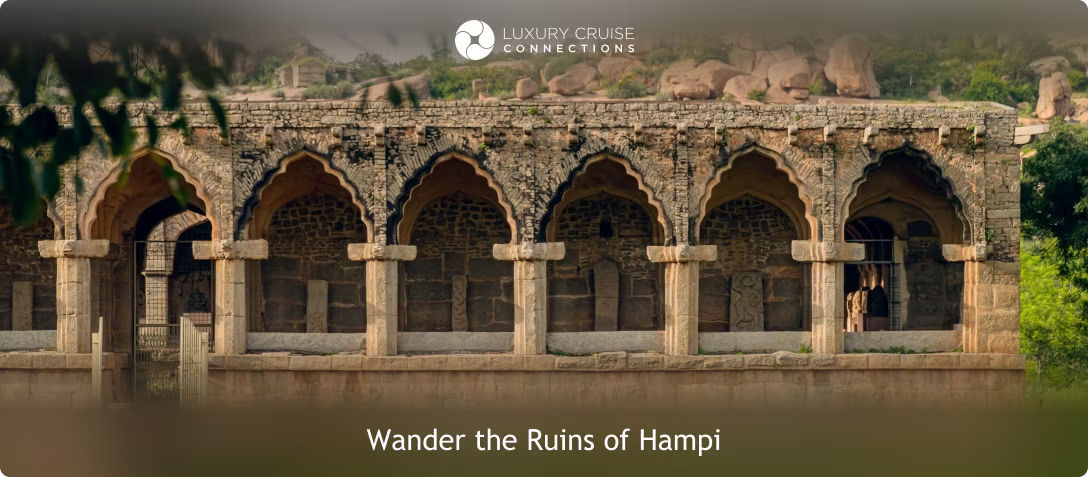
  • Wander the Ruins of Hampi
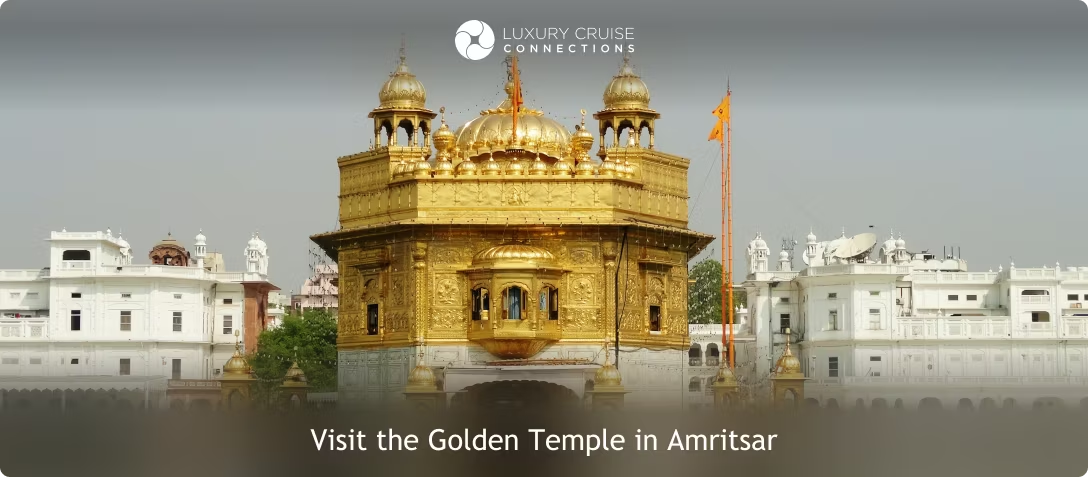
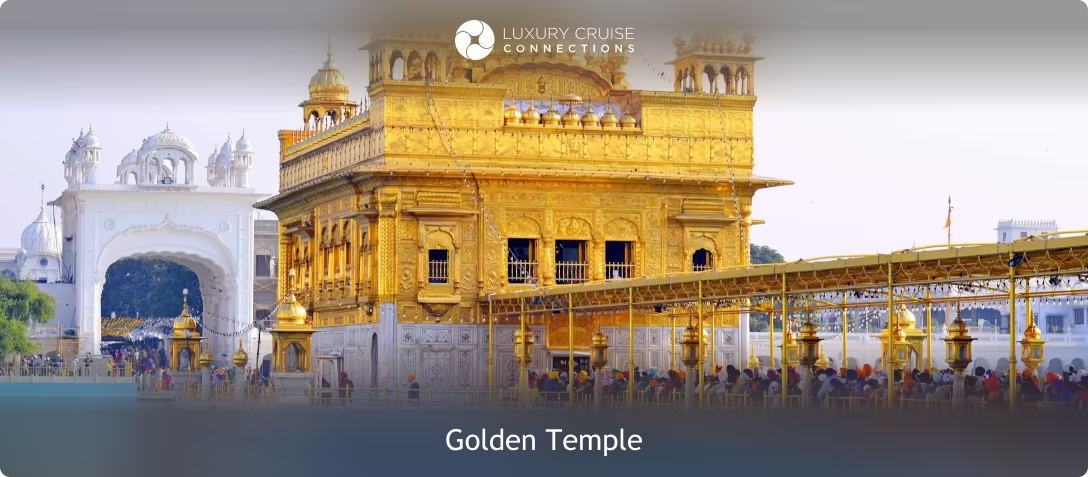
  • Visit the Golden Temple in Amritsar
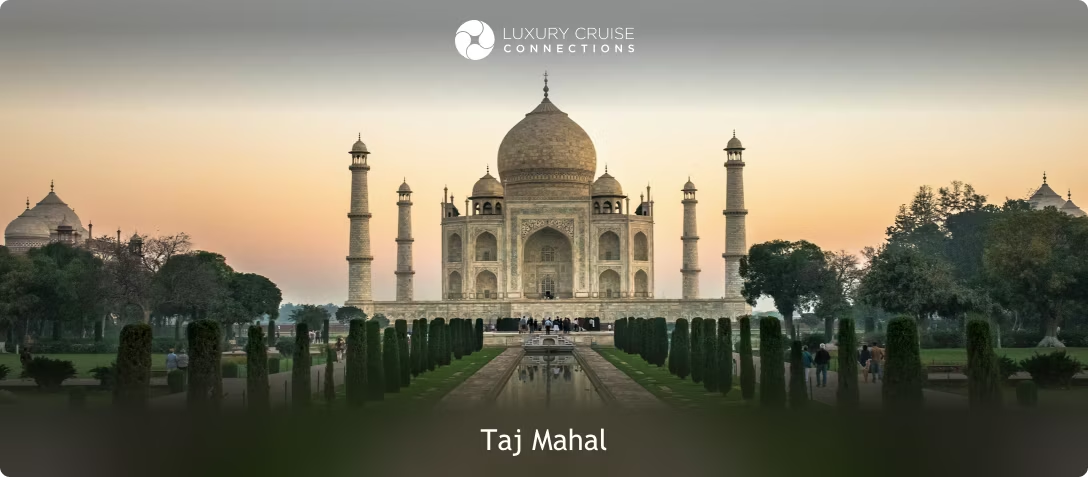
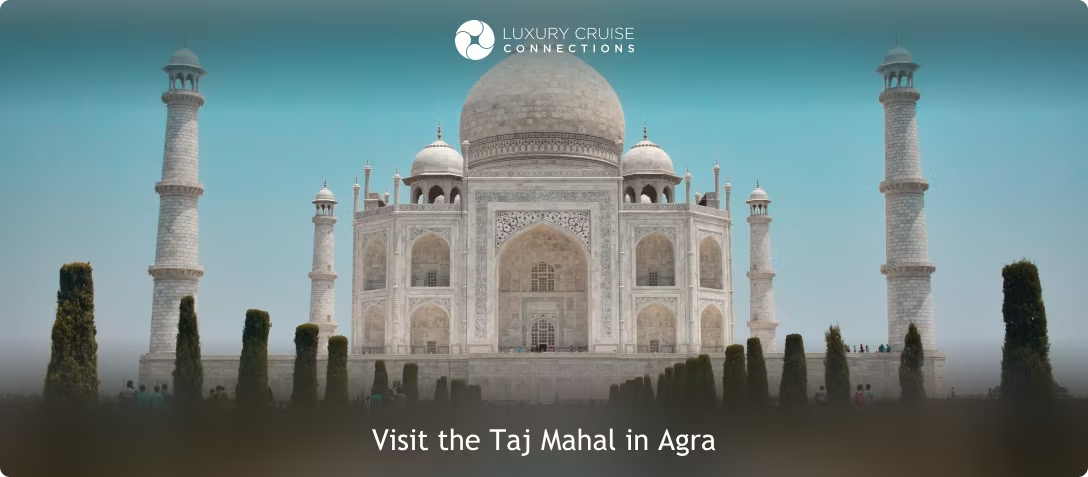
  • Visit the Taj Mahal, Agra-Iconic Monument of Love

    The Taj Mahal is a white marble mausoleum located in Agra. Emperor Shah Jahan commissioned the structure in memory of his wife Mumtaz Mahal. It represents the peak of Mughal architecture and is a UNESCO World Heritage site.
    Visit the Taj Mahal, Agra-Iconic Monument of Love

    The central tomb houses the cenotaphs of the royal couple beneath a massive dome. Intricate floral inlays and semi-precious stones decorate the interior marble walls. Reflection pools and symmetrical charbagh gardens frame the main structure perfectly.

    Visitors witness the marble changing colors at different times of the day. Sunrise offers a soft pink glow on the ivory-white facade. Sunset creates a golden hue over the river Yamuna. Walking through the grand red sandstone gateway reveals the scale of the monument.

    Winter months (October to March) offer cool and pleasant weather.

    Licensed guides wait near the entrance gates to offer historical context.

    Entrance tickets cost [$15-$20] for international tourists.

  • Explore Jaipur, Rajasthan-Grand Forts of the Pink City

    Jaipur is the capital of Rajasthan and is famous for its pink sandstone buildings. Rajasthan houses massive hill forts built by Rajput kings to protect their kingdoms. The structures reflect medieval military strength and royal luxury.
    Explore Jaipur, Rajasthan-Grand Forts of the Pink City

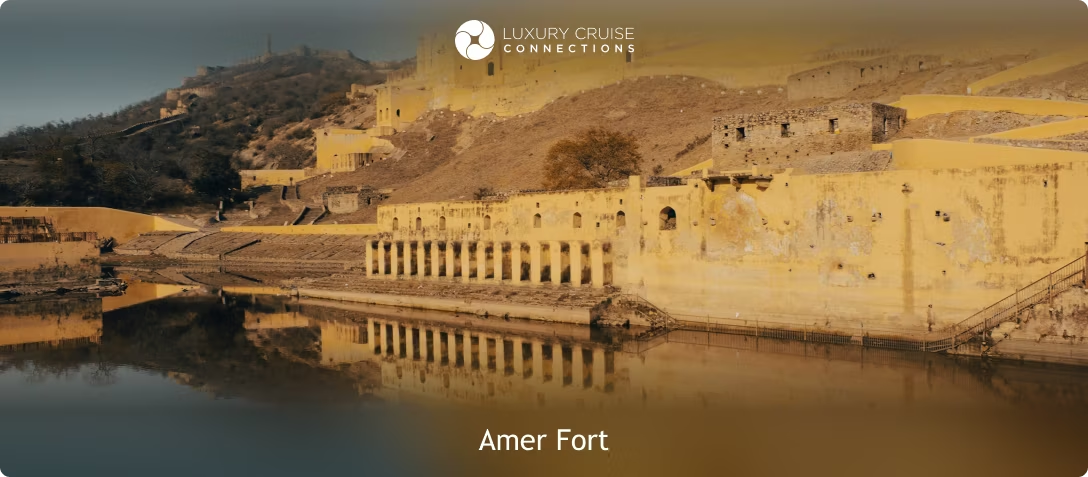
    Amer Fort features grand courtyards and the stunning Sheesh Mahal or Hall of Mirrors. Hawa Mahal stands with its unique honeycomb windows, used by royal ladies. Jantar Mantar is an ancient astronomical observatory with giant stone instruments.

    Travelers walk through expansive courtyards and royal chambers decorated with frescoes. Panoramic views of the Aravalli hills appear from the fort ramparts. Local markets in the Pink City sell colorful textiles and handmade jewelry nearby.

    Winter months (November to February) are pleasant for walking and exploring.

    Audio guides provide detailed information at Amer Fort and the City Palace.

    Entry fees for major forts range between [$5-$12] per site.

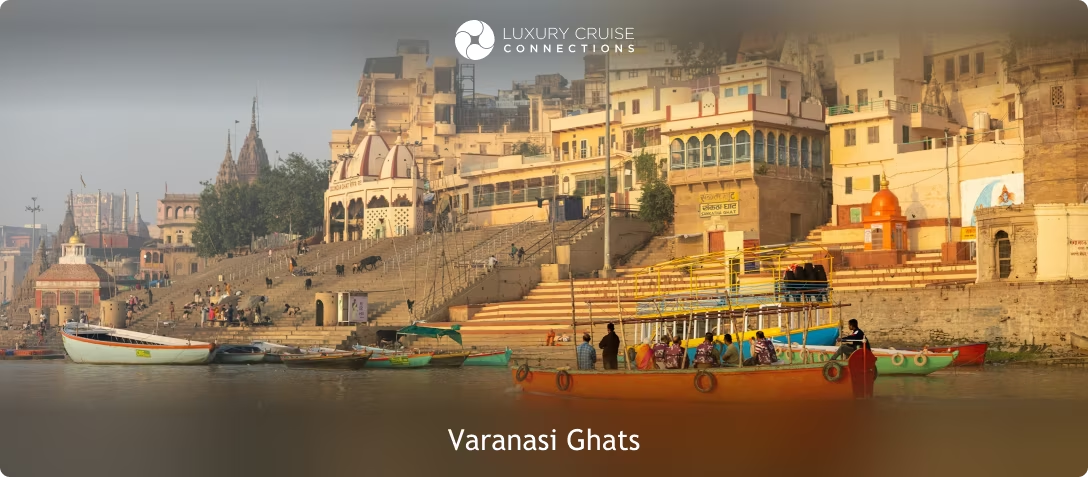
  • Experience Varanasi, Uttar Pradesh-Spiritual Heritage on the Ganges

    Varanasi is an ancient city located on the banks of the sacred river Ganges. It serves as a primary spiritual center for pilgrimage and traditional rituals. The city is one of the oldest continuously inhabited places in the world.
    Experience Varanasi, Uttar Pradesh-Spiritual Heritage on the Ganges

    Dashashwamedh Ghat hosts the evening Ganga Aarti ceremony with fire and lamps. Kashi Vishwanath Temple is a significant shrine dedicated to Lord Shiva. The riverfront steps provide a space for religious rites and meditation.

    Visitors take early morning boat rides to see devotees performing rituals. Narrow alleys lead to ancient temples and silk weaving workshops. The atmosphere is filled with the scent of incense and the sound of temple bells.

    Winter months (October to March) avoid the extreme summer heat.

    Local boatmen share stories about the history of the different ghats.

    Boat rides cost [$5-$10] depending on the duration of the trip.

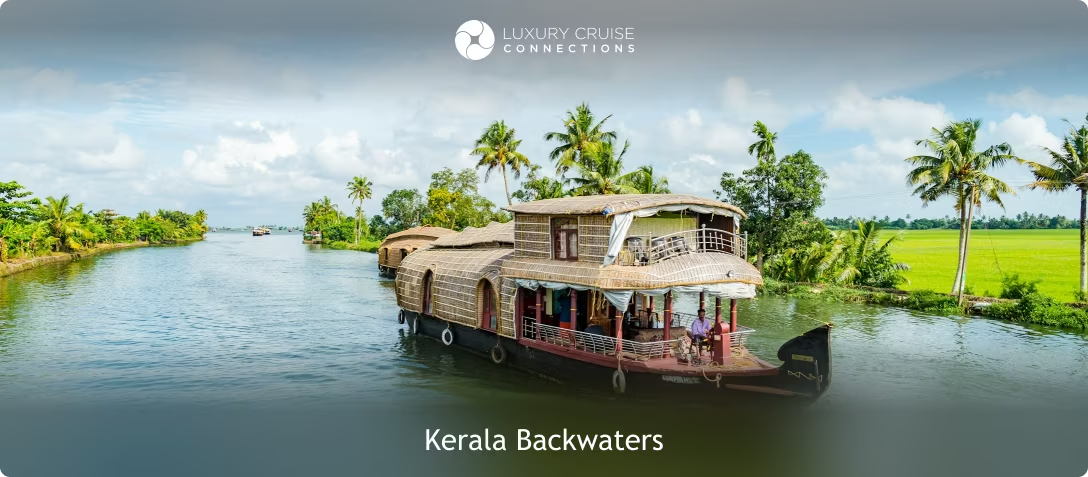
  • Discover the Backwaters, Kerala-Tranquil Houseboat Journeys

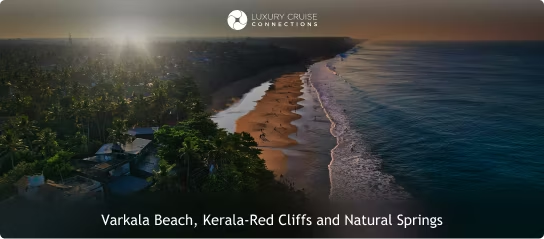
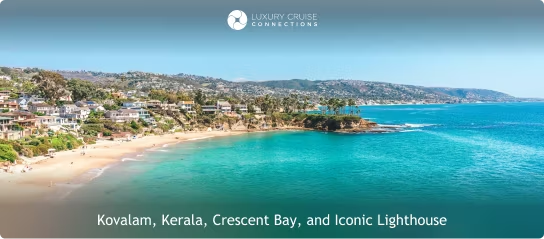
    Kerala possesses a network of brackish lagoons and lakes known as the backwaters. The waters connect coastal towns and rural villages through palm-fringed canals. Alappuzha is the primary hub for starting a houseboat journey through the wetlands.
     Discover the Backwaters, Kerala-Tranquil Houseboat Journeys

    Traditional houseboats are made from wooden planks and coir without using nails. Vembanad Lake offers expansive views of the palm-fringed horizon. Rural life on the banks includes paddy fields and traditional fishing activities.

    Travelers relax on the deck while the boat glides through calm waters. Private chefs prepare local seafood and traditional Kerala meals on board. Sunsets over the water provide a peaceful end to the day.

    Peak season months (September to March), to avoid the heavy monsoon rains.

    Boat crews act as guides for the local flora and fauna.

    Private houseboat stays cost [$150-$300] for an overnight journey.

  • Explore Delhi Landmarks, Delhi-Layers of Imperial History

    Delhi is the capital city and houses layers of history from various empires. The Red Fort is a massive fortification built by the Mughal Emperor Shah Jahan. Qutub Minar is a tall brick minaret dating back to the late 12th century.
    Explore Delhi Landmarks, Delhi-Layers of Imperial History

    Red Fort features ivory-white marble structures and grand public audience halls. The Qutub Minar complex houses an ancient iron pillar that does not rust. Humayun’s Tomb is a garden tomb that influenced the Taj Mahal design.

    Visitors explore massive gateways and intricate stone carvings at the heritage sites. Walking tours through Old Delhi reveal bustling markets and historic mosques. The architecture reveals a blend of Mughal, Sultanate, and colonial influences.

    Winter months (October to March) are ideal for sightseeing.

    Government-approved guides are available at the entrances of major monuments.

    Entry fees cost [$7-$10] per monument for international visitors.

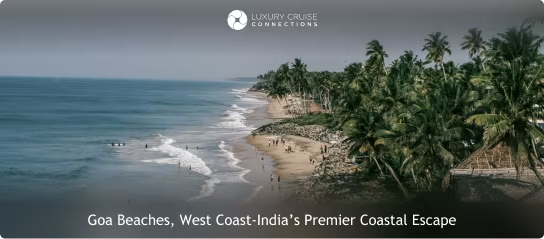
  • Relax on Beaches, Goa-Sun and Portuguese Heritage

    Goa is a coastal state on the Arabian Sea known for its sandy shores and Portuguese history. It offers a mix of lively beach shacks and secluded retreats. The region features a unique blend of Indian and European heritage.
    Relax on Beaches, Goa-Sun and Portuguese Heritage

    Palolem Beach offers a crescent-shaped bay with calm and shallow waters. Baga Beach features active shacks and various water sports activities. The Basilica of Bom Jesus is a historic church located in Old Goa.

    Visitors swim in the warm ocean or sunbathe under palm trees. Local cafes serve spicy seafood dishes and regional refreshments. Sunsets over the water create scenic views for travelers relaxing on the sand.

    Peak season months (November to February) offer the best beach weather.

    Local operators run boat trips for dolphin watching and snorkeling.

    Water sports cost [$10-$40] depending on the activity chosen.

  • Visit the Himalayas, North India-High-Altitude Mountain Escapes

    Himachal Pradesh and Uttarakhand house the massive Himalayan mountain range in northern India. The region is known for its snow-capped peaks and deep river valleys. The states offer high-altitude hill stations and spiritual retreats.
    Visit the Himalayas, North India-High-Altitude Mountain Escapes

    Shimla features colonial architecture and panoramic mountain views. Rishikesh is a famous center for yoga and white-water rafting on the Ganges. Valley of Flowers is a seasonal trek through alpine blossoms in the mountains.

    Travelers hike through pine forests and along mountain trails. Vistas of the deep valleys and snow peaks are visible from every viewpoint. Local mountain culture includes stone houses and traditional woolen attire.

    Summer months (March to June) are ideal for hiking and trekking.

    Trek guides are necessary for high-altitude paths and safety.

    Park entry costs [$5-$10] for most nature reserves.

  • Explore Temples, Tamil Nadu-Ancient Dravidian Masterpieces

    Tamil Nadu is home to thousands of ancient temples built with Dravidian architecture. Structures feature towering gateways called gopurams decorated with sculptures. Most temples are carved from solid stone and granite.
    Explore Temples, Tamil Nadu-Ancient Dravidian Masterpieces

    Meenakshi Amman Temple in Madurai has thousands of colorful stone sculptures. Shore Temple in Mahabalipuram overlooks the Bay of Bengal on the coast. Granite carvings decorate the massive pillared halls and sacred corridors.

    Visitors walk through cool stone halls and sacred corridors. Rituals and traditional music occur daily in the temple complexes. The scent of jasmine flowers and oil lamps is present everywhere.

    Winter months (November to February) are comfortable for touring.

    Local priests or guides explain the mythology behind the carvings.

    Entry is free or costs [$1-$5] for special access.

  • Wildlife Safari, National Parks-Hunting for the Royal Bengal Tiger

    Ranthambore and Jim Corbett are premier wildlife sanctuaries located in northern India. The parks protect endangered species like the Royal Bengal Tiger. Ranthambore is situated in Rajasthan, while Jim Corbett sits in the foothills of Uttarakhand.
    Wildlife Safari, National Parks-Hunting for the Royal Bengal Tiger

    Open-top jeeps take visitors deep into the different forest zones. Bengal Tigers are the primary attraction for wildlife enthusiasts. Ranthambore Fort overlooks the jungle and natural water bodies.

    Naturalists listen for alarm calls of animals to spot hidden predators. Diverse birdlife and crocodiles appear near the water bodies. The thrill of a tiger sighting provides a realistic jungle encounter.

    Summer months (April to June) offer the best wildlife sightings.

    Certified forest naturalists accompany every safari vehicle.

    Safaris cost [$30-$60] per person for a single trip.

  • Mumbai City Life, Maharashtra-Coastal Glamour and Urban Pace

    Mumbai is the financial hub of India, located on the western coast. It is a city of contrasts with colonial architecture and modern skyscrapers. The city is the heart of the Bollywood film industry.
    Mumbai City Life, Maharashtra-Coastal Glamour and Urban Pace

    Gateway of India stands as a massive basalt arch on the waterfront. Marine Drive is a scenic promenade known as the Queen’s Necklace. Chhatrapati Shivaji Maharaj Terminus is a historic railway station with Gothic designs.

    Urban walks show the fast city pace and busy markets. Street food stalls offer spicy snacks like Vada Pav and Pav Bhaji. Ferry rides lead to the Elephanta Caves for ancient rock-cut sculptures.

    Winter months (November to February) are the most pleasant for exploring.

    Local walking tours explore the colonial history of South Mumbai.

    Museum entry costs [$5-$8] for international tourists.


What are the Most Popular Tourist Attractions in India?

The most popular tourist attractions in India are listed below

  • Taj Mahal
  • Kerala Backwaters
  • Amer Fort
  • Varanasi Ghats
  • Golden Temple


Which Vacation Spots in India Are Best for Beach Lovers?

The best vacation spots in India for beach lovers are listed below.


What are the Best Things to Do in India for First-Time Visitors?

The best things to do in India for first-time visitors are listed below.

The classic route covers Delhi, Agra, and Jaipur to show the best of history. Travelers see the Taj Mahal, royal palaces, and massive hill fortifications.
Travelers glide through peaceful lagoons on traditional wooden boats in the south. Local food is prepared on board while viewing rural village life.
The banks of the Ganges offer a look at ancient spiritual life and ceremonies. Visitors attend the evening fire rituals and take sunrise boat rides.
Ranthambore and Jim Corbett provide opportunities to see tigers in their natural habitat. Jeep rides explore the dense forest and ancient ruins within the park.
The western coast offers sandy shores and historic Portuguese churches for relaxation. Visitors enjoy seafood at beach shacks and ocean sunsets.

What makes India a Beautiful Country to Visit?

India is a beautiful country to visit because the geography displays extreme contrasts between volcanic heat and glacial ice. Massive glaciers cover high mountains in the north, while tropical islands sit in the southern seas. Waterfalls drop over dark basalt cliffs into lush valleys filled with green moss. Black sand beaches meet the white foam of the Atlantic Ocean along the southern coast. Geothermal fields feature steaming vents and bubbling mud pots in vibrant colors. Deep fjords cut into the shoreline to provide dramatic views from the water. Crystal clear rivers flow through ancient lava fields and barren deserts of volcanic ash. Lupine flowers bloom in purple across the meadows during the summer months. Northern lights illuminate the dark winter sky with shades of green and pink. Every region offers a different aesthetic, ranging from jagged peaks to expansive plains. The lack of trees emphasizes the raw power of the geological formations. Natural beauty remains preserved in large national parks and protected areas. Colors shift from deep reds to bright oranges in the hills based on the position of the sun. Glacial lagoons hold floating icebergs of brilliant blue that sparkle in the light.

How can I experience Local Culture in India?

You can experience local culture in India by participating in regional festivals and community traditions throughout the year. Travelers join the Holi festival to celebrate with colors and music in every city. Deepavali offers a chance to see homes decorated with oil lamps and fireworks during the winter months. Visitors eat traditional meals served on banana leaves in the southern states to taste authentic flavors. Local markets provide a look into the daily life and crafts of the people in every region. Heritage walks through old cities reveal hidden temples and colonial buildings from different eras. Folk dance and music performances occur in rural villages during the evenings for entertainment. Travelers stay in homestays to learn about family customs and home-cooked food directly from residents. Local trains and rickshaws offer an authentic way to navigate the busy cities like Mumbai. Artisans demonstrate traditional weaving and pottery skills in specialized centers. Spirituality is felt by attending evening prayers at a riverside ghat in Varanasi. Cultural immersion involves learning about the diverse languages and religions that define the nation.

Are there Activities in India Perfect for Families with Children?

Yes, there are activities in India perfect for families with children. India is a good destination for families with children because the country offers diverse entertainment and educational activities. Science museums in Delhi and Mumbai feature interactive exhibits for young minds to explore technology. Wildlife safaris provide an exciting way to learn about nature and see animals in the wild. Historical forts turn into adventure playgrounds with hidden tunnels and massive walls for children. Hill stations offer toy train rides and paddle boating on scenic lakes during the summer months. Water parks and theme parks provide thrill rides and cooling pools in many major cities. Cultural shows with puppets and traditional dance entertain children with local stories. Every region possesses parks and gardens for outdoor play and family picnics. The variety ensures an engaging trip for the entire family throughout the subcontinent.

Are there Fun Things to Do in India for Outdoor Adventures?

Yes, there are fun things to do in India for outdoor adventures. India offers things to do because the diverse terrain supports high-energy activities. The Himalayan range offers world-class trails for hikers and mountain climbers. Rivers in the north provide challenging rapids for white-water rafting enthusiasts during the summer months. Coastal areas allow for scuba diving and surfing in the clear waters of the islands. National parks host safaris for observing rare animals like tigers and rhinos in the wild. Desert regions provide space for camel treks and sand dunes exploration in the west. High-altitude passes in Ladakh attract motorcyclists and mountain bikers for a physical challenge. Adventure parks offer ziplining and rock climbing in many different states. Travelers find many fun things to do in India.

Best Things to Do Around the World

Discover the best activities, landmarks, and experiences in every cruise destination and port of call.

Europe Western, Central & Mediterranean
America North, Central, South & Caribbean
Africa & Asia Oceania & Antarctica