What makes Malaysia a Beautiful Country to Visit?
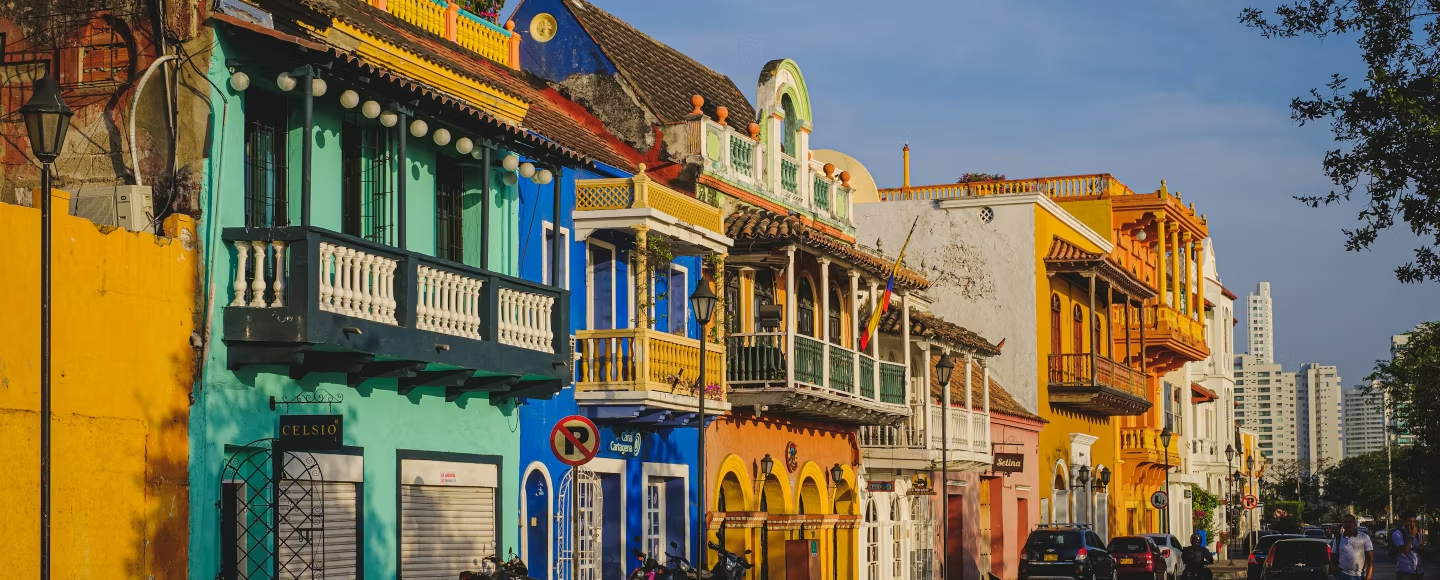
Malaysia is a beautiful country to visit for three reasons. The first reason is its natural landscape diversity. The country brings together tropical islands, long beaches, limestone caves, cool highlands, and rainforest, from Langkawi and the Cameron Highlands to Kinabalu Park and Sabah’s coast. Malaysia also has about 4,800 kilometers of coastline, which adds to the variety of coastal scenery and island travel. The second reason is Malaysia’s multicultural character. Cities such as George Town and Melaka reflect centuries of Malay, Chinese, Indian, and European influence through religion, food, and architecture. Sarawak adds distinct indigenous cultures through communities such as the Iban, Bidayuh, and Orang Ulu. The third reason is Malaysia’s biodiversity. Kinabalu Park centers on Mount Kinabalu (4,095.2 meters) and contains exceptional plant richness. Malaysia’s forests and marine habitats also support wildlife such as orangutans, proboscis monkeys, sea turtles, and hornbills.
What are the most famous places in Malaysia to take a selfie?
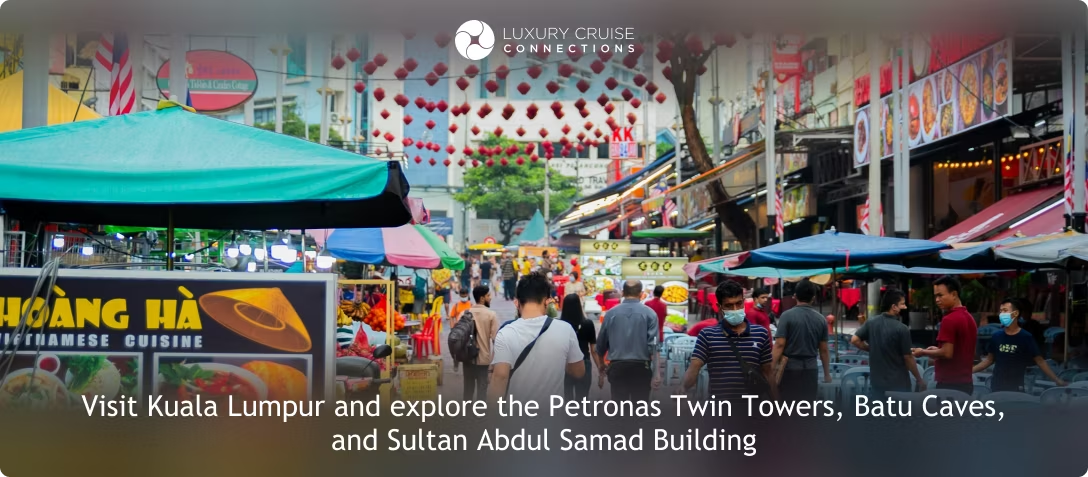
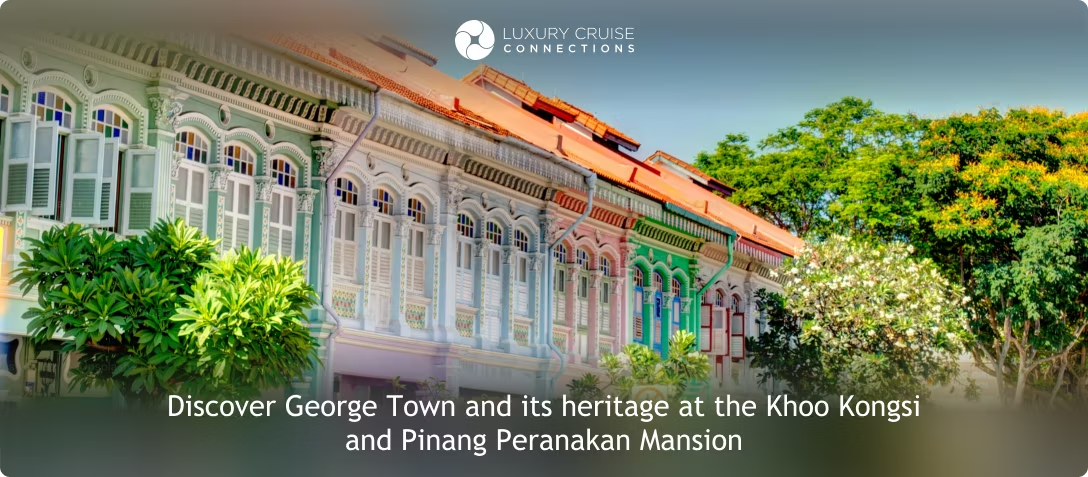
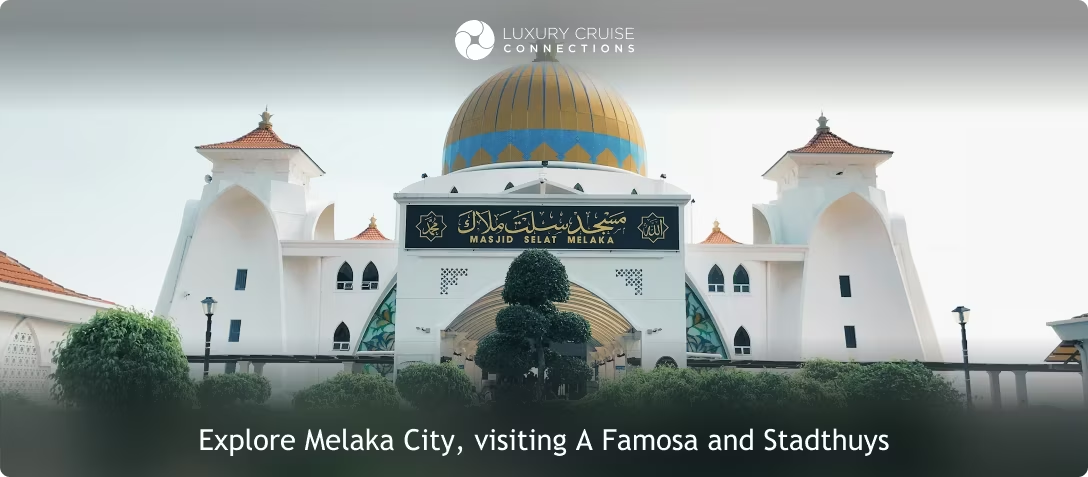
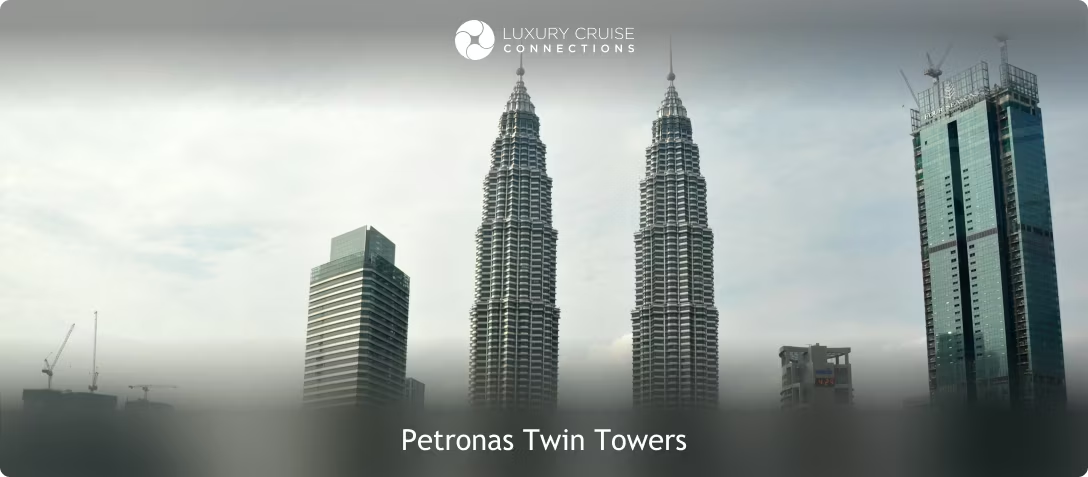
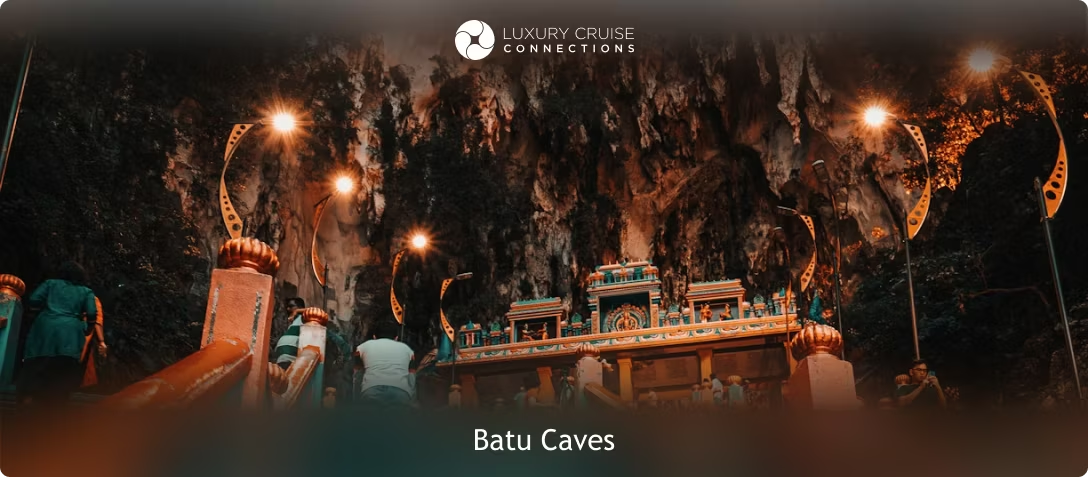
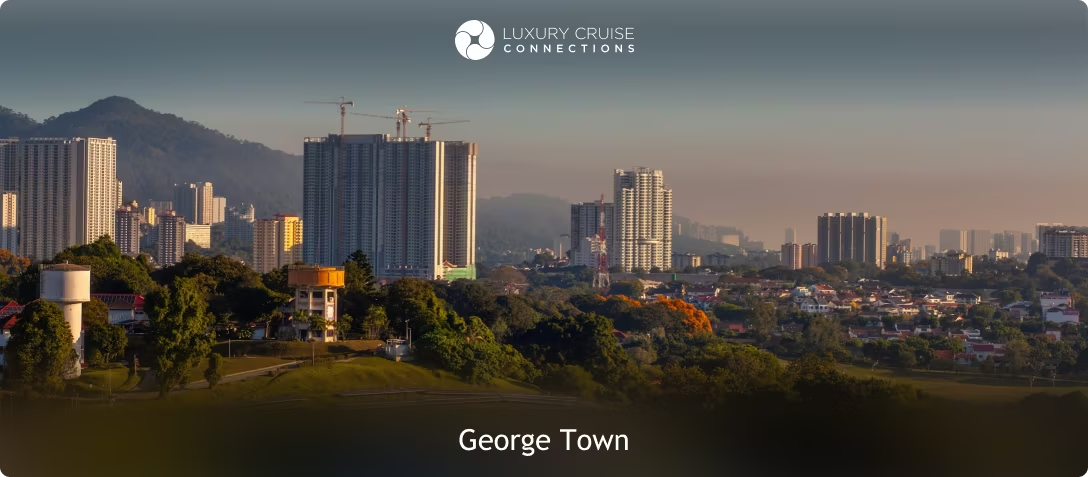
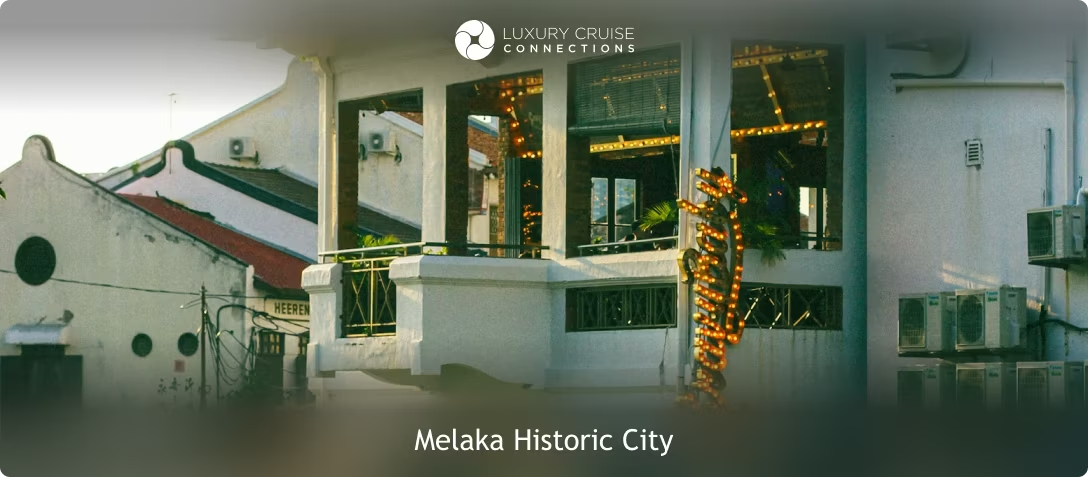
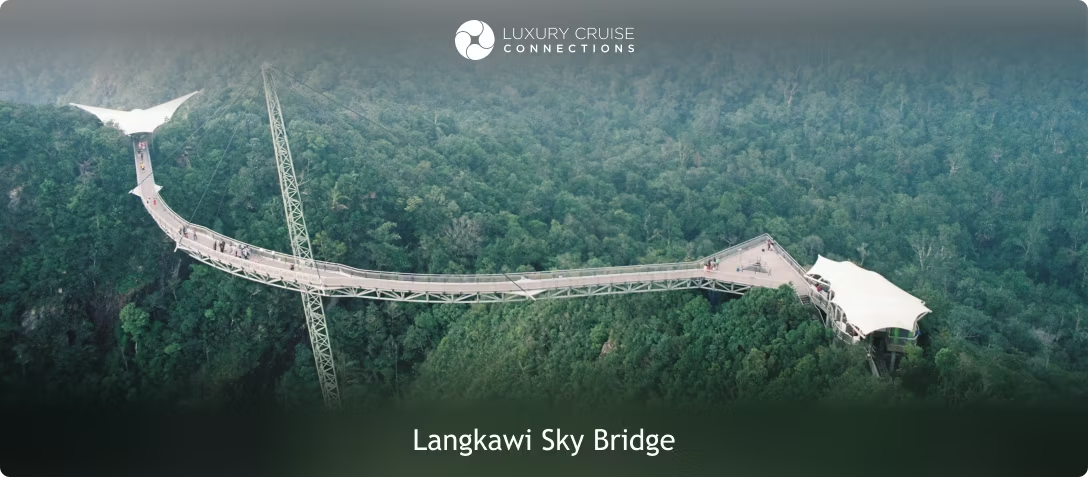
The most famous places in Malaysia to take a selfie are the Petronas Twin Towers, Batu Caves, the Langkawi Sky Bridge, George Town, and Dutch Square in Melaka. The Petronas Twin Towers provide a symmetrical skyline backdrop in Kuala Lumpur that makes selfies instantly recognizable. Batu Caves gives selfies bright color through its 272 painted steps and a dramatic religious setting beside the giant Murugan statue. The Langkawi Sky Bridge creates elevated selfies with forested slopes and sea views behind the subject. George Town works well for casual photos because its street art and heritage shophouses add texture and color to the background. Dutch Square adds a touch of heritage to selfies with its distinctive red facade and surrounding colonial architecture.
Are there any stuff to taste or drink after a cruise to Malaysia?
Yes, there is stuff to taste or drink after a cruise to Malaysia. Malaysian cuisine blends Malay, Chinese, Indian, Peranakan, and Bornean traditions, which gives the country a rich and diverse food culture. Port Klang is the main cruise gateway for Kuala Lumpur, where passengers taste nasi lemak (coconut rice with sambal and accompaniments), satay (grilled meat skewers with peanut sauce), roti canai (flaky flatbread), and drink teh tarik (pulled milk tea) or kopi (local coffee). Penang cruise calls arrive in George Town, where passengers taste char kway teow (stir fried rice noodles), assam laksa (sour fish noodle soup), cendol (shaved ice dessert with palm sugar), and nutmeg drinks. Langkawi and Kota Kinabalu are popular for seafood, fresh coconut water, and tropical fruit juices. Melaka suits heritage food stops for chicken rice balls (poached chicken with rice shaped into balls), Peranakan dishes (Straits Chinese cuisine), cendol (shaved ice dessert), and local coffee.
How can I experience Local Culture in Malaysia?
You can experience local culture in Malaysia in four main ways. First, spend time in markets, kopitiams (local coffee shops), and traditional neighbourhoods in places such as George Town, Melaka, and Kuala Lumpur. These settings show daily Malaysian life through street trade, shared meals, and regular interaction across Malay, Chinese, and Indian communities. Second, eat regional food at hawker centres, mamak (Malay-Indian cuisine) restaurants, and local cafés. Dishes such as nasi lemak, roti canai, laksa, and char kway teow, along with drinks such as teh tarik and kopi, reveal Malaysia’s mixed cultural heritage. Third, explore heritage districts and cultural sites. George Town and Melaka preserve shophouses, temples, clan houses, and colonial buildings that reflect centuries of trade and cultural exchange. Fourth, visit Malaysia during major festivals and observe how they shape public life. Visitors see festive decorations, watch temple rituals and try seasonal foods during Hari Raya, Chinese New Year, Deepavali, and Thaipusam.
Are there Activities in Malaysia Perfect for Families with Children?
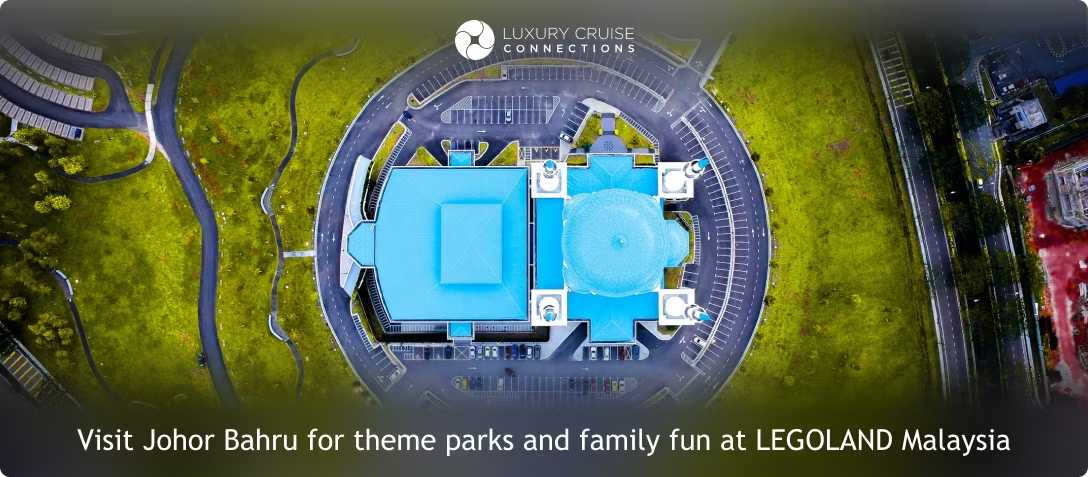
Yes, there are activities in Malaysia perfect for families with children because the country combines theme parks, wildlife attractions, city landmarks, beaches, and light cultural learning. Families in Johor Bahru visit LEGOLAND Malaysia, which is designed for families with children and includes more than 40 rides, shows, and attractions across themed areas. In Kuala Lumpur, families go up the Petronas Twin Towers and then visit Aquaria KLCC, a 60,000 square foot aquarium near the towers with thousands of aquatic and land creatures. In Langkawi, children enjoy beach time, cable car rides, and the Sky Bridge, which adds scenic views without requiring strenuous activity. Families visiting in Penang and Melaka walk through heritage districts, try street food, and visit museums and cultural sites that make Malaysian history easy to understand
Are there Fun Things to Do in Malaysia for Outdoor Adventures?
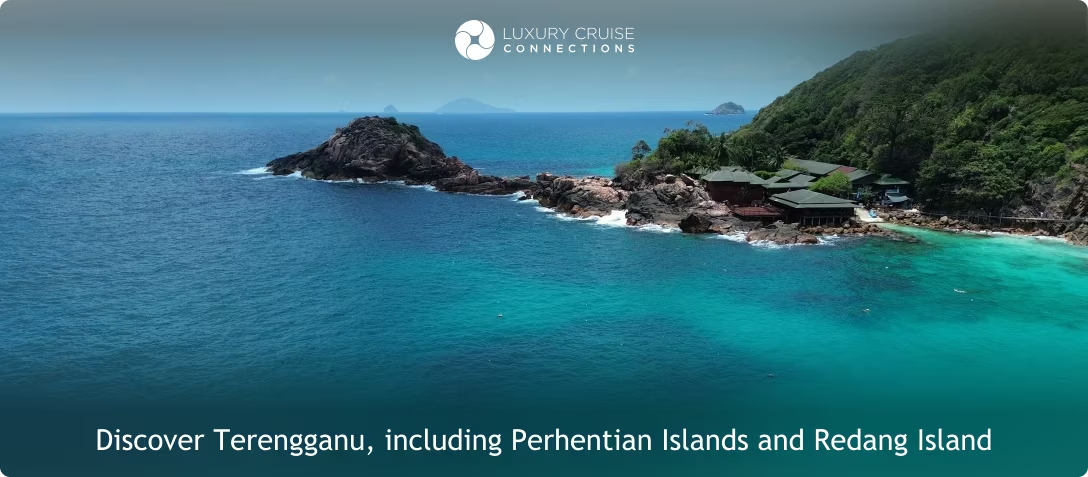
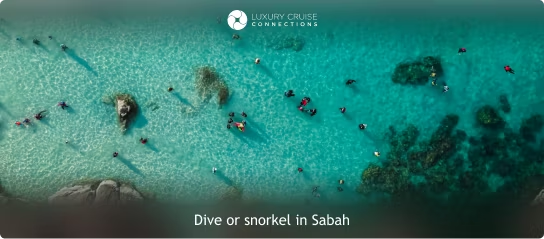
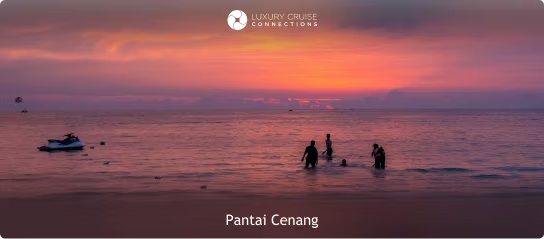
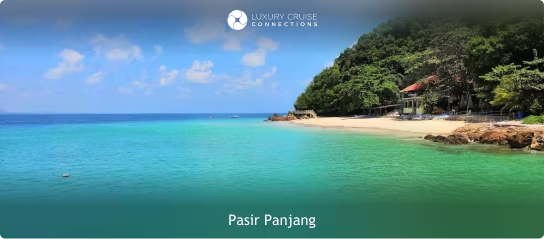
Yes, there are fun things to do in Malaysia because the country offers mountains, reefs, rainforest, rivers, and caves. In Sabah, outdoor travelers climb Mount Kinabalu, hike in Kinabalu Park, and dive around Sipadan Island. In Langkawi, visitors ride the cable car, walk the Sky Bridge, kayak coastal waters, and relax on Pantai Cenang beach. In Taman Negara, travelers trek through rainforest, use canopy walks, and take wildlife river cruises. In Pahang, adventurous travelers go white water rafting. In Sarawak, Gunung Mulu National Park offers cave walks, rainforest trails, boat trips, and adventure caving. In Terengganu, visitors snorkel and dive around the Perhentian Islands and Redang Island.