10 Best Things to Do in Greenland

The 10 best things to do in Greenland include visiting the Ilulissat Icefjord, exploring the capital, Nuuk, taking a boa...

add

The 10 best things to do in Greenland include visiting the Ilulissat Icefjord, exploring the capital, Nuuk, taking a boat tour to the Qooroq Glacier, discovering the Greenland National Museum, and going on a dog sledding adventure. Other Greenland highlights include visiting the Nuuk Art Museum, experiencing the Midnight Sun, going whale watching in Disko Bay, hiking the Arctic Circle Trail, and enjoying the lively local markets in Greenland’s towns.

Greenland is a vast Arctic country with spectacular icy landscapes, rich Inuit culture and rare wildlife. The range of things to do in Greenland focuses on outdoor activities such as hiking long-distance trails, sailing among icebergs, watching whales, and traveling by dog sled across frozen terrain. Travelers researching what to do in Greenland often prioritize seasonal experiences shaped by light and ice, including summer boat travel, winter snow journeys, and wildlife excursions along the west coast. Visitors curious about what to see in Greenland encounter landmark icefjords, glaciers, museums, and coastal towns that reflect the country’s Arctic geography and cultural history.

  • Visit Ilulissat Icefjord
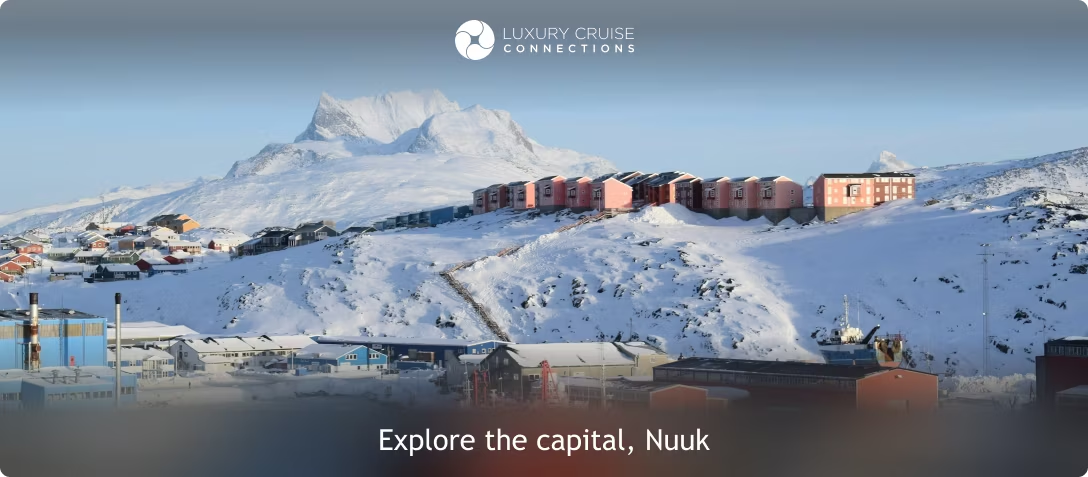
  • Explore the capital, Nuuk
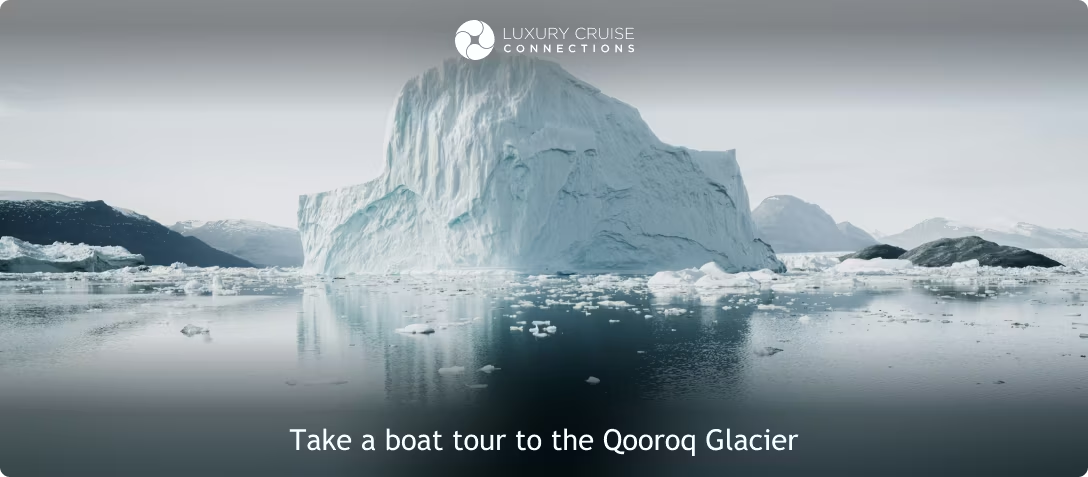
  • Take a boat tour to the Qooroq Glacier
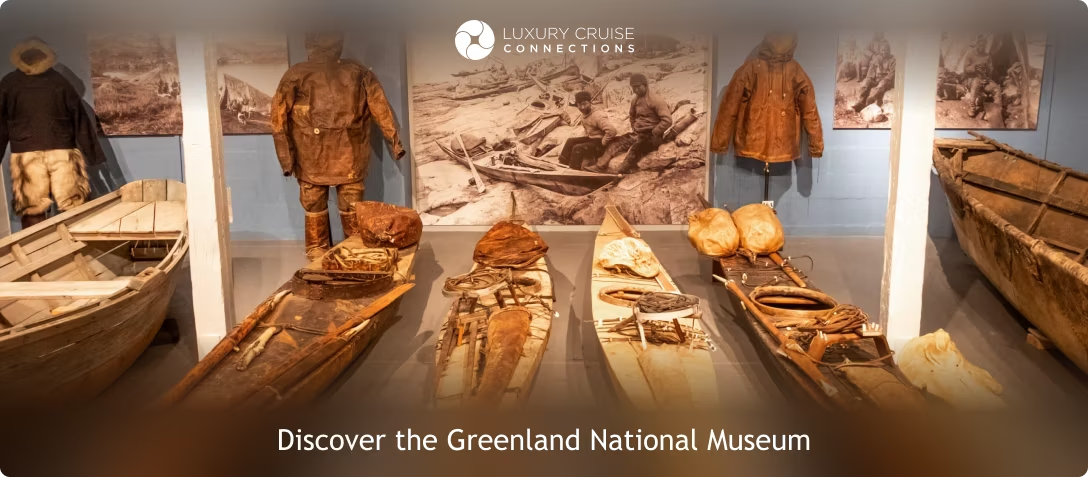
  • Discover the Greenland National Museum
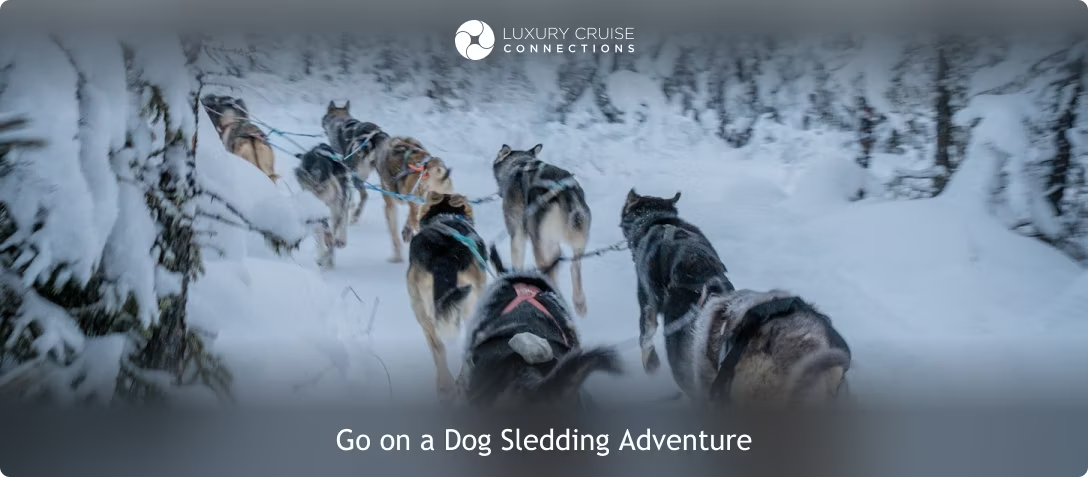
  • Go on a Dog Sledding Adventure
  • Visit the Nuuk Art Museum
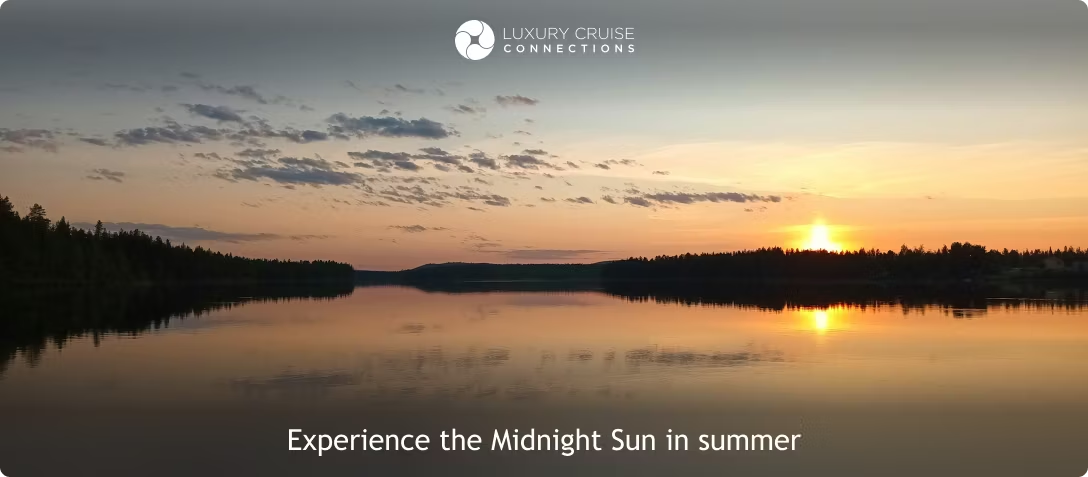
  • Experience the Midnight Sun in summer
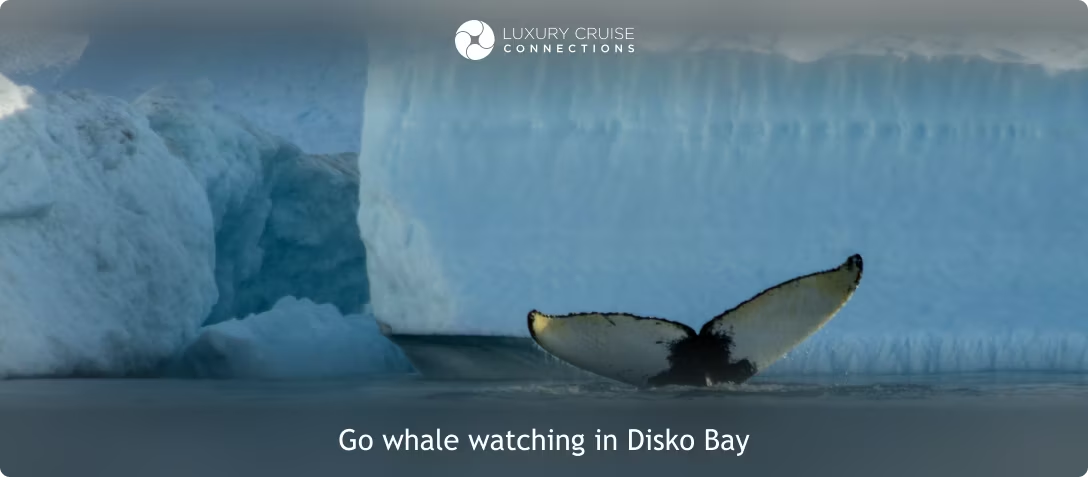
  • Go whale watching in Disko Bay
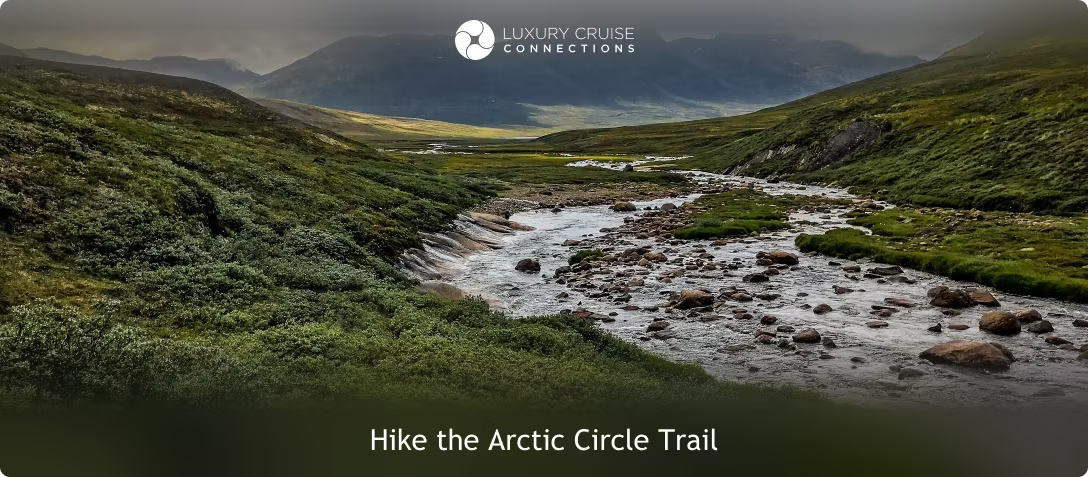
  • Hike the Arctic Circle Trail
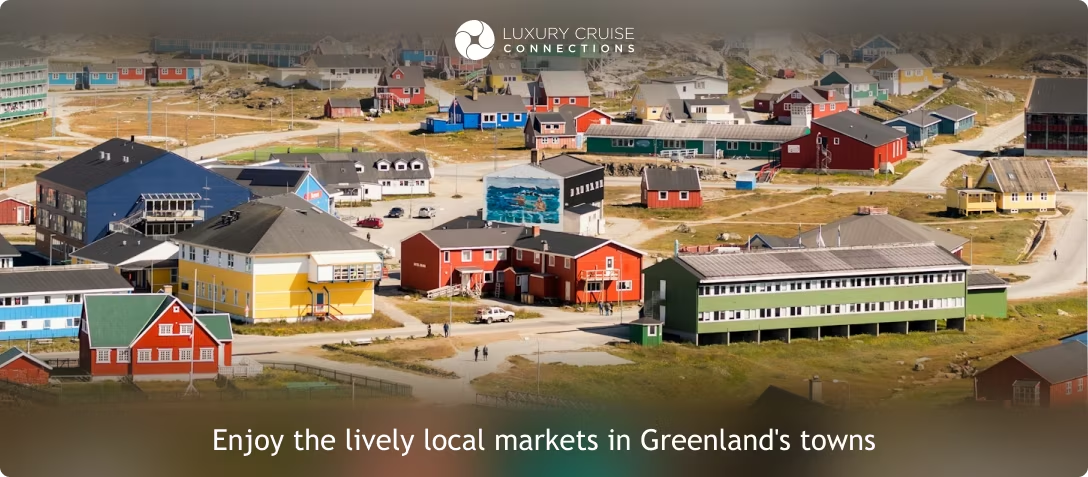
  • Enjoy the lively local markets in Greenland's towns
  • Visit Ilulissat Icefjord

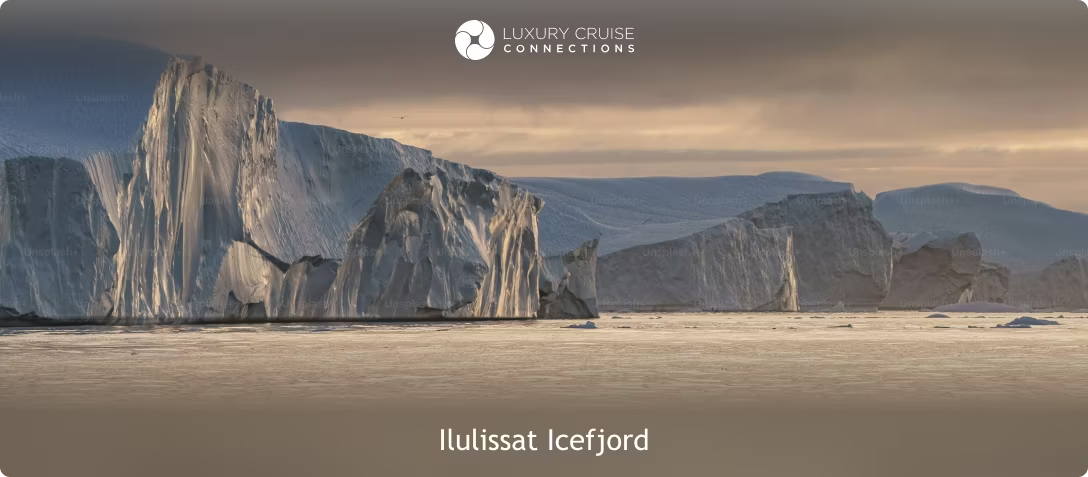
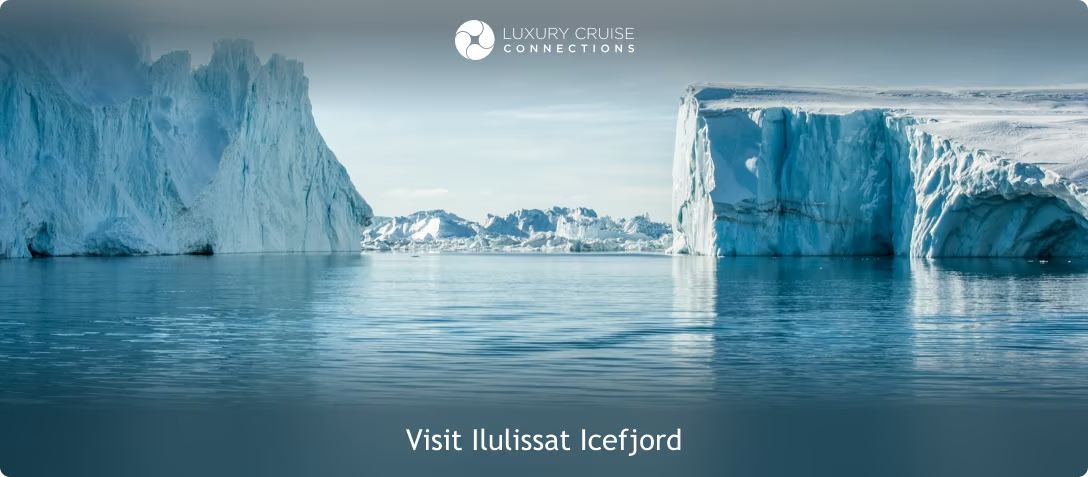
    Ilulissat Icefjord is a UNESCO World Heritage site in western Greenland and one of the country’s most dramatic glacial landscapes. Visit Ilulissat Icefjord to walk boardwalks, sail among icebergs, and watch ice break off from Sermeq Kujalleq.
    Visit Ilulissat Icefjord

    Highlights of Ilulissat Icefjord include the Sermeq Kujalleq glacier, one of the fastest and most productive glaciers in the Northern Hemisphere that moves at a rate of 40 meters per day. Another Ilulissat Icefjord highlight is the wooden boardwalk from Ilulissat town, which leads visitors to panoramic viewpoints above the fjord and ice field. Another highlight is the dense iceberg zone near the Ilulissat Fjord mouth, where visitors see massive grounded icebergs slowly rotating and breaking apart. A further highlight is the Sermermiut valley, where archaeological remains reveal over 4,000 years of Inuit settlement history.

    Experiencing Ilulissat Icefjord combines hiking, boat tours, and cultural learning in one of Greenland’s most dramatic ice landscapes. Visitors hike marked trails like the boardwalk to Sermermiut, an ancient Inuit settlement with direct views of the fjord. Ilulissat Icefjord’s red, blue, and yellow trails offer short to moderate hikes through Arctic terrain to elevated viewpoints. Boat tours into the Ilulissat Icefjord and Disko Bay let visitors sail or kayak among towering icebergs where they feel the scale and hear the creak of calving ice. At the Ilulissat Icefjord Centre, visitors explore exhibitions on ice, climate, and culture in a modern space.

    The best time to visit Ilulissat Icefjord is from June to September when boat tours operate daily, and the midnight sun extends daylight hours.

    Licensed guides in Ilulissat Icefjord lead walking tours, kayaking trips, and boat excursions with interpretation on glaciology and local history.

    Access to the Ilulissat Icefjord boardwalk is free. Boat tours to Ilulissat Icefjord cost between $130 - $280 USD depending on the tour duration, group size and included activities.

  • Explore the capital, Nuuk

    Nuuk is the capital city of Greenland and offers visitors a direct encounter with Greenlandic culture, Arctic landscapes, and daily life. Nuuk is located on Greenland’s southwest coast where fjords meet the Labrador Sea. Colorful wooden houses stand on Nuuk’s rocky hills beside the harbor and modern public buildings. Visitors explore Nuuk to experience charming museums, cafes, sea views, and local Greenlandic design. Nuuk is also a base for boat trips, whale watching, and Greenland cultural tours such as visits to Kapisillit village, fjord cruises, and guided tastings of mattak and dried fish.
    Explore the capital, Nuuk

    Highlights of Nuuk include the Greenland National Museum, where visitors see Inuit mummies and artifacts. Another highlight is the Nuuk Art Museum, which features historic and contemporary works by Greenlandic artists. Another highlight is the old colonial harbor which features preserved 18th-century buildings and fjord views. Another Nuuk highlight is the Katuaq Cultural Centre, a modern venue for music, exhibitions, and community events. Another highlight of Nuuk is the open-air Kalaaliaraq market near the harbor, where locals sell fresh fish, seal, and whale meat.

    Exploring Nuuk offers access to daily traditions, key institutions and coastal scenery in Greenland’s capital. Visitors walk through Nuuk’s old harbor to the city center and admire its colonial buildings, shops and public art. At the Greenland National Museum, they examine tools, clothing, and preserved mummies. They stop at the Nuuk Art Museum to observe contemporary paintings and carvings before heading to Katuaq for performances and exhibitions. At Nuuk’s cafes, visitors dine on local dishes like suaasat and dried cod. They shop for souvenirs and sample traditional Arctic food at Nuuk’s harbor market.

    The best time to explore the capital, Nuuk, is from June to September, when the weather is comfortable for walking around the city.

    Local city guides in Nuuk offer walking tours, museum visits, and day trips by boat to nearby villages and fjords.

    Entry to Nuuk’s main harborfront, town center and harbor market is free of charge. Entry to museums in Nuuk ranges from $5 - $15 USD.

  • Take a boat tour to the Qooroq Glacier

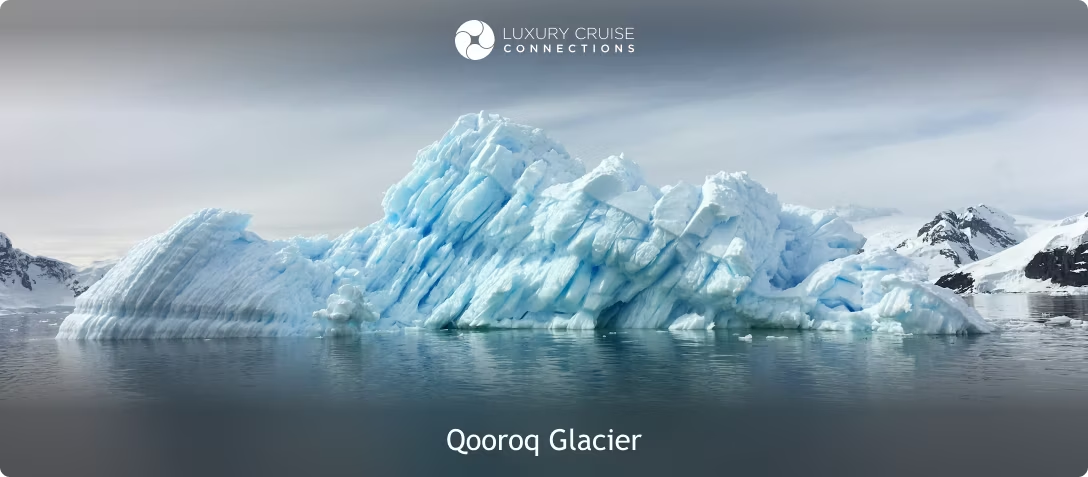
    Qooroq Glacier is an active tidewater glacier where visitors take boat tours through one of Greenland’s most active iceberg fields. Qooroq Glacier is located near Narsarsuaq in southern Greenland. Qooroq Glacier releases thousands of icebergs each day into Tunulliarfik Fjord, filling it with dramatic frozen shapes. Boats cruise through the ice field to the edge of the calving front and visitors witness fresh ice breaking from Qooroq’s glacier face. Boat tours typically serve drinks chilled with ancient glacial ice collected from the water.
    Take a boat tour to the Qooroq Glacier

    Highlights of the Qooroq Glacier include the calving front where visitors watch fresh ice break off the glacier into the fjord. Another highlight is the dense ice field that fills Tunulliarfik Fjord with vivid blue icebergs shaped by pressure and time. Another Qooroq highlight is the boat route itself, which passes through narrow channels surrounded by floating ice. Another highlight is the chance to collect ancient glacier ice from the water and use it to chill drinks during the boat tour. Another Qooroq Glacier highlight is the view back toward the ice cap, revealing the glacier’s vast scale and origin.

    Taking a boat tour to the Qooroq Glacier in Greenland offers one of the most vivid and up-close ice encounters in Greenland. Visitors depart from Narsarsuaq and enter Tunulliarfik Fjord on small boats. The water thickens with drifting icebergs as the boat approaches Qooroq Glacier. Boat guides slow the engine near the calving front and visitors watch the glacier drop huge blocks of ice into the sea. They drink whiskey and soda served with glacial ice collected from the water. Visitors take photos of deep blue formations and listen to the immense cracking and shifting sounds that echo across the fjord.

    The best time to take a boat tour to the Qooroq Glacier is from June to August, when boat accessibility is best through the ice field, temperatures are warmer, and daylight hours are long.

    Local guides lead boat tours to the Qooroq Glacier and help to navigate the fjord, ensure safety, and explain glacier geology

    Taking a boat tour to Qooroq Glacier costs between $130 - $300 USD depending on vessel type, group size, departure point, ride duration and inclusions.

  • Discover the Greenland National Museum

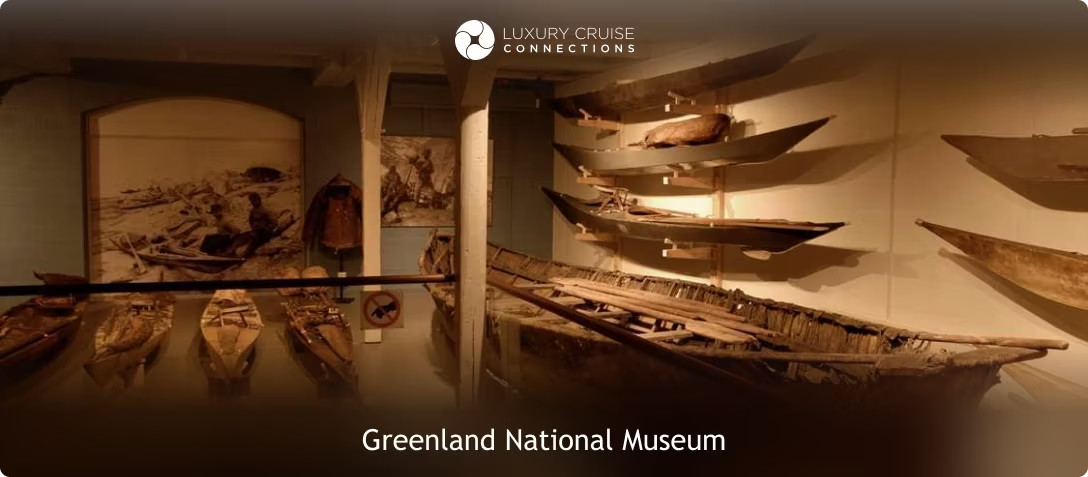
    The Greenland National Museum holds thousands of unique objects and archeological discoveries collected from 4,500 years of Greenland’s history. The museum contains 7 permanent exhibits that are housed in the traditional warehouses of Nuuk’s old colonial harbors. Greenland National Museum artefacts include Inuit hunting tools, Norse artifacts, and everyday items from colonial settlements. The museum’s most famous exhibits are the Qilakitsoq mummies that are over 500 years old and preserved naturally in permafrost.
    Discover the Greenland National Museum

    Highlights of the Greenland National Museum include the Qilakitsoq burial exhibit, which shows the mummies in their original burial position with layered clothing. Another highlight is the Pearyland umiaq, the world's oldest intact skin boat that is dated back to approximately 1470. Another highlight of the Greenland National Museum is the Ammassalik display, which includes carved wooden maps used for coastal navigation. Another highlight is the tactile area where visitors handle animal furs and natural materials used in traditional life in Greenland.

    Experiencing the Greenland National Museum is an educational journey through Greenland’s history and environment. Visitors begin in the museum’s oldest galleries and follow a timeline from the Saqqaq and Dorset cultures, through Norse settlement and colonial rule, to modern self-rule. Visitors examine artefacts in the Greenland National Museum like hunting tools, kayaks, and traditional dress. They observe the Qilakitsoq mummies and interact with the museum’s touch exhibits by feeling animal furs and bones. Visitors shop for unique crafts and souvenirs at the museum gift shop before exploring Nuuk’s harbor.

    The Greenland National Museum is open and enjoyable year-round. Museum opening hours are shorter in winter than in summer.

    Official guides from the Greenland National Museum lead 1-hour tours that explain exhibits, answer questions, and provide cultural context.

    Entry to the Greenland National Museum is $15 USD. Museum entry is free on the last Sunday of each month. Students and children enter free year-round.

  • Go on a Dog Sledding Adventure

    Dog sledding is a traditional form of winter transport in Greenland and a unique winter activity for visitors. Most dog sledding tours take place in East Greenland and North Greenland, where sled dogs are still used daily by locals. Going on a dog sledding ride involves being pulled by a team of working Greenlandic sled dogs across sea ice, frozen fjords, and snow-covered valleys. Dog sledding tours range from short rides to multi-day trips with overnight stays in local huts.
    Go on a Dog Sledding Adventure

    Highlights of dog sledding in Greenland include traveling across frozen fjords in Ilulissat, Sisimiut, and Tasiilaq during winter. Another highlight is getting access to untouched wild landscapes where no roads or snowmobiles are able to reach. Another highlight of Greenland dog sledding is joining multi-day adventures that include overnight stays in remote huts. Another highlight is learning sled handling skills and dog care from experienced Greenlandic mushers

    Going on a dog sledding adventure is an adrenaline-filled experience through arctic wilderness, shaped by generations of Greenlandic hunters. Visitors meet their dog team in Ilulissat or Tasiilaq and watch as mushers prepare the sled and gear. Visitors board the dog sled and begin their journey. They enjoy breathtaking views of the Arctic terrain, including icebergs, frozen fjords and snow-covered valleys. On longer sledding tours, visitors stay in huts and help feed the dogs and collect snow. Dog sled mushers share how sleds supported hunting and remain part of daily life in northern Greenland.

    The best time to go on a dog sledding adventure in Greenland is from February to April, when snow conditions are ideal for sledding.

    Experienced local mushers lead dog sledding tours in Greenland. Mushers handle the sled dogs, navigate the route, explain the traditions of sled travel, and ensure safety in Arctic conditions.

    Short dog sledding tours in Greenland (2-4 hours) cost between $100 - $300 USD, depending on the route, location and tour duration. Multi-day dog sledding tours in Greenland cost between $500 - $1500 USD, depending on the route, location and number of overnight stays.

  • Visit the Nuuk Art Museum

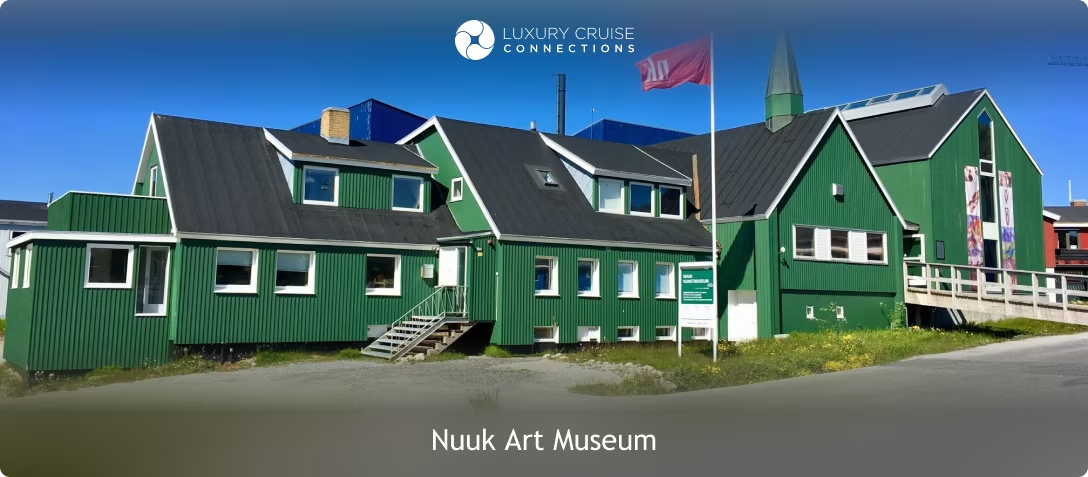
    The Nuuk Art Museum is a private cultural museum in Greenland’s capital where visitors explore local history and visual art. The Nuuk Art Museum spans 600 square meters and includes a modern extension for rotating exhibitions. The museum’s permanent collection was donated by Svend and Helene Junge Pedersen and features paintings, carvings, and textile works. Exhibits in the Nuuk Art Museum highlight both colonial-era pieces and contemporary art by Greenlandic artists.
    Visit the Nuuk Art Museum

    Highlights of the Nuuk Art Museum include its permanent collection donated by Svend and Helene Junge Pedersen, with works spanning over a century. Another highlight is the historical art section that features paintings by artists Christine Deichmann, J.E.C. Rasmussen, Harald Moltke, and Emanuel A. Pedersen. Another highlight is the contemporary gallery with works by artists such as Hans Lynge, Miki Jacobsen, and Pia Arke. Another highlight is the collection of carvings in soapstone, bone, wood, and ivory from across Greenland.

    Visiting the Nuuk Art Museum offers a contemplative experience of Greenlandic art and culture. Visitors enter the museum’s former Adventist church building and explore its galleries of historic and modern art. They view paintings that reflect Greenland’s coastal life, changing light, and colonial past. In the Nuuk Art Museum’s contemporary section, visitors encounter works addressing Greenlandic identity, politics, and nature. Visitors often then follow the museum’s ArtWalk and stroll from Nuuk Art Museum to the colonial harbor while listening to recorded stories about urban artwork

    Nuuk Art Museum is open and enjoyable year-round, though longer daylight from May to September supports the outdoor art walk.

    Official museum curators at the Nuuk Art Museum lead guided tours in Greenlandic, Danish or English. Guides explain the exhibitions in the museum’s permanent collection and introduce the current exhibition.

    Entry to the Nuuk Art Museum costs $6 USD per adult. Entry to the Nuuk Art Museum is free for students, children, and on selected public days.

  • Experience the Midnight Sun in summer

    The midnight sun in Greenland is a summer phenomenon where the sun remains visible for nearly 24 hours a day. This continuous daylight creates truly unique conditions that allow Greenland visitors to hike, sail, and whalewatch during the night. The midnight sun casts dream-like gold and red light across Greenlandic fjords, glaciers, and coastal settlements. The midnight sun affects Greenland’s regions north of the Arctic Circle and lasts for 8 to 12 weeks. In Ilulissat, the midnight sun occurs from late May to late July, while in Qaanaaq it lasts from late April to late August. Southern Greenland (Nuuk and Narsarsuaq) does not see the midnight sun but experiences long days with only a few hours of twilight at night.
    Experience the Midnight Sun in summer

    Highlights of the midnight sun in Greenland in summer include late-night boat tours in Ilulissat. Another highlight is evening and night hikes above ice fjords and Arctic valleys like Sermermiut. Another highlight is the surreal Arctic light caused by the midnight sun low in the sky, which casts deep gold and red tones across the landscape. Another highlight is kayaking at night along quiet coastlines and through iceberg fields. Another highlight is joining outdoor community events that take place after midnight, like the Aasiaat Midnight Sun Marathon or Arctic Midnight Orienteering

    Experiencing the midnight sun in Greenland offers a rare chance to enjoy Arctic landscapes and activities under continuous daylight. Visitors in Ilulissat take midnight boat tours to spot whales and glowing icebergs. Hiking enthusiasts go midnight trekking above the Icefjord near Sermermiut and marvel at views lit by golden light. Visitors join night kayaking tours along the coast and paddle beside silent ice formations. Photographers capture the surreal red and orange sunlight over icy landscapes. Visitors join locals and enjoy late-night grilling, fishing, and gatherings that continue well past midnight.

    The best time to experience the midnight sun in Greenland is from late May to late July in Ilulissat, and from late April to late August in Qaanaaq.

    Local guides in Ilulissat operate guided tours during the midnight sun, including boat tours, hikes, kayaking trips, and photography excursions. Guides ensure safety, assist with navigation, and explain how the midnight sun impacts outdoor life in Greenland.

    The cost of guided excursions under the midnight sun in Greenland vary by activity. Midnight sun boat tours in Ilulissat cost $100 - $150 USD, depending on the vessel type, trip duration and inclusions. Guided midnight sun hikes to viewpoints like Sermermiut cost $60 - $100 USD depending on group size, duration and inclusions. Night kayaking tours cost $100 - $200 USD depending on location, trip duration, and gear.

  • Go whale watching in Disko Bay

    Whale watching in Disko Bay is one of the most popular wildlife experiences in Greenland during summer. Disko Bay is located on Greenland’s west coast near Ilulissat and famous for its calm waters, drifting icebergs and active marine life. In summer, visitors join whale watching boat tours in Disko Bay to see humpback, minke, and fin whales feeding close to the surface. Calm waters and long daylight hours in summer allow for frequent sightings of whales as they swim between icebergs and surface near the boats. In winter, whale watching boat tours focus on narwhals and belugas.
     Go whale watching in Disko Bay

    Highlights of whale watching in Disko Bay include observing whale behaviors such as breaching, spy-hopping, and tail slapping up-close from boats. Summer whale watching highlights focus on spotting humpback whales, fin whales and minke whales. Winter whale watching highlights include spotting narwhals and belugas migrating through ice covered waters.

    Whale watching in Disko Bay offers an awe-inspiring experience of Arctic wildlife in Greenland. Visitors board small boats from Ilulissat or Qeqertarsuaq and move through calm waters filled with icebergs. They spot humpbacks rising close to the surface and hear the blow as whales exhale. Visitors on whale-watching kayaking tours explore quieter fjords and enjoy close-up wildlife encounters. In Nuuk and Paamiut, tours track whales across open fjords. Visitors capture tail slaps, breaching, and spy-hopping behaviors with camera or binoculars from just meters away.

    The best time for whale watching in Disko Bay is from June to September when humpback, minke, and fin whales are most active near shore.

    Local guides and boat operators in Disko Bay lead whale‑watching excursions, navigate to active feeding areas and explain whale behavior.

    Whale watching tours in Disko Bay cost $160 - $250 USD for a 3-hour excursion, depending on vessel type, group size, inclusions, and season.

  • Hike the Arctic Circle Trail

    The Arctic Circle Trail (ACT) is Greenland’s most famous long-distance hiking route through the wilderness. The trail stretches 160 kilometers between Kangerlussuaq and Sisimiut and typically takes 8-10 days to complete. Visitors trek through the Arctic Circle’s open tundra, lakes, boggy paths, rivers and low mountain valleys without roads or settlements. The Arctic Circle trek in Greenland is a challenging experience that combines remote wilderness, silence, and views of Greenland’s inland and coastal landscapes. Hikers are required to carry all supplies and stay in tents or free wooden huts along the way.
    Hike the Arctic Circle Trail

    Highlights of hiking the Arctic Circle Trail include crossing Greenland’s vast tundra landscapes between Kangerlussuaq and Sisimiut. Another highlight is staying in free wooden huts along the route that are set beside scenic lakes or low valleys. Another highlight is encountering Arctic wildlife in their natural habitat. Another highlight is reaching ACT viewpoints that overlook glacial lakes, rocky outcrops, and distant mountain ranges. Another highlight is the awe-inspiring remoteness of the Arctic Circle Trail, with no road access or cell signal for the entire route.

    Hiking the Arctic Circle Trail offers a remote trekking experience across Greenland’s inland backcountry. Visitors begin in Kangerlussuaq and hike westward for 8 to 10 days toward Sisimiut. The Arctic Circle Trail passes glacial lakes, wet meadows, and rocky hills. Hikers spot and photograph musk oxen, Arctic foxes and hares along the trail. Hikers rest in tents or stay in a choice of 9 official free wooden huts in locations like Hundesø, Katiffik and Canoe Center. They swim in clear lakes, fish for Arctic char and marvel at the ACT’s untouched scenery.

    The best time to hike the Arctic Circle Trail is from August to September, when temperatures are warmer and more comfortable for hiking. This period also offers lower mosquito populations and the possibility of seeing the Northern Lights on the ACT.

    Experienced local trekking guides based in Kangerlussuaq and Sisimiut offer multi-day Arctic Circle Trail packages. ACT guides provide navigation, safety oversight, and support with food, gear, and logistics.

    Entry to the Arctic Circle Trail is free and no permits are required. Hikers are encouraged to make a donation to support the Arctic Circle Trail’s maintenance.

  • Enjoy the lively local markets in Greenland's towns

    Local markets in Greenland’s towns reflect food traditions that have been shaped by centuries of hunting and fishing. The main local market is Kalaaliaraq in Nuuk, which is Greenland’s largest fresh food market. Kalaaliaraq sits in the Old Nuuk neighbourhood near the cathedral and has a modern building with coolers, freezers, and separate sections for fresh fish, whale, reindeer and seal. Since 2018, Kalaaliaraq market has sold dried and salted meats alongside fresh catch, combining traditional preservation methods with modern retail offerings. In Greenland’s smaller towns, seasonal stalls and open‑air tables near harbors offer locally caught fish or game when hunting and fishing are in full swing. A visit to local markets reflects the central role of wild food in Greenlandic life and daily survival.
    Enjoy the lively local markets in Greenland's towns

    Highlights of local markets in Greenland’s towns include Nuuk’s Kalaaliaraq, where fresh seal meat, reindeer cuts, and halibut are sold by hunters on wooden tables. Another highlight is browsing weekend markets in Sisimiut, Uummannaq and Qaqortoq, where hunters sell dried fish, muskox meat, and narwhal mattak directly from the harbor. Another highlight is taking a food tour of the markets and listening to local guides explain how Greenlandic communities live off the land and sea.

    Visiting Greenland’s local markets gives travelers an authentic look at daily food culture. Visitors arrive at the markets in the morning to see the freshest catch and experience its lively atmosphere. At Kalaaliaraq, visitors walk among meat tables, observe the variety of wild foods, and speak with vendors through guides who explain what is caught, when, and how. Visitors see the market act as a social meeting point where residents gather to talk and shop for the day’s food. In towns like Sisimiut or Uummannaq, travelers explore informal stalls along the waterfront as part of food-focused walking tours. They sample dried fish and purchase traditional meats as unique souvenirs.

    The best time to enjoy lively local markets in Greenland’s towns is from spring to early fall, when hunting and fishing conditions bring greater catch variety and market activity.

    Local guides lead food tours of the lively local markets in Nuuk, Sisimiut, Uummannaq and Qaqortoq. Guides assist with market navigation and explain Greenlandic foods and hunting traditions.

    Entry to local markets in Greenland's towns is free of charge.


What are the Most Popular Tourist Attractions in Greenland?

The most popular tourist attractions in Greenland are listed below.

  • Ilulissat Icefjord
  • Qooroq Glacier
  • Greenland National Museum
  • Nuuk Art Museum
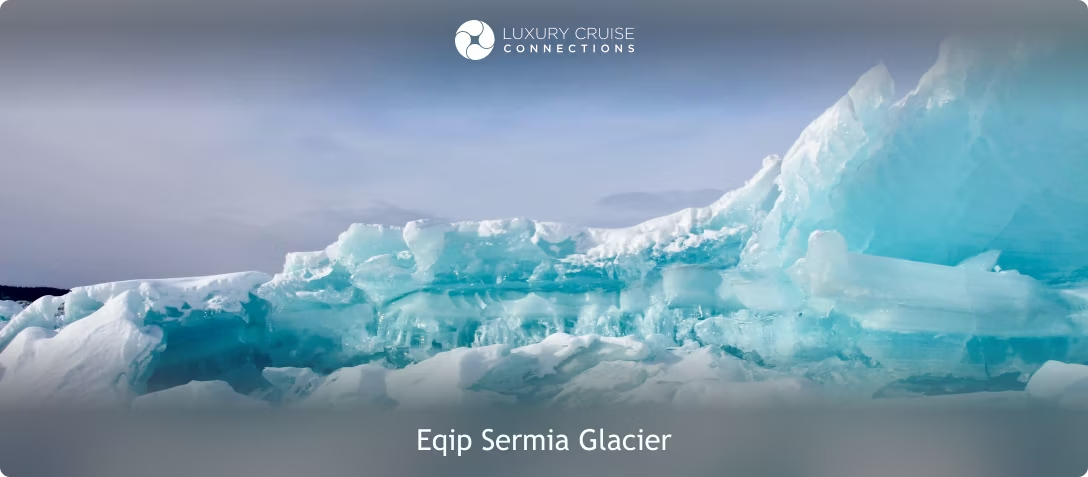
  • Eqip Sermia Glacier
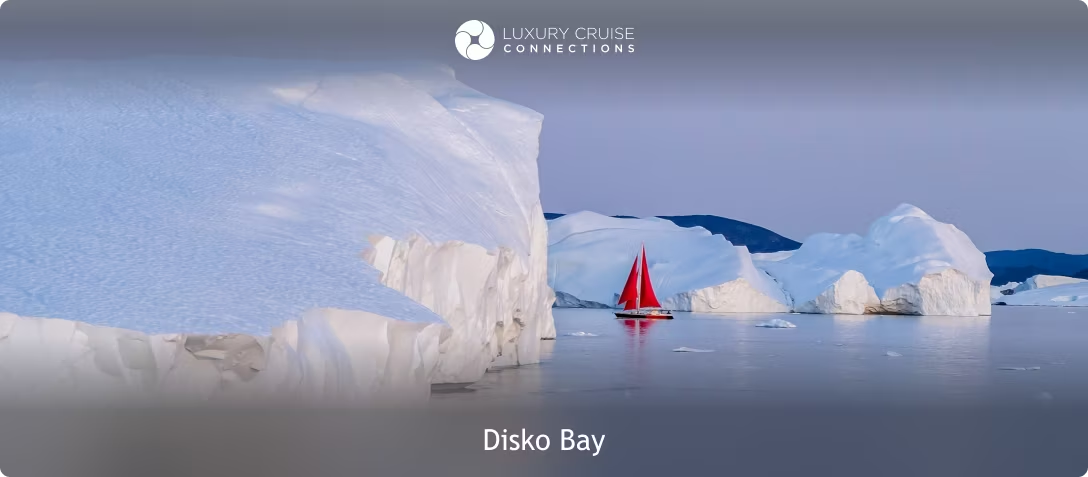
  • Disko Bay
  • Russell Glacier
  • Uunartoq Hot Springs
  • Ilulissat Icefjord

    ilulissat Icefjord is a UNESCO World Heritage site that offers one of the most iconic Arctic landscapes in Greenland. Ilulissat Icefjord is popular with tourists for its dramatic glacier, floating icebergs and hiking opportunities.
    Ilulissat Icefjord
  • Qooroq Glacier

    Qooroq Glacier is one of southern Greenland’s most active tidewater glaciers, located near Narsarsuaq. Qooroq Glacier is famous among tourists for its daily calving events and vivid blue icebergs that are best seen on boat tours.
    Qooroq Glacier
  • Greenland National Museum

    The Greenland National Museum in Nuuk is the country’s top cultural and archaeological museum. The Greenland National Museum draws tourists with its 4,500-year timeline, featuring mummies, Inuit tools, and colonial-era artifacts.
    Greenland National Museum
  • Nuuk Art Museum

    The Nuuk Art Museum is a small cultural institution in Greenland’s capital showcasing historic and contemporary Greenlandic art. The Nuuk Art Museum is popular with tourists for its rotating exhibitions and works by notable artists like Hans Lynge and Pia Arke.
    Nuuk Art Museum
  • Eqip Sermia Glacier

    Eqip Sermia Glacier is a spectacular calving glacier north of Ilulissat on Greenland’s west coast. Eqip Sermia Glacier draws tourists on boat tours to witness huge ice falls and vivid glacial fronts up close.
    Eqip Sermia Glacier
  • Disko Bay

    Disko Bay is a scenic bay off Greenland’s west coast that is filled with icebergs and marine life. Disko Bay attracts tourists for whale watching, iceberg boat tours, and access to settlements like Qeqertarsuaq.
    Disko Bay
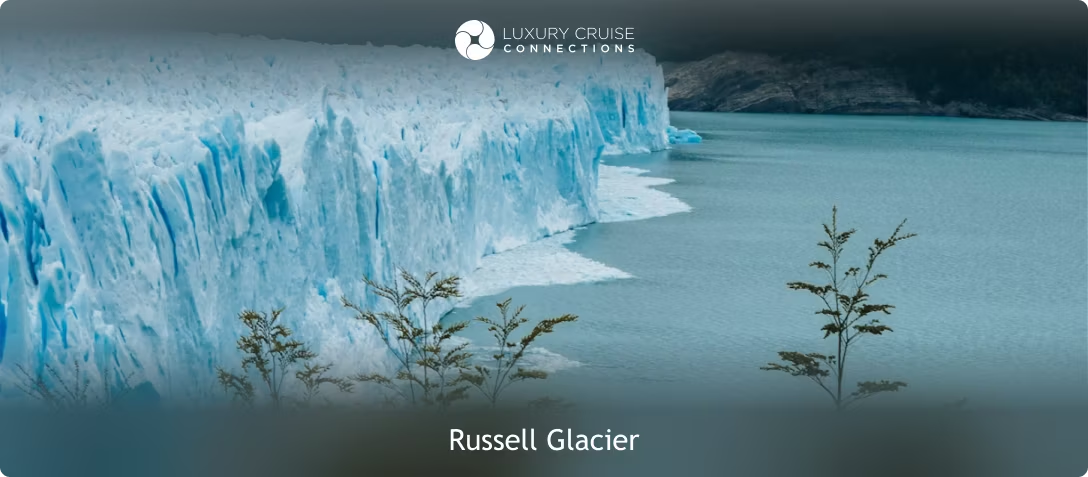
  • Russell Glacier

    Russell Glacier is a large outlet glacier near Kangerlussuaq and one of the few glaciers accessible by land. Russell Glacier draws tourists for short hikes and panoramic views close to the inland ice sheet.
    Russell Glacier
  • Uunartoq Hot Springs

    Uunartoq Hot Springs are natural geothermal pools in South Greenland, surrounded by mountains and drifting ice. Uunartoq Hot Springs is popular with tourists for its open-air bathing with Arctic views.
    Uunartoq Hot Springs


Which Vacation Spots in Greenland Are Best for Beach Lovers?

The vacation spots in Greenland that are best for beach lovers are listed below


What are the Best Things to Do in Greenland for First-Time Visitors?

The best things to do in Greenland for first-time visitors are listed below.

Ilulissat Icefjord is a spectacular UNESCO listed glacier fjord on Greenland’s west coast. Visiting Ilulissat Icefjord lets first-time visitors experience iceberg views, accessible walking trails, and boat tours from a well-connected town.
Nuuk is the capital of Greenland and the country’s main cultural, political, and economic center. Exploring Nuuk lets first-time visitors experience Greenland’s top museums, urban landmarks, and markets on foot.
Qooroq Glacier is a calving glacier in southern Greenland famous for its vivid blue icebergs and scenic fjord approach. Taking a boat tour to Qooroq Glacier introduces first-time visitors to Greenland’s glacial landscapes in a short, comfortable trip.
The Greenland National Museum in Nuuk presents artifacts from 4,500 years of Greenlandic history, including mummies and Inuit tools. Visiting the Greenland National Museum helps first-time visitors understand Greenland’s cultural background and daily life.
Disko Bay in Greenland is an excellent travel destination to observe humpback whales in their natural habitat. Going whale watching in Disko Bay provides first-time visitors with close marine encounters in dramatic Arctic landscapes.

What makes Greenland a Beautiful Country to Visit?

Greenland is a beautiful country to visit for three reasons. The first reason is Greenland’s Arctic landscapes. Greenland features towering icebergs, glacial fjords, and snow-covered mountains shaped by ancient ice. Visitors cruise past calving glaciers, hike tundra valleys, kayak among icebergs, walk ancient trails, and encounter wildlife in vast, silent surroundings within one trip to Greenland. The second reason Greenland is a beautiful country to visit is the depth of its traditional culture. Inuit customs, language, and daily practices remain strong in communities across the island. Travelers visit local markets, join sled tours with mushers, or learn from guides about Greenlandic hunting life. The third reason Greenland is a beautiful country to visit is the quality of natural light. Summer brings the midnight sun with glowing skies and long golden hours, while winter offers star-filled nights and vivid northern lights. These shifting light conditions transform the land and ice into otherworldly scenery.

How can I experience Local Culture in Greenland?

You can experience local culture in Greenland by observing daily practices, tasting traditional foods, visiting cultural sites, and joining guided activities with local residents. Firstly, experience everyday life in Greenland by visiting town markets, walking through harbor areas, and watching fishermen and hunters at work. Local markets like Kalaaliaraq in Nuuk reveal how subsistence traditions still shape daily life in Greenland. Secondly, taste traditional Greenlandic foods such as dried fish, reindeer, seal soup, or mattak. Thirdly, visit museums and art centers to understand Greenland’s culture through Inuit history and contemporary perspectives. The Greenland National Museum in Nuuk displays tools, clothing, carvings, and everyday objects. The Nuuk Art Museum shows how Greenlandic artists interpret identity, landscape, and tradition through modern works. Finally, join activities guided by locals such as dog sledding, kayaking, or hiking to learn how local Greenlanders live with nature. These activities offer cultural exchange and help visitors understand how Greenlanders travel, hunt, cook, and adapt to harsh Arctic conditions.

Are there Activities in Greenland Perfect for Families with Children?

Yes, there are activities in Greenland perfect for families with children because the country offers interactive Arctic nature experiences, low crowds, fun cultural learning, and safe outdoor adventures. In Ilulissat, families walk the wooden boardwalk to the Icefjord, watch icebergs drift by, and visit the Ilulissat Icefjord Centre with hands-on exhibits about glaciers. In Nuuk, the Greenland National Museum displays mummies and everyday Inuit tools that spark curiosity. The nearby cultural center Katuaq hosts music, films, and family events. Families join whale watching tours in Disko Bay, where children see humpbacks and fin whales up-close. In Sisimiut, older children try dog sledding or snowshoeing with local guides who explain traditional life in the arctic. Guided nature walks in South Greenland allow children to experience plants, wildlife, and Norse ruins at their own pace.

Are there Fun Things to Do in Greenland for Outdoor Adventures?

Yes, there are fun things to do in Greenland for outdoor adventures because the country’s varied terrain and seasonal extremes provide unforgettable outdoor experiences. In Kangerlussuaq, adventurers hike the 160-kilometer Arctic Circle Trail, trek across open tundra, and watch musk oxen in the backcountry. In Ilulissat, adventurers walk above the Icefjord, kayak among icebergs, or join boat tours that weave through drifting glacial ice. In Tasiilaq, visitors hike steep fjord valleys, snowshoe through remote passes, or paddle along glacier-fed shores. In Sisimiut, Greenland’s adventure capital, outdoor-lovers ski, mountain bike, or snowmobile across varied terrain depending on the season. In Qaanaaq, winter travelers join dog sled expeditions deep into polar night conditions and view the Northern Lights under Arctic skies. In South Greenland, visitors climb ridgelines above sheep farms, hike to Norse ruins, and take boat trips through ice-filled fjords.

Best Things to Do Around the World

Discover the best activities, landmarks, and experiences in every cruise destination and port of call.

Europe Western, Central & Mediterranean
America North, Central, South & Caribbean
Africa & Asia Oceania & Antarctica