10 Best Things to Do in Namibia

10 Best things to do in Namibia present vast deserts, ancient rock art, and wildlife-rich savannas across southern Afric...

add

10 Best things to do in Namibia present vast deserts, ancient rock art, and wildlife-rich savannas across southern Africa. The 10 best things to do in Namibia highlight towering red dunes, coastal shipwreck shores, and national parks covering over 824,000 square kilometers of diverse terrain. Namibia ranks among the least densely populated countries in the world, with fewer than 3 million residents across expansive open landscapes. The country carries deep archaeological history preserved in rock engravings (Twyfelfontein) dating back over 2,000 years. Windhoek functions as the capital, featuring German colonial architecture and modern administrative districts. Travelers exploring things to do in Namibia encounter desert safaris, canyon hikes, cultural village visits, and Atlantic coastline excursions across the country’s remarkable Namibia places to visit.

  • Visit Etosha National Park
  • Explore Sossusvlei Dunes
  • Tour Swakopmund
  • See the Skeleton Coast
  • Visit the Himba Tribe
  • Hike in Fish River Canyon
  • Tour Damaraland
  • Relax at Walvis Bay
  • Explore the Caprivi Strip
  • See the Brandberg Mountain
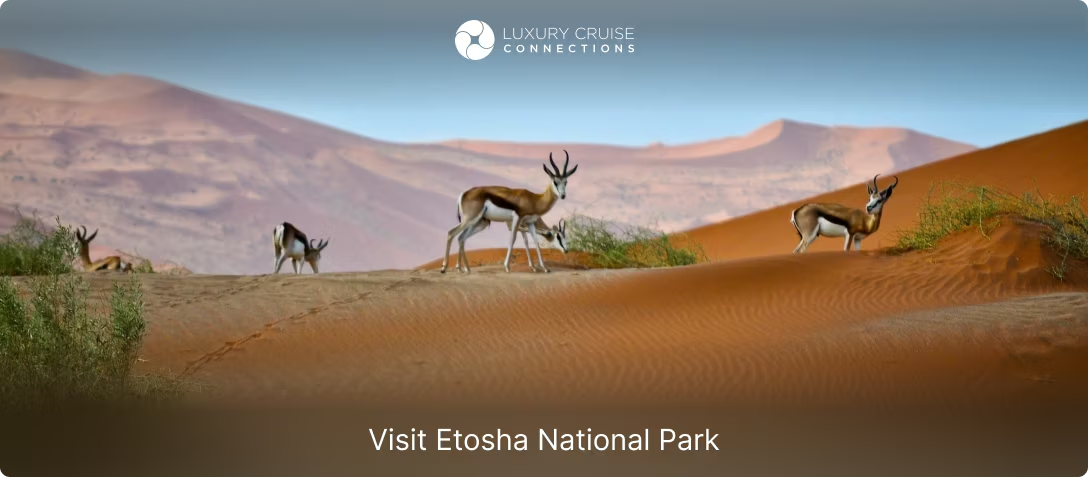
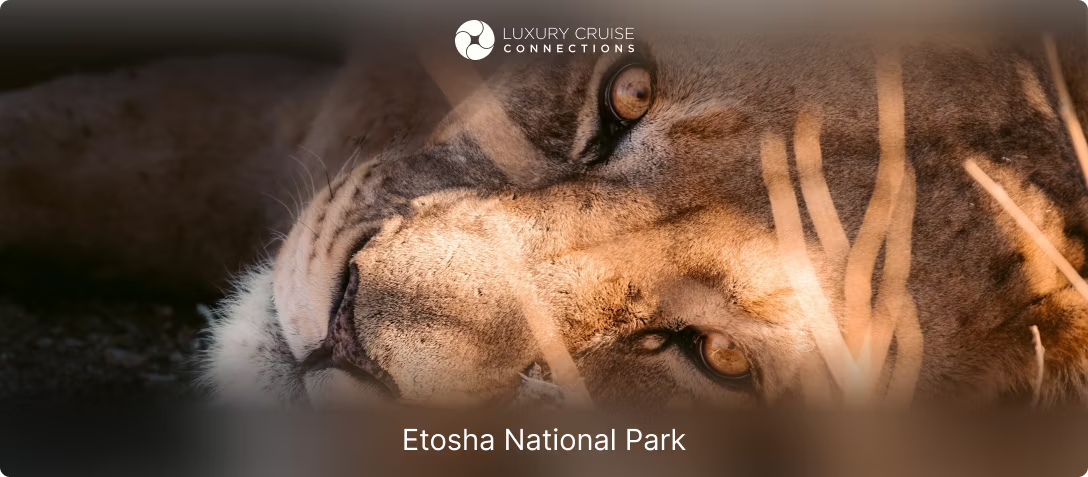
  • Visit Etosha National Park

    Etosha National Park spans 22,270 square kilometers in northern Namibia centered around the Etosha Pan, measuring 4,760 square kilometers. The park contains open grasslands, mopane woodlands, and semi-arid savanna habitats supporting diverse wildlife populations.
    Visit Etosha National Park

    Over 114 mammal species inhabit the reserve, including elephants, lions, cheetahs, giraffes, and endangered black rhinos. Permanent waterholes (Okaukuejo, Halali, Namutoni) concentrate wildlife during the dry season (May to October).

    Game drives follow marked gravel routes connecting major rest camps and viewing points. Late afternoon hours from 16:00 to 18:30 provide predator sightings near water sources.

    Dry season (May to October) improves wildlife visibility

    Registered safari operators conduct half-day and full-day drives.

    Park entry ranges from [$6 to $10] per person per day

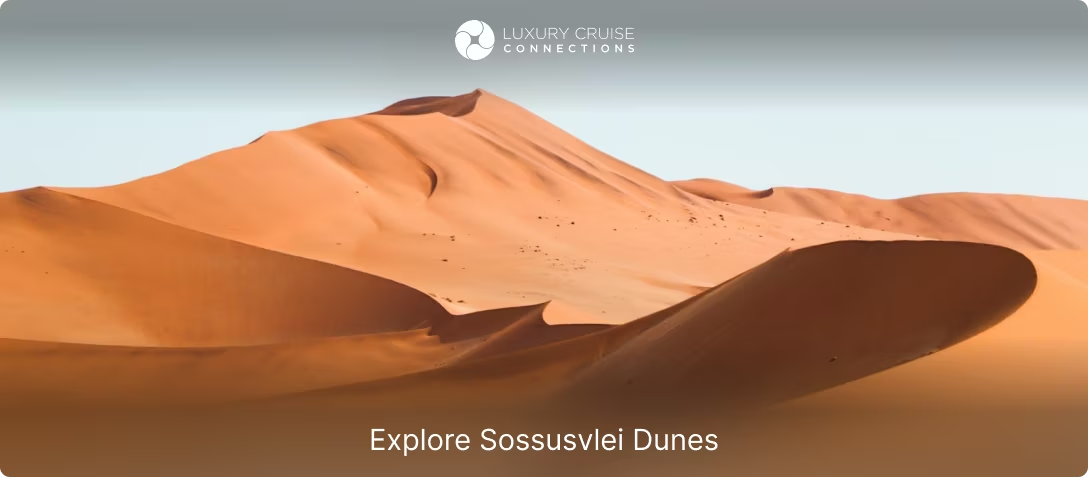
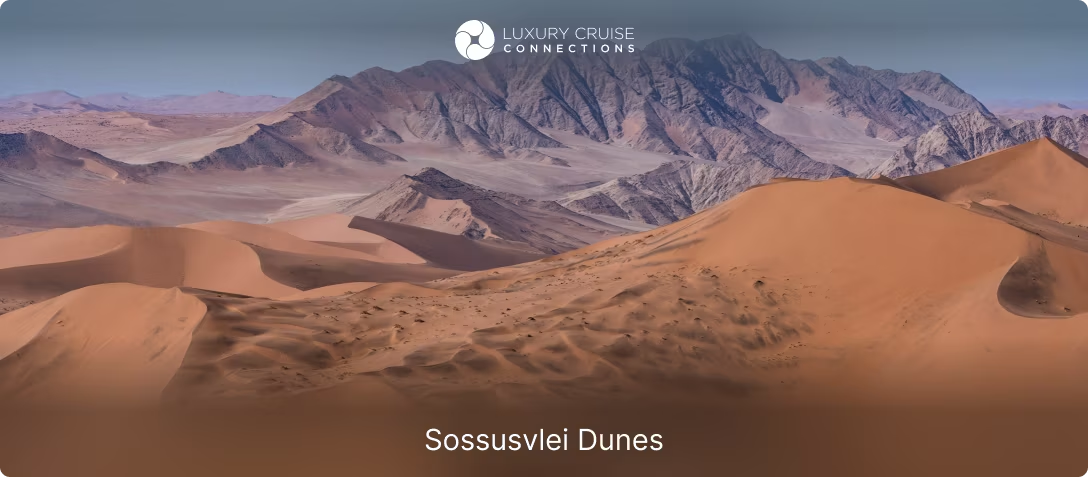
  • Explore Sossusvlei Dunes

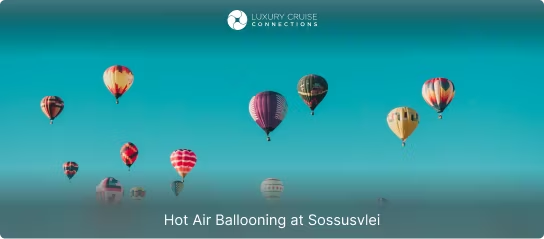
    Sossusvlei lies within Namib Naukluft National Park, inside the Namib Desert estimated at over 55 million years in age. Towering red sand dunes rise from 200 meters to over 300 meters in height, formed by wind patterns along the Atlantic coast. Deadvlei features a white clay pan scattered with 900-year-old camelthorn tree skeletons.
    Explore Sossusvlei Dunes

    Dune 45 stands as one of the photographed dunes due to its accessible slopes and sharp sunrise shadows. Big Daddy dune rises over 325 meters, creating panoramic desert viewpoints across surrounding valleys.

    Visitors climb dunes during early morning hours from 05:30 to 08:30 to avoid midday heat exceeding 35°C. Desert silence and shifting light create dramatic photographic contrast.

    Dry season (May to September) provides cooler temperatures from 10°C to 25°C.

    Guided 4x4 transfers operate beyond the Sesriem gate toward Deadvlei.

    Park entry ranges from [$6 to $10] per person

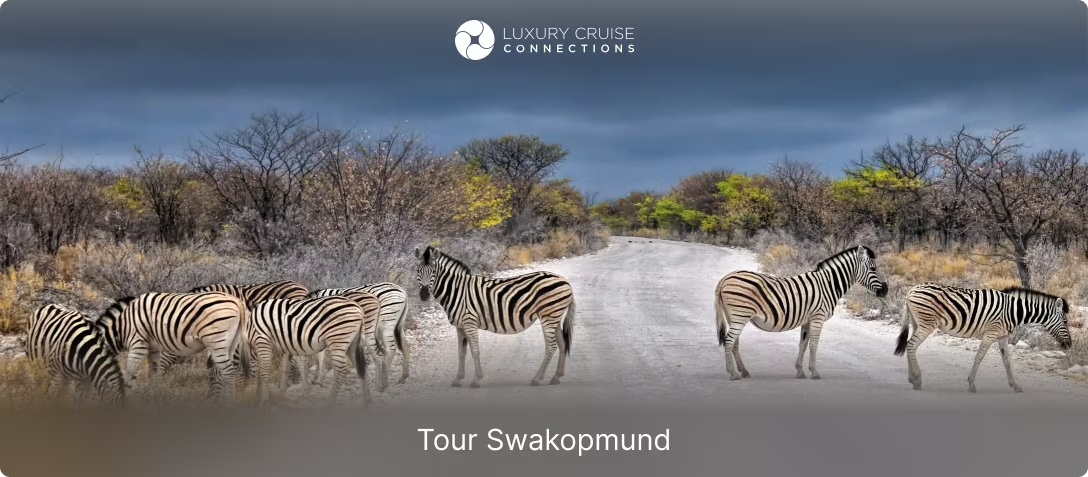
  • Tour Swakopmund

    Swakopmund sits along Namibia’s central Atlantic coastline, positioned between the Namib Desert and the ocean. The town features German colonial architecture dating from the late 19th century, including pastel colored buildings and seaside promenades. Cool Atlantic currents moderate daytime temperatures from 15°C to 25°C throughout the year.
    Tour Swakopmunds

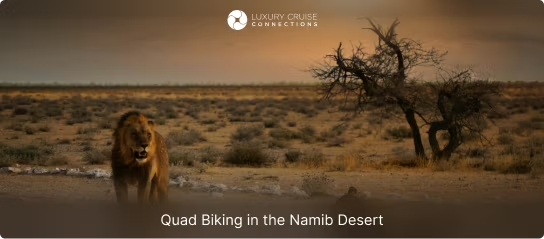
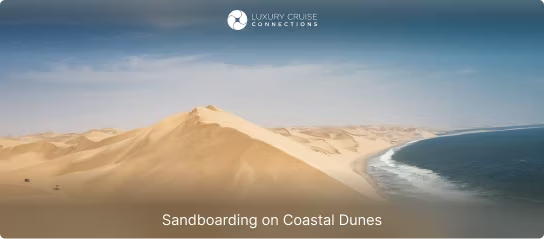
    The Swakopmund Jetty extends into the Atlantic, providing panoramic coastal views. Adventure operators organize sandboarding and quad biking across nearby dunes rising from 50 to 150 meters in height.

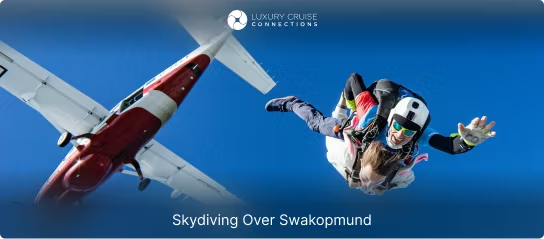
    Visitors walk the waterfront district, explore local museums, and dine in seafood restaurants overlooking the ocean. Skydiving flights operate above desert and sea, offering aerial views across contrasting terrain.

    Dry season (May to October) provides stable weather and minimal rainfall.

    Licensed tour companies offer guided desert and marine excursions.

    Sandboarding experiences range from [$35 to $60].

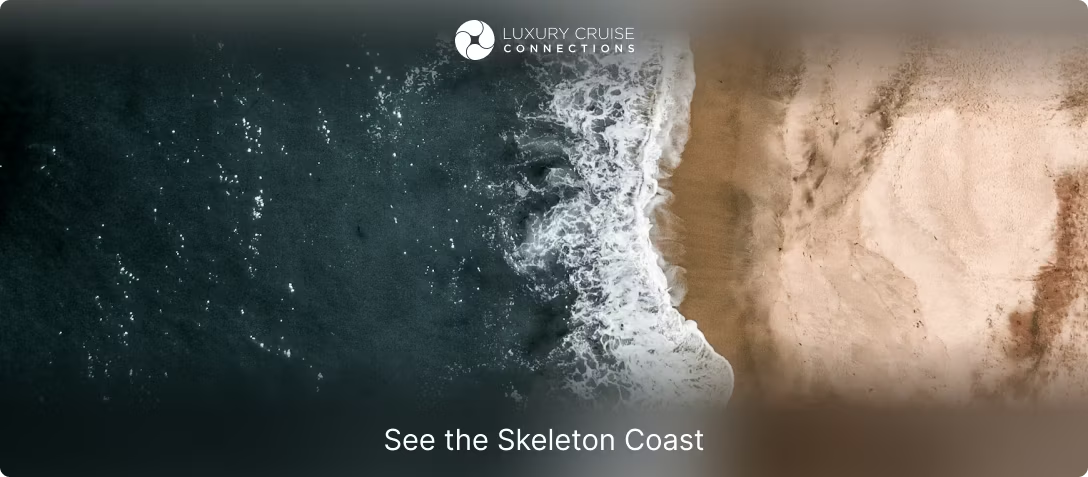
  • See the Skeleton Coast

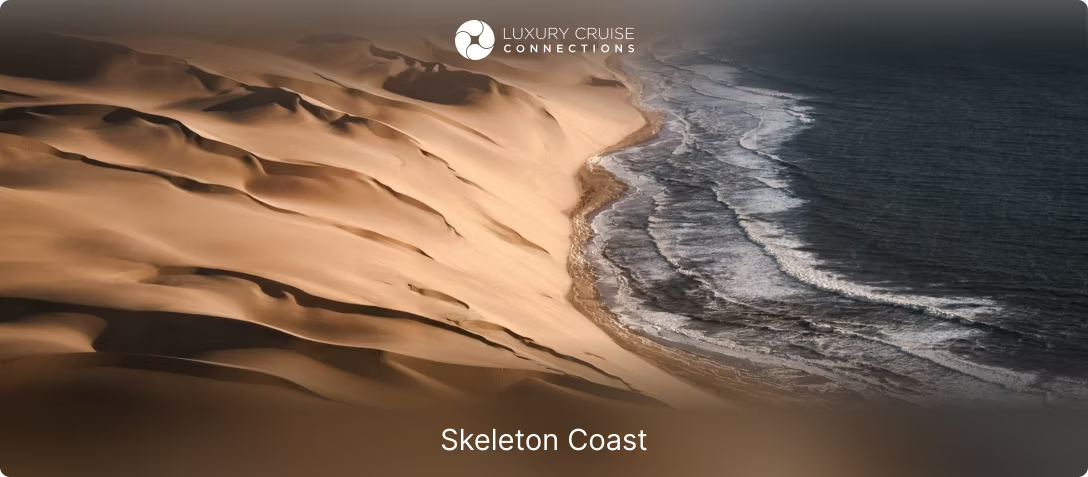
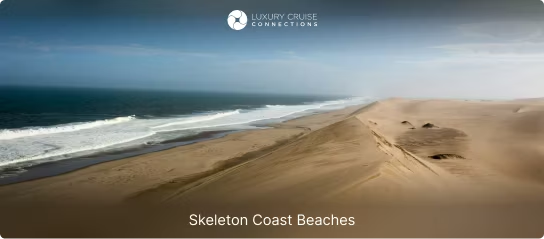
    Skeleton Coast stretches along Namibia’s northwest Atlantic shoreline, where the Namib Desert meets the ocean. Dense coastal fog forms when the cold Benguela Current meets warm desert air, creating a stark atmospheric contrast. The coastline contains scattered shipwreck remains dating from the 19th and 20th centuries.
     See the Skeleton Coast

    Cape Cross hosts one of the world’s largest Cape fur seal colonies, exceeding 100,000 individuals during peak breeding season (November to December). Rusting vessels resting along sandy beaches create dramatic photographic settings.

    Visitors observe seals along wooden walkways positioned near breeding grounds. Guided 4x4 excursions traverse gravel plains and dune corridors along restricted park sections.

    Dry season (May to October) provides clearer skies and moderate temperatures from 12°C to 22°C.

    Access to Skeleton Coast National Park requires registered tour operators in protected zones.

    Park entry ranges from [$5 to $10] per person

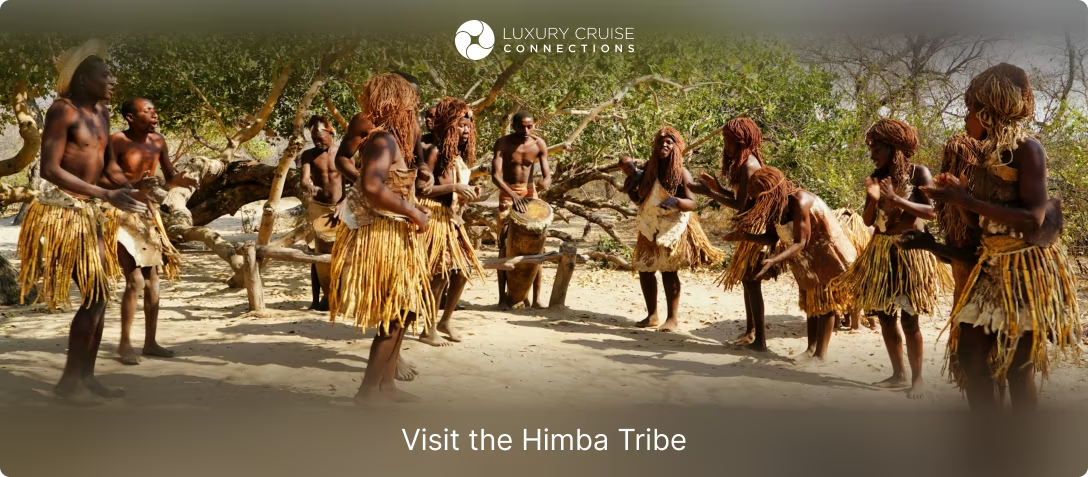
  • Visit the Himba Tribe

    Himba communities reside in northern Namibia near the Kunene Region, maintaining semi-nomadic pastoral traditions. Villages consist of circular huts constructed from wood branches and mud mixtures reinforced with dung. Cattle herding remains central to social structure and economic livelihood.
    Visit the Himba Tribe

    Himba women apply a mixture of butterfat and red ochre to skin and hair, creating a distinctive reddish appearance. Traditional jewelry crafted from iron, copper, and shells indicates marital status and clan identity.

    Visitors observe daily routines, including livestock care and food preparation inside village compounds. Cultural exchanges focus on heritage preservation and oral history traditions.

    Dry season (May to October) improves road access in northern regions.

    Visits require local community-approved guides to ensure respectful engagement.

    Cultural tour visits range from [$30 to $70]

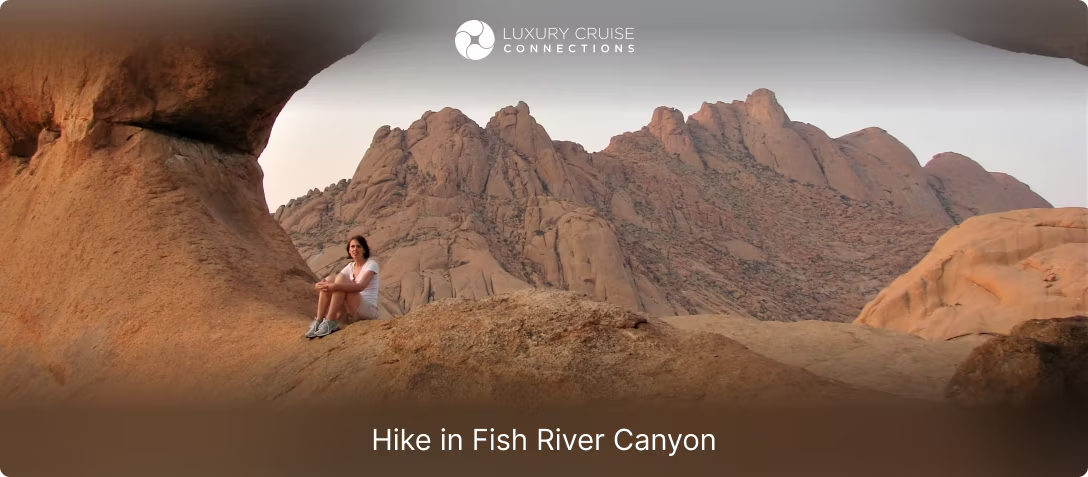
  • Hike in Fish River Canyon

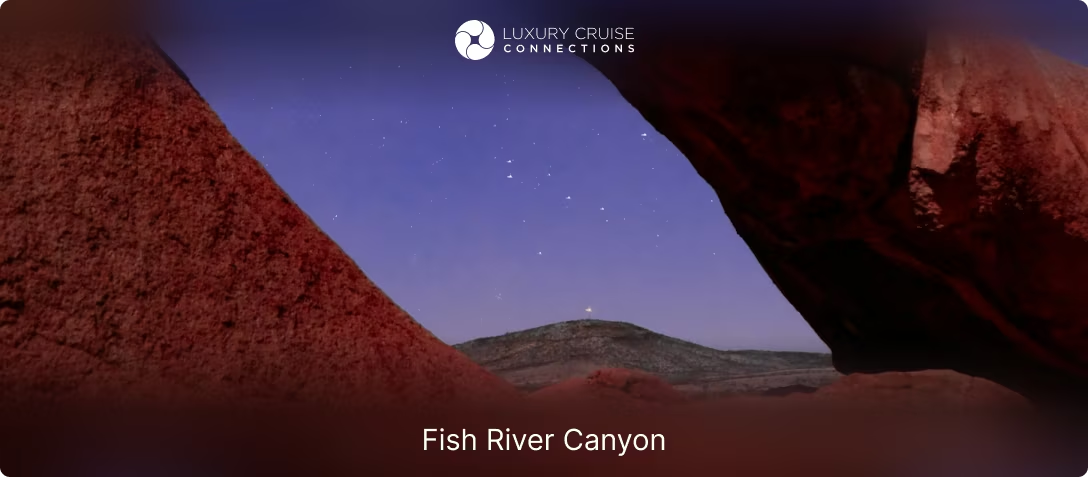
    Fish River Canyon stretches 160 kilometers across southern Namibia, forming Africa’s largest canyon system. The canyon reaches depths of 550 meters and widths up to 27 kilometers carved by the Fish River over millions of years. Rocky plateaus and steep cliffs dominate the surrounding desert terrain.
     Hike in Fish River Canyon

    The main viewpoint near Hobas reveals layered rock formations and sweeping canyon curves. Sunrise and sunset light intensify red and orange hues across canyon walls.

    The Fish River Hiking Trail extends 85 kilometers along the canyon floor. Multi-day treks operate during cooler months (May to September) with temperatures ranging from 10°C to 25°C.

    Dry season (May to September) provides safer hiking conditions.

    Registered guides assist with multi-day trail logistics.

    Park entry costs [$4 to $8] per person

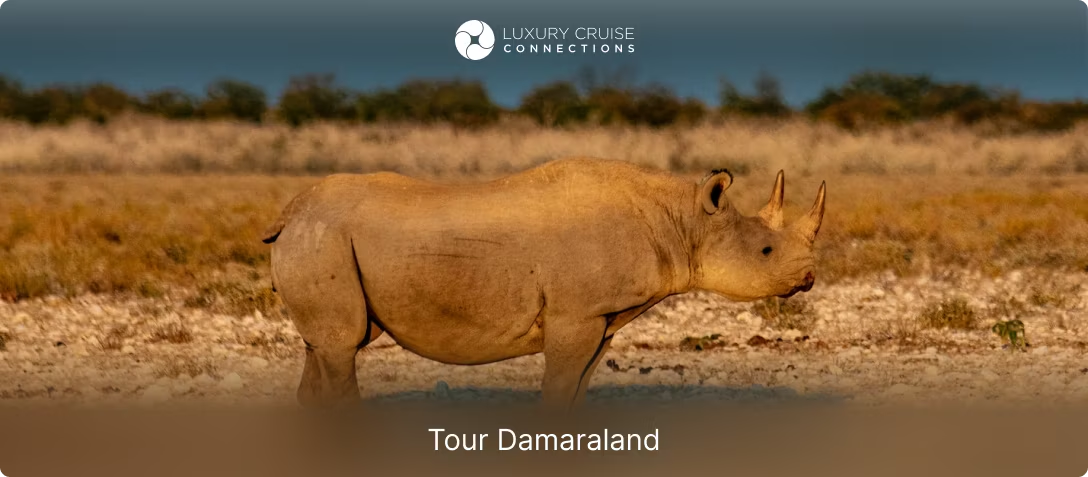
  • Tour Damaraland

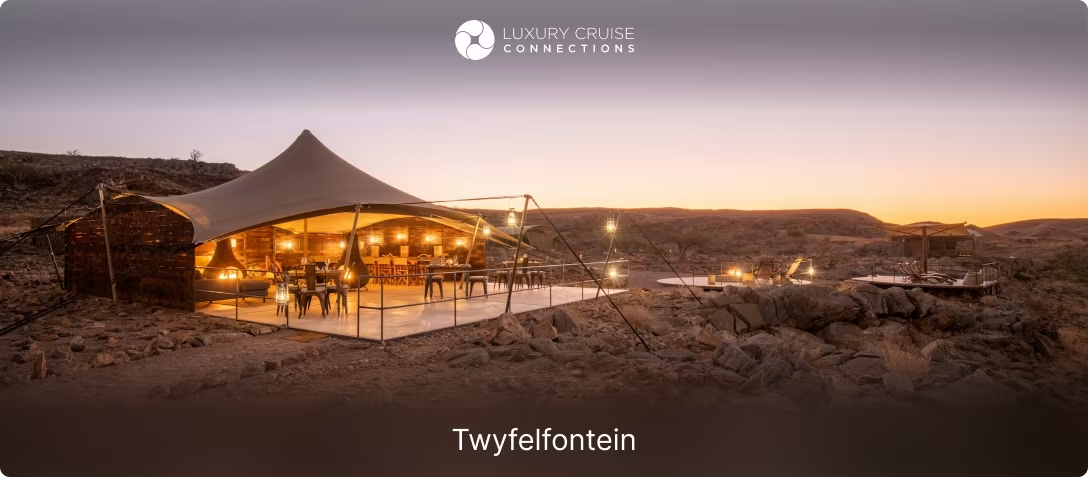
    Damaraland lies in northwestern Namibia characterized by rugged mountains, open plains, and dry river valleys. The region contains Twyfelfontein, a UNESCO-listed rock engraving site featuring over 2,000 petroglyphs created at least 2,000 years ago. Volcanic formations and granite outcrops dominate the semi-arid terrain.
    Tour Damaraland

    Desert-adapted elephants roam seasonal riverbeds (Huab, Aba Huab) in search of water sources. The Organ Pipes geological formation displays vertical basalt columns formed by volcanic activity.

    Visitors explore ancient rock art sites guided by local heritage interpreters. Scenic drives cross gravel roads, revealing mountain silhouettes and wildlife tracks..

    Dry season (May to October) improves wildlife visibility and road conditions.

    Certified guides provide interpretation at the Twyfelfontein heritage site.

    s: Site entry ranges from [$6 to $10].

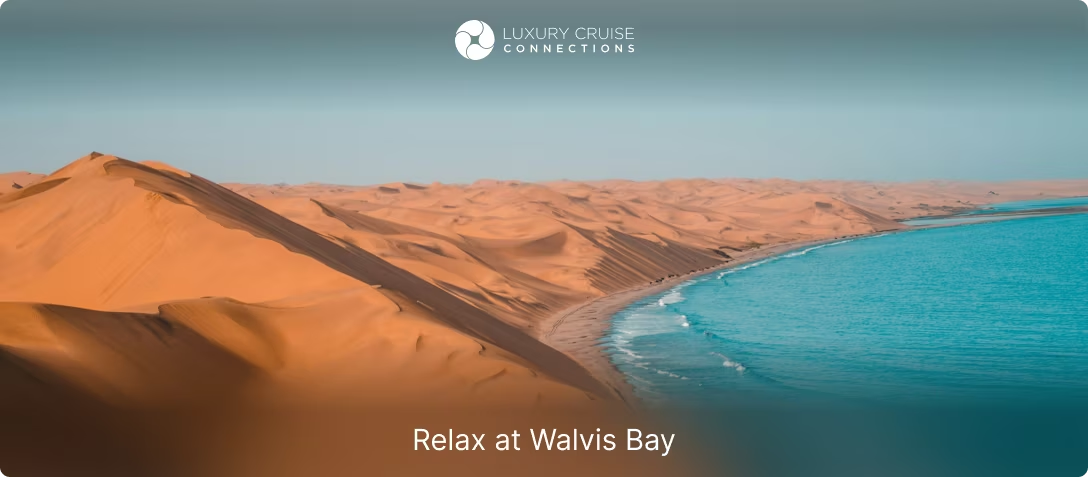
  • Relax at Walvis Bay

    Walvis Bay is a coastal town located along Namibia’s central Atlantic shoreline, featuring a protected natural lagoon. The lagoon forms part of a Ramsar-designated wetland supporting migratory bird populations. Calm waters contrast sharply with surrounding desert dunes rising along the coastline.
    Relax at Walvis Bay

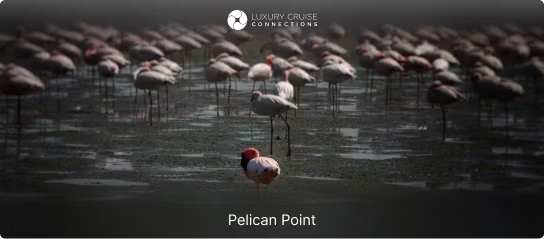
    Greater and lesser flamingos gather in flocks exceeding 10,000 individuals during peak migration periods. Pelican Point extends into the Atlantic, offering panoramic views of the harbor and seal colonies.

    Visitors kayak across shallow lagoon waters measuring from 1 to 3 meters in depth. Boat cruises navigate the harbor channel, providing sightings of dolphins and seals.

    Dry season (May to October) records moderate temperatures from 12°C to 22°C.

    Licensed marine operators conduct kayaking and catamaran tours.

    Lagoon cruises range from [$40 to $70]

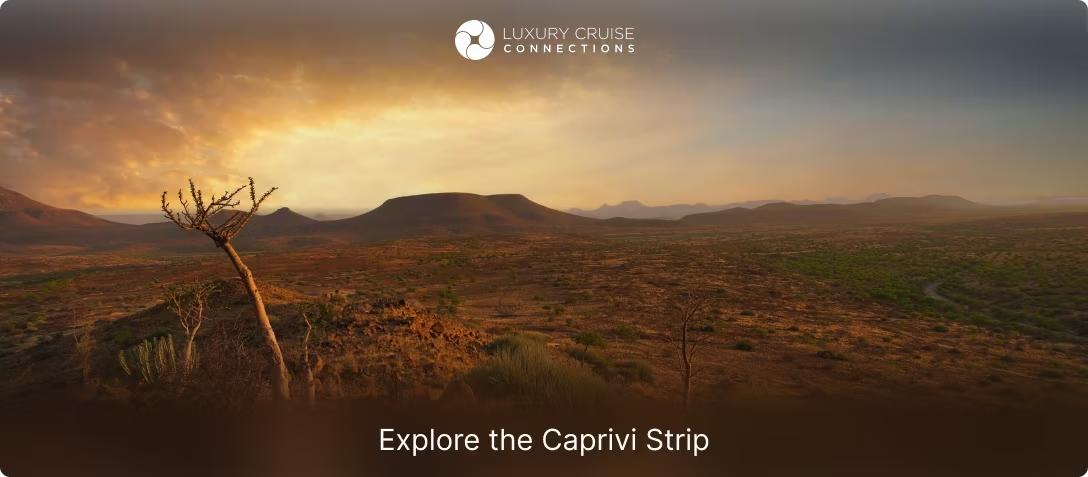
  • Explore the Caprivi Strip

    The Caprivi Strip, officially known as the Zambezi Region, extends over 450 kilometers across northeastern Namibia. The corridor features perennial river systems (Zambezi, Okavango, Kwando, Chobe) supporting wetlands and floodplains distinct from the country’s arid interior. Dense woodlands and riverbanks sustain high biodiversity levels.
    Explore the Caprivi Strip

    Bwabwata National Park protects elephants, buffalo, hippos, and over 400 bird species across riverine habitats. Boat safaris along the Zambezi River reveal crocodiles resting along muddy banks

    Visitors navigate waterways by motorboat during early morning hours from 06:00 to 09:00 for optimal wildlife viewing. Cultural villages along river edges present traditional fishing practices.

    Dry season (May to October) improves wildlife visibility along shrinking water channels.

    DLicensed safari operators conduct river cruises and game drives.

    Park entry ranges from [$4 to $8]

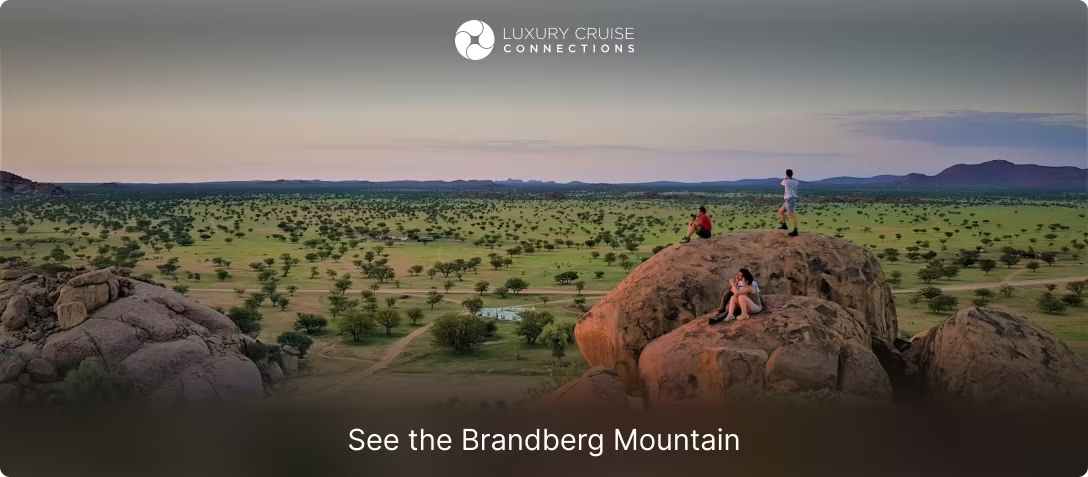
  • SSee the Brandberg Mountain

    Brandberg Mountain rises 2,573 meters above sea level, forming Namibia’s highest peak in the Erongo Region. The granite massif covers over 650 square kilometers and contains over 45,000 documented rock paintings. The arid terrain features dry riverbeds and steep rocky slopes.
    See the Brandberg Mountain

    The White Lady rock painting remains one of the recognized archaeological sites on the mountain, dated at over 2,000 years old. Panoramic summit viewpoints reveal expansive desert plains extending toward Damaraland

    Guided hikes follow marked trails ranging from 2 to 6 hours, depending on route difficulty. Early morning ascents from 06:00 to 10:00 reduce heat exposure exceeding 35°C during peak summer

    Dry season (May to September) provides moderate daytime temperatures from 12°C to 25°C

    Local heritage guides accompany visits to protected rock art sites.

    Guided cultural hikes range from [$20 to $40]


What are the Most Popular Tourist Attractions in Namibia?

The most popular tourist attractions in Namibia are listed below.

  • Etosha National Park
  • Sossusvlei Dunes
  • Skeleton Coast
  • Twyfelfontein
  • Fish River Canyon
  • Etosha National Park

    Etosha National Park spans 22,270 square kilometers centered around a vast salt pan visible from satellite imagery. The reserve hosts over 114 mammal species including elephants, lions, and endangered black rhinos, concentrated near waterholes during the dry season (May to October).
    Etosha National Park
  • Sossusvlei Dunes

    Sossusvlei features red sand dunes rising over 300 meters inside the Namib Desert, estimated at 55 million years in age. Deadvlei clay pan displays ancient camelthorn trees preserved for over 900 years.
    Sossusvlei Dunes
  • Skeleton Coast

    Skeleton Coast stretches along the northwest Atlantic shoreline where desert terrain meets the ocean. Shipwreck remains and Cape Cross seal colonies exceeding 100,000 individuals create dramatic coastal scenery.
    Skeleton Coast
  • Twyfelfontein

    Twyfelfontein contains over 2,000 rock engravingsdated at least 2,000 years old within Damaraland. The UNESCO-listed heritage site preserves ancient depictions of wildlife and ritual symbols.
    Twyfelfontein
  • Fish River Canyon

    Fish River Canyon extends 160 kilometers in length, reaching depths of 550 meters across southern Namibia. Viewpoints near Hobas reveal layered rock formations carved by the Fish River.
    Fish River Canyon


What are the best places to visit in Namibia for beaches and seaside relaxation?

The best places to visit in Namibia for beaches and seaside relaxation are listed below.


What are Some Fun Things to Do in Namibia

The fun things to do in Namibia are listed below.


What are the Best Things to Do in Namibia for First-Time Visitors?

The best things to do in Namibia for first-time visitors are listed below.

Etosha spans 22,270 square kilometers centered around a vast salt pan visible from satellite imagery. Permanent waterholes attract elephants, lions, giraffes, and over 340 bird species during the dry season (May to October). Structured gravel routes connect Okaukuejo, Halali, and Namutoni camps, supporting accessible wildlife viewing.
Sossusvlei features red sand dunes rising over 300 meters inside the Namib Desert estimated at 55 million years in age. Early morning climbs from 05:30 to 08:30 reveal sharp shadow contrasts across the Deadvlei clay pan. Elevated ridgelines provide panoramic desert views extending across surrounding valleys.
Swakopmund combines Atlantic coastline views with preserved German colonial architecture dating from the late 19th century. Coastal temperatures range from 15°C to 25°C throughout most of the year. Adventure operators conduct sandboarding, quad biking, and marine excursions within 10 to 20 kilometers from the town center.
Fish River Canyon extends 160 kilometers in length, reaching depths of 550 meters across southern Namibia. The main viewpoint near Hobas reveals layered rock formations carved by the Fish River over millions of years. Sunrise and sunset hours intensify canyon color tones across elevated scenic overlooks.

Are there any stuff to taste or drink after a cruise to Namibia?

Yes, there are traditional foods and regional beverages to taste after a cruise to Namibia. Namibian cuisine reflects German colonial heritage and indigenous influences across arid southern Africa. Game meats (springbok, oryx, kudu) appear in grilled dishes served in Windhoek and coastal towns. Biltong, a dried, cured meat snack, remains available in markets and roadside shops. Coastal areas (Walvis Bay, Swakopmund) serve fresh Atlantic seafood, including oysters cultivated in cold Benguela Current waters. Local beverages include Windhoek Lager, brewed under German purity laws and Amarula liqueur produced from marula fruit harvested in southern Africa. Rooibos tea appears in cafés across major towns. Restaurant pricing ranges from [$12 to $35] per main course.

Are there Activities in Namibia Perfect for Families with Children?

Yes, there are activities in Namibia perfect for families with children. Etosha National Park provides structured game drive routes connecting major waterholes where elephants, zebras, and giraffes gather during the dry season (May to October). Rest camps include fenced viewing areas allowing safe wildlife observation from secure perimeters. Swakopmund offers family-friendly attractions, including aquariums, museums, and guided desert tours operating within 10 to 20 kilometers from the town center. Walvis Bay Lagoon features calm, shallow waters measuring from 1 to 3 meters in depth, suitable for supervised kayaking sessions. Sossusvlei dune viewpoints near parking access allow short guided walks without extended hiking distances. Organized tour operators structure itineraries with certified guides to ensure safety standards across family-oriented programs.

Are there Fun Things to Do in Namibia for Outdoor Adventures?

Yes, there are fun things to do in Namibia for outdoor adventures. Namibia presents extreme terrain diversity, ranging from dunes exceeding 300 meters in Sossusvlei to canyon depths reaching 550 meters in Fish River Canyon. Quad biking routes operate across coastal dunes near Swakopmund, covering distances from 5 to 20 kilometers under guided supervision. Skydiving departures occur from 3,000 meters above sea level, delivering aerial views of desert meeting ocean scenery. Etosha National Park spans 22,270 square kilometers offering structured safari drives across open savanna plains. Hiking routes ascend Mount Brandberg, rising 2,573 meters above sea level across granite slopes. Kayaking excursions at Walvis Bay navigate shallow lagoon waters measuring from 1 to 3 meters in depth. Expansive desert corridors and low population density strengthen Namibia’s reputation for structured fun things to do in Namibia.

Best Things to Do Around the World

Discover the best activities, landmarks, and experiences in every cruise destination and port of call.

Europe Western, Central & Mediterranean
America North, Central, South & Caribbean
Africa & Asia Oceania & Antarctica