10 Best Things to Do in Morocco

10 best things to do in Morocco include exploring its rich history, vibrant cities, and stunning landscapes. Morocco is...

add

10 best things to do in Morocco include exploring its rich history, vibrant cities, and stunning landscapes. Morocco is a captivating country with a deep-rooted past and thriving modern cities. The country offers a diverse range of attractions, from expansive deserts and rugged mountains to lush valleys. Ancient cities, bustling souks, and magnificent architecture make it an ideal destination for travelers. The iconic Sahara Desert and the charming blue-painted streets of Chefchaouen are just the beginning. Morocco places to visit are brimming with both historical significance and natural beauty. Whether seeking adventure in the Atlas Mountains or relaxation along the Mediterranean coast, there are plenty of things to do in Morocco for all types of travelers. The best places to visit in Morocco include famous imperial cities, breathtaking landscapes, and UNESCO-listed sites that capture the essence of Moroccan heritage.

  • Explore Marrakech Medina
  • Visit the Atlas Mountains
  • Tour Fes El-Bali
  • Discover the Sahara Desert
  • Visit Hassan II Mosque
  • Explore Chefchaouen
  • Tour Ait Benhaddou
  • Relax at Essaouira Beach
  • Visit the Majorelle Garden
  • Explore the Roman ruins of Volubilis
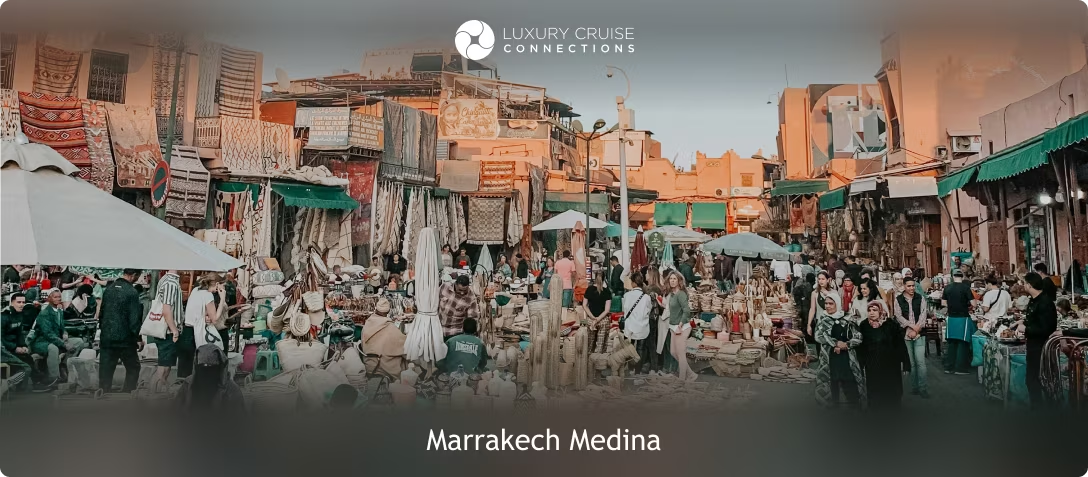
  • Explore Marrakech Medina

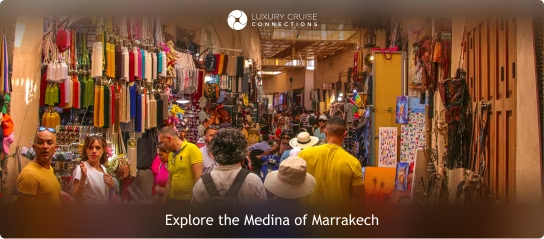
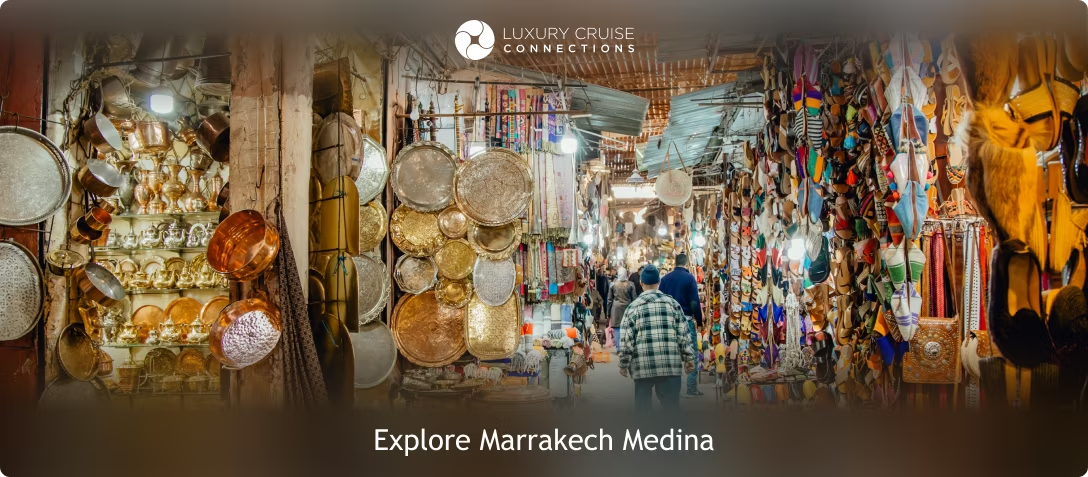
    Marrakech Medina, a United Nations Educational, Scientific and Cultural Organization (UNESCO) World Heritage site, is the historic heart of Marrakech, located in the western part of Morocco. The Medina is a maze of narrow alleys, bustling souks, and traditional riads that showcase the rich cultural heritage and history of the city. As one of Morocco’s most famous landmarks, the Medina is home to several palaces, mosques, and gardens, offering visitors a unique blend of tradition and modernity. The vibrant atmosphere and the rich aromas from street food vendors and spices make it an unforgettable destination.
    Explore Marrakech Medina

    Marrakech Medina is known for iconic sites (Jemaa el-Fnaa), a lively square where visitors experience street performances, food stalls, and traditional markets. The Koutoubia Mosque, with its towering minaret, is one of the most recognizable landmarks in the city. The Bahia Palace, with its stunning gardens and intricate architecture, is another must-see spot in the Medina, reflecting the opulence of Moroccan royalty during the 19th century.

    Exploring Marrakech Medina on foot is an immersive experience, with visitors discovering hidden gems around every corner. The Medina offers a sensory overload from the bustling souks, where everything from jewelry to textiles is sold, to the tranquil courtyards of traditional riads. Visit the Saadian Tombs, an important historical site, and take a walk through the Majorelle Garden, once owned by Yves Saint Laurent. Guided tours are available to navigate the maze-like streets and learn about the city’s rich history.

    The best time to visit Marrakech Medina is during the spring (March to May) and fall (September to November), when the weather is pleasant, and the crowds are more manageable.

    Hiring a local guide is recommended to fully appreciate the history and culture of the Medina.

    Entry fees for major attractions like the Bahia Palace and Saadian Tombs range from [10 to 20], with discounts for students and seniors.

  • Visit the Atlas Mountains

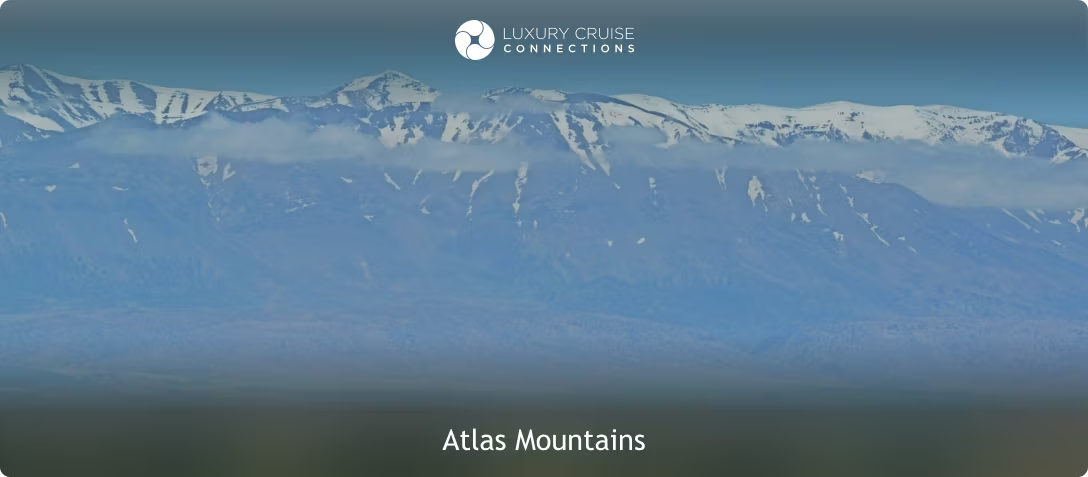
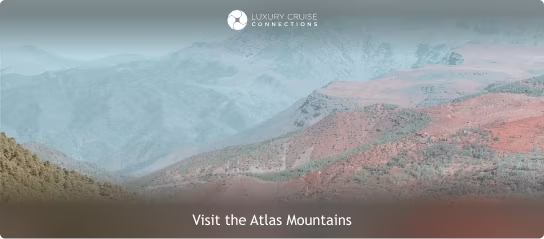
    The Atlas Mountains, stretching across Morocco, Algeria, and Tunisia, are a breathtaking mountain range offering stunning landscapes and diverse ecosystems. The Atlas Mountains are divided into three main ranges, located in central and southwestern Morocco (the High Atlas, Middle Atlas, and Anti-Atlas). The mountains provide a unique opportunity to explore Morocco’s natural beauty and rich cultural heritage, known for their dramatic peaks, deep valleys, and traditional Berber villages. The Atlas Mountains are an ideal destination for nature lovers and adventure seekers, whether trekking through scenic landscapes or visiting remote mountain villages.
    Visit the Atlas Mountains

    The High Atlas Mountains, home to the tallest peaks in North Africa, including Mount Toubkal (the highest point in Morocco), are perfect for trekking and mountaineering. The village of Imlil, located at the foot of Mount Toubkal, is a popular base for hikers and trekkers. The Middle Atlas range is known for its lush cedar forests and charming towns (Ifrane), referred to as “Little Switzerland” for its alpine-like scenery. The Anti-Atlas range offers a more arid, rugged terrain, with the scenic valley of Ameln and the ancient kasbahs of Tizourgane offering visitors a glimpse into the region’s traditional way of life.

    Visitors to the Atlas Mountains experience a variety of outdoor activities, from trekking and hiking to mountain biking and horseback riding. Guided treks to the summit of Mount Toubkal provide unparalleled views of the surrounding valleys and peaks. Exploring Berber villages and staying in traditional mountain kasbahs offers an authentic experience of Moroccan life for travelers interested in culture. The region offers opportunities for birdwatching, wildlife photography, and exploring waterfalls and gorges. Visiting the towns of Ifrane or Ouarzazate provides a peaceful escape with scenic views for a more relaxing experience.

    The best time to visit the Atlas Mountains is from April to June and September to November, when the weather is moderate and ideal for outdoor activities.

    Hiring a local guide is recommended for treks to Mount Toubkal, as the trails are challenging.

    Trekking fees for Mount Toubkal and other mountain excursions range from [20 to 50] per person, with additional fees for guides and equipment rentals.

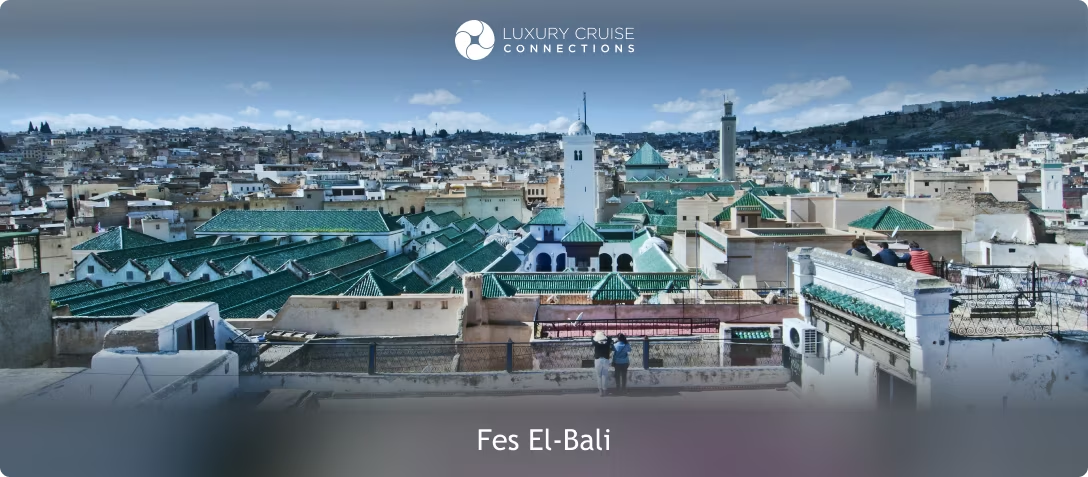
  • Tour Fes El-Bali

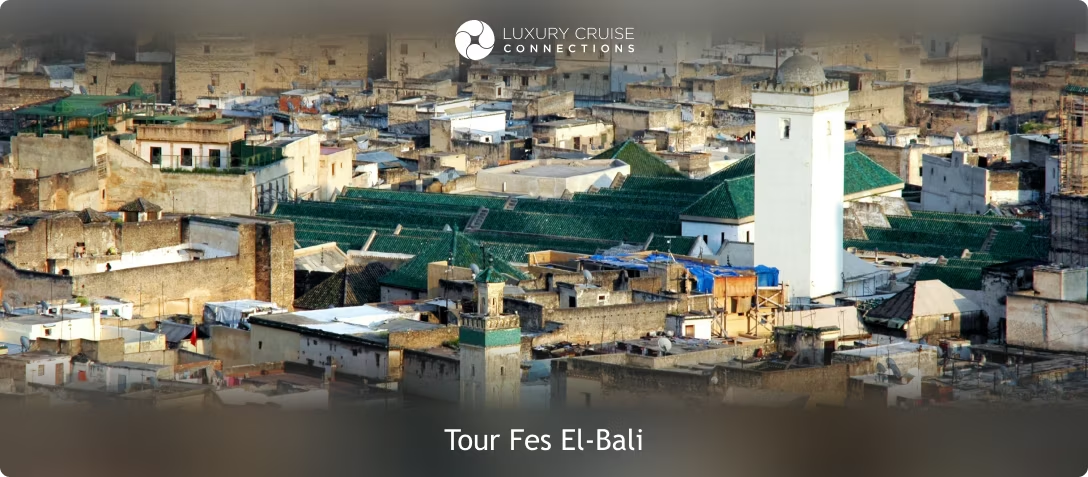
    Fes El-Bali is the oldest part of Fes, a UNESCO World Heritage site located in central Morocco. The ancient medina, dating back to the 9th century, is a maze of narrow alleyways, bustling souks, and stunning historical buildings. Fes El-Bali is known for its well-preserved medieval architecture and vibrant cultural atmosphere, making it one of Morocco’s most important historical and cultural destinations. The medina is home to historical landmarks, including the world’s oldest university, Al Quaraouiyine, and a rich tradition of craftsmanship and artistry as the spiritual and intellectual heart of the country.
    Tour Fes El-Bali

    Fes El-Bali is filled with key attractions (the Al Quaraouiyine Mosque and University), which are renowned for their Islamic architecture and cultural significance. A must-visit site is the Bou Inania Madrasa, a 14th-century Islamic school known for its intricate woodwork and tile decorations. The tanneries of Fes, with their iconic vats of colored leather, offer a unique insight into the traditional craft of leather-making. The souks in Fes El-Bali are famous for their colorful textiles, handcrafted pottery, and vibrant spices, providing a quintessential Moroccan market experience.

    Touring Fes El-Bali is like stepping back in time, as visitors wander through its labyrinthine streets, discovering ancient palaces, hidden courtyards, and historic mosques. Exploring the local tanneries and artisan workshops offers a chance to see traditional Moroccan craftsmanship in action. Fes El-Bali is home to vibrant food markets where visitors taste traditional Moroccan dishes (tagine, pastilla, and freshly made couscous). A guided tour is highly recommended to navigate the intricate streets and learn about the historical and cultural significance of the medina for a deeper understanding of the city’s history.

    The best time to visit Fes El-Bali is during the spring (March to May) and fall (September to November), when the weather is pleasant and ideal for walking around the medina

    Hiring a local guide is recommended to help navigate the narrow streets and provide in-depth knowledge about the history and landmarks of Fes El-Bali.

    Entry fees for major attractions like the Al Quaraouiyine Mosque and Bou Inania Madrasa range from [5 to 15], with discounts for students and seniors.

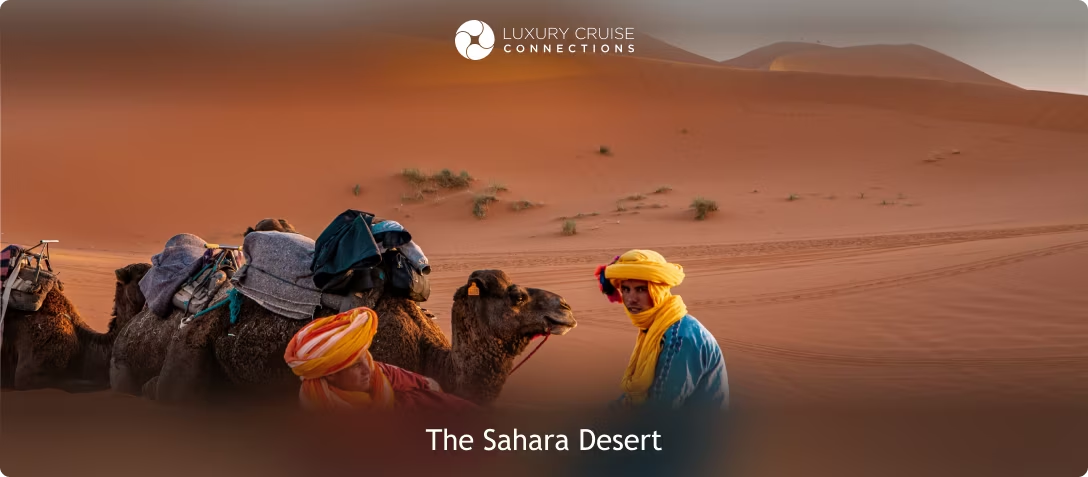
  • Discover the Sahara Desert

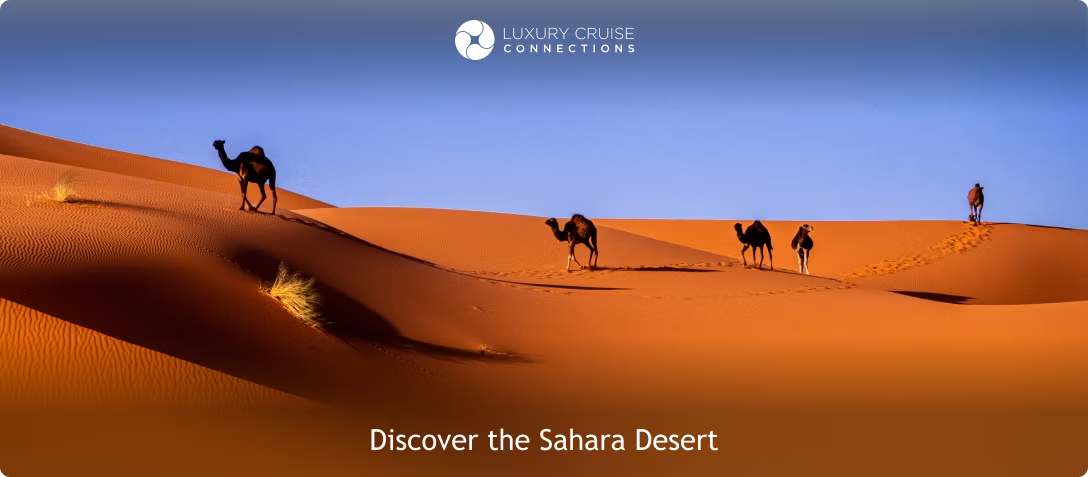
    The Sahara Desert, one of the largest and most famous deserts in the world, stretches across Morocco's southeastern region. The Sahara offers an unparalleled adventure for those seeking to explore its unique landscape, known for its vast sand dunes, extreme climate, and breathtaking beauty. The desert is a place of solitude and serenity, offering an experience with its seemingly endless expanse of golden sand. The desert is home to traditional Berber communities, who have adapted to life in such a harsh environment, providing visitors with a fascinating cultural experience and an opportunity to witness the stunning desert vistas.
    Discover the Sahara Desert

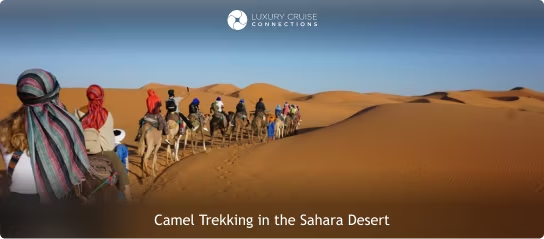
    The Sahara Desert’s iconic landscapes include towering sand dunes, such as those found in Merzouga and Erg Chebbi, where visitors take camel treks and enjoy spectacular sunrises and sunsets. The desert is home to oases like the one at Erfoud, where travelers rest and experience the contrast between the barren desert and lush greenery. Visitors camp under the stars in traditional Berber tents, enjoying a true desert experience. The area is known for its tranquility, allowing travelers to connect with nature and experience the vastness of the desert.

    Discovering the Sahara Desert is an unforgettable journey. Visitors can explore the desert by camel, trekking through its vast dunes and immersing themselves in the silence and beauty of the surroundings. For a more adventurous experience, off-road tours provide access to remote parts of the desert, offering unique perspectives of its diverse landscapes. Spending a night in the desert, under the starlit sky, provides an opportunity to experience the traditional Berber way of life and listen to stories around a campfire. The desert offers a range of experiences, from hiking and sandboarding to simply enjoying the peace and isolation.

    The best time to visit the Sahara Desert is from October to March, when the temperatures are cooler and more comfortable for trekking and camping.

    A guided tour is recommended, as the desert is difficult to navigate, and a guide can offer valuable insights into the landscape and Berber culture.

    Camel treks and desert tours range from [30 to 100] per person, depending on the duration of the trip and whether it includes a camping experience.

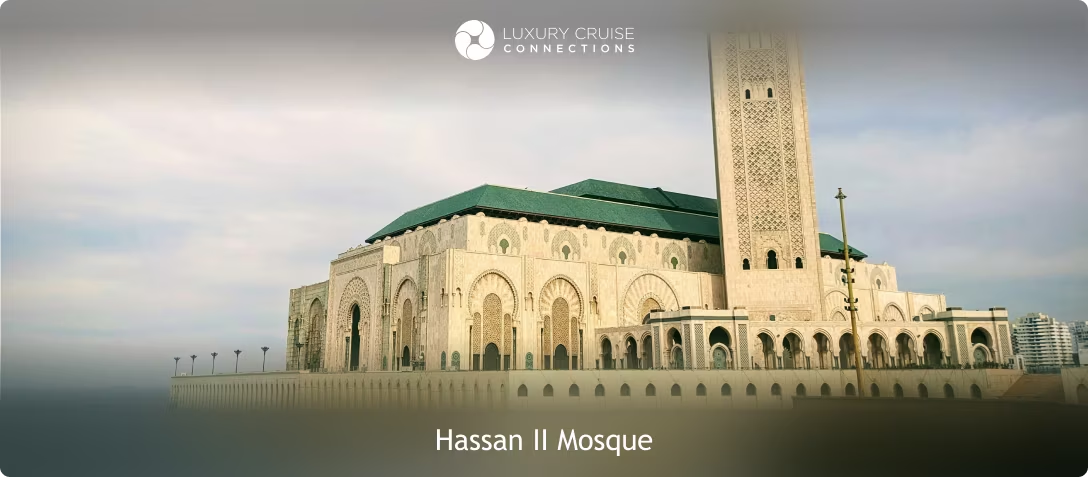
  • Visit Hassan II Mosque

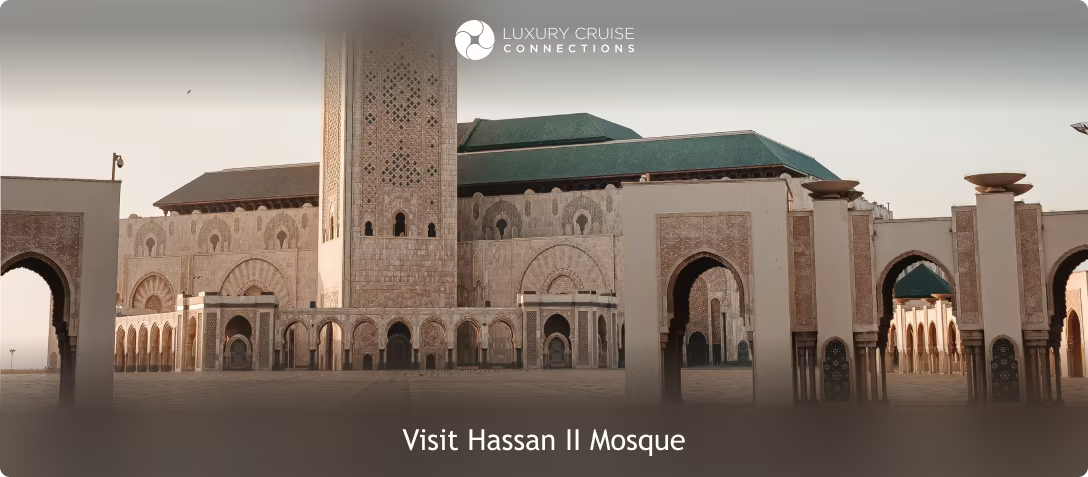
    The Hassan II Mosque, located in Casablanca, is one of the largest and most magnificent mosques in the world. The mosque is known for its towering minaret, which reaches 210 meters, making it the tallest in the world, situated along the Atlantic coast. Completed in 1993, the mosque spans over 9 hectares and can accommodate 25,000 worshippers inside, with an additional 80,000 in its surrounding courtyards. The mosque’s stunning location and intricate design make it one of Morocco's most iconic landmarks.
    Visit Hassan II Mosque

    The Hassan II Mosque is renowned for its exquisite Moorish architecture, featuring intricate woodwork, detailed mosaics, and expansive marble floors. Visitors marvel at the mosque’s striking minaret, which stands prominently against the skyline. The mosque’s expansive prayer hall is a masterpiece, with its retractable roof that can be opened for special occasions. Surrounding courtyards, adorned with fountains and lush gardens, add to the mosque’s serene atmosphere. The mosque’s location by the Atlantic Ocean enhances its beauty, offering breathtaking views and a sense of tranquility.

    Visiting the Hassan II Mosque provides an opportunity to explore its grand design and rich history through guided tours. The tours highlight the mosque's cultural and architectural significance, offering insight into its creation and the skills involved in its construction. Visitors wander through the mosque’s magnificent prayer hall, which boasts towering columns and intricate tilework. The surrounding grounds and panoramic ocean views make the experience even more memorable. The mosque’s tranquil ambiance invites reflection, making it a highlight of any visit to Casablanca.

    The best time to visit the Hassan II Mosque is during the cooler months, from October to April, when the weather is more comfortable for outdoor exploration.

    A local guide is highly recommended to fully appreciate the mosque’s architectural and cultural significance.

    Entry fees for the mosque's guided tours range from [10 to 20], with discounts for students and seniors

  • Explore Chefchaouen

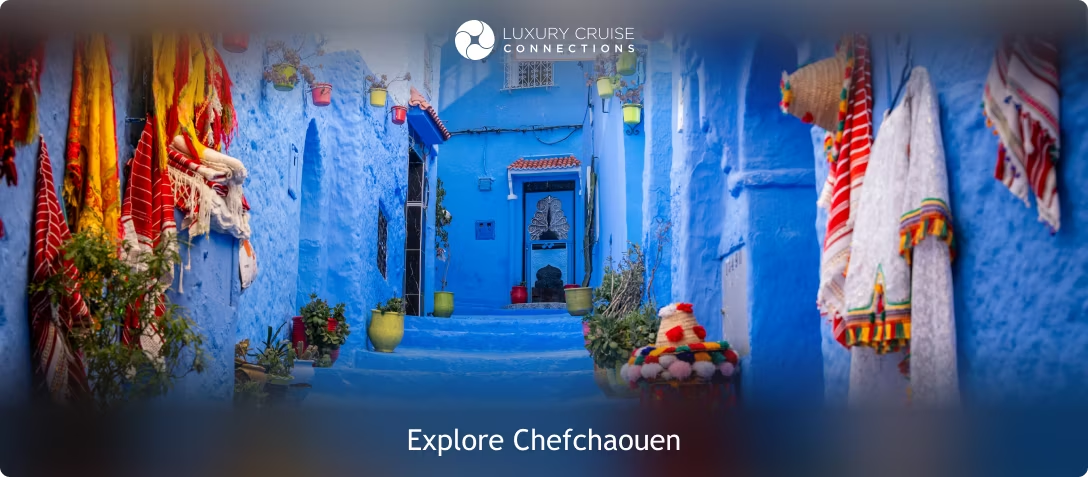
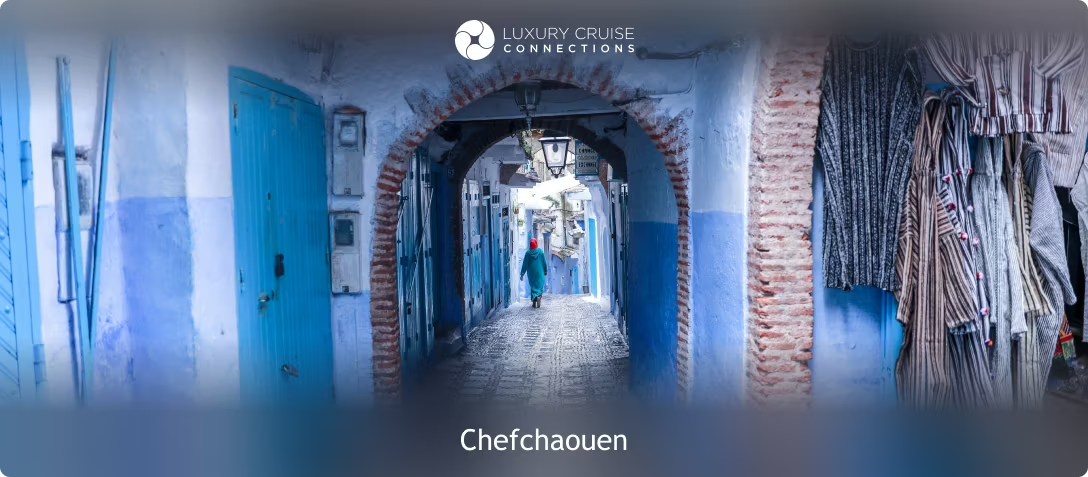
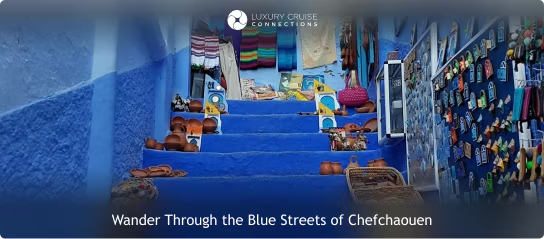
    Chefchaouen, located in the Rif Mountains of northern Morocco, is a picturesque town known for its distinctive blue-painted buildings. The town’s tranquil atmosphere and stunning surroundings make it a popular destination for travelers seeking cultural experiences and natural beauty. Chefchaouen has a rich history, and its medina offers a blend of traditional Moroccan culture and Spanish influence. The town is renowned for its peaceful ambiance, narrow winding streets, and vibrant markets filled with local handicrafts.
    Explore Chefchaouen

    Chefchaouen’s most striking feature is its blue-painted buildings, which cover the streets and alleys of the medina. The vibrant colors give the town a serene and unique charm, making it one of the most photographed destinations in Morocco. The Kasbah, located in the heart of the medina, is a historic fortress that offers insight into Chefchaouen’s past and provides stunning views of the surrounding mountains. Visitors explore the local markets, where handmade goods, textiles, and pottery are sold, adding to the town’s cultural richness.

    Exploring Chefchaouen is a relaxing and immersive experience. Visitors wander through the medina’s narrow streets, appreciating the town’s distinctive blue hues and peaceful atmosphere. The surrounding Rif Mountains provide ample opportunities for hiking and nature walks, offering stunning views of the town and its surroundings. Chefchaouen is known for its handicraft shops, where visitors purchase unique products, including woven rugs, pottery, and leather goods. The town’s laid-back vibe makes it an ideal place to unwind and enjoy the simple pleasures of Moroccan life

    The best time to visit Chefchaouen is during the spring (March to May) and fall (September to November), when the weather is mild and perfect for exploring the town and its surroundings.

    A local guide provides fascinating insight into the town's history and the significance of its blue-painted buildings.

    Entry to the Kasbah and other attractions range from [5 to 10], with discounts for students and seniors.

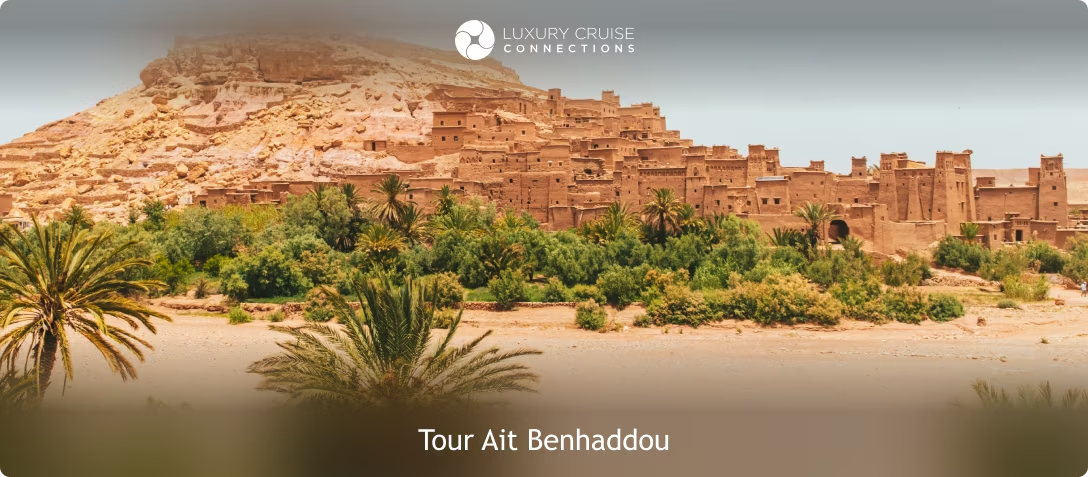
  • Tour Ait Benhaddou

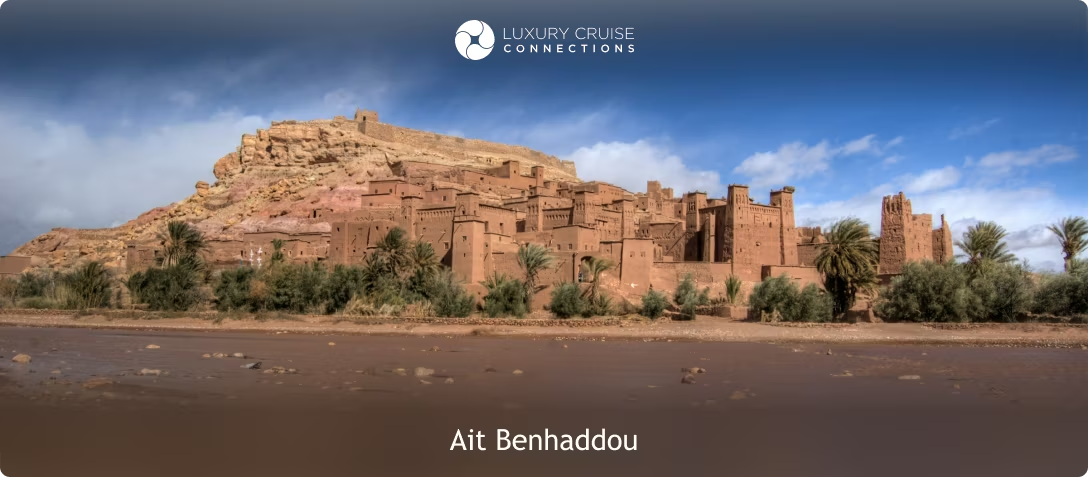
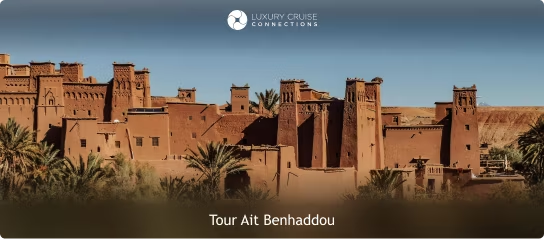
    Ait Benhaddou is a UNESCO World Heritage site located in the foothills of the Atlas Mountains, near Ouarzazate in southern Morocco. The ancient fortified city is an exceptional example of traditional Moroccan earthen architecture and is known for its dramatic kasbahs (fortresses) and mud-brick structures. The site, which dates back to the 11th century, has served as a trading post for caravans and as a strategic defense point. Today, Ait Benhaddou remains one of Morocco’s most famous landmarks and is widely recognized for its timeless beauty and cultural significance
    Tour Ait Benhaddou

    Ait Benhaddou is renowned for its stunning kasbahs and the iconic Ksar, a fortified village made up of mud-brick buildings that rise up against the backdrop of the desert and mountains. The most famous feature of Ait Benhaddou is its dramatic appearance, with towering structures and narrow alleyways that make it appear like a scene from an ancient story. The site has been featured in numerous films, including "Gladiator," "Lawrence of Arabia," and "Game of Thrones." The view from the top of the kasbah provides panoramic vistas of the surrounding valley and the Atlas Mountains, adding to the allure of the site.

    Touring Ait Benhaddou is like stepping into another time. Visitors explore the narrow streets, climb to the top of the kasbah for stunning views, and learn about the history and architecture of the site. Local guides offer fascinating insights into the history of the Ksar and the Berber culture that built it. The surrounding area offers an opportunity to see the traditional way of life in the region, with nearby villages where people still live in mud-brick homes. The site’s remote desert location offers a unique experience, providing a glimpse into the ancient trading routes that once passed through the area.

    The best time to visit Ait Benhaddou is during the cooler months, from October to March, as the summer months can be extremely hot and dry.

    Hiring a local guide is recommended to gain deeper insight into the history and significance of Ait Benhaddou.

    Entry fees for the Ksar range from [5 to 10], with guided tours available for an additional fee.

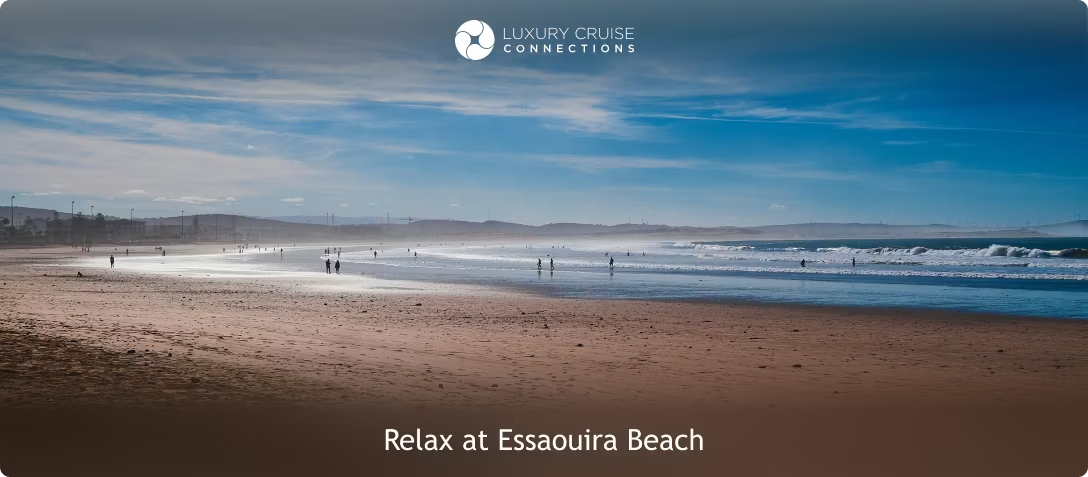
  • Relax at Essaouira Beach

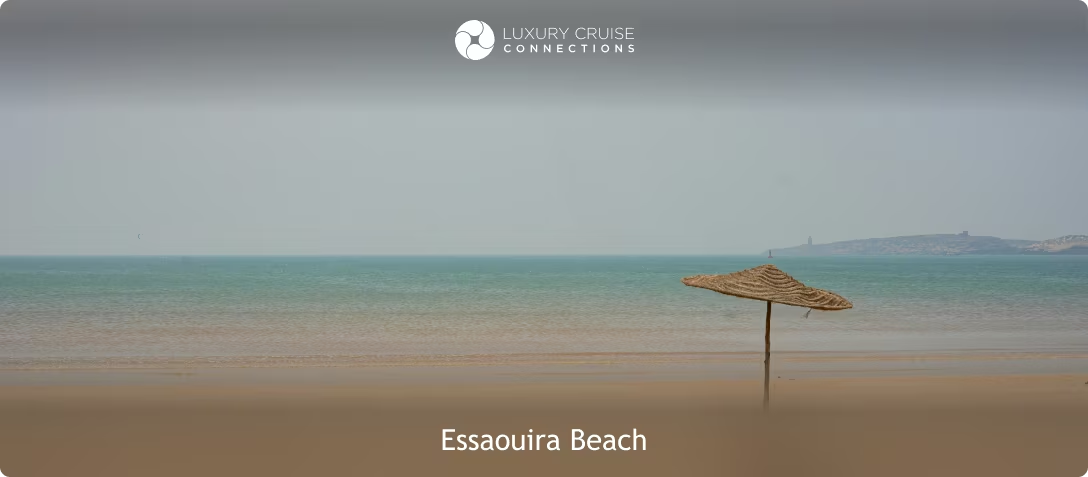
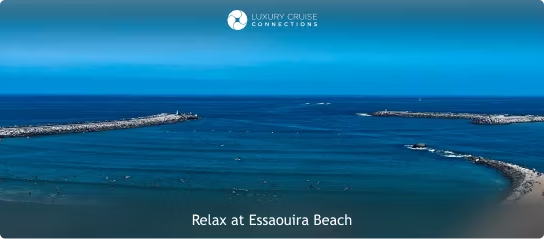
    Essaouira Beach is a beautiful stretch of coastline located in the coastal city of Essaouira on Morocco’s Atlantic coast. The beach offers a perfect escape from the bustling cities of Morocco, known for its laid-back atmosphere, golden sands, and refreshing ocean breeze. Essaouira is a UNESCO World Heritage site and is famous for its well-preserved medina, historic ramparts, and vibrant arts scene. The beach, with its ideal mix of natural beauty and cultural charm, attracts locals and tourists who come to relax, enjoy water sports, or explore the surrounding areas.
    Relax at Essaouira Beach

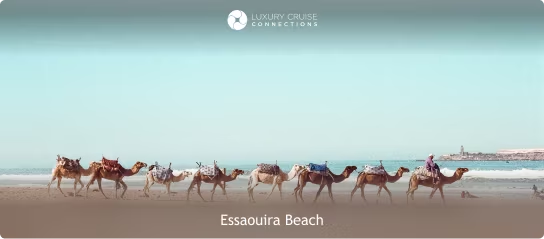
    Essaouira Beach is renowned for its peaceful ambiance and stunning views of the Atlantic Ocean. The beach is lined with charming cafes and restaurants where visitors relax and enjoy fresh seafood while overlooking the ocean. The strong winds make it a popular destination for windsurfing and kitesurfing, and the clear waters are perfect for swimming. The nearby historic medina, with its white-and-blue buildings and lively souks, offers a contrast to the beach's tranquility, giving visitors a full Moroccan experience. The beach provides breathtaking sunsets, making it a fantastic spot for evening relaxation.

    Relaxing at Essaouira Beach is an experience that combines relaxation and adventure. Visitors spend their days sunbathing on the sand or enjoying the refreshing sea breeze. Water sports (windsurfing, kitesurfing, and surfing) are popular activities for travelers seeking adventure. The beach is home to camel rides, where visitors take a peaceful stroll along the shoreline. Visitors explore the nearby medina, discovering art galleries, boutiques, and local handicrafts after a day on the beach. Essaouira's relaxed atmosphere and blend of history and nature make it an ideal destination for a peaceful retreat.

    The best time to visit Essaouira Beach is from April to June and September to November, when the weather is mild, and the beach is less crowded.

    Local guides provide additional insights into the city's history and help plan water sport activities, while the beach itself is easy to navigate.

    Access to the beach is free, though there are fees for activities (water sports or camel rides), ranging from [10 to 30] depending on the activity.

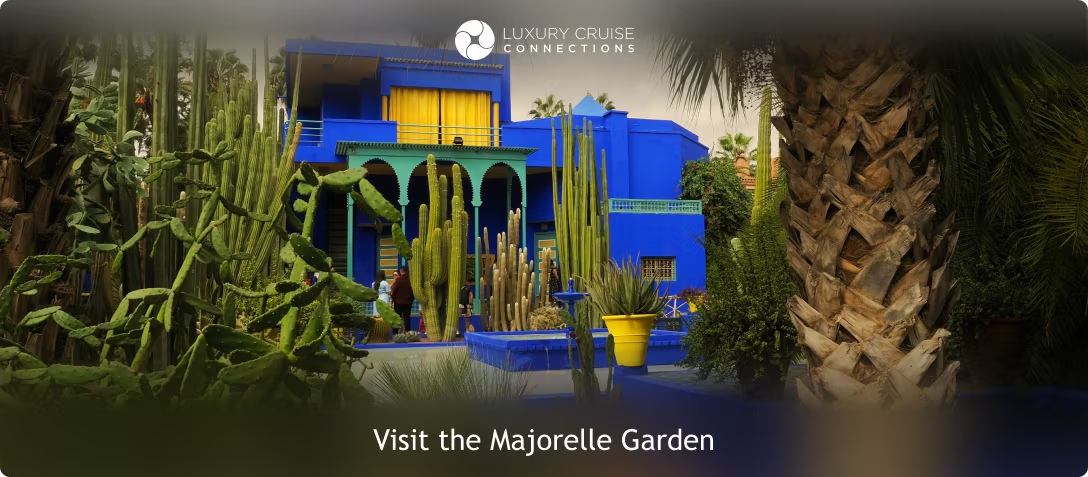
  • Visit the Majorelle Garden

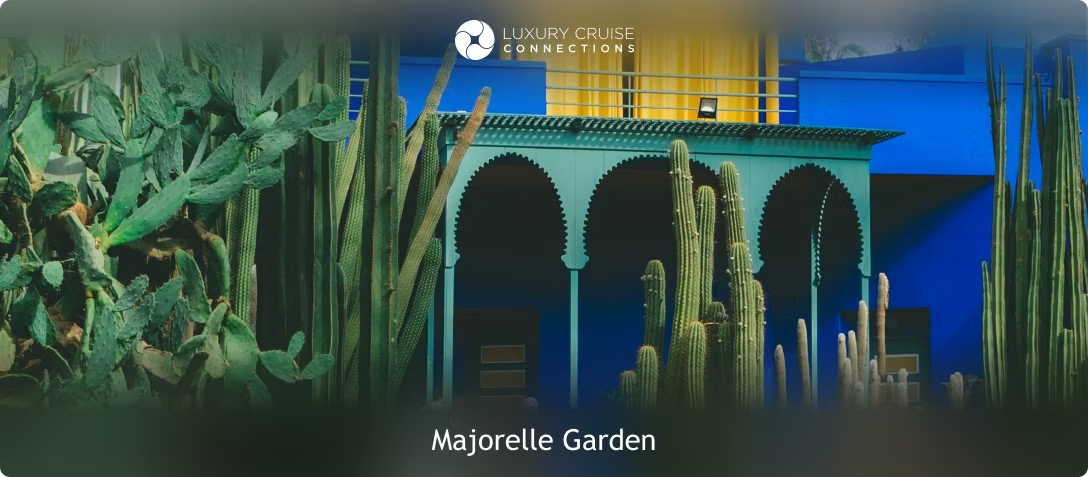
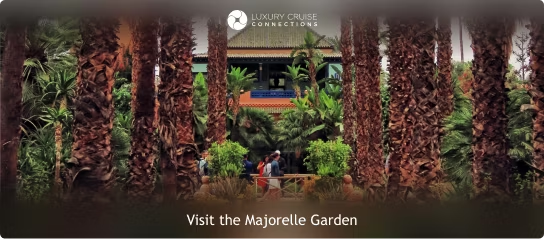
    The Majorelle Garden, located in Marrakech, is a stunning botanical garden that was designed by French painter Jacques Majorelle in the 1920s. The garden is renowned for its vibrant blue colors, lush greenery, and exotic plants, making it one of the most popular attractions in Marrakech. The Majorelle Garden covers approximately 1.5 acres and features an impressive collection of plants from around the world, including cacti, palm trees, and bougainvillea. The garden's striking color scheme, the iconic Majorelle blue, gives it a unique and tranquil atmosphere, making it a must-see for visitors.
    Visit the Majorelle Garden

    The garden's most iconic features are the vibrant blue buildings, which are complemented by the surrounding greenery, creating a beautiful contrast. The garden’s paths wind through various sections, each offering a different experience, from the tranquil koi pond to the cactus garden filled with striking succulents. The Yves Saint Laurent Museum, located adjacent to the Majorelle Garden, is another highlight, showcasing the late designer's work and connection to the garden. The peaceful ambiance of the garden makes it a perfect spot for relaxation and reflection.

    Visiting the Majorelle Garden offers a peaceful escape from the hustle and bustle of Marrakech. Visitors take a leisurely walk through the lush pathways, admiring the diverse plant species and the colorful surroundings. The vibrant blue of the buildings and the exotic plants create a mesmerizing environment that feels like a haven. The museum dedicated to Yves Saint Laurent provides additional insight into the designer's life and his connection to the garden. The Majorelle Garden is a place of natural beauty and artistic sanctuary, allowing visitors to experience the artistry of Majorelle and the tranquility of nature.

    The best time to visit the Majorelle Garden is from March to May and September to November, when the weather is pleasant, and the garden is not too crowded.

    A guide provides detailed information about the garden’s history and the significance of the plants and architecture.

    Entry fees for the Majorelle Garden are [7 to 10], with additional fees for access to the Yves Saint Laurent Museum.

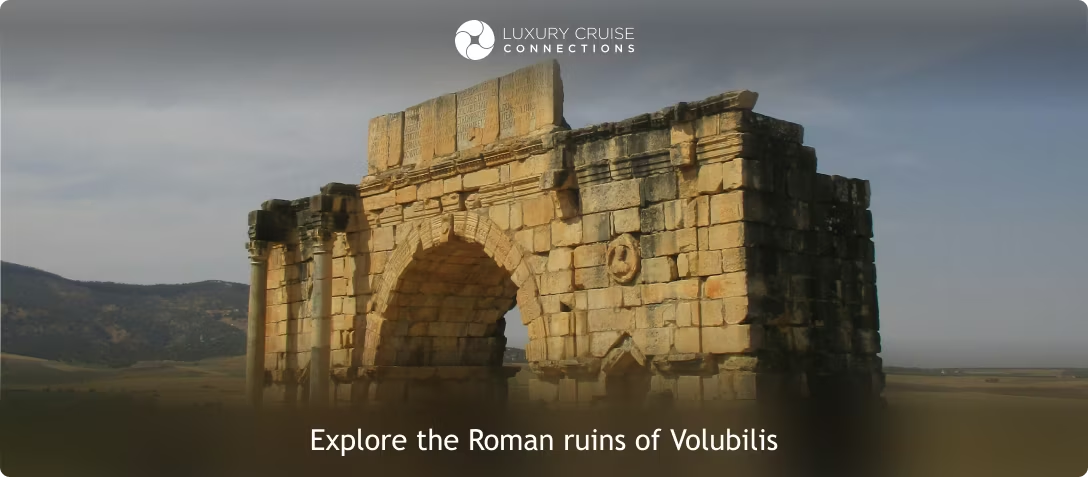
  • Explore the Roman ruins of Volubilis

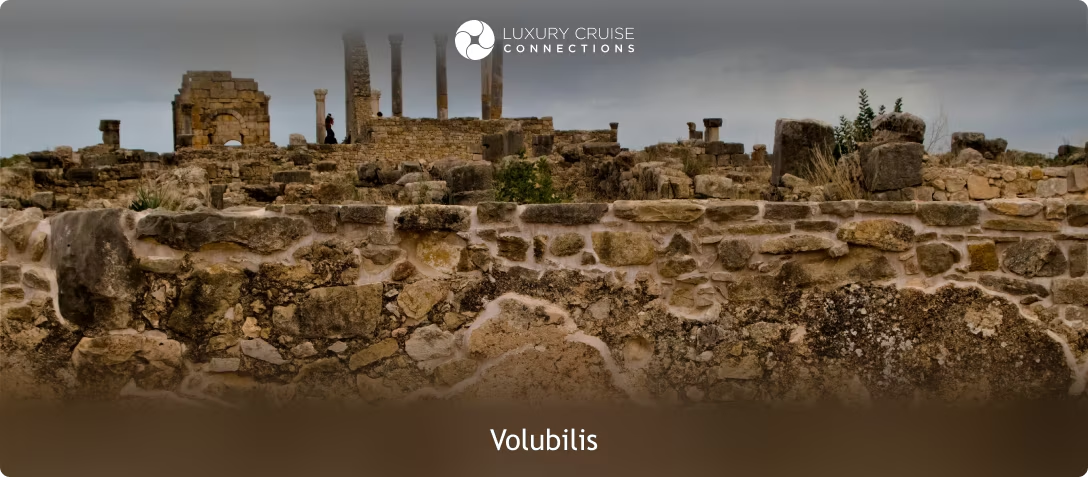
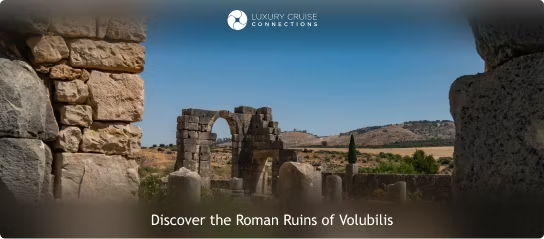
    The Roman ruins of Volubilis, located near Meknes in northern Morocco, are one of the best-preserved archaeological sites from ancient Rome in North Africa. The UNESCO World Heritage site dates back to the 3rd century BC and was once a thriving city and administrative center of the Roman Empire. The ruins are spread across a vast area, showcasing impressive structures, including temples, basilicas, and triumphal arches. Volubilis offers visitors a unique glimpse into the Roman influence on Morocco, making it an essential stop for history enthusiasts and archaeologists.
    Explore the Roman ruins of Volubilis

    The notable features of Volubilis include the remains of the basilica, the Capitoline Temple, and the Arch of Caracalla, which stands as a symbol of the city’s former grandeur. The site is famous for its intricate mosaics, which depict scenes from Roman mythology, daily life, and the gods. The mosaics, still remarkably intact, are one of the key attractions at Volubilis. The ruins’ strategic location, with views over the surrounding olive groves and the Rif Mountains, adds to the site’s charm and historical importance.

    Exploring the Roman ruins of Volubilis offers a fascinating journey back in time. Visitors walk through the ancient streets, imagining what life was like during Roman rule. The extensive mosaics are one of the highlights, providing a visual connection to the past. The ruins include remnants of public baths, residential homes, and even a forum, which offer insight into Roman architecture and urban planning. The site is relatively quiet compared to other major Moroccan tourist attractions, allowing for a more contemplative and immersive experience.

    The best time to visit the Roman ruins of Volubilis is during the spring (March to May) and fall (September to November), when the weather is mild and comfortable for exploring the site.

    A local guide is recommended to enhance the experience by providing historical context and explanations about the significance of the ruins and mosaics.

    Entry fees for Volubilis range from [5 to 10], with additional fees for guided tours.


What are the Most Popular Tourist Attractions in Morocco?

The most popular tourist attractions in Morocco are listed below.

  • Marrakech Medina
  • Hassan II Mosque
  • Fes El-Bali
  • The Sahara Desert
  • Chefchaouen
  • Ait Benhaddou
  • Atlas Mountains
  • Majorelle Garden
  • Volubilis
  • Essaouira Beach


What are Some Fun Things to Do in Morocco

Some fun things to do in Morocco are listed below.


What are the best places to visit in Morocco for beaches and seaside relaxation?

The best places to visit in Morocco for beaches and seaside relaxation are listed below.


What are the Best Things to Do in Morocco for First-Time Visitors?

The best things to do in Morocco for first-time visitors are listed below.

The Medina of Marrakech is a UNESCO World Heritage site and is famous for its vibrant souks, historic palaces, and lively Jemaa el-Fnaa square
Camel trekking through the Sahara Desert is one of the most iconic experiences in Morocco. Ride camels through the golden dunes, watch the sunset, and spend a night in a Berber camp under the stars.
The Hassan II Mosque, located on the coast of Casablanca, is one of the largest mosques in the world. Its stunning architecture and oceanfront location make it a must-visit landmark.
Fes El-Bali, the ancient medina of Fes, is one of the best-preserved medieval cities in the world. Explore narrow streets, visit the world’s oldest university, and admire the intricate architecture.
Essaouira is a charming coastal town known for its relaxed atmosphere and beautiful beach. Enjoy a peaceful day by the beach, wander through the historic medina, and savor fresh seafood..

What makes Morocco a Beautiful Country to Visit?

Morocco is a beautiful country to visit because of its unique blend of history, culture, and natural landscapes. The country offers a stunning variety of environments, from the vast Sahara Desert and the rugged Atlas Mountains to the lush coastal areas and vibrant cities. Morocco is home to iconic historical landmarks like the Hassan II Mosque, the ancient city of Fes, and the spectacular kasbahs of Ait Benhaddou. Its colorful souks, lively medinas, and intricate architecture showcase the rich heritage of the Berber, Arab, and European influences. Morocco’s natural beauty is equally impressive, with its diverse terrain providing opportunities for outdoor adventures (trekking in the mountains or camel trekking in the desert). Morocco offers an unforgettable experience for any traveler with its welcoming atmosphere, striking landscapes, and cultural depth.

What are the most famous places in Morocco to take a selfie?

The most famous places in Morocco to take a selfie include iconic landmarks (the Hassan II Mosque in Casablanca, Jardin Majorelle in Marrakech, Chefchaouen’s blue-painted streets, Ait Benhaddou’s ancient kasbahs, and the vast Sahara Desert). The sites offer stunning backdrops for unforgettable photos. The Hassan II Mosque, with its oceanfront location and intricate architecture, is a popular spot, while the vibrant Jardin Majorelle provides a colorful, lush setting. Chefchaouen is renowned for its charming blue buildings and tranquil atmosphere, making it perfect for a serene photo. The Ait Benhaddou kasbah, with its dramatic desert surroundings, offers a historic and cinematic setting. The golden dunes of the Sahara Desert create a striking and unforgettable scene during sunrise or sunset, making it an ideal spot for a selfie.

Are there any stuff to taste or drink after a cruise to Morocco?

Yes, there is stuff to taste or drink after a cruise to Morocco. Morocco's cuisine is known for its rich flavors, fragrant spices, and diverse ingredients. Popular dishes include tagine (a slow-cooked stew), couscous, and pastilla (a savory pastry filled with meat and almonds). Visitors try mint tea, referred to as "Moroccan whiskey," which is a symbol of hospitality in the country, for a refreshing drink. Freshly squeezed orange juice is widely available in the markets. Baklava and chebakia (fried dough dipped in honey) are popular treats. Enjoying the traditional Moroccan dishes and drinks will give you a true taste of the country’s culinary richness.

How can I experience Local Culture in Morocco?

You can experience local culture in Morocco by immersing in its rich traditions and vibrant daily life. Start by exploring the historic medinas of cities like Marrakech and Fes, and walk through narrow alleys, visit bustling souks, and interact with local artisans selling handwoven textiles, pottery, and spices. Attending a traditional moussem (cultural festival) is a great way to experience Moroccan culture, with events that showcase music, dance, and local customs. Visiting local markets for food and spices offers a glimpse into everyday life, while dining in a traditional riadh (guesthouse) gives tourists a taste of Moroccan hospitality. Taking part in a cooking class to learn how to prepare tagine or couscous provides an authentic cultural experience. Engaging with locals, visiting historic landmarks, and participating in cultural practices allow to fully appreciate Morocco’s diverse and rich cultural heritage.

Are there Activities in Morocco Perfect for Families with Children?

Yes, there are activities in Morocco perfect for families with children. Morocco’s diverse attractions cater to various interests, from outdoor adventures to cultural experiences, making it an ideal destination for family vacations. Families enjoy camel trekking in the Sahara Desert, offering a fun and unique experience for children, while taking in the breathtaking desert landscape.

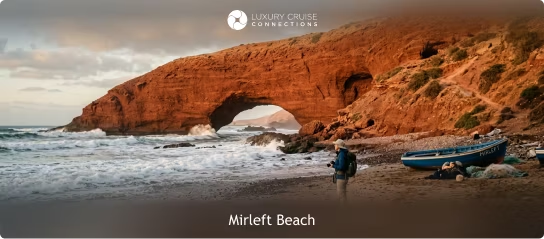
Morocco’s cities have family-friendly attractions (Oasiria Water Park in Marrakech), where children enjoy water slides and relaxing pools. The Jardin Majorelle in Marrakech and the Royal Palace of Fes provide peaceful, educational experiences, perfect for children to learn about Moroccan culture and history. Toubkal National Park offers easy hiking trails with stunning views, allowing families to explore Morocco’s natural beauty at a comfortable pace. The Legzira Beach, with its calm waters, is another family-friendly spot, perfect for swimming or picnicking. Morocco’s blend of adventure, culture, and nature offers plenty of engaging activities for families with children, making it an excellent destination for a memorable vacation.

Are there Fun Things to Do in Morocco for Outdoor Adventures?

Yes, there are fun things to do in Morocco for outdoor adventures. Morocco is known for its diverse landscapes, making it an ideal destination for travelers seeking outdoor activities. Morocco provides a range of thrilling experiences for nature lovers and adventure seekers, from hiking in the Atlas Mountains to camel trekking in the Sahara Desert.

Outdoor enthusiasts enjoy activities (trekking, mountain biking, and rock climbing) in the Atlas Mountains, where trails range from beginner to expert levels. The Sahara Desert offers camel rides and dune surfing, allowing visitors to experience the vastness of the desert landscape in an exciting way. Morocco’s coastline provides opportunities for surfing, windsurfing, and kitesurfing, in places like Essaouira Beach and Taghazout. Ouzoud Waterfalls offers stunning hiking trails and scenic views, making it a perfect spot for outdoor exploration. Morocco is a great destination for fun things to do in Morocco for anyone interested in outdoor adventures, with such a wide range of activities.

Best Things to Do Around the World

Discover the best activities, landmarks, and experiences in every cruise destination and port of call.

Europe Western, Central & Mediterranean
America North, Central, South & Caribbean
Africa & Asia Oceania & Antarctica